株探米国株
英語
エドガーで原本を確認する
FALSE000200791900020079192025-10-232025-10-23

UNITED STATES
SECURITIES AND EXCHANGE COMMISSION
Washington, D.C. 20549  
FORM 8-K
CURRENT REPORT
Pursuant to Section 13 or 15(d)
of the Securities Exchange Act of 1934
Date of Report (Date of earliest event reported): October 23, 2025
INHIBRX BIOSCIENCES, INC.
(Exact name of registrant as specified in its charter)  
Delaware 001-42031 99-0613523
(State or other jurisdiction
of incorporation)
(Commission
File Number)
(IRS Employer
Identification No.)
11025 N. Torrey Pines Road, Suite 140
La Jolla, CA 92037
(Address of Principal Executive Offices and Zip Code)
Registrant’s telephone number, including area code: (858) 795-4220
Check the appropriate box below if the Form 8-K filing is intended to simultaneously satisfy the filing obligation of the registrant under any of the following provisions:
☐    Written communications pursuant to Rule 425 under the Securities Act (17 CFR 230.425)
☐    Soliciting material pursuant to Rule 14a-12 under the Exchange Act (17 CFR 240.14a-12)
☐    Pre-commencement communications pursuant to Rule 14d-2(b) under the Exchange Act (17 CFR 240.14d-2(b))
☐    Pre-commencement communications pursuant to Rule 13e-4(c) under the Exchange Act (17 CFR 240.13e-4(c))
Securities registered pursuant to Section 12(b) of the Act:
Title of each class Trading Symbol(s) Name of each exchange on which registered
Common Stock, par value $0.0001 per share INBX The Nasdaq Global Market
Indicate by check mark whether the registrant is an emerging growth company as defined in Rule 405 of the Securities Act of 1933 (§230.405 of this chapter) or Rule 12b-2 of the Securities Exchange Act of 1934 (§240.12b-2 of this chapter).
Emerging growth company  ☒
If an emerging growth company, indicate by check mark if the registrant has elected not to use the extended transition period for complying with any new or revised financial accounting standards provided pursuant to Section 13(a) of the Exchange Act. ☒ On October 23, 2025, Inhibrx Biosciences, Inc. (“Inhibrx”) issued a press release announcing (i) positive topline results from its registrational trial of ozekibart (INBRX-109) in chondrosarcoma and (ii) updates on its colorectal cancer and Ewing sarcoma expansion cohorts, as discussed in Item 8.01 of this Current Report on Form 8-K. A copy of the press release is furnished as Exhibit 99.1 to this Current Report on Form 8-K.


Item 7.01 Regulation FD Disclosure.
On October 23, 2025, Inhibrx posted an updated copy of its corporate presentation to the “Investors” tab of its website at www.inhibrx.com. The presentation is attached to this Current Report on Form 8-K as Exhibit 99.2. Inhibrx from time to time presents and/or distributes the presentation to the investment community during conferences and meetings to provide updates and summaries of its business.
The information in Item 7.01 of this Current Report on Form 8-K, including Exhibits 99.1 and 99.2 attached hereto, is intended to be furnished and shall not be deemed “filed” for purposes of Section 18 of the Securities Exchange Act of 1934, as amended (the “Exchange Act”), or otherwise subject to the liabilities of that section, nor shall it be deemed incorporated by reference in any filing under the Securities Act of 1933, as amended, or the Exchange Act, except as expressly set forth by specific reference in such filing.
Item 8.01. Other Events.
On October 23, 2025, Inhibrx announced (i) positive topline results from its registrational ChonDRAgon study (n= 206) investigating ozekibart (INBRX-109) as a single agent versus placebo in patients with advanced or metastatic, unresectable chondrosarcoma and (ii) updates on the ongoing expansion cohorts investigating ozekibart in combination with FOLFIRI in late-line colorectal cancer and in combination with irinotecan and temozolomide in refractory Ewing sarcoma. Inhibrx also announced that it plans to submit to the U.S. Food and Drug Administration a biologics license application in the second quarter of 2026.
Chondrosarcoma
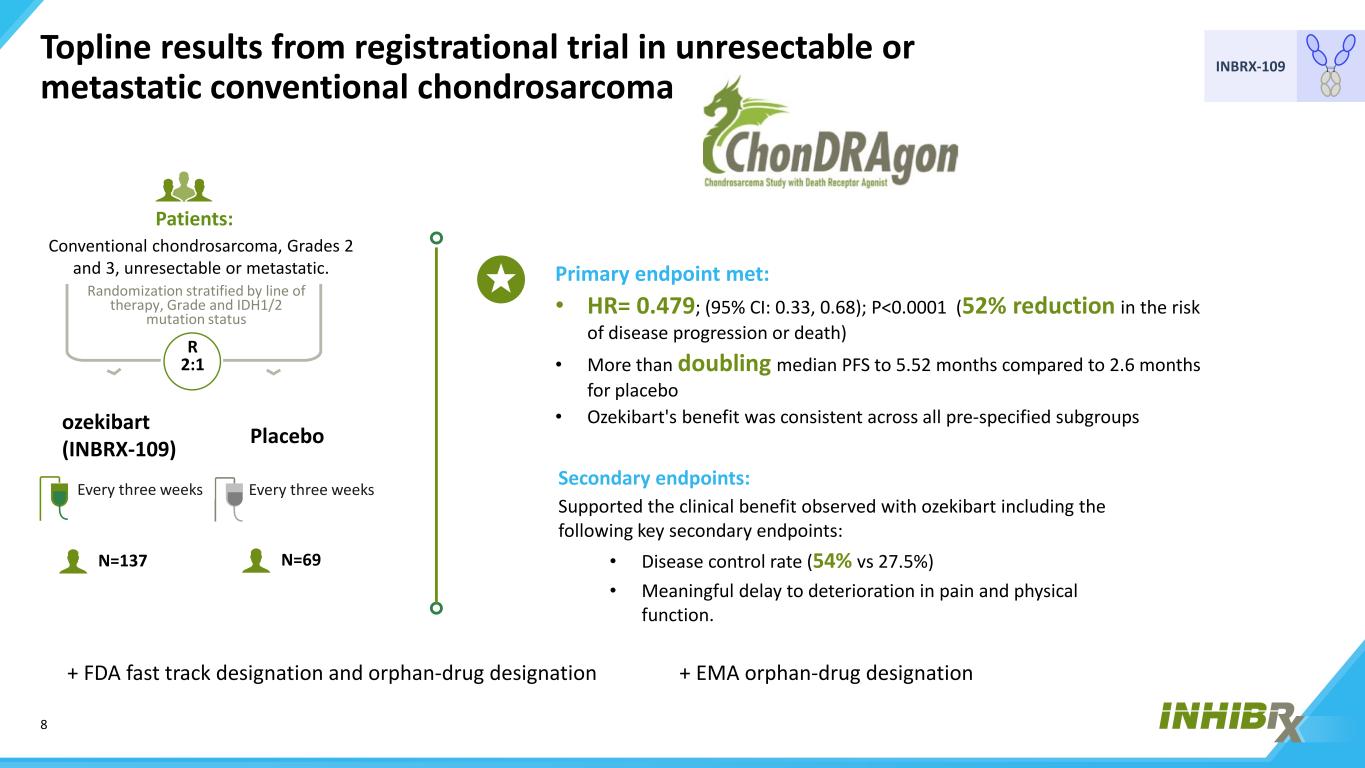
The ChonDRAgon study met its primary endpoint of a statistically significant and clinically meaningful median progression-free survival (“PFS”) for patients with advanced or metastatic chondrosarcoma treated with ozekibart compared to placebo. Ozekibart achieved a 52% reduction in the risk of disease progression or death compared to placebo (stratified Hazard Ratio [HR] 0.479; 95% CI: 0.33, 0.68); P<0.0001), more than doubling median PFS to 5.52 months versus 2.66 months for placebo. Importantly, ozekibart is the first investigational therapy to demonstrate a significant PFS benefit in a randomized trial for chondrosarcoma, a disease with no approved systemic options.
The benefit of ozekibart was consistent across all pre-specified subgroups, including patients with isocitrate dehydrogenase (“IDH”)-wild-type and IDH-mutant tumors. Other key secondary endpoints, including disease control rate (54% vs 27.5%), and delay to deterioration in pain and physical function, further supported the clinical benefit observed with ozekibart.
Ozekibart was generally well tolerated, with a manageable safety profile. The most common treatment-related adverse events were fatigue, constipation, and nausea. Hepatotoxicity, a known risk for this mechanism of action, occurs during the first treatment cycle and is in patients with underlying hepatic impairment. One hepatotoxicity-related fatal event occurred early in the study, prior to the implementation of mitigation measures. Over the course of the ChonDRAgon study, this risk was effectively mitigated by excluding patients with severe liver impairment and by implementing close monitoring during early treatment cycles, allowing for prompt management of liver enzyme elevations. This approach resulted in a low overall incidence of treatment-related hepatic adverse events, 11.8% compared to 4.5% in the placebo arm, the majority of which were Grade 1 or 2 in severity.
Detailed results from this trial will be presented at the Connective Tissue Oncology Society (CTOS) Annual Meeting on November 14, 2025.
Colorectal Cancer
Based on initial results from the Phase 1 trial of ozekibart in combination with FOLFIRI for the treatment of advanced or metastatic, unresectable colorectal cancer (“CRC”), Inhibrx initiated an expansion cohort enrolling 44 patients, as a fourth line of therapy for approximately 70% of patients and as a third line of therapy for approximately 30% of patients. 80% of patients had been previously treated with regimens containing irinotecan. Efficacy, based on RECIST v1.1 criteria, was assessed in 26 evaluable patients to date who had at least one post-baseline scan. The results show a 23% overall response rate (“ORR”) and an overall disease control rate of 92%. These outcomes are highly encouraging in a heavily pretreated CRC population, where responses are rare (5-6%) and outcomes are generally poor with the current standard of care.
Ozekibart, in combination with FOLFIRI, was well tolerated. The most common treatment-emergent adverse events included anemia, diarrhea, nausea, and fatigue, with the majority being low-grade and consistent with the known safety profile of FOLFIRI.


Ewing Sarcoma
Based on initial results from the Phase 1 trial of ozekibart in combination with irinotecan and temozolomide (“IRI/TMZ”) for advanced or metastatic, unresectable, relapsed, or refractory Ewing sarcoma, Inhibrx initiated an expansion cohort which is expected to enroll up to 50 patients. Of the 33 patients recruited to date, more than half were third or fourth line patients. Among the 25 evaluable patients to date, Inhibrx observed a 64% ORR, and a disease control rate of 92%, with the majority of patients experiencing measurable tumor reduction. These outcomes are highly encouraging in this difficult-to-treat patient population as compared to the response rate typically observed with standard IRI/TMZ (15-30%).
Ozekibart in combination with IRI/TMZ was well tolerated. The most common adverse events were diarrhea, nausea, anemia, and fatigue, all consistent with the known safety profile of IRI/TMZ.
Forward-Looking Statements
Inhibrx cautions you that statements contained in this report regarding matters that are not historical facts are forward-looking statements. These statements are based on Inhibrx’s current beliefs and expectations. These forward-looking statements include, but are not limited to, statements regarding: Inhibrx’s judgments and beliefs regarding the strength of Inhibrx’s pipeline; statements regarding the safety and efficacy of its therapeutic candidate, ozekibart, based on topline and interim results; the potential for ozekibart to be used for the treatment of CRC, Ewing sarcoma and solid tumor indications; the clinical development of ozekibart, including expected enrollment in the expansion cohort, data readouts, regulatory submissions and interactions, and the timing thereof; and any presumption that topline, interim or preliminary data will be representative of final data or data in later clinical trials. Actual results may differ from those set forth in this report due to the risks and uncertainties inherent in Inhibrx's business, including, without limitation, risks and uncertainties regarding: topline data may not accurately reflect the complete results of a particular study or trial and remain subject to audit, and final data may differ materially from topline data; the initiation, timing, progress and results of its preclinical studies and clinical trials, and its research and development programs; its ability to advance therapeutic candidates into, and successfully complete, clinical trials; its interpretation of topline, interim or preliminary data from its clinical trials, including interpretations regarding disease control and disease response; results from preclinical studies or early clinical trials not necessarily being predictive of future results; unexpected adverse side effects or inadequate efficacy of its therapeutic candidates that may limit their development, regulatory approval and/or commercialization; the potential for its programs and prospects to be negatively impacted by developments relating to its competitors, including the results of studies or regulatory determinations relating to its competitors; the timing or likelihood of regulatory filings and approvals and regulatory developments in the U.S. and foreign countries; the successful commercialization of its therapeutic candidates, if approved; an accelerated development or approval pathway may not be available for ozekibart or other therapeutic candidates and any such pathway may not lead to a faster development process; it may not realize the benefits associated with orphan drug designation, including that orphan drug exclusivity may not effectively protect a product from competition and that such exclusivity may not be maintained; the pricing, coverage and reimbursement of its therapeutic candidates, if approved; its ability to utilize its technology platform to generate and advance additional therapeutic candidates; and other risks described from time to time in the “Risk Factors” section of its filings with the U.S. Securities and Exchange Commission, including those described in its Annual Report on Form 10-K, its Quarterly Reports on Form 10-Q, and supplemented from time to time by its Current Reports on Form 8-K as filed from time to time. You are cautioned not to place undue reliance on these forward-looking statements, which speak only as of the date of this report, and Inhibrx undertakes no obligation to update these statements to reflect events that occur or circumstances that exist after the date of this report. All forward-looking statements are qualified in their entirety by this cautionary statement, which is made under the safe harbor provisions of the Private Securities Litigation Reform Act of 1995.
Item 9.01.    Financial Statements and Exhibits.
(d) Exhibits.
Exhibit No. Description
99.1
99.2
104 Cover Page Interactive Data File (embedded within the Inline XBRL document)


SIGNATURES
Pursuant to the requirements of the Securities Exchange Act of 1934, the registrant has duly caused this report to be signed on its behalf by the undersigned hereunto duly authorized.
Date: October 23, 2025
INHIBRX BIOSCIENCES, INC.
By: /s/ Kelly Deck
Name: Kelly Deck
Title: Chief Financial Officer

EX-99.1 2 exhibit991-pressreleaseoct.htm EX-99.1 Document
Exhibit 99.1
inhibrxlogo-largea.jpg


Inhibrx Biosciences Reports Positive Topline Results from its Registrational Trial of Ozekibart (INBRX-109) in Chondrosarcoma and Provides Updates on Colorectal Cancer and Ewing Sarcoma Expansion Cohorts

–Ozekibart meets its primary endpoint in chondrosarcoma, demonstrating a statistically significant and clinically meaningful improvement in median progression-free survival compared to placebo
–Key secondary endpoints reinforce the primary benefit, demonstrating meaningful improvements in disease control and patient quality of life
–Inhibrx plans to file a BLA in Q2 of 2026
–Interim data from expansion cohorts in patients with colorectal cancer and Ewing sarcoma demonstrate high response and disease control rates in difficult-to-treat, heavily pretreated patients
–Management to host conference call today at 1:30 p.m. Pacific Time, to review the topline results and ongoing cohorts
SAN DIEGO, October 23, 2025 /PRNewswire/ – Inhibrx Biosciences, Inc. (Nasdaq: INBX) (“Inhibrx” or the “Company”), a clinical-stage biopharmaceutical company focused on developing therapeutics for oncology and rare diseases, today announced positive topline results from the registrational ChonDRAgon study (n= 206) investigating ozekibart (INBRX-109) as a single agent versus placebo in patients with advanced or metastatic, unresectable chondrosarcoma. The Company also provided updates on the ongoing expansion cohorts investigating ozekibart in combination with FOLFIRI in late-line colorectal cancer and in combination with irinotecan and temozolomide in refractory Ewing sarcoma.
Chondrosarcoma
The ChonDRAgon study met its primary endpoint of a statistically significant and clinically meaningful median progression-free survival (PFS) for patients with advanced or metastatic chondrosarcoma treated with ozekibart compared to placebo. Ozekibart achieved a 52% reduction in the risk of disease progression or death compared to placebo (stratified Hazard Ratio [HR] 0.479; 95% CI: 0.33, 0.68); P<0.0001), more than doubling median PFS to 5.52 months versus 2.66 months for placebo. Importantly, ozekibart is the first investigational therapy to demonstrate a significant PFS benefit in a randomized trial for chondrosarcoma, a disease with no approved systemic options.
The benefit of ozekibart was consistent across all pre-specified subgroups, including patients with IDH-wild-type and IDH-mutant tumors. Other key secondary endpoints, including disease control rate (54% vs 27.5%), and delay to deterioration in pain and physical function, further supported the clinical benefit observed with ozekibart.
Ozekibart was generally well tolerated, with a manageable safety profile. The most common treatment-related adverse events were fatigue, constipation, and nausea. Hepatotoxicity, a known risk for this mechanism of action, occurs during the first treatment cycle and is in patients with underlying hepatic impairment. One hepatotoxicity-related fatal event occurred early in the study, prior to the implementation of mitigation measures. Over the course of the ChonDRAgon study, this risk was effectively mitigated by excluding patients with severe liver impairment and by implementing close monitoring during early treatment cycles, allowing for prompt management of liver enzyme elevations.


This approach resulted in a low overall incidence of treatment-related hepatic adverse events, 11.8% compared to 4.5% in the placebo arm, the majority of which were Grade 1 or 2 in severity.
“I am very encouraged and enthusiastic about ozekibart and the impact I have seen on my sarcoma patients,” said Dr. Robin Jones, head of the sarcoma unit at The Royal Marsden Hospital in London, United Kingdom. “With no approved treatments available, we have observed that ozekibart helps to keep the cancer from growing, improves how patients feel, and restores a sense of hope for my patients.”
Detailed results from this trial will be presented at the Connective Tissue Oncology Society (CTOS) Annual Meeting on November 14, 2025.
Colorectal Cancer
Based on initial results from the Phase 1 trial of ozekibart in combination with FOLFIRI for the treatment of advanced or metastatic, unresectable colorectal cancer (CRC), Inhibrx initiated an expansion cohort enrolling 44 patients, as a fourth line of therapy for approximately 70% of patients and as a third line of therapy for approximately 30% of patients. 80% of patients had been previously treated with regimens containing irinotecan. Efficacy, based on RECIST v1.1 criteria, was assessed in 26 evaluable patients to date who had at least one post-baseline scan. The results show a 23% overall response rate (ORR) and an overall disease control rate of 92%. These outcomes are highly encouraging in a heavily pretreated CRC population, where responses are rare (5-6%) and outcomes are generally poor with the current standard of care.
Ozekibart, in combination with FOLFIRI, was well tolerated. The most common treatment-emergent adverse events included anemia, diarrhea, nausea, and fatigue, with the majority being low-grade and consistent with the known safety profile of FOLFIRI.
Ewing Sarcoma
Based on initial results from the Phase 1 trial of ozekibart in combination with irinotecan and temozolomide (IRI/TMZ) for advanced or metastatic, unresectable, relapsed, or refractory Ewing sarcoma, Inhibrx initiated an expansion cohort which is expected to enroll up to 50 patients. Of the 33 patients recruited to date, more than half were third or fourth line patients. Among the 25 evaluable patients to date, Inhibrx observed a 64% overall response rate (ORR), and a disease control rate of 92%, with the majority of patients experiencing measurable tumor reduction. These outcomes are highly encouraging in this difficult-to-treat patient population as compared to the response rate typically observed with standard IRI/TMZ (15-30%).
Overall, ozekibart in combination with IRI/TMZ was well tolerated. The most common adverse events were diarrhea, nausea, anemia, and fatigue, all consistent with the known safety profile of IRI/TMZ.
“We are excited by these results which suggest the potential of ozekibart to expand not only in sarcomas but also in high unmet need solid tumor indications,” said Mark Lappe, CEO and Co-Founder of Inhibrx. “We look forward to working with the FDA to deliver ozekibart to patients as swiftly as possible.”
The Company will host a live webcast presentation today, October 23rd, 2025, at 1:30 p.m. Pacific Time to further discuss the results.


About the Conference Call
Investors may join via the web: https://app.webinar.net/RdZmlEPaEyw or may listen to the call by dialing (1-888-880-3330). Please refer to Inhibrx Biosciences, Inc. or the conference ID 9577647 when calling in. Following the webcast, the presentation may be accessed through a link on the investors section of Inhibrx’s website at https://inhibrx.com/inhibrx-biosciences-inc-investors/events-and-presentations. The webcast will be available for 60 days following the event. Following the presentation, Inhibrx will update its corporate presentation within the “Investors” section of its website at www.inhibrx.com.
About ozekibart (INBRX-109)
Ozekibart is a precision-engineered, tetravalent death receptor 5 (DR5) agonist antibody designed to exploit the tumor-biased cell death induced by DR5 activation. In January 2021, the FDA granted Fast Track designation to ozekibart for the treatment of patients with metastatic or unresectable conventional chondrosarcoma, and, in November 2021, the FDA granted orphan drug designation to ozekibart for chondrosarcoma.
In June 2021, Inhibrx initiated a randomized, blinded, placebo-controlled, registrational trial of ozekibart in metastatic, unresectable conventional chondrosarcoma. The trial enrolled a total of 206 patients across 67 different sites worldwide. The primary objective of the trial was the evaluation of the efficacy of ozekibart as measured by median PFS, assessed by central real-time independent radiology review per RECIST 1.1. Secondary objectives were the evaluation of overall survival, median PFS by investigator assessment, quality of life, objective response rate, duration of response, disease control rate, safety and tolerability, pharmacokinetics and anti-drug antibodies to ozekibart.
Key enrollment criteria in order for patients to qualify for inclusion in the trial were grade 2 or 3 unresectable or metastatic conventional chondrosarcoma. Patients received either ozekibart or placebo every three weeks at a randomization of 2:1, stratified by the line of therapy, grade and IDH1/2 mutation status.
Patients randomized to the placebo arm were allowed to crossover to receive ozekibart upon confirmation of progression as reported by central independent radiology review.
In addition to the registrational trial, Inhibrx is advancing ongoing expansion cohorts, evaluating ozekibart in combination with irinotecan-based regimens in Ewing sarcoma and colorectal cancer. Encouraging early signals support further exploration of ozekibart’s potential in these difficult-to-treat tumor types with high unmet medical need.
About Inhibrx Biosciences, Inc.
Inhibrx Biosciences is a clinical-stage biopharmaceutical company focused on developing a broad pipeline of novel biologic therapeutic candidates. Inhibrx Biosciences utilizes diverse methods of protein engineering to address the specific requirements of complex target and disease biology, including its proprietary protein engineering platforms. Inhibrx Biosciences was incorporated in January 2024 as a direct, wholly-owned subsidiary of Inhibrx, Inc. Prior to the sale of Inhibrx, Inc. and the INBRX-101 program to Sanofi S.A., Inhibrx Biosciences acquired certain corporate infrastructure and other assets and liabilities through a series of internal restructuring transactions effected by Inhibrx, Inc. Inhibrx, Inc. also completed a distribution to holders of its shares of common stock of 92% of the issued and outstanding shares of Inhibrx Biosciences.


Following such transactions, Inhibrx Biosciences’ current clinical pipeline of therapeutic candidates includes ozekibart and INBRX-106, both of which utilize multivalent formats where the precise valency can be optimized in a target-centric way to mediate what we believe to be the most appropriate agonist function. For more information, please visit www.inhibrx.com.
Forward-Looking Statements
Inhibrx cautions you that statements contained in this press release regarding matters that are not historical facts are forward-looking statements. These statements are based on Inhibrx’s current beliefs and expectations. These forward-looking statements include, but are not limited to, statements regarding: Inhibrx’s judgments and beliefs regarding the strength of Inhibrx’s pipeline; statements regarding the safety and efficacy of its therapeutic candidate, ozekibart, based on topline and interim results; the potential for ozekibart to be used for the treatment of CRC, Ewing sarcoma and solid tumor indications; the clinical development of ozekibart, including expected enrollment in the expansion cohort, data readouts, regulatory submissions and interactions, and the timing thereof; and any presumption that topline, interim or preliminary data will be representative of final data or data in later clinical trials. Actual results may differ from those set forth in this press release due to the risks and uncertainties inherent in Inhibrx's business, including, without limitation, risks and uncertainties regarding: topline data may not accurately reflect the complete results of a particular study or trial and remain subject to audit, and final data may differ materially from topline data; the initiation, timing, progress and results of its preclinical studies and clinical trials, and its research and development programs; its ability to advance therapeutic candidates into, and successfully complete, clinical trials; its interpretation of topline, interim or preliminary data from its clinical trials, including interpretations regarding disease control and disease response; results from preclinical studies or early clinical trials not necessarily being predictive of future results; unexpected adverse side effects or inadequate efficacy of its therapeutic candidates that may limit their development, regulatory approval and/or commercialization; the potential for its programs and prospects to be negatively impacted by developments relating to its competitors, including the results of studies or regulatory determinations relating to its competitors; the timing or likelihood of regulatory filings and approvals and regulatory developments in the U.S. and foreign countries; the successful commercialization of its therapeutic candidates, if approved; an accelerated development or approval pathway may not be available for ozekibart or other therapeutic candidates and any such pathway may not lead to a faster development process; it may not realize the benefits associated with orphan drug designation, including that orphan drug exclusivity may not effectively protect a product from competition and that such exclusivity may not be maintained; the pricing, coverage and reimbursement of its therapeutic candidates, if approved; its ability to utilize its technology platform to generate and advance additional therapeutic candidates; and other risks described from time to time in the “Risk Factors” section of its filings with the U.S. Securities and Exchange Commission, including those described in its Annual Report on Form 10-K, its Quarterly Reports on Form 10-Q, and supplemented from time to time by its Current Reports on Form 8-K as filed from time to time. You are cautioned not to place undue reliance on these forward-looking statements, which speak only as of the date hereof, and Inhibrx undertakes no obligation to update these statements to reflect events that occur or circumstances that exist after the date hereof. All forward-looking statements are qualified in their entirety by this cautionary statement, which is made under the safe harbor provisions of the Private Securities Litigation Reform Act of 1995.


Investor and Media Contact:
Kelly Deck, CFO
ir@inhibrx.com
858-795-4260



EX-99.2 3 inhibrxbioinvestordeckoc.htm EX-99.2 inhibrxbioinvestordeckoc
INHIBRX Investor Presentation Innovation Driven Outcomes Focused


2 Presentation disclaimer This presentation of Inhibrx Biosciences, Inc. (the “Company”) contains forward-looking statements. In some cases, you can identify forward-looking statements by the words “will,” “expect,” “intend,” “plan,” “objective,” “believe,” “estimate,” “potential,” “continue” and “ongoing,” or the negative of these terms, or other comparable terminology intended to identify statements about the future. These statements are based on management’s current beliefs and expectations. These statements include but are not limited to statements regarding the Company’s business strategy, the Company’s plans to develop and commercialize its product candidates, the safety and efficacy of the Company’s product candidates, the Company’s plans and expected timing with respect to clinical trials and regulatory filings and approvals, manufacturing matters, strength of intellectual property protection, and the size and growth potential of the markets for the Company’s product candidates, and any implication that pre- clinical data or preliminary or topline results will be representative of the results of later trials. This presentation also contains certain projections and estimates regarding the Company’s future financial performance, namely potential future revenue for certain of the Company’s product candidates. This information also constitutes forward-looking information and is for illustrative purposes only and should not be relied upon as necessarily being indicative of any future results. The assumptions and estimates underlying this estimated financial information are inherently uncertain and subject to a wide variety of significant business, economic competitive and other risks and uncertainties that could cause actual results to differ materially from those contained in the prospective financial information. These potential financial information and other forward- looking statements involve substantial known and unknown risks, uncertainties and other factors that may cause the Company’s actual results, levels of activity, performance or achievements to be materially different from the information expressed or implied by these forward-looking statements. Additional information regarding the Company’s risks and uncertainties are described from time to time in the “Risk Factors” section of our Securities and Exchange Commission filings, including those described in our Annual Report on Form 10-K as well as our Quarterly Reports on Form 10-Q, and supplemented from time to time by our Current Reports on Form 8-K. The Company may not actually achieve the plans, intentions or expectations disclosed in its forward-looking statements, and you should not place undue reliance on the Company’s forward-looking statements. Actual results or events could differ materially from the plans, intentions and expectations disclosed in the forward-looking statements the Company makes. The forward- looking statements in this presentation represent the Company’s views as of the date of this presentation. The Company anticipates that subsequent events and developments will cause its views to change. However, while the Company may elect to update these forward-looking statements at some point in the future, the Company has no current intention of doing so except to the extent required by applicable law. You should, therefore, not rely on these forward-looking statements as representing the Company’s views as of any date subsequent to the date of this presentation. The investigational product candidates discussed in this presentation have not been approved or licensed by the U.S. Food and Drug Administration or by any other regulatory authority, and they are not commercially available in any market. This presentation also contains estimates and other statistical data made by independent parties and by the Company relating to market size and growth and other data about its industry. This data involves a number of assumptions and limitations, and you are cautioned not to give undue weight to such estimates. In addition, projections, assumptions, and estimates of the Company’s future performance and the future performance of the markets in which it operates are necessarily subject to a high degree of uncertainty and risk. The Inhibrx logo is a registered trademark of Inhibrx Biosciences, Inc. All third-party trademarks used herein are registered trademarks of their respective owners. This presentation shall not constitute an offer to sell or the solicitation of an offer to buy securities.


3 $ Biosciences founded 2018 first IND 2020 IPO 2024 INBRX-101 acquisition by Sanofi 2010 >300 ozekibart (INBRX-109) Patients treated to date >175 INBRX-106 Patients treated to date Our mission: To discover & develop effective biologic treatments for people with life-threatening conditions ~130 employees with an experienced leadership team Key financial highlights: (as of 6/30/2025) $186.6M Cash and cash equivalents 14.5M Common stock outstanding 19.6M* Fully diluted outstanding In-house expertise: Discovery Protein engineering Cell biology Translational research Chemistry Manufacturing and controls Clinical development and operations Commercial * Includes 4.0M employee and BOD option reserve and approximately 1M pre-funded warrants and 0.1M warrants outstanding


4 Inhibrx’s innovative approach to therapeutic discovery Our core belief: Our technology and protein engineering expertise enables us to efficiently identify optimal therapeutic formats bespoke to the target biology. Therapeutics tailored to disease biologyRapid and iterative optimization processModular protein engineering platforms Single domain antibodies Recombinant proteins Engineered cytokines Multi-specific molecules Molecule binds to multiple targets allowing cross linking – a novel way of delivering the drug closer to where its needed Multi-valent molecules Molecule delivers higher clustering correlating with greater activity and more robust signal Engineered Fc Domains Fc-Fusion Proteins Endow proteins with antibody-like PK properties Affinity Biophysical properties Biological function Pharmacokinetic profile Developability / Manufacturability Therapeutic Format


ozekibart (INBRX-109) tetravalent DR5 agonist Goal: To develop a more precise DR5 agonist able to selectively induce apoptosis in tumor cells Previous generation Empirically selected tetravalent DR5 agonist that restricts unwanted secondary clustering DR5 agonists with limited on target effect or unwanted off tumor toxicity Inhibrx solution


ozekibart (INBRX-109) tetravalent DR5 agonist Clinical Data


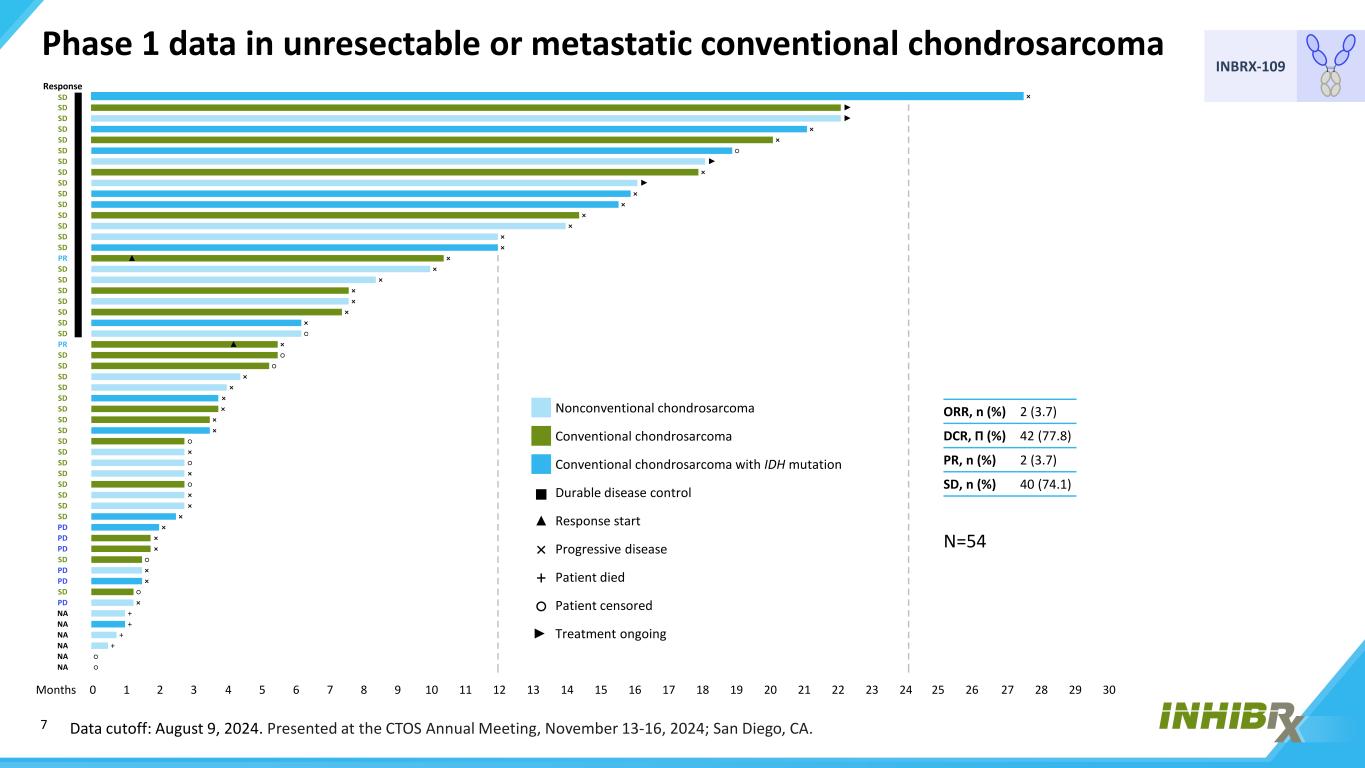
7 INBRX-109 Response SD × SD ► SD ► SD × SD × SD ○ SD ► SD × SD ► SD × SD × ** SD × SD × SD × SD × PR ▲ × SD × SD × SD × SD × SD × * SD × * SD ○ PR ▲ × SD ○ SD ○ SD × SD × SD × SD × SD × SD × SD ○ SD × SD ○ SD × SD ○ SD × SD × SD × PD × PD × PD × SD ○ PD × PD × SD ○ PD × NA + NA + NA + NA + NA ○ NA ○ Phase 1 data in unresectable or metastatic conventional chondrosarcoma Nonconventional chondrosarcoma Conventional chondrosarcoma Conventional chondrosarcoma with IDH mutation ■ Durable disease control ▲ Response start × Progressive disease + Patient died ○ Patient censored ► Treatment ongoing ORR, n (%) 2 (3.7) DCR, П (%) 42 (77.8) PR, n (%) 2 (3.7) SD, n (%) 40 (74.1) N=54 Months 0 1 2 3 4 5 6 7 8 9 10 11 12 13 14 15 16 17 18 19 20 21 22 23 24 25 26 27 28 29 30 Data cutoff: August 9, 2024. Presented at the CTOS Annual Meeting, November 13-16, 2024; San Diego, CA.


8 INBRX-109 Topline results from registrational trial in unresectable or metastatic conventional chondrosarcoma + FDA fast track designation and orphan-drug designation + EMA orphan-drug designation R 2:1 Patients: Conventional chondrosarcoma, Grades 2 and 3, unresectable or metastatic. ozekibart (INBRX-109) Placebo Every three weeks Every three weeks N=137 N=69 Randomization stratified by line of therapy, Grade and IDH1/2 mutation status Primary endpoint met: • HR= 0.479; (95% CI: 0.33, 0.68); P<0.0001 (52% reduction in the risk of disease progression or death) • More than doubling median PFS to 5.52 months compared to 2.6 months for placebo • Ozekibart's benefit was consistent across all pre-specified subgroups Secondary endpoints: Supported the clinical benefit observed with ozekibart including the following key secondary endpoints: • Disease control rate (54% vs 27.5%) • Meaningful delay to deterioration in pain and physical function.


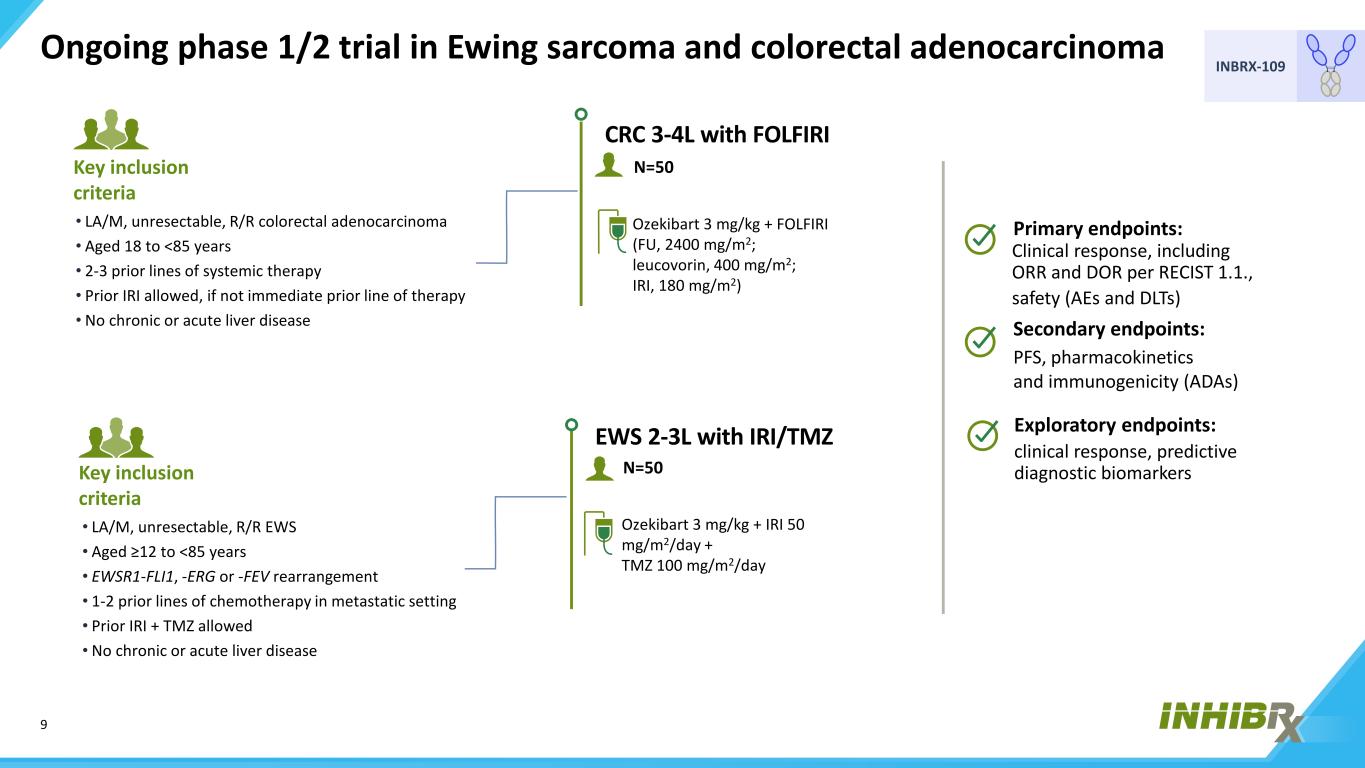
9 INBRX-109 Ongoing phase 1/2 trial in Ewing sarcoma and colorectal adenocarcinoma Primary endpoints: Clinical response, including ORR and DOR per RECIST 1.1., safety (AEs and DLTs) Secondary endpoints: PFS, pharmacokinetics and immunogenicity (ADAs) Exploratory endpoints: clinical response, predictive diagnostic biomarkers • LA/M, unresectable, R/R EWS • Aged ≥12 to <85 years • EWSR1-FLI1, -ERG or -FEV rearrangement • 1-2 prior lines of chemotherapy in metastatic setting • Prior IRI + TMZ allowed • No chronic or acute liver disease Key inclusion criteria EWS 2-3L with IRI/TMZ Ozekibart 3 mg/kg + IRI 50 mg/m2/day + TMZ 100 mg/m2/day N=50 • LA/M, unresectable, R/R colorectal adenocarcinoma • Aged 18 to <85 years • 2-3 prior lines of systemic therapy • Prior IRI allowed, if not immediate prior line of therapy • No chronic or acute liver disease Key inclusion criteria CRC 3-4L with FOLFIRI Ozekibart 3 mg/kg + FOLFIRI (FU, 2400 mg/m2; leucovorin, 400 mg/m2; IRI, 180 mg/m2) N=50


10 INBRX-109 Early results in colorectal adenocarcinoma in combination with FOLFIRI Response and time on treatment Efficacy Response (No. of prior LOTs) + Treatment-emergent adverse events (TEAEs) of any cause were reported in all patients (grade ≥3, 84.6%), with alopecia (n=7) and anemia, dehydration, fatigue, hyponatremia, and nausea (each n=6) being the most common + Ozekibart-related TEAEs were reported in 84.6% of patients (grade ≥3, 30.8%), with nausea (n=5) and increased alanine aminotransferase, diarrhea, and fatigue (each n=4) being the most common + Ozekibart-related TEAEs resulted in interruption of ozekibart in 3 patients and discontinuation in 1 patient + A treatment-related TEAE (neutropenic sepsis possibly related to ozekibart and very likely related to fluorouracil and irinotecan) led to death in 1 patient Safety 20 0 -20 -40 -60 -100 Be st c ha ng e fr om b as el in e, % Best change from baseline in tumor size + Of the 13 patients who received ozekibart, 4 had responses (30.8%; partial response, n=3; complete response, n=1) – One of the partial responders had received 4 prior lines of therapy. The patient with a complete response had received 3 prior lines + All the remaining patients with postbaseline scans (n=6) had stable disease (SD), with a disease control rate (response + SD) of 76.9% (10 of 13 patients) – Three of the 6 patients with SD had a decrease of >10% in the size of their target lesion compared with baseline + Durable disease control (≥180 days) was observed in 6 patients (46.2%) + Median progression-free survival was 7.85 months -80 2 4 6 4 1 3 4 1 1 3 Prior LOTs Progressive disease Partial response Months 0 12 24 CR (3) SD (1) PR (4) SD (3) SD (4) SD (4) PR (1) SD (2) SD (6) PR (1) NA (1) NA (1) NA (1) ORR, n (%) 4 (30.8) CR, n (%) 1 (7.7) PR, n (%) 3 (23.1) SD, n (%) 6 (46.2) DCR, n (%) 10 (76.9) 1.0 mg/ kg 3.0 mg/ kg Durable clinical benefit Response start Initial ozekibart dose received Patient died Progressive disease Patient censored Ongoing progression- free patientN=13 1.0 mg/ kg 3.0 mg/ kg Initial ozekibart dose received N=13 Data cutoff: December 2, 2024. ORR, objective response rate; CR, complete response; PR, partial response; SD, stable disease DCR, disease control rate


11 INBRX-109 Expansion cohort: colorectal adenocarcinoma in combination with FOLFIRI Ch an ge fr om b as el in e, % 0 -80 -60 -40 -20 40 20 PR PD + 70% are 4th line & 30% are 3rd line + >80% have received prior IRI-containing regiment Data cutoff: October 15, 2025. PD, progressive disease; PR, partial response; ORR, objective response rate; DCR, disease control rate Recruitment completed 44 patients dosed with 26 patients currently evaluable for response N=44 Disease control rate was 92% as measured by RECISTv1.1. 92% Objective response rate was 23% as measured by RECISTv1.1. 4 out of the 6 PRs have received prior IRI treatment 23% Safety: well-tolerated with the most common treatment-emergent adverse events to include anemia, diarrhea, nausea, and fatigue, with the majority being low-grade and consistent with the known safety profile of FOLFIRI.


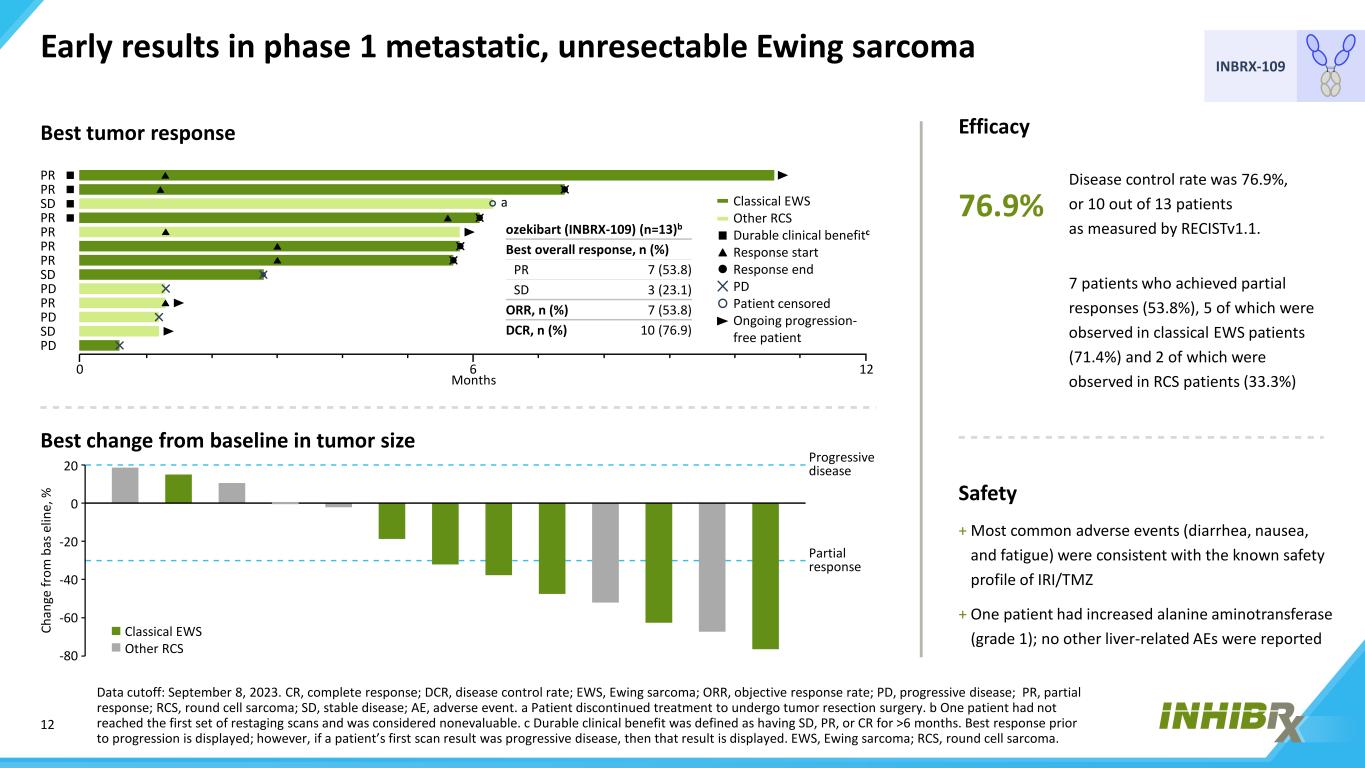
12 INBRX-109 Early results in phase 1 metastatic, unresectable Ewing sarcoma Efficacy Disease control rate was 76.9%, or 10 out of 13 patients as measured by RECISTv1.1. + Most common adverse events (diarrhea, nausea, and fatigue) were consistent with the known safety profile of IRI/TMZ + One patient had increased alanine aminotransferase (grade 1); no other liver-related AEs were reported Safety 20 0 -20 -40 -60 -80 Ch an ge fr om b as e lin e, % Progressive disease Partial response Best change from baseline in tumor size Classical EWS Other RCS ozekibart (INBRX-109) (n=13)b Best overall response, n (%) PR 7 (53.8) SD 3 (23.1) ORR, n (%) 7 (53.8) DCR, n (%) 10 (76.9) Best tumor response Months 0 6 12 a PR PR SD PR PR PR PR SD PD PR PD SD PD Classical EWS Other RCS Durable clinical benefitc Response start Response end PD Patient censored Ongoing progression- free patient Data cutoff: September 8, 2023. CR, complete response; DCR, disease control rate; EWS, Ewing sarcoma; ORR, objective response rate; PD, progressive disease; PR, partial response; RCS, round cell sarcoma; SD, stable disease; AE, adverse event. a Patient discontinued treatment to undergo tumor resection surgery. b One patient had not reached the first set of restaging scans and was considered nonevaluable. c Durable clinical benefit was defined as having SD, PR, or CR for >6 months. Best response prior to progression is displayed; however, if a patient’s first scan result was progressive disease, then that result is displayed. EWS, Ewing sarcoma; RCS, round cell sarcoma. 7 patients who achieved partial responses (53.8%), 5 of which were observed in classical EWS patients (71.4%) and 2 of which were observed in RCS patients (33.3%) 76.9%


13 INBRX-109 Expansion cohort: Ewing sarcoma in combination with IRI/TMZ Ch an ge fr om b as el in e, % 0 PR PD 80 60 40 20 -20 -40 -60 -80 -100 Data cutoff: October 15, 2025. PD, progressive disease; PR, partial response; ORR, objective response rate; DCR, disease control rate Recruitment ongoing 33 patients dosed with 25 patients currently evaluable for response: N=33 Disease control rate was 92%, or 23 out of 25 patients, as measured by RECISTv1.1. 92% Objective response rate was 64%, or 16 out of 25 patients, as measured by RECISTv1.1. 64% Safety: well-tolerated with the most common adverse events were diarrhea, nausea, anemia, and fatigue, all consistent with the known safety profile of IRI/TMZ.


14 INBRX-109 Ozekibart exhibits anti-tumor activity in GBM models as monotherapy and in combination with TMZ In vitro cytotoxicity GBM cell lines + In all tested intracranial PDX tumor mouse models, INBRX-109 monotherapy significantly enhanced survival + In 2 of 3 PDX models, combination treatment with INBRX-109 and TMZ led to a greater survival benefit than TMZ alone *In collaboration with Jann Sarkaria, M.D., Mayo Clinic In vitro cytotoxicity U-87 MG INBRX-109 only (1nM) Intracranial U-87 MG Survival analysis Intracranial U-87 MG Survival analysis + Combination treatment with INBRX-109 and temozolomide (TMZ) induced greater in vitro cell death than TMZ alone for a majority of GBM cell lines tested (n=31) + In the intracranial U-87 MG tumor mouse model, combination treatment demonstrated superior tumor control and enhanced survival compared to TMZ alone Human GBM cell line models Human GBM patient-derived xenograft (PDX) models* Intracranial GBM44 Survival analysis Intracranial GBM38 Survival analysis Intracranial GBM39 Survival analysis *p = 0.002, INBRX-109 vs vehicle ** p – 0.004, combo vs TMZ *p = 0.03, INBRX-109 vs vehicle ** p – 0.01, combo vs TMZ *p = 0.009, INBRX-109 vs vehicle


Ozekibart (INBRX-109) tetravalent DR5 agonist Preclinical data and MOA


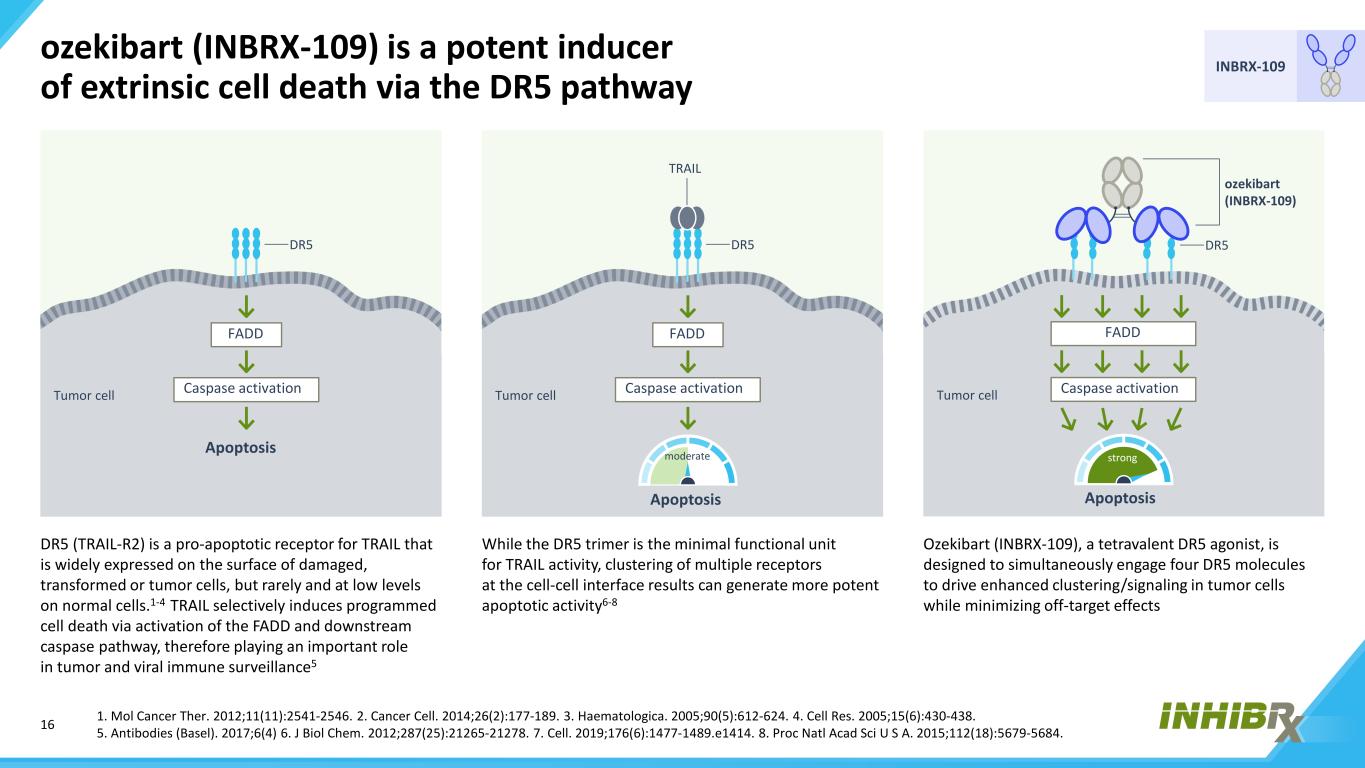
16 INBRX-109 ozekibart (INBRX-109) is a potent inducer of extrinsic cell death via the DR5 pathway Ozekibart (INBRX-109), a tetravalent DR5 agonist, is designed to simultaneously engage four DR5 molecules to drive enhanced clustering/signaling in tumor cells while minimizing off-target effects Apoptosis Tumor cell DR5 TRAIL FADD Caspase activation moderate strong Apoptosis Tumor cell ozekibart (INBRX-109) DR5 FADD Caspase activation DR5 (TRAIL-R2) is a pro-apoptotic receptor for TRAIL that is widely expressed on the surface of damaged, transformed or tumor cells, but rarely and at low levels on normal cells.1-4 TRAIL selectively induces programmed cell death via activation of the FADD and downstream caspase pathway, therefore playing an important role in tumor and viral immune surveillance5 Apoptosis Tumor cell DR5 FADD Caspase activation While the DR5 trimer is the minimal functional unit for TRAIL activity, clustering of multiple receptors at the cell-cell interface results can generate more potent apoptotic activity6-8 1. Mol Cancer Ther. 2012;11(11):2541-2546. 2. Cancer Cell. 2014;26(2):177-189. 3. Haematologica. 2005;90(5):612-624. 4. Cell Res. 2005;15(6):430-438. 5. Antibodies (Basel). 2017;6(4) 6. J Biol Chem. 2012;287(25):21265-21278. 7. Cell. 2019;176(6):1477-1489.e1414. 8. Proc Natl Acad Sci U S A. 2015;112(18):5679-5684.


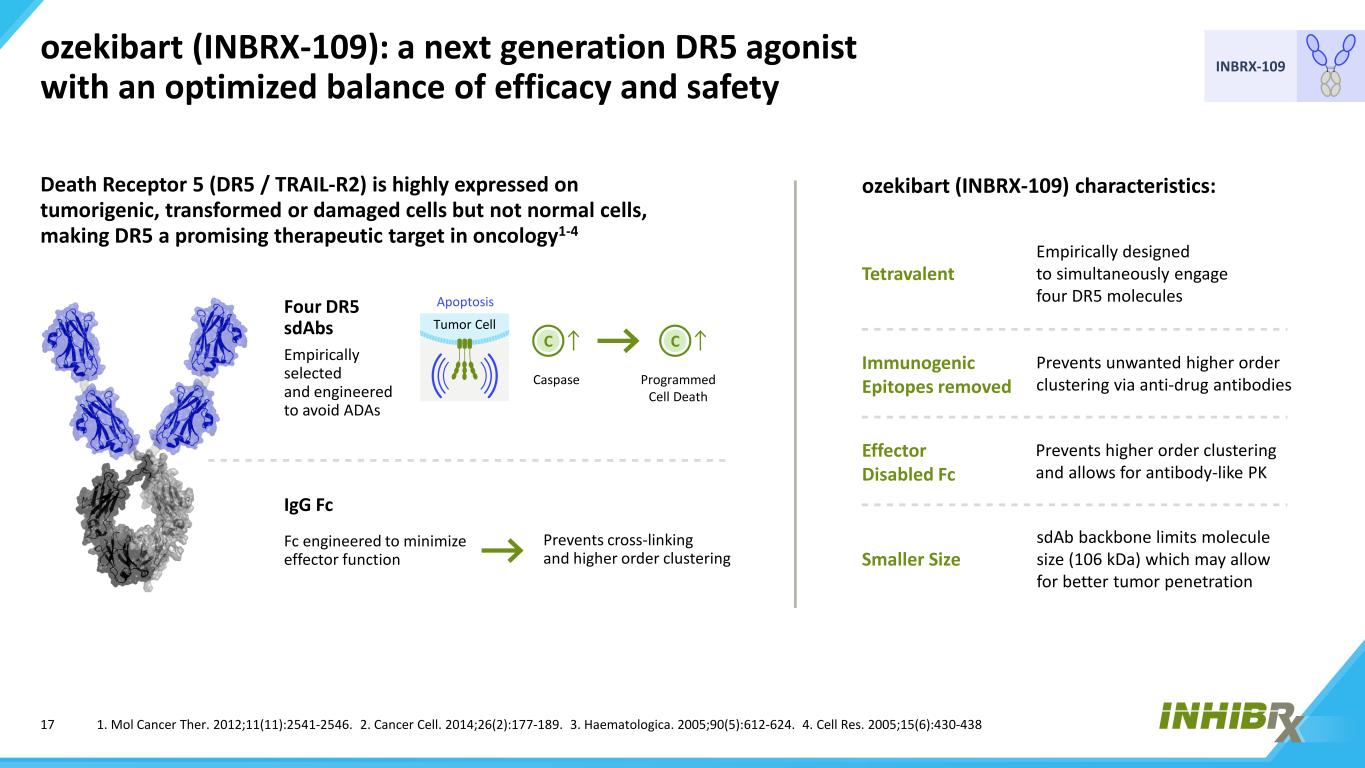
17 INBRX-109 ozekibart (INBRX-109): a next generation DR5 agonist with an optimized balance of efficacy and safety Death Receptor 5 (DR5 / TRAIL-R2) is highly expressed on tumorigenic, transformed or damaged cells but not normal cells, making DR5 a promising therapeutic target in oncology1-4 ozekibart (INBRX-109) characteristics: Prevents cross-linking and higher order clustering IgG Fc Fc engineered to minimize effector function Four DR5 sdAbs Empirically selected and engineered to avoid ADAs Tumor Cell Apoptosis Caspase C Programmed Cell Death C Tetravalent Empirically designed to simultaneously engage four DR5 molecules Immunogenic Epitopes removed Prevents unwanted higher order clustering via anti-drug antibodies Prevents higher order clustering and allows for antibody-like PK Effector Disabled Fc sdAb backbone limits molecule size (106 kDa) which may allow for better tumor penetration Smaller Size 1. Mol Cancer Ther. 2012;11(11):2541-2546. 2. Cancer Cell. 2014;26(2):177-189. 3. Haematologica. 2005;90(5):612-624. 4. Cell Res. 2005;15(6):430-438


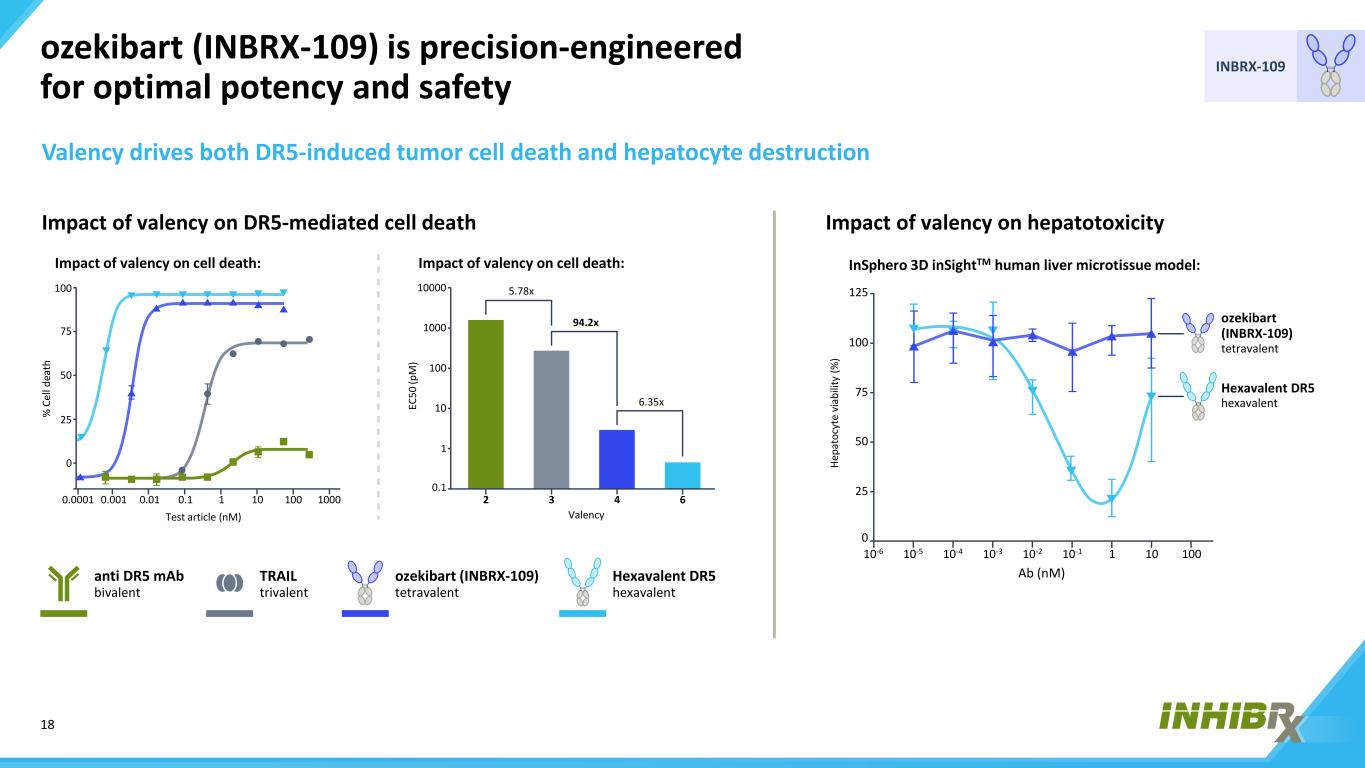
18 INBRX-109 ozekibart (INBRX-109) is precision-engineered for optimal potency and safety Ab (nM) 100 InSphero 3D inSightTM human liver microtissue model: 75 50 25 1 10 100 Impact of valency on cell death: Impact of valency on DR5-mediated cell death ozekibart (INBRX-109) tetravalent Hexavalent DR5 hexavalent Impact of valency on hepatotoxicity 10-110-210-310-410-510-6 0 He pa to cy te v ia bi lit y (% ) Impact of valency on cell death: 125 Valency EC 50 (p M ) 4 62 3 1000 100 10 1 0.1 5.78x 6.35x 94.2x 10000 ozekibart (INBRX-109) tetravalent TRAIL trivalent Hexavalent DR5 hexavalent anti DR5 mAb bivalent 0.1 1 10 100 75 50 25 0 100 10000.010.0010.0001 % C el l d ea th Test article (nM) Valency drives both DR5-induced tumor cell death and hepatocyte destruction


19 INBRX-109 ozekibart (INBRX-109) is a best-in-class DR5 agonist with no competition CANDIDATE VALENCY SIZE (KDA) STATUS INBRX-109 Tetravalent 105 TAS-266* Tetravalent 60 Eftozanermin alpha (TRAIL-Fc fusion) Hexavalent 167 GEN1029 Dodecavalent 150 ka (2x mAbs) IGM-8444 Decavalent ~950 Dulanermin (recombinant TRAIL) Trivalent 150 Tigatuzumab Bivalent 150 LBY-135 Conatumumab Drozitumab Lexatumumab Ongoing Terminated Terminated Terminated Terminated Terminated Terminated Terminated Terminated Terminated Terminated *TAS-266 was ultimately terminated due to hyper-clustering of TAS266 caused by pre-existing anti-sdAb antibodies (PE-ADAs). This hyper-clustering increased the effective valency of TAS266, causing apoptosis of healthy liver cells. The sdAb modifications made to INBRX-109 reduce recognition by PE-ADAs in humans, which lessens the potential for hyper-clustering and increased valency.


INBRX-106 hexavalent OX40 agonist Goal: To develop a potent OX40 agonist able to induce robust signal activation weak strongHexavalent OX40 agonist with enhanced clustering/signaling Bivalent OX40 agonists elicit weak downstream signals with limited clinical activity Previous generation Inhibrx solution strong


INBRX-106 hexavalent OX40 agonist Clinical Data


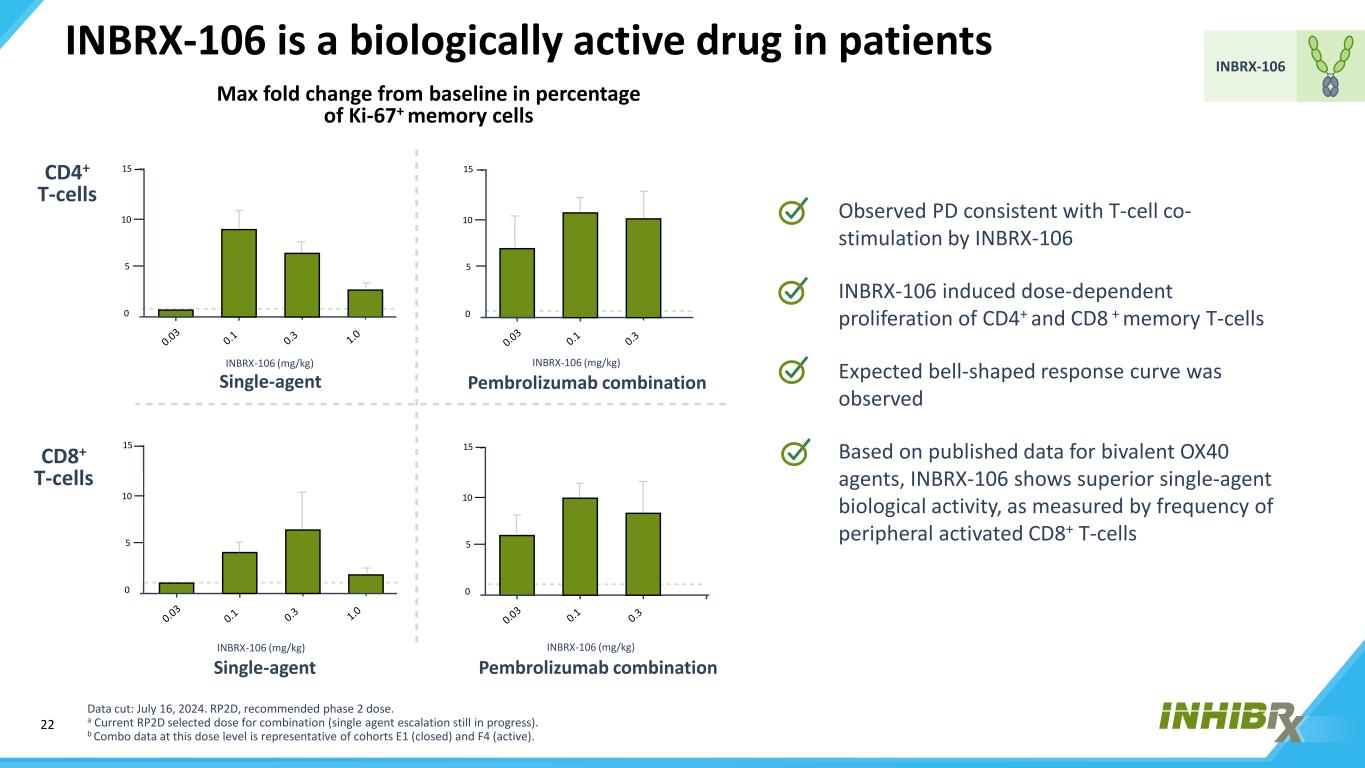
22 INBRX-106 INBRX-106 is a biologically active drug in patients Data cut: July 16, 2024. RP2D, recommended phase 2 dose. a Current RP2D selected dose for combination (single agent escalation still in progress). b Combo data at this dose level is representative of cohorts E1 (closed) and F4 (active). Pembrolizumab combinationSingle-agent CD8+ T-cells CD4+ T-cells Max fold change from baseline in percentage of Ki-67+ memory cells Observed PD consistent with T-cell co- stimulation by INBRX-106 INBRX-106 induced dose-dependent proliferation of CD4+ and CD8 + memory T-cells Expected bell-shaped response curve was observed Based on published data for bivalent OX40 agents, INBRX-106 shows superior single-agent biological activity, as measured by frequency of peripheral activated CD8+ T-cells Pembrolizumab combinationSingle-agent INBRX-106 (mg/kg) INBRX-106 (mg/kg) INBRX-106 (mg/kg) INBRX-106 (mg/kg) 0 10 15 5 0 10 15 5 0 10 15 5 0 10 15 5


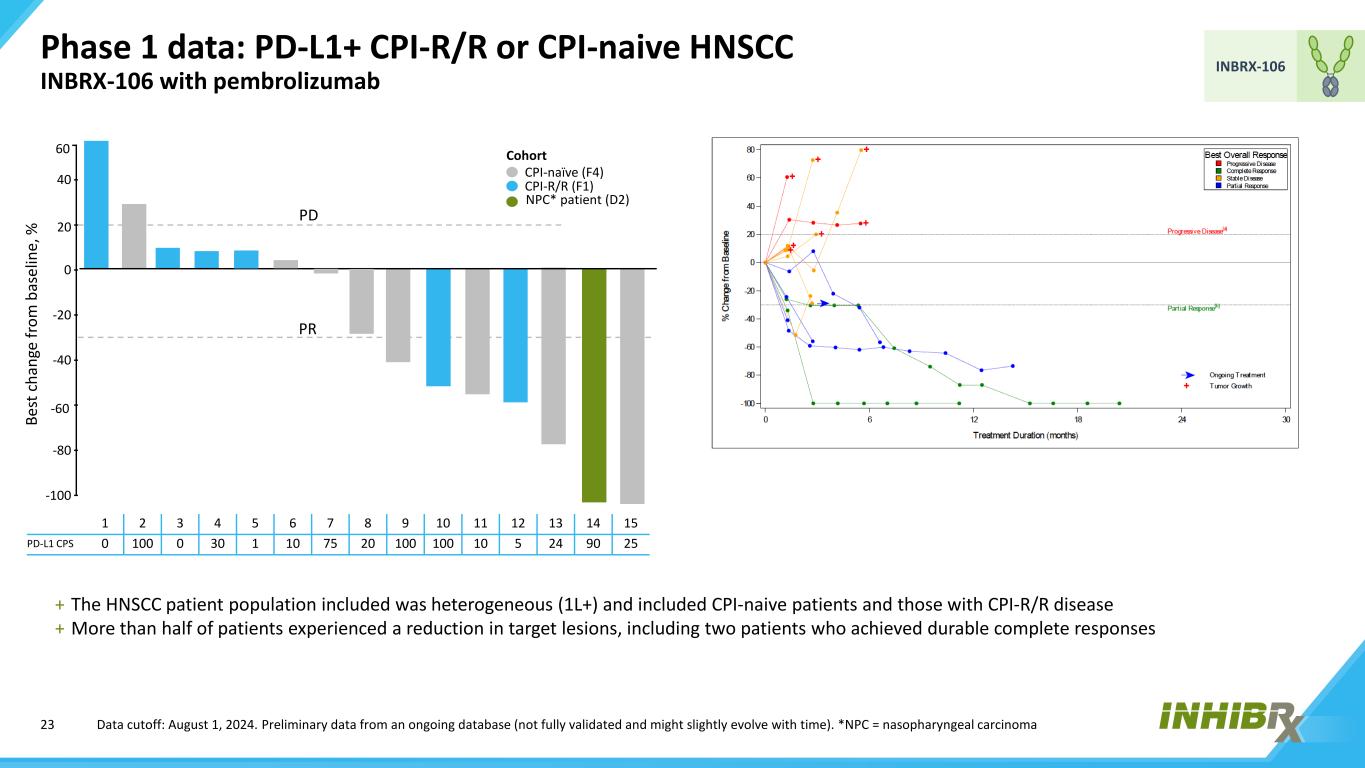
23 INBRX-106 Phase 1 data: PD-L1+ CPI-R/R or CPI-naive HNSCC INBRX-106 with pembrolizumab 1 2 3 4 5 6 7 8 9 10 11 12 13 14 15 PD-L1 CPS 0 100 0 30 1 10 75 20 100 100 10 5 24 90 25 + The HNSCC patient population included was heterogeneous (1L+) and included CPI-naive patients and those with CPI-R/R disease + More than half of patients experienced a reduction in target lesions, including two patients who achieved durable complete responses Data cutoff: August 1, 2024. Preliminary data from an ongoing database (not fully validated and might slightly evolve with time). *NPC = nasopharyngeal carcinoma -60 PR PD NPC* patient (D2) Be st c ha ng e fr om b as el in e, % Cohort CPI-naïve (F4) CPI-R/R (F1) 20 -100 -80 -40 -20 0 40 60


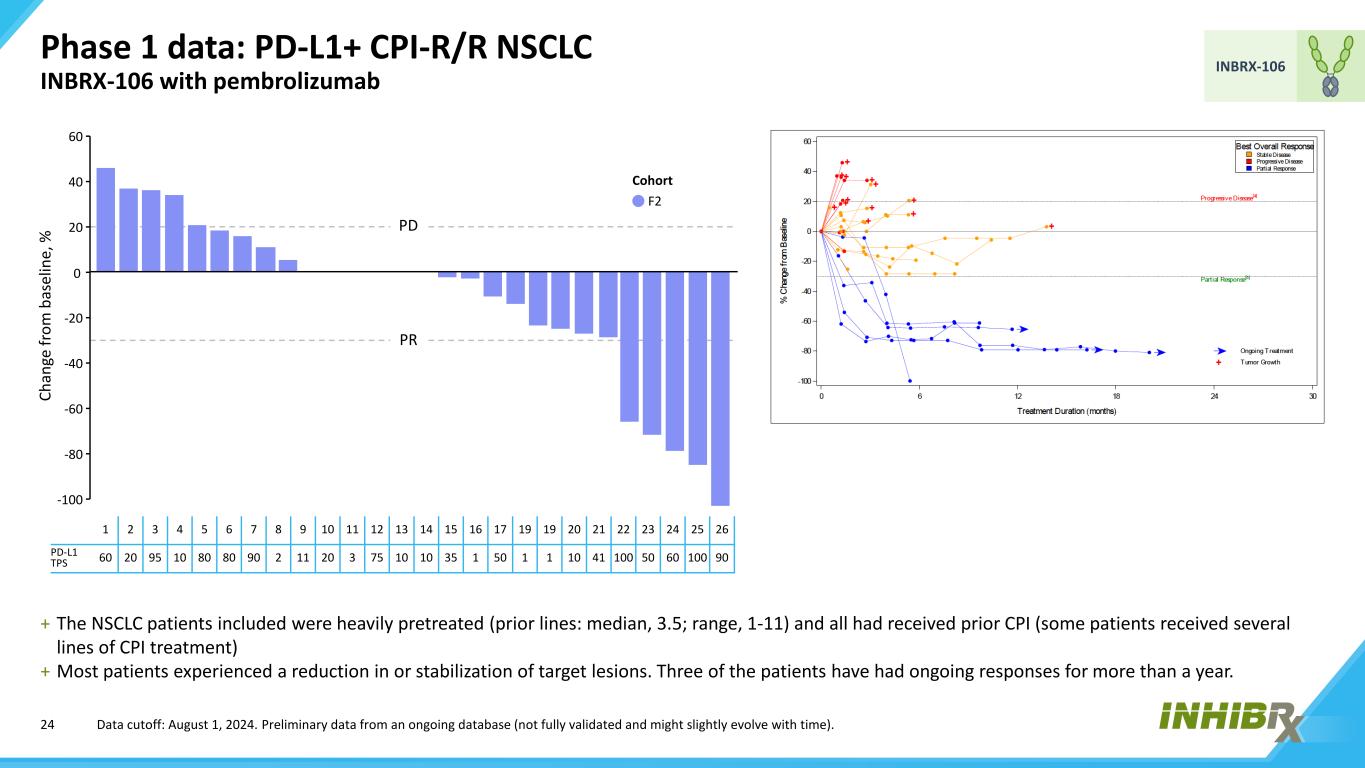
24 INBRX-106 Phase 1 data: PD-L1+ CPI-R/R NSCLC INBRX-106 with pembrolizumab 1 2 3 4 5 6 7 8 9 10 11 12 13 14 15 16 17 19 19 20 21 22 23 24 25 26 PD-L1 TPS 60 20 95 10 80 80 90 2 11 20 3 75 10 10 35 1 50 1 1 10 41 100 50 60 100 90 Data cutoff: August 1, 2024. Preliminary data from an ongoing database (not fully validated and might slightly evolve with time). + The NSCLC patients included were heavily pretreated (prior lines: median, 3.5; range, 1-11) and all had received prior CPI (some patients received several lines of CPI treatment) + Most patients experienced a reduction in or stabilization of target lesions. Three of the patients have had ongoing responses for more than a year. Ch an ge fr om b as el in e, % 0 -100 -80 -60 -40 -20 20 60 40 PR PD Cohort F2


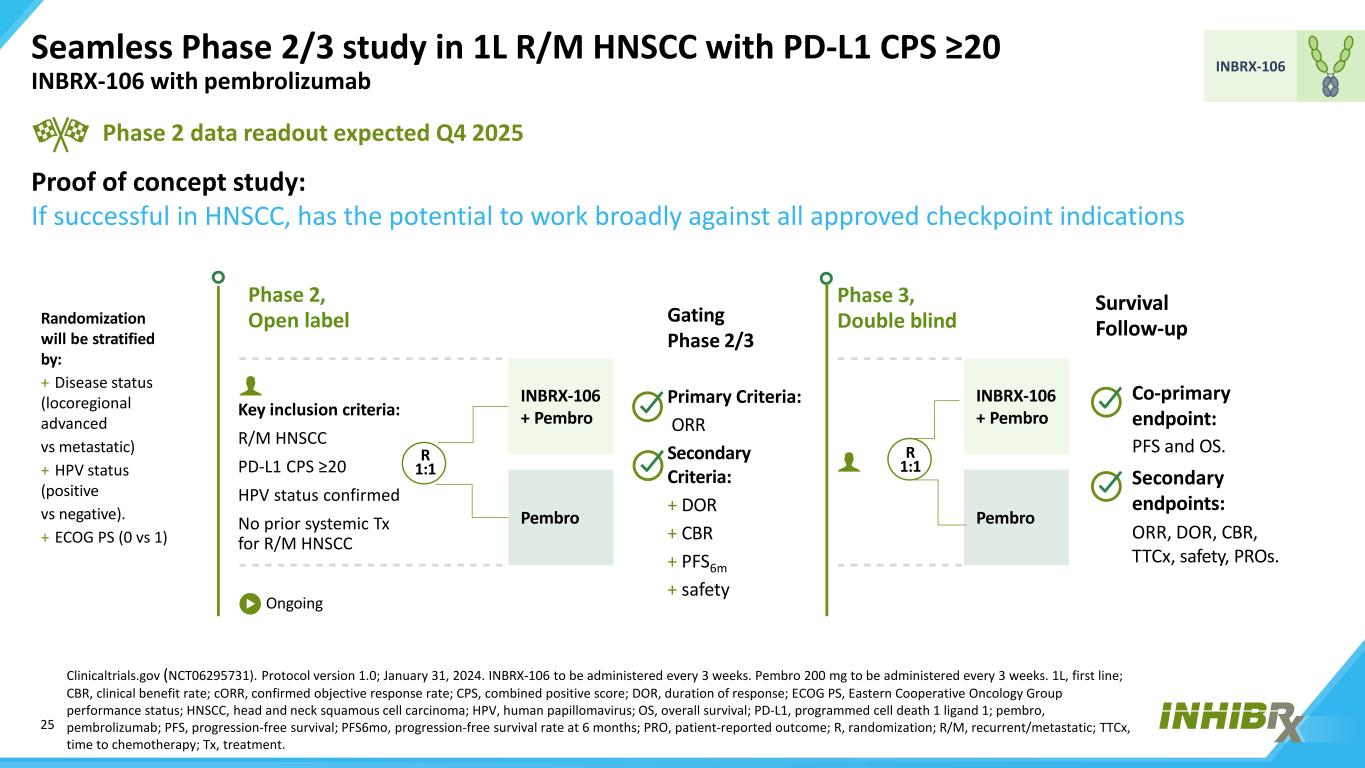
25 INBRX-106 Seamless Phase 2/3 study in 1L R/M HNSCC with PD-L1 CPS ≥20 INBRX-106 with pembrolizumab Clinicaltrials.gov (NCT06295731). Protocol version 1.0; January 31, 2024. INBRX-106 to be administered every 3 weeks. Pembro 200 mg to be administered every 3 weeks. 1L, first line; CBR, clinical benefit rate; cORR, confirmed objective response rate; CPS, combined positive score; DOR, duration of response; ECOG PS, Eastern Cooperative Oncology Group performance status; HNSCC, head and neck squamous cell carcinoma; HPV, human papillomavirus; OS, overall survival; PD-L1, programmed cell death 1 ligand 1; pembro, pembrolizumab; PFS, progression-free survival; PFS6mo, progression-free survival rate at 6 months; PRO, patient-reported outcome; R, randomization; R/M, recurrent/metastatic; TTCx, time to chemotherapy; Tx, treatment. Randomization will be stratified by: + Disease status (locoregional advanced vs metastatic) + HPV status (positive vs negative). + ECOG PS (0 vs 1) Phase 2, Open label Phase 3, Double blind Survival Follow-up Ongoing INBRX-106 + Pembro INBRX-106 + Pembro Pembro Pembro Co-primary endpoint: PFS and OS. Secondary endpoints: ORR, DOR, CBR, TTCx, safety, PROs. Gating Phase 2/3 Primary Criteria: ORR Secondary Criteria: + DOR + CBR + PFS6m + safety Key inclusion criteria: R/M HNSCC PD-L1 CPS ≥20 HPV status confirmed No prior systemic Tx for R/M HNSCC R 1:1 R 1:1 Proof of concept study: If successful in HNSCC, has the potential to work broadly against all approved checkpoint indications Phase 2 data readout expected Q4 2025


26 INBRX-106 Ongoing Phase 1/2 trial in metastatic/recurrent NSCLC and HNSCC Primary endpoints: + Objective response rate (ORR) per Response Evaluation Criteria in Solid Tumors (RECIST) version 1.1 and iRECIST, disease control rate (DCR), and duration of response (DOR) + Safety Secondary endpoints: Pharmacokinetics, immunogenicity, progression-free survival, and overall survival M/R NSCLC <3 prior lines of therapy. PD-L1 TPS ≥50% or TMB ≥10 mutations/Mb Key inclusion criteria NSCLC: CPI relapsed/refractory N=60 Alternating treatment INBRX-106 alternating Q3W with pembro Priming INBRX-106 loading dose → INBRX-106 + pembro Concurrent INBRX-106 + pembro R 1:1:1 M/R HNSCC (non-NPC) or NPC ≤1 prior line of chemotherapy in metastatic setting PD-L1 CPS ≥1 Key inclusion criteria HNSCC: CPI naïve N=40 Non-NPC and other NPC M/R NSCLC Any prior line of therapy PD-L1 TPS ≥0% NSCLC: CPI R/R or naive N=60 Nonsquamous NSCLC INBRX-106 + pembro + pemetrexed + carboplatina Nonsquamous NSCLC INBRX-106 + pembro + pemetrexed + cisplatina Squamous NSCLC INBRX-106 + pembro + (nab-)paclitaxel + carboplatina ClinicalTrials.gov identifier, NCT04198766. Protocol version 7.0; March 5, 2024. a Chemo will be administered during the first 4 cycles. Pemetrexed can be continued after 4 cycles until progression or up to 35 cycles. Chemo, chemotherapy; CPI, checkpoint inhibitor; CPS, combined positive score; HNSCC, head and neck squamous cell carcinoma; M/R, metastatic/recurrent; NPC, nasopharyngeal carcinoma; NSCLC, non-small cell lung cancer; PD-L1, programmed cell death 1 ligand 1; pembro, pembrolizumab; q3w, every 3 weeks; R, randomization; R/R, relapsed/refractory; TMB, tumor mutational burden; TPS, tumor proportion score. Key inclusion criteria Primary endpoints: + ORR per RECIST version 1.1 and iRECIST, DCR, and DOR + Safety Secondary endpoints: Pharmacokinetics, immunogenicity, progression-free survival, and overall survival Primary endpoint: Safety Secondary endpoints: + ORR per RECIST version 1.1 and iRECIST, DCR, and DOR + Pharmacokinetics, immunogenicity, progression-free survival, and overall survival Readouts expected Q4 2025


INBRX-106 hexavalent OX40 agonist strong Preclinical Data and MOA


28 INBRX-106 INBRX-106: mechanism of action The T-Cell Receptor (TCR) recognizes a tumor-associated antigen presented via MHC. In response, OX40 is upregulated on tumor reactive TILs facilitating an immune response directed towards the tumor. Effective OX40 agonism potentiates the body’s immune response towards a tumor Due to its six OX40 sdAb domains, binding of hexavalent INBRX-106 facilitates higher order clustering versus bivalent and tri-valent endogenous OX40L amplifying the downstream costimulatory signal. Costimulatory signaling via OX40 and the TCR-MHC receptors induce survival and proliferation of activated antigen-specific CD4 T cells, increases memory T cell generation, CD8+ effector T cells, and suppress the inhibitory capacity of regulatory T cells. T cells NK cells Monocytes Dendritic cell Tumor T NK T cells NK cells Monocytes T cell TCR MHC antigen Tumor cell ↑OX40 TCR MHC antigen Tumor cell OX40 INBRX-106 ↑ T cell


29 INBRX-106 OX40 T-cell costimulation in human disease is validated by OX40 antagonists in autoimmune disease Lancet 2023; 401: 204–14 An anti-OX40 antibody to treat moderate-to-severe atopic dermatitis: a multicenter, double-blind, placebo-controlled phase 2b study


30 INBRX-106 INBRX-106: uniquely designed to maximize OX40 signaling activation strength, leading to enhanced t-cell-driven anti-tumor activity INBRX-106 is designed to boost anti-tumor T-cell activity by maximizing the strength of the OX40 co-stimulatory pathway Six OX40 sdAbs IgG Fc Hexavalent Simultaneously engage multiple OX40 to drive enhanced clustering/signaling Effector enabled Fc facilitates higher order clustering and greater downstream OX40 pathway signaling Non-Competitive Binding Complements natural ligand (OX40L) activity Facilitates further higher-order clusteringEffector Enabled Designed to agonize OX40 while allowing endogenous OX40L binding sdAb backbone limits molecule size (129 kDa) which may allow for better tumor penetration Smaller Size T cell Stimulation T cells NK cells Dendritic cellMonocytes T NK INBRX-106 features: Hyperclustering Receptor hyperclustering enables more efficient coactivation of key OX40 low expressing cells such as CD8 + T-cell activation


31 INBRX-106 Receptor hyperclustering induces stronger OX40 signaling and more effective t-cell-driven anti-tumor activity Tumor cell deathSignaling through OX40 APC T cell Hyperclustering of OX40 trimers OX40 OX40L Pathway activation T-cell proliferation T-cell survival T-cell differentiation Robust immune activation Decreased Treg-mediated immunosuppression Enhanced trafficking of T cells to the tumor INBRX-106 Bivalent OX40 antibody detection


32 INBRX-106 INBRX-106 drives superior CD4+ and CD8 + T-cell activation and reduces Treg suppression Hexavalent INBRX-106 engagement drives superior co-stimulation of both CD4 and CD8 T-cells versus bi-valent OX40 mAbs INBRX-106, but a not bivalent OX40 mAb, reduces regulatory T-cell (Treg) mediated suppression of effector T-cells (Teff) ~2-fold increase vs bi-valent and untreated Reversal of Treg Suppression2 CD8 T Cell Co-Stimulation1 CD4 T Cell Co-Stimulation1 1. T-cell activation monitored by assessing CD71 expression following suboptimal anti-CD3-mediated stimulation 2. Reversal of Treg suppression assessed by CD25 upregulation following anti-CD3 stimulation


33 INBRX-106 Hexavalent OX40 and PD-1 antibody combination results in enhanced anti- tumor activity in CPI-resistant tumor models Syngeneic B16F10 Mouse Tumor Model OX40 agonism upregulates PD-L1 expression on CD4 and CD8 T-cells supporting rationale of combination with anti-PD1 agents Hexavalent INBRX-106-a* demonstrated single-agent, single-dose activity in checkpoint- inhibitor responsive and resistant syngeneic tumor models INBRX-106-a* induced more robust anti-tumor activity as single agent and in combination with anti-PD1 *INBRX-106 mouse surrogate 0/10 CRs 1/10 CRs0/10 CRs 0/10 CRs 6/10 CRs 3/10 CRs Vehicle Bivalent OX40 mAb Hexavalent INBRX-106-a* Anti-PD1 Alone Anti-PD1 + Bivalent OX40 mAb Anti-PD1 + Hexavalent INBRX-106-a*


34 INBRX-106 INBRX-106 is a first and potentially best-in-class multi-valent OX40 agonist CANDIDATES VALENCY STATUS INBRX-106 Hexa- GEN1055/BNT315 Dodeca- MOXR-0916 Bi- GSK-3174998 Bi- BMS-986178 Bi- INCAGN-1949 Bi- ABBV-368 Bi- IBI-101 Bi- MEDI-0562 Bi- PF-04518600 Bi- BGB-A445 Bi- BAT6026 Bi- Phase 1 Terminated Phase 2/3 Terminated Terminated Terminated Terminated Terminated Terminated Terminated Terminated Terminated


Investor Relations: KELLY DECK, CPA CFO 11025 N. Torrey Pines Road Suite 140 La Jolla, CA 92037 858.795.4260 ir@inhibrx.com