株探米国株
英語
エドガーで原本を確認する
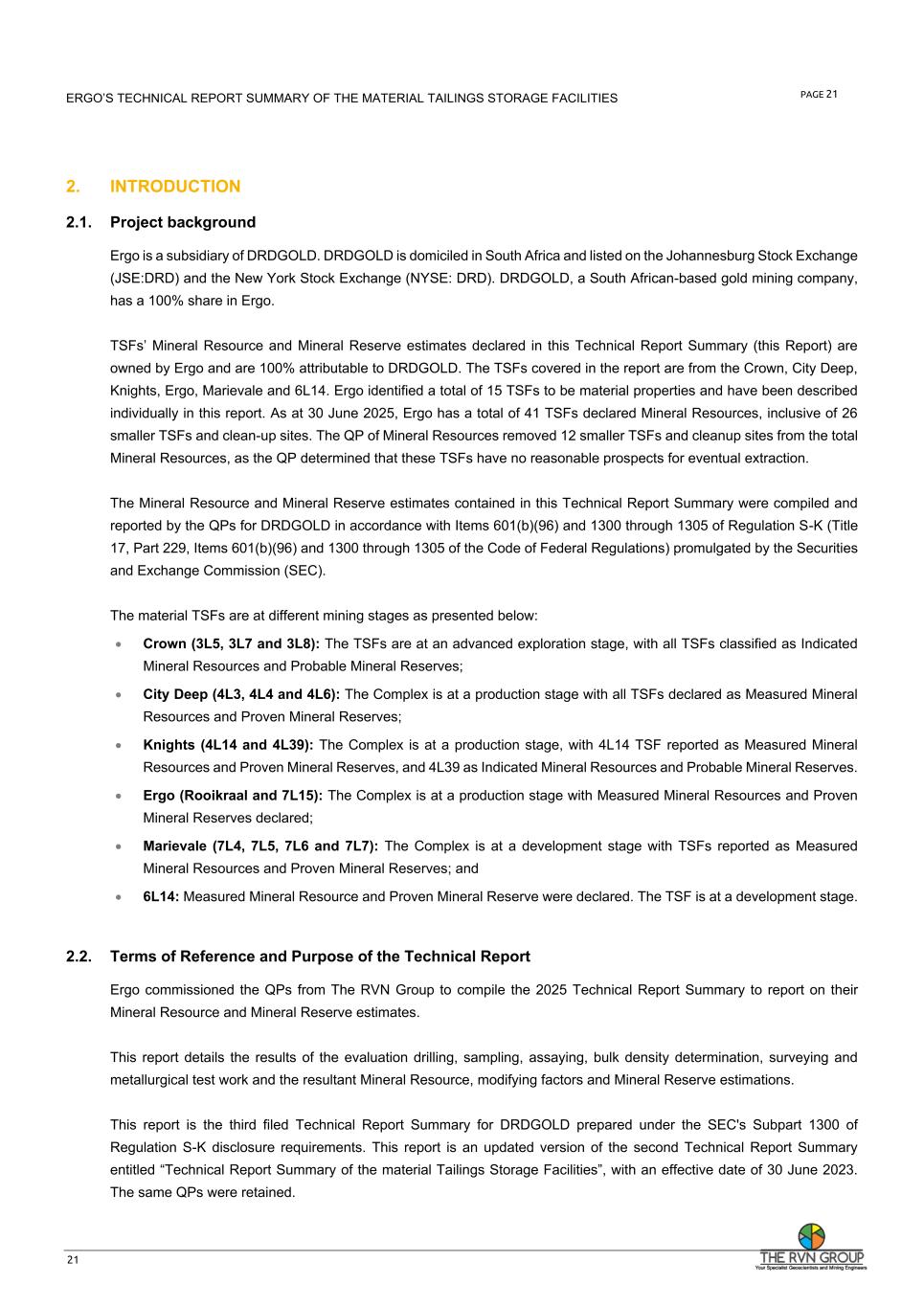
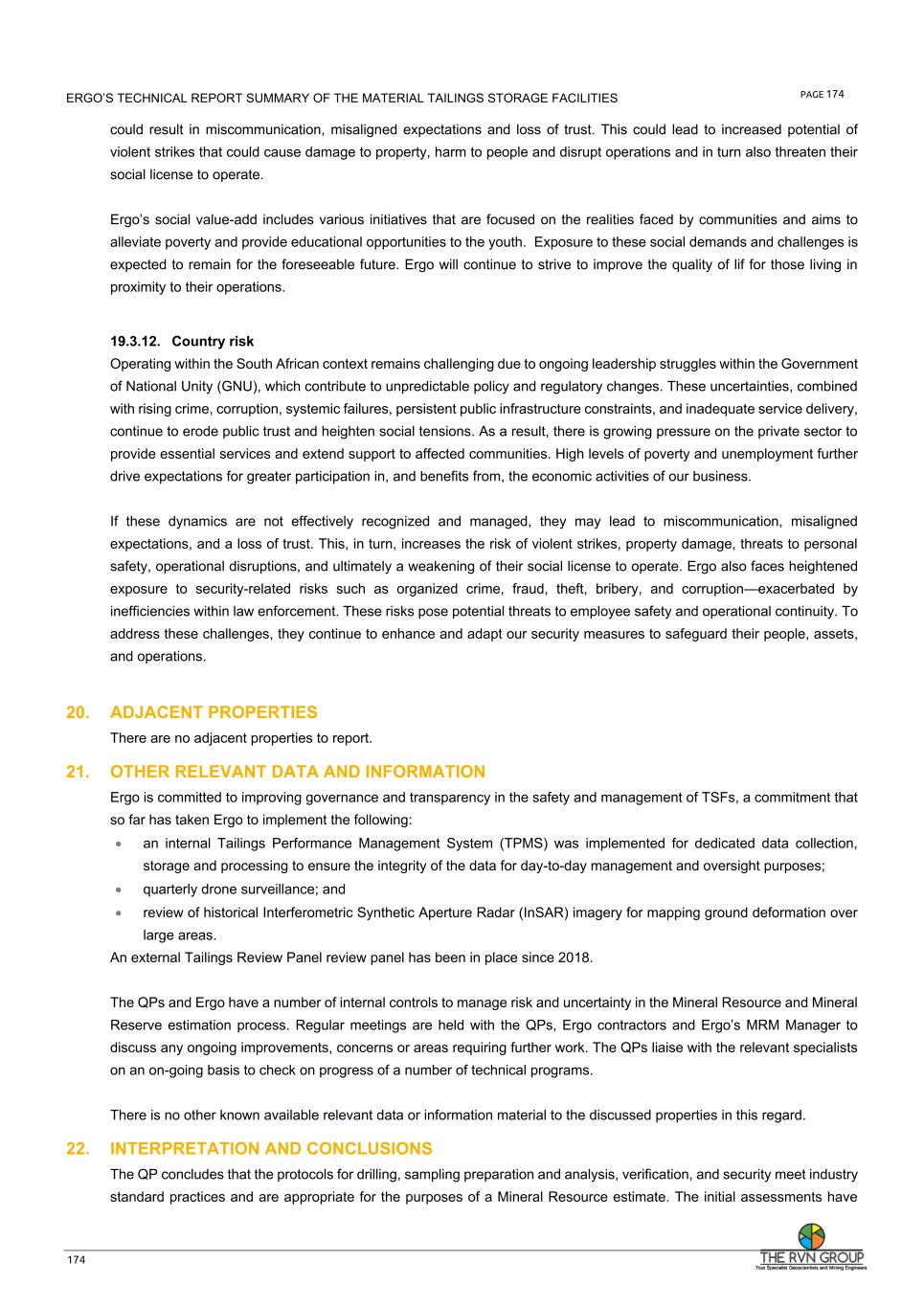
00010235122025FYT3FALSEP1YP1YP1YP1YP1YP1Y0.50.25xbrli:sharesiso4217:ZARiso4217:ZARxbrli:sharesxbrli:pureutr:Rateutr:Ydrd:votedrd:legalProceedingdrd:summonsdrd:respondentiso4217:ZARutr:kgdrd:claimdrd:incident00010235122024-07-012025-06-300001023512dei:BusinessContactMember2024-07-012025-06-300001023512drd:AmericanDepositarySharesMember2024-07-012025-06-300001023512ifrs-full:OrdinarySharesMember2024-07-012025-06-3000010235122025-06-3000010235122023-07-012024-06-3000010235122022-07-012023-06-300001023512ifrs-full:DisposalGroupsClassifiedAsHeldForSaleMemberdrd:StellarEnergySolutionsSPVMember2024-07-012025-06-3000010235122024-06-300001023512ifrs-full:IssuedCapitalMember2022-06-300001023512ifrs-full:RetainedEarningsMember2022-06-3000010235122022-06-300001023512ifrs-full:RetainedEarningsMember2022-07-012023-06-300001023512ifrs-full:IssuedCapitalMember2022-07-012023-06-300001023512ifrs-full:IssuedCapitalMember2023-06-300001023512ifrs-full:RetainedEarningsMember2023-06-3000010235122023-06-300001023512ifrs-full:RetainedEarningsMember2023-07-012024-06-300001023512ifrs-full:IssuedCapitalMember2023-07-012024-06-300001023512ifrs-full:IssuedCapitalMember2024-06-300001023512ifrs-full:RetainedEarningsMember2024-06-300001023512ifrs-full:RetainedEarningsMember2024-07-012025-06-300001023512ifrs-full:IssuedCapitalMember2024-07-012025-06-300001023512ifrs-full:IssuedCapitalMember2025-06-300001023512ifrs-full:RetainedEarningsMember2025-06-300001023512ifrs-full:CommodityPriceRiskMember2024-06-300001023512ifrs-full:CommodityPriceRiskMemberifrs-full:TopOfRangeMember2024-07-012025-06-300001023512ifrs-full:CommodityPriceRiskMemberifrs-full:TopOfRangeMember2023-07-012024-06-300001023512ifrs-full:CurrencyRiskMemberifrs-full:TopOfRangeMember2022-07-012023-06-300001023512ifrs-full:CommodityPriceRiskMemberifrs-full:TopOfRangeMember2022-07-012023-06-300001023512ifrs-full:CommodityPriceRiskMemberifrs-full:BottomOfRangeMember2024-07-012025-06-300001023512ifrs-full:CommodityPriceRiskMemberifrs-full:BottomOfRangeMember2023-07-012024-06-300001023512ifrs-full:CommodityPriceRiskMemberifrs-full:BottomOfRangeMember2022-07-012023-06-300001023512ifrs-full:CurrencyRiskMemberifrs-full:BottomOfRangeMember2022-07-012023-06-300001023512ifrs-full:CurrencyRiskMember2025-06-300001023512ifrs-full:CurrencyRiskMember2024-06-300001023512ifrs-full:CurrencyRiskMemberifrs-full:TopOfRangeMember2024-07-012025-06-300001023512ifrs-full:CurrencyRiskMemberifrs-full:TopOfRangeMember2023-07-012024-06-300001023512ifrs-full:CurrencyRiskMemberifrs-full:BottomOfRangeMember2024-07-012025-06-300001023512ifrs-full:CurrencyRiskMemberifrs-full:BottomOfRangeMember2023-07-012024-06-300001023512drd:RandRefineryProprietaryLimitedMemberdrd:SibanyeStillwaterMember2025-06-300001023512drd:SupplyOfWaterAndElectricityMemberdrd:SibanyeStillwaterMember2024-07-012025-06-300001023512drd:SupplyOfWaterAndElectricityMemberdrd:SibanyeStillwaterMember2023-07-012024-06-300001023512drd:SupplyOfWaterAndElectricityMemberdrd:SibanyeStillwaterMember2022-07-012023-06-300001023512drd:GoldSmeltingAndRelatedChargesMemberdrd:SibanyeStillwaterMember2024-07-012025-06-300001023512drd:GoldSmeltingAndRelatedChargesMemberdrd:SibanyeStillwaterMember2023-07-012024-06-300001023512drd:GoldSmeltingAndRelatedChargesMemberdrd:SibanyeStillwaterMember2022-07-012023-06-300001023512drd:OtherChargesRelatedPartiesMemberdrd:SibanyeStillwaterMember2024-07-012025-06-300001023512drd:OtherChargesRelatedPartiesMemberdrd:SibanyeStillwaterMember2023-07-012024-06-300001023512drd:OtherChargesRelatedPartiesMemberdrd:SibanyeStillwaterMember2022-07-012023-06-300001023512drd:GoldRefiningAndRelatedChargesMemberdrd:RandRefineryProprietaryLimitedRandRefineryMember2024-07-012025-06-300001023512drd:GoldRefiningAndRelatedChargesMemberdrd:RandRefineryProprietaryLimitedRandRefineryMember2023-07-012024-06-300001023512drd:GoldRefiningAndRelatedChargesMemberdrd:RandRefineryProprietaryLimitedRandRefineryMember2022-07-012023-06-300001023512drd:AdministrationExpensesAndOtherCostsMember2024-07-012025-06-300001023512drd:AdministrationExpensesAndOtherCostsMember2023-07-012024-06-300001023512drd:AdministrationExpensesAndOtherCostsMember2022-07-012023-06-300001023512drd:SolarPowerPlantAndBESSMemberdrd:A60MWSolarPhotovoltaicPlantMember2024-07-012025-06-300001023512drd:SolarPowerPlantAndBESSMemberdrd:A160mWhBatteryEnergyStorageSystemMember2024-07-012025-06-300001023512drd:ErgoOperationsMemberifrs-full:MiningAssetsMemberifrs-full:BottomOfRangeMember2022-07-012023-06-300001023512drd:ErgoOperationsMemberifrs-full:MiningAssetsMemberifrs-full:BottomOfRangeMember2023-07-012024-06-300001023512drd:ErgoOperationsMemberifrs-full:MiningAssetsMemberifrs-full:BottomOfRangeMember2024-07-012025-06-300001023512drd:ErgoOperationsMemberifrs-full:MiningAssetsMemberifrs-full:TopOfRangeMember2024-07-012025-06-300001023512drd:ErgoOperationsMemberifrs-full:MiningAssetsMemberifrs-full:TopOfRangeMember2023-07-012024-06-300001023512drd:ErgoOperationsMemberifrs-full:MiningAssetsMemberifrs-full:TopOfRangeMember2022-07-012023-06-300001023512drd:FarWestGoldRecoveriesProprietaryLimitedMiningAssetsMemberifrs-full:MiningAssetsMemberifrs-full:BottomOfRangeMember2024-07-012025-06-300001023512drd:FarWestGoldRecoveriesProprietaryLimitedMiningAssetsMemberifrs-full:MiningAssetsMemberifrs-full:BottomOfRangeMember2023-07-012024-06-300001023512drd:FarWestGoldRecoveriesProprietaryLimitedMiningAssetsMemberifrs-full:MiningAssetsMemberifrs-full:BottomOfRangeMember2022-07-012023-06-300001023512drd:FarWestGoldRecoveriesProprietaryLimitedMiningAssetsMemberifrs-full:MiningAssetsMemberifrs-full:TopOfRangeMember2024-07-012025-06-300001023512drd:FarWestGoldRecoveriesProprietaryLimitedMiningAssetsMemberifrs-full:MiningAssetsMemberifrs-full:TopOfRangeMember2023-07-012024-06-300001023512drd:FarWestGoldRecoveriesProprietaryLimitedMiningAssetsMemberifrs-full:MiningAssetsMemberifrs-full:TopOfRangeMember2022-07-012023-06-300001023512ifrs-full:MiningAssetsMemberifrs-full:GrossCarryingAmountMember2025-06-300001023512drd:MinePropertyAndDevelopmentMemberifrs-full:GrossCarryingAmountMember2025-06-300001023512drd:SolarPowerPlantAndBESSMemberifrs-full:GrossCarryingAmountMember2025-06-300001023512ifrs-full:ExplorationAndEvaluationAssetsMemberifrs-full:GrossCarryingAmountMember2025-06-300001023512drd:CapitalWorkInProgressMemberifrs-full:GrossCarryingAmountMember2025-06-300001023512ifrs-full:GrossCarryingAmountMember2025-06-300001023512ifrs-full:MiningAssetsMemberifrs-full:GrossCarryingAmountMember2024-06-300001023512drd:MinePropertyAndDevelopmentMemberifrs-full:GrossCarryingAmountMember2024-06-300001023512drd:SolarPowerPlantAndBESSMemberifrs-full:GrossCarryingAmountMember2024-06-300001023512ifrs-full:ExplorationAndEvaluationAssetsMemberifrs-full:GrossCarryingAmountMember2024-06-300001023512drd:CapitalWorkInProgressMemberifrs-full:GrossCarryingAmountMember2024-06-300001023512ifrs-full:GrossCarryingAmountMember2024-06-300001023512ifrs-full:GrossCarryingAmountMemberifrs-full:PropertyPlantAndEquipmentMemberifrs-full:MiningAssetsMember2024-07-012025-06-300001023512ifrs-full:GrossCarryingAmountMemberifrs-full:PropertyPlantAndEquipmentMemberdrd:MinePropertyAndDevelopmentMember2024-07-012025-06-300001023512ifrs-full:GrossCarryingAmountMemberifrs-full:PropertyPlantAndEquipmentMemberdrd:SolarPowerPlantAndBESSMember2024-07-012025-06-300001023512ifrs-full:GrossCarryingAmountMemberifrs-full:PropertyPlantAndEquipmentMemberifrs-full:ExplorationAndEvaluationAssetsMember2024-07-012025-06-300001023512ifrs-full:GrossCarryingAmountMemberifrs-full:PropertyPlantAndEquipmentMemberdrd:CapitalWorkInProgressMember2024-07-012025-06-300001023512ifrs-full:GrossCarryingAmountMemberifrs-full:PropertyPlantAndEquipmentMember2024-07-012025-06-300001023512ifrs-full:GrossCarryingAmountMemberifrs-full:RightofuseAssetsMemberifrs-full:MiningAssetsMember2024-07-012025-06-300001023512ifrs-full:GrossCarryingAmountMemberifrs-full:RightofuseAssetsMemberdrd:MinePropertyAndDevelopmentMember2024-07-012025-06-300001023512ifrs-full:GrossCarryingAmountMemberifrs-full:RightofuseAssetsMemberdrd:SolarPowerPlantAndBESSMember2024-07-012025-06-300001023512ifrs-full:GrossCarryingAmountMemberifrs-full:RightofuseAssetsMemberifrs-full:ExplorationAndEvaluationAssetsMember2024-07-012025-06-300001023512ifrs-full:GrossCarryingAmountMemberifrs-full:RightofuseAssetsMemberdrd:CapitalWorkInProgressMember2024-07-012025-06-300001023512ifrs-full:GrossCarryingAmountMemberifrs-full:RightofuseAssetsMember2024-07-012025-06-300001023512ifrs-full:MiningAssetsMemberifrs-full:GrossCarryingAmountMember2024-07-012025-06-300001023512drd:MinePropertyAndDevelopmentMemberifrs-full:GrossCarryingAmountMember2024-07-012025-06-300001023512drd:SolarPowerPlantAndBESSMemberifrs-full:GrossCarryingAmountMember2024-07-012025-06-300001023512ifrs-full:ExplorationAndEvaluationAssetsMemberifrs-full:GrossCarryingAmountMember2024-07-012025-06-300001023512drd:CapitalWorkInProgressMemberifrs-full:GrossCarryingAmountMember2024-07-012025-06-300001023512ifrs-full:GrossCarryingAmountMember2024-07-012025-06-300001023512ifrs-full:MiningAssetsMemberifrs-full:AccumulatedDepreciationAmortisationAndImpairmentMember2025-06-300001023512drd:MinePropertyAndDevelopmentMemberifrs-full:AccumulatedDepreciationAmortisationAndImpairmentMember2025-06-300001023512drd:SolarPowerPlantAndBESSMemberifrs-full:AccumulatedDepreciationAmortisationAndImpairmentMember2025-06-300001023512ifrs-full:ExplorationAndEvaluationAssetsMemberifrs-full:AccumulatedDepreciationAmortisationAndImpairmentMember2025-06-300001023512drd:CapitalWorkInProgressMemberifrs-full:AccumulatedDepreciationAmortisationAndImpairmentMember2025-06-300001023512ifrs-full:AccumulatedDepreciationAmortisationAndImpairmentMember2025-06-300001023512ifrs-full:MiningAssetsMemberifrs-full:AccumulatedDepreciationAmortisationAndImpairmentMember2024-06-300001023512drd:MinePropertyAndDevelopmentMemberifrs-full:AccumulatedDepreciationAmortisationAndImpairmentMember2024-06-300001023512drd:SolarPowerPlantAndBESSMemberifrs-full:AccumulatedDepreciationAmortisationAndImpairmentMember2024-06-300001023512ifrs-full:ExplorationAndEvaluationAssetsMemberifrs-full:AccumulatedDepreciationAmortisationAndImpairmentMember2024-06-300001023512drd:CapitalWorkInProgressMemberifrs-full:AccumulatedDepreciationAmortisationAndImpairmentMember2024-06-300001023512ifrs-full:AccumulatedDepreciationAmortisationAndImpairmentMember2024-06-300001023512ifrs-full:MiningAssetsMemberifrs-full:AccumulatedDepreciationAmortisationAndImpairmentMember2024-07-012025-06-300001023512drd:MinePropertyAndDevelopmentMemberifrs-full:AccumulatedDepreciationAmortisationAndImpairmentMember2024-07-012025-06-300001023512drd:SolarPowerPlantAndBESSMemberifrs-full:AccumulatedDepreciationAmortisationAndImpairmentMember2024-07-012025-06-300001023512ifrs-full:ExplorationAndEvaluationAssetsMemberifrs-full:AccumulatedDepreciationAmortisationAndImpairmentMember2024-07-012025-06-300001023512drd:CapitalWorkInProgressMemberifrs-full:AccumulatedDepreciationAmortisationAndImpairmentMember2024-07-012025-06-300001023512ifrs-full:AccumulatedDepreciationAmortisationAndImpairmentMember2024-07-012025-06-300001023512ifrs-full:MiningAssetsMember2025-06-300001023512drd:MinePropertyAndDevelopmentMember2025-06-300001023512drd:SolarPowerPlantAndBESSMember2025-06-300001023512ifrs-full:ExplorationAndEvaluationAssetsMember2025-06-300001023512drd:CapitalWorkInProgressMember2025-06-300001023512ifrs-full:MiningAssetsMemberifrs-full:PropertyPlantAndEquipmentMember2025-06-300001023512drd:MinePropertyAndDevelopmentMemberifrs-full:PropertyPlantAndEquipmentMember2025-06-300001023512drd:SolarPowerPlantAndBESSMemberifrs-full:PropertyPlantAndEquipmentMember2025-06-300001023512ifrs-full:ExplorationAndEvaluationAssetsMemberifrs-full:PropertyPlantAndEquipmentMember2025-06-300001023512drd:CapitalWorkInProgressMemberifrs-full:PropertyPlantAndEquipmentMember2025-06-300001023512ifrs-full:PropertyPlantAndEquipmentMember2025-06-300001023512ifrs-full:MiningAssetsMemberifrs-full:RightofuseAssetsMember2025-06-300001023512drd:MinePropertyAndDevelopmentMemberifrs-full:RightofuseAssetsMember2025-06-300001023512drd:SolarPowerPlantAndBESSMemberifrs-full:RightofuseAssetsMember2025-06-300001023512ifrs-full:ExplorationAndEvaluationAssetsMemberifrs-full:RightofuseAssetsMember2025-06-300001023512drd:CapitalWorkInProgressMemberifrs-full:RightofuseAssetsMember2025-06-300001023512ifrs-full:RightofuseAssetsMember2025-06-300001023512ifrs-full:MiningAssetsMemberifrs-full:GrossCarryingAmountMember2023-06-300001023512drd:MinePropertyAndDevelopmentMemberifrs-full:GrossCarryingAmountMember2023-06-300001023512drd:SolarPowerPlantAndBESSMemberifrs-full:GrossCarryingAmountMember2023-06-300001023512ifrs-full:ExplorationAndEvaluationAssetsMemberifrs-full:GrossCarryingAmountMember2023-06-300001023512drd:CapitalWorkInProgressMemberifrs-full:GrossCarryingAmountMember2023-06-300001023512ifrs-full:GrossCarryingAmountMember2023-06-300001023512ifrs-full:GrossCarryingAmountMemberifrs-full:PropertyPlantAndEquipmentMemberifrs-full:MiningAssetsMember2023-07-012024-06-300001023512ifrs-full:GrossCarryingAmountMemberifrs-full:PropertyPlantAndEquipmentMemberdrd:MinePropertyAndDevelopmentMember2023-07-012024-06-300001023512ifrs-full:GrossCarryingAmountMemberifrs-full:PropertyPlantAndEquipmentMemberdrd:SolarPowerPlantAndBESSMember2023-07-012024-06-300001023512ifrs-full:GrossCarryingAmountMemberifrs-full:PropertyPlantAndEquipmentMemberifrs-full:ExplorationAndEvaluationAssetsMember2023-07-012024-06-300001023512ifrs-full:GrossCarryingAmountMemberifrs-full:PropertyPlantAndEquipmentMemberdrd:CapitalWorkInProgressMember2023-07-012024-06-300001023512ifrs-full:GrossCarryingAmountMemberifrs-full:PropertyPlantAndEquipmentMember2023-07-012024-06-300001023512ifrs-full:GrossCarryingAmountMemberifrs-full:RightofuseAssetsMemberifrs-full:MiningAssetsMember2023-07-012024-06-300001023512ifrs-full:GrossCarryingAmountMemberifrs-full:RightofuseAssetsMemberdrd:MinePropertyAndDevelopmentMember2023-07-012024-06-300001023512ifrs-full:GrossCarryingAmountMemberifrs-full:RightofuseAssetsMemberdrd:SolarPowerPlantAndBESSMember2023-07-012024-06-300001023512ifrs-full:GrossCarryingAmountMemberifrs-full:RightofuseAssetsMemberifrs-full:ExplorationAndEvaluationAssetsMember2023-07-012024-06-300001023512ifrs-full:GrossCarryingAmountMemberifrs-full:RightofuseAssetsMemberdrd:CapitalWorkInProgressMember2023-07-012024-06-300001023512ifrs-full:GrossCarryingAmountMemberifrs-full:RightofuseAssetsMember2023-07-012024-06-300001023512ifrs-full:MiningAssetsMemberifrs-full:GrossCarryingAmountMember2023-07-012024-06-300001023512drd:MinePropertyAndDevelopmentMemberifrs-full:GrossCarryingAmountMember2023-07-012024-06-300001023512drd:SolarPowerPlantAndBESSMemberifrs-full:GrossCarryingAmountMember2023-07-012024-06-300001023512ifrs-full:ExplorationAndEvaluationAssetsMemberifrs-full:GrossCarryingAmountMember2023-07-012024-06-300001023512drd:CapitalWorkInProgressMemberifrs-full:GrossCarryingAmountMember2023-07-012024-06-300001023512ifrs-full:GrossCarryingAmountMember2023-07-012024-06-300001023512ifrs-full:MiningAssetsMemberifrs-full:AccumulatedDepreciationAmortisationAndImpairmentMember2023-06-300001023512drd:MinePropertyAndDevelopmentMemberifrs-full:AccumulatedDepreciationAmortisationAndImpairmentMember2023-06-300001023512drd:SolarPowerPlantAndBESSMemberifrs-full:AccumulatedDepreciationAmortisationAndImpairmentMember2023-06-300001023512ifrs-full:ExplorationAndEvaluationAssetsMemberifrs-full:AccumulatedDepreciationAmortisationAndImpairmentMember2023-06-300001023512drd:CapitalWorkInProgressMemberifrs-full:AccumulatedDepreciationAmortisationAndImpairmentMember2023-06-300001023512ifrs-full:AccumulatedDepreciationAmortisationAndImpairmentMember2023-06-300001023512ifrs-full:MiningAssetsMemberifrs-full:AccumulatedDepreciationAmortisationAndImpairmentMember2023-07-012024-06-300001023512drd:MinePropertyAndDevelopmentMemberifrs-full:AccumulatedDepreciationAmortisationAndImpairmentMember2023-07-012024-06-300001023512drd:SolarPowerPlantAndBESSMemberifrs-full:AccumulatedDepreciationAmortisationAndImpairmentMember2023-07-012024-06-300001023512ifrs-full:ExplorationAndEvaluationAssetsMemberifrs-full:AccumulatedDepreciationAmortisationAndImpairmentMember2023-07-012024-06-300001023512drd:CapitalWorkInProgressMemberifrs-full:AccumulatedDepreciationAmortisationAndImpairmentMember2023-07-012024-06-300001023512ifrs-full:AccumulatedDepreciationAmortisationAndImpairmentMember2023-07-012024-06-300001023512ifrs-full:MiningAssetsMember2024-06-300001023512drd:MinePropertyAndDevelopmentMember2024-06-300001023512drd:SolarPowerPlantAndBESSMember2024-06-300001023512ifrs-full:ExplorationAndEvaluationAssetsMember2024-06-300001023512drd:CapitalWorkInProgressMember2024-06-300001023512ifrs-full:MiningAssetsMemberifrs-full:PropertyPlantAndEquipmentMember2024-06-300001023512drd:MinePropertyAndDevelopmentMemberifrs-full:PropertyPlantAndEquipmentMember2024-06-300001023512drd:SolarPowerPlantAndBESSMemberifrs-full:PropertyPlantAndEquipmentMember2024-06-300001023512ifrs-full:ExplorationAndEvaluationAssetsMemberifrs-full:PropertyPlantAndEquipmentMember2024-06-300001023512drd:CapitalWorkInProgressMemberifrs-full:PropertyPlantAndEquipmentMember2024-06-300001023512ifrs-full:PropertyPlantAndEquipmentMember2024-06-300001023512ifrs-full:MiningAssetsMemberifrs-full:RightofuseAssetsMember2024-06-300001023512drd:MinePropertyAndDevelopmentMemberifrs-full:RightofuseAssetsMember2024-06-300001023512drd:SolarPowerPlantAndBESSMemberifrs-full:RightofuseAssetsMember2024-06-300001023512ifrs-full:ExplorationAndEvaluationAssetsMemberifrs-full:RightofuseAssetsMember2024-06-300001023512drd:CapitalWorkInProgressMemberifrs-full:RightofuseAssetsMember2024-06-300001023512ifrs-full:RightofuseAssetsMember2024-06-300001023512drd:FWGRRTSFAndDP2ConstructionMember2025-06-300001023512drd:ErgoSolarPowerPlantAndIntegratedBESSMember2024-06-300001023512drd:FWGRRTSFConstructionMember2024-06-300001023512ifrs-full:GrossCarryingAmountMemberifrs-full:RightofuseAssetsMemberifrs-full:MiningAssetsMember2025-06-300001023512ifrs-full:GrossCarryingAmountMemberifrs-full:RightofuseAssetsMemberdrd:MinePropertyAndDevelopmentMember2025-06-300001023512ifrs-full:GrossCarryingAmountMemberifrs-full:RightofuseAssetsMember2025-06-300001023512ifrs-full:GrossCarryingAmountMemberifrs-full:RightofuseAssetsMemberifrs-full:MiningAssetsMember2024-06-300001023512ifrs-full:GrossCarryingAmountMemberifrs-full:RightofuseAssetsMemberdrd:MinePropertyAndDevelopmentMember2024-06-300001023512ifrs-full:GrossCarryingAmountMemberifrs-full:RightofuseAssetsMember2024-06-300001023512ifrs-full:AccumulatedDepreciationAmortisationAndImpairmentMemberifrs-full:RightofuseAssetsMemberifrs-full:MiningAssetsMember2025-06-300001023512ifrs-full:AccumulatedDepreciationAmortisationAndImpairmentMemberifrs-full:RightofuseAssetsMemberdrd:MinePropertyAndDevelopmentMember2025-06-300001023512ifrs-full:AccumulatedDepreciationAmortisationAndImpairmentMemberifrs-full:RightofuseAssetsMember2025-06-300001023512ifrs-full:AccumulatedDepreciationAmortisationAndImpairmentMemberifrs-full:RightofuseAssetsMemberifrs-full:MiningAssetsMember2024-06-300001023512ifrs-full:AccumulatedDepreciationAmortisationAndImpairmentMemberifrs-full:RightofuseAssetsMemberdrd:MinePropertyAndDevelopmentMember2024-06-300001023512ifrs-full:AccumulatedDepreciationAmortisationAndImpairmentMemberifrs-full:RightofuseAssetsMember2024-06-300001023512ifrs-full:AccumulatedDepreciationAmortisationAndImpairmentMemberifrs-full:RightofuseAssetsMemberifrs-full:MiningAssetsMember2024-07-012025-06-300001023512ifrs-full:AccumulatedDepreciationAmortisationAndImpairmentMemberifrs-full:RightofuseAssetsMemberdrd:MinePropertyAndDevelopmentMember2024-07-012025-06-300001023512ifrs-full:AccumulatedDepreciationAmortisationAndImpairmentMemberifrs-full:RightofuseAssetsMember2024-07-012025-06-300001023512ifrs-full:GrossCarryingAmountMemberifrs-full:RightofuseAssetsMemberifrs-full:MiningAssetsMember2023-06-300001023512ifrs-full:GrossCarryingAmountMemberifrs-full:RightofuseAssetsMemberdrd:MinePropertyAndDevelopmentMember2023-06-300001023512ifrs-full:GrossCarryingAmountMemberifrs-full:RightofuseAssetsMember2023-06-300001023512ifrs-full:AccumulatedDepreciationAmortisationAndImpairmentMemberifrs-full:RightofuseAssetsMemberifrs-full:MiningAssetsMember2023-06-300001023512ifrs-full:AccumulatedDepreciationAmortisationAndImpairmentMemberifrs-full:RightofuseAssetsMemberdrd:MinePropertyAndDevelopmentMember2023-06-300001023512ifrs-full:AccumulatedDepreciationAmortisationAndImpairmentMemberifrs-full:RightofuseAssetsMember2023-06-300001023512ifrs-full:AccumulatedDepreciationAmortisationAndImpairmentMemberifrs-full:RightofuseAssetsMemberifrs-full:MiningAssetsMember2023-07-012024-06-300001023512ifrs-full:AccumulatedDepreciationAmortisationAndImpairmentMemberifrs-full:RightofuseAssetsMemberdrd:MinePropertyAndDevelopmentMember2023-07-012024-06-300001023512ifrs-full:AccumulatedDepreciationAmortisationAndImpairmentMemberifrs-full:RightofuseAssetsMember2023-07-012024-06-300001023512ifrs-full:NotLaterThanOneYearMember2025-06-300001023512ifrs-full:NotLaterThanOneYearMember2024-06-300001023512ifrs-full:LaterThanOneYearAndNotLaterThanFiveYearsMember2025-06-300001023512ifrs-full:LaterThanOneYearAndNotLaterThanFiveYearsMember2024-06-300001023512ifrs-full:LaterThanFiveYearsMember2025-06-300001023512ifrs-full:LaterThanFiveYearsMember2024-06-300001023512drd:ProvisionForDecommissioningCostsMember2024-07-012025-06-300001023512drd:ProvisionForDecommissioningCostsMember2023-07-012024-06-300001023512drd:ProvisionForRestorationCostsMember2024-07-012025-06-300001023512drd:ProvisionForRestorationCostsMember2023-07-012024-06-300001023512ifrs-full:GuaranteesMember2025-06-300001023512ifrs-full:GuaranteesMember2024-06-300001023512drd:EnvironmentalRehabilitationMember2025-06-300001023512drd:EnvironmentalRehabilitationMember2024-06-300001023512drd:DirectorsAndOfficersInsuranceMember2025-06-300001023512drd:DirectorsAndOfficersInsuranceMember2024-06-300001023512drd:OtherFundsMember2025-06-300001023512drd:OtherFundsMember2024-06-300001023512ifrs-full:InterestRateRiskMemberdrd:InvestmentsInObligationFundMember2024-07-012025-06-300001023512ifrs-full:InterestRateRiskMemberdrd:InvestmentsInObligationFundMember2023-07-012024-06-300001023512ifrs-full:EquityPriceRiskMemberdrd:InvestmentsInObligationFundMember2024-07-012025-06-300001023512ifrs-full:EquityPriceRiskMemberdrd:InvestmentsInObligationFundMember2023-07-012024-06-300001023512ifrs-full:BottomOfRangeMember2024-07-012025-06-300001023512ifrs-full:TopOfRangeMember2024-07-012025-06-300001023512ifrs-full:BottomOfRangeMember2023-07-012024-06-300001023512ifrs-full:TopOfRangeMember2023-07-012024-06-300001023512ifrs-full:ContingentLiabilityForDecommissioningRestorationAndRehabilitationCostsMember2025-06-300001023512ifrs-full:OtherContingentLiabilitiesMember2025-06-300001023512ifrs-full:InterestRateRiskMemberdrd:CashAndCashEquivalents1Member2024-07-012025-06-300001023512ifrs-full:InterestRateRiskMemberdrd:CashAndCashEquivalents1Member2023-07-012024-06-300001023512ifrs-full:AccumulatedImpairmentMember2025-06-300001023512ifrs-full:AccumulatedImpairmentMember2024-06-300001023512drd:FWGRRTSFConstructionMember2025-06-300001023512drd:SolarPowerAndRegionalTailingsStorageFacilityRTSFMember2024-06-300001023512ifrs-full:FinancialInstrumentsNotCreditimpairedMember2025-06-300001023512ifrs-full:FinancialInstrumentsCreditimpairedMember2025-06-300001023512ifrs-full:FinancialInstrumentsNotCreditimpairedMember2024-06-300001023512ifrs-full:FinancialInstrumentsCreditimpairedMember2024-06-300001023512ifrs-full:AccumulatedImpairmentMemberifrs-full:FinancialInstrumentsNotCreditimpairedMember2025-06-300001023512ifrs-full:AccumulatedImpairmentMemberifrs-full:FinancialInstrumentsNotCreditimpairedMember2024-06-300001023512ifrs-full:AccumulatedImpairmentMember2023-06-300001023512ifrs-full:AccumulatedImpairmentMember2024-07-012025-06-300001023512ifrs-full:AccumulatedImpairmentMember2023-07-012024-06-300001023512drd:SibanyeStillwaterMember2025-06-300001023512drd:SibanyeStillwaterMember2024-06-300001023512drd:RandRefineryProprietaryLimitedRandRefineryMember2025-06-300001023512drd:RandRefineryProprietaryLimitedRandRefineryMember2024-06-300001023512drd:ErgoOperationsMember2024-07-012025-06-300001023512drd:ErgoOperationsMember2023-07-012024-06-300001023512drd:ErgoOperationsMember2022-07-012023-06-300001023512drd:FwgrMember2024-07-012025-06-300001023512drd:FwgrMember2023-07-012024-06-300001023512drd:FwgrMember2022-07-012023-06-300001023512ifrs-full:PropertyPlantAndEquipmentMember2025-06-300001023512ifrs-full:PropertyPlantAndEquipmentMember2024-06-300001023512ifrs-full:ProvisionForDecommissioningRestorationAndRehabilitationCostsMember2025-06-300001023512ifrs-full:ProvisionForDecommissioningRestorationAndRehabilitationCostsMember2024-06-300001023512drd:InvestmentsTemporaryDifferenceMember2025-06-300001023512drd:InvestmentsTemporaryDifferenceMember2024-06-300001023512ifrs-full:MiscellaneousOtherProvisionsMember2025-06-300001023512ifrs-full:MiscellaneousOtherProvisionsMember2024-06-300001023512ifrs-full:LeaseLiabilitiesMember2025-06-300001023512ifrs-full:LeaseLiabilitiesMember2024-06-300001023512drd:EstimatedTaxLossesMember2025-06-300001023512drd:EstimatedTaxLossesMember2024-06-300001023512drd:EstimatedUnredeemedCapitalAllowancesMember2025-06-300001023512drd:EstimatedUnredeemedCapitalAllowancesMember2024-06-300001023512ifrs-full:EquitySettlementMember2025-06-300001023512ifrs-full:EquitySettlementMember2024-06-300001023512drd:EstimatedTaxLossesCapitalNatureMember2025-06-300001023512drd:EstimatedTaxLossesCapitalNatureMember2024-06-300001023512drd:UnredeemedCapitalExpenditureMember2025-06-300001023512drd:UnredeemedCapitalExpenditureMember2024-06-300001023512drd:ConditionalSharesMember2024-06-300001023512drd:ConditionalSharesMember2023-06-300001023512drd:ConditionalSharesMember2023-10-252023-10-250001023512drd:ConditionalSharesMember2024-10-202024-10-200001023512ifrs-full:TreasurySharesMemberdrd:ErgoMiningOperationsProprietaryLimitedMember2024-07-012025-06-300001023512drd:ConditionalSharesMember2024-07-012025-06-300001023512ifrs-full:TreasurySharesMemberdrd:ErgoMiningOperationsProprietaryLimitedMember2023-07-012024-06-300001023512drd:ConditionalSharesMember2023-07-012024-06-300001023512drd:ConditionalSharesMember2025-06-300001023512drd:ConditionalSharesMemberdrd:October202024Member2025-06-300001023512drd:ConditionalSharesMemberdrd:October202024Member2024-06-300001023512drd:ConditionalSharesMemberdrd:October192025Member2025-06-300001023512drd:ConditionalSharesMemberdrd:October192025Member2024-06-300001023512drd:ConditionalSharesMemberdrd:October252026Member2025-06-300001023512drd:ConditionalSharesMemberdrd:October252026Member2024-06-300001023512drd:ConditionalSharesMemberdrd:October222027Member2025-06-300001023512drd:ConditionalSharesMemberdrd:October222027Member2024-06-300001023512srt:ScenarioForecastMember2027-10-222027-10-220001023512srt:ScenarioForecastMember2026-10-252026-10-250001023512srt:ScenarioForecastMember2025-10-192025-10-190001023512drd:NedbankGBFMember2024-06-280001023512drd:NedbankGBFGuaranteesFacilityMember2025-06-300001023512ifrs-full:EnteringIntoSignificantCommitmentsOrContingentLiabilitiesMemberdrd:NedbankGBFGuaranteesFacilityMember2025-07-302025-10-030001023512ifrs-full:EnteringIntoSignificantCommitmentsOrContingentLiabilitiesMemberdrd:NedbankGBFGuaranteesFacilityMember2025-10-030001023512drd:NedbankGBFMember2025-06-300001023512drd:NedbankRevolvingCreditFacilityWithAccordionOptionMember2025-06-300001023512ifrs-full:TopOfRangeMember2025-06-300001023512ifrs-full:BottomOfRangeMember2025-06-300001023512ifrs-full:OrdinarySharesMember2025-06-300001023512ifrs-full:OrdinarySharesMember2024-06-300001023512ifrs-full:PreferenceSharesMember2025-06-300001023512ifrs-full:PreferenceSharesMember2024-06-300001023512ifrs-full:PreferenceSharesMember2023-06-300001023512ifrs-full:OrdinarySharesMember2023-06-300001023512ifrs-full:TreasurySharesMember2025-06-300001023512ifrs-full:TreasurySharesMember2024-06-300001023512ifrs-full:TreasurySharesMember2023-06-300001023512ifrs-full:MajorOrdinaryShareTransactionsMemberdrd:SingleIncentivePlanSIPMember2025-08-222025-08-220001023512ifrs-full:MajorOrdinaryShareTransactionsMemberdrd:EquitySettledLongTermIncentiveELTISchemeMember2025-10-162025-10-160001023512ifrs-full:MajorOrdinaryShareTransactionsMember2025-10-190001023512ifrs-full:TreasurySharesMemberdrd:ErgoMiningOperationsProprietaryLimitedMember2022-07-012023-06-300001023512ifrs-full:MajorOrdinaryShareTransactionsMember2024-07-012025-06-300001023512drd:Tshedza1PreProjectDevelopmentProprietaryLimitedMember2024-07-012025-06-300001023512drd:ErgoBusinessDevelopmentAcademyNPCMember2024-07-012025-06-300001023512drd:FarWestGoldRecoveriesProprietaryLimitedMiningAssetsMember2024-07-012025-06-300001023512drd:EastRandProprietaryMinesProprietaryLimitedMember2024-07-012025-06-300001023512drd:CrownConsolidatedGoldRecoveriesLimitedMember2024-07-012025-06-300001023512drd:CityDeepLimitedMember2024-07-012025-06-300001023512drd:WestWitwatersrandGoldHoldingsProprietaryLimitedMember2024-07-012025-06-300001023512drd:ArgonautFinancialServicesProprietaryLimitedMember2024-07-012025-06-300001023512drd:Tshedza3InvestmentsProprietaryLimitedMember2024-07-012025-06-300001023512drd:WestWitwatersrandGoldMinesProprietaryLimitedMember2024-07-012025-06-300001023512drd:CrownMinesProprietaryLimitedMember2024-07-012025-06-300001023512drd:CrownGoldRecoveriesProprietaryLimitedMember2024-07-012025-06-300001023512drd:ErgoHomeLoanCompanyProprietaryLimitedMember2024-07-012025-06-300001023512drd:RandLeasesVogelstruisfonteinGoldMiningCompanyLimitedMember2024-07-012025-06-300001023512drd:ConsolidatedMainReefAndEstateProprietaryLimitedMember2024-07-012025-06-300001023512drd:RoodepoortGoldMineProprietaryLimitedMember2024-07-012025-06-300001023512drd:ErgoMiningOperationsProprietaryLimitedMember2024-07-012025-06-300001023512drd:ErgoMiningProprietaryLimitedMember2024-07-012025-06-300001023512drd:FarrarParkDevelopmentsProprietaryLimitedMember2024-07-012025-06-300001023512drd:WithokDevelopmentsProprietaryLimitedMember2024-07-012025-06-300001023512drd:StellarEnergySolutionsSPVMember2024-07-012025-06-300001023512ifrs-full:MajorOrdinaryShareTransactionsMemberdrd:StellarEnergySolutionsSPVMember2025-08-182025-08-180001023512ifrs-full:DisposalGroupsClassifiedAsHeldForSaleMemberdrd:StellarEnergySolutionsSPVMember2025-06-300001023512ifrs-full:DisposalGroupsClassifiedAsHeldForSaleMemberdrd:StellarEnergySolutionsSPVMember2024-06-300001023512ifrs-full:DisposalGroupsClassifiedAsHeldForSaleMemberdrd:StellarEnergySolutionsSPVMember2023-07-012024-06-300001023512drd:ErgoOperationsMemberifrs-full:OperatingSegmentsMember2024-07-012025-06-300001023512drd:FwgrMemberifrs-full:OperatingSegmentsMember2024-07-012025-06-300001023512ifrs-full:MaterialReconcilingItemsMember2024-07-012025-06-300001023512drd:SibanyeStillwaterMember2024-07-012025-06-300001023512drd:SibanyeStillwaterMember2023-07-012024-06-300001023512drd:SibanyeStillwaterMember2022-07-012023-06-300001023512drd:ErgoOperationsMemberifrs-full:OperatingSegmentsMember2023-07-012024-06-300001023512drd:FwgrMemberifrs-full:OperatingSegmentsMember2023-07-012024-06-300001023512ifrs-full:MaterialReconcilingItemsMember2023-07-012024-06-300001023512drd:ErgoOperationsMemberifrs-full:OperatingSegmentsMember2022-07-012023-06-300001023512drd:FwgrMemberifrs-full:OperatingSegmentsMember2022-07-012023-06-300001023512ifrs-full:MaterialReconcilingItemsMember2022-07-012023-06-300001023512drd:EkurhuleniMetropolitanMunicipalityElectricityTariffDisputeMember2024-07-012025-06-300001023512drd:SummonFirstMember2025-06-300001023512drd:SummonSecondMember2025-06-300001023512drd:RandRefineryProprietaryLimitedRandRefineryMemberifrs-full:Level3OfFairValueHierarchyMember2025-06-300001023512drd:WestWitsMiningLimitedWWMMemberifrs-full:Level1OfFairValueHierarchyMember2025-06-300001023512drd:WestWitsMiningLimitedWWMMemberifrs-full:Level1OfFairValueHierarchyMemberifrs-full:BottomOfRangeMember2025-06-300001023512drd:WestWitsMiningLimitedWWMMemberifrs-full:Level1OfFairValueHierarchyMember2024-06-300001023512ifrs-full:Level1OfFairValueHierarchyMember2025-06-300001023512ifrs-full:Level1OfFairValueHierarchyMember2024-06-300001023512drd:RandRefineryProprietaryLimitedRandRefineryMemberifrs-full:Level3OfFairValueHierarchyMember2024-06-300001023512drd:RandmutualassurancecompanylimitedMemberifrs-full:Level3OfFairValueHierarchyMember2025-06-300001023512drd:RandmutualassurancecompanylimitedMemberifrs-full:Level3OfFairValueHierarchyMember2024-06-300001023512drd:Guardriskinsurancecompanylimitedcellcaptivea170Memberifrs-full:Level3OfFairValueHierarchyMember2025-06-300001023512drd:Guardriskinsurancecompanylimitedcellcaptivea170Memberifrs-full:Level3OfFairValueHierarchyMember2024-06-300001023512drd:ChamberOfMinesBuildingCompanyProprietaryLimitedMemberifrs-full:Level3OfFairValueHierarchyMember2025-06-300001023512drd:ChamberOfMinesBuildingCompanyProprietaryLimitedMemberifrs-full:Level3OfFairValueHierarchyMember2024-06-300001023512ifrs-full:Level3OfFairValueHierarchyMember2025-06-300001023512ifrs-full:Level3OfFairValueHierarchyMember2024-06-300001023512drd:WestWitsMiningLimitedWWMMember2024-07-012025-06-300001023512drd:WestWitsMiningLimitedWWMMember2023-07-012024-06-300001023512drd:RandRefineryProprietaryLimitedRandRefineryMemberifrs-full:AtFairValueMember2024-07-012025-06-300001023512drd:RandRefineryProprietaryLimitedRandRefineryMemberifrs-full:AtFairValueMember2023-07-012024-06-300001023512drd:RandmutualassurancecompanylimitedMember2024-07-012025-06-300001023512drd:RandmutualassurancecompanylimitedMember2023-07-012024-06-300001023512drd:RandRefineryProprietaryLimitedRandRefineryMember2024-07-012025-06-300001023512drd:RandRefineryProprietaryLimitedRandRefineryMember2023-07-012024-06-300001023512drd:WestWitsMiningLimitedWWMMemberifrs-full:Level1OfFairValueHierarchyMemberifrs-full:TopOfRangeMember2025-06-300001023512drd:RandRefineryProprietaryLimitedRandRefineryMemberifrs-full:AtFairValueMember2024-06-300001023512drd:RandRefineryProprietaryLimitedRandRefineryMemberifrs-full:AtFairValueMember2023-06-300001023512drd:RandRefineryProprietaryLimitedRandRefineryMemberifrs-full:AtFairValueMember2025-06-300001023512drd:RandRefineryProprietaryLimitedRandRefineryMember2024-07-012025-06-300001023512drd:RandRefineryProprietaryLimitedRandRefineryMember2023-07-012024-06-300001023512drd:TerminalGrowthRateMemberdrd:RandRefineryProprietaryLimitedRandRefineryMember2025-06-300001023512drd:TerminalGrowthRateMemberdrd:RandRefineryProprietaryLimitedRandRefineryMember2024-06-300001023512ifrs-full:WeightedAverageCostOfCapitalMeasurementInputMemberdrd:RandRefineryProprietaryLimitedRandRefineryMember2025-06-300001023512ifrs-full:WeightedAverageCostOfCapitalMeasurementInputMemberdrd:RandRefineryProprietaryLimitedRandRefineryMember2024-06-300001023512drd:DiscountPeriodMeasurementInputMemberdrd:InvestmentInPrestigeBullionMember2025-06-300001023512drd:DiscountPeriodMeasurementInputMemberdrd:InvestmentInPrestigeBullionMember2024-06-300001023512drd:CostOfEquityRateMeasurementInputMemberdrd:InvestmentInPrestigeBullionMember2025-06-300001023512drd:CostOfEquityRateMeasurementInputMemberdrd:InvestmentInPrestigeBullionMember2024-06-300001023512drd:OperatingCostsMemberdrd:RandRefineryProprietaryLimitedRandRefineryMember2025-06-300001023512drd:MinorityDiscountMemberdrd:RandRefineryProprietaryLimitedRandRefineryMember2025-06-300001023512drd:MarketabilityDiscountMemberdrd:RandRefineryProprietaryLimitedRandRefineryMember2025-06-300001023512drd:PrestigeBullionDividendForecastMemberdrd:InvestmentInPrestigeBullionMember2025-06-300001023512drd:EkurhuleniMetropolitanMunicipalityElectricityTariffDisputeMember2025-06-300001023512drd:BenoniGoldMiningCompanyMember2024-05-180001023512drd:BenoniGoldMiningCompanyFirstClaimMember2024-05-180001023512drd:BenoniGoldMiningCompanySecondClaimMember2024-05-180001023512ifrs-full:MajorOrdinaryShareTransactionsMember2023-08-232023-08-230001023512ifrs-full:MajorOrdinaryShareTransactionsMember2023-09-182023-09-180001023512ifrs-full:MajorOrdinaryShareTransactionsMemberdrd:DeferredSharePlanDSPMember2025-08-122025-08-120001023512ifrs-full:MajorOrdinaryShareTransactionsMemberdrd:DeferredSharePlanDSPFBandMember2025-08-122025-08-120001023512ifrs-full:MajorOrdinaryShareTransactionsMemberdrd:DeferredSharePlanDSPEAndDBandMember2025-08-122025-08-120001023512ifrs-full:MajorOrdinaryShareTransactionsMemberdrd:DJPretoriusMemberdrd:DeferredSharePlanDSPMember2025-08-122025-08-120001023512ifrs-full:MajorOrdinaryShareTransactionsMemberdrd:AJDavelMemberdrd:DeferredSharePlanDSPMember2025-08-122025-08-120001023512ifrs-full:MajorOrdinaryShareTransactionsMemberdrd:HHooijerMemberdrd:DeferredSharePlanDSPMember2025-08-122025-08-120001023512ifrs-full:MajorOrdinaryShareTransactionsMemberdrd:WJSchoemanMemberdrd:DeferredSharePlanDSPMember2025-08-122025-08-120001023512ifrs-full:MajorOrdinaryShareTransactionsMemberdrd:DirectorsAndPrescribedOfficersMemberdrd:DeferredSharePlanDSPMember2025-08-122025-08-12
UNITED STATES SECURITIES AND EXCHANGE COMMISSION
WASHINGTON, D.C. 20549
FORM 20-F
REGISTRATION STATEMENT PURSUANT TO SECTION 12(b) OR (g) OF THE SECURITIES EXCHANGE ACT OF 1934
OR
ANNUAL REPORT PURSUANT TO SECTION 13 OR 15(d) OF THE SECURITIES EXCHANGE ACT OF 1934 For the fiscal
year ended June 30, 2025
OR
TRANSITION REPORT PURSUANT TO SECTION 13 OR 15(d) OF THE SECURITIES EXCHANGE ACT OF 1934
OR
SHELL COMPANY REPORT PURSUANT TO SECTION 13 OR 15(d) OF THE SECURITIES EXCHANGE ACT OF 1934
Commission file number 0-28800
DRDGOLD LIMITED
(Exact name of Registrant as specified in its charter and translation of Registrant's name into English)
REPUBLIC OF SOUTH AFRICA
(Jurisdiction of incorporation or organization)
Constantia Office Park Cnr 14th Avenue and Hendrik Potgieter Road, Cycad House, Building 17, Ground Floor, Weltevreden Park, 1709,
South Africa
(Address of principal executive offices)
Riaan Davel, Chief Financial Officer, Tel. no.+27 11 470 2600, Email riaan.davel@drdgold.com
Mpho Mashatola, Senior Executive: Finance Tel. no. +27 11 470 2600, Email mpho.mashatola@drdgold.com
(Name, Telephone, Email and/or Facsimile number and Address of Company Contact Person)
Securities registered or to be registered pursuant to Section 12(b) of the Act
Title of each class:
Trading symbol
Name of each exchange on which registered:
American Depositary Shares, each  representing ten
ordinary shares
DRD
New York Stock Exchange
Ordinary shares
New York Stock Exchange*
* Not for trading, but only in connection with the registration of the American Depositary Shares pursuant to the requirements of the
Securities and Exchange Commission.
Securities registered or to be registered pursuant to Section 12(g) of the Act None
Securities for which there is a reporting obligation pursuant to Section 15(d) of the Act None
Indicate the number of outstanding shares of each of the issuer's classes of capital or common stock as of the close of the period covered by the
annual report. 864,588,711 ordinary shares of no par value outstanding as of June 30, 2025.
Indicate by check mark if the registrant is a well-known seasoned issuer, as defined in Rule 405 of the Securities Act. Yes   No 
If this report is an annual or transition report, indicate by check mark if the registrant is not required to file reports pursuant to Section 13 or 15(d)
of the Securities Exchange Act of 1934.  Yes  No 
Note - Checking the box above will not relieve any registrant required to file reports pursuant to Section 13 or 15(d) of the Securities Exchange
Act of 1934 from their obligations under those Sections.
Indicate by check mark whether the registrant (1) has filed all reports required to be filed by Section 13 or 15(d) of the Securities Exchange Act of
1934 during the preceding 12 months (or for such shorter period that the registrant was required to file such reports), and (2) has been subject to such filing
requirements for the past 90 days.  Yes   No 
Indicate by check mark whether the registrant has submitted electronically every Interactive Data File required to be submitted pursuant to Rule
405 of Regulation S-T (§232.405 of this chapter) during the preceding 12 months (or for such shorter period that the registrant was required to submit such
files). Yes   No 
Indicate by check mark whether the registrant is a large accelerated filer, an accelerated filer, a non-accelerated filer, or an emerging growth
company. See definition of “large accelerated filer,” “accelerated filer,” and “emerging growth company” in Rule 12b-2 of the Exchange Act.
Large accelerated filer   Accelerated filer   Non-accelerated filer  Emerging growth company 
If an emerging growth company that prepares its financial statements in accordance with U.S. GAAP, indicate by check mark if the registrant has
elected not to use the extended transition period for complying with any new or revised financial accounting standards† provided pursuant to Section 13(a)
of the Exchange Act.
† The term “new or revised financial accounting standard” refers to any update issued by the Financial Accounting Standards Board to its
Accounting Standards Codification after April 5, 2012.
Indicate by check mark whether the registrant has filed a report on and attestation to its management’s assessment of the effectiveness of its
internal control over financial reporting under Section 404(b) of the Sarbanes-Oxley Act (15 U.S.C. 7262(b)) by the registered public accounting firm that
prepared or issued its audit report.
If securities are registered pursuant to Section 12(b) of the Act, indicate by check mark whether the financial statements of the registrant included
in the filing reflect the correction of an error to previously issued financial statements.
Indicate by check mark whether any of those error corrections are restatements that required a recovery analysis of incentive-based compensation
received by any of the registrant’s executive officers during the relevant recovery period pursuant to §240.10D-1(b). ☐
Indicate by check mark which basis of accounting the registrant has used to prepare the financial statements included in this filing. U.S. GAAP  
International Financial Reporting Standards as issued by the International Accounting Standards Board   Other
If “Other” has been checked in response to the previous question, indicate by check mark which financial statement item the registrant has elected
to follow.  Item 17   Item 18 
If this is an annual report, indicate by check mark whether the registrant is a shell company (as defined in Rule 12b-2 of the Exchange Act). 
Yes   No 
(APPLICABLE ONLY TO ISSUERS INVOLVED IN BANKRUPTCY PROCEEDINGS DURING THE PAST FIVE YEARS)
Indicate by check mark whether the registrant has filed all documents and reports required to be filed by Sections 12, 13 or  15(d) of the
Securities Exchange Act of 1934 subsequent to the distribution of securities under a plan confirmed by a court.  Yes   No 
TABLE OF CONTENTS
Page
PART I
5A.
6F.
Action To Recover Erroneously Awarded Compensation
TABLE OF CONTENTS
Page
PART II
ITEM 16J.
INSIDER TRADING POLICIES
ITEM 16K.
CYBERSECURITY
PART III
1
Preparation of Financial Information
We are a South African company and currently all our operations are located in South Africa. Accordingly, our books of account
are maintained in South African Rand. Our financial statements included in our corporate filings are prepared in accordance with
International Financial Reporting Standards (IFRS), as issued by the International Accounting Standards Board (IASB).
Our consolidated financial statements included in this Annual Report are prepared in accordance with IFRS as issued by the IASB.
All financial information in this Annual Report, except as otherwise noted is prepared in accordance with IFRS as issued by the IASB.
We present our financial information in rand, which is our presentation and reporting currency. All references to “dollars” or “$”
herein are to United States Dollars and references to “rand” or “R” are to South African rands. Solely for your convenience, this Annual
Report contains translations of certain rand amounts into dollars at specified rates. These rand amounts do not represent actual dollar
amounts, nor could they necessarily have been converted into dollars at the rates indicated. Unless otherwise indicated, rand amounts have
been translated into dollars at the rate of R17.75 per $1.00, the year end exchange rate on June 30, 2025.
In  this Annual Report, we present certain non-IFRS financial measures including "Adjusted EBITDA", "cash operating costs",
“cash operating costs per kilogram”, "all-in sustaining costs", “all-in sustaining costs per kilogram”, "all-in costs", “all-in costs per
kilogram”, "growth capital expenditure" and "sustaining capital expenditure".  The non-IFRS measures "cash operating costs", “cash
operating costs per kilogram”, "all-in sustaining costs", “all-in sustaining costs per kilogram”, "all-in costs" and “all-in costs per kilogram”
have been determined using industry guidelines promulgated by the World Gold Council, and are used to determine costs associated with
producing gold, cash generating capacities of the mines and to monitor the performance of our mining operations. An investor should not
consider these items in isolation or as alternatives to, operating costs, cash generated from operating activities, profit/(loss) for the year or
any other measure of financial performance presented in accordance with IFRS or as an indicator of our performance. While the World Gold
Council has provided definitions for the calculation of these measures, the calculation of cash operating costs per kilogram, all-in sustaining
costs per kilogram and all-in costs per kilogram may vary significantly among gold mining companies, and these definitions by themselves
do not necessarily provide a basis for comparison with other gold mining companies. See Glossary of Terms and Explanations and Item 5A.
Operating Results – “Cash operating costs, all-in sustaining costs and all-in costs” and “Reconciliation of cash operating costs per kilogram,
all-in sustaining costs per kilogram, all-in costs per kilogram”.
DRDGOLD Limited
When used in this Annual Report, the term the “Company” refers to DRDGOLD Limited and the terms “we,” “our,” “us” or “the
Group” refer to the Company and its subsidiaries as appropriate in the context.
Special Note Regarding Forward-Looking Statements
This Annual Report contains certain “forward-looking” statements within the meaning of Section 21E of the U.S. Securities
Exchange Act of 1934, regarding expected future events, circumstances, trends and expected future financial performance and information
relating to us that are based on the beliefs of our management, as well as assumptions made by and information currently available to our
management. Some of these forward-looking statements include phrases such as “anticipates,” “believes,” “could,” “estimates,” “expects,”
“intends,” “may,” “should,” or “will continue,” or similar expressions or the negatives thereof or other variations on these expressions, or
similar terminology, or discussions of strategy, plans or intentions, including statements in connection with, or relating to, among other
things:
our reserve calculations and underlying assumptions;
the trend information discussed in Item 5D.- Trend Information, including target gold production and cash operating costs;
life of mine and potential increase in life of mine;
statements made in or with respect to the Technical Report Summaries (“TRS” or “TRSs”) including statements with respect to
Mineral Reserves and Resources and assumptions, gold prices, projected revenue and cash flows and capital expenditures and
other forward looking statements in the TRSs;
estimated future throughput capacity and production;
expected trends in our gold production as well as the demand for and the price of gold;
our anticipated labor, electricity, water, crude oil and steel costs;
our expectation that existing cash will be sufficient to fund our operations in the next 12 months including our anticipated
commitments;
estimated production costs, cash operating costs per ounce, all-in sustaining costs per ounce and all-in costs per ounce;
expectations on future gold price, supply and pricing trends, including long term trends, expected impact of the global environment
on gold prices;
expected gold production and cash operating costs expected in fiscal year 2026;
statements with respect to agreements with unions;
our prospects in litigation and disputes;
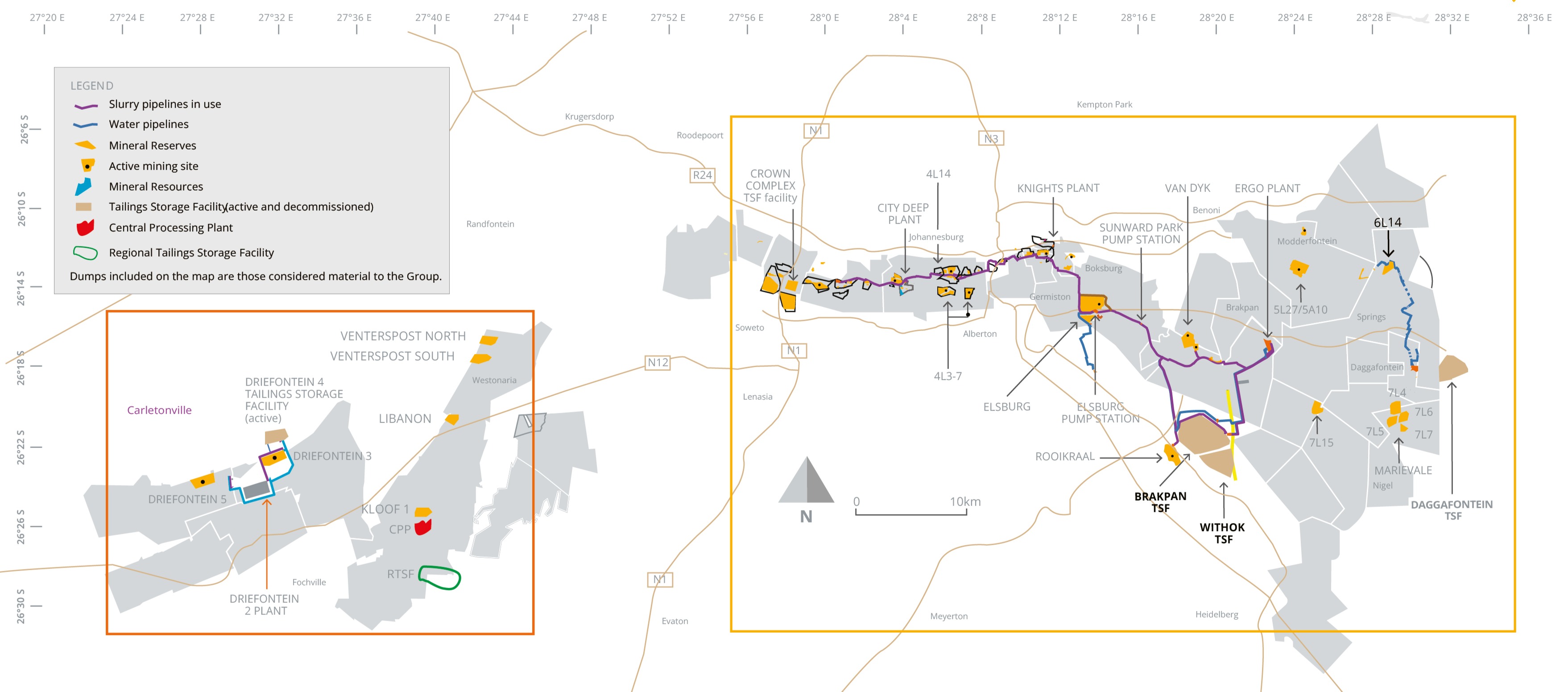
statements with respect to the legal review for recommissioning the Withok Tailings Storage Facility (“Withok TSF”) to increase
Ergo's deposition capacity and the construction of the Regional Tailings Storage Facility (“RTSF”), and expected potential
increase in capacity and life of mine;
statements with respect to the Solar Power Project (“Solar Plant”) developed by Ergo, and the Flotation Fine Grind program
("FFG");
expected deposition capacity from improvements in our dams and new tailings facility construction; and
expected effective gold mining tax rate.
2
Such statements reflect our current views with respect to future events and are subject to risks, uncertainties and assumptions.
Many factors could cause our actual results, performance or achievements to be materially different from any future results,
performance or achievements that may be expressed or implied by such forward-looking statements, including, among others:
regulatory and construction delays in commissioning replacement tailings storage facilities as existing facilities approach capacity;
adverse changes or uncertainties in general economic conditions in South Africa;
the future of power security from South Africa's power utility and intensity of load shedding
regulatory developments adverse to us or difficulties in maintaining necessary licenses or other governmental approvals;
future performance relating to the Far West Gold Recoveries ("FWGR") Phase 2 assets and the reclamation sites on the east of
Ergo’s plant;
damage to tailings storage facilities and excessive maintenance and rehabilitation costs;
a disruption in information technology systems, including incidents related to cyber security;
changes in the demand for and the price of gold;
changes in, or that affect, our business strategy;
that assumptions underlying our Mineral Reserves and Mineral Resources as set forth in this report and our TRSs prove to be
incorrect;
challenges in replenishing mineral reserves;
our ability to achieve anticipated efficiencies and other cost savings in connection with past and future acquisitions;
the success of our business strategy, development activities and other initiatives;
changes in technical and economic assumptions underlying our Mineral Reserve estimates;
any major disruption in production at our key facilities;
adverse changes in foreign exchange rates;
adverse environmental or environmental regulatory changes;
adverse changes in ore grades and recoveries, and to the quality or quantity of reserves;
unforeseen technical production issues, industrial accidents and theft;
anticipated or unanticipated capital expenditure on property, plant and equipment; and
various other factors, including those set forth in Item 3D. Risk Factors.
For a discussion of such risks, see Item 3D. Risk Factors. The risk factors described above and in Item 3D. could affect our future
results, causing these results to differ materially from those expressed in any forward-looking statements. These factors are not necessarily
all of the important factors that could cause our results to differ materially from those expressed in any forward-looking statements. Other
unknown or unpredictable factors could also have material adverse effects on future results.
Investors are cautioned not to place undue reliance on these forward-looking statements, which speak only as of the date thereof.
We do not undertake any obligation to update publicly or release any revisions to these forward-looking statements to reflect events or
circumstances after the date of this Annual Report or to reflect the occurrence of unanticipated events.
Special Note Regarding Websites
References in this document to information on websites (and/or social media sites) are included as an aid to their location and such
information is not incorporated in, and does not form part of, this annual report. Any links to external, or third-party websites, are provided
solely for convenience. We take no responsibility whatsoever for any third-party information contained in such third-party websites, and we
specifically disclaim adoption or incorporation by reference of such information into this report and no websites are incorporated by
reference into this report.
Imperial units of measure and metric equivalents
The table below sets forth units stated in this document, which are measured in Imperial and Metric.
Metric
Imperial
Imperial
Metric
1 metric tonne
1.10229 short tons
1 short ton
0.9072 metric tonnes
1 kilogram
2.20458 pounds
1 pound
0.4536 kilograms
1 gram
0.03215 troy ounces
1 troy ounce
31.10353 grams
1 kilometer
0.62150 miles
1 mile
1.609 kilometers
1 meter
3.28084 feet
1 foot
0.3048 meters
1 liter
0.26420 gallons
1 gallon
3.785 liters
1 hectare
2.47097 acres
1 acre
0.4047 hectares
1 centimeter
0.39370 inches
1 inch
2.54 centimeters
1 gram/tonne
0.0292 ounces/ton
1 ounce/ton
34.28 grams/tonnes
0 degree Celsius
32 degrees Fahrenheit
0 degrees Fahrenheit
- 18 degrees Celsius
Glossary of Terms and Explanations
The table below sets forth a glossary of terms used in this Annual Report:
3
Adjusted EBITDA
Adjusted EBITDA means earnings before interest, tax, depreciation, amortisation, share-based payment
(benefit)/expense, change in estimate of environmental rehabilitation recognised in profit or loss, gain/(loss)
on disposal of property, plant and equipment, gain/(loss) on financial instruments, IFRS 16 lease payments,
exploration expenses and transaction costs, and retrenchment costs. This is a non-IFRS financial measure and
should not be considered a substitute measure of net income reported by us in accordance with IFRS.
Administration expenses and
other costs excluding non-
recurring items
Administration expenses and other costs excluding loss on disposal of property, plant and equipment and
transaction costs.
All-in sustaining costs
All-in sustaining costs is a measure on which guidance is provided by the World Gold Council and includes
cash operating costs of production, plus movement in gold in process on a sales basis, corporate
administration expenses and other (costs)/income, the accretion of rehabilitation costs and sustaining capital
expenditure. Costs other than those listed above are excluded. All-in sustaining costs per kilogram are
calculated by dividing total all-in sustaining costs by kilograms of gold produced. This is a non‑IFRS financial
measure and should not be considered a substitute measure of costs and expenses reported by us in accordance
with IFRS.
All-in costs
All-in costs is a measure on which guidance is provided by the World Gold Council and includes all-in
sustaining costs, retrenchment costs, care and maintenance costs, ongoing rehabilitation expenditure, growth
capital expenditure and capital recoupments. Costs other than those listed above are excluded. All-in costs per
kilogram are calculated by dividing total all-in costs by kilograms of gold produced. This is a non‑IFRS
financial measure and should not be considered a substitute measure of costs and expenses reported by us in
accordance with IFRS.
Assaying
The chemical testing process of rock samples to determine mineral content.
Recommissioning of the Withok
TSF
The recommissioning of the Withok Tailings Storage Facility is the engineering design that ultimately brings
the tailings storage facility to its finality in terms of extent, operation, rehabilitation and management. The
implemented final design would result in alignments with the principles that underscore the outcomes pursued
under with the Global Industry Standard on Tailings Management (“GISTM”) and regulatory bodies, increase
deposition capacity, improve operation/management and bring about the sustainable closure of the facility.
$/oz
US dollar per ounce.
Called gold content
The theoretical gold content of material processed.
Care and maintenance costs
Costs to ensure that the Ore Reserves are open, serviceable and legally compliant after active mining activity
at a shaft has ceased.
Cash operating costs
Cash operating costs of production are operating costs less ongoing rehabilitation expenses, care and
maintenance costs and net other operating costs/(income). This is a non‑IFRS financial measure and should
not be considered a substitute measure of costs and expenses reported by us in accordance with IFRS.
Cash operating costs per kilogram
Cash operating costs are operating costs incurred directly in the production of gold and include labor costs,
contractor and other related costs, inventory costs and electricity costs. Cash operating costs per kilogram are
calculated by dividing cash operating costs by kilograms of gold produced. This is a non‑IFRS financial
measure and should not be considered a substitute measure of costs and expenses reported by us in accordance
with IFRS.
Cut‑off grade
The grade (i.e., the concentration of metal or mineral in rock) that distinguishes material deemed to have no
economic value from material deemed to have economic value.
CIL Circuit
Carbon-in-leach circuit.
Definitive Feasibility Study
("DFS")
A definitive engineering estimate of all costs, revenues, equipment requirements and production at a -5% to
+10% level of accuracy. The study is used to define the economic viability of a project and to support the
search for project financing.
Depletion
The decrease in the quantity of ore in a deposit or property resulting from extraction or production.
Deposition
Deposition is the geological process by which material is added to a landform or land mass. Fluids such as
wind and water, as well as sediment flowing via gravity, transport previously eroded sediment, which, at the
loss of enough kinetic energy in the fluid, is deposited, building up layers of sediment. Deposition occurs
when the forces responsible for sediment transportation are no longer sufficient to overcome the forces of
particle weight and friction, creating a resistance to motion.
Dilution
Waste or material below the cut-off grade that contaminates the ore during the course of mining operations
and thereby reduces the average grade mined.
Doré
Unrefined gold and silver bullion bars consisting of approximately 90% precious metals which will be further
refined to almost pure metal.
Footwall
The underlying side of a stope or ore body.
Grade
The amount of gold contained within auriferous material generally expressed in ounces per ton or grams per
tonne of ore.
Growth capital expenditure
Capital additions that are not sustaining capital expenditure. This is a non‑IFRS financial measure and should
not be considered a substitute measure of costs and expenses reported by us in accordance with IFRS.
g/t
Grams per tonne.
Indicated Mineral Resources
That part of a Mineral Resource for which quantity and grade or quality are estimated on the basis of adequate
geological evidence and sampling. The level of geological certainty associated with an indicated Mineral
Resource is sufficient to allow a qualified person to apply modifying factors in sufficient detail to support
mine planning and evaluation of the economic viability of the deposit. Because an indicated Mineral Resource
has a lower level of confidence than the level of confidence of a measured Mineral Resource, an indicated
Mineral Resource may only be converted to a probable Mineral Reserve.
4
Inferred Mineral Resources
That part of a Mineral Resource for which quantity and grade or quality are estimated on the basis of limited
geological evidence and sampling. The level of geological uncertainty associated with an inferred Mineral
Resource is too high to apply relevant technical and economic factors likely to influence the prospects of
economic extraction in a manner useful for evaluation of economic viability. Because an inferred Mineral
Resource has the lowest level of geological confidence of all Mineral Resources, which prevents the
application of the modifying factors in a manner useful for evaluation of economic viability, an inferred
Mineral Resource may not be considered when assessing the economic viability of a mining project and may
not be converted to a Mineral Reserve.
Measured Mineral Resources
That part of a Mineral Resource for which quantity and grade or quality are estimated on the basis of
conclusive geological evidence and sampling. The level of geological certainty associated with a measured
Mineral Resource is sufficient to allow a qualified person to apply modifying factors, in sufficient detail to
support detailed mine planning and final evaluation of the economic viability of the deposit. Because a
measured Mineral Resource has a higher level of confidence than the level of confidence of either an indicated
Mineral Resource or an inferred Mineral Resource, a measured Mineral Resource may be converted to a
proven Mineral Reserve or to a probable Mineral Reserve.
Metallurgical plant
A processing plant (mill) erected to treat ore and extract the contained gold.
Mineral Reserves
An estimate of tonnage and grade or quality of indicated and measured Mineral Resources that, in the opinion
of the qualified person, can be the basis of an economically viable project. More specifically, the
economically mineable part of a measured or indicated Mineral Resource, which includes diluting materials
and allowances for losses that may occur when the material is mined or extracted.
Mineral Resources
A concentration or occurrence of material of economic interest in or on the Earth's crust in such form, grade or
quality, and quantity that there are reasonable prospects for economic extraction. A Mineral Resource is a
reasonable estimate of mineralization, taking into account relevant factors such as cut-off grade, likely mining
dimensions, location or continuity, that, with the assumed and justifiable technical and economic conditions,
is likely to, in whole or in part, become economically extractable. It is not merely an inventory of all
mineralization drilled or sampled.
Mine call factor
The gold content recovered expressed as a percentage of the called gold content.
Modifying factors
The factors that a qualified person must apply to indicated and measured Mineral Resources and then evaluate
in order to establish the economic viability of Mineral Reserves. A qualified person must apply and evaluate
modifying factors to convert measured and indicated Mineral Resources to proven and probable Mineral
Reserves. These factors include, but are not restricted to: Mining; processing; metallurgical; infrastructure;
economic; marketing; legal; environmental compliance; plans, negotiations, or agreements with local
individuals or groups; and governmental factors. The number, type and specific characteristics of the
modifying factors applied will necessarily be a function of and depend upon the mineral, mine, property, or
project
Mt
Million tonnes.
Ore
A mixture of valuable and worthless materials from which the extraction of at least one mineral is technically
and economically viable.
Other operating costs / (income)
Expenses incurred, and income generated in the course of operating activities, which are not directly
attributable to production activities.
Operating costs
Operating costs are cost of sales less depreciation, change in estimate of rehabilitation provision, movement in
gold in process and finished inventory – gold bullion, ongoing rehabilitation expenditure, care and
maintenance, other operating income and retrenchment costs.
oz/t
Ounces per ton.
Prefeasibility study ("PFS")
A comprehensive study of a range of options for the technical and economic viability of a mineral project that
has advanced to a stage where a preferred mining method, in the case of underground mining, the pit
configuration, in the case of an open pit or surface tailings, is established and an effective method of mineral
processing is determined. It includes a financial analysis based on reasonable assumptions on the modifying
factors and the evaluation of any other relevant factors which are sufficient for a qualified person, acting
reasonably, to determine if all or part of the Mineral Resource may be converted to a Mineral Reserve at the
time of reporting. A prefeasibility study is at a lower confidence level than a feasibility study.
Proven Mineral Reserves
The economically mineable part of a measured Mineral Resource and can only result from conversion of a
measured Mineral Resource.
Probable Mineral Reserves
The economically mineable part of an indicated and in some cases, a measured Mineral Resource.
Qualified Person
An individual who is a mineral industry professional with at least 5 years of relevant experience in the type of
mineralization and type of deposit under consideration and in the specific type of activity that person is
undertaking on behalf of the registrant, and an eligible member or licensee in a good standing of a recognized
professional organization at the time the technical report is prepared.
Refining
The final purification process of a metal or mineral.
Rehabilitation
The process of restoring mined land to a condition approximating its original state.
Reserves
That part of a mineral deposit which could be economically and legally extracted or produced at the time of
the reserve determination.
Sediment
The deposition of solid fragmental material that originated from weathering of rocks and was transported from
a source to a site of deposition.
Slimes
The tailings discharged from a processing plant after the valuable minerals have been recovered.
Sustaining capital expenditure
Sustaining capital expenditure are those capital additions that are necessary to maintain current gold
production. This is a non‑IFRS financial measure and should not be considered a substitute measure of costs
and expenses reported by us in accordance with IFRS.
T’000
Tonnes in thousands.
Tailings
Finely ground rock from which valuable minerals have been extracted by milling, or any waste rock, slimes or
residue derived from any mining operation or processing of any minerals.
5
Tailings facility
A dam created from waste material of processed ore after the economically recoverable gold has been
extracted.
Tonnage/Tonne
Quantities where the metric tonne is an appropriate unit of measure. Typically used to measure reserves of
gold‑bearing material in‑situ or quantities of ore and waste material mined, transported or milled.
Tpm
Tonne per month.
Yield
The amount of recovered gold from production generally expressed in ounces or grams per ton or tonne of
ore.
6
PART I
ITEM 1. IDENTITY OF DIRECTORS, SENIOR MANAGEMENT AND ADVISERS
Not applicable.
ITEM 2. OFFER STATISTICS AND EXPECTED TIMETABLE
Not applicable.
ITEM 3. KEY INFORMATION
3A. [Reserved]
3B. CAPITALIZATION AND INDEBTEDNESS
Not applicable.
3C. REASONS FOR THE OFFER AND USE OF PROCEEDS
Not applicable.
3D. RISK FACTORS
In conducting our business, we face many risks that may interfere with our business objectives. Some of these risks relate to our
operational processes, while others relate to our business environment. It is important to understand the nature of these risks and the impact
they may have on our business, financial condition and operating results. Some of these risks are summarized below and have been
organized into the following categories:
Risks related to our business and operations;
Risks related to the gold mining industry;
Risks related to doing business in South Africa;
Risks related to Environmental, Social and Governance (ESG) performance including climate change;
Risks related to government regulation as well as other legal and regulatory requirements; and
Risks related to ownership in our ordinary shares or American Depositary Shares (ADSs).
Risks related to our business and operations
Regulatory and construction delays in commissioning replacement tailings storage facilities as existing facilities approach
capacity could result in reduced or suspended deposition and adversely affect our production and results of operations.
Our primary Tailings Storage Facilities (TSFs) are subject to a five-yearly Dam Safety Evaluation (DSE) by an independent
Approved Professional Person (APP), who is required to make proposals in a prescribed form to the regulator, the Department of Water and
Sanitation (DWS), based on his findings, for the implementation of his recommendations. These recommendations may include adjustments
to deposition rates or other recommendations that may result in changes, limitations or restrictions on the use of the TSF, which may impact
our throughput rate and affect production.
Each operation monitors the geo-technical integrity of its TSFs carefully in accordance with a prescribed set of parameters. Any
deterioration in any of these parameters may result in a reduction in or suspension of throughput which may affect production.
The Brakpan TSF is a mature facility and is approaching its final phase as a mega-volume tailings storage facility. Therefore, in
light of Ergo’s planned future production plans, Ergo has commenced with the process of recommissioning the adjacent Withok TSF, to
create an additional 310 million tonnes of deposition capacity. The requisite public participation process has been completed and the project
is in its authorization phase. Commissioning is planned to occur within the  next three to four years. Ergo plans to maintain its current
deposition rate of 1.65 million tonnes per month for another three to four more years before moving onto the adjacent Withok TSF.
The regulatory process to recommission Withok is complex, though, and the regulator may not approve all aspects of the envisaged
design. The footprint and location of the facility also make for a challenging construction process, and this may result in target dates not
being met, and planned throughput rates not being achieved.  Regulatory and construction delays in commissioning replacement tailings
storage facilities as existing facilities approach capacity could result in reduced or suspended deposition and adversely affect our production
and results of operations.
At FWGR, key projects to increase such a deposition capacity include the development of the RTSF as part of the Phase 2 FWGR
project.  The timing to have the new facilities online is critical, as a delay may result in reduced deposition rates or a suspension of 
deposition which will have an adverse financial impact on the business if interim alternative deposition facilities cannot be obtained.
Our large projects, most notably the development of FWGR Phase 2, which includes the construction of the Regional Tailings
Storage Facility (RTSF), the Driefontein Plant 2 (DP2) plant upgrade and construction of pipelines linking DP2 and RTSF, to expand
our operations to the western side of Johannesburg, the pipeline linking Ergo Plant to the Daggafontein TSF to resume deposition on the
Daggafontein TSF and the recommissioning of Withok TSF to enable mining on the east of the Ergo plant, are subject to schedule delays
and cost overruns, and we may face constraints in financing our existing projects or new business opportunities, which could render our
projects unviable or less profitable than planned.
7
Projects like the development of the Phase 2 FWGR project, and the resumption of depositioning at the the Daggafontein TSF and
recommissioning the Withok TSFs are subject to numerous risks and challenges such as strict quality standards and specifications, delays,
cost overruns, regulatory approvals and requirements, social and environmental risks as well as technical risks including, inter alia:
unforeseen increases in the cost of equipment, labor and raw materials;
delays or disruptions in the supply of equipment and raw materials
unforeseen design and engineering problems;
unforeseen ground conditions/geotechnical risks requiring extensive test work and ground monitoring which may impact timeliness and 
costs;
changes in construction plans that may require new or amended planning permissions;
delays in obtaining the necessary regulatory approvals;
unforeseen construction problems;
unforeseen delays commissioning sections of the project;
inadequate phasing of activities;
labor disputes and social challenges;
•  security issues;
health and safety risks;
inadequate workforce planning or productivity of workforce;
inadequate management practices;
natural disasters and adverse weather conditions;
poor contractor performance/failure or delay of third-party service providers; and
changes to regulations, such as environmental regulations.
The development of our projects are capital intensive processes carried out over long durations and requires us to commit
significant capital expenditure and allocate considerable management resources in utilizing our existing experience and know-how.
The DP2 plant expansion project involves the construction of the plant’s own elution circuit and smelter house, and a doubling of
current throughput capacity to 1.2Mtpm. Completion is expected in the first quarter of FY2027. Initial feed to the expanded plant will be
from the Driefontein 3 and the Libanon dumps, 600 000tpm from each.
Construction of the RTSF is progressing well, notwithstanding some delays caused by rainy weather. With a total deposition
capacity of 800Mt at an eventual deposition rate of 2.4Mtpm, one-third of the RTSF is expected to be completed in the first quarter of
FY2027 to align with the commissioning of the DP2 plant expansion. Construction of the rest of the RTSF will continue simultaneously with
the start of deposition. A delay in the construction of the RTSF may result in deposition capacity to be reduced as the Driefontein 4 TSF is
expected to reach capacity at the end of fiscal year 2026 at the current deposition rate, where after the deposition rate would have to decrease
materially. Furthermore, delays in the DP2 expansion project may result in the under utilization of the RTSF resulting in lower returns being
generated.
DP2/RTSF pipeline infrastructure: 60km of the 135km pipeline, consisting of a slurry pipeline, two residue pipelines and a return
water pipeline linking the plant and the RTSF, has been constructed. Included in the work so far was the successful under-passing of the N12
highway and the crossing of five provincial roads.
Recommissioning the Withok Tailings Storage Facility (Withok TSF) at Ergo remains subject to regulatory approvals. The public
participation process was completed in December 2024, and authorization is currently underway. Final approvals are still awaited. Once
commissioned, Withok TSF is planned to have a design deposition capacity of approximately 310 million tonnes with a life of about 20 years
and an eventual deposition rate of 1.3 million tonnes per month. Commissioning is expected to begin within the next three to four years.
Reliance is placed on a limited number of key individuals with specialized knowledge, skills, or decision-making authority and loss
of these skills poses a risk to operational continuity and project execution.
We also face the risks that expected benefits of our projects are not achieved or that we expect potential challenges during the
transition from construction to fully operational status as well as the integration of constructed works into existing processes and systems.
This may negatively impact production output.
In addition, if the assumptions we make in assessing the viability of our projects, including those relating to commodity prices,
exchange rates, interest rates, inflation rates and discount rates, prove to be incorrect or need to be significantly revised, this may adversely
affect the profitability or even the viability of our projects. The uncertainty and volatility in the gold market makes it more difficult to
accurately evaluate the project economics and increases the risk that the assumptions underlying our assessment of the viability of the project
may prove incorrect.
The phase 2 FWGR project, resumption of depositioning on the Daggafontein TSF and recommissioning of the Withok TSFs are
particularly material to DRDGOLD, significant cost overruns or adverse changes in assumptions affecting the viability of these projects
could have a material adverse effect on our business, cash flows, financial condition and prospects.
Our operating cash flow, available banking facilities and ability to raise funds from banks or the capital markets may be
insufficient to meet our capital expenditure plans and requirements, depending on the timing and cost of development of our existing projects
and any further projects we may pursue. As a result, new sources of capital may be needed to meet the funding requirements of these projects
and to fund ongoing business activities. Our ability to raise and service significant new sources of capital will be a function of, inter alia,
macroeconomic conditions, rising cost of debt, our credit rating, our gearing and other risk metrics, the condition of the financial markets,
future gold prices, the prospects for our industry, our operational performance and operating cash flow and debt position. Inability to raise
these funds may place a burden on the Group's cash reserves.
In the event of operating or financial challenges, any dislocation in financial markets or new funding limitations, our ability to
pursue new business opportunities, invest in existing and new projects, fund our ongoing business activities and pay dividends, could be
constrained, any of which could have a material adverse effect on our business, operating results, cash flows and financial condition.
8
Underperformance of solar and energy storage infrastructure could increase electricity costs and adversely affect operational
performance.
Our mining operations are currently dependent on electrical power supplied by Eskom, South Africa’s state-owned utility
company, which has become incapable of satisfying the energy requirements of the South African economy and has applied a system of
power rationing or load shedding to prevent a complete collapse of the national electricity grid. See “—Power stoppages or shortages or
increases in the cost of power could negatively affect our results and financial condition”. To reduce its reliance on Eskom and reduce its
future cost of electricity, Ergo has completed the construction and commissioning of the Solar Power Project (Solar Plant), which comprises
a 60 MW solar photovoltaic plant together with an associated 160 MWh battery energy storage system (BESS). The Solar Plant’s panels
have been installed, and the PV/BESS system has been progressively brought into service and integrated with the national grid, supplying
power to Ergo’s operations and offsetting consumption across multiple Eskom accounts.
Although the Solar Plant and BESS have reduced Ergo's reliance on Eskom and have contributed to lower Eskom electricity
consumption and costs since commissioning, there can be no guarantee that these facilities will continue to operate as expected or that they
will achieve their intended performance or efficiency levels. For example, the Solar Plant is expected to perform at certain key performance
indicator targets. Any failure of the Solar Plant or BESS to deliver in accordance with such targets, whether due to technical malfunctions,
adverse weather conditions, degradation of equipment or other operational factors, may expose Ergo to increased Eskom tariffs. Any such
increase in electricity costs could adversely affect Ergo’s cash position.
Damage to tailings storage facilities and excessive maintenance and rehabilitation costs could result in lower production and
health, safety and environmental liabilities.
Our tailings storage facilities are exposed to numerous risks and events, the occurrence of which may result in the failure, breach or
damage of such a facility. These may include sabotage, piping or seepage failures, failure by our employees to adhere to the codes of practice
and natural disasters such as excessive rainfall and seismic events, any of which could force us to stop or limit operations. This is further
impacted and expected to intensify with the effects of climate change. In addition, the facilities could overflow or a side wall could collapse
jeopardizing the health and safety of our employees and communities living around these facilities and potentially resulting in extensive
property and environmental damage.
In the event of damage to, or any failure of, our tailings facilities, we could face legal proceedings (including criminal proceedings
and public civil actions) and investigations for significant amounts of damages. Such actions would also likely entail significant costs and
potentially involve the need for large expenditures to help regions and people affected to recover. The occurrence of any of these risks could
adversely affect our operations and this in turn could have a material adverse effect on our business, operating results and financial condition.
The potential elimination of conventional wet tailings could also lead to large additional expenditures on research and development
of new technologies. Changes in law and regulation, to impose more stringent standards, may also lead to increased capital expenditure to
update our facilities, be able to expand our facilities in the future or continue to meet existing or more stringent legal (including permit)
requirements.
Due to the nature of our business, our operations face extensive health and safety risks and regulation of those risks.
Gold mining is exposed to numerous risks and events, the occurrence of which may result in the death of, or personal injury, to
employees or others. These risks and events include seismic events, heat, ground or slope failures, rock bursts, sink holes, fires, falls of
ground and blockages, flooding, discharges of gases and toxic substances as well as radioactivity, unplanned detonation of explosives,
blasting and the transport, storage and handling of hazardous materials.
According to section 54 of the Mine, Health and Safety Act of 1996, if an inspector believes that any occurrence, practice or
condition at a mine endangers or may endanger the health or safety of any person at the mine, the inspector may give any instruction
necessary to protect the health or safety of persons at the mine. These instructions could include the suspension of operations at the whole or
part of the mine. Health and safety incidents could lead to mine operations being halted and that will increase our unit production costs,
which could have a material adverse effect on our business, operating results and financial condition.
As with environmental incidents, so too may the occurrence of health and safety risks result in increased regulator and stakeholder
scrutiny, which may lead to increases in compliance costs, and could result in enforcement actions and litigation (by regulators, affected
stakeholders and others) that could lead to the imposition of significant fines or liabilities or otherwise adversely impact our operations
through revocation of permits and approvals, the imposition of new conditions, and reputational impacts. The occurrence of such risks could
have a material adverse effect on our business, operating results and financial condition.
After five years of operating without a fatality, we very sadly lost a colleague at Ergo due to fatal injuries sustained on April 13,
2024 when a side-wall slip at the 5L27 dump impacted the loader he was operating. Subsequent to the fatality, the Group operated fatality-
free for FY2025, and the safety metrics achieved improved. The Group continues to prioritise safety, has strengthened oversight and
leadership at all operations, and continues with safety programmes and monitoring.
Furthermore, the construction workings and execution of the current large projects have resulted in an increased number of people
and vehicles, (i.e. contractors and construction vehicles) within the existing operating areas. This has increased the likelihood of safety-
related incidents. Although scrutiny has intensified to ensure that operational and project teams adhere to safety protocols and procedures, a
safety related incident could result in stoppage of current operations and / or project works which may adversely impact production.
9
Potable water scarcity and increased reliance on secondary water sources may adversely affect our operations and increase
costs.
Our operations require substantial volumes of water to transport material from reclamation sites to processing plants, for gold
recovery processes within the plants, transferring residual material to the TSF, and for rehabilitation and other activities. South Africa is a
water-stressed country, and potable water scarcity increasingly affects both public and private sector operations. The growing gap between
water demand and supply, driven by droughts, population growth, poor infrastructure, climate change, and water system mismanagement,
may limit the availability of reliable and affordable water sources for our operations. During financial year 2025, there was an increase in
disruptions in water supply by Rand Water (South Africa's bulk water utility) to Gauteng residents. As a result, we increasingly rely on
secondary water sources, including non-potable or contaminated water. The use of such sources may expose us to additional regulatory,
environmental, operational and health-related risks, and may require costly treatment and monitoring.
Although we continue to research and implement measures to optimise water use and recycling, including in relation to water
reticulation systems as well as the re-use of grey or treated water, there can be no assurance that these efforts will be sufficient to secure the
quality and quantity of water required for our operations. As part of life of mine planning, we continuously assess our water requirements
and are developing strategies to secure the appropriate quality and quantity of water over the short- to longer-term. However, implementing
these strategies may be onerous and could significantly increase our operational costs. Any inability to secure a reliable and adequate water
supply could disrupt production and adversely affect our business, results of operations and financial condition.
A disruption in our information technology systems, including incidents related to cyber security, could adversely affect our
business operations.
We rely on the accuracy, availability and security of our information technology systems. Despite the measures that we have
implemented, including those related to cyber security, our systems could be breached or damaged by computer viruses and systems attacks,
natural or man-made incidents, disasters or unauthorized physical or electronic access.
Any system failure, accident or security breach could result in business disruption, theft of our intellectual property, trade secrets
(including our proprietary technology), unauthorized access to, or disclosure of, personnel or supplier information, corruption of our data or
of our systems, reputational damage or litigation. We may also be required to incur significant cost to protect against or repair the damage
caused by these disruptions or security breaches in the future, including, for example, rebuilding internal systems, implementing additional
threat protection measures, defending against litigation, responding to regulatory inquiries or actions, paying damages, or taking other
remedial steps with respect to third parties.  (Refer to Item 16K. ‘‘Cyber Security")
These threats are constantly evolving, including through the use of new technologies such as artificial intelligence and machine
learning by threat actors, thereby increasing the difficulty of successfully defending against them or implementing adequate preventative
measures and we remain subject to additional known or unknown threats. In some instances, we may be unaware of an incident or its
magnitude and effects. We may be susceptible to cyber-attacks, including phishing and ransomware attacks, in the evolving landscape of
cybersecurity threats. Cyber security attacks have recently become more prevalent in the mining industry, which has increased the likelihood
of DRDGOLD being targeted for cyber security attacks in the future. An extended failure of critical system components, caused by
accidental, or malicious actions, including those resulting from a cyber security attack, could result in a significant environmental incident,
compromise of employee safety, commercial loss or interruption to operations as well as loss or misappropriation of confidential
information, including personal data relating to DRDGOLD's current or former employees. Such information could also be made public in a
manner that harms DRDGOLD’s reputation and financial results and, particularly in the case of personal data, could lead to regulators
imposing significant fines on DRDGOLD.
In addition, from time to time, we implement updates to our information technology systems and software, which can disrupt or
shutdown our information technology systems. We may also adopt artificial intelligence and other emerging technologies into our
information technology systems or mining operations. Such tools may additionally be utilized by our contractors and third parties that we
conduct business with. The use of artificial intelligence may not meet the existing and rapidly evolving regulatory standards and could
introduce security risks that may expose confidential data, lead to the loss of competitive information and result in operational failures.
Information technology system disruptions or security breaches, if not appropriately addressed or mitigated, could have a material adverse
effect on our operations.
Any interruption in gold production at any of our two mining operations generating cash flows, will have an adverse effect on
the Company.
We have two mining operations generating cash flows, namely Ergo and FWGR. Ergo’s reclamation sites, processing plants, pump
stations and the Brakpan TSF are linked through pipeline infrastructure. The Ergo plant is currently our major processing plant. FWGR’s
reclamation sites, DP2 processing plant, pump stations and the Driefontein 4 Tailings Storage Facility are linked through pipeline
infrastructure.
Our reclamation sites, plants, pipelines infrastructure and the tailings storage facilities are exposed to numerous risks, including
operational down time due to planned or unplanned maintenance and possible load shedding or power dips, adverse weather, destruction of
infrastructure, spillages, higher than expected operating costs, or lower than expected production as a result of decreases in extraction
efficiencies due to imbalances in the metallurgical process as well as inconsistent volume throughput or other factors.
10
Our FWGR operations are reliant on the use and access to Sibanye-Stillwater Limited’s ("Sibanye-Stillwater") mining
infrastructure, related services including the smelting and recovery of gold from gold loaded carbon produced at FWGR (FWGR has the
option to transfer gold loaded carbon to Ergo's Knights plant as an alternative to Sibanye-Stillwater) as well as the use of various rights,
permits and licenses held by Sibanye Gold Proprietary Limited (wholly owned subsidiary of Sibanye-Stillwater) pursuant to which FWGR
operates, pending the transfer to FWGR of those that are transferable. Any disruption in the supply of, or our ability to use and access the
Sibanye-Stillwater mining infrastructure, related services and rights, permits and licenses, could have an adverse impact on our operations.
Any of the risks above or other interruptions could adversely impact our operations which could have a material adverse effect on
our business, operating results and financial condition.
Changes in the market price for gold and exchange rate fluctuations, both of which have fluctuated widely in the past, affect
the profitability of our operations and the cash flows generated by those operations.
Our results are significantly impacted by the price of gold and the USD-rand exchange rate. Any sustained decline in the market
price of gold from the current levels would adversely affect us, and any sustained decline in the price of gold below the cost of production
could result in the closure of some or all of our operations which would result in significant costs and expenditure, such as, incurring
retrenchment costs earlier than expected which could lead to a decline in profits, or losses, as well as impairment losses. In addition, as most
of our production costs are in rands, while gold is sold in dollars and then converted to rands, our results of operation and financial condition
have been and could be in the future materially affected by an appreciation in the value of the rand. Accordingly, any sustained decline in the
dollar price of gold and/or the strengthening of the South African rand against the dollar would negatively and adversely affect our business,
operating results and financial condition.
US inflation remained steady during fiscal year 2025, mainly driven by the continued impact of the Federal Reserve's monetary
policy tightening, as the Federal Reserve targets a 2% inflation rate. With inflation starting to decrease, the US Federal Reserve has lowered
interest rates by 75 basis points since September 2024, and further decreases are expected over fiscal year 2026. Uncertainty regarding the
timing and extent of interest rate cuts has contributed to the gold price remaining elevated, a trend further influenced by the conflict between
Israel and Gaza and by uncertainty surrounding potential US tariff changes. In addition, we are impacted by movements in the exchange rate
of the rand against the dollar as described below.
Exchange rates are influenced by global economic trends. The closing exchange rate of the rand against the dollar at  June 30, 2025
strengthened by 2% compared to June 30, 2024. The closing price of the rand against the dollar at June 30, 2024 strengthened by 3%
compared to June 30, 2023. At September 30, 2025, the rand traded at R17.25 = $1.00 (based on closing rates), representing a 3%
strengthening of the rand against the dollar from June 30, 2025 as the rand remained strong as a result of quantitative easing and lowering the
interest rates by the US Federal Reserve and Eskom Holdings SOC Limited (“Eskom”) providing stable electricity to the grid (load shedding
has been suspended since March 2024, but can be reinstated at any given time).  The rand/dollar exchange rate was volatile throughout the
fiscal year 2025, mainly as a result of global uncertainty regarding US tariffs which has created trade tension between US and China.
Furthermore, US tariffs have threatened South African exports. Additional contributing factors include uncertainty around the timing and
extent of interest rate reductions, geopolitical tensions between Israel and Gaza, the ongoing conflict between Russia and Ukraine, perceived
political and economic instability, and the structurally weak economic growth of the South African economy.
A decrease in the dollar gold price and/or a strengthening of the rand against the dollar results in a decrease in our profitability. If
the rand was to appreciate against the dollar or the gold price were to decrease for a continued time, our operations could experience a
reduction in cash flow and profitability, and this would adversely affect our business, operating results and financial condition.
We generally do not enter into forward contracts to limit our exposure to fluctuations in the US dollar gold price or movements in
the rand exchange rate. However, should favorable conditions arise, we may consider short-term hedging opportunities where this is deemed
beneficial. Gold is sold at a dollar gold price and spot exchange rate specified in a contract with the South African bullion banks to deliver
the gold at a specified settlement date. If the dollar gold price should fall and/or the rand should strengthen against the dollar, this would
adversely affect us, and we may experience losses, and if these changes result in revenue below our cost of production and remain at such
levels for any sustained period, we may be forced to curtail or suspend some or all our operations. While hedging can provide short-term
protection against adverse movements in the gold price or rand/dollar exchange rate, it carries the risk of opportunity losses if the gold price
rises significantly above the hedged level.
The imposition of significant tariffs by the United States of America on South African and global exports may have a
significant impact on global supply chains, increase the cost of supplies used in our operations and affect our ability to export gold
without significant tariffs
The Unites States has imposed significant tariffs on imports from various countries, and the tariff landscape continues to evolve,
causing uncertainty in global markets with concerns around slower global economic growth. The US has imposed a 30% tariff on its imports
from South Africa, leading to concerns around job losses, rising export costs, and slower economic growth in the country. Although no
tariffs have been imposed by the US administration on gold, there is uncertainty regarding whether such tariffs may be imposed in the future.
Any tariffs imposed on gold could have an adverse effect on the global gold market and gold prices and may increase the cost of selling our
gold in global markets, which could lead to lower profitability.
Depletion of profitable reserves and or failure to acquire new Mineral Reserves could negatively affect our future cash flows,
results of operations and financial condition.
11
New or ongoing exploration programs may be delayed or may not result in new mineral producing operations that will sustain or
increase our Mineral Reserves. A failure to acquire new Mineral Reserves in sufficient quantities and quality to maintain or grow the current
level and quality of our reserves will negatively affect our future cash flow, results of operations and financial condition. In addition, if we
are unable to identify Mineral Reserves that have reasonable prospects for economic extraction while maintaining sufficient controls on
production and other costs, this will have a material effect on the future viability of our operations.
If our payable reserves are depleted without being replaced or expanded in future years through exploration, acquisition or
development activities, our production levels and life of mine will decline. Any such reduction in reserves would adversely affect our
business, operating results and financial condition. 
We may be unable to make desirable acquisitions or to integrate successfully any businesses we acquire, including the
development of Phase 2 of the FWGR assets acquired from Sibanye-Stillwater.
Our future success may depend in part on the acquisition of businesses or technologies intended to complement, enhance or expand
our current business or products or that might otherwise offer us growth opportunities. Our ability to complete such transactions may be
hindered by a number of factors, including identifying acquisition targets, obtaining necessary financing and potential difficulties in
obtaining government approvals. Any acquisitions we make, could fail to achieve our financial or strategic objectives or disrupt our ongoing
business which could adversely impact our results of operations.
Any acquisition that we do make would pose risks related to the integration of the new business or technology with our business
and organization. We cannot be certain that we will be able to achieve the benefits we expect from a particular acquisition or investment.
Acquisitions may also strain our managerial and operational resources, as the challenge of managing new operations may divert our
management from day-to-day operations of our existing business. Furthermore, we may have difficulty integrating employees, business
systems, and technology. The controls, processes and procedures of acquired businesses may also not adequately ensure compliance with
laws and regulations and we may fail to identify compliance issues or liabilities. Our business, financial condition and results of operations
may be materially and adversely affected if we fail to coordinate our resources effectively to manage both our existing operations and any
businesses we acquire.  Acquisitions can also result in unforeseen liabilities.
Moreover, our resources are limited and our decision to pursue a transaction has opportunity costs; accordingly, if we pursue a
particular transaction, we may need to forgo the prospect of entering into other transactions that could help us achieve our financial or
strategic objectives.
We may not be able to meet our cash requirements because of a number of factors, many of which are beyond our control.
Management’s estimates on future cash flows are subject to risks and uncertainties, such as the rand gold price, production
volumes, recovered grades and costs. Management is estimating a significant capital investment in major projects in the next few years.  If
we are unable to meet our cash requirements out of cash flows generated from our operations, we would need to fund our cash requirements
from financing sources and any such financing may not be permitted under the terms of our financing arrangements or may not be possible
on attractive terms or at all due to rising interest rates, or may not be available on acceptable terms, or at all. If we do not generate sufficient
cash flows or have access to adequate financing, our ability to respond to changing business and economic conditions, make future
acquisitions, react to adverse operating results, meet our debt service obligations and fund required capital expenditures or meet our working
capital requirements may be adversely affected.
An increase in production costs could have an adverse effect on our results of operations.
An increase in our production costs will impact our results of operations. Production costs are affected by, inter alia:
•  rising global and national inflation;
•  labor stability, productivity and increases in labor costs;
•  increases in reagents and nature of material reclaimed;
•  increases in electricity and water prices;
•  increases in crude oil and steel prices;
•  increases in security measures to protect our employees and infrastructure;
•  changes in regulation;
•  unforeseen changes in ore grades and recoveries;
•  unexpected changes in the quality or quantity of reserves;
•  technical production issues;
•  availability and cost of smelting and refining arrangements;
•  environmental and industrial accidents;
•  gold theft;
•  shortages or availability of materials used in production;
•  environmental factors; and
•  pollution.
Our production costs consist mainly of materials including reagents and steel, labor, electricity, specialized service providers,
machine hire, security, water, fuels, lubricants and other oil and petroleum-based products. Production costs have in the past, and could in the
future, increase at rates in excess of our annual inflation rate and impact our results of operation and can result in the restructuring of these
operations at substantial cost.
12
A four-year wage agreement was reached with organized labor at FWGR in November 2024. ERGO’s wage agreement with
employees expired at the end of June 2025 and negotiations with organized labor will continue with the meeting scheduled for November
2025. There is an increased likelihood of wage-related disputes escalating into industrial action, including potential labor strikes. Such
developments could significantly disrupt operations and pose safety risks to employees. Management is monitoring developments closely
and has initiated contingency planning to mitigate potential operational and safety impacts.
Increases in production costs, if material, will adversely impact our results of operations.  In addition, any initiatives that we pursue
to reduce costs, such as reducing our reliance on Eskom’s grid through self-generation of power, for example through the Solar Power
Project at Ergo, reducing our labor force, a reduction of the corporate overhead, negotiating lower price increases for consumables and cost
controls may not be successful or sufficient to offset the increases affecting our operations and could adversely affect our business, operating
results and financial condition.
Our operations are subject to extensive environmental regulations which could impose significant costs and liabilities.
Our operations are subject to increasingly extensive laws and regulations governing the protection of the environment under
various state, provincial and local laws, which regulate air and water quality, hazardous waste management and environmental rehabilitation
and reclamation. Our mining and related activities have the potential to impact the environment, including land, habitat, streams and
environment near the mining sites. More complex and stringent regulations may lead us to face increased regulatory and stakeholder
scrutiny, which may increase capital expenditures. Failure to comply with environmental laws or delays in obtaining, or failures to obtain
government permits and approvals, or the imposition of additional permit/approval conditions may adversely impact our operations and may
open us to enforcement actions and potential litigation. In addition, the regulatory environment in which we operate could change in ways
that could substantially increase costs of compliance, resulting in a material adverse effect on our profitability.
We have incurred, and expect to incur in the future, expenditures to comply with these environmental laws and regulations. We
have estimated our aggregate group Provision for Environmental Rehabilitation at a net present value of R558.7 million which is included in
our statement of financial position as at June 30, 2025 (Refer to Item 18. ‘‘Financial Statements - Note 11 – Provision for environmental
rehabilitation”). However, the ultimate amount of rehabilitation costs may in the future exceed the current estimates due to factors beyond
our control, such as changing legislation, higher than expected cost increases, or unidentified rehabilitation costs. The Group provides for
future obligations to rehabilitate by using funds held in insurance products. If any of our operations are prematurely closed, the rehabilitation
funds may be insufficient to meet all the rehabilitation obligations of those operations. The closure of mining operations, without sufficient
financial provision for the funding of rehabilitation liabilities, or unacceptable damage to the environment, including pollution or
environmental degradation, may expose us and our directors to prosecution, litigation and potentially significant liabilities.
In addition to compliance with local laws and regulations, our operations are also increasingly subject to stakeholder expectations
concerning the application of international environmental (and health and safety and social) standards. These include the Responsible Gold
Mining Principles, IFC Performance Standards, World Gold Council guidelines and World Bank guidelines. The application of these
standards similarly increases the costs of compliance, while the failure to adhere to such standards can result in reputational damage and
adversely affect our operations.
Regulators are increasingly focusing on enforcement of these applicable laws (including permitting requirements). Enforcement
activities may cause our operations to cease or to be suspended and may require us to undertake corrective measures that require additional
capital expenditure. We have also been, and may in the future be, subject to litigation and other costs as well as actions by authorities,
affected stakeholders, non-governmental organizations and public bodies relating to environmental matters. These claims and actions can
result in significant liabilities, penalties and fines which can adversely affect our business, operating results, and financial condition.
Uncertainties regarding supply chain
The global inflationary pressures as well as geopolitical volatility may negatively impact availability and cost of critical material
and equipment. This may be further exacerbated by the increase in the frequency and severity of natural disasters such as severe weather,
floods and earthquakes which may further increase this risk. The risk of dependency on key suppliers requires ongoing focus and proactive
management. A sustained unavailability and increased cost of critical material such as reagents and critical equipment may require
DRDGOLD to find acceptable substitute suppliers and may also require it to pay higher prices for such materials, potentially affect
production and increase operating costs resulting in loss of revenue. Furthermore, there is a growing risk of a shortage of cyanide supply to
the mining industry in South Africa. Tailings retreatment operations require a high volume of material feed and consequently high
consumption of cyanide. As our operations pl to increase throughput, a shortages of cyanide would result in a decrease in production or come
at an additional cost of importing. New projects may also be adversely affected by delays in supplies, freight costs and higher than
inflationary increases for capital equipment which may affect operations and production, and ultimately result in failure to deliver into the
business plans.
Events may occur for which we are not insured which could affect our cash flows and profitability.
Because of the nature of our business, we may become subject to liability for pollution or other hazards against which we are
unable to insure or are not insured, including those in respect of past mining activities. Our existing property, business interruption and other
insurance contains certain exclusions and limitations on coverage. The insured value for property and loss of profits due to business
interruption is R23.9 billion, with a total loss limit of R3 billion for Ergo and R1.2 billion for FWGR for fiscal year 2026. Business
interruption is only covered from the time the loss occurs with a maximum indemnity period of 12 months and is subject to time and amount
deductibles that vary between categories. To cover legal liability to third parties for damage, injury, illness or death, a total of R1 billion
insurance cover is in place for the 2026 fiscal year, subject to certain exclusions and limitations on coverage.
Insurance coverage may not cover the extent of claims brought against us, including claims for environmental, industrial or
pollution related accidents or damages or interruption due to electricity supply failure / interruptions, for which coverage is not available. In
addition, insurance policies for the various classes now also have a clause that excludes cover for infectious diseases such as Covid. Any
business interruption due to the impact of such a disease may thus not be covered from an insurance perspective and could result in loss of
revenue. If we are required to meet the costs of claims which exceed our insurance coverage, this could have a material adverse effect on our
business, operating results and financial condition.
13
If we are unable to attract and retain key personnel our business may be harmed.
The success of our business will depend, in large part, upon the skills and efforts of a small group of management and technical
personnel including the positions of Chief Executive Officer and Chief Financial Officer. The loss of any of our key personnel could delay
the execution of our business plans, which may result in decreased production, increased costs and decreased profitability. For example, the
Ergo Financial Director retired during fiscal year 2024, and while there was sufficient succession planning in place, there is no guarantee that
future departures will not disrupt the business. In addition, we compete with mining and other companies on a global basis to attract and
retain key human resources at all levels with appropriate technical skills and operating and managerial experience necessary to operate the
business. Factors critical to retaining our present staff and attracting additional highly qualified personnel include our ability to provide these
individuals with competitive compensation arrangements, and other benefits. If we are not successful in retaining or attracting highly
qualified individuals in key management positions, our business may be harmed. We do not maintain “key man” life insurance policies on
any members of our executive team. Any of the foregoing may have a material adverse effect on our business, operating results and financial
condition. 
We are subject to operational risks associated with our flotation and fine-grind (FFG) project.
Our flotation and fine-grind project, implemented in fiscal year 2014, is designed to improve extraction efficiencies. 
Certain components of the FFG were temporarily halted in the first quarter of fiscal year 2020 to perform an evaluation and
compare the additional revenues earned from additional gold extracted from the most recently integrated reclamation sites compared to the
cost incurred to operate the FFG circuit. The remaining components of the FFG continue to operate. Testing on the newly integrated material
has suggested that some of these halted components will only operate in subsequent years once the related reclamation sites have been
brought online in accordance with the current life of mine plan for ERGO. These halted components are classified as idle assets until they are
brought back into operation as described. The success of the FFG is directly dependent on the material type and material mix processed
through it. Therefore, the halted components will remain idle pending the continuation and conclusion of various test work regarding the
material type and material mix of future reclamation sites. Firm decisions have also not yet been made by the executive committee and the
Board of Directors on the future of the FFG. We remain subject to operations risks relating to the FFG project.
Risks related to the gold mining industry
A change in the dollar price of gold, which in the past has fluctuated widely, is beyond our control.
Historically, the gold price has fluctuated widely and is affected by numerous industry factors over which we have no control
including:
•  a significant amount of above-ground gold in the world that is used for trading by investors;
•  the physical supply of gold from world-wide production and scrap sales, and the purchase, sale or divestment by central banks of their gold
holdings;
•  the demand for gold for investment purposes, industrial and commercial use, and in the manufacturing of jewelry;
•  speculative trading activities in gold;
•  the overall level of forward sales by other gold producers;
•  the overall level and cost of production of other gold producers;
•  international or regional political and economic events or trends;
•  the strength of the dollar (the currency in which gold prices generally are quoted) and of other currencies;
•  financial market expectations regarding the rate of inflation;
•  interest rates;
•  gold hedging and de-hedging by gold producers; and
•  actual or expected gold sales by central banks and the International Monetary Fund.
During fiscal year 2025 the gold price reached a high of U$3,432 per ounce and a low of U$2,329. We benefited from a sustained
high gold price due to global economic uncertainty and geopolitical tensions, which includes uncertainties regarding US tariffs, which
contribute to market instability, driving investors toward gold as a safe-haven asset.
Investors globally, as they have in so many previous times of crisis, turned to gold. The rand/dollar exchange rate was volatile
throughout the fiscal year 2025 mainly as a result of global the uncertainty around US tariffs, which threatened South African exports and
uncertainty around the lowering of interest rates, geopolitical tensions between Israel and Gaza, perceived political and economic instability,
structurally weak economic growth of the South African economy.
The factors mentioned above indicate the various factors that causes the volatility in the price of gold or the rand/dollar exchange
rate in the future. Our profitability may be negatively impacted by a decline in the gold price as we incur losses when revenue from gold
sales drops below the cost of production for an extended period.
The exploration of mineral properties is highly speculative in nature, involves substantial expenditures, and is frequently
unproductive.
Exploration is highly speculative in nature and requires substantial expenditure for drilling, sampling and analysis of ore bodies to
quantify the extent of the gold reserve. Many gold exploration programs, including some of ours, do not result in the discovery of
mineralization and any mineralization discovered may not be of sufficient quantity or quality to be mined profitably. If we discover a viable
deposit, it usually takes several years from the initial phases of exploration until production is possible. During this time, the economic
feasibility of production may change.
14
Moreover, we rely on the evaluations of professional geologists, geophysicists, and engineers for estimates in determining whether
to commence or continue mining. These estimates generally rely on scientific and economic assumptions, which in some instances may not
be correct, and could result in the expenditure of substantial amounts of money on a deposit before it can be determined with any degree of
accuracy whether the deposit contains economically recoverable mineralization. Uncertainties as to the metallurgical recovery of any gold
discovered may not warrant mining based on available technology.
Our future growth and profitability will depend, in part, on our ability to identify and acquire additional mineral rights and gold
reserves, and on the costs and results of our continued exploration and development programs. Our business focuses mainly on the extraction
of gold from tailings, which is a volume driven exercise. Only significant deposits within proximity of services and infrastructure that
contain adequate gold content to justify the significant capital investment associated with plant, reclamation and deposition infrastructure are
suitable for exploitation in terms of our model. There is a limited supply of these deposits which may inhibit exploration and developments,
especially in a declining gold price environment that may occur in future.
Because of these uncertainties, we may not successfully acquire additional mineral rights, or identify new Proven and Probable
Mineral Reserves in sufficient quantities to justify commercial operations in any of our operations. The costs incurred on exploration
activities that do not identify commercially exploitable reserves of gold are not likely to be recovered and therefore are likely to be impaired.
There is inherent uncertainty in Mineral Reserves and Mineral Resources estimates.
Our Mineral Reserve and Mineral Resources figures described in this document are the best estimates of our current management
as of the dates stated and are reported in accordance with the requirements of the SEC’s Regulation S-K (Subpart 1300). These estimates
may not reflect actual Mineral Reserves and Mineral Resources or future production.
Should we encounter mineralization or formations different from those predicted by past drilling, sampling and similar
examinations, reserve estimates may have to be adjusted and mining plans may have to be altered in a way that might ultimately cause our
reserve estimates to decline. Moreover, if the rand price of gold declines, or stabilizes at a price that is lower than recent levels, or those
assumed in our mining plans, or if our labor, specialized services providers, water, steel, electricity and other production costs increase or
recovery rates decrease, it may become uneconomical to recover Mineral Reserves and Mineral Resources, particularly those containing
relatively lower grades of mineralization. Under these circumstances, we would be required to re-evaluate our Mineral Reserves and Mineral
Resources. Short-term operating factors relating to the ability to reclaim our Mineral Reserves, at the required rate, such as an interruption or
reduction in the supply of electricity, limited deposition capacity or a shortage of water may have the effect that we are unable to achieve
critical mass, which may render the recovery of Mineral Reserve, or parts of the Mineral Reserve no longer feasible, which could negatively
affect production rate and costs and decrease our profitability during any given period. Estimates of Mineral Reserves and Mineral Resources
are based on drilling results and because unforeseen conditions may occur in these mine dumps that may not have been identified by the
drilling results, the actual results may vary from the initial estimates. These factors have in the past and could in the future result in
reductions in our Mineral Reserves and Mineral Resources estimates and as a result, our production, which could in turn adversely impact
the total value of our mining asset base and our business, operating results and financial condition.
Gold mining is susceptible to numerous events that could have an adverse impact on a gold mining business.
The business of gold mining is exposed to numerous risks and events, the occurrence of which may result in the death of or
personal injury to employees, the loss of mining and reclamation equipment, damage to or destruction of mineral properties or production
facilities, monetary losses, delays in production, environmental damage, loss of the license to mine and potential legal claims. The risks and
events associated with the business of gold mining include:
environmental hazards and pollution, including dust generation, toxic chemicals, discharge of metals, pollutants, radioactive
materials and other hazardous material into the air and water;
flooding, landslides, sinkhole formation, ground subsidence, ground and surface water pollution and waterway contamination;
a decrease in labor productivity due to labor disruptions, work stoppages, disease, slowdowns or labor strikes;
unexpected decline of ore grade;
metallurgical conditions or lower than expected gold recovery;
failure of unproven or evolving technologies;
mechanical failure or breakdowns and ageing infrastructure;
energy and electrical power supply interruptions;
availability of water;
injuries to employees or fatalities due to falls from heights and accidents relating to mobile machinery or electrocution or other
causes;
activities of illegal or artisanal miners;
material and equipment availability;
legal and regulatory restrictions and changes to such restrictions;
social or community disputes or interventions;
accidents caused from the collapse of tailings facilities;
pipeline failures and spillages;
safety-related stoppages; and
corruption, fraud and theft including gold bullion theft.
The occurrence of any of these hazards could delay production, result in losses, or increase production costs or decrease earnings
and may result in significant legal claims and adversely impact our business results of operations and financial condition.
Risks related to doing business in South Africa
Political or economic instability in South Africa may reduce our production and profitability.
15
We are incorporated in South Africa and all our operations are currently in South Africa. Large parts of our operations are situated
in urban areas where most of the communities that live near our facilities are in the grip of poverty and  experience socio-economic stress. As
a result, political and economic risks relating to South Africa which have been escalated over the last few years, could have a significant
effect on our production and profitability. Large parts of the South African population are unemployed and do not have access to adequate
education, health care, housing and other services, including water and electricity. Government policies aimed at alleviating and redressing
the disadvantages suffered by most citizens under previous governments may increase our costs and reduce our profitability. Crime levels in
recent years in South Africa have increased which expose the business to increase in frequency and severity of security issues that may
disrupt business operations. These problems may impede fixed inward investment into South Africa and increase emigration of skilled
workers and as a result, we may have difficulties retaining qualified employees.
The sustained high unemployment rate, rising inequality and increased lawlessness has increased the risk of social unrest, such as
protests and conflict, in our surrounding communities. Continuous lack of service delivery, political instability and slow reformative action
being taken by all spheres of the South African government, specifically, in combating unemployment particularly in the youth of the
country adds to a sense of frustration that may increase the potential of violent strikes that could cause damage to property, harm to people
and disrupt operations. This frustration was a contributing factor that led to social unrest, people committing crimes, vandalization and theft
of property, and damaging infrastructure during fiscal year 2024 which was a contributing factor to delays in commissioning new
reclamation sites. A prolonged economic downturn could result in an extended period of high unemployment, further exacerbating anti-
mining sentiments in South Africa. Poor service delivery by local government has caused communities to shift expectations to the private
sector to provide essential services and for increased support and assistance. Poverty and high levels of unemployment have lead to demands 
to participate in, and benefit from, the economic activities of our business. Failure to recognise these could result in miscommunication,
misaligned expectations and loss of trust that in turn could threaten our social license to operate.
Recent developments in South Africa, including the formation of the Government of National Unity ("GNU") subsequent the 2024
elections and reduced power outages, are fostering cautious optimism for economic growth. Recent sovereign rating updates also affirmed a
stable to positive outlook but indicated that any further upward revisions will depend on sustained economic growth and fiscal discipline.
Despite this, operating within the  South African context remains challenging due to ongoing leadership struggles within the GNU, which
contribute to unpredictable policy and regulatory changes. These factors, together with corruption, systemic failures, ongoing public
infrastructure challenges and poor service delivery, continue to erode public trust and heighten social tensions.
Uncertainty within South Africa's political and economic context may adversely affect business and investor confidence. In
addition, recent commissions of inquiry and reports into governance and corruption have  scrutiny of government performance and state
accountability, contributing to policy uncertainty, regulatory shifts, and unpredictable community responses.
Furthermore, the rise of Environmental, Social, and Governance ("ESG") factors, such as electricity usage, social unrest, social
license to operate, climate change, water usage and environmental stewardship, in investment decisions may result in divestment in the
mining sector.
These factors, individually and collectively, contribute to sustained uncertainty within the South African political and economic
environment and may negatively impact our ability to operate efficiently or otherwise increase our costs of compliance and execution, which
could adversely impact our business, results of operations and financial condition.
Inflation can adversely affect us.
The inflation rate in South Africa is relatively high compared to developed, industrialized countries, although many countries
around the world are currently facing inflation challenges. As of June 30, 2025, the annual Consumer Price Inflation Index (“CPI”), stood at
3.0% compared to 5.1% in June 2024 and 5.4% in June 2023. Annual CPI was 3.4% as at September 30, 2025. Inflation in South Africa
generally results in an increase in our rand operational costs. Higher and sustained inflation in the future, with a consequent increase in
operational costs could have a material adverse effect on our results of operations and our financial condition and could result in operations
being discontinued or reduced or rationalized, which could reduce our profitability.
South African mining specific inflation was 3.7% for calendar year 2024 (calendar year 2023: 8.6% and calendar year 2022:
13.8%) which is higher than general CPI. Inflation in the gold mining sector tends to exceed general inflation, primarily due to increases in
electricity, chemical and labor costs. The impact of these cost pressures is reflected in DRDGOLD's cash cost, which increased by 4% in
fiscal year 2025 (fiscal year 2024: 13.7% and fiscal year 2023: 6.5%), although this was also influenced by the volume of tonnages
processed. Higher and sustained inflation in the future, with a consequent increase in operational costs could have a material adverse effect
on our results of operations and our financial condition and could result in operations being discontinued or reduced or rationalized, which
could reduce our profitability.
The treatment of occupational health diseases and the potential liabilities related to occupational health diseases may have an
adverse effect on the results of our operations and our financial condition.
We may be subject to claims relating to occupational health diseases and we are currently subject to legal action described below.
In January 2013, DRDGOLD, East Rand Proprietary Mines Limited (“DRDGOLD Respondents”) and 23 other mining
companies (“Other Respondents”) (collectively referred to as “Respondents”) were served with a court application issued in the High
Court of South Africa for a class certification on behalf of former mineworkers and dependents of deceased mineworkers (“Applicants”). In
the application the Applicants allege that the Respondents conducted underground mining operations in a negligent and complicit manner
causing the former mineworkers to contract occupational lung diseases. The Applicants have as yet not quantified the amounts which they
are demanding from the Respondents in damages.
16
On May 3, 2018, the Applicants and Anglo American South Africa Limited, AngloGold Ashanti Limited, Sibanye Gold
Proprietary Limited trading as Sibanye-Stillwater, Harmony Gold Mining Company Limited, Gold Fields Limited, African Rainbow
Minerals Limited and certain of their affiliates (“Settling Companies”) settled the class certification application in which the Applicants in
each sought to certify class actions against gold mining houses cited therein on behalf of mineworkers who had worked for any of the
particular respondents and who suffer from any occupational lung disease, including silicosis or tuberculosis.
The DRDGOLD Respondents, are not a party to the settlement between the Applicants and Settling Companies. The dispute,
insofar as the class certification application and appeal thereof is concerned, still stands and has not terminated in light of the settlement
agreement (refer to Item 18. “Financial Statements - Note 27Contingencies).
An adverse judgment in the claim described above or any other claim could have an adverse impact on our financial condition and
operating results and could result in increased regulatory and stakeholder scrutiny which could lead to increased compliance costs.
We have experienced an increase in organized crime activities which have started to target gold plants.
In October 2019, a number of companies, including our Knights and Ergo plants, were subject to armed attacks targeting the gold
in the plants or high-grade gold bearing material. These incidents were very well organized and in all the incidents the thieves were armed. In
some of the incidents employees of companies were also held hostage until the targeted material was obtained. In the 2019 incident, a
security officer was fatally injured.
Any such incidents have and may still result in losses of gold or other damage which could have a material adverse impact on our
business, financial results or condition.
Theft at our sites, particularly of copper and pipelines, may result in greater risks to employees or interruptions in production.
Crime statistics in South Africa indicate an increase in theft. This together with price increases for copper and steel has
resulted in theft of copper cables and pipelines. Our operations experience high incidents of copper cable theft and pipelines despite the
implementation of enhanced security measures which have increased our security spend. At times, the incidences have resulted in
serious injuries of our security personnel. In addition to the general risk to employees’ lives in an area where theft occurs, we may suffer
production losses and incur additional costs as a result of power interruptions caused by cable theft and theft of bolts used for the
pipeline.
Power stoppages or shortages or increases in the cost of power could negatively affect our results and financial condition.
Our mining operations are currently dependent on electrical power supplied by Eskom, South Africa’s state-owned utility
company. Electricity makes up approximately 12% of our operating costs. Eskom has become incapable of satisfying the energy
requirements of the South African economy and applied a system of power rationing or load shedding to prevent a complete collapse of the
national electricity grid. Eskom is a distressed enterprise unlikely to make a full recovery. It is owed billions of rands by local municipalities
and in more recent times has also fallen victim to damage to its supply grid through incessant cable theft. This poses a threat to our ability to
maintain the requisite volume throughput to deliver into our business plan, while the steps we are required to take to curtail load during load
shedding, like intermittently switching off our mills, also impact recovery efficiencies. The private sector has responded by accelerating
private production of renewable power. Government's own measures are lagging though, and it has been slow to administer the freeing up of
power generation on a larger scale. Although load shedding remained suspended at June 30, 2025, South Africa is still exposed to load
reduction which will be with us for the foreseeable future if the required maintenance and renewing of the Eskom power generation fleet
does not take place, which comes at a significant cost to the end user of Eskom electricity. Eskom and the government has introduced a
number of initiatives to over the past two years to reduce load shedding, being:
The introduction of the energy plan by the president of South Africa;
The introduction and appointment of an Electricity Minister;
Eskom launched a two year generational operational recovery plan to increase power generation and supply;
Change in the leadership of Eskom;
R254  billion debt relief from National Treasury
Decrease in electricity demand from Eskom over the years due to renewable energy alternative from residents, business and large
electricity consumers such as miners.
As part of the unbundling of Eskom, Eskom announced the appointment of the National Transmission Company of SA board in
January 2024, a step toward operationalizing the company that will be focused on managing the national grid which is independent
of Eskom’s generation and distribution functions.
Additional tax incentives for companies and households to build or implement their own renewable electricity sources to assist in
lowering the demand from Eskom.
Eskom reported a pre-tax profit for the first time in eight years, driven by less load shedding and an improved Energy Availability
Factor as a result of better plant performance, reduced reliance on diesel, and completion of new generation capacity. However, Eskom's
financial statements remain qualified due to ongoing uncertainties. The future of Eskom therefore remains precarious due to the following
major risks which, if they materialize, may have an adverse impact on its viability.
National Energy Regulator of South Africa (“NERSA”) approved Eskom annual tariff increases of 12.74% effective April 1, 2025,
significantly above the South African CPI. NERSA has approved further annual increases of 5.36% from April 1, 2026 and 6.19% from
April 1,2027. Eskom tariff increases increase the cost of mining and have an adverse effect on profitability.
The security of future power supply as well as the cost thereof remains a risk and may have major implications for our operations,
which may result in significant production losses.
17
In 2019, the President of South Africa announced the vertical unbundling of Eskom to improve efficiencies and have an
independent grid operator and open competition for energy generation at lower cost to the consumer. While full state ownership will be
maintained, the unbundling is expected to result in the separation of Eskom’s generation, transmission and distribution functions into
separate entities, which may require legislative and/or policy reform. The unbundling is still ongoing; however during March 2024 NERSA
approved the Eskom’s request to transfer its control over independent power producers ("IPPs") to the National Transmission Company of
South Africa ("NTCSA"). The NTCSA will be Eskom’s transmission subsidiary under the unbundling process that will split Eskom into
generation, transmission and distribution entities. Any IPP will be able to engage with the NTSCA to supply electricity via the Eskom grid to
Eskom, thus reducing the risk of future load shedding. Poor reliability of the supply of electricity and instability in prices through the
unbundling process is expected to continue. Eskom’s coal fired power plants have not performed well for a number of years, with national
rotational power cuts (load shedding) having been implemented intermittently through the last number of fiscal years. Should we experience
further power tariff increases, our business operating results and financial condition may be adversely impacted.
Ergo has completed the construction and commissioning of a Solar Power Project, with the aim of reducing its reliance on Eskom
and reducing its future cost of electricity. Although dependence on Eskom has decreased, it is not eliminated as Eskom power is still used
during off peak periods to power the operations and charge the battery energy storage system. See “—Underperformance of Ergo’s solar and
energy storage infrastructure could increase electricity costs and adversely affect Ergo’s operational performance”.
Ergo is also currently disputing the electricity tariff charged by Ekurhuleni Metropolitan Municipality. Over the past several years,
the municipality has charged Ergo for the electricity it draws from the Ergo Central Substation. However, Ergo determined that only Eskom
may legitimately charge for the drawn and consumed electricity. Ergo has instituted legal proceedings by way of an application and since
then, the municipality has issued two summonses. Ergo has made payments under protest and without prejudice or admission of liability. The
outcome of Ergo's application remains uncertain and may result in adverse impacts on the business, operating results and financial condition.
Please refer to Note 25 in the Consolidated Annual Financials for further detail.
Risks related to ESG performance including climate change
Increased scrutiny and expectation by stakeholders including governments, Non-government organizations (“NGOs”),
shareholders, investors, communities and other parties of interest regarding our ESG performance and practices as well as increased
reporting requirements, may expose us to additional costs and possible penalties for not complying to related standards. ESG-related risks
that we are exposed to include climate change physical and transition risks, compliance with environmental legislation and practices, soil and
water contamination, radiation, noise, water availability and efficient use thereof, energy efficiency and decarbonization, pollution and
inappropriate waste management practices, compromised safety and occupational well being, compromised employee health and mental
wellness, failure to manage diversity and inclusion, raising community expectations and concerns, complexity of legal and regulatory
compliance, supply chain risks, tailings management risks etc. Failure to manage these risks as well as to achieve the ESG performance
targets set may negatively impact the business and lead to reduced investor confidence and reputational challenges.
Physical risks including extreme weather
As a result of climate change, our operations are exposed to severe weather events that have in the past and could in the future
interrupt production and our supply chain. Major property, infrastructure and/or environmental damage as well as loss of human life could be
caused by extreme weather events such as droughts, heatwaves, extreme rainfall and high wind volumes which are all on the increase in
terms of frequency, duration and intensity. Specifically, we have experienced an increase in intensity of events, such as thunderstorms on the
Highveld, where our operations are situated. It is believed that the long-term upward trend in global temperature is directly correlated with an
increase globally in severe weather events both in terms of magnitude and frequency. During the third quarter of fiscal year 2025,
unprecedented heavy and persistent rainfall caused delays in the construction of the RTSF. Tonnages were also lower at Ergo due to
inhibited access access to certain sites which impacted the desired blend of reclamation material and ultimately impacted gold production.
Dry weather conditions can result in water restrictions being applied. In the cases where municipal water is used, these restrictions
can result in reclamation sites not being able to transfer material to the processing plants and also the processing plants not being able to
operate at full capacity. Severe thunderstorms and high winds, especially during the summer rainy season, may also cause damage to
operational infrastructure that may in turn cause an interruption in the production of gold. Strong wind, in particular, may also increase dust
exceedances throughout our operations, causing air pollution. Such incidents and other weather events may damage the facility and may
result in water shortages which can impact our operations and cause the interruption of deposition and gold production until the facility is
repaired or alternative deposition is brought online.
The occurrence of these risks and events may result in adverse impacts to our workforce, production interruptions, increased
operational costs associated with mitigation, measures and power and supply chain disruptions, project delays and increased production
pricing. All of this may result in adverse impacts on our business, operating results and financial condition.
Scarcity of water may exacerbate the risk of climate change and may negatively affect our operations.
South Africa is a relatively dry area and these conditions may deteriorate. South Africa faces water shortages, which may lead to
the revision of water usage strategies by several sectors in the South African economy, including electricity generation and municipalities.
This may result in rationing or increased water costs. Such changes would adversely impact our surface retreatment operations, which use
water to transport the slimes or sand from reclaimed areas to the processing plant and to the tailings facilities. Additionally, in Johannesburg
and surrounding areas, water supply infrastructure is poorly maintained, leading to interruptions in water supply that could further disrupt our
operations.
18
DRDGOLD invested R22 million in the construction of a filtration plant at the Rondebult Waste Water Works (operated by the
East Rand Water Care Company) to treat sewage water to reduce the use of potable water. This water is used both to reclaim and carry
production materials and also, ultimately, to irrigate rehabilitation vegetation at a significantly lower cost than that of potable water. The
plant was commissioned in early fiscal year 2016 and has design capacity to provide Ergo with 10 Mega Litres (“Ml”) a day from the
Rondebult sewage treatment facility. However, due to the deterioration of the local government authorities’ infrastructure, the expected
quantity of sewerage is not reaching the treatment facility and as a result Ergo is still not able to extract the full design capacity of 10 Ml of
water a day. It is not certain if and when the flow of sewerage will reach expected levels.
Furthermore, our surface retreatment operations rely on third-party service providers for the supply and treatment of water required
for production. FWGR relies on Sibanye-Stillwater to pump and supply underground mine water for its operations. Ergo relies on the Trans-
Caledon Tunnel Authority ("TCTA") for the supply of acid mine drainage ("AMD") water. Any interruption in these services could
materially affect operational continuity and production. In addition, AMD water requires significant treatment to meet operational standards,
which increases costs.
Any reduction in the volume or quality of water available to operations may adversely affect production output and our business,
results of operations and financial condition.
Failure to adapt or transition to climate change measures
The company is also exposed to a growing number of critical drivers of change and expectations. This includes new national and
international regulations, increased public concerns as well as pressure from lobby groups, regulators and investors for Companies to address
and report on the impact of climate change risks in a meaningful manner.
The need to adapt or transition in response to climate change, including complying with new regulations and responding to
increased stakeholder expectations, could result in increased compliance and operating costs as well as having other business impacts on
production costs and capacity. Failure to adopt measures in the face of transition risks may also negatively impact the business and could
lead to reduced investor confidence.
Risks related to government regulation
Government policies in South Africa may adversely impact our operations and profits.
The mining industry in South Africa is extensively regulated through legislation and regulations issued through the government’s
administrative bodies. These involve directives in respect of health and safety, water usage, the mining and exploration of minerals and
managing the impact of mining operations on the environment. A variety of permits, regulatory approvals and authorities are required to
mine lawfully, and the government enforces its regulations through the various government departments. Lack of communication between
government and regulators as well as ineffective regulators remains an issue that may increase the cost of compliance and obtaining permits.
The formulation or implementation of government policies may be discretionary and unpredictable on certain issues, including changes in
conditions for the issuance of licenses insofar as social and labor plans are concerned, transformation of the workplace, laws relating to
mineral rights, ownership of mining assets and the rights to prospect and mine, additional taxes on the mining industry and in extreme cases,
nationalization. A change in regulatory or government policies could adversely affect our business and may also result in increased project
costs and potential delays.
Complexity, uncertainty and changes within the regulatory environment continue, and those changes that are averse to business
and growth projects may result in increased project costs and potential delays.
The recently proposed Mineral and Resources Draft Bill (“MPRD Bill”) is also contributing to our exposure to these regulatory
uncertainties. The impact of this MPRD Bill on DRDGOLD is high based on the following:
The requirement to apply for a mining right to process movable ‘historical tailings’ pursuant to the draft MPRD Bill; and
The intended amendments to the MPRD Act that would allow the relevant Minister to set beneficiation targets for the mining
industry and exercise control over the beneficiation of minerals in South Africa.
DRDGOLD has submitted representations to the office of the Minister expressing its concerns regarding these proposed
amendments. The Minerals Council of South Africa, which advocates on behalf of mining companies such as DRDGOLD, has also
submitted its own representations to the office of the Minister. However, there can be no assurance that such advocacy efforts will be
successful. In addition, although DRDGOLD may challenge any attempts by the State to expropriate or otherwise restrict its ownership or
use of movable tailings dumps, there can be no assurance that such challenges would be effective. If the MPRD Bill, or similar amendments,
is promulgated into law, it could result in increased regulatory requirements, additional costs and taxes, restrictions on our ability to process
tailings or other mineral resources, or potential risks relating to the ownership and use of movable tailings dumps. Any such developments
could adversely affect our operations, results and financial condition.
Furthermore, certain regulators are significantly understaffed and under-resourced and not always able to process administrative
filings in accordance with prescribed timelines, which could result in delays to the Group's project planning and execution. In 2023 and
2024, this risk materialized when the commissioning of several new reclamation sites was delayed due to backlogs in the Department of
Water and Sanitation's processing of Water Usage License applications, leading to shortfalls in planned production. 
Both Ergo and FWGR currently have licence and other permit applications pending relating to the re-commissioning of TSFs and
the construction of reclamation sites. If these are not processed in time, the projects may experience delays in commissioning, which could
result in lower than targeted production.
Mining royalties and other tax reform could have an adverse effect on the business, operating results and financial condition of
our operations.
19
The Mineral and Petroleum Resources Royalty Act, No.28 of 2008 and the Mineral and Petroleum Resources Royalty Act
(Administration), No.29 of 2008 govern royalty rates for gold mining in South Africa. These acts provide for the payment of a royalty,
calculated through a royalty rate formula (using rates of between 0.5% and 5.0%) applied against gross revenue per year, payable half yearly
with a third and final payment thereafter. The royalty is tax deductible and the cost after tax amounts to a rate of between 0.33% and 3.3% at
the prevailing marginal tax rates applicable to the taxed entity. The royalty is payable on old unconverted mining rights and new converted
mining rights. Based on a legal opinion the Company obtained, mine dumps created before the enactment of the Mineral and Petroleum
Resources Development Act (“MPRD Act”) fall outside the ambit of this royalty, and consequently the Company does not pay any royalty
on any dumps created prior to the MPRD Act. Introduction of further revenue-based royalties or any adverse future tax reforms could have
an adverse effect on our business, operating results and financial condition.
On May 20, 2025, the draft MPRD Bill was gazetted for public comment. The two main areas of concern in the MPRD Bill are the
requirement to now be granted a mining right for movable tailings dumps and a new Black Economic Empowerment (“BEE”) and
transformation regime. The other notable concern with respect to the MPRD Bill relates to suggested ‘Beneficiation’. Subsequent to the
MPRD Bill being gazetted on May 20, 2025 for public comment, “interested and affected parties” were allowed to make representations to
the Department of Mineral and Petroleum Resources (“DMPR”) (previously the Department of Mineral Resources and Energy (the
"DMRE")). DRDGOLD has submitted its written representations to the DMPR.
Requirement of a mining right
Currently, and as a general proposition in the mining industry, the processing of movable tailings dumps does not constitute
“mining” for the purposes of the MPRD Act. Movable tailings dumps created before May 1, 2004, when the MPRD Act became effective,
are not subject to the MPRD Act and can be processed without a mining right. Tailings dumps processed by companies like DRDGOLD are
all movable in nature, and the MPRD Bill, if it ultimately amends the MPRD Act, will radically change companies’ ability to process these
movable tailings dumps.
BEE and transformation regime
Currently, there is no requirement for BEE when applying for a Prospecting Right. The MPRD Bill changes BEE and
transformation imperatives to those which currently apply to the Mining Industry. The MPRD Bill amends the definition of “this Act” to
include “the Codes of Good Practice for the South African Minerals Industry and Housing and Living Conditions Standards for the Minerals
Industry”, Gazetted on April 29, 2009 (“Codes”). The MPRD Bill makes these Codes enforceable legislation. The Codes conflict with the
transformation imperatives in the remainder of the MPRD Bill.
Beneficiation
"Beneficiation” is defined as “value addition to a higher value over baselines determined by the Minister” (the Minister of Mineral
and Petroleum Resources). Therefore, the State has control over what comprises beneficiation. The Minister can prescribe “conditions
required to ensure security of supply for local beneficiation”. The MPRD Bill provides that “Every producer of minerals must make
available minerals or mineral products for local beneficiation”. In summary, the Minister can determine what comprises “beneficiation”, can
make regulations with respect to promotion of “beneficiation” and mining companies will be compelled to ensure supply of minerals for
beneficiation” in South Africa.
Failure to comply with the requirements of the Broad Based Socio-Economic Empowerment Charter 2018 could have an
adverse effect on our business, operating results and financial condition of our operations.
On September 27, 2018, the Broad-Based Socio-Economic Empowerment Charter for the Mining and Minerals Industry, 2018
(“Mining Charter 2018”) was published in Government Gazette No. 41934 of Government Notice No. 639 on September 27, 2018. Mining
Charter 2018 requires, inter alia, an enduring 30% Black Economic Empowerment ("BEE") interest in respect of new mining rights. It also
has extensive provisions in respect of Historically Disadvantaged Persons (“HDP”) representation at board and management, as well as
provisions relating to local procurement of goods and services. The procurement target of the total spend on services from South African
companies has been pegged at 80% (up from 70% in Mining Charter III) and 60% of the aggregate spend thereof must be apportioned to
BEE entrepreneurs.
In March 2019, the Mineral Council of South Africa brought an application in the High Court, Pretoria for a judicial review and
setting aside of certain provisions in Mining Charter 2018.
On September 21, 2021, the High Court of South Africa ruled that the Mining Charter 2018 is not binding subordinate legislation
but an instrument of policy. This ruling affirmed that the Minister of Mineral Resources and Energy (“MRE Minister”) was not entitled to
make law through the Mining Charter 2018 to require 30% HDP ownership for the renewal of existing mining rights. The DMPR Minister
confirmed that they will not appeal the ruling.
DRDGOLD cannot guarantee that it will meet all the targets set out by the Mining Charter 2018. For example, if the Mining
Charter 2018 were to remain in its current form, there is no assurance that the goods, services and supplies in South Africa would be
sufficient to allow us to meet the targets.  More specifically, DRDGOLD may not be able to meet the requirement that 80% of total mining
goods and services procurement spend be on South African-manufactured goods due to an insufficient number of suppliers in South Africa
with heavy equipment. DRDGOLD may be required to increase participation by HDP in senior positions and allocate additional resources
for the development of the mine community, human resources, sustainability, procurement and enterprise. DRDGOLD may also be required
to make further adjustment to the ownership structure of its South African mining assets, including increasing the ownership of HDP, in
order to meet the Mining Charter 2018 requirements. Any such additional measures could have a material adverse effect on our business,
operating results and/or financial condition.
In addition, if we are unable to obtain sufficient representation of HDP at the board level and in management positions or if there
are not sufficient succession plans in place, this could have a material adverse effect on our business (including resulting in the imposition of
fines and having a negative effect on production levels), operating results and financial position. In relation to this, the mining industry,
including DRDGOLD, continues to experience a global shortage of qualified senior management and technically skilled employees.
DRDGOLD may be unable to hire or retain appropriate senior management, technically skilled employees or other management personnel,
or may have to pay higher levels of remuneration than it currently intends in order to do so.
20
Also, there is no guarantee that any steps DRDGOLD has already taken or might take in the future will ensure the retention of its
existing mining rights, the successful renewal of its existing mining rights, the granting of applications for new mining rights or that the
terms of renewals of its mining rights would not be significantly less favorable than the terms of its current mining rights. Any further
adjustment to the ownership structure of DRDGOLD’s South African mining assets in order to meet the above mentioned requirements
could have a material adverse effect on the value of DRDGOLD’s securities
Refer to Item 4B. Business Overview – Governmental regulations and their effect on our business – The Broad Based Socio-
Economic Empowerment Charter.
Government policies in South Africa may adversely impact our operations and profits related to financial provisioning for
rehabilitation.
Revised Financial Provisioning Regulations (“FPR”) were published on November 20, 2015, under the National
Environmental Management Act, 107 of 1998 (“NEMA”) and became effective from the date of publication thereof. Proposed amendments
to the FPRs were published for public comment GNR 1228 GG 41236 of November 10, 2017 (“Draft Regulations”), which seek to address
some challenges relating to the implementation thereof. Under these FRPs to be implemented by the DMPR, existing environmental
rehabilitation trust funds may only be used for post closure activities and may no longer be utilized for their intended purpose of concurrent
and final rehabilitation and closure.
Several further proposed amendments to the FPRs, (“Proposed Amendments”) were published subsequently. On February 1,
2024, the Minister of Forestry, Fisheries and the Environment again amended the transitional period contained in regulation 17B of the
Financial Provision Regulations, 2015. The transitional arrangements in regulation 17B of the FPRs allows the holder of a right or permit
granted or issued, as the case may be, in accordance with the MPRDA, who applied for such right or permit before 20 November 2015, to
continue making financial provision in accordance with regulations 53 and 54 of the regulations published under the MPRDA. Stated
differently, a person who applied for a right or permit prior to 20 November 2015, is not yet required to comply with the Financial Provision
Regulations. In the previous amendments to the regulation 17B of the Financial Provision Regulations, the Minister always specified a date
by when the transitional period would expire and when all holders would be required to comply with the Financial Provision Regulations.
However, this time the Minister has amended regulation 17B to provide that the transitional period will continue to apply until the Minister
published a date by when all holders are required to comply with the Financial Provision Regulations.
The Proposed Amendments, in their current form and which are still subject to the approval of the DMPR and Treasury, allow
under certain circumstances for the withdrawal against financial provision (which is currently not contemplated in the FPR). It is therefore
uncertain whether these provisions relating to withdrawal will remain in their current form, or at all. 
See discussion in 4.B. Business Overview – Governmental regulations and their effect on our business – Financial Provision for
Rehabilitation.
The implementation of Carbon Tax effective from June 1, 2019 may have a direct or indirect material adverse effect on our
business, operating results and financial condition.
The Carbon Tax Act (No 15 of 2019) has been in effect in South Africa since June 1, 2019. The Act is based on the polluter-pays
principle and is being implemented in phases. The initial plan scheduled the first phase to run from June 1, 2019 to December 31, 2022;
however, this period has been extended until December 31, 2025. The first phase does not have a material financial impact on the Group;
however, the carbon tax rate has increased by 58% since 2019. For the 2025 tax period, the carbon tax rate will increase from R190/tCO2e to
R236/tCO2e.
The maximum allowances that companies in the gold mining and refining industry can claim are 85%, which includes the 60%
basic tax-free allowance, 10% for the trade exposure allowance, 5% for the voluntary carbon budget allowance, and 10% for the carbon
offset allowance. During this first phase, the Group has been eligible to claim 60% for the basic tax-free allowance and 10% for the trade
exposure allowance, bringing the total claimed tax-free allowances to 70%.
Phase 2 of the carbon tax is scheduled to commence in January 2026, with the key changes made to the carbon tax regime. For
instance, the voluntary carbon budget allowance of 5% will fall away, and mandatory carbon budgets will be allocated to companies that
exceed 30 000 tCO2e per annum for listed activities. The carbon tax rate for emissions exceeding the carbon budget has been set at R640/
tCO2e. However, this change will not affect the Group, since the Group does not currently emit emissions above the 30 000 tCO2e threshold
for mandatory carbon budgets.
Another key change for Phase 2 is the increase of the carbon offset allowance from 5% to 10% for most fugitive and process
emissions, and an increase to 15% for fuel combustion emissions.  As it stands, Phase 2 will continue to focus on scope 1 emissions, with the
National Treasury continuing its commitment to electricity price neutrality until December 31, 2030, to shield consumers from higher
electricity costs. However, it remains unclear whether scope 2 emissions will be included in the future, beyond 2030.
While Phase 2 carbon tax changes are not expected to significantly affect the Group, ongoing increases in the carbon tax rate could
materially impact our business and financial results, particularly if supplier costs rise due to their own carbon tax obligations.
Ring-fencing of unredeemed capital expenditure for South African mining tax purposes could have an adverse effect on the
business, operating results and financial condition of our operations.
The Income Tax Act No 58 of 1962, or the ITA, contains certain ring-fencing provisions in section 36 specifically relating to
different mines regarding the deduction of certain capital expenditure and the carry over to subsequent years. After the restructuring of the
surface operations, effective July 1, 2012, Ergo is treated as one taxpaying operation pursuant to the relevant ring-fencing legislation. FWGR
is also treated as one taxpaying operation pursuant to the relevant ring-fencing legislation. In the event that we are unsuccessful in
confirming our position or should the South African Revenue Service have a different interpretation of section 36 of the ITA, it could have
an adverse effect on our business, operating results and financial condition.
21
Assessment of unredeemed capital expenditure by the South African Revenue Service could have an adverse effect on the
business, operating results and financial condition of our operations.
The South African Revenue Service (“SARS”) assesses capital expenditure when it is redeemed against taxable mining income
rather than when it is incurred. A different interpretation by SARS could have an adverse effect on our business, operating results and
financial condition.
Regulatory uncertainty regarding the tax treatment of Ergo's capital expenditure on the the battery energy storage system
("BESS") could have an adverse effect on the taxation liability of Ergo.
              In the 2023 budget review, the National Treasury announced a tax incentive to accelerate private investment in renewable energy
to alleviate load shedding. The allowance is available for assets used in the generation of power. The Ergo BESS system has been designed
to store excess energy from the solar PV plant as opposed to actual power generation. However, regulatory uncertainty exists regarding
whether storage assets constitute “generation” assets for purposes of these incentives. There is no formal judicial or administrative guidance
confirming that BESS qualify for the accelerated tax incentive. While SARS has issued some rulings concerning BESS that indicate a
potentially favorable direction, these rulings do not directly address the same factual circumstances as Ergo BESS. SARS has advised that
their policy is to regard any assets forming part of an “integrated system” to generate power from renewable sources as power generation
assets. Ergo’s BESS is fully integrated into the solar PV plant as it is charged by the solar PV plant and discharges this stored power to the
Ergo operation. Consistent with external tax advice received, Ergo has treated the PV assets and the integrated BESS as qualifying
electricity‑generation assets for purposes of the available allowances. However, there remains a risk that SARS could challenge this position
and issue an adverse determination, which could result in the disallowance of claimed tax benefits and potential penalties and interest
charges and therefore have an adverse effect on the taxation liability of Ergo.
Since our South African labor force has substantial trade union participation, we face the risk of disruption from labor disputes
and new South African labor laws.
Labor costs are significant for Ergo, constituting 17% of Ergo’s production costs for fiscal year 2025 (2024: 17%). As of June 30,
2025, our Ergo operations provided full-time employment for 693 employees while our main service providers deployed an additional 1945
employees to our operations, of whom approximately 87% are members of trade unions or employee associations.
Labor costs are significant for FWGR, constituting 18% of FWGR’s production costs for fiscal year 2025 (2024: 18%). As of June
30, 2025, our FWGR operations provided full-time employment for 168 employees while our main service providers deployed an additional
572 employees to our operations, of whom approximately 88% are members of trade unions or employee associations.
We have entered into various agreements regulating wages and working conditions at our mines. FWGR has reached a four year
wage agreement with organized labor. ERGO’s wage agreement with employees expired at the end of June 2025 and negotiations with
organized labor will continue with the meeting scheduled for November 2025. Unreasonable wage demands could increase production costs
to levels where our operations are no longer profitable. This could lead to accelerated mine closures and labor disruptions. We are also
susceptible to strikes by workers from time to time, which result in disruptions to our mining operations.
In recent years, labor laws in South Africa have changed in ways that significantly affect our operations. In particular, laws that
provide for mandatory compensation in the event of termination of employment for operational reasons and that impose large monetary
penalties for non-compliance with the administrative and reporting requirements of affirmative action policies could result in significant
costs to us. In addition, future South African legislation and regulations relating to labor may further increase our costs or alter our
relationship with our employees. Labor cost increases could have an adverse effect on our business, operating results and financial condition.
Labor unrest could affect production.
During March 2022 to June 2022 there was strike action by staff at the Sibanye-Stillwater gold mines adjacent to FWGR. FWGR’s
gold bars are smelted at Sibanye-Stillwater’s Driefontein plant. This resulted in Ergo having to smelt FWGR gold on their behalf. Such
events at our operations or at our reclamation sites has in the past and could in future have an adverse effect on our business, operating
results and financial condition.
We use a third party service provider for the management of our reclamation sites as well as on our Brakpan TSF and Driefontein 4
TSF. Any labor unrest or other significant issue at this third party service provider may impact the operation of this facility. Furthermore,
there has been an increase in employees and third party service providers at FWGR as a result of the Phase 2 project which is currently fully
underway. Any labor unrest or other significant issue with affected employees and third party service providers may impact the execution of
the project in a timely manner and within budget.
Strike action and intimidation at mining operations adjacent to our FWGR mining operations could have an adverse effect on our
business, operating results and financial condition.
Our financial flexibility could be materially constrained by South African currency restrictions.
South African law provides for exchange control regulations, which restrict the export of capital from South Africa, the Republic
of Namibia, and the Kingdoms of Lesotho and Eswatini, known collectively as the Common Monetary Area (the “CMA”). The Exchange
Control Department of the South African Reserve Bank, or SARB, is responsible for the administration of exchange control regulations. In
particular, South African companies:
are generally not permitted to export capital from South Africa or to hold foreign currency without the approval of the SARB;
are generally required to repatriate, to South Africa, profits of foreign operations; and
are limited in their ability to utilize profits of one foreign business to finance operations of a different foreign business.
22
While the South African Government has relaxed exchange controls in recent years, South African companies remain subject to
restrictions on their ability to deploy capital outside of the CMA and it is difficult to predict whether such relaxation of controls will continue
in the future. As a result, DRDGOLD’s ability to raise and deploy capital outside the CMA is restricted. These restrictions could hinder
DRDGOLD’s financial and strategic flexibility, particularly its ability to fund acquisitions, capital expenditures and exploration projects
outside South Africa. For further information see Item 10D. Exchange Controls.
We could be adversely affected by violations of the U.S. Foreign Corrupt Practices Act and similar anti-bribery laws outside of
the United States.
The U.S. Foreign Corrupt Practices Act, or the FCPA, and similar anti-bribery laws in other jurisdictions generally prohibit
companies and their intermediaries from making improper payments to government officials or other persons for the purpose of obtaining or
retaining business. This includes aggressive investigations and enforcement proceedings by both the U.S. Department of Justice and the SEC,
increased enforcement activity by non- U.S. regulators, and increases in criminal and civil proceedings brought against companies and
individuals. Our policies mandate compliance with the FCPA and other applicable anti-bribery laws. Our internal control policies and
procedures may not protect us from reckless or criminal acts committed by our employees, the employees of any of our businesses, or third
party intermediaries. In the event that we believe or have reason to believe that our employees or agents have or may have violated
applicable anti-corruption laws, including the FCPA, we would investigate or have outside counsel investigate the relevant facts and
circumstances, which can be expensive and require significant time and attention from senior management. Violations of these laws may
result in criminal or civil sanctions, inability to do business with existing or future business partners (either as a result of express prohibitions
or to avoid the appearance of impropriety), injunctions against future conduct, profit disgorgements, disqualifications from directly or
indirectly engaging in certain types of businesses, the loss of business permits, reputational harm or other restrictions which could disrupt our
business and have a material adverse effect on our business, financial condition, results of operations or liquidity.
We face risks with respect to compliance with the FCPA and similar anti-bribery laws through our acquisition of new companies
and the due diligence we perform in connection with an acquisition may not be sufficient to enable us fully to assess an acquired company’s
historic compliance with applicable regulations. Furthermore, as we make acquisitions such as the acquisition of FWGR, our post-acquisition
integration efforts may not be adequate to ensure our system of internal controls and procedures are fully adopted and adhered to by acquired
entities, resulting in increased risks of non-compliance with applicable anti-bribery laws.
Risks related to ownership of our ordinary shares or ADSs
It may not be possible for you to effect service of legal process, enforce judgments of courts outside of South Africa or bring
actions based on securities laws of jurisdictions other than South Africa against us or against members of our board.
Our Company, certain members of our board of directors and executive officers are residents of South Africa. All our assets are
located outside the United States and a major portion with respect to the assets of members of our board of directors and executive officers
are either wholly or substantially located outside the United States. As a result, it may not be possible for you to effect service of legal
process, within the United States or elsewhere including in South Africa, upon most of our directors or officers, including matters arising
under United States federal securities laws or applicable United States state securities laws.
Moreover, it may not be possible for you to enforce against us or the members of our board of directors and executive officers’
judgments obtained in courts outside South Africa, including the United States, based on the civil liability provisions of the securities laws of
those countries, including those of the United States. A foreign judgment is not directly enforceable in South Africa, but constitutes a cause
of action which will be enforced by South African courts provided that:
the court which pronounced the judgment had jurisdiction to entertain the case according to the principles recognized by South
African law with reference to the jurisdiction of foreign courts;
the judgment is final and conclusive (that is, it cannot be altered by the court which pronounced it);
the judgment has not lapsed;
the recognition and enforcement of the judgment by South African courts would not be contrary to public policy, including
observance of the rules of natural justice which require that no award is enforceable unless the defendant was duly served with
documents initiating proceedings, that he was given a fair opportunity to be heard and that he enjoyed the right to be legally
represented in a free and fair trial before an impartial tribunal;
the judgment was not obtained by fraudulent means;
the judgment does not involve the enforcement of a penal or revenue law; and
the enforcement of the judgment is not otherwise precluded by the provisions of the Protection of Business Act, 1978 (as
amended), of South Africa.
It is the policy of South African courts to award compensation for the loss or damage sustained by the person to whom the
compensation is awarded. Although the award of punitive damages is generally unknown to the South African legal system that does not
mean that such awards are necessarily contrary to public policy. Whether a judgment was contrary to public policy depends on the facts of
each case. Exorbitant, unconscionable, or excessive awards will generally be contrary to public policy. South African courts cannot enter into
the merits of a foreign judgment and cannot act as a court of appeal or review over the foreign court. South African courts will usually
implement their own procedural laws and, where an action based on an international contract is brought before a South African court, the
capacity of the parties to the contract will usually be determined in accordance with South African law.
It is doubtful whether an original action based on United States federal securities laws may be brought before South African courts.
A plaintiff who is not resident in South Africa may be required to provide security for costs in the event of proceedings being initiated in
South Africa. Furthermore, the Rules of the High Court of South Africa require that documents executed outside South Africa must be
authenticated for use in South African courts. It may not be possible therefore for an investor to seek to impose liability on us in a South
African court arising from a violation of United States federal securities laws.
Dividend withholding tax will reduce the amount of dividends received by beneficial owners.
23
On April 1, 2012, the South African Government replaced Secondary Tax on Companies (then 10%) with a 15% withholding tax
on dividends and other distributions payable to shareholders. The dividend withholding tax rate was increased to 20%, effective from
February 22, 2017. The withholding tax reduces the amount of dividends or other distributions received by our shareholders. Any further
increases in such tax will further reduce net dividends received by our shareholders.
Your rights as a shareholder are governed by South African law, which differs in material respects from the rights of
shareholders under the laws of other jurisdictions.
Our Company is a public limited liability company incorporated under the laws of the Republic of South Africa. The rights of
holders of our ordinary shares, and therefore many of the rights of our ADS holders, are governed by our memorandum of incorporation and
by South African law. These rights differ in material respects from the rights of shareholders in companies incorporated elsewhere, such as in
the United States. In particular, South African law significantly limits the circumstances under which shareholders of South African
companies may institute litigation on behalf of a company. 
Control by principal shareholders could adversely affect our other shareholders.
Sibanye-Stillwater beneficially owns 50.1% of our outstanding ordinary shares and voting power and has the ability to control, our
board of directors. Sibanye-Stillwater will continue to have control over our affairs for the foreseeable future, including with respect to the
election of directors, the consummation of significant corporate transactions, such as an amendment of our constitution, a merger or other
sale of our company or our assets, and all matters requiring shareholder approval. In certain circumstances, Sibanye-Stillwater’s interests as a
principal shareholder may conflict with the interests of our other shareholders and Sibanye-Stillwater’s ability to exercise control, or exert
significant influence, over us may have the effect of causing, delaying, or preventing changes or transactions that our other shareholders may
or may not deem to be in their best interests. In addition, any sale or expectation of sale of some or all the shares held by Sibanye-Stillwater
could have an adverse impact on our share price.
Sales of large volumes of our ordinary shares or ADSs or the perception that these sales may occur, could adversely affect the
prevailing market price of such securities.
The market price of our ordinary shares or ADSs could fall if substantial amounts of ordinary shares or ADSs are sold by our
stockholders, or there is the perception in the marketplace that such sales could occur. Current holders of our ordinary shares or ADSs may
decide to sell them at any time. Sales of our ordinary shares or ADSs, if substantial, or the perception that any such substantial sales may
occur, could exert downward pressure on the prevailing market prices for our ordinary shares or ADSs, causing their market prices to
decline. Trading activity of hedge funds and the ability to borrow script in the marketplace will increase trading volumes and may place our
share price under pressure.
1
ITEM 4. INFORMATION ON THE COMPANY
4A. HISTORY AND DEVELOPMENT OF THE COMPANY
Introduction
DRDGOLD, is a South African domiciled company that holds assets engaged in surface gold tailings retreatment in South Africa,
including exploration, extraction, processing and smelting.
We are a public limited liability company, incorporated in South Africa on February 16, 1895, as Durban Roodepoort Deep,
Limited. On December 3, 2004, the company changed its name from Durban Roodepoort Deep Limited, to DRDGOLD Limited. Our
operations focus on South Africa's Witwatersrand Basin, which has been a gold producing region for over 135 years.
Our shares and/or related instruments trade on the Johannesburg Stock Exchange (“JSE”), the New York Stock Exchange and the
A2X.
Our registered office and business address is Constantia Office Park, Cnr 14th Avenue and Hendrik Potgieter Road, Cycad House,
Building 17, Ground Floor, Weltevreden Park, 1709, South Africa. The postal address is P.O. Box 390, Maraisburg, 1700, South Africa. Our
telephone number is (+27 11) 470-2600 and our facsimile number is (+27 86) 524-3061. We are registered under the South African
Companies Act 71, 2008 under registration number 1895/000926/06. For our ADSs, JP Morgan Chase Bank, at 383 Madison Avenue, Floor
11, New York , NY 10179, United States, has been appointed as agent.
The SEC maintains an internet site that contains reports, proxy and information statements and other information regarding issuers
that file electronically with the SEC, which can be found at http://www.sec.gov. Our internet address is http://www.drdgold.com. The
information contained on our website is not incorporated by reference and does not form part of this annual report.
All of our operations are conducted in South Africa.
Our operations primarily consist of Ergo and FWGR. Our Ergo operations include the historic Crown operations (which were
restructured into Ergo during fiscal year 2012 and have substantially been rehabilitated as at the end of fiscal year 2018). East Rand
Proprietary Mines Limited's (“ERPM”) underground mining infrastructure was under care and maintenance up to this reporting date. Please
refer "Item 5A. OPERATING RESULTS - Capital expenditure" for an understanding on capital expenditure incurred by the Group.
ERGO
Ergo was formed in June 2007. Ergo is the surface tailings retreatment operation which consists of what was historically the Crown
Gold Recoveries Proprietary Limited (“Crown”), ERPM Cason Dump operation and the Ergo Gold business units. On July 1, 2012, Ergo
acquired the mining assets and certain liabilities of Crown and all the surface assets and liabilities of ERPM as part of the restructuring of our
surface operations.
Capital expenditure for the Ergo projects is mainly financed through operational cash flows while financing for significant growth
projects may be obtained through specific financing arrangements, if required.
Resuming depositioning on the Daggafontein TSF
The Daggafontein TSF has been removed from our Mineral Resources and Mineral Reserves statement to resume depositioning, to
support the life of mine and supplement the Brakpan TSF. The TSF will have a deposition capacity of 120Mt and a life of 20 years, at a
deposition rate of 500,000tpm. It is expected to be commissioned in the first quarter of FY2027. Construction of the 21 kilometer dual
pipeline (tailings and return water), linking Ergo's Brakpan plant with the TSF, is well advanced and is expected to be completed in time.
Recommissioning of the Withok TSF
The recommissioning of the Withok TSF is the engineering design that ultimately brings the tailings storage facility to its finality
in terms of extent, operation, rehabilitation and management. The implemented final design would result in alignments with the principles
that underscore the outcomes pursued under  the Global Industry Standard on Tailings Management (“GISTM”) and regulatory bodies,
increase deposition capacity, improve operation/management and bring about the sustainable closure of the facility.
The Withok TSF public participation process was completed in FY2025 and the project is in the authorization phase.
Commissioning of the TSF is planned to occur within the next three years. The TSF will have a deposition capacity of 310Mt and a life of 20
years at an eventual deposition rate of 1.3Mtpm. The increase in deposition capacity for Ergo enables the processing of the Crown Complex
(three dumps to the southeast of Johannesburg's CBD). The Crown complex has been classified from an Indicated Mineral Resource to a
Probable Mineral Reserve. The Ergo life of mine has increased to 22 years.
Divestiture of Stellar
Following a strategic review, the Board has decided to sell Ergo's stake in Stellar, a renewable energy company with a solar plant
development project, to focus on the Group's core mining activities. An active sale process is ongoing and is expected to be concluded during
FY2026. For further information, see "Item 18. Financial Statements – Note 23 – Subsidiary held for sale."
For further information on other capital investments, divestitures, capital expenditure and capital commitments, see Item 4D.
Property, Plant and Equipment, and Item 5B. Liquidity and Capital Resources.
21
FWGR
On July 31, 2018, we acquired certain gold surface processing assets and tailing storage facilities that included Driefontein 3 and 5,
Kloof 1, Venterspost North and South, Libanon, Driefontein 4, Driefontein 2 plant, Driefontein 3 plant, WRTRP pilot plant, and the land
owned by Sibanye-Stillwater that was earmarked for the future development of a central processing plant, regional tailings storage facility
and return water dam (together, the “WRTRP Assets”) associated with Sibanye-Stillwater’s West Rand Tailings Retreatment Project
("WRTRP"), subsequently renamed FWGR. This acquisition represented a significant increase in our assets. In connection with the
acquisition, we issued to Sibanye-Stillwater new shares equal to 38.05% of outstanding shares and granted Sibanye-Stillwater an option to
acquire up to a total of 50.1% of our shares within a period of 2 years from the effective date of the acquisition at a 10% discount to the
prevailing market value. On January 8, 2020, Sibanye-Stillwater exercised the option and on January 22, 2020 subscribed for 168,158,944
DRDGOLD shares at an aggregate subscription price of R1,086 million, (R6.46 per DRDGOLD share).
The assets acquired were to be developed in two phases – Phase 1 and Phase 2.
FWGR Phase 1
Phase 1 involved the reclamation of the Driefontein 5 dump through a reconfigured Driefontein 2 plant and deposition onto the
Driefontein 4 tailings storage facility. The Driefontein 4 tailings storage facility was an upstream day-wall dam with a capacity of
approximately 200,000 tonnes per month. In order to increase the deposition capacity to 500 000 tonnes per month, the conversion of this
dam to cyclone deposition commenced in fiscal year 2019. The conversion has been completed and this allows a deposition capacity of
500,000 tonnes per month until at least the end of calendar year 2026 after which depositioning of tonnes on this facility will have to reduce.
The material being reclaimed by FWGR contains high levels of copper which incurs penalty refining charges of between 1% and
5% during final refining by Rand Refinery depending on the copper content of the bullion delivered. FWGR has been allocated 98% of its
gold production with 2% lost to these penalty refining charges due to the high levels of copper in the bullion delivered. To reduce these
penalty refining charges, FWGR constructed and commissioned a copper elution plant at a cost of approximately R12 million during fiscal
year 2021. On average, the plant resulted in an additional 1.2kg of gold per month which would otherwise have been lost due to penalty
refining charges for the copper in its bullion. 
FWGR Phase 2 expansion
The Phase 2 project is a key project for FWGR intended to mine current reserves and to extend potential resources in the West
Rand.
Phase 2 includes the construction of a new RTSF, which is necessary in order to develop FWGR as envisaged by management. The
new RTSF is expected to be capable of processing 2.4 million tonnes per month with a maximum capacity of approximately 800 million
tonnes. An amended design of the RTSF was submitted to the Department of Water and Sanitation during fiscal year 2023. The amended
design included the build of a synthetic barrier system in place for ground water protection and a combined centre line/downstream dam wall
in the early stages of the facility. All of the required approvals and authorizations were obtained and the construction of the RTSF has
commenced.
The Definitive Feasibility Study (“DFS”) for Phase 2 was completed in the 3rd quarter of fiscal year 2021 and the project was found to be
economically viable in a number of scenarios.
An external consultant was engaged, Sound Mining (consultants to the mining industry specializing in surface and underground
operations) to perform an independent review of the available information and studies that have been performed regarding the Phase 2
expansion project. These included:
DFS performed by DRA Global (“DRA”) (An engineering consulting company) regarding the construction of the CPP and related
pumping and pipeline infrastructure;
Detail design of a new RTSF performed by Beric Robinson (engineer of record) and related capital costing performed by DRA;
Reviews of the explorations data base, Mineral Resource and Reserve estimates of FWGR assets and other future potential assets
such as battery metals, uranium and other gold West Rand metal resources;
Legal tenure, permitting, environmental and compliance status; and
Economic analysis of the projects.
Based on currently available information, the Company believes that there are no material technical or geo-metallurgical risks that
could significantly impact the production forecasts.
The breaking of ground at this complex, on June 5, 2024, followed the appointment of a leading contractor to construct the RTSF
and the receipt of the requisite permits. Construction of the RTSF is progressing well, notwithstanding some delays caused by rainy weather.
Approximately one-third of the RTSF is expected to be completed in the first quarter of financial year 2027 to align with the commissioning
of the DP2 plant expansion. Construction of the rest of the RTSF will continue simultaneously with the start of deposition. The expansion of
DP2 (which involves the construction of the plant's own elution circuit, smelter house and doubling current throughput capacity), has
commenced during the first quarter of FY2025 and is expected to be completed in the first quarter of FY2027. 60km of the 135km pipeline,
consisting of a slurry pipeline, two residue pipelines and a return water pipeline linking the DP2 plant and the RTSF, has been constructed.
Included in the work so far was the successful under-passing of the N12 highway and the crossing of five provincial roads.
Significant financing is required for the Phase 2 expansion which is expected to be financed through a combination of cash
resources, operational cash flows and a new 5-year Bank facility as may be determined. (Refer to Item 18. “Financial Statements - Note 20
Capital management). Capital expenditure for other projects is mainly financed through operational cash flows and cash resources.
For further information on other capital investments, divestitures, capital expenditure and capital commitments, see Item 4D.
Property, Plant and Equipment, and Item 5B. Liquidity and Capital Resources.
22
ERPM
ERPM was acquired in October 2002 and consists of an underground mine which has been under care and maintenance since fiscal
year 2009. Underground mining at ERPM was halted in October 2008. On July 1, 2012, ERPM sold its surface mining assets and its 65%
interest in ErgoGold to Ergo as part of the restructuring of our surface operations.
In December 2018, ERPM concluded revised agreements to dispose certain of its underground assets to OroTree Limited
(“Orotree”). The disposal of the underground mining and prospecting rights were concluded in the second half of the financial year ended
June 30, 2019. Orotree did not exercise an option to purchase the underground mining infrastructure.
In fiscal 2021, ERPM completed the decommissioning and rehabilitation of the last remaining underground mining infrastructure,
being the Far East Vertical Shaft.
Crown
Crown was acquired on September 14, 1998. Due to the depletion of mineral reserves in the western Witwatersrand, the Crown
plant ceased operation in March 2017 and the site has since been rehabilitated.
4B. BUSINESS OVERVIEW
We are a South African company that holds assets engaged in surface gold tailings retreatment including exploration, extraction,
processing and smelting. Our surface tailings retreatment operations, including the requisite infrastructure and metallurgical processing
plants, are located in South Africa. Our operating footprint is unique in that it involves some of the largest concentration of gold tailings
deposits in the world, situated within the city boundaries of Johannesburg and its suburbs and the far west rand of the province of Gauteng.
DRDGOLD has arranged its operations into two wholly owned entities covering their East Rand (east of Johannesburg) and far
West Rand (far west of Johannesburg) businesses. The East Rand operations are run by Ergo and the West Rand operations by FWGR. A
detailed overview of the operations is provided under Item 4D. Property, Plant and Equipment and in the Technical Report Summary
attached as exhibits in this annual report.
DRDGOLD’s long-term goal is to extract as much gold from its assets as possible, in a sustainable and economically viable
manner. To a large extent this depends on how effectively it continues to manage its capitals. DRDGOLD uses sustainable development to
direct its strategic thinking. We seek sustainable benefits in respect to financial, manufactured, natural, social and human capitals, each of
which is essential to our operations. Our mining operations are dependent on electrical power supplied by Eskom. Due to insufficient
generating capacity, South Africa has faced significant disruptions in electricity supply in the past and we have occasionally suffered power
outages or shortages as a result. Such power outages or shortages may lead to interruptions in our production. To help address these potential
shortages and avoid the potential impact that insufficient electricity supplies may have on our mining operations, we have moved forward
with commissioning the Ergo Solar PV Plant and integrated BESS to reduce our reliance on Eskom and the future cost of electricity. Please
see "Item 3D. Risk Factors - Risks related to doing business in South Africa" for an understanding of the impact Eskom's price volatility can
have on DRDGOLD, “Item 4D. Property, Plant and Equipment – Capital Expenditure - Ergo” and “Item 18. Financial Statements – Note 25
Payments made under protest” for further discussion related to shortages in electricity.
We also aim to align and overlap the interests of each of these capitals in such a manner that an investment in any one translates
into value-added increases in as many of the others as possible. We therefore seek to achieve an enduring and harmonious alignment between
them, and we pursue these criteria in the feasibility analysis of each investment. We intend to explore opportunities made possible by
technology, which could entail further investment in research and development (“R&D”) to improve gold recoveries even further over the
long term.
During the fiscal years presented in this Annual Report, all of our operations took place in one geographic region, namely South
Africa. For a breakdown of revenue by operation, please see "Item 18. Financial Statements – Note 24Operating segments."
Description of Our Mining Business
Surface tailings retreatment
Surface tailings retreatment involves the extraction of gold from old mine dumps and slimes dams, comprising the waste material
from earlier underground gold mining activities. This is done by reprocessing sand dumps and slimes dams. Sand dumps are the result of the
less efficient stamp-milling process employed in earlier times. They consist of coarse-grained particles which generally contain higher
quantities of gold. Sand dumps are reclaimed mechanically using front end loaders that load sand onto conveyor belts. The sand is fed onto a
screen where water is added to wash the sand into a sump, from where it is pumped to the plant. Most sand dumps have already been
retreated using more efficient milling methods. Lower grade slimes dams were the product of the “tube and ball mill” recovery process. The
economic viability of processing this material has improved due to improved treatment methods such as the treatment of large volumes of
this material. The material from the slimes dams is broken down using monitor guns that spray jets of high pressure water at the target area.
The resulting slurry is then pumped to a treatment plant for processing.
Exploration
Exploration activities are focused on the extension of existing ore reserves and identification of new ore reserves both at existing
sites and at undeveloped sites. Once a potential site has been identified, exploration is extended and intensified in order to enable clearer
definition of the site and the portions with the potential to be mined. Geological techniques are constantly refined to improve the economic
viability of exploration and exploitation.
Our Metallurgical Plants and Processes
A detailed review of the metallurgical plants and processes is provided under Item 4D. Property, Plant and Equipment.
23
Gold Market
The gold market is relatively liquid compared to other commodity markets, and the price of gold is quoted in US dollars. Physical
demand for gold is primarily for manufacturing purposes, and gold is traded on a world-wide basis. Refined gold has a variety of uses,
including jewelry, electronics, dentistry, decorations, medals and official coins. In addition, central banks, financial institutions and private
individuals buy, sell and hold gold bullion as an investment and as a store of value.
The use of gold as a store of value and the large quantities of gold held for this purpose in relation to annual mine production have
meant that historically the potential total supply of gold has been far greater than demand. Thus, while current supply and demand play some
part in determining the price of gold, this does not occur to the same extent as in the case of other commodities. Instead, the gold price has
from time to time been significantly affected by macro-economic factors such as expectations of inflation, interest rates, exchange rates,
changes in reserve policy by central banks and global or regional political and economic crises. In times of inflation and currency
devaluation or economic uncertainty gold is often seen as a safe haven, leading to increased purchases of gold and support for its price.
The average gold price for fiscal year 2025 reached record highs due to policies instituted by the US government, including the
imposition of significant tariffs on various countries including South Africa, the ongoing attacks on the independence of the US federal
reserve, and significant changes in foreign policy, which have continued to fuel global economic uncertainty. Furthermore, the conflict in
Ukraine and conflict between Israel and Gaza have contributed to prolonged geopolitical instability, leading investors to seek gold as a safe
haven asset. In addition, we were impacted by movements in the exchange rate of the rand against the dollar as described below.
We generally take full exposure to the US dollar spot price of gold and rand/dollar exchange rate. The higher the gold price, the
higher our profit margin and vice versa, subject to exchange rate fluctuations.
The average gold spot price increased by 36% from $2,078 per ounce to $2,818 per ounce during fiscal year 2025 after having
increased by 13.5% from $1,831 per ounce to $2,078 per ounce during the fiscal year 2024 and having increased by less than 1% from
$1,834 per ounce to $1,831 per ounce during the fiscal year 2023. As a result, the average gold price received by us in rands for fiscal year
2025 increased by 31% to R1,632,275 per kg compared to the previous year at R1,248,679 per kg and for fiscal year 2024 increased by 20%
to R1,248,679 per kg compared to the previous year at R1,041,102 per kg. The increase in the gold price received contributed to a 26%
increase in our total revenue for fiscal year 2025 amounting to R7,878.2 million (2024: R6,239.7 million and 2023: R5,496.3 million). All
our revenue is generated from our operations in South Africa.
Looking ahead we believe that the global economic environment, escalating geopolitical tensions, the evolving changes in local
and foreign policy in the US and the major uncertainties on the future of global trade, a relatively weaker US dollar, interest rate policies
(particularly in the US), escalating sovereign and personal levels of debt, economic volatility and the oversupply of foreign currency, will
continue to make gold attractive to investors. The supply of gold in South Africa has shrunk in recent years and is likely to shrink even more
due to the significantly reduced capital expenditure and development occurring in the sector. 
Until April 11, 2022, all gold we produced was sold on our behalf by Rand Refinery Proprietary Limited (Rand Refinery) in
accordance with a refining agreement entered into in October 2001 and updated in July 2018. The sales price was fixed at the London
afternoon fixed dollar price on the day the gold was delivered to the buyer. Before November 2020, the dollar proceeds sold were remitted to
us within two days at which date the dollars were sold. Since November 2020 up to April 11, 2022, the dollars are also sold on the day the
gold is delivered to the buyer. After April 11, 2022, gold is sold directly to South African Bullion banks after being refined to the required
purity by Rand Refinery. The Group recognizes revenue from the sale of gold at a point in time when the gold is delivered to the South
African Bullion bank on an agreed upon date, gold price and exchange rate. The gold bars which we produce consist of approximately 85%
gold, 7-8% silver and the remaining balance comprises copper and other common elements. The gold bars are sent to Rand Refinery for
assaying and final refining where the gold is purified to 99.9% and cast into troy ounce bars of varying weights. In exchange for this service,
we pay Rand Refinery a variable refining fee and administration fees and up to April 11, 2022, a fixed marketing charge. We own 11.3%
(fiscal year 2024 and 2023: 11.3%) of Rand Refinery. 
Governmental regulations and their effects on our business
Common Law Mineral Rights and Statutory Mining Rights
Prior to the introduction of the Minerals and Petroleum Resources Development Act, or MPRDA in 2002, ownership in mineral
rights in South Africa could be acquired through the common law or by statute. With effect from May 1, 2004, all minerals have been placed
under the custodianship of the South African government under the provisions of the MPRDA and old order proprietary rights were required
to be converted to new order rights of use within certain prescribed periods, as dealt with in more detail below. Mine dumps created before
the MPRDA became lawful outside of the MPRDA and do not require a mining license to be processed nor do they require the extensive
rehabilitation and closure guarantees that are a feature of the MPRDA. Many of the activities to re-process a mine dump do fall under the
provisions of the National Environmental Management Act though, which requires at its most basic the compilation and submission of an
Environmental Impact Assessment.
Conversion and renewal of Rights under the Mineral and Petroleum Resources Development Act, 2002
Existing old order rights were required to be converted into new order rights in order to ensure exclusive access to the mineral for
which rights existed at the time of the enactment of the MPRDA. In respect of used old order mining rights, the Department of Mineral and
Petroleum Resources ("DMPR") (previously the DMRE), is obliged to convert the rights if the applicant complies with certain statutory
criteria. These include the submission of a mining works program, demonstrable technical and financial capability to give effect to the
program, provision for environmental management and rehabilitation, and compliance with certain black economic empowerment criteria
and an adequate social and labor plan. These applications had to be submitted within five years after the promulgation of the MPRDA on
May 1, 2004. Similar procedures apply where we hold prospecting rights and a prospecting permit and conduct prospecting operations.
Under the MPRDA mining rights are not perpetual. Upon being granted by the Minister of Mineral Resources and Energy, through the ambit
of the DMPR, they remain valid for a fixed period, namely a maximum period of thirty years, after which they may be renewed for a further
period of thirty years. Prospecting rights are limited to a maximum period of five years, with one further period of renewal of three years.
24
Applications for conversion of our old order rights were submitted to the DMPR within the requisite time periods. As at June 30, 2025 and
September 30, 2025 respectively, all of our Ergo operation’s old order mining rights have been converted into new order rights in terms of
the MPRDA and applications to renew the converted new order mining rights have been lodged timeously.
The Broad-Based Socio-Economic Empowerment Charter
In order to promote broad based participation in mining revenue, the MPRDA provides for a Mining Charter to be developed by
the Minister of the DMPR within six months of commencement of the MPRDA beginning May 1, 2004 and was subsequently amended in
September 2010. It is used as an instrument to achieve mutually symbiotic sustainable growth and broad based and meaningful
transformation of the mining and mineral industry. 
The Mining Charter sets certain goals on equity participation (amount of equity participation and time frames) by historically
disadvantaged South Africans of South African mining assets. It recommends that these are achieved by, among other methods, disposal of
assets by mining companies to historically disadvantaged persons on a willing seller, willing buyer basis at fair market value. The goals set
by the Mining Charter require each mining company to achieve 15 percent ownership by historically disadvantaged South Africans of its
South African mining assets within five years and 26 percent ownership by May 1, 2014. It also sets out guidelines and goals in respect of
employment equity at management level with a view to achieving 40 percent participation by historically disadvantaged persons in
management and ten percent participation by women in the mining industry, each within five years from May 1, 2004. Compliance with
these objectives is measured on the weighted average “scorecard” approach in accordance with a scorecard which was first published around
August 2010. In April 2018, judgment was handed down by the Gauteng Division of the High Court in Pretoria against a provision in the
2010 Mining Charter regarding the “once empowered always empowered” principle.” This principle refers to whether a mining company,
after the exit of a Black partner that held a stake in the company consequent to a result of a BEE transaction, continues to be BEE compliant. 
The judgment was appealed by the DMPR. The DMPR in August 2020, withdrew their notice to appeal to the Supreme Court of Appeal in
respect of the judgment issued in April 2018 by the Pretoria High Court.
The Mining Charter and the related scorecard are not legally binding and, instead, simply state a public policy. However, the
DMPR places significant emphasis on the compliance therewith. The Mining Charter and scorecard have a decisive effect on administrative
action taken under the MPRDA.
In recognition of the Mining Charter’s objectives of transforming the mining industry by increasing the number of black people in
the industry to reflect the country’s population demographics, to empower and enable them to meaningfully participate in and sustain the
growth of the economy, thereby advancing equal opportunity and equitable income distribution, we have achieved our commitment to
ownership compliance with the MPRDA through our historic black economic empowerment structures which have subsequently unwound.
The mining industry in South Africa is extensively regulated through legislation and regulations issued by government’s
administrative bodies. These involve directives with respect to health and safety, mining and exploration of minerals, and managing the
impact of mining operations on the environment. A change in regulatory or government policies could adversely affect our business.
On June 15, 2017, the Reviewed Broad-Based Black Economic Empowerment Charter for the South African Mining and Minerals
Industry, 2017 (“2017 Mining Charter”) was published in the Government Gazette No. 40923 of Government Notice.581. The publication
of the charter was met with widespread criticism and on June 26, 2017 the Minerals Council of South Africa (previously Chamber of Mines
of South Africa), applied to the Gauteng Local Division of the High Court of South Africa, Johannesburg for an urgent interdict to prevent
the charter from implementation.
Key provisions included:
50% Black ownership for new prospecting rights;
30% Black ownership for mining rights (up to 11% offset for local beneficiation)
For new mining rights to be issued, the provision for 1% of Earnings Before Interest, Taxes, Depreciation and Amortisation
(“EBITDA”) is paid to communities and employees as a trickle dividend from the sixth year of a mining right until dividends are declared
or at any point in a 12-month period where dividends are not declared
On February 2016, The President of South Africa announced that a new mining charter would be developed and will follow a
process which includes all stakeholders. The Minerals Council of South Africa subsequently postponed its court application in respect of
the 2017 Mining Charter.
On September 27, 2018 the Broad-Based Socio-Economic Empowerment Charter for the Mining and Minerals Industry, 2018
(“Mining Charter 2018”) was published in Government Gazette No. 41934 of Government Notice No. 639 on September 27, 2018
superseding and replacing all previous charters, including Mining Charter III.
Mining Charter 2018 requires an enduring 30% BEE interest in respect of new mining rights. It also has extensive provisions in
respect of HDP representation at board and management, as well provisions relating to local procurement of goods and services. The
procurement target of the total spend on services from South African companies has been set at 80% (up from 70% in Mining Charter III)
and 60% of the aggregate spend thereof must be apportioned to BEE entrepreneurs.
Key provisions of Mining Charter 2018 are:
the conditional acceptance of the continued consequences of previous compliance of the BEE ownership threshold of 26% in
respect of existing mining rights;
of the 30% HDP ownership component, qualifying employees and communities are each to hold a 5% carried interest (as opposed
to a free carry interest as per Mining Charter III) the cost of which may be recovered by the mining right holder from the
development of the asset. the community interest in turn may be offset by way of an equity equivalent;
removal of the so-called 1% of EBITDA trickle dividend provided for in the 2017 Mining Charter;
the removal of provisions requiring community and employee representation at board level;
that the continuing consequences of HDP ownership are not recognized for transfers of mining rights; and
25
that a top up of HDP ownership back to 30% is required for the renewal of existing rights. 
Subsequently, several notable developments have occurred:
In March 2019, the Mineral Council of South Africa brought an application in the Gauteng Division of the High Court for a
judicial review and setting aside of certain provisions in Mining Charter 2018.
In June 2020, the same court ordered the Minerals Council of South Africa to join parties representing communities, trade unions
and BEE entrepreneurs as a prerequisite to the continuation of the lawsuit, as they have a direct and substantial interest in the outcome of the
litigation.
On September 21, 2021, the Gauteng Division of the High Court ruled that Mining Charter 2018 is not binding subordinate
legislation but an instrument of policy. This ruling affirmed that the Minister of the DMPR was not entitled to make law through the Mining
Charter 2018 to require 30% HDP ownership for the renewal of existing mining rights.
On November 23, 2021, the Minister of the DMPR confirmed that the DMPR Ministery will not appeal the ruling made by the
Gauteng Division of the High Court of South Africa.
The recently proposed Mineral and Resources Draft Bill ("MPRD Bill") has contributed to increased regulatory uncertainty for
mining companies in South Africa, including DRDGOLD’s. The potential impact of the MPRD Bill on our business is significant due to the
following provisions:
The proposed requirement to apply for a mining right to process movable ‘historical tailings’ pursuant to the draft MPRD Bill; and
The intended amendments to the MPRD Act that would allow the relevant Minister to set beneficiation targets for the mining
industry and exercise greater control over the beneficiation of minerals in South Africa.
DRDGOLD has submitted representations to the office of the Minister of the DMPR expressing its concerns regarding these
proposed amendments. The Minerals Council of South Africa, which advocates on behalf of mining companies such as DRDGOLD, also
intends to submit its own representations to the office of the Minister of the DMPR.
Mine Health and Safety Regulation
The South African Mine Health and Safety Act, 1996 (as amended), or the Mine Health and Safety Act (“MHSA”), came into
effect in January 1997. The principal objective of the MHSA is to improve health and safety at South African mines by inter alia,  providing
for effective monitoring of health and safety conditions and the enforcement of health and safety measures at our mines. To this end, the
MHSA imposes various duties on us at our mines and grants the authorities broad powers to, among other things, close unsafe mines and
order corrective action relating to health and safety matters. In the event of any future accidents at any of our mines, regulatory authorities
could take steps which could increase our costs and/or reduce our production capacity. The Act was amended in 2009 and the amendments to
the Act dealt with inter alia the stoppage of production and increased punitive measures including increased financial fines and legal liability
of mine management. Some of the more important provisions in the 2009 amendment bill are the insertion of section 50(7A) that places an
obligation on an inspector to impose a prohibition on the further functioning of a site where a person’s death, serious injury, illness to a
person or a health threatening occurrence has occurred; a new section 86A(1) creating a new offense for any person who contravenes or fails
to comply with the provisions of the MHSA thereby causing a person’s death, serious injury or illness to a person. Subsection (3) further
provides that (a) the “fact that the person issued instructions prohibiting the performance or an omission is not in itself sufficient proof that
all reasonable steps were taken to prevent the performance or omission”; and that (b) “the defense of ignorance or mistake by any person
accused cannot be permitted”; or that (c) “the defense that the death of a person, injury, illness or endangerment was caused by the
performance or an omission of any individual within the employ of the employer may not be admitted”; section 86A(2) creating an offense
of vicarious liability for the employer where a Chief Executive Officer, manager, agent or employee of the employer committed an offense
and the employer either connived at or permitted the performance or an omission by the Chief Executive Officer, manager, agent or
employee concerned; or did not take all reasonable steps to prevent the performance or an omission. The maximum fines were also
increased. Any owner convicted in terms of section 86 or 86A may be sentenced to “withdrawal or suspension of the permit” or to a fine of
R3 million or a period of imprisonment not exceeding five years or to both such fine and imprisonment, while the maximum fines for other
offenses and for administrative fines have all been increased, with the highest being R1 million.
Under the South African Compensation for Occupational Injuries and Diseases Act, 1993 (as amended), or COID Act, employers
are required to contribute to a fund specifically created for the purpose of compensating employees or their dependents for disability or death
arising in the course of their work. Employees who are incapacitated in the course of their work have no claim for compensation directly
from the employer and must claim compensation from the COID Act fund. Employees are entitled to compensation without having to prove
that the injury or disease was caused by negligence on the part of the employer, although if negligence is involved, increased compensation
may be payable by this fund. The COID Act relieves employers of the prospect of costly damages but does not relieve employers from
liability for negligent acts caused to third parties outside the scope of employment. In fiscal year 2025, we contributed approximately R6.8
million under the COID Act (2024: R6.3 million and 2023: R6.1 million) to a multi-employer industry fund administered by Rand Mutual
Assurance Limited.
Under the Occupational Diseases in Mines and Works Act, 1973 (as amended), or the Occupational Diseases Act, the multi-
employer fund pays compensation to employees of mines performing “risk work,” usually in circumstances where the employee is exposed
to dust, gases, vapors, chemical substances or other working conditions which are potentially harmful, or if the employee contracts a
“compensatable disease,” which includes pneumoconiosis, tuberculosis, or a permanent obstruction of the airways. No employee is entitled
to benefits under the Occupational Diseases Act for any disease for which compensation has been received or is still to be received under the
COID Act. These payment requirements are based on a combination of the employee costs and claims made during the fiscal year.
Uranium and radon are often encountered during the ordinary course of gold mining operations in South Africa, and present
potential risks for radiation exposure of workers at those operations and the public to radiation in the nearby vicinity. We monitor our
uranium and radon emissions for compliance with all local laws and regulations pertaining to uranium and radon management and under the
current legislative exposure limits prescribed for workers and the public, under the Nuclear Energy Act, 1999 (as amended) and Regulations
from the National Nuclear Regulator.
26
Environmental Regulation
Managing the impact of mining on the environment is extensively regulated by statute in South Africa. Recent statutory
enactments set compliance standards both generally, in the case of the National Environmental Management Act, and in respect of specific
areas of environment impact, as in the case of the Air Quality Act 2004, the National Water Act (managing effluent), and the Nuclear
Regulator Act 1999. Liability for environmental damage is also extended to impose personal liability on managers and directors of mining
corporations that are found to have violated applicable laws.
The impact on the environment by mining operations is extensively regulated by the MPRDA. The MPRDA has onerous
provisions for personal liability of directors of companies whose mining operations have an unacceptable impact on the environment.
Mining companies are also required to demonstrate both the technical and financial ability to sustain an ongoing environmental
management program, or EMP, and achieve ultimate rehabilitation, the particulars of which are to be incorporated in an EMP. This program
is required to be submitted and approved by the DMPR as a prerequisite for the issue of a new order mining right. Various funding
mechanisms are in place, including trust funds, guarantees and concurrent rehabilitation budgets, to fund the rehabilitation liability.
The MPRDA imposes specific, ongoing environmental monitoring and financial reporting obligations on the holders of mining
rights.
We believe that our environmental risks have been addressed in EMPs which have been submitted to the DMPR for approval.
Additionally, key environmental issues have been prioritized and are being addressed through active management input and support as well
as progress measured in terms of activity schedules and timescales determined for each activity.
Our existing reporting and controls framework is consistent with the additional reporting and assessment requirements of the
MPRDA.
Financial Provision for Rehabilitation
We are required to make financial provision for the cost of mine closure and post-closure rehabilitation, including monitoring once
the mining operations cease. This can be done through the use of rehabilitation trusts or through financial guarantees issued to the DMPR.
During fiscal year 2022, a change in method was decided upon as providing for environmental rehabilitation from funding in a specific
rehabilitation trust to financial guarantees which is an allowed method in terms of the National Environmental Management Act. The
financial guarantees are issued through approved insurance products from Guardrisk Insurance Company Limited (“GICL”).  All the
required approvals for the change in method and transfer of the rehabilitation trust funds were obtained from the DMPR and a thorough
consideration of tax and legal impacts were completed prior to the funds being transferred to GICL directly from the rehabilitation trust
where the funds were previously held. As of June 30, 2025, we held a total of R765.0 million (2024: R697.5 million) in funds. As at June 30,
2025 guarantees amounting to R941.3 million (2024: R951.8 million) were issued to the DMPR. 
The provision for environmental rehabilitation for the group was R558.7 million at June 30, 2025, compared to R616.8 million at
June 30, 2024.
New Financial Provisioning Regulations (“FPR”) were promulgated on November 20, 2015 under the National Environmental
Management Act, 107 of 1998 (“NEMA”) by the Department of Forestry, Fisheries and the Environment (“DFFE”). Under the FPRs to be
implemented by the DMPR, existing environmental rehabilitation trust funds, of which DRDGOLD has Rnil, may be used only for post
closure activities and may no longer be utilized for their intended purpose of concurrent and final rehabilitation on closure. As a result, new
methods for provisions will have to be made for these activities.
Several further proposed amendments to the FPRs, (“Proposed Amendments”) were published subsequently. On February 1,
2024, the Minister of Forestry, Fisheries and the Environment again amended the transitional period contained in regulation 17B of the
Financial Provision Regulations, 2015. The transitional arrangements in regulation 17B of the FPRs allows the holder of a right or permit
granted or issued, as the case may be, in accordance with the MPRDA, who applied for such right or permit before 20 November 2015, to
continue making financial provision in accordance with regulations 53 and 54 of the regulations published under the MPRDA. Stated
differently, a person who applied for a right or permit prior to 20 November 2015, is not yet required to comply with the Financial Provision
Regulations. In the previous amendments to the regulation 17B of the Financial Provision Regulations, the Minister always specified a date
by when the transitional period would expire and when all holders would be required to comply with the Financial Provision Regulations.
However, this time the Minister has amended regulation 17B to provide that the transitional period will continue to apply until the Minister
published a date by when all holders are required to comply with the Financial Provision Regulations.
The Proposed Amendments, in their current form and which are still subject to the approval of the DMPR and Treasury, allow
under certain circumstances for the withdrawal against financial provision (which is currently not contemplated in the FPR). It is therefore
uncertain whether these provisions relating to withdrawal will remain in their current form, or at all. 
Regulation 5(4) of the Proposed Amendments states that the determination of financial provision must be undertaken by a
specialist, which according to the definitions listed in the Proposed Amendments is an “independent person”. Regulation 10 of the Proposed
Amendments further requires the annual review and re-assessment of financial provision by an independent specialist, which in terms of
Regulation 11 of the Proposed Amendments must also be audited by an independent auditor. The Proposed Amendments do not require that
the annual review and re-assessment of financial provision be audited by a financial auditor.
Mining royalties and other tax reform.
27
The Mineral and Petroleum Resources Royalty Act, No.28 of 2008 and the Mineral and Petroleum Resources Royalty Act
(Administration), No.29 of 2008 govern royalty rates for gold mining in South Africa. These acts provide for the payment of a royalty,
calculated through a royalty rate formula (using rates of between 0.5% and 5.0%) applied against gross revenue per year, payable half yearly
with a third and final payment thereafter. The royalty is tax deductible and the cost after tax amounts to a rate of between 0.33% and 3.3% at
the prevailing marginal tax rates applicable to the taxed entity. The royalty is payable on old unconverted mining rights and new converted
mining rights. Based on a legal opinion the Company obtained, mine dumps created before the enactment of the Mineral and Petroleum
Resources Development Act (“MPRD Act”) fall outside the ambit of this royalty, and consequently the Company does not pay any royalty
on any dumps created prior to the MPRD Act. Introduction of further revenue-based royalties or any adverse future tax reforms could have
an adverse effect on our business, operating results and financial condition.
On May 20, 2025, the draft Mineral Resources Development Bill (the "MPRD Bill") was gazetted for public comment. The two
main areas of concern in the MPRD Bill are the requirement to now be granted a mining right for movable tailings dumps and a new Black
Economic Empowerment (“BEE”) and transformation regime. The other notable concern with respect to the MPRD Bill relates to suggested
‘Beneficiation’. Subsequent to the MPRD Bill being gazetted on May 20, 2025 for public comment, “interested and affected parties” were
allowed to make representations to the DMPR. DRDGOLD has submitted its written representations to the DMPR.
Requirement of a mining right
Currently, and as a general proposition in the mining industry, the processing of movable tailings dumps does not constitute “mining” for the
purposes of the MPRD Act. Movable tailings dumps created before May 1, 2004, when the MPRD Act became effective, are not subject to
the MPRD Act and can be processed without a mining right. Tailings dumps processed by companies like DRDGOLD are all movable in
nature, and the MPRD Bill, if it ultimately amends the MPRD Act, will radically change companies’ ability to process these movable tailings
dumps.
BEE and transformation regime
Currently, there is no requirement for BEE when applying for a Prospecting Right. The MPRD Bill changes BEE and transformation
imperatives to those which currently apply to the Mining Industry. The MPRD Bill amends the definition of “this Act” to include “the Codes
of Good Practice for the South African Minerals Industry and Housing and Living Conditions Standards for the Minerals Industry”,
Gazetted on 29 April 2009 (“Codes”). The MPRD Bill makes these Codes enforceable legislation. The Codes conflict with the
transformation imperatives in the remainder of the MPRD Bill.
Beneficiation
"Beneficiation” is defined as “value addition to a higher value over baselines determined by the Minister” (the Minister of Mineral and
Petroleum Resources). Therefore, the State has control over what comprises beneficiation. The Minister can prescribe “conditions required
to ensure security of supply for local beneficiation”. The MPRD Bill provides that “Every producer of minerals must make available
minerals or mineral products for local beneficiation”. In summary, the Minister of the DMPR can determine what comprises “beneficiation”,
can make regulations with respect to promotion of “beneficiation” and mining companies will be compelled to ensure supply of minerals for
beneficiation” in South Africa.
28
4C. ORGANIZATIONAL STRUCTURE
The following chart shows our principal subsidiaries as of June 30, 2025 and as of September 30, 2025 respectively. All of our
subsidiaries which are duly registered private companies with independent legal personality, incorporated in South Africa. Our voting
interest in each of our subsidiaries are equal to our ownership interests. We hold the majority of our subsidiaries directly or indirectly as
indicated below. Refer to Exhibit 8.1 for a list of our significant subsidiaries.
As at September 30, 2025:
Shareholding.jpg
1Sibanye Gold Proprietary Limited trading as Sibanye-Stillwater. During August 2025, Sibanye-Stillwater purchased additional shares in
the market due to the new share issuances made by the Company to settle its employee share plan, as described in Item 10B. Sibanye-
Stillwater's shareholding  as at June 30, 2025 was 50.1%; as at 30 September 30, 2025 was 50.16% and as at October 30, 2025: 50.1%.
2Includes shareholding by subsidiary, EMO of 0.25% and shareholding by directors of the Company of 0.16%. Such shareholding is
classified as non-public. As at October 23,2025, EMO no longer held DRDGOLD shares.
Ergo was previously owned by Ergo Mining Operations (Proprietary) Limited (EMO). EMO was 74% owned by DRDGOLD Limited and
26% by our broad-based black economic empowerment (BBBEE) partners – Khumo Gold SPV Proprietary Limited (Khumo) and the
DRDSA Empowerment Trust. In FY2015, an agreement with our BBBEE partners entailing a roll-up of shareholding included the
substitution of their 26% shareholding in EMO for 8.1% and 2.4% shareholding in DRDGOLD Limited respectively. At 30 June 2025,
Khumo and the DRDSA Empowerment Trust held nil shares in DRDGOLD. In terms of the “once empowered, always empowered”
principle, the transaction is deemed to still provide compliance with ownership element of the Mining Charter.
4D. PROPERTY, PLANT AND EQUIPMENT
Description of Significant Subsidiaries' Properties and Mining Operations
Mineral Reserves and Mineral Resources summary disclosures
The financial and technical assumptions underlying the Mineral Resources and Mineral Reserves estimations contained in this
report and in the Technical Report Summary or Summaries (“TRSs”) included as exhibits in this report are current as at June 30, 2025, the
period covered by each of the respective reports. Such assumptions rely on various factors that may change after the reporting period,
including as a result of operational reviews which the Company undertakes from time to time and when necessary.  The TRSs which are filed
as exhibits to this report in accordance with Item 601(86) and Item 1300 of Regulation S-K have been prepared by the Qualified Persons
named therein and are based on their observations and assumptions.
In South Africa, we are legally required to publicly report Mineral Reserves and Mineral Resources in compliance with the South
African Code for the Reporting of Exploration Results, Mineral Resources and Mineral Reserves, or SAMREC Code 2016 edition. South
Africa is a member of the Committee for Mineral Reserves International Reporting Standards (CRIRSCO).
The following information is detailed for material properties of the Companies in Item 4D:
History of operations
Summary of operations
Properties and location
Geology
Mining method
Mineral Processing and Recovery Methods
Infrastructure
Exploration
Environmental and Closure Aspects
Water usage and reduction in use of potable water
Water pollution
Environmental rehabilitation closure providing and funding
Legal aspects and permitting
Production
Capital Expenditure
29
Risks inherent in estimates
History of operations
For a detailed review of the history of the operations, refer to Item 4A. History and development of the Company.
Summary of operations
DRDGOLD owns 100% of the issued share-capital in both Ergo and FWGR. Both are managed surface tailings retreatment
operations producing gold. Ergo operates across central and east Johannesburg, within the Gauteng Province and FWGR in Carletonville on
the far West Rand of the Gauteng Province. In order to improve synergies, effect cost savings and establish a simpler group structure,
DRDGOLD restructured the Group’s surface operations (Crown, ERPM’s Cason Dump surface operation and ErgoGold) into Ergo with
effect from July 1, 2012. On July 31, 2018, DRDGOLD acquired WRTRP Assets, which are surface gold processing assets and tailing
storage facilities associated with Sibanye-Stillwater’s WRTRP, and subsequently renamed it FWGR.
DRDGOLD also owns 100% of ERPM. In December 2018, ERPM concluded revised agreements to dispose certain of its
underground assets to OroTree Limited (“OroTree”) which included the disposal of ERPM’s underground mining and prospecting rights.
Underground mining infrastructure was not sold. ERPM’s underground gold mining infrastructure is under care and maintenance.
At June 30, 2025, Ergo employed 693 full-time employees. In addition, specialist service providers deployed a further 1945
employees to our operations bringing the total number of in-house and outsourced employees to 2,638 at June 30, 2025 (at June 30, 2024:
2,470; at June 30, 2023: 2,600).  At June 30, 2025, FWGR employed 168 full-time employees. In addition, specialist service providers
deployed a further 572 employees to our operations bringing the total number of in-house and outsourced employees to 740 at June 30, 2025
(at June 30, 2024: 451; at June 30, 2023: 452). The increase in FWGR specialist service providers is as a result of the capital projects in
progress, namely RTSF and DP2 plant expansion.
DRDGOLD has numerous surface, mining and prospecting rights and has strong security in title to its reserves and resources,
vested in various subsidiaries. In addition to security in title, permission is required from the authorities before reclamation may start, either
in the form of a mining right or environmental authorization. Mining rights are issued for a specific period of time, and if the reserve is not
exhausted by the time the right expires, it may be renewed, during which time the holder may continue mining. Our operations have been
issued all the rights and authorizations for those sites that are currently being mined and they are in good standing with the regulators. All
required operating permit and licenses have been obtained and are in good standing with the regulators. More detailed information on the
various properties' mineral title can be found under the “Legal aspects and permitting” here below.
Below is a geographical representation of the location on Ergo and FWGR within South Africa:
Item 4B_Geographical (002).jpg
Summary of production
The following table sets out aggregate production for Ergo and FWGR for the last three fiscal years:
Total aggregate gold production
2025
2024
2023
Gold produced (ounces)
155,288
160,818
169,820
30
DRDGOLD's summary Mineral Resources (Exclusive of Mineral Reserves) are set forth in the tables below:
Mineral Resources (Exclusive of Mineral Reserves) as of June 30, 2025
Measured Resources
Indicated Resources
Inferred Resources
Total
Tonnes
Grade
Gold Content
Tonnes
Grade
Gold Content
Tonnes
Grade
Gold Content
Tonnes
Grade
Gold Content
(mill)
(g/
tonne)
('m ozs)
(tonnes)
(mill)
(g/
tonne)
('m ozs)
(tonnes)
(mill)
(g/
tonne)
('m ozs)
(tonnes)
(mill)
(g/
tonne)
('m ozs)
(tonnes)
Ergo
42.43
0.3
0.41
12.73
42.43
0.30
0.41
12.73
FWGR 1
Total
42.43
0.30
0.41
12.73
42.43
0.30
0.41
12.73
1 Mineral Resources when stated exclusive of Mineral Reserves amount to zero for FWGR, because all of the Mineral Resources are converted to Mineral Reserves
Notes:
The figures contained in the tables are rounded, which may result in minor computational discrepancies which are not deemed to be significant.
Mineral Resources have been reported in accordance with the classification criteria of Subpart 1300 of Regulation S-K.
These Mineral Resources are stated exclusive of Mineral Reserves.
In situ Mineral Resource estimate reported according to S-K 1300 requirements
No geological losses applied
DRDGOLD's summary Mineral Reserves are set forth in the tables below:
Mineral Reserves as of June 30, 2025
Proved Reserves
Probable Reserves
Total Reserves
Tones
Grade
Gold Content
Tonnes
Grade
Gold Content
Tonnes
Grade
Gold Content
(mill)
(g/tonne)
('m ozs)
(tonnes)
(mill)
(g/tonne)
('m ozs)
(tonnes)
(mill)
(g/tonne)
('m ozs)
(tonnes)
Ergo
150.54
0.30
1.46
45.16
282.83
0.24
2.22
67.88
433.37
0.26
3.68
113.04
FWGR
196.63
0.32
2.04
63.33
12.88
0.33
0.13
4.25
209.51
0.32
2.17
67.57
Total
347.17
0.31
3.50
108.49
295.71
0.24
2.35
72.13
642.88
0.28
5.85
180.62
Notes:
The figures contained in the tables are rounded, which may result in minor computational discrepancies which are not deemed to be significant.
The Mineral Reserves constitute the feed to the gold plants
The Mineral Reserves are stated at a price of R1,689,997/kg
The input studies are to a PFS level of accuracy
No mining losses or dilution has been applied in the conversion process nor has a mine call factor been applied.
Tonnes and grade Run-of-Mine (RoM) as delivered to the plant
The Mineral Reserve estimates contained herein may be subject to legal, political, environmental or other risks that could materially affect the potential development of such Mineral
Reserves
31
Properties and location
The Ergo plant is located approximately 25 miles (40 kilometers) east of the Johannesburg’s central business district in the
province of Gauteng on land owned by Ergo. Access to the Ergo plant is via the Ergo Road on the N17 Johannesburg-Springs motorway.
Following the restructuring of the Crown operations, which consisted of three separate locations, City Deep, Crown Mines and
Knights, into a single surface retreatment operation in Ergo, these mining rights were transferred to Ergo in March 2014. The Crown Mines
plant and sites were closed down in March 2017 and rehabilitated.
The City Deep operation is located on the West Wits line within the Central Goldfields of the Witwatersrand Basin, approximately
3 miles (5 kilometers) south-east of the Johannesburg central business district in the province of Gauteng. Access is via the Heidelberg Road
on the M2 Johannesburg-Germiston motorway. The City Deep plant continues to operate as a pump station feeding the metallurgical plant.
The Knights operation is located at Stanley and Knights Road Germiston off the R29 Main Reef Road. The Knights plant was
reconfigured from an operating metallurgical plant to operate as a pump/milling station from April 1, 2023.
As of June 30, 2025 and September 30, 2025, no material encumbrances exist on Ergo's property.
As of June 30, 2025, the net book value of Ergo’s mining assets was R4,932.9 million (2024: R4,667.0 million).
Below is a geographical representation of the location of individual material properties of Ergo and FWGR(Figure A)
NEW MAP_IR East to west_White_coordinates_new_finalcropped28Oct25.jpg
FWGR’s assets consists of the currently operational Driefontein 2 plant (“DP2”), Driefontein 4 TSF which is a current active
tailings deposition facility, pilot plant, which is a moveable LogiProc pilot plant established to test the processes, techniques and assumptions
made in the definitive level design of the full scale retreatment of dumps. FWGR currently owns six tailings storage facilities on the West
Rand between Roodepoort and Carletonville, approximately 43 miles (70km) South West of Johannesburg (Figure A).
There are an additional four TSFs which will be transferred from Sibanye-Stillwater to FWGR once no longer required by the
existing operations (Available TSFs). These are Driefontein 1, and 2, Kloof 2 and Leeudoorn. Numerous other TSFs are potentially available
in the area for future reclamation. FWGR also owns land on which the Central Processing Plant (“CPP”) and RTSF and the return water dam
were originally planned to be built.
As of June 30, 2025, and September 30, 2025, no material encumbrances exist on FWGR's property.
At June 30, 2025, the net book value of FWGR’s mining assets was R3,581.1 million (2024: R2,098.3 million).
Surface reclamation operations including the treatment of sand from ERPM’s Cason Dump, was conducted through the Knights
metallurgical plant, tailings deposition facilities and associated facilities until ERPM’s surface mining assets were transferred to Ergo as part
of the restructuring which took place on July 1, 2012.
As of June 30, 2025, and September 30, 2025, no encumbrances exist on ERPM's property.
At June 30, 2025, the net book value of ERPM’s mining assets was zero (2024: zero).
32
Geology
DRDGOLD’s surface deposits are the residue (“tailings”) of the mining and metallurgical process for the recovery of gold and
uranium ores of the gold bearing late Archaean (2.7Ga to 3.2Ga) Witwatersrand sedimentary basin. The Witwatersrand Basin is the largest
gold bearing metallogenic province globally and is unconformably overlain by units of the Ventersdorp Supergroup (~2.7Ga), the Transvaal
Supergroup (~2.6Ga), and the Karoo Supergroup (~280Ma).
The deposits consist of gold, uranium and sulphur-bearing sand dumps and slimes dams, and the composition reflects the major
constituents of the Witwatersrand Basin: quartz (70%-80%), mica (10%), chlorite and chloritoid (9%-18%) and pyrite (1%-2%). Gold,
uranium, zirconium and chromium may be minor constituents averaging <100ppm each. Deposits possess characteristics, determined by the
geometry, material source and processing plants in which the original ores were processed.
Mining method
Material processed by Ergo is sourced from surface sources namely, sand and slime and are reclaimed separately. FWGR's only
source is slime.
No selective mining takes place on a dump with the entire TSF being processed. This is due to the following:
No place exists on mining sites to dump below cut-off grade material;
The mining method is not conducive to selective mining; and
The operation is also a rehabilitation exercise, and all mineralized material must be removed from the site, and it is, therefore,
economically beneficial to process all material, even low-grade material.
TSFs are mined through hydro-mining using high-pressure jets of water to dislodge tailings material or move sediment for
transportation as a slurry to processing plants. The hydro-mining removes the tailings material from the top of a TSF to the natural ground
level in 15m to 20m layers. Hydraulic mining provides slurry feedstock to the plants continuously. Ergo also uses mechanical front end
loaders to load slimes/sand material. Material is re-pulped with water and pumped to the plants.
Mineral Processing and Recovery Methods
Our metallurgical plants use carbon-in-leach (“CIL”) metallurgical processes to recover gold from slurry.
The surface sources have generally undergone a complex depositional history resulting in grade variations associated with
improvements in plant recovery over the period the material was deposited. At Ergo, our gold producing metallurgical plant, we have an
installed capacity to treat approximately 25 million tonnes of material per year based on 92% availability and are fully operational. All of the
plants have undergone various modifications during recent years resulting in significant changes to the processing circuits. The City Deep
plant continues to operate as a pump station and the Knights plant as a pump/milling station, both feeding the Ergo metallurgical plant. At
FWGR, DP2 has an installed capacity to treat approximately 7.2 million tonnes of material per year.
The re-pulped slime is pumped to the plant and the reclaimed material is treated using screens, cyclones, ball mills and Carbon-in-Leach, or
CIL, technology to extract the gold.
Set forth below is a description of each of our plants in operation:
Ergo Plant:  Commissioned by Anglo American Corporation in 1977, became part of AngloGold Ashanti in 1998 from which it
was acquired for a consideration of R42.8 million in 2007. Five CIL tanks were refurbished during fiscal year 2015 to increase
capacity to treat up to 25.2Mt per year.
Knights Plant:  Commissioned in 1988, this surface/underground plant comprises a circuit including screening, primary
cycloning, milling in closed circuit with hydrocyclones, thickening, oxygen preconditioning, CIL, elution, electro-winning and
smelting to doré. The Knights plant, although historically part of the Crown operation, is located further east and considerably
closer to the Brakpan TSF. Due to the location of the Knights plant it deposited waste on the Brakpan TSF. The Knights plant has
an installed capacity to treat an estimated 3.6Mt per year. During fiscal year 2023 the Knights plant was reconfigured to operate as
a milling and pump station and feeds material to the Ergo plant.
City Deep Plant:  Commissioned in 1987, this surface/underground plant comprises a circuit including screening, primary,
secondary and tertiary cycloning in closed circuit milling, thickening, oxygen preconditioning, CIL, elution and zinc precipitation
followed by calcining and smelting to doré. Retreatment continued at the City Deep Plant until the plant was decommissioned in
August 2013 to operate as a milling and pump station and is currently pumping material to the Ergo Plant for the final extraction of
gold.
Driefontein 2 Plant: Recommissioned in fiscal year 2019, this surface/underground plant was refurbished and modifications made
to the milling and cyclone circuit to increase its capacity to 600tpm, to ensure the production of a finer grind for gold liberation.
Infrastructure
The hydro-mining, reprocessing and re-deposition of tailings material requires a network of pipes. Slurry pipelines will be needed
from the hydro-mining sites at the TSFs to the plants and tailings pipelines from the plants to the respective deposition facilities. High
pressure water pipelines are necessary to supply the mining operations while separate low-pressure water pipes are needed for returning
water to the plants from return water dams at the various TSFs. These have all been adequately designed and included in the LoM planning.
Ergo currently uses the Brakpan TSF as deposition facility, and FWGR, the Driefontein 4 TSF. Ergo requires the deposition
capacity from the Daggafontein and Withok TSFs to receive additional tailings capacity in order to deliver into its life of mine. FWGR
requires the RTSF to ensure adequate storage facilities for the long-term deposition of all tailings arising from FWGR operations.
33
The Withok TSF public participation process has been completed in FY2025 and the project is in authorization phase.
Commissioning of the TSF is expected within the next three to four years. The construction of the RTSF is progressing well, with a total
depositional capacity of 800Mt, one third of this capacity will be available in the first quarter of FY2027, which aligns with the
commissioning of the DP2 plant expansion. The RTSF will have sufficient storage capacity to also accommodate new risings up to a rate of
2.4Mtpm from the mining of available TSFs in the area well into the future.
Up to May 2024 both operations obtained their power ultimately from the Eskom grid and therefore are currently exposed to the
material risks associated with Eskom. Ergo operations receive power from several substations and mining sites are supplied power via
several separate feeds. Currently, the Ergo plant demands peaks at 16MVa and the Brakpan TSF at 8MVa. Ergo operates 24-7-365 and the
plant receives power at 22KV overhead lines from the solar plant or via Eskom’s 88kV Vlakfontein distribution. Ergo commissioned the
solar power plant and Battery Energy Storage System ("BESS") (60MW solar PV plant and 160mWh BESS) in November 2024, and as at
June 30, 2025, it was functioning at 97% designed capacity and now largely meets the day time power needs of the Ergo operation. At
FWGR, power is currently supplied from Eskom’s 132kV and 44kV grid to various Sibanye owned gold mines in the vicinity of FWGR’s
operations. The power requirement of FWGR remains within the current surplus capacity of the Driefontein and Kloof mining complexes.
Exploration
Exploration and development activity at Ergo and FWGR involves the drilling of surface dumps and evaluating the potential for
gold and other commodities bearing surface material in the determination of its Mineral Resources and Mineral Reserves. These exploration
programmes comprise:
surveying to determine physical dimensions and volumes;
auger or reverse circulation drilling programs to permit sampling and analyzing for gold content and mapping of the gold distribution;
metallurgical and flow sheet development test work; and
tailings toxicity tests and specific gravity determination.
During the current year, additional drilling works on the Crown Complex were undertaken to convert the Crown Complex TSF to a
Mineral Reserve and include it in the Ergo life of mine.
Environmental and Closure Aspects
In accordance with South African mining legislation, all mining companies are required to rehabilitate the land on which they work
to a determined standard for alternative use. DRDGOLD’s business involves the reclamation of previously discarded material deposited, in
many cases, by other companies, most of which are no longer in business. As a result we deal with legacy environmental issues.
Before we embark on new mining projects, we undertake an environmental authorization process which is performed by external
consulting specialists that conduct detailed specialist studies, an environmental impact assessment and an environmental management
programme (“EMP”) for the management of these projects. These reports are discussed and reviewed by our stakeholders through an open
public participation process. Through this process, we are able to identify, address and minimize the effects of our activities on the
environment and identify and mitigate the potential impacts our activities may have on surrounding communities and the receiving
environment. Our environmental management systems and policies have been designed in compliance with South Africa’s National
Environmental Management Act 107 of 1998 and associated regulations. Internal and external environmental audits are performed annually
and recorded in a database to ensure compliance. Our EMP encompasses all the activities of our operations and assesses the environmental
impacts of mining at reclamation sites, plants and tailings storage facilities. It also outlines the closure process, including financial
provisions.
At Ergo, environmental management and compliance is further assisted by the in–house developed electronic monitoring system
(Compliance Management Tool) that incorporates all existing Environmental Impact Assessments (“EIAs”), EMPs, Mining Right
Conversions, Performance Assessments and Social and Labor Plans (“SLPs”) associated with each mining right. At Ergo the monitoring
system incorporates existing EMPs and water use licenses. The existing and most recent studies are used to supplement the management
components with regards to the mining right boundaries and its required compliance parameters. The individual management items are
integrated to provide a holistic overview of the state of each of the mining right areas. Spatial data pertaining to the mining right boundaries
is stored onto a central database and is utilized to create a live map which illustrates the mining right area and various environmental
monitoring systems.
The Group actively manages and monitors the consumption of natural resources (including potable water and energy) at monthly
and weekly meetings. This entails the analysis of trends to identify excess use and discuss various focus areas to ensure responsible natural
resource usage. The major environmental risks are associated with dust from various reclamation sites, and effective management of
relocated process material on certain tailings facilities. At Ergo, Municipal infrastructure as well as commercial and residential developments
have encroached towards the Ergo operation.
The impact of nuisance dust fallout on the surrounding environment and community is addressed through a comprehensive
monitoring network including appropriate community involvement. The monitoring reports are sent to regulators, municipalities, and
interested and affected parties. For a residential zoned monitoring bucket, an exceedance is defined as above the dust limit of 600mg/m2/day.
For a non-residential zoned monitoring bucket, an exceedance is defined as above the dust limit of 1200mg/m2/day.
Mitigation measures include environmentally friendly dust suppressants applied to high impact areas, active wetting of access
roads by water bowsers, and a network of high velocity sprayers on our active TSFs. In the long-term, dust suppression and water pollution is
managed through a program of progressive vegetation of the tailings followed by the application of lime, to reduce the natural acidic
conditions, and fertilizer to assist in the growth of vegetation planted on the tailings facility.
Water usage and reduction in use of potable water
34
The primary uses for water are in the plants and hydro-mining for the various TSFs. Ergo constructed a central water reticulation
plant in 2017 to give it the ability to deliver water to all corners of the operation and return it through a fully integrated closed system.
60%-70% of all process water make up at Ergo is drawn from the Brakpan TSF to various reclamation sites by way of return water columns.
Another 20% water is drawn from lakes and dams in the region in terms of the requisite extraction licenses. A further 14% of process water
top up needs are from treated underground acid mine drainage (AMD) drawn from Trans-Caledon Tunnel Authority (TCTA). DRDGOLD
has the right to use up to 30 Ml of AMD water per day. Potable water is used only where the sensitivity of equipment requires it and for
certain early stages of irrigation to settle in newly established vegetation on TSFs. At FWGR, all water harvested from Driefontein 4 TSF is
used. This amounts to approximately 55% of process water requirements. The balance is made up from underground mine dewatering. Water
use licenses are available for the pumping of water from underground workings at Kloof 10 shaft and Driefontein 10 shaft, and the
consumption planned from these shafts will not exceed the pumping rates approved in the respective WULs. Potable water consumption is
limited to drinking and change houses and flocculant make up for usage in the plant.
Water pollution
A closed water system is designed to avoid having to treat water or having to discharge into surface water courses. Overflows of
return water dams may, depending on their location, pollute surrounding streams and wetlands. Ergo and FWGR have an ongoing monitoring
program to ensure that its water balances (in its reticulation system, on its tailings and its return water dams) are maintained at levels that are
sensitive to the capacity of return water dams. Any water discharge is contained through paddocks on reclaimed sites, storm water run-off
and water systems that pump rain or excess water into the system. Another possible source of water discharge is attributed mainly to
compromised or aging pipes that may cause leaks. Continuous monitoring of pipelines to timeously identify water leaks and minimize water
seepages is managed through the use of technology that identifies leaks by loss of pressure, together with pipeline patrols. A comprehensive
maintenance plan is in place to replace compromised pipelines.
ERPM acid mine drainage
There is a regular ingress of water into the underground workings of ERPM, which was contained by continuous pumping from the
underground section. Studies on the estimates of the probable rate of rise of water have been inconsistent, with certain theories suggesting
that the underground water might reach a natural subterranean equilibrium, whilst other theories maintain that the water could decant or
surface.
The government appointed TCTA to construct a partial treatment plant (neutralization plant) to prevent the ground water being
contaminated. TCTA completed the construction of the neutralization plant for the Central Basin and commenced treatment during July
2014. As part of the heads of agreement signed in December 2012 between EMO, Ergo, ERPM and TCTA, sludge emanating from this plant
is co-disposed onto the Brakpan TSF together with processed material from the Ergo plant. Partially treated water is then discharged by
TCTA into the Elsburg Spruit. This agreement includes the granting of access to the underground water basin through one of the ERPM
shafts and the rental of a site onto which it constructed its neutralization plant. In exchange, Ergo and its associate companies including
ERPM have a set-off against any future directives to make any contribution toward costs or capital of up to R250 million. Through this
agreement, Ergo also secured the right to purchase up to 30 ML of partially treated AMD, a day, from TCTA at cost, in order to reduce
Ergo’s reliance on potable water for mining and processing purposes.
Refer Item 18. ‘‘Financial Statements - Note 27.2 Contingent liability for environmental rehabilitation” for disclosures on potential pollution
impact on ground water through seepage.
Environmental rehabilitation closure providing and funding
While the ultimate amount of rehabilitation costs to be incurred is uncertain, we have estimated that the total cost for Ergo, in
current monetary terms as at June 30, 2025 is approximately R411.4 million (2024: R490.9 million). As at June 30, 2025, a total of R172.0
million (2024: R156.8million) is invested in liquid money market funds and hedge funds in the Guardrisk Cell Captive, as security for
financial guarantees issued for rehabilitation costs.
We have estimated that the total cost for FWGR, in current monetary terms as at June 30, 2025 is approximately R142.3 million
(2024: R116.4 million).  As at June 30, 2025, a total of R576.3 million (2024: R525.3 million) is invested in liquid money market funds and
hedge funds in the Guardrisk Cell Captive, as security for financial guarantees issued for rehabilitation costs.
Guardrisk has guarantees in issue amounting to R941.3 million (2024: R951.8 million) to the DMPR on behalf of the DRDGOLD
Group related to the Group's environmental obligations. The funds for environmental rehabilitation in the cell captive serve as collateral for
these guarantees.
We have estimated that as at June 30, 2025 the present discounted value of the total cost of rehabilitation for ERPM is
approximately R5.0 million (2024: R9.4 million). A total of R16.8 million (2024: R15.4 million) is held in fixed income investment funds
and is available for the settlement of these rehabilitation costs.
Legal aspects and permitting
Tailings storage facilities, in most instances, are considered movable and capable of being owned under the common law
separately from land. As such, they are distinguishable from underground minerals, which can no longer be individually owned in South
African but in respect of which the DMPR may issue mining rights in terms of the MPRDA of 2002 (MPRDA), as amended. The construct
of the MPRDA caused the minerals in certain TSFs to therefore fall outside the regulatory reach of the MPRDA. The transitional
arrangements of the MPRDA provided for existing operations, however, to convert old order rights (Mining Licenses held under the previous
dispensation) to new order rights. Ergo successfully converted its old order licenses to mining rights. In terms of reserves in TSFs which are
owned by common law and are not covered by a  Mining right, Environmental and Waste Management Approvals are obtained from the
DMPR for the retreatment of such TSFs.
For an exploration project, a prospecting right, valid for five years, is issued, and for a mining operation, a mining right is valid for
up to 30 years, is issued. The prospecting right, which is conducted in terms of a Prospecting Work Program, is renewable for a further three
years. The mining right is undertaken in terms of the Mining Works Program, Social and Labor Plan, and an approved Environmental
35
Management Program, which can be renewed for a further 30 years. A prospecting right or mining right may be cancelled or suspended
subject to Section 47 of the MPRDA.
Mining rights and Prospecting Rights held are listed under the Ergo Mining Proprietary Limited subsidiary. DRDGOLD has
numerous surface, mining and prospecting rights, and ownership of the surface rights and mine dumps vests in various legal entities.
Ergo’s title to its TSFs is vested in common law ownership, mining and prospecting rights and third-party agreements, including
environmental approvals in respect of the same. Ergo has submitted applications for the renewal of its mining rights and prospecting rights.
The renewal applications were made to the DMPR on different dates per mining right. Ergo, in the process of renewal, is in the process of
consolidating its mining rights and as such has applied to extend the mining period for a further 30 years through its consolidated MWPs.
The period of 30 years is the maximum period allowable for a mining might renewal as detailed in the MPRDA, as amended. A mining right
in respect of which an application for renewal has been lodged shall despite its expiry date remain in force until such time as such application
has been granted or refused. Water use licenses are applied for as and when required to remain compliant with relevant legislation. Ergo
complies with all the conditions for renewal and has no reason to believe that the submitted renewals would not be granted. Ergo is in
constant communication with the DMPR and is submitting the required information as per their requests to finalize these renewal
applications.
Our primary Tailings Storage Facilities (TSFs) are subject to a five-yearly Dam Safety Evaluation (DSE) by an independent
Approved Professional Person (APP), who is required to make proposals in a prescribed form to the regulator, the Department of Water and
Sanitation (DWS), based on his findings, for the implementation of his recommendations. These recommendations may include adjustments
to deposition rates or other recommendations that may result in changes, limitations or restrictions on the use of the TSF, which may impact
our throughput rate and affect production.
Each operation monitors the geo-technical integrity of its TSFs carefully in accordance with a prescribed set of parameters. Any
deterioration in any of these parameters may result in a reduction in or suspension of throughput which may affect production.
The Brakpan TSF is a mature facility and is approaching its final phase as a mega-volume tailings storage facility. Therefore, in
light of Ergo’s planned future production plans, Ergo has commenced with the process of recommissioning the adjacent Withok TSF, to
create an additional 310 million tonnes of deposition capacity. The requisite public participation process has been completed and the project
is in its authorization phase. Commissioning is planned to occur within the  next three to four years. Ergo plans to maintain its current
deposition rate of 1.65 million tonnes per month for another three to four more years before moving onto the adjacent Withok TSF.
The regulatory process to recommission Withok is complex, though, and the regulator may not approve all aspects of the envisaged
design. The footprint and location of the facility also make for a challenging construction process, and this may result in target dates not
being met, and planned throughput rates not being achieved.  Regulatory and construction delays in commissioning replacement tailings
storage facilities as existing facilities approach capacity could result in reduced or suspended deposition and adversely affect our production
and results of operations.
At FWGR, key projects to increase such a deposition capacity include the development of the RTSF as part of the Phase 2 FWGR
project.  The timing to have the new facilities online is critical, as a delay may result in reduced deposition rates or a suspension of 
deposition which will have an adverse financial impact on the business if interim alternative deposition facilities cannot be obtained.
The Mineral Resources and Mineral Reserves held by FWGR were acquired from Sibanye Gold Proprietary Limited, a subsidiary
of Sibanye-Stillwater Limited, in a transaction in which common law ownership was established over the various TSFs containing the said
Mineral Resources and Mineral Reserves, and control was established by Sibanye-Stillwater over DRDGOLD. FWGR conducts its activities
inter alia in accordance with Environmental Approvals (“EAs”) and the provisions of the Mine Health and Safety regulations. A Use and
Access Agreement with Sibanye Gold articulates the various rights, permits and licenses held by Sibanye Gold in terms of which FWGR
operates, pending the transfer to FWGR of those that are transferable.
FWGR entered into a smelting agreement with Sibanye-Stillwater to smelt and recover gold from gold loaded carbon produced at
the DP2 plant, and deliver the gold to Rand Refinery. In exchange for this service, Sibanye-Stillwater receives a fee based on the smelting
costs plus 10% of the smelting costs. Rand Refinery performs the final refinement of all gold produced. Up to April 11, 2022, FWGR also
engaged its fellow subsidiary, Ergo Mining Proprietary Limited, to act as its agent and representative and to enter into a refining services
arrangement with Rand Refinery for the sale, marketing and export of the refined gold of the Company. After April 11, 2022, FWGR
continued to engage Ergo Mining Proprietary Limited, to act as its agent and representative to sell gold directly to the South African Bullion
banks. This agreement is expected to be in place until FWGR obtains its own depository account with Rand Refinery.
DRDGOLD and its subsidiaries own the rights to some of the properties where the Mineral Resources are located. In other cases,
agreements are in place with the landowners to mine the dump material and rehabilitate the land for other uses. The details of the related
surface rights are not material for the purpose of this report. The necessary agreements are in place for all properties in the LoM plan.
Impediments on rights to mine
Grootvlei Complex
Ergo's application for the renewal of its prospecting rights over Grootvlei dumps 6L16, 6L17 and 6L17A to the DMPR was granted
in July 2022. During the 2023 financial year, an external party raised a conflicting claim of common law ownership of 6L16, 6L17 and
6L17A TSFs. The Grootvlei TSFs have been excluded from Mineral Reserves and Resources and the life of mine, as common law ownership
could not be secured and the prospecting rights lapsed and could not be renewed further. Ergo has a mining right over 6L14 dump via mining
right GP158MR.
Marievale Complex
Ergo purchased 7L4 from EBM Project Proprietary Limited ("EBM") during the current financial year.
Ergo acquired the Marievale TSFs 7L5, 7L6 and 7L7 – in terms of a written notarial executed deed of sale in 2019 and took
possession of the TSFs on 8 April 2019. It has since also obtained the requisite National Environmental Management Act, 1998 regulatory
approvals to retreat the said TSFs. During the 2022 financial year, the owner of the land on which 7L5, 7L6 and 7L7 are situated – an
36
estimated 36.5 million tonnes out of the total 54.1 million tonnes comprising the Marievale cluster – notified Ergo that in its view, the said
TSFs had acceded to the land, and that it had become the owner of the TSFs. Ergo disputed the claim of legal title and referred the matter to
arbitration as all ownership requirements were met when the TSFs were purchased by Ergo. Following the lodging of legal proceedings, the
parties settled the dispute and Ergo during the 2023 financial year entered into a commercial arrangement with the land-owner whereby the
landowner has renounced its entire right, title and interest in and to the TSFs in the favor of Ergo against payment of an agreed sum. The
7L4, 7L5, 7L6 and 7L7 TSFs have been classified as Mineral Reserves in fiscal year 2024 and fiscal year 2025.
Below is a graphical representation of the permits and licenses held within the Group:
Permitsv2.jpg
Access Rights
The grant of access to DRDGOLD of the:
·  Driefontein 10 shaft;
·  Kloof 10 shaft located in the Kloof mining area that is subject to the Kloof Mining Right, for the purpose of
pumping and  supplying, at the cost of WRTRP, the required quantities of water, as licensed, for the WRTRP
Assets;
·  rights, servitudes and agreements for installation, supply and distribution and maintenance of power supply;
existing and proposed pipeline routes; servitudes; wayleaves and surface right permits; and
·  Driefontein 1 Gold Plant for the purpose of accessing the Pilot Plant.
Production
Ergo
For fiscal year 2025, production decreased to 111,657 ounces from 116,994 ounces in fiscal year 2024 mainly due to a decline in
the average yield from 0.226g/t in fiscal year 2024 to 0.178g/t in fiscal year 2025.The lower yield reflects both depletion of higher grade
material from clean-up activities at Ergo's completed reclamation sites and a buildup in tonnage from new, lower grade reclamation sites.
Tonnage throughput increased from 16.1Mt to 19.5Mt as a result of being unaffected by delays in the commissioning of new reclamation
sites and community related disruptions that charaterized fiscal year 2024.
Cash operating costs increased by $203 per ounce, or 13%, from $1,621 per ounce in fiscal year 2024 to $1,824 per ounce in fiscal
year 2025 mainly due to the decrease in gold produced and higher reagent and consumable stores consumption as a result of the higher
volume throughput.
37
The following table details certain production and financial results of Ergo for the past three fiscal years.
2025
2024
2023
Production (metric)
Ore milled ('000 tonnes)
19,487
16,101
17,334
Recovered grade (oz/ton)
0.006
0.008
0.008
Gold produced (ounces)
111,657
116,994
126,385
Results of Operations
Revenue (R million)
5,671.5
4,524.9
4,108.6
Cost of sales (R million)
(3,952.9)
(3,673.2)
(3,320.2)
  Cash operating costs (R million)1
(3,699.2)
(3,571.0)
(3,183.2)
  Cash operating costs (R/kilogram)1
1,064,447
974,764
809,199
  All-in sustaining costs (R/kilogram) 1
1,149,134
1,066,948
895,741
  All-in cost (R/kilogram) 1
1,251,985
1,652,688
1,041,733
1 Cash operating cost, cash operating costs per kilogram, all-in sustaining costs per kilogram and all-in costs per kilogram are financial
measures of performance that we use to determine cash generating capacities of the mines and to monitor performance of our mining
operations. These are all non-IFRS measures. For a reconciliation of these measures to the nearest IFRS measure see Item 5A.:
“Operating Results - Reconciliation of cash cost per kilogram, all-in sustaining costs per kilogram and all-in costs per kilogram.”
FWGR
For fiscal year 2025, production decreased to 43,628 ounces from 43,820 ounces produced in fiscal year 2024. The gold produced
decreased due to the decreased volume throughput  from 6.2Mt in fiscal year 2024 to 6.1Mt in fiscal 2025. This was marginally offset by a
increase in average yield from 0.221g/t in fiscal year 2024 to 0.222g/t in fiscal year 2025.
Cash operating costs increased by $81 per ounce, or 11%, from $762 per ounce in fiscal year 2024 to $843 per ounce in fiscal year
2025 mainly due to expansion-related staffing increases, inflationary pressures on labor costs, higher maintenance requirements for aging
plant equipment and reagent and consumable cost increases.
The following table details certain production and financial results of FWGR for the past three fiscal years.
2025
2024
2023
Production (metric)
Ore milled ('000 tonnes)
6,126
6,166
5,698
Recovered grade (oz/ton)
0.008
0.008
0.008
Gold produced (ounces)
43,628
43,820
43,435
Results of Operations
Revenue (R million)
2,206.7
1,714.8
1,387.7
Cost of sales (R million)
(798.0)
(756.3)
(589.9)
  Cash operating costs (R million)1
(673.5)
(622.3)
(504.9)
  Cash operating costs (R/kilogram)1
492,049
458,207
368,206
  All-in sustaining costs (R/kilogram) 1
549,187
543,553
545,780
  All-in cost (R/kilogram) 1
1,706,470
1,044,207
550,717
1 Cash operating cost, cash operating costs per kilogram, all-in sustaining costs per kilogram and all-in costs per kilogram are financial
measures of performance that we use to determine cash generating capacities of the mines and to monitor performance of our mining
operations. These are all non IFRS measures. For a reconciliation of these measures to the nearest IFRS measure see Item 5A: “Operating
Results - Reconciliation of cash cost per kilogram, all-in sustaining costs per kilogram and all-in costs per kilogram.”
Capital Expenditure
Ergo
For a discussion of capital expenditures in fiscal years 2023, 2024 and 2025, see "Item 5.A. Operating and Financial Review and
Prospects—Capital expenditure".
Capital expenditure related to material growth projects are financed on a project-by-project basis which may include bank facilities
and existing cash resources. Sustaining capital expenditure is financed from cash generated from operations and existing cash resources. For
a summary of capital expenditure, see Item 5A. Operating Results.
Advance planning is ongoing for the recommissioning of the Withok TSF to increase deposition capacity for Ergo. The increase in
deposition capacity is required for the processing of the Crown Complex, which has been moved to a Probable Mineral Reserve.
During fiscal year 2025 capital was expended to complete the construction of the solar power project, to reduce Ergo’s reliance on
the Eskom grid and reduce its carbon footprint. Further capital spend in fiscal year 2025 relates to the Daggafontein TSF recommissioning.
38
The majority of the capital expenditure in fiscal year 2024 was expended to complete phase 1 of the solar power project, while phase 2 of the
project was completed and commissioned in the second quarter of fiscal year 2025.
FWGR
FWGR appointed an engineering consulting company to undertake the definitive feasibility study and detailed design for the Phase
2 project. The available information was independently reviewed by an external consultant, Sound Mining Solution (Pty) Ltd. The project
initially included the construction of a new CPP with a capacity of between 1.2 Mtpm to 2.4 Mtpm and the equipping of the required
reclamation sites and pipeline infrastructure to supply the relevant resources to the CPP. Phase 2 also includes the construction of a new
RTSF capable of accepting up to 2.4 Mtpm to a capacity of approximately 800Mt. The construction of the RTSF commenced on June 5,
2024.
Furthermore, the expansion of DP2 to a 1.2Mt processing capacity per month has been planned using the same designs applicable
to CPP and construction of the DP2 expansion project commenced during the first quarter of fiscal year 2025.
Capital expenditure related to material growth projects are financed on a project-by-project basis which may include bank facilities
and existing cash resources. Sustaining capital expenditure is financed from cash generated from operations and existing cash resources.
Mineral Reserves and Mineral Resources Estimation
Mineral Resources
DRDGOLD's summary Mineral Resources (Exclusive of Mineral Reserves) are set forth in the tables below:
Mineral Resources (Exclusive of Mineral Reserves) as of June 30, 2025
Measured Resources
Indicated Resources
Inferred Resources
Total
Tonne
s
Grade
Gold Content
Tonne
s
Grade
Gold Content
Tonne
s
Grade
Gold Content
Tonne
s
Grade
Gold Content
(mill)
(g/
tonne)
('m
ozs)
(tonne
s)
(mill)
(g/
tonne)
('m
ozs)
(tonne
s)
(mill)
(g/
tonne)
('m
ozs)
(tonne
s)
(mill)
(g/
tonne)
('m
ozs)
(tonne
s)
Ergo
42.43
0.3
0.41
12.73
42.43
0.27
0.41
12.73
FWGR 1
Total
42.43
0.30
0.41
12.73
42.43
0.27
0.41
12.73
1 Mineral Resources when stated exclusive of Mineral Reserves amount to zero for FWGR, because all of the Mineral Resources are converted to Mineral Reserves
Notes:
The figures contained in the tables are rounded, which may result in minor computational discrepancies which are not deemed to be significant.
Mineral Resources have been reported in accordance with the classification criteria of Subpart 1300 of Regulation S-K.
These Mineral Resources are stated exclusive of Mineral Reserves
In situ Mineral Resource estimate reported according to S-K 1300 requirements
No geological losses applied
Mineral Resources are estimates that contain inherent risk and uncertainties and depend upon geological interpretations and data
statistics drawn from drilling and sampling programmes, which may prove to be unreliable. For detailed description of risks associated with
the Company’s material properties, refer to Item 3D: Risk Factors.
Mineral Resources consist of sand dumps, slimes dams and silted ‘vlei’ areas and dams. Before dumps are included as Mineral
Resources, they are evaluated by drilling and an initial assessment is completed by the Qualified Person.
With respect to the Mineral Resources and Mineral Reserves, drilling takes place on a predetermined grid to ascertain the average grade
(grade model), moisture, expected extraction factors and ultimate financial viability before mining begins. Sampling is done subject to
quality control and assurance as prescribed.
Estimation methods vary depending on data distribution and statistics. A block model is generated and used to evaluate the
potential for inclusion into a mine plan. The applied Mineral Resource classification is a function of the confidence of the entire process from
surveying, drilling, sampling, assaying, geological understanding and/or geostatistical relationships. Mineral Resources estimates are
reported in situ.
Both Mineral Resources and Mineral Reserves are determined by the average grade of a TSF which must be above or equal to a
plant feed cut-off grade. A cut-off is also determined per complex or cluster. A TSF may report an average gold grade below a cut-off, but
when included in a complex, the total complex could be above the cut-off. The assumptions on a Mineral Resource cut-off include working
costs, the average plant recovery, the expected residue grade, the required yield based on working cost and gold price, and are presented
below:
39
ERGO
FWGR
Cut-off assumptions
Gold price (R)
1,689,997
1,689,997
Working cost (R/tonne)
139
119
Plant recovery (%)
41%
51%
Mine call factor (%)
100
100
Cut-off grade (g/t)
0.20
0.13
The Mineral Resource estimates for all the TSFs and a sand dump are declared as follows:
The point of reference is in-situ. The TSFs or sand dumps themselves are the reference points;
No geological or other losses were applied as all material is accessible and there are no geological structures;
Mineral Resource Estimates are stated as both inclusive and exclusive of Mineral Reserves as defined in S-K 1300; and
Mineral Resources are 100% attributable to DRDGOLD.
Mineral Reserves
DRDGOLD's summary Mineral Reserves are set forth in the tables below:
Mineral Reserves as of June 30, 2025
Proved Reserves
Probable Reserves
Total Reserves
Tonnes
Grade
Gold Content
Tonnes
Grade
Gold Content
Tonnes
Grade
Gold Content
(mill)
(g/tonne)
('m ozs)
(tonnes)
(mill)
(g/tonne)
('m ozs)
(tonnes)
(mill)
(g/tonne)
('m ozs)
(tonnes)
Ergo
150.54
0.30
1.46
45.16
282.83
0.24
2.22
67.88
433.37
0.26
3.68
113.04
FWGR
196.63
0.32
2.04
63.33
12.88
0.33
0.13
4.25
209.51
0.32
2.17
67.57
Total
347.17
0.31
3.50
108.49
295.71
0.24
2.35
72.13
642.88
0.28
5.85
180.62
Notes:
The figures contained in the tables are rounded, which may result in minor computational discrepancies which are not deemed to be significant.
The Mineral Reserves constitute the feed to the gold plants
The Mineral Reserves are stated at a price of ZAR1,689,997/kg
The input studies are to a PFS level of accuracy
No mining losses or dilution has been applied in the conversion process nor has a mine call factor been applied.
Tonnes and grade Run-of-Mine (RoM) as delivered to the plant
The Mineral Reserve estimates contained herein may be subject to legal, political, environmental or other risks that could materially affect the potential
development of such Mineral Reserves
Key parameters used in the determination of Mineral Reserves June 30, 2025
Recovery
Mine call
factor
Operating
costs
Average cut-
off grade
%
%
R/t
g/t
Ergo
41
100
139
0.20
FWGR
51
100
119
0.13
The Mineral Reserves were prepared in accordance with the requirements of S-K 1300, and the economic viability thereof
performed at a minimum prefeasibility study level. Modifying factors like dilution or mining losses are not applied for the Mineral Reserve
estimation because the TSFs are re-mined and re-processed in their entirety. All other modifying factors are reflected in the mine design and
all of the associated technical aspects that informed the capital and operating cost estimates. Mineral Reserves are reported as delivered to the
processing plants.
As material is removed for retreatment, the Mineral Resources and Mineral Reserves for each operation are adjusted accordingly.
Continuous checks of modifying factors and ongoing surveys are conducted to monitor the rate of depletion and the accuracy of factors used
in conversion.
Mineral Reserves changed in the past two fiscal years as follows:
Mineral Reserves increased from 5.53 million ounces at June 30, 2024, to 5.85 million ounces (a increase of 6%) at June
30, 2025, mainly due to the Crown Complex (272.0Mt @0.234g/t) being included in the Life of Mine plan and the
Complex was classified from an Indicated Mineral Resource to a Probable Mineral Reserve. The above mentioned
movement is attributable to Ergo.
Mineral Reserves decreased from 5.79 million ounces at June 30, 2023, to 5.53 million ounces (a decrease of 4.5%) at
June 30, 2024, mainly because of depletion through ongoing mining activities.
The life-of-mine for Ergo based on Proven and Probable Mineral Reserves S-K 1300 as at June 30, 2025, was 22 years (June 30,
2024: 18 years).
40
The life of mine for FWGR based on Proven and Probable Mineral Reserves under S-K 1300 as at June 30, 2025 was 16 years
(June 30, 2024: 17 years).
The year on year Mineral Reserve reconciliation is shown below:
Tonnes
(Mt)
Grade
Au (g/t)
Au Ounces
(Moz)
Mineral Reserves as at June 30, 2024
582.23
0.30
5.53
Depletion of Mineral Reserves – Ergo
(18.22)
0.33
(0.19)
Survey adjustments - Ergo
0.23
1.28
0.01
Removed from Mineral Reserves - Ergo - Daggafontein TSF
(192.79)
0.24
(1.49)
Removed from Mineral Reserves to Not in Reserve
(1.53)
0.47
(0.02)
Added to Mineral Reserves - Ergo - addition of Crown Complex
279.45
0.24
2.10
Depletion of Mineral Reserves - FWGR
(6.49)
0.42
(0.09)
Mineral Reserves at June 30, 2025
642.88
0.28
5.85
The figures contained in the table are rounded, which may result in minor computational discrepancies which are not deemed
to be significant. Depletion based on block model surveys
Gold Price Assumptions
The estimation of Mineral Reserves and Mineral Resources requires the economic assessment to demonstrate reasonable prospects
for economic extraction. Assumptions in the economic assessment includes a gold price. The Company has estimated the gold price based on
consensus forecasts obtained from various sources which provided a range as of June 30, 2025. The lowest range of these forecasts was
selected to take into account the volatility experienced in the current global economic conditions.
Year ended June 30, 2025
Gold price
Rand gold price per kilogram
1,689,997
Dollar gold price per ounce
2,982
ZAR/USD rate
17.63
Year ended June 30, 2024
Gold price
Rand gold price per kilogram
1,170,587
Dollar gold price per ounce
1,973
ZAR/USD rate
18.46
Qualified Persons:
The information contained in Item 4D related to Mineral Reserves and Mineral Resources is based on information compiled by the
Qualified Persons as defined in S-K 1300. The Qualified Persons are not employed by the Company. The Company has evaluated the
qualification and experience of the Qualified Persons and is satisfied that they meet the requirements in accordance with the SAMREC Code
and S-K 1300. DRDGOLD obtained written consents from the Qualified Persons prior to publication of this report. The Qualified Person
responsible for the compilation and reporting of Ergo’s Mineral Resources is Mr Mpfariseni Mudau and for FWGR is Mr Nicholas Weeks.
The Qualified Person responsible for the compilation and reporting of Ergo’s Mineral Reserves is Professor Steven Rupprecht and for
FWGR is Mr Vaughn Duke.
Qualified Persons
Title
Address
Qualifications
Relevant years
Experience
Mpfariseni Mudau
Pr.Sci.Nat. 400305/12
Director of The
RVN Group
Proprietary Limited
Willowbrook
Villas, 21 Van Hoof
St, Roodepoort,
1724
BSc (Hons) –
Geology, MSc
(Mining
Engineering)
19
Professor Steven Rupprecht
HFSAIMM 701013
Associate Principal
Mining Engineer of
the RVN Group
Willowbrook
Villas, 21 Van Hoof
St, Roodepoort,
1724
BSc. Mining
Engineering PhD.
Mechanical
Engineering
38
Nicholas Weeks
Pr.Sci.Nat. 155508
Director at Sound
Mining International
SA Proprietary
Limited
Sound Mining
House, 2A Fifth
Avenue, Rivonia,
2128
BSc (Hons) –
Geology, MGSSA
6
Vaughn Duke
Pr. Eng 940314 FSAIMM 37179
Partner of Sound
Mining Solution
Proprietary Limited
Sound Mining
House, 2A Fifth
Avenue, Rivonia,
2128
BSc Mining
Engineering (Hons),
MBA
40
Mineral Reserves and Mineral Resources internal control disclosure
41
DRDGOLD has employed RVN Group, an independent consultant to manage drilling activities and report sampling results in
accordance with DRDGOLD’s prescribed internal control procedures. The control procedures include standard operating procedure,
supervision of drilling by experienced geologists, technical site visits by Qualified Persons, chain of custody and management approvals. 
Reputable commercial laboratories perform the assaying of samples for gold.  These laboratories have quality assurance and quality control
measures in place that satisfy Qualified Persons and also meet DRDGOLD’s requirements. The results are also submitted to senior
management at Ergo and FWGR to ensure that due process has been followed and to identify any anomalies. Verification of estimates is a
routine part of the plant feed sampling programme. Plant feed grades are compared to the expected grades from the Mineral Resource and
Mineral Reserves and updated monthly. Surveys are undertaken monthly, and a reconciliation is reported annually.  Any adjustments for
shortfall or overruns are made in the Mineral Resource and Mineral Reserve statement for the following year. Gains or losses are largely
related to volume adjustments on survey although adjustment may be made for other reasons. The estimation of Mineral Reserves is an
outcome of life of mine and budget planning which runs annually, whereby capital costs, operating costs and other assumptions are
interrogated and approved at an executive committee level. The level of the study conducted to support the declaration of the Mineral
Reserves is based on studies conducted to at least a Preliminary Feasibility Study (PFS) level of accuracy.
Risks inherent in estimates
Uncertainties associated with the operations, and therefore the Mineral Resource and Mineral Reserve estimates, can be mitigated.
The risks inherent in these estimates are:
Mining - whilst the mining method and practices are well established and conducted by experienced hydro-miners, throughput
could be affected by a variety of issues, including, but not limited to availability of electricity and water. 
Quality of the Mineral Assets - the Mineral Resources and Mineral Reserves have all been adequately drilled, their likely content
adequately assessed and recovery test work satisfactorily completed. The actual recoveries will be influenced by the actual Run-on-
Mine grade entering the processing plants. This risk could be managed by blending material from different TSFs’, where possible.
Plant Performance: the management of the risk of a lower-than-expected overall throughput recovery can be mitigated by ensuring
optimal processing takes place at the processing plants. 
Tailings Capacity: depending on when the construction of the new or expanded TSF's are completed, deposition rates can be
impacted which impacts the volumes the operations can process. Should regulatory approvals further delay the recommissioning of
the  Withok TSF, alternative deposition facilities needs to be explored.
Delayed Commissioning of Key Infrastructure: delays to the scheduled commissioning of key assets for Ergo and FWGR will
impact on the proposed production forecast and anticipated revenues. 
TSF Design Risk: the main design risk of the Withok TSF recommissioning and the RTSF is the process of installing the synthetic
liner. Should creases occur during installation, this could lead to a perforation in the liner, thus compromising the liners'
effectiveness.
Water Supply: South Africa is a relatively dry area and predictions are that dry conditions will escalate. Mining is heavily reliant
on water to transport material over large distances and for processing.
Power Supply: power is provided by the national power supplier, Eskom. The national power supply and distribution infrastructure
is severely distressed and this results in frequent disruptions to the power delivered to the South African mining industry. There is a
curtailment agreement in place with Eskom which requires that during black-outs electricity use is to be curtailed, which is
typically achieved by shutting down equipment. The curtailment reduces consumption between 10% and 20%.
Grave Relocation: the process of grave relocation is well understood in the South African mining industry and supported by
comprehensive statutory guidelines. It will be managed by specialists who will ensure that full consultation with next of kin is
undertaken and that appropriate compensation is realized.
Long-term Sustainability: Continued production beyond the current LoM plan and Mineral Reserve estimate relies on available
TSFs that can be brought on line in the future. There is ample time for additional sampling and resource modelling to confirm their
extent and content prior to production.
Climate Change: extreme weather events such as droughts, extreme rainfall and high wind volumes are on the increase.
Specifically, the increase in intensity of events, such as thunderstorms on the Highveld, where the operations are situated, will
impact operations. Major property, infrastructure and/or environmental damage as well as loss of human life could also be caused
by extreme weather events.
Rising Costs: The global economic environment, geopolitical tensions and inflationary pressures world-wide have led to above
inflationary increases in production costs as well as an unavailability of critical material such as reagents and critical equipment
which effects production and operating costs.
Country Risk and Security: increasing inflation, corruption and poor service delivery are the primary drivers of social pressures,
particularly in poorer communities. The consequences of these pressures are mostly seen in operational disruptions and increased
security measures due to protest action and more crime. Protest action also results in damage to existing infrastructure.
Gold Price: Ergo and FWGR takes full exposure to the gold price, and therefore a reduction in the price of gold may erode margins
or lead to the operations making a loss.
Uncertainties regarding  supply chain: A sustained unavailability and increased cost of critical material such as reagents and critical
equipment may require Ergo and FWGR to find acceptable substitute suppliers and may also require it to pay higher prices for
such materials, potentially affect production and increase operating costs resulting in loss of revenue.
For additional information regarding the Company’s risks, see Item 3D -  RISK FACTORS.
42
ITEM 4A. UNRESOLVED STAFF COMMENTS
None.
ITEM 5. OPERATING AND FINANCIAL REVIEW AND PROSPECTS
This section should be read in conjunction with, our audited financial statements and the other financial information contained
elsewhere in this Annual Report. Our financial statements have been prepared in accordance with International Financial Reporting
Standards (“IFRS”) as issued by the International Accounting Standards Board (“IASB”). Our discussion contains forward looking
information based on current expectations that involve risks and uncertainties, such as our plans, objectives and intentions. Our actual results
may differ from those indicated in such forward looking statements.
Comparison of financial performance for the fiscal year ended June 30, 2024 with fiscal year ended June 30, 2023
This comparison analysis can be found in Item 5 of the Company’s annual report on Form 20-F for the fiscal year ended June 30,
2024 filed with the United States Securities and Exchange Commission on October 30, 2024 (SEC File no. 001-35387).
5A. OPERATING RESULTS
Business overview
We are a South African gold mining company engaged in surface gold tailings retreatment, including exploration, extraction,
processing and smelting. All our surface tailings retreatment operations, including the requisite infrastructure and metallurgical processing
plants, are located in South Africa.
The success of DRDGOLD’s long-term goal to extract as much gold from its assets as possible and as economically viable
depends, to a large extent, on how effectively it continues to manage its resources.
DRDGOLD’s strategic thinking is informed by principles of sustainable development. Our goal is to optimally exploit our entire
resource over the long term, thereby seeking sustainable benefits in respect to the following capitals, each of which is essential to our
operation – financial, manufactured, natural, human, social and intellectual capital.
We also aim to align and overlap the interests of each of these capitals in such a manner that an investment in any one translates
into value-add in as many of the others as possible. We therefore seek to achieve an enduring and harmonious alignment between them, and
we pursue these criteria in the feasibility analysis of each investment.
Our profit for fiscal year 2025 increased compared to fiscal year 2024, mainly due to, inter alia, the following:
the average rand gold price received increased by 31%; and
marginally offset by the decrease in gold sold due to a decrease in average yield  by 16% to 0.189g/t.
Key drivers of our operating results and principal factors affecting our operating results
the price of gold, which fluctuates both in terms of dollars and rands;
our production tonnages and gold content thereof, impacting on the amount of gold we produce at our operations;
our cost of producing gold, including the effects of mining efficiencies;
general economic factors, such as exchange rate fluctuations and inflation, and factors affecting mining operations in South Africa;
and
government policies that could materially impact our operations.
Gold price
Our revenues are derived primarily from the sale of gold produced at our surface tailings retreatment operations. As a result, our
operating results are directly related to the price of gold, which can fluctuate widely and is affected by numerous factors beyond our control,
including industrial and jewelry demand, expectations with respect to the rate of inflation, the strength of the U.S. dollar (the currency in
which the price of gold is generally quoted) and of other currencies, interest rates, actual or expected gold sales by central banks, forward
sales by producers, global or regional political or economic events, and production and cost levels in major gold-producing regions such as
South Africa. In addition, the price of gold is often subject to rapid short-term changes because of speculative activities. In response to the
high world wide inflation, investors globally, as they have in so many previous times of crisis, turned to gold and gold stocks as a safe haven
asset, leading to a sustained high average gold price during fiscal year 2025 as result of global economic uncertainty along with the slow
economic recovery and consequences of the geopolitical tensions between Israel and Gaza and the ongoing conflict between Russia and
Ukraine.
The demand for and supply of gold affects gold prices, but not necessarily in the same manner that supply and demand affect the
prices of other commodities. The supply of gold consists of a combination of new production from mining and existing stocks of bullion and
fabricated gold held by governments, public and private financial institutions, industrial organizations and private individuals.
The following table indicates data relating to the dollar gold spot prices for the 2025 and 2024 fiscal years:
43
2025 fiscal year
2024 fiscal year
Change
$ per ounce
$ per ounce
%
Closing gold spot price on June 30,
3,303
2,326
42
Lowest gold spot price during the fiscal year
2,329
1,810
29
Highest gold spot price during the fiscal year
3,432
2,450
40
Average gold spot price for the fiscal year
2,818
2,078
36
All our operations and gold production are based in South Africa, and as a result, the impact of movements in relevant exchange
rates is significant to our operating results. The average gold price in rand (based on average spot prices for the year) increased by 19% from
R32,519 per ounce in 2023 to R38,859 per ounce in 2024, and increased by 31% to R51,147 per ounce in 2025.
An increase/(decrease) of 20% in the US dollar gold price throughout fiscal year 2025 would have increased/(decreased) revenue
by approximately R1,575.6 million (2024: R1,247.9 million).
An increase/(decrease) of 10% in the rand to US dollar exchange rate throughout fiscal year 2025 would have increased/
(decreased) revenue by approximately R787.8 million (2024: 20%  R1,247.9 million).
Gold production
In fiscal year 2025, gold production decreased to 155,288 ounces (produced from 25.6 million tonnes milled at an average yield of
0.189g/t) from 160,818 ounces in fiscal year 2024 (produced from 22.3 million tonnes milled at an average yield of 0.225g/t). This was
mainly due to Ergo’s gold production which decreased to 111,657 ounces in fiscal year 2025 (produced from 19.5 million tonnes milled at an
average yield of 0.178g/t) from 116,994 ounces in fiscal year 2024 (produced from 16.1 million tonnes milled at an average yield of 0.226g/
t). The decrease in gold production, at Ergo, is mainly due to the reduction in average yield despite an increase in tonnage throughput. The
lower yield is as a result of the depletion of higher grade material from clean-up activities at Ergo's completed reclamation sites and a build-
up in tonnage from new, lower grade reclamation sites. FWGR's production increased to 43,628 ounces in fiscal year 2025 (produced from
6.1 million tonnes milled at an average yield of 0.222g/t) from 43,820 ounces in fiscal year 2024 (produced from 6.2 million tonnes milled at
an average yield of 0.221g/t), which is largely in line with the prior year.
In fiscal year 2024, gold production decreased to 160,818 ounces (produced from 22.3 million tonnes milled at an average yield of
0.225g/t) from 169,820 ounces in fiscal year 2023 (produced from 23.0 million tonnes milled at an average yield of 0.229g/t). This was
mainly due to Ergo’s gold production which decreased to 116,994 ounces in fiscal year 2024 (produced from 16.1 million tonnes milled at an
average yield of 0.226g/t) from 126,385 ounces in fiscal year 2023 (produced from 17.3 million tonnes milled at an average yield of 0.227g/
t). The decrease at Ergo was mostly due to the reduction in tonnage throughput which was impacted by the late commissioning of the 5L27
and 4L3 sites. The Department of Water and Sanitation requested unanticipated design amendments and studies for the 4L3 site which
resulted in further delays in obtaining approvals for the Water Use Licence. The decreased production from Ergo was in part offset by
FWGR which had increased production at 43,820 ounces in fiscal year 2024 (produced from 6.2 million tonnes milled at an average yield of
0.221g/t) from 43,435 ounces in fiscal year 2023 (produced from 5.7 million tonnes milled at an average yield of 0.237g/t). Tonnes increased
after the successful commissioning of Driefontein 3 but was partly offset by the lower average head grade of the top-layer material reclaimed
at Driefontein 3.
Cash operating costs
Cash operating costs is a non-IFRS financial measure of performance that is reported to the group’s chief operating decision maker
(CODM) and is used to monitor performance – refer to Item 18. ‘‘Financial Statements - Note 24Operating segments”. For a reconciliation
of this measure see Item 5A.: “Reconciliation of cash cost per kilogram, all-in sustaining costs per kilogram and all-in costs per kilogram”.
Cash operating costs include consumables, labor, specialized service providers, electricity and other related costs incurred in the
production of gold. Consumables, water and electricity, labor, specialized service providers and other costs are the largest components of
cash operating costs. A breakdown of cash operating costs into these costs is described in Item 5A.: “Comparison of financial performance
for the fiscal year ended June 30, 2025 with fiscal year ended June 30, 2024”.
General economic factors
We are exposed to a number of factors, which could affect our profitability, such as exchange rate fluctuations, inflation and other
risks relating to South Africa. In conducting mining operations, we are subject to the inherent risks and uncertainties of the industry, and the
wasting nature of the assets.
Effect of exchange rate fluctuations
For the fiscal years 2025 and 2024, all of our revenues were generated from South African operations, all of our operating costs
were denominated in rand and we derived all of our revenues in dollars before being translated to rands. As the price of gold is denominated
in dollars which is then translated into rands, the appreciation of the dollar against the rand increases our profitability, whereas the
depreciation of the dollar against the rand reduces our profitability.
In fiscal year 2025 the average rand gold price received increased by 31% compared to fiscal year 2024, this was a result of the
combined impact of the average Dollar gold price which increased by 35% and the average exchange rate of the rand against the dollar that
strengthened by 3%.
In line with our long-term strategy of being an unhedged gold producer, we generally do not enter into forward gold sales contracts
to reduce our exposure to market fluctuations in the Dollar gold price or the exchange rate movements. If revenue from gold sales falls for a
substantial period below our cost of production at our operations, we could determine that it is not economically feasible to continue
commercial production at any or all of our plants or to continue the development of some or all of our projects. However, during periods
when medium-term debt is incurred to fund growth projects and hence introduce liquidity risk to the Group, we may mitigate this liquidity
risk by entering into hedging instruments to achieve price protection (refer Item 11. Quantitative and Qualitative Disclosures About Market
Risk – General).
44
Effect of inflation and exchange rates
In the past, our operations have been materially adversely affected by inflation. If there is a significant increase in inflation in
South Africa, our costs will increase and if such a cost increase is not offset by an increase in the rand price of gold, this will negatively
affect our operating results.
The movements in the rand/dollar exchange rate, based upon average rates during the periods presented, and the local annual
inflation rate for the periods presented, as measured by the South African Consumer Price Index, or CPI, are set out in the table below:
Fiscal year ended
Year ended June 30,
2025
2024
2023
(%)
(%)
(%)
The average rand/dollar exchange rate weakened/(strengthened) by:
(3)
5
17
CPI (inflation rate)
3.5
5.1
5.4
Government policies that could materially impact operations
The mining industry in South Africa is extensively regulated through legislation and regulations issued by government’s
administrative bodies.  One of the key findings of the Frasers Institute weighting on South Africa’s investment appeal, is lack of regulatory
certainty. Although the industry’s successful challenge, of Mining Charter III, in the High Court, that set aside certain provisions of the
charter on the basis that it was purported legislation (as opposed to policy) provided some certainty to the industry, turnaround in obtaining
permits and regulatory approvals remains slow, delaying the execution of key capital projects. The increasing prominence of ESG is also
resetting the standard on transparency and sustainability and society generally is far more environmentally and socially aware, applying
increasing pressure through providers of capital and the regulator to enforce compliance. For a more detailed discussion of government
policies that may impact our operations, please refer to Item 4B: "Governmental regulations and their effects on our business."
Key financial and operating indicators
The table below presents the key performance measurement data for the past two fiscal years: The financial results for the fiscal
years below are stated in accordance with IFRS as issued by the IASB. The table includes the key performance measures for our business
and its profitability, which are revenue, gold production, gold prices, operating costs, cash operating costs per kilogram, all-in sustaining
costs per kilogram and all-in costs per kilogram, capital expenditure (additions to property, plant and equipment).
Financial and operating data
Year ended June 30,
2025
2024
Revenue (R'm)
7,878.2
6,239.7
Gold production (ounces)
155,288
160,818
Gold production (kilograms)
4,830
5,002
Gold sold (ounces)
154,902
160,400
Gold sold (kilograms)
4,818
4,989
Average spot gold price (R/kilogram)
1,644,366
1,249,304
Average gold price received (R/kilogram)
1,632,275
1,248,679
Cost of sales (R'm)
4,747.7
4,429.9
Operating costs (R'm)
4,404.6
4,206.0
Cash operating costs (R'm) (1)
4,372.7
4,193.3
Cash operating costs (R/kilogram) (1)
903,824
833,536
All-in sustaining costs (R/kilogram) (1)
1,001,214
946,848
All-in costs (R/kilogram) (1)
1,399,869
1,509,040
Additions to property, plant and equipment (R'm)
2,200.0
3,113.9
(1) Cash operating costs, cash operating costs per kilogram, all-in sustaining costs, all-in sustaining costs per kilogram and all-in costs
and all-in costs per kilogram are non-IFRS financial measures of performance that we use to monitor performance. A reconciliation of
these measures to the nearest IFRS measure is included in Item 5A.: “Operating Results - Reconciliation of cash cost per kilogram, all-
in sustaining costs per kilogram and all-in costs per kilogram.”
Revenue
Revenue increased by 26% to R7,878.2 million in fiscal year 2025 from R6,239.7 million in fiscal year 2024 mainly due to the
average rand gold price received that increased by 31% to R1,632,275 per kilogram offset by the 171kg decrease in gold sold from 4,989
kilograms in fiscal 2024 to 4,818 kilograms in fiscal 2025.
Refer to Item 5A. “Operating results: Key drivers of our operating results and principal factors affecting our operating results” for
a discussion regarding the gold price received and sales volumes.
45
Capital expenditure
During fiscal year 2025 capital expenditure decreased by R913.9 million to R2,200.0 million from R3,113.9 million in fiscal year 2024.
Ergo’s capital expenditure during fiscal year 2025 decreased by R1,748.9 million to R605.7 million from R2,354.6 million in fiscal
year 2024. This was mainly due to the majority of the expenditure relating to the construction of the solar plant being incurred in the prior
year and commissioning of the plant in November 2024.
FWGR’s capital expenditure during fiscal year 2025 increased by R836.5 million to R1,593.1 million from R756.6 million in fiscal
year 2024. This was mainly due to the construction of the RTSF (and its related infrastructure) and DP2 plant expansion.
Ergo’s capital expenditure during fiscal year 2024 increased by R1,538.6 million to R2,354.6 million from R816.0 million in fiscal
year 2023. This was mainly due to construction of the solar plant amounting to R2,110.3 million , further development of R151.5 million for
reclamation sites and various capital expenditure on the Brakpan TSF.
FWGR’s capital expenditure during fiscal year 2024 increased by R546.8 million to R756.6 million from R209.8 million in fiscal
year 2023. This was mainly due to the construction of the RTSF and its related infrastructure and properties amounting to R663.8 million and
capital expenditure on the Driefontein 4 TSF amounting to R10.4 million.
Critical accounting policies
The preparation of the consolidated financial statements requires management to make accounting assumptions, estimates and
judgements that affect the application of the Group's accounting policies and reported amounts of assets and liabilities, income and expenses.
By their nature, judgements are subject to an inherent degree of uncertainty. Accounting assumptions, estimates and judgements are
reviewed on an ongoing basis. Revisions to reported amounts are recognized in the period in which the revision is made and in any future
periods affected. Actual results may differ from these estimates.
Management has discussed the development and selection of each of these critical accounting policies with the Board of Directors
and the Audit Committee, both of which have approved and reviewed the disclosure of these policies. This discussion and analysis should be
read in conjunction with the consolidated financial statements and related notes included in Item 18. “Financial Statements”.
Critical accounting policies that require significant judgment
Management believes the following critical accounting policies require more significant judgements to be used in the preparation
of our consolidated financial statements and could potentially impact our financial results and future financial performance:
Payments made under protest: Judgement regarding the outcome of the matter, and
Contingencies: Judgement regarding the outcome of the respective matters
Payments made under protest
The assessment to develop and apply the relevant accounting policy for payments made under protest that arise from the
Municipality Electricity Tariff Dispute (refer Item 18. ‘‘Financial Statements - Note 25 Payments made under protest”) requires the exercise
of significant judgement.
The judicial proceedings that impact the Payments made under protest are inherently complex legal issues that are subject to
uncertainties and complexities and are subject to interpretation.
Contingencies
The assessment of the impact of contingent liabilities requires the exercise of significant judgement regarding the outcome of
uncertain future events. Litigation and other judicial proceedings inherently entail complex legal issues that are subject to uncertainties and
complexities and are subject to interpretation.
Critical accounting policies that require significant assumptions and estimates
Management believes the following are critical accounting policies which involve the more significant assumptions and estimates
used in the preparation of our consolidated financial statements, and are therefore considered DRDGOLD’s critical accounting estimates
which could potentially impact our financial results and future financial performance:
Depreciation: Estimation of the life-of-mine
Provision for environmental rehabilitation: Estimation of future environmental rehabilitation costs
Income tax: Estimation of the deferred tax rate
Payments made under protest: Estimation of the carrying value and recoverability
Other investments:Estimation of the fair value of financial assets
Depreciation:
Estimation of life-of-mine
Depreciation of mine plant facilities and equipment, as well as mining property and development (including mineral rights) are
calculated using the units of production method which is based on the life-of-mine of each site. The life-of-mine is primarily based on proved
and probable mineral reserves. It reflects the estimated quantities of economically recoverable gold that can be recovered from reclamation
sites based on the estimated gold price. Changes in the life-of-mine will impact depreciation on a prospective basis. The life-of-mine is
prepared using a methodology that takes account of current information to assess the economically recoverable gold from specific
reclamation sites and includes the consideration of historical experience.
46
Estimation of useful life
Depreciation of the 60MW solar photovoltaic plant and 160mWh BESS are depreciated on a straight-line basis over 25 and 20
years respectively. The depreciation years is based on an estimation of the end of live and health status of the equipment. The useful life will
be assessed on an annual basis for reasonability. Changes in the expected useful life will impact depreciation on a prospective basis. 
Provision for environmental rehabilitation: Estimation of future environmental rehabilitation costs
Provisions for environmental rehabilitation are provided at the present value of the costs expected to be incurred in the future to
settle the obligation based on current prices. The unwinding of the obligation is included in profit or loss. Estimated future costs of
environmental rehabilitation are reviewed regularly and adjusted as appropriate. Changes in estimates are capitalized or reversed against the
related asset but taken to profit or loss if there is no related asset left. Gains or losses from the expected disposal of assets are not taken into
account when determining the provision.
Estimates of future environmental rehabilitation costs are based on the Group’s environmental management plans which are
developed in accordance with regulatory requirements, the life-of-mine plan and the planned method of rehabilitation which is influenced by
developments in trends and technology.
Income tax: Estimation of the deferred tax rate
Deferred tax is recognized in respect of temporary differences between the carrying amounts of assets and liabilities for financial
reporting purposes and the amounts used for tax purposes. The deferred tax liability is calculated by applying a forecast weighted average tax
rate that is based on a prescribed formula. The calculation of the forecast weighted average tax rate requires the use of assumptions and
estimates and are inherently uncertain and could change materially over time. These assumptions and estimates include the expected future
profitability and timing of the reversal of the temporary differences. Due to the forecast weighted average tax rate being based on a
prescribed formula that increases the effective tax rate with an increase in forecast future profitability, and vice versa, the tax rate can vary
significantly year on year and can move contrary to current period financial performance.
Payments made under protest: Estimation of the carrying value and recoverability
The discounted amount of the Payments made under protest is determined using assumptions about the future that are inherently
uncertain and can change materially over time and includes the discount rate and discount period.
These assumptions about the future include estimating the timing of concluding on the main application, i.e. the discount period,
the ultimate settlement terms (refer Item 18. ‘‘Financial Statements - Note 25 Payments made under protest”), the discount rate applied and
the assessment of recoverability.
Recognition and measurement
The asset that arises from the Ekurhuleni electricity dispute (refer Item 18. ‘‘Financial Statements - Note 25 Payments made under
protest”) and that are payments made under protest is initially measured at a discounted amount and any difference between the face value of
payments made under protest and the discounted amount on initial recognition is recognised in profit or loss as a finance expense.
Subsequent to initial recognition, the Payments made under protest is measured using the effective interest method to unwind the discounted
amount to the original face value less any write downs for recovery. Unwinding of the carrying value and changes in the discount period are
recognised in the statement of profit or loss.
Assessment of recoverability
The discounted amount of the payments under protest is assessed at each reporting date to determine whether there is any objective
evidence that the full amount is no longer expected to be recovered. The Group considers the reasonable and supportable information related
to the creditworthiness of Ekurhuleni Metropolitan Municipality and events surrounding the outcome of the Main Application (refer Item 18.
‘‘Financial Statements - Note 25 Payments made under protest”).  Any write down is recognised in the statement of profit or loss.
Other investments: Estimation of the fair value of financial assets
The fair value of other investments is determined using assumptions about the future that are inherently uncertain and can change
materially over time. It includes several assumptions that are based on both observable and unobservable inputs. Assumptions applied in the
estimation of the fair value of the investment in Rand Refinery include the following:
Amounts in R million
Observable/unobservable
input
Unit
2025
2024
Rand Refinery operations
Forecast average gold price
Observable input
R/kg
1,620,480
1,209,686
Forecast average silver price
Observable input
R/kg
18,598
15,142
Average South African CPI
Observable input
%
4.5
4.5
South African long term government bond rate
Observable input
%
9.7
9.9
Terminal growth rate
Unobservable input
%
4.5
4.5
Weighted average cost of capital
Unobservable input
%
16.0
17.0
Investment in Prestige Bullion
Discount period
Unobservable input
years
8
9
Cost of equity
Unobservable input
%
18.0
17.0
47
Marketability and minority discounts (both unobservable inputs) were also applied of 15.3% and 16.9% (2024: 15.3% and 16.9%)
respectively. The latest budgeted cash flow forecasts provided by Rand Refinery as at June 30, 2025 was used, and therefore classified as an
unobservable input into the models.
New standards, amendments to standards and interpretations
Refer to Item 18. ‘‘Financial Statements - Note 3New standards, amendments to standards and interpretations” for a discussion
of relevant standards, amendments to standards and interpretations that may be applicable to the business of the Group and may have an
impact on future consolidated financial statements.
Comparison of financial performance for the fiscal year ended June 30, 2025 with fiscal year ended June 30, 2024
Gold revenue
The following table illustrates the year-on-year change in gold revenue (excluding silver revenue) for fiscal year 2025 in
comparison to fiscal year 2024:
R million
Total
Impact of change in
amount of gold sold
Impact of change in
gold price
Net change
Total
gold revenue
gold revenue
2024
2025
Ergo
4,517.4
(198.2)
1,340.7
1,142.5
5,659.9
FWGR
1,712.3
(15.1)
507.2
492.1
2,204.4
Consolidated
6,229.7
(213.3)
1,847.9
1,634.6
7,864.3
Gold revenue increased by R1,634.6 million, or 26%, to R7,864.3 million during fiscal year 2025. This was mainly due to the
average rand gold price received which increased by 31% to R1,632,275 per kilogram offset by a decrease in gold sold from 160,400 ounces
to 154,902 ounces.
Cost of sales
Cost of sales amounted to R4,747.7 million in fiscal year 2025, consisting mainly of operating costs of R4,404.6 million,
depreciation of R459.2 million, a positive movement in gold in process of R18.1 million and a positive movement in the change in estimate
of environmental rehabilitation of R98.0 million. These are discussed as follows:
Operating costs
Operating costs increased by 5% to R4,404.6 million for fiscal year 2025 compared to R4,206.0 million for fiscal year 2024. The
increase in operating cost at Ergo is driven by inflationary increases and higher reagent and  consumable stores consumption due to the
increase in tonnage throughput. At FWGR the increase was due to due to expansion-related staffing increases, inflationary increases in labor
costs, higher maintenance requirements for aging plant equipment and reagent and consumable cost increases.
Depreciation
Depreciation charges were R459.2 million for fiscal year 2025 compared to R270.4 million for fiscal year 2024. Depreciation
charges increased as a result of the commissioning of the solar power plant and BESS and new reclamation sites at Ergo.
Change in estimate of environmental rehabilitation
As of June 30, 2025, we estimate our total environmental rehabilitation provision, being the discounted estimate of future costs, to
be R558.7 million as compared to R616.8 million at June 30, 2024. A change in estimate of environmental rehabilitation of resulting in a
R98.0 million decrease in the provision was recognized in profit or loss mainly as a result of Crown Complex being classified as a Mineral
Reserve and now included in the Life of Mine, resulting in a change in its rehabilitation methodology, from in situ to red earth footprint
rehabilitation. The decrease was offset by a R7.4 million increase in the provision, recognised to the decommissioning asset, due to
inflationary increases in rehabilitation costs and the expansion of FWGR infrastructure. Additionally, the environmental rehabilitation
unwound by R58.6 million for the fiscal year.
A total of R765.0 million (2024: R697.5 million) is invested in fixed income and hedge investment funds to secure financial
guarantees provided to the DMPR through an insurance cell captive company, the Guardrisk Cell Captive. The increase is attributable to
growth of R67.5 million on these funds during fiscal year 2025. As at June 30, 2025, guarantees amounting to R941.3 million were in issue
to the DMPR (2024: R951.8 million). Any shortfall between the invested funds and the estimated provisions is expected to be financed by
contributions to the Guardrisk Cell Captive from time to time as required over the remaining production life of the respective mining
operations and, at the time of mine closure, the proceeds on the disposal of remaining assets and gold from plant clean-up.
Movements in gold in process
Movement in gold in process in fiscal year 2025 amounted to a credit of R18.1 million recognised in profit or loss mainly due to an
increase in the lock up of gold in process at the plants and finished inventories - Gold Bullion.
Administration expenses and general costs
Administration expenses and general costs increased by R14.5 million from R199.3 million in fiscal year 2024 to R213.8 million in
fiscal year 2025, mainly as a result of inflationary increases, an increase in the short term incentive payments and long term incentive IFRS 2
expense. 
48
Finance income
Finance income decreased from R280.8 million in fiscal year 2024 to R223.8 million in fiscal year 2025, mainly due to lower cash
and cash equivalents in the first half of the year due to significantly higher investment in capital expenditure. 
Finance expense
Finance expenses decreased from R76.4 million in fiscal year 2024 to R73.4 million in fiscal year 2025, mainly attributable to
unwinding of payments under protest of R3.3 million compared to R14.0 million in fiscal year 2024.
Income tax
Income tax amounted to a charge of R824.4 million for fiscal year 2025 (2024: charge of R488.2 million) and consists of a current
tax charge of Rnil (2024: charge of R99.7 million) and a deferred tax charge of R824.4 million (2024: deferred tax charge of R388.5
million).
The current tax decreased to Rnil in fiscal year 2025 from R99.7 million in fiscal year 2024, despite an increase in profitability
mostly due to increased capital expenditure for which full capital redemption under section 36 of the Income Tax Act was applied.
The forecast weighted average deferred tax rate of Ergo remained unchanged at 25% for fiscal year 2025. The forecast weighted
average deferred tax rate of FWGR remained at 29% for fiscal year 2025. Refer to Item 10E.: Taxation – “Income Tax and Withholding Tax
on Dividends” for a detailed explanation on changes in taxation laws and regulations.
Non-IFRS Measures
Set forth below is a discussion of non-IFRS measures presented in this report, including a reconciliation of such measures from the
nearest measure under IFRS, as well as an explanation as to why we believe that presentation of such information provides useful
information to investors and additional purposes, if any, for which we use such measures.
Adjusted earnings before interest, tax, depreciation and amortization (“Adjusted EBITDA”)
Set forth below is a presentation of our Adjusted EBITDA, which is a non-IFRS measure, including the items included in this
measure and a reconciliation from profit for the year. Our calculation of Adjusted EBITDA is based on the calculation of this measure as
included in our Nedbank RCF agreement, which was put in place during July 2024. The Group considers the presentation of Adjusted
EBITDA as relevant to our investors as our holding company, Sibanye-Stillwater, who consolidates our results, discloses a similar non-IFRS
measure to its investors.  Adjusted EBITDA may not be comparable to similarly titled measures of other companies. Adjusted EBITDA is
not a measure of performance under IFRS and should be considered in addition to, and not as a substitute for, other measures of financial
performance and liquidity.
Year ended, June 30
Reconciliation of adjusted EBITDA
2025
2024
Profit for the year
2,242.7
1,328.7
Income tax
824.4
488.2
Profit before tax
3,067.1
1,816.9
Finance expense
73.4
76.4
Finance income
(223.8)
(280.8)
Results from operating activities
2,916.7
1,612.5
Depreciation
459.2
270.4
Retrenchment costs
16.2
Adjusted EBITDA per RCF Agreement
3,392.1
1,882.9
Share based payment expense
30.1
26.4
Change in estimate of environmental rehabilitation recognised in profit or loss
(98.0)
(11.6)
Gain on disposal of property, plant and equipment
(3.7)
(0.6)
IFRS 16 Lease payments
(12.1)
(19.0)
Exploration expenses and transaction costs
9.2
6.8
Adjusted earnings before interest, tax depreciation and amortisation ("Adjusted EBITDA") 1
3,317.6
1,884.9
1 See Glossary of Terms for definitions.
Cash operating costs, cash operating costs per kilogram, sustaining capital expenditure, all-in sustaining costs, growth capital
expenditure and all-in costs per kilogram
Cash operating costs, cash operating costs per kilogram, sustaining capital expenditure, all-in sustaining costs, growth capital
expenditure and all-in costs per kilogram are non-IFRS financial measures that should not be considered by investors in isolation or as
alternatives to cost of sales, net profit/(loss) attributable to equity owners of the parent, profit/(loss) before tax and other items or any other
measure of financial performance presented in accordance with IFRS or as an indicator of our performance. While the World Gold Council
has provided guidance for the calculation of cash operating costs, cash operating costs per kilogram, all-in sustaining costs and all-in costs
per kilogram as well as classification of capital expenditure between sustaining capital expenditure and growth capital expenditure, such
measurements may vary significantly among gold mining companies, and these definitions by themselves do not necessarily provide a basis
for comparison with other gold mining companies. However, we believe that these measures are useful indicators to investors and our
management of an individual mine's performance and of the performance of our operations as a whole as they provide:
an indication of a mine’s profitability and efficiency;
the trend in costs;
a measure of margin per kilogram, by comparison of the cash operating costs per kilogram to the price of gold; and
a benchmark of performance to allow for comparison against other mines and mining companies.
49
For fiscal year 2025, consolidated cash operating costs per kilogram increased by 8% to R903,824 per kilogram from R833,536 per
kilogram in fiscal year 2024. Consolidated all-in sustaining costs per kilogram increased by 6% to R1,001,214 per kilogram in fiscal year
2025 from R946,848 per kilogram in fiscal year 2024. Consolidated all-in costs per kilogram decreased by 7% to R1,399,869 per kilogram of
gold in fiscal year 2025 from R1,509,040 per kilogram of gold in fiscal year 2024.
The increase in consolidated cash operating costs per kilogram was mainly due to an increased in cash operating costs, due to the
increase in tonnage throughput, consumable stores and reagent costs increased at Ergo. This is offset by lower electricity cost as a result of
the commissioning of the solar power plant. At FWGR the increase was due to due to expansion-related staffing increases, inflationary
increases in labor costs, higher maintenance requirements for aging plant equipment and reagent and consumable cost increases. The
reduction in gold production also contributed to an increase in cash operating unit costs.
The increase in all-in sustaining costs per kilogram was mainly due to the increase in cash operating costs detailed above as well as
a reduction in gold produced. The increase was moderated by a decrease in sustaining capex in fiscal year 2025 to R300.6 million from
R324.8 million in fiscal year 2024. The decrease in all-in costs per kilogram was due to the increase in cash operating costs detailed above
offset by a significant decrease in non-sustaining capital expenditure from R2,789.1 million in fiscal year 2024 to R1,899.4 million in fiscal
year 2025. Non-sustaining capital expenditure related to the construction of the solar power plant at Ergo and the RTSF construction (and
related infrastructure) and DP 2 expansion at FWGR.
Reconciliation of cash operating costs, cash operating costs per kilogram, all-in sustaining costs, all-in
sustaining costs per kilogram, all-in costs and all-in costs per kilogram
R millions
2025
2024
Cost of sales
4,747.7
4,429.9
Depreciation
(459.2)
(270.4)
Change in estimate of environmental rehabilitation recognised to profit or loss
98.0
11.6
Movement in gold in process and finished inventories - Gold Bullion
18.1
34.9
Operating costs
4,404.6
4,206.0
Ongoing rehabilitation expenditure
(19.2)
(16.1)
Care and maintenance costs
0.8
2.5
Other operating costs
(13.5)
0.9
Cash operating costs 1
4,372.7
4,193.3
Movement in gold in process
(18.1)
(34.9)
Administration expenses and other costs excluding non-recurring items 1
208.1
196.4
Other operating costs
(2.0)
(0.2)
Change in estimate of environmental rehabilitation
(98.0)
(11.6)
Unwinding of rehabilitation provision
58.6
56.3
Sustaining capital expenditure 1
300.6
324.8
All-in sustaining costs 1
4,821.9
4,724.1
Care and maintenance costs
(0.8)
(2.5)
Ongoing rehabilitation expenditure
19.2
16.1
Exploration expenses and transaction costs
2.7
2.0
Growth capital expenditure 1
1,899.4
2,789.1
All-in costs 1
6,742.4
7,528.8
Gold produced (kilograms)
4,830
5,002
Cash operating costs per kilogram (R per kilogram)
903,824
833,536
All-in sustaining costs per kilogram (R per kilogram)
1,001,214
946,848
All-in costs per kilogram (R per kilogram)
1,399,869
1,509,040
Reconciliation of sustaining capital expenditure and growth capital expenditure
Additions - property, plant and equipment owned
2,200.0
3,113.9
Less
Growth capital expenditure 1
1,899.4
2,789.1
Sustaining capital expenditure 1
300.6
324.8
1See Glossary of Terms for definitions.
50
Cash operating costs
Cash operating costs are linked directly to the level of throughput of a specific fiscal year.
The following table illustrates the year-on-year change in cash operating costs for fiscal year 2025 in comparison with fiscal year
2024.
R million
Cash operating
costs
Impact of change in
throughput
Impact of change in
costs
Net change
Cash operating
costs
2024
2025
Ergo
3,571.0
750.9
(622.7)
128.2
3,699.2
FWGR
622.3
(4.0)
55.2
51.2
673.5
Total
4,193.3
746.9
(567.5)
179.4
4,372.7
Cash operating costs in fiscal year 2025 increased by R179.4 million to R4,372.7 million compared to cash operating costs of
R4,193.3 million in fiscal year 2024. The increase in Ergo's cash operating costs was mainly driven by inflationary increases and higher
reagent and  consumable stores consumption due to the increase in tonnage throughput. At FWGR the increase was due to due to expansion-
related staffing increases, inflationary increases in labor costs, higher maintenance requirements for aging plant equipment and reagent and
consumable cost increases.
The following table lists the major components of cash operating costs for the Group for each operation and fiscal year set forth
below respectively:
Ergo
FWGR
Years ended
Year ended
Costs
2025
2024
Costs
2025
2024
Consumables
31%
30%
Consumables
33%
35%
Labor
17%
17%
Labor
18%
18%
Electricity,  water and gas
13%
14%
Electricity, water and gas
19%
18%
Specialized service providers
23%
23%
Specialized service providers
6%
6%
Machine hire
4%
5%
Security expenses
5%
5%
Security expenses
4%
4%
Machine hire
3%
4%
Other costs
8%
6%
Other costs
15%
13%
5B. LIQUIDITY AND CAPITAL RESOURCES
Cash flows from operating activities
Cash generated from operating activities amounted to R3,511.1 million for fiscal year 2025 (fiscal year 2024: R1,845.2 million).
Cash generated from operating activities increased during fiscal year 2025 mostly due to a 31% increase in the average rand gold
price received to R1,632,275 per kilogram and offset by a 8% increase in cash operating costs to R903,824 per kilogram. Net movement in
working capital (changes in trade and other receivables, consumable stores and stockpiles and trade and other payables) amounted to a cash
inflow of R79.0 million in fiscal year 2025.
The increase in cash inflows was also as a result of a decrease in current tax paid. In fiscal year 2024, R72.5 million of tax was
paid compared to a tax refund of R25.7 million received during fiscal year 2025.
Cash flows from investing activities
Net cash utilized by investing activities amounted to R2,283.3 million in fiscal year 2025 compared to R3,042.6 million in fiscal
year 2024.
In fiscal year 2025, net cash utilized by investing activities consisted mainly of R2,254.9 million cash additions to property, plant
and equipment, R2.3 million cash contribution to other investment and R26.1 million spent on environmental rehabilitation payments.
In fiscal year 2024, net cash utilized by investing activities consisted mainly of R2,985.7 million cash additions to property, plant
and equipment, R33.8 million investment in other funds and R23.4 million spent on environmental rehabilitation payments. These outflows
were reduced by R0.3 million proceeds on the disposal of property, plant and equipment.
Cash flows from financing activities
Net cash outflow from financing activities was R443.1 million in fiscal year 2025 compared to net cash outflows of R750.7 million
in fiscal year 2024.
During fiscal year 2025, the net cash outflow consisted mostly of dividends paid on ordinary shares amounting to R431.0 million.
During fiscal year 2024, the net cash outflow consisted mostly of dividends paid on ordinary shares amounting to R731.7 million.
51
Cash and cash equivalents
Cash and cash equivalents as at June 30, 2025 amounted to R1,306.2 million compared to R521.5 million at the end of fiscal year
2024. Substantially all of our cash and cash equivalents balances were denominated in South African rand. Cash and cash equivalent
denominated in foreign currency amounted to USD nil at June 30, 2025 compared to USD nil at the end of fiscal year 2024.
Cash and cash equivalents as at June 30, 2025 includes restricted cash related to guarantees of R13.2 million compared to R12.3
million at the end of fiscal year 2024.
At September 30, 2025, our cash and cash equivalents were R1,049.1 million.
Borrowings and funding
At June 30, 2025 and September 30, 2025, we had no external sources of capital. To fund the significant capital expansion
programme at both operations, on 28 June 2024, DRDGOLD secured a R500 million General Bank Facility ("GBF") with Nedbank. During
financial year 2025, the GBF was amended to include a R120 million guarantees facility. Subsequent to year end, this was increased by an
additional R61 million, increasing the guarantee facility to R181 million, which has been fully utilized. The GBF facility of R500 million
remained undrawn at 30 June 2025. In addition to the GBF, on 31 July 2024, DRDGOLD entered into a 5-year R1 billion Revolving Credit
Facility ("RCF") with a R500 million accordion option with Nedbank. The RCF remains undrawn as at 30 June 2025.
Anticipated funding requirements and sources
Our cash and cash equivalents are set out above under “Cash and cash equivalents”. Management believes that existing cash
resources, existing bank facilities, net cash generated from operations and long term finance options available for long term capital projects
will be sufficient to meet the anticipated commitments of our existing operations for fiscal year 2026 of R4 billion, which are mainly for
growth capital expenditure. Planned total capital growth investment forecast for the medium term is around R7.8 billion, pertaining mainly to
the FWGR Phase 2 project and Daggafontein TSF pipeline construction and recommissioning of the Withok TSF. As a result of the sustained
high rand gold price, at September 30, 2025 the Group has a cash and cash equivalents balance of R1,049.1 million after paying a final
dividend of R345.7 and incurring capital expenditure of R751.8 million during the first quarter of fiscal year 2026. Liquidity has been
enhanced by the continued high rand gold price levels.
5C. RESEARCH AND DEVELOPMENT, PATENTS AND LICENSES, ETC.
DRDGOLD has a dedicated team that looks at ways and means of improving recoveries. While the team remains active with an
ongoing focus on improving extraction efficiencies, the projects undertaken during the year ended June 30, 2025 were focused on optimizing
the existing facilities rather than implementing new technologies to improve extraction efficiencies. We have no registered patents or
licenses.
52
5D. TREND INFORMATION
Any sustained decline in the market price of gold from the current elevated gold price levels would adversely affect us, and any
decline in the price of gold below the cost of production could result in the closure of some or all of our operations which would result in
significant costs and expenditure, such as, incurring retrenchment costs earlier than expected which could lead to a decline in profits, or
losses. In addition, as most of our production costs are in rands, while gold is sold in dollars and then converted to rands, our results of
operation and financial condition have been and could be in the future materially affected by an appreciation in the value of the rand.
Accordingly, any sustained decline in the dollar price of gold and/or the strengthening of the South African rand against the dollar would
negatively and adversely affect our business, operating results and financial condition.
For the fiscal year 2026, we are planning Group gold production of between 140,000 (4,354kg) to 150,000 (4,666kg) ounces at a
cash operating unit cost of approximately R995,000 per kilogram and expect planned total capital growth investment forecast for the medium
term is around R7.8 billion.
Reconciliation of budgeted cost of sales to budgeted cash operating costs (R’million)
Cost of sales
4,671.1
Reconciling items 1
(366.7)
Cash operating costs 2
4,304.4
1Includes expected depreciation of R313.5 million, ongoing environmental expenses of R51.2 million and care and maintenance expenses of R2.0 million
2 See glossary of terms for definition
Rounding of figures may result in computational discrepancies
Our ability to meet the full year’s production target could be impacted in a number of ways, including stoppages in production due to power
interruptions and other risks (refer Item 3D. Risk Factors—Risks related to our business and operations and “–Forward Looking
Statements”). We are also subject to cost pressures in the event of above inflation increases in labor, key consumables, diesel, steel and
cyanide. Unforeseen changes in ore grades and recoveries, unexpected changes in the quality or quantity of reserves and resources, technical
production issues, environmental and industrial accidents, gold theft, environmental factors and pollution could adversely impact the
production, sales and cash operating costs for fiscal year 2026 and cause us to fail to meet our targets for the year.
Refer to Item 5A.: “Key drivers of our operating results and principal factors affecting our operating results” for a discussion of the
trends in the US Dollar gold price as well as exchange rates impacting our business.
Set forth below is our summary results for the first quarter of fiscal year 2026. This information has not been audited or reviewed.
53
Operating results for the quarter ended September 30, 2025
Quarter ended
Quarter ended
September 30,
2025
June 30, 2025
%
change
Production
Gold produced
kg
1,191
1,173
2%
oz
38,291
37,713
2%
Gold sold
kg
1,158
1,142
1%
oz
37,231
36,716
1%
Ore milled
Metric (000't)
6,481
6,651
(3%)
Yield
Metric (g/t)
0.184
0.176
4%
Reconciliation of adjusted EBITDA (R'million)
Profit for the period
737.6
813.8
Income and deferred tax
261.2
320.5
Profit before tax
998.8
1,134.3
Finance expense
15.7
13.7
Finance income
(57.4)
(52.3)
Results from operating activities
957.1
1,095.7
Depreciation
124.5
75.3
Share based payment expense
11.5
8.9
Change in estimate of environmental rehabilitation recognised in profit or
loss
(98.0)
IFRS 16 Lease payments 1
(2.1)
(1.8)
Exploration expenses and transaction costs
2.0
5.2
Adjusted EBITDA 1,2*
1,093.0
1,081.6
1 The amended RCF includes IFRS 16 lease payments in the calculation of the adjusted EBITDA
2 See Glossary of Terms for definitions.
* The adjusted EBITDA may not be comparable to similarly titled measures of other companies. Adjusted EBITDA is not a measure of performance under IFRS and should be considered in addition to, and not as
substitute for other measures of financial performance and liquidity
Reconciliation of cash operating costs, cash operating costs per kilogram, all-in sustaining costs, all-in sustaining costs per
kilogram, all-in costs and all-in costs per kilogram (R'millions)
Cost of sales
1,236.1
1,042.8
Depreciation
(124.5)
(75.4)
Change in estimate of environmental rehabilitation
98.0
Movement in gold in process
51.4
37.4
Operating costs
1,163.0
1,102.8
Ongoing rehabilitation expenditure
(4.4)
(3.5)
Care and maintenance costs
0.1
0.8
Other operating income/(costs)
(1.2)
(1.0)
Cash operating costs 1
1,157.5
1,099.1
Movement in gold in process
(51.4)
(37.4)
Administration expenses and other costs excluding non-recurring items 1
61.7
64.0
Other operating (income)/Costs
1.3
0.1
Change in estimate of environmental rehabilitation
0.7
(98.0)
Unwinding of rehabilitation provision
13.5
10.4
Sustaining capital expenditure 1
51.5
121.3
All-in sustaining costs 1
1,234.8
1,159.5
Care and maintenance costs
(0.1)
(0.8)
Ongoing rehabilitation expenditure
4.4
3.5
Exploration expenses and transaction costs
0.7
Growth capital expenditure 1
781.1
716.2
All-in costs 1
2,020.9
1,878.4
54
Quarter ended
Quarter ended
September 30,
2025
June 30, 2025
% change
Price and costs
Average gold price received
R per kg
1,943,398
1,925,627
1%
US$ per oz
3,429
3,278
5%
Cash operating costs
R/t
179
165
8%
US$/t
10
9
11%
Cash operating costs
R per kg
955,086
929,681
3%
US$ per oz
1,685
1,583
6%
All-in sustaining costs **
R per kg
1,066,287
1,015,267
5%
US$ per oz
1,881
1,728
9%
All-in cost **
R per kg
1,745,213
1,644,800
6%
US$ per oz
3,079
2,800
10%
Capital expenditure
Sustaining
Rm
51.5
121.3
(57)%
US$m
2.9
6.6
(56)%
Non-sustaining/growth
Rm
781.1
716.2
9%
US$m
44.3
39.2
13%
Average R/US$ exchange rate
17.63
18.27
(4)%
Reconciliation of sustaining capital
expenditure
Additions - property, plant and equipment
owned
832.6
837.5
Less
    Growth capital expenditure 1
781.1
716.2
Sustaining capital expenditure 1
51.5
121.3
1 See Glossary of Terms for definitions.
Rounding of figures may result in computational discrepancies
** All-in cost definitions based on the guidance note on non-GAAP Metrics issued by the World Gold Council on 27 June 2013.
Revenue for the quarter remained stable in comparison to the previous quarter, increasing marginally by 2% to R2,254.9 million, mainly as
a result of a sustained high gold price of R1,943,398/kg and an increase in gold sold to 1,158kg, an increase of 16kg quarter on quarter.
Despite a 3% decrease in tonnage throughput, gold production increased by 2% from the previous quarter to 1,191kg, primarily due to a
higher yield at 0.184g/t, which is 0.008g/t higher than the previous quarter.
Cash operating costs per kilogram of gold sold remained under control, increasing marginally by 3% quarter on quarter to R955,086/kg.
The increase in cash operating costs was primarily driven by annual labor increases at both operations and higher reagent costs (primarily
lime and cyanide) at Ergo Mining Proprietary Limited. Electricity costs increased as a result of two months of winter tariffs, which Eskom
charges between June and August each year, being included in this quarter. Far West Gold Recoveries Proprietary Limited incurred
additional machine hire costs relating to the Driefontein 5 clean-up. Cash operating costs per tonne of material increased by 8% from the
previous quarter to R179/t due to the cost drivers described above and a decrease in tonnage throughput.
All-in sustaining costs per kilogram was R1,066,287/kg, increasing quarter on quarter mainly due to the increase in cash operating costs per
kilogram detailed above, despite the decrease in sustaining capital expenditure. The prior quarter all-in sustaining costs included a credit
adjustment related to the change in rehabilitation estimate that is assessed annually. All-in costs per kilogram were R1,745,213/kg,
increasing quarter on quarter due to an increase in growth capital expenditure in comparison to the previous quarter, mainly relating to the
Far West Gold Recoveries Proprietary Limited Phase II project, which includes the construction of the Regional Tailings Storage Facility
and DP2 Plant expansion.
Adjusted EBITDA increased by 1% from the previous quarter to R1,093.0 million, primarily due to the increase in gold sold and the
accompanying higher gold price received.
Cash and cash equivalents decreased by R257.1 million to R1,049.1 million as at 30 September 2025 (30 June 2025: R1,306.2 million) after
paying the final cash dividend of R345.7 million for the year ended 30 June 2025 and capital expenditure (including prepayments towards
capital items) of R751.8 million incurred for the first quarter of FY2026. The Company remains debt-free as at 30 September 2025.
55
5E. CRITICAL ACCOUNTING ESTIMATES
For more information on environmental rehabilitation obligations Note 2 - “Use of accounting assumptions, estimates and
judgements” under Item 18. “Financial Statements".
ITEM 6. DIRECTORS, SENIOR MANAGEMENT AND EMPLOYEES
6A. DIRECTORS AND SENIOR MANAGEMENT
Directors and Executive Officers
Our board of directors may consist of not less than four and not more than twenty directors. As at June 30, 2025, our board
consisted of nine directors. Henriette Hooijer, General Manager: Finance was appointed to the board effective 1 July 2025 as the Chief
Financial Officer designate and is expected to take office on 1 February 2025, at which date Riaan Davel, the current Chief Financial Officer
will effectively step down.
In accordance with the JSE listing requirements and our Memorandum of Incorporation, or MOI, one third of the directors
comprising the board of directors, on a rotating basis, are subject to re-election at each annual general shareholders’ meeting. Additionally,
all directors are subject to election at the first annual general meeting following their appointment. Retiring directors normally make
themselves available for re-election. 
The address of each of our Executive Directors and non-executive directors is the address of our principal executive offices. Refer
to Item 4A. Information on the Company – Introduction for the company’s address.
Executive Directors
Niël Pretorius (58) (BProc, LLB, LLM)
Chief Executive Officer.
Member: Risk Committee
Niël Pretorius has 26 years of experience in the mining industry. He was appointed CEO designate of DRDGOLD on 21 August
2008 and CEO on 1 January 2009. Having joined the company on 1 May 2003 as legal advisor, he was promoted to Group Legal Counsel on
1 September 2004 and General Manager: Corporate Services on 1 April 2005. Niël was appointed as CEO of Ergo Mining Operations
(formerly DRDGOLD SA) on 1 July 2006 and became Managing Director on 1 April 2008. Niël also serves as an elected board member of
the Minerals Council South Africa and the World Gold Council.
Riaan Davel (49) (BCom (Hons), MCom, CA (SA))
Chief Financial Officer.
Riaan Davel joined DRDGOLD in January 2015, before which he gained 17 years’ experience in the professional services
industry, the majority obtained in the mining industry in Africa. As part of his experience, Riaan provided assurance and advisory services,
including support and training on International Financial Reporting Standards (IFRS) to clients and teams across the African continent.
As Chief Financial Officer, he is playing an important role in directing DRDGOLD’s strategic growth so that environmental impact is
delivered in tandem with value for the Company, its shareholders, as well as society as a whole. The DRDGOLD Annual Integrated Report,
which Riaan oversees, has been ranked in the “Excellent” category at the EY Excellence in Integrated Reporting Awards for the fifth
consecutive time in September 2025. Riaan was a nominee for the CFO of the Year at the CFO Awards 2024 and won the Finance & ESG
Award.
Henriette Hooijer (45) (BCom (Hons), CA(SA))
Chief Financial Officer Designate
Henriette Hooijer was appointed  as Chief Financial Officer (CFO) designate and executive director on 1 July 2025, while
continuing as General Manager: Finance. She will succeed Riaan Davel as CFO on 1 February 2026. She joined DRDGOLD in May 2016
and was appointed as Financial Director of FWGR in August 2018. Before joining DRDGOLD, she spent 11 years in the professional
services industry at KPMG, performing, inter alia, audits of listed companies in the mining industry, including SEC registrants.
Non-executive Directors
Timothy Cumming (67) (BSc (Hons) (Civil Engineering), MA (Philosophy, Politics and Economics))
Non-executive Chairman
Chairman: Board
Chairman: Nominations Committee
Member: Risk Committee; Remuneration Committee and Investment Committee
Timothy (Tim) Cumming was appointed to the DRDGOLD Board on 1 August 2020 and was appointed as non-executive
Chairman of the DRDGOLD Board and Chairman of the Nominations Committee on 1 December 2021. He is also an independent non-
executive director of Sibanye Stillwater Limited, Nedgroup Investments Limited and serves as non-executive Chairman of Riscura Holdings
Limited.
His career spans mining, financial services and consulting. He is the founder of Scatterlinks Proprietary Limited, a South African-based
company providing leadership development and advisory services to senior business executives.
Tim started out as an engineer at the Anglo American Corporation of South Africa Limited working on a number of gold and diamond mines
including involvement in the geo-technical design of the Ergo tailings facility. Thereafter he held senior roles in financial services including
General Manager at Allan Gray Limited, Head of Investment Research at HSBC Securities (SA), CEO of Old Mutual Asset Managers and
MD of various divisions within the Old Mutual Group.
56
Other involvements include Chairmanship of the Mandela Rhodes Foundation’s Investment Committee and the Woodside Endowment Trust.
Edmund Jeneker (63) (Chartered Director (SA), B Hons, IEDP, M.Inst.D., SAIPA)
Lead Independent Non-executive Director
Chairman: Social and Ethics Committee
Member: Remuneration Committee and Nominations Committee
Edmund Jeneker was appointed non-executive director in November 2007 and lead independent non-executive director in August
2017. He has more than 32 years’ experience as an executive in banking, business strategy, advisory and management at Grant Thornton
South Africa Proprietary Limited, Swiss Re Corporate Solutions Advisors South Africa Proprietary Limited, the World Bank
Competitiveness Fund and Deloitte South Africa. He completed almost 15 years at Absa Bank and Barclays Africa Group, where he was
managing executive and served as director on the boards of several subsidiaries in the Absa and Barclays Africa Group.
Edmund is active in community social upliftment and served as a member of the Provincial Development Commission of the Western Cape
Provincial Government. He currently serves on the Advisory Board of Global Competent Boards (Canada), Social and Ethics Forum of the
Institute of Directors Southern Africa, Chairman of the Suidoosterfees NPC and The Cape Philharmonic Orchestra. He is a Certified ESG
and Climate Change Competent Director and Chartered Director (SA).
Johan Holtzhausen (79) (BSc (Geology and Chemistry),
BCompt (Hons), CA (SA)
Independent Non-executive Director
Chairman: Audit Committee
Member: Remuneration Committee; Nominations Committee and Investment Committee
Johan Holtzhausen was appointed as an independent non-executive director on 25 April 2014. With more than 43 years’
experience in the accounting profession, he served as a senior partner at KPMG Services Proprietary Limited. His clients included major
corporations listed in South Africa, Canada, the UK as well as Australia and the United States.  Johan chairs the Audit and Risk Committee
of Tshipi é Ntle Manganese Mining Proprietary Limited.
Andrew Brady (50) (BCom, Post Graduate Diploma in Business Administration)
Non-executive Director
Member:  Investment Committee and Risk Committee
Andrew Brady was appointed as an independent non-executive director on 1 December 2024 and became a non-executive Director
on 19 August 2025. Andrew has more than 25 years of resource sector corporate finance and business development experience.
Andrew is currently an executive director of Clean World Capital, a corporate advisory and investment company. Prior to this, he was Senior
Vice President Business Development at Sibanye Stillwater Limited, a global precious metals company, covering the gold, platinum group
metals and battery metal sectors. He was also a founding shareholder and Managing Director of Qinisele Resources, an independent boutique
resources advisory business. Over a period of twelve years, Qinisele Resources played a leading role in the restructuring and consolidation of
both the gold and platinum group metals industries in South Africa. He has advised international mining companies on investment into South
Africa and South African mining companies on their international expansion strategies. Andrew has an extensive resource and banking
sector network.
Thoko Mnyango (60) (Dip Juris, BJuris)
Independent Non-executive Director
Member: Social and Ethics Committee; Nominations Committee and Risk Committee.
Thoko Mnyango was appointed as an independent non-executive director on 1 December 2016. Thoko’s career took off as a
prosecutor for the KaNgwane homeland, before becoming a legal advisor for the Eastern Cape Development Corporation. Her experience in
the corporate world is vast and spans over 30 years. Thoko has been in executive positions at Gijima Technologies since its inception until
2011. She has held directorships on various company boards including Gijima, EOH Mthombo Proprietary Limited, AllPay Eastern Cape
Proprietary Limited, a subsidiary of Absa Limited, and the Ryk Neethling Foundation. Thoko is known as a specialist in business
development and bridging the gap between the public and private sectors. Currently she holds the position of CEO of Vitom Holdings Pty
(Ltd) and Vitom Brands Communication (Pty) Ltd, since 2010. Thoko is known in both the private and public sectors as a staunch advocate
for transformation. Her passion for transformation began in the late 80s when she worked for a Johannesburg based NGO which focused on
community development.
Prudence Lebina (44) (BCom, Higher Diploma (Accounting), Certificate in Business Leadership, CA (SA))
Independent Non-executive Director
Chairperson:  Investment Committee and Risk Committee
Member: Audit Committee, Nominations Committee and Remuneration Committee
Prudence Lebina was appointed independent non-executive director on 3 May 2019. She's a chartered accountant with over 20
years' working experience in corporate finance, business development, financial reporting and stakeholder management in the mining and
financial services sectors.
Prudence is CEO of TriAlpha Investment Management Proprietary Limited, a specialist fixed income investment house managing local and
international fixed income portfolios for institutional clients. She was previously CEO and Interim Finance Director of Mahube
Infrastructure Limited (previously GAIA Infrastructure Capital Limited) listed on the Main Board of JSE Limited. Prudence is also an
independent non-executive of Telkom SA SOC Limited.
Charmel Flemming (42) (BAcc (Hons), CA (SA))
Independent Non-executive Director
Member: Audit Committee; Risk Committee and Social and Ethics Committee
Charmel Flemming, appointed as an independent non-executive director on 1 August 2020 is the Founder and CEO of FTwelve, a
boutique cloud-based accounting firm. She previously held positions at Acorn Agri & Food Limited, MixTelematics, KPMG and De Beers.
Ms Flemming served as a non-executive director for Acorn Agri & Food Limited and MixTelematics and as a trustee on the boards of both
57
the De Beers Benefit Society Medical Aid and De Beers Pension Fund from 2014 to 2018. She is a qualified Chartered Accountant and non-
executive director serving on JSE-listed boards and an advocate for diversity in the financial industry and inclusivity in the boardroom.
Senior Management and Prescribed Officers
Jaco Schoeman (51) (National Diploma (Analytical Chemistry), BTech (Analytical Chemistry))
Chief Operating Officer
Jaco Schoeman joined DRDGOLD in 2011 as Executive Officer: Business Development to focus on expanding the group’s surface
retreatment business and extracting maximum value from existing resources. In July 2014, he was appointed as an Executive Director of
Ergo Mining Operations Proprietary Limited and in April 2024 he was appointed as Chief Operating Officer.
Shalin Naidoo (48) (BTech, MBA, Masters in Digital Business, MIT Applied Data Science)
Chief Information and Technology Officer
Shalin Naidoo joined DRDGOLD as Chief Information and Technology Officer on 2 November 2020. Ranked amongst South
Africa’s Top 8 Visionary CIOs by the institute of IT Professionals in South Africa (IITPSA) and International Data Corporation CIO of the
Year and Africa CIO of the Year, 2025. He has over 14 years’ experience in leadership and strategy. He has worked previously in the
platinum, gold and titanium dioxide mining sectors. He is currently undertaking his Doctoral studies.
Henry Gouws (56) (National Higher Diploma (Extraction Metallurgy), MDP. EDP)
Head of Operations
Henry has over 36 years’ experience in the mining industry having served in managerial positions at Crown and Ergo. He
graduated from Technikon Witwatersrand and obtained a National Diploma in Extraction Metallurgy in 1990 and a National Higher Diploma
in Extraction Metallurgy in 1991. He completed a Management Development Programme in 2003 through Unisa School of Business
Leadership and an Executive Development Programme in 2012 through the University of Stellenbosch Business School. Henry Gouws was
promoted to Head of Production for DRDGOLD on 1 January 2024 with the responsibility to oversee the group’s production performance.
He currently serves as a Director of Ergo and other DRDGOLD subsidiaries.
Refiloe Vengeni (36) (Admitted Attorney of the High Court of South Africa, LLB, BCom)
Legal Counsel
Refiloe Vengeni was appointed as DRDGOLD’s legal counsel in November 2022. She is an admitted attorney of the High Court of
South Africa with ten years’ experience in the legal field, of which eight years was dedicated to the mining sector. Refiloe has practised law
at various multidisciplinary law firms specialising in mining law.
Kevin Kruger (57) (BscEng, MDP, PMD, Government Certificate of Competency (Mines))
Head of Technical Services
Kevin Kruger has 35 years of experience in the mining industry in Africa. Kevin graduated from the University of Witwatersrand
at the end of 1989 obtaining his BSc (Mechanical Engineering) and his government certificate of Competency (mines) during 1993. On 1
June 2024, Kevin was promoted to Head of Technical Services DRDGOLD responsible for the major group projects execution. Kevin
previously was the Managing Director of FWGR, Technical Director for Ergo and held other engineering manager positions throughout his
career. Kevin currently serves as a Director of FWGR.
Mpho Mashatola (35) (BAccSc, CA(SA) , ACMA, CGMA, Post Graduate Certificate in Mining Tax)
Senior Executive: Finance
Mpho Mashatola joined DRDGOLD in 2018 with over six years of audit experience focused on JSE- and NYSE-listed mining
companies. She leads the corporate finance team, overseeing financial reporting, sustainability reporting, technical accounting, sarbanex-
oxley compliance, taxation, and treasury. She also manages the company’s integrated report, which has earned consistent recognition in EY’s
Excellence in Integrated Reporting awards. Mpho is a non-executive director at Rand Refinery (Pty) Ltd and member of its Audit and Risk
Committee and an invitee to DRDGOLD’s Executive Committee.
Kgomotso Mbanyele (44) (ACG)
Company Secretary
Kgomotso Mbanyele was appointed as the Company Secretary of DRDGOLD on 25 October 2023. She has over 16 years'
experience working in the company secretarial field, with over 12 years of these in the mining industry. Kgomotso previously was the
assistant group company secretary of Sibanye Stillwater Limited. She is a qualified Associate Company Secretary with the Chartered
Governance Institute of Southern Africa.
There are no family relationships between any of our non-executive directors, executive directors or members of the group
executive and senior management. There are no arrangements or understandings between any of our directors or executive officers and any
other person by which any of our directors or executive officers has been so elected or appointed. Furthermore, none of the non-executive
directors, executive directors, group executive and senior management members or other key management personnel are elected or appointed
under any undertaking by, arrangement or understanding with any major shareholder, customer, supplier or otherwise.
6B. COMPENSATION
58
Our MOI provide that the directors' fees should be determined from time to time in a general meeting or by a quorum of Non-
Executive Directors. The total amount of directors' remuneration paid and or accrued for the year ended June 30, 2025 was R42.6 million.
Non-Executive Directors received the following annual fees for fiscal year 2025:
Fee per annum
up to December
31, 2024
Fee per annum
up to December
31, 2025
R
R
Chairman of the Board 1
1,669,500
1,769,670
Lead Independent Director 1
946,050
1,002,813
NEDs
478,590
507,305
Audit Committee chairman 2
200,340
212,360
Audit Committee member
155,820
165,169
Committee chairman 2,3
133,560
141,574
Risk Committee and Remuneration Committee member
111,300
117,978
Nominations Committee and Social and Ethics Committee member
100,170
106,180
Investment Committee Chair - ad hoc fee per meeting
26,500
28,090
Investment Committee member - ad hoc fee per meeting
39,220
41,573
Ad hoc fee applicable for additional special meetings 4
26,500
28,090
1Fees per annum for the Chair of the Board and the Lead Independent Director are all-inclusive fees i.e. they will not receive Committee membership fees nor will they receive ad
hoc fees in the event of additional special meetings required or as members of the Investment Committee.
2This per annum fee is inclusive of both the NED's role as Chair of the Committee and as a member.
3Per annum fees applicable for the Chairs of all Committees except the Audit Committee.
4Ad hoc fees for additional work by a NED is only payable in out of the ordinary circumstances.
The following table sets forth the compensation for our directors and prescribed officers for the year ended June 30, 2025.
The disclosure detailed in this table is consistent with the disclosure requirements of the Companies Act, 2008 (Act 71 of 2008) and
the JSE Listings Requirements.
Directors / Prescribed Officers
Total
remuneration
recognised during
the year
Short-Term
Incentives
recognised related
to this cycle
Long-term
Incentives settled
during this cycle
Total
remuneration
related to this
cycle
R'000
R'000
R'000
R'000
Executive directors
D J Pretorius
8,843
9,892
3,628
22,363
A J Davel
5,582
5,416
1,935
12,933
14,425
15,308
5,563
35,296
Non-executive directors
T J Cumming
1,797
1,797
E A Jeneker
1,026
1,026
J A Holtzhausen
917
917
T B V N Mnyango
856
856
J J Nel
379
379
K P Lebina
1,010
1,010
C D Flemming
893
893
R A Brady(2)
467
467
7,345
7,345
Prescribed officers (1)
W J Schoeman
5,582
5,401
1,931
12,914
5,582
5,401
1,931
12,914
Total
27,352
20,709
7,494
55,555
(1) The Companies Act, 2008 (Act 71 of 2008), under section 30, requires the remuneration of prescribed officers, as defined in regulation 38 of Company Regulations 2008, to be
disclosed with that of directors of the company. A person is a prescribed officer if they have general executive authority over the company, general responsibility for the financial
management or management of legal affairs, general managerial authority over the operations of the company or directly or indirectly exercise or significantly influence the
exercise of control over the general management and administration of the whole or a significant portion of the business and activities of the company.
During 2024 DRDGOLD determined that the members of the Executive Committee ("EXCO") comprise of the Chief Executive Officer, Chief Financial Officer and Chief
Operating Officer, and that the Company Secretary no longer forms part of the EXCO.
(2) RA Brady was appointed on December 1,2024, to replace JJ Nel who resigned from the board on 27 November 2024.
Also see Item 6E. Share Ownership for details of share options held by directors.
59
Compensation of key management
Refer to Item 18. ‘‘Financial Statements – Note 19.2Directors' and prescribed officers' emoluments’’ for the total compensation
paid to key management (including executive and non-executive directors as well as prescribed officers).
Through fiscal year 2024, the Group applied a pool-based Short-Term Incentive scheme, based on modified free cash flow,
because it drives a strong teamwork culture with all participants working primarily towards a single goal, maximising free cash flow which is
an easy measure to understand. Salient features of the short-term incentive scheme were as follows:
• Participants include the executive directors, prescribed officers and senior management.
• The pool is calculated as 15% of the adjusted Free Cash Flow with 90% of the pool accruing to employees achieving a
satisfactory performance rating;
• 10% of the pool is available for allocation at the discretion of the remuneration committee as recommended by the executive
committee which provides the ability to recognise exceptional discretionary effort;
• A production modifier that can modify the pool upwards as well as downwards based on gold produced measured against budget;
• A safety and a fatality modifier, both supporting the Company’s strong commitment to its strategy of a renewed focus on
employee safety, development, values and wellbeing; and
• The individual performance moderator model has been expanded to include employee performance ratings between 2 and 3 to
participants in the STI scheme on a broader sliding scale. See table below "Distributions are moderated for individual performance".
Performance measures
The STI is funded out of a pool created from the Adjusted Free Cash Flow (“Adjusted FCF”) generated by DRDGOLD in the
financial year:
• Adjusted FCF is defined for the performance measure as cash generated from operations, less capital expenditure (“Capex”), and
tax. In the budgeting process, if the Group believes that any Capex, Investment or other item/s should be excluded or amortised or treated in
any different way for determining Adjusted FCF at the end of the year, they may make representations to the Remuneration Committee (R on
the treatment of such item/s for the purposes of calculating Adjusted FCF for purposes of the STI pool. Remco has absolute discretion in
approving the treatment of such items;
• The STI Pool is modified as per the Tables below.
Modifiers of the incentive pool
To drive strategic initiatives, the short-term incentive pool is modified by up to 20% for isolated non-achievements of targets and
up to 50% for systemic or repetitive non-compliance. The modifiers are approved by the Remuneration Committee. These strategic
initiatives and their measures are assessed at the beginning of each financial year to ensure that current strategies are driven in that year.
These strategic modifiers and their weightings are communicated to participants at the beginning of each financial year to ensure
understanding and compliance.
The Group performance measures set out by the Remuneration Committee and the weightings for FY2024 were as follows:
Strategic Initiatives Modifiers
Environmental
4%
Safety
4%
Social development
4%
Labor development
4%
transformation
4%
Fatality Modifier
• Up to 25% per fatality, depending on the degree of culpability of the company, as assessed by the Remuneration Committee.
• If the fatality/ies is/are as a result of a breakdown in or disregard for a safety culture, the STI Pool can be modified by up to 100%
at the Remuneration Committee’s discretion.
Production Modifier
The calculated STI Pool may be modified, upwards or downwards, based upon gold (kg) produced measured against budget, as
follows:
Gold (Kg) Produced:
STI
% of budget
Pool Adjustment
<93%
-10%
39% to <93%
-5%
97% to <103%
0%
103% to <107%
+5%
≥107%
+10%
Distribution of the Incentive pool
The STI pool, after any moderation, will be distributed as follows:
• 90% formulaically, pro-rata to each individual’s “% of STI Pool” (capped to each individuals all-inclusive package for the fiscal
year) taking inter alia the following factors into account:
• All-inclusive package of the individual for the financial year;
• Market-related STI quanta applicable to the Category;
• The level of accountability and responsibility of the role of the individual.
• 10% on a discretionary basis allocated by the Executive Committee after recommendations from line management. The
Remuneration Committee will approve any allocations from the 10% discretionary pool to Executive Committee members.
60
Distributions are moderated for individual performance as follows:
Individual performance rating
Modifier %
< 2
(100%)
2 to <2.25
(80%)
2.25 to <2.5
(60%)
2.5 to <2.75
(40%)
2.75 to <3
(20%)
>= 3
0%
In order to be able to reward exceptional individual performance appropriately, the formulaic plus discretionary allocations may
exceed the amount which is capped to the all-inclusive remuneration for the fiscal year, but these instances, if any, would be subject to the
Executive Committee’s and ultimately the Remuneration Committee’s approval.
Further considerations for the CEO and CFO
For the CEO and CFO (“executive directors”) the formulaically calculated STI amounts will be reviewed by the Remuneration
Committee, who has absolute discretion to further modify the STI amounts, upwards or downwards:
• If compelling, exceptional and objective circumstances warrant such application of discretion; and
• To ensure that the STI amounts awarded are balanced and equitable.
Executive Directors’ STI amounts may be settled in a combination of cash and DRDGOLD shares (deferred bonus shares), with
Remco having discretion to make up to 40% of the award in deferred bonus shares.
Deferred Bonus Shares will vest / be released to the Executive Directors as follows:
• 50% after 9 months;
• 50% after 18 months.
The following provisions apply to the deferred bonus shares:
• The Executive Director needs to be in active service and not under notice of resignation on the vesting dates in order to be
eligible to receive the deferred bonus shares and any dividends accrued thereon; and
• The deferred bonus shares carry voting and dividend rights; however, the dividends will accrue and will only be paid out upon the
vesting / release of the shares to which the dividends relate.
New single incentive plan
To remain aligned with the latest developments in remuneration policy and to stay current with the demands of governance as well
as remain competitive within the industry, the Remuneration Committee conducted a review of the current short-term and long-term
incentive schemes, with the assistance of external independent advisors. The outcome of the review informed the introduction of a new
simplified, Single Incentive Plan incorporating a deferred share plan, which replaced the existing scheme in fiscal year 2025. The new plan
was approved by the shareholders at the 2023 AGM.
The Single Incentive Plan recognises the difficulties in setting stretched but realistic performance targets in a volatile economic
environment. Its aim is to move beyond measurement criteria, which is focused chiefly on inflexible financial performance and give
balanced weightings to financial and non-financial measures to ensure executives and senior management are held to appropriate pay-for-
performance standards without being penalised unduly for factors outside their control.
The Remuneration Committee has approved and recommended for approval by the Board, the principles of the Single Incentive
Plan which consists of a Single Incentive Policy ("Policy") and a Deferred Share Plan ("DSP").
Salient features of the DRDGOLD single incentive policy
Single incentive plan
Components and determination:
Single Incentive = Free Cash Flow Portion + Scorecard Portion
whereby:
Free Cash Flow Portion = adjusted free cash flow for the relevant financial year x 10% x
personal share*.
Scorecard Portion = personal cost-to-company x scorecard on-target percentage x
performance multiplier.
*The personal share of the Free Cash Flow pool is capped at 50% of cost to Company for
Executive Directors and Prescribed Officers and FL Patterson band and 67% for all DU and
EU band managers. Personal share is determined jointly by the Chief Executive Officer and
the Chief Financial Officer and approved by the Remuneration Committee.
Participants
Full time employees from category 19 to 26 excluding non-executive directors. (Patterson
band D upper and F upper).
61
Pay-out form
Cash payment (short-term component)
Cash payment = Single Incentive x 67%
DRDGOLD Shares (long-term component)
Deferred DRDGOLD shares =
Single Incentive x 33% + any approved
retention award
Pay-out period
Settled annually for all employees
Vesting over 5 years at 20% per annum for
Category 25 and 26 (F band) and over 3 years
at 33% per year for Category 19 to 24 (E and
D band) participants, without further
performance conditions and subject to
continued employment.
Basis of award
Group and individual scorecards for initial award. Business unit scorecard may be introduced
for subsequent awards.
Safeguards
The quantum and award of the Single Incentive will be tested against certain safeguards
including a specified percentage of EBIT and a 1% limitation on the total number of
DRDGOLD shares in issue during that year.
Scorecard On-target
percentages and
weightings
Strategic Level
Typical title
Paterson grade
Scorecard On-
target
Percentage
Performance Multiplier
Weighting
Company
Personal
Top Management, Strategic
Intent
CEO
F upper
90%
90%
10%
CFO
F lower
75%
90%
10%
General Management,
Strategic Execution
General
Managers
E Upper
60%
90%
10%
Senior and Middle
Management
Heads of
Department
E lower
45%
90%
10%
Middle management,
qualified and experienced
professionals
D
45%
90%
10%
Group scorecard
Area
Measure
Weight
Threshold
Target
Stretch
Measures
0%
100%
200%
Shareholders
(20%)
Relative Total
Shareholder Return
10%
Median
Halfway
between
median / UQ
Upper
quartile
Relative to that of comparators
Return on Equity
10%
Cost of equity
Cost of
equity plus
3%
Cost of
equity plus
6%
Return higher than weighted average
cost of capital
Financial (30%)
Cash operating cost
(R/ton)
10%
115% x
Budget
110% x
Budget
Budget
Based on the achievement vs budget,
noting that budget is already a
stretch target since it is based on
“nameplate” capacity without de-
risking for probable downtime.
Cash operating cost
10%
All-in Sustaining Cost
(R/kg)
10%
Operations
(30%)
Production (kgs)
15%
85% x
Budget
90% x
Budget
Budget
Based on the achievement vs budget,
noting that budget is already a
stretch target since it is based on
“nameplate” capacity without de-
risking for probable downtime.
Throughput (tons)
15%
Current
scorecard
modifier
evaluation (ESG
factors) (20%)
Environmental
4%
Amber Score
(2)
Green Score
(3)
Blue Score
(5)
Based on current scorecard modifier
evaluation, a portfolio of evidence
compiled.
Health & Safety
4%
Local Economic
Development
4%
Human Resources
Development
4%
Transformation
4%
Performance will be assessed based on the following:
- For "threshold performance" , 0% will be scored for that performance area
62
- For "on-target performance" , 100% will be scored for that performance area
- For "stretch performance" , 200% will be scored for that performance area
-Linear vesting will be applied between threshold, on-target and stretch.
Notes
1.In addition to the financial conditions in the scorecard, free cash flow is reflected in the separate free cash flow portion of the
incentive and in the determination of the cash vs deferred portion of the Single Incentive
2.Retention award means a discretionary award of deferred shares
3.In addition to the modifier scorecard evaluation, failures in governance and environmental compliance are considered in the
malus and clawback provisions of the Single Incentive
4.In addition to the safety condition measured in terms of LTIFR, fatalities are considered in the malus and clawback provisions for
the Single Incentive
Termination and adjustment rules
Active employees
Participation is only for active employees within the category 19-26 band, unless
determined by Remco. (“active” excludes employees serving their notice period)
Temporary occupation
Any person temporarily occupying a position is not eligible to participate in the SI
scheme based on this temporary position.
Determination period
Annually
Eligibility and value
Subject to Remco discretion
Service period
Employee must be rendering services in the year the SI relates to.
New appointment
At Remco discretion
No-fault termination
Awards and vesting in line with the SIP and Deferred shares
Pending disciplinary/poor work performance
Award or settlement suspended until proceedings concluded. Grant or settlement at
Remco discretion.
Service Agreements
Service contracts negotiated with each executive and non-executive director incorporate their terms and conditions of employment
and are approved by our Remuneration Committee.
The Company’s current executive directors, Mr. D.J. Pretorius and Mr. A.J. Davel, entered into agreements of employment with
us, on January 1, 2009 and January 1, 2015, respectively. These agreements regulated the employment relationship with Messrs. D.J.
Pretorius and A.J. Davel during the year ended June 30, 2025.
On July 1, 2022 Mr. D J Pretorius entered into a new agreement of employment for a period of 3 years and thereafter it continues
indefinitely until terminated by either party on not less than three months’ written notice. Under the employment agreement effective up to
June 30, 2025 Mr. D J Pretorius receives from us a guaranteed remuneration package of R8.8 million per annum. Mr. D J Pretorius was
eligible under his employment agreement and in terms of the new Single Incentive Plan ("SIP") which incorporates the Deferred Share Plan
("DSP"), for an incentive bonus of up to 100% of his annual remuneration package in respect of one bonus cycle per annum over the
duration of his appointment, on the condition that DRDGOLD achieves certain key performance indicators, along with any discretionary
bonus awarded by the Remuneration Committee. Per the SIP, 67% of the incentive bonus is paid in cash and 33% received in terms of a
Deferred Share Award which vests each year evenly over a 5 year period. The SIP replaces the only equity-settled long term incentive
scheme (awarded 436,959 conditional shares in October 2023, 404,342 conditional shares in October 2024 and 177,688 deferred shares in
October 2025).
Mr. A J Davel entered into a new employment agreement effective from July 1, 2022 for a period of 3 years and thereafter it
continues indefinitely until terminated by either party on not less than three months’ prior written notice. Mr. A J Davel receives from us a
guaranteed remuneration package of R5.6 million per annum. Mr. A J Davel is eligible under his employment agreement and in terms of the
new SIP which incorporates the DSP, for an incentive bonus of up to 100% of his annual remuneration package in respect of one bonus cycle
per annum over the duration of his appointment, on the condition that DRDGOLD achieves certain key performance indicators, along with
any discretionary bonus awarded by the Remuneration Committee. Per the SIP, 67% of the incentive bonus is paid in cash and 33% received
in terms a Deferred Share Award which vests each year evenly over a 5 year period. The SIP replaces the only equity-settled long term
incentive scheme (awarded 232,624 conditional shares in October 2023, 215,259 conditional shares in October 2024 and 97,277 deferred
shares in October 2025).
Mr. T J Cumming, Mr. E A Jeneker, Mrs. T B V N Mnyango, Mr. J A Holtzhausen, Mr. R A Brady, Ms. K P Lebina and Ms C D
Flemming entered into a service agreement which continues indefinitely until terminated by the director not less than one months’ prior
written notice, the director is not recommended for re-appointment by the Board, if the director is not reappointed at any AGM, or where
grounds exist for termination. Mr. J J Nel resigned from the board on November 27,2024. Mr R A Brady was appointed on December 1,
2024.
63
The Company does not administer any pension, retirement or other similar scheme in which the directors receive a benefit.
64
6C. BOARD PRACTICES
Board of Directors
As at June 30, 2025, the board of directors comprises two Executive Directors (Mr. D J Pretorius and Mr. A J Davel) and as at
September 30, 2025 three Executive directors, with the addition of Ms H Hooijer appointed on 1 July 2025. As at June 30, 2025 and
September 30, 2025 the board comprised of seven Non-Executive Directors (Messrs. T J Cumming, R A Brady, E A Jeneker, J A
Holtzhausen and Mmes. K P Lebina, T B V N Mnyango, C D Flemming). The Non-Executive Directors are independent under the New
York Stock Exchange, or NYSE, requirements (as affirmatively determined by the Board of Directors) and the South African King IV
Report except Messrs. T J Cumming who also serves as an independent non-executive director of Sibanye-Stillwater Limited, DRDGOLD’s
controlling shareholder and R A Brady who serves as a consultant for Sibanye Stillwater Limited from July 1st, 2025.
In accordance with the King IV Report on corporate governance, as encompassed in the JSE Listings Requirements, and in
accordance with the United Kingdom Combined Code, the responsibilities of Chairman and Chief Executive Officer are separate. Mr. T J
Cumming is the Non-Executive Chairman, Mr. D J Pretorius is the Chief Executive Officer, Mr. A J Davel is the Chief Financial Officer and
Ms H Hooijer is the Chief Financial Officer designate. The board has established a Nominations Committee, and it is our policy for details of
a prospective candidate to be distributed to all directors for formal consideration at a full meeting of the board. A prospective candidate
would be invited to attend a meeting and be interviewed before any decision is taken. In compliance with the NYSE rules a majority of
independent directors will select or recommend director nominees.
The board’s main roles are to create value for shareholders, to provide leadership of the Company, to approve the Company’s
strategic objectives and to ensure that the necessary financial and other resources are made available to management to enable them to meet
those objectives. The board retains full and effective control over the Company, meeting on a quarterly basis with additional ad hoc meetings
being arranged when necessary, to review strategy and planning and operational and financial performance. The board further authorizes
acquisitions and disposals, major capital expenditure, stakeholder communication and other material matters reserved for its consideration
and decision under its terms of reference. The board also approves the annual budgets for the various operational units.
The board is responsible for monitoring the activities of executive management within the company and ensuring that decisions on
material matters are referred to the board. The board approves all the terms of reference for the various subcommittees of the board,
including special committees tasked to deal with specific issues. Only the executive directors are involved with the day-to-day management
of the Company.
To assist new directors, an induction program has been established by the Company, which includes background materials,
meetings with senior management, presentations by the Company’s advisors and site visits. The directors are assessed annually, both
individually and as a board, as part of an evaluation process, which is driven by an independent consultant, at least every two years. In
addition, the Remuneration Committees formally evaluate the executive directors on an annual basis, based on objective criteria.
All directors, in accordance with the Company’s MOI, are subject to retirement by rotation and re-election by shareholders. In
addition, all directors are subject to election by shareholders at the first annual general meeting following their appointment by directors. The
appointment of new directors is approved by the board as a whole. The names of the directors submitted for re-election are accompanied by
sufficient biographical details in the notice of the forthcoming annual general meeting to enable shareholders to make an informed decision
in respect of their re-election.
All directors have access to the advice and services of the Company Secretary, who is responsible to the board for ensuring
compliance with procedures and regulations of a statutory nature. Directors are entitled to seek independent professional advice concerning
the affairs of the Company at the Company’s expense, should they believe that course of action would be in the best interest of the Company.
Board meetings are held quarterly in South Africa and occasionally abroad. The structure and timing of the Company’s board
meetings, which are scheduled over two days, allows adequate time for the Non-Executive Directors to interact without the presence of the
Executive Directors. The board meetings include the meeting of the Audit Committee, Risk Committee, Remuneration Committee &
Nominations Committee as well as the Social & Ethics Committee which act as subcommittees to the board. Each subcommittee is chaired
by one of the Independent Non-Executive Directors, except for the nominations committee, each of whom provides a formal report back to
the board. Each subcommittee meets for approximately half a day. Certain senior personnel of the Company attend the subcommittee
meetings as invitees.
The board sets the standards and values of the Company and much of this has been embodied in the Company’s Code of Conduct,
which is available on our website at www.drdgold.com. The Code of Conduct applies to all directors, officers and employees, including the
principal executive, financial and accounting officers, in accordance with Section 406 of the US Sarbanes-Oxley Act of 2002, the related US
securities laws and the NYSE rules. The Code contains provisions for employees to report violations of Company policy or any applicable
law, rule or regulation, including US securities laws.
A description of the significant ways in which our corporate governance practices differ from practices followed by U.S.
companies listed on the NYSE can be found in Item 16G. Corporate Governance.
Directors' Terms of Service
The following table shows the date of appointment and number of years until expiration of the directors' current term of service
since the latest AGM (November 27, 2024) of each of the directors as at June 30, 2025:
65
Director
Title
Year first
appointed
Term of current
office since
latest AGM1
D J Pretorius
Chief Executive Officer
2008
4 years
A J Davel
Chief Financial Officer
2015
2 years
T J Cumming
Non-Executive Director
2020
3 years
E A Jeneker
Non-Executive Director
2007
1 year
J A Holtzhausen
Non-Executive Director
2014
4 years
T B V N Mnyango
Non-Executive Director
2016
4 years
J J Nel
Non-Executive Director
2018
Resigned
K P Lebina
Non-Executive Director
2019
2 years
C D Flemming
Non-Executive Director
2020
3 years
R A Brady
Non-Executive Director
2024
9 months
1In terms of clause 25 of the MOI, one third of the directors (executive and non-executive) for the time being shall retire from
office by rotation at each AGM. The directors, eligible and available for re-election, will renew their term of service with
effect from the end of the AGM, if re-elected.
Executive Committee
As at June 30, 2025, Executive Committee ("EXCO") comprise of the Chief Executive Officer, Chief Financial Officer and Chief
Operating Officer and Chief Financial Officer designate.  After a review was performed to confirm the makeup of the DRDGOLD EXCO, it
was decided that the Company Secretary will no longer form part of the EXCO. The Executive Committee consisted of  Mr. D J Pretorius
(Chairman), Mr. A J Davel, Mr. W J Schoeman and Ms H Hooijer
The EXCO meets bi-weekly basis to review current operations, develop strategy and policy proposals for consideration by the
board of directors. Members of the EXCO, who are unable to attend the meetings in person, are able to participate via teleconference
facilities, to allow participation in the discussion and conclusions reached. The subsidiary companies’ executives are permanent participants
on the EXCO.
Board Committees
The board has established a number of standing committees to enable it to properly discharge its duties and responsibilities and to
effectively fulfill its decision-making process. Each committee acts within written terms of reference which have been approved by the board
and under which specific functions of the board are delegated. The terms of reference for all committees can be obtained by application to
the Company Secretary at the Company’s registered office. Each committee has defined purposes, membership requirements, duties and
reporting procedures. Minutes of the meetings of these committees are circulated to the members of the committees and made available to
the board. Remuneration of Non-Executive Directors for their services on the committees concerned is determined by the board. The
committees are subject to annual evaluation by the board with respect to their performance and effectiveness. The following information
reflects the composition and activities of these committees.
Committees of the Board of Directors
Nominations Committee
As at June 30, 2025 the Nominations Committee consisted of T J Cumming (Chairman), E A Jeneker, J A Holtzhausen, T B V N
Mnyango and K P Lebina.
The Nominations Committee meets on a quarterly basis. All members of this committee are independent non-executive directors
who are independent according to the definition set out in the NYSE Rules, except for T Cumming. It is chaired by the board chairman who
is a non-executive director (“NED”).
The primary role of the committee is to execute the following functions:
ensure the establishment of a formal process for the appointment of directors;
ensure that inexperienced directors are developed through a mentorship programme;
ensure that directors receive regular briefings on changes in risks, laws and the appropriate contribution;
drive an annual process to evaluate the board, board committees and individual directors;
ensure that succession plans for the board, chief executive officer and senior management appointments are developed and
implemented.
The key responsibilities of the Nominations Committee include the following:
make recommendations to the board on the appointment of new directors;
make recommendations on the composition of the board and the balance between executive and non-executive directors
appointed to the board;
review board structure, size and composition on a regular basis;
make recommendations on directors eligible to retire by rotation; and
apply the principles of good corporate governance and best practice in respect of nominations matters.
Remuneration Committee
As at June 30, 2025 the Remuneration Committee consisted of  E A Jeneker (Chairman),  J A Holtzhausen, K P Lebina  and T J
Cumming.
66
The Remuneration Committee meets on a quarterly basis. All members of this committee are independent non-executive directors
who are independent according to the definition set out in the NYSE Rules, except for T J Cumming. It is chaired by an independent non-
executive director.
The Remuneration Committee ensures the Company remunerates directors and executive management fairly and responsibly and
that the disclosure of director and executive remuneration is accurate, complete and transparent. The committee evaluates performance in
relation to reward. Its terms of reference provide the scope of responsibility, as delegated by the Board, to review and make decisions on the
remuneration policy and its implementation. All members were elected by the Board and suitably qualified and have the necessary expertise
required to discharge their responsibilities.
The key responsibilities of the Remuneration Committee include the following:
Evaluate the remuneration structure for Executive Directors and Group Exco members and ensured that they are fairly
rewarded, in the context of overall employee remuneration and taking into account the Company’s performance and
remuneration philosophy;
Conduct annual monitoring and review of the terms and conditions of Executive Directors’ service agreements;
Determine grants to the Executive Directors and other Group Exco members made in terms of the Company’s short- and
long-term incentive plans;
Authorise the design of new Incentive Plan incorporating the Deferred Share Plan; and
Adopted and implemented the Compensation Clawback Policy in accordance with the requirements of Section 303A.14 of
the New York Stock Exchange Listed company manual.
Audit Committee
As at June 30, 2025 the Audit Committee consisted of J A Holtzhausen (Chairman), K P Lebina and C D Flemming.
All members of the Audit Committee are independent according to the definition set out in the NYSE Rules. The committee’s
charter deals with all the aspects relating to its functioning.
The Audit Committee charter sets out the committee’s terms of reference which include responsibility for:
appointment and oversight of external auditors, audit process and financial reporting;
oversight of internal audit;
overseeing the integrated reporting and assurance model;
The Audit Committee meets each quarter with the external auditors, the company’s manager: risk and internal audit, and the CFO.
The committee reviews the audit plans of the internal auditors to ascertain the extent to which the scope of the audits can be relied upon to
detect weaknesses in internal controls. It also reviews the annual and interim financial statements prior to their approval by the board.
The committee is responsible for making recommendations to appoint, reappoint or remove the external auditors, and the
designated external audit partner as well as determining their remuneration and terms of engagement. In accordance with its policy, the
committee preapproves all audit and non-audit services provided by the external auditors. BDO South Africa Inc. was reappointed by
shareholders at the last AGM on November 27, 2024 to perform DRDGOLD’s external audit function, such appointment was made by the
shareholders in accordance with the laws of South Africa and upon recommendation of the board following the Audit Committee. BDO
South Africa Inc. has been the appointed auditors since 2023.
The internal audit function is performed in-house, with the assistance of Pro-Optima Audit Services Proprietary Limited. Internal
audits are performed at all DRDGOLD operating units and are aimed at reviewing, evaluating and improving the effectiveness of risk
management, internal controls and corporate governance processes.
Significant deficiencies, material weaknesses, instances of non-compliance and exposure to high risk and development needs are
brought to the attention of operational management for resolution and reported to the Audit Committee. The committee members have access
to all the records of the internal audit team.
DRDGOLD’s internal and external auditors have unrestricted access to the chairman of the Audit Committee and, where
necessary, to the chairman of the board and the CEO. All significant findings arising from audit procedures are brought to the attention of the
committee and, if necessary, to the board.
Section 404(a) of the Sarbanes-Oxley Act of 2002 stipulates that management is required to assess the effectiveness of the internal
controls surrounding the financial reporting process. The results of this assessment are reported in the form of a management attestation
report that is filed with the SEC as part of the Form 20-F. Additionally, DRDGOLD’s external auditors are required to express an opinion on
the effectiveness of internal controls over financial reporting, which is also contained in the Company’s Form 20-F.
Risk Committee
As at June 30, 2025 the Risk Committee consisted of K P Lebina (Chairwoman), D J Pretorius, T B V N Mnyango, C D Flemming
and T J Cumming.
Roles and responsibilities:
Oversee the development and annual review of a policy and plan for risk management to recommend for approval to the Board
Ensure that risk management assessments are performed on a continuous basis
Ensure that reporting on risk management is complete, timely, accurate and accessible
Oversee that the risk management plan is widely disseminated throughout the company and integrated in the day-to-day
activities of the company
Ensure that frameworks and methodologies are implemented to increase the possibility of anticipating unpredictable risks
Ensure that management considers and implements appropriate risk responses
Ensure co-ordination with the audit committee who will be responsible for the risk management process as far as internal
controls, financial reporting and IT risks are concerned.
67
All members of the Risk Committee are independent according to the definition set out in the NYSE Rules, except for T J
Cumming. It is chaired by an independent NED.
An important aspect of risk management is the transfer of risk to third parties to protect the company from disaster. DRDGOLD’s
major assets and potential business interruption and liability claims are therefore covered by the group insurance policy, which encompasses
all the operations. Most of these policies are held through insurance companies operating in the United Kingdom, Europe and South Africa.
The various risk-management initiatives undertaken within the group as well as the strategy to reduce costs without compromising cover
have been successful and resulted in substantial insurance cost savings for the Group.
Social and Ethics Committee
As at June 30, 2025, the Social and Ethics Committee consisted of E A Jeneker (Chairman),  A J DavelT B V N Mnyango and C
D Flemming
The Social and Ethics Committee is a statutory body established in terms of section 72 of the Companies Act, 2008; the objectives
of which are to facilitate transformation and sustainable development by, inter alia, promoting transformation within the Company and
economic empowerment of previously disadvantaged communities particularly within the areas where the Company conducts business;
striving towards achieving the goal of equality as the South African Constitution and other legislation require within the context of the
demographics of the country at all levels of the Company and its subsidiaries; and conducting business in a manner which is conducive to
internationally acceptable environmental and sustainability standards.
The following terms of reference were approved by the board to enable the committee to function effectively. These are to be
responsible for and make recommendations to the board with respect to the following matters:
monitor the Company’s activities regarding the 10 principles set out in the United Nations Global Compact Principles and the
Organisation for Economic Co-operation and Development recommendations regarding Corruption, the Global Industry
Standards on Tailings Management, the United Nations SDGs. the Employment Equity Act and the Broad Based Black
Economic Empowerment Act;
maintaining records of sponsorship, donations and charitable giving;
reviewing matters relating to the environment, health and public safety, including the impact of the company’s activities and of
its products or services;
reviewing matters relating to labor and employment
reviewing and recommending the company’s code of ethics;
reviewing and recommending any corporate citizenship policies;
reviewing significant cases of employee conflicts of interests, misconduct or fraud, or any other unethical activity by
employees or the Company
Investment Committee
As at June 30, 2025, the Investment Committee consisted of K P Lebina (Chairwoman),  T J CummingJ A Holtzhausen, E A
Jeneker and R A Brady.
The Investment Committee assist the Board to oversee the allocation of capital and investment activities in line with the
Company's strategy.
Roles and responsibilities:
Assess capital projects and investment opportunities;
Seek to ensure that project and investment guidelines and other procedures for the allocation of capital are consistently and
properly applied;
Consider and recommend to the Board potential projects, acquisitions and disposals in line with strategy
Ensures due diligence procedures are followed
Monitors progress throughout the project lifecycle and periodically reports any findings to the Board
6D. EMPLOYEES
Employees
The total number of employees at June 30, 2025, of 3,410 comprises 2,517 specialized service providers and 893 employees who
are directly employed by us and our subsidiary companies. Of the 893 employees directly employed by us and our subsidiary companies, 47
employees are on a fixed term employment contract.
The total number of employees at June 30, 2024, of 2,956 comprises 2,053 specialized service providers and 903 employees who
are directly employed by us and our subsidiary companies. Of the 903 employees directly employed by us and our subsidiary companies, 27
employees are on a fixed term employment contract.
The total number of employees at June 30, 2023, of 3,082 comprises 2,155 specialized service providers and 927 employees who
are directly employed by us and our subsidiary companies. Of the 927 employees directly employed by us and our subsidiary companies, 27
employees are on a fixed term employment contract.
The total number of employees at September 30, 2025, of 3,365 comprises 2,480 specialized service providers and 885 employees
who are directly employed by us and our subsidiary companies. Of the 885 employees directly employed by us and our subsidiary
companies, 23 employees are on a fixed term employment contract.
All of our employees are based at our operations that operate exclusively in South Africa.
68
Labor Relations
As at June 30, 2025, approximately 80% of our Ergo employees and 75% of our FWGR employees are members of trade unions or
employee associations. South Africa's labor relations environment remains a platform for social reform. The National Union of Mineworkers,
(“NUM”), one of the main South African mining industry unions, is influential in the tripartite alliance between the ruling African National
Congress, the Congress of South African Trade Unions, (“COSATU”), and the South African Communist Party as it is the biggest affiliate
of COSATU. The relationship between management and labor unions remains cordial. The organized labor coordinating forum meets
regularly to discuss matters pertinent to both parties.
A four-year wage agreement was reached with organized labor at FWGR in November 2024. ERGO’s wage agreement with
employees expired at the end of June 2025 and negotiations with organized labor will continue with the meeting scheduled for November
2025.
We recognize the need for transformation and have put systems and structures in place to address this at both management and
board level. We aim to recruit in line with our transformational objectives. The composition of the Board of Directors specifically, changed
significantly over the past two fiscal years and is more diverse and reflective of transformation and South Africa’s demographics.
Safety statistics
Due to the importance of our labor force, we continuously strive to create a safe and healthy working environment. The following
are our fiscal 2025 overall safety statistics for our operations:
(Per million man hours)
Ergo
FWGR
Consolidated
Year ended June 30,
Year ended June 30,
Year ended June 30,
2025
2024
2025
2024
2025
2024
Lost time injury frequency rate (LTIFR)1
1.72
1.18
1.23
0.92
1.63
1.15
Reportable incidence frequency rate
(RIFR)1
0.72
0.53
1.23
0.81
0.46
Fatalities
1
1
1 Calculated as follows: actual number of instances divided by the total number of man hours worked multiplied by one million.
6E. SHARE OWNERSHIP
To the best of our knowledge, we believe that our ordinary shares held by prescribed officers and directors, in aggregate, do not
exceed one percent of the Company’s issued ordinary share capital. For details of share ownership of directors and prescribed officers see
Item 7A. Major Shareholders.
As of June 30, 2025, directors and prescribed officers do not hold any options to purchase ordinary shares.
Closed periods apply to share trading by directors, prescribed officers and other employees, whenever persons become or could
potentially become aware of material price sensitive information, such as information relating to an acquisition, bi-annual results etc., which
is not in the public domain. When these persons have access to this information an embargo is placed on share trading for those individuals
concerned. The embargo need not involve the entire Company in the case of an acquisition and may only apply to the board of directors,
executive committee, and the financial and new business teams, but in the case of interim and year-end results the closed-period is group-
wide.
Equity-Settled Long-Term Incentive Scheme ("ELTI")
On December 2, 2019 shareholders approved an Equity-Settled Long-Term Incentive Scheme (“Scheme”) for purposes of
replacing the Cash-Settled Long-Term Incentive Scheme. Certain key features of the Scheme are:
Equity settled
The Scheme will be equity-settled.  Equity-settlement will be implemented by way of market acquisition of DRDGOLD ordinary shares
or through the issue of authorized but unissued shares or treasury shares.
Participants
Persons eligible to participate in the Scheme will be permanent employees (which, for the avoidance of doubt, includes an executive
director, but excludes a non-executive director) of the Company and its subsidiaries, in Category 19 and above (“Participants”).
Award of Conditional Shares
Pursuant to the Scheme, the Company’s Remuneration Committee will resolve, on an annual basis, to award “Conditional
Shares” (“Award”) which are comprised of:
“Performance Shares” which are subject to conditions, as set out in the rules of the Scheme and performance conditions; and
“Retention Shares” which are subject to conditions, as set out in the rules of the Scheme.
Participants are not required to pay for Awards or Shares Settled in terms of vested Awards.
Annual awards of Conditional Shares will be made, in two forms:
80% of the Award will be comprised of Performance Shares
69
20% of the Award will be comprised of Retention Shares
The target award value will be referenced to market-related award quanta, and will be adjusted based upon individual performance as
follows:
Individual Rating
% of Target Value Awarded
< 2.75
0%
2.75 to < 3.00
50%
3.0 to < 3.75
100%
3.75 to < 4.5
133.33%
4.5 to < 5.0
166.67%
5.0
200%
Dividend and Voting Rights
The Conditional Share Awards carry no dividend or voting rights, until Settled, and therefore any transfer and other rights associated
with the Conditional Shares will only vest following settlement.
Vesting of the Conditional Shares
The first grant was made on December 2, 2019 and will vest in two tranches, 50% on the 2nd anniversary and the remaining 50% on the
3rd anniversary of the grant date respectively, provided the employee is still within the employment of the Group until the respective
vesting dates.
Retention shares:
100% of the retention shares will vest if the employee remains in the employ of the Company at vesting date and individual performance
criteria are met.
Performance shares:
Total shareholder’s return (“TSR”) measured against a hurdle rate of 15% referencing DRDGOLD’s Weighted Average Cost of Capital
“WACC”:
•  50% of the performance shares are linked to this condition; and
•  all of these performance shares will vest if DRDGOLD’s TSR exceeds the hurdle rate over the vesting period
TSR measured against a peer group of 3 peers (Sibanye-Stillwater, Harmony Limited and Pan-African Resources Limited):
•  50% of the performance shares are linked to this condition; and
•  The number of performance shares which vest is based on DRDGOLD’s actual TSR performance in relation to percentiles of peer
group’s performance as follows
Percentile of Peers
% of Conditional Shares Vesting
< 25th percentile
0%
25th to < 50th percentile
25%
50th to < 75th percentile
75%
≥ 75th percentile
100%
Awarded Conditional Shares which do not Vest to the Participant, as a result of forfeiture or which lapse, revert back to the Scheme.
Share Limits
Overall Company Limit
The aggregate number of Shares at any one time which may be awarded for Settlements under the Scheme shall not exceed 34,500,000
(thirty four million, five hundred thousand) Shares (representing approximately 4.95% of the total issued share capital of the Company at
the date of this Notice).
Individual Limit
Subject to certain dilution adjustments, the aggregate number of Shares at any one time which may be awarded under the Scheme to any
one Participant shall not exceed 14,500,000 Shares.
The last grant in terms of the ELTI scheme was made on 22 October 2024. The ELTI scheme is replaced by the Single Incentive
Plan ("SIP"), incorporating the Deferred Share Plan ("DSP"), which was approved by the shareholders on 29 November 2023. The first grant
under the DSP was made on 13 August 2025. Dividends declared and paid on shares granted per the DSP accrue to the employees. See "Item
6B. Compensation" for further details on the SIP.
6F.  ACTION TO RECOVER ERRONEOUSLY AWARDED COMPENSATION
Not applicable.
.
ITEM 7. MAJOR SHAREHOLDERS AND RELATED PARTY TRANSACTIONS
70
7A. MAJOR SHAREHOLDERS
As of September 30, 2025, our issued capital consisted of:
866,315,666 ordinary shares of no par value; and
5,000,000 cumulative preference shares.
To our knowledge, as of June 30, 2025, we were not directly or indirectly owned or controlled by another corporation or any
person or foreign government, other than the controlling interest held by Sibanye-Stillwater.
On July 31, 2018, 265 million ordinary shares were issued to Sibanye-Stillwater as settlement of the purchase consideration for the
acquisition of the WRTRP Assets. On January 8, 2020, Sibanye-Stillwater exercised the option granted to it to subscribe for such number of
new ordinary shares in the share capital of DRDGOLD for cash resulting in Sibanye-Stillwater holding in aggregate 50.1% of all
DRDGOLD shares in issue (including treasury shares). Sibanye-Stillwater subscribed for 168,158,944 Subscription Shares at an aggregate
subscription price of R1,086 million, on January 22, 2020. The Subscription Shares were allotted and issued at a price of R6.46 per share,
being a 10% discount to the 30-day volume weighted average traded price. During August 2025, Sibanye-Stillwater purchased 1.4 million
additional shares in the market due to the new share issuances made by the Company to settle its employee share plan, as described in Item
10B. Sibanye-Stillwater's shareholding as at June 30, 2025 was 50.1%; as at 30 September 30, 2025 was 50.16% and as at October 30, 2025:
50.1%.
Other than the above, there are no arrangements, the operation of which may at a subsequent date result in a change in control of us.
Based on information available to us, as of September 30, 2025:
there were 11,330 record holders of our ordinary shares in South Africa, who held 587,044,367 or approximately 67.8% of our
ordinary shares;
there was one record holder of our cumulative preference shares in South Africa, who held 5,000,000 ordinary shares or 100%
of our cumulative preference shares;
there were 53 US record holders of our ordinary shares, who held approximately 57,412,416 ordinary shares or approximately
6.6% of our ordinary shares excluding those shares held as part of our ADR program; and
there were 568 registered holders of our ADRs in the United States, who held approximately 189,738,370 shares (18,973,837
ADRs) or approximately 21.9% of our ordinary shares.
The following table sets forth information regarding the beneficial ownership of our ordinary shares as of September 30, 2025 by:
each of our directors and prescribed officers; and
any person whom the directors are aware of as at September 30, 2025 who is interested directly or indirectly in 1% or more of
our ordinary shares. There was change in the percentage ownership of the major shareholders over the preceding three years.
During fiscal year 2020 Sibanye-Stillwater exercised the option granted to it to subscribe for such number of new ordinary
shares in the share capital of DRDGOLD for cash resulting in Sibanye-Stillwater holding in aggregate 50.1% of all Shares in
issue (including treasury shares). Sibanye-Stillwater subscribed for 168,158,944 ordinary shares.
Shares Beneficially owned
Holder
Number
Percent of outstanding
ordinary shares
Directors/prescribed officers
D.J. Pretorius
999,816
*
A.J. Davel
387,067
*
H Hooijer
104,152
*
W.J. Schoeman
25,000
*
Other
SIBANYE GOLD PROPRIETARY LIMITED
434,558,944
50.16%
JP MORGAN CHASE BANK
189,738,370
21.90%
GOVERNMENT EMPLOYEES PENSION FUND
46,224,176
5.34%
*    Indicates share ownership of less than 1% of our outstanding ordinary shares.
No ordinary shareholder has voting rights which differ from the voting rights of any other ordinary shareholder.
Cumulative Preference Shares
Randgold and Exploration Company Limited, or Randgold, owns 5,000,000 (100%) of our cumulative preference shares.
Randgold's registered address is Suite 25, Katherine & West Building, Corner of Katherine and West Streets, Sandown, Sandton, 2196.
The holders of cumulative preference shares do not have voting rights unless any preference dividend is in arrears for more than
six months. The terms of issue of the cumulative preference shares are that they carry the right, in priority to the Company's ordinary shares,
to receive a dividend equal to 3% of the gross future revenue generated by the exploitation or the disposal of the Argonaut mineral rights
acquired from Randgold in September 1997. Additionally, holders of cumulative preference shares may vote on resolutions which adversely
affect their interests and on the disposal of all, or substantially all, of our assets or mineral rights. There is currently no active trading market
for our cumulative preference shares. Holders of cumulative preference shares will only obtain their potential voting rights once the
Argonaut Project becomes an operational gold mine, and dividends accrue to them. The prospecting rights have since expired and the
Argonaut Project terminated. The development of the project is not expected to materialize and therefore no dividend is expected to be paid.
71
7B. RELATED PARTY TRANSACTIONS
Transactions with related parties are disclosed in Item 18. ‘‘Financial Statements - Note 5.1Cost of sales’’
Remuneration paid to key management is disclosed in Item 18. ‘‘Financial Statements - Note 19.2Directors' and prescribed
officers' emoluments."
Interest in subsidiaries is disclosed in Item 18. "Financial Statements - Note 22 - Interest in subsidiaries."
Subsidiary held for sale is disclosed in Item 18. "Financial Statements - Note 23 Subsidiary held for sale."
efer to Item 18. "Financial Statements - Note 29 - Related parties."
7C. INTERESTS OF EXPERTS AND COUNSEL
Not applicable.
ITEM 8. FINANCIAL INFORMATION
8A. CONSOLIDATED STATEMENTS AND OTHER FINANCIAL INFORMATION
1.Please refer to Item 18. Financial Statements.
2.Please refer to Item 18. Financial Statements.
3.Please refer to Item 18. Financial Statements.
4.The last year of audited financial statements is not older than 15 months.
5.Not applicable.
6.Not applicable.
7.Please refer to Item 4D. Property, plant and equipment—Legal aspects and permitting
8.DRDGOLD’s dividend policy is to return excess cash over and above the predetermined cash buffer and cash that has been
reserved for specific capital projects to its shareholders. Dividends are proposed by the Audit Committee and approved by the
Board based on the quarterly management accounts presented to the Board. Please refer to Item 10B. Memorandum and articles of
association.
8B. SIGNIFICANT CHANGES
Significant changes that have occurred since June 30, 2025, the date of the last audited financial statements included in this Annual
Report, are discussed in the relevant notes to the financial statements under Item 18. Financial Statements.
72
ITEM 9. THE OFFER AND LISTING
9A. OFFER AND LISTING DETAILS
The principal trading market for our equity securities is the Johannesburg Stock Exchange ("JSE") (symbol: DRD). Additionally,
the A2X (listed on September 5, 2023) and our ADSs trade on the New York Stock Exchange (symbol: DRD). The ADRs are issued by JP
Morgan Chase Bank, as depository. Each ADR represents one ADS and each ADS represents ten of our ordinary shares. Until July 23, 2007,
each ADS represented one of our ordinary shares.
The cumulative preference shares are not traded on any exchange.
There have been no trading suspensions with respect to our ordinary shares on the JSE during the past three years ended June 30,
2025, nor have there been any trading suspensions with respect to our ADRs on the New York Stock Exchange since our listing on that
market.
9B. PLAN OF DISTRIBUTION
Not applicable.
9C. MARKETS
Nature of Trading Markets
See “Offer and Listing Details” above.
9D. SELLING SHAREHOLDERS
Not applicable.
9E. DILUTION
Not applicable.
9F. EXPENSES OF THE ISSUE
Not applicable.
ITEM 10. ADDITIONAL INFORMATION
10A. SHARE CAPITAL
Not applicable.
10B. MEMORANDUM AND ARTICLES OF ASSOCIATION
As of June 30, 2025, we had authorized for issuance 1,500,000,000 ordinary shares of no par value (as of September 30, 2025:
1,500,000,000), and 5,000,000 cumulative preference shares of R0.10 par value (as of September 30, 2025: 5,000,000). On this date, we had
issued 864,588,711 ordinary shares. On August 27, 2025, 1,726,955 new ordinary shares were issued in terms of the new employee Single
Incentive plan, incorporating the Deferred Share Plan increasing the issued ordinary share as of September 30, 2025 is 866,315,666 and
5,000,000 cumulative preference shares. On October 20, 2025, a further 1,082,033 new ordinary shares were issued in terms of the LTIP
employee scheme, for the purpose of settling the conditional shares vesting on October 19, 2025. Therefore the total issued shares as of
October 30, 2025 is 867,397,699.
Set out below are brief summaries of certain provisions of our Memorandum of Incorporation, or our MOI, the Companies Act of
South Africa and the JSE Listings Requirements, all as in effect on June 30, 2025 and September 30, 2025. The summary does not purport to
be complete and is subject to and qualified in its entirety by reference to the full text of the MOI, the Companies Act, and the JSE Listings
Requirements.
We are registered under the Companies Act of South Africa under registration number 1895/000926/06. As set forth in our
Memorandum of Incorporation, the main object and business of our company is mining and exploration for gold and other minerals.
73
Borrowing Powers
Our directors may from time to time borrow for the purposes of the Company, such sums as they think fit and secure the payment
or repayment of any such sums, or any other sum, as they think fit, whether by the creation and issue of securities, mortgage or charge upon
all or any of the property or assets of the Company. The directors shall procure that the aggregate principal amount at any one time
outstanding in respect of monies so borrowed or raised by the Company and all the subsidiaries for the time being of the Company shall not
exceed the aggregate amount at that time authorized to be borrowed or secured by the Company or the subsidiaries for the time being of the
Company (as the case may be).
Share Ownership Requirements
Our directors are not required to hold any shares to qualify or be appointed as a director.
Voting by Directors
A director may authorize any other director to vote for him at any meeting at which neither he nor his alternate director appointed
by him is present. Any director so authorized shall, in addition to his own vote, have a vote for each director by whom he is authorized.
The quorum necessary for the transaction of the business of the directors is a majority of the directors present at a meeting before a
vote may be called at any meeting of directors.
Directors are required to notify our board of directors of interests in companies and contracts. If a director has a personal financial
interest in respect of a matter to be considered at a meeting of the board he or she must disclose the interest and its nature, any material
information relating to the matter and thereafter leave the meeting immediately after making the disclosure. Such director must not take part
in consideration of the matter. He is not to be regarded as being present for the purpose of determining whether a resolution has sufficient
support to be adopted.
The King IV Report on Corporate Governance for South Africa, 2016 (King IV) was published on 1 November 2016 and came
into effect on 1 April 2017 for companies with financial years commencing thereafter. The application regime for King IV is "apply and
explain", requiring companies to substantially and meaningfully strive towards good corporate governance. King IV is principles and
outcomes based: a departure from mere compliance-based mindset. King IV recognises that sound governance outcomes, exemplified by
integrity, competence, responsibility, accountability, fairness and transparency, are the cardinal pillars of good corporate citizenship. The JSE
Limited has since made the adoption and application of King IV mandatory for all listed companies.
The remuneration of non-executive directors is typically determined by the board, but subject to approval by the shareholders at the
AGM of the Company. In terms of section 65(11)(h) of the Companies Act, 2008 read with sections 66(8) and 66(9) thereof, remuneration
may only be paid to directors for their services as directors in accordance with a special resolution approved by the shareholders within the 
previous 2 (two) years. A special resolution was passed at the 2022 AGM on November 28, 2022 to change the structure of the NED
remuneration.
Under South African common law, directors are required to comply with certain fiduciary duties to the company and to exercise
proper care and skill in discharging their responsibilities. These common law duties have now been codified by the Companies Act.
Age Restrictions
There is no age limit for directors.
Election of Directors
Each director shall be appointed by election by way of an ordinary resolution of shareholders at a general or annual meeting of
company (“elected director (s)”) and no appointment of a director by way of a written circulated shareholders resolution in terms of section
60 of the Companies Act shall be competent.
One third of our directors, on a rotating basis, are subject to re-election at each annual general shareholder’s meeting. Retiring
directors usually make themselves available for re-election. An amendment to the MOI which also subjects executive directors to re-election
by rotation was approved by shareholders at the 2014 annual general meeting.
General Meetings
On the request of any shareholder or shareholders holding not less than 10 percent of our share capital which carries the right of
voting at general meetings, we shall issue a notice to shareholders convening a general meeting for a date not less than 15 days from the date
of the notice. Directors may convene general meetings at any time.
Our annual general meeting and a meeting of our shareholders for the purpose of passing a special resolution may be called by
giving 15 days advance written notice of that meeting. For any other general meeting of our shareholders, 15 days advance written notice is
required.
Our MOI provides that if at a meeting convened upon request by our shareholders, a quorum is not present within fifteen minutes
after the time selected for the meeting, such meeting shall be postponed for one week. However the chairman has the discretion to extend the
fifteen minutes for a reasonable period on certain grounds. The necessary quorum is three members present with sufficient voting powers in
person or by proxy to exercise in aggregate 25% of the voting rights.
Voting Rights
The holders of our ordinary shares are generally entitled to vote at general meetings and on a show of hands have one vote per
person and on a poll have one vote for every share held. The holders of our cumulative preference shares are not entitled to vote at a general
meeting unless any preference dividend is in arrears for more than six months at the date on which the notice convening the general meeting
is posted to the shareholders. Additionally, holders of cumulative preference shares may vote on resolutions which adversely affect their
interests and on resolutions regarding the disposal of all or substantially all of our assets or mineral rights. When entitled to vote, holders of
our cumulative preference shares are entitled to one vote per person on a show of hands and that portion of the total votes which the
aggregate amount of the nominal value of the shares held by the relevant shareholder bears to the aggregate amount of the nominal value of
all shares issued by us.
74
Dividends
We may, in certain circumstances in a general meeting, or our directors may, from time to time, declare a dividend to be paid to the
shareholders in proportion to the number of shares they each hold. No dividend shall be declared except out of our profits. Dividends may be
declared either free or subject to the deduction of income tax or duty in respect of which we may be charged. Holders of ordinary shares are
entitled to receive dividends as and when declared by the directors.
Ownership Limitations
There are no limitations imposed by our MOI or South African law on the rights of shareholders to hold or vote on our ordinary
shares or securities convertible into our ordinary shares.
Winding-up
If we are wound-up, then the assets remaining after payment of all of our debts and liabilities, including the costs of liquidation,
shall be applied to repay to the shareholders the amount paid up on our issued capital and thereafter the balance shall be distributed to the
shareholders in proportion to their respective shareholdings. On a winding up, our cumulative preference shares rank, in regard to all arrears
of preference dividends, prior to the holders of ordinary shares. As of  June 30, 2025 and September 30, 2025, no such dividends have been
declared. Except for the preference dividend and as described in this Item our cumulative preference shares are not entitled to any other
participation in the distribution of our surplus assets on winding-up.
Reduction of Capital
We may, by special resolution, reduce the share capital authorized by our MOI, or reduce our issued share capital including,
without limitation, any stated capital, capital redemption reserve fund and share premium account by making distributions and buying back
our shares.
Amendment of the MOI
Our MOI may be altered by the passing of a special resolution or in compliance with a court order. The Company may also amend
the MOI by increasing or decreasing the number of authorized shares, classifying or reclassifying shares, or determining the terms of shares
in a class. A special resolution is passed when the shareholders holding at least 25% of the total votes of all the members entitled to vote are
present or represented by proxy at a meeting and, if the resolution was passed on a show of hands, at least 75% of those shareholders voted in
favor of the resolution and, if a poll was demanded, at least 75% of the total votes to which those shareholders are entitled were cast in favor
of the resolution. An amendment to the MOI to increase the number of authorized shares was approved by shareholders at the 2018 general
meeting on March 28, 2018.
Consent of the Holders of Cumulative Preference Shares
The rights and conditions attaching to the cumulative preference shares may not be cancelled, varied or added, nor may we issue
shares ranking, regarding rights to dividends or on winding up, in priority to or equal with our cumulative preference shares, or dispose of all
or part of the Argonaut mineral rights without the consent in writing of the registered holders of our cumulative preference shares or the prior
sanction of a resolution passed at a separate class meeting of the holders of our cumulative preference shares.
Distributions
We are authorized to make payments in cash or in specie to our shareholders in accordance with the provisions of the Companies
Act and other consents required by law from time to time. We may, for example, in a general meeting, upon recommendation of our
directors, resolve that any surplus funds representing capital profits arising from the sale of any capital assets and not required for the
payment of any fixed preferential dividend, be distributed among our ordinary shareholders. However, no such profit shall be distributed
unless we have sufficient other assets to satisfy our liabilities and to cover our paid up share capital. We also need to consider the solvency
and liquidity requirements stated in the Companies Act of South Africa.
Directors’ power to vote compensation to themselves
The remuneration of non-executive directors may not exceed in any financial year the amount fixed by the Company in a general
meeting. The Companies Act requires that remuneration to non-executive directors may be paid only in accordance with a special resolution
approved by shareholders within the previous two years.
Time limit for dividend entitlement
All unclaimed monies that are due to any shareholder/s shall be held by the company in trust for an indefinite period until lawfully
claimed by such shareholder/s, subject to the Prescription Act, 1969 as amended or any other law which governs the law of prescription.
Staggered director elections & cumulative voting
At each annual general meeting of the Company one-third of the directors shall retire and be eligible for re-election. No provision
is made for cumulative voting.
Sinking fund provisions and liability to further capital calls
There are no sinking fund provisions in the MOI attaching to any class of the company shares, and the company does not subject
shareholders to liability to further capital calls.
Provision that would delay/prevent change of control
The Companies Act provides that companies which propose to merge or amalgamate must enter into a written agreement setting
out the terms thereof. They must prove that upon implementation of the amalgamation or merger each will satisfy the solvency and liquidity
test. Companies involved in disposals, amalgamations or mergers, or schemes of arrangement must obtain a compliance certificate from the
Takeover Regulation Panel, pass special resolutions and in some instances they must obtain an independent expert report.
10C. MATERIAL CONTRACTS
ZAR500 million General Banking Facility and ZAR1,500 million Revolving Credit Facility
DRDGOLD secured a R500 million general bank facility ("GBF") with Nedbank Limited (acting through its Corporate and
Investment banking division) ("Nedbank") on June 28, 2024, as we embark on our expanded capital programme for repositioning in 2028.
In addition to the GBF, on July 31, 2024, DRDGOLD entered into a 5-year R1 billion Revolving Credit facility (“RCF”) with a R500
million accordion option with Nedbank.
75
The GBF bears interest at the South African Prime Interest Rate less 250 basis points nominal annual compounded monthly.
DRDGOLD is required to pay a 20 basis points (excluding VAT) per annum unutilized facility fee calculated on the average monthly
unutilized portion of the GBF. There are no financial covenants related to the GBF. Pursuant to the conclusion of the RCF described below,
an amended and restated facility letter was entered into on August 8, 2024 in order to incorporate the terms of the RCF.
DRDGOLD may elect an interest period of one or three months for a loan drawn down against the RCF facility. Loans with a one
month interest period bear interest at JIBAR plus a margin of 1.5779% and loans with a three month interest period bear interest at JBAR
plus 1.58%. A commitment fee of 30% of the margin that applies to loans with an interest period of 3 months per annum applies on the
available commitment for the availability period. A utilization fee of 0.1% per annum applies on each loan for each day that the aggregate of
the loans is more than 33.33% but less than 66.67% of the commitment and 0.2% per annum on each loan for each day that the aggregate of
the loans is equal to or more than 66.67% of the commitment.  A debt origination fee of 0.25% of the committed R1 billion was applicable.
During financial year 2025, the GBF was amended to include a R120 million guarantees facility. Subsequent to year end, this was
increased by an additional R61 million, increasing the guarantee facility to R181 million, which has been fully utilized.
Relevant financial covenants pertaining to the RCF include that at each measurement date and for the measurement period(1) to
which such measurement date relates(i) the interest cover ratio(2) shall not be less than 4 times and (ii) the leverage ratio shall not exceed 2
times net debt(3) to adjusted EBITDA Ratio shall not exceed 2 times.
(1) "Interest Cover" means the ratio of EBITDA to Net Finance Charges in respect of any Relevant Period.
(2) "Total Net Debt" means, at any time, the aggregate amount of all obligations of members of the Group for or in respect of  Borrowings
The description of the GBF and the RCF is qualified by reference to the GBF and the RCF agreements filed herewith as Exhibits.
Agreement to construct the RTSF
FWGR is currently constructing the RTSF to complete phase 2 of its life of mine plan and to generate sufficient tailings capacity
for further expansion to the western side of Johannesburg by acquiring more resources. In June 2024, FWGR entered into an agreement with
Stefanutti Stocks Inland, a division of Stefanutti Stocks Proprietary Limited ("Stefanutti Stocks"), pursuant to which Stefanutti Stocks will
construct the RTSF.
The contract price for the construction amounts to R1.3 billion  and will be settled based on certain specified payment milestones.
Each payment milestone will be determined based on percentage of  work completed and a bill of quantities and is expected to be settled in
full by fiscal year 2027.
Agreement to purchase BESS
Ergo commissioned its Solar Power Project to address the existing impact of load shedding, potential future power shortages and
escalating electricity prices.  The Solar Power Project includes the installation of a battery energy storage system. As part of the
development, in May 2023, Ergo entered into an agreement with Nidec ASI SA (“Nidec”), pursuant to which Nidec will supply a Battery
Energy Storage System (“BESS”) of the Solar Plant. The BESS forms an integral part of keeping the Ergo plant and Brakpan TSF operating
at planned capacity.
The contract price for the BESS amounts to €62.5 million and has been settled based on certain specified payment milestones.
Each payment milestone ranged from 5% to 20% of the contract price.
10D. EXCHANGE CONTROLS
The following is a summary of the material South African exchange control measures, which has been derived from publicly
available documents. The following summary is not a comprehensive description of all the exchange control regulations. The discussion in
this section is based on the current law and positions of the South African Government. Changes in the law may alter the exchange control
provisions that apply, possibly on a retroactive basis.
Introduction
Dealings in foreign currency, the export of capital and revenue, payments by residents to non-residents and various other exchange
control matters in South Africa are regulated by the South African exchange control regulations, or the Regulations. The Regulations form
part of the general monetary policy of South Africa. The Regulations are issued under Section 9 of the Currency and Exchanges Act, 1933
(as amended). In terms of the Regulations, the control over South African capital and revenue reserves, as well as the accruals and spending
thereof, is vested in the Treasury (Ministry of Finance), or the Treasury.
The Treasury has delegated the administration of exchange controls to the Exchange Control Department of the South African
Reserve Bank, or SARB, which is responsible for the day to day administration and functioning of exchange controls. SARB has a wide
discretion. Certain banks authorized by the Treasury to co-administer certain of the exchange controls, are authorized by the Treasury to deal
in foreign exchange. Such dealings in foreign exchange by authorized dealers are undertaken in accordance with the provisions and
requirements of the exchange control rulings, or Rulings, and contain certain administrative measures, as well as conditions and limits
applicable to transactions in foreign exchange, which may be undertaken by authorized dealers. Non-residents have been granted general
approval, in terms of the Rulings, to deal in South African assets, to invest and disinvest in South Africa.
The Regulations provide for restrictions on exporting capital from the Common Monetary Area consisting of South Africa,
Namibia, and the Kingdoms of Lesotho and Swaziland. Transactions between residents of the Common Monetary Area are not subject to
these exchange control regulations.
76
There are many inherent disadvantages to exchange controls, including distortion of the price mechanism, problems encountered in
the application of monetary policy, detrimental effects on inward foreign investment and administrative costs associated therewith. The
South African Finance Minister has indicated that all remaining exchange controls are likely to be dismantled as soon as circumstances
permit. Since 1998, there has been a gradual relaxation of exchange controls. The gradual approach to the abolition of exchange controls
adopted by the Government of South Africa is designed to allow the economy to adjust more smoothly to the removal of controls that have
been in place for a considerable period of time. The stated objective of the authorities is equality of treatment between residents and non-
residents with respect to inflows and outflows of capital. The focus of regulation, subsequent to the abolition of exchange controls, is
expected to favor the positive aspects of prudential financial supervision.
The present exchange control system in South Africa is used principally to control capital movements. South African companies
are not permitted to maintain foreign bank accounts without SARB approval and, without the approval of SARB, are generally not permitted
to export capital from South Africa or hold foreign currency. In addition, South African companies are required to obtain the approval of the
SARB prior to raising foreign funding on the strength of their South African statements of financial position, which would permit recourse to
South Africa in the event of defaults. Where 75% or more of a South African company's capital, voting power, power of control or earnings
is directly or indirectly controlled by non-residents, such a corporation is designated an “affected person” by the SARB, and certain
restrictions are placed on its ability to obtain local financial assistance. We are not, and have never been, designated an “affected person” by
the SARB.
Foreign investment and outward loans by South African companies are also restricted. In addition, without the approval of the
SARB, South African companies are generally required to repatriate to South Africa profits of foreign operations and are limited in their
ability to utilize profits of one foreign business to finance operations of a different foreign business. South African companies establishing
subsidiaries, branches, offices or joint ventures abroad are generally required to submit financial statements on these operations as well as
progress reports to the SARB on an annual basis. As a result, a South African company's ability to raise and deploy capital outside the
Common Monetary Area is restricted.
Although exchange controls have been gradually relaxed since 1998, unlimited outward transfers of capital are not permitted at this
stage. Some of the more salient changes to the South African exchange control provisions over the past few years have been as follows:
corporations wishing to invest in countries outside the Common Monetary Area, in addition to what is set out below, apply for
permission to enter into corporate asset/share swap and share placement transactions to acquire foreign investments. The latter
mechanism entails the placement of the locally quoted corporation's shares with long-term overseas holders who, in payment for
the shares, provide the foreign currency abroad which the corporation then uses to acquire the target investment;
corporations wishing to establish new overseas ventures are permitted to transfer offshore up to R500 million to finance approved
investments abroad and up to R500 million to finance approved new investments in African countries on an annual bases.
Approval from the SARB is required in advance for investments in excess of R500 million. On application to the SARB,
corporations are also allowed to use part of their local cash holdings to finance up to 10% of approved new foreign investments
where the cost of these investments exceeds the current limits;
as a general rule, the SARB requires that more than 10% of equity of the acquired off-shore venture is acquired within a
predetermined period of time, as a prerequisite to allowing the expatriation of funds. If these requirements are not met, the SARB
may instruct that the equity be disposed of. In our experience the SARB has taken a commercial view on this, and has on occasion
extended the period of time for compliance; and
remittance of directors' fees payable to persons permanently resident outside the Common Monetary Area may be approved by
authorized dealers, in terms of the Rulings.
Authorized dealers in foreign exchange may, against the production of suitable documentary evidence, provide forward cover to
South African residents in respect of fixed and ascertained foreign exchange commitments covering the movement of goods.
Persons who emigrate from South Africa are entitled to take limited amounts of money out of South Africa as a settling-in
allowance. The balance of the emigrant's funds will be blocked and held under the control of an authorized dealer. These blocked funds may
only be invested in:
blocked current, savings, interest bearing deposit accounts in the books of an authorized dealer in the banking sector;
securities quoted on the JSE and financial instruments listed on the Bond Exchange of South Africa which are deposited with an
authorized dealer and not released except temporarily for switching purposes, without the approval of the SARB. Authorized
dealers must at all times be able to demonstrate that listed or quoted securities or financial instruments which are dematerialized or
immobilized in a central securities depository are being held subject to the control of the authorized dealer concerned; or
mutual funds.
Aside from the investments referred to above, blocked rands may only be utilized for very limited purposes. Dividends declared
out of capital gains or out of income earned prior to emigration remain subject to the blocking procedure. It is not possible to predict when
existing exchange controls will be abolished or whether they will be continued or modified by the South African Government in the future.
Sale of Shares
Under present exchange control regulations in South Africa, our ordinary shares and ADRs are freely transferable outside the
Common Monetary Area between non-residents of the Common Monetary Area. In addition, the proceeds from the sale of ordinary shares
on the JSE on behalf of shareholders who are not residents of the Common Monetary Area are freely remittable to such shareholders. Share
certificates held by non-residents will be endorsed with the words “non-resident,” unless dematerialized.
Dividends
Dividends declared in respect of shares held by a non-resident in a company whose shares are listed on the JSE are freely
remittable.
77
Any cash dividends paid by us are paid in rands. Holders of ADRs on the relevant record date will be entitled to receive any
dividends payable in respect of the shares underlying the ADRs, subject to the terms of the deposit agreement entered on August 12, 1996,
and as amended and restated, between the Company and JP Morgan Chase Bank, as the depositary. Subject to exceptions provided in the
deposit agreement, cash dividends paid in rand will be converted by the depositary to dollars and paid by the depositary to holders of ADRs,
net of conversion expenses of the depositary, in accordance with the deposit agreement. The depositary will charge holders of ADRs, to the
extent applicable, taxes and other governmental charges and specified fees and other expenses.
Voting rights
There are no limitations imposed by South African law or by our MOI on the right of non-South African shareholders to hold or
vote our ordinary shares.
10E. TAXATION
Material South African Income Tax Consequences
The following is a summary of material income tax considerations under South African income tax law. No representation with
respect to the consequences to any particular purchaser of our securities is made hereby. Prospective purchasers are urged to consult their tax
advisers with respect to their particular circumstances and the effect of South African or other tax laws to which they may be subject.
South Africa imposes tax on worldwide income of South African residents. Generally, individuals not resident in South Africa do
not pay tax in South Africa except in the following circumstances:
Income Tax and Withholding Tax on Dividends
Non-residents will pay income tax on any amounts received by or accrued to them from a source within (or deemed to be within)
South Africa. Interest earned by a non-resident on a debt instrument issued by a South African company will be regarded as being derived
from a South African source but will be regarded as exempt from taxation in terms of Section 10(1)(i) of the South African Income Tax Act,
1962 (as amended), or the Income Tax Act. This exemption applies to so much of any interest and dividends (which are not otherwise
exempt) received from a South African source not exceeding (a) R34,500 if the taxpayer is 65 years of age or older or (b) R23,800 if the
taxpayer is younger than 65 years of age at the end of the relevant tax year.
No withholding tax is deductible in respect of interest payments made to non-resident investors.
Section 64F of the amendments to the Income Tax Act as set out in Part VIII in Chapter II of the Income Tax Act sets out
beneficial owners who are exempt from the dividend tax which includes resident companies receiving a dividend after the effective date,
being April 1, 2012. The Convention between the United States of America and the Republic of South Africa for the Avoidance of Double
Taxation and the Prevention of Fiscal Evasion with Respect to Taxes on Income and Capital Gains, or the Tax Treaty, would limit the rate of
this tax with respect to dividends paid on ordinary shares or ADRs to a U.S. resident (within the meaning of the Tax Treaty) to 5% of the
gross amount of the dividends if such U.S. resident is a company which holds directly at least 10% of our voting stock and 20% of the gross
amount of the dividends in all other cases.
The above provisions shall not apply if the beneficial owner of the dividends is resident in the United States, carries on business in
South Africa through a permanent establishment situated in South Africa, or performs in South Africa independent personal services from a
fixed base situated in South Africa, and the dividends are attributable to such permanent establishment or fixed base.
In fiscal years 2025 and 2024, the tax rates for taxable mining income for Ergo was nil for both years and for FWGR was nil and
25% respectively. The gold mining tax formula for determining the South African gold mining tax rate for fiscal 2025 was Y = 33 - 165/X
(fiscal year 2024: Y = 33 - 165/X) where Y is the percentage rate of tax payable and X is the ratio of taxable income, net of any qualifying
capital expenditure that bears to gold mining income derived, expressed as a percentage. The tax rate for non-mining taxable income was
27% for both fiscal years 2025 and 2023 respectively.
On February 23, 2022, the Minister of Finance announced that the corporate income tax (“CIT”) rate will be lowered from 28%
to 27% for companies with years of assessment commencing on or after April 1, 2022. The mining operations of the Group accounts for
income tax using the gold mining tax formula as opposed to the CIT rate. The gold mining tax formula was changed to Y = 33 - 165/X for
years of assessment commencing on or after April 1, 2022.  It was further announced that the lowering of the CIT rate will be implemented
alongside additional amendments to broaden the CIT base by limiting interest deductions and assessed losses. Section 23M which limits the
deduction of interest payable to certain parties who are not subject to tax was significantly widened. A maximum of R1 million or 80% of
assessed losses (whichever is greater) is permitted to be set-off against taxable income.
With effect from April 1, 2014, Section 8F of the Income Tax Act results in any amount of interest which is incurred in respect of
a “hybrid debt instrument” is deemed to be a dividend in specie declared by the payor and received by the recipient which is exempt from
income tax, as opposed to interest which is taxable. The terms of some of our intercompany loans cause the affected loans to be deemed as
hybrid debt instruments” and the interest thereof to be deemed to be an exempt dividend in specie. This characterization of the affected
loans as a “hybrid debt instrument” was not impacted by subsequent amendments to Section 8F of the Income Tax Act that became
effective in fiscal year 2017. 
78
U.S. Federal Income Tax Considerations
The following is a summary of the U.S. federal income tax considerations generally applicable to U.S. Holders on the ownership
and disposition of ordinary shares or ADRs. Unless otherwise indicated, this discussion addresses only U.S. Holders who hold ordinary
shares or ADRs as capital assets (generally, property held for investment) for U.S. federal income tax purposes. This discussion is based
upon the provisions of the U.S. Internal Revenue Code of 1986, as amended (the “Code”), U.S. Treasury regulations promulgated
thereunder, judicial decisions, published rulings of the Internal Revenue Service (the “IRS”), administrative pronouncements and other
relevant authorities, as well as on the income tax treaty between the United States and South Africa (the “Treaty”), all as in effect on the date
hereof and all of which are subject to differing interpretations and change, possibly on a retroactive basis. There can be no assurance that the
IRS would not assert, or that a court would not sustain, a position contrary to any of the considerations discussed herein.
This summary does not address U.S. federal estate, gift or other non-income tax considerations, the alternative minimum tax, the
Medicare tax on certain net investment income, or any state, local or non-U.S. tax considerations, relating to the ownership or disposition of
ordinary shares or ADRs, nor does it address all aspects of U.S. federal income taxation that may be relevant to U.S. Holders in light of their
particular circumstances or that may be relevant to certain types of U.S. Holders subject to special treatment under U.S. federal income tax
law (such as dealers in securities or currencies, partnerships or other pass-through entities, banks and other financial institutions, traders in
securities that elect mark-to-market treatment, insurance companies, tax-exempt organizations (including private foundations), certain
expatriates or former long-term residents of the United States, persons holding ordinary shares or ADRs as part of a “hedge,” “conversion
transaction,” “synthetic security,” “straddle,” “constructive sale” or other integrated investment, persons who acquired the ordinary shares or
ADRs upon the exercise of employee stock options or otherwise as compensation, persons whose functional currency is not the U.S. dollar,
or persons that actually or constructively own ten percent or more of the voting power or value of our shares).
For purposes of this discussion, a “U.S. Holder” is a beneficial owner of ordinary shares or ADRs that is, for U.S. federal income tax
purposes:
a citizen or individual resident of the United States;
a corporation created or organized under the laws of the United States, any state thereof or the District of Columbia;
an estate the income of which is subject to U.S. federal income tax without regard to its source; or
a trust (i) if a court within the United States is able to exercise primary supervision over the administration of the trust and one or
more U.S. persons have the authority to control all substantial decisions of the trust, or (ii) if the trust has made a valid election to
be treated as a U.S. person.
If a partnership (or other entity or arrangement treated as a partnership for U.S. federal income tax purposes) owns any ordinary
shares or ADRs, the U.S. federal income tax treatment of a partner in the partnership will generally depend on the status of the partner and
the activities of the partnership. Partnerships (or other entities or arrangements treated as partnerships for U.S. federal income tax purposes)
holding any ordinary shares or ADRs and their partners should consult their tax advisors regarding an investment in ordinary shares or
ADRs.
U.S. Holders of ordinary shares or ADRs should consult their tax advisors regarding the U.S. federal income tax considerations
applicable to the ownership and disposition of ordinary shares or ADRs in light of their particular circumstances as well as any
considerations to them arising under the tax laws of any non-U.S., state or local taxing jurisdiction.
U.S. Holders of ADRs
For U.S. federal income tax purposes, a U.S. Holder of ADRs will be treated as the owner of the ordinary shares represented by
such ADRs. Exchanges of ordinary shares for ADRs and ADRs for ordinary shares will generally not be subject to U.S. federal income tax.
Distributions
Subject to the discussion below under the heading “Passive Foreign Investment Company”, the gross amount of any distributions
received by a U.S. Holder on ordinary shares or ADRs (including any amounts withheld in respect of South African withholding taxes) will
generally be subject to tax to the extent paid out of our current or accumulated earnings and profits, as determined under U.S. federal income
tax principles, and will be includible in the gross income of a U.S. Holder on the day actually or constructively received. For U.S. federal
income tax purposes, the gross amount of any distributions received by a U.S. Holder will generally equal the U.S. dollar value of the sum of
the South African rand payments made (including any amounts withheld in respect of South African withholding taxes), determined at the
“spot rate” on the date the dividend distribution is includable in such U.S. Holder's income, regardless of whether the payment is in fact
converted into U.S. dollars. Generally, any gain or loss resulting from currency exchange fluctuations during the period from the date a U.S.
Holder includes the dividend payment in income to the date such holder converts the payment into U.S. dollars will be treated as ordinary
income or loss.
Distributions, if any, in excess of our current or accumulated earnings and profits will constitute a non-taxable return of capital and
will be applied against and reduce the U.S. Holder's basis in the ordinary shares or ADRs. To the extent that distributions exceed the U.S.
Holder's tax basis in the ordinary shares or ADRs, as applicable, the excess generally will be treated as capital gain, subject to the discussion
below under the heading “Passive Foreign Investment Company”. We do not intend to calculate our earnings or profits for U.S. federal
income tax purposes. U.S. Holders should therefore assume that any distributions on our ordinary shares or ADRs will constitute dividend
income.
An individual or other non-corporate U.S. Holder may be subject to tax on any such dividends at the lower capital gain tax rate
applicable to “qualified dividend income,” provided that certain conditions are satisfied, including that (1) the ordinary shares or ADRs are
readily tradable on an established securities market in the United States, or we are eligible for the benefits of a qualifying income tax treaty,
(2) we are neither a PFIC nor treated as such with respect to a U.S. Holder (as discussed below) for the taxable year in which the dividend is
paid and the preceding taxable year, and (3) certain holding period requirements are met. Dividend income derived with respect to the
ordinary shares or ADRs will not be eligible for the dividends received deduction generally allowed to a U.S. corporation. U.S. Holders
should consult their tax advisors regarding the U.S. federal income tax rate that will be applicable to their receipt of any dividends paid with
respect to the ordinary shares and ADRs.
79
For U.S. foreign tax credit purposes, dividends received on ordinary shares or ADRs will generally be treated as income from
foreign sources and will generally constitute passive category income. Subject to certain conditions and limitations, a U.S. Holder eligible for
the benefits of the Treaty may be eligible to claim a foreign tax credit in respect of any South African income taxes paid or withheld with
respect to dividends on ordinary shares or ADRs to the extent such taxes are nonrefundable under the Treaty. The rules governing foreign tax
credits are complex, and U.S. Treasury regulations (“Final FTC Regulations”) impose additional requirements that must be met for a
foreign tax to be creditable for U.S. Holders that do not elect to apply, or do not qualify for, the benefits of the Treaty. However, the IRS has
issued notices (the "Notices") indicating that the U.S. Treasury and the IRS are considering proposing amendments to the Final FTC
Regulations and allow taxpayers, subject to certain conditions, to defer the application of many aspects of the Final FTC Regulations until
the date when a notice or other guidance withdrawing or modifying this temporary relief is issued (or any later date specified in such notice
or other guidance). Alternatively, a U.S. Holder may elect to deduct such taxes in computing its taxable income for U.S. federal income tax
purposes. A U.S. Holder’s election to deduct foreign taxes instead of claiming foreign tax credits applies to all creditable foreign income
taxes paid or accrued in the relevant taxable year. The rules regarding foreign tax credits and the deductibility of foreign taxes are complex.
All U.S. Holders should consult their tax advisors regarding the availability of foreign tax credits and the deductibility of foreign taxes in
light of their particular circumstances.
Passive Foreign Investment Company
A non-U.S. corporation, such as our company, will be classified as a passive foreign investment company (“PFIC”) for U.S.
federal income tax purposes for any taxable year if either (i) 75% or more of our gross income for such year, including our pro rata share of
the gross income of any company in which we are considered to own 25% or more of the shares by value, consists of certain types of
“passive income” or (ii) 50% or more of the value of our assets (determined on the basis of a quarterly average) during such year, including
our pro rata share of the assets of any company in which we are considered to own 25% or more of the shares by value, is attributable to
assets that produce or are held for the production of passive income. Passive income generally includes dividends, interest, royalties, rents,
annuities, net gains from the sale or exchange of property producing such income and net foreign currency gains. Passive assets are those
which give rise to passive income and include assets held for investment, as well as cash, assets readily convertible into cash, and (subject to
certain exceptions) working capital.
If we are a PFIC for any taxable year during which a U.S. Holder holds ordinary shares or ADRs, the U.S. Holder would be subject
to special rules with respect to any (i) gain recognized upon the disposition of the ordinary shares or ADRs and (ii) receipt of an excess
distribution (generally, any distribution to a U.S. Holder during a taxable year that is greater than 125% of the average amount of
distributions received by such U.S. Holder during the three preceding taxable years in respect of the ordinary shares or ADRs or, if shorter,
such U.S. Holder's holding period for the ordinary shares or ADRs). Under these rules:
the gain or excess distribution will be allocated ratably over a U.S. Holder's holding period for the ordinary shares or ADRs, as
applicable;
amounts allocated to the taxable year of the excess distribution or of the sale or other disposition and to any taxable years in the
U.S. Holder’s holding period prior to the first taxable year in which we are classified as a PFIC (each, a “pre-PFIC year”), will be
taxed as ordinary income;
amounts allocated to each prior year (other than the current taxable year or a pre-PFIC year) will be taxed at the highest tax rate in
effect  that is applicable to the U.S. Holder for that year; and
such amounts will be increased by an additional tax equal to interest on the resulting tax deemed deferred with respect to such
years (other than the current taxable year or a pre-PFIC year).
Although we generally will be treated as a PFIC as to any U.S. Holder if we are a PFIC for any year during a U.S. Holder's holding
period, if we cease to be a PFIC, the U.S. Holder may avoid PFIC classification for subsequent years if such holder elects to recognize gain
based on the unrealized appreciation in the ordinary shares or ADRs through the close of the tax year in which we cease to be a PFIC.
A U.S. Holder of a PFIC is required to file an annual report with the IRS containing such information as the U.S. Secretary of
Treasury may require.
A U.S. Holder of ordinary shares or ADRs that are treated as “marketable stock” may be able to avoid the imposition of the special
tax and interest charge described above by making a mark-to-market election. Pursuant to this election, the U.S. Holder would include in
ordinary income or loss for each taxable year an amount equal to the difference between, as of the close of the taxable year, the fair market
value of the ordinary shares or ADRs and the U.S. Holder's adjusted tax basis in such ordinary shares or ADRs. Losses would be allowed
only to the extent of net mark-to-market gain previously included by the U.S. Holder under the election for prior taxable years. If a U.S.
Holder makes a mark-to-market election, then, in any taxable year for which we are classified as a PFIC, tax rules that apply to distributions
by corporations that are not PFICs would apply to distributions by us (except that the lower applicable capital gains rate for qualified
dividend income would not apply). If a U.S. Holder makes a valid mark-to-market election and we subsequently cease to be classified as a
PFIC, the U.S. Holder will not be required to take into account the mark-to-market income or loss described above during any period that we
are not classified as a PFIC. In addition, because, as a technical matter, a mark-to-market election cannot be made for any lower-tier PFICs
that we may own, a U.S. Holder may continue to be subject to the PFIC rules with respect to such U.S. Holder’s indirect interest in any
investments held by us that are treated as an equity interest in a PFIC for U.S. federal income tax purposes. U.S. Holders should consult their
tax advisors with respect to the application and effect of making the mark-to-market election for their ordinary shares or ADRs.
In the case of a U.S. Holder who holds ordinary shares or ADRs and who does not make a mark-to-market election, the special tax
and interest charge described above will not apply if such holder makes an election to treat us as a “qualified electing fund” in the first
taxable year in which such holder owns the ordinary shares or ADRs and if we comply with certain reporting requirements. However, we do
not intend to provide the information necessary for U.S. Holders to make qualified electing fund elections.
80
We believe that we were not a PFIC for the prior taxable year. There can be no assurance regarding our PFIC status for the current
taxable year or foreseeable future taxable years, however, because our PFIC status is a factual determination made annually that will depend,
in part, upon the composition of our income and assets. The value of our assets for purposes of the asset test, including the value of our
goodwill and unbooked intangibles, may be determined in part by reference to the market price of our ordinary shares or ADRs from time to
time (which may be volatile). Because we will generally take into account our current market capitalization in estimating the value of our
goodwill and other unbooked intangibles, our PFIC status for the current taxable year and foreseeable future taxable years may be affected
by our market capitalization.
The rules relating to PFICs are complex. U.S. Holders should consult their tax advisors regarding the application of the PFIC rules
to their investments in our ordinary shares or ADRs.
Disposition of Ordinary Shares or ADRs
A U.S. Holder will generally recognize gain or loss on the sale, exchange, or other taxable disposition of ordinary shares or ADRs
in an amount equal to the difference between the U.S. dollar value of the amount realized on the disposition and such holder's adjusted tax
basis in the ordinary shares or ADRs. Subject to the discussion above under the heading “Passive Foreign Investment Company”, such gain
or loss will generally be long-term capital gain or loss if the U.S. Holder’s holding period in the ordinary shares or ADRs exceeds one year.
Long-term capital gains of individuals and certain other non-corporate U.S. Holders are generally eligible for a reduced rate of taxation. The
deductibility of capital losses is subject to limitations.
Gain or loss recognized by a U.S. Holder on the taxable disposition of ordinary shares or ADRs will generally be treated as U.S.
source gain or loss for U.S. foreign tax credit purposes. Subject to the Notices described above, under the Final FTC Regulations, South
African taxes (if any) imposed on disposition gains generally will not be creditable against a U.S. Holder’s U.S. federal income tax liability.
U.S. Holders should consult their own tax advisors as to their ability to obtain an exemption from any South African taxes imposed on
disposition gains, and the U.S. federal income tax implications of any South African taxes imposed on disposition gains in their particular
circumstances.
In the case of a cash basis U.S. Holder who receives rand in connection with the taxable disposition of ordinary shares or ADRs,
the amount realized will be based on the spot rate as determined on the settlement date of such exchange. A U.S. Holder who receives
payment in rand and converts rand into U.S. dollars at a conversion rate other than the rate in effect on the settlement date may have a
foreign currency exchange gain or loss that would be treated as ordinary income or loss.
An accrual basis U.S. Holder may elect the same treatment required of cash basis taxpayers with respect to a taxable disposition of
ordinary shares or ADRs, provided that the election is applied consistently from year to year. Such election may not be changed without the
consent of the IRS. In the event that an accrual basis U.S. Holder does not elect to be treated as a cash basis taxpayer, such U.S. Holder may
have a foreign currency gain or loss for U.S. federal income tax purposes because of the differences between the U.S. dollar value of the
currency received prevailing on the trade date and the settlement date. Any such currency gain or loss will be treated as ordinary income or
loss and would be in addition to gain or loss, if any, recognized by such U.S. Holder on the disposition of such ordinary shares or ADRs.
Backup Withholding and Information Reporting
Payments of dividends on, and proceeds from the sale or other taxable disposition of, ordinary shares or ADRs by a U.S. paying
agent or other U.S. intermediary will be reported to the IRS and to the U.S. Holder as may be required under applicable regulations. Backup
withholding may apply to these payments if the U.S. Holder fails to provide an accurate taxpayer identification number or certification of
exempt status or fails to comply with applicable certification requirements. Certain U.S. Holders are not subject to backup withholding. U.S.
Holders should consult their tax advisors as to their qualification for exemption from backup withholding and the procedure for obtaining an
exemption.
Information with respect to Foreign Financial Assets
Certain U.S. Holders may be required to report on IRS Form 8938 information relating to an interest in ordinary shares or ADRs,
subject to certain exceptions (including an exception for assets held in accounts maintained by certain financial institutions, although the
account itself may be reportable if held at a non-U.S. financial institution). U.S. Holders should consult their tax advisors regarding the
effect, if any, of this reporting requirement on their acquisition, ownership and disposition of ordinary shares or ADRs.
10F. DIVIDENDS AND PAYING AGENTS
Not applicable.
10G. STATEMENT BY EXPERTS
Not applicable.
10H. DOCUMENTS ON DISPLAY
81
DRDGOLD files annual reports on Form 20-F and reports on Form 6-K with the SEC. You may access this information at the
SEC’s home page (http://www.sec.gov). Copies of the documents referred to herein may be inspected at DRDGOLD Limited’s offices by
contacting DRDGOLD Limited, P.O. Box 390, Maraisburg, Johannesburg, South Africa 1700. Attn: Company Secretary. Tel No.
+27-11-470-2600.
10I. SUBSIDIARY INFORMATION
Not applicable.
ITEM 11. QUANTITATIVE AND QUALITATIVE DISCLOSURES ABOUT MARKET RISK
General
In the normal course of our operations, we are exposed to market risk, including commodity price, foreign currency, interest and
credit risks. Refer to Item 18. ‘‘Financial Statements - Note 28 - Financial instruments’’ of the consolidated financial statements for a
qualitative and quantitative discussion of our exposure to these market risks.
Our long-term strategy is to remain unhedged and to keep borrowings to a minimum. During fiscal year 2025 we did not hold or
issue derivative financial instruments for speculative purposes, nor did we hedge forward gold sales. However, in instances where we need to
incur medium-term borrowings to finance growth projects that introduce some liquidity risk to the Group, we may mitigate this liquidity risk
by entering into an arrangement to provide price protection against a possible decrease in the rand gold price while borrowings are in place.
For example in fiscal 2019 we entered into a hedging instrument in the form of a collar in respect of 50,000 ounces of gold that expired at the
end of May 2019.
Commodity price risk
The rand market price of gold has a significant effect on our results of operations, our ability and the ability of our subsidiaries to
pay dividends and undertake capital expenditures, and the market price of our ordinary shares or ADSs. Historically, rand gold prices have
fluctuated widely and are affected by numerous industry factors over which we have no control. The aggregate effect of these factors on the
rand gold price is impossible for us to predict. The rand price of gold may not remain at a level allowing us to economically exploit our
reserves.
It is our long-term policy not to hedge this commodity price risk. However, in instances where we need to incur medium-term
borrowings to finance growth projects that introduce some liquidity risk to the Group, we may mitigate this liquidity risk by entering into an
arrangement to provide price protection against a possible decrease in the rand gold price while borrowings are in place.
Concentration of credit risk
Credit risk is the risk of financial loss to us if a customer or counterparty to a financial instrument fails to meet its contractual
obligations, and arises principally from our trade and other receivables from customers.
The Group manages its exposure to credit risk on cash and cash equivalents and Guardrisk Cell Captive (classified as investments
in rehabilitation and other funds in the statement of financial position), mandating the Guardrisk Cell Captive to diversify the funds across a
number of major financial institutions,  as well as investing funds in low-risk, interest-bearing cash and cash equivalents.
The Group manages its exposure to credit risk on trade receivables by selling gold on a cash on delivery basis. The Group manages
its exposure to credit risk on other receivables by dealing with a number of counterparties, ensuring that these counterparties are of good
credit standing and transacting on a secured or cash basis where considered required. Receivables are regularly monitored and assessed for
recoverability.
Foreign currency risk
Our reporting and functional currency is South African rand. Although gold is sold in US dollars, the Company is obliged to
convert this into rands. No hedges were entered into during fiscal year 2025. We are thus exposed to fluctuations in the US dollar/rand
exchange rate. Foreign exchange fluctuations affect the cash flow that we will realize from our operations as gold is sold in US dollars, while
production costs are incurred primarily in rands. Our results are positively affected when the US dollar strengthens against the rand and
adversely affected when the US dollar weakens against the rand. Our cash and cash equivalent balances are mostly held in South African
rands.
82
Liquidity risk - Long-term debt
Set out below is an analysis of our debt as at June 30, 2025 consisting of capital and interest related to lease liabilities. All of
our long-term debt is denominated in South African rand.
Interest rate
Total
6.4% - 10.5%
R'm
Repayment period
2026
8.9
2027
5.0
2028
3.9
2029
2.4
2030
0.9
2031
0.9
2032
0.9
2033
0.9
2034
0.9
2035
0.9
2036
0.9
2037
0.9
Total
27.4
Based on our fiscal year 2025 financial results, a hypothetical 100 basis points (increase)/decrease in interest rate activity would
(increase)/decrease our interest expense by R0.3 million.
ITEM 12. DESCRIPTION OF SECURITIES OTHER THAN EQUITY SECURITIES
See Item 9. "The Offer and Listing Details".
12A. DEBT SECURITIES
Not applicable.
12B. WARRANTS AND RIGHTS
Not applicable.
12C. OTHER SECURITIES
Not applicable.
12D. AMERICAN DEPOSITARY SHARES
Depositary Fees and Charges
JP Morgan Chase Bank was appointed as the depositary bank (“Depositary”) for DRDGOLD’s American Depositary Receipt
program, effective June 30, 2025. Prior to JP Morgan Chase Bank’s appointment, the Bank of New York Mellon served as DRDGOLD’s
Depositary.
DRDGOLD’s American Depositary Shares, or ADSs, each representing ten of DRDGOLD’s ordinary shares, are traded on the
New York Stock Exchange, or NYSE under the symbol “DRD” (until December 29, 2011 our ADSs were traded on the Nasdaq Capital
Market under the symbol “DROOY”). The ADSs are evidenced by American Depositary Receipts, or ADRs, issued by JP Morgan Chase
Bank, as Depositary under the Deposit Agreement dated as of May 29, 2025, among DRDGOLD Limited, JP Morgan Chase Bank and
owners and beneficial owners of ADRs from time to time.
ADR holders may have to pay the following service fees to the Depositary:
83
Service
Fees (USD)
Issuance of ADSs, including issuances resulting from a distribution of
ordinary shares or rights
$5.00 (or less) per 100 ADSs (or portion thereof)1
Cancellation of ADSs for the purpose of withdrawal, including if the Deposit
Agreement terminates
$5.00 (or less) per 100 ADSs (or portion thereof)1
Distribution of cash dividends or other cash distributions
5 cents (or less) per ADS (or portion thereof)
Distribution of securities distributed to holders of deposited securities which
are distributed by the Depositary to ADS registered holders
$5.00 (or less) per 100 ADSs (or portion thereof)
1 These fees are typically paid to the Depositary by the brokers on behalf of their clients receiving the newly-issued ADSs from the
Depositary or delivering the ADSs to the Depositary for cancellation. The brokers in turn charge these transaction fees to their clients.
In addition, ADR holders are responsible for certain fees and expenses incurred by the Depositary on their behalf including
(1) taxes and other governmental charges, (2) such registration fees as may from time to time be in effect for the registration of transfers
of ordinary shares generally on the share register and applicable to transfers of ordinary shares to the name of the Depositary or its
nominee or the Custodian or its nominee on the making of deposits or withdrawals, (3) such cable, telex and facsimile transmission
expenses as are expressly provided in the Deposit Agreement, and (4)  such expenses as are incurred by the Depositary in the conversion
of foreign currency to U.S. Dollars.
The Depositary collects its fees for delivery and surrender of ADSs directly from investors depositing or surrendering ADSs for the
purpose of withdrawal or from intermediaries acting for them. The Depositary, collects fees for making distributions to investors by
deducting those fees from the amounts distributed or by selling a portion of distributable property to pay the fees. The Depositary may
collect its annual fee for depositary services by deductions from cash distributions or by directly billing investors or by charging the book-
entry system accounts of participants acting for them. The Depositary may generally refuse to provide fee-attracting services until its fees for
those services are paid.
Depositary Payments
The Bank of New York Mellon, as Depositary, agreed to reimburse DRDGOLD an annual amount of $75,000 mainly consisting of
accumulated contributions towards the Company’s investor relations activities (including investor meetings, conferences and fees of investor
relations service vendors).  After the deduction of other fees, the annual reimbursement for the year ended June 30, 2025 amounts to
approximately $35,135 (June 30, 2024: $75,000, June 30, 2023: $75,000). DRDGOLD is also entitled to a 25% share of the dividend fees
which amounts to approximately $68,010 for the year ended June 30, 2025 (June 30, 2024:  $90,988, June 30, 2023:  $990,779).
DRDGOLD has appointed JP Morgan Chase Bank as DRDGOLD’s depository bank. The transition from Bank of New York Mellon was
effective on June 30, 2025.
84
PART II
ITEM 13. DEFAULTS, DIVIDEND ARREARAGES AND DELINQUENCIES
There have been no material defaults in the payment of principal, interest, a sinking or purchase fund installment, or any other
material defaults with respect to any indebtedness of ours.
ITEM 14. MATERIAL MODIFICATIONS TO THE RIGHTS OF SECURITY HOLDERS AND USE OF PROCEEDS
None
ITEM 15. CONTROLS AND PROCEDURES
15A. Disclosure Controls and Procedures
As of June 30, 2025, our management, with the participation of our Chief Executive Officer and Chief Financial Officer have
evaluated the effectiveness of our disclosure controls and procedures (as this term is defined in Rules 13a-15(e) and 15d-15(e) of the
Exchange Act). Our management, including the Chief Executive Officer and Chief Financial Officer, concluded that our disclosure controls
and procedures were effective as of June 30, 2025.
Our disclosure controls and procedures are designed to provide reasonable assurance that information required to be disclosed by
us in the reports that we file or submit under the Securities Exchange Act of 1934 is recorded, processed, summarized and reported, within
the time periods specified in the applicable rules and forms and that such information required to be disclosed by us in the reports we file or
submit under the Securities Exchange Act of 1934 is accumulated and communicated to our management, including our Chief Executive
Officer and Chief Financial Officer, as appropriate to allow timely decisions regarding required disclosures.
There are inherent limitations in the effectiveness of any system of disclosure controls and procedures. These limitations include
the possibility of human error and the circumvention or overriding of the controls and procedures. Accordingly, any such system can only
provide reasonable assurance of achieving the desired control objectives.
15B. Management’s Annual Report on Internal Control Over Financial Reporting
Our management is responsible for establishing and maintaining adequate internal control over financial reporting. Internal control
over financial reporting is defined in Rule 13a-15(f) or 15d-15(f) promulgated under the Securities Exchange Act of 1934 as a process
designed by, or under the supervision of, our Chief Executive Officer and Chief Financial Officer and effected by our board, management
and other personnel to provide reasonable assurance regarding the reliability of financial reporting and the preparation of financial statements
for external purposes in accordance with IFRS. Under Section 404(a) of the Sarbanes Oxley Act of 2002, management is required to assess
our internal controls surrounding the financial reporting process as at the end of each fiscal year. Based on that assessment, management is to
determine whether or not our internal controls over financial reporting are effective.
Internal control over financial reporting includes those policies and procedures that:
pertain to the maintenance of records that in reasonable detail accurately and fairly reflect the transactions and dispositions of
our assets;
provide reasonable assurance that transactions are recorded as necessary to permit preparation of financial statements in
accordance with IFRS, and that our receipts and expenditures are being made only in accordance with authorizations of our
management and board; and
provide reasonable assurance regarding prevention or timely detection of unauthorized acquisition, use or disposition of our
assets that could have a material effect on our financial statements.
Because of its inherent limitations, internal control over financial reporting may not prevent or detect misstatements. Instead, it
must be noted that even those systems that management deems to be effective can only provide reasonable assurance with respect to the
preparation and presentation of our financial statements. Also, projections of any evaluation of effectiveness to future periods are subject to
the risk that controls may become inadequate because of changes in conditions, or the degree of compliance with the policies and procedures.
Our management assessed the effectiveness of our internal control over financial reporting as of June 30, 2025. In making this
assessment, our management used the criteria set forth by the Internal Control-Integrated Framework (2013) issued by the Committee of
Sponsoring Organizations of the Treadway Commission (COSO). Based on our assessment and those criteria, our management concluded
that as of June 30, 2025 our internal control over financial reporting was effective.
15C. Attestation Report of the independent registered public accounting firm
The effectiveness of internal control over financial reporting as of June 30, 2025 was audited by BDO South Africa Inc.,
independent registered public accounting firm, as stated in their report on page F-1 of this Form 20-F.
15D. Changes in Internal Control Over Financial Reporting
During the year ended June 30, 2025, there have not been any changes in our internal control over financial reporting that have
materially affected, or are reasonably likely to materially affect, our internal control over financial reporting.
ITEM 16. [RESERVED]
85
ITEM 16A. AUDIT COMMITTEE FINANCIAL EXPERT
Mr. J.A. Holtzhausen, Chairman of the Audit Committee, has been determined by our board to be an audit committee financial
expert within the meaning of the Sarbanes-Oxley Act, in accordance with the Rules of the New York Stock Exchange, or NYSE, and rules
promulgated by the SEC and independent both under the New York Stock Exchange Rules and the South African Johannesburg Stock
Exchange Rules. The board is satisfied that the skills, experience and attributes of the members of the Audit Committee are sufficient to
enable those members to discharge the responsibilities of the Audit Committee.
ITEM 16B. CODE OF ETHICS
We have adopted a Code of Conduct that applies to all senior executives including our Non-Executive Chairman, the Chief
Executive Officer, Chief Financial Officer, Chief Operating Officer and Directors at our mining operations as well as all other employees. In
the 2025 fiscal year we updated the Code of Conduct. The Code of Conduct can be accessed on the Company’s website at the following web
address: www.drdgold.com/about-us/governance.
ITEM 16C. PRINCIPAL ACCOUNTANT FEES AND SERVICES
BDO South Africa Inc. has served as our independently registered public accountant for the fiscal years ended June 30, 2025 and
2024. The audited financial statements appear in this Annual Report. The Annual General Meeting elects the auditors annually.
The following table presents the aggregate fees for professional audit services and other services rendered by BDO South Africa
Inc. to us in fiscal year 2025 and 2024 respectively:
Audit Fees
Audit fees billed for the annual audit services engagement, which are those services that the external auditor reasonably can
provide, include the company audit; statutory audits; comfort letters and consents; attest services; and assistance with and review of
documents filed with the SEC.
Auditors' remuneration
Year ended June 30,
2025
2024
R m
R m
Audit fees
8.5
8.0
Audit related fees
Tax fees
All other fees
0.7
0.6
Total
9.1
8.6
All Other Fees
The all other fees during fiscal year 2025 consist of the following:
R0.7 million with respect to limited assurance provided by BDO Advisory Services (Pty) Ltd on specified items contained in our
Integrated Report for fiscal year 2025;
The all other fees during fiscal year 2024 consist of the following:
R0.6 million with respect to limited assurance provided by BDO Advisory Services (Pty) Ltd on specified items contained in our
Integrated Report for fiscal year 2024.
The Audit Committee is directly responsible for recommending the appointment, re-appointment and removal of the external
auditors as well as the remuneration and terms of engagement of the external auditors. The committee pre-approves, and has pre-approved,
all non-audit services provided by the external auditors. The Audit Committee considered all of the fees mentioned above and determined
that such fees are compatible with maintaining BDO South Africa Inc's independence.
ITEM 16D. EXEMPTIONS FROM THE LISTING STANDARDS FOR AUDIT COMMITTEES
Not applicable.
ITEM 16E. PURCHASES OF EQUITY SECURITIES BY THE ISSUER AND AFFILIATED PURCHASERS
Not applicable
ITEM 16F. CHANGE IN REGISTRANT'S CERTIFYING ACCOUNTANT
Not applicable.
86
ITEM 16G. CORPORATE GOVERNANCE
As a foreign private issuer with shares listed on the NYSE, we are subject to corporate governance requirements imposed by
NYSE. Under section 303A.11 of the NYSE Listing Standards, a foreign private issuer such as us may follow its home country corporate
governance practices in lieu of certain of the NYSE Listing Standards on corporate governance. DRDGOLD's home country corporate
governance practices are regulated by the Listing Requirements of the JSE (the "JSE Listing Requirements"). We are also exempt from
certain NYSE corporate governance requirements as a "controlled company". The following paragraphs summarize the significant ways in
which DRDGOLD's home country corporate governance standards and its corporate governance practices differ from those followed by
domestic companies under the NYSE Listing Standards.
Shareholder meeting quorum requirements
Section 310.00 of the NYSE Listing Standards provides that the quorum required for any meeting of holders of common stock
should be sufficiently high to insure a representative vote. Consistent with the practice of companies incorporated in South Africa,
our Memorandum of Incorporation requires a quorum of three members present with sufficient voting powers in person or by
proxy to exercise in aggregate 25% of the voting rights and we have elected to follow our home country rule.
The NYSE Listing Standards require that the non-management directors of US-listed companies meet at regularly scheduled
executive sessions without management. The JSE Listings Requirements do not require such meetings of listed company non-
executive directors. The board has unrestricted access to all company information, records, documents and property. Directors
may, if necessary, take independent professional advice at the Company’s expense and non-executive directors have access to
management and may meet separately with management, without the attendance of executive directors.
The NYSE Listing Standards require U.S. listed companies to have a nominating/corporate governance committee composed
entirely of independent directors. The JSE Listing Requirements also require the appointment of such a committee, and stipulate
that all members of this committee must be non-executive  directors, the majority of whom must be independent. DRDGOLD has a
Nominations Committee which currently comprises five non-executive directors, all of whom are independent under the NYSE
Listing Standards and the JSE Listing Requirements, except for T.J. Cumming. The Nominations Committee is chaired by the
Chairman of DRDGOLD.
The NYSE Listing Standards require U.S. listed companies to have a compensation committee composed entirely of independent
directors. The JSE Listing Requirements merely require the appointment of such a committee but not that its members be
independent. DRDGOLD has appointed a Remuneration Committee, currently comprising four board members, all of whom are
independent under both the JSE Listing Requirements and the NYSE Listing Standards, except for T.J. Cumming.
ITEM 16H. MINE SAFETY DISCLOSURES
Not applicable
ITEM 16I. DISCLOSURE REGARDING FOREIGN JURISDICTIONS THAT PREVENT INSPECTIONS
Not applicable
ITEM 16J. INSIDER TRADING POLICIES
DRDGOLD has adopted an insider trading policy that aims to ensure compliance with applicable trading laws, rules, regulations
and applicable listing requirements. The policy governs the purchase, sale and other dispositions of DRDGOLD's securities by directors,
senior management and employees. Refer to "Directors' and Employees' Dealing Policy and Procedures" as contained in Exhibit 11.1 for
further details.
ITEM 16K. CYBERSECURITY
Strategic context and risk management
DRDGOLD relies on various IT systems and physical infrastructure to support its mining operations including the solar plant and
administrative activities which includes data capturing, processing, and storage. In certain instances, such data may be classified as
confidential. This reliance exposes to cybersecurity risks including breaches or damage to our systems by computer viruses and system
attacks and unauthorized physical or electronic access. Any system failure, accident or security breach could result in business disruption,
theft of our intellectual property, disclosure of confidential information, reputational damage or litigation. Refer to item 3D. Risk factors risk
entitled “A disruption in our information technology systems, including incidents related to cyber security, could adversely affect our
business operations” for a full description. 
DRDGOLD’s operations are underpinned by a robust digital and physical infrastructure, supporting mining activities, renewable
energy initiatives including the solar plant, and administrative functions. These systems handle sensitive and confidential data, making
cybersecurity a critical strategic and operational priority.
Cybersecurity risks include:
Malicious cyberattacks (e.g., ransomware, phishing)
Unauthorized access to systems or data
System failures or data corruption
Third-party vulnerabilities
87
Cybersecurity Strategy and Controls
DRDGOLD adopts a comprehensive, integrated cybersecurity strategy that aligns with internationally recognised standards and
frameworks, including:
ISO/IEC 27001
NIST Cybersecurity Framework (CSF)
CIS Critical Security Controls
Key components of the strategy include periodic risk reviews conducted jointly by the IT and Risk & Assurance departments and
mandatory cybersecurity training for all employees to foster a culture of awareness and accountability.
An external cybersecurity assurance provider is engaged as part of the Group’s Combined Assurance Model to independently assess the
robustness of the cybersecurity risk management process and the effectiveness of implemented controls.
Third-party Risk Management
Given the interconnected nature of DRDGOLD’s systems, vendor cybersecurity is a key focus area. The Business Intelligent ("BI") platform
is used to assess and monitor third-party risks, particularly for critical vendors. Vendors with access to DRDGOLD systems are required to
provide assurance of their cybersecurity posture through:
Independent SOC 2 Type II reports, or
Completion of cybersecurity assessments via the BI platform
These assessments are integrated into the broader ERM process to ensure alignment with the Group’s risk appetite and control environment.
Governance and oversight
Management oversight
DRDGOLD has an appointed Chief Information and Technology Officer (“CITO”) who is accountable and a head of Cyber
Security (“HCS”) who is responsible for the assessment and management of material risks from cyber security threats. The HCS is also
responsible for ensuring that any remedial actions reported through the combined assurance program are adequately addressed.
The CITO, with over 16 years of experience, is an invitee to the DRDGOLD executive committee which meets on a bi-weekly
basis where he reports back on cybersecurity matters.
The HCS is responsible for managing cybersecurity risks, implementing controls and ensuring remediation of findings from
assurance activities.
Board of directors oversight
DRDGOLD’s board of directors provide strategic oversight of cybersecurity through its Risk Committee. The Risk Committee
receives quarterly reports on its enterprise risk assessment processes which includes cybersecurity risks and reportable cyber security
incidents. The Audit Committee is kept informed of material cyber risks facing the organization through the reporting on general information
technology controls, aligned with the Company’s COSO 2013 framework.
The governance structure ensures that cybersecurity is embedded in decision-making and risk oversight processes at all levels of
the organization.
Performance and incident disclosure
For the financial year ended June 30, 2025, DRDGOLD did not experience any cybersecurity incidents that had, or are reasonably
likely to have, a material impact on its strategy, operations or financial condition.
DRDGOLD remains committed to proactive risk management, continuous improvement and transparent disclosure of material
cybersecurity matters.
88
PART III
ITEM 17. FINANCIAL STATEMENTS
Not applicable.
ITEM 18 FINANCIAL STATEMENTS
The following annual financial statements and related auditor’s report are filed as part of this Annual
Report
Page
Report of Independent Registered Public Accounting Firm
Firm ID:
F-1- to F-5
Report for the years ended June 30, 2025, 2024 and 2023 - BDO South
Africa Inc.
1368
Consolidated statement of profit or loss and other comprehensive income for the years ended June 30, 2025,
2024 and 2023
F-5
Consolidated statement of financial position at June 30, 2025 and 2024
F‑6
Consolidated statement of changes in equity for the years ended June 30, 2025, 2024 and 2023
F‑7
Consolidated statement of cash flows for the years ended June 30, 2025, 2024 and 2023
F‑8
Notes to the consolidated financial statements
F‑9 to F‑45
Note
About these consolidated financial statements
1
Use of accounting assumptions, estimates and judgements
2
New standards, amendments to standards and interpretations
3
Performance
Revenue
4
Results from operating activities
5
Cost of sales
5.1
Other income
5.2
Administration expenses and other costs
5.3
Finance income
6
Finance expense
7
Earnings per share
8
Resource assets and related liabilities
Property, plant and equipment
9
Right of use assets and lease liabilities
10
Provision for environmental rehabilitation
11
Investments in rehabilitation and other funds
12
Working capital
Cash and cash equivalents
13
Cash generated from operations
14
Trade and other receivables
15
Trade and other payables
16
Inventories
17
Tax
Income tax
18
Income tax expense
18.1
Deferred tax
18.2
Employee matters
Employee benefits
19
Equity settled tong-term incentive scheme
19.1
Transactions with key management personnel
19.2
89
Capital and equity
Capital management
20
Equity
21
Stated Share Capital
21.1
Dividends
21.2
Disclosure items
Interest in subsidiaries
22
Subsidiary held for sale
23
Operating segments
24
Payments made under protest
25
Other investments
26
Rand Refinery
26.1
Contingencies
27
Contingent liability for occupational lung diseases
27.1
Contingent liability for environmental rehabilitation
27.2
Contingencies regarding Ekurhuleni Metropolitan Municipality
electricity tariff dispute
27.3
Contingent liability for the summons received from Benoni Gold
Mine
27.4
Financial instruments
28
Related parties
29
Subsequent events
30
F-1
Report of Independent Registered Public Accounting Firm
Shareholders and Board of Directors
DRDGOLD Limited
Johannesburg, Republic of South Africa
Opinion on the Consolidated Financial Statements
We have audited the accompanying consolidated statement of financial position of DRDGOLD Limited (the “Company”) as of June 30, 2025 and
2024, and the related consolidated statements of profit or loss and other comprehensive income, changes in equity, and cash flows for the each of the 
three years in the period ended June 30, 2025, and the related notes (collectively referred to as the “consolidated financial statements”). In our
opinion, the consolidated financial statements present fairly, in all material respects, the financial position of the Company at June 30, 2025 and
2024, and the results of its operations and its cash flows for each of the three years in the period ended June 30, 2025, in conformity with
International Financial Reporting Standards as issued by the International Accounting Standards Board
We also have audited, in accordance with the standards of the Public Company Accounting Oversight Board (United States) (PCAOB), the
Company's internal control over financial reporting as of June 30, 2025, based on criteria established in Internal Control – Integrated Framework
(2013) issued by the Committee of Sponsoring Organizations of the Treadway Commission (COSO) and our report dated October 30, 2025
expressed an unqualified opinion thereon.
Basis for Opinion
These consolidated financial statements are the responsibility of the Company’s management. Our responsibility is to express an opinion on the
Company’s consolidated financial statements based on our audits. We are a public accounting firm registered with the Public Company Accounting
Oversight Board (United States) (PCAOB) and are required to be independent with respect to the Company in accordance with the U.S. federal
securities laws and the applicable rules and regulations of the Securities and Exchange Commission and the PCAOB.
We conducted our audits in accordance with the standards of the PCAOB. Those standards require that we plan and perform the audit to obtain
reasonable assurance about whether the consolidated financial statements are free of material misstatement, whether due to error or fraud.
Our audits included performing procedures to assess the risks of material misstatement of the consolidated financial statements, whether due to error
or fraud, and performing procedures that respond to those risks. Such procedures included examining, on a test basis, evidence regarding the amounts
and disclosures in the consolidated financial statements. Our audits also included evaluating the accounting principles used and significant estimates
made by management, as well as evaluating the overall presentation of the consolidated financial statements. We believe that our audits provide a
reasonable basis for our opinion.
Critical Audit Matters
The critical audit matters communicated below are matters arising from the current period audit of the consolidated financial statements that were
communicated or required to be communicated to the audit committee and that: (1) relate to accounts or disclosures that are material to the
consolidated financial statements and (2) involved our especially challenging, subjective, or complex judgments. The communication of critical audit
matters does not alter in any way our opinion on the consolidated financial statements, taken as a whole, and we are not, by communicating the
critical audit matters below, providing separate opinions on the critical audit matters or on the accounts or disclosures to which they relate.
Evaluation of the provision for environmental rehabilitation
At June 30, 2025, the Company’s provision for environmental rehabilitation totaled R 558.7 million. As discussed in note 11 to the consolidated
financial statements, the Company estimates of the future environmental rehabilitation costs are determined with the assistance of an independent
expert and are based on the Company’s environmental management plans, the Company’s life-of-mine (“LOM”) plan which influences the estimated
timing of the rehabilitation cash outflows, and the planned method of rehabilitation.
We identified the evaluation of the provision for environmental rehabilitation as a critical audit matter. The computation of the net present value of
the estimated rehabilitation costs required significant auditor judgment, subjectivity and effort in evaluating (i) management’s determination of the
discount rate used in the computation of the present value; (ii) estimates of quantities of economically recoverable gold as indicated in the LOM plan;
and (iii) undiscounted rehabilitation cost, which required the use of professionals with specialized skill and knowledge.
F-2
The primary procedures we performed to address this critical audit matter included:
Utilizing environmental rehabilitation professionals with specialized skills and knowledge, who assisted in evaluating the results of the
Company’s undiscounted estimated environmental costs detailed in the independent environmental expert’s reports. This was performed
by:
evaluating the objectivity, knowledge, skills and ability of the Company’s independent expert by comparing their professional
qualifications, experience and affiliations against industry norms and obtained an understanding of their scope of work; and
evaluating the undiscounted estimated environmental costs for a selection of sites by performing site inspections and challenging
the planned method of rehabilitation that was determined for each selected site. This was performed by comparing the planned
method of rehabilitation to the approved LOM plan, confirming that it is compliant with the environmental management plans as
approved by the Department of Mineral Resources, where applicable, aligned with current industry practices and regulatory
requirements, comparing selected inputs to the group’s mineral reserves and resources report, reviewed by the independent
mineral reserves and resources experts and evaluated the closure liability estimate focusing on key financial and operational
items.
The auditor’s expert report assessed the site layout and closure cost categories, methodologies, legislative framework, model
structure and infrastructure measurements.
Evaluating the reasonableness of the estimated cost of rehabilitation.  This was performed by:
testing a sample of costs and quantum’s that form the basis of the gross closure calculation to ensure completeness thereof by
agreeing the projected cost to audit evidence and recalculating and agreeing to audit evidence the calculated quantities per the
gross cost calculation
testing a sample of year-on-year movements in the cost items and evaluating the changes against audit evidence relating to
changes in the method of rehabilitation, changes in the underlying quantities and changes in the third-party contractor rates.
Assessing the timing of the cash flows and discount rates applied to calculate the present value of estimated costs of
rehabilitation by comparing the rates applied by management to the yields on government bonds with maturities approximating
the timing of cash flows also including reasonableness of inflation used by management.
Evaluation of deferred tax liabilities related to the Ergo and FWGR operations.
At June 30, 2025, the Company’s net deferred tax liability totaled R 1,743.5 million. As discussed in note 18.2 to the consolidated financial
statements, the Company’s deferred tax liabilities related to the Ergo and FWGR operations are calculated by applying a forecast weighted average
tax rate to the temporary differences. The calculation of the forecast weighted average tax rate requires the use of assumptions and estimates and are
inherently uncertain and could change materially over time, including the Company’s life-of-mine (“LOM”) plan (as discussed in note 9 to the
consolidated financial statements) that is applied to calculate the expected future profitability.
We identified the valuation of deferred tax liabilities related to the Ergo and FWGR operations as a critical audit matter. Subjective auditor judgment
and specialized skills and knowledge were required to evaluate the expected future profitability, that is based on the LOM plan, which includes
certain key assumptions about the estimated quantities of economically recoverable gold and the estimated rand gold price.
The primary procedures we performed to address this critical audit matter included:
Assessing the objectivity, knowledge, skills and ability of the Company’s independent mineral resources experts, who reviewed
management’s mineral reserves and resources estimates, by comparing their professional qualifications, experience and affiliations against
industry norms.
Testing the mineral resources experts’ reports by vouching a sample of reported reclamation sites to environmental approvals or mining
rights.  This was performed by:
Evaluating the methodology and key assumptions used to measure quantities of economically recoverable gold against industry
norms.
Assessing the objectivity, knowledge, skills, and experience of the group’s independent mineral reserves and resources experts.
Using our technical mining advisory expertise to evaluate the key assumptions, including:
The reserves used in the future production estimates,
Verification and validation of the technical data, estimation inputs, and methodologies applied;
Assessing the credibility and consistency of the Mineral Resource statements, including geological modelling, estimation
methodology, classification, and compliance with Reasonable Prospects for Eventual Economic Extraction (RPEEE) criteria.
Evaluating the completeness, transparency, and technical robustness of the supporting documentation, including QAQC
protocols, reconciliation records, modifying factors, and audit trails.
F-3
Consider material risks, uncertainties, and assumptions that could impact the reasonableness of the declared Mineral Resource
figures or their economic viability, with reference to both SAMREC and S-K 1300 principles.
An assessment of the life-of-mine, evaluation of the forecast commodity prices and exchange rate used in the life-of-mine
models, as well as assessing the reasonableness of forecast operating and capital expenditures;
Testing the LOM plan and reserve and resources report prepared by the mineral reserves and resources experts.  This was performed by:
Vouching a sample of reported reclamation sites to environmental approvals, mining rights, and other regulatory documentation
to assess whether the reported sites are valid and supported by appropriate approvals.
Evaluating the methodology and key assumptions used to determine quantities of economically recoverable gold, including
comparing these assumptions to industry practices, internal technical guidance, and external benchmarks; and
Engaging our own auditor’s expert to independently assess the reasonableness of the LOM plan, including verifying the accuracy
of the reported mineral resources and reserves, and assessing whether the quantities disclosed are consistent with the underlying
geological data and industry standards.
Evaluating the reasonableness of the assumptions and estimates applied in calculating the expected future profitability.  This was
performed by:
Evaluating the reasonableness of total estimated quantities of economically recoverable gold in the LOM plan and agreeing a
selection of period-to-period movements to actual production and adjustments recorded in the experts’ reports
Comparing forecasted Rand gold prices to independent analyst reports
Obtained the operating and capital expenses used in the forecast and assessed the completeness and accuracy when compared to
prior period actuals and reasonability of forecasts
Comparing historical projections of the Rand gold price and estimated recoverable quantities to actual results and management’s
forecasted weighted average tax rate calculation for reasonability
Utilizing reserves and resources professionals with specialized skills and knowledge, who assisted in assessing the reasonableness of the
LOM assumptions, including verifying the consistency forecasted production, recoverable quantities and other technical inputs with
industry norms, underlying geological models, and disclosed resources and reserves.
Performing a sensitivity analysis to assess the impact of the forecasted rand gold prices and estimated quantities of economically
recoverable gold, the expected future profitability and the resulting forecasted weighted average tax rate.
/s/ BDO South Africa Incorporated
We have served as the Company’s auditor since 2023.
Johannesburg, Republic of South Africa
October 30, 2025
F-4
Report of Independent Registered Public Accounting Firm
Shareholders and Board of Directors
DRDGOLD Limited
Johannesburg, Republic of South Africa
Opinion on Internal Control over Financial Reporting
We have audited DRDGOLD Limited (the “Company’s”) internal control over financial reporting as of June 30, 2025, based on criteria established
in Internal Control – Integrated Framework (2013) issued by the Committee of Sponsoring Organizations of the Treadway Commission (the “COSO
criteria”). In our opinion, the Company maintained, in all material respects, effective internal control over financial reporting as of June 30, 2025,
based on the COSO criteria.
We also have audited, in accordance with the standards of the Public Company Accounting Oversight Board (United States) (“PCAOB”), the
consolidated statement of financial position of the Company as of June 30, 2025 and 2024, the related consolidated statements of profit or loss and
other comprehensive income, changes in equity, and cash flows for the each of the three years in the period ended June 30, 2025, and the related
notes (collectively referred to as the “consolidated financial statements”) and our report dated October 30, 2025, expressed an unqualified opinion
thereon.
Basis for Opinion
The Company’s management is responsible for maintaining effective internal control over financial reporting and for its assessment of the
effectiveness of internal control over financial reporting, included in the accompanying Item 15B, Management’s Annual Report on Internal Control
over Financial Reporting. Our responsibility is to express an opinion on the Company’s internal control over financial reporting based on our audit.
We are a public accounting firm registered with the PCAOB and are required to be independent with respect to the Company in accordance with U.S.
federal securities laws and the applicable rules and regulations of the Securities and Exchange Commission and the PCAOB.
We conducted our audit of internal control over financial reporting in accordance with the standards of the PCAOB. Those standards require that we
plan and perform the audit to obtain reasonable assurance about whether effective internal control over financial reporting was maintained in all
material respects. Our audit included obtaining an understanding of internal control over financial reporting, assessing the risk that a material
weakness exists, and testing and evaluating the design and operating effectiveness of internal control based on the assessed risk. Our audit also
included performing such other procedures as we considered necessary in the circumstances. We believe that our audit provides a reasonable basis
for our opinion.
Definition and Limitations of Internal Control over Financial Reporting
A company’s internal control over financial reporting is a process designed to provide reasonable assurance regarding the reliability of financial
reporting and the preparation of financial statements for external purposes in accordance with generally accepted accounting principles. A company’s
internal control over financial reporting includes those policies and procedures that (1) pertain to the maintenance of records that, in reasonable
detail, accurately and fairly reflect the transactions and dispositions of the assets of the company; (2) provide reasonable assurance that transactions
are recorded as necessary to permit preparation of financial statements in accordance with generally accepted accounting principles, and that receipts
and expenditures of the company are being made only in accordance with authorizations of management and directors of the company; and (3)
provide reasonable assurance regarding prevention or timely detection of unauthorized acquisition, use, or disposition of the company’s assets that
could have a material effect on the financial statements.
Because of its inherent limitations, internal control over financial reporting may not prevent or detect misstatements. Also, projections of any
evaluation of effectiveness to future periods are subject to the risk that controls may become inadequate because of changes in conditions, or that the
degree of compliance with the policies or procedures may deteriorate.
/s/ BDO South Africa Inc.
We have served as the Company’s auditor since 2023.
Johannesburg, Republic of South Africa
October 30, 2025
F-5
CONSOLIDATED STATEMENT OF PROFIT OR LOSS AND OTHER
COMPREHENSIVE INCOME
for the year ended June 30, 2025
Amounts in R million
Note
2025
2024
2023
Revenue
4
7,878.2
6,239.7
5,496.3
Cost of sales
5.1
(4,747.7)
(4,429.9)
(3,911.0)
Gross Profit from operating activities
3,130.5
1,809.8
1,585.3
Other income
2.0
10.4
Administration expenses and other costs
5.2
(213.8)
(199.3)
(172.9)
Results from operating activities
2,916.7
1,612.5
1,422.8
Finance income
6
223.8
280.8
334.3
Finance expense
7
(73.4)
(76.4)
(70.7)
Profit before tax
3,067.1
1,816.9
1,686.4
Income tax
18.1
(824.4)
(488.2)
(405.0)
Profit for the year1
2,242.7
1,328.7
1,281.4
Other comprehensive income
Items that will not be reclassified to profit or loss, net of tax
Net fair value adjustment on equity investments at fair value through other
comprehensive income
139.1
11.7
17.9
Fair value adjustment on equity investments at fair value through other
comprehensive income
26
139.8
11.8
17.2
Deferred tax thereon
18.2
(0.7)
(0.1)
0.7
Total other comprehensive income for the year
139.1
11.7
17.9
Total comprehensive income for the year
2,381.8
1,340.4
1,299.3
Earnings per share
Basic earnings per share (SA cents per share)
8
260.1
154.3
149.1
Diluted basic earnings per share (SA cents per share)
8
258.9
153.5
148.2
1Included in profit for the year and total comprehensive income for the year is a loss from subsidiary held for sale of R2.1 million. Of
this loss, R1 million is attributable to non-controlling interest ("NCI").
The accompanying notes are an integral part of these consolidated financial statements.
F-6
CONSOLIDATED STATEMENT OF FINANCIAL POSITION
at June 30, 2025
Amounts in R million
Note
2025
2024
ASSETS
Non-current assets
9,962.5
7,956.8
Property plant and equipment
9
8,542.2
6,794.9
Investments in rehabilitation and other funds
12
1,002.8
912.5
Payments made under protest
25
56.7
45.6
Other investments
26
322.5
180.4
Deferred tax asset
18.2
38.3
23.4
Current Assets
2,283.5
1,493.6
Inventories
17
522.6
460.0
Current tax receivable
18.3
4.3
33.1
Trade and other receivables
15
329.6
479.0
Assets held for sale
23
120.8
Cash and cash equivalents
13
1,306.2
521.5
TOTAL ASSETS
12,246.0
9,450.4
EQUITY AND LIABILITIES
Equity
8,883.0
6,889.4
Stated share capital
21.1
6,197.3
6,192.2
Retained earnings
2,685.7
697.2
Non-current liabilities
2,361.8
1,607.5
Provision for environmental rehabilitation
11
558.7
616.8
Deferred tax liability
18.2
1,781.8
958.0
Liability for post-retirement medical benefits
11.3
10.4
Lease liabilities
10.2
10.0
22.3
Current liabilities
1,001.2
953.5
Trade and other payables
16
954.4
917.4
Current portion of lease liabilities
10.2
7.4
6.9
Current tax liability
18.3
29.5
29.2
Liabilities directly associated with the assets held for sale
23
9.9
Total Liabilities
3,363.0
2,561.0
TOTAL EQUITY AND LIABILITIES
12,246.0
9,450.4
The accompanying notes are an integral part of these consolidated financial statements.
F-7
CONSOLIDATED STATEMENT OF CHANGES IN EQUITY
for the year ended June 30, 2025
Stated
share
Retained
Total
Amounts in R million
Note
capital
earnings
equity
Balance at June 30, 2022
6,173.3
(733.4)
5,439.9
Total comprehensive income
Profit for the year
1,281.4
1,281.4
Other comprehensive income
17.9
17.9
Total comprehensive income
1,299.3
1,299.3
Transactions with the owners of the parent
Contributions and distributions
Dividend on ordinary shares
21.2
(515.3)
(515.3)
Treasury shares disposed of for the vesting of the equity-settled share-based
payment
21.1, 19.1
14.6
(14.6)
Equity settled share-based payment expense
19.1
22.0
22.0
Equity settled share-based payment income tax impact on equity
18
27.7
27.7
Equity settled share-based payment vesting impact on equity
0.5
0.5
Total contributions and distributions
14.6
(479.7)
(465.1)
Balance at June 30, 2023
6,187.9
86.2
6,274.1
Total comprehensive income
Profit for the year
1,328.7
1,328.7
Other comprehensive income
11.7
11.7
Total comprehensive income
1,340.4
1,340.4
Transactions with the owners of the parent
Contributions and distributions
Treasury shares disposed of for the vesting of the equity-settled share-based
payment
21.1, 19.1
4.3
(4.3)
Dividend on ordinary shares
21.2
(731.7)
(731.7)
Equity-settled share-based payment expense
19.1
26.4
26.4
Equity-settled share based payment income tax impact on equity
18
(20.5)
(20.5)
Equity-settled share-based payment vesting impact on equity
0.7
0.7
Total contributions and distributions
4.3
(729.4)
(725.1)
Balance at June 30, 2024
21.1
6,192.2
697.2
6,889.4
Total comprehensive income
Profit for the year
2,242.7
2,242.7
Other comprehensive income
139.1
139.1
Total comprehensive income
2,381.8
2,381.8
Transactions with the owners of the parent
Contributions and distributions
Treasury shares disposed of for the vesting of the equity-settled share-based
payment
21.1, 19.1
5.1
(5.1)
Dividend on ordinary shares
21.2
(431.0)
(431.0)
Equity-settled share-based payment expense
19.1
30.1
30.1
Equity-settled share based payment income tax impact on equity
18
12.7
12.7
Equity-settled share-based payment vesting impact on equity
1.0
1.0
Total contributions and distributions
5.1
(392.3)
(387.2)
Transactions with non-controlling interest
Loss attributable to NCI
(1.0)
(1.0)
Balance at June 30, 2025
21.1
6,197.3
2,685.7
8,883.0
The accompanying notes are an integral part of these consolidated financial statements.
F-8
CONSOLIDATED STATEMENT OF CASH FLOWS
for the year ended June 30, 2025
Amounts in R million
Note
2025
2024
2023
CASH FLOWS FROM OPERATING ACTIVITIES
Cash generated from operations
14
3,376.9
1,738.3
1,708.7
Finance income received
6
63.7
154.6
188.6
Dividends received
6
56.3
29.3
78.3
Finance expense paid
7
(11.5)
(4.5)
(5.2)
Income tax received/(paid)
18.3
25.7
(72.5)
(314.8)
Net cash inflow from operating activities
3,511.1
1,845.2
1,655.6
CASH FLOWS FROM INVESTING ACTIVITIES
Acquisition of property, plant and equipment
9, 15, 23
(2,254.9)
(2,985.7)
(1,145.2)
Proceeds on disposal of property, plant and equipment
0.3
0.9
Investment in rehabilitation and other funds
12
(33.8)
(28.4)
Contribution to other investments
26
(2.3)
Environmental rehabilitation payments to reduce decommissioning liabilities
11
(26.1)
(23.4)
(13.8)
Net cash outflow from investing activities
(2,283.3)
(3,042.6)
(1,186.5)
CASH FLOWS FROM FINANCING ACTIVITIES
Dividends paid on ordinary share capital
21.2
(431.0)
(731.7)
(515.3)
Repayment of lease liabilities
10.2
(12.1)
(19.0)
(16.9)
Net cash outflow from financing activities
(443.1)
(750.7)
(532.2)
NET INCREASE/(DECREASE) IN CASH AND CASH EQUIVALENTS
784.7
(1,948.1)
(63.1)
Impact of fluctuations in exchange rate on cash held in foreign currencies
(1.8)
8.9
Cash and cash equivalents at the beginning of the year
521.5
2,471.4
2,525.6
CASH AND CASH EQUIVALENTS AT THE END OF THE YEAR
13
1,306.2
521.5
2,471.4
The accompanying notes are an integral part of these consolidated financial statements.
F-9
NOTES TO THE CONSOLIDATED FINANCIAL STATEMENTS
for the year ended June 30, 2025
1ABOUT THESE CONSOLIDATED FINANCIAL STATEMENTS
Reporting entity
The DRDGOLD Group is primarily involved in the extraction of gold from the retreatment of surface mine tailings. The
consolidated financial statements comprise DRDGOLD Limited (“DRDGOLD” or the “Company”) and its subsidiaries who are
all wholly owned subsidiaries and solely operate in South Africa (collectively the “Group” and individually “Group Companies”).
The Company is domiciled in South Africa with a registration number of 1895/000926/06. The registered address of the
Company is Constantia Office Park, Cnr 14th Avenue and Hendrik Potgieter Road, Cycad House, Building 17, Ground Floor,
Weltevreden Park, 1709.
DRDGOLD is 50.1% held by Sibanye Gold Proprietary Limited, which in turn is a wholly owned subsidiary of Sibanye Stillwater
Limited (“Sibanye-Stillwater”)
Basis of accounting
The consolidated financial statements have been prepared in accordance with International Financial Reporting Standards
(“IFRS Accounting Standards”) and its interpretations issued by the International Accounting Standards Board (“IASB”). The
consolidated financial statements were approved by the board of directors of the Company (“Board”) for issuance on 
October 30, 2025.
The directors believe that the Group has adequate resources to continue as a going concern for the foreseeable future. The
consolidated financial statements have been prepared on a going concern basis.
Functional and presentation currency
The functional and presentation currency of DRDGOLD and its subsidiaries is South African Rand (“Rand”). The amounts in
these consolidated financial statements are rounded to the nearest million unless stated otherwise. Significant exchange rates
during the year are set out in the table below:
Rand / US dollar
2025
2024
2023
Spot rate at year end
17.75
18.19
18.83
Average prevailing rate for the financial year
18.15
18.70
17.76
Basis of measurement
The consolidated financial statements are prepared on the historical cost basis, unless otherwise stated.
Basis of consolidation
Subsidiaries
Subsidiaries are entities controlled by the Group. The Group controls an entity when it is exposed to, or has rights to, variable
returns from its involvement with the entity and has the ability to affect those returns through its power over the entity. The
financial statements of subsidiaries are included in the consolidated financial statements from the date that control commences
until the date that control ceases.
Loss of control
When the Group loses control over a subsidiary, it derecognises the assets and liabilities of the subsidiary, and any related non-
controlling interest and other components of equity. Any resulting gain or loss is recognised in profit or loss. Any interest
retained in the former subsidiary is measured at fair value when control is lost.
Transactions eliminated on consolidation
Intra-group balances, transactions and any unrealised gains and losses or income and expenses arising from intra-group
transactions, are eliminated in preparing the consolidated financial statements.
2USE OF ACCOUNTING ASSUMPTIONS, ESTIMATES AND JUDGEMENTS
The preparation of the consolidated financial statements requires management to make accounting assumptions, estimates and
judgements that affect the application of the Group's accounting policies and reported amounts of assets and liabilities, income
and expenses.
Accounting assumptions, estimates and judgements are reviewed on an ongoing basis. Revisions to reported amounts are
recognised in the period in which the revision is made and in any future periods affected. Actual results may differ from these
estimates.
Information about assumptions and estimates in applying accounting policies that have the most significant effect on the
amounts recognised in the consolidated financial statements are included in the notes:
NOTE 9        PROPERTY, PLANT AND EQUIPMENT
NOTE 11      PROVISION FOR ENVIRONMENTAL REHABILITATION
NOTE 18      INCOME TAX
NOTE 25      PAYMENTS MADE UNDER PROTEST
NOTE 26      OTHER INVESTMENTS
Information about significant judgements in applying accounting policies that have the most significant effect on the amounts
recognised in the consolidated financial statements are included in the notes:
NOTE 25      PAYMENTS MADE UNDER PROTEST
NOTE 26      OTHER INVESTMENTS
NOTE 27      CONTINGENCIES
3NEW STANDARDS, AMENDMENTS TO STANDARDS AND INTERPRETATIONS
F-10
NOTES TO THE CONSOLIDATED FINANCIAL STATEMENTS continued
for the year ended June 30, 2025
New standards, amendments to standards and interpretations effective for the year ended 30 June 2025
During the financial year, the following new and revised accounting standards, amendments to standards and new
interpretations were adopted by the Group:
Classification of liabilities as current or non-current (Amendments to IAS 1 Presentation of Financial Statements)
(Effective 1 July 2024)
To promote consistency in application and clarify the requirements on determining if a liability is current or non-current, the IASB
has amended IAS 1 as follows:
Right to defer settlement must have substance
Under existing IAS 1 requirements, companies classify a liability as current when they do not have an unconditional right to defer
settlement of the liability for at least twelve months after the end of the reporting period.
As part of its amendments, the IASB has removed the requirement for a right to be unconditional and instead, now requires that
a right to defer settlement must have substance and exist at the end of the reporting period.
Classification of debt may change
A company classifies a liability as non-current if it has a right to defer settlement for at least twelve months after the reporting
period. The IASB has now clarified that a right to defer exists only if the company complies with conditions specified in the loan
agreement at the end of the reporting period, even if the lender does not test compliance until a later date.
The amendment did not have a significant impact on the Group.
Amendment - Non-current liabilities with covenants (Amendment to IAS 1) (Effective 1 July 2024)
Subsequent to the release of amendments to IAS 1 Classification of Liabilities as Current or Non-Current, the IASB amended
IAS 1 further in October 2022. 
If an entity’s right to defer is subject to the entity complying with specified conditions, such conditions affect whether that right
exists at the end of the reporting period, if the entity is required to comply with the condition on or before the end of the reporting
period and not if the entity is required to comply with the conditions after the reporting period.
The amendments also provide clarification on the meaning of ‘settlement’ for the purpose of classifying a liability as current or
non-current.
The amendment did not have a significant impact on the Group.
New standards, amendments to standards and interpretations not yet effective
At the date of authorisation of these consolidated financial statements, the following relevant standards, amendments to
standards and interpretations that may be applicable to the business of the Group were in issue but not yet effective and may
therefore have an impact on future consolidated financial statements. These new standards, amendments to standards and
interpretations will be adopted at their effective dates.
Annual improvements to IFRS Accounting Standards
Annual improvements are limited to changes that either clarify the wording in an IFRS Accounting Standard, or correct relatively
minor unintended consequences, oversights or conflicts between requirements of the Accounting Standards. The proposed
improvements are packaged together in one document. This cycle of annual improvements addresses the following:
Hedge Accounting by a First-time Adopter (Amendments to IFRS 1 First-time Adoption of International Financial Reporting
Standards)
Disclosure of Deferred Difference between Fair Value and Transaction Price (Amendments to Guidance on implementing
IFRS 7)
Gain or Loss on Derecognition (Amendments to IFRS 7)
Introduction and Credit Risk Disclosures (Amendments to Guidance on implementing IFRS 7)
Derecognition of Lease Liabilities (Amendments to IFRS 9)
Transaction Price (Amendments to IFRS 9)
Determination of a ‘De Facto Agent’ (Amendments to IFRS10)
Cost Method (Amendments to IAS 7).
The amendment is not expected to have a significant impact on the Group.
F-11
NOTES TO THE CONSOLIDATED FINANCIAL STATEMENTS continued
for the year ended June 30, 2025
3NEW STANDARDS, AMENDMENTS TO STANDARDS AND INTERPRETATIONS continued
New standards, amendments to standards and interpretations not yet effective continued
Amendment - Classification and measurement of financial instruments (IFRS 9 and IFRS 7) (Effective 1 July 2026)
In response to matters that had been raised to the IFRS Interpretations Committee as well as matters that arose during the post-
implementation review of classification and measurement requirements of IFRS 9 Financial Instruments, in May 2024, the IASB
issued Amendments to the Classification and Measurement of Financial Instruments. The Amendments modify the following
requirements in IFRS 9 and IFRS 7:
Derecognition of financial liabilities
Derecognition of financial liabilities settled through electronic transfers
Classification of financial assets
Elements of interest in a basic lending arrangement (the solely payments of principle and interest assessment – ‘SPPI test’)
Contractual terms that change the timing or amount of contractual cash flows
Financial assets with non-recourse features
Disclosures
Investments in equity instruments designated at fair value through other comprehensive income
Contractual terms that could change the timing or amount of contractual cash flows
The Amendments permit an entity to early adopt only the amendments related to the classification of financial assets and the
related disclosures and apply the remaining amendments later. This would be particularly useful to entities that wish to apply the
Amendments early for financial instruments with ESG (Environmental, Social and Governance)-linked or similar features.
The impact on the financial statements is still being assessed.
IFRS 18 Presentation and disclosure in financial statements (Effective 1 July 2027)
IFRS 18 Presentation and Disclosure in Financial Statements replaces IAS 1 Presentation of Financial Statements. IFRS 18,
which was published by the IASB on April 9, 2024, sets out significant new requirements for how financial statements are
presented with particular focus on:
The statement of profit or loss, including requirements for mandatory sub-totals to be presented.
Aggregation and disaggregation of information, including the introduction of overall principles for how information
should be aggregated and disaggregated in financial statements.
Disclosures related to management-defined performance measures ("MPMs"), which are measures of financial
performance based on a total or sub-total required by IFRS with adjustments made (e.g. ‘adjusted profit or loss’).
Entities will be required to disclose MPMs in the financial statements with disclosures, including reconciliations of
MPMs to the nearest total or sub-total calculated in accordance with IFRS.
IFRS 18 is expected to have a significant impact on the presentation of the Consolidated Statement of Profit or Loss and Other
Comprehensive and the extent of the impact is currently being assessed and will be reported on in the following reporting years.
F-12
NOTES TO THE CONSOLIDATED FINANCIAL STATEMENTS continued
for the year ended June 30, 2025
4REVENUE
ACCOUNTING POLICIES
Revenue comprises the sale of gold bullion and silver bullion (produced as a by-product).
Revenue is measured based on the consideration specified in a contract with the customer, being South African bullion
banks. The consideration is based on the gold price derived on the gold market on the day a contract is entered into with the
bullion bank. The Group recognises revenue at a point in time when the Group transfers the gold bullion and silver bullion to
the bullion bank and the sale price is fixed, as evidenced by deal confirmations. It is at this point that the customer obtains
control of the gold and silver bullion, which is the settlement date specified in the contract.
On the settlement date the revenue can be measured reliably and the recovery of the consideration is probable. The
customer is contractually obliged to make payment to the Group on the same day that the Group settles the contract and
therefore no significant financing component exists.
Amounts in R million
2025
2024
2023
Gold revenue
7,864.3
6,229.7
5,489.7
Silver revenue
13.9
10.0
6.6
Total revenue
7,878.2
6,239.7
5,496.3
A disaggregation of revenue by operating segment is presented in note 24 OPERATING SEGMENTS.
MARKET RISK
Commodity price sensitivity
The Group's profitability and the cash flows are significantly affected by changes in the market price of gold which is sold in US
Dollars. The Group did not enter into any hedging arrangements during the year.
A change of 20% in the average US Dollar gold price received during the financial year would have increased/(decreased) equity
and profit/(loss) by the amounts shown below. This analysis assumes that all other variables remain constant and specifically
excludes the impact on income tax.
Amounts in R million
2025
2024
2023
20% increase in the US Dollar gold price
1,575.6
1,247.9
1,099.3
20% decrease in the US Dollar gold price
(1,575.6)
(1,247.9)
(1,099.3)
Exchange rate sensitivity
The Group's profitability and the cash flows are significantly affected by changes in the rand to the US Dollar exchange rate. The
Group did not enter into any hedging arrangements during the year.
A change of 10% (2024: 20%) in the average Rand to US Dollar exchange rate received during the financial year would have
increased/(decreased) equity and profit/(loss) by the amounts shown below. This analysis assumes that all other variables remain
constant and specifically excludes the impact on income tax.
Amounts in R million
2025
2024
2023
10% increase in the US Dollar exchange rate (2024 and 2023: 20%)
787.8
1,247.9
1,099.3
10% decrease in the US Dollar exchange rate (2024 and 2023: 20%)
(787.8)
(1,247.9)
(1,099.3)
Due to lower volatility in the Rand to US Dollar exchange rate the sensitivity has been reduced to 10%  from 20% in 2024.
F-13
NOTES TO THE CONSOLIDATED FINANCIAL STATEMENTS continued
for the year ended June 30, 2025
5        RESULTS FROM OPERATING ACTIVITIES
5.1COST OF SALES
Amounts in R million
Note
2025
2024
2023
Cost of sales
(4,747.7)
(4,429.9)
(3,911.0)
Operating costs1 (a)
(4,404.6)
(4,206.0)
(3,711.4)
Movement in gold in process and finished inventories - Gold
Bullion
18.1
34.9
10.8
Depreciation
9
(459.2)
(270.4)
(217.5)
Change in estimate of environmental rehabilitation
11
98.0
11.6
7.1
1 Includes R47 million electricity wheeling credit.
(a) The most significant components of operating costs
include:
Consumable stores
(1,376.0)
(1,303.3)
(1,199.9)
Labour including short term incentives
(747.2)
(734.9)
(663.4)
Electricity
(544.0)
(586.1)
(544.4)
Specialist service providers
(876.2)
(851.7)
(633.9)
Machine hire
(156.3)
(198.4)
(152.3)
Security expenses
(198.5)
(167.2)
(153.6)
Water
(45.1)
(32.5)
(61.8)
RELATED PARTY TRANSACTIONS
Far West Gold Recoveries Proprietary Limited (“FWGR”) entered into an agreement with Sibanye-Stillwater effective 31 July
2018 for the pumping and supply of water and electricity to the FWGR operations for which FWGR is invoiced based on metered
usage of water and electricity.
FWGR also entered into a smelting agreement with Sibanye-Stillwater effective 31 July 2018 to smelt and recover gold from gold
loaded carbon produced at FWGR, and deliver the gold to Rand Refinery for refinement. As consideration for this service,
Sibanye-Stillwater receives a fee based on the smelting costs plus 10% of the smelting costs.
Rand Refinery performs the final refinement and administration of the gold bars delivered and as consideration for this service
receives a variable refining fee and administration fee. Rand Refinery is a related party to the Group through Sibanye-Stillwater’s
shareholding in Rand Refinery.
All transactions and outstanding balances with related parties are to be settled in cash within 30 days of the invoice date. None
of the balances are secured. No expense has been recognised in the current year as a credit loss allowance in respect of
amounts charged to related parties.
Amounts in R million
2025
2024
2023
Services rendered by related parties and included in operating costs:
Supply of water and electricity1
122.0
114.5
79.2
Gold smelting and related charges1
16.6
22.5
21.1
Other charges1
0.3
0.3
0.3
Gold refining and related charges2
8.4
7.6
7.2
147.3
144.9
107.8
1 Paid to Sibanye-Stillwater by FWGR.
2 Paid to Rand Refinery by Ergo.
5.2    ADMINISTRATION EXPENSES AND OTHER COSTS
Amounts in R million
Note
2025
2024
2023
Included in administration expenses and other costs are the following1:
Corporate salaries and short term incentives
(90.1)
(89.3)
(79.0)
Share-based payment expense
19.1
(30.1)
(26.4)
(22.0)
Information technology costs
(21.9)
(14.8)
(10.4)
Exploration expenses
(9.2)
(6.8)
(4.6)
Other costs and administration expenses
(62.5)
(62.0)
(56.9)
(213.8)
(199.3)
(172.9)
1Other costs and administration expenses have been disaggregated to enhance transparency.
F-14
NOTES TO THE CONSOLIDATED FINANCIAL STATEMENTS continued
for the year ended June 30, 2025
6FINANCE INCOME
ACCOUNTING POLICY
Finance income includes interest received, growth in investment in Guardrisk, dividends received, the unwinding of the
payments made under protest and foreign exchange gains.
Amounts in R million
Note
2025
2024
2023
Interest earned on cash and cash equivalents#
13
68.3
148.5
190.2
Growth in investment in Guardrisk
12
90.3
84.5
50.5
Dividends received
26
56.3
29.3
78.3
Unwinding of payments made under protest
25
7.8
7.2
5.7
Realised/unrealised foreign exchange gain
0.2
10.4
9.0
Other finance income#
0.9
0.9
0.6
223.8
280.8
334.3
Cash interest received consists of items denoted above (#), including the movement in interest receivable noted in Note 15.
7FINANCE EXPENSE
ACCOUNTING POLICY
Finance expenses comprise interest payable on financial instruments measured at amortised cost calculated using the effective
interest method, unwinding of the provision for environmental rehabilitation, interest on lease liabilities, the discount recognised
on payments made under protest and foreign exchange losses.
Amounts in R million
Note
2025
2024
2023
Interest on financial liabilities measured at amortised cost#
(1.5)
(1.5)
(1.4)
Unwinding of provision for environmental rehabilitation
11
(58.6)
(56.3)
(46.2)
Discount recognised on payments made under protest
25
(3.3)
(14.0)
(19.0)
Interest on lease liabilities#
10.2
(2.3)
(3.0)
(3.8)
Realised foreign exchange loss
(1.6)
Other finance expenses#
(7.7)
(0.3)
(73.4)
(76.4)
(70.7)
Cash interest paid consists of items denoted above (#).
8EARNINGS PER SHARE
Amounts in R million
Note
2025
2024
2023
The calculations of basic and diluted earnings per ordinary share
are based on the following:
Profit for the year
2,242.7
1,328.7
1,281.4
Reconciliation of weighted average number of ordinary shares to
diluted weighted average number of ordinary shares
Note
2025
2024
2023
Weighted average number of ordinary shares in issue adjusted for
treasury shares
862,142,826
861,240,788
859,538,847
Effect of equity-settled share-based payment
4,210,349
4,306,645
5,423,357
Dilutive weighted average issued shares
866,353,175
865,547,433
864,962,204
SA cents per share
2025
2024
2023
Basic EPS
260.1
154.3
149.1
Diluted EPS
258.9
153.5
148.2
F-15
NOTES TO THE CONSOLIDATED FINANCIAL STATEMENTS continued
for the year ended June 30, 2025
9PROPERTY, PLANT AND EQUIPMENT
SIGNIFICANT ACCOUNTING ASSUMPTIONS AND ESTIMATES
Mineral resources and mineral reserves estimates
The Group is required to determine and report mineral resources and mineral reserves in accordance with the South African
Code for the Reporting of Exploration Results, Mineral Resources and Mineral Reserves (“SAMREC Code”) 2016 edition. In
order to calculate mineral resources and mineral reserves, estimates and assumptions are required about a range of geological,
technical and economic factors, including but not limited to quantities, grades, production techniques, recovery rates, production
costs, transport costs, commodity demand, commodity prices and exchange rates. Estimating the quantity and/or grade of
mineral resources and mineral reserves requires the size, shape and depth of reclamation sites to be determined by analysing
geological data such as the logging and assaying of drill samples. This process may require complex and difficult geological
judgements and calculations to interpret the data. Because the assumptions used to estimate mineral resources and mineral
reserves change from period to period and because additional geological data is generated during the course of operations,
estimates of mineral resources and mineral reserves may change from period to period. Mineral resources and mineral reserves
estimates prepared by management are reviewed by independent mineral resources and mineral reserves experts.
Changes in reported mineral resources and mineral reserves may affect the Group’s life-of-mine plan, financial results and
financial position in a number of ways including the following:
asset carrying values may be affected due to changes in estimated future cash flows;
depreciation charged to profit or loss may change where such charges are determined by the units-of-production method, or
where the useful lives of assets change;
decommissioning, site restoration and environmental provisions may change where changes in estimated mineral resources
and mineral reserves affect expectations about the timing or cost of these activities; and
the carrying value of deferred tax assets and liabilities may change due to changes in estimates of the likely recovery of the
tax benefits and charges.
Depreciation
The calculation of the units-of-production rate of depreciation could be affected if actual production in the future varies
significantly from current forecast production. This would generally arise when there are significant changes in any of the factors
or assumptions used in estimating mineral resources and mineral reserves. These factors could include:
changes in mineral resources and mineral reserves;
the grade of mineral resources and mineral reserves may vary from time to time;
differences between actual commodity prices and commodity price assumptions;
unforeseen operational issues at mine sites including planned extraction efficiencies; and
changes in capital, operating, mining processing and reclamation costs, discount rates and foreign exchange rates.
ACCOUNTING POLICIES
Recognition and measurement
Property, plant and equipment comprise mine plant facilities and equipment, mine property and development (including mineral
rights), solar power plant and BESS and exploration assets. These assets (excluding exploration assets) are initially measured
at cost, whereafter they are measured at cost less accumulated depreciation and accumulated impairment losses. Exploration
assets are initially measured at cost, whereafter they are measured at cost less accumulated impairment losses.
Cost includes expenditure that is directly attributable to the acquisition or construction of the asset, borrowing costs capitalised,
as well as the costs of dismantling and removing an asset and restoring the site on which it is located. Subsequent costs are
included in the asset’s carrying amount or recognised as a separate asset, as appropriate, only when it is probable that future
economic benefits associated with the item will flow to the Group and the cost of the item can be measured reliably. Exploration
and evaluation costs are capitalised as exploration assets on a project-by-project basis, pending determination of the technical
feasibility and commercial viability of the project.
Exploration assets consists of costs of acquiring rights, activities associated with converting a mineral resource to a mineral
reserve - the process thereof includes drilling, sampling and other processes necessary to evaluate the technical feasibility and
commercial viability of a mineral resource to prove whether a mineral reserve exists. Exploration assets also include geological,
geochemical and geophysical studies associated with prospective projects and tangible assets which comprise property, plant
and equipment used for exploratory activities. Costs are capitalised to the extent that they are a directly attributable exploration
expenditure and classified as a separate class of assets on a project by project basis. Once a mineral reserve is determined or
the project ready for development, the asset attributable to the mineral reserve or project is assessed for impairment and then
reclassified to the appropriate class of assets. Depreciation commences when the assets are available for use. Exploration and
evaluation expenses prior to acquiring rights to explore is recognised in profit or loss.
F-16
NOTES TO THE CONSOLIDATED FINANCIAL STATEMENTS continued
for the year ended June 30, 2025
9PROPERTY, PLANT AND EQUIPMENT continued
ACCOUNTING POLICIES continued
Recognition and measurement continued
Depreciation
Depreciation of mine plant facilities and equipment, as well as mining property and development (including mineral rights) are
calculated using the units of production method which is based on the life-of-mine of each site. The life-of-mine is primarily
based on proved and probable mineral reserves. It reflects the estimated quantities of economically recoverable gold that can
be recovered from reclamation sites based on the estimated gold price. Changes in the life-of-mine will impact depreciation
on a prospective basis. The life-of-mine is prepared using a methodology that takes account of current information to assess
the economically recoverable gold from specific reclamation sites and includes the consideration of historical experience.
The solar power plant which includes  the 60MW solar photovoltaic plant and 160mWh battery energy storage system is
depreciated on a straight-line basis over 25 and 20 years respectively.
The depreciation method, estimated useful lives and residual values are reassessed annually and adjusted if appropriate. The
current estimated useful lives are based on the life-of-mine of each site, currently between one (2024 and 2023: one year)
and 22 years (2024: 18 years; 2023: 19 years) for mining assets of Ergo and between 1 year (2024: 1 year; 2023: 2 years)
and 16 years (2024: 17 years; 2023: 18 years) for FWGR mining assets. Ergo's life-of-mine increased mainly due to the
Crown Complex being included, which will impact the depreciation in the next financial year.
Impairment
The carrying amounts of property, plant and equipment are reviewed at each reporting date to determine whether there is any
indication of impairment, or whenever events or changes in circumstances indicate that the carrying amount may not be
recoverable. If any such indication exists, the asset’s recoverable amount is estimated. For the purposes of assessing
impairment, assets are grouped at the lowest levels for which there are separately identifiable cash flows (“CGUs”). The key
assets of a surface retreatment operation which constitutes a CGU are a reclamation site, a metallurgical plant and a tailings
storage facility. These key assets operate interdependently to produce gold. The Ergo and FWGR operations each have
separately managed and monitored reclamation sites, metallurgical plants and tailings storage facilities and are therefore
separate CGUs. The Ergo solar power plant with integrated BESS which is currently under construction has been evaluated
to form part of the Ergo CGU as there is currently no active market for its cash flows which can be generated independently.
The recoverable amount of an asset or CGU is the greater of its value in use and its fair value less costs to sell. The
estimated future cash flows are discounted to their present value using a pre-tax discount rate that reflects current market
assessments of the time value of money and the risks specific to the asset. An impairment loss is recognised in profit or loss if
the carrying amount of an asset or CGU exceeds its recoverable amount.
F-17
NOTES TO THE CONSOLIDATED FINANCIAL STATEMENTS continued
for the year ended June 30, 2025
9PROPERTY, PLANT AND EQUIPMENT continued
Amounts in R million
Note
Mine plant
facilities and
equipment
Mine property
and
development
Solar power
plant and BESS
Exploration
assets
Capital work in
progress1
Total
30 June 2025
Cost
3,317.7
3,130.1
2,858.8
21.6
2,161.7
11,489.9
Balance at the beginning of the year
3,106.6
2,944.0
19.2
3,219.6
9,289.4
Additions - property, plant and equipment owned2
177.2
175.5
90.1
3.0
1,754.2
2,200.0
Additions - right of use assets
10.1
0.3
2.5
2.8
Lease derecognitions
10.1
(1.2)
(1.2)
Disposals and scrapping
(1.5)
(5.1)
(1.9)
(8.5)
Change in estimate of decommissioning asset
11
5.6
1.8
7.4
Transfers between classes of property, plant and equipment
30.7
11.4
2,768.7
1.3
(2,812.1)
Accumulated depreciation and impairment
(1,382.6)
(1,453.7)
(101.7)
(9.7)
(2,947.7)
Balance at the beginning of the year
(1,206.6)
(1,278.2)
(9.7)
(2,494.5)
Depreciation
5.1
(178.7)
(178.8)
(101.7)
(459.2)
Lease derecognitions
10.1
1.2
1.2
Disposals and scrapping
1.5
3.3
4.8
Carrying value at end of the year
1,935.1
1,676.4
2,757.1
11.9
2,161.7
8,542.2
Comprising:
Property, plant and equipment owned
1,931.1
1,660.4
2,757.1
11.9
2,161.7
8,522.2
Right of use assets
10.1
4.0
16.0
20.0
Carrying value at end of the year
1,935.1
1,676.4
2,757.1
11.9
2,161.7
8,542.2
F-18
NOTES TO THE CONSOLIDATED FINANCIAL STATEMENTS continued
for the year ended June 30, 2025
9
PROPERTY, PLANT AND EQUIPMENT continued
Amounts in R million
Note
Mine plant
facilities and
equipment
Mine property
and
development
Solar power
plant and BESS
Exploration
assets
Capital work in
progress1
Total
30 June 2024
Cost
3,106.6
2,944.0
19.2
3,219.6
9,289.4
Balance at the beginning of the year
2,901.6
2,788.6
16.2
498.0
6,204.4
Additions - property, plant and equipment owned
193.1
196.2
3.0
2,721.6
3,113.9
Additions - right of use assets
10.1
4.5
4.5
Lease modifications
10.1
4.4
4.4
Lease derecognitions
10.1
(1.3)
(3.2)
(4.5)
Disposals and scrapping
(9.6)
(58.4)
(68.0)
Change in estimate of decommissioning asset
11
22.8
11.9
34.7
Accumulated depreciation and impairment
(1,206.6)
(1,278.2)
(9.7)
(2,494.5)
Balance at the beginning of the year
(1,108.7)
(1,176.5)
(9.7)
(2,294.9)
Depreciation
5.1
(110.3)
(160.1)
(270.4)
Lease derecognitions
4.0
4.0
Disposals and scrapping
8.4
58.4
66.8
Carrying value at end of the year
1,900.0
1,665.8
9.5
3,219.6
6,794.9
Comprising:
Property, plant and equipment owned
1,894.1
1,646.0
9.5
3,219.6
6,769.2
Right of use assets
10.1
5.9
19.8
25.7
Carrying value at end of the year
1,900.0
1,665.8
9.5
3,219.6
6,794.9
1 Capital work in progress mainly relates to FWGR RTSF and DP2 construction of R 2,161.7 million (2024: Ergo solar power plant and integrated BESS of R2,606.6 million and FWGR
RTSF construction of R603.8 million).
2 This amount includes cash additions of R2,149.6 million (2024: R2,862.2 million).
CONTRACTUAL COMMITMENTS
Contractual commitments not provided for in the consolidated financial statements at June 30, 2025 amounted to R2,308.2 million (2024: R2,136.8 million).
Capital expenditure related to material growth projects are financed on a project-by-project basis which may include bank facilities and existing cash resources. Sustaining capital expenditure
is financed from cash generated from operations and existing cash resources.
F-19
NOTES TO THE CONSOLIDATED FINANCIAL STATEMENTS continued
for the year ended June 30, 2025
10RIGHT OF USE ASSETS AND LEASE LIABILITIES
ACCOUNTING JUDGEMENTS
At inception of a contract, the Group assesses whether a contract is, or contains, a lease. A contract is, or contains a lease, if
the contract conveys the right to control the use of an identified asset for a period of time in exchange for consideration. The
contract must also be enforceable. To assess whether a contract conveys the right to control the use of an identified asset,
requires judgement particularly on contracts with service contractors, which may contain embedded leases.
The Group assesses whether:
the contract involves the use of an identified asset;
the Group has the right to obtain substantially all the economic benefits from use of the asset throughout the period of use;
and
the Group has the right to direct the use of the asset.
At inception or on reassessment of a contract that contains a lease component, the Group allocates the consideration in the
contract to each lease component on the basis of their relevant stand-alone prices. However, for the lease of land and
buildings in which it is a lessee, the Group has elected not to separate non-lease components and account for the lease and
non-lease component as a single lease component.
Some property leases contain options to renew under the contract. Judgement is applied in whether the renewable option
periods must be included in the lease term i.e. it is reasonably certain that the option to renew will be exercised. In applying
judgement, the Group also considers whether the lease term is commensurate with estimated future mine plan requirements
and environmental rehabilitation obligations associated with the property post reclamation.
ACCOUNTING POLICIES
Right of use assets
The right of use asset is initially measured at cost, which comprises the initial amount of the lease liability and is adjusted by any
lease payments made at or before the commencement date, plus any initial direct costs incurred and an estimate of costs to
dismantle and remove the underlying asset or to restore the underlying asset or the site on which it is located, less any lease
incentives received. The Group recognises a right of use asset and lease liability at the lease commencement date.
The right of use asset is subsequently depreciated using the straight-line method from the commencement date to the earlier of
the end of the useful life of the right of use asset or the end of the lease term. The right of use asset carrying value is allocated
to the CGU it belongs to and the CGU is reviewed at each reporting date to determine whether there is any indication of
impairment. The carrying value is reduced by impairment losses, if any, and adjusted for certain remeasurements of the lease
liability.
Lease liability
The lease liability is initially measured at the present value of the outstanding lease payments at commencement date over the
lease term, discounted using the interest rate implicit in the lease or if that rate is undeterminable, the Group’s incremental
borrowing rate. The lease term includes the non-cancellable period for which the lessee has the right to use an underlying asset
including optional periods when the Group is reasonably certain to exercise an option to extend a lease.
Lease payments comprise fixed payments, variable lease payments that depend on an index or rate, initially measured using the
index or rate as at the commencement date, and the exercise price under a purchase option that the Group is reasonably certain
to exercise.
The lease liability is measured using the effective interest rate method. The Group re-measures the lease liability when the lease
contract is modified and this does not give rise to modification accounting, when the lease term has been changed or when the
lease payments have changed as a result of a change in an index or rate or a change in the assessment of a purchase option.
Upon remeasurement, a corresponding adjustment is made to the carrying amount of the right of use asset or is recorded in
profit or loss if the carrying amount of the right of use asset has been reduced to zero.
Right of use assets are presented in “property, plant and equipment” and lease liabilities are separately disclosed in the
statement of financial position.
Short term leases and leases of low value assets
The Group has elected not to recognise right of use assets and lease liabilities for short-term leases of machinery and
equipment that have a lease term of 12 months or less and leases of low value assets which include IT equipment, security
equipment and administration equipment.
F-20
NOTES TO THE CONSOLIDATED FINANCIAL STATEMENTS continued
for the year ended June 30, 2025
10RIGHT OF USE ASSETS AND LEASE LIABILITIES continued
10.1RIGHT OF USE ASSETS
Included in property, plant and equipment are the following leased assets:
Amounts in R million
Note
Mine plant
facilities and
equipment
Mine
property and
development
Total
30 June 2025
Cost
24.2
71.9
96.1
Balance at the beginning of the year
25.1
69.4
94.5
Additions
9
0.3
2.5
2.8
Lease derecognitions
9
(1.2)
(1.2)
Accumulated depreciation and impairment
(20.2)
(55.9)
(76.1)
Opening balance
(19.2)
(49.6)
(68.8)
Depreciation
(2.2)
(6.3)
(8.5)
Lease derecognitions
1.2
1.2
Carrying value at the end of the year
9
4.0
16.0
20.0
30 June 2024
Cost
25.1
69.4
94.5
Balance at the beginning of the year
26.4
63.7
90.1
Additions
4.5
4.5
Lease modifications
4.4
4.4
Lease derecognitions
(1.3)
(3.2)
(4.5)
Accumulated depreciation and impairment
(19.2)
(49.6)
(68.8)
Opening balance
(16.7)
(38.6)
(55.3)
Depreciation
(6.5)
(11.0)
(17.5)
Lease derecognitions
4.0
4.0
Carrying value at the end of the year
9
5.9
19.8
25.7
10.2LEASE LIABILITIES
Amounts in R million
Note
2025
2024
Reconciliation of the lease liabilities balance:
Balance at the beginning of the year
29.2
39.7
New leases
0.3
4.5
Lease modifications
10.1
4.4
Lease derecognitions
(0.4)
Interest charge on lease liabilities
7
2.3
3.0
Repayment of lease liabilities
(12.1)
(19.0)
Interest repaid
(2.3)
(3.0)
Balance at the end of the year
17.4
29.2
Current portion of lease liabilities
(7.4)
(6.9)
Non-current portion of lease liabilities
10.0
22.3
Maturity analysis of undiscounted contractual cash flows:
Less than a year
8.9
9.5
One to five years
12.2
21.3
More than five years
6.4
7.3
Total undiscounted lease liabilities at the end of the year
27.5
38.1
Lease payments not recognised as a liability but expensed during the year:
Short-term leases
(2.5)
(2.2)
Leases of low value assets
(11.3)
(8.9)
Cash flows included in cash generated from operating activities
(13.8)
(11.1)
F-21
NOTES TO THE CONSOLIDATED FINANCIAL STATEMENTS continued
for the year ended June 30, 2025
11PROVISION FOR ENVIRONMENTAL REHABILITATION
SIGNIFICANT ACCOUNTING ASSUMPTIONS AND ESTIMATES
Estimates of future environmental rehabilitation costs are determined with the assistance of an independent expert and are
based on the Group’s environmental management plans which are developed in accordance with regulatory requirements as
well as the life-of-mine plan (as discussed in note 9 to the consolidated financial statements) which influences the estimated
timing of the rehabilitation cash outflows and the planned method of rehabilitation of reclamation sites and deposition facilities.
An average discount rate ranging between 9.5% and 9.9% (2024: between 10.1% and 10.6%), average inflation rate of 5.1%
(2024: 5.6%) and the discount periods as per the expected life-of-mine were used in the calculation of the estimated net present
value of the rehabilitation liability.
ACCOUNTING POLICIES
The net present value of the estimated rehabilitation cost as at reporting date is provided for in full. These estimates are
reviewed annually and are discounted using a pre-tax risk-free rate that is adjusted to reflect the current market assessments of
the time value of money and the risks specific to the obligation.
Annual changes in the provision consist of financing expenses relating to the change in the present value of the provision and
inflationary increases in the provision, as well as changes in estimates.
The present value of dismantling and removing the asset created (decommissioning liabilities) are capitalised to PPE against an
increase in the rehabilitation provision. If a decrease in the liability exceeds the carrying amount of the asset, the excess is
recognised in profit or loss. If the asset value is increased and there is an indication that the revised carrying value is not
recoverable, an impairment test is performed in accordance with the accounting policy dealing with impairments of property,
plant and equipment. Over time, the liability is increased to reflect an interest element, and the capitalised cost is depreciated
over the life of the related asset. Cash costs incurred to rehabilitate these disturbances are charged to the provision and are
presented as investing activities in the statement of cash flows.
The present value of environmental rehabilitation costs relating to the production of inventories and sites without related assets
(restoration liabilities) as well as changes therein are expensed as incurred and presented as operating costs. Cash costs
incurred to rehabilitate these disturbances are presented as operating activities in the statement of cash flows. The cost of
ongoing rehabilitation is recognised in profit or loss as incurred.
Amounts in R million
Note
2025
2024
Balance at the beginning of the year
616.8
562.1
Unwinding of provision
7
58.6
56.3
Change in estimate of environmental rehabilitation recognised in profit or loss (a)
5.1
(98.0)
(11.6)
Change in estimate of environmental rehabilitation recognised to decommissioning
asset (b)
9
7.4
34.7
Environmental rehabilitation payments (c)
(26.1)
(24.7)
To reduce decommissioning liabilities
(26.1)
(23.4)
To reduce restoration liabilities
14
(1.3)
Balance at the end of the year
558.7
616.8
Environmental rehabilitation payments to reduce the liability
(26.1)
(24.7)
Ongoing rehabilitation expenditure1
(19.3)
(16.1)
Total cash spent on environmental rehabilitation
(45.4)
(40.8)
1The Group also performs ongoing environmental rehabilitation arising from its current activities concurrently with production.
These costs do not represent a reduction of the above liability and are expensed as operating costs.
(a)Change in estimate of environmental rehabilitation recognised in profit or loss
The decrease is mainly as a result of Crown Complex being classified as Mineral Reserve and now included in the Life of Mine,
resulting in a change in its rehabilitation methodology, from in situ to red earth footprint rehabilitation.
(b)Change in estimate of environmental rehabilitation recognised to decommissioning asset
Increases mainly as a result of inflationary increases in rehabilitation costs and the expansion of FWGR infrastructure.
(c)Environmental rehabilitation payments
40ha of the Brakpan TSF (2024: 25ha) and 4.4ha of the Driefontein 4 TSF (2024: 15.1ha) were vegetated during the year.
GROSS COST TO REHABILITATE
The Group estimates that, based on current environmental and regulatory requirements, the total undiscounted rehabilitation cost
is approximately R930.2 million (2024: R972.0 million).
F-22
NOTES TO THE CONSOLIDATED FINANCIAL STATEMENTS continued
for the year ended June 30, 2025
12INVESTMENTS IN REHABILITATION AND OTHER FUNDS
ACCOUNTING POLICIES
Investments in Guardrisk Cell Captive
Funds invested in the Guardrisk Cell Captive, held within Guardrisk Insurance Company Limited (“GICL”) or “Guardrisk” are
non-derivative financial assets categorised as financial assets measured at fair value through profit and loss as the funds are
invested by Anchor Capital, through Guardrisk, in income and hedge funds. These assets are initially measured at fair value and
subsequent changes in fair value are recognised in profit or loss as they arise and included in finance income. The investments
in GICL are for the sole use of environmental financial guarantees, directors’ and officers’ insurance and other insurance
requirements.
The investments in the Guardrisk Cell Captive are for the sole use as determined in the insurance policies and are therefore
included in non-current assets.
Investment in Guardrisk Cell Captive – Funding of environmental rehabilitation activities (refer note 11)
A ring-fenced policy, issued by GICL who issued rehabilitation financial guarantees. The funds are ring-fenced for the sole
objective of future rehabilitation during and at the end of the relevant life of mine.
Environmental rehabilitation payments to reduce the environmental rehabilitation obligations and ongoing rehabilitation
expenditure are mostly funded by cash generated from operations.
GICL has guarantees in issue amounting to R941.3 million (2024: R951.8 million) to the Department of Mineral and Petroleum
Resources (“DMPR”) (Previously Department of Mineral Resources and Energy ("DMRE")) on behalf of DRDGOLD related to the
environmental obligations. The funds for environmental rehabilitation in the cell captive serve as collateral for these guarantees.
Investment in Guardrisk Cell Captive – Directors’ and officers’ insurance
During the previous years premiums were paid into the Guardrisk Cell Captive for the creation of self-insurance for the Group’s
directors and officers.  The policy came to an end on June 30, 2024. The funds remain within the cell captive for self insurance.
Investment in Guardrisk Cell Captive – Other funds
These are existing funds within the cell captive which were previously part of the old environmental rehabilitation policy held for
purposes of obtaining environmental rehabilitation guarantees. The funds remain within the cell captive for self insurance.
Amounts in R million
Note
2025
2024
Investment in Guardrisk Cell Captive (a)
1,002.8
912.5
Balance at the beginning of the year
912.5
789.7
Contributions
38.3
Growth
6
90.3
84.5
Investments in rehabilitation and other funds
1,002.8
912.5
(a) Investment in Guardrisk Cell Captive
The investment in the cell captive is allocated as follows:
1,002.8
912.5
Environmental rehabilitation
765.0
697.5
Directors’ and officers’ insurance
118.4
108.5
Other funds
119.4
106.5
CREDIT RISK
The Group is exposed to credit risk on the total carrying value of the investments held in the Guardrisk Cell Captive.
The Group manages its exposure to credit risk by mandating the funds are invested by the Guardrisk Cell Captive in Anchor
Capital. The investment is diversified in a hybrid of low to medium risk funds, of which 70% is invested in low-risk, interest-bearing
fixed income funds and 30% in hedge funds (2024:100% income funds). In 2024 investment was made in 100% income funds.
MARKET RISK
Interest rate risk
A change of 100 basis points (bp) in interest rates at the reporting date would have increased/(decreased) equity and profit/(loss)
by the amounts shown below. This analysis assumes that all other variables, in particular the balance of the funds, remain
constant. The analysis excludes income tax.
Amounts in R million
2025
2024
100bp increase
10.0
9.1
100bp (decrease)
(10.0)
(9.1)
Other market price risk
The Group is exposed to equity price risk through its investments in hedge funds. A 10% increase/(decrease) in market prices
reporting date would have resulted in a change in profit/(loss) by the amounts shown below. The sensitivity analysis assumes that
all other variables remain constant. The analysis excludes income tax.
Amounts in R million
2025
2024
10% increase
23.0
10% (decrease)
(23.0)
F-23
NOTES TO THE CONSOLIDATED FINANCIAL STATEMENTS continued
for the year ended June 30, 2025
12INVESTMENTS IN REHABILITATION AND OTHER FUNDS continued
FAIR VALUE OF FINANCIAL INSTRUMENTS
The fair value of investment in Guardrisk Cell Captive approximate their carrying value due to the short-term maturities of the
underlying funds invested by Guardrisk.  Refer to note 26 of the consolidated financial statements.
13    CASH AND CASH EQUIVALENTS
ACCOUNTING POLICIES
Cash and cash equivalents are short-term, highly liquid investments that are readily convertible to cash without significant risk of
changes in value and comprise cash on hand, demand deposits, and highly liquid investments which are readily convertible to
known amounts of cash.
Cash and cash equivalents are non-derivative financial assets categorised as financial assets measured at amortised cost. Cash
and cash equivalents are initially measured at fair value. Subsequent to initial recognition, cash and cash equivalents are
measured at amortised cost, which is equivalent to their fair value.
Amounts in R million
Note
2025
2024
Cash on hand
64.9
116.8
Access deposits and income funds1
1,228.1
392.4
Restricted cash2
13.2
12.3
1,306.2
521.5
Interest earned on cash and cash equivalents
6
68.3
148.5
1These consist of access deposit notes and conservatively managed income funds that are diversified across the major financial institutions in
South Africa.
At reporting date all of these instruments had same day or next day liquidity and effective annualised yields of between 8.0% and 9.4% (2024:
between 8.9% and 9.4%).
2This consists of cash held on call as collateral for guarantees issued by the Standard Bank of South Africa Limited on behalf of the Group for
environmental rehabilitation amounting to R5.2 million and various utilities amounting to R5.1 million.
CREDIT RISK
The Group is exposed to credit risk on the total carrying value of its cash and cash equivalents. The Group manages its exposure
to credit risk by investing cash and cash equivalents across several major financial institutions, considering the credit ratings of
the respective financial institutions, funds and underlying instruments.
Impairment on cash and cash equivalents, if any, are measured on a 12-month expected loss basis and reflects the short
maturities of the exposures. The Group considers that its cash and cash equivalents have low credit risk based on the external
credit ratings of the counterparties which are rated between AA- and AA+.
MARKET RISK
Interest rate risk
A change of 100 basis points (bp) in the interest rates would have increased/(decreased) equity and profit/(loss) by the amounts
shown below. This analysis is performed on the average balance of cash and cash equivalents for the year and assumes that all
other variables remain constant. The analysis excludes income tax.
Amounts in R million
2025
2024
100bp increase
9.1
15.0
100bp (decrease)
(9.1)
(15.0)
FAIR VALUE OF FINANCIAL INSTRUMENTS
The fair value of cash and cash equivalents approximates their carrying value due to their short-term maturities.
F-24
NOTES TO THE CONSOLIDATED FINANCIAL STATEMENTS continued
for the year ended June 30, 2025
14    CASH GENERATED FROM OPERATIONS
Amounts in R million
Note
2025
2024
2023
Profit for the year
2,242.7
1,328.7
1,281.4
Adjusted for:
Income tax
18.1
824.4
488.2
405.0
Depreciation
9
459.2
270.4
217.5
Movement in gold in process and finished inventories - Gold Bullion
5.1
(18.1)
(34.9)
(10.8)
Change in estimate of environmental rehabilitation recognised in profit
or loss
11
(98.0)
(11.6)
(7.1)
Environmental rehabilitation payments to reduce the restoration
liabilities
11
(1.3)
(1.3)
Share based payment expense
5.2
30.1
26.4
22.0
Loss/(gain) on disposal of property, plant and equipment
3.7
(0.6)
(10.3)
Insurance claim receivable
(1.2)
31.7
Finance income
6
(223.8)
(280.8)
(334.3)
Finance expense
7
73.4
76.4
70.7
Other non-cash items
4.3
2.4
Operating cash flows before other changes
3,297.9
1,862.1
1,664.5
Changes in:
79.0
(123.8)
44.2
Trade and other receivables
110.4
(296.2)
19.9
Consumable stores and stock piles
(48.3)
(12.9)
(13.6)
Payment made under protest
25
(6.6)
(12.8)
(12.6)
Trade and other payables
23.5
198.1
50.5
Cash generated by operations
3,376.9
1,738.3
1,708.7
15    TRADE AND OTHER RECEIVABLES
ACCOUNTING POLICIES
Recognition and measurement
Trade and other receivables, excluding Value Added Tax ("VAT")and prepayments, are non-derivative financial assets
categorised as financial assets at amortised cost.
These assets are initially measured at fair value plus directly attributable transaction costs. Subsequent to initial recognition, they
are measured at amortised cost using the effective interest method less any expected credit losses using the Group’s business
model for managing its financial assets.
The Group derecognises a financial asset when the contractual rights to the cash flows from the asset expire, or it transfers the
rights to receive the contractual cash flows in a transaction in which substantially all of the risks and rewards of ownership of the
financial asset are transferred, or it neither transfers nor retains substantially all of the risks and rewards of ownership and does
not retain control over the transferred asset. Any interest in such derecognised financial assets that is created or retained by the
Group is recognised as a separate asset or liability.
Impairment
The Group recognises loss allowances for trade and other receivables at an amount equal to expected credit losses (“ECLs”).
The Group uses the simplified ECL approach. When determining whether the credit risk of a financial asset has increased since
initial recognition and when estimating ECLs, the Group considers reasonable and supportable information that is relevant and
available without undue cost or effort. This includes both quantitative and qualitative information and analysis, based on informed
credit assessments and including forward-looking information. The maximum period considered when estimating ECLs is the
maximum contractual period over which the Group is exposed to credit risk.
ECLs are a probability weighted estimate of credit losses. Credit losses are measured as the present value of all cash shortfalls
(i.e. the difference between the cash flows due to the entity in accordance with the contract and the cash flows that the Group
expects to receive). The Group assesses whether the financial asset is credit impaired at each reporting date. A financial asset is
credit impaired when one or more events that have a detrimental impact on the estimated future cash flows of the financial asset
have occurred, including but not limited to financial difficulty or default of payment. The Group will write off a financial asset when
there is no reasonable expectation of recovering it after considering whether all means to recovery the asset have been
exhausted, or the counterparty has been liquidated and the Group has assessed that no recovery is possible.
Any impairment losses are recognised in the statement of profit or loss.
Trade receivables relate to gold sold to the bullion banks. Settlement is usually received on the gold sold date.
F-25
NOTES TO THE CONSOLIDATED FINANCIAL STATEMENTS continued
for the year ended June 30, 2025
15    TRADE AND OTHER RECEIVABLES continued
Amounts in R million
2025
2024
Value Added Tax (including VAT on imported goods)1
93.9
273.3
Other receivables2
52.4
52.2
Prepayments3
188.3
159.1
Allowance for impairment
(5.0)
(5.6)
329.6
479.0
1 2024: Value Added Tax includes, monies paid over to clearing agent for the VAT on import of the BESS for payment to the South African
Revenue Service ("SARS").
2 Other receivables includes interest receivable of R 7.6 million (2024: R2.1 million).
3  Prepayments includes prepayments made towards capital projects of R53 million mainly relating to the RTSF and other asset acquisitions
(2024: R123.5 million solar power project and RTSF project).
CREDIT RISK
The Group is exposed to credit risk on the total carrying value of its trade receivables and other receivables excluding Value
Added Tax and prepayments.
The Group manages its exposure to credit risk on trade receivables by selling gold on a cash on delivery basis. The Group
manages its exposure to credit risk on other receivables by establishing a maximum payment period of 30 days, and ensuring that
counterparties are of good credit standing and transacting on a secured or cash basis where considered necessary. The majority
of other receivables, comprises of balances with counterparties who have been transacting with the Group for over 5 years and in
some of these cases, the counterparties are also suppliers of the Group. Receivables are regularly monitored and assessed for
recoverability.
The balances of counterparties who have been assessed as being credit impaired at reporting date are as follows:
2025
2024
Amounts in R million
Non-credit
impaired
Credit
impaired
Non-credit
impaired
Credit
impaired
Other receivables
47.4
5.0
46.6
5.6
Loss allowance
(5.0)
(5.6)
Movement in the allowance for impairment in respect of trade and other receivables during the year was as follows:
Amounts in R million
2025
2024
Balance at the beginning of the year
(5.6)
(0.9)
Credit loss allowance/impairments recognised included in operating costs
(4.7)
Credit loss allowance/impairments reversed included in operating costs
0.6
Balance at the end of the year
(5.0)
(5.6)
MARKET RISK
Interest rate risk
Trade and other receivables do not earn interest and are therefore not subject to interest rate risk.
Foreign currency risk
Gold is sold at spot rates and is denominated in US Dollars. Gold sales are therefore exposed to fluctuations in the US Dollar/
South African Rand exchange rate. All foreign currency transactions entered into during the year ended June 30, 2025 were at
spot rates and no foreign exchange rate hedges are entered into. The US Dollars to be received from bullion sales are sold on the
same date as the respective bullion sale to settle in South African Rand to the Group. As a result, trade receivables are not
exposed to fluctuations in the US Dollar/South African Rand exchange rate.
FAIR VALUE OF FINANCIAL INSTRUMENTS
The fair value of trade and other receivables approximate their carrying value due to their short-term maturities.
F-26
NOTES TO THE CONSOLIDATED FINANCIAL STATEMENTS continued
for the year ended June 30, 2025
16    TRADE AND OTHER PAYABLES
ACCOUNTING POLICIES
Trade and other payables, excluding Value Added Tax, payroll accruals, accrued leave pay and provision for performance-based
incentives, are non-derivative financial liabilities categorised as financial liabilities measured at amortised cost.
These liabilities are initially measured at fair value plus directly attributable transaction costs. Subsequent to initial recognition,
they are measured at amortised cost using the effective interest method. The Group derecognises a financial liability when its
contractual rights are discharged or cancelled or expire.
Short-term employee benefits are expensed as the related service is provided. A liability is recognised for the amount expected
to be paid if the Group has a present legal or constructive obligation to pay this amount as a result of past service provided by
the employee and the obligation can be estimated reliably.
Amounts in R million
Note
2025
2024
Trade payables and accruals1
753.9
720.6
Value Added Tax
2.9
1.2
Accrued leave pay
64.1
59.9
Accrual for short term performance based incentives
101.6
99.0
Payroll creditors
31.9
36.7
954.4
917.4
Interest relating to trade payables and accruals included in profit or loss
(1.5)
(1.5)
RELATED PARTY BALANCES
Trade payables and accruals include the following amounts payable to related parties:
Sibanye-Stillwater
25.2
35.1
Rand Refinery
0.9
1.0
1 Included in trade payables and accruals is an amount of R119.3 million (2024: R96.2 million) related to capital projects.
LIQUIDITY RISK
Trade payables and accruals are all expected to be settled within 12 months from reporting date.
FAIR VALUE OF FINANCIAL INSTRUMENTS
The fair value of trade payables and accruals approximate their carrying value due to their short-term maturities.
17    INVENTORIES
ACCOUNTING POLICIES
Gold in process is stated at the lower of cost and net realisable value. Costs are assigned to gold in process on a weighted
average cost basis. Costs comprise all costs incurred to the stage immediately prior to smelting, including costs of extraction and
processing as they are reliably measurable at that point. Gold Bullion and ore stock piles is stated at the lower of cost and net
realisable value. Selling and general administration costs are excluded from inventory valuation.
Consumable stores are stated at cost less allowances for obsolescence. Cost of consumable stores and stockpile material is
based on the weighted average cost principle and includes expenditure incurred in acquiring inventories and bringing them to
their existing location and condition.
Net realisable value is the estimated selling price in the ordinary course of business, less the estimated cost of completion and
selling expenses.
Amounts in R million
2025
2024
Consumable stores
285.1
250.7
Ore stockpiles
33.9
23.8
Gold in process
65.8
79.9
Finished inventories - Gold Bullion
137.8
105.6
Total inventories
522.6
460.0
F-27
NOTES TO THE CONSOLIDATED FINANCIAL STATEMENTS continued
for the year ended June 30, 2025
18    INCOME TAX
SIGNIFICANT ACCOUNTING ASSUMPTIONS AND ESTIMATES
Management periodically evaluates positions taken where tax regulations are subject to interpretation. This includes the
treatment of both Ergo and FWGR as single mining operations respectively, pursuant to the relevant ring-fencing legislation.
The deferred tax liability is calculated by applying a forecast weighted average tax rate that is based on a prescribed formula.
The calculation of the forecast weighted average tax rate requires the use of assumptions and estimates and are inherently
uncertain and could change materially over time. These assumptions and estimates include expected future profitability and
timing of the reversal of the temporary differences. Due to the forecast weighted average tax rate being based on a prescribed
formula that increases the effective tax rate with an increase in forecast future profitability, and vice versa, the tax rate can vary
significantly year on year and can move contrary to current period financial performance.
A 100 basis points increase in the effective tax rate will result in an increase in the net deferred tax liability at June 30, 2025 of
approximately R45.3 million (2024: R35.8 million; 2023: R22.8 million).
The assessment of the probability that future taxable profits will be available against which the tax losses and unredeemed
capital expenditure can be utilised requires the use of assumptions and estimates and are inherently uncertain and could change
materially over time.
Capital expenditure is assessed by South African Revenue Service (“SARS”) when it is redeemed against taxable mining income
rather than when it is incurred. A different interpretation by SARS regarding the deductibility of these capital allowances may
therefore become evident subsequent to the year of assessment when the capital expenditure is incurred.
ACCOUNTING POLICIES
Income tax expense comprises current and deferred tax. Each company is taxed as a separate entity and tax is not set-off
between the companies.
Current tax
Current tax comprises the expected tax payable or receivable on the taxable income or loss for the year and any adjustment on
tax payable or receivable in respect of the previous year. Amounts are recognised in profit or loss except to the extent that it
relates to items recognised directly in equity or other comprehensive income. The current tax charge is calculated on the basis of
the tax laws enacted or substantively enacted at the reporting date.
Deferred tax
Deferred tax is recognised in respect of temporary differences between the carrying amounts and the tax bases of assets and
liabilities. Deferred tax is not recognised on the initial recognition of assets or liabilities in a transaction that is not a business
combination and that affects neither accounting nor taxable profit.
Deferred tax assets relating to unutilised tax losses and unutilised capital allowances are recognised to the extent that it is
probable that future taxable profits will be available against which the unutilised tax losses and unutilised capital allowances can
be utilised. The recoverability of these assets is reviewed at each reporting date and adjusted if recovery is no longer probable.
Deferred tax related to gold mining income is measured at a forecast weighted average tax rate that is expected to be applied to
temporary differences when they reverse, using tax rates enacted or substantially enacted at the reporting date. The calculation
of the forecast weighted average tax rate requires the use of assumptions and estimates, including the Group’s life-of-mine plan
(as discussed in note 9 to the consolidated financial statements) that is applied to calculate the expected future profitability.
Current tax on gold mining income for the periods presented was determined based on a formula: Y = 33 - 165/X (2024: Y = 33 -
165/X; 2023: Y = 34 - 170/X) where Y is the percentage rate of tax payable and X is the ratio of taxable income, net of any
qualifying capital expenditure that bears to gold mining income derived, expressed as a percentage. Non-mining income, which
consists primarily of interest accrued and management fees, are taxed at a standard rate of 27% (2024 and 2023:: 27%) for the
periods presented.
All mining capital expenditure is deducted in the year it is incurred to the extent that it does not result in an assessed loss.
Capital expenditure not deducted from mining income is carried forward as unutilised capital allowances to be deducted from
future mining income.
Deferred tax is recognised using the gold mining tax formula to calculate a forecast weighted average tax rate considering the
expected timing of the reversal of temporary differences. The formula is calculated as: Y = 33 – 165/X where Y is the percentage
rate of tax payable and X is the ratio of taxable income, net of any qualifying capital expenditure that bears to mining income
derived, expressed as a percentage.
Due to the forecast weighted average tax rate being based on the expected future profitability, the tax rate can vary significantly
year-on-year and can move contrary to current year financial performance.
The forecast weighted average deferred tax rate of Ergo has remained unchanged at 25% (2024: increased to 25%; 2023:
remained at 22%). The forecast weighted average deferred tax rate of FWGR remained unchanged at 29% (2024 and 2023:
remained at 29%).
F-28
NOTES TO THE CONSOLIDATED FINANCIAL STATEMENTS continued
for the year ended June 30, 2025
18    INCOME TAX continued
18.1 INCOME TAX EXPENSE
Amounts in R million
2025
2024
2023
Current tax
(99.7)
(286.3)
Mining tax
(92.4)
(253.0)
Mining tax prior year over provision
5.4
Non-Mining, company and capital gains tax
(12.7)
(33.3)
Deferred tax
(824.4)
(388.5)
(118.7)
Deferred tax charge - Mining tax
(832.4)
(327.5)
(121.6)
Deferred tax charge - Mining tax prior year over provision
6.1
Deferred tax charge - Non-mining, company and capital gains tax
8.0
0.2
2.9
Deferred tax rate adjustment
(67.3)
(824.4)
(488.2)
(405.0)
Tax reconciliation
Major items causing the Group's income tax expense to differ from the statutory rate
were:
Tax on net profit before tax at the South African corporate tax rate of 27% (2024:
27% and 2023: 27%)
(828.1)
(490.6)
(455.3)
Rate adjustment to reflect the actual realised company tax rates applying the gold
mining formula (a)
3.1
46.1
47.6
Deferred tax rate adjustment (b)
(67.3)
Depreciation of property, plant and equipment exempt from deferred tax on initial
recognition (c)
(15.1)
(16.8)
(16.3)
Non-deductible expenses (d)
(5.5)
(8.2)
(7.0)
Exempt income and other non-taxable income (e)
17.5
9.8
21.8
Prior year over provision
(1.5)
11.5
2.0
Current year losses for which no deferred tax asset was recognised
1.9
1.4
0.4
Other
(2.4)
(1.6)
(0.1)
Tax incentives (f)
5.7
27.5
1.9
Income tax
Income tax
(824.4)
(488.2)
(405.0)
(a) Rate adjustment to reflect the actual realised company tax rates applying the gold mining formula
Ergo's current income tax rate, calculated using the gold mining tax formula, is nil (2024:nil; 2023: 14%).
FWGR's current income tax rate, calculated using the gold mining tax formula, is nil (2024:25%; 2023: 30%).
(b) Deferred tax rate adjustment
Ergo’s forecast weighted average deferred tax rate remained unchanged at 25% (2024: increased to 25%; 2023: remained
unchanged at 22%).
FWGR’s forecast weighted average deferred tax rate remained unchanged at 29% (2024 and 2023: remained unchanged at
29%).
(c) Depreciation of property, plant and equipment exempt from deferred tax on initial recognition
Depreciation of R55.9 million (2024: R62.1 million; 2023: R54.9 million) on the fair value of FWGR’s property, plant and
equipment that was exempt from deferred tax on initial recognition in terms of IAS 12 Income Taxes.
(d) Non-deductible expenditure
The most significant non-deductible expenditure incurred by the Group during the year includes:
R3.3 million discount recognised on payments made under protest (2024: R14.0 million; 2023: R19.0 million);
R17.0 million corporate expenditure not incurred in generation of taxable income or capital in nature (2024: R13.7 million;
2023: R14.5 million); and
(e) Exempt income and other non-taxable income
The most significant exempt income earned by the Group during the year includes:
R56.3 million dividends received (2024: R29.3 million; 2023: R78.3 million);
R7.8 million unwinding recognised on payments made under protest (2024: R7.2 million: 2023: R5.7 million); and
(f) Tax incentives
The most significant tax incentive the Group benefited from include:
Rnil tax incentive utilised due to the accelerated capital expenditure deduction (2024: R81.2 million relating to Ergo's solar
power plant).
R21.2 million tax incentive relating to learnerships allowance (2024: R21.9 million).
F-29
NOTES TO THE CONSOLIDATED FINANCIAL STATEMENTS continued
for the year ended June 30, 2025
18INCOME TAX continued
18.2 DEFERRED TAX
Amounts in R million
2025
2024
Included in the statement of financial position as follows:
Deferred tax assets
38.3
23.4
Deferred tax liabilities
(1,781.8)
(958.0)
Net deferred tax liabilities
(1,743.5)
(934.6)
Reconciliation of the deferred tax balance:
Balance at the beginning of the year
(934.6)
(527.9)
Recognised in profit or loss
(824.4)
(388.5)
Recognised in other comprehensive income
(0.7)
(0.1)
Recognised in equity
16.2
(18.0)
Balance at the end of the year
(1,743.5)
(934.6)
The detailed components of the net deferred tax liabilities which result from the differences between the amounts of assets and
liabilities recognised for financial reporting and tax purposes are:
Amounts in R million
2025
2024
Deferred tax liabilities
Property, plant and equipment (excluding unredeemed capital allowances)
(2,047.6)
(1,075.1)
Environmental rehabilitation obligation and other funds
(127.1)
(103.4)
Other investments
(3.5)
(1.6)
Gross deferred tax liabilities
(2,178.2)
(1,180.1)
Deferred tax assets
Environmental rehabilitation obligation
145.5
159.0
Other provisions1
92.5
73.0
Other temporary differences2
4.3
7.4
Estimated tax losses
16.1
6.1
Estimated unredeemed capital allowances
176.3
Gross deferred tax assets
434.7
245.5
Net deferred tax liabilities
(1,743.5)
(934.6)
1 Includes the temporary differences on the equity settled share-based payment of R 39.1 million (2024: R 21.7 million).
2 Includes the temporary differences on the lease liability of R 4.3million (2024: R 7.4 million).
Deferred tax assets have not been recognised in respect of the following:
Amounts in R million
2025
2024
Estimated tax losses
21.2
17.1
Estimated tax losses - Capital nature
313.6
313.6
Unredeemed capital expenditure
244.4
244.4
Deferred tax assets for tax losses, unredeemed capital expenditure and capital losses have not been recognised where future
taxable profits against which these can be utilised are not anticipated. These do not have an expiry date. A maximum of R1
million or 80% of assessed losses (whichever is greater) is permitted to be set-off per year against taxable income.
18.3 CURRENT TAX RECEIVABLE/(PAYABLE)
Amounts in R million
2025
2024
Current tax receivable
4.3
33.1
Current tax payable
(29.5)
(29.2)
Net current tax (payable)/receivable
(25.2)
3.9
Balance at the beginning of the year
3.9
33.7
Current tax charge recognised in profit or loss
(99.7)
Current tax charge recognised in equity
(3.4)
(2.6)
Tax (received)/paid
(25.7)
72.5
Balance at the end of the year
(25.2)
3.9
F-30
NOTES TO THE CONSOLIDATED FINANCIAL STATEMENTS continued
for the year ended June 30, 2025
19  EMPLOYEE BENEFITS
ACCOUNTING POLICIES
Equity settled share-based payments (“new long-term incentive” or “ELTI”)
The grant date fair value of equity settled share-based payment arrangements is recognised as an expense, with a
corresponding increase in equity, over the vesting period of the awards. The expense is adjusted to reflect the number of awards
for which the related service and non-market performance conditions are expected to be met, such that the amount ultimately
recognised is based on the number of awards that meet the related service and non-market performance conditions at vesting
date.
19.1  EQUITY SETTLED LONG TERM INCENTIVE SCHEME (“ELTI scheme”)
Amounts in R million
2025
2024
2023
Share-based payment expense - ELTI scheme
5.2
30.1
26.4
22.0
On 2 December 2019, the shareholders approved an equity settled long-term incentive scheme. Under the ELTI scheme,
qualifying employees are awarded conditional shares on an annual basis, comprising performance shares (80% of the total
conditional shares awarded) and retention shares (20% of the total conditional shares awarded). Conditional shares will vest     
3 years after grant date and will be settled in the form of DRDGOLD shares at a zero-exercise price. The last grant in terms of
the ELTI scheme was made on 22 October 2024. The ELTI scheme is replaced by the Single Incentive Plan ("SIP"),
incorporating the Deferred Share Plan ("DSP"), which was approved by the shareholders on 29 November 2023.The first grant
under the DSP was made on August 13, 2025. Dividends declared on shares granted per the DSP accrue and are paid to the
employees.
The key conditions of the grants made under the ELTI scheme are:
Retention shares:
100% of the retention shares will vest if the employee remains in the active employ of the Company at vesting date, is not under
notice period and individual performance criteria are met.
Performance shares:
Total shareholder’s return (“TSR”) measured against a hurdle rate of 15% referencing DRDGOLD’s Weighted Average Cost of
Capital (“WACC”):
•  50% of the performance shares are linked to this condition; and
•  all of these performance shares will vest if DRDGOLD’s TSR exceeds the hurdle rate over the vesting period.
TSR is measured against a peer group of three peers (Sibanye-Stillwater, Harmony Gold Mining Company Limited and Pan-
African Resources Limited):
•  50% of the performance shares are linked to this condition; and
•  the number of performance shares which vest is based on DRDGOLD’s actual TSR performance in relation to percentiles of
peer group’s performance as follows:
Percentile of peers
% of performance shares vesting
< 25th percentile
0
%
25th to < 50th percentile
25
%
50th to < 75th percentile
75
%
≥ 75th percentile
100
%
Reconciliation of the number of conditional shares
2025
2024
Number of
Shares
Weighted
average price
R per share
Number of
Shares
Weighted
average price
R per share
Opening balance
10,506,564
9,524,238
Granted
October 25, 2023
2,860,551
October 20, 2024
2,816,040
Vested1
(936,779)
22.07
(806,582)
17.07
Forfeited
(67,931)
(265,061)
Expired1
(2,185,813)
(806,582)
Closing balance
10,132,081
10,506,564
Vesting on
10,132,081
10,506,564
October 20, 2024
3,122,592
October 19, 2025
4,621,908
4,621,908
October 25, 2026
2,694,133
2,762,064
October 22, 2027
2,816,040
1 70% of the total grant did not vest as a result of performance conditions not being met (2024: 50%).
F-31
NOTES TO THE CONSOLIDATED FINANCIAL STATEMENTS continued
for the year ended June 30, 2025
19  EMPLOYEE BENEFITS continued
19.1  EQUITY SETTLED LONG TERM INCENTIVE SCHEME (“ELTI scheme”) continued
Fair value
The weighted average fair value of the performance and retention shares at grant date were determined using the Monte Carlo
simulation pricing model applying the following key inputs:
Grant date
October 22, 2024
October 25, 2023
19 October 2022
Vesting date
October 22, 2027
October 25, 2026
October 19, 2025
Weighted average fair value of 80% performance shares1
15.09
7.72
5.54
Weighted average fair value of 20% retention shares
21.18
16.24
8.60
Expected term (years)
3
3
3
Grant date share price of a DRDGOLD share
21.81
16.89
9.48
Expected dividend yield
0.98%
1.30%
3.24%
Expected volatility2
42.12%
44.55%
58.00%
Expected risk free rate
7.42%
8.27%
8.10%
1 The performance conditions are included in the measurement of the grant date fair value as they are classified as market-
based performance conditions
2 Expected volatility has been based on an evaluation of the historical volatility of DRDGOLD’s share price, commensurate with
the expected term of the options
19.2 TRANSACTIONS WITH KEY MANAGEMENT PERSONNEL
Interests in contracts
None of the directors, officers or major shareholders of DRDGOLD or, to the knowledge of DRDGOLD’s management, their
families, had any interest, direct or indirect, in any transaction entered into during the year ended 30 June 2025 or the
preceding financial years, or in any proposed transaction which has affected or will materially affect DRDGOLD or its
subsidiaries other than disclosed in these financial statements. None of the directors or officers of DRDGOLD or any associate
of such director or officer is currently or has been at any time during the past financial year materially indebted to DRDGOLD.
Key management personnel remuneration
Amounts in R million
Note
2025
2024
2023
- Board fees paid
7.8
7.9
7.6
- Salaries paid
104.9
93.2
82.0
- Short term incentives relating to this cycle
98.2
94.0
83.8
Market value of long term incentives vested and transferred
19.1
20.6
13.7
31.1
231.5
208.8
204.5
20CAPITAL MANAGEMENT
The primary objective of the Group's capital management policy is to ensure that adequate capital is available to meet the
requirements of the Group from time to time, including capital expenditure. The Group considers the appropriate capital
management strategy for specific growth projects as and when required. Lease liabilities are not considered to be debt.
Liquidity management
The Group monitors available cash and cash equivalent balance and facilities to ensure there is sufficient capital for forecasted
expenditures including capital requirements. Cash and cash equivalents (excluding restricted cash) as at 30 June 2025 is
R1,293.0 million (2024: R 509.2 million). The Group remains debt free as at 30 June 2025 (2024: Nil).
To fund the significant capital expansion programme at both operations, on 28 June 2024, DRDGOLD secured a R500 million
GBF with Nedbank. During financial year 2025, the GBF, was amended to include a R120 million guarantees facility. Subsequent
to year end, this was increased by an additional R61 million, increasing the guarantee facility to R181 million, which has been
fully utilised. The GBF facility of R500 million remained undrawn at 30 June 2025. In addition to the GBF, on 31 July 2024,
DRDGOLD entered into a 5-year R1 billion RCF with a R500 million accordion option with Nedbank. The RCF remains undrawn
as at 30 June 2025.
The RCF permitted an interest cover ratio (adjusted EBITDA to net finance charges) of no more than 4:1 and a leverage ratio
(total net debt to adjusted EBITDA) of no less than 2:1 calculated on a twelve-month rolling basis, respectively. Management
monitors the covenant ratio levels to ensure compliance with the covenants, as well as maintain sufficient facilities to ensure
satisfactory liquidity for the Group.
F-32
NOTES TO THE CONSOLIDATED FINANCIAL STATEMENTS continued
for the year ended June 30, 2025
21 EQUITY
ACCOUNTING POLICIES
Stated share capital
Ordinary shares and the cumulative preference shares are classified as equity. Incremental costs directly attributable to the
issue of ordinary shares are recognised as a deduction from equity, net of any tax effect.
Repurchase and reissue of share capital (treasury shares)
When shares recognised as equity are repurchased, the amount of the consideration paid, which includes directly attributable
costs is recognised as a deduction from equity. Repurchased shares are classified as treasury shares and are presented as a
deduction from stated share capital.
Dividends
Dividends are recognised as a liability on the date on which they are declared which is the date when the shareholders’ right
to the dividends vests.
21.1    STATED SHARE CAPITAL
All ordinary shares rank equally regarding the Company’s residual assets. Holders of ordinary shares are entitled to dividends as
declared from time to time and are entitled to one vote per share at general meetings of the Company. All rights attached to the
Company’s shares held by the Group are suspended until those shares are reissued.
Preference shareholders participate only to the extent of the face value of the shares. Holders of preference shares do not have
the right to participate in any additional dividends declared for ordinary shareholders. These shares do not have voting rights.
Amounts in R million
2025
2024
2023
Authorised share capital
1,500,000,000 (2024 and 2023: 1,500,000,000) ordinary shares of no par value
5,000,000 (2024 and 2023: 5,000,000) cumulative preference shares of 10 cents each
0.5
0.5
0.5
Issued share capital
864,588,711 (2024 and 2023: 864,588,711) ordinary shares of no par value
6,208.4
6,208.4
6,208.4
2,153,302 (2024: 3,090,081; 2023: 3,896,663) treasury shares held within the Group (a)
(11.6)
(16.7)
(21.0)
5,000,000 (2024 and 2023: 5,000,000) cumulative preference shares of 10 cents each
0.5
0.5
0.5
6,197.3
6,192.2
6,187.9
1 On 27 August 2025, 1,726,955 new ordinary shares were issued in terms of the new employee Single Incentive Plan
incorporating the Deferred Share Plan. A further 1,082,033 new ordinary shares were issued in terms of the ELTI scheme on
20 October 2025, for the purposes of settling the conditional shares vesting on 19 October 2025, increasing the total issued
ordinary shares to 867,397,699.
RELATED PARTY RELATIONSHIPS AND TRANSACTIONS
(a) Treasury shares
Shares in DRDGOLD Limited are held in treasury by Ergo Mining Operations Proprietary Limited ("EMO"). No shares were
acquired in the market during the year ended June 30, 2025 or the year ended June 30, 2024 or the year ended June 30,
2023. During the year ended June 30, 2025, 936,779 (June 30, 2024: 806,582; June 30, 2023: 2,715,604) shares were
used to settle the equity settled share-based payment, at Rnil cashflow to the Group. R5.1 million (June 30, 2024: R4.3
million; June 30, 2023: R14.6 million), representing the average cost of the treasury shares used to settle the share-based
payment, was transferred to retained earnings.
21.2DIVIDENDS
Amounts in R million
2025
2024
2023
Dividends paid during the year net of treasury shares:
Final dividend declared relating to prior year: 20 SA cents per share (2024: 65 SA cents
per share; 2023: 40 SA cents per share)
172.3
559.4
343.2
Interim dividend: 30 SA cents per share (2024: 20 SA cents per share; 2023: 20 SA
cents per share)
258.7
172.3
172.1
Total
431.0
731.7
515.3
After 30 June 2025, a dividend of 40 SA cents per qualifying share amounting to R345.7 million was declared by the directors as
a final dividend for the year ended 30 June 2025. The dividend has not been provided for and does not have any tax impact on
the Group.
F-33
NOTES TO THE CONSOLIDATED FINANCIAL STATEMENTS continued
for the year ended June 30, 2025
22INTEREST IN SUBSIDIARIES
ACCOUNTING POLICIES
Significant subsidiaries of the Group are those subsidiaries with the most significant contribution to the Group's profit or loss or
assets.
Ergo and FWGR are the only significant subsidiaries of the Group. They are both wholly owned subsidiaries and are incorporated
in South Africa, are primarily involved in the retreatment of surface gold and all their operations are based in South Africa.
A complete list of subsidiaries is provided below:
Name of entity
Activity
Subsidiaries directly held
Ergo Mining Operations Proprietary Limited1
Holding company of treasury shares
Ergo Mining Proprietary Limited1
Surface gold mining
Far West Gold Recoveries Proprietary Limited1
Surface gold mining
East Rand Proprietary Mines Proprietary Limited1
Care and maintenance
Crown Gold Recoveries Proprietary Limited1
Non - operational
Farrar Park Developments Proprietary Limited2
Dormant
Withok Developments Proprietary Limited2
Dormant
Crown Consolidated Gold Recoveries Limited1
Dormant
West Witwatersrand Gold Holdings Proprietary Limited1
Dormant
Rand Leases (Vogelstruisfontein) Gold Mining Company Limited1
Dormant
Argonaut Financial Services Proprietary Limited1 #
Dormant
Roodepoort Gold Mine Proprietary Limited1
Dormant
Subsidiaries indirectly held
Ergo Business Development Academy NPC1
Training centre
Ergo Home Loan Company Proprietary Limited1
Employee home loans
West Witwatersrand Gold Mines Proprietary Limited1
Dormant
Crown Mines Proprietary Limited1
Dormant
City Deep Limited1 #
Dormant
Consolidated Main Reef and Estate Proprietary Limited1
Dormant
Tshedza 1 Pre Project Development Proprietary Limited1
Dormant
Tshedza 3 Investments Proprietary Limited1
Dormant
Ergo Rehabilitation Trust
Dormant
Stellar energy solutions Proprietary Limited3
Renewable power producer
1 100% owned by DRDGOLD and incorporated in South Africa
2  50% owned by DRDGOLD  and incorporated in South Africa
3 Stellar Energy Solutions Proprietary Limited ("Stellar") is incorporated in South Africa and 50.25% owned by Ergo.
On 18 August 2025 Ergo increased its shareholding in Stellar to 89.94%.
# Entity has been deregistered in FY2025.
F-34
NOTES TO THE CONSOLIDATED FINANCIAL STATEMENTS continued
for the year ended June 30, 2025
23  SUBSIDIARY HELD FOR SALE
ACCOUNTING POLICIES
Non-current assets, or disposal groups comprising of assets and liabilities, are classified as held-for-sale if it is highly probable
that they will be recovered primarily through sale rather than through continuing use.
Such assets, or disposal groups, are generally measured at the lower of their carrying amount and fair value less cost to sell.
Any impairment loss on a disposal group is allocated first to goodwill, and then to the remaining assets and liabilities on a pro-
rata basis, except that no loss is allocated to inventories, financial assets, deferred tax assets or employee benefit assets, which
continue to be measured in accordance with the Group's other accounting policies. Impairment losses on initial classification as
held-for-sale and subsequent gains and losses on remeasurement are recognised in profit and loss.
Once classified as held-for-sale, property, plant and equipment are no longer amortised or depreciated.
Amounts in R million
2025
2024
Current assets held for sale comprise of:
Property, plant and equipment
48.4
Capital prepayments
56.9
Trade and other receivables
15.4
Cash and cash equivalents
0.1
120.8
Current liabilities held for sale comprise of:
Trade and other payables
8.5
Loan payable
1.4
9.9
Cash outflows attributable to subsidiary held for sale:
Net cash outflow from operating activities
5.6
Net cash outflow from investing activities
105.3
Net decrease in cash and cash equivalents
110.9
Loss from subsidiary held for sale
(2.1)
Stellar is a renewable energy company with a project to develop a 150MW solar plant in Polokwane, Limpopo. Ergo owns 50.25%
of the shares in Stellar and  has extended funding to develop the project to financial close through a short term credit facility and
developmental loan. Following a strategic review, the Board has decided to sell Ergo's share in Stellar to focus on the Group's
core mining activities. There is an ongoing active sale process, expected to be concluded during FY2026. Subsequent to year
end, Ergo has converted its short-term credit facility to Stellar into equity, which increased its shareholding in Stellar to 89.94%, as
of 18 August 2025.
24
OPERATING SEGMENTS
ACCOUNTING POLICIES
Operating segments are reported in a manner consistent with internal reports that the Group’s chief operating decision maker
(“CODM”) reviews regularly in allocating resources and assessing performance of operating segments. The CODM has been
identified as the Group’s Executive Committee. The Group has one material revenue stream, the sale of gold. To identify
operating segments, management reviewed various factors, including operational structure and mining infrastructure. It was
determined that an operating segment consists of a single or multiple metallurgical plants and reclamation sites that, together
with its tailings storage facility, is capable of operating independently.
When assessing profitability, the CODM considers, inter alia, the revenue and cash operating costs of each segment. The net of
these amounts is the segment operating profit or loss. Therefore, segment operating profit has been disclosed as the primary
measure of profit or loss. The CODM also considers the additions to property, plant and equipment.
The Group has one material revenue stream, the sale of gold to South African Bullion banks. The following summary describes
the operations in the Group’s reportable operating segments:
Ergo is a surface gold retreatment operation which treats old slime dams and sand dumps to the south of Johannesburg’s central
business district as well as the East and Central Rand goldfields. The operation comprises three plants and a solar plant with a
BESS. The Ergo plant operates as a metallurgical plant and the City Deep and Knights plants as pump/milling stations feeding the
Ergo plant.
FWGR is a surface gold retreatment operation which treats old slime dams in the West Rand goldfields. The operation comprises
the Driefontein 2 plant and relevant infrastructure to process tailings from the Driefontein 5 and 3 slimes dam and deposit residues
on the Driefontein 4 TSF.
Corporate office and other reconciling items collectively referred to as "Other reconciling items") represent the items to
reconcile to the consolidated financial statements. This does not represent a separate segment as it does not generate mining
revenue.
24
OPERATING SEGMENTS continued
F-35
NOTES TO THE CONSOLIDATED FINANCIAL STATEMENTS continued
for the year ended June 30, 2025
Ergo
FWGR
Other
reconciling
items
Total
2025
Amounts in R million
Revenue (External)
5,671.5
2,206.7
7,878.2
Cash operating costs
(3,699.2)
(673.5)
(4,372.7)
Movement in gold in process and finished inventories - Gold Bullion
9.8
8.3
18.1
Segment operating profit
1,982.1
1,541.5
3,523.6
Additions to property, plant and equipment
(605.7)
(1,593.1)
(1.2)
(2,200.0)
Reconciliation of segment operating profit to profit after tax
Segment operating profit
1,982.1
1,541.5
3,523.6
Depreciation
(326.5)
(130.2)
(2.5)
(459.2)
Change in estimate of environmental rehabilitation recognised in profit
or loss
92.8
5.2
98.0
Ongoing rehabilitation expenditure
(16.3)
(2.6)
(0.3)
(19.2)
Care and maintenance
0.8
0.8
Other operating costs
(13.5)
(13.5)
Administration expenses and other costs
(19.6)
(8.3)
(185.9)
(213.8)
Finance income
53.1
52.1
118.6
223.8
Finance expense
(51.6)
(11.7)
(10.1)
(73.4)
Deferred tax
(405.6)
(426.9)
8.1
(824.4)
Profit after tax
1,294.9
1,013.9
(66.1)
2,242.7
Reconciliation of cost of sales to cash operating costs
Cost of sales1 (a)
(3,952.9)
(798.0)
3.2
(4,747.7)
Depreciation
326.5
130.2
2.5
459.2
Change in estimate of environmental rehabilitation recognised in profit
or loss
(92.8)
(5.2)
(98.0)
Movement in gold in process and finished inventories - Gold Bullion
(9.8)
(8.3)
(18.1)
Ongoing rehabilitation expenditure
16.3
2.6
0.3
19.2
Care and maintenance
(0.8)
(0.8)
Other operating costs
13.5
13.5
Cash operating costs
(3,699.2)
(673.5)
(4,372.7)
1 Included in cost of sales is R138.9 million (FY2024: R144.9 million; FY2023: R107.8 million) paid  for services rendered by Sibanye-Stillwater.
(a) Most significant components of other operating costs within cost of sales include:
Consumable stores
1,151.4
224.6
1,376.0
Labour including short term incentives
625.9
121.3
747.2
Electricity
422.9
121.1
544.0
Specialist service providers
833.0
43.2
876.2
Machine hire
136.3
20.0
156.3
Security expenses
162.2
36.3
198.5
Water
41.3
3.8
45.1
F-36
NOTES TO THE CONSOLIDATED FINANCIAL STATEMENTS continued
for the year ended June 30, 2025
24
OPERATING SEGMENTS continued
Ergo
FWGR
Other
reconciling
items
Total
2024
Amounts in R million
Revenue (External)
4,524.9
1,714.8
6,239.7
Cash operating costs
(3,571.0)
(622.3)
(4,193.3)
Movement in gold in process and finished inventories - Gold Bullion
37.5
(2.6)
34.9
Segment operating profit
991.4
1,089.9
2,081.3
Additions to property, plant and equipment
(2,354.6)
(756.6)
(2.7)
(3,113.9)
Reconciliation of segment operating profit to profit after tax
Segment operating profit
991.4
1,089.9
2,081.3
Depreciation
(138.7)
(129.5)
(2.2)
(270.4)
Change in estimate of environmental rehabilitation recognised in profit
or loss
11.1
0.2
0.3
11.6
Ongoing rehabilitation expenditure
(13.0)
(2.1)
(1.0)
(16.1)
Care and maintenance
2.5
2.5
Other operating costs
0.9
0.9
Other income
0.6
1.3
0.1
2.0
Administration expenses and other costs
(10.6)
(5.5)
(183.2)
(199.3)
Finance income
51.8
53.9
175.1
280.8
Finance expense
(60.9)
(11.7)
(3.8)
(76.4)
Current tax
5.4
(92.5)
(12.6)
(99.7)
Deferred tax
(205.1)
(183.7)
0.3
(388.5)
Profit after tax
632.9
720.3
(24.5)
1,328.7
Reconciliation of cost of sales to cash operating costs
Cost of sales (a)
(3,673.2)
(756.3)
(0.4)
(4,429.9)
Depreciation
138.7
129.5
2.2
270.4
Change in estimate of environmental rehabilitation recognised in profit
or loss
(11.1)
(0.2)
(0.3)
(11.6)
Movement in gold in process and finished inventories - Gold Bullion
(37.5)
2.6
(34.9)
Ongoing rehabilitation expenditure
13.0
2.1
1.0
16.1
Care and maintenance
(2.5)
(2.5)
Other operating costs
(0.9)
(0.9)
Cash operating costs
(3,571.0)
(622.3)
(4,193.3)
(a) Most significant components of other operating costs within cost of sales include:
Consumable stores
1,087.4
215.9
1,303.3
Labour including short term incentives
621.4
113.5
734.9
Electricity
472.7
113.4
586.1
Specialist service providers
812.1
39.6
851.7
Machine hire
173.2
25.2
198.4
Security expenses
137.8
29.4
167.2
Water
30.8
1.7
32.5
F-37
NOTES TO THE CONSOLIDATED FINANCIAL STATEMENTS continued
for the year ended June 30, 2025
24
OPERATING SEGMENTS continued
Ergo
FWGR
Other
reconciling
items
Total
2023
Amounts in R million
Revenue (External)
4,108.6
1,387.7
5,496.3
Cash operating costs
(3,183.2)
(504.9)
(3,688.1)
Movement in gold in process and finished inventories - Gold Bullion
(1.8)
12.6
10.8
Segment operating profit
923.6
895.4
1,819.0
Additions to property, plant and equipment
(816.0)
(209.8)
(5.1)
(1,030.9)
Reconciliation of segment operating profit to profit after tax
Segment operating profit
923.6
895.4
1,819.0
Depreciation
(120.6)
(95.8)
(1.1)
(217.5)
Change in estimate of environmental rehabilitation recognised in profit
or loss
6.2
0.9
7.1
Ongoing rehabilitation expenditure
(24.7)
(1.7)
(0.4)
(26.8)
Care and maintenance
(0.4)
(0.4)
Other operating costs
3.9
3.9
Other income
0.1
10.2
0.1
10.4
Administration expenses and other costs
(8.3)
(2.9)
(161.7)
(172.9)
Finance income
34.4
31.8
268.1
334.3
Finance expense
(58.7)
(9.7)
(2.3)
(70.7)
Current tax
(51.1)
(201.9)
(33.3)
(286.3)
Deferred tax
(73.8)
(47.9)
3.0
(118.7)
Profit after tax
631.0
577.5
72.9
1,281.4
Reconciliation of cost of sales to cash operating costs
Cost of sales
(3,320.2)
(589.8)
(1.0)
(3,911.0)
Depreciation
120.6
95.8
1.1
217.5
Change in estimate of environmental rehabilitation recognised in profit
or loss
(6.2)
(0.9)
(7.1)
Movement in gold in process and finished inventories - Gold Bullion
1.8
(12.6)
(10.8)
Ongoing rehabilitation expenditure
24.7
1.7
0.4
26.8
Care and maintenance
0.4
0.4
Other operating costs
(3.9)
(3.9)
Cash operating costs
(3,183.2)
(504.9)
(3,688.1)
(a) Most significant components of other operating costs within cost of sales include:
Consumable stores
1,024.4
175.5
1,199.9
Labour including short term incentives
562.9
100.5
663.4
Electricity
466.8
77.6
544.4
Specialist service providers
594.0
39.9
633.9
Machine hire
138.9
13.4
152.3
Security expenses
128.0
25.6
153.6
Water
60.2
1.6
61.8
F-38
NOTES TO THE CONSOLIDATED FINANCIAL STATEMENTS continued
for the year ended June 30, 2025
25PAYMENTS MADE UNDER PROTEST
SIGNIFICANT ACCOUNTING JUDGEMENTS
Payments made under protest
The determination of whether the payments made under protest give rise to an asset or a contingent asset or neither, required the
use of significant judgement. The definition of an asset in the conceptual framework was applied as well as the considerations in
the outcome of the IFRS Interpretations Committee (“IFRIC”) agenda decision – Deposits relating to taxes other than income tax
(IAS 37 Provisions, Contingent Liabilities and Contingent Assets) (“IFRIC Agenda Decision”) published in January 2019. The
IFRIC Agenda Decision has a similar fact pattern to that of the payments made under protest. With the consideration of the facts
and circumstances surrounding the payments made under protest in applying the definition of an asset and the IFRIC Agenda
Decision management considered the following:
payments were made under protest and without prejudice or admission of liability. Such payments were not made as a
settlement of debt or recognition of expenditure;
the Group therefore retains a right to recover the payments from the City of Ekurhuleni Metropolitan Municipality
(“Municipality”) if the Group is successful in the Main Application (as defined below);
if the Group is not successful in the Main Application, the payments will be used to settle the resultant liability to the
Municipality; and
these two possible outcomes (i.e. success in the Main Application or not) therefore, will lead to economic benefits to the Group.
Therefore, the right to recover the payments made under protest is not a contingent asset because it meets the definition and
recognition criteria of an asset.
No specific guidance exists in developing an accounting policy for such asset. Therefore, management applied judgement in
developing an accounting policy that would lead to information that is relevant to the users of these financial statements and
information that can be relied upon.
Contingent liabilities
The assessment of whether an obligating event results in a liability or a contingent liability requires the exercise of significant
judgement of the outcome of future events that are not wholly within the control of the Group.
Litigation and other judicial proceedings inherently entail complex legal issues that are subject to uncertainties and complexities
and are subject to interpretation.
SIGNIFICANT ACCOUNTING ASSUMPTIONS AND ESTIMATES
The discounted amount of the payments made under protest is determined using assumptions about the future that are inherently
uncertain and can change materially over time and includes the discount rate and discount period.
These assumptions about the future include estimating the timing of concluding on the Main Application, i.e. the discount period,
the ultimate settlement terms, the discount rate applied and the assessment of recoverability.
ACCOUNTING POLICIES
Payments made under protest
Recognition and measurement
The payment made under protest asset that arises from the Municipality Electricity Tariff Dispute is initially measured at a
discounted amount, and any difference between the face value of payments made under protest and the discounted amount on
initial recognition is recognised in profit or loss as a finance expense. Subsequent to initial recognition, the payments made under
protest is measured using the effective interest method to unwind the discounted amount to the original face value less any write
downs for recovery. Unwinding of the carrying value and changes in the discount period are recognised in finance income.
Assessment of recoverability
The discounted amount of the payments under protest is assessed at each reporting date to determine whether there is any
objective evidence that the amount is no longer expected to be recovered. The Group considers the reasonable and supportable
information related to the creditworthiness of the Municipality and events surrounding the outcome of the Main Application. Any
write down is recognised in finance expense.
Contingent liabilities
A contingent liability is a possible obligation arising from past events and whose existence will be confirmed only by occurrence or
non-occurrence of one or more uncertain future events not wholly within the control of the Group. A contingent liability may also be
a present obligation arising from past events but is not recognised on the basis that an outflow of economic resources to settle the
obligation is not viewed as probable, or the amount of the obligation cannot be reliably measured. When the Group has a present
obligation, an outflow of economic resources is assessed as probable and the Group can reliably measure the obligation, a
provision is recognised.
F-39
NOTES TO THE CONSOLIDATED FINANCIAL STATEMENTS continued
for the year ended June 30, 2025
25PAYMENTS MADE UNDER PROTEST continued
Amounts in R million
Note
2025
2024
Balance at the beginning of the year
45.6
39.7
Payments made under protest
6.6
12.7
Discount on initial payment made under protest and change in estimate
7
(3.3)
(14.0)
Unwinding
6
7.8
7.2
Balance at the end of the year
56.7
45.6
Ekurhuleni Metropolitan Municipality ("Municipality") Electricity Tariff Dispute
There are primarily 3 (three) legal proceedings for which relief has been sought in the appropriate legal fora and all of which fall
within the jurisdiction of the High Court of South Africa, Gauteng Local Division, Johannesburg. These comprise of an application
brought by Ergo and action proceedings brought under two summonses by the Municipality.
In order to operate the Ergo Plant and conduct its business operations, Ergo requires a reliable and steady feed of electricity which
it draws from the newly commissioned Brakpan Tailings 88Kv Substation since June 2024. Prior to this the Ergo Plant used to
draw electricity from the Ergo Central Substation.
Over the past several years the Municipality has charged Ergo for such electricity, at the Megaflex tariff at which ESKOM charges
its large power users plus an additional surcharge, as it still does; and Ergo paid consequently.
Pursuant to its own investigations, and after having sought legal advice on the matter, Ergo determined that only ESKOM may
legitimately charge it for the electricity so drawn and consumed at the Ergo Plant, specifically from the Ergo Central Substation. 
Despite this, ESKOM refused to either accept payment from Ergo in respect of such electricity consumption or to conclude a
consumer agreement with it.
In December 2014, Ergo instituted legal proceedings by way of an application (“Main Application”) against the Municipality and
ESKOM as well as the National Energy Regulator of South Africa (“NERSA”), the Minister of Energy, the Minister of Co-operative
Governance & Traditional Affairs and the South African Local Government Association, the latter 4 (four) respondents against
whom Ergo does not seek any relief.
Ergo seeks the undermentioned relief from the High court:
declaring that the Municipality does not supply electricity to it at the Ergo Plant;
declaring that the Municipality is in breach of its temporary Distribution License (issued by NERSA) by purporting to supply
electricity to Ergo at the Ergo Plant;
declaring that neither the Municipality nor ESKOM may lawfully insist that only the Municipality may supply electricity to Ergo at
the Ergo Plant;
declaring that ESKOM presently supplies electricity to Ergo at the Ergo Plant; and
directing ESKOM to conclude a consumer agreement with Ergo for the supply of electricity at the Ergo Plant at its Megaflex
tariff.
The Municipality then issued two summonses (“Summonses”) for the recovery of arrears it alleges it is owed amounting to R74.0
million and R31.6 million, respectively.
In the interest of the proper administration of justice, the Main Application was postponed by agreement between the parties and
efforts were made to establish a collaborative process to facilitate the effective and efficient court scheduling and coordination of
both the Main Application and the Summonses.
In order to secure uninterrupted supply of electricity, Ergo has made payment and continues to pay for consumption at the
amended and lower “J-Tariff”, albeit under protest and without prejudice and/or admission of liability. Whilst still deemed to be
disproportionate, the J-Tarif is significantly lower than the previously imposed “D-Tariff”. The Group recognised an asset for these
payments that are made “under protest”.
The Group has been advised that an application brought by the South African Local Government Association ("SALGA") to
challenge ESKOM's ability to supply customers with electricity must be heard, adjudicated and finalised prior to that of the Main
Application. The SALGA matter appears to have stalled, due to the interlocutory, joinder applications in the SALGA application. As
the SALGA application is pivotal, it is anticipated that any decision handed down will be appealed, finally ending up in the
Constitutional Court.
In an effort to progress these longstanding matters, in August 2024, the Group's external legal team dispatched correspondence to
the Deputy Judge President of the Gauteng Division of the High Court, to request the consolidation of the three matters. After
much deliberation between the various legal representatives, it was agreed the matters would be consolidated and dealt with, by
Judge Adams (appointed Case Manager), through the Case Management process
The Group supported by the external legal team is confident that there is a high probability that Ergo will be successful in 
consolidated proceedings and in defending its position. Therefore, there is no present obligation as a result of a past event to pay
the amounts claimed by the Municipality (refer note 27.3).
The balance at the end of the year was based on the following assumptions:
discount rate: 15.30% (2024: 15.30%) representing the Municipality maximum cost of borrowing on bank loans as disclosed in
their 30 June 2024 annual report and an additional risk premium on uncertainties in timing of the SALGA case; and
discount period: 30 June 2029 (2024: 30 June 2029) representing management’s best estimate of the date of conclusion of 
the Main Application and is supported by external legal counsel. The discount period has remained unchanged due to the
consolidation of the cases which is expected to expedite the resolution of the matters.
F-40
NOTES TO THE CONSOLIDATED FINANCIAL STATEMENTS continued
for the year ended June 30, 2025
26OTHER INVESTMENTS
ACCOUNTING JUDGEMENTS
The Group has one (1) director representative on the Rand Refinery board. Therefore, judgement had to be applied to
ascertain whether significant influence exists, and if the investment should be accounted for as an associate under IAS 28
Investments in Associates and Joint Ventures. The director representation is not considered significant influence, as it does not
constitute meaningful representation. It represents 11.11% of the entire board and is proportional to the 11.3% shareholding
that the Group has.
SIGNIFICANT ACCOUNTING ASSUMPTIONS AND ESTIMATES
The fair value of the listed equity instrument is determined based on quoted prices on an active market. Equity instruments
which are not listed on an active market are measured using other applicable valuation techniques depending on the extent to
which the technique maximises the use of relevant observable inputs and minimises the use of unobservable inputs. Where
discounted cash flows are used, the estimated cash flows are based on management’s best estimate based on readily
available information at measurement date. The discounted cash flows contain assumptions about the future that are inherently
uncertain and can change materially over time.
ACCOUNTING POLICIES
On initial recognition of an equity investment that is not held for trading, the Group may make an irrevocable election to present
subsequent changes in the investment’s fair value in other comprehensive income. This election is made on an investment-by-
investment basis.
These assets are initially recognised at fair value plus any directly attributable transaction costs. Subsequent to initial
recognition they are measured at fair value and changes therein are recognised in other comprehensive income (“OCI”), and
are never reclassified to profit or loss, with dividends recognised in profit or loss unless the dividend clearly represents a
recovery of part of the cost of the investment.
The Group’s listed and unlisted investments in equity securities are classified as equity instruments at fair value through OCI
because the Company intends to hold these investments for the long term for strategic purposes.
Amounts in R million
Shares held 1
% held 1
2025
2024
Listed investments (Fair value hierarchy Level 1):
West Wits Mining Limited ("WWM")
47,812,500
1.5%
11.2
7.5
Total listed investments
11.2
7.5
Unlisted investments (Fair value hierarchy Level 3):
Rand Refinery Proprietary Limited ("Rand Refinery")
44,438
11.3%
302.0
166.8
Rand Mutual Assurance Company Limited B Share Business Fund ("RMA") 2
12,659
1.3%
6.8
5.9
Guardrisk Insurance Company Limited (Cell Captive A170) 3
20
100%
2.4
0.1
Chamber of Mines Building Company Proprietary Limited
52,965
5.7%
0.1
0.1
Total unlisted investments
311.3
172.9
Balance at the end of the year
322.5
180.4
Fair value adjustment on equity instruments at fair value through OCI
139.8
11.8
WWM
3.6
0.3
Rand Refinery
135.2
10.5
RMA
1.0
1.0
Dividends received on equity instruments at fair value through OCI
(56.3)
(29.3)
Rand Refinery
(56.3)
(29.3)
1The number and percentage of shares held remained unchanged from the prior year with the exception of WWM that issued new shares
thereby diluting DRDGOLD's effective shareholding from 1.9% to 1.5%.
2The "B Share Business Fund" shares relate to all the businesses of the RMA Group that do not relate to the Compensation for Occupational
Injuries and Diseases Act.
3The shares held entitle the holder to 100%  of the residual net equity of Cell Captive A 170. Refer to note 12 of the consolidated
financial statements.
MARKET RISK
Other market price risk
Equity price risk arises from changes in quoted market prices of listed investments as well as changes in the fair value of
unlisted investments due to changes in the underlying net asset values
FAIR VALUE OF FINANCIAL INSTRUMENTS
Listed investments
The fair values of listed investments are determined by reference to published price quotations from recognised securities
exchanges and constitute level 1 instruments in the fair value hierarchy.
Unlisted investments
The fair values of unlisted investments are determined through valuation techniques that include inputs that are not based on
observable market data and constitute level 3 instruments in the fair value hierarchy.
F-41
NOTES TO THE CONSOLIDATED FINANCIAL STATEMENTS continued
for the year ended June 30, 2025
26OTHER INVESTMENTS continued
26.1RAND REFINERY
Amounts in R million
2025
2024
Balance at the beginning of the year
166.8
156.3
Fair value adjustment on equity investments at fair value through OCI
135.2
10.5
Balance at the end of the year
302.0
166.8
In accordance with IFRS 13 Fair Value Measurement, the income approach has been established to be the most appropriate
basis to estimate the fair value of the investment in Rand Refinery. This method relies on the future budgeted cash flows as
estimated by Rand Refinery. Management used a model developed by an external expert to perform the valuation.
Rand Refinery’s refining operations (excluding Prestige Bullion) were valued using the Free Cash Flow model, whereby an
enterprise value using a Gordon Growth formula for the terminal value was estimated. Due to the low demand for Krugerrands,
Prestige Bullion does not forecast paying a dividend in the short term; therefore the valuation method has changed from the
dividend discount model to a discounted cash flow model. The forecasted cash flows from Prestige Bullion were valued using a
finite life as Rand Refinery’s shareholding will be reduced to nil in 2032 per an agreement with the South African Mint (partner in
Prestige Bullion).
The fair value of Rand Refinery increased as a result of an increase in the enterprise value of the refining operations and a
decrease in the value of Prestige Bullion. The enterprise value of the refining operations of Rand Refinery increased as a result
of higher throughput and a significant increase in forecast commodity prices. The fair value of Prestige Bullion decreased
significantly as a result  of a continued low demand for Krugerrands and resultant lower expected cash flows.
The fair value measurement uses significant unobservable inputs and relates to a fair value hierarchy level 3 financial
instrument. Marketability and minority discounts (both unobservable inputs) of 15.3% and 16.9% (2024: 15.3% and 16.9%),
respectively, were applied. The latest budgeted cash flow forecasts provided by Rand Refinery as at 30 June 2025 were used,
and therefore classified as an unobservable input into the models. Other key observable/unobservable inputs into the model
include:
Amounts in R million
Observable/unobservable input
Unit
2025
2024
Rand Refinery operations
Forecast average gold price
Observable input
R/kg
1,620,480
1,209,686
Forecast average silver price
Observable input
R/kg
18,598
15,142
Average South African CPI
Observable input
%
4.5
4.5
South African long term government bond rate
Observable input
%
9.70
9.92
Terminal growth rate
Unobservable input
%
4.5
4.5
Weighted average cost of capital
Unobservable input
%
16.0
17.0
Investment in Prestige Bullion
Discount period
Unobservable input
years
8
9
Cost of equity
Unobservable input
%
18.0
17.0
            Sensitivity analysis
The fair value measurement is most sensitive to the weighted average cost of capital, Rand US Dollar exchange rate and gold
price. The higher the gold price, the higher the fair value of the Rand Refinery investment. The higher the operating costs, the
lower the fair value of the Rand Refinery investment. The fair value measurement is also sensitive to the operating costs,
minority and marketability discounts applied. The below table indicates the extent of sensitivity of the Rand Refinery equity value
to the inputs:
Input
Change in OCI, net of tax
Amounts in R million
% Increase
% Decrease
% Increase
% Decrease
Rand Refinery operations
Rand US Dollar exchange rate
Observable inputs
1
(1)
6.9
(6.9)
Commodity prices (gold and silver)
Observable inputs
1
(1)
6.0
(6.0)
Operating costs
Unobservable inputs
1
(1)
(4.7)
4.7
Weighted average cost of capital
Unobservable inputs
1
(1)
(13.3)
13.3
Minority discount
Unobservable inputs
1
(1)
(3.6)
3.6
Marketability discount
Unobservable inputs
1
(1)
(3.5)
3.5
Investment in Prestige Bullion
Cost of equity
Unobservable inputs
1
(1)
(0.2)
0.2
Prestige cash flow forecast
Unobservable inputs
1
(1)
0.1
(0.1)
F-42
NOTES TO THE CONSOLIDATED FINANCIAL STATEMENTS continued
for the year ended June 30, 2025
27
CONTINGENCIES
SIGNIFICANT ACCOUNTING JUDGEMENTS
The assessment of whether an obligating event results in a liability or a contingent liability requires the exercise of significant
judgement of the outcome of future events that are not wholly within the control of the Group.
Litigation and other judicial proceedings inherently entail complex legal issues that are subject to uncertainties and complexities
and are subject to interpretation.
ACCOUNTING POLICIES
Contingent liabilities
A contingent liability is a possible obligation arising from past events and whose existence will be confirmed only by occurrence or
non-occurrence of one or more uncertain future events not wholly within the control of the Group. A contingent liability may also
be a present obligation arising from past events but is not recognised on the basis that an outflow of economic resources to settle
the obligation is not viewed as probable, or the amount of the obligation cannot be reliably measured. When the Group has a
present obligation, an outflow of economic resources is assessed as probable and the Group can reliably measure the obligation,
a provision is recognised.
Contingent assets
Contingent assets are possible assets whose existence will be confirmed by the occurrence or non-occurrence of uncertain future
events that are not wholly within the control of the entity. Contingent assets are not recognised, but they are disclosed when it is
more likely than not that an inflow of benefits will occur. However, when the inflow of benefits is virtually certain an asset is
recognised in the statement of financial position, because that asset is no longer considered to be contingent.
27.1CONTINGENT LIABILITY FOR OCCUPATIONAL LUNG DISEASES
On 3 May 2018, former mineworkers and dependents of deceased mineworkers (“Applicants”) and Anglo American South Africa
Limited, AngloGold Ashanti Limited, Sibanye Gold Limited, Harmony Gold Mining Company Limited, Gold Fields Limited, African
Rainbow Minerals Limited and certain of their affiliates (“Settling Companies”) settled the class certification application in which
the Applicants in each sought to certify class actions against gold mining houses cited therein on behalf of mineworkers who had
worked for any of the particular respondents and who suffer from any occupational lung disease, including silicosis or
tuberculosis.
The DRDGOLD Respondents, comprising DRDGOLD and East Rand Proprietary Mines Limited (“DRDGOLD Respondents”),
are not a party to the settlement between the Applicants and Settling Companies. The settlement agreement is not binding on
the DRDGOLD Respondents. The dispute, insofar as the class certification application and appeal thereof is concerned, still
stands and has not terminated in light of the settlement agreement.
In terms of the class action, the DRDGOLD Respondents have lodged an appeal against certain aspects of the class action
including, inter alia, the extension of the remedy entertained in the class action, and the inclusion of tuberculosis as a basis for
liability ("Appeal"). The Appeal record was finalised and the allocation of a date for the hearing of the Appeal was scheduled for
11 November 2022. The hearing of the Appeal was held in the Supreme Court of Appeal and judgment was handed-down for the
matter to be struck off the roll.
DRDGOLD maintains the view that settlement of the matter is not a current consideration, mainly for the following reasons:
• the Applicants have as yet not issued and served a summons (claim) in the matter;
• there is no indication of the number of potential claimants that may join the class action against the DRDGOLD Respondents;
and
• many principles upon which legal responsibility is founded, are required to be substantially developed by the trial court (and
possibly subsequent courts of appeal) to establish liability on the bases alleged by the Applicants.
In light of the above the status remains in that there is inadequate information to determine if a sufficient legal and factual basis
exists to establish liability, and to quantify such potential liability.
27.2CONTINGENT LIABILITY FOR ENVIRONMENTAL REHABILITATION
Mine residue deposits may have a potential pollution impact on ground water through seepage. The Group has taken certain
preventative actions as well as remedial actions in an attempt to minimise the Group’s exposure and environmental impact.
The flooding of the western and central basins has the potential to cause pollution due to Acid Mine Drainage (“AMD”)
contaminating the ground water. The government has appointed Trans-Caledon Tunnel Authority (“TCTA”) to construct a pump
station and partial treatment plant to treat and discharge the water and maintain the AMD below the Environmental Critical level
("ECL") to prevent ground water contamination. TCTA completed the construction of the neutralisation plant for the Central Basin
and commenced treatment during July 2014. As part of the heads of agreement signed in December 2012 between EMO, Ergo,
ERPM and TCTA, sludge emanating from this plant since August 2014 has been co-disposed onto the Brakpan Tailings Storage
facility. Partially treated water has been discharged by TCTA into the Elsburg Spruit.
This agreement includes the granting of access to the underground water basin through one of ERPM’s shafts and the rental of a
site onto which it constructed its neutralisation plant. In exchange, Ergo and its associate companies including ERPM have a set
off against any future directives to make any contribution toward costs or capital of up to R250 million. Through this agreement,
Ergo also secured the right to purchase up to 30 ML of partially treated AMD from TCTA at cost, to reduce Ergo’s reliance on
potable water for mining and processing purposes.
While the heads of agreement should not be seen as an unqualified endorsement of the state’s AMD solution, and do not affect
our right to either challenge future directives or to implement our own initiatives should it become necessary, it is an encouraging
development.
In view of the limitation of current information for the accurate estimation of a potential liability, no reliable estimate can be made
for the possible obligation.
F-43
NOTES TO THE CONSOLIDATED FINANCIAL STATEMENTS continued
for the year ended June 30, 2025
27CONTINGENCIES continued
27.2CONTINGENT LIABILITY FOR ENVIRONMENTAL REHABILITATION continued
During the 2022 financial year, a report was produced regarding the extent of ground water seepage from the Brakpan tailings
storage facility by an expert. The report suggests that scavenger boreholes be constructed around the dam to deal with the
seepage. The majority of the scavenger boreholes have been constructed and are currently operational and the results are
continuously being monitored. Same evaluation and ongoing efforts are expected be made to Daggafontein TSF when Ergo
resumes depositioning thereon in the near future. Management is currently investigating a sustainable solution to deal with the
seepage post the closure of the mine and therefore no reliable estimate can be made for the post closure liability.
27.3CONTINGENCIES REGARDING EKURHULENI METROPOLITAN MUNICIPALITY ELECTRICITY TARIFF
DISPUTE
Refer note 25 PAYMENTS MADE UNDER PROTEST for a full description of the matter.
Contingent liabilities
The Municipality has issued two summonses ("Municipal Summonses") for the recovery of arrears it alleges it is owed
amounting to R74.0 million and R31.6 million, respectively. The Group supported by the external legal team is confident that
there is a high probability that Ergo will be successful in defending the Municipal Summonses. Therefore, there is no present
obligation as a result of a past event to pay the amounts claimed by the Municipality.
Contingent assets
Ergo instituted a counterclaim against the Municipality for the recovery of the surcharges which were erroneously paid to the
Municipality in the bona fide belief that they were due and payable prior to the Main Application of approximately R43.0 million
(these surcharges were expensed for accounting purposes).
Important Note: the above paragraphs referring to ‘contingent liabilities’ and ‘contingent assets’ ought to be read within the
backdrop of the ‘case management’ process mentioned above, which governs the now consolidated three cases relating to the
Ergo/ Eskom/ Ekurhuleni Municipality litigation.
27.4CONTINGENT LIABILITY FOR THE SUMMONS RECEIVED FROM BENONI GOLD MININIG COMPANY (PTY)
LTD ("BGM")
On 18 May 2024, Ergo received a combined summons ("BGM Summons") from BGM, a contractor with which it concluded in
May 2018, a land lease and load and haulage agreement ("Agreement"). The BGM Summons initiates two contractual
damages claims against Ergo. The first being R37.1 million for the alleged breach of Ergo’s duties of good faith and breach of
BGM’s haulage rights under the Agreement and the second for three alleged incidents of repudiation by Ergo of the Agreement,
for which damages of R53.3 million are being sought by BGM. On 25 June 2024, Ergo filed its plea to the particulars of claim
and in its defence on the matter. Pleadings have closed and both parties are preparing for trial and for Ergo to vehemently
defend its position on the allegations made by BGM.
28FINANCIAL INSTRUMENTS
CLASSIFICATION AND MEASUREMENT OF FINANCIAL ASSETS
A financial asset shall be measured at amortised cost if both the following conditions are met:
the financial asset is held within a business model whose objective is to hold financial assets in order to collect contractual
cash flows; and
the contractual terms of the financial asset give rise on specified dates to cash flows that are solely payments of principal and
interest on the principal amount outstanding.
An investment is measured at fair value through other comprehensive income if it meets both of the following conditions and is
not designated as at fair value through profit or loss:
it is held with a business model whose objective is achieved by both collecting contractual cash flows and selling financial
assets; and
its contractual terms give rise on specified dates to cash flows that are solely payments of principal and interest on the
principal amount outstanding.
FINANCIAL RISK MANAGEMENT FRAMEWORK
Overview
The Group has exposure to credit risk, liquidity risks, as well as other market risks from its use of financial instruments. This note
presents information about the Group’s exposure to each of the above risks, the Group’s objectives and policies and processes
for measuring and managing risk. The Group’s management of capital is disclosed in note 20 CAPITAL MANAGEMENT. This
note must be read with the quantitative disclosures included throughout these consolidated financial statements.
The Board has overall responsibility for the establishment and oversight of the Group’s risk management framework. The Risk
Committee (“RC”) is responsible for developing and monitoring the Group’s risk management policies. The RC reports regularly
to the Board on its activities.
The Group’s risk management policies are established to identify and analyse the risks faced by the Group, to set appropriate
risk limits and controls, and to monitor risks and adherence to limits. Risk management policies and systems are reviewed
regularly to reflect changes to market conditions and the Group’s activities. The Group, through its training and management
standards and procedures, aims to develop a disciplined and constructive control environment in which all employees
understand their roles and obligations.
The RC oversees how management monitors compliance with the Group’s risk management policies and procedures, and
reviews the adequacy of the risk management framework in relation to the risks faced by the Group. The RC is assisted in its
oversight role by the internal audit function. The internal audit function undertakes both regular and ad hoc reviews of risk
management controls and procedures, the results of which are reported to the RC.
F-44
NOTES TO THE CONSOLIDATED FINANCIAL STATEMENTS continued
for the year ended June 30, 2025
28FINANCIAL INSTRUMENTS continued
CREDIT RISK
Credit risk is the risk of financial loss to the Group if a customer or counterparty to a financial instrument fails to meet its
contractual obligations, and arises principally from the Group’s trade and other receivables.
The Group’s financial instruments do not represent a concentration of credit risk due to the exposure to credit risk being
managed as disclosed in the following notes:
NOTE 12INVESTMENTS IN REHABILITATION AND OTHER FUNDS
NOTE 13CASH AND CASH EQUIVALENTS
NOTE 15TRADE AND OTHER RECEIVABLES
MARKET RISK
Market risk is the risk that changes in market prices, such as commodity prices, foreign exchange rates, interest rates and
equity prices will affect the consolidated profit or loss or the value of its financial instruments. The objective of market risk
management is to manage and control market risk exposures within acceptable parameters, while optimising returns.
Commodity price risk
Additional disclosures are included in the following note:
NOTE 4REVENUE
Other market price risk
Additional disclosures are included in the following note:
NOTE 12  INVESTMENTS IN REHABILITATION AND OTHER FUNDS
NOTE 26OTHER INVESTMENTS
Interest rate risk
Fluctuations in interest rates impact on the value of short-term cash investments and financing activities, giving rise to interest
rate risk. In the ordinary course of business, the Group receives cash from its operations and is obliged to fund working capital
and capital expenditure requirements. This cash is managed to ensure surplus funds are invested in a manner to achieve
maximum returns while minimising risks. Lower interest rates result in lower returns on investments and deposits and also may
have the effect of making it less expensive to borrow funds. Conversely, higher interest rates result in higher interest payments
on loans and overdrafts.
Additional disclosures are included in the following notes:
NOTE 12INVESTMENTS IN REHABILITATION AND OTHER FUNDS
NOTE 13CASH AND CASH EQUIVALENTS
Foreign currency risk
The Group enters into transactions denominated in foreign currencies, such as gold sales denominated in US dollar, in the
ordinary course of business The Group holds cash denominated in a foreign currency. This exposes the Group to fluctuations
in foreign currency exchange rates.
Additional disclosures are included in the following notes:
NOTE 4REVENUE
NOTE 15TRADE AND OTHER RECEIVABLES
LIQUIDITY RISK
Liquidity risk is the risk that the Group will not be able to meet its financial obligations as they fall due. The Group’s approach to
managing liquidity is to ensure, as far as possible, that it will always have sufficient liquidity to meet its liabilities when due,
under both normal and stressed conditions, without incurring unacceptable losses or risking damage to the Group’s reputation.
The Group ensures that it has sufficient cash on demand to meet expected operational expenses, including the servicing of
financial obligations; this excludes the potential impact of extreme circumstances that cannot reasonably be predicted, such as
natural disasters.
Additional disclosures are included in the following note:
NOTE 10.2LEASE LIABILITIES
NOTE 16TRADE AND OTHER PAYABLES
NOTE 20CAPITAL MANAGEMENT
29RELATED PARTIES
Disclosures are included in the following notes:
NOTE 1ABOUT THESE CONSOLIDATED FINANCIAL STATEMENTS
NOTE 5.1COST OF SALES
NOTE 5.2ADMINISTRATION EXPENSES AND OTHER COSTS
NOTE 16TRADE AND OTHER PAYABLES
NOTE 19.2TRANSACTIONS WITH KEY MANAGEMENT PERSONNEL
NOTE 21EQUITY
NOTE 22INTEREST IN SUBSIDIARIES
NOTE 23 SUBSIDIARY HELD FOR SALE
F-45
NOTES TO THE CONSOLIDATED FINANCIAL STATEMENTS continued
for the year ended June 30, 2025
30 SUBSEQUENT EVENTS
There were no significant subsequent events between the year-end reporting date of 30 June 2025 and the date of issue of
these financial statements other than described below and included in the preceding notes to the consolidated financial
statements.
Increase in GBF
During financial year 2025, the GBF with Nedbank, was amended to include a R120 million guarantees facility. Subsequent to
year end, this was increased by an additional R61 million, increasing the guarantee facility to R181 million, which has been fully
utilised. The GBF facility of R500 million remained undrawn at 30 June 2025.
Declaration of dividend
On August 20, 2025, the Board declared a final dividend for the year ended 30 June 2025 of 40 SA cents per qualifying share
amounting to R345.7 million, which was paid on September 15, 2025.
Subsidiary loan conversion
Ergo owned 50.25% of the shares in Stellar. Subsequent to year end, Ergo has converted its short-term credit facility to Stellar
into equity, which increased it's shareholding in Stellar to 89.94%, as of 18 August 2025.
Ordinary share issue
On 27 August 2025, 1,726,955 new ordinary shares were issued in terms of the new employee SIP incorporating the DSP. A
further 1,082,033 new ordinary shares were issued in terms of the ELTI scheme on October 20, 2025 for the purposes of the
conditional shares vesting on 19 October 2025, increasing the total issued ordinary shares to 867,397,699.
Deferred Share Plan
In terms of the SIP incorporating the DSP, approved by shareholders of DRDGOLD on 29 November 2023, qualifying employees
were awarded deferred shares ("Awards").
On 13 August 2025, 1,726,955 deferred shares were granted to qualifying employees under the DSP. The Awards vest over five
years at 20% per annum for F-band participants, and over three years at 33.3% per annum for E and D band participants, starting
from the award date, and subject to the rules of the DSP, including the participant’s continued employment with the Group. The
number of conditional shares granted includes those granted to directors and prescribed officer as follows:
Number of deferred shares
Executive directors
D J Pretorius
177,688
A J Davel
97,277
H Hooijer1
55,418
Prescribed officer
W J Schoeman
97,015
427,398
1 Appointed as executive director from 1 July 2025.
89
ITEM 19. EXHIBITS
The following exhibits are filed as a part of this Annual Report:
1.1
2.1
2.2
4.1
4.2
4.3
4.4
4.5
4.6
4.7
4.8
4.9
4.10
4.11
4.12
4.13
4.14
4.15
4.16
8.1
11.1
12.1
12.2
13.1
13.2
96.1
90
96.2
97.1
101.INS
XBRL Instance Document
101.SCH
XBRL Taxonomy Extension Schema Document
101.CAL
XBRL Taxonomy Extension Calculation Linkbase Document
101.DEF
XBRL Taxonomy Extension Definition Linkbase Document
101.LAB
XBRL Taxonomy Extension Label Linkbase Document
101.PRE
XBRL Taxonomy Extension Presentation Linkbase Document
Confidential treatment has been requested over certain parts of this exhibit. Portions of this exhibit have been redacted in compliance with
Item 601(a)(6) and Item 601(b)(10) of Regulation S-K. Schedules have been omitted pursuant to Item 601(a)(5) of Regulation S-K. The
Company hereby undertakes to supplementally furnish copies of any omitted schedules to the SEC upon request.
91
SIGNATURES
The registrant hereby certifies that it meets all of the requirements for filing on Form 20-F and that it has duly caused and
authorized the undersigned to sign this annual report on its behalf.
DRDGOLD LIMITED
By:
/s/ D.J. Pretorius
D.J. Pretorius
Chief Executive Officer
By:
/s/ A.J. Davel
A.J. Davel
Chief Financial Officer
Date: October 30, 2025
EX-2.2 2 exhibit22.htm EX-2.2 Document
Exhibit 2.2

DESCRIPTION OF SECURITIES
REGISTERED UNDER SECTION 12 OF THE EXCHANGE ACT
As of June 30, 2025, DRDGOLD Limited (the Company, DRDGOLD, we, us, and our) had the following securities registered pursuant to Section 12(b) of the Securities Exchange Act of 1934 (the Exchange Act):
Title of Each Class Trading Symbol Name of Each Exchange on Which Registered
American Depositary Shares, each representing ten ordinary shares DRD New York Stock Exchange
Ordinary shares New York Stock Exchange*
* Not for trading, but only in connection with the registration of the American Depositary Shares pursuant to the requirements of the Securities and Exchange Commission.
Capitalised terms used but not defined herein have the meanings given to them in DRDGOLD’s annual report on Form 20-F for the fiscal year ended June 30, 2025.
Ordinary shares
Item 9.A.3 Pre-emptive rights
Issue of additional shares
In accordance with the provisions of the JSE Listings Requirements and the DRDGOLD MOI, the Board shall not have the power to issue authorised shares other than:
the issue of capitalisation shares or the offer of a cash payment in lieu of awarding capitalisation shares; and
issues which do not require the approval of shareholders in terms of the Companies Act or the JSE Listings Requirements.
In accordance with the provisions of the Companies Act:
an issue of shares must be approved by a special resolution of the shareholders of a company if the shares are issued to (i) a director, future director, prescribed officer or future prescribed officer of the company; (ii) any other person related or inter-related to the company or a director or prescribed officer of the company; or (iii) a nominee of a person contemplated in (i) or (ii); and
an issue of shares in a transaction, or series of integrated transactions, requires approval of the shareholders by special resolution if the voting power of the shares that are issued as a result of the transaction will be equal to or exceed 30 per cent. of the voting power of all the shares held by shareholders immediately before the transaction or series of transactions.
Issues for Cash
In accordance with the provisions of the JSE Listings Requirements and the DRDGOLD MOI, shareholders may either convey a:
special authority to issue shares for cash on terms that are specifically approved by shareholders in a shareholders meeting in respect of a particular issue (Specific Issue for Cash); or
general authority to issue shares for cash on terms generally approved by shareholders in a shareholders meeting by granting the Board the authority to issue a specified number of securities for cash, which authority will be valid until the next annual general meeting or for 15 months from the date on which the resolution was passed, whichever period is shorter (General Issue for Cash).
In terms of the JSE Listings Requirements, a company may only undertake:


Exhibit 2.2
a Specific Issue for Cash or a General Issue for Cash on the basis that a 75 per cent. majority of votes cast by shareholders at a shareholders meeting must approve the granting of such authority to the directors;
a General Issue for Cash is subject to satisfactory compliance with certain requirements, including:
othe shares that are the subject of a General Issue for Cash may not exceed 5 per cent. of the company’s listed shares; and
othe maximum discount at which shares may be issued is 10 per cent. of the weighted average traded price of such shares measured over the 30 business days prior to the date that the price of the issue is agreed between the company and the party subscribing for the shares.
Pre-emptive rights
The Companies Act, the JSE Listings Requirements and the DRDGOLD MOI require that any new issue of shares by DRDGOLD must first be offered to existing shareholders in proportion to their shareholding in the Company, unless, among other things:
the necessary shareholder approvals have been obtained;
a capitalisation issue, an issue for an acquisition of assets (including another company) or an amalgamation or merger is to be undertaken; or
the shares are to be issued in terms of option or conversion rights.
Repurchase of Shares
DRDGOLD or any subsidiary of DRDGOLD may, if authorised by special resolution by way of a general approval, acquire ordinary shares in the capital of DRDGOLD in accordance with the Companies Act and the JSE Listings Requirements, provided among other things that:
the number of its own ordinary shares acquired by DRDGOLD in any one financial year shall not exceed 10 per cent. of the ordinary shares in issue at the date on which this resolution is passed;
this authority shall lapse on the earlier of the date of the next annual general meeting or the date 15 months after the date on which the special resolution is passed;
the Board has resolved to authorise the acquisition and that the Group will satisfy the solvency and liquidity test immediately after the acquisition and that since the test was done there have been no material changes to the financial position of the Group;
the price paid per ordinary share may not be greater than 10 per cent. above the weighted average of the market value of the ordinary shares for the five business days immediately preceding the date on which an acquisition is made; and
the number of shares acquired by subsidiaries of DRDGOLD shall not exceed 10 per cent. in the aggregate of the number of issued shares in DRDGOLD.
Item 9.A.5 Type and class of securities
DRDGOLD’s ordinary shares are listed on securities exchange operated by the JSE Limited (JSE). As of June 30, 2025, the total number of issued ordinary shares was 864,588,711. DRDGOLD’s ordinary shares are issued in registered (dematerialised) form. In addition, some of DRDGOLD’s shareholders hold a limited number of the shares in certificated form.
The transfer of any DRDGOLD certificated shares must be implemented in accordance with the provisions of the Companies Act, using the then common form of transfer. Dematerialised shares, which have been traded on the JSE, are transferred on the STRATE system and delivered five business days after each trade. The transferor of any share is deemed to remain the holder of that share until the name of the transferee is entered in DRDGOLD’s register for that share. Since DRDGOLD shares are traded through STRATE, only shares that have been dematerialised may be traded on the JSE. Accordingly, DRDGOLD shareholders who hold shares in certificated form must dematerialise their shares in order to trade on the JSE.


Exhibit 2.2
Item 9.A.6 Limitations or qualifications
Not applicable.
Item 9.A.7 Other rights
Not applicable.
Item 10.B.3 Shareholder rights
Dividends and payments to shareholders
DRDGOLD may make distributions (including the payment of dividends) from time to time in accordance with provisions of the Companies Act, the JSE Listings Requirements and the DRDGOLD MOI. In terms of the Companies Act, a company may only make a distribution (including the payment of any dividend) if:
it reasonably appears that the company will satisfy the solvency and liquidity test immediately after completing the proposed distribution; and
the board of the company, by resolution, has acknowledged that it has applied the solvency and liquidity test and reasonably concluded that the company will satisfy the solvency and liquidity test immediately after completing the proposed distribution.
In terms of the Companies Act, a company satisfies the solvency and liquidity test at a particular time if, considering all reasonably foreseeable financial circumstances of the company at that time:

the assets of the company, as fairly valued, equal or exceed the liabilities of the company, as fairly valued; and
it appears that the company will be able to pay its debts as they become due in the ordinary course of business for a period of:
o12 months after the date on which the test is considered; or
oin the case of a distribution (including the payment of dividends), 12 months following that distribution.
Subject to the above requirements, the directors of DRDGOLD may from time to time declare a dividend or any other distribution to shareholders in proportion to the number of shares held by them.
The Company must hold all monies due to the shareholders in trust indefinitely, subject to the laws of prescription. The Company shall be entitled at any time to delegate its obligations in respect of unclaimed dividends, or other unclaimed distributions, to any one of the Company’s bankers.
Voting Rights
Every shareholder of DRDGOLD, or representative of a shareholder, who is present at a shareholders meeting has one vote on a show of hands, irrespective of the number of shares he or she holds or represents, provided that a representative of a shareholder shall, irrespective of the number of shareholders he or she represents, have only one vote. Every DRDGOLD shareholder is, on a poll, entitled to one vote per ordinary share held. Neither the Companies Act nor the DRDGOLD MOI provide for cumulative voting.
A shareholder entitled to attend and vote at a shareholders meeting shall be entitled to appoint a proxy to attend, participate in, speak and vote at such shareholders meeting in the place of such shareholder. The proxy need not be a shareholder. However, the proxy may delegate the authority granted to him or her as a proxy as set out in the Companies Act.
Rights to share in the company’s profits
See “Dividends and payments to shareholders”.


Exhibit 2.2
Rights to share in any surplus in the event of liquidation
In the event of a voluntary or compulsory liquidation, dissolution or winding-up, the assets remaining after payment of all the debts and liabilities of DRDGOLD, including the costs of liquidation, shall be dealt with by a liquidator who may, among other things, divide among the shareholders any part of the assets of DRDGOLD, and may vest any part of the assets of DRDGOLD as the liquidator deems fit in trust for the benefit of shareholders. The division of assets is not required to be done in accordance with the legal rights of shareholders of DRDGOLD. In particular, any class may be given preferential or special rights or may be partly or fully excluded.
Redemption provisions
Not applicable.
Sinking fund provisions
Not applicable.
Liability to further capital calls by the Company
Not applicable.
Any provision discriminating against any existing or prospective holder of the ordinary shares as a result of such shareholder owning a substantial number of shares
Not applicable.
Item 10.B.4. Changes to shareholder rights
Amendments to DRDGOLD’s MOI
The DRDGOLD shareholders may, by the passing of a special resolution in accordance with the provisions of the Companies Act and the DRDGOLD MOI, or in compliance with a court order, and subject to the approval of the JSE, amend the DRDGOLD MOI, including:
the creation of any class of shares;
the variation of any preferences, rights, limitations and other terms attaching to any class of shares;
the conversion of one class of shares into one or more other classes;
an increase in DRDGOLD’s authorised share capital;
a consolidation of DRDGOLD’s equity securities;
a sub-division of DRDGOLD’s equity securities; and/or
the change of DRDGOLD’s name.
Variation of Rights
All or any of the rights, privileges or conditions attached to DRDGOLD’s ordinary shares may be varied by a special resolution of DRDGOLD passed in accordance with the provisions of the Companies Act and the DRDGOLD MOI.
Item 10.B.6 Limitations
There are no limitations imposed by South African law or by the DRDGOLD MOI on the rights of non-South African shareholders to hold or vote DRDGOLD’s ordinary shares.
Item 10.B.7 Change in control
The DRDGOLD MOI does not contain any provisions that would have the effect of delaying, deferring or preventing a change in control of the company and that would operate only with respect to a merger, acquisition or corporate restructuring involving the company (or any of its subsidiaries).


Exhibit 2.2
Item 10.B.8 Disclosure of shareholdings
The Companies Act requires a registered holder of DRDGOLD shares who is not the beneficial owner of such shares to disclose to DRDGOLD, within five business days of the end of every month during which a change has occurred in the beneficial ownership, the identity of the beneficial owner and the number and class of securities held on behalf of the beneficial owner. Moreover, DRDGOLD may, by notice in writing, require a person who is a registered shareholder, or whom DRDGOLD knows or has reasonable cause to believe has a beneficial interest in DRDGOLD ordinary shares, to confirm or deny whether or not such person holds the ordinary shares or beneficial interest and, if the ordinary shares are held for another person, to disclose to DRDGOLD the identity of the person on whose behalf the ordinary shares are held. DRDGOLD may also require the person to give particulars of the extent of the beneficial interest held during the three years preceding the date of the notice. DRDGOLD is obliged to establish and maintain a register of the disclosures described above in accordance with the Companies Act and to publish in its annual financial statements a list of the persons who hold a beneficial interest equal to or in excess of 5 per cent. of the total number of ordinary shares issued by DRDGOLD, together with the extent of those beneficial interests.
Item 10.B.9 Differences in the law
With respect to Items 10.B.2-10.B.8, there are no significant differences between the South African law and U.S. federal law.
American Depositary Shares (12.D.1 and 12.D.2)
Deposit Agreement
DRDGOLD has an American Depositary Receipt facility. In connection with this facility, DRDGOLD is party to a Deposit Agreement, dated as of August 12, 1996, as amended and restated as of July 23, 2007, and as further amended and restated as of May 16, 2025, among DRDGOLD, JPMorgan Chase Bank, N.A. (JPMorgan), as Depositary, and all owners and holders from time to time of American Depositary Receipts issued thereunder.
This summary is subject to and qualified in its entirety by reference to the Deposit Agreement, including the form of ADRs attached thereto. Terms used in this section and not otherwise defined will have the meanings set forth in the Deposit Agreement. Copies of the Deposit Agreement are available for inspection at the Depositary Receipts Group of the Depositary, located at 383 Madison Avenue, Floor 11, New York, New York 10179. The Depositary’s principal executive office is also located at 383 Madison Avenue, Floor 11, New York, New York 10179.
American Depositary Shares
An American Depositary Receipt (ADR) is a receipt evidencing a specific number of American Depositary Shares (ADSs). The ADRs are issued by JPMorgan as Depositary. Each ADS represents an ownership interest in a designated number of shares which are deposited with the custodian, as agent of the Depositary, under the Deposit Agreement among ourselves, the Depositary, holders of ADRs, and all beneficial owners of an interest in the ADSs evidenced by ADRs from time to time.
Each DRDGOLD ADS represents ownership interests in ten DRDGOLD ordinary shares and the rights attributable to ten DRDGOLD ordinary shares that DRDGOLD will deposit with the custodian. The ADS to share ratio is subject to amendment as provided in the form of ADR (which may give rise to fees contemplated by the form of ADR). In the future, each ADS will also represent any securities, cash or other property deposited with the Depositary but which they have not distributed directly to you.

A beneficial owner is any person or entity having a beneficial ownership interest ADSs. A beneficial owner need not be the holder of the ADR evidencing such ADS. If a beneficial owner of ADSs is not an ADR holder, it must rely on the holder of the ADR(s) evidencing such ADSs in order to assert any rights or receive any benefits under the Deposit Agreement. A beneficial owner shall only be able to exercise any right or receive any benefit under the Deposit Agreement solely through the holder of the ADR(s) evidencing the ADSs owned by such beneficial owner. The arrangements between a beneficial owner of ADSs and the holder of the corresponding ADRs may affect the beneficial owner’s ability to exercise any rights it may have.


Exhibit 2.2
An ADR holder shall be deemed to have all requisite authority to act on behalf of any and all beneficial owners of the ADSs evidenced by the ADRs registered in such ADR holder’s name for all purposes under the Deposit Agreement and ADRs. The Depositary’s only notification obligations under the Deposit Agreement and the ADRs is to registered ADR holders. Notice to an ADR holder shall be deemed, for all purposes of the Deposit Agreement and the ADRs, to constitute notice to any and all beneficial owners of the ADSs evidenced by such ADR holder’s ADRs.
Unless certificated ADRs are specifically requested, all ADSs will be issued on the books of our Depositary in book-entry form and periodic statements will be mailed to you which reflect your ownership interest in such ADSs. In our description, references to American Depositary Receipts or ADRs shall include the statements you will receive which reflect your ownership of ADSs.
You may hold ADSs either directly or indirectly through your broker or other financial institution. If you hold ADSs directly, by having an ADS registered in your name on the books of the Depositary, you are an ADR holder. This description assumes you hold your ADSs directly. If you hold the ADSs through your broker or financial institution nominee, you must rely on the procedures of such broker or financial institution to assert the rights of an ADR holder described in this section. You should consult with your broker or financial institution to find out what those procedures are.
As an ADR holder or beneficial owner, DRDGOLD will not treat you as one of its shareholders and you will not have any shareholder rights. The law of the Republic of South Africa governs shareholder rights. Because the Depositary or its nominee will be the shareholder of record for the shares represented by all outstanding ADSs, shareholder rights rest with such record holder. Your rights are those of an ADR holder or of a beneficial owner. Such rights derive from the terms of the Deposit Agreement entered into among us, the Depositary and all holders and beneficial owners from time to time of ADRs issued under the Deposit Agreement and, in the case of a beneficial owner, from the arrangements between the beneficial owner and the holder of the corresponding ADRs. The obligations of the Depositary and its agents are also set out in the Deposit Agreement. Because the Depositary or its nominee will actually be the registered owner of the shares, you must rely on it to exercise the rights of a shareholder on your behalf.
The deposit agreement and the ADSs are governed by New York law. Under the Deposit Agreement, by holding an ADS or an interest therein, ADR holders and beneficial owners each irrevocably agree that any legal suit, action or proceeding against or involving us or the Depositary, arising out of or based upon the Deposit Agreement, the ADSs, the ADRs or the transactions contemplated thereby, may be instituted in a state or federal court in New York, New York, irrevocably waive any objection which you may have to the laying of venue of any such proceeding, and irrevocably submit to the exclusive jurisdiction of such courts in any such suit, action or proceeding.
The following is a summary of what we believe to be the material terms of the Deposit Agreement. Notwithstanding this, because it is a summary, it may not contain all the information that you may otherwise deem important. For more complete information, you should read the entire deposit agreement and the form of ADR which contains the terms of your ADSs. You can read a copy of the Deposit Agreement which is filed as an exhibit to the registration statement on Form F-6, which is available on the SEC’s website at http://www.sec.gov.
Share Dividends and Other Distributions
How will you receive dividends and other distributions on the shares underlying your ADSs?
We may make various types of distributions with respect to our securities. The Depositary has agreed that, to the extent practicable, it will pay to you the cash dividends or other distributions it or the custodian receives on shares or other deposited securities, after converting any cash received into U.S. dollars (if it determines such conversion may be made on a reasonable basis) and, in all cases, making any necessary deductions provided for in the Deposit Agreement. The Depositary may utilize a division, branch or affiliate of JPMorgan to direct, manage and/or execute any public and/or private sale of securities under the Deposit Agreement. Such division, branch and/or affiliate may charge the Depositary a fee in connection with such


Exhibit 2.2
sales, which fee is considered an expense of the Depositary. You will receive these distributions in proportion to the number of underlying securities that your ADSs represent.
Except as stated below, the Depositary will deliver such distributions to ADR holders in proportion to their interests in the following manner:
Cash. The Depositary will distribute any U.S. dollars available to it resulting from a cash dividend or other cash distribution or the net proceeds of sales of any other distribution or portion thereof (to the extent applicable), on an averaged or other practicable basis, subject to (i) appropriate adjustments for taxes withheld, (ii) such distribution being impermissible or impracticable with respect to certain registered ADR holders, and (iii) deduction of the Depositary’s and/or its agents’ expenses in (1) converting any foreign currency to U.S. dollars to the extent that it determines that such conversion may be made on a reasonable basis, (2) transferring foreign currency or U.S. dollars to the United States by such means as the Depositary may determine to the extent that it determines that such transfer may be made on a reasonable basis, (3) obtaining any approval or license of any governmental authority required for such conversion or transfer, which is obtainable at a reasonable cost and within a reasonable time and (4) making any sale by public or private means in any commercially reasonable manner. If exchange rates fluctuate during a time when the Depositary cannot convert a foreign currency, you may lose some or all of the value of the distribution.
Shares. In the case of a distribution in shares, the Depositary will issue additional ADRs to evidence the number of ADSs representing such shares. Only whole ADSs will be issued. Any shares which would result in fractional ADSs will be sold and the net proceeds will be distributed in the same manner as cash to the ADR holders entitled thereto.
Rights to receive additional shares. In the case of a distribution of rights to subscribe for additional shares or other rights, if we timely provide evidence satisfactory to the Depositary that it may lawfully distribute such rights, the Depositary will distribute warrants or other instruments in the discretion of the Depositary representing such rights. However, if we do not timely furnish such evidence, the Depositary may:
osell such rights if practicable and distribute the net proceeds in the same manner as cash to the ADR holders entitled thereto; or
oif it is not practicable to sell such rights by reason of the non-transferability of the rights, limited markets therefor, their short duration or otherwise, do nothing and allow such rights to lapse, in which case ADR holders will receive nothing and the rights may lapse.
Other Distributions. In the case of a distribution of securities or property other than those described above, the Depositary may either (i) distribute such securities or property in any manner it deems equitable and practicable or (ii) to the extent the Depositary deems distribution of such securities or property not to be equitable and practicable, sell such securities or property and distribute any net proceeds in the same way it distributes cash.
Elective Distributions. In the case of a dividend payable at the election of our shareholders in cash or in additional shares whether or not we wish such elective distribution to be made available to ADR holders. The Depositary shall make such elective distribution available to ADR holders only if (i) we shall have timely requested that the elective distribution is available to ADR holders, (ii) the Depositary shall have determined that such distribution is reasonably practicable and (iii) the Depositary shall have received satisfactory documentation within the terms of the Deposit Agreement including any legal opinions of counsel that the Depositary in its reasonable discretion may request. If the above conditions are not satisfied, the Depositary shall, to the extent permitted by law, distribute to the ADR holders, on the basis of the same determination as is made in the local market in respect of the shares for which no election is made, either (x) cash or (y) additional ADSs representing such additional shares. If the above conditions are satisfied, the Depositary shall establish procedures to enable ADR holders to elect the receipt of the proposed dividend in cash or in additional ADSs. There can be no assurance that ADR holders generally, or any ADR holder in particular, will be given the opportunity to receive elective distributions on the same terms and conditions as the holders of shares.
If the Depositary determines in its discretion that any distribution described above is not practicable for the purpose of effecting such distribution with respect to any specific registered ADR holder entitled thereto, the


Exhibit 2.2
Depositary may choose any method of distribution that it deems practicable for such ADR holder, including the distribution of foreign currency, securities or property, or it may retain such items, without paying interest on or investing them, on behalf of the ADR holder as deposited securities, in which case the ADSs will also represent the retained items.
Any U.S. dollars will be distributed by checks drawn on a bank in the United States for whole dollars and cents. Fractional cents will be withheld without liability and dealt with by the Depositary in accordance with its then current practices.
The Depositary is not responsible if it fails to determine that any distribution or action is lawful or reasonably practicable.
There can be no assurance that the Depositary will be able to convert any currency at a specified exchange rate or sell any property, rights, shares or other securities at a specified price, nor that any of such transactions can be completed within a specified time period. All purchases and sales of securities will be handled by the Depositary in accordance with its then current policies, which are currently set forth in the “Depositary Receipt Sale and Purchase of Security” section of https://www.adr.com/Investors/FindOutAboutDRs, the location and contents of which the Depositary shall be solely responsible for.
Deposit, Withdrawal and Cancellation
How does the Depositary issue ADSs?
The Depositary will issue ADSs if you or your broker deposit shares or evidence of rights to receive shares with the custodian and pay the fees and expenses owing to the Depositary in connection with such issuance.
Shares deposited in the future with the custodian must be accompanied by certain delivery documentation and shall, at the time of such deposit, be registered in the name of JPMorgan Chase Bank, N.A., as Depositary for the benefit of holders of ADRs or in such other name as the Depositary shall direct.
The custodian will hold all deposited shares (including those being deposited by or on our behalf in connection with the offering to which this prospectus relates) for the account and to the order of the Depositary, in each case for the benefit of ADR holders. ADR holders and beneficial owners thus have no direct ownership interest in the shares and only have such rights as are contained in the Deposit Agreement. The custodian will also hold any additional securities, property and cash received on or in substitution for the deposited shares. The deposited shares and any such additional items are referred to as “deposited securities”.
Deposited securities are not intended to, and shall not, constitute proprietary assets of the Depositary, the custodian or their nominees. Beneficial ownership in deposited securities is intended to be, and shall at all times during the term of the Deposit Agreement continue to be, vested in the beneficial owners of the ADSs representing such deposited securities. Notwithstanding anything else contained herein, in the Deposit Agreement, in the form of ADR and/or in any outstanding ADSs, the Depositary, the custodian and their respective nominees are intended to be, and shall at all times during the term of the Deposit Agreement be, the record holder(s) only of the deposited securities represented by the ADSs for the benefit of the ADR holders. The Depositary, on its own behalf and on behalf of the custodian and their respective nominees, disclaims any beneficial ownership interest in the deposited securities held on behalf of the ADR holders.
Upon each deposit of shares, receipt of related delivery documentation and compliance with the other provisions of the Deposit Agreement, including the payment of the fees and charges of the Depositary and any taxes or other fees or charges owing, the Depositary will issue an ADR or ADRs in the name or upon the order of the person entitled thereto evidencing the number of ADSs to which such person is entitled. All of the ADSs issued will, unless specifically requested to the contrary, be part of the Depositary’s direct registration system, and a registered holder will receive periodic statements from the Depositary which will show the number of ADSs registered in such holder’s name. An ADR holder can request that the ADSs not be held through the Depositary’s direct registration system and that a certificated ADR be issued.


Exhibit 2.2
How do ADR holders cancel an ADS and obtain deposited securities?
When you turn in your ADR certificate at the Depositary’s office, or when you provide proper instructions and documentation in the case of direct registration ADSs, the Depositary will, upon payment of certain applicable fees, charges and taxes, deliver the underlying shares to you or upon your written order. Delivery of deposited securities in certificated form will be made at the custodian’s office. At your risk, expense and request, the Depositary may deliver deposited securities at such other place as you may request.
The Depositary may only restrict the withdrawal of deposited securities in connection with:
temporary delays caused by closing our transfer books or those of the Depositary or the deposit of shares in connection with voting at a shareholders’ meeting, or the payment of dividends;
the payment of fees, taxes and similar charges; or
compliance with any U.S. or foreign laws or governmental regulations relating to the ADRs or to the withdrawal of deposited securities.
This right of withdrawal may not be limited by any other provision of the Deposit Agreement.
Record Dates
The Depositary may, after consultation with us if practicable, fix record dates (which, to the extent applicable, shall be as near as practicable to any corresponding record dates set by us) for the determination of the registered ADR holders who will be entitled (or obligated, as the case may be):
to receive any distribution on or in respect of deposited securities,
to give instructions for the exercise of voting rights at a meeting of holders of shares, or
to pay the fee assessed by the Depositary for administration of the ADR program and for any expenses as provided for in the ADR,
to receive any notice or to act or be obligated in respect of other matters, all subject to the provisions of the Deposit Agreement.
Voting Rights
How do you vote?
If you are an ADR holder and the Depositary asks you to provide it with voting instructions, you may instruct the Depositary how to exercise the voting rights for the shares which underlie your ADSs. Subject to the next sentence, as soon as practicable after receiving notice from us of any meeting at which the holders of shares are entitled to vote, or of our solicitation of consents or proxies from holders of shares, the Depositary shall fix the ADS record date in accordance with the provisions of the Deposit Agreement, provided that if the Depositary receives a written request from us and at least 30 days prior to the date of such vote or meeting, the Depositary shall, at our expense, distribute to the registered ADR holders a “voting notice” stating (i) final information particular to such vote and meeting and any solicitation materials, (ii) that each ADR holder on the record date set by the Depositary will, subject to any applicable provisions of South African law, be entitled to instruct the Depositary as to the exercise of the voting rights, if any, pertaining to the deposited securities represented by the ADSs evidenced by such ADR holder’s ADRs and (iii) the manner in which such instructions may be given, including instructions for giving a discretionary proxy to a person designated by us. Each ADR holder shall be solely responsible for the forwarding of voting notices to the beneficial owners of ADSs registered in such ADR holder’s name. There is no guarantee that ADR holders and beneficial owners generally or any holder or beneficial owner in particular will receive the notice described above with sufficient time to enable such ADR holder or beneficial owner to return any voting instructions to the Depositary in a timely manner.
Following actual receipt by the ADR department responsible for proxies and voting of ADR holders’ instructions (including, without limitation, instructions of any entity or entities acting on behalf of the nominee for DTC), the Depositary shall, in the manner and on or before the time established by the


Exhibit 2.2
Depositary for such purpose, endeavour to vote or cause to be voted the deposited securities represented by the ADSs evidenced by such ADR holders’ ADRs in accordance with such instructions insofar as practicable and permitted under the provisions of or governing deposited securities.
Holders are strongly encouraged to forward their voting instructions to the Depositary as soon as possible. Voting instructions will not be deemed received until such time as the ADR department responsible for proxies and voting has received such instructions, notwithstanding that such instructions may have been physically received by the Depositary prior to such time. The Depositary will not itself exercise any voting discretion in respect of deposited securities. The Depositary and its agents will not be responsible for any failure to carry out any instructions to vote any of the deposited securities, for the manner in which any such vote is cast, including, without limitation, any vote cast by a person to whom the Depositary is required to grant a discretionary proxy, or for the effect of any such vote. Notwithstanding anything contained in the Deposit Agreement or any ADR, the Depositary may, to the extent not prohibited by any law, rule or regulation or the rules and/or requirements of the stock exchange on which the ADSs are listed, in lieu of distribution of the materials provided to the Depositary in connection with any meeting of, or solicitation of consents or proxies from, holders of deposited securities, distribute to the registered holders of ADRs a notice that provides such holders with, or otherwise publicizes to such holders, instructions on how to retrieve such materials or receive such materials upon request (i.e., by reference to a website containing the materials for retrieval or a contact for requesting copies of the materials).
There is no guarantee that you will receive voting materials in time to instruct the Depositary to vote and it is possible that you, or persons who hold their ADSs through brokers, dealers or other third parties, will not have the opportunity to exercise a right to vote.
Reports and Other Communications
Will ADR holders be able to view our reports?
The Depositary will make available for inspection by ADR holders at the offices of the Depositary and the custodian the Deposit Agreement, the provisions of or governing deposited securities, and any written communications from us which are both received by the custodian or its nominee as a holder of deposited securities and made generally available to the holders of deposited securities.
Additionally, if we make any written communications generally available to holders of our shares, and we furnish copies thereof (or English translations or summaries) to the Depositary, it will distribute the same to registered ADR holders.
Fees and Expenses
What fees and expenses will you be responsible for paying?
The Depositary may charge each person to whom ADSs are issued, including, without limitation, issuances against deposits of shares, issuances in respect of share distributions, rights and other distributions, issuances pursuant to a stock dividend or stock split declared by us or issuances pursuant to a merger, exchange of securities or any other transaction or event affecting the ADSs or deposited securities, and each person surrendering ADSs for withdrawal of deposited securities or whose ADSs are cancelled or reduced for any other reason, $5.00 for each 100 ADSs (or any portion thereof) issued, delivered, reduced, cancelled or surrendered. The Depositary may sell (by public or private sale) sufficient securities and property received in respect of a share distribution, rights and/or other distribution prior to such deposit to pay such charge.
The following additional charges shall also be incurred by the ADR holders, the beneficial owners, by any party depositing or withdrawing shares or by any party surrendering ADSs and/or to whom ADSs are issued (including, without limitation, issuance pursuant to a stock dividend or stock split declared by us or an exchange of stock regarding the ADSs or the deposited securities or a distribution of ADSs), whichever is applicable:


Exhibit 2.2
a fee of U.S.$0.05 or less per ADS held (i) upon which any cash distribution is made pursuant to the Deposit Agreement or (ii) in the case of an elective cash/stock dividend, upon which a cash distribution or an issuance of additional ADSs is made as a result of such elective dividend;
an aggregate fee of U.S.$0.05 or less per ADS per calendar year (or portion thereof) for services performed by the Depositary in administering the ADRs (which fee may be charged on a periodic basis during each calendar year and shall be assessed against holders of ADRs as of the record date or record dates set by the Depositary during each calendar year and shall be payable in the manner described in the next succeeding provision);
a fee for the reimbursement of such fees, charges and expenses as are incurred by the Depositary and/or any of its agents (including, without limitation, the custodian and expenses incurred on behalf of ADR holders in connection with compliance with foreign exchange control regulations or any law or regulation relating to foreign investment) in connection with the servicing of the shares or other deposited securities, the sale of securities (including, without limitation, deposited securities), the delivery of deposited securities or otherwise in connection with the Depositary’s or its custodian’s compliance with applicable law, rule or regulation (which fees and charges shall be assessed on a proportionate basis against ADR holders as of the record date or dates set by the Depositary and shall be payable at the sole discretion of the Depositary by billing such ADR holders or by deducting such charge from one or more cash dividends or other cash distributions);
a fee for the distribution of securities (or the sale of securities in connection with a distribution), such fee being in an amount equal to the $0.05 per ADS issuance fee for the execution and delivery of ADSs which would have been charged as a result of the deposit of such securities (treating all such securities as if they were shares) but which securities or the net cash proceeds from the sale thereof are instead distributed by the Depositary to those ADR holders entitled thereto;
stock transfer or other taxes and other governmental charges;
SWIFT, cable, telex and facsimile transmission and delivery charges incurred at your request in connection with the deposit or delivery of shares, ADRs or deposited securities;
transfer or registration fees for the registration of transfer of deposited securities on any applicable register in connection with the deposit or withdrawal of deposited securities;
in connection with the conversion of foreign currency into U.S. dollars, JPMorgan Chase Bank, N.A. shall deduct out of such foreign currency the fees, expenses and other charges charged by it and/or its agent (which may be a division, branch or affiliate) so appointed in connection with such conversion; and
fees of any division, branch or affiliate of the Depositary utilized by the Depositary to direct, manage and/or execute any public and/or private sale of securities under the Deposit Agreement.
JPMorgan Chase Bank, N.A. and/or its agent may act as principal for such conversion of foreign currency. For further details see https://www.adr.com.
We will pay all other charges and expenses of the Depositary and any agent of the Depositary (except the custodian) pursuant to agreements from time to time between us and the Depositary.
The right of the Depositary to receive payment of fees, charges and expenses survives the termination of the Deposit Agreement, and shall extend for those fees, charges and expenses incurred prior to the effectiveness of any resignation or removal of the Depositary.
The fees and charges described above may be amended from time to time by agreement between us and the Depositary.
The Depositary may make available to us a set amount or a portion of the depositary fees charged in respect of the ADR program or otherwise upon such terms and conditions as we and the Depositary may agree from time to time. The Depositary collects its fees for issuance and cancellation of ADSs directly from investors depositing shares or surrendering ADSs for the purpose of withdrawal or from intermediaries acting for them. The Depositary collects fees for making distributions to investors by deducting those fees from the amounts distributed or by selling a portion of distributable property to pay the fees. The Depositary may


Exhibit 2.2
collect its annual fee for depositary services by deduction from cash distributions, or by directly billing investors, or by charging the book-entry system accounts of participants acting for them. The Depositary will generally set off the amounts owing from distributions made to holders of ADSs. If, however, no distribution exists and payment owing is not timely received by the Depositary, the Depositary may refuse to provide any further services to ADR holders that have not paid those fees and expenses owing until such fees and expenses have been paid. At the discretion of the Depositary, all fees and charges owing under the Deposit Agreement are due in advance and/or when declared owing by the Depositary.
Payment of Taxes
ADR holders or beneficial owners must pay any tax or other governmental charge payable by the custodian or the Depositary on any ADS or ADR, deposited security or distribution. If any taxes or other governmental charges (including any penalties and/or interest) shall become payable by or on behalf of the custodian or the Depositary with respect to any ADR, any deposited securities represented by the ADSs evidenced thereby or any distribution thereon, such tax or other governmental charge shall be paid by the ADR holder thereof to the Depositary and by holding or having held an ADR or any ADSs evidenced thereby, the ADR holder and all beneficial owners thereof, and all prior ADR holders and beneficial owners thereof, jointly and severally, agree to indemnify, defend and save harmless each of the Depositary and its agents in respect of such tax or other governmental charge. Each ADR holder and beneficial owner of the ADSs evidenced thereby, and each prior ADR holder and beneficial owner thereof (collectively, the “Tax Indemnitors”), by holding or having held an ADR or an interest in ADSs, the ADR holder thereof (and prior ADR holder thereof) acknowledges and agrees that the Depositary shall have the right to seek payment of amounts owing from any one or more Tax Indemnitor(s) as determined by the Depositary in its sole discretion, without any obligation to seek payment from any other Tax Indemnitor(s). If an ADR holder owes any tax or other governmental charge, the Depositary may (i) deduct the amount thereof from any cash distributions, or (ii) sell deposited securities (by public or private sale) and deduct the amount owing from the net proceeds of such sale. In either case the ADR holder remains liable for any shortfall. If any tax or governmental charge is unpaid, the Depositary may also refuse to effect any registration, registration of transfer, split-up or combination of deposited securities or withdrawal of deposited securities until such payment is made. If any tax or governmental charge is required to be withheld on any cash distribution, the Depositary may deduct the amount required to be withheld from any cash distribution or, in the case of a non- cash distribution, sell the distributed property or securities (by public or private sale) in such amounts and in such manner as the Depositary deems necessary and practicable to pay such taxes and distribute any remaining net proceeds or the balance of any such property after deduction of such taxes to the ADR holders entitled thereto.
As an ADR holder or beneficial owner, you will be agreeing to indemnify us, the Depositary, its custodian and any of our or their respective officers, directors, employees, agents and affiliates against, and hold each of them harmless from, any claims by any governmental authority with respect to taxes, additions to tax, penalties or interest arising out of any refund of taxes, reduced rate of withholding at source or other tax benefit obtained.
Reclassifications, Recapitalizations and Mergers
If we take certain actions that affect the deposited securities, including (i) any change in par value, split-up, consolidation, cancellation or other reclassification of deposited securities or (ii) any distributions of shares or other property not made to holders of ADRs or (iii) any recapitalization, reorganization, merger, consolidation, liquidation, receivership, bankruptcy or sale of all or substantially all of our assets, then the Depositary may choose to, and shall if reasonably requested by us:
amend the form of ADR;
distribute additional or amended ADRs;
distribute cash, securities or other property it has received in connection with such actions;
sell any securities or property received and distribute the proceeds as cash; or
none of the above.


Exhibit 2.2
If the Depositary does not choose any of the above options, any of the cash, securities or other property it receives will constitute part of the deposited securities and each ADS will then represent a proportionate interest in such property.
Amendment and Termination
How may the Deposit Agreement be amended?
We may agree with the Depositary to amend the Deposit Agreement and the ADSs without your consent for any reason. ADR holders must be given at least 30 days’ notice of any amendment that imposes or increases any fees or charges (other than stock transfer or other taxes and other governmental charges, transfer or registration fees, SWIFT, cable, telex or facsimile transmission costs, delivery costs or other such expenses), or otherwise prejudices any substantial existing right of ADR holders or beneficial owners. Such notice need not describe in detail the specific amendments effectuated thereby, but must identify to ADR holders and beneficial owners a means to access the text of such amendment. If an ADR holder continues to hold an ADR or ADRs after being so notified, such ADR holder and any beneficial owner are deemed to agree to such amendment and to be bound by the Deposit Agreement as so amended. No amendment, however, will impair your right to surrender your ADSs and receive the underlying securities, except in order to comply with mandatory provisions of applicable law.
Any amendments or supplements which (i) are reasonably necessary (as agreed by us and the Depositary) in order for (a) the ADSs to be registered on Form F-6 under the Securities Act of 1933 or (b) the ADSs or shares to be traded solely in electronic book-entry form and (ii) do not in either such case impose or increase any fees or charges to be borne by ADR holders, shall be deemed not to prejudice any substantial rights of ADR holders or beneficial owners. Notwithstanding the foregoing, if any governmental body or regulatory body should adopt new laws, rules or regulations which would require amendment or supplement of the Deposit Agreement or the form of ADR to ensure compliance therewith, we and the Depositary may amend or supplement the Deposit Agreement and the ADR at any time in accordance with such changed laws, rules or regulations. Such amendment or supplement to the Deposit Agreement in such circumstances may become effective before a notice of such amendment or supplement is given to ADR holders or within any other period of time as required for compliance.
Notice of any amendment to the Deposit Agreement or form of ADRs shall not need to describe in detail the specific amendments effectuated thereby, and failure to describe the specific amendments in any such notice shall not render such notice invalid, provided, however, that, in each such case, the notice given to the ADR holders identifies a means for ADR holders and beneficial owners to retrieve or receive the text of such amendment (i.e., upon retrieval from the SEC’s, the Depositary’s or our website or upon request from the Depositary).
How may the Deposit Agreement be terminated?
The Depositary may, and shall at our written direction, terminate the Deposit Agreement and the ADRs by mailing notice of such termination to the registered holders of ADRs at least 30 days prior to the date fixed in such notice for such termination; provided, however, if the Depositary shall have (i) resigned as Depositary under the Deposit Agreement, notice of such termination by the Depositary shall not be provided to registered ADR holders unless a successor Depositary shall not be operating under the Deposit Agreement within 60 days of the date of such resignation, and (ii) been removed as Depositary under the Deposit Agreement, notice of such termination by the Depositary shall not be provided to registered holders of ADRs unless a successor Depositary shall not be operating under the Deposit Agreement on the 60th day after our notice of removal was first provided to the Depositary.
After the date so fixed for termination, the Depositary and its agents will perform no further acts under the Deposit Agreement or the ADRs, except to receive and hold (or sell) distributions on deposited securities and deliver deposited securities being withdrawn. As soon as practicable after the date so fixed for termination, the Depositary shall use its reasonable efforts to sell the deposited securities and shall thereafter (as long as it may lawfully do so) hold in an account (which may be segregated or unsegregated account) the net proceeds of such sales, together with any other cash then held by it under the Deposit Agreement,


Exhibit 2.2
without liability for interest, in trust for the pro rata benefit of the holders of ADRs not theretofore surrendered. After making such sale, the Depositary shall be discharged from all obligations in respect of the Deposit Agreement and the ADR, except to account for such net proceeds and other cash.
Limitations on Obligations and Liability to ADR holders
Limits on our obligations and the obligations of the Depositary; limits on liability to ADR holders and holders of ADSs
Prior to the issue, registration, registration of transfer, split-up, combination, or cancellation of any ADRs, or the delivery of any distribution in respect thereof, and from time to time in the case of the production of proofs as described below, we or the Depositary or its custodian may require:
payment with respect thereto of (i) any stock transfer or other tax or other governmental charge, (ii) any stock transfer or registration fees in effect for the registration of transfers of shares or other deposited securities upon any applicable register and (iii) any applicable fees and expenses described in the Deposit Agreement;
the production of proof satisfactory to it of (i) the identity of any signatory and genuineness of any signature and (ii) such other information, including without limitation, information as to citizenship, residence, exchange control approval, beneficial or other ownership of any securities, compliance with applicable law, regulations, provisions of or governing deposited securities and terms of the Deposit Agreement and the ADRs, as it may deem necessary or proper; and
compliance with such regulations as the Depositary may establish consistent with the Deposit Agreement.
The issuance of ADRs, the acceptance of deposits of shares, the registration, registration of transfer, split-up or combination of ADRs or the withdrawal of shares, may be suspended, generally or in particular instances, when the ADR register or any register for deposited securities is closed or when any such action is deemed advisable by the Depositary; provided that the ability to withdraw shares may only be limited under the following circumstances: (i) temporary delays caused by closing transfer books of the Depositary or our transfer books or the deposit of shares in connection with voting at a shareholders’ meeting, or the payment of dividends, (ii) the payment of fees, taxes, and similar charges, and (iii) compliance with any laws or governmental regulations relating to ADRs or to the withdrawal of deposited securities.
The deposit agreement expressly limits the obligations and liability of the Depositary, ourselves and our respective agents, provided, however, that no disclaimer of liability under the Securities Act of 1933 is intended by any of the limitations of liabilities provisions of the Deposit Agreement. The deposit agreement provides that each of us, the Depositary and our respective agents will:
incur no liability to holders or beneficial owners of ADRs if any present or future law, rule, regulation, fiat, order or decree of the United States, the Republic of South Africa or any other country or jurisdiction, or of any governmental or regulatory authority or securities exchange or market or automated quotation system, the provisions of or governing any deposited securities, any present or future provision of our charter, any act of God, war, terrorism, nationalization, expropriation, currency restrictions, work stoppage, strike, civil unrest, revolutions, rebellions, explosions, computer failure or circumstance beyond our, the Depositary’s or our respective agents’ direct and immediate control shall prevent or delay, or shall cause any of them to be subject to any civil or criminal penalty in connection with, any act which the Deposit Agreement or the ADRs provide shall be done or performed by us, the Depositary or our respective agents (including, without limitation, voting);
incur no liability to holders or beneficial owners of ADRs by reason of any non-performance or delay, caused as aforesaid, in the performance of any act or things which by the terms of the Deposit Agreement it is provided shall or may be done or performed or any exercise or failure to exercise discretion under the Deposit Agreement or the ADRs including, without limitation, any failure to determine that any distribution or action may be lawful or reasonably practicable;


Exhibit 2.2
not incur or assume any liability to holders or beneficial owners of ADRs if it performs its obligations under the Deposit Agreement and ADRs without gross negligence or wilful misconduct and the Depositary shall not be a fiduciary or have any fiduciary duty to holders or beneficial owners of ADRs;
in the case of the Depositary and its agents, be under no obligation to appear in, prosecute or defend any action, suit or other proceeding in respect of any deposited securities, the ADSs or the ADRs;
in the case of us and our agents, be under no obligation to appear in, prosecute or defend any action, suit or other proceeding in respect of any deposited securities or the ADRs, which in our or our agents’ opinion, as the case may be, may involve it in expense or liability, unless indemnity satisfactory to us or our agent, as the case may be against all expense (including fees and disbursements of counsel) and liability be furnished as often as may be requested;
not be liable to holders or beneficial owners of ADRs for any action or inaction by it in reliance upon the advice of or information from legal counsel, accountants, any person presenting shares for deposit, any registered holder of ADRs, any other person believed by it to be competent to give such advice or information, or in the case of the Depositary only, us; or
may rely and shall be protected in acting upon any written notice, request, direction, instruction or document believed by it to be genuine and to have been signed, presented or given by the proper party or parties.
Neither the Depositary nor its agents have any obligation to appear in, prosecute or defend any action, suit or other proceeding in respect of any deposited securities, the ADSs or the ADRs. We and our agents shall only be obligated to appear in, prosecute or defend any action, suit or other proceeding in respect of any deposited securities, the ADSs or the ADRs, which in our opinion may involve us in expense or liability, if indemnity satisfactory to us against all expense (including fees and disbursements of counsel) and liability is furnished as often as may be required. The Depositary and its agents may fully respond to any and all demands or requests for information maintained by or on its behalf in connection with the Deposit Agreement, any registered holder or holders of ADRs, any ADRs or otherwise related to the Deposit Agreement or ADRs to the extent such information is requested or required by or pursuant to any lawful authority, including without limitation laws, rules, regulations, administrative or judicial process, banking, securities or other regulators. The Depositary shall not be liable for the acts or omissions made by, or the insolvency of, any securities depository, clearing agency or settlement system. Furthermore, the Depositary shall not be responsible for, and shall incur no liability in connection with or arising from, the insolvency of any custodian that is not a branch or affiliate of JPMorgan.
Notwithstanding anything to the contrary contained in the Deposit Agreement or any ADRs, the Depositary shall not be responsible for, and shall incur no liability in connection with or arising from, any act or omission to act on the part of the custodian except to the extent that any registered ADR holder has incurred liability directly as a result of the custodian having (i) committed fraud or wilful misconduct in the provision of custodial services to the Depositary or (ii) failed to use reasonable care in the provision of custodial services to the Depositary as determined in accordance with the standards prevailing in the jurisdiction in which the custodian is located. The Depositary and the custodian(s) may use third party delivery services and providers of information regarding matters such as pricing, proxy voting, corporate actions, class action litigation and other services in connection with the ADRs and the Deposit Agreement, and use local agents to provide extraordinary services such as attendance at annual meetings of issuers of securities. Although the Depositary and the custodian will use reasonable care (and cause their agents to use reasonable care) in the selection and retention of such third party providers and local agents, they will not be responsible for any errors or omissions made by them in providing the relevant information or services. The Depositary shall not have any liability for the price received in connection with any sale of securities, the timing thereof or any delay in action or omission to act nor shall it be responsible for any error or delay in action, omission to act, default or negligence on the part of the party so retained in connection with any such sale or proposed sale.
The Depositary has no obligation to inform ADR holders or beneficial owners about the requirements of the laws, rules or regulations or any changes therein or thereto of any country or jurisdiction or of any governmental or regulatory authority or any securities exchange or market or automated quotation system.


Exhibit 2.2
Additionally, none of us, the Depositary or the custodian shall be liable for the failure by any registered holder of ADRs or beneficial owner therein to obtain the benefits of credits or refunds of non-U.S. tax paid against such ADR holder’s or beneficial owner’s income tax liability. The Depositary is under no obligation to provide the ADR holders and beneficial owners, or any of them, with any information about our tax status. Neither we nor the Depositary shall incur any liability for any tax or tax consequences that may be incurred by registered ADR holders or beneficial owners on account of their ownership or disposition of ADRs or ADSs.
Neither the Depositary nor its agents will be responsible for any failure to carry out any instructions to vote any of the deposited securities, for the manner in which any such vote is cast, including, without limitation, any vote cast by a person to whom the Depositary is required to grant a discretionary proxy, or for the effect of any such vote. The Depositary may rely upon instructions from us or our counsel in respect of any approval or license required for any currency conversion, transfer or distribution. The Depositary shall not incur any liability for the content of any information submitted to it by us or on our behalf for distribution to ADR holders or for any inaccuracy of any translation thereof, for any investment risk associated with acquiring an interest in the deposited securities, for the validity or worth of the deposited securities, for the credit-worthiness of any third party, for allowing any rights to lapse upon the terms of the Deposit Agreement or for the failure or timeliness of any notice from us. The Depositary shall not be liable for any acts or omissions made by a successor depositary whether in connection with a previous act or omission of the Depositary or in connection with any matter arising wholly after the removal or resignation of the Depositary.
Neither us, the Depositary nor any of its agents shall be liable for any indirect, special, punitive or consequential damages (including, without limitation, legal fees and expenses) or lost profits, in each case of any form incurred by any person or entity (including, without limitation holders or beneficial owners of ADRs and ADSs), whether or not foreseeable and regardless of the type of action in which such a claim may be brought.
No provision of the Deposit Agreement or the ADRs is intended to constitute a waiver or limitation of any rights which an ADR holder or any beneficial owner may have under the Securities Act of 1933 or the Securities Exchange Act of 1934, to the extent applicable.
The Depositary and its agents may own and deal in any class of securities of our company and our affiliates and in ADRs.
Disclosure of Interest in ADSs
To the extent that the provisions of or governing any deposited securities may require disclosure of or impose limits on beneficial or other ownership of, or interests in, deposited securities, other shares and other securities and may provide for blocking transfer, voting or other rights to enforce such disclosure or limits, you as ADR holders or beneficial owners agree to comply with all such disclosure requirements and ownership limitations and to comply with any reasonable instructions we may provide in respect thereof.
Books of Depositary
The Depositary or its agent will maintain a register for the registration, registration of transfer, combination and split-up of ADRs, which register shall include the Depositary’s direct registration system. Registered holders of ADRs may inspect such records at the Depositary’s office at all reasonable times, but solely for the purpose of communicating with other ADR holders in the interest of the business of our company or a matter relating to the Deposit Agreement. Such register may be closed at any time or from time to time, when deemed expedient by the Depositary or, in the case of the issuance book portion of the ADR Register, when reasonably requested by the Company solely in order to enable the Company to comply with applicable law.
The Depositary will maintain facilities for the delivery and receipt of ADRs.


Exhibit 2.2
Appointment
In the Deposit Agreement, each registered holder of ADRs and each beneficial owner, upon acceptance of any ADSs or ADRs (or any interest in any of them) issued in accordance with the terms and conditions of the Deposit Agreement will be deemed for all purposes to:
be a party to and bound by the terms of the Deposit Agreement and the applicable ADR or ADRs,
appoint the Depositary its attorney-in-fact, with full power to delegate, to act on its behalf and to take any and all actions contemplated in the Deposit Agreement and the applicable ADR or ADRs, to adopt any and all procedures necessary to comply with applicable laws and to take such action as the Depositary in its sole discretion may deem necessary or appropriate to carry out the purposes of the Deposit Agreement and the applicable ADR and ADRs, the taking of such actions to be the conclusive determinant of the necessity and appropriateness thereof; and
acknowledge and agree that (i) nothing in the Deposit Agreement or any ADR shall give rise to a partnership or joint venture among the parties thereto, nor establish a fiduciary or similar relationship among such parties, (ii) the Depositary, its divisions, branches and affiliates, and their respective agents, may from time to time be in the possession of non-public information about us, ADR holders, beneficial owners and/or their respective affiliates, (iii) the Depositary and its divisions, branches and affiliates may at any time have multiple banking relationships with us, ADR holders, beneficial owners and/or the affiliates of any of them, (iv) the Depositary and its divisions, branches and affiliates may, from time to time, be engaged in transactions in which parties adverse to us or ADR holders or beneficial owners may have interests, (v) nothing contained in the Deposit Agreement or any ADR(s) shall (A) preclude the Depositary or any of its divisions, branches or affiliates from engaging in such transactions or establishing or maintaining such relationships, or (B) obligate the Depositary or any of its divisions, branches or affiliates to disclose such transactions or relationships or to account for any profit made or payment received in such transactions or relationships, (vi) the Depositary shall not be deemed to have knowledge of any information held by any branch, division or affiliate of the Depositary and (vii) notice to an ADR holder shall be deemed, for all purposes of the Deposit Agreement and the ADRs, to constitute notice to any and all beneficial owners of the ADSs evidenced by such ADR holder’s ADRs. For all purposes under the Deposit Agreement and the ADRs, the ADR holders thereof shall be deemed to have all requisite authority to act on behalf of any and all beneficial owners of the ADSs evidenced by such ADRs.
Governing Law
The deposit agreement, the ADSs and the ADRs are governed by and construed in accordance with the internal laws of the State of New York. In the Deposit Agreement, we have submitted to the non-exclusive jurisdiction of the courts of the State of New York and appointed an agent for service of process on our behalf. Any action based on the Deposit Agreement, the ADSs, the ADRs or the transactions contemplated therein or thereby may be instituted by the Depositary against us in any competent court in the Republic of South Africa and/or the United States.
Under the Deposit Agreement, by holding an ADR or an interest therein, ADR holders and beneficial owners each irrevocably agree that any legal suit, action or proceeding against or involving us or the Depositary, arising out of or based upon the Deposit Agreement, the ADSs, the ADRs or the transactions contemplated thereby, may only be instituted in a state or federal court in New York, New York, and by holding an ADS or an interest therein each irrevocably waives any objection which it may now or hereafter have to the laying of venue of any such proceeding, and irrevocably submits to the exclusive jurisdiction of such courts in any such suit, action or proceeding.
Jury Trial Waiver
In the Deposit Agreement each party thereto (including, for avoidance of doubt, each holder and beneficial owner and/or holder of interests in ADSs and ADRs) irrevocably waives, to the fullest extent permitted by applicable law, any right it may have to a trial by jury in any suit, action or proceeding against the Depositary and/or us directly or indirectly arising out of or relating to the shares or other deposited securities, the ADSs or the ADRs, the Deposit Agreement or any transaction contemplated therein, or the


Exhibit 2.2
breach thereof (whether based on contract, tort, common law or any other theory), including any claim under the U.S. federal securities laws.
If we or the Depositary were to oppose a jury trial demand based on such waiver, the court would determine whether the waiver was enforceable in the facts and circumstances of that case in accordance with applicable state and federal law, including whether a party knowingly, intelligently and voluntarily waived the right to a jury trial. The waiver to right to a jury trial of the Deposit Agreement is not intended to be deemed a waiver by any holder or beneficial owner of ADSs of the Company’s or the Depositary’s compliance with the U.S. federal securities laws and the rules and regulations promulgated thereunder.



EX-4.12 3 exhibit412firstaddendumt.htm EX-4.12 exhibit412firstaddendumt
Exhibit 4.12 4 March 2025 The Directors DRDGOLD Limited Constantia Office Park Cnr 14th Avenue and Hendrik Potgieter Road Cycad House, Building 17, Ground Floor Weltevreden Park 1709 Attention: Riaan Davel Dear Sirs FIRST ADDENDUM TO THE AMENDED AND RESTATED FACILITY LETTER 1 DRDGOLD Limited (Registration Number 1895/000926/06) (Borrower) and Nedbank Limited (acting through its Nedbank Corporate and Investment Banking Division) (Registration Number 1951/000009/06) (Nedbank) entered into a facility letter on or about 28 June 2024 in terms of which Nedbank made available a general banking facility to the Borrower in an aggregate amount of ZAR500,000,000 (five hundred million Rand) (the Facility Letter), as amended and restated on or about 8 August 2024 (Amended and Restated Facility Letter). The Parties now wish to amend the Amended and Restated Facility Letter as set out herein (First Addendum). 2 Terms defined in the Amended and Restated Facility Letter have the same meaning in this First Addendum, unless given a different meaning herein. 3 Conditions Precedent 3.1 The Borrower shall deliver the following documents and other evidence in form and substance satisfactory to Nedbank. Nedbank shall notify the Borrower promptly upon being so satisfied (the date of such notification being the Effective Date): 3.1.1 receipt by Nedbank of a copy of a signed resolution by the board of each Obligor (as applicable) approving the entry into and performance by it of this First Addendum and any other Finance Documents to which it is party and giving specified officials the power to execute the aforesaid documents and all documents required to be delivered thereunder and to perform all acts required thereunder and in order to render the same unconditional. 3.1.2 In respect of section 45 of the Companies Act: 3.1.2.1 a copy certified a true copy of each board resolution of each company, providing the financial assistance (Assisting Company) to or for the benefit of Nedbank or other Nedbank 135 Rivonia Campus 135 Rivonia Road Sandown Sandton 2196 | PO Box 1144 Johannesburg 2000 South Africa T +27 11 294 4444 | F +27 11 295 1111 | E cib@nedbank.co.za | W nedbank.co.za/cib Directors: AD Mminele (Chairperson) JP Quinn (Chief Executive) HR Brody (Lead Independent Director) BA Dames MH Davis (Chief Financial Officer) NP Dongwana Dr MA Hermanus EM Kruger P Langeni RAG Leith L Makalima MC Nkuhlu (Chief Operating Officer) Dr TM Nombembe S Subramoney Company Secretary: J Katzin 15.07.2024 Nedbank Corporate and Investment Banking is a division of Nedbank Limited Reg No 1951/000009/06. Authorised financial services and registered credit provider (NCRCP16). LEGAL-1511177124-351


Page 2 R620 000 000.00 (Six Hundred and Twenty Million Rand). 1.3: Aggregate amount of Facilities General banking facility up to R500 000 000.00 (Five Hundred Million Rand), by means of an overdraft and overnight loans. 1.4: General Banking Facility parties (as the case may be) and the entering into of such agreements to which such Assisting Company is party; 3.1.2.2 a copy, certified a true copy of each special resolution passed by the shareholders of each Assisting Company in accordance with section 45 of the Companies Act, in terms whereof they approve the granting by each Assisting Company of the aforesaid financial assistance. 3.1.3 receipt by Nedbank of a written confirmation from the Facility Agent that the increase to the facility limits as contemplated in this First Addendum complies with clause 1.1.82.8 of the Revolving Credit Facility Agreement. 3.1.4 receipt by Nedbank of a written confirmation from the Borrower confirming that prior written consent of the Majority Lenders has been obtained in terms of clause 1.1.83.7 of the Revolving Credit Facility Agreement. 3.2 The Borrower shall use its best endeavours to procure the fulfilment at its cost, of the conditions precedent in this clause 3 on or before 30 April 2025. 3.3 The conditions precedent in this clause 3 have been stipulated for the benefit of Nedbank and Nedbank shall be entitled to waive fulfilment of all or any part of such conditions by giving written notice to that effect to the Borrower, on such terms and conditions as Nedbank may impose at the time and the fulfilment thereof to Nedbank’s satisfaction. 4 With effect from the Effective Date, the Amended and Restated Facility Letter is hereby amended as follows: 4.1 by the deletion of clause 1.3 of the Amended and Restated Facility Letter in its entirety and the substitution of the following in its place: 4.2 by the deletion of clause 1.4 of the Amended and Restated Facility Letter in its entirety and the substitution of the following in its place: 4.3 by the insertion of a new clause 1.10 and sub-clauses 1,10.1 – 1.10.6 after the existing clause 1.9 (VAT) of the Amended and Restated Facility Letter as follows:


Page 3 1.10: Indirect Facilities comprising of letters of guarantees Letters of guarantee up to an amount of R120 000 000.00 (One Hundred and Twenty Million Rand). 1.10.1: Rate/Commission The applicable rate or commission shall be the rate agreed in writing between the Parties at the time of request for the issuance of a letter of guarantee. 1.10.2: Amount This instrument is subject to the limit/sub-limit set out in the Amended and Restated Facility Letter, if any, or in any other agreement concluded between the Parties. 1.10.3: Period The applicable period shall be the period agreed to at the time of request for the issue of a guarantee. 1.10.4: Nedbank’s Obligations Nedbank’s obligations shall be limited to the payment of money. Unless otherwise agreed in writing between the Parties, all letters of guarantee shall be payable on the beneficiary’s first demand in writing and/or the presentation of the relevant guarantee to Nedbank. 1.10.5: Condition Precedent Guarantees shall only be issued after the signature by the Borrower of Nedbank Counter-Guarantee in respect of each guarantee or Nedbank’s Master Counter Guarantee Form, and/or any other forms as the case may be. 1.10.6: Other Terms Other terms shall be negotiated by the Parties at the time of request for the issue of a guarantee on terms and conditions acceptable to Nedbank. 5 If there is any conflict between the provisions of this First Addendum and the provisions of the Amended and Restated Facility Letter, the provisions of this First Addendum shall prevail. 6 Save as expressly contemplated herein, the Amended and Restated Facility Letter shall remain unamended and of full force and effect. If the terms of this First Addendum are acceptable to you, kindly indicate your acceptance by initialling each page and signing the attached duplicate original of this First Addendum where indicated and returning it to Nedbank. Should you require any further information or clarification, please contact Darryl Hardiman at darrylha@nedbank.co.za or 010 235 4660.


Page 4 S KHAN DIVISIONAL CREDIT EXECUTIVE CIB V PILLAY SENIOR CREDIT MANAGER CIB D HARDIMAN PRINCIPAL: TRANSACTIONAL SERVICES SALES Accepted at .................................................... on this the ..........15th.......... day of .......................................... 2025 For and on behalf of: DRDGOLD LIMITED (who hereby warrants his authority) For and on behalf of: DRDGOLD LIMITED (who hereby warrants his authority) Name: Adriaan Jacobus Davel Name: Mpho Mashatola Capacity: Capacity: Accepted at .................................................... on this the ..........11th.......... day of .......................................... 2025 For and on behalf of: ERGO MINING PROPRIETARY LIMITED (who hereby warrants his authority) F For and on behalf of: ERGO MINING PROPRIETARY LIMITED (who hereby warrants his authority) Name: Henriette Hooijer Name: Henry Nicolaas Gouws Capacity: Capacity: Accepted at .................................................... on this the ........11th............ day of .......................................... 2025 For and on behalf of: FAR WEST GOLD RECOVERIES PROPRIETARY LIMITED (who hereby warrants his authority) For and on behalf of: FAR WEST GOLD RECOVERIES PROPRIETARY LIMITED (who hereby warrants his authority) Name: Henriette Hooijer Name: Kevin Peter Kruger Capacity: Capacity: /s/ Henry Nicolaas Gouws /s/ S Khan /s/ Henriette Hooijer /s/ Kevin Peter Kruger /s/ V Pillay /s/ D Hardiman /s/ Adriaan Jacobus Davel /s/ Henriette Hooijer /s/ Mpho Mashatola


EX-4.13 4 exhibit413secondaddendum.htm EX-4.13 exhibit413secondaddendum
Exhibit 4.13 21 July 2025 The Directors DRDGOLD Limited Constantia Office Park Cnr 14th Avenue and Hendrik Potgieter Road Cycad House, Building 17, Ground Floor Weltevreden Park 1709 Attention: Riaan Davel Dear Sirs SECOND ADDENDUM TO THE AMENDED AND RESTATED FACILITY LETTER 1 DRDGOLD Limited (Registration Number 1895/000926/06) (Borrower) and Nedbank Limited (acting through its Nedbank Corporate and Investment Banking Division) (Registration Number 1951/000009/06) (Nedbank) entered into a facility letter on or about 28 June 2024 in terms of which Nedbank made available a general banking facility to the Borrower in an aggregate amount of ZAR500,000,000 (five hundred million Rand) (the Facility Letter), as amended and restated on or about 8 August 2024, as amended (Amended and Restated Facility Letter). The Parties now wish to amend the Amended and Restated Facility Letter as set out herein (Second Addendum). 2 Terms defined in the Amended and Restated Facility Letter have the same meaning in this Second Addendum, unless given a different meaning herein. 3 Conditions Precedent 3.1 The Borrower shall deliver the following documents and other evidence in form and substance satisfactory to Nedbank. Nedbank shall notify the Borrower promptly upon being so satisfied (the date of such notification being the Effective Date): 3.1.1 receipt by Nedbank of a copy of a signed resolution by the board of each Obligor (as applicable) approving the entry into and performance by it of this Second Addendum and any other Finance Documents to which it is party and giving specified officials the power to execute the aforesaid documents and all documents required to be delivered thereunder and to perform all acts required thereunder and in order to render the same unconditional. 3.1.2 In respect of section 45 of the Companies Act: Nedbank 135 Rivonia Campus 135 Rivonia Road Sandown Sandton 2196 | PO Box 1144 Johannesburg 2000 South Africa T +27 11 294 4444 | F +27 11 295 1111 | E cib@nedbank.co.za | W nedbank.co.za/cib Directors: AD Mminele (Chairperson) JP Quinn (Chief Executive) MS Bomela HR Brody (Lead Independent Director) BA Dames MH Davis (Chief Financial Officer) OD Fortuin NP Dongwana Dr MA Hermanus P Langeni RAG Leith L Makalima MC Nkuhlu (Chief Operating Officer) Dr TM Nombembe S Subramoney Company Secretary: J Katzin 01.06.2025 Nedbank Corporate and Investment Banking is a division of Nedbank Limited Reg No 1951/000009/06. Authorised financial services and registered credit provider (NCRCP16). LEGAL-1511177124-351


Page 2 Letters of guarantee up to an amount of R160 000 000.00 (One Hundred and Sixty Million Rand). 1.10: Indirect Facilities comprising letters of guarantees 3.1.2.1 a copy certified a true copy of each board resolution of each company, providing the financial assistance (Assisting Company) to or for the benefit of Nedbank or other parties (as the case may be) and the entering into of such agreements to which such Assisting Company is party; 3.1.2.2 a copy, certified a true copy of each special resolution passed by the shareholders of each Assisting Company in accordance with section 45 of the Companies Act, in terms whereof they approve the granting by each Assisting Company of the aforesaid financial assistance. 3.1.3 receipt by Nedbank of a written confirmation from the Facility Agent that the increase to the facility limits as contemplated in this Second Addendum complies with clause 1.1.82.8 of the Revolving Credit Facility Agreement. 3.1.4 receipt by Nedbank of a written confirmation from the Borrower confirming that prior written consent of the Majority Lenders has been obtained in terms of clause 1.1.83.7 of the Revolving Credit Facility Agreement. 3.2 The Borrower shall use its best endeavours to procure the fulfilment at its cost, of the conditions precedent in this clause 3 on or before 31 August 2025. 3.3 The conditions precedent in this clause 3 have been stipulated for the benefit of Nedbank and Nedbank shall be entitled to waive fulfilment of all or any part of such conditions by giving written notice to that effect to the Borrower, on such terms and conditions as Nedbank may impose at the time and the fulfilment thereof to Nedbank’s satisfaction. 4 With effect from the Effective Date, the Amended and Restated Facility Letter is hereby amended as follows: 4.1 by the deletion of clause 1.3 of the Amended and Restated Facility Letter in its entirety and the substitution of the following in its place: 1.3: Aggregate amount of Facilities R660 000 000.00 Million Rand). (Six Hundred and Sixty 4.2 by the deletion of clause 1.10 of the Amended and Restated Facility Letter in its entirety and the substitution of the following in its place: 5 If there is any conflict between the provisions of this Second Addendum and the provisions of the Amended and Restated Facility Letter, the provisions of this Second Addendum shall prevail. 6 Save as expressly contemplated herein, the Amended and Restated Facility Letter shall remain unamended and of full force and effect.


Page 3 Authorised Signatory Riaan Davel Chief Financial Officer Signatory Director Director Henry Gouws Henriette Hooijer If the terms of this Second Addendum are acceptable to you, kindly indicate your acceptance by initialling each page and signing the attached duplicate original of this Second Addendum where indicated and returning it to Nedbank. Should you require any further information or clarification, please contact Darryl Hardiman at darrylha@nedbank.co.za or 010 235 4660. M MURRAY DIVISIONAL CREDIT EXECUTIVE CIB V PILLAY SENIOR CREDIT MANAGER CIB D HARDIMAN PRINCIPAL: TRANSACTIONAL SERVICES SALES Weltevreden Park 30th July Accepted at .................................................... on this the .................... day of ................................................. 2025 For and on behalf of: DRDGOLD LIMITED (who hereby warrants his authority) For and on behalf of: DRDGOLD LIMITED (who hereby warrants his authority) Name: Name: Mpho Mashatola Capacity: Capacity: Weltevreden Park 30th July Accepted at .................................................... on this the .................... day of ................................................. 2025 For and on behalf of: ERGO MINING PROPRIETARY LIMITED (who hereby warrants his authority) For and on behalf of: ERGO MINING PROPRIETARY LIMITED (who hereby warrants his authority) Name: Name: Capacity: Capacity: /s/ Henry Nicolaas Gouws /s/ D Hardiman /s/ V Pillay /s/ Henriette Hooijer /s/ M Murray /s/ Riaan Davel /s/ Mpho Mashatola


Page 4 Weltevreden Park 30th July Accepted at .................................................... on this the .................... day of ................................................. 2025 For and on behalf of: FAR WEST GOLD RECOVERIES PROPRIETARY LIMITED (who hereby warrants his authority) For and on behalf of: FAR WEST GOLD RECOVERIES PROPRIETARY LIMITED (who hereby warrants his authority) Name: Henriette Hooijer Name: Kevin Kruger Capacity: Director Capacity: Director /s/ Henriette Hooijer /s/ Kevin Peter Kruger


EX-4.14 5 exhibit414thirdaddendumt.htm EX-4.14 exhibit414thirdaddendumt
Exhibit 4.14 30 September 2025 The Directors DRDGOLD Limited Constantia Office Park Cnr 14th Avenue and Hendrik Potgieter Road Cycad House, Building 17, Ground Floor Weltevreden Park 1709 Attention: Riaan Davel Dear Sirs THIRD ADDENDUM TO THE AMENDED AND RESTATED FACILITY LETTER 1 DRDGOLD Limited (Registration Number 1895/000926/06) (Borrower) and Nedbank Limited (acting through its Nedbank Corporate and Investment Banking Division) (Registration Number 1951/000009/06) (Nedbank) entered into a facility letter on or about 28 June 2024 in terms of which Nedbank made available a general banking facility to the Borrower in an aggregate amount of ZAR500,000,000 (five hundred million Rand) (the Facility Letter), as amended and restated on or about 8 August 2024, as further amended by First Addendum dated 4 March 2025 and a Second Addendum dated 21 July 2025 (Amended and Restated Facility Letter). The Parties now wish to amend the Amended and Restated Facility Letter as set out herein (Third Addendum). 2 Terms defined in the Amended and Restated Facility Letter have the same meaning in this Third Addendum, unless given a different meaning herein. 3 Conditions Precedent 3.1 The Borrower shall deliver the following documents and other evidence in form and substance satisfactory to Nedbank. Nedbank shall notify the Borrower promptly upon being so satisfied (the date of such notification being the Effective Date): 3.1.1 receipt by Nedbank of a copy of a signed resolution by the board of each Obligor (as applicable) approving the entry into and performance by it of this Third Addendum and any other Finance Documents to which it is party and giving specified officials the power to execute the aforesaid documents and all documents required to be delivered thereunder and to perform all acts required thereunder and in order to render the same unconditional. 3.1.2 In respect of section 45 of the Companies Act: Nedbank 135 Rivonia Campus 135 Rivonia Road Sandown Sandton 2196 | PO Box 1144 Johannesburg 2000 South Africa T +27 11 294 4444 | F +27 11 295 1111 | E cib@nedbank.co.za | W nedbank.co.za/cib Directors: AD Mminele (Chairperson) JP Quinn (Chief Executive) MS Bomela HR Brody (Lead Independent Director) BA Dames MH Davis (Chief Financial Officer) OD Fortuin NP Dongwana Dr MA Hermanus P Langeni RAG Leith L Makalima MC Nkuhlu (Chief Operating Officer) Dr TM Nombembe S Subramoney Company Secretary: J Katzin 01.06.2025 Nedbank Corporate and Investment Banking is a division of Nedbank Limited Reg No 1951/000009/06. Authorised financial services and registered credit provider (NCRCP16). LEGAL-1511177124-351


Page 2 R681 000 000.00 (Six Hundred and Eighty- One Million Rand). 1.3: Aggregate amount of Facilities 3.1.2.1 a copy certified a true copy of each board resolution of each company, providing the financial assistance (Assisting Company) to or for the benefit of Nedbank or other parties (as the case may be) and the entering into of such agreements to which such Assisting Company is party; 3.1.2.2 a copy, certified a true copy of each special resolution passed by the shareholders of each Assisting Company in accordance with section 45 of the Companies Act, in terms whereof they approve the granting by each Assisting Company of the aforesaid financial assistance. 3.1.3 receipt by Nedbank of a written confirmation from the Facility Agent acting on behalf of the Majority Lenders (as defined in the Revolving Credit Facility Agreement) that: 3.1.3.1 the increase to the facility limit to an amount of R681 000 000.00 as contemplated in this Third Addendum is approved in accordance with clause 1.1.82.8 of the Revolving Credit Facility Agreement, and 3.1.3.2 condonation (to the extent applicable) in respect of all increases to the facility limit, prior to the date hereof. 3.1.4 receipt by Nedbank of a written confirmation from the Facility Agent acting on behalf of the Majority Lenders (as defined in the Revolving Credit Facility Agreement) that: 3.1.4.1 each of the Guarantors are permitted to increase its obligations under this Third Addendum, to an amount of R681 000 000.00, in accordance with clause 1.1.83.7 of the Revolving Credit Facility Agreement, and 3.1.4.2 condonation (to the extent applicable) in respect of all increases to the guaranteed amount, prior to the date hereof. 3.2 The Borrower shall use its best endeavours to procure the fulfilment at its cost, of the conditions precedent in this clause 3 on or before 15 October 2025. 3.3 The conditions precedent in this clause 3 have been stipulated for the benefit of Nedbank and Nedbank shall be entitled to waive fulfilment of all or any part of such conditions by giving written notice to that effect to the Borrower, on such terms and conditions as Nedbank may impose at the time and the fulfilment thereof to Nedbank’s satisfaction. 4 With effect from the Effective Date, the Amended and Restated Facility Letter is hereby amended as follows: 4.1 by the deletion of clause 1.3 of the Amended and Restated Facility Letter in its entirety and the substitution of the following in its place: 4.2 by the deletion of clause 1.10 of the Amended and Restated Facility Letter in its entirety and the substitution of the following in its place:


Page 3 5 If there is any conflict between the provisions of this Third Addendum and the provisions of the Amended and Restated Facility Letter, the provisions of this Third Addendum shall prevail. 6 Save as expressly contemplated herein, the Amended and Restated Facility Letter shall remain unamended and of full force and effect. If the terms of this Third Addendum are acceptable to you, kindly indicate your acceptance by initialling each page and signing the attached duplicate original of this Third Addendum where indicated and returning it to Nedbank. Should you require any further information or clarification, please contact Darryl Hardiman at darrylha@nedbank.co.za or 010 235 4660. M MURRAY DIVISIONAL CREDIT EXECUTIVE CIB V PILLAY SENIOR CREDIT MANAGER CIB D HARDIMAN PRINCIPAL: TRANSACTIONAL SERVICES SALES Weltevreden Park 3rd October Accepted at .................................................... on this the .................... day of ................................................. 2025 For and on behalf of: DRDGOLD LIMITED (who hereby warrants his authority) For and on behalf of: DRDGOLD LIMITED (who hereby warrants his authority) Name: Mpho Mashatola Name: Riaan Davel Capacity: Authorised signatory Capacity: Chief Financial Officer Letters of guarantee up to an amount of R181 000 000.00 (One Hundred and Eighty- One Million Rand). 1.10: Indirect Facilities comprising letters of guarantees /s/ V Pillay /s/ M Murray /s/ D Hardiman /s/ Riaan Davel /s/ Mpho Mashatola


Page 4 Weltevreden Park 3rd October Accepted at .................................................... on this the .................... day of ................................................. 2025 For and on behalf of: ERGO MINING PROPRIETARY LIMITED (who hereby warrants his authority) Name: Henry Gouws For and on behalf of: ERGO MINING PROPRIETARY LIMITED (who hereby warrants his authority) Name: Henriette Hooijer Capacity: Director Capacity: Director Weltevreden Park city: ir t r Accepted at .................................................... on this the ..........3rd.......... day of…….October…..2025 For and on behalf of: FAR WEST GOLD RECOVERIES PROPRIETARY LIMITED (who hereby warrants his authority) For and on behalf of: FAR WEST GOLD RECOVERIES PROPRIETARY LIMITED (who hereby warrants his authority) Name: Kevin Kruger Name: Henriette Hooijer Capacity: Director Capacity: Director /s/ Henriette Hooijer /s/ Henry Nicolaas Gouws /s/ Henriette Hooijer /s/ Kevin Peter Kruger


EX-4.15 6 exhibit415drdsingleincen.htm EX-4.15 exhibit415drdsingleincen
Exhibit 4.15 1 DRDGOLD LIMITED SINGLE INCENTIVE POLICY adopted by DRDGOLD LIMITED (Registration No. 1895/000926/06) On 26th October 2023, the Remuneration Committee of DRDGOLD Limited approved the adoption of this Single Incentive Policy.


2 TABLE OF CONTENTS 1. DEFINITIONS AND INTERPRETATION ................................................................................................ 3 2. SCOPE AND APPLICATION .................................................................................................................. 7 3. COMPONENTS OF THE SINGLE INCENTIVE ..................................................................................... 7 4. DETERMINING THE SINGLE INCENTIVE ............................................................................................ 8 5. SETTLEMENT OF THE SINGLE INCENTIVE ..................................................................................... 10 6. DISCRETION OF THE REMCO ........................................................................................................... 11 7. SAFEGUARDS ..................................................................................................................................... 11 8. PRO-RATING OF CASH PAYMENT FOR TERMINATION ................................................................. 12 9. OTHER DEFERRED SHARE AWARDS .............................................................................................. 13 10. IMPLEMENTATION AND ADMINISTRATION ................................................................................. 13 ANNEXURE A – WEIGHTINGS FOR THE GROUP SCORECARD FOR YEAR ENDING [2024] .............. 14 ANNEXURE B – GROUP SCORECARD FOR THE YEAR ENDING [2024] ............................................... 15


3 1. DEFINITIONS AND INTERPRETATION Definitions In this Policy, unless the context indicates otherwise, the following words and expressions will have the meanings set out below: Award Date means the date on which the Remco resolves to make a Single Incentive award to an Eligible Employee; Board means the board of directors of the Company or any committee thereof to whom the powers of the board of directors of the Company in respect of the Single Incentive are delegated; Cash Payment means the payment referred to in clause 3.2; Companies Act means the Companies Act 71 of 2008, as amended or replaced from time to time; Company means DRDGOLD Limited, a company duly incorporated and registered in accordance with the laws of the Republic of South Africa under registration number 1895/000926/06, with a primary listing on the JSE and a secondary listing on the New York Stock Exchange; Cost to Company means the total annual guaranteed cost to company package for the period 1 July to 30 June of each Financial Year of the Eligible Employee which includes the cost to company of the Eligible Employee’s salary and benefits, but excludes all variable pay, and CTC shall be construed accordingly; Cash Portion means the percentage of the Single Incentive settled in Cash; Deferred Portion means the portion of the Single Incentive settled as a Deferred Share Award; Deferred Share Award means the award of deferred shares in terms of the DSP, referred to in clause 3.2; DSP means the DRDGOLD Limited Deferred Share Plan 2024; Eligible Employee means any Employee of the Company at category 19 to 26 (as detailed in clause 4.2.1.1 and Annexure A) who is deemed eligible for participation in the Single Incentive Plan by the Remco; Employee means any employee holding full-time and fixed term salaried employment or office:


4 (i) in category 19 and above (including any executive director, but excluding a non- executive director) within any member of the Group; and (ii) at the discretion of the Remco, any employee in category 18 and below based at the corporate office, provided that this category of employee will only be entitled to a Cash Payment under this Policy and not a Deferred Share Award under the DSP. For the avoidance of doubt, any person temporarily occupying a position (acting or relieving) with any member of the Group is not eligible to participate in the Single Incentive Plan on the basis of the temporary position or category in which s/he is acting or relieving; Employer Company means the specific entity (which includes both local and foreign entities) within the Group that is the employer of the relevant Eligible Employee; Fault Termination means the termination of employment of an Eligible Employee by reason of: 1.1.14.1 misconduct; 1.1.14.2 poor performance; or 1.1.14.3 resignation; Financial Year means the Company’s financial year, which runs from 1 July to 30 June of each year, as at the adoption of the Policy; Free Cash Flow means cash flow from operating activities, plus interest expense, minus tax shield on interest expense, minus growth capital expenditure; Free Cash Flow Portion has the meaning given to it in clause 3.3; Group means the Company and any other company, body corporate, or other undertaking which is or would be deemed to be a subsidiary of the Company in terms of the Companies Act, and the expression member of the Group shall be construed accordingly; Ill-health means a physical, mental, or psychological condition, including a disability or a condition caused by an injury, which renders the Eligible Employee incapable of performing his/her duties in terms of his/her contract of employment; JSE means the JSE Limited, a public company incorporated in accordance with the laws of the Republic of South Africa under registration number 2005/022939/06, which is licensed to operate as an exchange in terms of the Financial Markets Act 19 of 2012, as amended or replaced from time to time; LRA means the Labour Relations Act 66 of 1995, as amended or replaced from time to time;


5 Medical Practitioner means a person who is certified to diagnose and treat patients and who is registered with a professional council established by an act of the South African parliament or its equivalent in countries outside of the Republic of South Africa; No Fault Termination means the termination of employment of an Eligible Employee by reason of: 1.1.23.1 death; 1.1.23.2 injury, disability, or Ill-health, in each case diagnosed by a Medical Practitioner nominated by the relevant Employer Company; 1.1.23.3 Retrenchment; 1.1.23.4 retirement on or after the Retirement Date; 1.1.23.5 the company in which the Eligible Employee is employed ceasing to be a member of the Group; or 1.1.23.6 the undertaking in which the Eligible Employee is employed being transferred to a transferee which is not a member of the Group; Participant means an Eligible Employee that receives a Single Incentive award in terms of clauses 3 and 4 and accepts it, thereby becoming subject to the terms and conditions of the Policy; Performance Multiplier, detailed further in clause 4.2.2, is the weighted average of Company, business unit, and personal performance, where each performance multiplier ranges from 0% to 200% and is based on the Scorecard(s) applicable to each Eligible Employee; Policy means this policy document related to the Cash Payment portion of the Single Incentive, as amended or replaced by the Remco from time to time; Remco means the Remuneration Committee of the Board or any person(s) to whom the powers of the Remco in respect of the Single Incentive Plan have been delegated (but then only in accordance with the terms of such delegation), which persons do not hold any executive office within the Group; Retention Award means a discretionary award of Deferred Shares referred to in clause 9.1.2; Retirement Date means the earliest date on which, or age at which, an Eligible Employee can be required to retire by an Employer Company; Retrenchment means a dismissal based on the Employer Company’s operational requirements, as contemplated in the LRA;


6 Scorecard(s) means a number of key performance measures, which will be reviewed and defined bi-annually with appropriate performance measures, weightings, threshold, target, and stretch objectives per measure; Scorecard On-target Percentage means the Scorecard On-target Percentage tabulated in clause 4.2.1; Scorecard Portion has the meaning given to it in clause 3.4.1; Single Incentive means the annual Cash Payment and Deferred Share Award determined and governed by this Policy and the rules of the DSP; and Single Incentive Plan means the Company’s combined short-term and long-term incentive as set out in this Policy and read with the rules of the DSP; Interpretation In this Policy: clause headings are used for convenience only and shall be ignored in its interpretation; unless the context clearly indicates a contrary intention, an expression which denotes: 1.2.2.1 any gender includes the other genders; 1.2.2.2 a natural person includes a juristic person (whether corporate or unincorporate) and vice versa; and 1.2.2.3 the singular includes the plural and vice versa. all references to a statute shall be to such statute as at the date of adoption of this Policy by the Company and as amended, replaced, or superseded from time to time thereafter; the use of the word including, includes, or include followed by a specific example shall not be construed as limiting the meaning of the general wording preceding it and the eiusdem generis rule shall not be applied in the interpretation of such general wording or such specific example/s; and if any provision in a definition is a substantive provision conferring any right or imposing any obligation on anyone then, notwithstanding that it is only in a definition, effect shall be given to it as if it were a substantive provision in the body of this Policy.


7 2. SCOPE AND APPLICATION The Single Incentive Plan forms the basis of the Group’s variable pay offering for Eligible Employees and comprises a Cash Payment (short-term incentive component) and a Deferred Share Award (long-term incentive component). The Single Incentive Plan is based on performance against the Scorecard(s) applicable to the Eligible Employee for the relevant Financial Year. This Policy sets out the overall design, eligibility criteria, participation levels, and performance conditions which apply to the Single Incentive Plan. The eligibility criteria are aligned with the strategic objectives of the Group and the Single Incentive Plan aims to ensure that the Group attracts, retains, and motivates qualified and capable Eligible Employees to achieve its objectives. This Policy governs: the application of the Single Incentive Plan to Eligible Employees; the calculation, award, and settlement of the Single Incentive, comprising the Cash Payment and the Deferred Share Award; and the administration of the Single Incentive Plan. Participation in the Single Incentive Plan is limited to Eligible Employees. Unless otherwise determined by the Remco, an Eligible Employee must be in active service with the Group (and not serving his/her notice period) on the date on which the Single Incentive is awarded, failing which s/he will not be eligible to receive the Single Incentive. 3. COMPONENTS OF THE SINGLE INCENTIVE Overview of Components The annual Single Incentive comprises a Free Cash Flow Portion and a Scorecard Portion. Subject to clause 5.2.3, the Single Incentive is then apportioned with 67% being the Cash Payment and 33% the Deferred Share Award. This is represented by the following formula: Single Incentive = Free Cash Flow Portion + Scorecard Portion whereby: Cash Payment = Single Incentive x 67% Cash Portion; and


8 Deferred Share Award = Single Incentive x 33% Deferred Portion + any approved Retention Award. Free Cash Flow Portion The Free Cash Flow Portion, is determined as follows: 3.3.1.1 Free Cash Flow for the relevant Financial Year x 10% x personal share. The personal share will be determined jointly by the Chief Executive Officer and the Chief Financial Officer of the Company and approved by Remco considering factors such as occupation, production, service, qualifications personal performance but capped to 67% for Category D, EL, EU, and 50% for Category FU -Executive Directors and Prescribed Officers of CTC. Scorecard Portion the Scorecard Portion, is determined as follows: 3.4.1.1 CTC x Scorecard On-target Percentage x Performance Multiplier. 4. DETERMINING THE SINGLE INCENTIVE The Single Incentive value is determined as the sum of the Free Cash Flow Portion and the Scorecard Portion. The detail related to the Free Cash Flow Portion is set out in clause 3.3.1.1. The formula for the Scorecard Portion is described in clause 3.4.1.1 and the components are discussed below. Scorecard Portion 4.2.1.1 The Scorecard On-target Percentages are as follows: Strategic Level DRDGOLD Category Paterson Grade Scorecard On-Target Percentage Top Management, Strategic Intent 26 F Upper 90% 25 F Lower 75% General Management, Strategic Execution 24, 23 E Upper 60% Senior Management, Strategic Execution 22, 21 E Lower 45% Middle Management, Qualified Professionals, Experienced Professionals 20, 19 D 45% Performance Multiplier 4.2.2.1 The Performance Multiplier, which is a factor ranging from 0% to 200%, will be determined based on several key performance measures, which will be reviewed and defined annually


9 with appropriate weightings. The Performance Multiplier is determined using the Scorecard(s) applicable to the Eligible Employee for the relevant Financial Year. 4.2.2.2 The formula to determine the Performance Multiplier is determined as follows: (Company weighting x Company performance) + (business unit weighting x business unit performance) + (personal weighting x personal performance) The weightings for the Scorecard(s) are set out in Annexure A. 4.2.2.3 Each measure in the Scorecard(s) is weighted and has a threshold, target, and stretch target set annually by the Board or any committee of the Board or person to which authority has been delegated. 4.2.2.4 The Performance Multiplier for Company and business unit performance measures is determined as follows: 4.2.2.4.1 The outcome is 0% if the actual performance for the year is equal to the threshold for that measure. 4.2.2.4.2 The outcome is between 0% and 100% if the actual performance for the year is between the threshold and target for the measure, and is determined by linear interpolation according to the following formula: 0% + 100% x (actual performance – threshold) / (target – threshold) 4.2.2.5 The outcome is 100% if the actual performance for the year is equal to the target for that measure. 4.2.2.6 The outcome is between 100% and 200% if the actual performance for the year is between the target and stretch for the measure, and is determined by linear interpolation according to the following formula: 100% + 100% x (actual performance – target) / (stretch – target) 4.2.2.7 The outcome is 200% if the actual performance for the year is greater than or equal to the stretch for that measure. The business unit performance in the formula in clause 4.2.2.2 is determined in accordance with the methodology above and the weightings are specified in Annexure A. The personal performance in the formula in clause 4.2.2.2 is determined in accordance with the table below:


10 Description of performance Performance level Individual Performance Multiplier Exceptional 5 200% Stretch Very good 4 150% Meets expectations 3 100% Target Meets some performance expectations 2 0% Threshold Underachiever / underperformer 1 0% The Performance Multiplier for personal performance measures is determined as follows: 4.2.5.1 The outcome is 0% if the actual performance for the year is equal to a performance level 1 or less than performance level 3. (Threshold) 4.2.5.2 The outcome is 100% if the actual performance for the year is equal to a performance level 3 (Target). 4.2.5.3 The outcome is between 100% and 200% if the performance level is greater than performance level 3 (Target)and up to performance level 5 (Stretch Target) for the year. and is determined by linear interpolation. : The performance modifier for a Scorecard is the weighted outcome for all measures on the Scorecard, which is equal to the sum for all the measures of the weight for each measure multiplied by the outcome for the measure. The overall performance modifier is determined as the weighted average of the performance modifiers of the Scorecards applicable to each Participant, using the weightings specified in clause 4.2.1. 5. SETTLEMENT OF THE SINGLE INCENTIVE The determination of the pro-forma value for the Single Incentive, will be in accordance with clause 3.2. The Single Incentive will be settled as follows: Subject to clause 5.2.3, the Cash Payment will be settled annually in August of each year, in accordance with the provisions of this Policy; and The balance, in Deferred Share Awards, in accordance with the rules of the DSP. Provided where the aggregate Cash Payment for all Eligible Employees exceeds 15% of Free Cash Flow for the relevant Financial Year, then the Cash Flow Portion above this 15% level will also be awarded as Deferred Shares. Provision may be made for additional Retention Awards of Deferred Shares in terms of the rules of the DSP for purposes of retaining high potential Eligible Employees. Retention awards may be made


11 under the Policy in exceptional circumstances using the DRDGOLD Exceptional Services Policy in place at the Company from time to time. 6. DISCRETION OF THE REMCO There is no automatic entitlement to the Single Incentive, Cash Payment, and/or Deferred Share Award. The Remco will have a final and absolute discretion to determine whether an employee is eligible to receive a Single Incentive and, if so, the final amount thereof (i.e., both the Cash Payment and the Deferred Share Award). This discretion will be exercised reasonably and with due regard to, inter alia, the following: award of the Single Incentive placing undue liquidity pressure on the Company and/or relevant Employer Company; cost of the Single Incentive representing an undue portion of the Company’s and/or relevant Employer Company’s profit before tax for the Financial Year; key strategic objectives not being met by the Company and/or Eligible Employee; and/or avoiding unintended outcomes or excessive windfalls as a result of the Single Incentive calculation. The receipt of a Single Incentive in any Financial Year by a Participant does not create any rights and/or expectations that the same Participant will be entitled to any further Single Incentive in subsequent years. An employee’s eligibility to receive Single Incentive will be determined annually by the Remco. 7. SAFEGUARDS The award and quantum of the Single Incentive in a particular Financial Year, is subject to the discretion of the Remco which will be applied to the overall quantum of the Single Incentive, unless there are exceptional circumstances for not doing so, where: the total number of Deferred Share Awards is more than 1% (one percent) of the number of shares that the Company has in issue; and the Single Incentive may be reduced up to 25% of the Free Cash Flow pool per fatality, depending on the degree of culpability of the Company, as assessed by Remco, and if the fatality is found to be due to a breakdown in or disregard for a safety culture, the Single Incentive can be reduced by up to 100% of the Free Cash Flow pool at Remco discretion.


12 8. PRO-RATING OF CASH PAYMENT FOR TERMINATION An Eligible Employee must be rendering services to the Group in the Financial Year to which the Single Incentive relates in order to qualify for a Cash Payment. Newly engaged Eligible Employees may be granted the Cash Payment portion of the Single Incentive on a pro-rated basis at the discretion of the Remco. If an Eligible Employee ceases to be employed by reason of a Fault Termination in the Financial Year to which the Single Incentive relates, s/he will not be entitled to receive any Single Incentive, unless the Remco determines otherwise in its sole and absolute discretion. In the event of pending disciplinary and/or poor work performance proceedings against any Participant, or the contemplation of such proceedings, then the award or settlement, as applicable, of the Single Incentive shall be suspended until the conclusion of such proceedings (notwithstanding the conditions of suspension with full pay). An outcome short of dismissal may, at the Remco’s discretion, result in the grant or settlement of the Single Incentive, while a Fault Termination will have the same consequence as that set out in clause 8.3. If a Participant ceases to be employed by reason of a No-Fault Termination in the Financial Year to which the Single Incentive relates, s/he will qualify to receive a pro-rated portion of the Cash Payment regardless of the period of time s/he was employed by the Group since the previous payment date. Unless the Remco determines otherwise in its sole and absolute discretion, no Deferred Share Award will be made to an Eligible Employee whose employment has been terminated on a No-Fault Termination basis on the Award Date (which shall include where the Eligible Employee is serving his/her notice period). Any unvested Deferred Share Awards will be governed by the rules of the DSP. The pro-rated Cash Payment portion of the Single Incentive will be calculated as follows: A = B x (C/12) x D where: A is the pro-rated Cash Payment portion of the annual Single Incentive; B is the Single Incentive to which the Participant would have been entitled if s/he was employed or at work (as applicable) for the full Financial Year and no pro-rating was effected; C is the number of months served during the Financial Year to which the Single Incentive relates; and


13 D is the Cash Payment portion of the Single Incentive applicable for the Financial Year. 9. OTHER DEFERRED SHARE AWARDS For the avoidance of doubt, Deferred Share Awards may be made outside of the Single Incentive Plan from time to time. These include: sign-on awards for new employees, usually to compensate them for awards from the previous employer which will be forfeited on their resignation; and specific Retention Awards or counter-offer awards. Such awards must be motivated for by the Chief Executive Officer of the Company and approved by the Remco. 10. IMPLEMENTATION AND ADMINISTRATION This Policy will come into force and effect on the date of approval of the Single Incentive Plan by the Board. Where this Policy refers to the discretion of the Remco, such discretion will be sole, absolute, and unrestricted unless the contrary is expressed, provided that if the Remco delegates the authority to exercise discretion, the discretion should be exercised in terms of this Policy. Subject to the rules of the DSP, the Remco shall be entitled to make and establish this Policy, and amend it from time to time, as it deems expedient or necessary for the proper implementation of the Single Incentive Plan. Any amendments to this Policy must, inter alia: be approved by the Board; be in line with the Company’s remuneration policy; take due account of prevailing market trends and what is regarded as “remuneration best practice” at the time of such amendments; and not be to the prejudice of an Eligible Employee’s existing rights under this Policy.


Exhibit 4.15 14 ANNEXURE A – WEIGHTINGS FOR THE GROUP SCORECARD FOR THE FINANCIAL YEAR ENDING [2025] Weightings below will be considered and revised at the discretion of the Remco on an annual basis. Business unit performance will be considered from the second year of implementation onwards (2025 Financial Year) and will reflect as zero in the initial year of implementation per the table below: Strategic Level DRDGOLD Category Scorecard On-Target Percentage Weighting Company Business Unit* Personal Top Management, Strategic Intent 26 90% 90% 0% 10% 25 75% 90% 0% 10% General Management, Strategic Execution 24, 23 60% 90% 0% 10% Senior Management, Strategic Execution 22, 21 45% 90% 0% 10% Middle Management, Qualified Professionals, Experienced Professionals 20, 19 45% 90% 0% 10% *Business unit Scorecard


15 ANNEXURE B – GROUP SCORECARD FOR THE YEAR ENDING JUNE 2025 Group Scorecard Area Measure Weight Threshold Target Stretch Measures 0% 100% 200% Shareholders (20%) Relative Total Shareholder Return 10% Median Halfway between median / UQ Upper quartile … of comparators Return on Equity 10% Cost to equity* Cost to equity plus 3% Cost to equity plus 6% Cost to equity Financial (30%) Cash operating cost (R/ton) 10% 115% x Budget 110% x Budget Budget Based on the achievement vs budget, noting that budget is already a stretch target since it is based on “nameplate” capacity without de-risking for probable downtime. Cash operating cost (R/kg) 10% All-in Sustaining Cost (R/kg) 10% Operations (30%) Production (kg) 15%% 85% x Budget 90% x Budget Budget Based on the achievement vs budget, noting that budget is already a stretch target since it is based on “nameplate” capacity without de-risking for probable downtime. Throughput (tons) 15% Current scorecard modifier evaluation (ESG# factors) (20%) Environmental 4% Amber Score (2) Green Score (3) Blue Score (5) Based on current scorecard modifier evaluation, a portfolio of evidence compiled. Health & Safety 4% Local Economic Development 4% Human Resources Development 4% Transformation 4% # Environmental, social and governance Performance will be assessed based on the following: - For "threshold performance", 0% will be scored for that performance area - For "on-target performance", 100% will be scored for that performance area - For "stretch", 200% will be scored for that performance area - Linear vesting will be applied between threshold, on-target and stretch. Notes 1. In addition to the financial conditions in the scorecard free cash flow is reflected in the separate free cash flow portion of the incentive and in the determination of the cash vs deferred portion of the Single Incentive


16 2. In addition to the modifier scorecard evaluation, failures in governance and environmental compliance are considered in the malus and clawback provisions of the Single Incentive 3. In addition to the safety condition measured in terms of the lost time injury frequency rate (LTIFR), fatalities are considered in the malus and clawback provisions for the Single Incentive


EX-4.16 7 exhibit416deferredsharep.htm EX-4.16 exhibit416deferredsharep
Exhibit 4.16 1 DRDGOLD LIMITED (Registration No. 1895/000926/06) DEFERRED SHARE PLAN 2024


2 PART 1 – INTRODUCTION 1. DEFINITIONS AND INTERPRETATION In the DSP, unless the context indicates otherwise, the following words and expressions will have the meanings assigned thereto: Acceptance Date means the date by which an Eligible Employee is obliged to deliver an Acceptance Notice to the Employer Company to accept an Award, which date is set out in the Award Letter; Acceptance Notice means the notice delivered by an Employee to the Employer Company indicating his/her acceptance of an Award and its terms and conditions (in terms of clause 11.5); Administrator means a service provider appointed by the Company or relevant Employer Company to act on behalf of the Company or that Employer Company in performing its obligations in terms of the DSP; Applicable Laws in relation to any person or entity, all and any statutes, subordinate legislation and common law; regulations; ordinances and by-laws; accounting standards; directives, codes of practice, circulars, guidance notices, judgments and decisions of any competent authority, compliance with which is mandatory for that person or entity; Award means the award to an Eligible Employee of Deferred Shares in terms of clause 11 and the word Awarded will be construed accordingly, provided that an Award is subject to the Group’s policy on the mandatory recovery of erroneously awarded incentive-based compensation, and any rules, laws or regulations applicable to the Group in relation to the clawback or recovery of compensation; Award Date means the date on which Remco resolves to make an Award to an Eligible Employee; Award Letter means the letter delivered by an Employer Company to an Eligible Employee in terms of clause 11.2, notifying such Eligible Employee of an Award and setting out the terms of the Award; Award Price means a value that is determined by using the volume weighted average share price of a Share on the JSE over the 7 (seven) Business Days immediately preceding the Award Date, which is set out in the Award Letter; Award Value means the Rand value of that portion of the Participant’s incentive, granted in terms of the Single Incentive Plan, that will take the form of Deferred Shares in accordance with the provisions of the DSP and the Policy;


3 Auditors means the registered auditors of the Company, from time to time; Board means the board of directors of the Company or any committee thereof to whom the powers of the board of directors of the Company in respect of the DSP are delegated; Broker means the financial intermediary appointed by the Company or the relevant Employer Company to perform the services specified in the DSP on behalf of the Participants; Brokerage Account means a securities account held for the benefit of a Participant that may be used to trade in securities; Business Day means any day on which the JSE is open for the transaction of business; Change of Control means all circumstances where a party (or parties acting in concert), directly or indirectly, obtains - 1.1.15.1 beneficial ownership of the specified percentage or more of the Company's issued Shares; or 1.1.15.2 control of the specified percentage or more of the voting rights at meetings of the Company; or 1.1.15.3 the right to control the management of the Company or the composition of the Board; or 1.1.15.4 the right to appoint or remove directors holding a majority of voting rights at Board meetings; or 1.1.15.5 the approval by the Company's shareholders of, or the consummation of, a merger or consolidation of the Company with any other business or entity, or upon a sale of the whole or a major part of the Company's assets or undertaking. For the purposes of this clause 1.1.15 the expression specified percentage will have the meaning assigned to it from time to time in the Takeover Regulations read with the Companies Act, presently being 35% (thirty-five percent); Change of Control Date means the date on which the Change of Control of the Company becomes effective; Clawback means the recoupment of the Clawback Amount from a Participant upon the discovery of a Trigger Event in accordance with clause 17 and all existing and future Company compensation clawback policies in terms of the U.S. listing requirements, in accordance with the Final Rule pertaining to “Listing Standards for Recovery of Erroneously Awarded Compensation” outlined in Federal Register, SEC Release Nos. 33-11126; 34-96159) (the “Final Clawback Rules”),


4 Clawback Amount means the Award Value net of any Tax deducted; Companies Act means the South African Companies Act 71 of 2008, as amended or replaced from time to time; Company means DRDGOLD Limited, a company duly incorporated and registered in accordance with the laws of the Republic of South Africa under registration number 1895/000926/06, with a primary listing on the JSE and a secondary listing on the New York Stock Exchange; Date of Termination of Employment means the date on which a Participant is no longer employed by, or ceases to hold salaried office in, any Employer Company; provided that, where a Participant’s employment is terminated without notice or on terms in lieu of notice, the Date of Termination of Employment will be deemed to be the date on which the termination takes effect, and where such employment is terminated with notice, the Date of Termination of Employment will be deemed to be the date on which that notice expires; Deferred Shares means an Award of Shares registered in the name of the Participant, the Vesting of which is subject to the fulfilment of the Employment Condition as specified in the Award Letter; Dividends means all distributions declared and paid, as defined in the Companies Act; DSP means the DRDGOLD Limited Deferred Share Plan 2024, established in terms of these rules; Eligible Employee means an Employee who is deemed to be eligible for participation in the DSP by the Remco; [Sch 14.1(a)] Employee means any person holding full-time salaried employment or office (including any executive director but excluding a non-executive director) with any member of the Group; [Sch 14.1(a)] Employer Company means the specific entity (which includes both local and foreign entities) within the Group that is the employer of the relevant Eligible Employee; Employment Condition means the condition of continued employment with the Group for the duration of the Employment Period, as specified in the Award Letter; Employment Period means the period commencing on the Award Date and ending on the date specified in the Award Letter (both dates inclusive) during which the Participant is required to fulfil the Employment Condition;


5 Escrow Agent means the intermediary appointed by the Company to hold the unvested Deferred Shares on behalf of Participants; Fault Termination means the termination of employment of a Participant by the Group by reason of- 1.1.31.1 misconduct; 1.1.31.2 poor performance; 1.1.31.3 retirement before the Retirement Date; or 1.1.31.4 resignation by the Participant; Financial Markets Act means the Financial Markets Act 19 of 2012, as amended or replaced from time to time; Financial Year means the Company’s financial year, which runs from 1 July to 30 June of each year, as at the adoption of the DSP; Group means the Company and any other company, body corporate or other undertaking which is or would be deemed to be a subsidiary of the Company in terms of the Companies Act, and the expression member of the Group will be construed accordingly; Ill-health means a physical, mental or psychological condition, including a disability or a condition caused by an injury, diagnosed by a Company approved Medical Practitioner, which renders the Employee incapable of performing his/her duties in terms of his/her contract of employment; Income Tax Act means the South African Income Tax Act 58 of 1962, as amended or replaced from time to time, or any similar act promulgated in countries outside of the Republic of South Africa; JSE means the JSE Limited, a public company incorporated in accordance with the laws of the Republic of South Africa under registration number 2005/022939/06, which is licensed to operate as an exchange in terms of the Financial Markets Act; Listings Requirements means the JSE Limited Listings Requirements; LRA means the Labour Relations Act 66 of 1995, as amended or replaced from time to time; Malus means the reduction (in part or full) of unvested Awards due to the occurrence of a Trigger Event before the applicable Vesting Date. Whenever a reduction is made, the relevant Award or portion thereof shall be treated as having lapsed;


6 Market Value means the 7 (seven) day volume weighted average price of a Share on the Business Day immediately preceding the date on which a determination of the Market Value of a Share is to be made for purposes of these Rules; Medical Practitioner means a person who is certified to diagnose and treat patients and who is registered with a professional council established by an act of the South African parliament or its equivalent in countries outside of the Republic of South Africa; No Fault Termination means the termination of employment of a Participant by the Group by reason of - 1.1.43.1 death; 1.1.43.2 injury, disability, or Ill-health, in each case diagnosed by a Medical Practitioner nominated by the relevant Employer Company; 1.1.43.3 Retrenchment; 1.1.43.4 retirement on or after the Retirement Date; 1.1.43.5 the company in which the Eligible Employee is employed ceasing to be a member of the Group; or 1.1.43.6 the undertaking in which the Eligible Employee he is employed being transferred to a transferee which is not a member of the Group; Notice means the notice contemplated in clause 15; Participant means an Eligible Employee that receives an Award in terms of clause 11 and accepts it, thereby becoming subject to the terms and conditions of the DSP; Personal Information means personal information as defined in section 1 of the Protection of Personal Information Act 4 of 2013, as amended or replaced from time to time, or an equivalent definition in a similar act promulgated in a different country or jurisdiction; Policy means the DRDGold Limited Single Incentive Plan Policy, as amended or replaced by the Remco from time to time; Recharge Policy means a policy or agreement in force from time to time between the Company and an Employer Company regulating the manner in which Settlement will be funded; Remco means the Remuneration Committee of the Board or any person(s) to whom the powers of the Remco in respect of the DSP have been delegated (but then only in


7 accordance with the terms of such delegation), which persons do not hold any executive office within the Group; [Sch 14.4][Sch 14.5] Retirement means in relation to a Participant, normal retirement age as determined by any Employer Company, or with the approval of the directors of the Employer Company, prior to the normal retirement age; Retirement Date means the earliest date on which, or age at which, an Eligible Employee can be required to retire by any Employer Company; Retrenchment means a dismissal based on the Employer Company’s operational requirements, as contemplated in the LRA; Revenue Authority means the institution in a country that administers the relevant Tax legislation and/or to whom Tax should be paid by law; Rights Issue means the offer of any securities of the Company to all ordinary shareholders of the Company pro rata to their holdings at the applicable record date; Rules means these Rules, as amended from time to time; Secretary means the company secretary for the time being of the Company; Securities Transfer Tax means the tax levied on the transfer of a security; Settle means delivery to the Escrow Agent (for beneficial ownership by the Participant) of the number of Deferred Shares to which the Participant is entitled in terms of Clause 12 in accordance with one of the methods set out in Clause 13, and the words Settlement and Settled will be construed accordingly. It is recorded that any Shares which have been Settled to a Participant in terms of this DSP shall rank pari passu with Shares in all respects; [Sch 14.1(e)] Settlement Date means the date on which a Participant is entitled to Settlement in accordance with clause 15, provided that if the date falls on a date which, or during a period which: 1.1.59.1 by virtue of any Applicable Laws or any policy of the Group (including any corporate governance policy) it is not permissible to Settle Shares; or 1.1.59.2 by virtue of any Applicable Laws or any policy of the Group (including any corporate governance policy) it is not permissible for the Escrow Agent to receive or otherwise deal/trade in Shares, the Settlement Date will be as soon as reasonably practicable after the date on which it becomes permissible to Settle the Award of Shares and/or for the Escrow Agent to receive or deal/trade in Shares (as the case may be);


8 Shares means ordinary shares in the capital of the Company (or such other class of shares as may represent the same as a result of any reorganisation, reconstruction or other variation of the share capital of the Company to which the provisions of the DSP may apply from time to time); Single Incentive Plan means the Company’s combined short-term and long-term incentive as set out in the Policy read with the DSP; Tax means any present or future tax or other charge of any kind or nature whatsoever imposed, levied, collected, withheld or assessed by any competent authority, and includes all income tax (whether based on or measured by income/revenue or profit or gain of any nature or kind or otherwise and whether levied under the Income Tax Act or otherwise), capital gains tax, value-added tax and any charge in the nature of taxation, and any interest, penalty, fine or other payment on, or in respect thereof but specifically excluding issue duty, stamp duty, marketable securities tax and uncertificated securities tax; Trigger Event means an event, as set out in the Award Letter, read with the provisions of the DSP, that will give the Board the discretion to reduce or forfeit an Award (in whole or in part) (clause16) or apply Clawback (clause 17), as appropriate; Vest means the event which confers on the Participant the unconditional entitlement to the Deferred Shares, and Vested and Vesting will have equivalent meanings; Vesting Date means, in respect of an Award, the date (or dates) determined by the Remco in terms of clause 10.1.5 and notified to a Participant in the Award Letter in terms of clause 11.2.5; and Vesting Period means the period which commences on the Award Date and terminates on the Vesting Date. General Interpretation For purposes of the DSP: 1.2.1.1 clause headings are used for convenience only and shall be ignored in its interpretation; 1.2.1.2 unless the context clearly indicates a contrary intention, an expression which denotes: 1.2.1.2.1 any gender includes the other genders; 1.2.1.2.2 a natural person includes an artificial person (whether corporate or unincorporate) and vice versa; and 1.2.1.2.3 the singular includes the plural and vice versa;


9 The DSP will be given effect to in accordance with: 1.2.2.1 the Companies Act; 1.2.2.2 the Listings Requirements, including paragraphs 3.63 to 3.74 and 3.92 to the extent applicable; and [Sch 14.9(d)] unless the context clearly indicates a contrary intention, words and expressions defined in the Companies Act shall bear the meanings therein assigned to them; all references to a statute and the Listings Requirements shall be to such statute and the Listings Requirements (as the case may be) as at the date of adoption of the DSP by the Company and as amended, replaced or superseded from time to time thereafter. References to Sch in the Rules are to Schedule 14 of the Listings Requirements; the use of the word including, or includes, or include, followed by a specific example will not be construed as limiting the meaning of the general wording preceding it and the eiusdem generis rule will not be applied in the interpretation of such general wording or such specific example/s; the word "reacquired" when used in relation to an Award (or a portion of an Award) shall mean the acquisition and/or cancellation of such Award (or a portion of an Award) from a Participant by or on behalf of the Company for, where applicable, a total consideration at no par value where such Award (or a portion of an Award) has been forfeited (in terms of clause 16) or lapsed (in accordance with clause 18) prior to Vesting; [Sch 14.3(f)] a Participant who ceases to be employed by an Employer Company on the basis that s/he is: 1.2.7.1 immediately thereafter employed by another Employer Company; or 1.2.7.2 thereafter re-employed by such Employer Company pursuant to it being determined that his/her employment was terminated on a basis which was not in accordance with the LRA; shall be deemed not to have terminated his employment for the purposes of the DSP and his rights shall be deemed to be unaffected; and [Sch 14.1(h)] a Participant who is a director of any Employer Company who retires and/or resigns on the basis that he is immediately re-elected in accordance with the constitutional documents of that (or another) Employer Company will be deemed not to have terminated his/her employment with that Employer Company. [Sch 14.1(h)]


10 If any provision in a definition is a substantive provision conferring any right or imposing any obligation on anyone then, notwithstanding that it is only in a definition, effect will be given to it as if it were a substantive provision in the body of the DSP. When any number of days is prescribed in the DSP, same will be reckoned exclusively of the first and inclusively of the last day unless the last day falls on a Saturday, Sunday, or official public holiday, in which case the last day will be the next succeeding day which is not a Saturday, Sunday or official public holiday. 2. OBJECT The DSP forms part of the Single Incentive Plan and regulates the Share-settled portion of the long-term incentive component of the Single Incentive Plan. The short-term incentive component of the Single Incentive Plan takes the form of a Cash Payment in terms of, and as defined in, the Policy. The DSP should be read in conjunction with the Policy to gain a full understanding of the operation of the Single Incentive Plan. The object and purpose of the DSP is to: incentivise Employees to meet strategic short-, medium-, and long-term objectives that will help deliver value to the Company’s shareholders; achieve alignment between the Participants’ remuneration and the interests of the Company’s shareholders; and act as a retention mechanism in a market where skilled employees are in high demand. Additional Awards under the DSP may also be made from time to time in certain specified instances. These include: sign-on awards for new employees, usually to compensate them for awards from the previous employer which will be forfeited on their resignation; and specific retention or counter-offer awards. Any Award that is made outside of the Single Incentive Plan must be motivated for by the Chief Executive Officer of the Company and approved by the Remco.


11 PART 2 – ADMINISTRATION OF THE DSP 3. THE DSP The DSP is hereby constituted, which DSP will be administered for the purpose and in the manner set out herein. 4. ADMINISTRATION OF THE DSP The Remco is responsible for the operation and administration of the DSP and has the final discretion to decide whether and on what basis the DSP will be operated. Subject to clause 23, where the DSP refers to the discretion of the Remco or the Board (as applicable), such discretion will be sole, absolute, and unrestricted unless the contrary is expressed, provided that if the Remco or the Board (as applicable) delegates the authority to exercise discretion, the discretion should be exercised in terms of the DSP. Subject to clause 23 and clause 24, the provisions of the DSP and the approval of the Board, Remco will be entitled to make and establish such rules and regulations, and to amend them from time to time, as it deems necessary or expedient for the proper implementation and administration of the DSP. 5. ADMINISTRATOR The Company or relevant Employer Company (as applicable) may appoint an Administrator to act on its behalf in performing its obligations under the DSP. For purposes of the DSP, references to “Company” or “Employer Company” include an Administrator that has been appointed in terms of this clause 5. 6. ANNUAL REPORTING Remco shall ensure that a summary appears in the annual financial statements of the Company of the number of Deferred Shares awarded to Participants, the number of Shares that may be utilised for the purposes of this DSP, any changes in such numbers during the Financial Year under review, the number of Shares held by any Employer Company which may be received by Eligible Employees and the number of Shares then under the control of Remco for Settlement to Participants in terms of this DSP. [Sch 14.8] 7. AVAILABILITY OF SHARES The Company shall: ensure that Shares may only be issued or purchased for purposes of the DSP once a Participant (or group of Participants) to whom they will be awarded has been formally identified; and [Sch 14.9(a)]


12 ensure that any Shares held for purposes of the DSP will not have their votes at general/annual general meetings taken into account for the purposes of resolutions proposed in terms of the Listings Requirements or for purposes of determining categorisations as detailed in Section 9 of the Listings Requirements. [Sch 14.10] 8. COSTS Prior to the Vesting Date, all costs and expenses relating to the DSP including, for the avoidance of doubt, all costs relating to the Administrator, (Costs) will be for the Company’s account. The Company may recover from each Employer Company such Costs as may be attributable to the participation of any of its Employees in the DSP in accordance with the Recharge Policy. Notwithstanding the provisions of clauses 8.1 and 8.2, the Company may procure, if applicable, that the relevant Employer Company will: bear all Costs of and incidental to the implementation and administration of the DSP and will, as and when necessary, provide all requisite funds and facilities for that purpose; and provide all secretarial, accounting, administrative, legal, and financial advice and services, office accommodation, stationery, and so forth for the purposes of the DSP. After the Vesting Date, all Costs and Tax will be for the Participant’s account. The Participant will be liable for all Tax payable as a result of benefits due to him/her in terms of the DSP. 9. MAXIMUM NUMBER OF SHARES AVAILABLE FOR THE DSP Subject to clause 9.3, the aggregate number of Shares that may be Settled under this DSP shall not exceed 43,229,436 Shares (being approximately 5% of the issued share capital of the Company as at the finalisation of the DSP). [Sch 14.1(b)] Subject to clause 9.3 the maximum number of Shares which any one Participant may receive in terms of the DSP shall not exceed 5,187,532 Shares (being approximately 0.6% of the issued share capital of the Company as at the finalisation of the DSP). [Sch 14.1(c)] The limit referred to in clause 9.1 shall exclude: Shares that have been purchased on-market through the JSE in Settlement of Awards; and [Sch 14.9(c)] Awards under the DSP which do not Vest in a Participant as a result of the forfeiture or reacquisition thereof. [Sch 14.3(f)]


13 The limit referred to in 9.1 shall include: Shares that have been issued by the Company in Settlement of Awards; and Shares held in treasury by a subsidiary of the Company that have been used to Settle Awards. The number of Shares referred to in 9.1 and 9.2 shall be increased or reduced in direct proportion to any adjustment in the Company's issued share capital as provided for in clause 21. [Sch 14.3(a)] In the event of a discrepancy between number of Shares and the percentage it represents, the number will prevail. PART 3 –DEFERRED SHARE AWARDS 10. ANNUAL REMCO DETERMINATION Each year the Remco will determine the following: which Employees will receive an Award; the Award Date; the Award Value (calculated in accordance with the Policy); the number of Deferred Shares applicable to the Award (calculated in terms of clause 12); the Vesting Dates and Vesting Periods applicable to the Award; whether any additional performance or other vesting conditions are applicable to the Award; and the forfeiture and Clawback provisions applicable to the Award. For the avoidance of doubt, the Remco has the authority in its absolute discretion to determine that ad hoc Awards may be awarded in terms of the DSP on such terms and conditions as it may deem appropriate. Subject to clause 24, the Remco will be entitled, in its absolute discretion, to vary any of the terms of an Award, including, but not limited to, the Award Date, the Vesting Date(s) and the applicability of forfeiture or Clawback. Remco may, in its sole and absolute discretion, authorise the grant of ad hoc Awards of Deferred Shares to Employees on such terms and conditions as it may deem appropriate, taking into account the factors listed in clause 10.1.1 to 10.1.7 above. Furthermore, Remco may also determine that Deferred Shares may be awarded to Participants as any of the following: sign-on Shares (to compensate new Employees for value forfeited from their previous employers); and/or


14 retention Shares (to reward key talent Employees generally below executive committee level). 11. AWARDS Subject to clause 23, the Remco may, in its sole and absolute discretion, resolve to make Awards to Employees. [Sch 14.1(f)] The Employer Company will, as soon as reasonably practicable on or after the Award Date, notify the Employee of the Award in an Award Letter. The Award Letter will be in the form prescribed by the Remco from time to time and will specify: the Award Date; the Award Value (calculated in accordance with the Policy); the number of Deferred Shares applicable to the Award (calculated in terms of clause 12); the Award Price of the Deferred Shares; the Vesting Dates and Vesting Periods applicable to the Award; the Acceptance Date; whether any additional performance or other vesting conditions are applicable to the Award; the forfeiture and Clawback provisions applicable to the Award; a stipulation that the Award is subject to the provisions of the DSP; and where a copy of the DSP might be obtained for perusal. An Award is (and Deferred Shares are) personal to a Participant and will not be capable of being ceded, assigned, transferred or otherwise disposed of or encumbered by a Participant. [Sch 14.1(e)] There will be no consideration payable by the Participant for the Award. For the avoidance of doubt, the Employer Company may recover Securities Transfer Tax from the Participant [Sch 14.1(d)(i)] The Employee must deliver an Acceptance Notice to the Employer Company on or before the Acceptance Date indicating his/her acceptance of the terms and conditions of the DSP (including, but not limited to, those set out in clauses 16, 17 and 28). The obligations of the Company and relevant Employer Company under the DSP will be postponed until such time as the Employee has delivered his/her Acceptance Notice in


15 accordance with clause 11.5 above. Neither the Employer Company nor the Company will be liable for any loss that may be suffered by the Participant because of the postponement of its obligations in terms of this clause 11.6. An Award may be cancelled or forfeited at any time after the Award Date if the provisions of clauses 16 or 18 apply or if the Remco and the Participant so agree in writing. 12. CALCULATION OF DEFERRED SHARES Subject to clause 15, the number of Deferred Shares attributable to an Award will be calculated by dividing the Award Value by the Award Price and rounding-down the resultant number to the next whole number. This is illustrated by the following formula: A = B / C Where: A is the number of Deferred Shares, rounded down to the nearest whole number, to which a Participant is entitled; B is the Award Value; and C is the Award Price. 13. SETTLEMENT OF AWARDS Within 30 (thirty) days of the Award Date of all Deferred Shares, the Company or Employer Company shall procure the Settlement of the required number of Deferred Shares. Any one of the following Settlement methods may be used, as directed by Remco: the Company or relevant Employer Company will, if so instructed by Remco, incur an expense by making a cash contribution to any third party equal in value to the required number of Shares on the Vesting Date in Settlement of the Award on the basis that the third party will acquire the required number of Shares on the market and effect Settlement to the Participant; or [Sch 14.9(c)] the relevant Employer Company by which that Participant is employed will use Shares held in treasury account and effect Settlement to that Participant; or the Company or relevant Employer Company by which that Participant is employed will, if so instructed by Remco, incur an expense by making a cash contribution to any subsidiary, other than an Employer Company, which holds Shares in treasury account, on the basis that the subsidiary will deliver to the Participant, for and on behalf of the Company or relevant Employer Company, the number of Shares required for the purpose of discharging the Company or relevant Employer Company’s obligation to effect Settlement to that


16 Participant. The cash contribution which the Company or relevant Employer Company shall make to the subsidiary shall (at Remco’s election) be either: 13.2.3.1 the Market Value per Share on the Settlement Date; or 13.2.3.2 an amount equal to the cost incurred by the subsidiary in acquiring the Shares held in treasury; or the Company or relevant Employer Company will, if so instructed by Remco, incur an expense by making a cash contribution to a third party equal in value to the subscription price of the Shares concerned, on the basis that the third party will acquire the number of Shares required for the purpose of discharging the Company’s or the relevant Employer Company’s obligation to effect Settlement to Participants by way of subscription for new Shares to be allotted and issued by the Company, for a subscription price per Share of an amount equal to the cost incurred per Share on the Settlement Date, and deliver such Shares to the Participant; or the Company will, if so instructed by Remco, issue Shares to the Participants, and recharge the related costs to the respective Employer Company in terms of an applicable recharge policy. 14. OWNERSHIP IN RESPECT OF DEFERRED SHARES AND PARTICIPANTS’ RIGHTS BEFORE THE VESTING DATE Following the making of an Award of Deferred Shares, Remco will procure that the Deferred Shares are held by the Escrow Agent for the absolute benefit of the Participants as beneficial owners of the Deferred Shares, subject to the provisions of clause 18. The Deferred Shares may not be disposed of or otherwise encumbered at any time from the Settlement Date up to and including the Vesting Date. The Deferred Shares shall be subject to the control of the Escrow Agent acting on instructions from the Company from the Settlement Date up to and including the Vesting Date, whereafter the Company shall, subject to clause 18, procure unrestricted delivery of the Deferred Shares to the Participant and shall procure the release of the Deferred Shares from the Escrow Agent. The Participant shall provide their Employer Company with and shall consent to their Employer Company furnishing the Escrow Agent with any information relating the Participant’s identification that the Escrow Agent may require in order to ensure compliance with the Financial Intelligence Centre Act, No. 38 of 2001 or any other applicable legislation. The Participant shall, where required, enter into a written agreement with the Escrow Agent, in a form approved by the Employer Company, relating to the holding of the Deferred Shares by the Escrow Agent until the Vesting Date.


17 The Employer Company shall not be liable for any loss or damage arising from any act or omission of the Escrow Agent, central securities depository participant (CSDP) engaged by the Escrow Agent, any employee, director, or representative of the Escrow Agent or such CSDP in connection with or arising out of the holding of, or transacting in, the Deferred Shares. For the avoidance of doubt, subject to clause 7.2, the Deferred Shares awarded to a Participant in terms of the Plan are full free shares, with full Dividend and voting rights, which are held in escrow by the Escrow Agent on the Participant’s behalf until Vesting, unless they are subject to reduction or forfeiture in terms of clause 16 or the Participant’s employment is terminated in terms of clause 18. A Participant shall be entitled to all Dividends (or other distributions made) in respect of, the Deferred Shares awarded to them in their Award in accordance with the provisions of this Plan. rights in respect of Voting Deferred Shares are only permitted following Vesting of Awards. [Sch 14.1(e)] 15. VESTING AND DELIVERY OF DEFERRED SHARES The Vesting of an Award is subject to a Participant’s continued employment with the Group for the duration of the Vesting Period. Subject to clauses 16, 18 and 22, on the Vesting Date, a Participant will have the right to delivery of the number of Deferred Shares calculated in terms of clause 12. The Participant must provide his/her Employer Company with a Notice 20 (twenty) days before the Vesting Date, confirming whether the Participant would like his/her Shares to be: delivered to him/her (in which case s/he must provide his/her Employer Company with the details of his/her Brokerage Account in the Notice); or sold on the market on his/her behalf (in which case s/he will receive the net proceeds of such sale in cash). In line with the Notice in clause 15.3, the Company will instruct the Broker to procure that either: a portion of the Shares are sold in the market on behalf of the Participant in order to cover the Participant’s Tax liability, and the balance of the Shares are transferred from the Escrow Agent to the Participant’s Brokerage Account; or all the Shares held on the Participant’s behalf are sold in the market, and the proceeds from the sale (less the deduction of any applicable Tax) are remitted to the Participant. If the Participant: fails to provide his/her Employer Company with a Notice in accordance with clause 15.3; or fails to provide his/her Employer Company with the details of his/her Brokerage Account in his/her Notice in accordance with clause 15.3.1,


18 on the Vesting Date, the Company will instruct the Broker to sell all the Participant’s Shares on the JSE and procure the payment by the relevant Employer Company to the Participant of a cash amount equal to the proceeds from the sale of the Shares (less any applicable Tax payable in accordance with clause 22). For the avoidance of doubt, the Shares sold for purposes of this clause 15.5, will be sold as part of bulk sale and, in calculating the amount of proceeds to be distributed to each Participant, the Broker will apply an average amount attributable to each Share sold in the bulk sale, determined in accordance with the following formula: Y = (E - F) / G Where: Y is the average amount of proceeds per Share sold as part of the bulk sale; E is the total proceeds from the bulk sale of the Shares; F is the total amount of costs and Securities Transfer Tax that are attributable to the bulk sale; and G is the total Shares sold in the bulk sale. Notwithstanding the above, the Participant will pay, in such manner as the Remco may from time to time prescribe, any such additional amount which the Remco may notify the Participant of in respect of any deduction on account of Tax as may be required by Applicable Laws which may arise on Vesting or delivery of the Shares. Subject to clause 22, if the Participant elects to take transfer of the Shares (and complies with the provisions of clause 15.3.1), the Company or relevant Employer Company will instruct the Escrow Agent to procure that the number of Shares contemplated in 15.2 are transferred to the Participant’s Brokerage Account as soon as reasonably possible after the Vesting Date. The Shares will be fully paid up and will rank pari passu with the existing issued Shares, and will have the same voting rights as the existing issued Shares. If the Shares are not yet allotted and issued, the Board will procure that they are allotted, issued and listed on the JSE upon issue. [Sch 14.1(e)] The Participant will have full ownership rights in the Shares delivered to his/her Brokerage Account. A Participant will be entitled to all ordinary Dividends declared and paid in the ordinary course of business during the Vesting Period in respect of the Deferred Shares Awarded to him/her in accordance with the provisions of the DSP. A Participant will also be entitled to all special Dividends declared and paid, but these may only be used by the Broker to purchase additional Deferred Shares that will be held by the Escrow Agent until the applicable Vesting Date(s). These


19 additional Deferred Shares will be subject to the same conditions applicable to the underlying Award. For the avoidance of doubt, the Award of Deferred Shares does not constitute the delivery of Shares nor does it give a Participant the right to take transfer of the Shares until and to the extent that the provisions of the DSP have been satisfied. Accordingly, the Deferred Shares are Awarded on the understanding that the Deferred Shares may not be traded or used as security for any obligations and any attempt to trade in Deferred Shares or use them as security for any obligations will result in the forfeiture of the relevant Deferred Shares. [Sch 14.1(e)] The Participant will be personally responsible for maintaining his/her Brokerage Account and paying all relevant fees associated therewith. 16. REDUCTION OR FORFEITURE Prior to the Vesting Date, the Remco may exercise its discretion to determine that an Award is subject to reduction or forfeiture (in whole or in part) if any one or more of the following Trigger Events occur: the Group’s, Company’s, or Employer Company’s financial statements having been restated to a material extent other than a restatement which is as a result of non-compliance with financial reporting requirements (such as an appropriate change in accounting policy, an application of a change in reporting entity, or to rectify a minor error); the discovery that any financial information or the assessment of any performance criteria used to make an Award was based on a material error, or on materially incorrect information provided to the Group, Company, or Employer Company; the Group, Company, or Employer Company having suffered a material downturn in its financial performance in the financial years after the Award was made, which downturn can be attributed to events that occurred prior to the making of the Award and which were not known to the Remco at the time of making the Award; the Group, Company, or Employer Company having suffered a material downturn in its financial performance in the financial years after the Award was made and over which the Participant had influence and/or control; the Group, Company, or Employer Company having suffered a material failure of risk management over which the Participant had influence and/or control and for which the Participant’s employment has not been terminated on a Fault Termination basis; the Group, Company, or Employer Company having suffered material harm to its good name and reputation, which harm can be directly attributed to the Participant and/or over


20 which the Participant had influence and/or control and for which the Participant’s employment has not been terminated on a Fault Termination basis; and/or the Participant’s actions having amounted to misconduct or poor performance and for which the Participant’s employment has not been terminated on a Fault Termination basis. To the extent that clause 16.1 applies to an Award, the Remco will determine if the Award will be reduced in whole or in part and, if the Remco does so determine, then the Award will be forfeited in whole or in part, as applicable, on the date of such determination. The Company is hereby irrevocably and in rem suam nominated, constituted, and appointed as the Participant’s sole attorney and agent to sign and execute all such documents and do all such things as are necessary for that purpose. If the Award is reduced in its entirety, the Deferred Shares Awarded to the Participant to make up the Award will be forfeited, and the Participant will no longer have any entitlement to any of the rights or benefits attaching to the Shares. If the Award is subject to a partial reduction, the number of Deferred Shares Awarded to the Participant that make up that reduced portion of the Award will be treated in accordance with clause 16.3 above. The Remco may postpone the Vesting Date of an Award if, at the Vesting Date, there is an ongoing investigation or other procedure being carried on to determine whether the forfeiture provisions apply in respect of a Participant, or the Remco decides that further investigation is warranted. In such event, the Vesting Date will be deemed to be the date upon which the investigation or procedure has been completed and the Remco has determined that the Award will not be forfeited in whole or in part. 17. CLAWBACK Where there is reasonable evidence that a Clawback Trigger Event occurred prior to the Vesting Date, but was only discovered within a period of 3 (three) years after the Vesting Date (the Clawback Period), the Remco may exercise its discretion to require a Participant to repay the Clawback Amount (or a portion thereof). The occurrence of the following Clawback Trigger Events will allow Remco to exercise its discretion in: the discovery of a misstatement resulting in an adjustment to the Group’s, Company’s, or Employer Company’s audited accounts (or the audited accounts of any member of the Group company) in respect of a period for which the condition of continued employment and employment period applicable to an Award were assessed; and/or the discovery of the events that occurred prior to Award or Vesting that have led to the censure of the Group, Company, Employer Company, or any member of the Group by a


21 regulatory authority or have had a significant detrimental impact on the reputation of the Group, Company, Employer Company, or any member of the Group; and/or the discovery of action or conduct of a Participant which in the opinion of Remco amounts to gross misconduct that occurred prior to Award or Vesting; and/or the discovery that any information or the assessment of any performance condition(s) used to determine an Award was based on erroneous, or inaccurate or misleading information, and lead to a material error in the calculation of any Award. For the avoidance of doubt, where there is reasonable evidence that a Clawback Trigger Event occurred prior to the Vesting Date, and was discovered prior to the Vesting Date, the Remco may exercise its discretion to apply the provisions of clause 16. The Remco may extend the Clawback Period if, upon the expiry of the Clawback Period, there is an ongoing investigation or other procedure being carried on to determine whether the Clawback provisions apply in respect of a Participant, or the Remco decides that further investigation is warranted. In such event, the Clawback Period will be extended until the investigation or procedure has been completed and the Remco has made a final determination. 18. TERMINATION OF EMPLOYMENT [SCH 14.1(h)] No Fault Terminations Subject to clause 18.1.2 below, if a Participant ceases to be employed by reason of a No Fault Termination prior to the applicable Vesting Date, the Participant’s Award will not be forfeited and will continue in force in terms of the DSP and will Vest on the original Vesting Date(s), notwithstanding that the Participant has ceased to be employed. Death If a Participant ceases to be employed prior to the Vesting Date because of his/her death, the Award will Vest in full on the Date of Termination of Employment. Fault Terminations If a Participant ceases to be employed by reason of a Fault Termination prior to the applicable Vesting Date, any unvested Award will be deemed to have been forfeited and cancelled, provided that if, in the opinion of the Remco, the circumstances of the Participant’s ceasing to be employed are such as to warrant his/her being entitled to retain his/her Deferred Shares in terms of the DSP, then Remco in its sole and absolute discretion may indicate in writing to such Participant that s/he may retain his/her Award, or a portion thereof, notwithstanding that s/he has ceased to be employed. In such event, the Participant’s Award, or a portion thereof, will


22 not be forfeited and will continue in force in terms of the DSP and will Vest on the original Vesting Date(s), notwithstanding that the Participant has ceased to be employed. The Remco may exercise its discretion to determine the Fault Termination or No-Fault Termination status of Participants for any reason not contemplated in the DSP, including a mutual separation, in its sole and absolute discretion. Where a Participant is transferred from one Employer Company to another Employer Company: all Awards granted to such Participant by the first Employer Company will remain in force on the same terms and conditions as set out in the DSP; and the second Employer Company will assume a pro rata portion of the first Employer Company's obligations in respect of the relevant Awards in consideration for obtaining the Participant's services from the first Employer Company.


23 PART 4 – GENERAL 19. INSOLVENCY All unvested Awards will be deemed to have been reacquired, and accordingly not entitle a Participant to Settlement, upon the Participant’s making an application for the voluntary surrender of his/her estate or his/her estate being otherwise sequestrated or any attachment of any interest of a Participant under the DSP, unless the Remco, in its sole and absolute discretion, determines otherwise and then subject to such terms and conditions as the Remco may determine. If the Company is placed in final liquidation, the Secretary will notify the Participant thereof in writing and all Awards that have not Vested at the date of notification will be forfeited. [Sch 14.1(e)] 20. POOR PERFORMANCE AND DISCIPLINARY PROCEDURES In the event of pending disciplinary and/or poor performance proceedings against any Participant, or the contemplation of such proceedings, then the Vesting of any Award and/or the delivery of Shares will be suspended until the final conclusion of such proceedings, at which time the Award will Vest and/or the Shares be delivered, or the provisions of clauses 16 or 18 will be applied, whichever is applicable. [Sch 14.1(h)] 21. ADJUSTMENTS Notwithstanding anything to the contrary contained herein but subject to 21.5, if the Company makes a Special Distribution and/or if the Company restructures its capital in that it - [Sch 14.3(a), 14.3(b)] undertakes a conversion, redemption, subdivision or consolidation of its ordinary share capital, such adjustments shall be made to the number of equity securities in clause 9.1 and the number of unvested Awards held by Participants as may be determined to be fair and reasonable to the Participants concerned by Remco; provided that any adjustments pursuant to this clause 21 shall be confirmed by the Auditors and should give a Participant the entitlement to the same proportion of the equity capital as he was previously entitled, and should any Participant be aggrieved, he may utilise the dispute procedures set out in clause 27. No adjustments shall be required in terms of this clause 21.1 if the provisions of clauses 21.5 to 21.7 are applicable; [Sch 14.3(a)] undertakes a rights offer; or undertakes a bonus or capitalisation issue, such adjustments may be made to the number of equity securities in clause 9.2 and the number of unvested Awards held by Participants as may be determined to be fair and


24 reasonable to the Participants concerned by Remco; provided that any adjustments pursuant to this clause 21 shall be confirmed by the Auditors and should give a Participant the entitlement to the same proportion of the equity capital as he was previously entitled, and should any Participant be aggrieved, he may utilise the dispute procedures set out in clause 27. No adjustments shall be required in terms of this clause 21.1 if the provisions of clauses 21.5 to 21.7 are applicable. [14.3(b)] The Auditors will confirm to the JSE, in writing, that any adjustments made in terms of clause 21.1 are in accordance with the provisions of the DSP. Such written confirmation will be provided to the JSE at the time that the adjustments are finalised. [Sch 14.3(d)] Any adjustments made in terms of clause 21.1 will be reported in the Company’s annual financial statements in respect of the Financial Year during which the adjustment is made. [Sch 14.3 (e)] For the purposes of 21.1 the Company shall be deemed to make a Special Distribution if it distributes Shares to its shareholders - in the course of, and as part of any unbundling, reorganisation, rationalisation, compromise, arrangement or reconstruction (including the amalgamation of two or more companies or entities); in the course of, or as part of, a reduction of capital (including a share repurchase); as a special dividend or other payment in terms of the Companies Act; or in the course or in anticipation of the deregistration or liquidation of a company for any of the above purposes; provided that this clause 21.4 shall not apply to the normal annual interim and final cash or scrip dividends declared by a Company. No adjustments shall be required in terms of clause 21.1 in the event of the issue of equity securities as consideration for an acquisition in terms of clause 21.6, the issue of securities for cash and the issue of equity securities for a vendor consideration placing. [Sch 14.3(c)] Subject to clause 21.11, if the Company undergoes a Change of Control after an Award Date, then the rights of Participants under the Plan are to be accommodated on a basis which shall be determined by Remco to be fair and reasonable to Participants. [Sch 14.1(g)] Remco may determine, in its sole discretion, that all or a portion of a Participant’s unvested Award shall Vest early on the Change of Control Date. In respect of the pro-rated Vesting of Awards of Deferred Shares, the portion of the Award which shall Vest will reflect the number of complete months served between


25 the Award Date and the Change of Control Date, divided by the total number of months in the Employment Period. To the extent that there is more than one Vesting Date and more than one Employment Period in respect of a particular Award, the calculation set out above will be carried out in respect of each Employment Period. The portion of the Award that does not Vest on the Change of Control Date will continue to be subject to the terms of the Plan, unless Remco determines otherwise. If Remco makes such a determination, or in the event that the Participant’s unvested Shares cannot continue in force in terms of the original terms and conditions, they will be exchanged for replacement benefits in terms of a similar scheme, provided that such replacement benefits must: put the Participant in a similar position to the position they were in immediately before the replacement benefits accrued to the Participant; and have a similar fair value on the transaction date as the value of the unvested Shares held by the Participant (that were not subject to early Vesting). If the Company undergoes a Change of Control pursuant to a transaction, the terms of which transaction ensure that Participants' rights and their awards under the Plan must be accommodated on a basis which is determined by an independent valuer to be fair and reasonable to Participants, then the provisions of clause 21.5 shall not apply. [Sch 14.1(g)] For the purposes of this clause 21, the determination and verification that the replacement benefits have the same fair value should be performed by an independent valuer. 22. TAX LIABILITY Notwithstanding any other provision in the DSP (including clause 15.6), if the Company or relevant Employer Company is obliged (or would suffer a disadvantage of any nature if they were not) to account for, withhold, or deduct any Tax in any jurisdiction which is payable in respect of, or in connection with, the making of any Award, Settlement, delivery to a Participant of Shares, the payment of a cash amount, and/or otherwise in connection with the DSP, then the Company or relevant Employer Company, as the case may be, will be entitled to account for, withhold, or deduct such Tax from any amount due to the Participant, and the Company and/or relevant Employer Company will be relieved from the obligation to deliver any Shares to a Participant or to pay any amount to a Participant in terms of the DSP until the Tax has been discharged in full. The Participant agrees that the Company or relevant Employer Company may instruct the Broker, in accordance with the provisions of clause 15, to sell some or all of the


26 Shares that Vest in the Participant and to remit payment to the relevant Revenue Authority the relevant amounts out of the proceeds of the sale in discharge of the Tax. Participants agree to indemnify the Group, the Company, relevant Employer Company, and any other member of the Group against any Tax claim of whatever nature or any other liability or obligation incurred by the Group, the Company, relevant Employer Company, and any other member of the Group, which relates to the liability of the Participant because of his/her participation in the Plan. For the avoidance of doubt, an Award will not be grossed up to take into account any Tax of whatsoever nature. The Company is hereby irrevocably and in rem suam nominated, constituted, and appointed as the sole attorney and agent of a Participant, in that Participant's name, place, and stead to sign and execute all such documents and do all such things as are necessary to give effect to the provisions of clause 22.2. 23. LISTINGS AND LEGAL REQUIREMENTS Notwithstanding any other provision of the DSP - no Shares shall be Settled on any Participant or received pursuant to this DSP if Remco determines, in their sole discretion, that such Settlement will or may violate any Applicable Laws, the Listings Requirements or the listings requirements of any other securities exchange on which the Shares of the Company are listed; and the Company shall apply for the listing of all Shares which are Settled to Participants on the JSE. Despite the occurrence of a Vesting Date, all Participants shall be subject to the Group’s policies and procedures relating to trading in the Company’s securities, the Financial Markets Act and the Listings Requirements and no Participant shall undertake any action in respect of that Participant’s Shares that will cause the Company to breach its obligations in terms of the Financial Markets Act or the Listings Requirements. The Company will ensure that no Shares are Settled for the DSP at a time when such acquisition is prohibited by the provisions of the Financial Markets Act or the Listings Requirements. To the extent that the Company is unable to deliver the Shares to a Participant as a result of the provisions of the Financial Markets Act or the Listings Requirements, the Company will deliver the Shares to the Participant as soon as possible after the restriction is lifted; provided that the Company will not be liable for any loss that may be suffered by the Participant as a result of the postponement of delivery in terms of this clause 23. [Sch 14.9(e)] [Sch 14.9(f)] Whilst the companies in the Group will make every effort to Settle Shares within a reasonable period of time for purposes of satisfying their obligations under the DSP, they do not guarantee that they will be able to do so within set time periods. As such,


27 the Group will not be liable for any loss that may be suffered by the Participant as a result of any fluctuations in the Share price, or for any other reason. 24. AMENDMENT OF THE DSP Subject to approval of the Board, it shall be competent for Remco to amend any of the provisions of the DSP subject to the prior approval (if required) of every stock exchange on which the Shares are for the time being listed; provided that no such amendment affecting the Vested rights of any Participant shall be effected without the prior written consent of the Participant concerned, and provided further that no such amendment affecting any of the following matters shall be competent unless it is sanctioned by ordinary resolution of 75% (seventy-five percent) of the shareholders of the Company in a general meeting, excluding all of the votes attached to Shares owned or controlled by existing Participants in the DSP - [Sch 14.2] [Sch 14.1] the definition of Eligible Employees and Participants; the definition of Award Price; the total number of Shares which may be utilised for the purpose of or pursuant to the DSP; the maximum number of Shares which may be Awarded to any one Participant in terms of the DSP; the voting, dividend, transfer or other rights (including rights on liquidation of the Company) which may attach to any or Award; [Sch 14.10] [Sch 14.1(e)] the provisions in these Rules dealing with the rights (whether conditional or otherwise) in and to the Deferred Shares of Participants who leave the employment of the Group prior to Vesting; the basis for Awards in terms of these Rules; [Sch 14.1(f)] the treatment of Awards in instances of mergers, takeovers or corporate actions; [Sch 14.1(g)] the termination rights of Participants; and [Sch 14.1(h)] the provisions of this clause 24. Subject to approval from the JSE, clause 24.1 will not apply to any amendment which is: minor and to benefit the administration of the DSP; to take account of any changes in Applicable Laws; or


28 to obtain or maintain favourable Tax, exchange control or regulatory treatment for the Company, relevant Employer Company, or any present or future Participant. Without derogating from the provisions of clause 24.1, if it should become necessary or desirable by reason of the provisions of Applicable Laws at any time after the signing of the DSP, to amend the provisions of the DSP so as to preserve the substance of the provisions contained in the DSP but to amend the form so as to achieve the objectives embodied in the DSP in the best manner, having regard to such Applicable Laws and without prejudice to the Participants concerned, then Remco may amend the DSP accordingly. Notwithstanding any provision in the DSP, the Remco will be entitled to terminate the DSP at any time, provided that Awards granted before such termination will continue to be valid and will remain in force on the same terms and conditions as set out in the DSP. Any deficit arising from the winding up of the DSP will be borne by the Company, to the extent not recovered by the Company from the relevant Employer Company. 25. REACQUISITION If, in terms of any provision of the DSP, any Award or portion of an Award is deemed to have been reacquired, the Company is hereby irrevocably and in rem suam nominated, constituted and appointed as the sole attorney and agent of the Participant concerned in that Participant's name, place and stead to sign and execute all such documents and do all such things as are necessary for that purpose. [Sch 14.3(f)] 26. STRATE Notwithstanding any provision in the DSP, the Company will not be obliged to deliver to the Participant share certificates in respect of the Shares settled to him/her in terms of the DSP, but will instead be obliged to procure such electronic transactions and/or entries and to deliver to the Participant such documents (if any) as may be required to reflect his/her rights in and to such Shares pursuant to the provisions of the Companies Act, the Financial Markets Act, the Rules of the Central Securities Depository (being Share Transactions Totally Electronic Limited) and the requirements of the JSE. 27. DISPUTES Should any dispute of whatsoever nature arise from or in connection with the DSP (including an urgent dispute), then the dispute will, unless the parties thereto otherwise agree in writing, be referred to the Group Chief Executive Officer. If the Group Chief Executive Officer is unable to resolve the dispute, or if the dispute relates, directly or indirectly, to the Group Chief Executive Officer, it will be referred to the chairman of the Remco who, together with the Remco, will decide thereon, and that decision will be final and binding on all parties to the dispute.


29 This clause is severable from the rest of the DSP and will remain in effect even if the DSP is terminated for any reason. 28. DATA PROTECTION By participating in the DSP, a Participant is deemed to agree and consent to: the collection, use and processing by the Group, the Company, the Employer Company, and any other member of the Group of Personal Information relating to the Participant, for all purposes reasonably connected with the administration of the DSP; the Group, the Company, the Employer Company, and any other member of the Group transferring Personal Information to or between any of such persons for all purposes reasonably connected with the administration of the DSP and the use of such Personal Information by such persons for all purposes reasonably connected with the administration of the DSP; and the transfer to and retention of such Personal Information by any third party anywhere in the world for all purposes reasonably connected with the administration of the DSP. 29. DOMICILIUM AND NOTICES The parties choose domicilium citandi et executandi for all purposes arising from the DSP, including the giving of any notice, the payment of any sum, the serving of any process, as follows: the Company: Physical address: Constantia Office Park, Cnr 14th Avenue and Hendrik Potgieter, Cycad House, Building 17, Ground floor, Weltevreden Park, 1709 Postal address: P.O Box 390, Maraisburg, 1700 E-mail: Kgomotsi.Mbanyele@drdgold.com For attention: The Secretary each Participant: The chosen address and/or e-mail address of each Participant will be the address and/or e-mail address of that Participant reflected in the records of the Group’s payroll system from time to time. Each of the parties will be entitled from time to time, by written notice to the other, to vary its domicilium to any other physical address and/or (in the case of a Participant)


30 his/her address or e-mail address; provided in the case of a Participant such variation is also made to his/her details on the Group's payroll system. Any notice given and any payment made by any party to the other which: is delivered by hand during the normal business hours of the addressee (for attention: the Secretary in the case of the Company) at the addressee's domicilium for the time being will be rebuttably presumed to have been received by the addressee at the time of delivery; is posted by prepaid registered post from an address within the Republic of South Africa to the addressee (for attention: the Secretary in the case of the Company) at the addressee's domicilium for the time being will be rebuttably presumed to have been received by the addressee on the 7th (seventh) day after the date of posting; or is transmitted by electronic mail to the addressee at the addressee's electronic address for the time being (for attention: the Secretary in the case of the Company) will be presumed, until the contrary is proved by the addressee, to have been received by the addressee on the date of successful transmission thereof. 30. COMPLIANCE The Company shall comply with (and procure compliance by all members of the Group with) all Applicable Laws. The DSP shall at all times be operated and administered subject to all Applicable Laws. [Sch 14 Generally] Without derogating from the generality of the aforegoing, the Company shall ensure compliance with Schedule 14 and paragraphs 3.63 to 3.74 of the Listings Requirements of the JSE. [Sch 14.9(d)] Shares may not be purchased during a Prohibited Period (as defined in the Listings Requirements) unless there is a purchase programme in place and such programme has been submitted to the JSE in writing prior to the commencement of the Prohibited Period and the provisions of paragraph 14.9(e) of Schedule 14 of the Listings Requirements are fully complied with. [Sch 14.9(e)] If a purchase pursuant to clause 30.3 is made during a Prohibited Period through a purchase programme, an announcement will be made which will include a statement confirming that the purchase was put in place pursuant to a purchase programme prior to the commencement of the Prohibited Period. [Sch 14.9(f)] Any issue of Shares to Participants, which do not fall within the DSP, will be treated as a specific issue of shares for cash as contemplated in paragraph 5.51 of the Listings Requirements. [Sch 14.11]


31 Rolling over (including the arrangement assuming that Shares which have already vested and been issued to a Participant in terms of the DSP, and which revert back to the number of Shares referred to in clause 9.1 after a 10-year period) is prohibited. [Sch 14.12] Back-dating of Awards (i.e. the practice of issuing Awards retrospectively) is not permitted. The date upon which the decision to issue Awards is determined will be the date upon which all the components relating to the DSP are determined. [Sch 14.13] The Company, by its signature hereto, undertakes to procure compliance by every Employer Company with these Rules. 31. GENERAL PROVISIONS To the extent that shareholder approval is required to authorise any performance by the Group or any member of the Group as contemplated in the DSP, such performance will only take place once the requisite shareholder approval has been obtained. To the extent that the requisite shareholder approval is not obtained, the Remco will exercise its discretion in determining the appropriate response. In certain circumstances, the Remco may be obliged to inform the Participants that their rights under the DSP have been postponed or forfeited. The Company will not be liable for any loss that may be suffered by the Participant because of such postponement or forfeiture. The receipt of an Award in any Financial Year by a Participant does not create any rights and/or expectations that the same Participant will be entitled to any further Award in any subsequent years. An Employee’s eligibility to receive Awards will be determined annually by the Remco. The DSP and participation in it will not form part of any contract of employment between any Employer Company and any Employee, and the rights and obligations of any individual under the terms of their office or employment with the Employer Company will not be affected by their participation in the DSP. This DSP will not grant a Participant any right to continued employment nor will it afford an individual additional rights to compensation or damages for any loss or potential loss which s/he may suffer (by reason of being unable to receive an Award, Shares, or otherwise) in consequence of the termination of any office or employment within the Group for any reason whatsoever, regardless of whether such termination of employment was lawful, unlawful, fair, or unfair. The DSP will not confer on any person any legal or equitable rights (including, for the avoidance of doubt, any voting rights, or rights to receive Dividends) against any Employer Company directly or indirectly, or give rise to any cause of action at law or in equity against any Employer Company.


32 The DSP will be governed by and construed in accordance with the laws of the Republic of South Africa.


EX-8.1 8 exhibit81.htm EX-8.1 Document


Exhibit 8.1
LIST OF MAIN SUBSIDIARIES AS AT JUNE 30, 2025

SUBSIDIARY NAME JURISDICTION OF INCORPORATION AND RESIDENCE PROPORTION OF OWNERSHIP INTEREST AND VOTING INTEREST
Ergo Mining Operations Proprietary Limited South Africa 100 %
Crown Gold Recoveries Proprietary Limited South Africa 100 %
East Rand Proprietary Mines Limited South Africa 100 %
Ergo Mining Proprietary Limited South Africa 100 %
Far West Gold Recoveries Proprietary Limited South Africa 100 %
Stellar energy solutions Proprietary Limited1
South Africa 50.25 %
1Subsequent to year end, Ergo has converted its short term credit facility to Stellar into equity, which increased its shareholding in Stellar to 89.94%, as of 18 August 2025.

EX-12.1 9 exhibit121.htm EX-12.1 Document

Exhibit 12.1
CERTIFICATION

I, Daniel Johannes Pretorius, certify that:

1)    I have reviewed this Annual Report on Form 20-F of DRDGOLD Limited.

2)    Based on my knowledge, this Annual Report does not contain any untrue statement of a material fact or omit to state a material fact necessary to make the statements made, in light of the circumstances under which such statements were made, not misleading with respect to the period covered by this Annual Report.

3)    Based on my knowledge, the financial statements, and other financial information included in this Annual Report, fairly present in all material respects the financial condition, results of operations and cash flows of the Company as of, and for, the periods presented in this Annual Report.

4)    The Company's other certifying officer and I are responsible for establishing and maintaining disclosure controls and procedures (as defined in Exchange Act Rules 13a-15(e) and 15d-15(e)) and internal control over financial reporting (as defined in Exchange Act Rules 13a-15(f) and 15d-15(f)) for the Company and have:

a)    Designed such disclosure controls and procedures, or caused such disclosure controls and procedures to be designed under our supervision, to ensure that material information relating to the Company, including its consolidated subsidiaries, is made known to us by others within those entities, particularly during the period in which this Annual Report is being prepared;

b)    Designed such internal control over financial reporting, or caused such internal control over financial reporting to be designed under our supervision, to provide reasonable assurance regarding the reliability of financial reporting and the preparation of financial statements for external purposes in accordance with generally accepted accounting principles;

c)    Evaluated the effectiveness of the Company's disclosure controls and procedures and presented in this Annual Report our conclusions about the effectiveness of the disclosure controls and procedures, as of the end of the period covered by this Annual Report based on such evaluation; and

d)    Disclosed in this Annual Report any change in the Company's internal control over financial reporting that occurred during the period covered by this Annual Report that has materially affected, or is reasonably likely to materially affect, the Company's internal control over financial reporting.

5)    The Company's other certifying officer and I have disclosed, based on our most recent evaluation of internal control over financial reporting, to the Company's auditors and the audit committee of the Company's board of directors (or persons performing the equivalent functions):

a)    All significant deficiencies and material weaknesses in the design or operation of internal control over financial reporting which are reasonably likely to adversely affect the Company's ability to record, process, summarize and report financial information; and

b)    Any fraud, whether or not material, that involves management or other employees who have a significant role in the Company's internal control over financial reporting.

Date:    October 30, 2025

/s/ Daniel Johannes Pretorius
Daniel Johannes Pretorius
Chief Executive Officer

EX-12.2 10 exhibit122.htm EX-12.2 Document

Exhibit 12.2
CERTIFICATION

I, Adriaan Jacobus Davel, certify that:

1)    I have reviewed this Annual Report on Form 20-F of DRDGOLD Limited.

2)    Based on my knowledge, this Annual Report does not contain any untrue statement of a material fact or omit to state a material fact necessary to make the statements made, in light of the circumstances under which such statements were made, not misleading with respect to the period covered by this Annual Report.

3)    Based on my knowledge, the financial statements, and other financial information included in this Annual Report, fairly present in all material respects the financial condition, results of operations and cash flows of the Company as of, and for, the periods presented in this Annual Report.

4)    The Company's other certifying officer and I are responsible for establishing and maintaining disclosure controls and procedures (as defined in Exchange Act Rules 13a-15(e) and 15d-15(e)) and internal control over financial reporting (as defined in Exchange Act Rules 13a-15(f) and 15d-15(f)) for the Company and have:

a)    Designed such disclosure controls and procedures, or caused such disclosure controls and procedures to be designed under our supervision, to ensure that material information relating to the Company, including its consolidated subsidiaries, is made known to us by others within those entities, particularly during the period in which this Annual Report is being prepared;

b)    Designed such internal control over financial reporting, or caused such internal control over financial reporting to be designed under our supervision, to provide reasonable assurance regarding the reliability of financial reporting and the preparation of financial statements for external purposes in accordance with generally accepted accounting principles;

c)    Evaluated the effectiveness of the Company's disclosure controls and procedures and presented in this Annual Report our conclusions about the effectiveness of the disclosure controls and procedures, as of the end of the period covered by this Annual Report based on such evaluation; and

d)    Disclosed in this Annual Report any change in the Company's internal control over financial reporting that occurred during the period covered by this Annual Report that has materially affected, or is reasonably likely to materially affect, the Company's internal control over financial reporting.

5)    The Company's other certifying officer and I have disclosed, based on our most recent evaluation of internal control over financial reporting, to the Company's auditors and the audit committee of the Company's board of directors (or persons performing the equivalent functions):

a)    All significant deficiencies and material weaknesses in the design or operation of internal control over financial reporting which are reasonably likely to adversely affect the Company's ability to record, process, summarize and report financial information; and

b)    Any fraud, whether or not material, that involves management or other employees who have a significant role in the Company's internal control over financial reporting.

Date:    October 30, 2025

/s/ Adriaan Jacobus Davel
Adriaan Jacobus Davel
Chief Financial Officer

EX-13.1 11 exhibit131.htm EX-13.1 Document

    Exhibit 13.1

CERTIFICATION PURSUANT TO 18 U.S.C. SECTION 1350, AS ADOPTED PURSUANT TO SECTION 906 OF THE SARBANES-OXLEY ACT OF 2002


In connection with the Annual Report on Form 20-F of DRDGOLD Limited (the "Company") for the fiscal year ended June 30, 2025, as filed with the Securities and Exchange Commission on the date hereof (the "Report"), Daniel Johannes Pretorius, as Chief Executive Officer of the Company, hereby certifies, pursuant to 18 U.S.C. Section 1350, as adopted pursuant to Section 906 of the Sarbanes-Oxley Act 2002, that, to the best of his knowledge:
(1)the Report fully complies with the requirements of Section 13(a) or 15(d) of the Securities Exchange Act of 1934; and
(2)the information contained in the Report fairly presents, in all material respects, the financial condition and results of operations of the Company.

/s/ Daniel Johannes Pretorius
By:    Daniel Johannes Pretorius
Title:    Chief Executive Officer
Date:    October 30, 2025


EX-13.2 12 exhibit132.htm EX-13.2 Document

    Exhibit 13.2

CERTIFICATION PURSUANT TO 18 U.S.C. SECTION 1350, AS ADOPTED PURSUANT TO SECTION 906 OF THE SARBANES-OXLEY ACT OF 2002


In connection with the Annual Report on Form 20-F of DRDGOLD Limited (the "Company") for the fiscal year ended June 30, 2025, as filed with the Securities and Exchange Commission on the date hereof (the "Report"), Adriaan Jacobus Davel, as Chief Financial Officer of the Company, hereby certifies, pursuant to 18 U.S.C. Section 1350, as adopted pursuant to Section 906 of the Sarbanes-Oxley Act 2002, that, to the best of his knowledge:
(1)the Report fully complies with the requirements of Section 13(a) or 15(d) of the Securities Exchange Act of 1934; and
(2)the information contained in the Report fairly presents, in all material respects, the financial condition and results of operations of the Company.

/s/ Adriaan Jacobus Davel
By:    Adriaan Jacobus Davel
Title:    Chief Financial Officer
Date:    October 30, 2025


EX-96.2 13 drdgold2025trs-draft4.htm EX-96.2 drdgold2025trs-draft4
RVN Group Head Offices, Corner Hendrik Potgieter Road and 8 Tugela Avenue, Florida Glen, Roodepoort, 1708, South Africa WWW.RVNGROUP.CO.ZA TECHNICAL REPORT SUMMARY OF THE MATERIAL TAILINGS STORAGE FACILITIES Report Prepared by Qualified Persons from: THE RVN GROUP PROPRIETARY LIMITED Prepared for: Ergo Mining Proprietary Limited, a subsidiary of DRDGOLD Limited Attention: Ryno Botha Mineral Resources Manager Document No.: R4005 Effective date: 30 June 2025 Document date: 30 October 2025


ERGO’S TECHNICAL REPORT SUMMARY OF THE MATERIAL TAILINGS STORAGE FACILITIES PAGE 2 2 Table of Contents 1. Executive Summary ........................................................................................................................................................... 11 1.1. Introduction .......................................................................................................................................................... 11 1.2. Property Description ............................................................................................................................................. 11 1.3. Mineral Rights and Ownership ............................................................................................................................. 11 1.4. Geology and Mineralization .................................................................................................................................. 12 1.5. Evaluation Drilling and Sampling .......................................................................................................................... 12 1.6. Sample Preparation .............................................................................................................................................. 13 1.7. Assays .................................................................................................................................................................. 14 1.8. Quality Assurance and Quality Control ................................................................................................................. 14 1.9. Metallurgical Sampling and Testing ...................................................................................................................... 14 1.10. Mineral Resource Estimates ................................................................................................................................ 15 1.11. Mineral Reserve Estimates .................................................................................................................................. 17 1.12. Permitting Requirements ...................................................................................................................................... 19 1.13. Conclusion and Recommendations ...................................................................................................................... 19 2. Introduction ........................................................................................................................................................................ 21 2.1. Project background .............................................................................................................................................. 21 2.2. Terms of Reference and Purpose of the Technical Report .................................................................................. 21 2.3. Participants and their Areas of Responsibility ...................................................................................................... 22 2.4. Units, Currencies and Survey Coordinate System ............................................................................................... 22 2.5. Sources of Information ......................................................................................................................................... 24 2.6. Site Inspection ...................................................................................................................................................... 25 2.7. Independence ...................................................................................................................................................... 25 3. Property Description .......................................................................................................................................................... 26 3.1. Location and Operations Overview ...................................................................................................................... 26 3.2. Mineral Rights Conditions .................................................................................................................................... 30 3.3. Mineral Title .......................................................................................................................................................... 30 3.4. Violation and Fines ............................................................................................................................................... 31 3.5. Royalties .............................................................................................................................................................. 31 3.6. Legal Proceedings and Significant Encumbrances to Property ............................................................................ 31 4. Accessibility, Climate, Local Resources, Infrastructure and Physiography ........................................................................ 32 4.1. Topography, Elevation and Vegetation ................................................................................................................ 32 4.2. Access, Towns and Regional Infrastructure ......................................................................................................... 32 4.3. Climate ................................................................................................................................................................. 32 4.4. Infrastructure and Bulk Service Supplies .............................................................................................................. 33 4.5. Personnel Sources ............................................................................................................................................... 33 5. History................................................................................................................................................................................ 34 5.1. Ownership ............................................................................................................................................................ 34 5.1.1. Crown Complex .................................................................................................................................... 34 5.1.2. City Deep Complex ............................................................................................................................... 34 5.1.3. Knights Complex .................................................................................................................................. 34 5.1.4. Ergo Complex ....................................................................................................................................... 34 5.1.5. Marievale Complex ............................................................................................................................... 34 5.1.6. Benoni Complex ..................................................................................... Error! Bookmark not defined. 5.2. Construction of the TSFs ...................................................................................................................................... 35 5.3. Previous Exploration and Mine Development ....................................................................................................... 35 5.3.1. Previous Evaluation Drilling .................................................................................................................. 35 5.3.2. Previous Development ......................................................................................................................... 35 6. Geological Setting, mineralization and deposit .................................................................................................................. 37 6.1. Regional Geology ................................................................................................................................................. 37 6.2. Mineralization, Local and Property Geology ......................................................................................................... 37 6.3. Stratigraphy and Cross-sections .......................................................................................................................... 38 6.4. Deposit Type ........................................................................................................................................................ 40 7. Exploration ......................................................................................................................................................................... 41


ERGO’S TECHNICAL REPORT SUMMARY OF THE MATERIAL TAILINGS STORAGE FACILITIES PAGE 3 3 7.1. Exploration ........................................................................................................................................................... 41 7.2. Topographic Surveys ........................................................................................................................................... 41 7.3. Evaluation Drilling ................................................................................................................................................. 41 7.4. Drilling Methodology ............................................................................................................................................. 41 7.4.1. Auger Drilling ........................................................................................................................................ 42 7.4.2. Reverse Circulation and Aircore ........................................................................................................... 43 7.5. Crown ................................................................................................................................................................... 44 7.6. City Deep ............................................................................................................................................................. 45 7.7. Knights ................................................................................................................................................................. 46 7.7.1. 4L14 ..................................................................................................................................................... 46 7.7.2. 4L39 ..................................................................................................................................................... 46 7.8. Ergo ...................................................................................................................................................................... 48 7.8.1. 7L15 ..................................................................................................................................................... 48 7.8.2. Rooikraal .............................................................................................................................................. 49 7.9. Marievale .............................................................................................................................................................. 50 7.10. Benoni .................................................................................................................... Error! Bookmark not defined. 7.11. Logging and Sampling .......................................................................................................................................... 51 7.11.1. Logging ................................................................................................................................................. 52 7.11.2. Sampling .............................................................................................................................................. 52 7.12. Sample Recovery ................................................................................................................................................. 52 7.13. On-site Security Measures ................................................................................................................................... 52 7.14. Collar Survey Data ............................................................................................................................................... 52 7.15. Density Determination .......................................................................................................................................... 53 7.16. Hydrogeological Drilling and Test Work ............................................................................................................... 55 7.17. Geotechnical Data, Testing and Analysis ............................................................................................................. 55 8. Sample Preparation, Analyses and Security ...................................................................................................................... 56 8.1. Sampling Governance and Quality Assurance ..................................................................................................... 56 8.2. Sample Preparation and Analysis ........................................................................................................................ 56 8.2.1. On-site Sample Preparation ................................................................................................................. 56 8.2.2. Laboratories, Sample Preparation and Analyses .................................................................................. 57 8.2.3. QP Opinion ........................................................................................................................................... 58 8.3. Analytical Quality Control ..................................................................................................................................... 58 8.3.1. Nature and Extent of the Quality Control Procedures ........................................................................... 58 8.3.2. Quality Control Results ......................................................................................................................... 59 8.3.3. QP Opinion ........................................................................................................................................... 59 8.4. Sample Storage and Security ............................................................................................................................... 59 8.5. Data Storage and Data Management ................................................................................................................... 59 9. Data verification ................................................................................................................................................................. 61 10. Mineral Processing and Metallurgical Testing .................................................................................................................... 62 10.1. Nature and Extent of the Metallurgical Testing Method ........................................................................................ 62 10.2. Procedure ............................................................................................................................................................. 62 10.3. Representative of the Samples ............................................................................................................................ 62 10.4. Details of the Laboratories ................................................................................................................................... 62 10.5. Results ................................................................................................................................................................. 63 10.6. Interpretation of the Results ................................................................................................................................. 63 10.7. QP Opinion ........................................................................................................................................................... 64 11. Mineral Resource Estimates .............................................................................................................................................. 65 11.1. Volume Modelling ................................................................................................................................................. 66 11.2. Bulk Dry Density ................................................................................................................................................... 66 11.3. Exploratory Data Analysis .................................................................................................................................... 66 11.4. Estimation Techniques ......................................................................................................................................... 67 11.5. Modelling and Estimation Parameters .................................................................................................................. 67 11.6. Model Validation ................................................................................................................................................... 67 11.7. Technical and Financial Parameters .................................................................................................................... 68 11.8. Assessment of the Reasonable Prospects for Economic Extraction .................................................................... 69


ERGO’S TECHNICAL REPORT SUMMARY OF THE MATERIAL TAILINGS STORAGE FACILITIES PAGE 4 4 11.9. Uncertainties and Classification Criteria ............................................................................................................... 69 11.10. Crown Complex .................................................................................................................................................... 70 11.10.1. Exploratory Data Analysis .................................................................................................................... 70 11.10.2. Modelling and Estimation Parameters .................................................................................................. 76 11.10.3. Technical and Economic Factors .......................................................................................................... 77 11.10.4. Mineral Resource Classification Criteria ............................................................................................... 77 11.10.5. Mineral Resource Statement ................................................................................................................ 78 11.10.6. Mineral Resource Changes .................................................................................................................. 78 11.10.7. Mineral Resource Risks and Uncertainty .............................................................................................. 78 11.11. City Deep Complex .............................................................................................................................................. 79 11.11.1. Exploratory Data Analysis .................................................................................................................... 79 11.11.2. Modelling and Estimation Parameters .................................................................................................. 82 11.11.3. Technical and Economic Factors .......................................................................................................... 82 11.11.4. Mineral Resource Classification Criteria ............................................................................................... 82 11.11.5. Mineral Resource Statement ................................................................................................................ 84 11.11.6. Mineral Resource Changes .................................................................................................................. 84 11.11.7. Mineral Resource Risks and Uncertainty .............................................................................................. 84 11.12. Knights Complex .................................................................................................................................................. 84 11.12.1. Exploratory Data Analysis .................................................................................................................... 84 11.12.2. Modelling and Estimation Parameters .................................................................................................. 91 11.12.3. Technical and Economic Factors .......................................................................................................... 91 11.12.4. Mineral Resource Classification Criteria ............................................................................................... 92 11.12.5. Mineral Resource Statement ................................................................................................................ 93 11.12.6. Mineral Resource Changes .................................................................................................................. 93 11.12.7. Mineral Resource Risks and Uncertainty .............................................................................................. 93 11.13. Ergo Complex....................................................................................................................................................... 94 11.13.1. Exploratory Data Analysis .................................................................................................................... 94 11.13.2. Modelling and Estimation Parameters .................................................................................................. 98 11.13.3. Technical and Economic Factors .......................................................................................................... 98 11.13.4. Mineral Resource Classification Criteria ............................................................................................... 99 11.13.5. Mineral Resource Statement .............................................................................................................. 100 11.13.6. Mineral Resource Changes ................................................................................................................ 100 11.13.7. Mineral Resource Risks and Uncertainty ............................................................................................ 100 11.14. Marievale Complex ............................................................................................................................................. 100 11.14.1. Exploratory Data Analysis .................................................................................................................. 100 11.14.2. Modelling and Estimation Parameters ................................................................................................ 105 11.14.3. Technical and Economic Factors ........................................................................................................ 105 11.14.4. Mineral Resource Classification Criteria ............................................................................................. 105 11.14.5. Mineral Resource Statement .............................................................................................................. 107 11.14.6. Mineral Resource Changes ................................................................................................................ 107 11.14.7. Mineral Resource Risks and Uncertainty ............................................................................................ 107 11.15. Benoni Complex ..................................................................................................... Error! Bookmark not defined. 11.15.1. Exploratory Data Analysis .................................................................................................................. 108 11.15.2. Modelling and Estimation Parameters ................................................................................................ 108 11.15.3. Technical and Economic Factors ........................................................................................................ 109 11.15.4. Mineral Resource Classification Criteria ............................................................................................. 109 11.15.5. Mineral Resource Statement .............................................................................................................. 109 11.15.6. Mineral Resource Changes ................................................................................................................ 110 11.15.7. Mineral Resource Risks and Uncertainty ............................................................................................ 110 11.16. Summary Mineral Resource Estimates .............................................................................................................. 111 11.17. QP’s Opinion ...................................................................................................................................................... 115 12. Mineral Reserve Estimates .............................................................................................................................................. 116 12.1. Grade Control and Reconciliation....................................................................................................................... 116 12.2. Cut-off Grade Estimation .................................................................................................................................... 117 12.3. Estimation and Modelling Techniques ................................................................................................................ 118


ERGO’S TECHNICAL REPORT SUMMARY OF THE MATERIAL TAILINGS STORAGE FACILITIES PAGE 5 5 12.4. Mineral Reserve Classification Criteria ............................................................................................................... 118 12.5. Mineral Reserve Statement ................................................................................................................................ 118 12.6. QP Statement on the Mineral Reserve Estimation ............................................................................................. 119 13. Mining Methods ............................................................................................................................................................... 121 13.1. Mining Method .................................................................................................................................................... 121 13.2. Hydraulic Mining ................................................................................................................................................. 122 13.3. Conventional Load, Haul and Slurry ................................................................................................................... 125 13.4. Geotechnical and Geohydrology ........................................................................................................................ 128 13.5. Requirements for Stripping ................................................................................................................................. 129 13.6. Mining Equipment and Personnel Requirements ............................................................................................... 130 13.7. Mining Sections .................................................................................................................................................. 130 13.7.1. West Rand .......................................................................................................................................... 130 13.7.2. Central Rand – City Section ............................................................................................................... 131 Central Rand – Knights Section ......................................................................................................................... 133 13.7.3. East Rand – Ergo Section .................................................................................................................. 133 13.8. Mine Design and Schedule ................................................................................................................................ 133 13.9. Material TSFs ..................................................................................................................................................... 137 13.9.1. Central Rand Section – City Section .................................................................................................. 137 13.9.2. City Deep - 4/L/3, 4/L/4 and 4/L/6 TSFs ............................................................................................. 137 13.9.3. Crown Complex .................................................................................................................................. 139 13.9.4. Central Rand Section – Knights Section ............................................................................................. 140 13.9.5. East Rand Section – Ergo Section ..................................................................................................... 140 13.9.6. Marievale Complex ............................................................................................................................. 141 14. Processing and Recovery Methods ................................................................................................................................. 142 14.1. Introduction ........................................................................................................................................................ 142 14.2. Plant Feed Grade and Metallurgical Test Work .................................................................................................. 142 14.3. Mineral Process and Equipment Characteristics ................................................................................................ 145 14.3.1. Reception ........................................................................................................................................... 145 14.3.2. De-sanding Section ............................................................................................................................ 145 14.3.3. Carbon in Leach (CIL) ........................................................................................................................ 145 14.3.4. Carbon Treatment .............................................................................................................................. 145 14.4. Plant Services .................................................................................................................................................... 146 14.4.1. Instrument Air ..................................................................................................................................... 146 14.4.2. Blower Air ........................................................................................................................................... 146 14.4.3. Process Water .................................................................................................................................... 146 14.4.4. Fresh Water ........................................................................................................................................ 146 14.5. Power ..................................................................................................................... Error! Bookmark not defined. 14.6. Natural Gas ........................................................................................................................................................ 146 14.7. Assay Laboratory ............................................................................................................................................... 146 14.8. Personnel Requirements .................................................................................................................................... 146 14.9. Energy and Water Requirements ....................................................................................................................... 146 14.10. Process Materials Requirements ........................................................................................................................ 146 15. Infrastructure .................................................................................................................................................................... 147 15.1. Roads ................................................................................................................................................................. 147 15.2. Site Offices and Workshops ............................................................................................................................... 147 15.3. Power ................................................................................................................................................................. 147 15.4. Pumps and Pipelines .......................................................................................................................................... 147 15.5. Water .................................................................................................................................................................. 148 15.6. Infrastructure ...................................................................................................................................................... 149 15.7. Tailings Disposal ................................................................................................................................................ 151 15.8. Conclusion ......................................................................................................................................................... 152 16. Market Studies ................................................................................................................................................................. 153 16.1. Markets .............................................................................................................................................................. 153 16.2. Gold Price .......................................................................................................................................................... 153 16.3. Exchange Rate Trends ....................................................................................................................................... 154


ERGO’S TECHNICAL REPORT SUMMARY OF THE MATERIAL TAILINGS STORAGE FACILITIES PAGE 6 6 16.4. Global Demand .................................................................................................................................................. 155 16.5. Global Supply ..................................................................................................................................................... 156 16.6. Concluding Comments ....................................................................................................................................... 157 17. Environmental studies, permitting, and plans, negotiations, or agreements with local individuals or groups ................... 158 17.1. Results of Environmental Studies ....................................................................................................................... 158 17.2. Requirements for Tailings Disposal, Site Monitoring and Water Management ................................................... 158 17.3. Site Monitoring ................................................................................................................................................... 158 17.4. Vegetation Monitoring ........................................................................................................................................ 159 17.5. Vegetation Maintenance ..................................................................................................................................... 159 17.6. Water Management ............................................................................................................................................ 159 17.7. Water Monitoring ................................................................................................................................................ 159 17.8. Legal and Permitting .......................................................................................................................................... 159 17.9. Plan Negotiations, or Agreements with Local Individuals or Groups .................................................................. 159 17.10. Mine Closure Plans Remediation Plans, and Associated Costs ......................................................................... 160 17.11. QP Statement on the Environmental Studies, Permitting, Plans, Negotiations, with Local Individuals or Groups161 18. Capital and Operating Costs ............................................................................................................................................ 162 18.1. Capital Expenditure ............................................................................................................................................ 162 18.1.1. Ergo Section Capital Expenditure ....................................................................................................... 162 18.1.2. City Section Capital Expenditure ........................................................................................................ 163 18.1.3. Knights Section Capital Expenditure .................................................................................................. 163 18.2. Tailing Storage Facility for Deposition - Capital Expenditure .............................................................................. 163 18.3. QP commentary ................................................................................................................................................. 164 19. Economic Analysis ........................................................................................................................................................... 166 19.1. Economic Analysis ............................................................................................................................................. 166 19.2. Sensitivity Analysis ............................................................................................................................................. 169 19.3. Risk Assessment ................................................................................................................................................ 169 20. Adjacent properties .......................................................................................................................................................... 174 21. Other relevant Data and Information ................................................................................................................................ 174 22. Interpretation and Conclusions ........................................................................................................................................ 174 23. Recommendations ........................................................................................................................................................... 175 24. References ...................................................................................................................................................................... 175 25. Reliance on Information Provided by the Registrant ........................................................................................................ 175 26. Qualified Persons Disclosure Consent ............................................................................................................................ 177 27. Date and Signatures ........................................................................................................................................................ 178 List of Figures Figure 1: Mineral Resource Reconciliation (Inclusive) ......................................................................................................... 16 Figure 2: Location of the Material TSFs and Infrastructure (the material properties of Ergo) .............................................. 28 Figure 3: A map illustrating the areas covered by the Mining Rights ................................................................................... 29 Figure 4: A Typical Stratigraphy for Ergo’s TSFs ................................................................................................................ 38 Figure 5: A Map showing Location of Cross-section ........................................................................................................... 39 Figure 6: Cross-section of the TSF ...................................................................................................................................... 40 Figure 7: Crown Complex: Map showing Drill Hole Locations ............................................................................................. 44 Figure 8: City Deep Complex: Map showing Drill Hole Locations ........................................................................................ 45 Figure 9: Knights Complex - 4L14: Map showing Drill Hole Locations ................................................................................ 46 Figure 10: Knights Complex - 4L39: Map showing Drill Hole Locations ................................................................................ 47 Figure 11: Ergo Complex - 7L15: Map showing Drill Hole Locations ..................................................................................... 48 Figure 12: Ergo Complex - Rooikraal: Map showing Drill Hole Locations ............................................................................. 49 Figure 13: Marievale Complex: Map showing Drill Hole Locations ........................................................................................ 50 Figure 14: Benoni Complex - 6L14: Map showing Drill Hole Locations ................................................................................. 51


ERGO’S TECHNICAL REPORT SUMMARY OF THE MATERIAL TAILINGS STORAGE FACILITIES PAGE 7 7 Figure 15: Coning and Quartering Method ............................................................................................................................ 56 Figure 16: 3L7 (Mooifontein): Distribution of Raw Gold Capped Data ................................................................................... 71 Figure 17: 3L7 (Mooifontein): Distribution of Capped Gold Data ........................................................................................... 71 Figure 18: Mooifontein: Variography ..................................................................................................................................... 72 Figure 19: GMTS: Distribution of Raw Gold Capped Data .................................................................................................... 73 Figure 20: GMTS: Distribution of Capped Gold Data ............................................................................................................ 73 Figure 21: Diepkloof: Distribution of Raw Gold Capped Data ................................................................................................ 74 Figure 22: 3L5 (Diepkloof): Distribution of Capped Gold Data ............................................................................................... 75 Figure 23: Diepkloof: Distribution of Raw Gold Capped Data ................................................................................................ 76 Figure 24: 4L3: Distribution of Raw Gold Capped Data ......................................................................................................... 79 Figure 25: 4L3: Distribution of Composited Gold Data .......................................................................................................... 80 Figure 26: 4L4: Distribution of Raw Gold Capped Data ......................................................................................................... 80 Figure 27: 4L4: Distribution of Composited Gold Data .......................................................................................................... 81 Figure 28: 4L6: Distribution of Raw Gold Capped Data ......................................................................................................... 81 Figure 29: 4L6: Distribution of Composited Gold Data .......................................................................................................... 82 Figure 30: 4L14: Distribution of Slime Raw Data ................................................................................................................... 85 Figure 31: 4L14: Log Distribution of Slime Raw Data ............................................................................................................ 86 Figure 32: 4L14: Distribution of Slime 6m Composited Data ................................................................................................. 86 Figure 33: 4L14: Log Distribution of Slime 6m Composited Data .......................................................................................... 87 Figure 34: 4L14: Distribution of Soil Raw Data ...................................................................................................................... 87 Figure 35: 4L14: Log Distribution of Soil Raw Data ............................................................................................................... 88 Figure 36: 4L14: Distribution of Soil Raw Capped Data ........................................................................................................ 88 Figure 37: 4L14: Log Distribution of Soil Raw Capped Data ................................................................................................. 89 Figure 38: Histogram 4L39 TSF ............................................................................................................................................ 90 Figure 39: Log Histogram for 4L39 TSF ................................................................................................................................ 90 Figure 40: Log Probability for 4L39 TSF ................................................................................................................................ 91 Figure 41: Rooikraal: Distribution of Raw Gold Data ............................................................................................................. 94 Figure 42: Rooikraal: Log Distribution of Composited Gold Data .......................................................................................... 95 Figure 43: Box Plots of the Data (red line represents a gold mean per mean) ...................................................................... 96 Figure 44: 7L15 TSF Domains .............................................................................................................................................. 96 Figure 45: North Domain: Histogram and Probability Plots of the Raw Capped Data ........................................................... 97 Figure 46: South Domain: Histogram and Probability Plots of the Raw Capped Data ........................................................... 97 Figure 47: South Domain: Histogram and Probability Plots of the Capped Data ................................................................... 98 Figure 48: 7L4: Distribution of Capped Raw Gold Data ....................................................................................................... 101 Figure 49: 7L4: Distribution of Composited Raw Gold Data ................................................................................................ 102 Figure 50: 7L5: Distribution of Raw Gold Data .................................................................................................................... 102 Figure 51: 7L5: Distribution of Composited Gold Data ........................................................................................................ 103 Figure 52: 7L6: Distribution of Raw Gold Data .................................................................................................................... 103 Figure 53: 7L6: Distribution of Composited Gold Data ........................................................................................................ 104 Figure 54: 7L7: Distribution of Raw Capped Gold Data ....................................................................................................... 104 Figure 55: 7L7: Distribution of Composited Capped Gold Data ........................................................................................... 105 Figure 56: 6L14: Distribution of Raw Capped Gold Data ..................................................................................................... 108 Figure 57: Mineral Resource Classification Map for the Material TSFs ............................................................................... 113 Figure 58: Mineral Resource Reconciliation (Inclusive) ....................................................................................................... 115


ERGO’S TECHNICAL REPORT SUMMARY OF THE MATERIAL TAILINGS STORAGE FACILITIES PAGE 8 8 Figure 59: Mine design model showing top, isometric, and grade model of TSF (Deswik, 2025) ........................................ 116 Figure 61: Crown Complex Footprint ................................................................................................................................... 122 Figure 62: Example of Hydraulic Mining .............................................................................................................................. 123 Figure 63: Hydraulic Mining Process Diagram .................................................................................................................... 123 Figure 64: Typical Mining Method for a TSF ........................................................................................................................ 125 Figure 65: Example of Loading with a FEL .......................................................................................................................... 126 Figure 66: Example of Loading with a FEL into a Hopper ................................................................................................... 126 Figure 67: Example of Material on Conveyor ...................................................................................................................... 127 Figure 68: Slurry Point for Loading ...................................................................................................................................... 127 Figure 69: Example of Transportation Truck Prior to Loading Activities .............................................................................. 128 Figure 71: Hydraulic Mining with Monitor showing Distance and Angle .............................................................................. 129 Figure 72: Vegetation on top of Rooikraal TSF ................................................................................................................... 130 Figure 73: Ergo Operations Overview (Note: For overview purposes only) ......................................................................... 132 Figure 74: LoM Plan - Annual Tonnage ............................................................................................................................... 136 Figure 75: LoM Plan - Recovered Gold (kgs) ...................................................................................................................... 136 Figure 76: Deswik mine planning views of 4L3 .................................................................................................................... 138 Figure 77: Deswik mine planning views of 4L4 TSF ............................................................................................................ 138 Figure 78: Deswik mine planning views of 4L6 TSF ............................................................................................................ 139 Figure 79: Process Plant Flow Diagram .............................................................................................................................. 144 Figure 80: Above Ground Pipeline System.......................................................................................................................... 148 Figure 81: Mooifontein General Arrangement - Site Layout ................................................................................................ 150 Figure 82: Plan Layout - Lift 1 and 2 ................................................................................................................................... 152 Figure 83: Plan Layout - Lift 3 and 4 ................................................................................................................................... 152 Figure 84: Gold Price Historical Trendline ........................................................................................................................... 154 Figure 85: Exchange Rate Trendline ................................................................................................................................... 154 Figure 86: Global Gold Demand from 2010 to 2024 ............................................................................................................ 156 Figure 87: Global Gold Supply from 2010 to 2024 .............................................................................................................. 156 Figure 88: Ergo LoM Production Tonnage .......................................................................................................................... 166 Figure 89: Ergo LoM Gold Production ................................................................................................................................. 167 Figure 90: Sensitivity Analysis ............................................................................................................................................. 169 List of Tables Table 1: Ergo’s Mineral Resource Statement as at 30 June 2025 (Inclusive) .................................................................... 15 Table 2: Ergo’s Mineral Resource Statement as at 30 June 2025 (Exclusive) ................................................................... 16 Table 3: Ergo’s Mineral Reserve Statement as at 30 June 2025 ....................................................................................... 17 Table 4: Mineral Reserve Reconciliation ............................................................................................................................ 17 Table 5: List of QPs and their Responsibilities ................................................................................................................... 22 Table 6: List of Abbreviations ............................................................................................................................................. 23 Table 7: Details of the Material TSFs ................................................................................................................................. 26 Table 8: Mining Right and the Material TSFs ..................................................................................................................... 27 Table 9: Mineral Rights Information as at 30 June 2025 .................................................................................................... 31 Table 10: Land Tenure Information ...................................................................................................................................... 31 Table 11: History and Status of the TSFs ............................................................................................................................ 35


ERGO’S TECHNICAL REPORT SUMMARY OF THE MATERIAL TAILINGS STORAGE FACILITIES PAGE 9 9 Table 12: Ergo Production History ....................................................................................................................................... 36 Table 13: Origin of the TSF Material .................................................................................................................................... 38 Table 14: Survey Details of the TSFs ................................................................................................................................... 42 Table 15: Bulk Density Information and Statistics ................................................................................................................ 54 Table 16: Laboratories Used ................................................................................................................................................ 57 Table 17: Summary of Predicted Ergo Processing Plant Performance ................................................................................ 63 Table 18: Financial and Technical Data considered for Mineral Resource .......................................................................... 68 Table 19: Mineral Resource Estimate Cut-off Grades .......................................................................................................... 69 Table 20: Mooifontein: Basic Statistics ................................................................................................................................. 72 Table 21: GMTS Basic Statistics .......................................................................................................................................... 74 Table 22: Diepkloof: Basic Statistics .................................................................................................................................... 75 Table 23: Search Parameters: OK and Inverse Distance Estimation Methods .................................................................... 77 Table 24: Confidence Levels for Key Criteria for Mineral Resource Classification ............................................................... 77 Table 25: Crown Complex Mineral Resource Estimate (Inclusive) ....................................................................................... 78 Table 26: Crown Complex Mineral Resource Estimate (Exclusive) ..................................................................................... 78 Table 27: Search Parameters: Inverse Distance Estimation Method ................................................................................... 82 Table 28: Confidence Levels of Key Criteria for Classification of the TSFs Mineral Resources ........................................... 83 Table 29: City Deep Complex Mineral Resource Estimates (Inclusive) ............................................................................... 84 Table 30: City Deep Complex Mineral Resource Estimates (Exclusive) .............................................................................. 84 Table 31: 4L14 and 4L39: Search Parameters: Inverse Distance Estimation Method ......................................................... 91 Table 32: Confidence Levels of Key Criteria for Classification of the 4L14 TSF Mineral Resources .................................... 92 Table 33: Confidence Levels of Key Criteria for Classification of the 4L39 TSF Mineral Resource ..................................... 92 Table 34: Knights Complex Mineral Resource Estimates (Inclusive) ................................................................................... 93 Table 35: Knights Complex Mineral Resource Estimates (Exclusive) .................................................................................. 93 Table 36: Rooikraal: Search Parameters: Inverse Distance Estimation Method .................................................................. 98 Table 37: 7L15: Search Parameters: Inverse Distance Estimation Method ......................................................................... 98 Table 38: Ergo: Confidence Levels for Key Criteria for Mineral Resource Classification ..................................................... 99 Table 39: Ergo Mineral Resource Estimates (Inclusive) ..................................................................................................... 100 Table 40: Ergo Mineral Resource Estimates (Exclusive) ................................................................................................... 100 Table 41: Search Parameters: Inverse Distance Estimation Method ................................................................................. 105 Table 42: Confidence Levels for Key Criteria for Mineral Resource Classification ............................................................ 106 Table 43: Marievale Mineral Resource Estimates (Inclusive) ............................................................................................. 107 Table 44: Marievale Resource Estimates (Exclusive) ........................................................................................................ 107 Table 45: Summary of the Basic Statistics ......................................................................................................................... 108 Table 46: Search Parameters: Inverse Distance Estimation Method ................................................................................. 109 Table 47: Confidence Levels for Key Criteria for Mineral Resource Classification ............................................................. 109 Table 48: 6L14 Mineral Resource Estimates (Inclusive) .................................................................................................... 110 Table 49: Inclusive Mineral Resource Estimates of the 15 Material Properties as at 30 June 2025 .................................. 111 Table 50: Exclusive Mineral Resources of the 15 Material Properties as at 30 June 2025 ................................................ 112 Table 51: Ergo Inclusive Mineral Resources Statement as at 30 June 2025 ..................................................................... 114 Table 52: Ergo Exclusive Mineral Resources Statement as at 30 June 2025 .................................................................... 114 Table 53: Total Mineral Resource Reconciliation (Inclusive) .............................................................................................. 115 Table 54: Reconciliation of RoM Head Grade (Au) ............................................................................................................ 117 Table 55: Reconciliation of RoM Tonnage ......................................................................................................................... 117


ERGO’S TECHNICAL REPORT SUMMARY OF THE MATERIAL TAILINGS STORAGE FACILITIES PAGE 10 10 Table 56: LoM Cut-off Grade and Mineral Reserve Grades ............................................................................................... 117 Table 57: Ergo TSF Mineral Reserves Statement as at 30 June 2025 .............................................................................. 118 Table 58: Mineral Reserve Reconciliation .......................................................................................................................... 119 Table 59: Historical Ergo Operational Results .................................................................................................................... 121 Table 60: Central Rand (City Section) ................................................................................................................................ 133 Table 61: Central Rand (Knights Section) .......................................................................................................................... 133 Table 63: East Rand Section (Ergo Section) ...................................................................................................................... 133 Table 64: Summary of Modifying Factors for the LoM Plan................................................................................................ 134 Table 65: Ergo’s Forecast of Production from July 2025 to June 2047 .............................................................................. 135 Table 66: Material TSFs ..................................................................................................................................................... 137 Table 67: Mine Schedule for 4L3, 4L4 and 4L6 .................................................................................................................. 138 Table 68: Mine Schedule for 3L5 (Diepkloof) ..................................................................................................................... 139 Table 69: Mine Schedule for 3L7 (Mooifontein) .................................................................................................................. 139 Table 70: Mine Schedule for 3L8 (GMTS) .......................................................................................................................... 140 Table 71: Mine Schedules for 4L14 and 4L39 TSFs .......................................................................................................... 140 Table 72: Mine Schedules for Rooikraal TSF ..................................................................................................................... 140 Table 73: Mine Schedules for 6L14 .................................................................................................................................... 141 Table 74: Mine Schedules for 7L15 TSF ............................................................................................................................ 141 Table 75: Mine Schedules for the Marievale Complex ....................................................................................................... 141 Table 76: Ergo Process Recoveries ................................................................................................................................... 145 Table 77: Above Ground Gold Stocks in 2025 ................................................................................................................... 153 Table 78: Long Term Consensus Forecasts in Nominal Terms ......................................................................................... 155 Table 79: Global Gold Production ...................................................................................................................................... 156 Table 80: Ergo Water Consumption ................................................................................................................................... 159 Table 81: SLP Financial Provision Summary ..................................................................................................................... 160 Table 82: Ergo Rehabilitation Financial Provision Summary .............................................................................................. 160 Table 83: Capital Expenditure Summary ............................................................................................................................ 162 Table 84: Ergo Capital Expenditure Estimate ..................................................................................................................... 163 Table 85: City Total Capital Expenditure Summary ............................................................................................................ 163 Table 86: Capital Expenditure Summary for 4L39 .............................................................................................................. 163 Table 87: Withok TSF Capital Expenditure ........................................................................................................................ 163 Table 88: Daggafontein Capital TSF (Deposition) .............................................................................................................. 164 Table 88: Average LoM Operating Cost for Ergo) .............................................................................................................. 165 Table 89: Economic Analysis ............................................................................................................................................. 168 Table 90: Qualified Person’s Details .................................................................................................................................. 177


ERGO’S TECHNICAL REPORT SUMMARY OF THE MATERIAL TAILINGS STORAGE FACILITIES PAGE 11 11 1. EXECUTIVE SUMMARY 1.1. Introduction Ergo Mining Proprietary Limited (Ergo) is a wholly owned subsidiary of DRDGOLD Limited (DRDGOLD). DRDGOLD is domiciled in South Africa and listed on the Johannesburg Stock Exchange (JSE: DRD) and the New York Stock Exchange (NYSE: DRD). DRDGOLD, a South African based gold mining company, specializes in the retreatment of Tailings Storage Facilities (TSF’s) and owns 100% of Ergo. DRDGOLD is a Tailings Storage Facilities retreatment company. The TSFs’ Mineral Resource and Mineral Reserve estimates declared in this Technical Report Summary (this Report) are 100% attributable to DRDGOLD. The Mineral Resource and Mineral Reserve estimates contained in this Technical Report Summary were compiled and reported by the independent Qualified Persons (QPs) for DRDGOLD in accordance with Items 601(b)(96) and 1300 through 1305 of Regulation S-K (Title 17, Part 229, Items 601(b)(96) and 1300 through 1305 of the Code of Federal Regulations) promulgated by the Securities and Exchange Commission (SEC). This document is the third Technical Report Summary filed with the SEC due to the following material changes: • Removal of the Daggafontein TSF (214Mt at 0.24g/t Au) from the total Mineral Resource and Mineral Reserve estimates as Daggafontein TSF is now reclassified as a deposition facility and has no reasonable prospect for economic extraction; and • Conversion of three TSFs from Crown Complex to Mineral Reserves. The three TSFs have a total of 272Mt at 0.23g/t Au all converted into Mineral Reserves This Technical Report Summary is based on information available to the QPs until 30 June 2025. There were no material changes between the effective date (30 June 2025) and the reporting date (30 October 2025). 1.2. Property Description Ergo is reclaiming TSFs for gold in the City of Johannesburg and the City of Ekurhuleni, Gauteng, South Africa. The Crown and City Deep Complexes are in the City of Johannesburg, while all other TSFs are in the City of Ekurhuleni. The TSFs covered in the report are from the Crown, City Deep, Knights, Ergo, Marievale and Benoni Complexes. A complex is a cluster of TSFs. Ergo and DRDGOLD identified a total of 15 TSFs as material properties. 1.3. Mineral Rights and Ownership Ergo’s mineral titles associated with its Mineral Resources include ownership through common law, contractual arrangements and various Mining Rights issued in terms of the provisions of the Mineral and Petroleum Resources Development Act, 2002 (Act No. 28 of 2002) (MPRDA) as well as required Environmental Permitting. Ergo has applied to renew all of its Mining Rights; these applications are receiving attention from the Department of Mineral and Petroleum Resources (DMPR). The Department of Mineral Resources and Energy (DMRE) in South Africa is now referred to as the Department of Mineral and Petroleum Resources as of July 2024. Renewal applications have been submitted to the DMPR for each expired Right. Ergo has applied to extend the Mining Rights for up to 30 years, which is the maximum allowable renewal period as detailed in the MPRDA.


ERGO’S TECHNICAL REPORT SUMMARY OF THE MATERIAL TAILINGS STORAGE FACILITIES PAGE 12 12 This report has considered section 24(5) of the MPRDA, as amended: “A mining right in respect of which an application for renewal has been lodged shall despite its expiry date remain in force until such time as such application has been granted or refused.” 1.4. Development and Operations Ergo has TSFs at different mining stages as presented below: • Crown (3L5, 3L7 and 3L8): The TSFs are at an advanced exploration stage, with all TSFs classified as Indicated Mineral Resources and Probable Mineral Reserves; • City Deep (4L3, 4L4 and 4L6): The Complex is at a production stage with all TSFs declared as Measured Mineral Resources and Proven Mineral Reserves; • Knights (4L14 and 4L39): The Complex is at a production stage, with 4L14 TSF reported as Measured Mineral Resources and Proven Mineral Reserves, and 4L39 as Indicated Mineral Resources and Probable Mineral Reserves. • Ergo (Rooikraal and 7L15): The Complex is at a production stage with Measured Mineral Resources and Proven Mineral Reserves declared; • Marievale (7L4, 7L5, 7L6 and 7L7): The Complex is at a development stage with TSFs reported as Measured Mineral Resources and Proven Mineral Reserves; and • 6L14: Measured Mineral Resource and Proven Mineral Reserve were declared. The TSF is at a development stage. 1.5. Geology and Mineralization The TSFs are man-made (human-made) features, comprising material that have been processed through metallurgical plants that generate residue (tailings), which are relatively uniform in comparison with the natural deposit from which the mineralized material is derived. The variation between grades is small as the process residue TSFs were constructed in layers. Grade variation primarily follows variations in the processing and, to a lesser extent, the primary deposits characteristic. The TSFs are the waste product of the mineral recovery process. They took the form of a liquid slurry made of fine mineral particles - created when mined ore was crushed, milled and processed. The tailings were pumped to TSFs which were constructed using the Upstream Deposition Methodology. Water contained within the slurry was removed via various drainage systems and then re-used in the process whilst the TSF was in operation. Once a TSF is decommissioned and declared dormant, water is still drained and recovered but evaporation and seepage are the main reasons for water loss. Rehabilitation of the side slopes and top surface of the TSF, by way of vegetation and irrigation, was previously only implemented once the TSF was declared dormant. 1.6. Evaluation Drilling and Sampling A qualified surveyor surveyed the evaluation drill hole positions. Holes were drilled into the TSF and samples taken at 1.5m intervals to determine grade distribution. The number of samples, correlated with surveying data, provided the height of the TSF and tonnage based on a bulk solid’s density of 1.42t/m3. The typical exploration programs (geophysics, trenching, mapping, and soil sampling) were not undertaken on the TSFs. Evaluation drilling programs were conducted on the TSFs. No typical exploration is required to locate TSFs, as their locations are known and established above natural ground level.


ERGO’S TECHNICAL REPORT SUMMARY OF THE MATERIAL TAILINGS STORAGE FACILITIES PAGE 13 13 Two drilling techniques were followed by specialized drilling contractors on the TSFs. The Reverse Circulation (RC) or aircore method was used where auger drilling techniques could not drill to the base of the TSFs, mainly due to the drill hole length and moisture content of the TSFs towards their bases. With auger drilling, the rotation of a helical screw causes the blade of the screw to lift the sample to the surface. This drilling method does not require heavy machinery to drill to the desired depth. The auger method can be used for shallow environmental drilling, geotechnical drilling, soil engineering and mineral deposits where the formation is soft and the hole does not collapse. This is done by pressing the spiral rods into the ground using a drilling head machine, which can drill up to a depth of approximately 55m. Samples were collected through the spiral at 1.5m intervals, and the spiral was cleaned with water and brushed after every run. The auger technique utilized casing to prevent contamination from the drill hole wall during drilling. The RC drilling technique was chosen in preference to auger drilling in certain locations because RC drilling could drill deeper than auger drilling. In addition, because of its higher power, RC can drill through wet or hard material and has better recovery percentages than auger drilling, which loses wet samples through its spiral. The RVN Group Proprietary Limited (RVN Group) monitored the drilling and sampling process. The methods were to an acceptable industry standard, and the results were considered by the QP to be appropriate for conducting Mineral Resource estimations. Logging was carried out as per the Ergo protocols and the QP considered it appropriate for the deposit under consideration. Drill holes were logged on-site by the RVN Group and Ergo geologists. Samples were taken for the entire length of the drill holes. Samples were classified, based on visual inspection, according to whether they were slimes or soil, moist or wet and on color. All drill hole data was provided to Ergo for storage in electronic and hardcopy formats as drill hole logs, sample logs and assay certificates. 1.7. Sample Preparation As the samples were moist to wet, all samples were split on-site using the coning and quartering method. One set was prepared for routine exploration analyses for use in Mineral Resource estimation and the other set for metallurgical process test work. All the samples were presented to the laboratory in a well-organized and sorted manner with easily understandable documentation, including fully completed Sample Submission Forms. The samples were sent to the following three laboratories for further preparation and assaying: • MAED Metallurgical Laboratories Proprietary Limited (MAED) is located at Ergo’s processing plant in Brakpan. The facility is not accredited, however, and is used by Ergo for its grade control and daily sampling. Although MAED is not owned by Ergo, it is situated in the Ergo processing plant and was supplied with all routine exploration samples; • SGS South Africa Proprietary Limited (SGS) is located in Randfontein. SGS is an accredited facility (SANAS accreditation no. T0265) by the South African National Accreditation System (SANAS) for the selected analytical method. Randomly selected check samples (approximately 10% of total samples per TSF) from MAED were sent to SGS for confirmation. SGS is independent of Ergo; and • AngloGold Ashanti Limited Chemical Laboratory (Anglo Lab), located in Carletonville, analyzed some check samples for 7L15 TSF in 2016/2017 as a secondary laboratory to MAED. The laboratory no longer exists and was not SANAS accredited. The laboratory was independent of Ergo.


ERGO’S TECHNICAL REPORT SUMMARY OF THE MATERIAL TAILINGS STORAGE FACILITIES PAGE 14 14 The slime material has been previously processed and sample preparation only requires weighing, drying, screening, splitting, and milling before assaying. Screening (<2mm) removes potentially carbonaceous and other oversized materials to represent the material to be processed through the metallurgical plant. 1.8. Assays The laboratories weighed the samples on receipt before dry screening to remove foreign material. The samples were then dried at 105˚C, crushed (80% passing 2mm), before being riffle split and pulverized to 75µm. The samples were then analyzed to determine the gold content by fire assay with gravimetric finish by MAED and Atomic Absorption Spectroscopy (AAS) finish by SGS. The lower detection limit for these methods is 0.01g/t, with no upper detection limit for the gravimetric method and a 10g/t upper limit for AAS. The lower limit is relevant to the current project as the TSFs consist of processed materials and are generally low-grade, with grades slightly higher than 10 to 30 times the detection limit. The laboratories were instructed to use a 100g aliquot to analyze for gold. Through the experience of the QPs, it is known that analyzing gold in low-grade slimes, anything less than a 100g aliquot may report inaccurate results. 1.9. Quality Assurance and Quality Control The laboratories used in analyzing the samples have robust internal quality control checks. They routinely insert reference material (standards and blanks) and create duplicates to internally check the accuracy and precision of their assaying techniques. A batch is re-assayed if the quality control samples do not perform as expected. The results of the quality control checks were provided with the sample assays and were all found to be acceptable by the QP. The RVN Group or Ergo geologist inserted certified quality control samples as an additional check for contamination, precision and accuracy. The RVN Group quality control samples' results were satisfactory as they generally reported values within the expected ranges. 1.10. Metallurgical Sampling and Testing The TSFs were portioned into logical sections for metallurgical testing based either on area, shape or elevation. The selected intervals for compositing into the metallurgical test work samples were taken at different elevations within the TSF to provide sufficient material for the test work. The “as received” material was blended and divided into 2kg portions using the coning and quartering splitting method. Leaching of “as received” material was done using the following parameters, which simulates the existing Ergo leach plant: • pH = or > 10.5; • precondition with lime for one hour or more to maintain pH at a minimum 10.5; • Carbon-in-Leach (CIL) with 20g/l carbon; • NaCN addition 0.35kg/t; • Oxygen is added in form of hydrogen peroxide/buddled air. It is assumed that because the bottles are unsealed, the solution will be aerated adequately; • Leach time seven hours; • all samples (washed solids, carbon, solution) were submitted to MAED for gold analysis; and • Titrations are done to determine the free cyanide and lime in the solution after the seven-hour leach. This is to determine the lime and cyanide consumptions.


ERGO’S TECHNICAL REPORT SUMMARY OF THE MATERIAL TAILINGS STORAGE FACILITIES PAGE 15 15 The metallurgical test work confirms that the material tested can be processed via the current Ergo metallurgical plant process to recover residual gold from the TSFs assessed. Predicted recoveries from the TSFs tested vary between 30% and 60% and are dependent on head grade and the nature of the material. These values are typical for gold TSF processing. 1.11. Mineral Resource Estimates The Mineral Resource Estimates for the TSFs were adjusted for depletion as at 30 June 2025. The Mineral Resource estimate for all the TSFs are declared as follows: • The TSFs themselves are the reference points; • No geological or other losses were applied as all material is accessible and there are no geological structures. • The Mineral Resource Estimates are stated as both inclusive and exclusive of Mineral Reserves as defined in Subpart 1300 of Regulation S-K; • Mineral Resource is 100% attributable to DRDGOLD; and • Mineral Resources are not Mineral Reserves as they have not demonstrated economic viability. The 30 June 2025 Mineral Resources Estimates are based on the 30 June 2024 Mineral Resources, with 19.25Mt at 0.33g/t depleted through mining operations conducted between 1 July 2024 and 30 June 2025. Material changes to Mineral Resources are: • Removal of the Daggafontein TSF (192Mt at 0.24g/t Au Indicated and 21Mt at 0.24g/t Inferred) from the Mineral Resource Statement as the TSF has been designated as a deposition facility to support the Life of the Mine plan and the QP concluded that the TSF has no reasonable prospect of eventual extraction; • The QP removed the three TSFs from Grootvlei Complex (107.66Mt at 0.26g/t), following the lapse of the prospecting rights and as common law ownership could not be secured; • The inclusion of an additional TSF has been made. A new TSF, 4L39, containing 7.5Mt at 0.28 g/t Au Indicated, was added to the Mineral Resource Statement; this TSF was previously owned by a third party but is now owned by Ergo; and • Additionally, a negative survey adjustment of 7.75Mt at 0.15g/t was applied, mainly due to recent survey work on the Fleurhof dumps. A total of 12 smaller TSFs/cleanup areas, containing 2.29 Mt at 0.44 g/t Au, were excluded from the Mineral Resource Statement because the QP determined they have no reasonable prospects for economic extraction. This change is not considered significant as it only affected immaterial, smaller TSFs/cleanup sites. The depletion applied at Ergo is a straight tonnage subtraction, and the survey adjustment is a straight tonnage addition or subtraction; thus, no individual block grade changes are considered, except in TSFs where additional drilling was completed. The QP deemed this technique suitable for the deposits under consideration. Mineral Resource Estimates are presented in Table 1 and Table 2. Table 1: Ergo’s Mineral Resource Statement as at 30 June 2025 (Inclusive) Mineral Resource Classification Mineral Resource as at 30 June 2024 Mineral Resource as at 30 June 2025 Tonnes (Mt) Au (g/t) Contents (Moz) Tonnes (Mt) Au (g/t) Contents (Moz) Measured Mineral Resource 236.10 0.29 2.22 150.54 0.30 1.46 Indicated Mineral Resource 561.95 0.25 4.46 325.26 0.25 2.64


ERGO’S TECHNICAL REPORT SUMMARY OF THE MATERIAL TAILINGS STORAGE FACILITIES PAGE 16 16 Sub-total Measured and Indicated Mineral Resource 798.04 0.26 6.68 475.80 0.27 4.10 Inferred Mineral Resource 21.32 0.24 0.16 - - - Total Mineral Resources 819.36 0.26 6.85 475.80 0.27 4.10 Notes: 1. Tonnes and grades were rounded and this may result in minor discrepancies; 2. Mineral Resources are reported inclusive of Mineral Reserves; 3. Mineral Resources have been reported in accordance with the classification criteria of Subpart 1300 of Regulation S-K; and 4. Mineral Resources were estimated using the $2,982/oz, ZAR17.63:1USD and ZAR1,689,997/kg financial parameters and recoveries are in Table 17. Table 2: Ergo’s Mineral Resource Statement as at 30 June 2025 (Exclusive) Mineral Resource Classification Mineral Resource as at 30 June 2024 Mineral Resource as at 30 June 2025 Tonnes (Mt) Au (g/t) Contents (Moz) Tonnes (Mt) Au (g/t) Contents (Moz) Measured Mineral Resource 66.04 0.26 0.55 - - - Indicated Mineral Resource 365.78 0.24 2.87 42.43 0.30 0.41 Sub-total Measured and Indicated Mineral Resource 431.81 0.25 3.42 42.43 0.30 0.41 Inferred Mineral Resource 21.32 0.24 0.16 - - - Total Mineral Resources 453.13 0.25 3.59 42.43 0.30 0.41 Notes: 1. Tonnes and grades were rounded and this may result in minor discrepancies; 2. Mineral Resources are reported exclusive of Mineral Reserves; 3. Mineral Resources have been reported in accordance with the classification criteria of Subpart 1300 of Regulation S-K; and 4. Mineral Resources were estimated using the $2,982/oz, ZAR17.63:1USD and ZAR1,689,997/kg financial parameters and recoveries are in Table 17. Figure 1 illustrates the waterfall diagram for the Mineral Resource estimates, depicting the changes between the Mineral Resource declared in June 2024 and that declared on 30 June 2025. Removal of Daggafontein and Grootvlei TSFs accounted for a substantial portion of the previously declared Mineral Resource, so their exclusion led to a significant reduction in the overall Mineral Resource estimate. Figure 1: Mineral Resource Reconciliation (Inclusive) A note is given to explain that depletion of Mineral Resources does not always equal depletion of Mineral Reserves. This is because depletion includes mining of Mineral Resources that were not part of the Life of Mine (LoM) plan—that is, 4.10 -0.20 -2.580.07 -0.04 6.85 0 1 2 3 4 5 6 7 8 M in e ra l R e so u rc e s a s a t 3 0 J u n e 2 0 2 4 (In c lu siv e ) D e p le tio n s A d d itio n o f th e TS F - 4 L3 9 R e m o v a l o f th e TS F s - D a g g a fo n te in , G ro o tv le i a n d S m a lle r TS F s S u rv e y A d ju stm e n t M in e ra l R e so u rc e s a s a t 3 0 J u n e 2 0 2 5 (In c lu siv e ) A u c o n te n t (M o z)


ERGO’S TECHNICAL REPORT SUMMARY OF THE MATERIAL TAILINGS STORAGE FACILITIES PAGE 17 17 Mineral Resources not converted into Mineral Reserves. In such cases, Mineral Resource depletion will exceed Mineral Reserve depletion. The difference between the two is considered immaterial and consistent with industry practice. 1.12. Mineral Reserve Estimates The total Mineral Reserve estimate for Ergo is presented in Table 3. The 30 June 2025 Mineral Reserve statement is based on mining depletion and survey adjustments from 1 July 2024 to 30 June 2025. The QP has reviewed all the inputs used in the 30 June 2025 Mineral Reserve estimation and the QP considers all inputs technically robust. A cut-off grade of 0.20g/t has been determined for the Ergo 22-year Life-of-Mine (LoM) plan which is below the average Mineral Reserve grade of 0.26g/t. The QP confirms that all the grades of TSF in the Mineral Reserve are above their respective cut-off grade. Table 3: Ergo’s Mineral Reserve Statement as at 30 June 2025 Mineral Resource Classification Mineral Reserve as at 30 June 2024 Mineral Reserve as at 30 June 2025 Tonnes (Mt) Au (g/t) Contents (Moz) Tonnes (Mt) Au (g/t) Contents (Moz) Proven Mineral Reserve 170.06 0.31 1.67 150.54 0.30 1.46 Probable Mineral Reserve 196.17 0.25 1.60 282.83 0.24 2.22 Total Mineral Reserves 366.23 0.28 3.27 433.37 0.26 3.69 Notes: 1. Tonnes and grades were rounded and this may result in minor discrepancies; 2. Mineral Reserve has been reported in accordance with the classification criteria defined in the 2016 edition of the SAMREC Code, and Regulation S-K 1300 3. Mineral Reserves were estimated using the $2,982/oz, ZAR17.63:1USD and ZAR1,689,997/kg financial parameters for reporting 4. No mining losses or dilution has been applied in the conversion process, nor has a mine call factor been applied 5. Tonnes and grade Run Of Mine (ROM) as delivered to the plant 6. Attributable Mineral Reserve is 100% of the total Mineral Reserve. Table 4 depicts the Mineral Reserve reconciliation between 30 June 2024 and 30 June 2025. Some 18.22Mt was depleted through mining operations; 0.23Mt was added due to survey adjustments; 192.79Mt was removed from the Mineral Reserve by removing the Daggafontein TSF; a further 1.53 Mt was removed as seven TSFs were moved from the Mineral Reserve and moved to the Not In Reserve “NIR” category; finally 271.96Mt at 0.23g/t Au from the Crown Complex and 7.50Mt at 0.28g/t Au from the 4L39 TSF was added to the Mineral Reserve Category. Table 4: Mineral Reserve Reconciliation Source Tonnes (Mt) Au (g/t) Contents (Moz) Mineral Reserve as at 30 June 2024 366.227 0.277 3.267 Depletion through Mining (18.22) 0.33 (0.19) Survey Adjustments (addition) 0.23 1.28 0.01 Removed from Reserves (192.79) 0.24 (1.49) Removed from Reserve to NIR (1.53) 0.47 (0.02) Add to Reserves 279.46 0.24 2.12 Mineral Reserve as at 30 June 2025 433.37 0.27 3.69 The various modifying factors, i.e., mining, metallurgical, processing, infrastructure, economic, marketing, legal, environmental, social, and governmental factors, are discussed in this report. The 30 June 2025 LoM plan was developed for the Ergo operations and is based on the Mineral Resource Estimate as at 30 June 2025 together with a set of modifying factors based on recent historical results and economic inputs provided by Ergo. The assumptions applied in determining the modifying factors and economic inputs are reasonable and appropriate.


ERGO’S TECHNICAL REPORT SUMMARY OF THE MATERIAL TAILINGS STORAGE FACILITIES PAGE 18 18 The LoM plan is sufficiently detailed to ensure achievability and is based on historical achievements. All the inputs used in the estimation of the Mineral Reserve have been thoroughly reviewed and can be considered technically robust. The current mining methods applied by Ergo are suitable for all TSFs. No selective mining will occur with the entire TSFs being processed. The Ergo processing plant targets a Run-of-Mine (RoM) throughput of approximately 19.2 Mtpa to 21Mtpa. The City Deep plant has been reconfigured to operate as a milling and pump station and feed the Ergo processing plant via a 50km pipeline. The City Deep plant processes material from mining areas of the Central Rand areas of Johannesburg. Mining areas of Germiston, and some areas of Boksburg are treated via the Knights plant, with mining operations scheduled to close in FY2029. An average processing plant recovery of 41.4% has been estimated over the 22-year LoM. The recoveries are based on metallurgical test work for the various TSFs, slimes and silted wetland areas that are scheduled to be mined over the LoM plan. The QP is of the opinion that all significant infrastructure and logistical requirements have been considered and costed. It is notable that Ergo has been operating for more than 20 years and has a very good understanding of infrastructural and logistical requirements. A gold price of ZAR1,689,997/kg is used to support the 30 June 2025 Mineral Resource and Mineral Reserve statements. A gold price of USD2,982/oz and an exchange rate of ZAR17.63:1USD was used in the estimation process. The gold price and exchange rates were considered reasonable by the QPs to support the Mineral Resource and Mineral Reserve estimates as at 30 June 2025. Mining Rights, Environmental Approvals and Prospecting Rights held are listed under Ergo. Ergo has numerous Surface and Prospecting Rights and the ownership of the surface rights and mine TSFs vests in various legal entities. Ergo’s Environmental Management Plan (EMP) encompasses all the activities of its operations and assesses the environmental impacts of mining at reclamation sites, processing plants, TSFs and sand dumps. It also outlines the closure process, including financial provisions. A closure cost of ZAR683.9million has been estimated for the Ergo operations. The QP is satisfied that funding for rehabilitation and mine closure is adequate. The QP is satisfied that all material issues relating to Environmental, Social and Governance have been addressed in this document. 1.13. Capital and Operation Cost Estimates A total capital of ZAR5.96 billion is scheduled to support the 22-LoM plan. The breakdown of capital expenditure indicates that the majority of the capital, ZAR5.07 billion, is allocated to the Ergo operation over the duration of the LoM plan which includes the recommissioning of the Withok TSF. An additional ZAR805.4 million is allocated for the City Deep Complex and a capital expenditure of ZAR78.1 million is scheduled for the Knight section. The level of accuracy for the capital expenditure is at least to a preliminary feasibility study (PFS) level of accuracy, (i.e., +/-25%) with a maximum level of contingency of 15%. The planned average operating cost for the Ergo budget over the 22-year operations is estimated at a PFS level of accuracy (i.e., +/-25%) and a total working cost of ZAR139/t.


ERGO’S TECHNICAL REPORT SUMMARY OF THE MATERIAL TAILINGS STORAGE FACILITIES PAGE 19 19 The 30 June 2025 22-year LoM plan, which is the basis of the Mineral Reserve estimate, is scheduled to mine a total of 440.03Mt at 0.27g/t and produce 48,401kg of gold over the same period. The LoM includes 6.66Mt (0.38g/t) of non-mineral reserve mineralized material, resulting in the LoM plan supporting a Mineral Reserve of 434.37Mt at a RoM grade of 0.26g/t. The economic analysis is based on a LoM plan that is designed to a PFS level of accuracy (i.e., +/-25%). The economic analysis conducted by the QP indicates a net present value (NPV) of ZAR5.19 billion after capital expenditure and taxation utilizing a discount rate of 8.91%. As the Ergo operations are an on-going operation with an annual positive cashflow, the internal rate of return (IRR) and payback period are not applicable. The sensitivity analysis of the Ergo LoM model assesses variations in revenue (based on gold price and grade), operating cost and capital expenditure by applying 5% increments above and below the base case. The analysis indicates that the Ergo operations are very sensitive to revenue parameters such as gold price, exchange rate, grade and recovery. In addition, the LoM is also very sensitive to changes in operating costs. The sensitivity analysis indicates that the LoM is not overly sensitive to capital and therefore, capital expenditure should be considered if the expenditure will reduce operating costs or increase revenue. The sensitivity analysis indicates that the achievement of the LoM Plan in terms of tonnage is critical in realizing the planned operating costs and being able to mine the individual TSFs at or above the planned cut-off grade. 1.14. Permitting Requirements Ergo is one of only a few surface operators that holds Mining Rights under the MPRDA over a large portion of its mineral reserves. The provisions of the MPRDA, and the definition of ‘mineral’ had inadvertently created a regulatory exclusion in the Act placing the ‘minerals’ in certain TSFs beyond the regulatory scope of the MPRDA and limiting its competency to issue rights upon application. However, in terms of the transitional arrangements of the MPRDA, which were peremptory upon the DMPR if the petitioner met the conditions for conversion from ‘old order’ to ‘new order’, Ergo was able to convert its old order rights, thus extending its “license to mine” into the dispensation introduced by the MPRDA. Ergo has also submitted applications to renew all its Mining and Prospecting Rights with the DMPR. The current Mining and Prospecting Rights have expired but remain in force until such time that the renewal applications have been granted or refused by the DMPR. Water use licenses are applied for as and when required to remain compliant with relevant legislation. Ergo complies with all the conditions for renewal and has no reason to believe that the submitted renewals would not be granted. Ergo is in constant communication with the DMPR and has submitted the required information as per their requests to finalize these renewal applications. 1.15. Conclusion and Recommendations The QP of Mineral Resources concludes that the protocols for drilling, sampling preparation and analysis, verification, and security meet industry standard practices and are appropriate for the purposes of a Mineral Resource estimate. The studies have found that Ergo TSFs have reasonable prospects for economic extraction. The QP is satisfied with the Quality Assurance (QA) developed by The RVN Group and the Quality Control (QC) programs implemented, as there was no significant bias in reporting data. The QP contends that the assumptions, parameters, and methodology used for the Mineral Resource estimates are appropriate for the style of mineralization and deposit type. There is sufficient information to allow for decision-making in the future. The QPs recommend no additional work.


ERGO’S TECHNICAL REPORT SUMMARY OF THE MATERIAL TAILINGS STORAGE FACILITIES PAGE 20 20 The QP considers the conversion of Mineral Resources to Mineral Reserves to be appropriate. TSFs reported in this document have sufficient information to be used in the Mineral Reserve estimate and demonstrate economic viability. The modifying factors applied are considered appropriate as they contain sufficient detail to support at least a PFS level of accuracy (i.e., +/-25%), with a maximum level of contingency of 15%. The significant risks that could affect the Mineral Resource and Mineral Reserve are: • Limited Tailings Storage Capacity • Rising Electricity Prices and Eskom Supply Distribution; • Depletion of Profitable Mineral Reserves; • Environmental, Social and Governance (ESG); • Fluctuations in the Gold Price and Exchange Rate; • Potable water scarcity, access and cost to secondary water sources (contaminated water); • Complexity of legal/regulatory requirements; • Operational efficiencies and plant performance; • Infrastructure dependency; • Rising costs; • Social license to operate; and • Country risk.


ERGO’S TECHNICAL REPORT SUMMARY OF THE MATERIAL TAILINGS STORAGE FACILITIES PAGE 21 21 2. INTRODUCTION 2.1. Project background Ergo is a subsidiary of DRDGOLD. DRDGOLD is domiciled in South Africa and listed on the Johannesburg Stock Exchange (JSE:DRD) and the New York Stock Exchange (NYSE: DRD). DRDGOLD, a South African-based gold mining company, has a 100% share in Ergo. TSFs’ Mineral Resource and Mineral Reserve estimates declared in this Technical Report Summary (this Report) are owned by Ergo and are 100% attributable to DRDGOLD. The TSFs covered in the report are from the Crown, City Deep, Knights, Ergo, Marievale and 6L14. Ergo identified a total of 15 TSFs to be material properties and have been described individually in this report. As at 30 June 2025, Ergo has a total of 41 TSFs declared Mineral Resources, inclusive of 26 smaller TSFs and clean-up sites. The QP of Mineral Resources removed 12 smaller TSFs and cleanup sites from the total Mineral Resources, as the QP determined that these TSFs have no reasonable prospects for eventual extraction. The Mineral Resource and Mineral Reserve estimates contained in this Technical Report Summary were compiled and reported by the QPs for DRDGOLD in accordance with Items 601(b)(96) and 1300 through 1305 of Regulation S-K (Title 17, Part 229, Items 601(b)(96) and 1300 through 1305 of the Code of Federal Regulations) promulgated by the Securities and Exchange Commission (SEC). The material TSFs are at different mining stages as presented below: • Crown (3L5, 3L7 and 3L8): The TSFs are at an advanced exploration stage, with all TSFs classified as Indicated Mineral Resources and Probable Mineral Reserves; • City Deep (4L3, 4L4 and 4L6): The Complex is at a production stage with all TSFs declared as Measured Mineral Resources and Proven Mineral Reserves; • Knights (4L14 and 4L39): The Complex is at a production stage, with 4L14 TSF reported as Measured Mineral Resources and Proven Mineral Reserves, and 4L39 as Indicated Mineral Resources and Probable Mineral Reserves. • Ergo (Rooikraal and 7L15): The Complex is at a production stage with Measured Mineral Resources and Proven Mineral Reserves declared; • Marievale (7L4, 7L5, 7L6 and 7L7): The Complex is at a development stage with TSFs reported as Measured Mineral Resources and Proven Mineral Reserves; and • 6L14: Measured Mineral Resource and Proven Mineral Reserve were declared. The TSF is at a development stage. 2.2. Terms of Reference and Purpose of the Technical Report Ergo commissioned the QPs from The RVN Group to compile the 2025 Technical Report Summary to report on their Mineral Resource and Mineral Reserve estimates. This report details the results of the evaluation drilling, sampling, assaying, bulk density determination, surveying and metallurgical test work and the resultant Mineral Resource, modifying factors and Mineral Reserve estimations. This report is the third filed Technical Report Summary for DRDGOLD prepared under the SEC's Subpart 1300 of Regulation S-K disclosure requirements. This report is an updated version of the second Technical Report Summary entitled “Technical Report Summary of the material Tailings Storage Facilities”, with an effective date of 30 June 2023. The same QPs were retained.


ERGO’S TECHNICAL REPORT SUMMARY OF THE MATERIAL TAILINGS STORAGE FACILITIES PAGE 22 22 The effective date of the Mineral Resource and Mineral Reserve estimates for the TSFs is 30 June 2025. The QPs noted that there had been no material change to the information between the effective date and the signature date of the Report. Ergo is a South African gold producer, recovering gold from the retreatment of surface TSFs located in the Central and Eastern areas of the Gauteng Province. The RVN Group is a South African-based mining consulting firm that provides services and advice to the local and international mineral industries. Ergo has retained The RVN Group since 2016 to manage drilling activities, estimate Mineral Resources and Mineral Reserves and compile technical reports. The QPs from The RVN Group prepared this Technical Report Summary. 2.3. Participants and their Areas of Responsibility The following personnel were nominated to the project team, and their qualifications and specific areas of responsibility are summarized in Table 5. Table 5: List of QPs and their Responsibilities Personnel Company Qualifications Responsibility Mpfariseni Mudau, Pr.Sci.Nat. The RVN Group B.Sc. (Hons) Geology, Graduate Diploma in Mining Engineering, M.Sc. Mining Engineering, B.Sc. Applied Mathematics and Statistics, SACNASP Registration No.: 400305/12 Items 1 to 11 and 20 to 25 Steven Rupprecht, FSAIMM The RVN Group B.Sc. Mining Engineering, Ph.D. Mechanical Engineering SAIMM Registration No.: 701013 Items 1 and 12 to 19 The QP responsible for reporting and signing off on the exploration activities and Mineral Resource estimates is Mr Mpfariseni Mudau. Mr Mudau is a Professional Natural Scientist (with registration number 400305/12) registered with the South African Council for Natural Scientific Professions (SACNASP) with more than five years of experience relevant to the drilling, estimation and reporting of TSF Mineral Resources. Mr Mudau works for The RVN Group and is independent of Ergo and DRDGOLD. The QP with responsibility for reporting and signing off on the Mineral Reserve estimates is Professor Steven Rupprecht. Professor Rupprecht is an Honorary Fellow of the Southern African Institute of Mining and Metallurgy (SAIMM with registration number 701013) with more than five years of experience relevant to the estimation and reporting of TSF Mineral Reserves. Professor Rupprecht is an associate of The RVN Group and is independent of Ergo and DRDGOLD. 2.4. Units, Currencies and Survey Coordinate System Unless otherwise stated, all figures in this report are expressed in metric units. All geographic coordinates are UTM WGS84 system or LO29 Meridian. The elevation datum is the mean sea level. All monetary figures expressed in this Report are in South African Rand (ZAR) and United States Dollar (USD). A point is used as the decimal marker, and the comma is used for the thousand’s separator (for numbers larger than 999). Unless otherwise stated, the word “tonnes” denotes a metric tonne (1,000kg). Table 6 presents the abbreviations used in the report.


ERGO’S TECHNICAL REPORT SUMMARY OF THE MATERIAL TAILINGS STORAGE FACILITIES PAGE 23 23 Table 6: List of Abbreviations Units Description % percentage ˚ degrees ˚C Degrees Centigrade ‘ minutes “ seconds µm Micron 3D three-dimensional AAS Atomic Absorption Spectroscopy AMD acid mine drainage AMIS African Mineral Standards amsl above mean sea level Anglo Lab AngloGold Ashanti Limited Chemical Laboratory Au gold CIL Carbon-in-Leach cm centimeter(s) CoV Coefficient of Variation CRM Certified Reference Material Crown Mines Crown Mines Limited DMPR Department of Mineral and Petroleum Resources DMRE Department of Mineral Resources and Energy DRDGOLD DRDGOLD Limited EIA Environmental Impact Assessment EMP Environmental Management Plan EMPr Environmental Management Program Ergo Ergo Mining Proprietary Limited ERPM East Rand Proprietary Mines Limited Eskom Electricity Supply Commission g gram(s) g/l grams per liter g/t grade grams per ton Geografix Geografix Surveys CC GPS Global Positioning System ha hectares = 100m-by-100m HRD Human Resource Development IDW Inverse Distance Weighting InSAR Interferometric Synthetic Aperture Radar IRR internal rate of return ISO International Organization for Standardization JSE Johannesburg Stock Exchange kg kilograms = 1,000 grams kg/t kilograms per ton km kilometer(s) = 1,000 meters km2 square kilometers koz kilo ounces= 1,000 ounces (troy) kt kilotonnes ktpm kilotons per month LED Local Economic Development liter Metric unit of volume = 1,000cm3 LoM Life-of-Mine m meter(s) m2 square meters MAED MAED Metallurgical Laboratories Proprietary Limited mamsl meters above mean sea level mm millimeter(s) = meter/1000


ERGO’S TECHNICAL REPORT SUMMARY OF THE MATERIAL TAILINGS STORAGE FACILITIES PAGE 24 24 Units Description Moz Million ounces (troy) MR Mining Right Mt Million metric tonnes Mtpa Million tonnes per annum MWP Mining Works Program NaCN sodium cyanide NERSA National Energy Regulator of South Africa NN Nearest Neighbor NNR National Nuclear Regulator NPV net present value NYSE New York Stock Exchange oz Troy ounces = 31.1034768 grams pH quantitative measure of the acidity or basicity of a solution ppm parts per million PR Prospecting Right PWP Prospecting Work Program QA Quality Assurance QC Quality Control QP Qualified Persons RC Reverse Circulation RoM Run-of-Mine SAIMM Southern Africa Institute of Mining and Metallurgy SANAS South African National Accreditation System SCADA supervisory control and data acquisition SEC Securities and Exchange Commission SGS SGS South Africa Proprietary Limited S-K 1300 Subpart 1300 of Regulation S-K under the U.S. Securities Exchange Act of 1934 SLP Social and Labor Plan t metric tonne = 1,000 kilograms t/m3 density - tonne per cubic meter TCTA Trans-Caledon Tunnel Authority The RVN Group The RVN Group Proprietary Limited this Report Technical Report Summary tonnes metric tonnes = 1,000 kilograms TPMS Tailings Performance Management System USD United States Dollars WGS84 World Geographic System 1984 WUL Water Use License ZAR South African Rand 2.5. Sources of Information Most of the technical information utilized for the preparation of this report was obtained from the drilling campaigns that The RVN Group supervised. Other technical information and engineering data were sourced from Ergo, their contractors and third-party reports available in the public domain. These sources are acknowledged in the body of the report, and some listed in Item 25. Information provided by the registrant upon which the QPs relied is listed in Item 26. The QPs also had discussions with the management and contractors of Ergo. In preparing the report, the QPs have relied upon contributions from a range of technical, financial, environmental and engineering specialists for the disciplines outside their expertise. Based on the support and advice from the specialists, the QPs consider it reasonable to rely upon the information/advice provided.


ERGO’S TECHNICAL REPORT SUMMARY OF THE MATERIAL TAILINGS STORAGE FACILITIES PAGE 25 25 2.6. Site Inspection Mr. Mpfariseni Mudau visited the drilling projects on commencement, during, and completion of the drilling campaigns. These visits were conducted consecutively from 2016 through 2025. Mr. Mudau further visited the sample sorting and storage facilities at the Ergo processing plant in Brakpan. On several occasions, Mr. Mudau also visited MAED and SGS where the samples were prepared and analyzed. Mr. Mudau also visited the mining sites on several occasions. The objectives of the site visits were to: • familiarize the QP with the TSFs and the general infrastructure; • inspect the drilling and sampling sites; • conduct assessment of sampling methodologies, quality control processes and data validation; • provide training and conduct planned task observations; • validate the geological logging; • inspect the sample storage area and the sample preparation methods; • discuss and agree on the analytical method with the laboratories; and • collection of database and additional technical information. Professor Steven Rupprecht conducted site visits to the TSFs from 2020 to 2025. 2.7. Independence The QPs or The RVN Group received a fee for preparing this Technical Report Summary in accordance with standard professional consulting practice. The QPs or The RVN Group will receive no other benefit for the preparation of this report. Neither QPs, The RVN Group, nor any of its employees and associates employed in the preparation of this report has any pecuniary or beneficial interest in Ergo, DRDGOLD, or their associates. The QPs consider themselves independent.


ERGO’S TECHNICAL REPORT SUMMARY OF THE MATERIAL TAILINGS STORAGE FACILITIES PAGE 26 26 3. PROPERTY DESCRIPTION 3.1. Location and Operations Overview Ergo is reclaiming TSFs in the City of Johannesburg and the City of Ekurhuleni, Gauteng, South Africa. The Crown and City Deep Complexes are located in the City of Johannesburg while all other TSFs dumps are located in the City of Ekurhuleni, as shown in Figure 2. This TRS covers a total of 15 material TSFs of varying sizes. The smaller TSFs or clean-up sites (26 in total) are not extensively covered in this report for various reasons: they are too small while others are not part of an immediate plan to be included in the LoM plan by Ergo. The total of the 15 material TSFs contributes over 98% of the tonnes in the LoM Plan tonnage, i.e. 98.04% of the Mineral Reserve tonnes are from material properties. Non-material properties contribute approximately 2% in the LoM Plan. Of the total Ergo Mineral Resource estimates declared, 89% contribution by tonnage is from the material properties. The material TSFs consists of only slimes, and no sand dump was considered material. The details of the 15 material TSFs are shown in Table 7. Engineering parameters and topography determined the size and shapes of the properties at the time of deposition of the waste products from the respective processing plants. Table 7: Details of the Material TSFs TSF Centre Coordinates Maximum Height (m) 3L5 (Diepkloof) 26013’34.95”S, 27057’09.70”E 67.50 3L7 (Mooifontein) 26°13'32.20"S, 27°58'17.29"E 88.50 3L8 (GMTS) 26014’23.75”S, 27058’07.91”E 94.50 4L3 26°13'51.72"S, 28° 5’50.63”E 40.50 4L4 26°13’59.91”S, 28° 6’9.99”E 16.50 4L6 26°13’59.56”S, 28° 7’15.02”E 19.50 4L14 26°12'23.76"S, 28° 8'54.38"E 37.50 4L39 26°12'34.70"S, 28°11'23.67"E 29.00 Rooikraal 26021’48.16” S, 28017’40.88”E 47.50 7L15 26°19'49.59"S, 28°24'46.01"E 37.50 7L4 26°19'30.94"S, 28°30'5.07"E 25.00 7L5 26°19'55.08"S, 28°30'3.08"E 22.50 7L6 26°19'56.20"S, 28°30'22.96"E 34.50 7L7 26°20'51.49"S, 28°30'5.43"E 13.50 6L14 26°12'51.98"S, 28°28'28.65"E 31.50


ERGO’S TECHNICAL REPORT SUMMARY OF THE MATERIAL TAILINGS STORAGE FACILITIES PAGE 27 27 The areas of the Mining Rights are presented in Figure 3. The total area covered by the Mining Rights and Common Law Ownership is 6373 Ha. Table 8 and Table 9 present the Mining Rights and Common Law Ownership details. Table 8: Mining Right and the Material TSFs Mining Right Material TSF in the Mining Right GP184MR 3L5 (Diepkloof) 3L7 (Mooifontein) 3L8 (GMTS) GP185MR 4L3 4L4 4L6 GP187MR 4L14 GP158MR 7L15 6L14 Common Law Ownership Rooikraal 4L39 7L4 7L5 7L6 7L7


ERGO’S TECHNICAL REPORT SUMMARY OF THE MATERIAL TAILINGS STORAGE FACILITIES PAGE 28 28 Figure 2: Location of the Material TSFs and Infrastructure (the material properties of Ergo)


ERGO’S TECHNICAL REPORT SUMMARY OF THE MATERIAL TAILINGS STORAGE FACILITIES PAGE 29 29 Figure 3: A map illustrating the areas covered by the Mining Rights


ERGO’S TECHNICAL REPORT SUMMARY OF THE MATERIAL TAILINGS STORAGE FACILITIES PAGE 30 30 3.2. Mineral Rights Conditions TSFs, in most instances, are considered movable assets and capable of being owned under the common law separately from land. As such, they are distinguishable from underground minerals, which can no longer be individually owned in South African but in respect of which the Department of Mineral and Petroleum Resources (DMPR) may issue Mining Rights in terms of the MPRDA of 2002 (MPRDA), as amended. The construct of the MPRDA caused the minerals in certain TSFs to therefore fall outside the MPRDA. The transitional arrangements of the MPRDA provided for existing operations, however, to convert old order rights (Mining Licenses held under the previous dispensation) to new order rights. Ergo successfully converted its old order licenses to Mining Rights and is seeking to consolidate them into a single mining right. In terms of reserves in TSFs over which are owned by common law and are not covered by a Mining Right, Environmental and Waste Management Approvals are obtained from the DMPR for the retreatment of such TSFs. For an exploration project, a Prospecting Right (PR), valid for five years, is issued, and for a mining operation, a Mining Right (MR) valid for up to 30 years, is issued. The PR, which is conducted in terms of a Prospecting Work Program (PWP), is renewable for a further three years. The MR is undertaken in terms of the Mining Works Program (MWP), Social and Labor Plan (SLP), and an approved Environmental Management Program (EMPr), which can be renewed for a further 30 years. A PR or MR may be cancelled or suspended subject to Section 47 of the MPRDA. The MPRDA makes provisions relating to the ownership and Broad-Based Socio-Economic Empowerment Charter. A shareholding, equity, interest or participation in the mining right or joint venture, or a controlling interest in a company/joint venture may not be encumbered, ceded, transferred, mortgaged, let, sublet, assigned, alienated, or otherwise disposed of without the written consent of the Minister, except in the case of a change of controlling interest in listed companies. The SLP is submitted to the DMPR every five years for approval, while the SLP’s annual progress report is submitted annually to the DMPR. The Environmental Management Plans (EMPs) and Water Use Licenses (WULs) are assessed for compliance annually. 3.3. Mineral Title Ergo’s title to its TSFs is vested in either common law ownership, Mining and Prospecting Rights and third-party agreements as presented in Table 10, including Environmental Approvals in respect of the same. Ergo has submitted applications for the renewal of its mining rights and prospecting rights. The renewal applications were made to the DMPR on different dates per mining right. Ergo in the process of renewal has applied to extend the mining period for a further 30 years through its MWPs. The period of 30 years is the maximum period allowable for a Mining Right renewal as detailed in the MPRDA, as amended. This report has considered Section 24(5) of the MPRDA, as amended: “A mining right in respect of which an application for renewal has been lodged shall despite its expiry date remain in force until such time as such application has been granted or refused.” Freehold landowners are presented in Table 10. Ergo owns a significant portion of the freehold where the TSFs are located. Where Ergo does not own the property, use and access agreements are in place with third-party landowners. Access to the TSFs for evaluation drilling purposes is enabled through the provisions in the MPRDA.


ERGO’S TECHNICAL REPORT SUMMARY OF THE MATERIAL TAILINGS STORAGE FACILITIES PAGE 31 31 Table 9: Mineral Rights Information as at 30 June 2025 Complex Permit Holder Permit Type Reference Number with the DMPR Expiry Date Renewal Submission Application Date Renewal Reference Number with the DMPR Crown Ergo Mining Right GP184MR 20/06/2014 24/03/2014 GP 10022 MR City Deep Ergo Mining Right GP185MR 20/06/2014 24/03/2014 GP 10023 MR Knights (4L14) Ergo Mining Right GP187MR 20/06/2018 13/03/2018 GP 10067 MR Knights (4L39) Ergo Common Law Ownership Not applicable Not applicable Not applicable Not applicable Ergo (6L14) Ergo Mining Right GP158MR 27/10/2021 23/07/2021 GP 10097 MR Marievale (7L4) Ergo Prospecting Right GP10348 19/02/2022 18/03/2022 GP10348PR Marievale (7L5, 7L6 and 7L7) Ergo Common Law Ownership Not applicable Not applicable Not applicable Not applicable Table 10: Land Tenure Information Reclamation Sites Surface Rights Owner Crown Complex Ergo City Deep Complex Ergo and iPROP Knights Complex Ergo, Abland, Living Africa and EMM Ergo Complex Ergo and Ekurhuleni Metropolitan Municipality Marievale Complex Ergo, Ekurhuleni Metropolitan Municipality, Scarlet Sun and STI Consulting 6L14 Ekurhuleni Metropolitan Municipality 3.4. Violation and Fines Ergo has no fines resulting from violating their mineral rights conditions. 3.5. Royalties Ergo is not required to pay royalties to the State, nor does it receive royalties from any other operation. Royalties in South Africa are guided by the Mineral and Petroleum Resources Royalty Act, 2002 (Act No. 28 of 2008) (MPRRA). Ergo does not pay royalties, as the treatment of TSFs does not trigger the requirement to pay royalties. 3.6. Legal Proceedings and Significant Encumbrances to Property The QP was advised by Ergo that there are no material legal challenges concerning its Mineral Resource and Mineral Reserve. From the documentation reviewed and input by the relevant Technical Specialists, the QPs could not identify any significant factors or risks regarding title permitting, surface ownership, environmental and community factors that would prevent the evaluation or economic extraction of the TSFs. The QPs were assured that Ergo complies with all title and environmental permitting requirements. The QPs were informed by Ergo that no significant factors or risks might affect access, title, or the right or ability to perform work on the TSFs.


ERGO’S TECHNICAL REPORT SUMMARY OF THE MATERIAL TAILINGS STORAGE FACILITIES PAGE 32 32 4. ACCESSIBILITY, CLIMATE, LOCAL RESOURCES, INFRASTRUCTURE AND PHYSIOGRAPHY 4.1. Topography, Elevation and Vegetation The project areas fall in the Grassland Biome of South Africa. The Grassland Biome is found on the high central plateau of South Africa and the inland areas of Kwazulu-Natal and the Eastern Cape. The topography is mainly flat and elevation ranges between 1,560mamsl and 1,700mamsl. Natural vegetation for the project is limited to areas outside the urban footprint. Within the urban environment where most of the TSFs are to be reclaimed, little vegetation occurs in its natural state. Some TSFs are situated in highly urbanized and industrialized areas with limited fauna and flora. The TSFs are man-made and the trees and grasses on the TSFs have been planted to prevent dust and erosion from the TSFs. 4.2. Access, Towns and Regional Infrastructure The TSFs are situated in the Gauteng Province of South Africa. Gauteng is the most industrialized province in South Africa and has adequate infrastructure. All the regional and on-site infrastructure that is required for mining is well established. There is a good supply chain for all necessary consumables and equipment in or near the mine sites. The areas surrounding the mine sites have good health facilities (i.e., public and private hospitals) and education facilities (i.e., ranging from pre-primary to secondary and tertiary education levels). A good road transportation system can be found in the area. The TSFs are well serviced by highways, paved regional roads and a network of dirt tracks that Ergo utilizes to access mining and project visits. The QPs consider access to the TSFs to be in good condition. For international supplies or travel, the OR Tambo and Lanseria International Airports, in Kempton Park and Lanseria, respectively, are well-positioned to service Ergo. Tele-communication on the TSFs is good for all major network providers. Most parts of the project areas are fully covered by the third or fourth-generation (3G or 4G) wireless mobile telecommunications technology. Other areas are now covered by high-end 5G technology. Item 15 presents the infrastructure in more detail. 4.3. Climate A summer rainfall climate prevails in the areas. Summer rain occurs mainly as thunderstorms with a mean annual precipitation of approximately 680mm, and evaporation is about 1,800mm per year. Winds are generally light and blow predominantly from the northwest. Winters are cold and dry. Extreme weather conditions occur in the form of frost (2 to 20 occurrences per annum) and the occasional hailstorm. The average annual temperature for the year is approximately 19˚C, with average maximum temperatures ranging between 22˚C and 32˚C and average minimum temperatures ranging between 2˚C and 18˚C. The hottest months are from December to February. During April and May, there is a noticeable drop in temperature, which signals the commencement of winter. The coldest months are June and July. The QP noted that rain and temperature have minimal effects on operations.


ERGO’S TECHNICAL REPORT SUMMARY OF THE MATERIAL TAILINGS STORAGE FACILITIES PAGE 33 33 The area generally has a high evaporation rate in the summer months from November to January. This gives rise to high relative humidity. Evaporation is greater in summer than in winter due to higher ambient temperatures. There are no long-term associated climatic risks other than those associated with climate change and global warming, and the operating season is year-round with minor interruptions. 4.4. Infrastructure and Bulk Service Supplies The TSFs are situated in the well-developed province of Gauteng and have most major supplies. All the regional and on- site infrastructure that is required for mining and processing is well established. There is a good supply chain for all necessary consumables and equipment in or near the mine sites. Item 15 of this report details the infrastructure relevant to Ergo. The TSFs are located near hospitals offering basic and advanced medical care. The project areas are supplied with bulk electricity from the regional grid supplied by Eskom, the national power supplier, or by the local municipality. Like most parts of South Africa, the operations are affected by occasional load shedding implemented by Eskom during periods of constrained power generation. Ergo has a solar plant, discussed in detail in Items 14.8 and 15.3. Water to the TSFs and related infrastructure is supplied by Rand Water. Ergo recycles most of the water. 4.5. Personnel Sources Where mining activities take place, Ergo has commissioned contractors to conduct mining and secure the TSFs. Where there are no mining activities, Ergo has employed contractors to maintain the TSFs (to minimize dust and monitor water levels on the TSFs ) and security companies to secure the properties. Ergo employees conduct site inspections on a regular basis of the TSFs. Should additional employees be required, the surrounding areas have a large semi-skilled and skilled workforce. The cities of Johannesburg and Ekurhuleni have a large source of talent for trades and technical management. These cities have well-established mining operations. The majority of employees hired by Ergo are sourced from Gauteng Province, where all the properties are situated. Contractors and specialist consultants are also predominantly based in Gauteng Province.


ERGO’S TECHNICAL REPORT SUMMARY OF THE MATERIAL TAILINGS STORAGE FACILITIES PAGE 34 34 5. HISTORY 5.1. Ownership Anglo American Corporation commissioned the Ergo facility (processing plant) on the East Rand in 1977. The objective was to recover gold and uranium and produce sulfuric acid from surface tailings material via a metallurgical flotation process. In 1977, a carbon in leach (CIL) plant was added. In 1990, when the uranium market collapsed, the uranium plant and the larger of the two acid plants were closed. In 1998, Ergo became part of Anglo Gold Limited (later Anglo Gold Ashanti Limited). In 2005, Ergo was closed. In 2007, Ergo Mining Proprietary Limited was formed as a joint venture between DRDGOLD and Mintails to re-establish the tailings treatment operations. A year later (2008) re-commissioning of the plant started, and Ergo acquired the Mintails’ stake in the gold recovery phase of the project. In 2009 a second feed line was brought into the Ergo plant from the Elsburg TSFs and the plant capacity doubled to 1.2Mt per month. In 2010, DRDGOLD acquired the balance of Mintails’ interest. 5.1.1. Crown Complex Crown Mines Limited (Crown Mines), previously known as Rand Mines (Milling and Mining) Limited, belonged to Rand Mining Proprietary Group, which commenced retreatment operations in 1982. At least 90% of the Crown Complex material was deposited onto the Crown TSF Complex Facility by Crown Gold Recoveries Proprietary Limited (“Crown Gold Recoveries”), which retreated processed material originally mined from the historical mines in the area. The Crown complex is situated on the farm Mooifontein 225-IQ. 5.1.2. City Deep Complex City Deep belonged to Rand Mines (Milling and Mining) Limited and fell under the same group as Crown Gold Recoveries. Records indicate that in 1986, City Deep Complex belonged to City Deep Rand Mines. Most of City Deep TSFs are located on the farms Elandsfontein 107-IR, Kliprivierfontein 106-IR and Doornfontein 92-IR. 5.1.3. Knights Complex Most of the TSFs in the Knights complex were previously owned by Simmer and Jack, dating back to 1986. Witwatersrand Gold Mine owned other TSFs. The Knight complex is situated on the farms Elandsfontein 90 IR, Driefontein 87 IR and Driefontein 85 IR. 5.1.4. Ergo Complex The Ergo Complex was created by East Rand Proprietary Mines Limited (ERPM) around 1958. ERPM was established more than 125 years ago as an underground gold mining operation and produced gold from 1896 to 2008. ERPM had approximately 15 shafts in the area, which were the primary sources of the tailings mineralized material deposited onto TSFs. 7L15 TSF is on Vlakfontein 130 IR, Portion 21 and Rooikraal is on Rooikraal 156 IR, Portion 12 and Rooikraal 156 IR, Portion 16 5.1.5. Marievale Complex Marievale Complex was previously owned by General Mining Union Corporation (Gencor) and operated by Marievale Consolidated Mines. The primary commodity was gold, and the secondary commodity was silver. The first year of production was 1939. Mining stopped in 1998. The Marievale complex is located on the farm Vlakfontein 281-IR. Ergo has Common Law Ownership over 7L5 to 7L7. Ergo acquired 7L4 from EBM Projects, the landowner of the majority of the freehold under the 7L4 TSF and the common law owner of the TSF. 5.1.6. 6L16 TSF 6L14 was previously owned by Gencor and operated by Grootvlei Proprietary Mines Limited from 1967 to 1981 at an average grade of 5g/t of gold. 6L14 is in farms Geduld 123 IR, portion 192 and Grootvaly 124 IR, portion 6.


ERGO’S TECHNICAL REPORT SUMMARY OF THE MATERIAL TAILINGS STORAGE FACILITIES PAGE 35 35 5.2. Construction of the TSFs The TSFs were constructed in accordance with the then Chamber of Mines guidelines and best practices at the time. The guidelines provided for a starter wall, toe drain and blanket drain. Gravity penstocks were provided on all TSFs, which were subsequently replaced with elevated penstocks during their operations. The final design heights for a ‘typical’ TSF operated using day-walls were generally between 30m and 100m. When the TSFs were built, dump stability and environmental safety were key considerations. A density of 1.40 to 1.45 t/m³ was targeted to ensure sufficient compaction and stability. All the TSFs were constructed as upstream TSFs. Upstream TSFs need to be raised slowly to allow the solid tailings time to dry and consolidate enough to support a new level of the TSF. Table 11 presents the history and status of TSFs. The TSFs are considered old, and the properties have been dormant for a considerable number of years. Table 11: History and Status of the TSFs TSF Commissioned Date Decommissioned Date Status as at 30 June 2025 Age since becoming Dormant (Years) Crown 3L5 +/-1920 2009 Dormant 16 3L7 Dormant 3L8 Dormant City Deep 4L3 1965 1984 Mining 41 4L4 Mining 4L6 Development Knights 4L14 1960 2000 Mining 25 4L39* Dormant >20 Ergo Rooikraal 1985 2012 Mining 13 7L15 1964 1986 Dormant 39 Marievale 7L4 1964 1998 Dormant 27 7L5 1964 1998 Dormant 27 7L6 1964 1998 Dormant 27 7L7 1964 1998 Dormant 27 6L14 6L14 2005 Dormant 20 *A newly acquired TSF with unknown commissioning and decommissioning dates. Source: Ergo, 2025 5.3. Previous Exploration and Mine Development 5.3.1. Previous Evaluation Drilling Previous evaluation drilling was completed on the TSFs in the 1970s by Anglo-American and from 2006 to 2008 by Ergo and Mintails SA Proprietary Limited. The QP was made aware of these activities, however, the QP did not use data acquired before 2008 in this report as the QP could not perform data quality assessment and validation satisfactorily. 5.3.2. Previous Development


ERGO’S TECHNICAL REPORT SUMMARY OF THE MATERIAL TAILINGS STORAGE FACILITIES PAGE 36 36 In 1976, the construction of the processing plant and associated infrastructure commenced and Ergo formally came into production on 25 February 1978. Table 12 presents Ergo’s production data over the last five years. Table 12: Ergo Production History Period Tonnes Mined (Mt) Yield Au (g/t) Gold Produced (kg) Gold Produced (koz) 01 July 2020 to 30 June 2021 23.0 0.19 4,263 137 01 July 2021 to 30 June 2022 22.1 0.19 4,156 134 01 July 2022 to 30 June 2023 17.3* 0.23** 3,931 126 01 July 2023 to 30 June 2024 16.1*** 0.23 3,639 117 01 July 2024 to 30 June 2025 19.5 0.18 3,473 112 Note: *Reduction in tonnage was due to significant load shedding at the beginning of the financial year, the depletion of high-volume reclamation sites and delays experienced in obtaining the necessary authorizations to commence the reclamation of a major reclamation site, Rooikraal. **The yield increased by 21% to 0.227g/t (FY2022: 0.19g/t) as a result of higher-grade material encountered during the final stages of reclamation and the reclamation of high-grade sand material. ***


ERGO’S TECHNICAL REPORT SUMMARY OF THE MATERIAL TAILINGS STORAGE FACILITIES PAGE 37 37 6. GEOLOGICAL SETTING, MINERALIZATION AND DEPOSIT 6.1. Regional Geology Gold was discovered in the conglomerates of the Witwatersrand sedimentary basin in about 1886. The Witwatersrand Supergroup is aerially and structurally related to the underlying Dominion Reef System and the overlying Ventersdorp System. The Supergroup is an elongated sedimentary basin stretching some 320km in a north- easterly direction and 160km in a north-westerly direction. The upper portions of the Witwatersrand Supergroup contain quartz conglomerates that have been mined for their gold and uranium contents. The Transvaal Supergroup is a stratigraphic unit consisting of clastic sediments, carbonates, banded iron formations and volcanics younger than the Witwatersrand Supergroup. It occasionally directly overlies the gold-bearing conglomerates of the Witwatersrand Supergroup where the Ventersdorp Volcanics have been eroded or were not developed. At the base of the Transvaal Supergroup is a conglomerate layer, the Black Reef, that has been mined for gold. The operations are situated in the Witwatersrand Central Rand and East Goldfields. The East Goldfield is linked to the Central basin across a large monoclinal structure, the Springs Monocline. The major economic horizons mined were the South Reef together with Main Reef, Main Reef Leader and the Elsburg and Kimberley Reefs. The Black Reef, where mineralized, was also mined in the area. The TSFs are man-made features, and mineral distribution reflects the artificial nature of the deposit. The materials are the waste products (tailings) of the mining and metallurgical process recovery from the Witwatersrand and Transvaal Supergroups gold deposits. These tailings consist predominantly of quartz, lesser amounts of mica, chlorite, chloritoid, pyrite (1% to 2%) and low concentrations of gold, uranium and sulfur. 6.2. Mineralization, Local and Property Geology The TSFs have been processed through metallurgical plants that eject a residue (tailings), which is relatively uniform in terms of gold mineralization when compared with the natural deposit from which the mineralized material is derived. The variation between gold grades is small as the process residue dump was constructed in layers/benches. Grade variation primarily follows variations in the processing and, to a lesser extent, primary deposit characteristics. The gold mineralization is well distributed throughout the TSF. The width, length and depth (height) of the TSFs varies depending on the engineering designs and deposition capacities. The TSFs do not always have regular shapes. Table 7 presents the heights of the TSFs. The TSFs are the by-product of the mineral recovery process. They took the form of a liquid slurry made of fine mineral particles – created when mined ore was crushed, milled and processed. The tailings were pumped to the TSFs, which were constructed using earth dams. As the residue of the tailings gradually drained and became compacted, grass and other vegetation were planted to rehabilitate the environment. The TSFs and sand dumps evaluated in this report originated from different sources or processing plants, as shown in Table 13.


ERGO’S TECHNICAL REPORT SUMMARY OF THE MATERIAL TAILINGS STORAGE FACILITIES PAGE 38 38 Table 13: Origin of the TSF Material TSF/Sand Dump Source Mine Mined and Processed Reef Crown Complex 3L5 Crown Mines Main Reef 3L7 Crown Mines Main Reef 3L8 Crown Mines Main Reef City Deep Complex 4L3 City Deep Gold Mine Proprietary Limited Kimberley Reef 4L4 City Deep Gold Mine Proprietary Limited Kimberley Reef 4L6 City Deep Gold Mine Proprietary Limited Kimberley Reef Knights Complex 4L14 Simmer and Jack Gold Mine Black Reef 4L39 Simmer and Jack Gold Mine Black Reef Ergo Complex Rooikraal Knights Plant Residue from Knights Plant 7L15 Vlakfontein Mine Black Reef Marievale Complex 7L4 Marievale Consolidated Mine Kimberley Reef, Nigel Reef and Main Reef 7L5 Marievale Consolidated Mine Kimberley Reef, Nigel Reef and Main Reef 7L6 Marievale Consolidated Mine Kimberley Reef, Nigel Reef and Main Reef 7L7 Marievale Consolidated Mine Kimberley Reef, Nigel Reef and Main Reef 6L14 Grootvlei Proprietary Mines Limited Kimberley Reef 6.3. Stratigraphy and Cross-sections Unlike the stratigraphy of the in situ mineral deposit, the stratigraphy of a TSF is man-made. A typical stratigraphy is presented in Figure 4. Slime was deposited on soil (original ground level). The color of topsoil ranges from red to black. In some cases, soil is mineralized or enriched. Cross-section through the TSF is presented in Figure 5 and Figure 6. Figure 4: A Typical Stratigraphy for Ergo’s TSFs


ERGO’S TECHNICAL REPORT SUMMARY OF THE MATERIAL TAILINGS STORAGE FACILITIES PAGE 39 39 Figure 5: A Map showing Location of Cross-section


ERGO’S TECHNICAL REPORT SUMMARY OF THE MATERIAL TAILINGS STORAGE FACILITIES PAGE 40 40 Figure 6: Cross-section of the TSF 6.4. Deposit Type The deposits under consideration are man-made features that are sometimes referred to as dumps, tailing dams, or simply mine dams. The TSF generally lies above the prevailing ground level and there is no host rock. No geological or mineralization controls are relevant to the TSFs as they are man-made features from plant residue. The grades are generally uniform. The engineering design parameters determine the size and shape of the TSF at the time of the deposition of the waste products from the respective processing plants.


ERGO’S TECHNICAL REPORT SUMMARY OF THE MATERIAL TAILINGS STORAGE FACILITIES PAGE 41 41 7. EXPLORATION 7.1. Exploration The TSFs are man-made engineering features and typical exploration programs (geophysics, trenching, mapping and soil sampling) were not undertaken on the TSFs. An evaluation drilling program was conducted on the TSFs. No typical exploration work was required to locate the TSFs, as their locations are well known, rising well above ground level. The QP considered that non-drilling exploration was not material to the Ergo properties. This Report discusses only the declared Mineral Resources and Mineral Reserves; no exploration results or exploration targets are included. 7.2. Topographic Surveys The topographic surfaces of the TSFs were surveyed by a qualified surveyor from Geografix Surveys CC (Geografix), using a differential Global Positioning System (GPS) unit. The method has accuracy in the range of 10 to 20cm. The conventional survey equipment (total stations, prisms and related equipment) and GPS Real Time Kinetic systems were used to accurately determine the coordinated positions of the surface features as required to create a digital terrain model. Daily calibration through transformation was completed to ensure the instruments reported accurate results. This standard procedure was performed daily before surveying. After surveying was conducted or when the day’s work was completed, the calibration was rechecked through measurements of the benchmark points to confirm that the instruments measured the correct values. Data from survey measurements were checked through repeated measurements of selected points. No bias was identified. Surveys were undertaken on a 10m grid and measurements were also taken on all breaker lines. An additional 10m to 20m outside the footprint of each TSF and sand dump was also surveyed. No additional tailings material was deposited on the TSFs after the surveys were conducted. For the TSFs where mining is taking place (e.g. Rooikraal, 4L14), monthly surveys are completed, and the tonnage depleted from the Mineral Resources and Mineral Reserves up to 30 June 2025. The details of the survey information are presented in Table 14. The QP was satisfied to rely on the survey measurements as an accurate representation of the TSFs and sand dumps. 7.3. Evaluation Drilling Evaluation drilling campaigns were completed on the material TSFs. The drilling grid was not always regular due to access issues and TSF shapes; however, the QP noted that drill holes were well spread. The well-spread drill holes ensured that the samples collected were representative of the respective TSFs. All drilling activities detailed in this report were completed prior to the commencement of mining. 7.4. Drilling Methodology Two drilling techniques (Reverse Circulation (RC)/Aircore and Auger drilling methods) were followed by specialized independent drilling contractors on the TSFs. The RC or aircore method was implemented where the auger drilling technique could not drill to the base of the TSF due to drill hole length exceeding 55m or areas of high moisture content at the base of the TSF.


ERGO’S TECHNICAL REPORT SUMMARY OF THE MATERIAL TAILINGS STORAGE FACILITIES PAGE 42 42 The QP was satisfied that all measures were taken to ensure that drilling, sampling and recoveries were acceptable and would not affect the accuracy and reliability of the results. The experienced geologists from The RVN Group or Ergo monitored the drilling process. The QP made ad-hoc site visits during drilling and sampling. In the opinion of the QP, the processes followed were adequate for collecting quality samples and information for use in the interpretation of results and in the Mineral Resource estimation. Table 14: Survey Details of the TSFs TSF/Sand Dump Surveyed Area (ha)* Date Surveyed** Coordinate System, Datum Crown 3L5 (Diepkloof) 158.5 02/09/2013 WGS84 LO27, amsl*** 3L7 (Mooifontein) 108.4 15/08/2013 WGS84 LO27, amsl 3L8 (GMTS) 159.3 20/09/2013 WGS84 LO27, amsl City Deep 4L3 33.9 15/05/2017 WGS84 LO29, amsl 4L4 20.6 08/06/2017 WGS84 LO29, amsl 4L6 44.2 15/06/2017 WGS84 LO29, amsl Knights 4L14 22.4 13/11/2015 WGS84 LO29, amsl 4L39 40.0 13/10/2022 WGS84 LO29, amsl Ergo Rooikraal 155.8 23/05/2018 WGS84 LO29, amsl 7L15 97.6 23/05/2008 WGS84 LO29, amsl Marievale 7L4 116.3 19/01/2009 WGS84 LO29, amsl 7L5 31.1 08/01/2009 WGS84 LO29, amsl 7L6 62.0 20/01/2009 WGS84 LO29, amsl 7L7 69.1 22/01/2009 WGS84 LO29, amsl 6L14 64.8 26/05/2015 WGS84 LO29, amsl Note: *area includes 10m outside the TSF footprint **amsl is the abbreviation for above mean sea level 7.4.1. Auger Drilling Auger drilling, a cost-effective method, was commissioned by Ergo on most of their TSFs for holes less than 55m and located within areas of lower moisture content. With auger drilling, the rotation of a helical screw causes the blade of the screw to lift the sample to the surface. This drilling method does not require heavy machinery to drill to the desired depth. This auger method can be used for shallow environmental drilling, geotechnical drilling, soil engineering and mineral deposits where the formation is soft and the hole does not collapse. This is done by pressing the spiral rods into the ground using a drilling head machine which can drill up to a depth of 55m. Samples were collected through the spiral at every 1.5m interval and the spiral was cleaned with water and brushed clean after every run.


ERGO’S TECHNICAL REPORT SUMMARY OF THE MATERIAL TAILINGS STORAGE FACILITIES PAGE 43 43 7.4.2. Reverse Circulation and Aircore RC or Aircore drilling, with better sample recovery than auger drilling, is a method of drilling which uses dual wall drill rods consisting of an outer drill rod with an inner tube. These hollow inner tubes allow the drill cuttings to be transported back to the surface in a continuous, steady flow. The drilling mechanism is often a pneumatic reciprocating piston called a hammer, which in turn drives a clay cutter, specifically made to cut soft material such as tailings and soil. The clay cutter is used to remove samples that are pushed through the machine with compressed air. When air is blown down the annulus (ring-shaped structure) of the rod, the pressure shift creates a reverse circulation, bringing the tailings up the inner tube. When the tailings reach a deflector box at the top of the rig, the material is moved through a hose attached to the top of the cyclone. The drill cuttings will travel around the cyclone until they fall through the bottom opening into a sample bag. These bags are sorted and marked with the location and depth where the sample was collected. RC drilling technique can drill up to 1,500m deep. The other benefits of RC drilling include: • more reliable and less contaminated samples than those from auger drilling; • a high drill penetration rate; • a larger sample size; and • a more cost-effective method than diamond or sonic drilling. Samples were collected through the cyclone at 1.5m intervals and the rods and cyclone were cleaned with compressed air after every run. The RC drilling technique was chosen because RC drilling could drill deeper holes than auger drilling. In addition, because of its higher power, RC drilling can drill through wet material and has a better recovery percentage than auger drilling, which is prone to losing wet samples through its spiral.


ERGO’S TECHNICAL REPORT SUMMARY OF THE MATERIAL TAILINGS STORAGE FACILITIES PAGE 44 44 7.5. Crown A total of 62 RC/aircore drill holes at approximately 150m-by-150m average grid spacing were completed in 2017 and 2025 on the Crown Complex as shown in Figure 7. The QP removed two drillholes from GMTS (GMT01 and GMT02) from any evaluation process as they were not surveyed and their physical locations are unknown. Figure 7: Crown Complex: Map showing Drill Hole Locations


ERGO’S TECHNICAL REPORT SUMMARY OF THE MATERIAL TAILINGS STORAGE FACILITIES PAGE 45 45 7.6. City Deep A total of 34 auger drill holes between 100m and 200m spacing were completed in 2017 on the City Deep Complex, as shown in Figure 8. All drillholes were considered for evaluation. Figure 8: City Deep Complex: Map showing Drill Hole Locations


ERGO’S TECHNICAL REPORT SUMMARY OF THE MATERIAL TAILINGS STORAGE FACILITIES PAGE 46 46 7.7. Knights 7.7.1. 4L14 A total of 17 auger drill holes were completed on 4L14. The average drill hole spacing was 100m. Drill holes are well spread throughout the TSF as presented in Figure 9. The TSF has a maximum height of 37.5m. The intersected soil reported higher gold values; thus, the soil was modelled as a separate domain and added to the TSF’s Mineral Resource. All drill holes were utilized in the evaluation process. Figure 9: Knights Complex - 4L14: Map showing Drill Hole Locations 7.7.2. 4L39 A total of 14 auger drill holes between 100m and 150m spacing were completed on 4L39 TSF in 2022. The holes were well spread as presented in Figure 10. A total of 296.5m were drilled. The 4L39 TSF is overlain by a layer of municipal/industrial waste with a thickness of up to 5m. Drill spots were prepared (excavator removed waste) before drilling commenced. Of the 14 drill holes completed, a total of 12 intersected the TSF base, i.e. drilled to the soil. Drill hole BH10 could not be drilled deeper because the rod hit a hard object at 21m, and drill hole BH08 could not reach the soil because of ground wetness and was also stopped at 21m. Two drill holes (BH01 and BH03) could not be drilled due to access challenges.


ERGO’S TECHNICAL REPORT SUMMARY OF THE MATERIAL TAILINGS STORAGE FACILITIES PAGE 47 47 BH01 was waterlogged and BH03 had thicker rubble that could not be removed due to the excavator being unavailable at the time. Figure 10: Knights Complex - 4L39: Map showing Drill Hole Locations


ERGO’S TECHNICAL REPORT SUMMARY OF THE MATERIAL TAILINGS STORAGE FACILITIES PAGE 48 48 7.8. Ergo 7.8.1. 7L15 A total of 22 auger drill holes were completed on 7L15. Some holes were twin holes to confirm the results obtained in previous drilling campaigns. The drill hole pattern has an irregular spacing averaging less than 100m (Figure 11). The 2015 drill campaign is excluded as detailed in Item 11.13.1.2. Figure 11: Ergo Complex - 7L15: Map showing Drill Hole Locations


ERGO’S TECHNICAL REPORT SUMMARY OF THE MATERIAL TAILINGS STORAGE FACILITIES PAGE 49 49 7.8.2. Rooikraal A total of 64 RC drill holes were completed on Rooikraal. Irregular drill hole spacing was due to access challenges (Figure 12). An average drill hole spacing of less than 100m was achieved. All holes were used in the evaluation. Figure 12: Ergo Complex - Rooikraal: Map showing Drill Hole Locations


ERGO’S TECHNICAL REPORT SUMMARY OF THE MATERIAL TAILINGS STORAGE FACILITIES PAGE 50 50 7.9. Marievale A drill hole map for the Marievale complex is presented in Figure 13. An average spacing of 100m was followed. Auger drilling was conducted in 2020. All drill holes were used in the mineral resource estimation process. Figure 13: Marievale Complex: Map showing Drill Hole Locations


ERGO’S TECHNICAL REPORT SUMMARY OF THE MATERIAL TAILINGS STORAGE FACILITIES PAGE 51 51 7.10. 6L14 RVN supervised the auger drilling campaigns at 6L14 TSF in 2017 and 2023, as shown in Figure 14. The 2017 drilling campaign was done for metallurgical testing purposes, and the 2023 drilling campaign was completed to report gold grades and for metallurgical test work. The grid spacing for 6L14 is approximately 100m-by-100m or less. Historical drillholes (1974/1994 dataset) only had one grade per hole. The QP assumed this represented a full-length composite, but the length values were missing. This updated data was crucial for assessing average gold grades and their distribution. Figure 14: 6L14: Map showing Drill Hole Locations 7.11. Logging and Sampling The RVN Group used comprehensive logging and sampling standard procedures, including extensive Quality Assurance (QA) and Quality Control (QC) procedures. In addition, the geologist and drilling supervisor counted the rods after each hole had intersected the soil to confirm the borehole depths. Where samples were split, coning and quartering was done by the geologist on-site to ensure the representativity of these samples. The samples were assigned unique sample identification numbers and tagged before being submitted to the laboratory. The RVN Group geologists prepared sample submission sheets that accompanied the samples. Records of the sample data were captured in a database.


ERGO’S TECHNICAL REPORT SUMMARY OF THE MATERIAL TAILINGS STORAGE FACILITIES PAGE 52 52 The RVN Group monitored the drilling and sampling process. Logging was qualitative in nature, except for sample intervals. All drill holes were logged in entirety from top to bottom on-site. As drilling progressed, the spiral for auger and rods for RC/aircore drilling were cleaned after every drilling run to prevent sample contamination. 7.11.1. Logging Drill holes were logged on-site by The RVN Group or Ergo geologist using the individual 1.5m samples taken throughout the drill hole. The geological description of the samples was completed manually using paper logging sheets established by the RVN Group. Samples were classified according to whether they were slimes, sand, silt or soil, dry, moist or wet and on color. Logging was done on-site and then captured electronically into Microsoft Excel spreadsheets and reviewed by QP for any input errors. 7.11.2. Sampling Every drill hole was sampled at 1.5m intervals for the entire length of the hole. The samples were immediately bagged and tagged on site. Sampling (plastic) bags were labelled and tagged with a sample book tag. The drill log and sample book were regularly checked against the drill hole depth as drilling proceeded to ensure compatibility. Samples were noted as “dry”, “moist” or “wet” in the drill log and sample book. The geologist responsible planned sample numbers and the QC samples in a Microsoft Excel spreadsheet and assigned them to the appropriate sample interval. The RVN Group safely and carefully collected, secured and transported the samples from the site to avoid contamination and sample loss. All the samples were presented to the laboratory in an organized and sorted manner with easily understandable documentation, including a fully completed Sample Submission Form. 7.12. Sample Recovery Samples recovered from the TSFs and sand dump material were mostly moist and fine-grained. The sample size was visually checked on-site to ensure they were of a similar size and sufficient quantity. The gold grade did not show a definable relationship with sample weights. The QP considered the recovery and sample quality satisfactory for further evaluation. 7.13. On-site Security Measures Access to the drill sites was restricted to the drilling and The RVN Group teams. Any unauthorized access to the drill sites was prohibited. Drilling sites were demarcated by danger tape and no visitors could cross the demarcated area unless authorized by the QP. Once samples were packed and the bags sealed, no one was allowed to open the bags. 7.14. Collar Survey Data A qualified surveyor from Geografix surveyed the drill hole collar positions using total station surveying equipment and differential GPS instruments. The accuracy of the method was within a 10cm range.


ERGO’S TECHNICAL REPORT SUMMARY OF THE MATERIAL TAILINGS STORAGE FACILITIES PAGE 53 53 Collar positions were plotted on the satellite images to verify positions and collars plots were inspected. Elevations were compared to the topographic survey. Collar positions were verified to be accurate. The QP is satisfied with the surveying methodology followed. The surveys were performed by a qualified surveyor who has sufficient experience to undertake the task. The surveys were considered by the QP to be of adequate quality for use in the evaluations of the TSFs. No downhole survey measurements were taken as the drill holes were shallow and vertical, and the QP anticipated no deviations. 7.15. Density Determination Bulk densities on the TSFs were measured in situ by Letsatsi Materials Engineering Proprietary Limited (a South African National Accreditation System (SANAS) accredited institution for engineering materials testing) using a Troxler densitometer between September 2020 and January 2021. The bulk density measurements included compaction rates and moisture content. The use of densitometers on TSFs and sand dumps is common practice for geotechnical assessments, as TSFs and sand dumps are engineered features with consistent physical properties. The density of the TSF is directly proportional to the compaction rate, moisture and material type. As the moisture content increases, density decreases and vice versa. The compaction rate and material type do not vary significantly with depth (TSFs and sand dumps are largely homogeneous as they are from the same source over time); thus, measurements taken at any depth (>10cm) are representative of the TSF and sand dump compartments. Density measurement points were prepared, and measurements were taken per TSF or sand dump. The points were well spread. Preparation of points involved removing the topmost 5cm to 10cm of loose material and flattening (levelling) the surface. Measurements were taken at 150mm and 300mm depths per point. As part of quality control, some points are measured more than once. The statistics of the density measurements are presented in Table 15. The average bulk densities determined for the TSFs or sand dump were slightly higher than the 1.42t/m3 that Ergo uses for the TSFs or sand dump they are mining. The mean tests showed that the density is more than 1.42t/m3 with a 95% confidence level. Confidence intervals for the densities indicated, with a 95% confidence level, that the mean density applied at Ergo is within the range. The QP decided to continue using a lower mean density of 1.42t/m3 as it is within the 95% confidence and prediction intervals, and passed the mean test. In addition, Ergo has been successfully applying 1.42t/m3 in their mining production reconciliation for more than 15 years. The QP is satisfied using a 1.42t/m3 mean dry bulk density for all the TSFs and sand dumps with the understanding of the upside potential if the mean density is later determined to be higher.


ERGO’S TECHNICAL REPORT SUMMARY OF THE MATERIAL TAILINGS STORAGE FACILITIES PAGE 54 54 Table 15: Bulk Density Information and Statistics Reclamation Site TSF/Sand Dump Number of Samples Mean Density (t/m3) Standard Deviation (t/m3) Minimum (t/m3) Maximum (t/m3) CoV*** Crown Complex 3L5 60 1.479 0.044 1.353 1.567 0.03 3L7 60 1.443 0.020 1.381 1.485 0.01 3L8 32 1.397 0.028 1.331 1.440 0.02 City Deep Complex 4L3 20 1.419 0.078 1.214 1.560 0.05 4L4 20 1.456 0.031 1.410 1.522 0.02 4L6* - - - - - - Knights Complex 4L14* - - - - - - 4L39* - - - - - - Ergo Complex 7L15 30 1.513 0.035 1.443 1.591 0.02 Rooikraal 90 1.457 0.051 1.350 1.602 0.04 Marievale Complex 7L4 60 1.457 0.033 1.405 1.526 0.02 7L5 30 1.434 0.047 1.360 1.520 0.03 7L6 60 1.453 0.060 1.335 1.595 0.04 7L7 60 1.461 0.032 1.374 1.548 0.02 6L14 6L14* - - - - - - Total 817 1.450** 0.017 1.214 1.602 0.03 Notes: *no measurements were taken **weighted average ***CoV is the abbreviation for Coefficient of Variation


ERGO’S TECHNICAL REPORT SUMMARY OF THE MATERIAL TAILINGS STORAGE FACILITIES PAGE 55 55 7.16. Hydrogeological Drilling and Test Work No hydrogeological studies were completed to acquire data on surface and groundwater parameters. No hydrogeologic model has been prepared and no site-specific water availability study was carried out for the TSF. However, some relevant hydrological data was captured during drilling and logging by The RVN Group. The RVN Group logs have moisture content recorded based on visual inspection (i.e., dry, moist, wet or watery). Additionally, Ergo installed piezometers in some larger TSFs (Crown Complex) to monitor water levels. Smaller TSFs are considered low risks as they are dormant and mostly moist to dry; thus, no piezometers were installed. 7.17. Geotechnical Data, Testing and Analysis No geotechnical testing and sampling were completed on the TSFs and sand dumps. However, stability assessment studies were completed on the TSFs with a greater than 60Mt of Mineral Resource material. In 2024, stability assessments were conducted on Crown Complex TSFs by Lutails Engineering Proprietary Limited. No studies were completed on the other TSFs as they are small, dormant and pose a low geotechnical stability risk. The Stability Performance Review has comprehensively examined the geotechnical integrity of the Crown TSF. This evaluation included critical aspects of dam stability such as Peak Drained, Peak Undrained, Undrained Residual Strength slope stability analyses and a Seismic Analysis to account for potential seismic events. The thorough analysis has confirmed that the stability of the Crown TSF meets all required regulatory, safety and engineering standards. Additionally, the assessment evaluated the stormwater control measures in place at the facility. The findings indicate that the existing stormwater management systems are adequate, effectively mitigating the risk of dam overtopping and ensuring TSF’s integrity even under adverse weather conditions. Hydrogeological and geotechnical advice is obtained prior to mining activities as the combination of high moisture content and fine particles could, during mining activities, result in liquefaction and mud rush conditions. A comprehensive risk assessment is undertaken before commencing mining of a TSFs or sand dump to avoid slope failures. Ergo and their mining contractors have informed the QP that there are procedures in place to ensure safe mining of TSFs and sand dumps. The QP is satisfied that the stability studies of the TSFs are sufficient and meet the requirements for the Mineral Resource evaluation purposes.


ERGO’S TECHNICAL REPORT SUMMARY OF THE MATERIAL TAILINGS STORAGE FACILITIES PAGE 56 56 8. SAMPLE PREPARATION, ANALYSES AND SECURITY 8.1. Sampling Governance and Quality Assurance The RVN Group used Ergo’s standard operating procedure for data collection, analysis, validation and storage. In addition, regular planned task observations of procedures and their implementations are undertaken to ensure compliance and appropriateness for the drilling program. Training and planned task observations are provided by the QP on regular basis. The sample chain of custody is managed by experienced geologists from The RVN Group. The QP is satisfied with the QA and QC protocols in place. 8.2. Sample Preparation and Analysis 8.2.1. On-site Sample Preparation All samples were halved on-site by a geologist through the coning and quartering method as the samples were too moist or wet to use a riffle splitter, which has the potential to introduce cross-contamination and bias. The cone and quartering method does not introduce a systematic bias as it involves pouring each sample on a clean, flattened bag (1.0m-by-0.5m). The coning and quartering method is considered appropriate for the TSF material as TSF samples are homogeneous due to the deposition procedure. Figure 15 shows the cone and quartering methodology followed. One half is for the metallurgical test and the other half is for a routine exploration sample. Figure 15: Coning and Quartering Method Source: Modified after Alakangas, 2015 Sorting of samples took place on the TSFs and at the storage site at Ergo.


ERGO’S TECHNICAL REPORT SUMMARY OF THE MATERIAL TAILINGS STORAGE FACILITIES PAGE 57 57 Where a field duplicate was required, a selected routine exploration sample underwent a further coning and quartering process. To maintain the validity and integrity of samples and as part of security measures, only geologists worked on the samples, and samples were sealed immediately after preparation. 8.2.2. Laboratories, Sample Preparation and Analyses The samples were sent to the following three reputable laboratories for further preparation and assaying: • MAED at Ergo’s Plant in Brakpan: The facility is not accredited but it is the laboratory used by Ergo for its grade control and daily plant samples. MAED is not owned by Ergo, although it is situated in the Ergo Plant and was supplied with all routine exploration samples for analysis. MAED is independent of Ergo; • SGS in Randfontein: SGS is a SANAS accredited facility (T0265) and has been used for the selected analytical method. Randomly selected check samples (approximately 10% of the total samples) from MAED were sent to SGS for confirmation. SGS is independent of Ergo; and • Anglo Lab in Carletonville: Anglo Lab analyzed some check samples for 7L15 TSF in 2016 and 2017 as a secondary laboratory to MAED. The laboratory no longer exists, and it was not SANAS accredited. The laboratory was independent of Ergo. Table 16 presents information about where the samples were analyzed. Table 16: Laboratories Used TSF/Sand Dump Primary Laboratory Secondary Laboratory Crown Complex 3L5 MAED SGS 3L7 MAED SGS 3L8 MAED SGS City Deep Complex 4L3 MAED SGS 4L4 MAED 4L6 MAED Knights Complex 4L14 MAED SGS 4L39 MAED Ergo Complex Rooikraal MAED SGS 7L15 MAED SGS and Anglo Lab Marievale Complex 7L4 MAED 7L5 MAED 7L6 MAED 7L7 MAED 6L14 6L14 MAED SGS The laboratories sorted and weighed samples on receipts, conducted dry screening to remove foreign material and to ensure no coarse material which would not be treated at the plant was removed. Subsequently, the samples were dried at 105˚C, then crushed to 80% passing 2mm, riffle split and finally pulverized to 75µm before being analyzed. The selected laboratories follow analytical procedures that are conventional industry practice.


ERGO’S TECHNICAL REPORT SUMMARY OF THE MATERIAL TAILINGS STORAGE FACILITIES PAGE 58 58 The samples were analyzed for gold by fire assay with gravimetric finish by MAED and Atomic Absorption Spectroscopy (AAS) finish by SGS and Anglo Lab. These methods are conventional and have been used for more than 50 years with minor adjustments. The methods have a lower detection limit of 0.01g/t Au and there is no upper detection limit for gravimetric finish. The AAS has a 10g/t Au upper limit. The lower limit is relevant to the TSFs and sand dumps. The TSFs and sand dumps are processed materials and are generally low-grade materials with slightly higher grades than ten times the detection limit. The laboratories were instructed to use a 100g aliquot to analyze for gold. Through experience, it is known that to analyze for gold in low-grade slimes, anything less than a 100g aliquot may report less accurate results. 8.2.3. QP Opinion The QP is satisfied with the sample preparation, analytical methods and level of cleanliness at the analytical laboratories. The analytical techniques employed are suited to the mineralization style and expected grades. The techniques meet the requirements for the intended use. 8.3. Analytical Quality Control 8.3.1. Nature and Extent of the Quality Control Procedures A comprehensive QC program comprising reference material, duplicates and commercially sourced certified blanks were inserted by The RVN Group in a random but stratified manner, at frequencies targeting ±10% coverage of all samples. The QC program identifies various aspects of the results that could negatively influence the subsequent evaluation processes. The QC samples were used to monitor the sampling, sample preparation and analytical processes. Analysis of QC data is performed to assess the reliability of all sample assay data and the confidence in the data used for Mineral Resource estimation. All QC sample insertions maintained consecutive numerical order. These control samples were inserted as part of a continuous sample number sequence and the QC samples were not obviously different from routine samples when the milled material was prepared and analyzed. Applying the QC process, it was possible to identify samples that have been swapped, gone missing or incorrectly labelled amongst other aspects. QC samples were sourced from African Mineral Standards (AMIS) based in Modderfontein, Johannesburg. The RVN Group ensured that all standards and blanks were stored in sealed containers and considerable care was taken to ensure that they were not contaminated in any manner (i.e., through storage in a dusty environment or being placed in a contaminated sample bag, etc.). Field duplicates were prepared on-site as the TSF material was already loose and fine-grained. The QC set of samples consisted of: • the certified silica blanks (AMIS0484, AMIS0577 and AMIS0865) from AMIS; • certified reference materials (CRMs) (AMIS0647 with 0.17g/t Au, AMIS0299 with 0.36g/t Au, AMIS0515 with 0.51g/t Au and AMIS0828 with 0.395g/t) from AMIS;


ERGO’S TECHNICAL REPORT SUMMARY OF THE MATERIAL TAILINGS STORAGE FACILITIES PAGE 59 59 • standard reference material L-AU015 and L-AU16 with an average value of 0.20g/t Au and 0.30g/t Au, respectively. Standard reference materials with the averages of 0.22g/t Au, 0.33g/t Au and 0.74g/t Au were also used; and • field duplicates (prepared through the cone and quartering technique). From 2021, only CRMs were used, and the use of in-house standard reference material was discontinued as in-house standards performance was not always consistent. The QP noted that this does not imply that the previous results were of low quality as rigorous quality control assessments were implemented. The new procedure of using only CRM with a matched matrix was implemented because the CRMs come with defined certified values and are easier to monitor. 8.3.2. Quality Control Results Analytical results for the blank and standards are analyzed graphically on control charts to facilitate the identification of anomalous data points. A sufficient number of standards, duplicates and blanks were inserted into the sample stream. If the QC sample result was reported outside three standard deviations of the certificate value a re-assay would be requested for the whole batch from the laboratory. 8.3.3. QP Opinion In the QP’s opinion, the QC samples covered a reasonable range of grades with respect to the overall resource grades and no significant bias was observed. The laboratories’ analytical data indicates overall acceptable precision and accuracy and no evidence of overwhelming contamination by the laboratory that would affect the integrity of the data. As a result, the analytical data from the laboratories is of acceptable integrity and can be relied upon for TSF and sand dump grade estimation. 8.4. Sample Storage and Security Samples were stored at the Archive Store at Ergo’s processing plant in Brakpan. The storage facility is always locked and has an electric fence to prevent unauthorized entry. Sample rejects and pulps are stored for six months after all assays are received from the laboratory and then discarded due to space constraints. In the QP’s opinion, the sample storage and security measures are adequate for TSF evaluation. 8.5. Data Storage and Data Management Procedures are in place to ensure the accuracy and security of the databases. Laboratories reported results in Microsoft Excel and *.pdf formats. Information was obtained by RVN Group and captured into a Microsoft Excel spreadsheets (‘database’). Spot checks were randomly performed to identify transcriptional errors. The RVN Group created and validated the database on behalf of Ergo. The database was developed and validated in Microsoft Excel. The database was sent to Ergo for further use and storage. The RVN Group compiled the following key digital databases: • a drill hole database that includes collar location, assay and geology data; • assay quality control data; • density data; and • process samples information.


ERGO’S TECHNICAL REPORT SUMMARY OF THE MATERIAL TAILINGS STORAGE FACILITIES PAGE 60 60 The QP is satisfied with data storage and validation. The QP is of the opinion that the databases are a fair and accurate record of all drill hole and assay data. The RVN Group has saved the information, including the databases, in the cloud-based storage service as a backup, in line with the latest technological developments. Additionally, data is stored on external hard drives placed in different locations. The RVN Group has provided sufficient provisions to ensure the security and integrity of the data stored in the databases.


ERGO’S TECHNICAL REPORT SUMMARY OF THE MATERIAL TAILINGS STORAGE FACILITIES PAGE 61 61 9. DATA VERIFICATION Post-2016: The QP performed verifications of the data collected. The QP experienced no limitations to the review, analysis and verification of data. The QP did compare a selection of the hardcopy logs with the drill holes database and the logs and database match. The collars were checked by comparing the collars with the topography surface from the surveyor. Collars were also plotted on Google Earth Pro for confirmation. The collars were found to be accurate. Logging, surveying and sampling were monitored by the exploration geologists and verified routinely for consistency. The RVN Group geologists regularly maintain and validate the databases using validation routines and regularly check the drill hole data visually on-screen. A first check consists of identifying duplicate sample numbers or lack of sample information. Paper records are stored in a safe location at Ergo’s Offices. The QP is of the opinion that the data collection, import and validation workflows are consistent with industry standards and are of sufficient quality to support the Mineral Resource estimation. The QP has taken a number of steps to verify the Mineral Resource estimates, including assumptions and inputs into the estimate and the estimation process itself. The QP checked the volume, density and grade, noting that based on historical information, no dilution or mining loss is applied to the Mineral Reserve. The QP conducts reconciliations of Run-of-Mine (RoM) grade, tonnage, recovery (metallurgical assumptions) and other modifying factors from the ongoing mining operations to demonstrate that the modifying factors applied to the mine plan are as predicted by the geological block model. Actual performance for operational mining areas provides a high level of confidence where similar performance can be expected from future mining areas. The current Mineral Reserves have not demonstrated any material differences in the planned and actual modifying factors. The QP is of the opinion that the data used to estimate the Mineral Reserve is adequate. Historical: Sampling and assaying techniques of the TSFs and sand dumps prior to 2016 are essentially the same as the current work. The only real change noted by the QP is that the sieve size was reduced to 850µm in 2016, where it was 1,000µm previously. There is no apparent difference between the results using these different sieve sizes. The analytical method is fire assay, a well-established technique used in South African gold mines. The methods differed slightly over time and between laboratories, but the results are consistent within a TSF. Aliquot sizes have been either 100g or 125g, depending on the laboratory used. Quality control systems are in place in laboratories to monitor accuracy and precision.


ERGO’S TECHNICAL REPORT SUMMARY OF THE MATERIAL TAILINGS STORAGE FACILITIES PAGE 62 62 10. MINERAL PROCESSING AND METALLURGICAL TESTING 10.1. Nature and Extent of the Metallurgical Testing Method Samples were received from the various drilling exercises in 1.5m increments per hole. Composites were made over a 15m horizon as this corresponds with the monitoring/mining vertical cuts. The TSFs and sand dumps were generally divided into a top, middle and bottom horizon, depending on the height of the TSF. The TSFs were also divided in plan into areas or compartments, providing distinct samples for metallurgical test work. 10.2. Procedure The individual samples were split in two using a blending mat, and cone and quartering methods. The one half of the sample was returned to the sample bag for possible future use and for reference. The other half was composited as per the areas/horizons or domain alluded to earlier. The composite was well mixed, and sub-samples were taken for test work at Ergo Metallurgical Research laboratory or at the Maelgwyn South Africa Proprietary Limited’s laboratory. The proposed processing route for all TSF and sand dump material is hydraulic mining, cyaniding in a Carbon-in-Leach (CIL) circuit and then carbon eluted for gold recovery before it is recycled back to the leach circuit. The eluate (gold bearing solution from the elution circuit) is sent to the zinc precipitation process, where gold is recovered from the solution on zinc dust. The zinc is filtered before it is calcined. The calcine cake is then smelted to produce gold bullion. A standard bottle roll test was done on each composite using the following leaching parameters: • samples slurried to a density of 1.45t/m3; • screened to remove +850µm discard material; • head sample was taken for triplicate fire assay; • pre-conditioning with lime for one hour to stable pH of 10.5; • cyanide added at 0.35kg/t; • activated carbon added at 20g/l; • leach terminated after seven hours; • solids filtered and washed twice and solutions tested for residual reagents and gold content; and • residue assays done in triplicate. 10.3. Representative of the Samples Drill holes were drilled on a defined grid down to the soil. The samples received were split and composited in the laboratory and are representative of the various volumes within the TSFs. 10.4. Details of the Laboratories The Ergo Metallurgical Research Laboratory, located in Brakpan inside the Ergo processing plant, is geared to perform bottle roll testing on a routine basis with skilled technicians. Internal accounting checks are undertaken to ensure the accuracy of the work done. The laboratory is not accredited and is the internal test facility for Ergo. The laboratory is not independent of Ergo.


ERGO’S TECHNICAL REPORT SUMMARY OF THE MATERIAL TAILINGS STORAGE FACILITIES PAGE 63 63 Some tests were completed at Maelgwyn South Africa Proprietary Limited (Maelgwyn) laboratory, situated in Northriding, Johannesburg. Maelgwyn is accredited for International Organization for Standardization (ISO 9001:2025) to perform gold leaching test work with their assays analysis conducted by the SGS laboratory, in Randfontein. SGS is an SANAS accredited facility (T0265) for gold analysis. Both the Maelgwyn and SGS laboratories are independent of Ergo. 10.5. Results The main assumption was that the laboratory procedure emulates the processing plant and historical test work has shown to be a fair assumption. To accommodate the dissolved loss encountered in the processing plant, an allowance of 0.008g/t Au (plant inefficiency) is made to estimate the predicted recovery in the plant. Table 17 presents the results of metallurgical test work. Table 17: Summary of Predicted Ergo Processing Plant Performance TSF/Sand Dump Head Au (g/t) Washed Residue Au (g/t) Dissolution Loss Au (g/t) Recovery (%) Analysis Laboratory Crown Complex 3L8 (GMTS) 0.24 0.150 0.008 36.8 Ergo 3L7 (Mooifontein) 0.23 0.134 0.008 42.1 Ergo 3L5 (Diepkloof ) 0.23 0.134 0.008 42.1 Ergo City Deep Complex 4L3 0.32 0.165 0.008 48.3 Ergo 4L4 0.37 0.182 0.008 50.3 Ergo 4L6 0.32 0.142 0.008 55.6 Ergo Knights Complex 4L14 0.29 0.134 0.008 53.1 Maelgwyn/Ergo 4L39 0.28 0.198 0.008 29.9 Ergo Ergo Complex Rooikraal 0.26 0.173 0.008 33.5 Ergo 7L15 0.34 0.209 0.008 37.5 Maelgwyn/Ergo Marievale Complex 7L4 0.29 0.141 0.008 51.5 Ergo 7L5 0.29 0.198 0.008 32.1 Ergo 7L6 0.26 0.154 0.008 40.7 Ergo 7L7 0.32 0.215 0.008 33.3 Ergo 6L14 0.36 0.190 0.008 46.4 Maelgwyn/Ergo Note: The recovery factor estimate included consideration of Ergo plant performance, specifically accounting for plant inefficiency. 10.6. Interpretation of the Results Table 17 summarizes the results of metallurgical test work that has been done on the various TSFs. In the table under the ‘comments’ column, an indication as to which laboratories carried out the test work is given. The head grade and washed residue are the results achieved in the laboratory. To predict how the material would respond to treatment in the Ergo processing plant, a dissolved gold loss of 0.008g/t Au (to account for plant inefficiency) has been applied. In


ERGO’S TECHNICAL REPORT SUMMARY OF THE MATERIAL TAILINGS STORAGE FACILITIES PAGE 64 64 general, the head grades vary between 0.20g/t Au and 0.37g/t Au. The response to cyanidation is varied which could be due to numerous factors such as different material from different sites. 10.7. QP Opinion In the opinion of the QP, data derived from metallurgical test work is adequate for designing processing facilities and techniques and provides suitable grade and recovery predictions for use in the LoM plan. Confidence is further increased by Ergo processing plant performance demonstrated through reconciliation for over 15 years. The metallurgical process is well-tested and utilized by numerous tailings retreatment operators in South Africa and elsewhere. There were no processing factors or deleterious elements that could significantly affect reasonable prospects of economic extraction.


ERGO’S TECHNICAL REPORT SUMMARY OF THE MATERIAL TAILINGS STORAGE FACILITIES PAGE 65 65 11. MINERAL RESOURCE ESTIMATES The gold grade estimation was completed using various modelling techniques depending on data properties: Inverse Distance Weighting (IDW) to the power of 2 and Ordinary Kriging where applicable and validation using the Nearest Neighbor (NN) technique. The techniques reported a similar average global gold grade with no significant conditional bias. The estimation approach was considered appropriate based on the review of several factors, including the quantity and spacing of available data, the interpreted control on mineralization, the style and geometry of the mineralization as well as geological logging and additional information recorded from the drill holes. TSFs and sand dumps are man- made engineering features which was considered in the estimation process. Mineral Resources were estimated for all the TSFs, and the estimation procedures are similar in approach for all the TSFs. However, each TSF is treated as a separate entity/domain as each has differences due to location, data distribution and characteristic of the material. Estimation procedures and parameters are given individually per TSF. All tailings material is above the current land surface and continuity of grade within the TSFs is defined based on +/- 100m drill hole spacing. The tailings material has been processed through a metallurgical treatment plant that ejects a waste residue that is relatively uniform when compared with the natural deposit from which the material is derived. The variation between samples in drill hole is small (0.1g/t to 1.0g/t) in comparison to in situ gold deposits. However, the percentage difference may be huge as is the case with trace elements. Datamine’s Studio RM was utilized for geological modeling, geo-statistical analysis, and mineral resource estimation. Most of the statistical and geostatistical study was completed using SAS JMP Pro and the RStudio, an open-source integrated development environment for “R”, a programming language for advanced statistical computing and graphics. Mineral Resource estimates are not Mineral Reserves and do not have demonstrated economic viability. There is no certainty that all or any part of the Mineral Resource will be converted into a Mineral Reserve. The Mineral Resource estimates for all the TSFs are declared as follows: • The TSFs or sand dumps themselves are the reference points; • no geological or other losses were applied as all material is accessible and there were no geological structures observed; • Mineral Resource estimates are stated as both inclusive and exclusive of Mineral Reserves as defined in Subpart 1300 of Regulation S-K; and • the Mineral Resource is 100% attributable to Ergo. DRDGOLD, the registrant, owns 100% of Ergo, thus the Mineral Resource is 100% attributable to the registrant. Item 11.1 to Item 11.9 present the methodology followed a similar methodology for all the TSFs and sand dumps. Item 11.10 to Item Error! Reference source not found. provides details for each complex or TSF. The 26 smaller TSFs and clean-up material contribute about 11% of the total Mineral Resource estimates by tonnage. The Mineral Resource estimates in these smaller dumps pose a less than material risk to Ergo as less than 2% of the smaller TSF Mineral Resources makes it to the Life of Mine (LoM) plan. The majority of the small TSF Mineral Resources was estimated from survey information, production and/or historical data, applying straight arithmetic averages as the TSFs or clean-up sites are too small to be evaluated by 3D modelling. The QP considered the inclusion of the smaller TSFs and clean-up operations as appropriate and has conducted verification checks to support their


ERGO’S TECHNICAL REPORT SUMMARY OF THE MATERIAL TAILINGS STORAGE FACILITIES PAGE 66 66 inclusion. The Mineral Resource estimates of these TSFs and clean-up operations are not discussed individually but are part of the total Mineral Resource for Ergo. All material TSFs are included in the LoM plan and have been converted into Mineral Reserves, thus the exclusive Mineral Resource tables in this Chapter are empty (have zero tonnes) as at 30 June 2025. All the material TSFs included in this Report are slimes dams. No sand dump is included. The material changes in this chapter compared to the previously filed Technical Report Summary are: • Removal of the Daggafontein TSF (192Mt at 0.24g/t Au Indicated Mineral Resource and 21Mt at 0.24g/t Inferred Mineral Resource) from the Mineral Resource Statement as the TSF has been designated as a deposition site to support Life of the Mine plan and the QP concluded that the TSF has no reasonable prospect of eventual extraction. • The QP removed the three TSFs from Grootvlei Complex (107.66Mt at 0.26g/t), following the lapse of the prospecting rights and as common law ownership could not be secured. • The inclusion of two TSFs has been made. A new TSF, 4L39, containing 7.5Mt at 0.28 g/t Au Indicated Mineral Resource, was added to the Mineral Resource Statement; this TSF was previously owned by a third party but is now owned by Ergo. Additionally, a second TSF, 6L14 containing 6.98Mt at 0.36g/t Measured Mineral Resource, which has always been owned by Ergo, has been newly classified as a material property as at 30 June 2025. Only gold was estimated; no metal equivalent evaluations were performed. 11.1. Volume Modelling For all material TSFs, three-dimensional (3D) modelling was completed using drill hole information and survey data. Volumes were estimated using a top surface defined by a ground survey and associated digital terrain model. The bases of the TSFs were defined by the drill hole data and the edges of the TSFs. All drill holes, where possible, were drilled to intersect soil at the base of the TSFs. The block models were constructed inside of this volume. Tonnages and grades were then extracted from the block models. The QP excluded drill holes that were terminated prematurely before intersecting the TSF bases from the floor definitions. To further validate and improve the floor or volume definition, a team made up of the QP (Mineral Resources), Ergo’s Mineral Resources Manager and the qualified surveyor from Geografix conducts internal peer review process and validates the volumes for the TSFs. The QP takes ownership of the process and signs off the floors. This process commenced in 2024 and it is now the standard operating procedure at Ergo. The QP of Mineral Resources regards this approach as the best practice. 11.2. Bulk Dry Density An average dry bulk density of 1.42t/m3 described in Item 7.15 was applied to all the TSFs. The tonnes were reported as dry tonnes. 11.3. Exploratory Data Analysis All drillholes, including the ones that did not intersect the base, were used in the estimation process. Only holes that were excluded are holes not surveyed (only two holes from the Crown Complex were excluded). Exploratory data


ERGO’S TECHNICAL REPORT SUMMARY OF THE MATERIAL TAILINGS STORAGE FACILITIES PAGE 67 67 analysis was done on raw and composited gold data. Samples were collected at 1.5m intervals. For OK or IDW estimation method, the sample lengths were adequate. The samples were composited to 6m to allow for NN estimation as the modelled blocks were 6m high to represent the TSF bench height. Samples were composited based on the mean sea level to mimic deposition. This allowed for estimations to be carried out based on the levels. The requirement for high-grade capping was assessed to ascertain the reliability and spatial clustering of the high- grade data. The steps completed as part of the high-grade capping assessment are summarized below: • review of the data to identify any data that deviates from the general data distribution. This was completed using histograms and log probability plots; • review of plots comparing the contribution to the mean and standard deviation of the highest-grade data; and • visual review in 3D to allow assessment of the clustering of the higher-grade data. The QP decided whether to apply capping or no capping to the gold grades for all the TSFs, based on the considerations outlined above. 11.4. Estimation Techniques The estimation was constrained by mineralization interpretations. The statistical characteristics of the available sample information and the spatial distribution aided the definition of the estimation parameters, such as search volume and orientation of the search ellipses. The IDW (to the power of 2) and NN method of estimation were chosen as the most appropriate methods for evaluation of TSFs and sand dumps, as the dataset for each TSF and sand dump is generally homogeneous (laterally), grade variations are small due to deposition technique and the drill holes are well spread and spacing is moderately wide. The methods, when applied appropriately, retain the grade variation of the deposit, as opposed to an arithmetic average, and is simpler and more appropriate for TSF or sand dump evaluation. Ordinary Kriging was used only where the variogram could be modeled, resulting in fewer TSFs having OK estimates. These estimation techniques have been found to be reliable by Ergo over the last 15 to 20 years of mining and processing TSFs. Hard domain boundaries were used throughout, preventing samples lying outside the domain from being used for the estimation, meaning slime and soil samples were separated during the estimation process. A three-pass estimation strategy was applied to each zone, applying an expanded and less restrictive sample search to the second and subsequent estimation passes and only considering blocks not previously assigned an estimate. However, more than 80% of the estimates were completed in the first pass. A record was kept of the number of samples used to estimate the grade into a block. The variance of each block and the search volume that satisfied the criteria used to select samples for use in the estimation of each block. 11.5. Modelling and Estimation Parameters The parent block size for all the TSFs and sand dumps was largely based on the average drill spacing and sample compositing interval. The height of the original dump benches is approximately 5m to 6m. The parent block size is selected to estimate the deposit approximates half the drill hole spacing and maps the bench height. Sub-blocking was allowed for a good volume definition. 11.6. Model Validation


ERGO’S TECHNICAL REPORT SUMMARY OF THE MATERIAL TAILINGS STORAGE FACILITIES PAGE 68 68 A routine validation process was followed for all the TSFs and sand dumps. All relevant statistical information was recorded to enable validation and review of the estimates. The recorded information included: • the number of samples used per block estimate; • average distance to a sample per block estimate; • estimation flag to determine in which estimation pass a block was estimated; and • the number of drill holes from which composite data were used to complete the block estimate. The estimates were reviewed visually and statistically prior to being accepted. The review included the following activities: • comparison of volume estimates between the block model, the 3D wireframe model and the surveyor's report; • check for global bias through comparison of the estimate versus the mean of the composite dataset, including weighting where appropriate to account for data clustering; • histogram comparison of grade block distribution versus composite grade distribution; • visual checks of cross-sections, long-sections and plans; and • where production data was available, reconciliation was carried out as part of the model validation process. Alternative estimates were also completed to test the sensitivity of the reported model to the selected interpolation parameters. An insignificant amount of variation in overall grade was noted in the alternate estimations. The results were satisfactory for the level of accuracy anticipated for TSF evaluation. 11.7. Technical and Financial Parameters In determining the cut-off grades of Mineral Resources, the QP applied the data presented in Table 18. The QP considered the gold price, exchange rate and working cost per ton (long-term prices as at 30 June 2025), as applied reasonable for use in declaring Mineral Resources. Justification for the financial parameters including gold price used is detailed in Item 16.2. Additional technical parameters per TSF or sand dump are presented in the relevant items. The QP considered both technical and financial parameters (infrastructure, mine design and planning, processing plant, environmental compliance and permitting) to justify the reasonable prospects for economic extraction. All TSFs have studies done to a PFS level of accuracy (i.e., +/- 25%) to confirm the properties have reasonable prospects for eventual extraction. All the material TSFs are included in the LoM plan. Table 18: Financial and Technical Data considered for Mineral Resource Element Unit Value Mineral Resource Gold Price USD/oz 2,982 Mineral Resource Gold Price ZAR/kg 1,689,997 Exchange Projection ZAR/USD 17.63 Working Costs per Tonne ZAR/t 138.56 The QP has considered that Ergo does not selectively mine a TSF. The average grade of the TSF is used to determine whether or not a TSF is mined in its entirety. Where the average grade of the TSF is above the cut-off grade, all the material in the TSF is considered for mining. The QP applied no individual block cut-off.


ERGO’S TECHNICAL REPORT SUMMARY OF THE MATERIAL TAILINGS STORAGE FACILITIES PAGE 69 69 A cut-off grade is also determined per Complex. A TSF may report an average gold grade below a cut-off grade, but when included in a complex, the total complex should be above the cut-off grade. See Table 19 for the cut-off information. The QP determined cut-off grades using the formula presented in Item 12.2. Table 19: Mineral Resource Estimate Cut-off Grades TSF Au Head Grade Recovery Factor Cut-off Grade (g/t) (%) (g/t) Crown Complex 3L8 (GMTS) 0.24 36.8 0.22 3L7 (Mooifontein) 0.23 42.1 0.20 3L5 (Diepkloof) 0.23 42.1 0.20 City Deep Complex 4L3 0.32 48.3 0.17 4L4 0.37 50.8 0.16 4L6 0.32 55.6 0.15 Knights Complex 4L14 0.29 53.1 0.15 4L39 0.28 29.9 0.27 Ergo Complex Rooikraal 0.26 33.5 0.25 7L15 0.34 37.5 0.22 Marievale Complex 7L4 0.29 51.5 0.16 7L5 0.29 32.1 0.26 7L6 0.26 40.7 0.20 7L7 0.32 33.3 0.25 6L14 6L14 0.36 46.4 0.18 The following statements apply to all Mineral Resources tables: • Mineral Resources are not Mineral Reserves; • Mineral Resources are reported inclusive and exclusive of Mineral Reserves; • Mineral Resources have been reported in accordance with Subpart 1300 of Regulation S-K; • Mineral Resources were estimated using the $2,982/oz, ZAR17.63/USD and ZAR1,689,997/kg financial parameters; • the recovery information is presented in Table 17; • the reference point is physical TSFs themselves (in situ); • a troy ounce = 31.1034768g; and • quantities and grades were rounded to reflect the accuracy of the estimates; any apparent errors are insignificant. 11.8. Assessment of the Reasonable Prospects for Economic Extraction All the material TSFs reported in this Technical Report Summary are included in the LoM plan and have undergone evaluation at the Pre-Feasibility Study (PFS) level (see Items 18 to 19 of this Report). The QP confirms that these TSFs demonstrate reasonable prospects for economic extraction (RPEE), and the related estimates satisfy the criteria to be classified as Mineral Resources as defined in Subpart 1300 of Regulation S-K. 11.9. Uncertainties and Classification Criteria Definitions for Mineral Resource categories used in this report are those defined by the Security and Exchange Commission in Subpart 1300 of Regulation S-K. Mineral Resource Estimates are classified to reflect the increased level of geological confidence into Inferred, Indicated and Measured Mineral Resource categories.


ERGO’S TECHNICAL REPORT SUMMARY OF THE MATERIAL TAILINGS STORAGE FACILITIES PAGE 70 70 By their nature, all Mineral Resource estimates carry an inherent amount of risk and uncertainty depending on various factors, including interpretation of data, drilling data quality, uncertainty in the survey and metallurgical test work data collected and the modelling process. However, Ergo has been in operation for more than 15 years treating TSFs and sand dumps and has sufficiently mitigated Mineral Resource risks through obtaining sufficient sampling information. Some uncertainties were resolved through reconciliations, process improvement and the use of experienced personnel in data collection and interpretation. The QP based the Mineral Resource categorization on the robustness of the various data sources available, the confidence of the geological interpretation and various estimation parameters (e.g., distance to data, number of data, maximum search radii etc.) and reconciliation data where it is available. The QP considers the Mineral Resource classification as a function of the confidence of the whole process from drilling, sampling, geological understanding and variables relationships. TSFs and sand dumps are evaluated individually and there are no blanket classification parameters as TSFs and sand dumps are different. However, drill hole spacing and data quality contribute significantly to the classification confidence. Each TSF has its classification criteria discussed separately. Mineral Resource confidence was assessed via internal peer reviews, with no material issues identified. Mineral Resources have reasonable prospects for economic extraction and the QP considered a range of mining, processing, infrastructural, social, environmental and permitting factors. 11.10. Crown Complex Infill drilling was conducted at Crown Complex in March 2025, primarily to confirm the recoveries. The data was also used to define the TSF floors and grades. The QP noted no material changes in volumes and grades, the variance between previously reported tonnages and average grades for the TSFs was <1%. The QP interpreted this to mean the declared Mineral Resource is robust. The QP maintained the classification Indicated unchanged as the QP deemed the drillhole spacing too wide to support an upgrade to the Measured category. Sub-sections below summarize the evaluation procedure followed, with new data included. 11.10.1. Exploratory Data Analysis Statistical analysis of data was completed on raw data. Data was analyzed as raw, capped and composites. There was no material changed between the data sets. The data sets show positively skewed distribution. Based on the high-grade cap investigations, high-grade caps were selected and applied to the raw dataset: • 3L7 (Mooifontein): gold grades were capped at 0.40g/t, which is 95% percentile of data; • 3L8 (GMTS): gold grades were capped at 0.50g/t after studying probability plot; and • 3L5 (Diepkloof): two domains (compartments) were modelled and gold grades were also capped at 0.50g/t based on data distribution. Capping was only applied to raw data and the impact on the means was deemed immaterial. 11.10.1.1. Mooifontein Grade distribution for Mooinfontein is shown in Figure 16 to Figure 18. Table 20 summarizes the basic statistics for Mooifontein.


ERGO’S TECHNICAL REPORT SUMMARY OF THE MATERIAL TAILINGS STORAGE FACILITIES PAGE 71 71 Figure 16: 3L7 (Mooifontein): Distribution of Raw Gold Capped Data Figure 17: 3L7 (Mooifontein): Distribution of Capped Gold Data


ERGO’S TECHNICAL REPORT SUMMARY OF THE MATERIAL TAILINGS STORAGE FACILITIES PAGE 72 72 Table 20: Mooifontein: Basic Statistics Parameter Raw Au Capped Au Number of Samples 681 681 Average Au (g/t) 0.245 0.242 Minimum Au (g/t) 0.050 0.050 Maximum Au (g/t) 0.790 0.400 Standard deviation 0.068 0.056 CoV 0.276 0.233 Variogram Variography was performed to evaluate spatial autocorrelation among the samples, as presented in Figure 18. The variogram could be modeled and was used in the estimation process to obtain krigged estimates. Figure 18: Mooifontein: Variography 11.10.1.2. GMTS Grade distribution for GMTS is presented in Figure 19 to Figure 21. Table 21 summarizes basic statistics of GMTS.


ERGO’S TECHNICAL REPORT SUMMARY OF THE MATERIAL TAILINGS STORAGE FACILITIES PAGE 73 73 Figure 19: GMTS: Distribution of Raw Gold Capped Data Figure 20: GMTS: Distribution of Capped Gold Data


ERGO’S TECHNICAL REPORT SUMMARY OF THE MATERIAL TAILINGS STORAGE FACILITIES PAGE 74 74 Table 21: GMTS Basic Statistics Parameter Raw Au Capped Au Number of Samples 1091 1091 Average Au (g/t) 0.246 0.245 Minimum Au (g/t) 0.001 0.001 Maximum Au (g/t) 1.050 0.500 Standard deviation 0.075 0.067 Variography The variography study was conducted, but the QP was unable to identify a robust variogram for modeling. Inverse distance weighting method was used in the estimation process. 11.10.1.3. Diepkloof Grade distribution for Diepkloof is presented in Figure 21 to Figure 23. Figure 21: Diepkloof: Distribution of Raw Gold Capped Data


ERGO’S TECHNICAL REPORT SUMMARY OF THE MATERIAL TAILINGS STORAGE FACILITIES PAGE 75 75 Figure 22: 3L5 (Diepkloof): Distribution of Capped Gold Data Table 22: Diepkloof: Basic Statistics Parameter Raw Au Capped Au Number of Samples 512 512 Average Au (g/t) 0.262 0.254 Minimum Au (g/t) 0.125 0.125 Maximum Au (g/t) 3.465 0.500 Standard deviation 0.160 0.067 CoV 0.613 0.263 Variography Variography was performed to evaluate spatial autocorrelation among the samples. A variogram was modeled as presented in Figure 23.


ERGO’S TECHNICAL REPORT SUMMARY OF THE MATERIAL TAILINGS STORAGE FACILITIES PAGE 76 76 Figure 23: Diepkloof: Distribution of Raw Gold Capped Data 11.10.2. Modelling and Estimation Parameters Half the drill hole spacing was chosen as the block size. Block size of 100m-by-100m-by-6m was chosen for the TSFs. Sub-celling was allowed for better volume definition.


ERGO’S TECHNICAL REPORT SUMMARY OF THE MATERIAL TAILINGS STORAGE FACILITIES PAGE 77 77 The sample search parameters are supplied in Table 23. Table 23: Search Parameters: OK and Inverse Distance Estimation Methods TSF Domain Estimation Pass Search Distance Minimum Number of Composites Maximum Number of Composites X (m) Y (m) Z (m) 3L7 (Mooifontein) Mooifontein 1 300 300 6 5 20 2 600 600 12 5 20 3 900 900 18 5 20 3L8 (GMTS) GMTS 1 400 400 10 4 10 2 800 800 20 4 10 3 1,200 1,200 30 4 10 3L5 (Diepkloof) Homestead 1 400 400 10 4 10 2 800 800 20 4 10 3 1,200 1,200 30 4 10 Diepkloof 1 400 400 10 4 10 2 800 800 20 4 10 3 1,200 1,200 30 4 10 11.10.3. Technical and Economic Factors Item 13 to Item 19 were considered in declaring the Mineral Resource estimates. The TSFs are included in the LoM plan. The technical and economic studies were done at a PFS level. The QP concluded that there are reasonable prospects for economic extraction. 11.10.4. Mineral Resource Classification Criteria A list of the criteria used to classify Mineral Resources is given in Table 24. Applying these confidence levels, Mineral Resource classification codes were assigned to the block model. A low confidence in one of the listed items will mean classification is downgraded to Inferred Mineral Resources, a moderate confidence in at least one item will mean a property is Indicated Mineral Resource while all highs mean the property is in the Measured Mineral Resource category. Table 24: Confidence Levels for Key Criteria for Mineral Resource Classification Items Discussion Confidence Drilling Techniques RC/aircore drilling technique to international standards High Logging Detailed logging throughout High Drill Sample Recovery The sample recovery was considered satisfactory and was acceptable for mineral resource estimation High Sub-sampling Techniques and Sample Preparation Material has previously been processed and quartering was applied High Quality of Assay Data Available data is of robust quality however there is a relatively high variability in the lowest grade assays High Verification of Sampling and Assaying A comprehensive QC program implemented during exploration High Location of Sampling Points Survey of all collars and TSFs surfaces High Data Density and Distribution Data points were well spread, though widely spaced. Approximately 150m to 200m spacing was followed Moderate Database Integrity Errors identified and rectified High Geological Interpretation Geometry is known accurately High Bulk Density A mean density of 1.42t/m3 was considered reasonable High Mineralization Type Mineralization is well known from processing High Estimation and Modelling Techniques Estimation techniques used are considered suitable for the projects High


ERGO’S TECHNICAL REPORT SUMMARY OF THE MATERIAL TAILINGS STORAGE FACILITIES PAGE 78 78 The drill hole spacing was approximately 150m to 200m on all the TSFs. With this grid, the grade, floor elevation and TSF geometry were estimated with sufficient confidence to allow the application of modifying factors in sufficient detail to support mine planning and evaluation of the economic viability of the TSFs. All TSFs were classified as Indicated Mineral Resources. No Measured Mineral Resource was declared as the drill space is too wide to conclusively define grade continuity and volume. No Inferred Mineral Resource was declared as drilling provided sufficient information for an Indicated Mineral Resource. The data or supporting information is derived from the adequately detailed and reliable exploration, sampling and testing and is sufficient to assume geological and grade or quality continuity between points of observation. 11.10.5. Mineral Resource Statement The inclusive and exclusive Mineral Resource estimates for the Crown Complex are presented in Table 25 and Table 26 respectively. The three TSFs from Crown Complex are included in the LoM plan and converted into Mineral Reserves, thus no exclusive Mineral Resources as at 30 June 2025. Table 25: Crown Complex Mineral Resource Estimate (Inclusive) TSF Mineral Resource Category Mineral Resources as at 30 June 2024 (Inclusive) Mineral Resources as at 30 June 2025 (Inclusive) Tonnes (kt) Au (g/t) Content (oz) Tonnes (kt) Au (g/t) Content (oz) Measured Mineral Resources - - - - - - 3/L/5 (Diepkloof) Indicated 97 174 0.23 724 818 96 574 0.23 720 344 3/L/7 (Mooifontein) Indicated 67 556 0.23 501 726 67 486 0.23 501 209 3/L/8 (GMTS) Indicated 107 226 0.24 820 480 107 896 0.24 825 607 Sub-total Indicated Mineral Resources 271 956 0.23 2 047 024 271 956 0.23 2 047 160 Sub-total Measured and Indicated Mineral Resources 271 956 0.23 2 047 024 271 956 0.23 2 047 160 Inferred Mineral Resources - - - - - - Total Mineral Resource 271 956 0.23 2 047 024 271 956 0.23 2 047 160 Table 26: Crown Complex Mineral Resource Estimate (Exclusive) TSF Mineral Resource Category Mineral Resources as at 30 June 2024 (Exclusive) Mineral Resources as at 30 June 2025 (Exclusive) Tonnes (kt) Au (g/t) Content (oz) Tonnes (kt) Au (g/t) Content (oz) Measured Mineral Resources - - - - - - 3/L/5 (Diepkloof) Indicated 97 174 0.23 724 818 - - - 3/L/7 (Mooifontein) Indicated 67 556 0.23 501 726 - - - 3/L/8 (GMTS) Indicated 107 226 0.24 820 480 - - - Sub-total Indicated Mineral Resources 271 956 0.23 2 047 024 - - Sub-total Measured and Indicated Mineral Resources 271 956 0.23 2 047 024 - - Inferred Mineral Resources - - - - - Total Mineral Resource 271 956 0.23 2 047 024 - - 11.10.6. Mineral Resource Changes There was no material change in Mineral Resource, except that all the TSFs are included in the LoM plan. The minor change in the Mineral Resource was due to infill drilling and better floor definition. 11.10.7. Mineral Resource Risks and Uncertainty


ERGO’S TECHNICAL REPORT SUMMARY OF THE MATERIAL TAILINGS STORAGE FACILITIES PAGE 79 79 The application to renew the Mining Right was launched in 2014 and Ergo has since been constantly engaging with the DMPR. This report has considered section 24(5) of the MPRDA, as amended; as quoted below: “A mining right in respect of which an application for renewal has been lodged shall despite its expiry date remain in force until such time as such application has been granted or refused.” The QP classified the overall Mineral Resource risk as medium due to the lower grades of the Crown Complex. In the opinion of the QP, no further technical work is required as the drilling program provided sufficient data to define grade and tonnage. 11.11. City Deep Complex 11.11.1. Exploratory Data Analysis Figure 24 to Figure 29 show the frequency distributions of the gold grades on 4L3, 4L4 and 4L6. Data was analyzed as raw, capped and composites. There was no material change between the data sets. The data sets show a positively skewed distribution. • Based on the high-grade cap investigations, high-grade caps were selected and applied to the raw dataset. A little/insignificant reduction in the available metal is noted. • 4L3: capped at 0.65g/t Au; • 4L4: capped at 0.65g/t Au; and • 4L6: capped at 0.50g/t Au. Figure 24: 4L3: Distribution of Raw Gold Capped Data


ERGO’S TECHNICAL REPORT SUMMARY OF THE MATERIAL TAILINGS STORAGE FACILITIES PAGE 80 80 Figure 25: 4L3: Distribution of Composited Gold Data Figure 26: 4L4: Distribution of Raw Gold Capped Data


ERGO’S TECHNICAL REPORT SUMMARY OF THE MATERIAL TAILINGS STORAGE FACILITIES PAGE 81 81 Figure 27: 4L4: Distribution of Composited Gold Data Figure 28: 4L6: Distribution of Raw Gold Capped Data


ERGO’S TECHNICAL REPORT SUMMARY OF THE MATERIAL TAILINGS STORAGE FACILITIES PAGE 82 82 Figure 29: 4L6: Distribution of Composited Gold Data 11.11.2. Modelling and Estimation Parameters A block model with 100m-by-100m blocks was constructed for 4L3, 4L4 and 4L6 inside the respective volumes. Tonnages and grades were estimated into the block model. The parent block sizes selected to estimate the deposit approximates the drill hole spacing. The tailings bench heights are 5m to 8m high. The QP selected 6m in the Z direction for the City Deep Complex to correspond with the average bench height. The sample search parameters are supplied in the Table 27. Table 27: Search Parameters: Inverse Distance Estimation Method TSF Estimation Pass Search Distance Minimum Number of Composites Maximum Number of Composites X (m) Y (m) Z (m) 4L3, 4L4, 4L6 1 400 400 10 4 10 2 800 800 20 4 10 3 1,200 1,200 30 4 10 11.11.3. Technical and Economic Factors Item 13 to Item 19 were considered in declaring the Mineral Resource estimates. The TSFs are included in the LoM plan. The QP concluded that there are reasonable prospects for economic extraction. 11.11.4. Mineral Resource Classification Criteria An additional list of the criteria used by the QP to classify the Mineral Resource estimates in addition to the statistical parameters is given in Table 28. Applying these confidence levels, Mineral Resource classification codes were assigned to the block model. A low confidence in one of the listed items will mean classification is downgraded to


ERGO’S TECHNICAL REPORT SUMMARY OF THE MATERIAL TAILINGS STORAGE FACILITIES PAGE 83 83 Inferred, a moderate confidence in at least one item will mean a property is Indicated while all highs mean the property is in the Measured Mineral Resource category. Table 28: Confidence Levels of Key Criteria for Classification of the TSFs Mineral Resources Items Discussion Confidence Drilling Techniques Auger to industry standards High Logging Detailed logging throughout High Drill Sample Recovery The sample recovery is estimated as >90% and was considered acceptable for Mineral Resource estimation High Sub-sampling Techniques and Sample Preparation Material has previously been processed and was submitted directly for sampling High Quality of Assay Data Available data is of robust quality High Verification of Sampling and Assaying A comprehensive QC program was implemented High Location of Sampling Points Survey of all collars and TSF surfaces High Data Density and Distribution Approximately 100m-by-100m spacing was followed High Geological Interpretation Geometry is known accurately High Mineralization Type Mineralization is well known from processing High Estimation and Modelling Techniques Inverse distance used for resource declaration. NN used for validation High The QP classified the Mineral Resources into the Measured Mineral Resource Category as the drill hole spacing was tight enough (approximately 100m apart) to provide sufficient evidence of grade continuity and estimate tonnes with high confidence. No Indicated and Inferred Mineral Resources were declared.


ERGO’S TECHNICAL REPORT SUMMARY OF THE MATERIAL TAILINGS STORAGE FACILITIES PAGE 84 84 11.11.5. Mineral Resource Statement Table 29 to Table 30 present Mineral Resources for 4L3, 4L4 and 4L6 as at 30 June 2025. No exclusive Mineral Resources for the three TSFs as all have been converted to Mineral Reserves. Table 29: City Deep Complex Mineral Resource Estimates (Inclusive) TSF Mineral Resource Category Mineral Resources as at 30 June 2024 (Inclusive) Mineral Resources as at 30 June 2025 (Inclusive) Tonnes (kt) Au (g/t) Content (oz) Tonnes (kt) Au (g/t) Content (oz) 4L3 Measured 11,855 0.32 121,969 8,127 0.32 83,613 4L4 Measured 2,410 0.37 28,665 2,198 0.37 26,145 4L6 Measured 4,738 0.32 48,741 4,738 0.32 48,741 Sub-total Measured Mineral Resources 19,003 0.33 199,375 15,063 0.33 158,499 Indicated Mineral Resources - - - - - - Sub-total Measured and Indicated Mineral Resources 19,003 0.33 199,375 15,063 0.33 158,499 Inferred Mineral Resources - - - - - - Total Mineral Resource 19,003 0.33 199,375 15,063 0.33 158,499 Table 30: City Deep Complex Mineral Resource Estimates (Exclusive) TSF Mineral Resource Category Mineral Resources as at 30 June 2024 (Inclusive) Mineral Resources as at 30 June 2025 (Inclusive) Tonnes (kt) Au (g/t) Content (oz) Tonnes (kt) Au (g/t) Content (oz) 4L3 Measured - - - - - - 4L4 Measured - - - - - - 4L6 Measured - - - - - - Sub-total Measured Mineral Resources - - - - - Indicated Mineral Resources - - - - - Sub-total Measured and Indicated Mineral Resources - - - - - Inferred Mineral Resources - - - - - Total Mineral Resource - - - - - 11.11.6. Mineral Resource Changes There was no material change in Mineral Resources as only mining depletion was applied. 11.11.7. Mineral Resource Risks and Uncertainty The QP’s opinion is that the overall grade and tonnage estimates are reasonable for mine planning based on the drill hole data and assay statistics. The gold price fluctuations present the main risk to the declared Mineral Resource estimates. Risks of grade, continuity of mineralization and tonnes were mitigated through the reasonable drilling space, validation procedures, metallurgical testing, advanced statistical analyses and the use of robust modelling techniques. The QP classified the overall Mineral Resource risk as low. In the opinion of the QP, no further technical work is required as the drilling program provided enough data to define continuity. 11.12. Knights Complex 11.12.1. Exploratory Data Analysis


ERGO’S TECHNICAL REPORT SUMMARY OF THE MATERIAL TAILINGS STORAGE FACILITIES PAGE 85 85 11.12.1.1. 4L14 TSF Statistics of the sample population from raw, capped and composited data are given in Figure 30 to Figure 37. At 4L14, both slime and soil were mineralized with soil having a maximum grade of 1.96g/t Au. The spread of both the slimes and soil data is not large which indicates that the grade variability is low. The gold grades for soil were capped at 0.94g/t to reduce the over-estimation of soil gold resources. Capping reduced the mean by about 10%; however, this is due to lack of data rather than a large volume of high-grade material. The slimes grades were composited into 6m intervals. The soil domain was not composited as there was not enough data. The 6m composites were based on numerous statistical tests and bench height. The bench height is 5m to 6m high. Figure 30: 4L14: Distribution of Slime Raw Data


ERGO’S TECHNICAL REPORT SUMMARY OF THE MATERIAL TAILINGS STORAGE FACILITIES PAGE 86 86 Figure 31: 4L14: Log Distribution of Slime Raw Data Figure 32: 4L14: Distribution of Slime 6m Composited Data


ERGO’S TECHNICAL REPORT SUMMARY OF THE MATERIAL TAILINGS STORAGE FACILITIES PAGE 87 87 Figure 33: 4L14: Log Distribution of Slime 6m Composited Data Figure 34: 4L14: Distribution of Soil Raw Data


ERGO’S TECHNICAL REPORT SUMMARY OF THE MATERIAL TAILINGS STORAGE FACILITIES PAGE 88 88 Figure 35: 4L14: Log Distribution of Soil Raw Data Figure 36: 4L14: Distribution of Soil Raw Capped Data


ERGO’S TECHNICAL REPORT SUMMARY OF THE MATERIAL TAILINGS STORAGE FACILITIES PAGE 89 89 Figure 37: 4L14: Log Distribution of Soil Raw Capped Data 11.12.1.2. 4L39 TSF Figure 38 presents basic statistics for 4L39. The layer of municipal/industrial waste on top of the TSF was modeled. This was done so the volume of waste could be removed from the total volume of the TSF. Samples were collected at 1.5m intervals. For the IDW estimation method, the sample lengths were adequate. The samples were further composited to 3m to allow for NN estimation, as the modelled blocks were 3m high to represent a multiple of bench height. No data capping was performed as the QP deemed it unnecessary.


ERGO’S TECHNICAL REPORT SUMMARY OF THE MATERIAL TAILINGS STORAGE FACILITIES PAGE 90 90 Figure 38: Histogram 4L39 TSF Figure 39: Log Histogram for 4L39 TSF


ERGO’S TECHNICAL REPORT SUMMARY OF THE MATERIAL TAILINGS STORAGE FACILITIES PAGE 91 91 Figure 40: Log Probability for 4L39 TSF 11.12.2. Modelling and Estimation Parameters The parent block sizes for the TSFs were based on the average drill spacing and compositing interval. The height of the dump benches is around 5m to 6m. The parent block sizes selected to estimate the deposit approximates half the drill hole spacing. Sub-blocking was allowed for good volume definition. Soil was modelled as a separate domain for 4L14. Soil was modelled because it had high gold values, the QP attributed this high gold value to gold remobilization from the TSF. Estimation Parameters for 4L14 and 4L39 are given in Table 31. Table 31: 4L14 and 4L39: Search Parameters: Inverse Distance Estimation Method Domain Estimation Pass Search Distance Minimum Number of Composites Maximum Number of Composites Maximum Number of Composites per Drill Hole X (m) Y (m) Z (m) Slime 1 500 500 12 5 10 2 2 1,000 1,000 24 5 10 2 3 1,500 1,500 36 5 10 2 Soil 1 500 500 12 5 10 2 2 1,000 1,000 24 5 10 2 3 1,500 1,500 36 5 10 2 A number of search parameters were tested; optimum parameters were chosen by the QP. 11.12.3. Technical and Economic Factors Item 13 to Item 19 were considered in declaring the Mineral Resource Estimates. The technical studies were done at a PFS level. As at 30 June 2025, there were mining activities on 4L14. No mining was taking place on 4L39.


ERGO’S TECHNICAL REPORT SUMMARY OF THE MATERIAL TAILINGS STORAGE FACILITIES PAGE 92 92 11.12.4. Mineral Resource Classification Criteria The 4L14 TSF was classified using a number of criteria including data density, estimation statistics and TSF knowledge and interpretation. A list of the criteria used to classify the Mineral Resources in addition to the statistical parameters, is given in Table 32 and Table 33. Applying these confidence levels, Mineral Resource classification codes were assigned to the block model. A low confidence in one of the listed items will mean classification is downgraded to an Inferred Mineral Resource, a moderate confidence in at least one item will mean a property is Indicated while all highs mean the property is in the Measured Mineral Resource category. Table 32: Confidence Levels of Key Criteria for Classification of the 4L14 TSF Mineral Resources Items Discussion Confidence Drilling Techniques Auger to international standards High Logging Detailed logging throughout High Drill Sample Recovery The sample recovery is estimated as >90% and is considered acceptable for Mineral Resource estimation High Sub-sampling Techniques and Sample Preparation Material has previously been processed and can be submitted directly for sampling High Quality of Assay Data Available data is of robust quality however there is a relatively high variability in the lowest grade assays High Verification of Sampling and Assaying A comprehensive QC program implemented during exploration High Location of Sampling Points Survey of all collars and TSFs surfaces High Data Density and Distribution Drilled with auger drill holes at 100m-by-100m High Database Integrity Errors identified and rectified High Geological Interpretation Geometry is known accurately High Mineralization Type Mineralization is well known from processing High Estimation and Modelling Techniques NN and Inverse Distance Squared High The TSF was classified as a Measured Mineral Resource due to a tight drill hole spacing of <100m and high data quality. This spacing enabled the QP to estimate tonnage and grade continuity with high confidence. Table 33: Confidence Levels of Key Criteria for Classification of the 4L39 TSF Mineral Resource Items Discussion Confidence Drilling Techniques Auger to international standards High Logging Detailed logging throughout High Drill Sample Recovery The sample recovery is estimated as >90% and is considered acceptable for Mineral Resource estimation High Sub-sampling Techniques and Sample Preparation Material has previously been processed and can be submitted directly for sampling High Quality of Assay Data Available data is of robust quality however there is a relatively high variability in the lowest grade assays High Verification of Sampling and Assaying A comprehensive QC program implemented during exploration High Location of Sampling Points Survey of all collars and TSFs surfaces. Data points were well spread. No drilling in some areas due to access issues Moderate Data Density and Distribution Drilled with auger drill holes at 100m-by-100m High Database Integrity Errors identified and rectified High Geological Interpretation Geometry is known accurately High Mineralization Type Mineralization is well known from processing High Estimation and Modelling Techniques NN and Inverse Distance Squared High


ERGO’S TECHNICAL REPORT SUMMARY OF THE MATERIAL TAILINGS STORAGE FACILITIES PAGE 93 93 4L39 was classified as Indicated Mineral Resource due to wide drilling spacing (>150m to 250m) and some spots are not accessible for drilling. No Measured Mineral Resource is declared for 4L39. 11.12.5. Mineral Resource Statement Table 34 and Table 35 present the Mineral Resource for 4L14 and 4L39. No exclusive Mineral Resource as all have been converted into Mineral Reserves. A layer of municipal and industrial waste with a thickness of 4 to 5 m overlies the 4L39 TSF, representing an estimated volume of approximately 393,344 m3 to be removed prior to and/or during mining, as detailed in Item 13.5. Table 34: Knights Complex Mineral Resource Estimates (Inclusive) TSF Mineral Resource Category Mineral Resources as at 30 June 2024 (Inclusive) Mineral Resources as at 30 June 2025 (Inclusive) Tonnes (kt) Au (g/t) Content (oz) Tonnes (kt) Au (g/t) Content (oz) 4L14 Measured Mineral Resources 7,015 0.29 64,275 4,012 0.29 36,763 Sub-total Measured Mineral Resources 7,015 0.29 64,275 4,012 0.29 36,763 4L39 Indicated Mineral Resources - - - 7,500 0.28 68,240 Sub-total Measured and Indicated Mineral Resources 7,015 0.29 64,275 11,512 0.28 105,003 Inferred Mineral Resources - - - - - - Total Mineral Resource 7,015 0.29 64,275 11,512 0.28 105,003 Table 35: Knights Complex Mineral Resource Estimates (Exclusive) TSF Mineral Resource Category Mineral Resources as at 30 June 2024 (Inclusive) Mineral Resources as at 30 June 2025 (Inclusive) Tonnes (kt) Au (g/t) Content (oz) Tonnes (kt) Au (g/t) Content (oz) 4L14 - - - - - - - Sub-total Measured Mineral Resources - - - - - - 4L39 Indicated Mineral Resources - - - - - - Sub-total Measured and Indicated Mineral Resources - - - - - - Inferred Mineral Resources - - - - - - Total Mineral Resource - - - - - - 11.12.6. Mineral Resource Changes Mining on 4L14 TSF resulted in a depletion of the Mineral Resource. Depletion and reconciliation are detailed in Table 54. The modeled average gold grade correlated well with production data. Ergo only obtained ownership of 4L39 in 2025. No mining has taken place on 4L39 TSF. 11.12.7. Mineral Resource Risks and Uncertainty The QP’s opinion is that the overall grade and tonnage estimates are reasonable for planning based on the drill hole data and assay statistics. The gold price fluctuations present the main risk to the declared Mineral Resource estimates. Risks of grade, continuity of mineralization and tonnage were mitigated through the reasonable drilling spacing, validation procedures, metallurgical testing, advanced statistical analyses and the use of robust modelling techniques.


ERGO’S TECHNICAL REPORT SUMMARY OF THE MATERIAL TAILINGS STORAGE FACILITIES PAGE 94 94 The QP classified the overall Mineral Resource risk as low. In the opinion of the QP, no further technical work is required as the drilling program provided enough data to estalish continuity. 11.13. Ergo Complex 11.13.1. Exploratory Data Analysis 11.13.1.1. Rooikraal Exploratory data analysis was done on raw and composited gold data (Figure 41 and Figure 42). The distribution of the raw and composite is symmetrical with similar coefficient of variation and a low standard deviation. Based on the high-grade cap investigations, the QP decided not to apply high-grade capping as no extreme values were noted. Figure 41: Rooikraal: Distribution of Raw Gold Data


ERGO’S TECHNICAL REPORT SUMMARY OF THE MATERIAL TAILINGS STORAGE FACILITIES PAGE 95 95 Figure 42: Rooikraal: Log Distribution of Composited Gold Data 11.13.1.2. 7L15 A comprehensive study on the 2015 versus the 2016 to 2017 datasets was performed. The 2015 dataset has higher grades than the 2016 to 2017 dataset. The 2015 dataset reported an average gold grade of 0.40g/t and the 2016 to 2017 dataset has an average gold grade of 0.26g/t. A decision was made to re-drill three drill holes and compare the 2015 samples against the 2016 samples in the same horizon. The 2016 samples were split on-site into three subsamples and were sent to two different laboratories. One batch was sent to the local mine laboratory (MAED at Ergo plant) and two batches of same samples were sent to the Anglo Lab with completely different sample numbers to avoid the laboratory identifying that the samples were from the same drillholes. Data for the campaigns were analyzed for compatibility. Figure 43 shows the plot of the data distribution per campaign. The 2015 results reported higher values than other campaigns. The QP noted that 2016/2017 and 2023 data differences is minor and these datasets can be combined and used for modeling purposes. The QP decided not to include the 2015 dataset in the modelling purpose as data quality could not be ascertained. The MAED laboratory analyzing the 2016 samples is a new laboratory at the Ergo processing plant and not the old laboratory at the Crown processing plant, which analyzed the 2015 samples.


ERGO’S TECHNICAL REPORT SUMMARY OF THE MATERIAL TAILINGS STORAGE FACILITIES PAGE 96 96 Figure 43: Box Plots of the Data (red line represents a gold mean per mean) Domaining was completed based on physical location (compartments) and Exploratory Data Analysis. Statistical analysis was performed per domain. The TSF was partitioned into North and South domains (Figure 44). Figure 44: 7L15 TSF Domains


ERGO’S TECHNICAL REPORT SUMMARY OF THE MATERIAL TAILINGS STORAGE FACILITIES PAGE 97 97 Exploratory Data Analysis The QP noted that there is no relationship between TSF thickness and gold values, however, the base has elevated gold grades compared to the rest of the TSF. The requirement for high-grade capping was assessed to ascertain the reliability and spatial clustering of the high- grade data. The steps completed as part of the high-grade capping assessment are summarized below: • review of the data to identify any data that deviates from the general data distribution. This was completed using histograms and log probability plots; • review of plots comparing the contribution to the mean and standard deviation of the highest-grade data; and • visual review in 3D to allow assessment of the clustering of the higher-grade data. Capping was applied for the South domain at 0.60g/t (Figure 46). No capping or cutting was applied for North domain (Figure 45). Datasets show that the distribution of gold grade is positively skewed. Figure 45: North Domain: Histogram and Probability Plots of the Raw Capped Data Figure 46: South Domain: Histogram and Probability Plots of the Raw Capped Data


ERGO’S TECHNICAL REPORT SUMMARY OF THE MATERIAL TAILINGS STORAGE FACILITIES PAGE 98 98 Figure 47: South Domain: Histogram and Probability Plots of the Capped Data 11.13.2. Modelling and Estimation Parameters Rooikraal The height of the original dump benches is approximately 5m to 6m. The parent block sizes selected to estimate the deposit approximates the drill hole spacing (at least a drill hole in a block) and maps the bench height. A number of search parameters were tested and optimum parameters were chosen by the QP. The sample search parameters are supplied in Table 36. Table 36: Rooikraal: Search Parameters: Inverse Distance Estimation Method Domain Estimation Pass Search Distance Minimum Number of Samples Maximum Number of Samples Maximum Number of Samples per Drill Hole X (m) Y (m) Z (m) Rooikraal 1 600 600 12 6 18 5 2 1,200 1,200 24 6 18 5 3 1,800 1,800 36 6 18 5 7L15 The parent block sizes for the 7L15 TSFs were based on the average drill spacing and compositing interval. The parent block sizes selected to estimate the deposit approximate half the drill hole spacing. Sub-blocking was allowed for good volume definition. The search parameters are presented in Table 37. Table 37: 7L15: Search Parameters: Inverse Distance Estimation Method Domain Estimation Pass Search Distance Minimum Number of Composites Maximum Number of Composites Maximum Number of Composites per Drill Hole X (m) Y (m) Z (m) North 1 400 400 6 2 5 - 2 800 800 12 2 5 - 3 1,200 1,200 24 2 5 - South 1 400 400 6 2 5 - 2 800 800 12 2 5 - 3 1,200 1,200 24 2 5 - 11.13.3. Technical and Economic Factors


ERGO’S TECHNICAL REPORT SUMMARY OF THE MATERIAL TAILINGS STORAGE FACILITIES PAGE 99 99 The QP used the PFS information (Item 13 to Item 19) to declare that the Rooikraal and 7L15 TSFs have reasonable prospects for economic extraction. The TSFs are included in the LoM plan. The QP’s opinion is that there is a reasonable prospect for economic extraction based on the total mix of technical and economic factors. 11.13.4. Mineral Resource Classification Criteria A list of the criteria used to classify Mineral Resources in addition to the statistical parameters is given in Table 38. Applying these confidence levels, Mineral Resource classification codes were assigned to the block model. A low confidence in one of the listed items will mean classification is downgraded to Inferred Mineral Resource, a moderate confidence in at least one item will mean a property is Indicated Mineral Resource while all highs mean the property is in the Measured Mineral Resource category. Table 38: Ergo: Confidence Levels for Key Criteria for Mineral Resource Classification Items Discussion Confidence Drilling Techniques Auger for 7L15 and for Rooikraal TSF, RC and auger drilling techniques were used. These methods are industry standard for drilling TSFs High Logging Detailed logging throughout High Drill Sample Recovery The sample recovery was considered satisfactory and was acceptable for Mineral Resource estimation High Sub-sampling Techniques and Sample Preparation Material has previously been processed and quartering was applied High Quality of Assay Data Available data is of robust quality however there is a relatively high variability in the lowest grade assays High Verification of Sampling and Assaying A comprehensive QC program implemented during exploration High Location of Sampling Points Survey of all collars and TSFs surfaces High Data Density and Distribution Data points were well spread. Approximately 100m-by-100m spacing was followed High Database Integrity Errors identified and rectified High Geological Interpretation Geometry is known accurately. High Bulk Density A mean density of 1.42t/m3 was considered reasonable with a potential upside High Mineralization Type Mineralization is well known from processing High Estimation and Modelling Techniques NN and Inverse Distance High The drillhole spacing was approximately 100m-by-100m. With this grid, the grade, floor elevation and TSF geometry were estimated with sufficient confidence to allow the application of modifying factors in sufficient detail to support mine planning and evaluation of the economic viability of the TSF. Some auger drill holes that did not intersect the floor, had the floor defined by the RC drill holes. All the RC drill holes intersected the floor or the base. The TSF material was classified as a Measured Mineral Resource.


ERGO’S TECHNICAL REPORT SUMMARY OF THE MATERIAL TAILINGS STORAGE FACILITIES PAGE 100 100 11.13.5. Mineral Resource Statement The Mineral Resource in Table 39 to Table 40 is 100% attributable to DRDGOLD. There is no exclusive Mineral Resource as the TSFs have been converted to Mineral Reserve. Table 39: Ergo Mineral Resource Estimates (Inclusive) TSF Mineral Resource Category Mineral Resources as at 30 June 2024 (Inclusive) Mineral Resources as at 30 June 2025 (Inclusive) Tonnes (kt) Au (g/t) Content (oz) Tonnes (kt) Au (g/t) Content (oz) 7L15 Measured 17,909 0.34 192,887 17,909 0.34 192,887 Rooikraal Measured 52,517 0.26 438,997 47,351 0.26 395,817 Sub-total Measured Mineral Resources 70,426 0.28 631,884 65,260 0.28 588,704 Indicated Mineral Resources - - - - - - Sub-total Measured and Indicated Mineral Resources 70,426 0.28 631,884 65,260 0.28 588,704 Inferred Mineral Resources - - - - - - Total Mineral Resource 70,426 0.28 631,884 65,260 0.28 588,704 Table 40: Ergo Mineral Resource Estimates (Exclusive) TSF Mineral Resource Category Mineral Resources as at 30 June 2024 (Inclusive) Mineral Resources as at 30 June 2025 (Inclusive) Tonnes (kt) Au (g/t) Content (oz) Tonnes (kt) Au (g/t) Content (oz) 7L15 Measured - - - - - - Rooikraal Measured - - - - - - Sub-total Measured Mineral Resources - - - - - Indicated Mineral Resources - - - - - Sub-total Measured and Indicated Mineral Resources - - - - - Inferred Mineral Resources - - - - - Total Mineral Resource - - - - - 11.13.6. Mineral Resource Changes The change in the Mineral Resource for Rooikraal is due to normal mining depletion. 11.13.7. Mineral Resource Risks and Uncertainty The QP classified the overall Mineral Resource risk for both the Rooikraal and 7L15 TSFs as low to medium due to the low-grade margin, gold price, recovery and working costs. In the opinion of the QP, no further technical work is required as the drilling program provided sufficient data to define continuity. 11.14. Marievale Complex 11.14.1. Exploratory Data Analysis Exploratory data analysis was done on raw and composited gold data (Figure 48 to Figure 56). Data was analyzed as raw, capped and composites. There was no material changed between the data sets. The data sets distribution is symmetrical. Based on the investigation, cutting or capping of the extreme values was considered. Lower extreme grades were noted and visualized in 3D space. They were considered part of the population: • 7L4: capping was applied at 0.45g/t Au. All gold grades greater than 0.45g/t were set as 0.45g/t; • 7L5: no capping was applied as no outliers were noted;


ERGO’S TECHNICAL REPORT SUMMARY OF THE MATERIAL TAILINGS STORAGE FACILITIES PAGE 101 101 • 7L6: no capping was applied as no outliers were noted; and • 7L7: capping was applied at 0.70g/t Au to minimize the impact of extremely high values. A study on domaining was conducted. The TSFs were not domained laterally or vertically; however, the QP noted the vertical stratification. This stratification aided in defining the search volume (estimation parameter) in a vertical direction. The gold distributions are symmetrical and the variability is low, typical for a TSF. Figure 48: 7L4: Distribution of Capped Raw Gold Data


ERGO’S TECHNICAL REPORT SUMMARY OF THE MATERIAL TAILINGS STORAGE FACILITIES PAGE 102 102 Figure 49: 7L4: Distribution of Composited Raw Gold Data Figure 50: 7L5: Distribution of Raw Gold Data


ERGO’S TECHNICAL REPORT SUMMARY OF THE MATERIAL TAILINGS STORAGE FACILITIES PAGE 103 103 Figure 51: 7L5: Distribution of Composited Gold Data Figure 52: 7L6: Distribution of Raw Gold Data


ERGO’S TECHNICAL REPORT SUMMARY OF THE MATERIAL TAILINGS STORAGE FACILITIES PAGE 104 104 Figure 53: 7L6: Distribution of Composited Gold Data Figure 54: 7L7: Distribution of Raw Capped Gold Data


ERGO’S TECHNICAL REPORT SUMMARY OF THE MATERIAL TAILINGS STORAGE FACILITIES PAGE 105 105 Figure 55: 7L7: Distribution of Composited Capped Gold Data 11.14.2. Modelling and Estimation Parameters The height of the original dump benches is approximately 5m to 6m. The parent block sizes selected to estimate the deposit approximates the half the drill hole spacing and corresponds to the bench height or multiple thereof. Sub- blocking was allowed for good volume definition. The sample search parameters are supplied in Table 41. Table 41: Search Parameters: Inverse Distance Estimation Method Domain Estimation Pass Search Distance Minimum Number of Composites Maximum Number of Composites Maximum Number of Samples Per Drill Hole X (m) Y (m) Z (m) Slime 1 400 400 6 3 10 2 2 800 800 12 3 10 2 3 1,200 1,200 18 3 10 2 11.14.3. Technical and Economic Factors The technical and financial studies completed for the Marievale Complex were at the preliminary feasibility study (PFS) level of accuracy, (i.e., +/-25%) as presented in Item 13 to Item 19. The QP concluded that there are reasonable prospects for economic extraction. 11.14.4. Mineral Resource Classification Criteria A list of the criteria used to classify Mineral Resources is given in Table 42. Applying these confidence levels, Mineral Resource classification codes were assigned to the block model. A low confidence in one of the listed items will mean


ERGO’S TECHNICAL REPORT SUMMARY OF THE MATERIAL TAILINGS STORAGE FACILITIES PAGE 106 106 classification is downgraded to Inferred Mineral Resource, a moderate confidence in at least one item will mean a property is Indicated Mineral Resource while all highs mean the property is in the Measured Mineral Resource category. Table 42: Confidence Levels for Key Criteria for Mineral Resource Classification Items Discussion Confidence Drilling Techniques Auger drilling technique to international standards High Logging Detailed logging throughout High Sub-sampling Techniques and Sample Preparation Material has previously been processed and quartering was applied High Quality of Assay Data Available data is of robust quality however there is a relatively high variability in the lowest grade assays High Verification of Sampling and Assaying A comprehensive QC program implemented during exploration High Location of Sampling Points Survey of all collars and TSFs surfaces High Data Density and Distribution Data points were well spread High Database Integrity Errors identified and rectified High Geological Interpretation Geometry is known accurately High Bulk Density A mean density of 1.42t/m3 was considered reasonable High Mineralization Type Mineralization is well known from processing High Estimation and Modelling Techniques NN, and Inverse Distance High The material was classified as a Measured Mineral Resource as drill hole spacing was approximately 100m-by-100m. No Indicated or Inferred Mineral Resources were declared as the geological confidence derived from exploration, test work and Mineral Resource estimation work was conclusive, and the Mineral Resource can be used for mine planning studies.


ERGO’S TECHNICAL REPORT SUMMARY OF THE MATERIAL TAILINGS STORAGE FACILITIES PAGE 107 107 11.14.5. Mineral Resource Statement The Mineral Resource Estimates are stated as both inclusive and exclusive of Mineral Reserve (Table 43 to Table 44). There are no exclusive Mineral Resource estimates as all the TSFs have been converted into Mineral Reserves. Table 43: Marievale Mineral Resource Estimates (Inclusive) TSF Mineral Resource Category Mineral Resources as at 30 June 2024 (Inclusive) Mineral Resources as at 30 June 2025 (Inclusive) Tonnes (kt) Au (g/t) Content (oz) Tonnes (kt) Au (g/t) Content (oz) 7L4 Measured 17,590 0.29 164,570 17,590 0.29 164,570 7L5 Measured 6,980 0.29 65,528 6,980 0.29 65,528 7L6 Measured 12,760 0.26 106,663 12,760 0.26 106,663 7L7 Measured 16,784 0.32 174,297 16,784 0.32 174,297 Sub-total Measured Mineral Resources 54,114 0.29 511,058 54,114 0.29 511,058 Indicated Mineral Resources - - - - - - Sub-total Measured and Indicated Mineral Resources 54,114 0.29 511,058 54,114 0.29 511,058 Inferred Mineral Resources - - - - - - Total Mineral Resource 54,114 0.29 511,058 54,114 0.29 511,058 Table 44: Marievale Resource Estimates (Exclusive) TSF Mineral Resource Category Mineral Resources as at 30 June 2024 (Exclusive) Mineral Resources as at 30 June 2025 (Exclusive) Tonnes (kt) Au (g/t) Content (oz) Tonnes (kt) Au (g/t) Content (oz) 7L4 Measured - - - - - - 7L5 Measured - - - - - - 7L6 Measured - - - - - - 7L7 Measured - - - - - - Sub-total Measured Mineral Resources - - - - - Indicated Mineral Resources - - - - - Sub-total Measured and Indicated Mineral Resources - - - - - Inferred Mineral Resources - - - - - Total Mineral Resource - - - - - 11.14.6. Mineral Resource Changes There was no change in Mineral Resource as no drilling, mining, or additional deposition was done on Marievale Complex since the latest estimate. 11.14.7. Mineral Resource Risks and Uncertainty The QP’s opinion is that the overall grade and tonnage estimates are reasonable for mine planning based on the drill hole data and assay statistics. This presents a low risk for preliminary feasibility or feasibility mine planning work, as only Mineral Resources with the highest level of geoscientific knowledge are included in an economic assessment. The gold price fluctuations present the main risk to the declared Mineral Resource. Risks of grade and continuity of mineralization were mitigated through the closely spaced drilling, validation procedures, metallurgical testing, advanced statistical analyses and the use of robust geological modelling techniques. The QP classified the overall Mineral Resource risk as low to medium. In the opinion of the QP, no further technical work is required as the drilling program provided enough data to define continuity. 11.15. 6L14


ERGO’S TECHNICAL REPORT SUMMARY OF THE MATERIAL TAILINGS STORAGE FACILITIES PAGE 108 108 11.15.1. Exploratory Data Analysis Analysis of data from different campaigns was completed to check compatibility. Tools used for this were box plots, histograms, PP and QQ plots, and ANOVA table. Datasets from different campaigns were then combined. Based on the high-grade cap investigations, high-grade caps were selected and applied to the raw dataset. An insignificant reduction in the available metal was noted. 6L14: gold grades were capped at 0.90g/t; Figure 56 and Table 45 present the basic statistics data for 6L14. Data was analyzed as raw, capped and composites. There was no material changed between the data sets. The data sets show positively skewed distribution. Figure 56: 6L14: Distribution of Raw Capped Gold Data Table 45: Summary of the Basic Statistics Parameter Gold g/t Number of Samples 111 Average Au (g/t) 0.355 Minimum Au (g/t) 0.165 Maximum Au (g/t) 0.900 Standard deviation 0.109 11.15.2. Modelling and Estimation Parameters The parent block size for the TSF was largely based on the average drill spacing and sample compositing interval. The height of the original dump benches is approximately 5m to 6m. The parent block size selected to estimate the deposit approximates the drill hole spacing for the TSF and maps the bench height. Sub-blocking was allowed for a good volume definition.


ERGO’S TECHNICAL REPORT SUMMARY OF THE MATERIAL TAILINGS STORAGE FACILITIES PAGE 109 109 The sample search parameters are supplied in Table 46. Table 46: Search Parameters: Inverse Distance Estimation Method Domain Estimation Pass Search Distance Minimum Number of Composites Maximum Number of Composites X (m) Y (m) Z (m) 6L14 1 400 400 10 5 20 2 800 800 20 5 20 3 1,200 1,200 30 5 20 11.15.3. Technical and Economic Factors The Mineral Resource Estimates were declared considering the PSF studies completed. The TSF is included in the LoM plan. 11.15.4. Mineral Resource Classification Criteria A list of the criteria used to classify the Mineral Resources, in addition to the statistical parameters, is given in Table 47. Applying these confidence levels, Mineral Resource classification codes were assigned to the block model. A low confidence in one of the listed items will mean classification is downgraded to Inferred Mineral Resource, a moderate confidence in at least one item will mean a property is Indicated Mineral Resource while all highs mean the property is in the Measured Mineral Resource category. Table 47: Confidence Levels for Key Criteria for Mineral Resource Classification Items Discussion Confidence Drilling Techniques Auger drilling technique to international standards High Logging Detailed logging throughout High Drill Sample Recovery The sample recovery was considered satisfactory and was acceptable for Mineral Resource estimation High Sub-sampling Techniques and Sample Preparation Material has previously been processed and quartering was applied High Quality of Assay Data Available data is of robust quality however there is a relatively high variability in the lowest grade assays High Verification of Sampling and Assaying Full QC program implemented during exploration High Location of Sampling Points Survey of all collars and TSFs surfaces High Data Density and Distribution Data points were well spread, though widely spaced. Approximately 100m-by-100m spacing was followed High Database Integrity Errors identified and rectified High Geological Interpretation Geometry is known accurately High Bulk Density A mean density of 1.42t/m3 was considered reasonable High Mineralization Type Mineralization is well known from processing High Estimation and Modelling Techniques NN and Inverse Distance High The drill hole spacing was approximately 100-by-100m or less. With this grid, the grade, floor elevation and TSF geometry were estimated with sufficient confidence to allow the application of modifying factors in sufficient detail to support mine planning and evaluation of the economic viability of the TSFs. The TSF was classified in the Measured Mineral Resource category. The data or supporting information is derived from adequately detailed and reliable exploration, sampling and testing and is sufficient to assume geological and grade or quality continuity between the points of observation. 11.15.5. Mineral Resource Statement


ERGO’S TECHNICAL REPORT SUMMARY OF THE MATERIAL TAILINGS STORAGE FACILITIES PAGE 110 110 The Mineral Resource Estimates for the 6L14 are presented in Table 48. There is no exclusive Mineral Resource as the TSF is declared a Mineral Reserve. Table 48: 6L14 Mineral Resource Estimates (Inclusive) TSF Mineral Resource Category Mineral Resources as 30 June 2024 (Exclusive) Mineral Resources as at 30 June 2025 (Exclusive) Tonnes (kt) Au (g/t) Content (oz) Tonnes (kt) Au (g/t) Content (oz) 6L14 Measured 6,980 0.36 79,667 6,980 0.36 79,667 Sub-total Measured Mineral Resources 6,980 0.36 79,667 6,980 0.36 79,667 6L14 Indicated - - - - - - Sub-total Indicated Mineral Resources - - - - - Sub-total Measured and Indicated Mineral Resources 6,980 0.36 79,667 6,980 0.36 79,667 Inferred Mineral Resources - - - - - - Total Mineral Resource 6,980 0.36 79,667 6,980 0.36 79,667 11.15.6. Mineral Resource Changes There was no change in Mineral Resource as no additional drilling, mining, additional deposition or study was done on the 6L14 TSF. 11.15.7. Mineral Resource Risks and Uncertainty The mining right over 6L14 has expired and Ergo has applied for renewal. This report has considered section 25(5) of the MPRDA, as amended: “A mining right in respect of which an application for renewal has been lodged shall despite its expiry date remain in force until such time as such application has been granted or refused.” The QP classified the overall Mineral Resource risk as low. In the opinion of the QP, no further technical work is required as the drilling program provided sufficient data to define continuity.


ERGO’S TECHNICAL REPORT SUMMARY OF THE MATERIAL TAILINGS STORAGE FACILITIES PAGE 111 111 11.16. Summary Mineral Resource Estimates Table 49 and Table 50 present the summary of the Mineral Resource estimates (inclusive) for the 15 TSFs. The Mineral Resource estimates are reported as inclusive of the Mineral Reserve and the reference point is in situ, meaning the physical TSFs are Mineral Resources themselves. Table 49: Inclusive Mineral Resource Estimates of the 15 Material Properties as at 30 June 2025 Complex TSF/Sand Dump Category Mineral Resources as at 30 June 2024 (Inclusive) Mineral Resources as at 30 June 2025 (Inclusive) Tonnes (kt) Au (g/t) Content (oz) Tonnes (kt) Au (g/t) Content (oz) City Deep 4L3 Measured 11 855 0.32 121 969 8 127 0.32 83 613 4L4 Measured 2 410 0.37 28 665 2 198 0.37 26 146 4L6 Measured 4 738 0.32 48 741 4 738 0.32 48 741 Knights 4L14 Measured 7 015 0.29 64 275 4 012 0.29 36 763 Ergo 7L15 Measured 17 909 0.34 192 887 17 909 0.34 192 887 Rooikraal Measured 52 517 0.26 438 997 47 351 0.26 395 819 Marievale 7L4 Measured 17 590 0.29 164 570 17 590 0.291 164 570 7L5 Measured 6 980 0.29 65 528 6 980 0.29 65 528 7L6 Measured 12 760 0.26 106 663 12 760 0.26 106 663 7L7 Measured 16 784 0.32 174 297 16 784 0.32 174 297 6L14 6L14 Measured 6 980 0.36 79 667 6 980 0.36 79 667 Sub-total Measured Mineral Resources 157 538 0.29 1 486 259 145 429 0.29 1 374 694 Crown 3/L/5 (Diepkloof) Indicated 97 174 0.23 724 818 96 574 0.23 720 344 3/L/7 (Mooifontein) Indicated 67 556 0.23 501 726 67 486 0.23 501 209 3/L/8 (GMTS) Indicated 107 226 0.24 820 480 107 896 0.24 825 607 Knights 4L39 Indicated - - - 7 500 0.28 68 240 Sub-total Indicated Mineral Resources 271 956 0.23 2 047 024 279 456 0.24 2 115 400 Sub-total Measured and Indicated Mineral Resources 429 494 0.26 3 533 283 424 885 0.26 3 490 094 Inferred - - - - - - Sub-total Inferred Mineral Resources - - - - - - Total Material Mineral Resources 429 494 0.26 3 533 283 424 885 0.26 3 490 094 * Daggafontein TSF, previously classified as a material property in the prior Technical Report Summary, has been removed from the Mineral Resource Statement as at 30 June 2025. This change reflects the TSF’s designation as a deposition site with the QP concluding that there are no reasonable prospects for economic extraction. 4L39 was not owned by Ergo in 2024. Additional Notes: i. Mineral Resources are not Mineral Reserves. ii. Mineral Resources are reported inclusive of Mineral Reserves. iii. Mineral Resources have been reported in accordance with Subpart 1300 of Regulation S-K iv. Mineral Resources were estimated using the $2,982/oz, ZAR17.63:1USD and ZAR1,689,997/kg financial parameters and recoveries in Table 17 v. Quantities and grades were rounded to reflect the accuracy of the estimates; and if any apparent errors are insignificant


ERGO’S TECHNICAL REPORT SUMMARY OF THE MATERIAL TAILINGS STORAGE FACILITIES PAGE 112 112 Table 50 presents exclusive Mineral Resource estimates for the material properties. Table 50: Exclusive Mineral Resources of the 15 Material Properties as at 30 June 2025 Complex TSF/Sand Dump Category Mineral Resources as at 30 June 2024 (Inclusive) Mineral Resources as at 30 June 2025 (Inclusive) Tonnes (kt) Au (g/t) Content (oz) Tonnes (kt) Au (g/t) Content (oz) City Deep 4L3 Measured - - - - - - 4L4 Measured - - - - - - 4L6 Measured - - - - - - Knights 4L14 Measured - - - - - - Ergo 7L15 Measured - - - - - - Rooikraal Measured - - - - - - Marievale 7L4 Measured - - - - - - 7L5 Measured - - - - - - 7L6 Measured - - - - - - 7L7 Measured - - - - - - 6L14 6L14* Measured - - - - - - Sub-total Measured Mineral Resources - - - - Crown 3/L/5 (Diepkloof) Indicated 97 174 0.23 724 818 - - - 3/L/7 (Mooifontein) Indicated 67 556 0.23 501 726 - - - 3/L/8 (GMTS) Indicated 107 226 0.24 820 480 - - - Knights 4L39 Indicated - - - - - - Sub-total Indicated Mineral Resources 271 956 0.23 2 047 024 - - - Sub-total Measured and Indicated Mineral Resources 271 956 0.23 2 047 024 - - - Inferred - - - - - - Sub-total Inferred Mineral Resources - - - - - - Total Material Mineral Resources 271 956 0.23 2 047 024 - - - *6L14 was not included in the previous TRS as it was not a material property. **4L39 was not owned by Ergo in 2024. Additional Notes: i. Mineral Resources are not Mineral Reserves. ii. Mineral Resources are reported exclusive of Mineral Reserves. iii. Mineral Resources have been reported in accordance with Subpart 1300 of Regulation S-K. iv. Mineral Resources were estimated using the $2,982/oz, ZAR17.63:1USD and ZAR1,689,997/kg financial parameters and recoveries in Table 17. vi. Quantities and grades were rounded to reflect the accuracy of the estimates; and if any apparent errors are insignificant


ERGO’S TECHNICAL REPORT SUMMARY OF THE MATERIAL TAILINGS STORAGE FACILITIES PAGE 113 113 Figure 57: Mineral Resource Classification Map for the Material TSFs


ERGO’S TECHNICAL REPORT SUMMARY OF THE MATERIAL TAILINGS STORAGE FACILITIES PAGE 114 114 The total Mineral Resource Estimates for Ergo are presented in Table 51 and Table 52. The total Mineral Resource consisted of 15 material properties and 26 small TSFs and clean-up sites. The changes in Mineral Resource from June 2024 to June 2025 are due to depletion of 19.25Mt at 0.33g/t Au as presented on Figure 58 and Table 53. Material changes to Mineral Resources are: • The entire Daggafontein TSF (214.11Mt at 0.24g/t) has been removed from the total Mineral Resources, as Ergo has decided to designate Daggafontein as a deposition site. • All three Grootvlei dumps (107.66Mt at 0.26g/t) have been removed, following the lapse of the prospecting rights. • A new dump, 4L39, containing 7.5Mt at 0.28g/t Au, has been added to the total Mineral Resources. Additionally, a negative survey adjustment of 7.75Mt at 0.15g/t was applied, mainly due to recent survey work on the Fleurhof dumps. A total of 12 smaller TSFs/cleanup areas, containing 2.29 Mt at 0.44 g/t Au, were excluded from the Mineral Resource Statement because the QP determined they have no reasonable prospects for economic extraction. This change is not considered significant as it only affected immaterial, smaller TSFs/cleanup sites. The depletion applied at Ergo is a straight tonnage subtraction, and the survey adjustment is a straight tonnage addition or subtraction; thus, no individual block grade changes are considered, except in TSFs where additional drilling was completed. The QP deemed this technique suitable for the deposits under consideration. Table 51: Ergo Inclusive Mineral Resources Statement as at 30 June 2025 Mineral Resource Classification Mineral Resource as at 30 June 2024 Mineral Resource as at 30 June 2025 Tonnes (Mt) Au (g/t) Contents (Moz) Tonnes (Mt) Au (g/t) Contents (Moz) Measured Mineral Resource 236.10 0.29 2.22 150.54 0.30 1.46 Indicated Mineral Resource 561.95 0.25 4.46 325.26 0.25 2.64 Sub-total Measured and Indicated Mineral Resource 798.04 0.26 6.68 475.80 0.27 4.10 Inferred Mineral Resource 21.32 0.24 0.16 - - - Total Mineral Resources 819.36 0.26 6.85 475.80 0.27 4.10 Table 52: Ergo Exclusive Mineral Resources Statement as at 30 June 2025 Mineral Resource Classification Mineral Resource as at 30 June 2024 Mineral Resource as at 30 June 2025 Tonnes (Mt) Au (g/t) Contents (Moz) Tonnes (Mt) Au (g/t) Contents (Moz) Measured Mineral Resource 66.04 0.26 0.55 - - - Indicated Mineral Resource 365.78 0.24 2.87 42.43 0.30 0.41 Sub-total Measured and Indicated Mineral Resource 431.81 0.25 3.42 42.43 0.30 0.41 Inferred Mineral Resource 21.32 0.24 0.16 - - - Total Mineral Resources 453.13 0.25 3.59 42.43 0.30 0.41


ERGO’S TECHNICAL REPORT SUMMARY OF THE MATERIAL TAILINGS STORAGE FACILITIES PAGE 115 115 Figure 58: Mineral Resource Reconciliation (Inclusive) Table 53: Total Mineral Resource Reconciliation (Inclusive) Mineral Resource as at 30 June 2024 Tonnes (Mt) Au (g/t) Contents (Moz) 819.36 0.26 6.85 Depletion (19.25) 0.33 (0.21) Survey adjustments (positive and negative) (7.75) 0.15 (0.04) Removal of Daggafontein TSF (214.11) 0.24 (1.65) Removal of Grootvlei TSFs (107.66) 0.26 (0.90) New TSF Added – 4L39 7.50 0.28 0.07 Removal of 12 small TSFs or rehab sites as they had no reasonable prospect for economic extraction (2.29) 0.44 (0.03) Mineral Resource as at 30 June 2025 475.80 0.27 4.10 Quantities and grades have been rounded to two decimal places; therefore minor computational errors may occur. A note is given to explain that depletion of Mineral Resources does not always equal depletion of Mineral Reserves. This is because depletion includes mining of Mineral Resources that were not part of the Life of Mine (LoM) plan—that is, Mineral Resources not converted into Mineral Reserves. In such cases, Mineral Resource depletion will exceed Mineral Reserve depletion. The difference between the two is considered immaterial and consistent with industry practice. 11.17. QP’s Opinion In the QP’s opinion, all relevant technical and economic factors that may likely affect the reasonable prospects of economic extraction, were adequately considered for the Mineral Resources reported. The QP recommended no further work. 4.10 -0.20 -2.580.07 -0.04 6.85 0 1 2 3 4 5 6 7 8 M in e ra l R e so u rc e s a s a t 3 0 J u n e 2 0 2 4 (In c lu siv e ) D e p le tio n s A d d itio n o f th e TS F - 4 L3 9 R e m o v a l o f th e TS F s - D a g g a fo n te in a n d G ro o tv le i S u rv e y A d ju stm e n t M in e ra l R e so u rc e s a s a t 3 0 J u n e 2 0 2 5 (In c lu siv e ) A u c o n te n t (M o z)


ERGO’S TECHNICAL REPORT SUMMARY OF THE MATERIAL TAILINGS STORAGE FACILITIES PAGE 116 116 12. MINERAL RESERVE ESTIMATES This section includes discussion and comments on the conversion of Mineral Resources to Mineral Reserves. Specifically, comments are based on the key assumptions, parameters, and methods (Modifying Factors) used to estimate the 30 June 2025 Mineral Reserve. Mineral Reserves estimates are affected by multiple factors that change over time. Fluctuations in the gold price, exchange rates, legislation in the operating country, other reporting jurisdictions and a wide range of operating conditions may affect the mineral reserve estimates. Estimates of the Mineral Reserves should be considered best estimates at the time of reporting. The level of the study conducted to support the declaration of the 30 June 2025 Mineral Reserve is based on a mine plan and design conducted to at least a Preliminary Feasibility Study (PFS) level of work. Ergo utilizes Measured and Indicated Mineral Resources incorporated into the Life of Mine (LoM) plan. No Inferred Mineral Resources have been converted to Mineral Reserves. 12.1. Grade Control and Reconciliation The Ergo LoM plan and schedule for the individual TSFs is based on 3-D geological models, which provide grade, density, and volume for each block. The planning department takes this information and establishes a grade for the proposed mining cut, typically in the order of 15m. The mine plan accounts for each block, resulting in a tonnage and grade estimate for the entire mining block or mining cut. The mining cut is then sequenced and scheduled. Figure 59 provides examples of top, isometric and grade model views of a TSF planned to be mined. Figure 59: Mine design model showing top, isometric, and grade model of TSF (Deswik, 2025) Ergo conducts grade and tonnage reconciliations on a quarterly basis with no material difference between the planned and actual grades and tonnages observed.


ERGO’S TECHNICAL REPORT SUMMARY OF THE MATERIAL TAILINGS STORAGE FACILITIES PAGE 117 117 Table 54: Reconciliation of RoM Head Grade (Au) Year Actual RoM Head Grade (g/t) Actual Processing Plant Head Grade (g/t) Head Grade Difference (g/t) Percentage Difference (%) 2019/2020 0.358 0.354 -0.004 -2.10% 2020/2021 0.366 0.363 0.006 -0.70% 2021/2022 0.372 0.365 0.007 -1.93% 2022/2023 0391 0.381 0.010 -3.51% 2023/2024 0.404 0.405 0.001 0.25% 2024/2025 0.348 0.363 0.015 4.32% Table 55: Reconciliation of RoM Tonnage Year Measured Survey Tonnage (kt) Processing Plant Tonnage (kt) Tonnage Difference (kt) Percentage Difference (%) 2019/2020 20 247 20 228 -37 -0.18% 2020/2021 22 905 22 952 47 0.21% 2021/2022 22 683 22 111 -572 -2.52% 2022/2023 16 971 17 334 363 2.14% 2023/2024 16 220 16 101 -119 -0.73% 2024/2025 20 329 19 487 -842 -4.14% The results in Table 54 and Table 55 indicate there is no material difference between the planned grade and actual RoM grade, indicating a reasonable correlation between the survey and realized processing plant grade. The reconciliation between the surveyed and actual processing plant tonnage indicates no material difference over the past six years. 12.2. Cut-off Grade Estimation The cut-off grade, for the purposes of the Mineral Reserve definition, is defined as the grade at which the value of the contained metal in a unit quantity is equivalent to the cost of its production, i.e., the breakeven cut-off grade. Cut-off Grade = Total On-Mine Production Costs (Metal Market Price – Off-Mine Costs) x Recovery The gold price and other operational inputs are discussed in various Items of this Report; justification for the gold price is given in Item 16.2 and 16.6; plant recoveries are reviewed in Item 14, Item 16 reports on marketing and pricing, and operating costs are commented on in Item 18. The cut-off grade and Mineral Reserve grades for the source areas are provided in Table 56. Note that due to the nature of mining TSFs, the cut-off grade is not based on a block value or individual sections of the TSF but based on the total TSF (i.e., if the entire TSF grade is above the cut-off grade, the TSF will be mined. Table 56: LoM Cut-off Grade and Mineral Reserve Grades Source Area Plant Recovery (%) LoM Cut-off Au Grade (g/t) Mineral Reserve Au Grade (g/t) Ergo 41.4 0.20 0.26 The cut-off grade provided above is based on the June 2025 LoM plan and used to validate the 30 June 2025 Mineral Resource and Mineral Reserve estimation. Gold price ZAR1,689,997/Kg Au (Item 16) On-mine cost ZAR139/t (Item 18) Off-mine cost ZAR0.00/t Recoveries as per Item 14 of this TRS All TSFs grades in the LoM plan are above the calculated cut-off grade for each individual TSF


ERGO’S TECHNICAL REPORT SUMMARY OF THE MATERIAL TAILINGS STORAGE FACILITIES PAGE 118 118 12.3. Estimation and Modelling Techniques Ergo reports its Mineral Resources and Mineral Reserves in accordance with the Regulation S-K 1300. In no case has Measured Mineral Resources been downgraded to a Probable Mineral Reserve category. Other than geological modelling, no other modelling or estimation techniques are used in the selection of Mineral Reserves. Selection for inclusion in the Mineral Reserves is based on the average grade of the TSF being above the required cut-off grade. The Mineral Reserve estimate for all the TSFs and sand dumps are declared as follows: • Tonnes and grade are ROM as delivered to the processing plant; • No mining losses or dilution have been applied in the conversion process, nor has a mine call factor been applied; • Mineral Reserves were estimated using the $2,982/oz, ZAR17.63 and ZAR1,689,997/kg financial parameters and individual TSF recoveries are used to determine the cut-off grade; • Mineral Reserves have been reported in accordance with the classification criteria defined in the Subpart 1300 of Regulation S-K; and • Mineral Reserve is 100% attributable to DRDGOLD. 12.4. Mineral Reserve Classification Criteria The Mineral Reserve classification of Proven and Probable is a function of the Mineral Resource classification with due considerations of the minimum criteria for the “modifying factors” as considered in the S-K1300. In no case has Measured Mineral Resources been downgraded to a Probable Mineral Reserve Category. Due to the length of approval times for the renewal of permits, some of the Mineral Reserves may be based on permits (approvals) still in the process of being renewed. At this time, there is no indication that these renewals will not be granted and therefore have been used in the LoM plan and Mineral Reserve statement. 12.5. Mineral Reserve Statement The QP confirms that the Mineral Reserve statement presented in Table 57 is disclosed in accordance with the S- K1300 guidelines. Table 57: Ergo TSF Mineral Reserves Statement as at 30 June 2025 Mineral Reserve Classification Mineral Reserve as at 30 June 2024 Mineral Reserve as at 30 June 2025 Tonnes (Mt) Au (g/t) Contents (Moz) Au (g/t) Tonnes (Mt) Contents (Moz) Proven 170.06 0.31 1.67 150.54 0.30 1.46 Probable 196.17 0.25 1.60 282.83 0.24 2.22 Total Mineral Reserves 366.23 0.28 3.27 433.37 0.26 3.69 Notes: 1. Tonnes and grades were rounded, and this may result in minor adding discrepancies. 2. The Mineral Reserve has been reported in accordance with the classification criteria defined in the Regulation S-K 1300. 3. The Mineral Reserve is estimated using the $2,982/oz, ZAR17.63 and ZAR1,689,997/kg financial parameters. 4. No mining losses or dilution has been applied in the conversion process nor has a mine call factor been applied. 5. Tonnage and grade RoM delivered to the processing plant. 6. The attributable Mineral Reserve is 100% of the total Mineral Reserve.


ERGO’S TECHNICAL REPORT SUMMARY OF THE MATERIAL TAILINGS STORAGE FACILITIES PAGE 119 119 Only gold was estimated; no metal equivalent evaluations were performed. Table 58 depicts the Mineral Reserve reconciliation between 01 July 2024 and 30 June 2025. Some 18.22Mt was depleted through mining operations; 0.23Mt was added due to survey adjustments; 192.79 Mt was removed from the Mineral Reserve by removing the Daggafontein TSF; a further 1.53 Mt was removed as seven TSF were moved from the Mineral Reserve and moved to the Not In Reserve “NIR” category; finally 279.46 Mt from the Crown Complex and the 4L39 TSFs was added by Ergo to the Mineral Reserve category. Table 58: Mineral Reserve Reconciliation Source Tonnes (Mt) Au Grade (g/t) Content (Moz) Mineral Reserve as at 30 June 2024 366.23 0.28 3.27 Depletion through Mining (18.22) 0.33 (0.19) Survey Adjustments (addition) 0.23 1.28 0.01 Removed from Reserves (192.79) 0.24 (1.49) Removed from Reserve to NIR (1.53) 0.47 (0.02) Add to Reserves 279.46 0.24 2.12 Mineral Reserve as at 30 June 2025 433.37 0.27 3.69 Note: Quantities and grades have been rounded to two decimal places, therefore minor computational errors may occur. The various modifying factors, i.e., mining, metallurgical, processing, infrastructure, economic, marketing, legal, environmental, social and governmental factors, are discussed in the following Items of this Report. 12.6. QP Statement on the Mineral Reserve Estimation The Mineral Reserves declared are estimated from the 30 June 2025 Mineral Resource statement and the 30 June 2025 LoM plan. The 2025 LoM plan was developed by Ergo and is based on the Mineral Resource Estimates as at 30 June 2025, together with a set of modifying factors derived from recent historical results, and economic inputs provided by Ergo. The assumptions applied in determining the modifying factors and economic inputs are reasonable and appropriate. The LoM plan is sufficiently detailed to ensure achievability and is based on infrastructure capabilities as well as historical achievements. All the inputs used in the estimation of the Mineral Reserves have been thoroughly reviewed and can be considered technically robust. The QP applies a low risk to the Mineral Reserves but acknowledges that several external factors can impact Mineral Reserves, such as environmental, social and governmental aspects. The Mineral Reserve is sensitive to the gold price, exchange rate, recovery, and operating costs, all of which impact the cut-off grade estimation for Ergo. The sensitivities highlighted are typical of most gold mining operations. Ergo focuses on those areas where it may have an impact, e.g., recovery and operating costs. The sensitivity analysis is discussed in more detail in Item 19. Since external factors determine revenue, Ergo manages this risk by being focused on areas that it can influence – costs and operational efficiency. Ergo continues to investigate ways to mitigate cost increases and reduce costs by making ongoing improvements on process and efficiencies. For example, precise dosing of chemicals and consumables, based on the continuing analysis of key drivers in the Ergo processing plant, contributes to minimizing costs. In addition, reducing friction in pipelines through HDPE lining reduces power consumption, and maintaining a


ERGO’S TECHNICAL REPORT SUMMARY OF THE MATERIAL TAILINGS STORAGE FACILITIES PAGE 120 120 closed water circuit and using recycled water, which reduces the costs of water consumption, are a few initiatives implemented. The QP has reviewed all the inputs used in the 30 June 2025 Mineral Reserve estimation and can be considered technically robust.


ERGO’S TECHNICAL REPORT SUMMARY OF THE MATERIAL TAILINGS STORAGE FACILITIES PAGE 121 121 13. MINING METHODS Ergo’s business is the retreatment of old gold-bearing sand dumps and slimes dams (termed TSFs) to recover gold. Consequently, Ergo has acquired an extensive inventory of gold-bearing sand and slimes TSFs spread across the Central and East Rand goldfields. The sand and slimes TFSs were produced from the processing of gold ores of the Witwatersrand Supergroup by the historic gold mines that operated across the gold fields. These mines are now mostly defunct and stretch from the Crown, City Deep and Knights plants in the Central Rand to the south of Johannesburg to the Daggafontein TSF in the East Rand, over some 70km. The result of Ergo’s retreatment is the creation of ‘new’ TSFs, which are deposited onto TSFs (Brakpan, Withok) and the Daggafontein TSF). In this way, Ergo plays a dual role in creating value and undertaking environmental clean-up. Ergo consists of the processing plant and pipeline infrastructure, the mining rights, licenses and permits to access many surface resources (old TSFs made up of slimes and sand), and the Brakpan TSF, Withok TSF and Daggafontein TSF. Table 59 presents recent historical operation results with 19.8Mtpa being the production target. During the three-year financial periods, although operational tonnage was lower than planned, operational performances were boosted by a high average gold price for FY2025 (ZAR1,6732,357/kg), FY2024 (ZAR1,248,679/kg) and FY2023 (ZAR1,041,102/kg), resulting in robust net cash flows. Table 59: Historical Ergo Operational Results Year FY2025 FY2024 FY2023 Tonnage (t) ('000) 19,487 16,101 17,334 Gold Produced (kg) 3,473 3,639 3,931 Yield (g/t) 0.18 0.23 0.23 13.1. Mining Method The current mining methods applied by Ergo are suitable for all TSFs (dumps/dams). No selective mining will occur with the entire TSF being processed. No selective mining is the result of four conditions inherent in the Ergo’s operation of reclaiming the dumps: • there is nowhere on the mining sites to dump the below cut-off grade material; • the mining method is not conducive to selective mining; • the operation is a rehabilitation exercise, and all mineralized material must be removed from the site, and it is, therefore, economically beneficial to process all material, even low-grade material; and • Concurrent rehabilitation takes place which reduces the environmental impact as well as the rehabilitation liabilities.


ERGO’S TECHNICAL REPORT SUMMARY OF THE MATERIAL TAILINGS STORAGE FACILITIES PAGE 122 122 Figure 60: Crown Complex Footprint 13.2. Hydraulic Mining The use of water plus energy to mine unconsolidated material has a long history. Documented and physical evidence indicate widespread and sophisticated use in the Californian goldfields in the mid-19th century. Thousands of kilometres of ditches and flumes were constructed to gravitate water from high in the mountains to generate sufficient pressure to “flush” the alluvial gravel beds into sluices. In recent years, however, the most popular techniques have been based on hydraulic mining used to mine unconsolidated materials, alluvial deposits, freshly blasted ores, and for the recovery (or re-mining) of dewatered TSFs. Hydraulic mining can be loosely defined as the process of excavating material (the ore body) from its in-situ state using water. A stream of water is directed at the ore body (mineralized tailings material) to break and/or soften the material mechanically, allowing the water flow to carry it away. The application or effectiveness of the method is a function of various factors ranging from the size, velocity and pressure of the water stream to the location, as well as the hardness, particle size, and moisture content of the material to be mined. Hydraulic mining is typically undertaken using 100mm or 150mm monitor guns (Figure 61), with increased production achieved by including additional units. Hydraulic mining provides a high degree of flexibility that allows simultaneous mining at several points over a wide range of production rates. Consequently, grade blending is readily achievable.


ERGO’S TECHNICAL REPORT SUMMARY OF THE MATERIAL TAILINGS STORAGE FACILITIES PAGE 123 123 Figure 61: Example of Hydraulic Mining Hydraulic mining in semi or near-saturated conditions is possible and common and has a clear advantage over load- and-haul operations. Hydraulic mining does not create, but rather ameliorate the airborne dust problem often associated with fine TSFs and dry mining techniques. A typical generic hydraulic mining system is shown in Figure 62. Figure 62: Hydraulic Mining Process Diagram


ERGO’S TECHNICAL REPORT SUMMARY OF THE MATERIAL TAILINGS STORAGE FACILITIES PAGE 124 124 Source: modified after J Engels, No Date Note: the pumps have been excluded for clarity The planning of hydraulic mining considers several factors: • The required production rate, • The life of the operation, • The type of material to be mined, including hardness, density, grading, specific gravity, degree of contamination (vegetation), • The site topography, shape and form of the ore body, • The slurry quality requirements, • The pumping distances, and • Water, power, equipment and labour availability. Considering the aspects mentioned above allows the size and number of monitor guns to be determined. Essentially, most applications require 1m3 of water per dry tonne to be mined targeting for 50% solids. A monitor gun (100mm or 150mm) can be fitted with different diameter nozzles that allow production rates to be “fine-tuned”. Before the slurry enters the pumping facilities, it is usually necessary to pass the slurry through a screen or series of screens depending upon the degree of contamination and oversize material. Satellite pumps are typically vertical spindle pumps suspended from gantries above a sump and pumps into a thickener or header tank ahead of the plant that accommodate surges in flow, grading or density. Hydraulic mining provides the slurry feedstock to the mineral processing plant continuously. To maintain production, high pressure must be ensured. Slurry densities and production rates will not be achieved if the water pressure is not maintained. Critical to hydraulic mining is consistent high slurry densities. If densities drop, less tonnage is delivered to the processing plant, thus increasing the mining cost. Figure 63 demonstrates a cross-sectional view of mining a TSF.


ERGO’S TECHNICAL REPORT SUMMARY OF THE MATERIAL TAILINGS STORAGE FACILITIES PAGE 125 125 Figure 63: Typical Mining Method for a TSF 13.3. Conventional Load, Haul and Slurry A second mining method employed by Ergo is the use of front-end loaders (FEL) to load slimes and sand (Figure 64). In these cases, the FELs load from the bottom of the dump and transport the mineralized material to a feed hopper which feeds a conveyor. The conveyor transports (Figure 64 to Figure 68) the mineralized material to the satellite pump station where it is mixed with water to form a slurry then pumped to the processing plant. In other cases, the FELs load directly onto trucks for transport to the processing plant.


ERGO’S TECHNICAL REPORT SUMMARY OF THE MATERIAL TAILINGS STORAGE FACILITIES PAGE 126 126 Figure 64: Example of Loading with a FEL Figure 65: Example of Loading with a FEL into a Hopper


ERGO’S TECHNICAL REPORT SUMMARY OF THE MATERIAL TAILINGS STORAGE FACILITIES PAGE 127 127 Figure 66: Example of Material on Conveyor Figure 67: Slurry Point for Loading


ERGO’S TECHNICAL REPORT SUMMARY OF THE MATERIAL TAILINGS STORAGE FACILITIES PAGE 128 128 Figure 68: Example of Transportation Truck Prior to Loading Activities 13.4. Geotechnical and Geohydrology The Witwatersrand TSFs have been successfully and economically exploited for some time, and the geotechnical and geohydrology characteristics are well understood from practical experience. A safe bench height is dependent upon the material being mined and is also influenced by the phreatic surface within the dump. No geotechnical or hydrological risks surrounding Ergo’s operations have been identified that would impact the declaration of a Mineral Reserve. As no open pit mining is taking place, the mine design does not account for slope angles but rather the natural angle of repose from hydraulic mining. To ensure the competency of the wall, an angle of 45˚ is used for mining (Figure 69). No geotechnical or hydrological factors affecting the surface deposits are significant to the Ergo operations. However, the QP is aware that a FEL loader operator sustained fatal injuries when a sidewall slip at the 5L27 TSF impacted the loader he was operating. The mining bench heights are approximately 15 m. Hydraulic mining supplies the slurry feedstock to the mineral beneficiation plant continuously. To maintain production, it is essential to ensure high water pressure. Consistent high slurry densities are critical to hydraulic mining; if densities decrease, less tonnage will be delivered to the plant, leading to an increase in unit mining costs. The following series of steps offer an overview of the hydraulic mining process: • the water monitor washes the slime material of approximately 15m high benches with a mining width of 15m and a length of 9m or more (“mining cut”); • monitoring will be conducted from the bench of the TSF (i.e., top-down approach); • the resulting slurry stream is channelled in the 15m wide mining cut, which forms a trough to ensure a good flow of the slurry material to the pumps, which will then transport the slurry to the processing plant; and • approximately 6,950t/d (316tph) per water monitor is achievable equating to four hydraulic monitors to produce 600ktpm.


ERGO’S TECHNICAL REPORT SUMMARY OF THE MATERIAL TAILINGS STORAGE FACILITIES PAGE 129 129 The operating position of the monitor will be on the top of the mining cut and operating at a 45˚ angle, as seen in Error! Reference source not found.. The reclamation gun position and bench angles are based on experience and on-site observations. Figure 69: Hydraulic Mining with Monitor showing Distance and Angle When FELs are used, care is taken to ensure that there is no undermining of the TSF highwall with operators being cognisant of the risks related to slumping highwalls. Dozers are used to remove over hanging material where required. No geotechnical or hydrological aspects affecting the surface deposits are significant to the operation. 13.5. Requirements for Stripping As no underground mining is done, there is no underground development and backfilling required. In general, minimal precleaning (grubbing) with a dozer at the top of the TSFs is required, however the CP notes that a couple of TSFs contain municipality rubbish (~ 4 to 5m thick) on top, for example 4L39. Figure 70 provides a typical example of vegetation that would need to be cleared before commencing mining operations.


ERGO’S TECHNICAL REPORT SUMMARY OF THE MATERIAL TAILINGS STORAGE FACILITIES PAGE 130 130 Figure 70: Vegetation on top of Rooikraal TSF 13.6. Mining Equipment and Personnel Requirements The equipment required for hydraulic mining is as follows: • Track mounted hydraulic monitor; • Water columns, 250mm diameter pipes to feed water to the hydraulic monitor; • Grizzly screen to remove debris from slurry; • Satellite pump stations (Spindle pumps) to pump slurry to main pump station; and • Main pumping station. For loading of sand, excavators, dozers, FELs trucks and conveyors are required as shown in the previous Section 13.2.2. Ergo employs 693 full time employees and 1945 special service providers, with service providers deployed mostly in security, reclamation and tailings deposition. 13.7. Mining Sections Ergo re-treats slimes and sand dumps from three sections, the West Section, Central Section and the East Section. Figure 71 provides an overview of Ergo’s operations mining a total of 440.03Mt. 13.7.1. West Rand No Mineral Reserve was declared.


ERGO’S TECHNICAL REPORT SUMMARY OF THE MATERIAL TAILINGS STORAGE FACILITIES PAGE 131 131 13.7.2. Central Rand – City Section Mining areas located from the Central Rand are planned to be loaded and hauled to the City Deep Basin or alternatively 4L25. Slurry is pumped from the City Deep Basin via a 600ktpm (500mm NB pipe) pipeline to the Ergo processing plant. Table 60 and Table 61 depict the working places in the Central Rand City Section and Knights Section respectively. The Knights Section includes material from Upwards Spiral that is included in the LoM plan but as the site is being mined/toll treated on a contract basis, it is not included in the Mineral Reserve.


ERGO’S TECHNICAL REPORT SUMMARY OF THE MATERIAL TAILINGS STORAGE FACILITIES PAGE 132 132 Figure 71: Ergo Operations Overview (Note: For overview purposes only)


ERGO’S TECHNICAL REPORT SUMMARY OF THE MATERIAL TAILINGS STORAGE FACILITIES PAGE 133 133 Table 60: Central Rand (City Section) Workplace Tonnage (kt) Grade Au (g/t) Recovery (%) Commentary 3L5 (Diepkloof) 96,574 0.23 42.1 3L7 (Mooifontein) 67,486 0.23 42.1 3L8 (GMTS) 107,896 0.24 36.8 4L3 8,127 0.32 48.3 4L4 2,198 0.37 50.8 4L6 4,738 0.32 55.6 Rosherville 3,375 1.07 68.4 Valley Silts 1,287 0.99 51.8 Total 291,681 0.25 42.2 Source: The RVN Group, 2025 13.7.3. Central Rand – Knights Section Table 61: Central Rand (Knights Section) Workplace Tonnage (kt) Grade Au (g/t) Recovery (%) Commentary 4A18 120 0.49 65.3 4L14 4 012 0.28 53.1 4L39 7 500 0.28 29.9 Upward spiral 1 800 0.48 65.3 Purchased mineralized material Total 13 432 0.31 44.1 Source: The RVN Group, 2025 13.7.4. East Rand – Ergo Section Table 62 indicates the TSF planned working sites located in the East Rand - Ergo Section, including sites that are being mined on a contract basis (5L25 TSFs), which are not included in the Mineral Reserve. 5L23 represents a TSF declared as an Indicated Mineral Resource, but remains a Mineral Resource as the plant recovery was determined to require further test work. Table 62: East Rand Section (Ergo Section) Workplace Tonnage (kt) Grade (g/t) Recovery (%) Commentary 5L23 3 860 0.30 58.3 Indicated Resource, 5L25 1 000 0.47 65.3 Contract -Toll Processing 5L27 1 618 0.28 40.7 6L13 1 789 0.48 48.7 6L14 6 980 0.36 46.4 7L15 17 909 0.34 37.5 Benoni Slime 300 0.35 46.5 Rooikraal 47 351 0.26 33.5 Marievale 7L4 17 590 0.29 51.5 Marievale 7L5 6 980 0.29 32.1 Marievale 7L6 12 760 0.26 40.7 Marievale 7L7 16 784 0.32 33.3 Total 134 921 Source: The RVN Group, 2025 13.8. Mine Design and Schedule The technical work/studies conducted by Ergo to support the conversion of Mineral Resources to Mineral Reserves and to generate the on-going LoM plan are at least to a Pre-Feasibility Study (PFS) level. The LoM schedule mines approximately


ERGO’S TECHNICAL REPORT SUMMARY OF THE MATERIAL TAILINGS STORAGE FACILITIES PAGE 134 134 19.2 to 21.6 Mtpa from several TSF sites. A total of 440.03Mt at a grade of 0.27g/t producing 48,401kg of gold, is included in the LoM. Noting that the LoM includes 6.66Mt (0.38g/t) of non-mineral reserve mineralized material, resulting in the LoM plan supporting a Mineral Reserve of 433.37Mt at a RoM grade of 0.26g/t (46,648kg of gold). Table 63 provides the modifying factors used to convert the Mineral Resources to a Mineral Reserve used in the 22-year LoM Plan. Due to the nature of mining TSFs, no mining loss or dilution is applied during the conversion process. Recovery factors are determined based on metallurgical testing and the actual performance of the processing plant, which are reconciled on a quarterly and annual basis. The LoM recovery is lower than recent recoveries experienced, as the LoM includes lower-grade TSFs with associated lower recoveries. Table 63: Summary of Modifying Factors for the LoM Plan Table 64, Figure 72 and Figure 73 provide the 30 June 2025 22-year LoM tonnage and recovered gold schedule used to support the declaration of the Mineral Reserve. he June 2025 LoM plan has a cut-off grade of 0.20g/t, which is below the planned LoM head grade of 0.27 g/t. he LOM plant recovery of 41.4% and working cost of ZAR139/t are based on the LoM totals and a gold price of ZAR1,689,997/kg. The current LoM is very robust. However, it remains sensitive to RoM grade, gold price, recovery and operating costs. Source Area/Plant MCF (%) LoM Recovery (%) Mining Loss (%) Dilution (%) Ergo Mine 100 *41.4 0 0 *Recovery represents all mineral reserve and excluded TSFs being toll treated


ERGO’S TECHNICAL REPORT SUMMARY OF THE MATERIAL TAILINGS STORAGE FACILITIES PAGE 135 135 Table 64: Ergo’s Forecast of Production from July 2025 to June 2047 Years 1 2 3 4 5 6 7 FY2026 FY2027 FY2028 FY2029 FY2030 FY 2031 FY2032 Tonnes (kt) Recovered Au (kg) Tonnes (kt) Recovered Au (kg) Tonnes (kt) Recovered Au (kg) Tonnes (kt) Recovered Au (kg) Tonnes (kt) Recovered Au (kg) Tonnes (kt) Recovered Au (kg) Tonnes (kt) Recovered Au (kg) Ergo 8 560 1 130 8 628 1 129 9 990 1 176 13 200 1 540 13 540 1 421 12 825 1 262 12 600 1 232 City 5 950 1 268 6 240 1 476 6 600 1 484 6 600 1 139 7 760 1 252 8 775 1 400 9 000 875 Knights 5 290 919 4 93 660 3 210 272 - - - - - - - Total 19 800 3 317 19 800 3 265 19 800 2 932 19 800 2 678 21 300 2 672 21 600 2 302 21 600 2 108 Years 8 9 10 11 12 13 14 FY2033 FY2034 FY2035 FY2036 FY2037 2037 to 2038 2038 to 2039 Tonnes (kt) Recovered Au (kg) Tonnes (kt) Recovered Au (kg) Tonnes (kt) Recovered Au (kg) Tonnes (kt) Recovered Au (kg) Tonnes (kt) Recovered Au (kg) Tonnes (kt) Recovered Au (kg) Tonnes (kt) Recovered Au (kg) Ergo 12 600 1 469 12 600 1 549 12 050 1 513 7 319 801 3 600 452 3 600 452 3 600 452 City 9 000 875 9 000 875 9 550 929 14 281 1 335 18 000 1 577 18 000 1 577 18 000 1 577 Knights - - - - - - - - - - - - - - Total 21 600 2 344 21 600 2 425 20 590 2 442 21 600 2 136 21 600 2 029 21,600 2 029 21,600 2 029 Years 15 16 17 18 19 20 21 FY2040 FY2041 FY2042 FY2043 FY2044 FY2045 FY2046 Tonnes (kt) Recovered Au (kg) Tonnes (kt) Recovered Au (kg) Tonnes (kt) Recovered Au (kg) Tonnes (kt) Recovered Au (kg) Tonnes (kt) Recovered Au (kg) Tonnes (kt) Recovered Au (kg) Tonnes (kt) Recovered Au (kg) Ergo 209 26 - - - - - - - - - - - - City 19 191 1 681 19 200 1 682 19 200 1 775 19 200 1 875 19 200 1 875 19 200 1 875 19 200 1 875 Knights - - - - - - - - - - - - - - Total 19 400 11 707 19 200 1 682 19 200 1 775 19 200 1 875 19 200 1 875 19 200 1 875 19 200 1 875 Years 22 Total FY2047 Tonnes (kt) Recovered Au (kg) Tonnes (kt) Recovered Au (kg) Ergo 0 - - 134 921 15 606 City 10 534 1 029 291 681 30 945 Knights - - 13 432 1 850 Total 10 534 61 029 440 034 48 401 Source: Ergo, 2025


ERGO’S TECHNICAL REPORT SUMMARY OF THE MATERIAL TAILINGS STORAGE FACILITIES PAGE 136 136 Figure 72: LoM Plan - Annual Tonnage Figure 73: LoM Plan - Recovered Gold (kgs)


ERGO’S TECHNICAL REPORT SUMMARY OF THE MATERIAL TAILINGS STORAGE FACILITIES PAGE 137 137 13.9. Material TSFs In defining the material properties Ergo applies one of the following criteria: • The TSFs with over 5Mt or a cluster of no more than three TSFs collectively exceeding 10Mt and the dumps are in the Life of Mine (LoM) plan. • The qualitative criteria as deemed crucial by the company. Table 65: Material TSFs Section TSF Tonnes (t) 2023 TRS 2025 TRS Central (City) Section City Deep 15,062,430 4L3 8,127,040 Yes Yes 4L4 2,2197,887 Yes Yes 4L6 4,737,503 Yes Yes Crown Complex 271,956,573 3L5 (Diepkloof) 96,574,191 Yes Yes 3L7 (Mooifontein) 67,486,382 Yes Yes 3L8 (GMTS) 107,896,000 Yes Yes Central (Knights) Section Knights 11,512,117 4L4 4,012,117 Yes Yes 4L39 7,240,000 No Yes East Section Ergo 72,377,191 Rooikraal 47,351,296 Yes Yes 6L14 6,980,000 No Yes 7L15 17,908,809 Yes Yes Marievale 54,114,000 7L4 17,590,000 Yes Yes 7L5 6,980,000 Yes Yes 7L6 12,760,000 Yes Yes 7L7 16,784,000 Yes Yes Total Material Dumps 15 425,022,311 13.9.1. Central Rand Section – City Section The Central Rand Section (City Section) is made up of two areas; City Deep area and the Crown Complex. The City Section produce some 287.06 Mt over a 22-year period. 13.9.2. City Deep - 4L3, 4L4 and 4L6 TSFs The 4L3, 4L4 and 4L6 TSFs are mined over a four-year period producing some 15.06t. Figure 74, Figure 75, and Figure 76 provide top, isometric, grade views and cross sectional views generated by the Deswik mine planning consultants of the three TSFs that make up the 4L3, 4L4, and the 4L6 TSFs. The reader should note that Deswik generated similar views for all the TSFs included in the LoM plan.


ERGO’S TECHNICAL REPORT SUMMARY OF THE MATERIAL TAILINGS STORAGE FACILITIES PAGE 138 138 Table 66: Mine Schedule for 4L3, 4L4 and 4L6 Years 1 2 3 FY2026 FY2027 FY2028 Workplace Tonnes (kt) ROM Grade (g/t) Recovery (%) Tonnes (kt) ROM Grade (g/t) Recovery (%) Tonnes (kt) ROM Grade (g/t) Recovery (%) 4L3 3,730 0.320 48.3 2,927 0.320 48.3 1,470 0.320 48.3 4L4 1,380 0.370 50.8 818 0.370 50.8 - - - 4L6 - - - 1,508 0.320 55.6 3,230 0.320 55.6 Figure 74: Deswik mine planning views of 4L3 Figure 75: Deswik mine planning views of 4L4 TSF


ERGO’S TECHNICAL REPORT SUMMARY OF THE MATERIAL TAILINGS STORAGE FACILITIES PAGE 139 139 Figure 76: Deswik mine planning views of 4L6 TSF 13.9.3. Crown Complex The Crown Complex totals 271.96Mt and is made up of 3L5 (Diepkloof), 3L7 (Mooifontein), and 3L8 (GMTS). The following tables (Table 67, Table 68, and Table 69) provide the planned mine schedule for the three TSFs. Table 67: Mine Schedule for 3L5 (Diepkloof) Years 17 18 19 FY2042 FY2043 FY2044 workplace Tonnes (kt) ROM Grade (g/t) Recovery (%) Tonnes (kt) ROM Grade (g/t) Recovery (%) Tonnes (kt) ROM Grade (g/t) Recovery (%) 3L5 (Diepkloof) 9,240 0.23 42.1 19,200 0.23 42.1 19,200 0.23 42.1 Years 20 21 22 FY2045 FY2046 FY2047 workplace Tonnes (kt) ROM Grade (g/t) Recovery (%) Tonnes (kt) ROM Grade (g/t) Recovery (%) Tonnes (kt) ROM Grade (g/t) Recovery (%) 3L5 (Diepkloof) 19,200 0.23 42.1 19,200 0.23 42.1 10,534 0.23 42.1 Table 68: Mine Schedule for 3L7 (Mooifontein) Years 3 4 5 FY2028 FY2029 FY2030 workplace Tonnes (kt) ROM Grade (g/t) Recovery (%) Tonnes (kt) ROM Grade (g/t) Recovery (%) Tonnes (kt) ROM Grade (g/t) Recovery (%) 3L7 (Mooifontein) 1,060 0.23 42.1 5 760 0.23 42.1 6,920 0.23 42.1 Years 6 7 8 FY2031 FY2032 FY2033 workplace Tonnes (kt) ROM Grade (g/t) Recovery (%) Tonnes (kt) ROM Grade (g/t) Recovery (%) Tonnes (kt) ROM Grade (g/t) Recovery (%) 3L7 (Mooifontein) 8,460 0.23 42.1 9 000 0.23 42.1 9,000 0.23 42.1 Years 9 10 11


ERGO’S TECHNICAL REPORT SUMMARY OF THE MATERIAL TAILINGS STORAGE FACILITIES PAGE 140 140 FY2035 FY2036 Workplace Tonnes (kt) ROM Grade (g/t) Recovery (%) Tonnes (kt) ROM Grade (g/t) Recovery (%) Tonnes (kt) ROM Grade (g/t) Recovery (%) 3L7 (Mooifontein) 9 000 0.23 42.1 9 550 0.23 42.1 8,736 0.23 42.1 Table 69: Mine Schedule for 3L8 (GMTS) Years 11 12 13 FY2036 FY2029 FY2030 Workplace Tonnes (kt) ROM Grade (g/t) Recovery (%) Tonnes (kt) ROM Grade (g/t) Recovery (%) Tonnes (kt) ROM Grade (g/t) Recovery (%) 3L8 (GMTS) 5,545 0.24 36.8 18,000 0.24 36.8 18,000 0.24 36.8 Years 14 15 16 FY2031 FY2032 FY2033 Workplace Tonnes (kt) ROM Grade (g/t) Recovery (%) Tonnes (kt) ROM Grade (g/t) Recovery (%) Tonnes (kt) ROM Grade (g/t) Recovery (%) 3L8 (GMTS) 18,000 0.24 36.8 19,191 0.24 36.8 19,200 0.24 36.8 Years 17 FY2034 Workplace Tonnes (kt) ROM Grade (g/t) Recovery (%) Tonnes (kt) ROM Grade (g/t) Recovery (%) Tonnes (kt) ROM Grade (g/t) Recovery (%) 3L8 (GMTS) 9,960 0.24 36.8 13.9.4. Central Rand Section – Knights Section The Central Rand section (Knights ~Section) is made up the 4L14 and the 4L39 TSTs that will be mined from 2025 to 2029 (Table 70). Table 70: Mine Schedules for 4L14 and 4L39 TSFs Years 1 2 3 FY2026 FY2027 FY2028 workplace Tonnes (kt) ROM Grade (g/t) Recovery (%) Tonnes (kt) ROM Grade (g/t) Recovery (%) Tonnes (kt) ROM Grade (g/t) Recovery (%) 4L14 2,880 0.28 53.1 1,132 0.28 53.1 4L39 1,210 0.28 29.9 3,080 0.28 29.9 3,210 0.28 29.9 13.9.5. East Rand Section – Ergo Section The east Rand Section (Ergo Section) is made up of the Rooikraal TSF, the 6L14 TSF, 7L15 TSF, and the Marievale Complex. Table 71: Mine Schedules for Rooikraal TSF Years 1 2 3 FY2026 FY2027 FY2028 Workplace Tonnes (kt) ROM Grade (g/t) Recovery (%) Tonnes (kt) ROM Grade (g/t) Recovery (%) Tonnes (kt) ROM Grade (g/t) Recovery (%) Rooikraal 4 802 0.26 33.5 5 279 0.26 33.5 5 800 0.26 33.5 Years 4 5 6 FY2029 FY2030 FY2031 Workplace Tonnes (kt) ROM Grade (g/t) Recovery (%) Tonnes (kt) ROM Grade (g/t) Recovery (%) Tonnes (kt) ROM Grade (g/t) Recovery (%) Rooikraal 4 200 0.26 33.5 5 200 0.26 33.5 5 400 0.26 33.5 Years 7 8 9 FY2032 FY2033 FY2034


ERGO’S TECHNICAL REPORT SUMMARY OF THE MATERIAL TAILINGS STORAGE FACILITIES PAGE 141 141 Workplace Tonnes (kt) ROM Grade (g/t) Recovery (%) Tonnes (kt) ROM Grade (g/t) Recovery (%) Tonnes (kt) ROM Grade (g/t) Recovery (%) Rooikraal 5,400 0.26 33.5 5,400 0.26 33.5 5,400 0.26 33.5 Years 10 FY2036 Workplace Tonnes (kt) ROM Grade (g/t) Recovery (%) Tonnes (kt) ROM Grade (g/t) Recovery (%) Tonnes (kt) ROM Grade (g/t) Recovery (%) Rooikraal 470 0.260 33.5 Table 72 and Table 73 depict mine schedules for 6L14 and 7L15 TSFs Table 72: Mine Schedules for 6L14 Years 3 4 5 FY2028 FY2029 FY2030 workplace Tonnes (kt) ROM Grade (g/t) Recovery (%) Tonnes (kt) ROM Grade (g/t) Recovery (%) Tonnes (kt) ROM Grade (g/t) Recovery (%) 6L14 2,140 0.36 46.4 3,600 0.36 46.4 1,240 0.36 46.4 Table 73: Mine Schedules for 7L15 TSF Years 10 11 12 FY2036 FY2037 FY2038 workplace Tonnes (kt) ROM Grade (g/t) Recovery (%) Tonnes (kt) ROM Grade (g/t) Recovery (%) Tonnes (kt) ROM Grade (g/t) Recovery (%) 7/L/15 3,300 0.34 37.5 3,600 0.34 37.5 3,600 0.34 37.5 Years 13 14 15 FY 2039 FY2040 FY2041 workplace Tonnes (kt) ROM Grade (g/t) Recovery (%) Tonnes (kt) ROM Grade (g/t) Recovery (%) Tonnes (kt) ROM Grade (g/t) Recovery (%) 7/L/15 3,600 0.34 37.5 3,600 0.34 37.5 209 0.34 37.5 13.9.6. Marievale Complex Table 74: Mine Schedules for the Marievale Complex Years 3 4 5 FY2028 FY2029 FY2030 workplace Tonnes (kt) ROM Grade (g/t) Recovery (%) Tonnes (kt) ROM Grade (g/t) Recovery (%) Tonnes (kt) ROM Grade (g/t) Recovery (%) 7L4 7L5 7L6 7L7 590 0.32 33.3 5,400 0.32 33.3 7,100 0.32 33.3 Years 6 7 8 FY2031 FY2032 FY2033 workplace Tonnes (kt) ROM Grade (g/t) Recovery (%) Tonnes (kt) ROM Grade (g/t) Recovery (%) Tonnes (kt) ROM Grade (g/t) Recovery (%) 7L4 5 371 0.29 51.5 7L5 7L6 3,731 0.26 40.7 7,200 0.26 40.7 1,829 0.26 40.7 7L7 3,694 0.32 33.3 Years 9 10 11 FY2034 FY2036 FY2037 workplace Tonnes (kt) ROM Grade (g/t) Recovery (%) Tonnes (kt) ROM Grade (g/t) Recovery (%) Tonnes (kt) ROM Grade (g/t) Recovery (%) 7L4 7,200 0.29 51.5 5,019 0.29 51.5 7L5 3,261 0.29 32.1 3,719 0.29 32.1 7L6 7L7


ERGO’S TECHNICAL REPORT SUMMARY OF THE MATERIAL TAILINGS STORAGE FACILITIES PAGE 142 142 14. PROCESSING AND RECOVERY METHODS 14.1. Introduction The Ergo processing plant located in Brakpan is Ergo’s flagship metallurgical plant which currently targets throughput between 19.8 to 21.6Mtpa. The City Deep plant has been reconfigured to operate as a pump station and feed the Ergo processing plant via a 50km pipeline. The City Deep plant recovers ore from the Central Rand areas of Johannesburg, Germiston and Boksburg mine’s dumps, with mining operations scheduled to close in FY2029. Knights Plant treats sand and slime and will operate until FY2029. Ergo processing plant follows the conventional method of extracting gold. The plant has been in operation for more than 30 years, with minor improvements and maintenance conducted on a regular basis. Ergo retreats historical tailings, and the remaining gold in the TSFs is finely disseminated within the material. The gold does not respond to physical recovery methods. Direct cyanidation has been used for decades to solubilize the gold and then recover it by hydrometallurgical techniques. The Carbon in leach (CIL) process is used with elution and final recovery by zinc cementation which produces bullion. 14.2. Plant Feed Grade and Metallurgical Test Work The Ergo processing plant is fed from several different mining sites that are being mined and fed into the plant at any one time. Slimes material which is the product of previous rotating mills, is mined hydraulically and in some cases with FEL feeding a batch plant where the material is slurried and pumped to the beneficiation plant. The feed grade is obtained by taking a sample from the re-pulped slurry. Sand material which is the product of previous stamp milling, is taken from the face of the sand dumps before re-pulping. Daily composites are submitted to the assay laboratory for grade determination to assist with the management of the operations. A sub-sample is split and composited over a week for metallurgical test work. A bottle roll test is conducted utilizing the same parameters that are used on the full-scale plant. Should any deviations be reported, further investigations are undertaken. Prior to commencing reclamation of any mineralized material (ore), a comprehensive drilling exercise is carried out. As part of the evaluation, sub-samples are sent to Ergo’s in-house metallurgical research laboratory for testing to assess the amenability of the material to cyanidation and what recoveries can be expected. Mineralogy work is not carried out on a routine basis but on a needs basis associated with the exploration program. Sand material that is coarse in nature, is first milled prior to cyanidation, while slimes material is processed without pre- treatment. All feed streams are combined before removing extraneous oversize, which could contaminate the activated carbon, over linear screens. The material is then leached with cyanide at an elevated pH in mechanically agitated tanks. Carbon is then used to adsorb the dissolved gold. The loaded carbon is then removed from the circuit and the gold eluted off the carbon. The gold is then finally recovered using zinc precipitation and smelting of bullion bars. The tailings are pumped to Brakpan and Withok TSFs located south of the Ergo processing plant or to the Daggafontein TSF. The Brakpan and Withok TSFs as of June 2025 has a remaining capacity of approximately (~453Mt). Work to resume the Daggafontein TSF as a deposition facility is currently underway. The Daggafontein TSF will have a deposition capacity of 120Mt and a life of 20 years, at a deposition rate of 500,000tpm. Resumption is expected to be completed in


ERGO’S TECHNICAL REPORT SUMMARY OF THE MATERIAL TAILINGS STORAGE FACILITIES PAGE 143 143 the first quarter of FY2027. Construction of the 21km dual pipeline (tailings and return water) linking Ergo's Brakpan plant with the TSF is well advanced and on schedule for completion in time for the commissioning of the Daggafontein TSF. The Ergo plant capacity is 64 000 tonnes per day (tpd) and gold recovery is between 30% and 68%. A 100% mine call factor is applied at the Ergo processing plant. For planning purposes, Ergo uses the RoM head grade, i.e. the grade of the ore as delivered to the processing plant and the anticipated residue grade to estimate the recovery, i.e. head grade minus residue grade multiplied by the tonnage treated. During the life of each TSF, the mined grade is monitored and compared to the estimated mineral reserve grade. Generally, these grades tend to track each other. When the TSF is completely mined, a final reconciliation is conducted. Metallurgical test work is carried out routinely using laboratory equipment and leach conditions, which closely mimic the full-scale operation. The test work is considered representative as historical results are consistent, and generally minor deviations are observed on numerous tests from the same source material. Each material differs slightly in terms of head grade, particle size and origin, so different recovery factors are used for each source. Due to the consistency of the exploration metallurgical test work, no bulk sampling or pilot scaling test work is conducted. No specific assumptions or allowances are made for deleterious elements in the mineralized material. They are either screened out before entering the processing plant or if they cannot be removed the metallurgical test work results will include the impact. If the impact is too great, the material will not be treated. Cyanidation of gold bearing material, with elution of gold from the loaded carbon is a tried and tested process and there is nothing novel about the process. Figure 77 presents the Ergo processing plant flow diagram.


ERGO’S TECHNICAL REPORT SUMMARY OF THE MATERIAL TAILINGS STORAGE FACILITIES PAGE 144 144 Figure 77: Process Plant Flow Diagram


ERGO’S TECHNICAL REPORT SUMMARY OF THE MATERIAL TAILINGS STORAGE FACILITIES PAGE 145 145 Table 75 indicates the process recoveries for the various plants for the past two years, and the planned average recoveries over the 22-year LoM. The recoveries are based on metallurgical testwork for the various TSFs, slimes and silted vleis that are scheduled to be mined over the 22-year LoM plan. Table 75: Ergo Process Recoveries Description 2023/2024 2024/2025 2025 LOM Average Ergo 55.5% 49.1% 41.4% 14.3. Mineral Process and Equipment Characteristics 14.3.1. Reception Material received from the various mining sites is first sampled through slurry samplers and then thickened in four large thickeners to produce an underflow with an SG of 1.45t/m3 for leaching and for recovery of excess water. 14.3.2. De-sanding Section Thickened material from the four large thickeners is pumped to a distribution box in the de-sanding section. Here the tailings can be directed to four linear screens which have an 850-micron aperture cloth for the removal of debris to prevent contamination of the carbon. The undersize from the linear screens is pumped up to a two-way distribution box ahead of the leach. 14.3.3. Carbon in Leach (CIL) The CIL section comprises of two streams of 11 tanks per stream. Each tank has a capacity of 2,000m3 and at a throughput of 1.8Mtpm gives a leach residence time of about 11.5 hours with the first tank being used for pre- conditioning with lime and oxygen. Cyanide is added to the second and fourth tanks in the leach train. Carbon is present in all but the first two tanks and is retained by interstage screens. Carbon is moved counter-current up the leach using recessed impeller pumps. The carbon concentration in the tanks is about 10g/l. Loaded carbon is transferred to the four loaded carbon hoppers over vibrating screens. Loaded carbon values vary between 200g/t and 300g/t. CIL tailings flows through residue samplers before passing over four safety linear screens. Screened material reports to a residue sump from where it is pumped to the TSF through three tailings pipelines using five of six installed D-frame pumps. 14.3.4. Carbon Treatment Loaded carbon is acid treated in 8.5t batches in three independent acid wash columns. The carbon then reports to three of four elution columns. The fourth column is used to scavenge gold from the zinc precipitation tails. Loaded carbon is first washed with dilute hydrochloric acid to remove acid soluble contaminants. Acid washed carbon is transferred to the elution column which is operated at elevated temperature and pressure to strip gold off the carbon using a cyanide / caustic solution (eluant). The eluate, which now contains the gold in solution is contacted with ultra-fine zinc powder to precipitate the gold. This gold bearing sludge is then filtered in a plate and frame filter. Sludge is then calcined at 600 Degree C before being smelted in an arc furnace and cast into dorè bars.


ERGO’S TECHNICAL REPORT SUMMARY OF THE MATERIAL TAILINGS STORAGE FACILITIES PAGE 146 146 Eluted carbon is regenerated in two rotating kilns operating at temperatures of about 750 Degree C. In total, about 100 elutions are conducted monthly. 14.4. Plant Services 14.4.1. Instrument Air Instrument air is supplied to the float from one compressor house and the remainder of the plant from a centrally located facility. 14.4.2. Blower Air Blower air is supplied to the float cells by one of four low pressure units. 14.4.3. Process Water Process water is made up of thickener overflow and return dam water and is distributed throughout the plant by a network of pumps and pipes. 14.4.4. Fresh Water Rand Water Board water is received at a reservoir for use in the process and directly for fire hydrants and human consumption. 14.5. Natural Gas Natural gas is obtained by pipeline from Sasol and used for elution heating purposes. 14.6. Assay Laboratory All assays are conducted by MAED laboratory which is located on the Ergo site but is operated by an independent third party. The laboratory is not accredited by SANAS. 14.7. Personnel Requirements Ergo employs 693 full time employees and 1945 special service providers, with service providers deployed mostly in security, reclamation and tailings deposition. 14.8. Energy and Water Requirements Bulk power is supplied to the Ergo processing plant by the Eskom, Solar and BESS. Energy and water requirements are discussed in sections 15.3 and 15.5. 14.9. Process Materials Requirements Ergo has access to all required process material required through their local or international suppliers.


ERGO’S TECHNICAL REPORT SUMMARY OF THE MATERIAL TAILINGS STORAGE FACILITIES PAGE 147 147 15. INFRASTRUCTURE Ergo currently mines the existing TSFs and sand dumps in the Johannesburg and Brakpan areas with slurry pumped via pipelines from the numerous mining operations to the Ergo processing plant located in Brakpan. Ergo has removed the Daggafontein TSF from the LoM plan to become a tailings deposition site and is busy with the design of the Withok TSF to enable the mining of the Crown Complex. All design work by Ergo is being undertaken to at least a PFS level of accuracy (i.e., +/-25%) with a maximum level of contingency of 15%. Infrastructure requirements and capital costs are based on sustaining current and planned mining operations, as well as the development of the Daggafontein and Withok deposition sites (TSFs). The use of railways, port facilities, dams, leach pads and other infrastructure components are not discussed below as they are not material infrastructure components the Ergo operations. 15.1. Roads Access to the mining sites is via current municipal and regional road networks with no construction or upgrading of unpaved roads. 15.2. Site Offices and Workshops The mining contractors establish site offices as part of the mining contract. Workshops for the maintenance of roads, pumps and pipelines are based at the Ergo processing plant, and no additional infrastructure is required. 15.3. Power Bulk power is supplied to Ergo by Eskom and Solar and BESS . The power grid infrastructure serving the East Rand is particularly extensive, with electrical power being received through several alternative substations on the Eskom grid. Mining sites are supplied via several separate feeders with Ergo’s total electrical demand reaching approximately 50 MW.. Power supply is viewed as a risk to Ergo operations. A risk-mitigating measure that has been implemented by Ergo is the provision of back-up power and other engineering upgrades to prevent plant choke-up/silt-down during power interruptions. These measures have enabled the processing plant to resume full production without extensive delay after each power interruption. Ergo has a curtailment agreement with Eskom whereby the total consumption is reduced on request by an agreed percentage during load-shedding hours. This involves reducing total consumption by between 4MVA and 8MVA during load-shedding hours. The reduction in the power consumption results in the operations maintaining an uninterrupted tonnage throughput, but recoveries are lower due to certain parts of the process plant not operating during the load reduction periods. 15.4. Pumps and Pipelines Slurry transport is mainly via pipelines that carry it to the Ergo processing plant (Figure 78). Ergo uses a standard set of pipes and pumps (500mm pipes). Equipment selection is based on the most suitable sizes from the standard equipment range.


ERGO’S TECHNICAL REPORT SUMMARY OF THE MATERIAL TAILINGS STORAGE FACILITIES PAGE 148 148 Figure 78: Above Ground Pipeline System The pipelines are mainly installed above ground, providing access for maintenance and making it easier to identify and rectify any failures on these pipelines. Where necessary, pipe bridges are used along the pipeline routes to cross streams and rivers. The existing pumping and slurry pipeline systems are managed through a supervisory control and data acquisition (SCADA) system. The SCADA system allows Ergo to operate the equipment remotely. Thereby, Ergo can monitor the entire pipeline system via a centralized system. For example, pumps and valves can be used (open/closed or on/off), and readings taken (pressures and flows) from the centralized site, with no actual human-machine interface on the actual site. As the pumps are installed with a duty and standby configuration, the operation of the existing and planned pumping and pipeline systems should be adequate to support the requirements of the LoM plan. Operations west of the Ergo processing plant are serviced by pipeline and other existing infrastructure. The Marievale mining areas east of the processing plant have pipeline permits/servitudes/surface rights in place. The QP has not identified any impediments that would prevent the construction of the necessary infrastructure to support the LoM plan. Similarly, the Crown Complex located west of the processing plant also has pipeline permits/servitudes/surface rights in place. 15.5. Water The primary uses for water are in the Ergo processing plant and for hydraulic mining of the various TSFs. Water used for hydraulic mining turns the dry tailings into a slurry, which is then pumped to the processing plant for processing. Excess water recovered at the thickeners in the processing plant is then returned to the hydraulic mining sites for re- use. However, the main source of water for reclamation purposes is derived from the Brakpan TSF as return water in a “closed circuit”. Ergo also makes use of a central water reticulation plant to provide Ergo the ability to deliver water to all parts of the operation and return it through a fully integrated closed system.


ERGO’S TECHNICAL REPORT SUMMARY OF THE MATERIAL TAILINGS STORAGE FACILITIES PAGE 149 149 Currently 60% to 70% of all process make up water at Ergo is drawn from the Brakpan TSF to various reclamation sites by way of return water columns. A further 16% of process water top-up requirements are from treated underground acid mine drainage (AMD), drawn from a facility operated by the Trans-Caledon Tunnel Authority (TCTA,) from whom DRDGOLD has secured the right to use up to 30Ml of AMD water per day. Another 14% is from dams in the region that capture the inflow of seasonal rain and storm water inflows, harvested in terms of the requisite extraction licenses. Potable water is used only where the sensitivity of equipment requires it and for certain early stages of irrigation to established vegetation on Brakpan TSF. Given the location of the Ergo operations, the QP does not foresee the likelihood of the operations being curtailed due to a water shortage. 15.6. Infrastructure General arrangement drawings are provided for the 3L7 (Mooifontein) TSF to demonstrate design work typical of a mining site (Figure 79). The actual construction work will vary slightly to account for specific site conditions, but generally, the infrastructure is common from site to site, with 24 TSFs planned to be mined over the 22-year LoM plan.


ERGO’S TECHNICAL REPORT SUMMARY OF THE MATERIAL TAILINGS STORAGE FACILITIES PAGE 150 150 Figure 79: Mooifontein General Arrangement - Site Layout


ERGO’S TECHNICAL REPORT SUMMARY OF THE MATERIAL TAILINGS STORAGE FACILITIES PAGE 151 151 15.7. Tailings Disposal The Brakpan is a single large TSF that was built by cycloning the tailings at the point of deposition with the larger particles from the tailings, forming the dam wall. The annual rate of rise is between 4m and 5m. The fines from the cyclones run out into the center of the dam. This generates a more stable wall with the finer material safely stored inside the TSF. With the deposition rate of up to 1.65Mtpm, the use of cycloning is viewed as the most appropriate method for disposal of the tailings material. 250mm diameter cyclone units are used with over 300 cyclones connected to the tailings pipeline system. The TSF was originally designed by Knight Piésold. Operational activities are currently under contract by Fraser Alexander. Immediately adjacent to the Brakpan TSF lies the former cleared footprint of the Withok TSF an area licensed for tailings storage, spanning an approximate 400 hectares. This area, on which a large portion of the Withok compartment stood, was retreated and cleared by the former owners of Ergo and deposited onto the Brakpan TSF. BrakpanTSF is nearing the end of its operational life as such the Recomissioning of the Withok TSF requires an environmental authorization and Waste Management License from DMPR as well as a Water Use License and a license to construct from the Department of Water and Sanitation (DWS) and Dam Safety Office respectfully. These applications have been finalised and submitted to the relevant authorities and are awaiting their record of decision. The Withok recomission design will result in increased deposition capacity, improved operation and management of the facility. Figure 80 and Figure 81 indicate the plan for the initial four lifts of the Withok TSF. The Daggafontein TSF is currently not receiving residue material from the Ergo Plant, however deposition will recommence, in mid-2026 at an initial 500Ktpm. Daggafontein has a proposed designed life for a further 20 years with a capacity of 120Mt. The Brakpan TSF as of 30 June 2025, has a current capacity of 143Mt, with a design life until August 2028. Once the Withok TSF (capacity of 310Mt) is commissioned the Brakpan and Withkok TSFs will have a combined capacity of 453Mt. The Daggafontein TSF was included in the FY2025 LoM plan, however, to support the FY2026 LoM plan ERGO has decided to utilize the Daggafontein TSF as a deposition site. The Daggafontein TSF will be used to supplement the Brakpan TSF until the Withok TSF is commissioned. The Daggafontein TSF deposition rate will be 500Ktpm commencing in mid-2026 and will have a design life of 20 years (design capacity 120Mt). The planned work to convert the Daggafontein to a deposition site includes the installation and commissioning of a residue pump station at the Ergo plant, installation of two X 550NB HDPE pipelines to the Daggafontein TSF for cyclone deposition and return water. The Brakpan, Withok and Daggafontein TSFs provide sufficient storage capacity (~573Mt) to support Ergo’s 22-year LoM plan.


ERGO’S TECHNICAL REPORT SUMMARY OF THE MATERIAL TAILINGS STORAGE FACILITIES PAGE 152 152 Figure 80: Plan Layout - Lift 1 and 2 Note: diagram not to scale Figure 81: Plan Layout - Lift 3 and 4 Note: diagram not to scale 15.8. Conclusion The QP is of the opinion that all significant infrastructure and logistical requirements have been considered. It is notable that Ergo has been operating for more than 15 years and has a very good understanding of infrastructural and logistical requirements.


ERGO’S TECHNICAL REPORT SUMMARY OF THE MATERIAL TAILINGS STORAGE FACILITIES PAGE 153 153 16. MARKET STUDIES 16.1. Markets All gold produced is delivered to the Rand Refinery for refining, with no restrictions on quantity or timeframe. DRDGOLD has a long-standing offtake agreement with the Rand Refinery, which refines the gold produced by Ergo. Ergo holds a 1.1% share in Rand Refinery, and together with DRDGOLD Limited, it holds an 11.3% share. Rand Refinery is based in Germiston, South Africa, approximately 23 km from the Ergo operations. All gold is sold to the Rand Refinery, with no limit on quantity or timeframe. DRDGOLD has a long-standing offtake agreement with the Rand Refinery, according to which gold is sold at the prevailing spot price in South African Rands. Ergo has no other material contracts, except for the agreement with Rand Refinery. When applying the 30 June 2025 spot exchange rate (ZAR17.88/USD) to the associated gold price of USD3,328/oz Au, a real gold price of ZAR1,913,119/kg is computed (DRDGOLD, 2025). Gold is a precious metal, refined and sold as bullion on the international market. Aside from the gold holdings of central banks, current uses of gold include jewellery, private investment, and technological applications such as electronics and dentistry (Table 76). Table 76: Above Ground Gold Stocks in 2025 Description Quantity (t) Jewelry Fabrication 2,012.2 Technology 326.3 Investment 1,181.7 Central Banks 1,086.0 Source: GoldHub, 2025 The largest use of gold is in jewelry, accounting for approximately 44% of the above-ground gold. Gold does not follow the usual supply and demand logic because it is virtually indestructible and can easily be recycled. In addition, gold stored in the vaults of banks is relatively illiquid and subject to the vagaries of global economies. These characteristics of the gold market make it challenging to forecast the gold price. 16.2. Gold Price The QP considered 30 years of historical analysis to form an opinion for the expected gold price and 5-year historical analysis of the ZAR to USD exchange rate to confirm the gold price and ZAR:USD exchange rate going forward, as the QP believes that these periods sufficiently cover the market volatility seen in the international gold market. This is also consistent with the five years of consensus pricing relied on for the price forecast (Figure 82). The gold price increased in 2024 due to market volatility related to geopolitical risks and recent concerns around US tariffs.


ERGO’S TECHNICAL REPORT SUMMARY OF THE MATERIAL TAILINGS STORAGE FACILITIES PAGE 154 154 Figure 82: Gold Price Historical Trendline 16.3. Exchange Rate Trends The ZAR to USD exchange rate reached record-breaking highs in May 2023 (ZAR19.80:1USD) with a recent peak in the exchange rate on the 9th of April 2025 (ZAR 19.77/USD) but has subsequently dropped back to ZAR 17.88/USD as of June 30, 2025. The exchange rate of ZAR 17.39/USD compares well with the recent historical trend line (January 2023 to June 2025), as displayed in Figure 83. Figure 83: Exchange Rate Trendline


ERGO’S TECHNICAL REPORT SUMMARY OF THE MATERIAL TAILINGS STORAGE FACILITIES PAGE 155 155 Various service providers and financial institutions are consulted to determine consensus forecasts of the gold price (Table 77). Table 77: Long Term Consensus Forecasts in Nominal Terms Description Year 1 (FY2025) Year 2 (FY2026) Year 3 (FY2027) Year 4 (FY2028) Year 5+ (LT) USD/oz 2,982 2,982 2,897 2,779 2,380 ZAR/USD 17.63 17.673 18.44 18.60 18.44 ZAR Price/kg 1,689,997 1,689,997 1,717,800 1,661,713 1,473,892 Source: DRDGOLD, 2025 The economic assessment for the Mineral Reserve estimate relies on a real price of ZAR1,689,997/kg (i.e., USD2,982/oz at ZAR17.63/USD) as of 30 June 2025 terms as provided by DRDGOLD. The QP has considered the consensus forecasts supplied by DRDGOLD against trends in the demand and supply of gold as recorded over the period from 2010 to 2024 to examine whether these forecasts are reasonable. 16.4. Global Demand The following annotation is based on the Goldhub research commentary (Goldhub, 2025). The total gold demand reached a record annual total of 4,974t. Central banks continued to purchase gold, with purchases exceeding 1,000 tonnes for the third consecutive year. Annual investment in gold reached a four-year high of 1,180t. Full-year bar and coin demand was in line with 2023 at 1,186t. Annual technology demand also contributed to the global total, growing by 21t in 2024, largely driven by continued growth in AI adoption. Gold jewellery was an outlier, with annual consumption dropping 11% to 1,877 tonnes, as consumers could only afford to buy in lower quantities. The outlook for gold (Goldhub, 2025) in 2025 is that central banks and EFT investors are likely to drive demand, with economic uncertainty supporting gold’s role as a risk hedge. Figure 84 illustrates global demand over the past 14 years (i.e., 2010-2024).


ERGO’S TECHNICAL REPORT SUMMARY OF THE MATERIAL TAILINGS STORAGE FACILITIES PAGE 156 156 Figure 84: Global Gold Demand from 2010 to 2024 Source: GoldHub, 2025 16.5. Global Supply The global gold supply from mining and recycling activities over the same period is presented in Figure 85. Figure 85: Global Gold Supply from 2010 to 2024 Source: GoldHub, 2025 Below are the top thirteen gold-producing countries in 2024 (Table 78). Table 78: Global Gold Production Rank Country Production (t) 2019 2020 2021 2022 2023 2024 1 China 383 368 332 375 378 380 2 Russia 330 331 331 325 322 330 3 Australia 325 328 315 314 294 284 4 Canada 183 171 193 194 192 202 5 United States 200 190 187 173 167 158


ERGO’S TECHNICAL REPORT SUMMARY OF THE MATERIAL TAILINGS STORAGE FACILITIES PAGE 157 157 6 Ghana 142 139 129 127 135 141 7 Mexico 109 102 125 124 127 140 8 Indonesia 92 101 118 125 132 140 9 Peru 143 98 127 126 130 137 10 Uzbekistan 93 100 105 111 120 129 11 Mali 97 92 99 102 105 100 12 South Africa 111 99 114 93 104 99 13 Burkina Faso 83 93 103 96 99 94 Source: GoldHub, 2025 16.6. Concluding Comments The QP is satisfied that a real 30 June 2025 gold price of ZAR 1,689,997/kg (USD 2,982/oz at a USD/ZAR exchange rate of ZAR17.63) is a reasonable assumption for examining the economic viability of the Mineral Reserve estimate.


ERGO’S TECHNICAL REPORT SUMMARY OF THE MATERIAL TAILINGS STORAGE FACILITIES PAGE 158 158 17. ENVIRONMENTAL STUDIES, PERMITTING, AND PLANS, NEGOTIATIONS, OR AGREEMENTS WITH LOCAL INDIVIDUALS OR GROUPS 17.1. Results of Environmental Studies Numerous Environmental Impact Assessments (EIAs) has been conducted over the Ergo operation with the findings of the EIAs indicating that the operation could result in certain negative impacts during the operational phase to the environment if not mitigated. No specialist studies objected to the continued operations. During the mining operations, negative impacts are largely Moderate to Insignificant, and after mitigation measures the impacts were deemed to be a Low significance. During the decommissioning and post-decommissioning phases, the majority of the impacts will be positive as the historical TSFs and associated environmental impacts of the TSFs are removed. Social and community interaction remains a key focus for Ergo. Stakeholder engagement is reported annually with the SLP compliant and filed with the proper authorities. Ergo appears to have good relations with surrounding communities and engages proactively. The QP is unaware of any material flaws in terms Ergo’s social license to operate, however, it is noted that in the current South African socio-political issues remain a risk and require constant monitoring. Rehabilitation is carried out once the reclamation of individual TSFs is completed, with rehabilitation returning the disturbed land to that of industrial standard or otherwise determined with the landowner. The principles for rehabilitation are: • preparing a comprehensive rehabilitation plan prior to the commencement of any activities on site; • stormwater management must be in place at the site prior to commencing with any activities; • landform design (e.g., shaping, re-grassing, etc.); • maintenance management and eradication of invader species; • a plan on how waste will be managed on site; and • an emergency preparedness/response plan. • The objective of the site rehabilitation (in accordance with the NEMA EIA Regulations of 2014) must be measurable, practical and be feasible to implement through: • providing the vision, objectives, targets and criteria for final rehabilitation of the project; • outlining the principles for rehabilitation; • explaining the risk assessment approach and outcomes and link decommissioning activities to risk; • rehabilitation detailing the decommissioning and rehabilitation actions that clearly indicate the measures that will be taken to mitigate and/ or manage identified risks and describing the nature of residual risks that will need to be monitored and managed post decommissioning; • identifying knowledge gaps and how these will be addressed and filled; and • outlining monitoring, auditing and reporting requirements. 17.2. Requirements for Tailings Disposal, Site Monitoring and Water Management The general description of the Brakpan, Withok and Daggafontein TSFs is covered in Item 15.7. 17.3. Site Monitoring Site monitoring provides information on whether rehabilitation methods employed are functioning correctly or not. The purpose of monitoring is to ensure that the objectives of the rehabilitation program are met, and that the progressive rehabilitation process is followed as planned during the LoM.


ERGO’S TECHNICAL REPORT SUMMARY OF THE MATERIAL TAILINGS STORAGE FACILITIES PAGE 159 159 The post closure monitoring period will begin once scheduled decommissioning and rehabilitation activities for the sites have been completed. The duration of post closure monitoring will be determined based on environmental performance and until it can be demonstrated that the rehabilitation work has achieved the agreed outcomes; however, at present, it has been assumed that post closure monitoring will not continue for more than five years. It is important that the data obtained during monitoring is used to gauge the success of rehabilitation. Negative monitoring findings should be clearly linked to specific corrective actions. The following aspects should be monitored during the post-closure phase. 17.4. Vegetation Monitoring The following vegetation monitoring is recommended: • vegetation cover; • species composition; • erosion; and • alien invasive plants. 17.5. Vegetation Maintenance Vegetation maintenance will specifically focus on fertilizing the rehabilitated areas annually if required, controlling alien invasive plants where needed and general maintenance such as in-filling of erosion gullies. In the case of erosion, the cause should be identified, and rectified. 17.6. Water Management The quality of groundwater and surface water at the various sites will be monitored quarterly for five years post closure, except for the Knights Mining Right which requires 30 years monitoring at certain monitoring points as per the approved WULs, to ensure compliance of the various constituents with the standards. Samples should be analyzed for particulate and soluble contaminants. Water monitoring will be taking place at 76 different locations. 17.7. Water Monitoring Currently, 61% of all process water at Ergo is supplied from water returned from the Brakpan TSF as detailed in Table 79, with the other sources making up the total process water requirement. Table 79: Ergo Water Consumption Description Total Consumption 2024 Total Consumption 2025 Ml % Ml % Potable Water Sources Externally 2,813 11 1,025 5 Rondebult Waste Water 46 - - 0 Surface Water Extracted 4,210 17 4,364 20 Water Recycled in Process 17,233 66 13,144 61 TCTA Water (AMD) 1,683 6 2,919 14 Total Water Used 25,985 100 21,452 100 17.8. Legal and Permitting Items 3.2 and 3.3 of the TRS discusses the Mining Rights and Prospecting Rights details for Ergo’s and the status thereof. Ergo’s EMPs encompasses all the activities of Ergo’s operations and assesses the environmental impacts of mining at reclamation sites, plants and TSFs. It also outlines the closure process, including financial provisions. There are currently no legal challenges to Ergo’s title to its Mineral Reserves. 17.9. Plan Negotiations, or Agreements with Local Individuals or Groups


ERGO’S TECHNICAL REPORT SUMMARY OF THE MATERIAL TAILINGS STORAGE FACILITIES PAGE 160 160 Social and community interaction remains a key focus for Ergo. Stakeholder engagement is reported annually against the SLP and any complaint is filed with the proper authorities. The QP is unaware of any material flaws of Ergo’s social license to operate. However, it is noted that in the current South African political environment, social and community issues always remain a risk and require constant monitoring. The five-year SLP was submitted by Ergo in terms of the requirements of the MPRDA. The development, submission and implementation of an SLP is a requirement of the MPRDA and the right to mine. Summary indicates the budget for the 2023 to 2027 SLP, noting that the SLP plan is conducted in five-year segments. Currently, the SLP is not approved by the DMPR, but Ergo is in discussion to rectify this matter and in the interim is abiding by the proposed SLP program. The SLP covers three key elements: • Human Resource Development (HRD): which focuses on the empowerment of historically disadvantaged South Africans to progress to higher career levels within the industry. Ergo has various programs to address this aspect, including skills development programs, career progression and mentorship employment equity targets; • Local Economic Development (LED): which focuses on the upliftment of both the surrounding (affected) and labor- providing communities. Ergo has four projects, one agricultural development, a sewing project and two projects to upgrade facilities at primary schools. A ZAR10 million budget is allocated to these LED projects; and • Program for Management of Downscaling and Retrenchment: which focuses on minimizing negative impact due to either job losses through retrenchment and mine closure in the long-term. Table 80: SLP Financial Provision Summary Description 2023 2024 2025# 2026 2027 Total (ZAR million) HRD Total 32.162 29.380 133.260 LED Total N/A awaiting DMPR approval 4.171 23.100 Downscaling Retrenchment 17.100* SLP Budget 10.48 13.33 8.29 8.11 8.58 173.460 Source: Ergo, 2025 Note: #The DMPR is based on calendar year reporting, hence 2025 data is only available at the end of the year *This amount has already been accrued and is available for reskilling should the mine prematurely be forced to close. 17.10. Mine Closure Plans Remediation Plans, and Associated Costs In accordance with South African mining legislation, all mining companies are required to rehabilitate the land on which they work to a determined standard for alternative use. Ergo’s decommissioning and restoration liabilities are funded by a combination of funds that have been set aside for environmental rehabilitation. ZAR143.6 million is currently held in the Guardrisk Cell Captive under a ring-fenced environmental insurance policy. Further environmental guarantees by Guardrisk Insurance Company Limited to cover the outstanding rehabilitation funding and closure cover as shown Table 81. The calculated costs for rehabilitation and closure of the Ergo operations estimated by Digby Wells are ZAR683.54 million (Table 81). Ergo systematically audits and monitors progress on rehabilitation and closure and adjusts its provision accordingly. Required audits are undertaken and submitted to the DMRP annually. Table 81: Ergo Rehabilitation Financial Provision Summary Area and Mining Right Closure Cost 2025 (ZAR ‘000) CMR - GP186MR 12,166 Crown - GP184MR 60,630 City Deep - GP185MR 45,972 Knights - GP187MR 55,588 Ergo - GP158MR 509,588


ERGO’S TECHNICAL REPORT SUMMARY OF THE MATERIAL TAILINGS STORAGE FACILITIES PAGE 161 161 Total (excluding VAT) 683,544 Source: Digby Wells, 2025 In FY2025, Ergo vegetated 40 hectares of the active TSF (FY2024: 25ha). Clearance of 41ha of rehabilitated mining land was received from the National Nuclear Regulator for redevelopment in FY2025 (FY2024: nil). New clearance applications in respect of 76ha of mining land (all Ergo-related) were lodged with the NNR during the year, compared with 41ha in FY2024. 17.11. QP Statement on the Environmental Studies, Permitting, Plans, Negotiations, with Local Individuals or Groups The QP is satisfied that all material issues relating to Environmental, Social and Governance have been addressed in this document.


ERGO’S TECHNICAL REPORT SUMMARY OF THE MATERIAL TAILINGS STORAGE FACILITIES PAGE 162 162 18. CAPITAL AND OPERATING COSTS The capital expenditure and operating costs provided take cognizance of the requirements to support the LoM plan. The capital expenditure considers the ongoing requirements of starting new operating sites as current TSFs Mineral Reserves are depleted. This capital expenditure schedule is based on the LoM production schedule with the capital expenditure based on mining and engineering designs conducted to a PFS level of accuracy (i.e., +/-25%) with a maximum level of contingency of 15% being applied. The operating costs support the planned LoM production profile taking into consideration whether slimes or sand material is mined and the method and distance in which the mineralized material is transported (i.e., pumped or trucked). Operating costs are activity-based costs accounting for surface mining costs (extraction and transportation); processing costs (including tailings disposal costs), cost of maintaining key mine infrastructure and general and administrative costs. The estimate of operating costs is based on historical operating cost data, which is well understood as Ergo is a well-established mining operation. Operating costs are estimated to at least a PFS level of accuracy (i.e., +/-25%) with no contingency applied due to the understanding of the cost to mine and process the RoM material. 18.1. Capital Expenditure A total capital of ZAR5.96 billion is scheduled to support the Ergo LoM plan. The breakdown of capital expenditure indicates most of the capital, ZAR5.07 billion, is allocated to the Ergo Section over the duration of the LoM plan with an additional ZAR805.41 million allocated for the City Section and ZAR78.14 million allocated for the Knights Section. The capital expenditure summary (inclusive of contingency) as proposed in the 30 June 2025 LoM plan is presented in Table 82. The level of accuracy for the capital expenditure is to at least a PFS level of accuracy (i.e., +/-25%) with a maximum level of contingency of 15%. Table 82: Capital Expenditure Summary Area Budgeted Capital Expenditure ZAR(000) Ergo Section (inclusive of the Withok TSF) 5,072,975 City Section 805,411 Knights Section 78,143 Total (excluding VAT) *5,956,529 Source: DRDGOLD, 2025 *Inclusive of Contingency Typical capital expenditure for of pump stations associated with the mining of TSFs are as follows: • Consultants, • Civil Engineering, • Structural steelwork, • Mechanicals, • Instrumentation, and • Security. The other three main capital components to mining a TSF include: • The slurry pipeline, • The water pipeline • Water transfer 18.1.1. Ergo Section Capital Expenditure This section depicts the capital expenditure estimate for the Ergo Section as indicated in Table 83.


ERGO’S TECHNICAL REPORT SUMMARY OF THE MATERIAL TAILINGS STORAGE FACILITIES PAGE 163 163 Table 83: Ergo Capital Expenditure Estimate Area Budgeted Capital Expenditure (ZAR ‚000) Marievale 7L4 115,007 Marievale 7L7 341,266 5L23 88,171 6L14 109,112 7L15 103,540 Maintenance over LoM 1,645,602 Total (excluding VAT) *2,402,698 Source: DRDGOLD, 2025 * Contingency applied 18.1.2. City Section Capital Expenditure Table 84 indicates the capital expenditure estimate for the City Section. Table 84: City Total Capital Expenditure Summary Area Budgeted Capital Expenditure (ZAR ‚000) 3L5 (Diepkloof) 52,775 3L7 (Mooifontein) 391,662 3L8 (GMTS) 60,824 4L6 TSF 12,650 Additional Crown Piping 287,500 Total (excluding VAT) *805,411 Source: ERGO 2025 *Contingency applied 18.1.3. Knights Section Capital Expenditure A capital of ZAR 78.14 million (with no contingency applied) has been allocated to the 4L39 TSF (Table 85). Table 85: Capital Expenditure Summary for 4L39 Area Budgeted Capital Expenditure ZAR (‚000) 4L39 TSF 78,143 Total (excluding VAT) *78,143 Source: ERGO 2025 *Contingency applied 18.2. Tailing Storage Facility for Deposition - Capital Expenditure The Withok TSF design is a centreline & upstream cyclone deposition TSF with a lined for containment. The Withok TSF has been digitally modelled to inform the various quantities for the infrastructure requirements. The capital costs to implement the Withok TSF has been estimated upon typical contractor tender methodologies. Table 86 indicates the capital expenditure budget for the proposed Withok TSF. The Withok TSF design work has been conducted to a PFS level of accuracy with a 15% contingency applied to the capital estimate. Table 86: Withok TSF Capital Expenditure Area Budgeted Capital Expenditure ZAR (‚000) Withok prework 108,494 Withok TSF 2,210,661 Total (excluding VAT) *2,319,155 Source: ERGO, 2025 *Contingency applied


ERGO’S TECHNICAL REPORT SUMMARY OF THE MATERIAL TAILINGS STORAGE FACILITIES PAGE 164 164 Table 87 shows the estimated capital expenditure of ZAR 351.12 million for the Daggafontein deposition TSF, planned for FY2025 and FY2026. Table 87: Daggafontein Capital TSF (Deposition) Description Budgeted Capital Expenditure ZAR (000) Daggaafontein TSF 351,123 Total (excluding VAT) *351,123 Source: DRDGOLD, 2025 *Contingency applied 18.3. QP commentary The QP associates a low risk to the engineering capital expenditure for the mining associated projects as the design and construction of pump stations and pipelines have been conducted numerous times by Ergo. The QP notes the level of accuracy for the capital expenditure estimates are to a Feasibility Study level accuracy (i.e., +/-15%). Contingency varies between 0% to 15% with contingency typically applied to civil work, structural steelwork and electrical and instrumentation. In no case is the contingency above 15%. The QP is of the opinion that the risk associated with the Withok TSF capital estimate is Low to Medium and typical of a FS level of accuracy (i.e., +/-15%). 18.4. Operating Costs Mining related operating costs are assigned to the Ergo processing plant and the mining of the various TSFs. A different operational cost is applied to each deposit, depending on its composition, proximity to the processing plant and the reclamation method. Sand dumps have a higher cost than slimes, as sand must be milled down to 80% less than 75µm while the slime can be treated in the CIL tanks directly. Mining related operating costs are assigned to the planned TSFs to be mined and the Ergo processing plant. The planned average operating cost for the Ergo 22-year LoM plan is estimated at a Feasibility Study level of accuracy (i.e., +/-15%) with a maximum level of contingency of 15% with a total working cost of ZAR139/t (Table 88).


ERGO’S TECHNICAL REPORT SUMMARY OF THE MATERIAL TAILINGS STORAGE FACILITIES PAGE 165 165 Table 88: Average LoM Operating Cost for Ergo) Operating Cost Average LoM Operating Cost (ZAR 000’s) Labor 472,602 Reclamation contractors 144,676 Security contractors 111,861 Contract tailings 80,100 Reagents and grinding 534,304 Consumables 475,950 Electricity 576,181 Electricity off setting (97,745) Water 31,712 Machine Hire 59,166 Other 249,578 Sub-total Cash Cost 2,638,385 Rehabilitation Cost 7,073 Other Operation Cost 23,427 Retrenchment Cost 5,928 Corporate Cost 97,330 Sub-total Other Cost 133,759 Total Working Cost 2,772,145 Source: ERGO, 2025 The development of the annual operating costs is based on historical cost data as Ergo has been operational for numerous years. The QP associates a Low risk with many of the operating costs, however a medium risk is associated with consumables, electricity and water due to the volatile nature of the market of these items. Ergo is attempting to mitigate the volatility with the installation of the solar power project and reuse of water where possible. Refer to Item 19 for more details on risk.


ERGO’S TECHNICAL REPORT SUMMARY OF THE MATERIAL TAILINGS STORAGE FACILITIES PAGE 166 166 19. ECONOMIC ANALYSIS 19.1. Economic Analysis The 30 June 2025, 22-year LoM plan, which is the basis of the Mineral Reserve, is scheduled to mine a total of 440.03Mt at 0.27g/t Au and produce 48,401kg of gold over the same period. The economic analysis is based on a LoM plan that is designed to a PFS level of accuracy (i.e., +/-25%). The economic analysis conducted by the QP indicates a net present value (NPV) of ZAR5.19 billion after capital expenditure and taxation utilizing a discount rate of 8.91% (real terms). As the Ergo operations are ongoing with an annual positive cashflow, the internal rate of return (IRR) and payback period are not applicable. Figure 86: Ergo LoM Production Tonnage


ERGO’S TECHNICAL REPORT SUMMARY OF THE MATERIAL TAILINGS STORAGE FACILITIES PAGE 167 167 Figure 87: Ergo LoM Gold Production Table 89 presents the Ergo cashflow model over the 22-year LoM Plan. The NPV has been calculated by discounting the positive cashflows at the appropriate rate and subtracting the required capital expenditure. The QP has made the assumptions listed below to derive a realistic base case operational cashflow model: • the production schedule is sourced from the Ergo LoM plan. The mining tonnage schedule varies between 19.2Mtpa and 21.6Mtpa; • plant feed grade as per the LoM schedule (Figure 86 and Figure 87) with an average grade of 0.27g/t gold; • the average metallurgical recovery over the LoM schedule is 41.4%; • total working costs estimated at ZAR139/t RoM are inclusive of mining, metallurgical and general and administration costs (working costs); • the gold market price is set at ZAR1,689,997kg (see Item 16 for further information for gold price in USD/oz and exchange rate); • capital expenditure of ZAR5.96 billion is inclusive of contingency; • no salvage value of assets has been assumed; • a tax rate of 23.5% based on tax formula - Tax rate y=a-(ab/X); • a discount rate of 8.91% in real (no inflation) terms; • no royalty payment is applicable to Ergo, as the operation is not subject to royalties on the retreatment of TSFs; • capital expenditure was fully written-off against operating profit, with no time constraint; • no salvage value of assets has been assumed; and • no escalation or inflationary effects have been included in the economic evaluation, which is based on constant money value (real terms). The NPV of the Ergo LoM plan as at 30 June 2025 was calculated at ZAR5.19 billion at a discount rate of 8.91% as shown in Table 89.


ERGO’S TECHNICAL REPORT SUMMARY OF THE MATERIAL TAILINGS STORAGE FACILITIES PAGE 168 168 Table 89: Economic Analysis


ERGO’S TECHNICAL REPORT SUMMARY OF THE MATERIAL TAILINGS STORAGE FACILITIES PAGE 169 169 19.2. Sensitivity Analysis The sensitivity analysis of the Ergo financial model that varies revenue (price and grade); operating cost and capital expenditure at 5% increments above and below the base case is shown in Figure 88. The analysis indicates that the Ergo operations are very sensitive to revenue parameters such as gold price, grade, and recovery. In addition, the LoM plan is also sensitive to changes in operating costs. The sensitivity indicates that the LoM plan is not as sensitive to capital and therefore capital expenditure should be considered if the expenditure will result in reducing operating cost or increase revenue. The sensitivity indicates that achievement of the LoM plan in terms of tonnage is critical in realizing the planned operating costs and being able to mine at the planned cut-off grade. Any delays in the commissioning of the Withok TSFs being delayed due to regulatory approvals could negatively impact the LoM plan or cashflow. The QP is of the opinion that no extremely weather conditions will materially impact on the capital development program. Figure 88: Sensitivity Analysis 19.3. Risk Assessment The following highlights show the key risks that Ergo has identified as critical to their operations and Mineral Resources and Mineral Reserves, as well as comments on mitigation of these risks. 19.3.1. Limited Tailings Storage Capacity Ergo is a high volume-driven business and is dependent on large TSFs to deposit waste material after processing and extracting gold in the plant. Ergo needs to ensure that there is sufficient capacity in its TSFs to continue in future at the planned depositions rates as per the LoM. Increasing deposition capacity is therefore critical for Ergo. Ergo’s existing Brakpan tailings facility is mature and is approaching the limits of its capacity at current deposit rates. Furthermore, the dam is classified as a category III dams in terms of the fegulations to the National Water Act 35 of 1998, described as “Large” and placed in the High hazard potential category. This classification imposes a range of obligations on the owner – Ergo, regarding amongst other things, construction and design, operation and maintenance, safety inspections including a five yearly Dam Safety Evaluation by a duly appointed, independent Approved Professional Person that included a recommended programme to be implemented. The regulator may choose to accept these recommendations or may impose further conditions or restrictions on the use of the facility which may affect the ability to deposit on the dam. Ergo has commenced with the is in the process of re-commissioning the adjacent Withok TSF (immediately south of the Brakpan


ERGO’S TECHNICAL REPORT SUMMARY OF THE MATERIAL TAILINGS STORAGE FACILITIES PAGE 170 170 TSF compartment) to supplement the Brakpan TSF compartment. The regulatory process to recommission Withok TSF is complex though and the regulator may not approve all aspects of the envisaged design. The footpring and location of the facility also make for a challenging construction process, and this may result in target dates not being met. As an interim measure, Ergo has removed the Daggafontein TSF, east of Springs, from the mineral reserves and will be resuming Daggafontein as a TSF to supplement the Brakpan TSF compartment until Ergo can commission the Withok TSF compartment. Ergo has allocated ZAR2.67 billion for the implementation of the Brakpan/Withok and Daggafontein TSF final life design. The timing to have these facilties on-line is crucial as a delay may result in reduced depositions rates or a halt in deposition which will have an adverse financial impact on Ergo. 19.3.2. Rising Electricity Prices and Eskom Supply Distribution The South African economy has over the past years been affected by load shedding and significant electricity tariff increases. The mining industry is a dominant consumer of electricity, consuming approximately 30% of the national electricity supply. The state-owned power utility, Eskom, has stabilized power supply over the past six months, bringing much needed relief to the economy. Although the improvements in energy supply by Eskom have provided much respite for typically energy- intensive mining companies, Eskom is proposing extensive price hikes that will result in increased input costs. Ergo’s metallurgical processing plant operate on a 24/7/365 basis. Continuous electricity supply is therefore paramount to achieve a stable plant throughput with enhanced efficiencies. Currently, electricity makes up approximately 12% of total operating costs. It is therefore imperative that alternative sources of power supply are explored. At operational level, Ergo has installed extensive back-up systems to counteract the impact of unscheduled interruptions in its power supply. This include emergency generators for critical equipment and infrastructure to ensure the plants remain in motion and are operational immediately after power is cut off. To manage the impact of load shedding at the operations, a load curtailment agreement is in place with Eskom to avoid the complete interruption of supply during blackouts. Functional working relationships with Eskom assist in the proactive management of the load curtailment agreement in place. The construction of the solar plant at Ergo is now complete with 60MW solar power and 160MWh BESS fully operational and integrated into the national grid. The installation of this facility aligns with Ergo’s business objectives and will help reduce the cost of electricity while minimizing the impact of any outages, which have both significant operational and environmental consequence. The facility is contributing to approximately half of Ergo’s energy requirements and expectation is that it will notably reduce Ergo’s electricy cost over the LOM Excess power generated will be wheeled through the Eskom grid with Far West Gold Recoveries (FWGR) benefiting in decreased electricity costs. The solar plant and BESS have contributed to approximately ZAR108 million cost saving in FY2025. Underperformance of the solar plant The solar plant is expected to perform at certain key performance indicator targets. Failure of the plant to delivery into these targets may expose Ergo to increased Eskom tariffs that may negatively affect Ergo’s cash position. 19.3.3. Depletion of Mineral Reserves A risk associated with Ergo’s Mineral Reserve is the depletion of higher-grade Mineral Reserves. The current gold price supports the economic viability of lower grade TSFs; however, when the gold price drops, it will be essential to optimize the LoM plan to enable the mining of lower-grade TSFs. Ergo’s strategy is to maintain its Mineral Reserve base by improving the robustness of LoM plan by improving the mineral recovery efficiencies, optimizing the mining throughput and reducing of operating costs. The QP associates a low to medium risk to the Mineral Reserve base as some TSF are operating close to the cut-off grade. In certain instances, the risk may be negated by increasing the mining rate of the TSF, thereby reducing the per unit operating cost and the cut-off grade.


ERGO’S TECHNICAL REPORT SUMMARY OF THE MATERIAL TAILINGS STORAGE FACILITIES PAGE 171 171 19.3.4. Environmental, Social and Governance (ESG) related risks including climate change Increased scrutiny and expectation by stakeholders including governments, Non-government organisations (“NGOs”), shareholders, investors, communities and other parties of interest regarding our ESG performance and practices as well as increased reporting requirements, may expose us to additional costs and possible penalties for not complying to related standards. Ergo is exposed to include climate change physical and transitions risks, compliance to environmental legislation and practices, air pollution, soil and water contamination, radiation, noise, water availability and efficient use thereof, energy efficiencies and decarbonization, inappropriate waste management practices, compromised safety and occupational wellbeing, compromised employee health and mental wellness, failure to manage diversity and inclusion, raising community expectations and concerns, complexity of legal and regulatory compliance, supply chain risks, tailings management risks etc. Failure to manage these as well as to achieve the ESG performance targets set may negatively impact the business and lead to reduced investor confidence and reputational challenges. Failure to adapt or transition to Climate change measures including physical risks as a result of climate change The need to adapt or transition in response to climate change, including complying with new regulations and responding to increased stakeholder expectations, could result in increased compliance and operating costs as well as having other business impacts on production costs and capacity. Failure to adopt measures in the face of transition risks may also negatively impact the business and could lead to reduced investor confidence. Ergo’s approach encompasses • - the transition to renewable energy; • - optimisation and reuse of water; • Ergo aim to limit their footprint and reduce the affected impact of mining legacies by restoring land for productive use; and • Ergo embarked on several biodiversity studies at and around our operations. They are seeking to understand both the ecological and agricultural value associated with the areas that we are regenerating, so that our approach enables them to maximize the best outcomes within their unique contexts. Change in climate also has an influence on weather patterns which could result in a severe weather event in ERGO's area of operation that could adversely impact on the operational output. Major property, infrastructure and/or environmental damage as well as loss of human life could be caused by extreme weather events. Following of operations protocols and specific those on the tailings deposition facility are being managed to ensure in the event of a weather storm damage to infrastructure will be limited and any consequence of a mayor failure will be restricted. 19.3.5. Fluctuations in the Gold Price and Exchange Rate Gold price and exchange rates are influenced by global economic trends which currently is volatile. A noticeable upswing in the gold price has occurred since 2023, with a peak of USD3,500/oz achieved in April 2025, and a 30 June 2025 price of USD3,284/oz. Between 01 July 2020 and 30 June 2025, a gold price low of USD1 768 was reached on 1 July 2020, indicating price volatility of approximately USD1 732/oz between the high and low gold prices from 2020 to 2025. As a market price taker, Ergo is exposed to fluctuations in the United States Dollar gold price and ZAR/USD exchange rate. The higher the gold price, the higher the profitability. Any sustained decline in the market price of gold from current level may adversely affect Ergo. A decline in the gold price may affect Ergo’s mineral resource, which may negatively impact the life of mine. Ergo’s production costs are in rands, while gold is sold in dollars and then converted to rands. As a result, Ergo’s operating and financial results could be in future materially affected by an appreciation in the value of the rand.


ERGO’S TECHNICAL REPORT SUMMARY OF THE MATERIAL TAILINGS STORAGE FACILITIES PAGE 172 172 Since the revenue line is directly impacted by gold price and rand dollar exchange rate fluctuations, Ergo manages this risk by being very focused on areas that it can influence such as costs and operational efficiency. Ergo continues to look at ways to mitigate the increase of costs and save costs by making ongoing continuous improvements on processes and efficiencies. Precise dosing of chemicals and consumables, based on the ongoing analysis of key drivers in the Ergo processing plant, contributes to keeping costs as low as possible; lower friction in pipelines through HDPE lining reduces power consumption, and maintaining a closed water circuit and use of recycled water reduces the costs of water consumption are a few initiatives implemented. To limit the vulnerability to a drop in the price of gold in ZAR terms, Ergo monitors costs in line with the approach stated above. In addition to that, Ergo also works hard to increase recoveries. 19.3.6. Potable water scarcity and access and cost to secondary water sources (contaminated water) Ergo’s surface retreatment operations are reliant on large volumes of water to transport the slimes from reclaimed areas to the processing plant and to the TSF. Failure to secure access to secondary water sources may negatively impact production and may lead to operational disruptions. Access to these sources is also costly and can increase operational costs significantly. Inadequate water supply can also negatively impact the business from an environmental, social and regulatory aspect and may lead to competition with other water users. Water scarcity is one of the most pressing environmental, economic and social challenges facing South Africa today due to limited freshwater resources, growing demand and inadequate infrastructure (including storage, treatment and distribution systems) from state utilities. It is also acknowledged that water is a limited natural resource, crucial for the sustainability of the planet. There are increasing calls from interest groups for intervention to avoid future deficits in water supply. Ergo has over the past few years reduced its reliance on potable water through various initiatives and strategies. This include optimisation of their closed water reticulation systems, the use of treated acid mine drainage (AMD) water and several improvements in infrastructure throughout the mining process. Ergo is reliant on retreated acid mine drainage water supplied by a third party – the state-funded Trans-Caledon Tunnel Authority (TCTA) – as a secondary water source. Should TCTA not be able to deliver the required quantities of water to Ergo, operations may be severely affected. Securing adequate volumes and quality of water from secondary sources for operational needs can be costly which may increase operational costs significantly. As part of life of mine planning, water requirements are continuously assessed and as part of wider DRDGOLD group initiatives, research and strategies to secure the required amount of water for the short- to longer-term are being developed. 19.3.7. Complexity of legal / regulatory requirements The evolving and complex regulatory environment governing tailings reclamation, processing, and deposition may lead to compliance challenges, operational delays, or increased costs. Changes in environmental, mining, or waste management regulations, along with uncertain permitting requirements, could impact plant operations, project timelines, and long-term sustainability.


ERGO’S TECHNICAL REPORT SUMMARY OF THE MATERIAL TAILINGS STORAGE FACILITIES PAGE 173 173 Various measures and structures are in place to deal with the legal and regulatory framework Ergo is subjected to. This includes amongst other: • Defined regulatory processes • Legal process to enforce regulatory processes • Leveraging relationships of internal and external consultants within the regulator (in accordance with anti-corruption requirements) • Ongoing stakeholder engagement • Competent internal and external resources • Regulatory collaboration with other mines and Leverage relationship through Minerals Council 19.3.8. Operational efficiencies and plant performance Decline in operational recovery efficiencies such as lower than expected gold output, higher than expected use of reagents, higher than expected residue grades etc. may negatively impact on Ergo’s production and financial objectives. Research is ongoing to improve operational efficiencies and plant performance. Automated process control systems allow for real- time monitoring that enables for early detection and addressing of recovery issues. 19.3.9. Infrastructure dependency Ageing and inadequately maintained infrastructure can result in unplanned breakdowns and stoppages resulting in production targets not being met and increased costs. Failure of equipment can cause further damage to infrastructure and may result in injuries. Ergo has preventative maintenance measures in place. They also use real-time monitoring tools such as SCADA systems to detect infrastructure vulnerabilities and to predict potential failures. 19.3.10. Rising costs Ergo’s operating costs mainly comprise labour, steel, electricity, water, reagents, fuels, lubricants and other oil- and petroleum-based products. Many of these consumables are linked to the price of oil and steel and fluctuate accordingly. The global economic environment, geopolitical tensions and inflationary pressures world-wide have led to above inflationary increases in production costs which will erode financial value over time. Increases in production costs, if material, will adversely impact our results of operations. Initiatives to reduce costs are ongoing and include amongst other self-generation of power through a solar plant and battery system, using of recycled water, reduction of corporate overhead, negotiating lower price increases for consumables where possible, budget and cost controls. Most of the South African labour force is unionised, and wage increase demands have in recent years been above the prevailing rates of inflation. Ergo’s wage agreement for employees in the Bargaining Unit expired at the end of June 2025 and negotiations have since been taking place with organised labour who represent the employees in the Bargaining Unit. At the time of writing this report, the parties (management and organised labour) are in deadlock. The deadlock is at a stage now where a mediator from the Commission for Conciliation Mediation and Arbitration (CCMA) has called on the parties to agree picketing rules by November 3rd, 2025. There is an increased likelihood of wage-related disputes escalating into industrial action, including potential labour strikes. Such developments could significantly disrupt operations and pose safety risks to employees. Management is monitoring developments closely and has initiated contingency planning to mitigate potential operational and safety impacts. 19.3.11. Social license to operate Pressures and demands on business by local communities and non-government organizations have increased. Social license to operate issues are typically driven by the social and economic landscape; and has been exacerbated by the social and economic issues in South Africa. Unemployment, hunger and desperation are of great concern and have led to demands to participate in and benefit from the economic activities of Ergo’s business activities. Failure to recognize these


ERGO’S TECHNICAL REPORT SUMMARY OF THE MATERIAL TAILINGS STORAGE FACILITIES PAGE 174 174 could result in miscommunication, misaligned expectations and loss of trust. This could lead to increased potential of violent strikes that could cause damage to property, harm to people and disrupt operations and in turn also threaten their social license to operate. Ergo’s social value-add includes various initiatives that are focused on the realities faced by communities and aims to alleviate poverty and provide educational opportunities to the youth. Exposure to these social demands and challenges is expected to remain for the foreseeable future. Ergo will continue to strive to improve the quality of lif for those living in proximity to their operations. 19.3.12. Country risk Operating within the South African context remains challenging due to ongoing leadership struggles within the Government of National Unity (GNU), which contribute to unpredictable policy and regulatory changes. These uncertainties, combined with rising crime, corruption, systemic failures, persistent public infrastructure constraints, and inadequate service delivery, continue to erode public trust and heighten social tensions. As a result, there is growing pressure on the private sector to provide essential services and extend support to affected communities. High levels of poverty and unemployment further drive expectations for greater participation in, and benefits from, the economic activities of our business. If these dynamics are not effectively recognized and managed, they may lead to miscommunication, misaligned expectations, and a loss of trust. This, in turn, increases the risk of violent strikes, property damage, threats to personal safety, operational disruptions, and ultimately a weakening of their social license to operate. Ergo also faces heightened exposure to security-related risks such as organized crime, fraud, theft, bribery, and corruption—exacerbated by inefficiencies within law enforcement. These risks pose potential threats to employee safety and operational continuity. To address these challenges, they continue to enhance and adapt our security measures to safeguard their people, assets, and operations. 20. ADJACENT PROPERTIES There are no adjacent properties to report. 21. OTHER RELEVANT DATA AND INFORMATION Ergo is committed to improving governance and transparency in the safety and management of TSFs, a commitment that so far has taken Ergo to implement the following: • an internal Tailings Performance Management System (TPMS) was implemented for dedicated data collection, storage and processing to ensure the integrity of the data for day-to-day management and oversight purposes; • quarterly drone surveillance; and • review of historical Interferometric Synthetic Aperture Radar (InSAR) imagery for mapping ground deformation over large areas. An external Tailings Review Panel review panel has been in place since 2018. The QPs and Ergo have a number of internal controls to manage risk and uncertainty in the Mineral Resource and Mineral Reserve estimation process. Regular meetings are held with the QPs, Ergo contractors and Ergo’s MRM Manager to discuss any ongoing improvements, concerns or areas requiring further work. The QPs liaise with the relevant specialists on an on-going basis to check on progress of a number of technical programs. There is no other known available relevant data or information material to the discussed properties in this regard. 22. INTERPRETATION AND CONCLUSIONS The QP concludes that the protocols for drilling, sampling preparation and analysis, verification, and security meet industry standard practices and are appropriate for the purposes of a Mineral Resource estimate. The initial assessments have


ERGO’S TECHNICAL REPORT SUMMARY OF THE MATERIAL TAILINGS STORAGE FACILITIES PAGE 175 175 found that the Ergo TSFs have reasonable prospects for economic extraction. The QP is satisfied with the QA developed by The RVN Group and the QC program implemented, as there was no significant bias in reporting data. The QP contends that the assumptions, parameters and methodology used for the Mineral Resource estimate are appropriate for the style of mineralization and deposit type. The tonnage and content of the TSFs are as expected and can be processed in the current Ergo processing plant. TSFs reported in this document have sufficient information to be used in the Mineral Reserve estimates and demonstrate economic viability. The identified risks that could affect the Mineral Resources and Mineral Reserves are: • Limited Tailings Storage Capacity • Rising Electricity Prices and Eskom Supply Distribution; • Depletion of Mineral Reserves; • Environmental, Social and Governance (ESG); • Fluctuations in the Gold Price and Exchange Rate; • Potable water scarcity and access and cost to secondary water sources (contaminated water); • Complexity of legal/regulatory requirements; • Operational efficiencies and plant performance; • Infrastructure dependency; • Rising costs; • Social license to operate; and • Country risk. 23. RECOMMENDATIONS There is sufficient information to allow for decision-making. Accordingly, the QPs did not recommend any additional work. 24. REFERENCES Alakangas, E. (2015). Quality guidelines of wood fuels in Finland (VTT-M-04712-15). VTT Technical Research Centre of Finland. Sourced July 2025 - https://publications.vtt.fi/julkaisut/muut/2015/VTT-M-04712-15.pdf DRDGold Limited Annual Integrated Report 2025. Sourced https://www.drdgold.com/all- categories?task=download.send&id=271:annual-integrated-report-2022&catid=117 Engles, J., (n.d.). Tailings Info. Sourced July 2022 - https://www.tailings.info/technical/hydraulic.htm Goldprice, 2025. Sourced July 2025 - https://goldprice.org/gold-price-today/2025-06-30 Macrotrends. (2025). Sourced July 2025 - (https://www.macrotrends.net/1333/historical-gold-prices-100-year-chart) Mudau, M., & Rupprecht, S. M. (2022). Technical Report Summary of the Material Tailings Storage Facility. The RVN Group, Johannesburg. Sourced July 2025: https://www.sec.gov/Archives/edgar/data/1023512/000102351223000062/ergominingconsolidatedtr.htm 25. RELIANCE ON INFORMATION PROVIDED BY THE REGISTRANT The QPs relied on the following information provided by the registrant: • legal matters about the Mining and Prospecting Rights. The QPs considered it reasonable to rely on the registrant’s legal opinion (legal or permitting matters are discussed in Item 1.3, Item 3.3 to Item 3.6 and Item 17.8);


ERGO’S TECHNICAL REPORT SUMMARY OF THE MATERIAL TAILINGS STORAGE FACILITIES PAGE 176 176 • environmental matters discussed in Item 17.1 and Item 17.2 relating to Ergo compliance; • Ergo commits or plans to provide to local individuals or groups (Item 17.9); • macroeconomic trends, data, and assumptions and interest rates (Item 16); and • marketing information and plans (Item 16). The QPs considered it reasonable to rely on the above information as the registrant has the necessary expertise and has been in operation for more than 15 years of successful and profitable retreatment of TSFs and sand dumps. The QP also found that the data provided aligns with the industry norms. The QPs have no reason to believe that any material facts had been withheld or misstated.


ERGO’S TECHNICAL REPORT SUMMARY OF THE MATERIAL TAILINGS STORAGE FACILITIES PAGE 177 177 26. QUALIFIED PERSONS DISCLOSURE CONSENT We, the signees, in our capacity as Qualified Persons in connection with the Technical Report Summary of Ergo Mining Proprietary Limited dated 30 October 2025 (The Technical Report Summary) as required by Item 601(b)(96) of Regulation S-K and filed as an exhibit to DRDGOLD Limited’s (DRDGOLD) annual report on Form 20-F for the year ended 30 June 2025 and any amendments or supplements and/or exhibits thereto (collectively, the “Form 20-F”) pursuant to Subpart 1300 of Regulation S-K promulgated by the U.S. Securities and Exchange Commission (1300 Regulation S-K), each hereby consent to: • the public filing and use by DRDGOLD of the Technical Report Summary for which I am responsible as an exhibit to the Form 20-F; • the use and reference to my name, including my status as expert or Qualified Person (as defined by SK-1300) in connection with the Form 20-F and Technical Report Summary for which I am responsible; • use of any extracts from, or summary of, the Technical Report Summary in the Form 20-F and the use of any information derived, summarized, quoted or referenced from the Technical Report Summary, or portions thereof, that is included or incorporated by reference into the Form 20-F; and any amendments or supplements thereto. I am responsible for authoring, and this consent pertains to, the Technical Report Summary (Table 90) for which my name appears below and certify that I have read the 20-F and that it fairly and accurately represents the information in the Technical Report Summary for which I am responsible. Table 90: Qualified Person’s Details Property Name TRS Effective Date QP Name Affiliation to Registrant Field or Area of Responsibility Signature Ergo Mining Proprietary Limited (A subsidiary of DRDGOLD Limited) 30 June 2025 Professor Steven Rupprecht Independent Consultant Item 1 and 12 to 19 /s/ Steven Rupprecht Ergo Mining Proprietary Limited (A subsidiary of DRDGOLD Limited) 30 June 2025 Mr Mpfariseni Mudau Independent Consultant Item 1 to 11 and 20 to 25 /s/ Mpfariseni Mudau


ERGO’S TECHNICAL REPORT SUMMARY OF THE MATERIAL TAILINGS STORAGE FACILITIES PAGE 178 178 27. DATE AND SIGNATURES This report entitled ‘Ergo’s Technical Report Summary of the Material Tailings Storage Facilities’, with an effective date of 30 June 2025 was prepared for Ergo Mining Proprietary Limited by the Qualified Persons: Mr Mpfariseni Mudau and Professor Steven Rupprecht. Dated at Johannesburg, 30 October 2025. /s/ Mpfariseni Mudau __________________________________ Mpfariseni Mudau (Pr.Sci.Nat) Resource Geology Manager The RVN Group (Pty) Ltd /s/ Steven Rupprecht __________________________________ Steven Rupprecht (HFSAIMM) Principal Mining Engineer The RVN Group (Pty) Ltd


EX-96.2 14 exhibit962-ergotrsfy2025.htm EX-96.2 exhibit962-ergotrsfy2025
RVN Group Head Offices, Corner Hendrik Potgieter Road and 8 Tugela Avenue, Florida Glen, Roodepoort, 1708, South Africa WWW.RVNGROUP.CO.ZA Exhibit 96.2 ERGO’S TECHNICAL REPORT SUMMARY OF THE MATERIAL TAILINGS STORAGE FACILITIES Report Prepared by Qualified Persons from: THE RVN GROUP PROPRIETARY LIMITED Prepared for: Ergo Mining Proprietary Limited, a subsidiary of DRDGOLD Limited Attention: Ryno Botha Mineral Resources Manager Document No.: R4005 Effective date: 30 June 2025 Document date: 30 October 2025


ERGO’S TECHNICAL REPORT SUMMARY OF THE MATERIAL TAILINGS STORAGE FACILITIES PAGE 2 2 Table of Contents 1. Executive Summary ........................................................................................................................................................... 11 1.1. Introduction .......................................................................................................................................................... 11 1.2. Property Description ............................................................................................................................................. 11 1.3. Mineral Rights and Ownership ............................................................................................................................. 11 1.4. Development and Operations ............................................................................................................................... 12 1.5. Geology and Mineralization .................................................................................................................................. 12 1.6. Evaluation Drilling and Sampling .......................................................................................................................... 12 1.7. Sample Preparation .............................................................................................................................................. 13 1.8. Assays .................................................................................................................................................................. 14 1.9. Quality Assurance and Quality Control ................................................................................................................. 14 1.10. Metallurgical Sampling and Testing ...................................................................................................................... 14 1.11. Mineral Resource Estimates ................................................................................................................................ 15 1.12. Mineral Reserve Estimates .................................................................................................................................. 17 1.13. Capital and Operating Cost Estimates ................................................................................................................. 19 1.14. Permitting Requirements ...................................................................................................................................... 19 1.15. Conclusion and Recommendations ...................................................................................................................... 20 2. Introduction ........................................................................................................................................................................ 21 2.1. Project background .............................................................................................................................................. 21 2.2. Terms of Reference and Purpose of the Technical Report .................................................................................. 21 2.3. Participants and their Areas of Responsibility ...................................................................................................... 22 2.4. Units, Currencies and Survey Coordinate System ............................................................................................... 22 2.5. Sources of Information ......................................................................................................................................... 24 2.6. Site Inspection ...................................................................................................................................................... 25 2.7. Independence....................................................................................................................................................... 25 3. Property Description .......................................................................................................................................................... 26 3.1. Location and Operations Overview ...................................................................................................................... 26 3.2. Mineral Rights Conditions .................................................................................................................................... 30 3.3. Mineral Title .......................................................................................................................................................... 30 3.4. Violation and Fines ............................................................................................................................................... 31 3.5. Royalties .............................................................................................................................................................. 31 3.6. Legal Proceedings and Significant Encumbrances to Property ............................................................................ 31 4. Accessibility, Climate, Local Resources, Infrastructure and Physiography ........................................................................ 33 4.1. Topography, Elevation and Vegetation ................................................................................................................ 33 4.2. Access, Towns and Regional Infrastructure ......................................................................................................... 33 4.3. Climate ................................................................................................................................................................. 33 4.4. Infrastructure and Bulk Service Supplies .............................................................................................................. 34 4.5. Personnel Sources ............................................................................................................................................... 34 5. History................................................................................................................................................................................ 35 5.1. Ownership ............................................................................................................................................................ 35 5.1.1. Crown Complex .................................................................................................................................... 35 5.1.2. City Deep Complex ............................................................................................................................... 35 5.1.3. Knights Complex .................................................................................................................................. 35 5.1.4. Ergo Complex ....................................................................................................................................... 35 5.1.5. Marievale Complex ............................................................................................................................... 35 5.1.6. 6L14TSF ............................................................................................................................................... 35 5.2. Construction of the TSFs ...................................................................................................................................... 36 5.3. Previous Exploration and Mine Development ....................................................................................................... 36 5.3.1. Previous Evaluation Drilling .................................................................................................................. 36 5.3.2. Previous Development ......................................................................................................................... 36 6. Geological Setting, mineralization and deposit .................................................................................................................. 38 6.1. Regional Geology ................................................................................................................................................. 38 6.2. Mineralization, Local and Property Geology ......................................................................................................... 38 6.3. Stratigraphy and Cross-sections .......................................................................................................................... 39


ERGO’S TECHNICAL REPORT SUMMARY OF THE MATERIAL TAILINGS STORAGE FACILITIES PAGE 3 3 6.4. Deposit Type ........................................................................................................................................................ 41 7. Exploration ......................................................................................................................................................................... 42 7.1. Exploration ........................................................................................................................................................... 42 7.2. Topographic Surveys ........................................................................................................................................... 42 7.3. Evaluation Drilling ................................................................................................................................................. 42 7.4. Drilling Methodology ............................................................................................................................................. 42 7.4.1. Auger Drilling ........................................................................................................................................ 43 7.4.2. Reverse Circulation and Aircore ........................................................................................................... 44 7.5. Crown ................................................................................................................................................................... 45 7.6. City Deep ............................................................................................................................................................. 46 7.7. Knights ................................................................................................................................................................. 47 7.7.1. 4L14 ..................................................................................................................................................... 47 7.7.2. 4L39 ..................................................................................................................................................... 47 7.8. Ergo ...................................................................................................................................................................... 49 7.8.1. 7L15 ..................................................................................................................................................... 49 7.8.2. Rooikraal .............................................................................................................................................. 50 7.9. Marievale .............................................................................................................................................................. 51 7.10. 6L14 ..................................................................................................................................................................... 52 7.11. Logging and Sampling .......................................................................................................................................... 52 7.11.1. Logging ................................................................................................................................................. 53 7.11.2. Sampling .............................................................................................................................................. 53 7.12. Sample Recovery ................................................................................................................................................. 53 7.13. On-site Security Measures ................................................................................................................................... 53 7.14. Collar Survey Data ............................................................................................................................................... 53 7.15. Density Determination .......................................................................................................................................... 54 7.16. Hydrogeological Drilling and Test Work ............................................................................................................... 56 7.17. Geotechnical Data, Testing and Analysis ............................................................................................................. 56 8. Sample Preparation, Analyses and Security ...................................................................................................................... 57 8.1. Sampling Governance and Quality Assurance ..................................................................................................... 57 8.2. Sample Preparation and Analysis ........................................................................................................................ 57 8.2.1. On-site Sample Preparation ................................................................................................................. 57 8.2.2. Laboratories, Sample Preparation and Analyses .................................................................................. 58 8.2.3. QP Opinion ........................................................................................................................................... 59 8.3. Analytical Quality Control ..................................................................................................................................... 59 8.3.1. Nature and Extent of the Quality Control Procedures ........................................................................... 59 8.3.2. Quality Control Results ......................................................................................................................... 60 8.3.3. QP Opinion ........................................................................................................................................... 60 8.4. Sample Storage and Security ............................................................................................................................... 60 8.5. Data Storage and Data Management ................................................................................................................... 60 9. Data verification ................................................................................................................................................................. 62 10. Mineral Processing and Metallurgical Testing.................................................................................................................... 63 10.1. Nature and Extent of the Metallurgical Testing Method ........................................................................................ 63 10.2. Procedure ............................................................................................................................................................. 63 10.3. Representative of the Samples ............................................................................................................................ 63 10.4. Details of the Laboratories ................................................................................................................................... 63 10.5. Results ................................................................................................................................................................. 64 10.6. Interpretation of the Results ................................................................................................................................. 65 10.7. QP Opinion ........................................................................................................................................................... 65 11. Mineral Resource Estimates .............................................................................................................................................. 66 11.1. Volume Modelling ................................................................................................................................................. 67 11.2. Bulk Dry Density ................................................................................................................................................... 67 11.3. Exploratory Data Analysis .................................................................................................................................... 67 11.4. Estimation Techniques ......................................................................................................................................... 68 11.5. Modelling and Estimation Parameters .................................................................................................................. 68 11.6. Model Validation ................................................................................................................................................... 69


ERGO’S TECHNICAL REPORT SUMMARY OF THE MATERIAL TAILINGS STORAGE FACILITIES PAGE 4 4 11.7. Technical and Financial Parameters .................................................................................................................... 69 11.8. Assessment of the Reasonable Prospects for Economic Extraction .................................................................... 70 11.9. Uncertainties and Classification Criteria ............................................................................................................... 70 11.10. Crown Complex .................................................................................................................................................... 71 11.10.1. Exploratory Data Analysis .................................................................................................................... 71 11.10.2. Modelling and Estimation Parameters .................................................................................................. 77 11.10.3. Technical and Economic Factors .......................................................................................................... 78 11.10.4. Mineral Resource Classification Criteria ............................................................................................... 78 11.10.5. Mineral Resource Statement ................................................................................................................ 78 11.10.6. Mineral Resource Changes .................................................................................................................. 79 11.10.7. Mineral Resource Risks and Uncertainty .............................................................................................. 79 11.11. City Deep Complex .............................................................................................................................................. 79 11.11.1. Exploratory Data Analysis .................................................................................................................... 79 11.11.2. Modelling and Estimation Parameters .................................................................................................. 83 11.11.3. Technical and Economic Factors .......................................................................................................... 83 11.11.4. Mineral Resource Classification Criteria ............................................................................................... 83 11.11.5. Mineral Resource Statement ................................................................................................................ 85 11.11.6. Mineral Resource Changes .................................................................................................................. 85 11.11.7. Mineral Resource Risks and Uncertainty .............................................................................................. 85 11.12. Knights Complex .................................................................................................................................................. 85 11.12.1. Exploratory Data Analysis .................................................................................................................... 85 11.12.2. Modelling and Estimation Parameters .................................................................................................. 92 11.12.3. Technical and Economic Factors .......................................................................................................... 92 11.12.4. Mineral Resource Classification Criteria ............................................................................................... 93 11.12.5. Mineral Resource Statement ................................................................................................................ 94 11.12.6. Mineral Resource Changes .................................................................................................................. 94 11.12.7. Mineral Resource Risks and Uncertainty .............................................................................................. 94 11.13. Ergo Complex....................................................................................................................................................... 94 11.13.1. Exploratory Data Analysis .................................................................................................................... 95 11.13.2. Modelling and Estimation Parameters .................................................................................................. 99 11.13.3. Technical and Economic Factors ........................................................................................................ 100 11.13.4. Mineral Resource Classification Criteria ............................................................................................. 100 11.13.5. Mineral Resource Statement .............................................................................................................. 101 11.13.6. Mineral Resource Changes ................................................................................................................ 101 11.13.7. Mineral Resource Risks and Uncertainty ............................................................................................ 101 11.14. Marievale Complex ............................................................................................................................................. 101 11.14.1. Exploratory Data Analysis .................................................................................................................. 101 11.14.2. Modelling and Estimation Parameters ................................................................................................ 106 11.14.3. Technical and Economic Factors ........................................................................................................ 106 11.14.4. Mineral Resource Classification Criteria ............................................................................................. 106 11.14.5. Mineral Resource Statement .............................................................................................................. 108 11.14.6. Mineral Resource Changes ................................................................................................................ 108 11.14.7. Mineral Resource Risks and Uncertainty ............................................................................................ 108 11.15. 6L14 ................................................................................................................................................................... 109 11.15.1. Exploratory Data Analysis .................................................................................................................. 109 11.15.2. Modelling and Estimation Parameters ................................................................................................ 109 11.15.3. Technical and Economic Factors ........................................................................................................ 110 11.15.4. Mineral Resource Classification Criteria ............................................................................................. 110 11.15.5. Mineral Resource Statement .............................................................................................................. 111 11.15.6. Mineral Resource Changes ................................................................................................................ 111 11.15.7. Mineral Resource Risks and Uncertainty ............................................................................................ 111 11.16. Summary Mineral Resource Estimates .............................................................................................................. 112 11.17. QP’s Opinion ...................................................................................................................................................... 116 12. Mineral Reserve Estimates .............................................................................................................................................. 117 12.1. Grade Control and Reconciliation ....................................................................................................................... 117


ERGO’S TECHNICAL REPORT SUMMARY OF THE MATERIAL TAILINGS STORAGE FACILITIES PAGE 5 5 12.2. Cut-off Grade Estimation .................................................................................................................................... 118 12.3. Estimation and Modelling Techniques ................................................................................................................ 119 12.4. Mineral Reserve Classification Criteria ............................................................................................................... 119 12.5. Mineral Reserve Statement ................................................................................................................................ 120 12.6. QP Statement on the Mineral Reserve Estimation ............................................................................................. 120 13. Mining Methods ............................................................................................................................................................... 122 13.1. Mining Method .................................................................................................................................................... 122 13.2. Hydraulic Mining ................................................................................................................................................. 123 13.3. Conventional Load, Haul and Slurry ................................................................................................................... 126 13.4. Geotechnical and Geohydrology ........................................................................................................................ 129 13.5. Requirements for Stripping ................................................................................................................................. 130 13.6. Mining Equipment and Personnel Requirements ............................................................................................... 131 13.7. Mining Sections .................................................................................................................................................. 131 13.7.1. West Rand .......................................................................................................................................... 131 13.7.2. Central Rand – City Section ............................................................................................................... 131 13.7.3. Central Rand – Knights Section.......................................................................................................... 134 13.7.4. East Rand – Ergo Section .................................................................................................................. 134 13.8. Mine Design and Schedule ................................................................................................................................ 134 13.9. Material TSFs ..................................................................................................................................................... 138 13.9.1. Central Rand Section – City Section .................................................................................................. 138 13.9.2. City Deep - 4L3, 4L4 and 4L6 TSFs ................................................................................................... 138 13.9.3. Crown Complex .................................................................................................................................. 140 13.9.4. Central Rand Section – Knights Section ............................................................................................. 141 13.9.5. East Rand Section – Ergo Section ..................................................................................................... 141 13.9.6. Marievale Complex ............................................................................................................................. 142 14. Processing and Recovery Methods ................................................................................................................................. 143 14.1. Introduction ........................................................................................................................................................ 143 14.2. Plant Feed Grade and Metallurgical Test Work .................................................................................................. 143 14.3. Mineral Process and Equipment Characteristics ................................................................................................ 146 14.3.1. Reception ........................................................................................................................................... 146 14.3.2. De-sanding Section ............................................................................................................................ 146 14.3.3. Carbon in Leach (CIL) ........................................................................................................................ 146 14.3.4. Carbon Treatment .............................................................................................................................. 146 14.4. Plant Services .................................................................................................................................................... 147 14.4.1. Instrument Air ..................................................................................................................................... 147 14.4.2. Blower Air ........................................................................................................................................... 147 14.4.3. Process Water .................................................................................................................................... 147 14.4.4. Fresh Water ........................................................................................................................................ 147 14.5. Natural Gas ........................................................................................................................................................ 147 14.6. Assay Laboratory ............................................................................................................................................... 147 14.7. Personnel Requirements .................................................................................................................................... 147 14.8. Energy and Water Requirements ....................................................................................................................... 147 14.9. Process Materials Requirements........................................................................................................................ 147 15. Infrastructure .................................................................................................................................................................... 148 15.1. Roads ................................................................................................................................................................. 148 15.2. Site Offices and Workshops ............................................................................................................................... 148 15.3. Power ................................................................................................................................................................. 148 15.4. Pumps and Pipelines .......................................................................................................................................... 148 15.5. Water .................................................................................................................................................................. 149 15.6. Infrastructure ...................................................................................................................................................... 150 15.7. Tailings Disposal ................................................................................................................................................ 152 15.8. Conclusion ......................................................................................................................................................... 153 16. Market Studies ................................................................................................................................................................. 154 16.1. Markets .............................................................................................................................................................. 154 16.2. Gold Price .......................................................................................................................................................... 154


ERGO’S TECHNICAL REPORT SUMMARY OF THE MATERIAL TAILINGS STORAGE FACILITIES PAGE 6 6 16.3. Exchange Rate Trends ....................................................................................................................................... 155 16.4. Global Demand .................................................................................................................................................. 156 16.5. Global Supply ..................................................................................................................................................... 157 16.6. Concluding Comments ....................................................................................................................................... 158 17. Environmental studies, permitting, and plans, negotiations, or agreements with local individuals or groups ................... 159 17.1. Results of Environmental Studies....................................................................................................................... 159 17.2. Requirements for Tailings Disposal, Site Monitoring and Water Management ................................................... 159 17.3. Site Monitoring ................................................................................................................................................... 159 17.4. Vegetation Monitoring ........................................................................................................................................ 160 17.5. Vegetation Maintenance ..................................................................................................................................... 160 17.6. Water Management ............................................................................................................................................ 160 17.7. Water Monitoring ................................................................................................................................................ 160 17.8. Legal and Permitting .......................................................................................................................................... 161 17.9. Plan Negotiations, or Agreements with Local Individuals or Groups .................................................................. 161 17.10. Mine Closure Plans Remediation Plans, and Associated Costs ......................................................................... 162 17.11. QP Statement on the Environmental Studies, Permitting, Plans, Negotiations, with Local Individuals or Groups163 18. Capital and Operating Costs ............................................................................................................................................ 164 18.1. Capital Expenditure ............................................................................................................................................ 164 18.1.1. Ergo Section Capital Expenditure ....................................................................................................... 164 18.1.2. City Section Capital Expenditure ........................................................................................................ 165 18.1.3. Knights Section Capital Expenditure .................................................................................................. 165 18.2. Tailing Storage Facility for Deposition - Capital Expenditure .............................................................................. 165 18.3. QP commentary ................................................................................................................................................. 166 18.4. Operating Costs ................................................................................................................................................. 166 19. Economic Analysis ........................................................................................................................................................... 168 19.1. Economic Analysis ............................................................................................................................................. 168 19.2. Sensitivity Analysis ............................................................................................................................................. 173 19.3. Risk Assessment ................................................................................................................................................ 173 19.3.1. Limited Tailings Storage Capacity ...................................................................................................... 173 19.3.2. Rising Electricity Prices and Eskom Supply Distribution ..................................................................... 174 19.3.3. Depletion of Mineral Reserves............................................................................................................ 175 19.3.4. Environmental, Social and Governance (ESG) related risks including climate change ...................... 175 19.3.5. Fluctuations in the Gold Price and Exchange Rate ............................................................................ 176 19.3.6. Potable water scarcity and access and cost to secondary water sources (contaminated water) ........ 176 19.3.7. Complexity of legal / regulatory requirements..................................................................................... 177 19.3.8. Operational efficiencies and plant performance.................................................................................. 177 19.3.9. Infrastructure dependency .................................................................................................................. 178 19.3.10. Rising costs ........................................................................................................................................ 178 19.3.11. Uncertainties regarding supply chain .................................................................................................. 178 19.3.12. Social license to operate .................................................................................................................... 178 19.3.13. Country risk ........................................................................................................................................ 179 20. Adjacent properties .......................................................................................................................................................... 179 21. Other relevant Data and Information ................................................................................................................................ 179 22. Interpretation and Conclusions ........................................................................................................................................ 180 23. Recommendations ........................................................................................................................................................... 180 24. References ...................................................................................................................................................................... 180 25. Reliance on Information Provided by the Registrant ........................................................................................................ 181 26. Qualified Persons Disclosure Consent ............................................................................................................................ 182 27. Date and Signatures ........................................................................................................................................................ 183 List of Figures Figure 1: Mineral Resource Reconciliation (Inclusive) ......................................................................................................... 17 Figure 2: Location of the Material TSFs and Infrastructure (the material properties of Ergo) .............................................. 28


ERGO’S TECHNICAL REPORT SUMMARY OF THE MATERIAL TAILINGS STORAGE FACILITIES PAGE 7 7 Figure 3: A map illustrating the areas covered by the Mining Rights and Common Law Ownership ................................... 29 Figure 4: A Typical Stratigraphy for Ergo’s TSFs ................................................................................................................ 39 Figure 5: A Map showing Location of Cross-section ........................................................................................................... 40 Figure 6: Cross-section of the TSF ...................................................................................................................................... 41 Figure 7: Crown Complex: Map showing Drill Hole Locations ............................................................................................. 45 Figure 8: City Deep Complex: Map showing Drill Hole Locations ........................................................................................ 46 Figure 9: Knights Complex - 4L14: Map showing Drill Hole Locations ................................................................................ 47 Figure 10: Knights Complex - 4L39: Map showing Drill Hole Locations ................................................................................ 48 Figure 11: Ergo Complex - 7L15: Map showing Drill Hole Locations ..................................................................................... 49 Figure 12: Ergo Complex - Rooikraal: Map showing Drill Hole Locations ............................................................................. 50 Figure 13: Marievale Complex: Map showing Drill Hole Locations ........................................................................................ 51 Figure 14: 6L14: Map showing Drill Hole Locations .............................................................................................................. 52 Figure 15: Coning and Quartering Method ............................................................................................................................ 57 Figure 16: 3L7 (Mooifontein): Distribution of Raw Gold Capped Data ................................................................................... 72 Figure 17: 3L7 (Mooifontein): Distribution of Capped Gold Data ........................................................................................... 72 Figure 18: Mooifontein: Variography ..................................................................................................................................... 73 Figure 19: GMTS: Distribution of Raw Gold Capped Data .................................................................................................... 74 Figure 20: GMTS: Distribution of Capped Gold Data ............................................................................................................ 74 Figure 21: Diepkloof: Distribution of Raw Gold Capped Data ................................................................................................ 75 Figure 22: 3L5 (Diepkloof): Distribution of Capped Gold Data............................................................................................... 76 Figure 23: Diepkloof: Distribution of Raw Gold Capped Data ................................................................................................ 77 Figure 24: 4L3: Distribution of Raw Gold Capped Data ......................................................................................................... 80 Figure 25: 4L3: Distribution of Composited Gold Data .......................................................................................................... 81 Figure 26: 4L4: Distribution of Raw Gold Capped Data ......................................................................................................... 81 Figure 27: 4L4: Distribution of Composited Gold Data .......................................................................................................... 82 Figure 28: 4L6: Distribution of Raw Gold Capped Data ......................................................................................................... 82 Figure 29: 4L6: Distribution of Composited Gold Data .......................................................................................................... 83 Figure 30: 4L14: Distribution of Slime Raw Data ................................................................................................................... 86 Figure 31: 4L14: Log Distribution of Slime Raw Data ............................................................................................................ 87 Figure 32: 4L14: Distribution of Slime 6m Composited Data ................................................................................................. 87 Figure 33: 4L14: Log Distribution of Slime 6m Composited Data .......................................................................................... 88 Figure 34: 4L14: Distribution of Soil Raw Data ...................................................................................................................... 88 Figure 35: 4L14: Log Distribution of Soil Raw Data ............................................................................................................... 89 Figure 36: 4L14: Distribution of Soil Raw Capped Data ........................................................................................................ 89 Figure 37: 4L14: Log Distribution of Soil Raw Capped Data ................................................................................................. 90 Figure 38: Histogram 4L39 TSF ............................................................................................................................................ 91 Figure 39: Log Histogram for 4L39 TSF ................................................................................................................................ 91 Figure 40: Log Probability for 4L39 TSF ................................................................................................................................ 92 Figure 41: Rooikraal: Distribution of Raw Gold Data ............................................................................................................. 95 Figure 42: Rooikraal: Log Distribution of Composited Gold Data .......................................................................................... 96 Figure 43: Box Plots of the Data (red line represents a gold mean per mean) ...................................................................... 97 Figure 44: 7L15 TSF Domains .............................................................................................................................................. 97 Figure 45: North Domain: Histogram and Probability Plots of the Raw Capped Data ........................................................... 98 Figure 46: South Domain: Histogram and Probability Plots of the Raw Capped Data ........................................................... 98


ERGO’S TECHNICAL REPORT SUMMARY OF THE MATERIAL TAILINGS STORAGE FACILITIES PAGE 8 8 Figure 47: South Domain: Histogram and Probability Plots of the Capped Data ................................................................... 99 Figure 48: 7L4: Distribution of Capped Raw Gold Data ....................................................................................................... 102 Figure 49: 7L4: Distribution of Composited Raw Gold Data ................................................................................................ 103 Figure 50: 7L5: Distribution of Raw Gold Data .................................................................................................................... 103 Figure 51: 7L5: Distribution of Composited Gold Data ........................................................................................................ 104 Figure 52: 7L6: Distribution of Raw Gold Data .................................................................................................................... 104 Figure 53: 7L6: Distribution of Composited Gold Data ........................................................................................................ 105 Figure 54: 7L7: Distribution of Raw Capped Gold Data ....................................................................................................... 105 Figure 55: 7L7: Distribution of Composited Capped Gold Data ........................................................................................... 106 Figure 56: 6L14: Distribution of Raw Capped Gold Data ..................................................................................................... 109 Figure 57: Mineral Resource Classification Map for the Material TSFs ............................................................................... 114 Figure 58: Mineral Resource Reconciliation (Inclusive) ....................................................................................................... 116 Figure 59: Mine design model showing top, isometric, and grade model of TSF (Deswik, 2025)........................................ 117 Figure 60: Crown Complex Footprint ................................................................................................................................... 123 Figure 61: Example of Hydraulic Mining .............................................................................................................................. 124 Figure 62: Hydraulic Mining Process Diagram .................................................................................................................... 125 Figure 63: Typical Mining Method for a TSF........................................................................................................................ 126 Figure 64: Example of Loading with a FEL .......................................................................................................................... 127 Figure 65: Example of Loading with a FEL into a Hopper ................................................................................................... 127 Figure 66: Example of Material on Conveyor ...................................................................................................................... 128 Figure 67: Slurry Point for Loading ...................................................................................................................................... 128 Figure 68: Example of Transportation Truck Prior to Loading Activities .............................................................................. 129 Figure 69: Hydraulic Mining with Monitor showing Distance and Angle .............................................................................. 130 Figure 70: Vegetation on top of 3L7 (Mooifontein) .............................................................................................................. 131 Figure 71: Ergo Operations Overview (Note: For overview purposes only) ......................................................................... 133 Figure 72: LoM Plan - Annual Tonnage ............................................................................................................................... 137 Figure 73: LoM Plan - Recovered Gold (kgs) ...................................................................................................................... 137 Figure 74: Deswik mine planning views of 4L3 .................................................................................................................... 139 Figure 75: Deswik mine planning views of 4L4 TSF ............................................................................................................ 139 Figure 76: Deswik mine planning views of 4L6 TSF ............................................................................................................ 140 Figure 77: Process Plant Flow Diagram .............................................................................................................................. 145 Figure 78: Above Ground Pipeline System.......................................................................................................................... 149 Figure 79: Mooifontein General Arrangement - Site Layout ................................................................................................ 151 Figure 80: Plan Layout - Lift 1 and 2 ................................................................................................................................... 153 Figure 81: Plan Layout - Lift 3 and 4 ................................................................................................................................... 153 Figure 82: Gold Price Historical Trendline ........................................................................................................................... 155 Figure 83: Exchange Rate Trendline ................................................................................................................................... 155 Figure 84: Global Gold Demand from 2010 to 2024 ............................................................................................................ 157 Figure 85: Global Gold Supply from 2010 to 2024 .............................................................................................................. 157 Figure 86: Sensitivity Analysis ............................................................................................................................................. 173 List of Tables Table 1: Ergo’s Mineral Resource Statement as at 30 June 2025 (Inclusive) .................................................................... 16 Table 2: Ergo’s Mineral Resource Statement as at 30 June 2025 (Exclusive) ................................................................... 16


ERGO’S TECHNICAL REPORT SUMMARY OF THE MATERIAL TAILINGS STORAGE FACILITIES PAGE 9 9 Table 3: Ergo’s Mineral Reserve Statement as at 30 June 2025 ....................................................................................... 17 Table 4: Mineral Reserve Reconciliation ............................................................................................................................ 18 Table 5: List of QPs and their Responsibilities ................................................................................................................... 22 Table 6: List of Abbreviations ............................................................................................................................................. 23 Table 7: Details of the Material TSFs ................................................................................................................................. 26 Table 8: Mining Right and the Material TSFs ..................................................................................................................... 27 Table 9: Mineral Rights Information as at 30 June 2025 .................................................................................................... 31 Table 10: Land Tenure Information ...................................................................................................................................... 31 Table 11: History and Status of the TSFs............................................................................................................................. 36 Table 12: Ergo Production History ....................................................................................................................................... 37 Table 13: Origin of the TSF Material .................................................................................................................................... 39 Table 14: Survey Details of the TSFs ................................................................................................................................... 43 Table 15: Bulk Density Information and Statistics ................................................................................................................ 55 Table 16: Laboratories Used ................................................................................................................................................ 58 Table 17: Summary of Predicted Ergo Processing Plant Performance ................................................................................ 64 Table 18: Financial and Technical Data considered for Mineral Resource .......................................................................... 69 Table 19: Mineral Resource Estimate Cut-off Grades .......................................................................................................... 70 Table 20: Mooifontein: Basic Statistics ................................................................................................................................. 73 Table 21: GMTS Basic Statistics .......................................................................................................................................... 75 Table 22: Diepkloof: Basic Statistics .................................................................................................................................... 76 Table 23: Search Parameters: OK and Inverse Distance Estimation Methods .................................................................... 77 Table 24: Confidence Levels for Key Criteria for Mineral Resource Classification ............................................................... 78 Table 25: Crown Complex Mineral Resource Estimate (Inclusive) ....................................................................................... 78 Table 26: Crown Complex Mineral Resource Estimate (Exclusive) ..................................................................................... 79 Table 27: Search Parameters: Inverse Distance Estimation Method ................................................................................... 83 Table 28: Confidence Levels of Key Criteria for Classification of the TSFs Mineral Resources ........................................... 84 Table 29: City Deep Complex Mineral Resource Estimates (Inclusive) ............................................................................... 85 Table 30: City Deep Complex Mineral Resource Estimates (Exclusive) .............................................................................. 85 Table 31: 4L14 and 4L39: Search Parameters: Inverse Distance Estimation Method ......................................................... 92 Table 32: Confidence Levels of Key Criteria for Classification of the 4L14 TSF Mineral Resources .................................... 93 Table 33: Confidence Levels of Key Criteria for Classification of the 4L39 TSF Mineral Resource ..................................... 93 Table 34: Knights Complex Mineral Resource Estimates (Inclusive) ................................................................................... 94 Table 35: Knights Complex Mineral Resource Estimates (Exclusive) .................................................................................. 94 Table 36: Rooikraal: Search Parameters: Inverse Distance Estimation Method .................................................................. 99 Table 37: 7L15: Search Parameters: Inverse Distance Estimation Method ......................................................................... 99 Table 38: Ergo: Confidence Levels for Key Criteria for Mineral Resource Classification ................................................... 100 Table 39: Ergo Mineral Resource Estimates (Inclusive) ..................................................................................................... 101 Table 40: Ergo Mineral Resource Estimates (Exclusive) ................................................................................................... 101 Table 41: Search Parameters: Inverse Distance Estimation Method ................................................................................. 106 Table 42: Confidence Levels for Key Criteria for Mineral Resource Classification ............................................................ 107 Table 43: Marievale Mineral Resource Estimates (Inclusive) ............................................................................................. 108 Table 44: Marievale Resource Estimates (Exclusive) ........................................................................................................ 108 Table 45: Summary of the Basic Statistics ......................................................................................................................... 109 Table 46: Search Parameters: Inverse Distance Estimation Method ................................................................................. 110


ERGO’S TECHNICAL REPORT SUMMARY OF THE MATERIAL TAILINGS STORAGE FACILITIES PAGE 10 10 Table 47: Confidence Levels for Key Criteria for Mineral Resource Classification ............................................................. 110 Table 48: 6L14 Mineral Resource Estimates (Inclusive) .................................................................................................... 111 Table 49: Inclusive Mineral Resource Estimates of the 15 Material Properties as at 30 June 2025 .................................. 112 Table 50: Exclusive Mineral Resource Estimates of the 15 Material Properties as at 30 June 2025 ................................. 113 Table 51: Ergo Inclusive Mineral Resources Statement as at 30 June 2025 ..................................................................... 115 Table 52: Ergo Exclusive Mineral Resources Statement as at 30 June 2025 .................................................................... 115 Table 53: Total Mineral Resource Reconciliation (Inclusive) .............................................................................................. 116 Table 54: Reconciliation of RoM Head Grade (Au) ............................................................................................................ 118 Table 55: Reconciliation of RoM Tonnage ......................................................................................................................... 118 Table 56: LoM Cut-off Grade and Mineral Reserve Grades ............................................................................................... 118 Table 57: Ergo TSF Mineral Reserves Statement as at 30 June 2025 .............................................................................. 120 Table 58: Mineral Reserve Reconciliation .......................................................................................................................... 120 Table 59: Historical Ergo Operational Results .................................................................................................................... 122 Table 60: Central Rand (City Section) ................................................................................................................................ 134 Table 61: Central Rand (Knights Section) .......................................................................................................................... 134 Table 62: East Rand Section (Ergo Section) ...................................................................................................................... 134 Table 63: Summary of Modifying Factors for the LoM Plan................................................................................................ 135 Table 64: Ergo’s Forecast of Production from July 2025 to June 2047 .............................................................................. 136 Table 65: Material TSFs ..................................................................................................................................................... 138 Table 66: Mine Schedule for 4L3, 4L4 and 4L6.................................................................................................................. 139 Table 67: Mine Schedule for 3L5 (Diepkloof) ..................................................................................................................... 140 Table 68: Mine Schedule for 3L7 (Mooifontein) .................................................................................................................. 140 Table 69: Mine Schedule for 3L8 (GMTS) .......................................................................................................................... 141 Table 70: Mine Schedules for 4L14 and 4L39 TSFs .......................................................................................................... 141 Table 71: Mine Schedules for Rooikraal TSF ..................................................................................................................... 141 Table 72: Mine Schedules for 6L14 .................................................................................................................................... 142 Table 73: Mine Schedules for 7L15 TSF ............................................................................................................................ 142 Table 74: Mine Schedules for the Marievale Complex ....................................................................................................... 142 Table 75: Ergo Process Recoveries ................................................................................................................................... 146 Table 76: Above Ground Gold Stocks in 2025 ................................................................................................................... 154 Table 77: Long Term Consensus Forecasts in Nominal Terms ......................................................................................... 156 Table 78: Global Gold Production ...................................................................................................................................... 157 Table 79: Ergo Water Consumption ................................................................................................................................... 160 Table 80: SLP Financial Provision Summary ..................................................................................................................... 162 Table 81: Ergo Rehabilitation Financial Provision Summary .............................................................................................. 162 Table 82: Capital Expenditure Summary ............................................................................................................................ 164 Table 83: Ergo Capital Expenditure Estimate..................................................................................................................... 165 Table 84: City Total Capital Expenditure Summary ............................................................................................................ 165 Table 85: Capital Expenditure Summary for 4L39 .............................................................................................................. 165 Table 86: Withok TSF Capital Expenditure ........................................................................................................................ 165 Table 87: Daggafontein TSF Capital Expenditure .............................................................................................................. 166 Table 88: Average LoM Operating Cost for Ergo ............................................................................................................... 167 Table 89: Economic Analysis ............................................................................................................................................. 171 Table 90: Qualified Person’s Details .................................................................................................................................. 182


ERGO’S TECHNICAL REPORT SUMMARY OF THE MATERIAL TAILINGS STORAGE FACILITIES PAGE 11 11 1. EXECUTIVE SUMMARY 1.1. Introduction Ergo Mining Proprietary Limited (Ergo) is a wholly owned subsidiary of DRDGOLD Limited (DRDGOLD). DRDGOLD is domiciled in South Africa and listed on the Johannesburg Stock Exchange (JSE: DRD) and the New York Stock Exchange (NYSE: DRD). DRDGOLD, a South African based gold mining company, specializes in the retreatment of Tailings Storage Facilities (TSF’s) and owns 100% of Ergo. DRDGOLD is a Tailings Storage Facilities retreatment company. The TSFs’ Mineral Resource and Mineral Reserve estimates declared in this Technical Report Summary (this Report) are 100% attributable to DRDGOLD. The Mineral Resource and Mineral Reserve estimates contained in this Technical Report Summary were compiled and reported by the independent Qualified Persons (QPs) for DRDGOLD in accordance with Items 601(b)(96) and 1300 through 1305 of Regulation S-K (Title 17, Part 229, Items 601(b)(96) and 1300 through 1305 of the Code of Federal Regulations) promulgated by the Securities and Exchange Commission (SEC). This document is the third Technical Report Summary filed with the SEC due to the following material changes:  Removal of the Daggafontein TSF (214Mt at 0.24g/t Au) from the total Mineral Resource and Mineral Reserve estimates as Daggafontein TSF is now reclassified as a deposition facility and has no reasonable prospect for economic extraction; and  Conversion of three TSFs from Crown Complex to Mineral Reserves. The three TSFs have a total of 272Mt at 0.23g/t Au all converted into Mineral Reserves This Technical Report Summary is based on information available to the QPs until 30 June 2025. There were no material changes between the effective date (30 June 2025) and the reporting date (30 October 2025). 1.2. Property Description Ergo is reclaiming TSFs for gold in the City of Johannesburg and the City of Ekurhuleni, Gauteng, South Africa. The Crown and City Deep Complexes are in the City of Johannesburg, while all other TSFs are in the City of Ekurhuleni. The TSFs covered in the report are from the Crown, City Deep, Knights, Ergo and Marievale Complexes and one TSF from Springs. A complex is a cluster of TSFs. Ergo and DRDGOLD identified a total of 15 TSFs as material properties. 1.3. Mineral Rights and Ownership Ergo’s mineral titles associated with its Mineral Resources include ownership through common law, contractual arrangements and various Mining Rights issued in terms of the provisions of the Mineral and Petroleum Resources Development Act, 2002 (Act No. 28 of 2002) (MPRDA) as well as required Environmental Permitting. Ergo has applied to renew all of its Mining Rights; these applications are receiving attention from the Department of Mineral and Petroleum Resources (DMPR). The Department of Mineral Resources and Energy (DMRE) in South Africa is now referred to as the Department of Mineral and Petroleum Resources as of July 2024. Renewal applications have been submitted to the DMPR for each expired Right. Ergo has applied to extend the Mining Rights for up to 30 years, which is the maximum allowable renewal period as detailed in the MPRDA.


ERGO’S TECHNICAL REPORT SUMMARY OF THE MATERIAL TAILINGS STORAGE FACILITIES PAGE 12 12 This report has considered section 24(5) of the MPRDA, as amended: “A mining right in respect of which an application for renewal has been lodged shall despite its expiry date remain in force until such time as such application has been granted or refused.” A prospecting right may be renewed for a period of up to three years, after which the right lapses and cannot be renewed further. 1.4. Development and Operations Ergo has TSFs at different mining stages as presented below:  Crown (3L5, 3L7 and 3L8): The TSFs are at an advanced exploration stage, with all TSFs classified as Indicated Mineral Resources and Probable Mineral Reserves;  City Deep (4L3, 4L4 and 4L6): The Complex is at a production stage with all TSFs declared as Measured Mineral Resources and Proven Mineral Reserves;  Knights (4L14 and 4L39): The Complex is at a production stage, with 4L14 TSF reported as Measured Mineral Resources and Proven Mineral Reserves, and 4L39 as Indicated Mineral Resources and Probable Mineral Reserves.  Ergo (Rooikraal and 7L15): The Complex is at a production stage with Measured Mineral Resources and Proven Mineral Reserves declared;  Marievale (7L4, 7L5, 7L6 and 7L7): The Complex is at a development stage with TSFs reported as Measured Mineral Resources and Proven Mineral Reserves; and  6L14: Measured Mineral Resource and Proven Mineral Reserve were declared. The TSF is at a development stage. 1.5. Geology and Mineralization The TSFs are man-made (human-made) features, comprising material that have been processed through metallurgical plants that generate residue (tailings), which are relatively uniform in comparison with the natural deposit from which the mineralized material is derived. The variation between grades is small as the process residue TSFs were constructed in layers. Grade variation primarily follows variations in the processing and, to a lesser extent, the primary deposits characteristic. The TSFs are the waste product of the mineral recovery process. They took the form of a liquid slurry made of fine mineral particles - created when mined ore was crushed, milled and processed. The tailings were pumped to TSFs which were constructed using the Upstream Deposition Methodology. Water contained within the slurry was removed via various drainage systems and then re-used in the process whilst the TSF was in operation. Once a TSF is decommissioned and declared dormant, water is still drained and recovered but evaporation and seepage are the main reasons for water loss. Rehabilitation of the side slopes and top surface of the TSF, by way of vegetation and irrigation, was previously only implemented once the TSF was declared dormant. 1.6. Evaluation Drilling and Sampling A qualified surveyor surveyed the evaluation drill hole positions. Holes were drilled into the TSF and samples taken at 1.5m intervals to determine grade distribution. The number of samples, correlated with surveying data, provided the height of the TSF and tonnage based on a bulk solid’s density of 1.42t/m3.


ERGO’S TECHNICAL REPORT SUMMARY OF THE MATERIAL TAILINGS STORAGE FACILITIES PAGE 13 13 The typical exploration programs (geophysics, trenching, mapping, and soil sampling) were not undertaken on the TSFs. Evaluation drilling programs were conducted on the TSFs. No typical exploration is required to locate TSFs, as their locations are known and established above natural ground level. Two drilling techniques were followed by specialized drilling contractors on the TSFs. The Reverse Circulation (RC) or aircore method was used where auger drilling techniques could not drill to the base of the TSFs, mainly due to the drill hole length and moisture content of the TSFs towards their bases. With auger drilling, the rotation of a helical screw causes the blade of the screw to lift the sample to the surface. This drilling method does not require heavy machinery to drill to the desired depth. The auger method can be used for shallow environmental drilling, geotechnical drilling, soil engineering and mineral deposits where the formation is soft and the hole does not collapse. This is done by pressing the spiral rods into the ground using a drilling head machine, which can drill up to a depth of approximately 55m. Samples were collected through the spiral at 1.5m intervals, and the spiral was cleaned with water and brushed after every run. The auger technique utilized casing to prevent contamination from the drill hole wall during drilling. The RC drilling technique was chosen in preference to auger drilling in certain locations because RC drilling could drill deeper than auger drilling. In addition, because of its higher power, RC can drill through wet or hard material and has better recovery percentages than auger drilling, which loses wet samples through its spiral. The RVN Group Proprietary Limited (RVN Group) monitored the drilling and sampling process. The methods were to an acceptable industry standard, and the results were considered by the QP to be appropriate for conducting Mineral Resource estimations. Logging was carried out as per the Ergo protocols and the QP considered it appropriate for the deposit under consideration. Drill holes were logged on-site by the RVN Group and Ergo geologists. Samples were taken for the entire length of the drill holes. Samples were classified, based on visual inspection, according to whether they were slimes or soil, moist or wet and on color. All drill hole data was provided to Ergo for storage in electronic and hardcopy formats as drill hole logs, sample logs and assay certificates. 1.7. Sample Preparation As the samples were moist to wet, all samples were split on-site using the coning and quartering method. One set was prepared for routine exploration analyses for use in Mineral Resource estimation and the other set for metallurgical process test work. All the samples were presented to the laboratory in a well-organized and sorted manner with easily understandable documentation, including fully completed Sample Submission Forms. The samples were sent to the following three laboratories for further preparation and assaying:  MAED Metallurgical Laboratories Proprietary Limited (MAED) is located at Ergo’s processing plant in Brakpan. The facility is not accredited, however, and is used by Ergo for its grade control and daily sampling. Although MAED is not owned by Ergo, it is situated in the Ergo processing plant and was supplied with all routine exploration samples;  SGS South Africa Proprietary Limited (SGS) is located in Randfontein. SGS is an accredited facility (SANAS accreditation no. T0265) by the South African National Accreditation System (SANAS) for the selected analytical method. Randomly selected check samples (approximately 10% of total samples per TSF) from MAED were sent to SGS for confirmation. SGS is independent of Ergo; and


ERGO’S TECHNICAL REPORT SUMMARY OF THE MATERIAL TAILINGS STORAGE FACILITIES PAGE 14 14  AngloGold Ashanti Limited Chemical Laboratory (Anglo Lab), located in Carletonville, analyzed some check samples for 7L15 TSF in 2016/2017 as a secondary laboratory to MAED. The laboratory no longer exists and was not SANAS accredited. The laboratory was independent of Ergo. The slime material has been previously processed and sample preparation only requires weighing, drying, screening, splitting, and milling before assaying. Screening (<2mm) removes potentially carbonaceous and other oversized materials to represent the material to be processed through the metallurgical plant. 1.8. Assays The laboratories weighed the samples on receipt before dry screening to remove foreign material. The samples were then dried at 105˚C, crushed (80% passing 2mm), before being riffle split and pulverized to 75µm. The samples were then analyzed to determine the gold content by fire assay with gravimetric finish by MAED and Atomic Absorption Spectroscopy (AAS) finish by SGS. The lower detection limit for these methods is 0.01g/t, with no upper detection limit for the gravimetric method and a 10g/t upper limit for AAS. The lower limit is relevant to the current project as the TSFs consist of processed materials and are generally low-grade, with grades slightly higher than 10 to 30 times the detection limit. The laboratories were instructed to use a 100g aliquot to analyze for gold. Through the experience of the QPs, it is known that analyzing gold in low-grade slimes, anything less than a 100g aliquot may report inaccurate results. 1.9. Quality Assurance and Quality Control The laboratories used in analyzing the samples have robust internal quality control checks. They routinely insert reference material (standards and blanks) and create duplicates to internally check the accuracy and precision of their assaying techniques. A batch is re-assayed if the quality control samples do not perform as expected. The results of the quality control checks were provided with the sample assays and were all found to be acceptable by the QP. The RVN Group or Ergo geologist inserted certified quality control samples as an additional check for contamination, precision and accuracy. The RVN Group quality control samples' results were satisfactory as they generally reported values within the expected ranges. 1.10. Metallurgical Sampling and Testing The TSFs were portioned into logical sections for metallurgical testing based either on area, shape or elevation. The selected intervals for compositing into the metallurgical test work samples were taken at different elevations within the TSF to provide sufficient material for the test work. The “as received” material was blended and divided into 2kg portions using the coning and quartering splitting method. A portion is set aside for gold assaying. Leaching of “as received” material was done using the following parameters, which simulates the existing Ergo leach plant:  pH = or > 10.5;  Precondition with lime for one hour or more to maintain pH at a minimum 10.5;  Carbon-in-Leach (CIL) with 20g/l carbon;  NaCN addition 0.35kg/t to 0.5kg/t;  Oxygen is added in form of hydrogen peroxide/bubbled air. It is assumed that because the leach bottles are unsealed, the solution will be aerated adequately;  Leach time seven hours;


ERGO’S TECHNICAL REPORT SUMMARY OF THE MATERIAL TAILINGS STORAGE FACILITIES PAGE 15 15  All samples (washed solids, carbon, solution) are submitted to MAED for gold analysis; and  Titrations are done to determine the free cyanide and lime in the solution after the seven-hour leach. This is to determine the lime and cyanide consumptions. The metallurgical test work confirms that the material tested can be processed via the current Ergo metallurgical plant process to recover residual gold from the TSFs assessed. Predicted recoveries from the TSFs tested vary between 30% and 60% and are dependent on head grade and the nature of the material. These values are typical for gold TSF processing. 1.11. Mineral Resource Estimates The Mineral Resource Estimates for the TSFs were adjusted for depletion as at 30 June 2025. The Mineral Resource estimate for all the TSFs is declared as follows:  The TSFs themselves are the reference points;  No geological or other losses were applied as all material is accessible and there are no geological structures.  The Mineral Resource Estimates are stated as both inclusive and exclusive of Mineral Reserves as defined in Subpart 1300 of Regulation S-K;  Mineral Resource is 100% attributable to DRDGOLD; and  Mineral Resources are not Mineral Reserves as they have not demonstrated economic viability. The 30 June 2025 Mineral Resources Estimates are based on the 30 June 2024 Mineral Resources, with 19.25Mt at 0.33g/t depleted through mining operations conducted between 1 July 2024 and 30 June 2025. Material changes to Mineral Resources are:  Removal of the Daggafontein TSF (192Mt at 0.24g/t Au Indicated and 21Mt at 0.24g/t Inferred) from the Mineral Resource Statement as the TSF has been designated as a deposition facility to support the Life of the Mine plan and the QP concluded that the TSF has no reasonable prospect of economic extraction;  The QP removed the three TSFs from Grootvlei Complex (107.66Mt at 0.26g/t), following the lapse of the prospecting rights and as common law ownership could not be secured;  The inclusion of an additional TSF has been made. A new TSF, 4L39, containing 7.5Mt at 0.28 g/t Au Indicated, was added to the Mineral Resource Statement; this TSF was previously owned by a third party but is now owned by Ergo; and  Additionally, a negative survey adjustment of 7.75Mt at 0.15g/t was applied, mainly due to recent survey work on the Fleurhof dumps. A total of 12 smaller TSFs/cleanup areas, containing 2.29 Mt at 0.44 g/t Au, were excluded from the Mineral Resource Statement because the QP conducted a study and determined they have no reasonable prospects for economic extraction. This change is not considered significant as it only affected smaller TSFs/cleanup sites. The depletion applied at Ergo is a straight tonnage subtraction, and the survey adjustment is a straight tonnage addition or subtraction; thus, no individual block grade changes are considered, except in TSFs where additional drilling was completed. The QP deemed this technique suitable for the deposits under consideration.


ERGO’S TECHNICAL REPORT SUMMARY OF THE MATERIAL TAILINGS STORAGE FACILITIES PAGE 16 16 Mineral Resource Estimates are presented in Table 1 and Table 2. Table 1: Ergo’s Mineral Resource Statement as at 30 June 2025 (Inclusive) Mineral Resource Classification Mineral Resource as at 30 June 2024 Mineral Resource as at 30 June 2025 Tonnes (Mt) Au (g/t) Contents (Moz) Tonnes (Mt) Au (g/t) Contents (Moz) Measured Mineral Resource 236.10 0.29 2.22 150.54 0.30 1.46 Indicated Mineral Resource 561.95 0.25 4.46 325.26 0.25 2.64 Sub-total Measured and Indicated Mineral Resource 798.04 0.26 6.68 475.80 0.27 4.10 Inferred Mineral Resource 21.32 0.24 0.16 - - - Total Mineral Resources 819.36 0.26 6.85 475.80 0.27 4.10 Notes: 1. Tonnes and grades were rounded and this may result in minor discrepancies; 2. Mineral Resources are reported inclusive of Mineral Reserves; 3. Mineral Resources have been reported in accordance with the classification criteria of Subpart 1300 of Regulation S-K; and 4. Mineral Resources were estimated using the $2,982/oz, ZAR17.63:1USD and ZAR1,689,997/kg financial parameters and recoveries are in Table 17. Table 2: Ergo’s Mineral Resource Statement as at 30 June 2025 (Exclusive) Mineral Resource Classification Mineral Resource as at 30 June 2024 Mineral Resource as at 30 June 2025 Tonnes (Mt) Au (g/t) Contents (Moz) Tonnes (Mt) Au (g/t) Contents (Moz) Measured Mineral Resource 66.04 0.26 0.55 - - - Indicated Mineral Resource 365.78 0.24 2.87 42.43 0.30 0.41 Sub-total Measured and Indicated Mineral Resource 431.81 0.25 3.42 42.43 0.30 0.41 Inferred Mineral Resource 21.32 0.24 0.16 - - - Total Mineral Resources 453.13 0.25 3.59 42.43 0.30 0.41 Notes: 1. Tonnes and grades were rounded and this may result in minor discrepancies; 2. Mineral Resources are reported exclusive of Mineral Reserves; 3. Mineral Resources have been reported in accordance with the classification criteria of Subpart 1300 of Regulation S-K; and 4. Mineral Resources were estimated using the $2,982/oz, ZAR17.63:1USD and ZAR1,689,997/kg financial parameters and recoveries are in Table 17. Figure 1 illustrates the waterfall diagram for the Mineral Resource estimates, depicting the changes between the Mineral Resource declared in June 2024 and that declared on 30 June 2025. Removal of Daggafontein and Grootvlei TSFs accounted for a substantial portion of the previously declared Mineral Resource, so their exclusion led to a significant reduction in the overall Mineral Resource estimate.


ERGO’S TECHNICAL REPORT SUMMARY OF THE MATERIAL TAILINGS STORAGE FACILITIES PAGE 17 17 Figure 1: Mineral Resource Reconciliation (Inclusive) A note is given to explain that depletion of Mineral Resources does not always equal depletion of Mineral Reserves. This is because depletion includes mining of Mineral Resources that were not part of the Life of Mine (LoM) plan—that is, Mineral Resources not converted into Mineral Reserves. In such cases, Mineral Resource depletion will exceed Mineral Reserve depletion. The difference between the two is considered immaterial and consistent with industry practice. 1.12. Mineral Reserve Estimates The total Mineral Reserve estimate for Ergo is presented in Table 3. The 30 June 2025 Mineral Reserve statement is based on mining depletion and survey adjustments from 1 July 2024 to 30 June 2025. The QP has reviewed all the inputs used in the 30 June 2025 Mineral Reserve estimation and the QP considers all inputs technically robust. A cut-off grade of 0.20g/t has been determined for the Ergo 22-year Life-of-Mine (LoM) plan which is below the average Mineral Reserve grade of 0.26g/t. The QP confirms that all the grades of TSF in the Mineral Reserve are above their respective cut-off grade. Table 3: Ergo’s Mineral Reserve Statement as at 30 June 2025 Mineral Resource Classification Mineral Reserve as at 30 June 2024 Mineral Reserve as at 30 June 2025 Tonnes (Mt) Au (g/t) Contents (Moz) Tonnes (Mt) Au (g/t) Contents (Moz) Proven Mineral Reserve 170.06 0.31 1.67 150.54 0.30 1.46 Probable Mineral Reserve 196.17 0.25 1.60 282.83 0.24 2.22 Total Mineral Reserves 366.23 0.28 3.27 433.37 0.26 3.69 Notes: 1. Tonnes and grades were rounded and this may result in minor discrepancies; 2. Mineral Reserve has been reported in accordance with the classification criteria defined in the 2016 edition of the SAMREC Code, and Regulation S-K 1300 3. Mineral Reserves were estimated using the $2,982/oz, ZAR17.63:1USD and ZAR1,689,997/kg financial parameters for reporting 4. No mining losses or dilution has been applied in the conversion process, nor has a mine call factor been applied 5. Tonnes and grade Run of Mine (RoM) as delivered to the plant 6. Attributable Mineral Reserve is 100% of the total Mineral Reserve. Table 4 depicts the Mineral Reserve reconciliation between 30 June 2024 and 30 June 2025. Some 18.22Mt was depleted through mining operations; 0.23Mt was added due to survey adjustments; 192.79Mt was removed from the Mineral Reserve by removing the Daggafontein TSF; a further 1.53 Mt was removed as seven TSFs were moved from the Mineral 4.10 -0.20 -2.580.07 -0.04 6.85 0 1 2 3 4 5 6 7 8 M ine ra l R e so u rc e s a s a t 30 Ju ne 2024 (In c lu sive ) D e p le tio ns A d d itio n o f the TSF - 4L39 Re m o va l o f the TSFs - D a g g a fo n te in , G ro o tvle i a n d Sm a lle r TSFs Su rve y A d ju stm e n t M ine ra l R e so u rc e s a s a t 30 Ju ne 2025 (In c lu sive ) A u c o nt e nt ( M o z)


ERGO’S TECHNICAL REPORT SUMMARY OF THE MATERIAL TAILINGS STORAGE FACILITIES PAGE 18 18 Reserve and moved to the Not In Reserve “NIR” category; finally 271.96Mt at 0.23g/t Au from the Crown Complex and 7.50Mt at 0.28g/t Au from the 4L39 TSF was added to the Mineral Reserve Category. Table 4: Mineral Reserve Reconciliation Source Tonnes (Mt) Au (g/t) Contents (Moz) Mineral Reserve as at 30 June 2024 366.227 0.277 3.267 Depletion through Mining (18.22) 0.33 (0.19) Survey Adjustments (addition) 0.23 1.28 0.01 Removed from Reserves (192.79) 0.24 (1.49) Removed from Reserve to NIR (1.53) 0.47 (0.02) Add to Reserves 279.46 0.24 2.12 Mineral Reserve as at 30 June 2025 433.37 0.27 3.69 The various modifying factors, i.e., mining, metallurgical, processing, infrastructure, economic, marketing, legal, environmental, social, and governmental factors, are discussed in this report. The 30 June 2025 LoM plan was developed for the Ergo operations and is based on the Mineral Resource Estimate as at 30 June 2025 together with a set of modifying factors based on recent historical results and economic inputs provided by Ergo. The assumptions applied in determining the modifying factors and economic inputs are reasonable and appropriate. The LoM plan is sufficiently detailed to ensure achievability and is based on historical achievements. All the inputs used in the estimation of the Mineral Reserve have been thoroughly reviewed and can be considered technically robust. The current mining methods applied by Ergo are suitable for all TSFs. No selective mining will occur with the entire TSFs being processed. The Ergo processing plant targets a Run-of-Mine (RoM) throughput of approximately 19.2 Mtpa to 21.6Mtpa. The City Deep plant has been reconfigured to operate as a milling and pump station and feed the Ergo processing plant via a 50km pipeline. The City Deep plant processes material from mining areas of the Central Rand areas of Johannesburg. Mining areas of Germiston, and some areas of Boksburg are treated via the Knights plant, with mining operations scheduled to close in FY2029. An average processing plant recovery of 41.4% has been estimated over the 22-year LoM. The recoveries are based on metallurgical test work for the various TSFs, slimes and silted wetland areas that are scheduled to be mined over the LoM plan. The QP is of the opinion that all significant infrastructure and logistical requirements have been considered and costed. It is notable that Ergo has been operating for more than 20 years and has a very good understanding of infrastructural and logistical requirements. A gold price of ZAR1,689,997/kg is used to support the 30 June 2025 Mineral Resource and Mineral Reserve statements. A gold price of USD2,982/oz and an exchange rate of ZAR17.63:1USD was used in the estimation process. The gold price and exchange rates were considered reasonable by the QPs to support the Mineral Resource and Mineral Reserve estimates as at 30 June 2025.


ERGO’S TECHNICAL REPORT SUMMARY OF THE MATERIAL TAILINGS STORAGE FACILITIES PAGE 19 19 Mining Rights, Environmental Approvals and Prospecting Rights held are listed under Ergo. Ergo has numerous Surface and Prospecting Rights and the ownership of the surface rights and mine TSFs vests in various legal entities. Ergo’s Environmental Management Plan (EMP) encompasses all the activities of its operations and assesses the environmental impacts of mining at reclamation sites, processing plants, TSFs and sand dumps. It also outlines the closure process, including financial provisions. A closure cost of ZAR683.9million has been estimated for the Ergo operations. The QP is satisfied that funding for rehabilitation and mine closure is adequate. The QP is satisfied that all material issues relating to Environmental, Social and Governance have been addressed in this document. 1.13. Capital and Operating Cost Estimates A total capital of ZAR5.96 billion is scheduled to support the 22-LoM plan. The breakdown of capital expenditure indicates that the majority of the capital, ZAR5.07 billion, is allocated to the Ergo operation over the duration of the LoM plan which includes the recommissioning of the Withok TSF. An additional ZAR805.4 million is allocated for the City Deep Complex and a capital expenditure of ZAR78.1 million is scheduled for the Knight section. The level of accuracy for the capital expenditure is at least to a preliminary feasibility study (PFS) level of accuracy, (i.e., +/-25%) with a maximum level of contingency of 15%. The planned average operating cost for the Ergo budget over the 22-year operations is estimated at a PFS level of accuracy (i.e., +/-25%) and a total working cost of ZAR139/t. The 30 June 2025 22-year LoM plan, which is the basis of the Mineral Reserve estimate, is scheduled to mine a total of 440.03Mt at 0.27g/t and produce 48,401kg of gold over the same period. The LoM includes 6.66Mt (0.38g/t) of non-mineral reserve mineralized material, resulting in the LoM plan supporting a Mineral Reserve of 434.37Mt at a RoM grade of 0.26g/t. The economic analysis is based on a LoM plan that is designed to a PFS level of accuracy (i.e., +/-25%). The economic analysis conducted by the QP indicates a net present value (NPV) of ZAR5.19 billion after capital expenditure and taxation utilizing a real discount rate of 8.91%. As the Ergo operations are an on-going operation with an annual positive cashflow, the internal rate of return (IRR) and payback period are not applicable. The sensitivity analysis of the Ergo LoM model assesses variations in revenue (based on gold price and grade), operating cost and capital expenditure by applying 5% increments above and below the base case. The analysis indicates that the Ergo operations are very sensitive to revenue parameters such as gold price, exchange rate, grade and recovery. In addition, the LoM is also very sensitive to changes in operating costs. The sensitivity analysis indicates that the LoM is not overly sensitive to capital and therefore, capital expenditure should be considered if the expenditure will reduce operating costs or increase revenue. The sensitivity analysis indicates that the achievement of the LoM Plan in terms of tonnage is critical in realizing the planned operating costs and being able to mine the individual TSFs at or above the planned cut-off grade. 1.14. Permitting Requirements Ergo is one of only a few surface operators that holds Mining Rights under the MPRDA over a large portion of its mineral reserves. The provisions of the MPRDA, and the definition of ‘mineral’ had inadvertently created a regulatory exclusion in the Act placing the ‘minerals’ in certain TSFs beyond the regulatory scope of the MPRDA and limiting its competency to issue rights upon application. However, in terms of the transitional arrangements of the MPRDA, which were peremptory upon the DMPR if the petitioner met the conditions for conversion from ‘old order’ to ‘new order’, Ergo was able to convert its old order rights, thus extending


ERGO’S TECHNICAL REPORT SUMMARY OF THE MATERIAL TAILINGS STORAGE FACILITIES PAGE 20 20 its “license to mine” into the dispensation introduced by the MPRDA. Ergo has also submitted applications to renew all its Mining and Prospecting Rights with the DMPR. The current Mining and Prospecting Rights have expired but remain in force until such time that the renewal applications have been granted or refused by the DMPR. Water use licenses are applied for as and when required to remain compliant with relevant legislation. Ergo complies with all the conditions for renewal and has no reason to believe that the submitted renewals would not be granted. Ergo is in constant communication with the DMPR and has submitted the required information as per their requests to finalize these renewal applications. 1.15. Conclusion and Recommendations The QP of Mineral Resources concludes that the protocols for drilling, sampling preparation and analysis, verification, and security meet industry standard practices and are appropriate for the purposes of a Mineral Resource estimate. The studies have found that Ergo TSFs have reasonable prospects for economic extraction. The QP is satisfied with the Quality Assurance (QA) developed by The RVN Group and the Quality Control (QC) programs implemented, as there was no significant bias in reporting data. The QP contends that the assumptions, parameters, and methodology used for the Mineral Resource estimates are appropriate for the style of mineralization and deposit type. There is sufficient information to allow for decision-making in the future. The QPs recommend no additional work. The QP considers the conversion of Mineral Resources to Mineral Reserves to be appropriate. TSFs reported in this document have sufficient information to be used in the Mineral Reserve estimate and demonstrate economic viability. The modifying factors applied are considered appropriate as they contain sufficient detail to support at least a PFS level of accuracy (i.e., +/-25%), with a maximum level of contingency of 15%. The significant risks that could affect the Mineral Resource and Mineral Reserve are:  Limited Tailings Storage Capacity  Rising Electricity Prices and Eskom Supply Distribution;  Depletion of Profitable Mineral Reserves;  Climate Change Physical Risk;  Fluctuations in the Gold Price and Exchange Rate;  Potable water scarcity, access and cost to secondary water sources (contaminated water);  Complexity of legal/regulatory requirements;  Operational efficiencies and plant performance;  Infrastructure dependency;  Rising costs;  Uncertainties regarding supply chain;  Social license to operate; and  Country risk.


ERGO’S TECHNICAL REPORT SUMMARY OF THE MATERIAL TAILINGS STORAGE FACILITIES PAGE 21 21 2. INTRODUCTION 2.1. Project background Ergo is a subsidiary of DRDGOLD. DRDGOLD is domiciled in South Africa and listed on the Johannesburg Stock Exchange (JSE:DRD) and the New York Stock Exchange (NYSE: DRD). DRDGOLD, a South African-based gold mining company, has a 100% share in Ergo. TSFs’ Mineral Resource and Mineral Reserve estimates declared in this Technical Report Summary (this Report) are owned by Ergo and are 100% attributable to DRDGOLD. The TSFs covered in the report are from the Crown, City Deep, Knights, Ergo, Marievale and 6L14. As at 30 June 2025, Ergo identified a total of 15 TSFs to be material properties and have been described individually in this report. Grootvlei TSFs and Daggafontein TSFs identified as material in 2023 are no longer classified as material as they are no longer included in the Mineral Resource statement. As at 30 June 2025, Ergo has a total of 41 TSFs declared Mineral Resources, inclusive of 26 smaller TSFs and clean-up sites. In the FY2024, a review of all TSFs was carried out. Some sites were counted twice or split into North and South sections, resulting in a total of 98 TSFs in the FY2023 and this is corrected to a total of 41 TSFs excluding Grootvlei, Daggafontein and the 12 small TSFs. The QP of Mineral Resources removed 12 smaller TSFs and cleanup sites from the total Mineral Resources, as the QP determined that these TSFs have no reasonable prospects for economic extraction. The TSFs remained unclassified as they are no longer Mineral Resource. The Mineral Resource and Mineral Reserve estimates contained in this Technical Report Summary were compiled and reported by the QPs for DRDGOLD in accordance with Items 601(b)(96) and 1300 through 1305 of Regulation S-K (Title 17, Part 229, Items 601(b)(96) and 1300 through 1305 of the Code of Federal Regulations) promulgated by the Securities and Exchange Commission (SEC). The material TSFs are at different mining stages as presented below:  Crown (3L5, 3L7 and 3L8): The TSFs are at an advanced exploration stage, with all TSFs classified as Indicated Mineral Resources and Probable Mineral Reserves;  City Deep (4L3, 4L4 and 4L6): The Complex is at a production stage with all TSFs declared as Measured Mineral Resources and Proven Mineral Reserves;  Knights (4L14 and 4L39): The Complex is at a production stage, with 4L14 TSF reported as Measured Mineral Resources and Proven Mineral Reserves, and 4L39 as Indicated Mineral Resources and Probable Mineral Reserves.  Ergo (Rooikraal and 7L15): The Complex is at a production stage with Measured Mineral Resources and Proven Mineral Reserves declared;  Marievale (7L4, 7L5, 7L6 and 7L7): The Complex is at a development stage with TSFs reported as Measured Mineral Resources and Proven Mineral Reserves; and  6L14: Measured Mineral Resource and Proven Mineral Reserve were declared. The TSF is at a development stage. 2.2. Terms of Reference and Purpose of the Technical Report Ergo commissioned the QPs from The RVN Group to compile the FY2025 Technical Report Summary to report on their Mineral Resource and Mineral Reserve estimates.


ERGO’S TECHNICAL REPORT SUMMARY OF THE MATERIAL TAILINGS STORAGE FACILITIES PAGE 22 22 This report details the results of the evaluation drilling, sampling, assaying, bulk density determination, surveying and metallurgical test work and the resultant Mineral Resource, modifying factors and Mineral Reserve estimations. This report is the third filed Technical Report Summary for DRDGOLD prepared under the SEC's Subpart 1300 of Regulation S-K disclosure requirements. This report is an updated version of the second Technical Report Summary entitled “Technical Report Summary of the material Tailings Storage Facilities”, with an effective date of 30 June 2023. The same QPs were retained. The effective date of the Mineral Resource and Mineral Reserve estimates for the TSFs is 30 June 2025. The QPs noted that there had been no material change to the information between the effective date and the signature date of the Report. Ergo is a South African gold producer, recovering gold from the retreatment of surface TSFs located in the Central and Eastern areas of the Gauteng Province. The RVN Group is a South African-based mining consulting firm that provides services and advice to the local and international mineral industries. Ergo has retained The RVN Group since 2016 to manage drilling activities, estimate Mineral Resources and Mineral Reserves and compile technical reports. The QPs from The RVN Group prepared this Technical Report Summary. 2.3. Participants and their Areas of Responsibility The following personnel were nominated to the project team, and their qualifications and specific areas of responsibility are summarized in Table 5. Table 5: List of QPs and their Responsibilities Personnel Company Qualifications Responsibility Mpfariseni Mudau, Pr.Sci.Nat. The RVN Group B.Sc. (Hons) Geology, Graduate Diploma in Mining Engineering, M.Sc. Mining Engineering, B.Sc. Applied Mathematics and Statistics, SACNASP Registration No.: 400305/12 Items 1 to 11 and 20 to 25 Steven Rupprecht, FSAIMM The RVN Group B.Sc. Mining Engineering, Ph.D. Mechanical Engineering SAIMM Registration No.: 701013 Items 1 and 12 to 19 The QP responsible for reporting and signing off on the exploration activities and Mineral Resource estimates is Mr Mpfariseni Mudau. Mr Mudau is a Professional Natural Scientist (with registration number 400305/12) registered with the South African Council for Natural Scientific Professions (SACNASP) with more than five years of experience relevant to the drilling, estimation and reporting of TSF Mineral Resources. Mr Mudau works for The RVN Group and is independent of Ergo and DRDGOLD. The QP with responsibility for reporting and signing off on the Mineral Reserve estimates is Professor Steven Rupprecht. Professor Rupprecht is an Honorary Fellow of the Southern African Institute of Mining and Metallurgy (SAIMM with registration number 701013) with more than five years of experience relevant to the estimation and reporting of TSF Mineral Reserves. Professor Rupprecht is an associate of The RVN Group and is independent of Ergo and DRDGOLD. 2.4. Units, Currencies and Survey Coordinate System Unless otherwise stated, all figures in this report are expressed in metric units. All geographic coordinates are UTM WGS84 system or LO29 Meridian. The elevation datum is the mean sea level. All monetary figures expressed in this Report are in South African Rand (ZAR) and United States Dollar (USD).


ERGO’S TECHNICAL REPORT SUMMARY OF THE MATERIAL TAILINGS STORAGE FACILITIES PAGE 23 23 A point is used as the decimal marker, and the comma is used for the thousand’s separator (for numbers larger than 999). Unless otherwise stated, the word “tonnes” denotes a metric tonne (1,000kg). Table 6 presents the abbreviations used in the report. Table 6: List of Abbreviations Units Description % percentage ˚ degrees ˚C Degrees Centigrade ‘ minutes “ seconds µm Micron 3D three-dimensional AAS Atomic Absorption Spectroscopy AMD acid mine drainage AMIS African Mineral Standards amsl above mean sea level Anglo Lab AngloGold Ashanti Limited Chemical Laboratory Au gold BESS Battery energy storage system CIL Carbon-in-Leach cm centimeter(s) CoV Coefficient of Variation CRM Certified Reference Material Crown Mines Crown Mines Limited DMPR Department of Mineral and Petroleum Resources DMRE Department of Mineral Resources and Energy DRDGOLD DRDGOLD Limited EIA Environmental Impact Assessment EMP Environmental Management Plan EMPr Environmental Management Program Ergo Ergo Mining Proprietary Limited ERPM East Rand Proprietary Mines Limited Eskom Electricity Supply Commission FEL Front-End Loader FY Financial Year g gram(s) g/l grams per liter g/t grade grams per ton Geografix Geografix Surveys CC GPS Global Positioning System ha hectares = 100m-by-100m HDPE High-Density Polyethylene HRD Human Resource Development IDW Inverse Distance Weighting InSAR Interferometric Synthetic Aperture Radar IRR internal rate of return ISO International Organization for Standardization JSE Johannesburg Stock Exchange kg kilograms = 1,000 grams kg/t kilograms per ton km kilometer(s) = 1,000 meters km2 square kilometers


ERGO’S TECHNICAL REPORT SUMMARY OF THE MATERIAL TAILINGS STORAGE FACILITIES PAGE 24 24 Units Description koz kilo ounces= 1,000 ounces (troy) kt kilotonnes ktpm kilotons per month LED Local Economic Development liter Metric unit of volume = 1,000cm3 LoM Life-of-Mine m meter(s) m2 square meters MAED MAED Metallurgical Laboratories Proprietary Limited mamsl meters above mean sea level mm millimeter(s) = meter/1000 Moz Million ounces (troy) MR Mining Right Mt Million metric tonnes Mtpa Million tonnes per annum MWP Mining Works Program NaCN sodium cyanide NERSA National Energy Regulator of South Africa NN Nearest Neighbor NNR National Nuclear Regulator NPV net present value NYSE New York Stock Exchange oz Troy ounces = 31.1034768 grams pH quantitative measure of the acidity or basicity of a solution ppm parts per million PR Prospecting Right PWP Prospecting Work Program QA Quality Assurance QC Quality Control QP Qualified Persons RC Reverse Circulation RoM Run-of-Mine SAIMM Southern Africa Institute of Mining and Metallurgy SANAS South African National Accreditation System SCADA supervisory control and data acquisition SEC Securities and Exchange Commission SGS SGS South Africa Proprietary Limited S-K 1300 Subpart 1300 of Regulation S-K under the U.S. Securities Exchange Act of 1934 SLP Social and Labor Plan t metric tonne = 1,000 kilograms t/m3 density - tonne per cubic meter TCTA Trans-Caledon Tunnel Authority The RVN Group The RVN Group Proprietary Limited this Report Technical Report Summary tonnes metric tonnes = 1,000 kilograms TPMS Tailings Performance Management System USD United States Dollars WGS84 World Geographic System 1984 WUL Water Use License ZAR South African Rand 2.5. Sources of Information Most of the technical information utilized for the preparation of this report was obtained from the drilling campaigns that The RVN Group supervised. Other technical information and engineering data were sourced from Ergo, their contractors


ERGO’S TECHNICAL REPORT SUMMARY OF THE MATERIAL TAILINGS STORAGE FACILITIES PAGE 25 25 and third-party reports available in the public domain. These sources are acknowledged in the body of the report, and some listed in Item 25. Information provided by the registrant upon which the QPs relied is listed in Item 26. The QPs also had discussions with the management and contractors of Ergo. In preparing the report, the QPs have relied upon contributions from a range of technical, financial, environmental and engineering specialists for the disciplines outside their expertise. Based on the support and advice from the specialists, the QPs consider it reasonable to rely upon the information/advice provided. 2.6. Site Inspection Mr. Mpfariseni Mudau visited the drilling projects on commencement, during, and completion of the drilling campaigns. These visits were conducted consecutively from FY2016 through FY2025. Mr. Mudau further visited the sample sorting and storage facilities at the Ergo processing plant in Brakpan. On several occasions, Mr. Mudau also visited MAED and SGS where the samples were prepared and analyzed. Mr. Mudau also visited the mining sites on several occasions. The objectives of the site visits were to:  familiarize the QP with the TSFs and the general infrastructure;  inspect the drilling and sampling sites;  conduct assessment of sampling methodologies, quality control processes and data validation;  provide training and conduct planned task observations;  validate the geological logging;  inspect the sample storage area and the sample preparation methods;  discuss and agree on the analytical method with the laboratories; and  collection of database and additional technical information. Professor Steven Rupprecht conducted site visits to the TSFs from FY2020 to FY2025. 2.7. Independence The QPs or The RVN Group received a fee for preparing this Technical Report Summary in accordance with standard professional consulting practice. The QPs or The RVN Group will receive no other benefit for the preparation of this report. Neither QPs, The RVN Group, nor any of its employees and associates employed in the preparation of this report has any pecuniary or beneficial interest in Ergo, DRDGOLD, or their associates. The QPs consider themselves independent.


ERGO’S TECHNICAL REPORT SUMMARY OF THE MATERIAL TAILINGS STORAGE FACILITIES PAGE 26 26 3. PROPERTY DESCRIPTION 3.1. Location and Operations Overview Ergo is reclaiming TSFs in the City of Johannesburg and the City of Ekurhuleni, Gauteng, South Africa. The Crown and City Deep Complexes are located in the City of Johannesburg while all other TSFs dumps are located in the City of Ekurhuleni, as shown in Figure 2. This TRS covers a total of 15 material TSFs of varying sizes. The smaller TSFs or clean-up sites (26 in total) are not extensively covered in this report for various reasons: they are too small while others are not part of an immediate plan to be included in the LoM plan by Ergo. The total of the 15 material TSFs contributes over 98% of the tonnes in the LoM Plan tonnage, i.e. 98.04% of the Mineral Reserve tonnes are from material properties. Non-material properties contribute approximately 2% in the LoM Plan. Of the total Ergo Mineral Resource estimates declared, 89% contribution by tonnage is from the material properties. The material TSFs consists of only slimes, and no sand dump was considered material. The details of the 15 material TSFs are shown in Table 7. Engineering parameters and topography determined the size and shapes of the properties at the time of deposition of the waste products from the respective processing plants. Table 7: Details of the Material TSFs TSF Centre Coordinates Maximum Height (m) 3L5 (Diepkloof) 26013’34.95”S, 27057’09.70”E 67.50 3L7 (Mooifontein) 26°13'32.20"S, 27°58'17.29"E 88.50 3L8 (GMTS) 26014’23.75”S, 27058’07.91”E 94.50 4L3 26°13'51.72"S, 28° 5’50.63”E 40.50 4L4 26°13’59.91”S, 28° 6’9.99”E 16.50 4L6 26°13’59.56”S, 28° 7’15.02”E 19.50 4L14 26°12'23.76"S, 28° 8'54.38"E 37.50 4L39 26°12'34.70"S, 28°11'23.67"E 29.00 Rooikraal 26021’48.16” S, 28017’40.88”E 47.50 7L15 26°19'49.59"S, 28°24'46.01"E 37.50 7L4 26°19'30.94"S, 28°30'5.07"E 25.00 7L5 26°19'55.08"S, 28°30'3.08"E 22.50 7L6 26°19'56.20"S, 28°30'22.96"E 34.50 7L7 26°20'51.49"S, 28°30'5.43"E 13.50 6L14 26°12'51.98"S, 28°28'28.65"E 31.50


ERGO’S TECHNICAL REPORT SUMMARY OF THE MATERIAL TAILINGS STORAGE FACILITIES PAGE 27 27 The areas of the Mining Rights are presented in Figure 3. The total area covered by the Mining Rights and Common Law Ownership is 6,373 Ha. Table 8 and Table 9 present the Mining Rights and Common Law Ownership details. Table 8: Mining Right and the Material TSFs Mining Right Material TSF in the Mining Right GP184MR 3L5 (Diepkloof) 3L7 (Mooifontein) 3L8 (GMTS) GP185MR 4L3 4L4 4L6 GP187MR 4L14 GP158MR 7L15 6L14 Common Law Ownership Rooikraal 4L39 7L4 7L5 7L6 7L7


ERGO’S TECHNICAL REPORT SUMMARY OF THE MATERIAL TAILINGS STORAGE FACILITIES PAGE 28 28 Figure 2: Location of the Material TSFs and Infrastructure (the material properties of Ergo)


ERGO’S TECHNICAL REPORT SUMMARY OF THE MATERIAL TAILINGS STORAGE FACILITIES PAGE 29 29 Figure 3: A map illustrating the areas covered by the Mining Rights and Common Law Ownership


ERGO’S TECHNICAL REPORT SUMMARY OF THE MATERIAL TAILINGS STORAGE FACILITIES PAGE 30 30 3.2. Mineral Rights Conditions TSFs, in most instances, are considered movable assets and capable of being owned under the common law separately from land. As such, they are distinguishable from underground minerals, which can no longer be individually owned in South African but in respect of which the Department of Mineral and Petroleum Resources (DMPR) may issue Mining Rights in terms of the MPRDA of 2002 (MPRDA), as amended. The construct of the MPRDA caused the minerals in certain TSFs to therefore fall outside the MPRDA. The transitional arrangements of the MPRDA provided for existing operations, however, to convert old order rights (Mining Licenses held under the previous dispensation) to new order rights. Ergo successfully converted its old order licenses to Mining Rights . In terms of reserves in TSFs over which are owned by common law and are not covered by a Mining Right, Environmental and Waste Management Approvals are obtained from the DMPR for the retreatment of such TSFs. For an exploration project, a Prospecting Right (PR), valid for five years, is issued, and for a mining operation, a Mining Right (MR) valid for up to 30 years, is issued. The PR, which is conducted in terms of a Prospecting Work Program (PWP), is renewable for a further three years. The MR is undertaken in terms of the Mining Works Program (MWP), Social and Labor Plan (SLP), and an approved Environmental Management Program (EMPr), which can be renewed for a further 30 years. A PR or MR may be cancelled or suspended subject to Section 47 of the MPRDA. The MPRDA makes provisions relating to the ownership and Broad-Based Socio-Economic Empowerment Charter. A shareholding, equity, interest or participation in the mining right or joint venture, or a controlling interest in a company/joint venture may not be encumbered, ceded, transferred, mortgaged, let, sublet, assigned, alienated, or otherwise disposed of without the written consent of the Minister, except in the case of a change of controlling interest in listed companies. The SLP is submitted to the DMPR every five years for approval, while the SLP’s annual progress report is submitted annually to the DMPR. The Environmental Management Plans (EMPs) and Water Use Licenses (WULs) are assessed for compliance annually. 3.3. Mineral Title Ergo’s title to its TSFs is vested in either common law ownership, Mining and Prospecting Rights and third-party agreements as presented in Table 10, including Environmental Approvals in respect of the same. Ergo has submitted applications for the renewal of its mining rights . The renewal applications were made to the DMPR on different dates per mining right. Ergo in the process of renewal has applied to extend the mining period for a further 30 years through its MWPs. The period of 30 years is the maximum period allowable for a Mining Right renewal as detailed in the MPRDA, as amended. This report has considered Section 24(5) of the MPRDA, as amended: “A mining right in respect of which an application for renewal has been lodged shall despite its expiry date remain in force until such time as such application has been granted or refused.” A prospecting right may be renewed for a period of up to three years, after which the right lapses and cannot be renewed further.


ERGO’S TECHNICAL REPORT SUMMARY OF THE MATERIAL TAILINGS STORAGE FACILITIES PAGE 31 31 Freehold landowners are presented in Table 10. Ergo owns a significant portion of the freehold where the TSFs are located. Where Ergo does not own the property, use and access agreements are in place with third-party landowners. Access to the TSFs for evaluation drilling purposes is enabled through the provisions in the MPRDA. Table 9: Mineral Rights Information as at 30 June 2025 Complex Permit Holder Permit Type Reference Number with the DMPR Expiry Date Renewal Submission Application Date Renewal Reference Number with the DMPR Crown Ergo Mining Right GP184MR 20/06/2014 24/03/2014 GP 10022 MR City Deep Ergo Mining Right GP185MR 20/06/2014 24/03/2014 GP 10023 MR Knights (4L14) Ergo Mining Right GP187MR 20/06/2018 13/03/2018 GP 10067 MR Knights (4L39) Ergo Common Law Ownership Not applicable Not applicable Not applicable Not applicable Ergo (6L14) Ergo Mining Right GP158MR 27/10/2021 23/07/2021 GP 10097 MR Marievale (7L4) Ergo Common Law Ownership Not applicable Not applicable Not applicable Not applicable Marievale (7L5, 7L6 and 7L7) Ergo Common Law Ownership Not applicable Not applicable Not applicable Not applicable Table 10: Land Tenure Information Reclamation Sites Surface Rights Owner Crown Complex Ergo City Deep Complex Ergo and iPROP Knights Complex Ergo, Abland, Living Africa and EMM Ergo Complex Ergo and Ekurhuleni Metropolitan Municipality Marievale Complex Ergo, Ekurhuleni Metropolitan Municipality, Scarlet Sun and STI Consulting 6L14 Ekurhuleni Metropolitan Municipality Ergo's application for the renewal of its prospecting rights over Grootvlei dumps 6L16, 6L17 and 6L17A to the DMPR was granted in July 2022. During the 2023 financial year, an external party raised a conflicting claim of common law ownership of 6L16, 6L17 and 6L17A TSFs. The Grootvlei TSFs have been excluded from Mineral Reserves and Resources and the life of mine, as common law ownership could not be secured and the prospecting rights lapsed and could not be renewed further. 3.4. Violation and Fines Ergo has no fines resulting from violating their mineral rights conditions. 3.5. Royalties Ergo is not required to pay royalties to the State, nor does it receive royalties from any other operation. Royalties in South Africa are guided by the Mineral and Petroleum Resources Royalty Act, 2002 (Act No. 28 of 2008) (MPRRA). Ergo does not pay royalties, as the treatment of TSFs does not trigger the requirement to pay royalties. 3.6. Legal Proceedings and Significant Encumbrances to Property The QP was advised by Ergo that there are no material legal challenges concerning its Mineral Resource and Mineral Reserve. From the documentation reviewed and input by the relevant Technical Specialists, the QPs could not identify any significant factors or risks regarding title permitting, surface ownership, environmental and community factors that would prevent the evaluation or economic extraction of the TSFs. The QPs were assured that Ergo complies with all title and environmental


ERGO’S TECHNICAL REPORT SUMMARY OF THE MATERIAL TAILINGS STORAGE FACILITIES PAGE 32 32 permitting requirements. The QPs were informed by Ergo that no significant factors or risks might affect access, title, or the right or ability to perform work on the TSFs.


ERGO’S TECHNICAL REPORT SUMMARY OF THE MATERIAL TAILINGS STORAGE FACILITIES PAGE 33 33 4. ACCESSIBILITY, CLIMATE, LOCAL RESOURCES, INFRASTRUCTURE AND PHYSIOGRAPHY 4.1. Topography, Elevation and Vegetation The project areas fall in the Grassland Biome of South Africa. The Grassland Biome is found on the high central plateau of South Africa and the inland areas of Kwazulu-Natal and the Eastern Cape. The topography is mainly flat and elevation ranges between 1,560mamsl and 1,700mamsl. Natural vegetation for the project is limited to areas outside the urban footprint. Within the urban environment where most of the TSFs are to be reclaimed, little vegetation occurs in its natural state. Some TSFs are situated in highly urbanized and industrialized areas with limited fauna and flora. The TSFs are man-made and the trees and grasses on the TSFs have been planted to prevent dust and erosion from the TSFs. 4.2. Access, Towns and Regional Infrastructure The TSFs are situated in the Gauteng Province of South Africa. Gauteng is the most industrialized province in South Africa and has adequate infrastructure. All the regional and on-site infrastructure that is required for mining is well established. There is a good supply chain for all necessary consumables and equipment in or near the mine sites. The areas surrounding the mine sites have good health facilities (i.e., public and private hospitals) and education facilities (i.e., ranging from pre-primary to secondary and tertiary education levels). A good road transportation system can be found in the area. The TSFs are well serviced by highways, paved regional roads and a network of dirt tracks that Ergo utilizes to access mining and project visits. The QPs consider access to the TSFs to be in good condition. For international supplies or travel, the OR Tambo and Lanseria International Airports, in Kempton Park and Lanseria, respectively, are well-positioned to service Ergo. Tele-communication on the TSFs is good for all major network providers. Most parts of the project areas are fully covered by the third or fourth-generation (3G or 4G) wireless mobile telecommunications technology. Other areas are now covered by high-end 5G technology. Item 15 presents the infrastructure in more detail. 4.3. Climate A summer rainfall climate prevails in the areas. Summer rain occurs mainly as thunderstorms with a mean annual precipitation of approximately 680mm, and evaporation is about 1,800mm per year. Winds are generally light and blow predominantly from the northwest. Winters are cold and dry. Extreme weather conditions occur in the form of frost (2 to 20 occurrences per annum) and the occasional hailstorm. The average annual temperature for the year is approximately 19˚C, with average maximum temperatures ranging between 22˚C and 32˚C and average minimum temperatures ranging between 2˚C and 18˚C. The hottest months are from December to February. During April and May, there is a noticeable drop in temperature, which signals the commencement of winter. The coldest months are June and July. The QP noted that rain and temperature have minimal effects on operations.


ERGO’S TECHNICAL REPORT SUMMARY OF THE MATERIAL TAILINGS STORAGE FACILITIES PAGE 34 34 The area generally has a high evaporation rate in the summer months from November to January. This gives rise to high relative humidity. Evaporation is greater in summer than in winter due to higher ambient temperatures. There are no long-term associated climatic risks other than those associated with climate change and global warming, and the operating season is year-round with minor interruptions. 4.4. Infrastructure and Bulk Service Supplies The TSFs are situated in the well-developed province of Gauteng and have most major supplies. All the regional and on- site infrastructure that is required for mining and processing is well established. There is a good supply chain for all necessary consumables and equipment in or near the mine sites. Item 15 of this report details the infrastructure relevant to Ergo. The TSFs are located near hospitals offering basic and advanced medical care. The project areas are supplied with bulk electricity from the regional grid supplied by Eskom, the national power supplier, or by the local municipality. Like most parts of South Africa, the operations are affected by occasional load shedding implemented by Eskom during periods of constrained power generation. Ergo has a solar plant integrated with a battery energy storage system, discussed in detail in Items 14.8 and 15.3. Water to the TSFs and related infrastructure is supplied by Rand Water. Ergo recycles most of the water. 4.5. Personnel Sources Where mining activities take place, Ergo has commissioned contractors to conduct mining and secure the TSFs. Where there are no mining activities, Ergo has employed contractors to maintain the TSFs (to minimize dust and monitor water levels on the TSFs ) and security companies to secure the properties. Ergo employees conduct site inspections on a regular basis of the TSFs. Should additional employees be required, the surrounding areas have a large semi-skilled and skilled workforce. The cities of Johannesburg and Ekurhuleni have a large source of talent for trades and technical management. These cities have well-established mining operations. The majority of employees hired by Ergo are sourced from Gauteng Province, where all the properties are situated. Contractors and specialist consultants are also predominantly based in Gauteng Province.


ERGO’S TECHNICAL REPORT SUMMARY OF THE MATERIAL TAILINGS STORAGE FACILITIES PAGE 35 35 5. HISTORY 5.1. Ownership Anglo American Corporation commissioned the Ergo facility (processing plant) on the East Rand in 1977. The objective was to recover gold and uranium and produce sulfuric acid from surface tailings material via a metallurgical flotation process. In 1977, a carbon in leach (CIL) plant was added. In 1990, when the uranium market collapsed, the uranium plant and the larger of the two acid plants were closed. In 1998, Ergo became part of Anglo Gold Limited (later Anglo Gold Ashanti Limited). In 2005, Ergo was closed. In 2007, Ergo Mining Proprietary Limited was formed as a joint venture between DRDGOLD and Mintails to re-establish the tailings treatment operations. A year later (2008) re-commissioning of the plant started, and Ergo acquired the Mintails’ stake in the gold recovery phase of the project. In 2009 a second feed line was brought into the Ergo plant from the Elsburg TSFs and the plant capacity doubled to 1.2Mt per month. In 2010, DRDGOLD acquired the balance of Mintails’ interest. 5.1.1. Crown Complex Crown Mines Limited (Crown Mines), previously known as Rand Mines (Milling and Mining) Limited, belonged to Rand Mining Proprietary Group, which commenced retreatment operations in 1982. At least 90% of the Crown Complex material was deposited onto the Crown TSF Complex Facility by Crown Gold Recoveries Proprietary Limited (“Crown Gold Recoveries”), which retreated processed material originally mined from the historical mines in the area. The Crown complex is situated on the farm Mooifontein 225-IQ. 5.1.2. City Deep Complex City Deep belonged to Rand Mines (Milling and Mining) Limited and fell under the same group as Crown Gold Recoveries. Records indicate that in 1986, City Deep Complex belonged to City Deep Rand Mines. Most of City Deep TSFs are located on the farms Elandsfontein 107-IR, Kliprivierfontein 106-IR and Doornfontein 92-IR. 5.1.3. Knights Complex Most of the TSFs in the Knights complex were previously owned by Simmer and Jack, dating back to 1986. Witwatersrand Gold Mine owned other TSFs. The Knight complex is situated on the farms Elandsfontein 90 IR, Driefontein 87 IR and Driefontein 85 IR. 5.1.4. Ergo Complex The Ergo Complex was created by East Rand Proprietary Mines Limited (ERPM) around 1958. ERPM was established more than 125 years ago as an underground gold mining operation and produced gold from 1896 to 2008. ERPM had approximately 15 shafts in the area, which were the primary sources of the tailings mineralized material deposited onto TSFs. 7L15 TSF is on Vlakfontein 130 IR, Portion 21 and Rooikraal is on Rooikraal 156 IR, Portion 12 and Rooikraal 156 IR, Portion 16 5.1.5. Marievale Complex Marievale Complex was previously owned by General Mining Union Corporation (Gencor) and operated by Marievale Consolidated Mines. The primary commodity was gold, and the secondary commodity was silver. The first year of production was 1939. Mining stopped in 1998. The Marievale complex is located on the farm Vlakfontein 281-IR. Ergo has Common Law Ownership over 7L5 to 7L7. Ergo acquired 7L4 from EBM Projects, the landowner of the majority of the freehold under the 7L4 TSF and the common law owner of the TSF. 5.1.6. 6L14TSF 6L14 was previously owned by Gencor and operated by Grootvlei Proprietary Mines Limited from 1967 to 1981 at an average RoM grade of 5g/t of gold. 6L14 is in farms Geduld 123 IR, portion 192 and Grootvaly 124 IR, portion 6.


ERGO’S TECHNICAL REPORT SUMMARY OF THE MATERIAL TAILINGS STORAGE FACILITIES PAGE 36 36 5.2. Construction of the TSFs The TSFs were constructed in accordance with the then Chamber of Mines guidelines and best practices at the time. The guidelines provided for a starter wall, toe drain and blanket drain. Gravity penstocks were provided on all TSFs, which were subsequently replaced with elevated penstocks during their operations. The final design heights for a ‘typical’ TSF operated using day-walls were generally between 30m and 100m. When the TSFs were built, dump stability and environmental safety were key considerations. A deposition density of 1.40 to 1.45 t/m³ was targeted to ensure sufficient compaction and stability. All the TSFs were constructed as upstream TSFs. Upstream TSFs need to be raised slowly to allow the solid tailings time to dry and consolidate enough to support a new level of the TSF. Table 11 presents the history and status of TSFs. The TSFs are considered old, and the properties have been dormant for a considerable number of years. Table 11: History and Status of the TSFs TSF Commissioned Date Decommissioned Date Status as at 30 June 2025 Age since becoming Dormant (Years) Crown 3L5 +/-1920 2009 Dormant 16 3L7 Dormant 3L8 Dormant City Deep 4L3 1965 1984 Mining 41 4L4 Mining 4L6 Development Knights 4L14 1960 2000 Mining 25 4L39* Dormant >20 Ergo Rooikraal 1985 2012 Mining 13 7L15 1964 1986 Dormant 39 Marievale 7L4 1964 1998 Dormant 27 7L5 1964 1998 Dormant 27 7L6 1964 1998 Dormant 27 7L7 1964 1998 Dormant 27 6L14 6L14 2005 Dormant 20 *A newly acquired TSF with unknown commissioning and decommissioning dates. Source: Ergo, 2025 5.3. Previous Exploration and Mine Development 5.3.1. Previous Evaluation Drilling Previous evaluation drilling was completed on the TSFs in the 1970s by Anglo-American and from 2006 to 2008 by Ergo and Mintails SA Proprietary Limited. The QP was made aware of these activities, however, the QP did not use data acquired before 2008 in this report as the QP could not perform data quality assessment and validation satisfactorily. 5.3.2. Previous Development


ERGO’S TECHNICAL REPORT SUMMARY OF THE MATERIAL TAILINGS STORAGE FACILITIES PAGE 37 37 In 1976, the construction of the processing plant and associated infrastructure commenced and Ergo formally came into production on 25 February 1978. Table 12 presents Ergo’s production data over the last five years. Table 12: Ergo Production History Period Tonnes Processed (Mt) Processing Plant Head Grade (g/t) Yield Au (g/t) Gold Produced (kg) Gold Produced (koz) FY2021 23.0 0.36 0.19 4,263 137 FY2022 22.1 0.37 0.19 4,156 134 FY2023 17.3* 0.38 0.23** 3,931 126 FY2024 16.1*** 0.41 0.23 3,639 117 FY2025 19.5 0.36 0.18 3,473 112 Note: *Reduction in tonnage was due to significant load shedding at the beginning of the financial year, the depletion of high-volume reclamation sites and delays experienced in obtaining the necessary authorizations to commence the reclamation of a major reclamation site, Rooikraal. **The yield increased by 21% to 0.227g/t (FY2022: 0.19g/t) as a result of higher-grade material encountered during the final stages of reclamation and the reclamation of high-grade sand material. ***The reduced tonnage throughput resulted mainly from the late commissioning of the 5L27 and 4L3 sites.


ERGO’S TECHNICAL REPORT SUMMARY OF THE MATERIAL TAILINGS STORAGE FACILITIES PAGE 38 38 6. GEOLOGICAL SETTING, MINERALIZATION AND DEPOSIT 6.1. Regional Geology Gold was discovered in the conglomerates of the Witwatersrand sedimentary basin in about 1886. The Witwatersrand Supergroup is aerially and structurally related to the underlying Dominion Reef System and the overlying Ventersdorp System. The Supergroup is an elongated sedimentary basin stretching some 320km in a north- easterly direction and 160km in a north-westerly direction. The upper portions of the Witwatersrand Supergroup contain quartz conglomerates that have been mined for their gold and uranium contents. The Transvaal Supergroup is a stratigraphic unit consisting of clastic sediments, carbonates, banded iron formations and volcanics younger than the Witwatersrand Supergroup. It occasionally directly overlies the gold-bearing conglomerates of the Witwatersrand Supergroup where the Ventersdorp Volcanics have been eroded or were not developed. At the base of the Transvaal Supergroup is a conglomerate layer, the Black Reef, that has been mined for gold. The operations are situated in the Witwatersrand Central Rand and East Goldfields. The East Goldfield is linked to the Central basin across a large monoclinal structure, the Springs Monocline. The major economic horizons mined were the South Reef together with Main Reef, Main Reef Leader and the Elsburg and Kimberley Reefs. The Black Reef, where mineralized, was also mined in the area. The TSFs are man-made features, and mineral distribution reflects the artificial nature of the deposit. The materials are the waste products (tailings) of the mining and metallurgical process recovery from the Witwatersrand and Transvaal Supergroups gold deposits. These tailings consist predominantly of quartz, lesser amounts of mica, chlorite, chloritoid, pyrite (1% to 2%) and low concentrations of gold, uranium and sulfur. 6.2. Mineralization, Local and Property Geology The TSFs have been processed through metallurgical plants that eject a residue (tailings), which is relatively uniform in terms of gold mineralization when compared with the natural deposit from which the mineralized material is derived. The variation between gold grades is small as the process residue dump was constructed in layers/benches. Grade variation primarily follows variations in the processing and, to a lesser extent, primary deposit characteristics. The gold mineralization is well distributed throughout the TSF. The width, length and depth (height) of the TSFs varies depending on the engineering designs and deposition capacities. The TSFs do not always have regular shapes. Table 7 presents the heights of the TSFs. The TSFs are the by-product of the mineral recovery process. They took the form of a liquid slurry made of fine mineral particles – created when mined ore was crushed, milled and processed. The tailings were pumped to the TSFs, which were constructed using earth starter walls, transitioning to upstream packed tailings walls. As the residue of the tailings gradually drained and became compacted, grass and other vegetation were planted to rehabilitate the environment. The TSFs evaluated in this report originated from different sources or processing plants, as shown in Table 13.


ERGO’S TECHNICAL REPORT SUMMARY OF THE MATERIAL TAILINGS STORAGE FACILITIES PAGE 39 39 Table 13: Origin of the TSF Material TSF Source Mine Mined and Processed Reef Crown Complex 3L5 Crown Mines Main Reef 3L7 Crown Mines Main Reef 3L8 Crown Mines Main Reef City Deep Complex 4L3 City Deep Gold Mine Proprietary Limited Kimberley Reef 4L4 City Deep Gold Mine Proprietary Limited Kimberley Reef 4L6 City Deep Gold Mine Proprietary Limited Kimberley Reef Knights Complex 4L14 Simmer and Jack Gold Mine Black Reef 4L39 Simmer and Jack Gold Mine Black Reef Ergo Complex Rooikraal Knights Plant Residue from Knights Plant 7L15 Vlakfontein Mine Black Reef Marievale Complex 7L4 Marievale Consolidated Mine Kimberley Reef, Nigel Reef and Main Reef 7L5 Marievale Consolidated Mine Kimberley Reef, Nigel Reef and Main Reef 7L6 Marievale Consolidated Mine Kimberley Reef, Nigel Reef and Main Reef 7L7 Marievale Consolidated Mine Kimberley Reef, Nigel Reef and Main Reef 6L14 Grootvlei Proprietary Mines Limited Kimberley Reef 6.3. Stratigraphy and Cross-sections Unlike the stratigraphy of the in situ mineral deposit, the stratigraphy of a TSF is man-made. A typical stratigraphy is presented in Figure 4. Slime was deposited on soil (original ground level). The color of topsoil ranges from red to black. In some cases, soil is mineralized or enriched. A map and cross-section through the TSF are presented in Figure 5 and Figure 6 respectively. Figure 4: A Typical Stratigraphy for Ergo’s TSFs


ERGO’S TECHNICAL REPORT SUMMARY OF THE MATERIAL TAILINGS STORAGE FACILITIES PAGE 40 40 Figure 5: A Map showing Location of Cross-section


ERGO’S TECHNICAL REPORT SUMMARY OF THE MATERIAL TAILINGS STORAGE FACILITIES PAGE 41 41 Figure 6: Cross-section of the TSF 6.4. Deposit Type The deposits under consideration are man-made features that are sometimes referred to as dumps, tailing dams, or simply mine dams. The TSF generally lies above the prevailing ground level and there is no host rock. No geological or mineralization controls are relevant to the TSFs as they are man-made features from plant residue. The grades are generally uniform. The engineering design parameters determine the size and shape of the TSF at the time of the deposition of the waste products from the respective processing plants.


ERGO’S TECHNICAL REPORT SUMMARY OF THE MATERIAL TAILINGS STORAGE FACILITIES PAGE 42 42 7. EXPLORATION 7.1. Exploration The TSFs are man-made engineering features and typical exploration programs (geophysics, trenching, mapping and soil sampling) were not undertaken on the TSFs. An evaluation drilling program was conducted on the TSFs. No typical exploration work was required to locate the TSFs, as their locations are well known, rising well above ground level. The QP considered that non-drilling exploration was not material to the Ergo properties. This Report discusses only the declared Mineral Resources and Mineral Reserves; no exploration results or exploration targets are included. 7.2. Topographic Surveys The topographic surfaces of the TSFs were surveyed by a qualified surveyor from Geografix Surveys CC (Geografix), using a differential Global Positioning System (GPS) unit. The method has accuracy in the range of 10 to 20cm. The conventional survey equipment (total stations, prisms and related equipment) and GPS Real Time Kinetic systems were used to accurately determine the coordinated positions of the surface features as required to create a digital terrain model. Daily calibration through transformation was completed to ensure the instruments reported accurate results. This standard procedure was performed daily before surveying. After surveying was conducted or when the day’s work was completed, the calibration was rechecked through measurements of the benchmark points to confirm that the instruments measured the correct values. Data from survey measurements were checked through repeated measurements of selected points. No bias was identified. Surveys were undertaken on a 10m grid and measurements were also taken on all breaker lines. An additional 10m to 20m outside the footprint of each TSF was also surveyed. No additional tailings material was deposited on the TSFs after the surveys were conducted. For the TSFs where mining is taking place (e.g. Rooikraal, 4L14), monthly surveys are completed, and the tonnage depleted from the Mineral Resources and Mineral Reserves up to 30 June 2025. The details of the survey information are presented in Table 14. The QP was satisfied to rely on the survey measurements as an accurate representation of the TSFs. 7.3. Evaluation Drilling Evaluation drilling campaigns were completed on the material TSFs. The drilling grid was not always regular due to access issues and TSF shapes; however, the QP noted that drill holes were well spread. The well-spread drill holes ensured that the samples collected were representative of the respective TSFs. All drilling activities detailed in this report were completed prior to the commencement of mining. 7.4. Drilling Methodology Two drilling techniques (Reverse Circulation (RC)/Aircore and Auger drilling methods) were followed by specialized independent drilling contractors on the TSFs. The RC or aircore method was implemented where the auger drilling technique could not drill to the base of the TSF due to drill hole length exceeding 55m or areas of high moisture content at the base of the TSF.


ERGO’S TECHNICAL REPORT SUMMARY OF THE MATERIAL TAILINGS STORAGE FACILITIES PAGE 43 43 The QP was satisfied that all measures were taken to ensure that drilling, sampling and recoveries were acceptable and would not affect the accuracy and reliability of the results. The experienced geologists from The RVN Group or Ergo monitored the drilling process. The QP made ad-hoc site visits during drilling and sampling. In the opinion of the QP, the processes followed were adequate for collecting quality samples and information for use in the interpretation of results and in the Mineral Resource estimation. Table 14: Survey Details of the TSFs TSF Surveyed Area (ha)* Date Surveyed** Coordinate System, Datum Crown 3L5 (Diepkloof) 158.5 02/09/2013 WGS84 LO27, amsl*** 3L7 (Mooifontein) 108.4 15/08/2013 WGS84 LO27, amsl 3L8 (GMTS) 159.3 20/09/2013 WGS84 LO27, amsl City Deep 4L3 33.9 15/05/2017 WGS84 LO29, amsl 4L4 20.6 08/06/2017 WGS84 LO29, amsl 4L6 44.2 15/06/2017 WGS84 LO29, amsl Knights 4L14 22.4 13/11/2015 WGS84 LO29, amsl 4L39 40.0 13/10/2022 WGS84 LO29, amsl Ergo Rooikraal 155.8 23/05/2018 WGS84 LO29, amsl 7L15 97.6 23/05/2008 WGS84 LO29, amsl Marievale 7L4 116.3 19/01/2009 WGS84 LO29, amsl 7L5 31.1 08/01/2009 WGS84 LO29, amsl 7L6 62.0 20/01/2009 WGS84 LO29, amsl 7L7 69.1 22/01/2009 WGS84 LO29, amsl 6L14 64.8 26/05/2015 WGS84 LO29, amsl Note: *area includes 10m outside the TSF footprint **amsl is the abbreviation for above mean sea level 7.4.1. Auger Drilling Auger drilling, a cost-effective method, was commissioned by Ergo on most of their TSFs for holes less than 55m and located within areas of lower moisture content. With auger drilling, the rotation of a helical screw causes the blade of the screw to lift the sample to the surface. This drilling method does not require heavy machinery to drill to the desired depth. This auger method can be used for shallow environmental drilling, geotechnical drilling, soil engineering and mineral deposits where the formation is soft and the hole does not collapse. This is done by pressing the spiral rods into the ground using a drilling head machine which can drill up to a depth of 55m. Samples were collected through the spiral at every 1.5m interval and the spiral was cleaned with water and brushed clean after every run.


ERGO’S TECHNICAL REPORT SUMMARY OF THE MATERIAL TAILINGS STORAGE FACILITIES PAGE 44 44 7.4.2. Reverse Circulation and Aircore RC or Aircore drilling, with better sample recovery than auger drilling, is a method of drilling which uses dual wall drill rods consisting of an outer drill rod with an inner tube. These hollow inner tubes allow the drill cuttings to be transported back to the surface in a continuous, steady flow. The drilling mechanism is often a pneumatic reciprocating piston called a hammer, which in turn drives a clay cutter, specifically made to cut soft material such as tailings and soil. The clay cutter is used to remove samples that are pushed through the machine with compressed air. When air is blown down the annulus (ring-shaped structure) of the rod, the pressure shift creates a reverse circulation, bringing the tailings up the inner tube. When the tailings reach a deflector box at the top of the rig, the material is moved through a hose attached to the top of the cyclone. The drill cuttings will travel around the cyclone until they fall through the bottom opening into a sample bag. These bags are sorted and marked with the location and depth where the sample was collected. RC drilling technique can drill up to 1,500m deep. The other benefits of RC drilling include:  more reliable and less contaminated samples than those from auger drilling;  a high drill penetration rate;  a larger sample size; and  a more cost-effective method than diamond or sonic drilling. Samples were collected through the cyclone at 1.5m intervals and the rods and cyclone were cleaned with compressed air after every run. The RC drilling technique was chosen because RC drilling could drill deeper holes than auger drilling. In addition, because of its higher power, RC drilling can drill through wet material and has a better recovery percentage than auger drilling, which is prone to losing wet samples through its spiral.


ERGO’S TECHNICAL REPORT SUMMARY OF THE MATERIAL TAILINGS STORAGE FACILITIES PAGE 45 45 7.5. Crown A total of 62 RC/aircore drill holes at approximately 150m-by-150m average grid spacing were completed in FY2017 and FY2025 on the Crown Complex as shown in Figure 7. The QP removed two drillholes from GMTS (GMT01 and GMT02) from any evaluation process as they were not surveyed and their physical locations are unknown. All historical (pre 2016 holes) drill holes were excluded as the QP could not confirm their locations. Figure 7: Crown Complex: Map showing Drill Hole Locations


ERGO’S TECHNICAL REPORT SUMMARY OF THE MATERIAL TAILINGS STORAGE FACILITIES PAGE 46 46 7.6. City Deep A total of 34 auger drill holes between 100m and 200m spacing were completed in 2017 on the City Deep Complex, as shown in Figure 8. All drillholes were considered for evaluation. Figure 8: City Deep Complex: Map showing Drill Hole Locations


ERGO’S TECHNICAL REPORT SUMMARY OF THE MATERIAL TAILINGS STORAGE FACILITIES PAGE 47 47 7.7. Knights 7.7.1. 4L14 A total of 17 auger drill holes were completed on 4L14. The average drill hole spacing was 100m. Drill holes are well spread throughout the TSF as presented in Figure 9. The TSF has a maximum height of 37.5m. The intersected soil reported higher gold values; thus, the soil was modelled as a separate domain and added to the TSF’s Mineral Resource. All drill holes were utilized in the evaluation process. Figure 9: Knights Complex - 4L14: Map showing Drill Hole Locations 7.7.2. 4L39 A total of 14 auger drill holes between 100m and 150m spacing were completed on 4L39 TSF in 2022. The holes were well spread as presented in Figure 10. A total of 296.5m were drilled. The 4L39 TSF is overlain by a layer of municipal/industrial waste with a thickness of up to 5m. Drill spots were prepared (excavator removed waste) before drilling commenced. Of the 14 drill holes completed, a total of 12 intersected the TSF base, i.e. drilled to the soil. Drill hole BH10 could not be drilled deeper because the rod hit a hard object at 21m, and drill hole BH08 could not reach the soil because of ground wetness and was also stopped at 21m. Two drill holes (BH01 and BH03) could not be drilled due to access challenges.


ERGO’S TECHNICAL REPORT SUMMARY OF THE MATERIAL TAILINGS STORAGE FACILITIES PAGE 48 48 BH01 was waterlogged and BH03 had thicker rubble that could not be removed due to the excavator being unavailable at the time. Figure 10: Knights Complex - 4L39: Map showing Drill Hole Locations


ERGO’S TECHNICAL REPORT SUMMARY OF THE MATERIAL TAILINGS STORAGE FACILITIES PAGE 49 49 7.8. Ergo 7.8.1. 7L15 A total of 22 auger drill holes were completed on 7L15. Some holes were twin holes to confirm the results obtained in previous drilling campaigns. The drill hole pattern has an irregular spacing averaging less than 100m (Figure 11). The 2015 drill campaign is excluded as detailed in Item 11.13.1.2. Figure 11: Ergo Complex - 7L15: Map showing Drill Hole Locations


ERGO’S TECHNICAL REPORT SUMMARY OF THE MATERIAL TAILINGS STORAGE FACILITIES PAGE 50 50 7.8.2. Rooikraal A total of 64 RC drill holes were completed on Rooikraal. Irregular drill hole spacing was due to access challenges (Figure 12). An average drill hole spacing of less than 100m was achieved. All holes were used in the evaluation. Figure 12: Ergo Complex - Rooikraal: Map showing Drill Hole Locations


ERGO’S TECHNICAL REPORT SUMMARY OF THE MATERIAL TAILINGS STORAGE FACILITIES PAGE 51 51 7.9. Marievale A drill hole map for the Marievale complex is presented in Figure 13. An average spacing of 100m was followed. Auger drilling was conducted in 2020. All drill holes were used in the mineral resource estimation process. Figure 13: Marievale Complex: Map showing Drill Hole Locations


ERGO’S TECHNICAL REPORT SUMMARY OF THE MATERIAL TAILINGS STORAGE FACILITIES PAGE 52 52 7.10. 6L14 RVN supervised the auger drilling campaigns at 6L14 TSF in 2017 and 2023, as shown in Figure 14. The 2017 drilling campaign was done for metallurgical testing purposes, and the 2023 drilling campaign was completed to report gold grades and for metallurgical test work. The grid spacing for 6L14 is approximately 100m-by-100m or less. Historical drillholes (1974/1994 dataset) only had one grade per hole. The QP assumed this represented a full-length composite, but the length values were missing. This updated data was crucial for assessing average gold grades and their distribution. Figure 14: 6L14: Map showing Drill Hole Locations 7.11. Logging and Sampling The RVN Group used comprehensive logging and sampling standard procedures, including extensive Quality Assurance (QA) and Quality Control (QC) procedures. In addition, the geologist and drilling supervisor counted the rods after each hole had intersected the soil to confirm the borehole depths. Where samples were split, coning and quartering was done by the geologist on-site to ensure the representativity of these samples. The samples were assigned unique sample identification numbers and tagged before being submitted to the laboratory. The RVN Group geologists prepared sample submission sheets that accompanied the samples. Records of the sample data were captured in a database.


ERGO’S TECHNICAL REPORT SUMMARY OF THE MATERIAL TAILINGS STORAGE FACILITIES PAGE 53 53 The RVN Group monitored the drilling and sampling process. Logging was qualitative in nature, except for sample intervals. All drill holes were logged in entirety from top to bottom on-site. As drilling progressed, the spiral for auger and rods for RC/aircore drilling were cleaned after every drilling run to prevent sample contamination. 7.11.1. Logging Drill holes were logged on-site by The RVN Group or Ergo geologist using the individual 1.5m samples taken throughout the drill hole. The geological description of the samples was completed manually using paper logging sheets established by the RVN Group. Samples were classified according to whether they were slimes, sand, silt or soil, dry, moist or wet and on color. Logging was done on-site and then captured electronically into Microsoft Excel spreadsheets and reviewed by QP for any input errors. 7.11.2. Sampling Every drill hole was sampled at 1.5m intervals for the entire length of the hole. The samples were immediately bagged and tagged on site. Sampling (plastic) bags were labelled and tagged with a sample book tag. The drill log and sample book were regularly checked against the drill hole depth as drilling proceeded to ensure compatibility. Samples were noted as “dry”, “moist” or “wet” in the drill log and sample book. The geologist responsible planned sample numbers and the QC samples in a Microsoft Excel spreadsheet and assigned them to the appropriate sample interval. The RVN Group safely and carefully collected, secured and transported the samples from the site to avoid contamination and sample loss. All the samples were presented to the laboratory in an organized and sorted manner with easily understandable documentation, including a fully completed Sample Submission Form. 7.12. Sample Recovery Samples recovered from the TSFs material were mostly moist and fine-grained. The sample size was visually checked on- site to ensure they were of a similar size and sufficient quantity. The gold grade did not show a definable relationship with sample weights. The QP considered the recovery and sample quality satisfactory for further evaluation. 7.13. On-site Security Measures Access to the drill sites was restricted to the drilling and The RVN Group teams. Any unauthorized access to the drill sites was prohibited. Drilling sites were demarcated by danger tape and no visitors could cross the demarcated area unless authorized by the QP. Once samples were packed and the bags sealed, no one was allowed to open the bags. 7.14. Collar Survey Data A qualified surveyor from Geografix surveyed the drill hole collar positions using total station surveying equipment and differential GPS instruments. The accuracy of the method was within a 10cm range.


ERGO’S TECHNICAL REPORT SUMMARY OF THE MATERIAL TAILINGS STORAGE FACILITIES PAGE 54 54 Collar positions were plotted on the satellite images to verify positions and collars plots were inspected. Elevations were compared to the topographic survey. Collar positions were verified to be accurate. The QP is satisfied with the surveying methodology followed. The surveys were performed by a qualified surveyor who has sufficient experience to undertake the task. The surveys were considered by the QP to be of adequate quality for use in the evaluations of the TSFs. No downhole survey measurements were taken as the drill holes were shallow and vertical, and the QP anticipated no deviations. 7.15. Density Determination Bulk densities on the TSFs were measured in situ by Letsatsi Materials Engineering Proprietary Limited (a South African National Accreditation System (SANAS) accredited institution for engineering materials testing) using a Troxler densitometer between September 2020 and January 2021. The bulk density measurements included compaction rates and moisture content. The use of densitometers on TSFs and sand dumps is common practice for geotechnical assessments, as TSFs and sand dumps are engineered features with consistent physical properties. The density of the TSF is directly proportional to the compaction rate, moisture and material type. As the moisture content increases, density decreases and vice versa. The compaction rate and material type do not vary significantly with depth (TSFs are largely homogeneous as they are from the same source over time); thus, measurements taken at any depth (>10cm) are representative of the TSF compartments. Density measurement points were prepared, and measurements were taken per TSF. The points were well spread. Preparation of points involved removing the topmost 5cm to 10cm of loose material and flattening (levelling) the surface. Measurements were taken at 150mm and 300mm depths per point. As part of quality control, some points are measured more than once. The statistics of the density measurements are presented in Table 15. The average bulk densities determined for the TSFs were slightly higher than the 1.42t/m3 that Ergo uses for the TSFs they are mining. The mean tests showed that the density is more than 1.42t/m3 with a 95% confidence level. Confidence intervals for the densities indicated, with a 95% confidence level, that the mean density applied at Ergo is within the range. The QP decided to continue using a lower mean density of 1.42t/m3 as it is within the 95% confidence and prediction intervals, and passed the mean test. In addition, Ergo has been successfully applying 1.42t/m3 in their mining production reconciliation for more than 15 years. The QP is satisfied using a 1.42t/m3 mean dry bulk density for all the TSFs with the understanding of the upside potential if the mean density is later determined to be higher.


ERGO’S TECHNICAL REPORT SUMMARY OF THE MATERIAL TAILINGS STORAGE FACILITIES PAGE 55 55 Table 15: Bulk Density Information and Statistics Reclamation Site TSF Number of Samples Mean Density (t/m3) Standard Deviation (t/m3) Minimum (t/m3) Maximum (t/m3) CoV*** Crown Complex 3L5 60 1.479 0.044 1.353 1.567 0.03 3L7 60 1.443 0.020 1.381 1.485 0.01 3L8 32 1.397 0.028 1.331 1.440 0.02 City Deep Complex 4L3 20 1.419 0.078 1.214 1.560 0.05 4L4 20 1.456 0.031 1.410 1.522 0.02 4L6* - - - - - - Knights Complex 4L14* - - - - - - 4L39* - - - - - - Ergo Complex 7L15 30 1.513 0.035 1.443 1.591 0.02 Rooikraal 90 1.457 0.051 1.350 1.602 0.04 Marievale Complex 7L4 60 1.457 0.033 1.405 1.526 0.02 7L5 30 1.434 0.047 1.360 1.520 0.03 7L6 60 1.453 0.060 1.335 1.595 0.04 7L7 60 1.461 0.032 1.374 1.548 0.02 6L14 6L14* - - - - - - Total 817 1.450** 0.017 1.214 1.602 0.03 Notes: *no measurements were taken **weighted average ***CoV is the abbreviation for Coefficient of Variation


ERGO’S TECHNICAL REPORT SUMMARY OF THE MATERIAL TAILINGS STORAGE FACILITIES PAGE 56 56 7.16. Hydrogeological Drilling and Test Work No hydrogeological studies were completed to acquire data on surface and groundwater parameters. No hydrogeologic model has been prepared and no site-specific water availability study was carried out for the TSF. However, some relevant hydrological data was captured during drilling and logging by The RVN Group. The RVN Group logs have moisture content recorded based on visual inspection (i.e., dry, moist, wet or watery). Additionally, Ergo installed piezometers in some larger TSFs (Crown Complex) to monitor water levels. Smaller TSFs are considered low risks as they are dormant and mostly moist to dry; thus, no piezometers were installed. 7.17. Geotechnical Data, Testing and Analysis No geotechnical testing and sampling were completed on the TSFs and sand dumps. However, stability assessment studies were completed on the TSFs with a greater than 60Mt of Mineral Resource material. In 2024, stability assessments were conducted on Crown Complex TSFs by Lutails Engineering Proprietary Limited. No studies were completed on the other TSFs as they are small, dormant and pose a low geotechnical stability risk. The Stability Performance Review has comprehensively examined the geotechnical integrity of the Crown TSF. This evaluation included critical aspects of dam stability such as Peak Drained, Peak Undrained, Undrained Residual Strength slope stability analyses and a Seismic Analysis to account for potential seismic events. The thorough analysis has confirmed that the stability of the Crown TSF meets all required regulatory, safety and engineering standards. Additionally, the assessment evaluated the stormwater control measures in place at the facility. The findings indicate that the existing stormwater management systems are adequate, effectively mitigating the risk of dam overtopping and ensuring TSF’s integrity even under adverse weather conditions. Hydrogeological and geotechnical advice is obtained prior to mining activities as the combination of high moisture content and fine particles could, during mining activities, result in liquefaction and mud rush conditions. A comprehensive risk assessment is undertaken before commencing mining of a TSFs to avoid slope failures. Ergo and their mining contractors have informed the QP that there are procedures in place to ensure safe mining of TSFs. The QP is satisfied that the stability studies of the TSFs are sufficient and meet the requirements for the Mineral Resource evaluation purposes.


ERGO’S TECHNICAL REPORT SUMMARY OF THE MATERIAL TAILINGS STORAGE FACILITIES PAGE 57 57 8. SAMPLE PREPARATION, ANALYSES AND SECURITY 8.1. Sampling Governance and Quality Assurance The RVN Group used Ergo’s standard operating procedure for data collection, analysis, validation and storage. In addition, regular planned task observations of procedures and their implementations are undertaken to ensure compliance and appropriateness for the drilling program. Training and planned task observations are provided by the QP on regular basis. The sample chain of custody is managed by experienced geologists from The RVN Group. The QP is satisfied with the QA and QC protocols in place. 8.2. Sample Preparation and Analysis 8.2.1. On-site Sample Preparation All samples were halved on-site by a geologist through the coning and quartering method as the samples were too moist or wet to use a riffle splitter, which has the potential to introduce cross-contamination and bias. The cone and quartering method does not introduce a systematic bias as it involves pouring each sample on a clean, flattened bag (1.0m-by-0.5m). The coning and quartering method is considered appropriate for the TSF material as TSF samples are homogeneous due to the deposition procedure. Figure 15 shows the cone and quartering methodology followed. One half is for the metallurgical test and the other half is for a routine exploration sample. Figure 15: Coning and Quartering Method Source: Modified after Alakangas, 2015 Sorting of samples took place on the TSFs and at the storage site at Ergo.


ERGO’S TECHNICAL REPORT SUMMARY OF THE MATERIAL TAILINGS STORAGE FACILITIES PAGE 58 58 Where a field duplicate was required, a selected routine exploration sample underwent a further coning and quartering process. To maintain the validity and integrity of samples and as part of security measures, only geologists worked on the samples, and samples were sealed immediately after preparation. 8.2.2. Laboratories, Sample Preparation and Analyses The samples were sent to the following three reputable laboratories for further preparation and assaying:  MAED at Ergo’s Plant in Brakpan: The facility is not accredited but it is the laboratory used by Ergo for its grade control and daily plant samples. MAED is not owned by Ergo, although it is situated in the Ergo Plant and was supplied with all routine exploration samples for analysis. MAED is independent of Ergo;  SGS in Randfontein: SGS is a SANAS accredited facility (T0265) and has been used for the selected analytical method. Randomly selected check samples (approximately 10% of the total samples) from MAED were sent to SGS for confirmation. SGS is independent of Ergo; and  Anglo Lab in Carletonville: Anglo Lab analyzed some check samples for 7L15 TSF in 2016 and 2017 as a secondary laboratory to MAED. The laboratory no longer exists, and it was not SANAS accredited. The laboratory was independent of Ergo. Table 16 presents information about where the samples were analyzed. Table 16: Laboratories Used TSF Primary Laboratory Secondary Laboratory Crown Complex 3L5 MAED SGS 3L7 MAED SGS 3L8 MAED SGS City Deep Complex 4L3 MAED SGS 4L4 MAED 4L6 MAED Knights Complex 4L14 MAED SGS 4L39 MAED Ergo Complex Rooikraal MAED SGS 7L15 MAED SGS and Anglo Lab Marievale Complex 7L4 MAED 7L5 MAED 7L6 MAED 7L7 MAED 6L14 6L14 MAED SGS The laboratories sorted and weighed samples on receipts, conducted dry screening to remove foreign material and to ensure no coarse material which would not be treated at the plant was removed. Subsequently, the samples were dried at 105˚C, then crushed to 80% passing 2mm, riffle split and finally pulverized to 75µm before being analyzed. The selected laboratories follow analytical procedures that are conventional industry practice.


ERGO’S TECHNICAL REPORT SUMMARY OF THE MATERIAL TAILINGS STORAGE FACILITIES PAGE 59 59 The samples were analyzed for gold by fire assay with gravimetric finish by MAED and Atomic Absorption Spectroscopy (AAS) finish by SGS and Anglo Lab. These methods are conventional and have been used for more than 50 years with minor adjustments. The methods have a lower detection limit of 0.01g/t Au and there is no upper detection limit for gravimetric finish. The AAS has a 10g/t Au upper limit. The lower limit is relevant to the TSFs. The TSFs are processed materials and are generally low-grade materials with slightly higher grades than ten times the detection limit. The laboratories were instructed to use a 100g aliquot to analyze for gold. Through experience, it is known that to analyze for gold in low-grade slimes, anything less than a 100g aliquot may report less accurate results. 8.2.3. QP Opinion The QP is satisfied with the sample preparation, analytical methods and level of cleanliness at the analytical laboratories. The analytical techniques employed are suited to the mineralization style and expected grades. The techniques meet the requirements for the intended use. 8.3. Analytical Quality Control 8.3.1. Nature and Extent of the Quality Control Procedures A comprehensive QC program comprising reference material, duplicates and commercially sourced certified blanks were inserted by The RVN Group in a random but stratified manner, at frequencies targeting ±10% coverage of all samples. The QC program identifies various aspects of the results that could negatively influence the subsequent evaluation processes. The QC samples were used to monitor the sampling, sample preparation and analytical processes. Analysis of QC data is performed to assess the reliability of all sample assay data and the confidence in the data used for Mineral Resource estimation. All QC sample insertions maintained consecutive numerical order. These control samples were inserted as part of a continuous sample number sequence and the QC samples were not obviously different from routine samples when the milled material was prepared and analyzed. Applying the QC process, it was possible to identify samples that have been swapped, gone missing or incorrectly labelled amongst other aspects. QC samples were sourced from African Mineral Standards (AMIS) based in Modderfontein, Johannesburg. The RVN Group ensured that all standards and blanks were stored in sealed containers and considerable care was taken to ensure that they were not contaminated in any manner (i.e., through storage in a dusty environment or being placed in a contaminated sample bag, etc.). Field duplicates were prepared on-site as the TSF material was already loose and fine-grained. The QC set of samples consisted of:  the certified silica blanks (AMIS0484, AMIS0577 and AMIS0865) from AMIS;  certified reference materials (CRMs) (AMIS0647 with 0.17g/t Au, AMIS0299 with 0.36g/t Au, AMIS0515 with 0.51g/t Au and AMIS0828 with 0.395g/t) from AMIS;  standard reference material L-AU015 and L-AU16 with an average value of 0.20g/t Au and 0.30g/t Au, respectively. Standard reference materials with the averages of 0.22g/t Au, 0.33g/t Au and 0.74g/t Au were also used; and


ERGO’S TECHNICAL REPORT SUMMARY OF THE MATERIAL TAILINGS STORAGE FACILITIES PAGE 60 60  field duplicates (prepared through the cone and quartering technique). From 2021, only CRMs were used, and the use of in-house standard reference material was discontinued as in-house standards performance was not always consistent. The QP noted that this does not imply that the previous results were of low quality as rigorous quality control assessments were implemented. The new procedure of using only CRM with a matched matrix was implemented because the CRMs come with defined certified values and are easier to monitor. 8.3.2. Quality Control Results Analytical results for the blank and standards are analyzed graphically on control charts to facilitate the identification of anomalous data points. A sufficient number of standards, duplicates and blanks were inserted into the sample stream. If the QC sample result was reported outside three standard deviations of the certificate value a re-assay would be requested for the whole batch from the laboratory. 8.3.3. QP Opinion In the QP’s opinion, the QC samples covered a reasonable range of grades with respect to the overall resource grades and no significant bias was observed. The laboratories’ analytical data indicates overall acceptable precision and accuracy and no evidence of overwhelming contamination by the laboratory that would affect the integrity of the data. As a result, the analytical data from the laboratories is of acceptable integrity and can be relied upon for TSF grade estimation. 8.4. Sample Storage and Security Samples were stored at the Archive Store at Ergo’s processing plant in Brakpan. The storage facility is always locked and has an electric fence to prevent unauthorized entry. Sample rejects and pulps are stored for six months after all assays are received from the laboratory and then discarded due to space constraints. In the QP’s opinion, the sample storage and security measures are adequate for TSF evaluation. 8.5. Data Storage and Data Management Procedures are in place to ensure the accuracy and security of the databases. Laboratories reported results in Microsoft Excel and *.pdf formats. Information was obtained by RVN Group and captured into a Microsoft Excel spreadsheets (‘database’). Spot checks were randomly performed to identify transcriptional errors. The RVN Group created and validated the database on behalf of Ergo. The database was developed and validated in Microsoft Excel. The database was sent to Ergo for further use and storage. The RVN Group compiled the following key digital databases:  a drill hole database that includes collar location, assay and geology data;  assay quality control data;  density data; and  process samples information. The QP is satisfied with data storage and validation. The QP is of the opinion that the databases are a fair and accurate record of all drill hole and assay data.


ERGO’S TECHNICAL REPORT SUMMARY OF THE MATERIAL TAILINGS STORAGE FACILITIES PAGE 61 61 The RVN Group has saved the information, including the databases, in the cloud-based storage service as a backup, in line with the latest technological developments. Additionally, data is stored on external hard drives placed in different locations. The RVN Group has provided sufficient provisions to ensure the security and integrity of the data stored in the databases.


ERGO’S TECHNICAL REPORT SUMMARY OF THE MATERIAL TAILINGS STORAGE FACILITIES PAGE 62 62 9. DATA VERIFICATION Post-2016: The QP performed verifications of the data collected. The QP experienced no limitations to the review, analysis and verification of data. The QP did compare a selection of the hardcopy logs with the drill holes database and the logs and database match. The collars were checked by comparing the collars with the topography surface from the surveyor. Collars were also plotted on Google Earth Pro for confirmation. The collars were found to be accurate. Logging, surveying and sampling were monitored by the exploration geologists and verified routinely for consistency. The RVN Group geologists regularly maintain and validate the databases using validation routines and regularly check the drill hole data visually on-screen. A first check consists of identifying duplicate sample numbers or lack of sample information. Paper records are stored in a safe location at Ergo’s Offices. The QP is of the opinion that the data collection, import and validation workflows are consistent with industry standards and are of sufficient quality to support the Mineral Resource estimation. The QP has taken a number of steps to verify the Mineral Resource estimates, including assumptions and inputs into the estimate and the estimation process itself. The QP checked the volume, density and grade, noting that based on historical information, no dilution or mining loss is applied to the Mineral Reserve. The QP conducts reconciliations of Run-of-Mine (RoM) grade, tonnage, recovery (metallurgical assumptions) and other modifying factors from the ongoing mining operations to demonstrate that the modifying factors applied to the mine plan are as predicted by the geological block model. Actual performance for operational mining areas provides a high level of confidence where similar performance can be expected from future mining areas. The current Mineral Reserves have not demonstrated any material differences in the planned and actual modifying factors. The QP is of the opinion that the data used to estimate the Mineral Reserve is adequate. Historical: Sampling and assaying techniques of the TSFs prior to 2016 are essentially the same as the current work. The only real change noted by the QP is that the sieve size was reduced to 850µm in 2016, where it was 1,000µm previously. There is no apparent difference between the results using these different sieve sizes. The analytical method is fire assay, a well-established technique used in South African gold mines. The methods differed slightly over time and between laboratories, but the results are consistent within a TSF. Aliquot sizes have been either 100g or 125g, depending on the laboratory used. Quality control systems are in place in laboratories to monitor accuracy and precision.


ERGO’S TECHNICAL REPORT SUMMARY OF THE MATERIAL TAILINGS STORAGE FACILITIES PAGE 63 63 10. MINERAL PROCESSING AND METALLURGICAL TESTING 10.1. Nature and Extent of the Metallurgical Testing Method Samples were received from the various drilling exercises in 1.5m increments per hole. Composites were made over a 15m horizon as this corresponds with the monitoring/mining vertical cuts. The TSFs were generally divided into a top, middle and bottom horizon, depending on the height of the TSF. The TSFs were also divided in plan into areas or compartments, providing distinct samples for metallurgical test work. 10.2. Procedure The individual samples were split in two using a blending mat, and cone and quartering methods. The one half of the sample was returned to the sample bag for possible future use and for reference. The other half was composited as per the areas/horizons or domain alluded to earlier. The composite was well mixed, and sub-samples were taken for test work at Ergo Metallurgical Research laboratory or at the Maelgwyn South Africa Proprietary Limited’s laboratory. The proposed processing route for all TSF material is hydraulic mining, cyaniding in a Carbon-in-Leach (CIL) circuit and then carbon eluted for gold recovery before it is recycled back to the leach circuit. The eluate (gold bearing solution from the elution circuit) is sent to the zinc precipitation process, where gold is recovered from the solution on zinc dust. The zinc is filtered before it is calcined. The calcine cake is then smelted to produce gold bullion. A standard bottle roll test was done on each composite using the following leaching parameters:  samples slurried to a density of 1.45t/m3;  screened to remove +850µm discard material;  head sample was taken for triplicate fire assay;  pre-conditioning with lime for one hour to stable pH of 10.5;  cyanide added at 0.35kg/t to 0.5kg/t;  activated carbon added at 20g/l;  leach terminated after seven hours;  solids filtered and washed twice and solutions tested for residual reagents and gold content; and  residue assays done in triplicate. 10.3. Representative of the Samples Drill holes were drilled on a defined grid down to the soil. The samples received were split and composited in the laboratory and are representative of the various volumes within the TSFs. 10.4. Details of the Laboratories The Ergo Metallurgical Research Laboratory, located in Brakpan inside the Ergo processing plant, is geared to perform bottle roll testing on a routine basis with skilled technicians. Internal accounting checks are undertaken to ensure the accuracy of the work done. The laboratory is not accredited and is the internal test facility for Ergo. The laboratory is not independent of Ergo.


ERGO’S TECHNICAL REPORT SUMMARY OF THE MATERIAL TAILINGS STORAGE FACILITIES PAGE 64 64 Some tests were completed at Maelgwyn South Africa Proprietary Limited (Maelgwyn) laboratory, situated in Northriding, Johannesburg. Maelgwyn is accredited for International Organization for Standardization (ISO 9001:2025) to perform gold leaching test work with their assays analysis conducted by the SGS laboratory, in Randfontein. SGS is an SANAS accredited facility (T0265) for gold analysis. Both the Maelgwyn and SGS laboratories are independent of Ergo. 10.5. Results The main assumption was that the laboratory procedure emulates the processing plant and historical test work has shown to be a fair assumption. To accommodate the dissolved loss encountered in the processing plant, an allowance of 0.008g/t Au (plant inefficiency) is made to estimate the predicted recovery in the plant. Table 17 presents the results of metallurgical test work. Table 17: Summary of Predicted Ergo Processing Plant Performance TSF Head Au (g/t) Washed Residue Au (g/t) Dissolution Loss Au (g/t) Recovery* (%) Analysis Laboratory Crown Complex 3L8 (GMTS) 0.24 0.150 0.008 36.8 Ergo 3L7 (Mooifontein) 0.23 0.134 0.008 42.1 Ergo 3L5 (Diepkloof ) 0.23 0.134 0.008 42.1 Ergo City Deep Complex 4L3 0.32 0.165 0.008 48.3 Ergo 4L4 0.37 0.182 0.008 50.8 Ergo 4L6 0.32 0.142 0.008 55.6 Ergo Knights Complex 4L14 0.29 0.134 0.008 53.1 Maelgwyn/Ergo 4L39 0.28 0.198 0.008 29.9 Ergo Ergo Complex Rooikraal 0.26 0.173 0.008 33.5 Ergo 7L15 0.34 0.209 0.008 37.5 Maelgwyn/Ergo Marievale Complex 7L4 0.29 0.141 0.008 51.5 Ergo 7L5 0.29 0.198 0.008 32.1 Ergo 7L6 0.26 0.154 0.008 40.7 Ergo 7L7 0.32 0.215 0.008 33.3 Ergo 6L14 0.36 0.190 0.008 46.4 Maelgwyn/Ergo *Note: The recovery factor estimate included consideration of Ergo plant performance, specifically accounting for plant inefficiency. Where applicable, weighted averages were applied to estimate recoveries (weighting was not applied in the 2023 TRS), with the weights determined by how the TSF was divided into different areas. Recoveries for some TSFs were re-tested and confirmed in 2024.


ERGO’S TECHNICAL REPORT SUMMARY OF THE MATERIAL TAILINGS STORAGE FACILITIES PAGE 65 65 10.6. Interpretation of the Results Table 17 summarizes the results of metallurgical test work that has been done on the various TSFs. In the table under the ‘comments’ column, an indication as to which laboratories carried out the test work is given. The head grade and washed residue are the results achieved in the laboratory. To predict how the material would respond to treatment in the Ergo processing plant, a dissolved gold loss of 0.008g/t Au (to account for plant inefficiency) has been applied. In general, the head grades vary between 0.20g/t Au and 0.37g/t Au. The response to cyanidation is varied which could be due to numerous factors such as different material from different sites. 10.7. QP Opinion In the opinion of the QP, data derived from metallurgical test work is adequate for designing processing facilities and techniques and provides suitable grade and recovery predictions for use in the LoM plan. Confidence is further increased by Ergo processing plant performance demonstrated through reconciliation for over 15 to 20 years. The metallurgical process is well-tested and utilized by numerous tailings retreatment operators in South Africa and elsewhere. There were no processing factors or deleterious elements that could significantly affect reasonable prospects of economic extraction.


ERGO’S TECHNICAL REPORT SUMMARY OF THE MATERIAL TAILINGS STORAGE FACILITIES PAGE 66 66 11. MINERAL RESOURCE ESTIMATES The gold grade estimation was completed using various modelling techniques depending on data properties: Inverse Distance Weighting (IDW) to the power of 2 and Ordinary Kriging where applicable and validation using the Nearest Neighbor (NN) technique. The techniques reported a similar average global gold grade with no significant conditional bias. The estimation approach was considered appropriate based on the review of several factors, including the quantity and spacing of available data, the interpreted control on mineralization, the style and geometry of the mineralization as well as geological logging and additional information recorded from the drill holes. TSFs are man-made engineering features which was considered in the estimation process. Mineral Resources were estimated for all the TSFs, and the estimation procedures are similar in approach for all the TSFs. However, each TSF is treated as a separate entity/domain as each has differences due to location, data distribution and characteristic of the material. Estimation procedures and parameters are given individually per TSF. All tailings material is above the current land surface and continuity of grade within the TSFs is defined based on +/- 100m drill hole spacing. The tailings material has been processed through a metallurgical treatment plant that ejects a waste residue that is relatively uniform when compared with the natural deposit from which the material is derived. The variation between samples in drill hole is small (0.1g/t to 1.0g/t) in comparison to in situ gold deposits. However, the percentage difference may be huge as is the case with trace elements. Datamine’s Studio RM was utilized for geological modeling, geo-statistical analysis, and mineral resource estimation. Most of the statistical and geostatistical study was completed using SAS JMP Pro and the RStudio, an open-source integrated development environment for “R”, a programming language for advanced statistical computing and graphics. Mineral Resource estimates are not Mineral Reserves and do not have demonstrated economic viability. There is no certainty that all or any part of the Mineral Resource will be converted into a Mineral Reserve. The Mineral Resource estimates for all the TSFs are declared as follows:  The TSFs themselves are the reference points;  no geological or other losses were applied as all material is accessible and there were no geological structures observed;  Mineral Resource estimates are stated as both inclusive and exclusive of Mineral Reserves as defined in Subpart 1300 of Regulation S-K; and  the Mineral Resource is 100% attributable to Ergo. DRDGOLD, the registrant, owns 100% of Ergo, thus the Mineral Resource is 100% attributable to the registrant. Item 11.1 to Item 11.9 present the methodology followed a similar methodology for all the TSFs. Item 11.10 to Item 11.15 provides details for each complex or TSF. The 26 smaller TSFs and clean-up material contribute about 11% of the total Mineral Resource estimates by tonnage. The other 12 smaller TSFs were excluded from the Mineral Resource statement as the QP conducted a study and determined that the 12 smaller TSFs have no reasonable prospects for economic extraction. The Mineral Resource estimates in these 26 smaller dumps pose a less than material risk to Ergo as less than 2% of the smaller TSF Mineral Resources makes it to the Life of Mine (LoM) plan. The majority of the small TSF Mineral Resources was estimated from survey information, production and/or historical data, applying straight arithmetic


ERGO’S TECHNICAL REPORT SUMMARY OF THE MATERIAL TAILINGS STORAGE FACILITIES PAGE 67 67 averages as the TSFs or clean-up sites are too small to be evaluated by 3D modelling. The QP considered the inclusion of the smaller TSFs and clean-up operations as appropriate and has conducted verification checks to support their inclusion. The Mineral Resource estimates of these TSFs and clean-up operations are not discussed individually but are part of the total Mineral Resource for Ergo. All material TSFs are included in the LoM plan and have been converted into Mineral Reserves, thus the exclusive Mineral Resource tables in this Chapter are empty (have zero tonnes) as at 30 June 2025. All the material TSFs included in this Report are slimes dams. No sand dump is included. The material changes in this chapter compared to the previously filed Technical Report Summary are:  Removal of the Daggafontein TSF (192Mt at 0.24g/t Au Indicated Mineral Resource and 21Mt at 0.24g/t Inferred Mineral Resource) from the Mineral Resource Statement as the TSF has been designated as a deposition site to support Life of the Mine plan and the QP concluded that the TSF has no reasonable prospect of economic extraction.  The QP removed the three TSFs from Grootvlei Complex (107.66Mt at 0.26g/t), following the lapse of the prospecting rights and as common law ownership could not be secured.  The inclusion of two TSFs has been made. A new TSF, 4L39, containing 7.5Mt at 0.28 g/t Au Indicated Mineral Resource, was added to the Mineral Resource Statement; this TSF was previously owned by a third party and was purchased by Ergo in 2025. Additionally, a second TSF, 6L14 containing 6.98Mt at 0.36g/t Measured Mineral Resource, which has always been owned by Ergo, has been newly classified as a material property as at 30 June 2025. Only gold was estimated; no metal equivalent evaluations were performed. 11.1. Volume Modelling For all material TSFs, three-dimensional (3D) modelling was completed using drill hole information and survey data. Volumes were estimated using a top surface defined by a ground survey and associated digital terrain model. The bases of the TSFs were defined by the drill hole data and the edges of the TSFs. All drill holes, where possible, were drilled to intersect soil at the base of the TSFs. The block models were constructed inside of this volume. Tonnages and grades were then extracted from the block models. The QP excluded drill holes that were terminated prematurely before intersecting the TSF bases from the floor definitions. To further validate and improve the floor or volume definition, a team made up of the QP (Mineral Resources), Ergo’s Mineral Resources Manager and the qualified surveyor from Geografix conducts internal peer review process and validates the volumes for the TSFs. The QP takes ownership of the process and signs off the floors. This process commenced in the FY2024 and it is now the standard operating procedure at Ergo. The QP of Mineral Resources regards this approach as the best practice. 11.2. Bulk Dry Density An average dry bulk density of 1.42t/m3 described in Item 7.15 was applied to all the TSFs. The tonnes were reported as dry tonnes. 11.3. Exploratory Data Analysis


ERGO’S TECHNICAL REPORT SUMMARY OF THE MATERIAL TAILINGS STORAGE FACILITIES PAGE 68 68 All drillholes, including the ones that did not intersect the base, were used in the estimation process. Only holes that were excluded are holes not surveyed (only two holes from the Crown Complex were excluded). Exploratory data analysis was done on raw and composited gold data. Samples were collected at 1.5m intervals. For OK or IDW estimation method, the sample lengths were adequate. The samples were composited to 6m to allow for NN estimation as the modelled blocks were 6m high to represent the TSF bench height. Samples were composited based on the mean sea level to mimic deposition. This allowed for estimations to be carried out based on the levels. The requirement for high-grade capping was assessed to ascertain the reliability and spatial clustering of the high- grade data. The steps completed as part of the high-grade capping assessment are summarized below:  review of the data to identify any data that deviates from the general data distribution. This was completed using histograms and log probability plots;  review of plots comparing the contribution to the mean and standard deviation of the highest-grade data; and  visual review in 3D to allow assessment of the clustering of the higher-grade data. The QP decided whether to apply capping or no capping to the gold grades for all the TSFs, based on the considerations outlined above. 11.4. Estimation Techniques The estimation was constrained by mineralization interpretations. The statistical characteristics of the available sample information and the spatial distribution aided the definition of the estimation parameters, such as search volume and orientation of the search ellipses. The IDW (to the power of 2) and NN method of estimation were chosen as the most appropriate methods for evaluation of TSFs, as the dataset for each TSF is generally homogeneous (laterally), grade variations are small due to deposition technique and the drill holes are well spread and spacing is moderately wide. The methods, when applied appropriately, retain the grade variation of the deposit, as opposed to an arithmetic average, and is simpler and more appropriate for TSF evaluation. Ordinary Kriging was used only where the variogram could be modeled, resulting in fewer TSFs having OK estimates. These estimation techniques have been found to be reliable by Ergo over the last 15 to 20 years of mining and processing TSFs. Hard domain boundaries were used throughout, preventing samples lying outside the domain from being used for the estimation, meaning slime and soil samples were separated during the estimation process. A three-pass estimation strategy was applied to each zone, applying an expanded and less restrictive sample search to the second and subsequent estimation passes and only considering blocks not previously assigned an estimate. However, more than 80% of the estimates were completed in the first pass. A record was kept of the number of samples used to estimate the grade into a block. The variance of each block and the search volume that satisfied the criteria used to select samples for use in the estimation of each block. 11.5. Modelling and Estimation Parameters The parent block size for all the TSFs was largely based on the average drill spacing and sample compositing interval. The height of the original dump benches is approximately 5m to 6m. The parent block size is selected to estimate the deposit approximates half the drill hole spacing and maps the bench height. Sub-blocking was allowed for a good volume definition.


ERGO’S TECHNICAL REPORT SUMMARY OF THE MATERIAL TAILINGS STORAGE FACILITIES PAGE 69 69 11.6. Model Validation A routine validation process was followed for all the TSFs. All relevant statistical information was recorded to enable validation and review of the estimates. The recorded information included:  the number of samples used per block estimate;  average distance to a sample per block estimate;  estimation flag to determine in which estimation pass a block was estimated; and  the number of drill holes from which composite data were used to complete the block estimate. The estimates were reviewed visually and statistically prior to being accepted. The review included the following activities:  comparison of volume estimates between the block model, the 3D wireframe model and the surveyor's report;  check for global bias through comparison of the estimate versus the mean of the composite dataset, including weighting where appropriate to account for data clustering;  histogram comparison of grade block distribution versus composite grade distribution;  visual checks of cross-sections, long-sections and plans; and  where production data was available, reconciliation was carried out as part of the model validation process. Alternative estimates were also completed to test the sensitivity of the reported model to the selected interpolation parameters. An insignificant amount of variation in overall grade was noted in the alternate estimations. The results were satisfactory for the level of accuracy anticipated for TSF evaluation. 11.7. Technical and Financial Parameters In determining the cut-off grades of Mineral Resources, the QP applied the data presented in Table 18. The QP considered the gold price, exchange rate and working cost per tonne (long-term prices as at 30 June 2025), as applied reasonable for use in declaring Mineral Resources. Justification for the financial parameters including the gold price used is detailed in Item 16.2. Additional technical parameters per TSF are presented in the relevant items. The QP considered both technical and financial parameters (infrastructure, mine design and planning, processing plant, environmental compliance and permitting) to justify the reasonable prospects for economic extraction. All TSFs have studies done to a PFS level of accuracy (i.e., +/- 25%) to confirm the properties have reasonable prospects for economic extraction. All the material TSFs are included in the LoM plan. Table 18: Financial and Technical Data considered for Mineral Resource Element Unit Value Mineral Resource Gold Price USD/oz 2,982 Mineral Resource Gold Price ZAR/kg 1,689,997 Exchange Projection ZAR/USD 17.63 Working Costs per Tonne ZAR/t 139 The QP has considered that Ergo does not selectively mine a TSF. The average grade of the TSF is used to determine whether or not a TSF is mined in its entirety. Where the average grade of the TSF is above the cut-off grade, all the material in the TSF is considered for mining. The QP applied no individual block cut-off.


ERGO’S TECHNICAL REPORT SUMMARY OF THE MATERIAL TAILINGS STORAGE FACILITIES PAGE 70 70 A cut-off grade is also determined per Complex. A TSF may report an average gold grade below a cut-off grade, but when included in a complex, the total complex should be above the cut-off grade. See Table 19 for the cut-off information. The QP determined cut-off grades using the formula presented in Item 12.2. Table 19: Mineral Resource Estimate Cut-off Grades TSF Au Head Grade Recovery Factor Cut-off Grade (g/t) (%) (g/t) Crown Complex 3L8 (GMTS) 0.24 36.8 0.22 3L7 (Mooifontein) 0.23 42.1 0.20 3L5 (Diepkloof) 0.23 42.1 0.20 City Deep Complex 4L3 0.32 48.3 0.17 4L4 0.37 50.8 0.16 4L6 0.32 55.6 0.15 Knights Complex 4L14 0.29 53.1 0.15 4L39 0.28 29.9 0.27 Ergo Complex Rooikraal 0.26 33.5 0.25 7L15 0.34 37.5 0.22 Marievale Complex 7L4 0.29 51.5 0.16 7L5 0.29 32.1 0.26 7L6 0.26 40.7 0.20 7L7 0.32 33.3 0.25 6L14 6L14 0.36 46.4 0.18 The following statements apply to all Mineral Resources tables:  Mineral Resources are not Mineral Reserves;  Mineral Resources are reported inclusive and exclusive of Mineral Reserves;  Mineral Resources have been reported in accordance with Subpart 1300 of Regulation S-K;  Mineral Resources were estimated using the $2,982/oz, ZAR17.63/USD and ZAR1,689,997/kg financial parameters;  the recovery information is presented in Table 17;  the reference point is physical TSFs themselves (in situ);  a troy ounce = 31.1034768g; and  quantities and grades were rounded to reflect the accuracy of the estimates; any apparent errors are insignificant. 11.8. Assessment of the Reasonable Prospects for Economic Extraction All the material TSFs reported in this Technical Report Summary are included in the LoM plan and have undergone evaluation at the Pre-Feasibility Study (PFS) level (see Items 18 to 19 of this Report). The QP confirms that these TSFs demonstrate reasonable prospects for economic extraction (RPEE), and the related estimates satisfy the criteria to be classified as Mineral Resources as defined in Subpart 1300 of Regulation S-K. 11.9. Uncertainties and Classification Criteria Definitions for Mineral Resource categories used in this report are those defined by the Security and Exchange Commission in Subpart 1300 of Regulation S-K. Mineral Resource Estimates are classified to reflect the increased level of geological confidence into Inferred, Indicated and Measured Mineral Resource categories.


ERGO’S TECHNICAL REPORT SUMMARY OF THE MATERIAL TAILINGS STORAGE FACILITIES PAGE 71 71 By their nature, all Mineral Resource estimates carry an inherent amount of risk and uncertainty depending on various factors, including interpretation of data, drilling data quality, uncertainty in the survey and metallurgical test work data collected and the modelling process. However, Ergo has been in operation for more than 15 years treating TSFs and sand dumps and has sufficiently mitigated Mineral Resource risks through obtaining sufficient sampling information. Some uncertainties were resolved through reconciliations, process improvement and the use of experienced personnel in data collection and interpretation. The QP based the Mineral Resource categorization on the robustness of the various data sources available, the confidence of the geological interpretation and various estimation parameters (e.g., distance to data, number of data, maximum search radii etc.) and reconciliation data where it is available. The QP considers the Mineral Resource classification as a function of the confidence of the whole process from drilling, sampling, geological understanding and variables relationships. TSFs are evaluated individually and there are no blanket classification parameters as TSFs are different. However, drill hole spacing and data quality contribute significantly to the classification confidence. Each TSF has its classification criteria discussed separately. Mineral Resource confidence was assessed via internal peer reviews, with no material issues identified. Mineral Resources have reasonable prospects for economic extraction and the QP considered a range of mining, processing, infrastructural, social, environmental and permitting factors. 11.10. Crown Complex Infill drilling was conducted at Crown Complex in March 2025, primarily to confirm the recoveries. The data was also used to define the TSF floors and grades. The QP noted no material changes in volumes and grades, the variance between previously reported tonnages and average grades for the TSFs was <1%. The QP interpreted this to mean the declared Mineral Resource is robust. The QP maintained the classification Indicated unchanged as the QP deemed the drillhole spacing too wide to support an upgrade to the Measured category. Sub-sections below summarize the evaluation procedure followed, with new data included. 11.10.1. Exploratory Data Analysis Statistical analysis of data was completed on raw data. Data was analyzed as raw, capped and composites. There was no material changed between the data sets. The data sets show positively skewed distribution. Based on the high-grade cap investigations, high-grade caps were selected and applied to the raw dataset:  3L7 (Mooifontein): gold grades were capped at 0.40g/t, which is 95% percentile of data;  3L8 (GMTS): gold grades were capped at 0.50g/t after studying probability plot; and  3L5 (Diepkloof): two domains (compartments) were modelled and gold grades were also capped at 0.50g/t based on data distribution. Capping was only applied to raw data and the impact on the means was deemed immaterial. 11.10.1.1. Mooifontein Grade distribution for Mooinfontein is shown in Figure 16 to Figure 18. Table 20 summarizes the basic statistics for Mooifontein.


ERGO’S TECHNICAL REPORT SUMMARY OF THE MATERIAL TAILINGS STORAGE FACILITIES PAGE 72 72 Figure 16: 3L7 (Mooifontein): Distribution of Raw Gold Capped Data Figure 17: 3L7 (Mooifontein): Distribution of Capped Gold Data


ERGO’S TECHNICAL REPORT SUMMARY OF THE MATERIAL TAILINGS STORAGE FACILITIES PAGE 73 73 Table 20: Mooifontein: Basic Statistics Parameter Raw Au Capped Au Number of Samples* 681 681 Average Au (g/t)** 0.245 0.242 Minimum Au (g/t) 0.050 0.050 Maximum Au (g/t) 0.790 0.400 Standard deviation 0.068 0.056 CoV 0.276 0.233 * All historical (pre 2016 holes) drill holes were excluded as the QP could not confirm their locations; thus fewer number of samples compared to the 2023 TRS. The decision did not change data distribution. **the statistic parameter is an arithmetic average (basic statistics). Variogram Variography was performed to evaluate spatial autocorrelation among the samples, as presented in Figure 18. The variogram could be modeled and was used in the estimation process to obtain krigged estimates. Figure 18: Mooifontein: Variography 11.10.1.2. GMTS Grade distribution for GMTS is presented in Figure 19 to Figure 21. Table 21 summarizes basic statistics of GMTS.


ERGO’S TECHNICAL REPORT SUMMARY OF THE MATERIAL TAILINGS STORAGE FACILITIES PAGE 74 74 Figure 19: GMTS: Distribution of Raw Gold Capped Data Figure 20: GMTS: Distribution of Capped Gold Data


ERGO’S TECHNICAL REPORT SUMMARY OF THE MATERIAL TAILINGS STORAGE FACILITIES PAGE 75 75 Table 21: GMTS Basic Statistics Parameter Raw Au Capped Au Number of Samples* 1091 1091 Average Au (g/t)** 0.246 0.245 Minimum Au (g/t) 0.001 0.001 Maximum Au (g/t) 1.050 0.500 Standard deviation 0.075 0.067 *All historical (pre 2016 holes) drill holes were excluded as the QP could not confirm their locations; thus fewer number of samples compared to the 2023 TRS. The decision did not change data distribution. **the statistic parameter is an arithmetic average (basic statistics). Variography The variography study was conducted, but the QP was unable to identify a robust variogram for modeling. Inverse distance weighting method was used in the estimation process. 11.10.1.3. Diepkloof Grade distribution for Diepkloof is presented in Figure 21 to Figure 23. Figure 21: Diepkloof: Distribution of Raw Gold Capped Data


ERGO’S TECHNICAL REPORT SUMMARY OF THE MATERIAL TAILINGS STORAGE FACILITIES PAGE 76 76 Figure 22: 3L5 (Diepkloof): Distribution of Capped Gold Data Table 22: Diepkloof: Basic Statistics Parameter Raw Au Capped Au Number of Sample*s 512 512 Average Au (g/t)** 0.262 0.254 Minimum Au (g/t) 0.125 0.125 Maximum Au (g/t) 3.465 0.500 Standard deviation 0.160 0.067 CoV 0.613 0.263 *no historical drill hole was included due to location issues. **the statistic parameter is an arithmetic average. Variography Variography was performed to evaluate spatial autocorrelation among the samples. A variogram was modeled as presented in Figure 23.


ERGO’S TECHNICAL REPORT SUMMARY OF THE MATERIAL TAILINGS STORAGE FACILITIES PAGE 77 77 Figure 23: Diepkloof: Distribution of Raw Gold Capped Data 11.10.2. Modelling and Estimation Parameters Half the drill hole spacing was chosen as the block size. Block size of 100m-by-100m-by-6m was chosen for the TSFs. Sub-celling was allowed for better volume definition. The OK and IDW estimation methods were utilized. The sample search parameters are supplied in Table 23. Table 23: Search Parameters: OK and Inverse Distance Estimation Methods TSF Domain Estimation Pass Search Distance Minimum Number of Composites Maximum Number of Composites X (m) Y (m) Z (m) 3L7 (Mooifontein) Mooifontein 1 300 300 6 5 20 2 600 600 12 5 20 3 900 900 18 5 20 3L8 (GMTS) GMTS 1 400 400 10 4 10 2 800 800 20 4 10 3 1,200 1,200 30 4 10 3L5 (Diepkloof) Homestead 1 400 400 10 4 10 2 800 800 20 4 10 3 1,200 1,200 30 4 10 Diepkloof 1 400 400 10 4 10 2 800 800 20 4 10 3 1,200 1,200 30 4 10


ERGO’S TECHNICAL REPORT SUMMARY OF THE MATERIAL TAILINGS STORAGE FACILITIES PAGE 78 78 11.10.3. Technical and Economic Factors Item 13 to Item 19 were considered in declaring the Mineral Resource estimates. The TSFs are included in the LoM plan. The technical and economic studies were done at a PFS level of accuracy. The QP concluded that there are reasonable prospects for economic extraction. 11.10.4. Mineral Resource Classification Criteria A list of the criteria used to classify Mineral Resources is given in Table 24. Applying these confidence levels, Mineral Resource classification codes were assigned to the block model. A low confidence in one of the listed items will mean classification is downgraded to Inferred Mineral Resources, a moderate confidence in at least one item will mean a property is Indicated Mineral Resource while all highs mean the property is in the Measured Mineral Resource category. Table 24: Confidence Levels for Key Criteria for Mineral Resource Classification Items Discussion Confidence Drilling Techniques RC/aircore drilling technique to international standards High Logging Detailed logging throughout High Drill Sample Recovery The sample recovery was considered satisfactory and was acceptable for mineral resource estimation High Sub-sampling Techniques and Sample Preparation Material has previously been processed and quartering was applied High Quality of Assay Data Available data is of robust quality however there is a relatively high variability in the lowest grade assays High Verification of Sampling and Assaying A comprehensive QC program implemented during exploration High Location of Sampling Points Survey of all collars and TSFs surfaces High Data Density and Distribution Data points were well spread, though widely spaced. Approximately 150m to 200m spacing was followed Moderate Database Integrity Errors identified and rectified High Geological Interpretation Geometry is known accurately High Bulk Density A mean density of 1.42t/m3 was considered reasonable High Mineralization Type Mineralization is well known from processing High Estimation and Modelling Techniques Estimation techniques used are considered suitable for the projects High The drill hole spacing was approximately 150m to 200m on all the TSFs. With this grid, the grade, floor elevation and TSF geometry were estimated with sufficient confidence to allow the application of modifying factors in sufficient detail to support mine planning and evaluation of the economic viability of the TSFs. All TSFs were classified as Indicated Mineral Resources. No Measured Mineral Resource was declared as the drill space is too wide to conclusively define grade continuity and volume. No Inferred Mineral Resource was declared as drilling provided sufficient information for an Indicated Mineral Resource. The data or supporting information is derived from the adequately detailed and reliable exploration, sampling and testing and is sufficient to assume geological and grade or quality continuity between points of observation. 11.10.5. Mineral Resource Statement The inclusive and exclusive Mineral Resource estimates for the Crown Complex are presented in Table 25 and Table 26 respectively. The three TSFs from Crown Complex are included in the LoM plan and converted into Mineral Reserves, thus there were no exclusive Mineral Resources as at 30 June 2025. Table 25: Crown Complex Mineral Resource Estimate (Inclusive) TSF Mineral Resources as at 30 June 2024 (Inclusive) Mineral Resources as at 30 June 2025 (Inclusive)


ERGO’S TECHNICAL REPORT SUMMARY OF THE MATERIAL TAILINGS STORAGE FACILITIES PAGE 79 79 Mineral Resource Category Tonnes (kt) Au (g/t) Content (oz) Tonnes (kt) Au (g/t) Content (oz) Measured Mineral Resources - - - - - - 3L5 (Diepkloof) Indicated 97 174 0.23 724 818 96 574 0.23 720 344 3L7 (Mooifontein) Indicated 67 556 0.23 501 726 67 486 0.23 501 209 3L8 (GMTS) Indicated 107 226 0.24 820 480 107 896 0.24 825 607 Sub-total Indicated Mineral Resources 271 956 0.23 2 047 024 271 956 0.23 2 047 160 Sub-total Measured and Indicated Mineral Resources 271 956 0.23 2 047 024 271 956 0.23 2 047 160 Inferred Mineral Resources - - - - - - Total Mineral Resource 271 956 0.23 2 047 024 271 956 0.23 2 047 160 Table 26: Crown Complex Mineral Resource Estimate (Exclusive) TSF Mineral Resource Category Mineral Resources as at 30 June 2024 (Exclusive) Mineral Resources as at 30 June 2025 (Exclusive) Tonnes (kt) Au (g/t) Content (oz) Tonnes (kt) Au (g/t) Content (oz) Measured Mineral Resources - - - - - - 3L5 (Diepkloof) Indicated 97 174 0.23 724 818 - - - 3L7 (Mooifontein) Indicated 67 556 0.23 501 726 - - - 3L8 (GMTS) Indicated 107 226 0.24 820 480 - - - Sub-total Indicated Mineral Resources 271 956 0.23 2 047 024 - - - Sub-total Measured and Indicated Mineral Resources 271 956 0.23 2 047 024 - - - Inferred Mineral Resources - - - - - - Total Mineral Resource 271 956 0.23 2 047 024 - - - 11.10.6. Mineral Resource Changes There was no material change in Mineral Resource, except that all the TSFs are included in the LoM plan. The minor change in the Mineral Resource was due to infill drilling and better floor definition. 11.10.7. Mineral Resource Risks and Uncertainty The application to renew the Mining Right was launched in 2014 and Ergo has since been constantly engaging with the DMPR. This report has considered section 24(5) of the MPRDA, as amended; as quoted below: “A mining right in respect of which an application for renewal has been lodged shall despite its expiry date remain in force until such time as such application has been granted or refused.” The QP classified the overall Mineral Resource risk as medium due to the lower grades of the Crown Complex. In the opinion of the QP, no further technical work is required as the drilling program provided sufficient data to define grade and tonnage. 11.11. City Deep Complex 11.11.1. Exploratory Data Analysis Figure 24 to Figure 29 show the frequency distributions of the gold grades on 4L3, 4L4 and 4L6. Data was analyzed as raw, capped and composites. There was no material change between the data sets. The data sets show a positively skewed distribution.


ERGO’S TECHNICAL REPORT SUMMARY OF THE MATERIAL TAILINGS STORAGE FACILITIES PAGE 80 80  Based on the high-grade cap investigations, high-grade caps were selected and applied to the raw dataset. A little/insignificant reduction in the available metal is noted.  4L3: capped at 0.65g/t Au;  4L4: capped at 0.65g/t Au; and  4L6: capped at 0.50g/t Au. Figure 24: 4L3: Distribution of Raw Gold Capped Data


ERGO’S TECHNICAL REPORT SUMMARY OF THE MATERIAL TAILINGS STORAGE FACILITIES PAGE 81 81 Figure 25: 4L3: Distribution of Composited Gold Data Figure 26: 4L4: Distribution of Raw Gold Capped Data


ERGO’S TECHNICAL REPORT SUMMARY OF THE MATERIAL TAILINGS STORAGE FACILITIES PAGE 82 82 Figure 27: 4L4: Distribution of Composited Gold Data Figure 28: 4L6: Distribution of Raw Gold Capped Data


ERGO’S TECHNICAL REPORT SUMMARY OF THE MATERIAL TAILINGS STORAGE FACILITIES PAGE 83 83 Figure 29: 4L6: Distribution of Composited Gold Data 11.11.2. Modelling and Estimation Parameters A block model with 100m-by-100m blocks was constructed for 4L3, 4L4 and 4L6 inside the respective volumes. Tonnages and grades were estimated into the block model. The parent block sizes selected to estimate the deposit approximates the drill hole spacing. The tailings bench heights are 5m to 8m high. The QP selected 6m in the Z direction for the City Deep Complex to correspond with the average bench height. The IDW (2) estimation method was utilized. The sample search parameters are supplied in the Table 27. Table 27: Search Parameters: Inverse Distance Estimation Method TSF Estimation Pass Search Distance Minimum Number of Composites Maximum Number of Composites X (m) Y (m) Z (m) 4L3, 4L4, 4L6 1 400 400 10 4 10 2 800 800 20 4 10 3 1,200 1,200 30 4 10 11.11.3. Technical and Economic Factors Item 13 to Item 19 were considered in declaring the Mineral Resource estimates. The TSFs are included in the LoM plan. The QP concluded that there are reasonable prospects for economic extraction. 11.11.4. Mineral Resource Classification Criteria An additional list of the criteria used by the QP to classify the Mineral Resource estimates in addition to the statistical parameters is given in Table 28. Applying these confidence levels, Mineral Resource classification codes were assigned to the block model. A low confidence in one of the listed items will mean classification is downgraded to


ERGO’S TECHNICAL REPORT SUMMARY OF THE MATERIAL TAILINGS STORAGE FACILITIES PAGE 84 84 Inferred, a moderate confidence in at least one item will mean a property is Indicated while all highs mean the property is in the Measured Mineral Resource category. Table 28: Confidence Levels of Key Criteria for Classification of the TSFs Mineral Resources Items Discussion Confidence Drilling Techniques Auger to industry standards High Logging Detailed logging throughout High Drill Sample Recovery The sample recovery is estimated as >90% and was considered acceptable for Mineral Resource estimation High Sub-sampling Techniques and Sample Preparation Material has previously been processed and was submitted directly for sampling High Quality of Assay Data Available data is of robust quality High Verification of Sampling and Assaying A comprehensive QC program was implemented High Location of Sampling Points Survey of all collars and TSF surfaces High Data Density and Distribution Data points are well distributed and provide sufficient information High Geological Interpretation Geometry is known accurately High Mineralization Type Mineralization is well known from processing High Estimation and Modelling Techniques Inverse distance used for resource declaration. NN used for validation High The QP classified the Mineral Resources into the Measured Mineral Resource Category as the drill hole spacing was tight enough (approximately 100m apart) to provide sufficient evidence of grade continuity and estimate tonnes with high confidence. No Indicated and Inferred Mineral Resources were declared.


ERGO’S TECHNICAL REPORT SUMMARY OF THE MATERIAL TAILINGS STORAGE FACILITIES PAGE 85 85 11.11.5. Mineral Resource Statement Table 29 to Table 30 present Mineral Resources for 4L3, 4L4 and 4L6 as at 30 June 2025. There were no exclusive Mineral Resources for the three TSFs as all have been converted to Mineral Reserves. Table 29: City Deep Complex Mineral Resource Estimates (Inclusive) TSF Mineral Resource Category Mineral Resources as at 30 June 2024 (Inclusive) Mineral Resources as at 30 June 2025 (Inclusive) Tonnes (kt) Au (g/t) Content (oz) Tonnes (kt) Au (g/t) Content (oz) 4L3 Measured 11,855 0.32 121,969 8,127 0.32 83,613 4L4 Measured 2,410 0.37 28,665 2,198 0.37 26,145 4L6 Measured 4,738 0.32 48,741 4,738 0.32 48,741 Sub-total Measured Mineral Resources 19,003 0.33 199,375 15,063 0.33 158,499 Indicated Mineral Resources - - - - - - Sub-total Measured and Indicated Mineral Resources 19,003 0.33 199,375 15,063 0.33 158,499 Inferred Mineral Resources - - - - - - Total Mineral Resource 19,003 0.33 199,375 15,063 0.33 158,499 Table 30: City Deep Complex Mineral Resource Estimates (Exclusive) TSF Mineral Resource Category Mineral Resources as at 30 June 2024 (Exclusive) Mineral Resources as at 30 June 2025 (Exclusive) Tonnes (kt) Au (g/t) Content (oz) Tonnes (kt) Au (g/t) Content (oz) 4L3 Measured - - - - - - 4L4 Measured - - - - - - 4L6 Measured - - - - - - Sub-total Measured Mineral Resources - - - - - - Indicated Mineral Resources - - - - - - Sub-total Measured and Indicated Mineral Resources - - - - - - Inferred Mineral Resources - - - - - - Total Mineral Resource - - - - - - 11.11.6. Mineral Resource Changes There was no material change in Mineral Resources as only mining depletion was applied. 11.11.7. Mineral Resource Risks and Uncertainty The QP’s opinion is that the overall grade and tonnage estimates are reasonable for mine planning based on the drill hole data and assay statistics. The gold price fluctuations present the main risk to the declared Mineral Resource estimates. Risks of grade, continuity of mineralization and tonnes were mitigated through the reasonable drilling space, validation procedures, metallurgical testing, advanced statistical analyses and the use of robust modelling techniques. The QP classified the overall Mineral Resource risk as low. In the opinion of the QP, no further technical work is required as the drilling program provided enough data to define continuity. 11.12. Knights Complex 11.12.1. Exploratory Data Analysis


ERGO’S TECHNICAL REPORT SUMMARY OF THE MATERIAL TAILINGS STORAGE FACILITIES PAGE 86 86 11.12.1.1. 4L14 TSF Statistics of the sample population from raw, capped and composited data are given in Figure 30 to Figure 37. At 4L14, both slime and soil were mineralized with soil having a maximum grade of 1.96g/t Au. The spread of both the slimes and soil data is not large which indicates that the grade variability is low. The gold grades for soil were capped at 0.94g/t to reduce the over-estimation of soil gold resources. Capping reduced the mean by about 10%; however, this is due to lack of data rather than a large volume of high-grade material. The slimes grades were composited into 6m intervals. The soil domain was not composited as there was not enough data. The 6m composites were based on numerous statistical tests and bench height. The bench height is 5m to 6m high. Figure 30: 4L14: Distribution of Slime Raw Data


ERGO’S TECHNICAL REPORT SUMMARY OF THE MATERIAL TAILINGS STORAGE FACILITIES PAGE 87 87 Figure 31: 4L14: Log Distribution of Slime Raw Data Figure 32: 4L14: Distribution of Slime 6m Composited Data


ERGO’S TECHNICAL REPORT SUMMARY OF THE MATERIAL TAILINGS STORAGE FACILITIES PAGE 88 88 Figure 33: 4L14: Log Distribution of Slime 6m Composited Data Figure 34: 4L14: Distribution of Soil Raw Data


ERGO’S TECHNICAL REPORT SUMMARY OF THE MATERIAL TAILINGS STORAGE FACILITIES PAGE 89 89 Figure 35: 4L14: Log Distribution of Soil Raw Data Figure 36: 4L14: Distribution of Soil Raw Capped Data


ERGO’S TECHNICAL REPORT SUMMARY OF THE MATERIAL TAILINGS STORAGE FACILITIES PAGE 90 90 Figure 37: 4L14: Log Distribution of Soil Raw Capped Data 11.12.1.2. 4L39 TSF Figure 38 presents basic statistics for 4L39. The layer of municipal/industrial waste on top of the TSF was modeled. This was done so the volume of waste could be removed from the total volume of the TSF. Samples were collected at 1.5m intervals. For the IDW estimation method, the sample lengths were adequate. The samples were further composited to 3m to allow for NN estimation, as the modelled blocks were 3m high to represent a multiple of bench height. No data capping was performed as the QP deemed it unnecessary.


ERGO’S TECHNICAL REPORT SUMMARY OF THE MATERIAL TAILINGS STORAGE FACILITIES PAGE 91 91 Figure 38: Histogram 4L39 TSF Figure 39: Log Histogram for 4L39 TSF


ERGO’S TECHNICAL REPORT SUMMARY OF THE MATERIAL TAILINGS STORAGE FACILITIES PAGE 92 92 Figure 40: Log Probability for 4L39 TSF 11.12.2. Modelling and Estimation Parameters The parent block sizes for the TSFs were based on the average drill spacing and compositing interval. The height of the dump benches is around 5m to 6m. The parent block sizes selected to estimate the deposit approximates half the drill hole spacing. Sub-blocking was allowed for good volume definition. Soil was modelled as a separate domain for 4L14. Soil was modelled because it had high gold values, the QP attributed this high gold value to gold remobilization from the TSF. IDW (2) was Estimation Parameters for 4L14 and 4L39 are given in Table 31. Table 31: 4L14 and 4L39: Search Parameters: Inverse Distance Estimation Method Domain Estimation Pass Search Distance Minimum Number of Composites Maximum Number of Composites Maximum Number of Composites per Drill Hole X (m) Y (m) Z (m) Slime 1 500 500 12 5 10 2 2 1,000 1,000 24 5 10 2 3 1,500 1,500 36 5 10 2 Soil 1 500 500 12 5 10 2 2 1,000 1,000 24 5 10 2 3 1,500 1,500 36 5 10 2 A number of search parameters were tested; optimum parameters were chosen by the QP. 11.12.3. Technical and Economic Factors Item 13 to Item 19 were considered in declaring the Mineral Resource Estimates. The technical studies were done at a PFS level. As at 30 June 2025, there were mining activities on 4L14. No mining was taking place on 4L39.


ERGO’S TECHNICAL REPORT SUMMARY OF THE MATERIAL TAILINGS STORAGE FACILITIES PAGE 93 93 11.12.4. Mineral Resource Classification Criteria The 4L14 TSF was classified using a number of criteria including data density, estimation statistics and TSF knowledge and interpretation. A list of the criteria used to classify the Mineral Resources in addition to the statistical parameters, is given in Table 32 and Table 33. Applying these confidence levels, Mineral Resource classification codes were assigned to the block model. A low confidence in one of the listed items will mean classification is downgraded to an Inferred Mineral Resource, a moderate confidence in at least one item will mean a property is Indicated while all highs mean the property is in the Measured Mineral Resource category. Table 32: Confidence Levels of Key Criteria for Classification of the 4L14 TSF Mineral Resources Items Discussion Confidence Drilling Techniques Auger to international standards High Logging Detailed logging throughout High Drill Sample Recovery The sample recovery is estimated as >90% and is considered acceptable for Mineral Resource estimation High Sub-sampling Techniques and Sample Preparation Material has previously been processed and can be submitted directly for sampling High Quality of Assay Data Available data is of good quality High Verification of Sampling and Assaying A comprehensive QC program implemented during exploration High Location of Sampling Points Survey of all collars and TSFs surfaces High Data Density and Distribution Drilled with auger drill holes at 100m-by-100m High Database Integrity Errors identified and rectified High Geological Interpretation Geometry is known accurately High Mineralization Type Mineralization is well known from processing High Estimation and Modelling Techniques NN and Inverse Distance Squared High The TSF was classified as a Measured Mineral Resource due to a tight drill hole spacing of <100m and high data quality. This spacing enabled the QP to estimate tonnage and grade continuity with high confidence. Table 33: Confidence Levels of Key Criteria for Classification of the 4L39 TSF Mineral Resource Items Discussion Confidence Drilling Techniques Auger to international standards High Logging Detailed logging throughout High Drill Sample Recovery The sample recovery is estimated as >90% and is considered acceptable for Mineral Resource estimation High Sub-sampling Techniques and Sample Preparation Material has previously been processed and can be submitted directly for sampling High Quality of Assay Data Available data is of robust quality however there is a relatively high variability in the lowest grade assays Moderate Verification of Sampling and Assaying A comprehensive QC program implemented during exploration High Location of Sampling Points Survey of all collars and TSFs surfaces. Data points were well spread. No drilling in some areas due to access issues Moderate Data Density and Distribution Drilled with auger drill holes at 100m-by-100m High Database Integrity Errors identified and rectified High Geological Interpretation Geometry is known accurately High Mineralization Type Mineralization is well known from processing High Estimation and Modelling Techniques NN and Inverse Distance Squared High 4L39 was classified as Indicated Mineral Resource due to wide drilling spacing (100m to 150m) and some spots are not accessible for drilling. No Measured Mineral Resource is declared for 4L39.


ERGO’S TECHNICAL REPORT SUMMARY OF THE MATERIAL TAILINGS STORAGE FACILITIES PAGE 94 94 11.12.5. Mineral Resource Statement Table 34 and Table 35 present the Mineral Resource for 4L14 and 4L39. There were no exclusive Mineral Resource as all have been converted into Mineral Reserves. A layer of municipal and industrial waste with a thickness of 4 to 5 m overlies the 4L39 TSF, representing an estimated volume of approximately 393,344 m3 to be removed prior to and/or during mining, as detailed in Item 13.5. Table 34: Knights Complex Mineral Resource Estimates (Inclusive) TSF Mineral Resource Category Mineral Resources as at 30 June 2024 (Inclusive) Mineral Resources as at 30 June 2025 (Inclusive) Tonnes (kt) Au (g/t) Content (oz) Tonnes (kt) Au (g/t) Content (oz) 4L14 Measured Mineral Resources 7,015 0.29 64,275 4,012 0.29 36,763 Sub-total Measured Mineral Resources 7,015 0.29 64,275 4,012 0.29 36,763 4L39 Indicated Mineral Resources - - - 7,500 0.28 68,240 Sub-total Measured and Indicated Mineral Resources 7,015 0.29 64,275 11,512 0.28 105,003 Inferred Mineral Resources - - - - - - Total Mineral Resource 7,015 0.29 64,275 11,512 0.28 105,003 Table 35: Knights Complex Mineral Resource Estimates (Exclusive) TSF Mineral Resource Category Mineral Resources as at 30 June 2024 (Exclusive) Mineral Resources as at 30 June 2025 (Exclusive) Tonnes (kt) Au (g/t) Content (oz) Tonnes (kt) Au (g/t) Content (oz) 4L14 - - - - - - - Sub-total Measured Mineral Resources - - - - - - 4L39 Indicated Mineral Resources - - - - - - Sub-total Measured and Indicated Mineral Resources - - - - - - Inferred Mineral Resources - - - - - - Total Mineral Resource - - - - - - 11.12.6. Mineral Resource Changes Mining on 4L14 TSF resulted in a depletion of the Mineral Resource. Depletion and reconciliation are detailed in Table 54. The modeled average gold grade correlated well with production data. Ergo obtained ownership of 4L39 in FY2025. No mining has taken place on 4L39 TSF. 11.12.7. Mineral Resource Risks and Uncertainty The QP’s opinion is that the overall grade and tonnage estimates are reasonable for planning based on the drill hole data and assay statistics. The gold price fluctuations present the main risk to the declared Mineral Resource estimates. Risks of grade, continuity of mineralization and tonnage were mitigated through the reasonable drilling spacing, validation procedures, metallurgical testing, advanced statistical analyses and the use of robust modelling techniques. The QP classified the overall Mineral Resource risk as low. In the opinion of the QP, no further technical work is required as the drilling program provided enough data to determine continuity. 11.13. Ergo Complex


ERGO’S TECHNICAL REPORT SUMMARY OF THE MATERIAL TAILINGS STORAGE FACILITIES PAGE 95 95 11.13.1. Exploratory Data Analysis 11.13.1.1. Rooikraal Exploratory data analysis was done on raw and composited gold data (Figure 41 and Figure 42). The distribution of the raw and composite is symmetrical with similar coefficient of variation and a low standard deviation. Based on the high-grade cap investigations, the QP decided not to apply high-grade capping as no extreme values were noted. Figure 41: Rooikraal: Distribution of Raw Gold Data


ERGO’S TECHNICAL REPORT SUMMARY OF THE MATERIAL TAILINGS STORAGE FACILITIES PAGE 96 96 Figure 42: Rooikraal: Log Distribution of Composited Gold Data 11.13.1.2. 7L15 A comprehensive study on the 2015 versus the 2016 to 2017 datasets was performed. The 2015 dataset has higher grades than the 2016 to 2017 dataset. The 2015 dataset reported an average gold grade of 0.40g/t and the 2016 to 2017 dataset has an average gold grade of 0.26g/t. A decision was made to re-drill three drill holes and compare the 2015 samples against the 2016 samples in the same horizon. The 2016 samples were split on-site into three subsamples and were sent to two different laboratories. One batch was sent to the local mine laboratory (MAED at Ergo plant) and two batches of same samples were sent to the Anglo Lab with completely different sample numbers to avoid the laboratory identifying that the samples were from the same drillholes. Data for the campaigns were analyzed for compatibility. Figure 43 shows the plot of the data distribution per campaign. The 2015 results reported higher values than other campaigns. The QP noted that 2016/2017 and 2023 data differences is minor and these datasets can be combined and used for modeling purposes. The QP decided not to include the 2015 dataset in the modelling purpose as data quality could not be ascertained. The MAED laboratory analyzing the 2016 samples is a new laboratory at the Ergo processing plant and not the old laboratory at the Crown processing plant, which analyzed the 2015 samples.


ERGO’S TECHNICAL REPORT SUMMARY OF THE MATERIAL TAILINGS STORAGE FACILITIES PAGE 97 97 Figure 43: Box Plots of the Data (red line represents a gold mean per mean) Domaining was completed based on physical location (compartments) and Exploratory Data Analysis. Statistical analysis was performed per domain. The TSF was partitioned into North and South domains (Figure 44). Figure 44: 7L15 TSF Domains


ERGO’S TECHNICAL REPORT SUMMARY OF THE MATERIAL TAILINGS STORAGE FACILITIES PAGE 98 98 Exploratory Data Analysis The QP noted that there is no relationship between TSF thickness and gold values, however, the base has elevated gold grades compared to the rest of the TSF. The requirement for high-grade capping was assessed to ascertain the reliability and spatial clustering of the high- grade data. The steps completed as part of the high-grade capping assessment are summarized below:  review of the data to identify any data that deviates from the general data distribution. This was completed using histograms and log probability plots;  review of plots comparing the contribution to the mean and standard deviation of the highest-grade data; and  visual review in 3D to allow assessment of the clustering of the higher-grade data. Capping was applied for the South domain at 0.60g/t (Figure 46). No capping or cutting was applied for North domain (Figure 45). Datasets show that the distribution of gold grade is positively skewed. Figure 45: North Domain: Histogram and Probability Plots of the Raw Capped Data Figure 46: South Domain: Histogram and Probability Plots of the Raw Capped Data


ERGO’S TECHNICAL REPORT SUMMARY OF THE MATERIAL TAILINGS STORAGE FACILITIES PAGE 99 99 Figure 47: South Domain: Histogram and Probability Plots of the Capped Data 11.13.2. Modelling and Estimation Parameters Rooikraal and 7L15 were evaluated using IDW (2) estimation method. Rooikraal The height of the original dump benches is approximately 5m to 6m. The parent block sizes selected to estimate the deposit approximates the drill hole spacing (at least a drill hole in a block) and maps the bench height. A number of search parameters were tested and optimum parameters were chosen by the QP. The sample search parameters are supplied in Table 36. Table 36: Rooikraal: Search Parameters: Inverse Distance Estimation Method Domain Estimation Pass Search Distance Minimum Number of Samples Maximum Number of Samples Maximum Number of Samples per Drill Hole X (m) Y (m) Z (m) Rooikraal 1 600 600 12 6 18 5 2 1,200 1,200 24 6 18 5 3 1,800 1,800 36 6 18 5 7L15 The parent block sizes for the 7L15 TSFs were based on the average drill spacing and compositing interval. The parent block sizes selected to estimate the deposit approximate half the drill hole spacing. Sub-blocking was allowed for good volume definition. The search parameters are presented in Table 37. Table 37: 7L15: Search Parameters: Inverse Distance Estimation Method Domain Estimation Pass Search Distance Minimum Number of Composites Maximum Number of Composites Maximum Number of Composites per Drill Hole X (m) Y (m) Z (m) North 1 400 400 6 2 5 - 2 800 800 12 2 5 - 3 1,200 1,200 24 2 5 - South 1 400 400 6 2 5 - 2 800 800 12 2 5 -


ERGO’S TECHNICAL REPORT SUMMARY OF THE MATERIAL TAILINGS STORAGE FACILITIES PAGE 100 100 3 1,200 1,200 24 2 5 - 11.13.3. Technical and Economic Factors The QP used the PFS information (Item 13 to Item 19) to declare that the Rooikraal and 7L15 TSFs have reasonable prospects for economic extraction. The TSFs are included in the LoM plan. The QP’s opinion is that there is a reasonable prospect for economic extraction based on the total mix of technical and economic factors. 11.13.4. Mineral Resource Classification Criteria A list of the criteria used to classify Mineral Resources in addition to the statistical parameters is given in Table 38. Applying these confidence levels, Mineral Resource classification codes were assigned to the block model. A low confidence in one of the listed items will mean classification is downgraded to Inferred Mineral Resource, a moderate confidence in at least one item will mean a property is Indicated Mineral Resource while all highs mean the property is in the Measured Mineral Resource category. Table 38: Ergo: Confidence Levels for Key Criteria for Mineral Resource Classification Items Discussion Confidence Drilling Techniques Auger for 7L15 and for Rooikraal TSF, RC and auger drilling techniques were used. These methods are industry standard for drilling TSFs High Logging Detailed logging throughout High Drill Sample Recovery The sample recovery was considered satisfactory and was acceptable for Mineral Resource estimation High Sub-sampling Techniques and Sample Preparation Material has previously been processed and quartering was applied High Quality of Assay Data Available data is of robust quality however there is a relatively high variability in the lowest grade assays High Verification of Sampling and Assaying A comprehensive QC program implemented during exploration High Location of Sampling Points Survey of all collars and TSFs surfaces High Data Density and Distribution Data points were well spread. Approximately 100m-by-100m spacing was followed High Database Integrity Errors identified and rectified High Geological Interpretation Geometry is known accurately. High Bulk Density A mean density of 1.42t/m3 was considered reasonable with a potential upside High Mineralization Type Mineralization is well known from processing High Estimation and Modelling Techniques NN and Inverse Distance High The drillhole spacing was approximately 100m-by-100m. With this grid, the grade, floor elevation and TSF geometry were estimated with sufficient confidence to allow the application of modifying factors in sufficient detail to support mine planning and evaluation of the economic viability of the TSF. Some auger drill holes that did not intersect the floor, had the floor defined by the RC drill holes. All the RC drill holes intersected the floor or the base. The TSF material was classified as a Measured Mineral Resource.


ERGO’S TECHNICAL REPORT SUMMARY OF THE MATERIAL TAILINGS STORAGE FACILITIES PAGE 101 101 11.13.5. Mineral Resource Statement The Mineral Resource in Table 39 to Table 40 is 100% attributable to DRDGOLD. There is no exclusive Mineral Resource as the TSFs have been converted to Mineral Reserve. Table 39: Ergo Mineral Resource Estimates (Inclusive) TSF Mineral Resource Category Mineral Resources as at 30 June 2024 (Inclusive) Mineral Resources as at 30 June 2025 (Inclusive) Tonnes (kt) Au (g/t) Content (oz) Tonnes (kt) Au (g/t) Content (oz) 7L15 Measured 17,909 0.34 192,887 17,909 0.34 192,887 Rooikraal Measured 52,517 0.26 438,997 47,351 0.26 395,817 Sub-total Measured Mineral Resources 70,426 0.28 631,884 65,260 0.28 588,704 Indicated Mineral Resources - - - - - - Sub-total Measured and Indicated Mineral Resources 70,426 0.28 631,884 65,260 0.28 588,704 Inferred Mineral Resources - - - - - - Total Mineral Resource 70,426 0.28 631,884 65,260 0.28 588,704 Table 40: Ergo Mineral Resource Estimates (Exclusive) TSF Mineral Resource Category Mineral Resources as at 30 June 2024 (Exclusive) Mineral Resources as at 30 June 2025 (Exclusive) Tonnes (kt) Au (g/t) Content (oz) Tonnes (kt) Au (g/t) Content (oz) 7L15 Measured - - - - - - Rooikraal Measured - - - - - - Sub-total Measured Mineral Resources - - - - - - Indicated Mineral Resources - - - - - - Sub-total Measured and Indicated Mineral Resources - - - - - - Inferred Mineral Resources - - - - - - Total Mineral Resource - - - - - - 11.13.6. Mineral Resource Changes The change in the Mineral Resource for Rooikraal is due to normal mining depletion. The change in the average gold grade for 7L15 reported in the FY2023 TRS (0.26g/t) was due to additional drilling conducted in October and November 2023. 11.13.7. Mineral Resource Risks and Uncertainty The QP classified the overall Mineral Resource risk for both the Rooikraal and 7L15 TSFs as low to medium due to the low-grade margin, gold price, recovery and working costs. In the opinion of the QP, no further technical work is required as the drilling program provided sufficient data to define continuity. 11.14. Marievale Complex 11.14.1. Exploratory Data Analysis Exploratory data analysis was done on raw and composited gold data (Figure 48 to Figure 56). Data was analyzed as raw, capped and composites. There was no material changed between the data sets. The data sets distribution is symmetrical. Based on the investigation, cutting or capping of the extreme values was considered. Lower extreme grades were noted and visualized in 3D space. They were considered part of the population:


ERGO’S TECHNICAL REPORT SUMMARY OF THE MATERIAL TAILINGS STORAGE FACILITIES PAGE 102 102  7L4: capping was applied at 0.45g/t Au. All gold grades greater than 0.45g/t were set as 0.45g/t;  7L5: no capping was applied as no outliers were noted;  7L6: no capping was applied as no outliers were noted; and  7L7: capping was applied at 0.70g/t Au to minimize the impact of extremely high values. A study on domaining was conducted. The TSFs were not domained laterally or vertically; however, the QP noted the vertical stratification. This stratification aided in defining the search volume (estimation parameter) in a vertical direction. The gold distributions are symmetrical and the variability is low, typical for a TSF. Figure 48: 7L4: Distribution of Capped Raw Gold Data


ERGO’S TECHNICAL REPORT SUMMARY OF THE MATERIAL TAILINGS STORAGE FACILITIES PAGE 103 103 Figure 49: 7L4: Distribution of Composited Raw Gold Data Figure 50: 7L5: Distribution of Raw Gold Data


ERGO’S TECHNICAL REPORT SUMMARY OF THE MATERIAL TAILINGS STORAGE FACILITIES PAGE 104 104 Figure 51: 7L5: Distribution of Composited Gold Data Figure 52: 7L6: Distribution of Raw Gold Data


ERGO’S TECHNICAL REPORT SUMMARY OF THE MATERIAL TAILINGS STORAGE FACILITIES PAGE 105 105 Figure 53: 7L6: Distribution of Composited Gold Data Figure 54: 7L7: Distribution of Raw Capped Gold Data


ERGO’S TECHNICAL REPORT SUMMARY OF THE MATERIAL TAILINGS STORAGE FACILITIES PAGE 106 106 Figure 55: 7L7: Distribution of Composited Capped Gold Data 11.14.2. Modelling and Estimation Parameters The height of the original dump benches is approximately 5m to 6m. The parent block sizes selected to estimate the deposit approximates the half the drill hole spacing and corresponds to the bench height or multiple thereof. Sub- blocking was allowed for good volume definition. The IDW (2) estimation method was utilized. The sample search parameters are supplied in Table 41. Table 41: Search Parameters: Inverse Distance Estimation Method Domain Estimation Pass Search Distance Minimum Number of Composites Maximum Number of Composites Maximum Number of Samples Per Drill Hole X (m) Y (m) Z (m) Slime 1 400 400 6 3 10 2 2 800 800 12 3 10 2 3 1,200 1,200 18 3 10 2 11.14.3. Technical and Economic Factors The technical and financial studies completed for the Marievale Complex were at the preliminary feasibility study (PFS) level of accuracy, (i.e., +/-25%) as presented in Item 13 to Item 19. The QP concluded that there are reasonable prospects for economic extraction. 11.14.4. Mineral Resource Classification Criteria A list of the criteria used to classify Mineral Resources is given in Table 42. Applying these confidence levels, Mineral Resource classification codes were assigned to the block model. A low confidence in one of the listed items will mean


ERGO’S TECHNICAL REPORT SUMMARY OF THE MATERIAL TAILINGS STORAGE FACILITIES PAGE 107 107 classification is downgraded to Inferred Mineral Resource, a moderate confidence in at least one item will mean a property is Indicated Mineral Resource while all highs mean the property is in the Measured Mineral Resource category. Table 42: Confidence Levels for Key Criteria for Mineral Resource Classification Items Discussion Confidence Drilling Techniques Auger drilling technique to international standards High Logging Detailed logging throughout High Sub-sampling Techniques and Sample Preparation Material has previously been processed and quartering was applied High Quality of Assay Data Available data is of robust quality however there is a relatively high variability in the lowest grade assays High Verification of Sampling and Assaying A comprehensive QC program implemented during exploration High Location of Sampling Points Survey of all collars and TSFs surfaces High Data Density and Distribution Data points were well spread High Database Integrity Errors identified and rectified High Geological Interpretation Geometry is known accurately High Bulk Density A mean density of 1.42t/m3 was considered reasonable High Mineralization Type Mineralization is well known from processing High Estimation and Modelling Techniques NN, and Inverse Distance High The material was classified as a Measured Mineral Resource as drill hole spacing was approximately 100m-by-100m. No Indicated or Inferred Mineral Resources were declared as the geological confidence derived from exploration, test work and Mineral Resource estimation work was conclusive, and the Mineral Resource can be used for mine planning studies.


ERGO’S TECHNICAL REPORT SUMMARY OF THE MATERIAL TAILINGS STORAGE FACILITIES PAGE 108 108 11.14.5. Mineral Resource Statement The Mineral Resource Estimates are stated as both inclusive and exclusive of Mineral Reserve (Table 43 to Table 44). There are no exclusive Mineral Resource estimates as all the TSFs have been converted into Mineral Reserves. Table 43: Marievale Mineral Resource Estimates (Inclusive) TSF Mineral Resource Category Mineral Resources as at 30 June 2024 (Inclusive) Mineral Resources as at 30 June 2025 (Inclusive) Tonnes (kt) Au (g/t) Content (oz) Tonnes (kt) Au (g/t) Content (oz) 7L4* Measured 17,590 0.29 164,570 17,590 0.29 164,570 7L5 Measured 6,980 0.29 65,528 6,980 0.29 65,528 7L6 Measured 12,760 0.26 106,663 12,760 0.26 106,663 7L7 Measured 16,784 0.32 174,297 16,784 0.32 174,297 Sub-total Measured Mineral Resources 54,114 0.29 511,058 54,114 0.29 511,058 Indicated Mineral Resources - - - - - - Sub-total Measured and Indicated Mineral Resources 54,114 0.29 511,058 54,114 0.29 511,058 Inferred Mineral Resources - - - - - - Total Mineral Resource 54,114 0.29 511,058 54,114 0.29 511,058 * The TSFs were re-evaluated in FY2024 and the QP confirmed the grades for the Marievale TSFs with 7L4 reporting 0.29g/t compared to 0.34g/t reported in the 2023 TRS. Table 44: Marievale Resource Estimates (Exclusive) TSF Mineral Resource Category Mineral Resources as at 30 June 2024 (Exclusive) Mineral Resources as at 30 June 2025 (Exclusive) Tonnes (kt) Au (g/t) Content (oz) Tonnes (kt) Au (g/t) Content (oz) 7L4 Measured - - - - - - 7L5 Measured - - - - - - 7L6 Measured - - - - - - 7L7 Measured - - - - - - Sub-total Measured Mineral Resources - - - - - - Indicated Mineral Resources - - - - - - Sub-total Measured and Indicated Mineral Resources - - - - - - Inferred Mineral Resources - - - - - - Total Mineral Resource - - - - - - 11.14.6. Mineral Resource Changes There was no change in Mineral Resource as no drilling, mining, or additional deposition was done on Marievale Complex since the latest estimate. 11.14.7. Mineral Resource Risks and Uncertainty The QP’s opinion is that the overall grade and tonnage estimates are reasonable for mine planning based on the drill hole data and assay statistics. This presents a low risk for preliminary feasibility or feasibility mine planning work, as only Mineral Resources with the highest level of geoscientific knowledge are included in an economic assessment. The gold price fluctuations present the main risk to the declared Mineral Resource. Risks of grade and continuity of mineralization were mitigated through the closely spaced drilling, validation procedures, metallurgical testing, advanced statistical analyses and the use of robust geological modelling techniques. The QP classified the overall Mineral Resource risk as low to medium. In the opinion of the QP, no further technical work is required as the drilling program provided enough data to define continuity.


ERGO’S TECHNICAL REPORT SUMMARY OF THE MATERIAL TAILINGS STORAGE FACILITIES PAGE 109 109 11.15. 6L14 11.15.1. Exploratory Data Analysis Analysis of data from different campaigns was completed to check compatibility. Tools used for this were box plots, histograms, PP and QQ plots, and ANOVA table. Datasets from different campaigns were then combined. Based on the high-grade cap investigations, high-grade caps were selected and applied to the raw dataset. An insignificant reduction in the available metal was noted. 6L14: gold grades were capped at 0.90g/t; Figure 56 and Table 45 present the basic statistics data for 6L14. Data was analyzed as raw, capped and composites. There was no material changed between the data sets. The data sets show positively skewed distribution. Figure 56: 6L14: Distribution of Raw Capped Gold Data Table 45: Summary of the Basic Statistics Parameter Gold g/t Number of Samples 111 Average Au (g/t) 0.355 Minimum Au (g/t) 0.165 Maximum Au (g/t) 0.900 Standard deviation 0.109 11.15.2. Modelling and Estimation Parameters The parent block size for the TSF was largely based on the average drill spacing and sample compositing interval. The height of the original dump benches is approximately 5m to 6m. The parent block size selected to estimate the deposit


ERGO’S TECHNICAL REPORT SUMMARY OF THE MATERIAL TAILINGS STORAGE FACILITIES PAGE 110 110 approximates the drill hole spacing for the TSF and maps the bench height. Sub-blocking was allowed for a good volume definition. The IDW (2) estimation method was utilized. The sample search parameters are supplied in Table 46. Table 46: Search Parameters: Inverse Distance Estimation Method Domain Estimation Pass Search Distance Minimum Number of Composites Maximum Number of Composites X (m) Y (m) Z (m) 6L14 1 400 400 10 5 20 2 800 800 20 5 20 3 1,200 1,200 30 5 20 11.15.3. Technical and Economic Factors The Mineral Resource Estimates were declared considering the PSF studies completed. The TSF is included in the LoM plan. 11.15.4. Mineral Resource Classification Criteria A list of the criteria used to classify the Mineral Resources, in addition to the statistical parameters, is given in Table 47. Applying these confidence levels, Mineral Resource classification codes were assigned to the block model. A low confidence in one of the listed items will mean classification is downgraded to Inferred Mineral Resource, a moderate confidence in at least one item will mean a property is Indicated Mineral Resource while all highs mean the property is in the Measured Mineral Resource category. Table 47: Confidence Levels for Key Criteria for Mineral Resource Classification Items Discussion Confidence Drilling Techniques Auger drilling technique to international standards High Logging Detailed logging throughout High Drill Sample Recovery The sample recovery was considered satisfactory and was acceptable for Mineral Resource estimation High Sub-sampling Techniques and Sample Preparation Material has previously been processed and quartering was applied High Quality of Assay Data Available data is of robust quality however there is a relatively high variability in the lowest grade assays High Verification of Sampling and Assaying Full QC program implemented during exploration High Location of Sampling Points Survey of all collars and TSFs surfaces High Data Density and Distribution Data points were well spread, though widely spaced. Approximately 100m-by-100m spacing was followed High Database Integrity Errors identified and rectified High Geological Interpretation Geometry is known accurately High Bulk Density A mean density of 1.42t/m3 was considered reasonable High Mineralization Type Mineralization is well known from processing High Estimation and Modelling Techniques NN and Inverse Distance High The drill hole spacing was approximately 100-by-100m or less. With this grid, the grade, floor elevation and TSF geometry were estimated with sufficient confidence to allow the application of modifying factors in sufficient detail to support mine planning and evaluation of the economic viability of the TSFs. The TSF was classified in the Measured Mineral Resource category.


ERGO’S TECHNICAL REPORT SUMMARY OF THE MATERIAL TAILINGS STORAGE FACILITIES PAGE 111 111 The data or supporting information is derived from adequately detailed and reliable exploration, sampling and testing and is sufficient to assume geological and grade or quality continuity between the points of observation. 11.15.5. Mineral Resource Statement The Mineral Resource Estimates for the 6L14 are presented in Table 48. There is no exclusive Mineral Resource as the TSF is declared a Mineral Reserve. Table 48: 6L14 Mineral Resource Estimates (Inclusive) TSF Mineral Resource Category Mineral Resources as 30 June 2024 (Inclusive) Mineral Resources as at 30 June 2025 (Inclusive) Tonnes (kt) Au (g/t) Content (oz) Tonnes (kt) Au (g/t) Content (oz) 6L14 Measured 6,980 0.36 79,667 6,980 0.36 79,667 Sub-total Measured Mineral Resources 6,980 0.36 79,667 6,980 0.36 79,667 6L14 Indicated - - - - - - Sub-total Indicated Mineral Resources - - - - - - Sub-total Measured and Indicated Mineral Resources 6,980 0.36 79,667 6,980 0.36 79,667 Inferred Mineral Resources - - - - - - Total Mineral Resource 6,980 0.36 79,667 6,980 0.36 79,667 11.15.6. Mineral Resource Changes There was no change in Mineral Resource as no additional drilling, mining, and additional deposition was done on the 6L14 TSF. 11.15.7. Mineral Resource Risks and Uncertainty The mining right over 6L14 has expired and Ergo has applied for renewal. This report has considered section 25(5) of the MPRDA, as amended: “A mining right in respect of which an application for renewal has been lodged shall despite its expiry date remain in force until such time as such application has been granted or refused.” The QP classified the overall Mineral Resource risk as low. In the opinion of the QP, no further technical work is required as the drilling program provided sufficient data to define continuity.


ERGO’S TECHNICAL REPORT SUMMARY OF THE MATERIAL TAILINGS STORAGE FACILITIES PAGE 112 112 11.16. Summary Mineral Resource Estimates Table 49 and Table 50 present the summary of the Mineral Resource estimates (inclusive) for the 15 TSFs. The Mineral Resource estimates are reported as inclusive of the Mineral Reserve and the reference point is in situ, meaning the physical TSFs are Mineral Resources themselves. Table 49: Inclusive Mineral Resource Estimates of the 15 Material Properties as at 30 June 2025 Complex TSF* Category Mineral Resources as at 30 June 2024 (Inclusive) Mineral Resources as at 30 June 2025 (Inclusive) Tonnes (kt) Au (g/t) Content (oz) Tonnes (kt) Au (g/t) Content (oz) City Deep 4L3 Measured 11 855 0.32 121 969 8 127 0.32 83 613 4L4 Measured 2 410 0.37 28 665 2 198 0.37 26 146 4L6 Measured 4 738 0.32 48 741 4 738 0.32 48 741 Knights 4L14 Measured 7 015 0.29 64 275 4 012 0.29 36 763 Ergo 7L15 Measured 17 909 0.34 192 887 17 909 0.34 192 887 Rooikraal Measured 52 517 0.26 438 997 47 351 0.26 395 819 Marievale 7L4 Measured 17 590 0.29 164 570 17 590 0.29 164 570 7L5 Measured 6 980 0.29 65 528 6 980 0.29 65 528 7L6 Measured 12 760 0.26 106 663 12 760 0.26 106 663 7L7 Measured 16 784 0.32 174 297 16 784 0.32 174 297 6L14 6L14 Measured 6 980 0.36 79 667 6 980 0.36 79 667 Sub-total Measured Mineral Resources 157 538 0.29 1 486 259 145 429 0.29 1 374 694 Crown 3L5 (Diepkloof) Indicated 97 174 0.23 724 818 96 574 0.23 720 344 3L7 (Mooifontein) Indicated 67 556 0.23 501 726 67 486 0.23 501 209 3L8 (GMTS) Indicated 107 226 0.24 820 480 107 896 0.24 825 607 Knights 4L39** Indicated - - - 7 500 0.28 68 240 Sub-total Indicated Mineral Resources 271 956 0.23 2 047 024 279 456 0.24 2 115 400 Sub-total Measured and Indicated Mineral Resources 429 494 0.26 3 533 283 424 885 0.26 3 490 094 Inferred - - - - - - Sub-total Inferred Mineral Resources - - - - - - Total Material Mineral Resources 429 494 0.26 3 533 283 424 885 0.26 3 490 094 * Daggafontein TSF, previously classified as a material property in the prior Technical Report Summary, has been removed from the Mineral Resource Statement as at 30 June 2025. This change reflects the TSF’s designation as a deposition site with the QP concluding that there are no reasonable prospects for economic extraction. **4L39 was not owned by Ergo in the FY2024. Additional Notes: i. Mineral Resources are not Mineral Reserves. ii. Mineral Resources are reported inclusive of Mineral Reserves. iii. Mineral Resources have been reported in accordance with Subpart 1300 of Regulation S-K iv. Mineral Resources were estimated using the $2,982/oz, ZAR17.63:1USD and ZAR1,689,997/kg financial parameters and recoveries in Table 17 v. Quantities and grades were rounded to reflect the accuracy of the estimates; and if any apparent errors are insignificant


ERGO’S TECHNICAL REPORT SUMMARY OF THE MATERIAL TAILINGS STORAGE FACILITIES PAGE 113 113 Table 50 presents exclusive Mineral Resource estimates for the material properties. Table 50: Exclusive Mineral Resource Estimates of the 15 Material Properties as at 30 June 2025 Complex TSF Category Mineral Resources as at 30 June 2024 (Exclusive) Mineral Resources as at 30 June 2025 (Exclusive) Tonnes (kt) Au (g/t) Content (oz) Tonnes (kt) Au (g/t) Content (oz) City Deep 4L3 Measured - - - - - - 4L4 Measured - - - - - - 4L6 Measured - - - - - - Knights 4L14 Measured - - - - - - Ergo 7L15 Measured - - - - - - Rooikraal Measured - - - - - - Marievale 7L4 Measured - - - - - - 7L5 Measured - - - - - - 7L6 Measured - - - - - - 7L7 Measured - - - - - - 6L14 6L14* Measured - - - - - - Sub-total Measured Mineral Resources - - - - Crown 3L5 (Diepkloof) Indicated 97 174 0.23 724 818 - - - 3L7 (Mooifontein) Indicated 67 556 0.23 501 726 - - - 3L8 (GMTS) Indicated 107 226 0.24 820 480 - - - Knights 4L39** Indicated - - - - - - Sub-total Indicated Mineral Resources 271 956 0.23 2 047 024 - - - Sub-total Measured and Indicated Mineral Resources 271 956 0.23 2 047 024 - - - Inferred - - - - - - Sub-total Inferred Mineral Resources - - - - - - Total Material Mineral Resources 271 956 0.23 2 047 024 - - - *6L14 was not included in the previous TRS as it was not a material property. **4L39 was not owned by Ergo in the FY2024. Additional Notes: i. Mineral Resources are not Mineral Reserves. ii. Mineral Resources are reported exclusive of Mineral Reserves. iii. Mineral Resources have been reported in accordance with Subpart 1300 of Regulation S-K. iv. Mineral Resources were estimated using the $2,982/oz, ZAR17.63:1USD and ZAR1,689,997/kg financial parameters and recoveries in Table 17. vi. Quantities and grades were rounded to reflect the accuracy of the estimates; and if any apparent errors are insignificant


ERGO’S TECHNICAL REPORT SUMMARY OF THE MATERIAL TAILINGS STORAGE FACILITIES PAGE 114 114 Figure 57: Mineral Resource Classification Map for the Material TSFs


ERGO’S TECHNICAL REPORT SUMMARY OF THE MATERIAL TAILINGS STORAGE FACILITIES PAGE 115 115 The total Mineral Resource Estimates for Ergo are presented in Table 51 and Table 52. The total Mineral Resource consisted of 15 material properties and 26 small TSFs and clean-up sites. The changes in Mineral Resource from June 2024 to June 2025 are due to depletion of 19.25Mt at 0.33g/t Au as presented on Figure 58 and Table 53. Material changes to Mineral Resources are:  The entire Daggafontein TSF (214.11Mt at 0.24g/t) has been removed from the total Mineral Resources, as Ergo has decided to designate Daggafontein as a deposition site and the QP concluded that the TSF has no reasonable prospect for economic extraction.  All three Grootvlei dumps (107.66Mt at 0.26g/t) have been removed, following the lapse of the prospecting rights and as common law ownership could not be secured.  A new dump, 4L39, containing 7.5Mt at 0.28g/t Au, was purchased by Ergo and has been added to the total Mineral Resources. Additionally, a negative survey adjustment of 7.75Mt at 0.15g/t was applied, mainly due to recent survey work on the Fleurhof dumps. A total of 12 smaller TSFs/cleanup areas, containing 2.29 Mt at 0.44 g/t Au, were excluded from the Mineral Resource Statement because the QP conducted a study and determined they have no reasonable prospects for economic extraction. This change is not considered significant as it only affected smaller TSFs/cleanup sites. The depletion applied at Ergo is a straight tonnage subtraction, and the survey adjustment is a straight tonnage addition or subtraction; thus, no individual block grade changes are considered, except in TSFs where additional drilling was completed. The QP deemed this technique suitable for the deposits under consideration. Table 51: Ergo Inclusive Mineral Resources Statement as at 30 June 2025 Mineral Resource Classification Mineral Resource as at 30 June 2024 Mineral Resource as at 30 June 2025 Tonnes (Mt) Au (g/t) Contents (Moz) Tonnes (Mt) Au (g/t) Contents (Moz) Measured Mineral Resource 236.10 0.29 2.22 150.54 0.30 1.46 Indicated Mineral Resource 561.95 0.25 4.46 325.26 0.25 2.64 Sub-total Measured and Indicated Mineral Resource 798.04 0.26 6.68 475.80 0.27 4.10 Inferred Mineral Resource 21.32 0.24 0.16 - - - Total Mineral Resources 819.36 0.26 6.85 475.80 0.27 4.10 Table 52: Ergo Exclusive Mineral Resources Statement as at 30 June 2025 Mineral Resource Classification Mineral Resource as at 30 June 2024 Mineral Resource as at 30 June 2025 Tonnes (Mt) Au (g/t) Contents (Moz) Tonnes (Mt) Au (g/t) Contents (Moz) Measured Mineral Resource 66.04 0.26 0.55 - - - Indicated Mineral Resource 365.78 0.24 2.87 42.43 0.30 0.41 Sub-total Measured and Indicated Mineral Resource 431.81 0.25 3.42 42.43 0.30 0.41 Inferred Mineral Resource 21.32 0.24 0.16 - - - Total Mineral Resources 453.13 0.25 3.59 42.43 0.30 0.41


ERGO’S TECHNICAL REPORT SUMMARY OF THE MATERIAL TAILINGS STORAGE FACILITIES PAGE 116 116 Figure 58: Mineral Resource Reconciliation (Inclusive) Table 53: Total Mineral Resource Reconciliation (Inclusive) Mineral Resource as at 30 June 2024 Tonnes (Mt) Au (g/t) Contents (Moz) 819.36 0.26 6.85 Depletion (19.25) 0.33 (0.21) Survey adjustments (positive and negative) (7.75) 0.15 (0.04) Removal of Daggafontein TSF (214.11) 0.24 (1.65) Removal of Grootvlei TSFs (107.66) 0.26 (0.90) New TSF Added – 4L39 7.50 0.28 0.07 Removal of 12 small TSFs or rehab sites as they had no reasonable prospect for economic extraction (2.29) 0.44 (0.03) Mineral Resource as at 30 June 2025 475.80 0.27 4.10 Note: Quantities and grades have been rounded to two decimal places; therefore minor computational errors may occur. A note is given to explain that depletion of Mineral Resources does not always equal depletion of Mineral Reserves. This is because depletion includes mining of Mineral Resources that were not part of the Life of Mine (LoM) plan—that is, Mineral Resources not converted into Mineral Reserves. In such cases, Mineral Resource depletion will exceed Mineral Reserve depletion. The difference between the two is considered immaterial and consistent with industry practice. 11.17. QP’s Opinion In the QP’s opinion, all relevant technical and economic factors that may likely affect the reasonable prospects of economic extraction, were adequately considered for the Mineral Resources reported. The QP recommended no further work. 4.10 -0.20 -2.580.07 -0.04 6.85 0 1 2 3 4 5 6 7 8 M in e ra l R e so u rc e s a s a t 30 Ju ne 2024 (Inc lu sive ) D e p le tio n s A d d itio n o f th e TSF - 4L39 R e m o va l o f th e TSFs - D a g g a fo n te in a nd G ro o tvle i Su rve y A d ju stm e n t M in e ra l R e so u rc e s a s a t 30 Ju ne 2025 (Inc lu sive ) A u c o n te nt ( M o z)


ERGO’S TECHNICAL REPORT SUMMARY OF THE MATERIAL TAILINGS STORAGE FACILITIES PAGE 117 117 12. MINERAL RESERVE ESTIMATES This section includes discussion and comments on the conversion of Mineral Resources to Mineral Reserves. Specifically, comments are based on the key assumptions, parameters, and methods (Modifying Factors) used to estimate the 30 June 2025 Mineral Reserve. Mineral Reserves estimates are affected by multiple factors that change over time. Fluctuations in the gold price, exchange rates, legislation in the operating country, other reporting jurisdictions and a wide range of operating conditions may affect the mineral reserve estimates. Estimates of the Mineral Reserves should be considered best estimates at the time of reporting. The level of the study conducted to support the declaration of the 30 June 2025 Mineral Reserve is based on a mine plan and design conducted to at least a Preliminary Feasibility Study (PFS) level of work. Ergo utilizes Measured and Indicated Mineral Resources incorporated into the Life of Mine (LoM) plan. No Inferred Mineral Resources have been converted to Mineral Reserves. 12.1. Grade Control and Reconciliation The Ergo LoM plan and schedule for the individual TSFs is based on 3-D geological models, which provide grade, density, and volume for each block. The planning department takes this information and establishes a grade for the proposed mining cut, typically in the order of 15m. The mine plan accounts for each block, resulting in a tonnage and grade estimate for the entire mining block or mining cut. The mining cut is then sequenced and scheduled. Figure 59 provides examples of top, isometric and grade model views of a TSF planned to be mined. Figure 59: Mine design model showing top, isometric, and grade model of TSF (Deswik, 2025) Ergo conducts grade and tonnage reconciliations on a quarterly basis with no material difference between the planned and actual grades and tonnages observed.


ERGO’S TECHNICAL REPORT SUMMARY OF THE MATERIAL TAILINGS STORAGE FACILITIES PAGE 118 118 Table 54: Reconciliation of RoM Head Grade (Au) Year Actual RoM Head Grade (g/t) Actual Processing Plant Head Grade (g/t) Head Grade Difference (g/t) Percentage Difference (%) 2019/2020 0.358 0.354 -0.004 -2.10% 2020/2021 0.366 0.363 0.006 -0.70% 2021/2022 0.372 0.365 0.007 -1.93% 2022/2023 0.391 0.381 0.010 -3.51% 2023/2024 0.404 0.405 0.001 0.25% 2024/2025 0.348 0.363 0.015 4.32% Table 55: Reconciliation of RoM Tonnage Year Measured Survey Tonnage (kt) Processing Plant Tonnage (kt) Tonnage Difference (kt) Percentage Difference (%) 2019/2020 20 247 20 228 -37 -0.18% 2020/2021 22 905 22 952 47 0.21% 2021/2022 22 683 22 111 -572 -2.52% 2022/2023 16 971 17 334 363 2.14% 2023/2024 16 220 16 101 -119 -0.73% 2024/2025 20 329 19 487 -842 -4.14% The results in Table 54 and Table 55 indicate there is no material difference between the planned grade and actual RoM grade, indicating a reasonable correlation between the survey and realized processing plant grade. The reconciliation between the surveyed and actual processing plant tonnage indicates no material difference over the past six years. 12.2. Cut-off Grade Estimation The cut-off grade, for the purposes of the Mineral Reserve definition, is defined as the grade at which the value of the contained metal in a unit quantity is equivalent to the cost of its production, i.e., the breakeven cut-off grade. Cut-off Grade = Total On-Mine Production Costs (Metal Market Price – Off-Mine Costs) x Recovery The gold price and other operational inputs are discussed in various Items of this Report; justification for the gold price is given in Item 16.2 and 16.6; plant recoveries are reviewed in Item 14, Item 16 reports on marketing and pricing, and operating costs are commented on in Item 18. The cut-off grade and Mineral Reserve grades for the source areas are provided in Table 56. Note that due to the nature of mining TSFs, the cut-off grade is not based on a block value or individual sections of the TSF but based on the total TSF (i.e., if the entire TSF grade is above the cut-off grade, the TSF will be mined. Table 56: LoM Cut-off Grade and Mineral Reserve Grades Source Area Plant Recovery (%) LoM Cut-off Au Grade (g/t) Mineral Reserve Au Grade (g/t) Ergo 41.4 0.20 0.26


ERGO’S TECHNICAL REPORT SUMMARY OF THE MATERIAL TAILINGS STORAGE FACILITIES PAGE 119 119 The cut-off grade provided above is based on the June 2025 LoM plan and used to validate the 30 June 2025 Mineral Resource and Mineral Reserve estimation. Gold price ZAR1,689,997/Kg Au (Item 16) On-mine cost ZAR139/t (Item 18) Off-mine cost ZAR0.00/t Recoveries as per Item 14 of this TRS All TSFs grades in the LoM plan are above the calculated cut-off grade for each individual TSF 12.3. Estimation and Modelling Techniques Ergo reports its Mineral Resources and Mineral Reserves in accordance with the Regulation S-K 1300. In no case has Measured Mineral Resources been downgraded to a Probable Mineral Reserve category. Other than geological modelling, no other modelling or estimation techniques are used in the selection of Mineral Reserves. Selection for inclusion in the Mineral Reserves is based on the average grade of the TSF being above the required cut-off grade. The Mineral Reserve estimate for all the TSFs and sand dumps are declared as follows: • Tonnes and grade are RoM as delivered to the processing plant; • No mining losses or dilution have been applied in the conversion process, nor has a mine call factor been applied; • Mineral Reserves were estimated using the $2,982/oz, ZAR17.63 and ZAR1,689,997/kg financial parameters and individual TSF recoveries are used to determine the cut-off grade; • Mineral Reserves have been reported in accordance with the classification criteria defined in the Subpart 1300 of Regulation S-K; and • Mineral Reserve is 100% attributable to DRDGOLD. 12.4. Mineral Reserve Classification Criteria The Mineral Reserve classification of Proven and Probable is a function of the Mineral Resource classification with due considerations of the minimum criteria for the “modifying factors” as considered in the S-K1300. In no case has Measured Mineral Resources been downgraded to a Probable Mineral Reserve Category. Due to the length of approval times for the renewal of permits, some of the Mineral Reserves may be based on permits (approvals) still in the process of being renewed. At this time, there is no indication that these renewals will not be granted and therefore have been used in the LoM plan and Mineral Reserve statement.


ERGO’S TECHNICAL REPORT SUMMARY OF THE MATERIAL TAILINGS STORAGE FACILITIES PAGE 120 120 12.5. Mineral Reserve Statement The QP confirms that the Mineral Reserve statement presented in Table 57 is disclosed in accordance with the S- K1300 guidelines. Table 57: Ergo TSF Mineral Reserves Statement as at 30 June 2025 Mineral Reserve Classification Mineral Reserve as at 30 June 2024 Mineral Reserve as at 30 June 2025 Tonnes (Mt) Au (g/t) Contents (Moz) Au (g/t) Tonnes (Mt) Contents (Moz) Proven 170.06 0.31 1.67 150.54 0.30 1.46 Probable 196.17 0.25 1.60 282.83 0.24 2.22 Total Mineral Reserves 366.23 0.28 3.27 433.37 0.26 3.69 Notes: 1. Tonnes and grades were rounded, and this may result in minor adding discrepancies. 2. The Mineral Reserve has been reported in accordance with the classification criteria defined in the Regulation S-K 1300. 3. The Mineral Reserve is estimated using the $2,982/oz, ZAR17.63 and ZAR1,689,997/kg financial parameters. 4. No mining losses or dilution has been applied in the conversion process nor has a mine call factor been applied. 5. Tonnage and grade RoM delivered to the processing plant. 6. The attributable Mineral Reserve is 100% of the total Mineral Reserve. Only gold was estimated; no metal equivalent evaluations were performed. Table 58 depicts the Mineral Reserve reconciliation between 01 July 2024 and 30 June 2025. Some 18.22Mt was depleted through mining operations; 0.23Mt was added due to survey adjustments; 192.79 Mt was removed from the Mineral Reserve by removing the Daggafontein TSF; a further 1.53 Mt was removed as seven TSFs were moved from the Mineral Reserve and moved to the Not In Reserve “NIR”; finally 279.46 Mt from the Crown Complex and the 4L39 TSFs was added by Ergo to the Mineral Reserve category. Table 58: Mineral Reserve Reconciliation Source Tonnes (Mt) Au Grade (g/t) Content (Moz) Mineral Reserve as at 30 June 2024 366.23 0.28 3.27 Depletion through Mining (18.22) 0.33 (0.19) Survey Adjustments (addition) 0.23 1.28 0.01 Removed from Reserves (192.79) 0.24 (1.49) Removed from Reserve to NIR (1.53) 0.47 (0.02) Added to Reserves 279.46 0.24 2.12 Mineral Reserve as at 30 June 2025 433.37 0.27 3.69 Note: 1. Quantities and grades have been rounded to two decimal places, therefore minor computational errors may occur. The various modifying factors, i.e., mining, metallurgical, processing, infrastructure, economic, marketing, legal, environmental, social and governmental factors, are discussed in the following Items of this Report. 12.6. QP Statement on the Mineral Reserve Estimation The Mineral Reserves declared are estimated from the 30 June 2025 Mineral Resource statement and the 30 June 2025 LoM plan. The 2025 LoM plan was developed by Ergo and is based on the Mineral Resource Estimates as at 30 June 2025, together with a set of modifying factors derived from recent historical results, and economic inputs provided by Ergo. The assumptions applied in determining the modifying factors and economic inputs are reasonable and appropriate. The LoM plan is sufficiently detailed to ensure achievability and is based on infrastructure capabilities as well as historical achievements. All the inputs used in the estimation of the Mineral Reserves have been thoroughly reviewed


ERGO’S TECHNICAL REPORT SUMMARY OF THE MATERIAL TAILINGS STORAGE FACILITIES PAGE 121 121 and can be considered technically robust. The QP applies a low risk to the Mineral Reserves but acknowledges that several external factors can impact Mineral Reserves, such as environmental, social and governmental aspects. The Mineral Reserve is sensitive to the gold price, exchange rate, recovery, and operating costs, all of which impact the cut-off grade estimation for Ergo. The sensitivities highlighted are typical of most gold mining operations. Ergo focuses on those areas where it may have an impact, e.g., recovery and operating costs. The sensitivity analysis is discussed in more detail in Item 19. Since external factors determine revenue, Ergo manages this risk by being focused on areas that it can influence – costs and operational efficiency. Ergo continues to investigate ways to mitigate cost increases and reduce costs by making ongoing improvements on process and efficiencies. For example, precise dosing of chemicals and consumables, based on the continuing analysis of key drivers in the Ergo processing plant, contributes to minimizing costs. In addition, reducing friction in pipelines through high-density polyethylene (HDPE) lining reduces power consumption, and maintaining a closed water circuit and using recycled water, which reduces the costs of water consumption, are a few initiatives implemented. The QP has reviewed all the inputs used in the 30 June 2025 Mineral Reserve estimation and can be considered technically robust.


ERGO’S TECHNICAL REPORT SUMMARY OF THE MATERIAL TAILINGS STORAGE FACILITIES PAGE 122 122 13. MINING METHODS Ergo’s business is the retreatment of old gold-bearing sand dumps and slimes dams (termed TSFs) to recover gold. Consequently, Ergo has acquired an extensive inventory of gold-bearing sand and slimes TSFs spread across the Central and East Rand goldfields. The sand and slimes TFSs were produced from the processing of gold ores of the Witwatersrand Supergroup by the historic gold mines that operated across the gold fields. These mines are now mostly defunct and stretch from the Crown, City Deep and Knights plants in the Central Rand to the south of Johannesburg to the Daggafontein TSF in the East Rand, over some 70km. The result of Ergo’s retreatment is the creation of ‘new’ TSFs, which are currently deposited onto the Brakpan TSF. The Brakpan TSF is a mature facility and approaching its final phase as a mega-volume tailings storage facility. Therefore, in light of Ergo’s planned future production plans, Ergo has commenced with the process of recommissioning the adjacent Withok TSF, to create an additional 310 million tonnes of deposition capacity. The requisite public participation process has been completed, and the project is in its authorization phase. Commissioning is planned to occur within the next three to four years. Ergo plans to maintain its current deposition rate of 1.65 million tonnes per month for another three to four more years before moving onto the adjacent Withok TSF. The regulatory process to recommission Withok is complex, though, and the regulator may not approve all aspects of the envisaged design. The footprint and location of the facility also make for a challenging construction process, and this may result in target dates not being met, and planned throughput rates not being achieved. The Daggafontein TSF has been removed out the Mineral Resource statement to resume depositioning to support Ergo’s life of mine and supplement the Brakpan TSF. The designation of the Daggafontein TSF as deposition facility will also provide some mitigation in the event that challenges are encountered during the authorisation and construction phases of the Withok TSF. In this way, Ergo plays a dual role in creating value and undertaking environmental clean-up. Ergo consists of the Knights plant (operating as a milling and and pump station) and City plant (operating as a pump station) feed material to the Ergo processing plant, pipeline infrastructure, the mining rights, licenses and permits to access many surface resources (old TSFs made up of slimes and sand), and the Brakpan TSF as the current deposition facility. Table 59 presents recent historical operation results with 19.8Mtpa being the production target. During the three-year financial periods, although operational tonnage was lower than planned, operational performances were boosted by a high average gold price for FY2025 (ZAR1,6732,357/kg), FY2024 (ZAR1,248,679/kg) and FY2023 (ZAR1,041,102/kg), resulting in robust net cash flows. Table 59: Historical Ergo Operational Results Year FY2025 FY2024 FY2023 Tonnage (t) ('000) 19,487 16,101 17,334 Gold Produced (kg) 3,473 3,639 3,931 Yield (g/t) 0.18 0.23 0.23 13.1. Mining Method The current mining methods applied by Ergo are suitable for all TSFs (dumps/dams). No selective mining will occur with the entire TSF being processed. No selective mining is the result of four conditions inherent in the Ergo’s operation of reclaiming the dumps:  there is nowhere on the mining sites to dump the below cut-off grade material;


ERGO’S TECHNICAL REPORT SUMMARY OF THE MATERIAL TAILINGS STORAGE FACILITIES PAGE 123 123  the mining method is not conducive to selective mining;  the operation is a rehabilitation exercise, and all mineralized material must be removed from the site, and it is, therefore, economically beneficial to process all material, even low-grade material; and  Concurrent rehabilitation takes place which reduces the environmental impact as well as the rehabilitation liabilities. Figure 60: Crown Complex Footprint 13.2. Hydraulic Mining The use of water plus energy to mine unconsolidated material has a long history. Documented and physical evidence indicate widespread and sophisticated use in the Californian goldfields in the mid-19th century. Thousands of kilometres of ditches and flumes were constructed to gravitate water from high in the mountains to generate sufficient pressure to “flush” the alluvial gravel beds into sluices. In recent years, however, the most popular techniques have been based on hydraulic mining used to mine unconsolidated materials, alluvial deposits, freshly blasted ores, and for the recovery (or re-mining) of dewatered TSFs. Hydraulic mining can be loosely defined as the process of excavating material (the ore body) from its in-situ state using water. A stream of water is directed at the ore body (mineralized tailings material) to break and/or soften the material mechanically, allowing the water flow to carry it away. The application or effectiveness of the method is a function of various factors ranging from the size, velocity and pressure of the water stream to the location, as well as the hardness, particle size, and moisture content of the material to be mined.


ERGO’S TECHNICAL REPORT SUMMARY OF THE MATERIAL TAILINGS STORAGE FACILITIES PAGE 124 124 Hydraulic mining is typically undertaken using 100mm or 150mm monitor guns (Figure 61), with increased production achieved by including additional units. Hydraulic mining provides a high degree of flexibility that allows simultaneous mining at several points over a wide range of production rates. Consequently, grade blending is readily achievable. Figure 61: Example of Hydraulic Mining Hydraulic mining in semi or near-saturated conditions is possible and common and has a clear advantage over load- and-haul operations. Hydraulic mining does not create, but rather ameliorate the airborne dust problem often associated with fine TSFs and dry mining techniques. A typical generic hydraulic mining system is shown in Figure 62.


ERGO’S TECHNICAL REPORT SUMMARY OF THE MATERIAL TAILINGS STORAGE FACILITIES PAGE 125 125 Figure 62: Hydraulic Mining Process Diagram Notes: Source: modified after J Engels, No Date Note: the pumps have been excluded for clarity The planning of hydraulic mining considers several factors:  The required production rate,  The life of the operation,  The type of material to be mined, including hardness, density, grading, specific gravity, degree of contamination (vegetation),  The site topography, shape and form of the ore body,  The slurry quality requirements,  The pumping distances, and  Water, power, equipment and labour availability. Considering the aspects mentioned above allows the size and number of monitor guns to be determined. Essentially, most applications require 1m3 of water per dry tonne to be mined targeting for 50% solids. A monitor gun (100mm or 150mm) can be fitted with different diameter nozzles that allow production rates to be “fine-tuned”. Before the slurry enters the pumping facilities, it is usually necessary to pass the slurry through a screen or series of screens depending upon the degree of contamination and oversize material. Satellite pumps are typically vertical spindle pumps suspended from gantries above a sump and pumps into a thickener or header tank ahead of the plant that accommodate surges in flow, grading or density. Hydraulic mining provides the slurry feedstock to the mineral processing plant continuously. To maintain production, high pressure must be ensured. Slurry densities and production rates will not be achieved if the water pressure is not


ERGO’S TECHNICAL REPORT SUMMARY OF THE MATERIAL TAILINGS STORAGE FACILITIES PAGE 126 126 maintained. Critical to hydraulic mining is consistent high slurry densities. If densities drop, less tonnage is delivered to the processing plant, thus increasing the mining cost. Figure 63 demonstrates a cross-sectional view of mining a TSF. Figure 63: Typical Mining Method for a TSF 13.3. Conventional Load, Haul and Slurry A second mining method employed by Ergo is the use of front-end loaders (FEL) to load slimes and sand (Figure 64). In these cases, the FELs load from the bottom of the dump and transport the mineralized material to a feed hopper which feeds a conveyor. The conveyor transports (Figure 64 to Figure 68) the mineralized material to the satellite pump station where it is mixed with water to form a slurry then pumped to the processing plant. In other cases, the FELs load directly onto trucks for transport to the processing plant.


ERGO’S TECHNICAL REPORT SUMMARY OF THE MATERIAL TAILINGS STORAGE FACILITIES PAGE 127 127 Figure 64: Example of Loading with a FEL Figure 65: Example of Loading with a FEL into a Hopper


ERGO’S TECHNICAL REPORT SUMMARY OF THE MATERIAL TAILINGS STORAGE FACILITIES PAGE 128 128 Figure 66: Example of Material on Conveyor Figure 67: Slurry Point for Loading


ERGO’S TECHNICAL REPORT SUMMARY OF THE MATERIAL TAILINGS STORAGE FACILITIES PAGE 129 129 Figure 68: Example of Transportation Truck Prior to Loading Activities 13.4. Geotechnical and Geohydrology The Witwatersrand TSFs have been successfully and economically exploited for some time, and the geotechnical and geohydrology characteristics are well understood from practical experience. A safe bench height is dependent upon the material being mined and is also influenced by the phreatic surface within the dump. No geotechnical or hydrological risks surrounding Ergo’s operations have been identified that would impact the declaration of a Mineral Reserve. As no open pit mining is taking place, the mine design does not account for slope angles but rather the natural angle of repose from hydraulic mining. To ensure the competency of the wall, an angle of 45˚ is used for mining (Figure 69). No geotechnical or hydrological factors affecting the surface deposits are significant to the Ergo operations. However, the QP is aware that a FEL loader operator sustained fatal injuries (FY2024) when a sidewall slip at the 5L27 TSF impacted the loader he was operating. The mining bench heights are approximately 15 m. Hydraulic mining supplies the slurry feedstock to the mineral beneficiation plant continuously. To maintain production, it is essential to ensure high water pressure. Consistent high slurry densities are critical to hydraulic mining; if densities decrease, less tonnage will be delivered to the plant, leading to an increase in unit mining costs. The following series of steps offer an overview of the hydraulic mining process:  the water monitor washes the slime material of approximately 15m high benches with a mining width of 15m and a length of 9m or more (“mining cut”);  monitoring will be conducted from the bench of the TSF (i.e., top-down approach);  the resulting slurry stream is channelled in the 15m wide mining cut, which forms a trough to ensure a good flow of the slurry material to the pumps, which will then transport the slurry to the processing plant; and  approximately 6,950t/d (316tph) per water monitor is achievable equating to four hydraulic monitors to produce 600ktpm.


ERGO’S TECHNICAL REPORT SUMMARY OF THE MATERIAL TAILINGS STORAGE FACILITIES PAGE 130 130 The operating position of the monitor will be on the top of the mining cut and operating at a 45˚ angle, as seen Figure 69. The reclamation gun position and bench angles are based on experience and on-site observations. Figure 69: Hydraulic Mining with Monitor showing Distance and Angle When FELs are used, care is taken to ensure that there is no undermining of the TSF highwall with operators being cognisant of the risks related to slumping highwalls. Dozers are used to remove over hanging material where required. No geotechnical or hydrological aspects affecting the surface deposits are significant to the operation. 13.5. Requirements for Stripping As no underground mining is conducted, there is no underground development and backfilling required. In general, minimal precleaning (grubbing) with a dozer at the top of the TSFs is required, however the QP notes that a couple of TSFs contain municipality rubbish (~ 4 to 5m thick) on top, for example 4L39. Figure 70 provides a typical example of vegetation that would need to be cleared before commencing mining operations.


ERGO’S TECHNICAL REPORT SUMMARY OF THE MATERIAL TAILINGS STORAGE FACILITIES PAGE 131 131 Figure 70: Vegetation on top of 3L7 (Mooifontein) 13.6. Mining Equipment and Personnel Requirements The equipment required for hydraulic mining is as follows:  Track mounted hydraulic monitor;  Water columns, 250mm diameter pipes to feed water to the hydraulic monitor;  Vibrating screen to remove debris from slurry;  Satellite pump stations to pump slurry to main pump station; and  Main pumping station. For loading of sand, excavators, dozers, FELs trucks and conveyors are required as shown in the previous Section 13.2.2. Ergo employs 693 full time employees and 1945 special service providers, with service providers deployed mostly in security, reclamation and tailings deposition. 13.7. Mining Sections Ergo re-treats slimes and sand dumps from three sections, the West Section, Central Section and the East Section. Figure 71 provides an overview of Ergo’s operations mining a total of 440.03Mt. 13.7.1. West Rand No Mineral Reserve was declared. 13.7.2. Central Rand – City Section Mining areas located from the Central Rand are planned to be loaded and hauled to the City Deep Basin or alternatively 4L25. Slurry is pumped from the City Deep Basin via a 600ktpm (500mm NB pipe) pipeline to the Ergo processing plant.


ERGO’S TECHNICAL REPORT SUMMARY OF THE MATERIAL TAILINGS STORAGE FACILITIES PAGE 132 132 Table 60 and Table 61 depict the working places in the Central Rand City Section and Knights Section respectively. The Knights Section includes material from Upwards Spiral that is included in the LoM plan but as the site is being mined/toll treated on a contract basis, it is not included in the Mineral Reserve.


ERGO’S TECHNICAL REPORT SUMMARY OF THE MATERIAL TAILINGS STORAGE FACILITIES PAGE 133 133 Figure 71: Ergo Operations Overview (Note: For overview purposes only)


ERGO’S TECHNICAL REPORT SUMMARY OF THE MATERIAL TAILINGS STORAGE FACILITIES PAGE 134 134 Table 60: Central Rand (City Section) Workplace Tonnage (kt) Grade Au (g/t) Recovery (%) Commentary 3L5 (Diepkloof) 96,574 0.23 42.1 3L7 (Mooifontein) 67,486 0.23 42.1 3L8 (GMTS) 107,896 0.24 36.8 4L3 8,127 0.32 48.3 4L4 2,198 0.37 50.8 4L6 4,738 0.32 55.6 Rosherville 3,375 1.07 68.4 Valley Silts 1,287 0.99 51.8 Total 291,681 0.25 42.2 Source: The RVN Group, 2025 13.7.3. Central Rand – Knights Section Table 61: Central Rand (Knights Section) Workplace Tonnage (kt) Grade Au (g/t) Recovery (%) Commentary 4A18 120 0.49 65.3 4L14 4 012 0.29 53.1 4L39 7 500 0.28 29.9 Upward spiral 1 800 0.48 65.3 Purchased mineralized material Total 13 432 0.31 44.1 Source: The RVN Group, 2025 13.7.4. East Rand – Ergo Section Table 62 indicates the TSF planned working sites located in the East Rand - Ergo Section, including sites that are being mined on a contract basis (5L25 TSFs), which are not included in the Mineral Reserve. 5L23 represents a TSF declared as an Indicated Mineral Resource, but remains a Mineral Resource as the plant recovery was determined to require further test work. Table 62: East Rand Section (Ergo Section) Workplace Tonnage (kt) Grade (g/t) Recovery (%) Commentary 5L23 3 860 0.30 58.3 Indicated Resource, 5L25 1 000 0.47 65.3 Contract -Toll Processing 5L27 1 618 0.28 40.7 6L13 1 789 0.48 48.7 6L14 6 980 0.36 46.4 7L15 17 909 0.34 37.5 Benoni Slime 300 0.35 46.5 Rooikraal 47 351 0.26 33.5 Marievale 7L4 17 590 0.29 51.5 Marievale 7L5 6 980 0.29 32.1 Marievale 7L6 12 760 0.26 40.7 Marievale 7L7 16 784 0.32 33.3 Total 134 921 0.29 38.89 Source: The RVN Group, 2025 13.8. Mine Design and Schedule The technical work/studies conducted by Ergo to support the conversion of Mineral Resources to Mineral Reserves and to generate the on-going LoM plan are at least to a Pre-Feasibility Study (PFS) level. The LoM schedule mines approximately


ERGO’S TECHNICAL REPORT SUMMARY OF THE MATERIAL TAILINGS STORAGE FACILITIES PAGE 135 135 19.2 to 21.6 Mtpa from several TSF sites. A total of 440.03Mt at a grade of 0.27g/t producing 48,401kg of gold, is included in the LoM. Noting that the LoM includes 6.66Mt (0.38g/t) of non-mineral reserve mineralized material (Indicated resources and 3rd party material), resulting in the LoM plan supporting a Mineral Reserve of 433.37Mt at a RoM grade of 0.26g/t (46,648kg of gold). Table 63 provides the modifying factors used to convert the Mineral Resources to a Mineral Reserve used in the 22-year LoM Plan. Due to the nature of mining TSFs, no mining loss or dilution is applied during the conversion process. Recovery factors are determined based on metallurgical testing and the actual performance of the processing plant, which are reconciled on a quarterly and annual basis. The LoM recovery is lower than recent recoveries experienced, as the LoM includes lower-grade TSFs with associated lower recoveries. Table 63: Summary of Modifying Factors for the LoM Plan Table 64, Figure 72 and Figure 73 provide the 30 June 2025 22-year LoM tonnage and recovered gold schedule used to support the declaration of the Mineral Reserve. The June 2025 LoM plan has a cut-off grade of 0.20g/t, which is below the planned LoM head grade of 0.27 g/t. The LoM plant recovery of 41.4% and working cost of ZAR139/t are based on the LoM totals and a gold price of ZAR1,689,997/kg. The current LoM is very robust. However, it remains sensitive to RoM grade, gold price, recovery and operating costs. Source Area/Plant MCF (%) LoM Recovery (%) Mining Loss (%) Dilution (%) Ergo Mine 100 *41.4 0 0 *Recovery represents all mineral reserve and excluded TSFs being toll treated


ERGO’S TECHNICAL REPORT SUMMARY OF THE MATERIAL TAILINGS STORAGE FACILITIES PAGE 136 136 Table 64: Ergo’s Forecast of Production from July 2025 to June 2047 Years 1 2 3 4 5 6 7 FY2026 FY2027 FY2028 FY2029 FY2030 FY 2031 FY2032 Tonnes (kt) Recovered Au (kg) Tonnes (kt) Recovered Au (kg) Tonnes (kt) Recovered Au (kg) Tonnes (kt) Recovered Au (kg) Tonnes (kt) Recovered Au (kg) Tonnes (kt) Recovered Au (kg) Tonnes (kt) Recovered Au (kg) Ergo 8 560 1 130 8 628 1 129 9 990 1 176 13 200 1 540 13 540 1 421 12 825 1 262 12 600 1 232 City 5 950 1 268 6 240 1 476 6 600 1 484 6 600 1 139 7 760 1 252 8 775 1 400 9 000 875 Knights 5 290 919 4 93 660 3 210 272 - - - - - - - Total 19 800 3 317 19 800 3 265 19 800 2 932 19 800 2 678 21 300 2 672 21 600 2 302 21 600 2 108 Years 8 9 10 11 12 13 14 FY2033 FY2034 FY2035 FY2036 FY2037 FY2038 FY2039 Tonnes (kt) Recovered Au (kg) Tonnes (kt) Recovered Au (kg) Tonnes (kt) Recovered Au (kg) Tonnes (kt) Recovered Au (kg) Tonnes (kt) Recovered Au (kg) Tonnes (kt) Recovered Au (kg) Tonnes (kt) Recovered Au (kg) Ergo 12 600 1 469 12 600 1 549 12 050 1 513 7 319 801 3 600 452 3 600 452 3 600 452 City 9 000 875 9 000 875 9 550 929 14 281 1 335 18 000 1 577 18 000 1 577 18 000 1 577 Knights - - - - - - - - - - - - - - Total 21 600 2 344 21 600 2 425 20 590 2 442 21 600 2 136 21 600 2 029 21,600 2 029 21,600 2 029 Years 15 16 17 18 19 20 21 FY2040 FY2041 FY2042 FY2043 FY2044 FY2045 FY2046 Tonnes (kt) Recovered Au (kg) Tonnes (kt) Recovered Au (kg) Tonnes (kt) Recovered Au (kg) Tonnes (kt) Recovered Au (kg) Tonnes (kt) Recovered Au (kg) Tonnes (kt) Recovered Au (kg) Tonnes (kt) Recovered Au (kg) Ergo 209 26 - - - - - - - - - - - - City 19 191 1 681 19 200 1 682 19 200 1 775 19 200 1 875 19 200 1 875 19 200 1 875 19 200 1 875 Knights - - - - - - - - - - - - - - Total 19 400 11 707 19 200 1 682 19 200 1 775 19 200 1 875 19 200 1 875 19 200 1 875 19 200 1 875 Years 22 Total FY2047 Tonnes (kt) Recovered Au (kg) Tonnes (kt) Recovered Au (kg) Ergo 0 - 134 921 15 606 City 10 534 1 029 291 681 30 945 Knights - - 13 432 1 850 Total 10 534 61 029 440 034 48 401 Source: Ergo, 2025


ERGO’S TECHNICAL REPORT SUMMARY OF THE MATERIAL TAILINGS STORAGE FACILITIES PAGE 137 137 Figure 72: LoM Plan - Annual Tonnage Figure 73: LoM Plan - Recovered Gold (kgs)


ERGO’S TECHNICAL REPORT SUMMARY OF THE MATERIAL TAILINGS STORAGE FACILITIES PAGE 138 138 13.9. Material TSFs In defining the material properties Ergo applies one of the following criteria:  The TSFs with over 5Mt or a cluster of no more than three TSFs collectively exceeding 10Mt and the dumps are in the Life of Mine (LoM) plan.  The qualitative criteria as deemed crucial by the company. Table 65: Material TSFs Section TSF Tonnes (t) 2023 TRS 2025 TRS Central (City) Section City Deep 15,062,430 4L3 8,127,040 Yes Yes 4L4 2,2197,887 Yes Yes 4L6 4,737,503 Yes Yes Crown Complex 271,956,573 3L5 (Diepkloof) 96,574,191 Yes Yes 3L7 (Mooifontein) 67,486,382 Yes Yes 3L8 (GMTS) 107,896,000 Yes Yes Central (Knights) Section Knights 11,512,117 4L4 4,012,117 Yes Yes 4L39 7,240,000 No Yes East Section Ergo 72,377,191 Rooikraal 47,351,296 Yes Yes 7L15 17,908,809 Yes Yes 6L14 6,980,000 No Yes Marievale 54,114,000 7L4 17,590,000 Yes Yes 7L5 6,980,000 Yes Yes 7L6 12,760,000 Yes Yes 7L7 16,784,000 Yes Yes Total Material Dumps 15 425,022,311 13.9.1. Central Rand Section – City Section The Central Rand Section (City Section) is made up of two areas; City Deep area and the Crown Complex. The City Section produce some 287.06 Mt over a 22-year period. 13.9.2. City Deep - 4L3, 4L4 and 4L6 TSFs The 4L3, 4L4 and 4L6 TSFs are mined over a four-year period producing some 15.06t. Figure 74, Figure 75, and Figure 76 provide top, isometric, grade views and cross sectional views generated by the Deswik mine planning consultants of the three TSFs that make up the 4L3, 4L4, and the 4L6 TSFs. The reader should note that Deswik generated similar views for all the TSFs included in the LoM plan.


ERGO’S TECHNICAL REPORT SUMMARY OF THE MATERIAL TAILINGS STORAGE FACILITIES PAGE 139 139 Table 66: Mine Schedule for 4L3, 4L4 and 4L6 Years 1 2 3 FY2026 FY2027 FY2028 Workplace Tonnes (kt) RoM Grade (g/t) Recovery (%) Tonnes (kt) RoM Grade (g/t) Recovery (%) Tonnes (kt) RoM Grade (g/t) Recovery (%) 4L3 3,730 0.320 48.3 2,927 0.320 48.3 1,470 0.320 48.3 4L4 1,380 0.370 50.8 818 0.370 50.8 - - - 4L6 - - - 1,508 0.320 55.6 3,230 0.320 55.6 Figure 74: Deswik mine planning views of 4L3 Figure 75: Deswik mine planning views of 4L4 TSF


ERGO’S TECHNICAL REPORT SUMMARY OF THE MATERIAL TAILINGS STORAGE FACILITIES PAGE 140 140 Figure 76: Deswik mine planning views of 4L6 TSF 13.9.3. Crown Complex The Crown Complex totals 271.96Mt and is made up of 3L5 (Diepkloof), 3L7 (Mooifontein), and 3L8 (GMTS). The following tables (Table 67, Table 68, and Table 69) provide the planned mine schedule for the three TSFs. Table 67: Mine Schedule for 3L5 (Diepkloof) Years 17 18 19 FY2042 FY2043 FY2044 workplace Tonnes (kt) RoM Grade (g/t) Recovery (%) Tonnes (kt) RoM Grade (g/t) Recovery (%) Tonnes (kt) RoM Grade (g/t) Recovery (%) 3L5 (Diepkloof) 9,240 0.23 42.1 19,200 0.23 42.1 19,200 0.23 42.1 Years 20 21 22 FY2045 FY2046 FY2047 workplace Tonnes (kt) RoM Grade (g/t) Recovery (%) Tonnes (kt) RoM Grade (g/t) Recovery (%) Tonnes (kt) RoM Grade (g/t) Recovery (%) 3L5 (Diepkloof) 19,200 0.23 42.1 19,200 0.23 42.1 10,534 0.23 42.1 Table 68: Mine Schedule for 3L7 (Mooifontein) Years 3 4 5 FY2028 FY2029 FY2030 workplace Tonnes (kt) RoM Grade (g/t) Recovery (%) Tonnes (kt) RoM Grade (g/t) Recovery (%) Tonnes (kt) RoM Grade (g/t) Recovery (%) 3L7 (Mooifontein) 1,060 0.23 42.1 5 760 0.23 42.1 6,920 0.23 42.1 Years 6 7 8 FY2031 FY2032 FY2033 workplace Tonnes (kt) RoM Grade (g/t) Recovery (%) Tonnes (kt) RoM Grade (g/t) Recovery (%) Tonnes (kt) RoM Grade (g/t) Recovery (%) 3L7 (Mooifontein) 8,460 0.23 42.1 9 000 0.23 42.1 9,000 0.23 42.1 Years 9 10 11 FY2034 FY2035 FY2036 Workplace Tonnes (kt) RoM Grade (g/t) Recovery (%) Tonnes (kt) RoM Grade (g/t) Recovery (%) Tonnes (kt) RoM Grade (g/t) Recovery (%) 3L7 (Mooifontein) 9 000 0.23 42.1 9 550 0.23 42.1 8,736 0.23 42.1


ERGO’S TECHNICAL REPORT SUMMARY OF THE MATERIAL TAILINGS STORAGE FACILITIES PAGE 141 141 Table 69: Mine Schedule for 3L8 (GMTS) Years 11 12 13 FY2036 FY2037 FY2038 Workplace Tonnes (kt) RoM Grade (g/t) Recovery (%) Tonnes (kt) RoM Grade (g/t) Recovery (%) Tonnes (kt) RoM Grade (g/t) Recovery (%) 3L8 (GMTS) 5,545 0.24 36.8 18,000 0.24 36.8 18,000 0.24 36.8 Years 14 15 16 FY2039 FY2040 FY2041 Workplace Tonnes (kt) RoM Grade (g/t) Recovery (%) Tonnes (kt) RoM Grade (g/t) Recovery (%) Tonnes (kt) RoM Grade (g/t) Recovery (%) 3L8 (GMTS) 18,000 0.24 36.8 19,191 0.24 36.8 19,200 0.24 36.8 Years 17 FY2042 Workplace Tonnes (kt) RoM Grade (g/t) Recovery (%) Tonnes (kt) RoM Grade (g/t) Recovery (%) Tonnes (kt) ROM Grade (g/t) Recovery (%) 3L8 (GMTS) 9,960 0.24 36.8 13.9.4. Central Rand Section – Knights Section The Central Rand section (Knights ~Section) is made up the 4L14 and the 4L39 TSTs that will be mined from FY2026 to FY2028 (Table 70). Table 70: Mine Schedules for 4L14 and 4L39 TSFs Years 1 2 3 FY2026 FY2027 FY2028 workplace Tonnes (kt) RoM Grade (g/t) Recovery (%) Tonnes (kt) RoM Grade (g/t) Recovery (%) Tonnes (kt) RoM Grade (g/t) Recovery (%) 4L14 2,880 0.28 53.1 1,132 0.28 53.1 4L39 1,210 0.28 29.9 3,080 0.28 29.9 3,210 0.28 29.9 13.9.5. East Rand Section – Ergo Section The east Rand Section (Ergo Section) is made up of the Rooikraal TSF, the 6L14 TSF, 7L15 TSF, and the Marievale Complex. Table 71: Mine Schedules for Rooikraal TSF Years 1 2 3 FY2026 FY2027 FY2028 Workplace Tonnes (kt) RoM Grade (g/t) Recovery (%) Tonnes (kt) RoM Grade (g/t) Recovery (%) Tonnes (kt) RoM Grade (g/t) Recovery (%) Rooikraal 4 802 0.26 33.5 5 279 0.26 33.5 5 800 0.26 33.5 Years 4 5 6 FY2029 FY2030 FY2031 Workplace Tonnes (kt) RoM Grade (g/t) Recovery (%) Tonnes (kt) RoM Grade (g/t) Recovery (%) Tonnes (kt) RoM Grade (g/t) Recovery (%) Rooikraal 4 200 0.26 33.5 5 200 0.26 33.5 5 400 0.26 33.5 Years 7 8 9 FY2032 FY2033 FY2034 Workplace Tonnes (kt) RoM Grade (g/t) Recovery (%) Tonnes (kt) RoM Grade (g/t) Recovery (%) Tonnes (kt) RoM Grade (g/t) Recovery (%) Rooikraal 5,400 0.26 33.5 5,400 0.26 33.5 5,400 0.26 33.5 Years 10 FY2035 Workplace Tonnes (kt) RoM Grade (g/t) Recovery (%) Tonnes (kt) RoM Grade (g/t) Recovery (%) Tonnes (kt) RoM Grade (g/t) Recovery (%) Rooikraal 470 0.260 33.5


ERGO’S TECHNICAL REPORT SUMMARY OF THE MATERIAL TAILINGS STORAGE FACILITIES PAGE 142 142 Table 72 and Table 73 depict mine schedules for 6L14 and 7L15 TSFs Table 72: Mine Schedules for 6L14 Years 3 4 5 FY2028 FY2029 FY2030 workplace Tonnes (kt) RoM Grade (g/t) Recovery (%) Tonnes (kt) RoM Grade (g/t) Recovery (%) Tonnes (kt) RoM Grade (g/t) Recovery (%) 6L14 2,140 0.36 46.4 3,600 0.36 46.4 1,240 0.36 46.4 Table 73: Mine Schedules for 7L15 TSF Years 10 11 12 FY2035 FY2036 FY2037 workplace Tonnes (kt) RoM Grade (g/t) Recovery (%) Tonnes (kt) RoM Grade (g/t) Recovery (%) Tonnes (kt) RoM Grade (g/t) Recovery (%) 7L15 3,300 0.34 37.5 3,600 0.34 37.5 3,600 0.34 37.5 Years 13 14 15 FY2038 FY2039 FY2040 workplace Tonnes (kt) RoM Grade (g/t) Recovery (%) Tonnes (kt) RoM Grade (g/t) Recovery (%) Tonnes (kt) RoM Grade (g/t) Recovery (%) 7L15 3,600 0.34 37.5 3,600 0.34 37.5 209 0.34 37.5 13.9.6. Marievale Complex Table 74: Mine Schedules for the Marievale Complex Years 3 4 5 FY2028 FY2029 FY2030 workplace Tonnes (kt) RoM Grade (g/t) Recovery (%) Tonnes (kt) RoM Grade (g/t) Recovery (%) Tonnes (kt) RoM Grade (g/t) Recovery (%) 7L4 - - - - - - - - - 7L5 - - - - - - - - - 7L6 - - - - - - - - - 7L7 590 0.32 33.3 5,400 0.32 33.3 7,100 0.32 33.3 Years 6 7 8 FY2031 FY2032 FY2033 workplace Tonnes (kt) RoM Grade (g/t) Recovery (%) Tonnes (kt) RoM Grade (g/t) Recovery (%) Tonnes (kt) RoM Grade (g/t) Recovery (%) 7L4 - - - - - - 5 371 0.29 51.5 7L5 - - - - - - - - - 7L6 3,731 0.26 40.7 7,200 0.26 40.7 1,829 0.26 40.7 7L7 3,694 0.32 33.3 - - - - - - Years 9 10 11 FY2034 FY2035 FY2036 workplace Tonnes (kt) RoM Grade (g/t) Recovery (%) Tonnes (kt) RoM Grade (g/t) Recovery (%) Tonnes (kt) RoM Grade (g/t) Recovery (%) 7L4 7,200 0.29 51.5 5,019 0.29 51.5 - - - 7L5 - - - 3,261 0.29 32.1 3,719 0.29 32.1 7L6 - - - - - - - - - 7L7 - - - - - - - - -


ERGO’S TECHNICAL REPORT SUMMARY OF THE MATERIAL TAILINGS STORAGE FACILITIES PAGE 143 143 14. PROCESSING AND RECOVERY METHODS 14.1. Introduction The Ergo processing plant located in Brakpan is Ergo’s flagship metallurgical plant which currently targets throughput between 19.8 to 21.6Mtpa. The City Deep plant has been reconfigured to operate as a pump station and feed the Ergo processing plant via a 50km pipeline. The City Deep plant recovers ore from the Central Rand areas of Johannesburg mine’s dumps, with mining operations scheduled to close in FY2029. Knights Plant treats sand and slime and will operate until FY2029. Ergo processing plant follows the conventional method of extracting gold. The plant has been in operation for more than 30 years, with minor improvements and maintenance conducted on a regular basis. Ergo retreats historical tailings, and the remaining gold in the TSFs is finely disseminated within the material. The gold does not respond to physical recovery methods. Direct cyanidation has been used for decades to solubilize the gold and then recover it by hydrometallurgical techniques. The Carbon in leach (CIL) process is used with elution and final recovery by zinc cementation which produces bullion. 14.2. Plant Feed Grade and Metallurgical Test Work The Ergo processing plant is fed from several different mining sites that are being mined and fed into the plant at any one time. Slimes material which is the product of previous rotating mills, is mined hydraulically and in some cases with FEL feeding a batch plant where the material is slurried and pumped to the beneficiation plant. The feed grade is obtained by taking a sample from the re-pulped slurry. Sand material which is the product of previous stamp milling, is taken from the face of the sand dumps before re-pulping. Daily composites are submitted to the assay laboratory for grade determination to assist with the management of the operations. A sub-sample is split and composited over a week for metallurgical test work. A bottle roll test is conducted utilizing the same parameters that are used on the full-scale plant. Should any deviations be reported, further investigations are undertaken. Prior to commencing reclamation of any mineralized material (ore), a comprehensive drilling exercise is carried out. As part of the evaluation, sub-samples are sent to Ergo’s in-house metallurgical research laboratory for testing to assess the amenability of the material to cyanidation and what recoveries can be expected. Mineralogy work is not carried out on a routine basis but on a needs basis associated with the exploration program. Sand material that is coarse in nature, is first milled prior to cyanidation, while slimes material is processed without pre- milling. All feed streams are combined before removing extraneous oversize, which could contaminate the activated carbon, over linear screens. The material is then leached with cyanide at an elevated pH in mechanically agitated tanks. Activated carbon is then used to adsorb the dissolved gold. The loaded carbon is then removed from the circuit and the gold eluted off the carbon. The gold is then finally recovered using zinc precipitation and smelting of bullion bars. The tailings are currently pumped to Brakpan TSF located south of the Ergo processing plant. Plans are currently underway to recommission the adjacent Withok TSF to create additional capacity of 310Mt, as the Brakpan TSF is approaching its final phase as a mega-volume tailings deposition facility. The Brakpan and Withok TSFs as of June 2025 have a remaining capacity of approximately (~372Mt). The Daggafontein TSF will have a deposition capacity of 120Mt and a life of 20 years, at a deposition rate of between 500,000tpm and 750,000tpm. Resumption is expected to be completed in the first quarter


ERGO’S TECHNICAL REPORT SUMMARY OF THE MATERIAL TAILINGS STORAGE FACILITIES PAGE 144 144 of FY2027. Construction of the 21km dual pipeline (tailings and return water) linking Ergo's Brakpan plant with the TSF is well advanced and on schedule for completion in time for the commissioning of the Daggafontein TSF. The Ergo plant capacity is 64 000 tonnes per day (tpd) and gold recovery is between 30% and 68%. A 100% mine call factor is applied at the Ergo processing plant. For planning purposes, Ergo uses the RoM head grade, i.e. the grade of the ore as delivered to the processing plant and the anticipated residue grade to estimate the recovery, i.e. head grade minus residue grade multiplied by the tonnage treated. During the life of each TSF, the mined grade is monitored and compared to the estimated mineral reserve grade. Generally, these grades tend to track each other. When the TSF is completely mined, a final reconciliation is conducted. Metallurgical test work is carried out routinely using laboratory equipment and leach conditions, which closely mimic the full-scale operation. The test work is considered representative as historical results are consistent, and generally minor deviations are observed on numerous tests from the same source material. Each material differs slightly in terms of head grade, particle size and origin, so different recovery factors are used for each source. Due to the consistency of the exploration metallurgical test work, no bulk sampling or pilot scaling test work is conducted. No specific assumptions or allowances are made for deleterious elements in the mineralized material. They are either screened out before entering the processing plant or if they cannot be removed the metallurgical test work results will include the impact. If the impact is too great, the material will not be treated. Cyanidation of gold bearing material, with elution of gold from the loaded carbon is a tried and tested process and there is nothing novel about the process. Figure 77 presents the Ergo processing plant flow diagram.


ERGO’S TECHNICAL REPORT SUMMARY OF THE MATERIAL TAILINGS STORAGE FACILITIES PAGE 145 145 Figure 77: Process Plant Flow Diagram


ERGO’S TECHNICAL REPORT SUMMARY OF THE MATERIAL TAILINGS STORAGE FACILITIES PAGE 146 146 Table 75 indicates the process recoveries for the various plants for the past two years, and the planned average recoveries over the 22-year LoM. The recoveries are based on metallurgical testwork for the various TSFs, slimes and silted vleis that are scheduled to be mined over the 22-year LoM plan. Table 75: Ergo Process Recoveries Description 2023/2024 2024/2025 2025 LOM Average Ergo 55.5% 49.1% 41.4% 14.3. Mineral Process and Equipment Characteristics 14.3.1. Reception Material received from the various mining sites is first sampled through slurry samplers and then thickened in four large thickeners to produce an underflow with an SG of 1.45t/m3 for leaching and for recovery of excess water. 14.3.2. De-sanding Section Thickened material from the four large thickeners is pumped to a distribution box in the de-sanding section. Here the tailings can be directed to four linear screens which have an 850-micron aperture cloth for the removal of debris to prevent contamination of the carbon. The undersize from the linear screens is pumped up to a two-way distribution box ahead of the leach. 14.3.3. Carbon in Leach (CIL) The CIL section comprises of two streams of 11 tanks per stream. Each tank has a capacity of 2,000m3 and at a throughput of 1.8Mtpm gives a leach residence time of about 11.5 hours with the first tank being used for pre- conditioning with lime and oxygen. Cyanide is added to the second and fourth tanks in the leach train. Carbon is present in all but the first two tanks and is retained by interstage screens. Carbon is moved counter-current up the leach using recessed impeller pumps. The carbon concentration in the tanks is about 10g/l. Loaded carbon is transferred to the four loaded carbon hoppers over vibrating screens. Loaded carbon values vary between 200g/t and 300g/t. CIL tailings flows through residue samplers before passing over four safety linear screens. Screened material reports to a residue sump from where it is pumped to the TSF through three tailings pipelines using five of six installed D-frame pumps. 14.3.4. Carbon Treatment Loaded carbon is acid treated in 8.5t batches in three independent acid wash columns. The carbon then reports to four elution columns. Another dedicated column is used to scavenge gold from the zinc precipitation tails. Loaded carbon is first washed with dilute hydrochloric acid to remove acid soluble contaminants. Acid washed carbon is transferred to the elution column which is operated at elevated temperature and pressure to strip gold off the carbon using a cyanide / caustic solution (eluant). The eluate, which now contains the gold in solution is contacted with ultra-fine zinc powder to precipitate the gold. This gold bearing sludge is then filtered in a plate and frame filter. Sludge is then calcined at 600 Degree C before being smelted in an arc furnace and cast into dorè bars.


ERGO’S TECHNICAL REPORT SUMMARY OF THE MATERIAL TAILINGS STORAGE FACILITIES PAGE 147 147 Eluted carbon is regenerated in three rotating kilns operating at temperatures of about 750 Degree C. In total, about 125 elutions are conducted monthly. 14.4. Plant Services 14.4.1. Instrument Air Instrument air is supplied to the float from one compressor house and the remainder of the plant from a centrally located facility. 14.4.2. Blower Air Blower air is supplied to the float cells by one of four low pressure units. 14.4.3. Process Water Process water is made up of thickener overflow and return dam water and is distributed throughout the plant by a network of pumps and pipes. 14.4.4. Fresh Water Rand Water Board water is received at a reservoir for use in the process and directly for fire hydrants and human consumption. 14.5. Natural Gas Natural gas is obtained by pipeline from Sasol and used for elution heating purposes. 14.6. Assay Laboratory All assays are conducted by MAED laboratory which is located on the Ergo site but is operated by an independent third party. The laboratory is not accredited by SANAS. 14.7. Personnel Requirements Ergo employs 693 full time employees and 1945 special service providers, with service providers deployed mostly in security, reclamation and tailings deposition. 14.8. Energy and Water Requirements Bulk power is supplied to the Ergo processing plant by the Eskom, Solar and BESS. Energy and water requirements are discussed in sections 15.3 and 15.5. 14.9. Process Materials Requirements Ergo has access to all required process material required through their local or international suppliers.


ERGO’S TECHNICAL REPORT SUMMARY OF THE MATERIAL TAILINGS STORAGE FACILITIES PAGE 148 148 15. INFRASTRUCTURE Ergo currently mines the existing TSFs and sand dumps in the Johannesburg and Brakpan areas with slurry pumped via pipelines from the numerous mining operations to the Ergo processing plant located in Brakpan. Ergo has removed the Daggafontein TSF from the LoM plan to become a tailings deposition site and is busy with the design of the Withok TSF to enable the mining of the Crown Complex. All design work by Ergo is being undertaken to at least a PFS level of accuracy (i.e., +/-25%) with a maximum level of contingency of 15%. Infrastructure requirements and capital costs are based on sustaining current and planned mining operations, as well as the development of the Daggafontein and Withok deposition sites (TSFs). The use of railways, port facilities, dams, leach pads and other infrastructure components are not discussed below as they are not material infrastructure components the Ergo operations. 15.1. Roads Access to the mining sites is via current municipal and regional road networks with no construction or upgrading of unpaved roads. 15.2. Site Offices and Workshops The mining contractors establish site offices as part of the mining contract. Workshops for the maintenance of roads, pumps and pipelines are based at the Ergo processing plant, and no additional infrastructure is required. 15.3. Power Bulk power is supplied to Ergo by Eskom and the newly commissioned Ergo Solar plant and integrated battery energy storage system . The power grid infrastructure serving the East Rand is particularly extensive, with electrical power being received through several alternative substations on the Eskom grid. Mining sites are supplied via several separate feeders with Ergo’s total electrical demand reaching approximately 50 MW. Although Ergo has invested in constructing its own 60MW solar PV plant integrated with a 160mWh battery energy storage system, which was fully commissioned on 1 November 2024, power supply is still viewed as a risk to Ergo operations as a result of the unpredictable state of national electricity supplier Eskom. A risk-mitigating measure that has been implemented by Ergo is the provision of back-up power and other engineering upgrades to prevent plant choke-up/silt-down during power interruptions. These measures have enabled the processing plant to resume full production without extensive delay after each power interruption. Ergo has a curtailment agreement with Eskom whereby the total consumption is reduced on request by an agreed percentage during load-shedding hours. This involves reducing total consumption by between 4MVA and 8MVA during load-shedding hours. The reduction in the power consumption results in the operations maintaining an uninterrupted tonnage throughput, but recoveries are lower due to certain parts of the process plant not operating during the load reduction periods. 15.4. Pumps and Pipelines Slurry transport is mainly via pipelines that carry it to the Ergo processing plant (Figure 78). Ergo uses a standard set of pipes and pumps (500mm pipes). Equipment selection is based on the most suitable sizes from the standard equipment range.


ERGO’S TECHNICAL REPORT SUMMARY OF THE MATERIAL TAILINGS STORAGE FACILITIES PAGE 149 149 Figure 78: Above Ground Pipeline System The pipelines are mainly installed above ground, providing access for maintenance and making it easier to identify and rectify any failures on these pipelines. Where necessary, pipe bridges are used along the pipeline routes to cross streams and rivers. The existing pumping and slurry pipeline systems are managed through a supervisory control and data acquisition (SCADA) system. The SCADA system allows Ergo to operate the equipment remotely. Thereby, Ergo can monitor the entire pipeline system via a centralized system. For example, pumps and valves can be used (open/closed or on/off), and readings taken (pressures and flows) from the centralized site, with no actual human-machine interface on the actual site. As the pumps are installed with a duty and standby configuration, the operation of the existing and planned pumping and pipeline systems should be adequate to support the requirements of the LoM plan. Operations west of the Ergo processing plant are serviced by pipeline and other existing infrastructure. The Marievale mining areas east of the processing plant have pipeline permits/servitudes/surface rights in place. The QP has not identified any impediments that would prevent the construction of the necessary infrastructure to support the LoM plan. Similarly, the Crown Complex located west of the processing plant also has pipeline permits/servitudes/surface rights in place. 15.5. Water The primary uses for water are in the Ergo processing plant and for hydraulic mining of the various TSFs. Water used for hydraulic mining turns the dry tailings into a slurry, which is then pumped to the processing plant for processing. Excess water recovered at the thickeners in the processing plant is then returned to the hydraulic mining sites for re- use. However, the main source of water for reclamation purposes is derived from the Brakpan TSF as return water in a “closed circuit”. Ergo also makes use of a central water reticulation plant to provide Ergo the ability to deliver water to all parts of the operation and return it through a fully integrated closed system.


ERGO’S TECHNICAL REPORT SUMMARY OF THE MATERIAL TAILINGS STORAGE FACILITIES PAGE 150 150 Currently 60% to 70% of all process make up water at Ergo is drawn from the Brakpan TSF to various reclamation sites by way of return water columns. A further 16% of process water top-up requirements are from treated underground acid mine drainage (AMD), drawn from a facility operated by the Trans-Caledon Tunnel Authority (TCTA,) from whom DRDGOLD has secured the right to use up to 30Ml of AMD water per day. Another 14% is from dams in the region that capture the inflow of seasonal rain and storm water inflows, harvested in terms of the requisite extraction licenses. Potable water is used only where the sensitivity of equipment requires it and for certain early stages of dry land vegetation established on Brakpan TSF. Given the location of the Ergo operations, the QP does not foresee the likelihood of the operations being curtailed due to a water shortage. 15.6. Infrastructure General arrangement drawings are provided for the 3L7 (Mooifontein) TSF to demonstrate design work typical of a mining site (Figure 79). The actual construction work will vary slightly to account for specific site conditions, but generally, the infrastructure is common from site to site, with 24 TSFs planned to be mined over the 22-year LoM plan.


ERGO’S TECHNICAL REPORT SUMMARY OF THE MATERIAL TAILINGS STORAGE FACILITIES PAGE 151 151 Figure 79: Mooifontein General Arrangement - Site Layout


ERGO’S TECHNICAL REPORT SUMMARY OF THE MATERIAL TAILINGS STORAGE FACILITIES PAGE 152 152 15.7. Tailings Disposal The Brakpan TSF is a single large TSF that was built by cycloning the tailings at the point of deposition with the larger particles from the tailings, forming the dam wall. The annual rate of rise is between 4m and 5m. The fines from the cyclones run out into the center of the dam. This generates a more stable wall with the finer material safely stored inside the TSF. With the deposition rate of up to 1.65Mtpm, the use of cycloning is viewed as the most appropriate method for disposal of the tailings material. 250mm diameter cyclone units are used with over 300 cyclones connected to the tailings pipeline system. The TSF was originally designed by Knight Piésold. Operational activities are currently under contract by Fraser Alexander. Immediately adjacent to the Brakpan TSF lies the former cleared footprint of the Withok TSF an area licensed for tailings storage, spanning an approximate 400 hectares. This area, on which a large portion of the Withok compartment stood, was retreated and cleared by the former owners of Ergo and deposited onto the Brakpan TSF. The Brakpan TSF is nearing the end of its operational life as such plans to recommission the Withok TSF are currently underway. Ergo plans to maintain its current deposition rate of 1.65 million tonnes per month on Brakpan TSF and Daggafontein TSFs combined for another three to four more years before moving onto the adjacent Withok TSF. Recommissioning requires an environmental authorization and Waste Management License from DMPR as well as a Water Use License and a license to construct from the Department of Water and Sanitation (DWS) and Dam Safety Office respectively. These applications have been finalised and submitted to the relevant authorities and are awaiting their record of decision. The regulatory process to recommission Withok is complex, though, and the regulator may not approve all aspects of the envisaged design. The footprint and location of the facility also make for a challenging construction process, and this may result in target dates not being met, and planned throughput rates not being achieved. The Withok recommission design will result in increased deposition capacity, improved operation and management of the facility. Figure 80 and Figure 81 indicate the plan for the initial four lifts of the Withok TSF. The Daggafontein TSF which was previously included in the life of mine as a reclamation has been removed from the Mineral Resource and Mineral Reserve Statement as a decision was made by Ergo to resume depositioning onto the TSF. Depositioning is expected to resume in the second half of calendar year 2027 at an initial 500Ktpm. Daggafontein has a proposed designed life for a further 20 years with a capacity of 120Mt. The planned work to convert the Daggafontein TSF to a deposition site includes the installation and commissioning of a residue pump station at the Ergo plant, installation of two X 550NB HDPE pipelines to the Daggafontein TSF for cyclone deposition and return water. The Brakpan TSF as of 30 June 2025, has a current capacity of 62Mt, with a design life until August 2028. Once commissioned, the Withok TSF will have an additional deposition capacity of 310Mt. The Brakpan TSF will operate until FY2030 handling up to the following amounts: 19.8Mtpa in FY2026, 10.8Mtpa in FY2027, 10.8Mtpa in FY2028, 8.4Mtpa in FY2029 and 600Ktpa in FY2030. The Withok TFS is planned to commence in FY2029 (2.4Mtpa) and ramp-up to a steady state slimes feed of 15.6Mtpa in FY2031. The Daggafontein TSF commences in FY2027 at a rate of 9.0Mtpa reducing to 6.5Mtpa in FY2030 and 6.0Mtpa from FY2031 to FY2039. In FY2040 the Daggafontein TSF will receive 3.8Mtpa and then reach a steady state rate of 3.6Mtpa until FY2046. The Brakpan, Withok and Daggafontein TSFs provide sufficient storage capacity (~492Mt) to support Ergo’s 22-year LoM plan.


ERGO’S TECHNICAL REPORT SUMMARY OF THE MATERIAL TAILINGS STORAGE FACILITIES PAGE 153 153 Figure 80: Plan Layout - Lift 1 and 2 Note: diagram not to scale Figure 81: Plan Layout - Lift 3 and 4 Note: diagram not to scale 15.8. Conclusion The QP is of the opinion that all significant infrastructure and logistical requirements have been considered. It is notable that Ergo has been operating for more than 15 years and has a very good understanding of infrastructural and logistical requirements.


ERGO’S TECHNICAL REPORT SUMMARY OF THE MATERIAL TAILINGS STORAGE FACILITIES PAGE 154 154 16. MARKET STUDIES 16.1. Markets All gold produced is delivered to the Rand Refinery Proprietary Limited (Rand Refinery) for refining and administration of gold bars delivered. DRDGOLD has a long standing refining agreement with Rand Refinery and as consideration for the service, Ergo pays a variable refining fee and administration fee which is payable within 30 days of the invoice date. Ergo holds a 1.1% shareholding in Rand Refinery, and together with DRDGOLD Limited, it holds an 11.3% shareholding. Rand Refinery is based in Germiston, South Africa, approximately 23 km from the Ergo operations. Ergo sells its refined gold to South African bullion banks at the gold price derived on the gold market on the day a contract is entered into with the bullion bank. Ergo has no other material contracts related to its sale of gold, except for the agreement with Rand Refinery and the bullion banks. When applying the 30 June 2025 spot exchange rate (ZAR17.88/USD) to the associated gold price of USD3,328/oz Au, a real gold price of ZAR1,913,119/kg is computed (DRDGOLD, 2025). Gold is a precious metal, refined and sold as bullion on the international market. Aside from the gold holdings of central banks, current uses of gold include jewelry, private investment, and technological applications such as electronics and dentistry (Table 76). Table 76: Above Ground Gold Stocks in 2025 Description Quantity (t) Jewelry Fabrication 2,012.2 Technology 326.3 Investment 1,181.7 Central Banks 1,086.0 Source: GoldHub, 2025 The largest use of gold is in jewelry, accounting for approximately 44% of the above-ground gold. Gold does not follow the usual supply and demand logic because it is virtually indestructible and can easily be recycled. In addition, gold stored in the vaults of banks is relatively illiquid and subject to the vagaries of global economies. These characteristics of the gold market make it challenging to forecast the gold price. 16.2. Gold Price The QP considered 30 years of historical analysis to form an opinion for the expected gold price and 5-year historical analysis of the ZAR to USD exchange rate to confirm the gold price and ZAR:USD exchange rate going forward, as the QP believes that these periods sufficiently cover the market volatility seen in the international gold market. This is also consistent with the five years of consensus pricing relied on for the price forecast (Figure 82). The gold price increased in 2024 due to market volatility related to geopolitical risks and recent concerns around US tariffs.


ERGO’S TECHNICAL REPORT SUMMARY OF THE MATERIAL TAILINGS STORAGE FACILITIES PAGE 155 155 Figure 82: Gold Price Historical Trendline 16.3. Exchange Rate Trends The ZAR to USD exchange rate reached record-breaking highs in May 2023 (ZAR19.80:1USD) with a recent peak in the exchange rate on the 9th of April 2025 (ZAR 19.77/USD) but has subsequently dropped back to ZAR 17.88/USD as of June 30, 2025. The exchange rate of ZAR 17.39/USD compares well with the recent historical trend line (January 2023 to June 2025), as displayed in Figure 83. Figure 83: Exchange Rate Trendline


ERGO’S TECHNICAL REPORT SUMMARY OF THE MATERIAL TAILINGS STORAGE FACILITIES PAGE 156 156 Various service providers and financial institutions are consulted to determine consensus forecasts of the gold price (Table 77). Table 77: Long Term Consensus Forecasts in Nominal Terms Description Year 1 (FY2025) Year 2 (FY2026) Year 3 (FY2027) Year 4 (FY2028) Year 5+ (LT) USD/oz 2,982 2,982 2,897 2,779 2,380 ZAR/USD 17.63 17.63 18.44 18.60 18.44 ZAR Price/kg 1,689,997 1,689,997 1,717,800 1,661,713 1,473,892 Source: DRDGOLD, 2025 The economic assessment for the Mineral Reserve estimate relies on a real price of ZAR1,689,997/kg (i.e., USD2,982/oz at ZAR17.63/USD) as of 30 June 2025 terms as provided by DRDGOLD. The QP has considered the consensus forecasts supplied by DRDGOLD against trends in the demand and supply of gold as recorded over the period from 2010 to 2024 to examine whether these forecasts are reasonable. 16.4. Global Demand The following annotation is based on the Goldhub research commentary (Goldhub, 2025). The total gold demand reached a record annual total of 4,974t. Central banks continued to purchase gold, with purchases exceeding 1,000 tonnes for the third consecutive year. Annual investment in gold reached a four-year high of 1,180t. Full-year bar and coin demand was in line with 2023 at 1,186t. Annual technology demand also contributed to the global total, growing by 21t in 2024, largely driven by continued growth in AI adoption. Gold jewellery was an outlier, with annual consumption dropping 11% to 1,877 tonnes, as consumers could only afford to buy in lower quantities. The outlook for gold (Goldhub, 2025) in 2025 is that central banks and EFT investors are likely to drive demand, with economic uncertainty supporting gold’s role as a risk hedge. Figure 84 illustrates global demand over the past 14 years (i.e., 2010-2024).


ERGO’S TECHNICAL REPORT SUMMARY OF THE MATERIAL TAILINGS STORAGE FACILITIES PAGE 157 157 Figure 84: Global Gold Demand from 2010 to 2024 Source: GoldHub, 2025 16.5. Global Supply The global gold supply from mining and recycling activities over the same period is presented in Figure 85. Figure 85: Global Gold Supply from 2010 to 2024 Source: GoldHub, 2025 Below are the top thirteen gold-producing countries in 2024 (Table 78). Table 78: Global Gold Production Rank Country Production (t) 2019 2020 2021 2022 2023 2024 1 China 383 368 332 375 378 380 2 Russia 330 331 331 325 322 330 3 Australia 325 328 315 314 294 284 4 Canada 183 171 193 194 192 202 5 United States 200 190 187 173 167 158


ERGO’S TECHNICAL REPORT SUMMARY OF THE MATERIAL TAILINGS STORAGE FACILITIES PAGE 158 158 6 Ghana 142 139 129 127 135 141 7 Mexico 109 102 125 124 127 140 8 Indonesia 92 101 118 125 132 140 9 Peru 143 98 127 126 130 137 10 Uzbekistan 93 100 105 111 120 129 11 Mali 97 92 99 102 105 100 12 South Africa 111 99 114 93 104 99 13 Burkina Faso 83 93 103 96 99 94 Source: GoldHub, 2025 16.6. Concluding Comments The QP is satisfied that a real 30 June 2025 gold price of ZAR 1,689,997/kg (USD 2,982/oz at a USD/ZAR exchange rate of ZAR17.63) is a reasonable assumption for examining the economic viability of the Mineral Reserve estimate.


ERGO’S TECHNICAL REPORT SUMMARY OF THE MATERIAL TAILINGS STORAGE FACILITIES PAGE 159 159 17. ENVIRONMENTAL STUDIES, PERMITTING, AND PLANS, NEGOTIATIONS, OR AGREEMENTS WITH LOCAL INDIVIDUALS OR GROUPS 17.1. Results of Environmental Studies Numerous Environmental Impact Assessments (EIAs) have been conducted over the Ergo operation with the findings of the EIAs indicating that the operation could result in certain negative impacts during the operational phase to the environment if not mitigated. No specialist studies objected to the continued operations. During the mining operations, negative impacts are largely Moderate to Insignificant, and after mitigation measures the impacts were deemed to be a Low significance. During the decommissioning and post-decommissioning phases, the majority of the impacts will be positive as the historical TSFs and associated environmental impacts of the TSFs are removed. Social and community interaction remains a key focus for Ergo. Stakeholder engagement is reported annually with the SLP compliant and filed with the proper authorities. Ergo appears to have good relations with surrounding communities and engages proactively. The QP is unaware of any material flaws in terms Ergo’s social license to operate, however, it is noted that in the current South African socio-political issues remain a risk and require constant monitoring. Rehabilitation is carried out once the reclamation of individual TSFs is completed, with rehabilitation returning the disturbed land to that of industrial standard or otherwise determined with the landowner. The principles for rehabilitation are:  preparing a comprehensive rehabilitation plan prior to the commencement of any activities on site;  stormwater management must be in place at the site prior to commencing with any activities;  landform design (e.g., shaping, re-grassing, etc.);  maintenance management and eradication of invader species;  a plan on how waste will be managed on site; and  an emergency preparedness/response plan.  The objective of the site rehabilitation (in accordance with the NEMA EIA Regulations of 2014) must be measurable, practical and be feasible to implement through:  providing the vision, objectives, targets and criteria for final rehabilitation of the project;  outlining the principles for rehabilitation;  explaining the risk assessment approach and outcomes and link decommissioning activities to risk;  rehabilitation detailing the decommissioning and rehabilitation actions that clearly indicate the measures that will be taken to mitigate and/ or manage identified risks and describing the nature of residual risks that will need to be monitored and managed post decommissioning;  identifying knowledge gaps and how these will be addressed and filled; and  outlining monitoring, auditing and reporting requirements. 17.2. Requirements for Tailings Disposal, Site Monitoring and Water Management The general description of the Brakpan, Withok and Daggafontein TSFs is covered in Item 15.7. 17.3. Site Monitoring Site monitoring provides information on whether rehabilitation methods employed are functioning correctly or not. The purpose of monitoring is to ensure that the objectives of the rehabilitation program are met, and that the progressive rehabilitation process is followed as planned during the LoM. Ergo actively manages and monitors the consumption of


ERGO’S TECHNICAL REPORT SUMMARY OF THE MATERIAL TAILINGS STORAGE FACILITIES PAGE 160 160 natural resources (including potable water and energy) at monthly and weekly meetings. This entails the analysis of trends to identify excess use and discuss various focus areas to encourage responsible natural resource usage. The post closure monitoring period will begin once scheduled decommissioning and rehabilitation activities for the sites have been completed. The duration of post closure monitoring will be determined based on environmental performance and until it can be demonstrated that the rehabilitation work has achieved the agreed outcomes; however, at present, it has been assumed that post closure monitoring will not continue for more than five years. It is important that the data obtained during monitoring is used to gauge the success of rehabilitation. Negative monitoring findings should be clearly linked to specific corrective actions. The following aspects should be monitored during the post-closure phase. 17.4. Vegetation Monitoring The following vegetation monitoring is recommended:  vegetation cover;  species composition;  erosion; and  alien invasive plants. 17.5. Vegetation Maintenance Vegetation maintenance will specifically focus on fertilizing the rehabilitated areas annually if required, controlling alien invasive plants where needed and general maintenance such as in-filling of erosion gullies. In the case of erosion, the cause should be identified, and rectified. 17.6. Water Management The quality of groundwater and surface water at the various sites will be monitored quarterly for five years post closure, except for the Knights Mining Right which requires 30 years monitoring at certain monitoring points as per the approved WULs, to ensure compliance of the various constituents with the standards. Samples should be analyzed for particulate and soluble contaminants. Water monitoring will be taking place at 76 different locations. 17.7. Water Monitoring Currently, 61% of all process water at Ergo is supplied from water returned from the Brakpan TSF as detailed in Table 79, with the other sources making up the total process water requirement. Table 79: Ergo Water Consumption Description Total Consumption 2024 Total Consumption 2025 Ml % Ml % Potable Water Sources Externally 861 4 1,025 5 Rondebult Waste Water - - - - Surface Water Extracted 3,065 15 4,363 20 Water Recycled in Process 14,484 71 13,144 61 TCTA Water (AMD) 1,935 10 2,919 14 Total Water Used 20,345 100 21,451 100


ERGO’S TECHNICAL REPORT SUMMARY OF THE MATERIAL TAILINGS STORAGE FACILITIES PAGE 161 161 17.8. Legal and Permitting Items 3.2 and 3.3 of the TRS discusses the Mining Rights and Prospecting Rights details for Ergo’s and the status thereof. Ergo’s EMPs encompasses all the activities of Ergo’s operations and assesses the environmental impacts of mining at reclamation sites, plants and TSFs. It also outlines the closure process, including financial provisions. There are currently no legal challenges to Ergo’s title to its Mineral Reserves. Ergo has numerous surface, mining and prospecting rights and ownership of the surface rights and mine dumps vests in various legal entities. The Mineral Resources and Mineral Reserves held by Ergo include ownership through common law, verified contractual arrangements and various mining rights, as well as the required environmental permitting. Ergo has submitted applications to renew these mining rights. The intention is to consolidate the various mining rights into a single mining right once the renewals have been granted. These applications are receiving attention from the DMPR. Ergo has applied to renew the mining rights for up to 30 years, which is the maximum allowable period as detailed in the MPRDA. These rights are enforceable until such stage as the DMPR has accepted or rejected the mining renewal applications as per the MPRDA. In South Africa, mining operations are regulated under several laws, primarily the MPRDA. In order to carry out mining operations a company requires a number of legal permits and authorizations. The key permits required are highlighted below:  Water Use License  Integrated Environmental Authorization  Atmospheric Emissions License  Financial Provision for Rehabilitation  Social and Labor Plan (updated every 5 years)  Dam (TSF) safety (updated every 5 years) Water use licenses are applied for as and when required to remain compliant with relevant legislation. Ergo complies with all the conditions for renewal and has no reason to believe that the submitted renewals would not be granted. Ergo is in constant communication with the DMPR and is submitting the required information as per their requests to finalize these renewal applications. 17.9. Plan Negotiations, or Agreements with Local Individuals or Groups Social and community interaction remains a key focus for Ergo. Stakeholder engagement is reported annually against the SLP and any complaint is filed with the proper authorities. The QP is unaware of any material flaws of Ergo’s social license to operate. However, it is noted that in the current South African political environment, social and community issues always remain a risk and require constant monitoring. The five-year SLP was submitted by Ergo in terms of the requirements of the MPRDA. The development, submission and implementation of an SLP is a requirement of the MPRDA and the right to mine. Summary indicates the budget for the 2023 to 2027 SLP, noting that the SLP plan is conducted in five-year segments. Currently, the SLP is not approved by the DMPR, but Ergo is in discussion to rectify this matter and in the interim is abiding by the proposed SLP program. The SLP covers three key elements:  Human Resource Development (HRD): which focuses on the empowerment of historically disadvantaged South Africans to progress to higher career levels within the industry. Ergo has various programs to address this aspect, including skills development programs, career progression and mentorship employment equity targets;


ERGO’S TECHNICAL REPORT SUMMARY OF THE MATERIAL TAILINGS STORAGE FACILITIES PAGE 162 162  Local Economic Development (LED): which focuses on the upliftment of both the surrounding (affected) and labor- providing communities. Ergo has four projects, one agricultural development, a sewing project and two projects to upgrade facilities at primary schools. A ZAR10 million budget is allocated to these LED projects; and  Program for Management of Downscaling and Retrenchment: which focuses on minimizing negative impact due to either job losses through retrenchment and mine closure in the long-term. Table 80: SLP Financial Provision Summary Description FY2023 FY2024 FY2025# FY2026 FY2027 Total (ZAR million) HRD Total 32.162 29.380 133.260 LED Total N/A awaiting DMPR approval 4.171 23.100 Downscaling Retrenchment 17.100* SLP Budget 10.48 13.33 8.29 8.11 8.58 173.460 Source: Ergo, 2025 Note: #The DMPR is based on calendar year reporting, hence 2025 data is only available at the end of the year *This amount has already been accrued and is available for reskilling should the mine prematurely be forced to close. 17.10. Mine Closure Plans Remediation Plans, and Associated Costs In accordance with South African mining legislation, all mining companies are required to rehabilitate the land on which they work to a determined standard for alternative use. Financial guarantees are issued through approved insurance products from Guardrisk Insurance Company Limited (Guardrisk) to make financial provisioning for rehabilitation. A ring-fenced policy, issued by Guardrisk for the DRDGOLD group is in place for the sole objective of future rehabilitation during and at the end of the relevant life of mines. At 30 June 2025, a total of R765.0 million of funds for the DRDGOLD group, were held mainly in fixed income investment funds and hedge funds in the Guardrisk Cell Captive as security for financial guarantees issued for the expected rehabilitation costs. Guardrisk has issued financial guarantees for the DRDGOLD group to the value of R941.3 million. At 30 June 2025, a total of R142.3 million of funds were attributable to Ergo Mining Proprietary Limited and financial guarantees to the value of R383.9 million. The funds and financial guarantees will be used to cover the outstanding rehabilitation funding and closure cover as shown Table 81. The closure cost assessment was developed in accordance with the requirements of the National Environmental Management Act, 1998 (Act No. 107 of 1998) (NEMA) as amended. These Regulations provide that the holder of a mining right must make full financial provision for the rehabilitation of negative environmental impacts. The calculated costs for gross rehabilitation and closure of the Ergo operations estimated by Digby Wells are ZAR683.54 million (Table 81). Ergo systematically audits and monitors progress on rehabilitation and closure and adjusts its provision accordingly. Required audits are undertaken and submitted to the DMRP annually. Table 81: Ergo Rehabilitation Financial Provision Summary Area and Mining Right Closure Cost FY2025 (ZAR ‘000) CMR - GP186MR 12,166 Crown - GP184MR 60,630 City Deep - GP185MR 45,972 Knights - GP187MR 55,588 Ergo - GP158MR 509,588 Total (excluding VAT) 683,544 Source: Digby Wells, 2025 In FY2025, Ergo vegetated 40 hectares of the active TSF (FY2024: 25ha). Clearance of 41ha of rehabilitated mining land was received from the National Nuclear Regulator for redevelopment in FY2025 (FY2024: nil). New clearance


ERGO’S TECHNICAL REPORT SUMMARY OF THE MATERIAL TAILINGS STORAGE FACILITIES PAGE 163 163 applications in respect of 76ha of mining land (all Ergo-related) were lodged with the NNR during the year, compared with 41ha in FY2024. 17.11. QP Statement on the Environmental Studies, Permitting, Plans, Negotiations, with Local Individuals or Groups The QP is satisfied that all material issues relating to Environmental, Social and Governance have been addressed in this document.


ERGO’S TECHNICAL REPORT SUMMARY OF THE MATERIAL TAILINGS STORAGE FACILITIES PAGE 164 164 18. CAPITAL AND OPERATING COSTS The capital expenditure and operating costs provided take cognizance of the requirements to support the LoM plan. The capital expenditure considers the ongoing requirements of starting new operating sites as current TSFs Mineral Reserves are depleted. This capital expenditure schedule is based on the LoM production schedule with the capital expenditure based on mining and engineering designs conducted to a PFS level of accuracy (i.e., +/-25%) with a maximum level of contingency of 15% being applied. The operating costs support the planned LoM production profile taking into consideration whether slimes or sand material is mined and the method and distance in which the mineralized material is transported (i.e., pumped or trucked). Operating costs are activity-based costs accounting for surface mining costs (extraction and transportation); processing costs (including tailings disposal costs), cost of maintaining key mine infrastructure and general and administrative costs. The estimate of operating costs is based on historical operating cost data, which is well understood as Ergo is a well-established mining operation. Operating costs are estimated to at least a PFS level of accuracy (i.e., +/-25%) with no contingency applied due to the understanding of the cost to mine and process the RoM material. 18.1. Capital Expenditure A total capital of ZAR5.96 billion is scheduled to support the Ergo LoM plan. The breakdown of capital expenditure indicates most of the capital, ZAR5.07 billion, is allocated to the Ergo Section over the duration of the LoM plan with an additional ZAR805.41 million allocated for the City Section and ZAR78.14 million allocated for the Knights Section. The capital expenditure summary (inclusive of contingency) as proposed in the 30 June 2025 LoM plan is presented in Table 82. The level of accuracy for the capital expenditure is to at least a PFS level of accuracy (i.e., +/-25%) with a maximum level of contingency of 15%. Table 82: Capital Expenditure Summary Area Budgeted Capital Expenditure ZAR(000) Ergo Section (inclusive of the Withok TSF) 5,072,975 City Section 805,411 Knights Section 78,143 Total (excluding VAT) *5,956,529 Source: DRDGOLD, 2025 *Inclusive of Contingency Typical capital expenditure for of pump stations associated with the mining of TSFs are as follows:  Consultants,  Civil Engineering,  Structural steelwork,  Mechanicals,  Instrumentation, and  Security. The other three main capital components to mining a TSF include:  The slurry pipeline,  The water pipeline  Water transfer 18.1.1. Ergo Section Capital Expenditure This section depicts the capital expenditure estimate for the Ergo Section as indicated in Table 83 excluding capital for the recommissioning of the Withok TSF and resuming depositioning at Daggafontein TSF.


ERGO’S TECHNICAL REPORT SUMMARY OF THE MATERIAL TAILINGS STORAGE FACILITIES PAGE 165 165 Table 83: Ergo Capital Expenditure Estimate Area Budgeted Capital Expenditure (ZAR ‚000) Marievale 7L4 115,007 Marievale 7L7 341,266 5L23 88,171 6L14 109,112 7L15 103,540 Maintenance over LoM 1,645,602 Total (excluding VAT) *2,402,698 Source: DRDGOLD, 2025 * Contingency applied 18.1.2. City Section Capital Expenditure Table 84 indicates the capital expenditure estimate for the City Section. The capital estimate accounts for the Mooifontein transfer pump station, satellite pumps stations at Mooifontein, Diepkloof and GMTS TSFs, and the pipe and installation of the pipeline for the 16.2 km servitude from Mooifontein to 4A8. Table 84: City Total Capital Expenditure Summary Area Budgeted Capital Expenditure (ZAR ‚000) 3L5 (Diepkloof) 52,775 3L7 (Mooifontein) 391,662 3L8 (GMTS) 60,824 4L6 TSF 12,650 Additional Crown Piping 287,500 Total (excluding VAT) *805,411 Source: ERGO 2025 *Contingency applied 18.1.3. Knights Section Capital Expenditure A capital of ZAR 78.14 million (with no contingency applied) has been allocated to the 4L39 TSF (Table 85). Table 85: Capital Expenditure Summary for 4L39 Area Budgeted Capital Expenditure ZAR (‚000) 4L39 TSF 78,143 Total (excluding VAT) *78,143 Source: ERGO 2025 *Contingency applied 18.2. Tailing Storage Facility for Deposition - Capital Expenditure The Withok TSF design is a centreline & upstream cyclone deposition TSF with a lined for containment. The Withok TSF has been digitally modelled to inform the various quantities for the infrastructure requirements. The capital costs to implement the Withok TSF has been estimated upon typical contractor tender methodologies. This includes smooth HDPE liners and double textured HDPE liners; 7.1 km of return water pipe line, 6.0 km of decant pipe line, and pumping system. Table 86 indicates the capital expenditure budget for the proposed Withok TSF. The Withok TSF design work has been conducted to a PFS level of accuracy with a 15% contingency applied to the capital estimate. Table 86: Withok TSF Capital Expenditure Area Budgeted Capital Expenditure ZAR (‚000)


ERGO’S TECHNICAL REPORT SUMMARY OF THE MATERIAL TAILINGS STORAGE FACILITIES PAGE 166 166 Withok prework 108,494 Withok TSF 2,210,661 Total (excluding VAT) *2,319,155 Source: ERGO, 2025 *Contingency applied Table 87 shows the estimated capital expenditure of ZAR 351.12 million for the Daggafontein deposition TSF, planned for FY2025 and FY2026. The capital expenditure accounts for the design, installation and commissioning of a residue pump station at the Ergo plant, the installation of two x 550NB HDPE pipelines 18km in length to Daggafontein. The conversion of the Daggafontein TSF to a cyclone deposition and includes the upgrade of the barge and return water pump station at Daggafontein to pump water back to Ergo Plant. Table 87: Daggafontein TSF Capital Expenditure Description Budgeted Capital Expenditure ZAR (000) Daggafontein TSF 351,123 Total (excluding VAT) *351,123 Source: DRDGOLD, 2025 *Contingency applied 18.3. QP commentary The QP associates a low risk to the engineering capital expenditure for the mining associated projects as the design and construction of pump stations and pipelines have been conducted numerous times by Ergo. The QP notes the level of accuracy for the capital expenditure estimates are to a Pre-Feasibility Study level accuracy (i.e., +/-25%). Contingency varies between 0% to 15% with contingency typically applied to civil work, structural steelwork and electrical and instrumentation. In no case is the contingency above 15%. The QP is of the opinion that the risk associated with the Withok TSF capital estimate is Low to Medium and typical of a FS level of accuracy (i.e., +/-25%). 18.4. Operating Costs Mining related operating costs are assigned to the Ergo processing plant and the mining of the various TSFs. A different operational cost is applied to each deposit, depending on its composition, proximity to the processing plant and the reclamation method. Sand dumps have a higher cost than slimes, as sand must be milled down to 80% less than 75µm while the slime can be treated in the CIL tanks directly. Mining related operating costs are assigned to the planned TSFs to be mined and the Ergo processing plant. The planned average operating cost for the Ergo 22-year LoM plan is estimated at a Pre-Feasibility Study level of accuracy (i.e., +/-25%) with a maximum level of contingency of 15% with a total working cost of ZAR139/t (Table 88).


ERGO’S TECHNICAL REPORT SUMMARY OF THE MATERIAL TAILINGS STORAGE FACILITIES PAGE 167 167 Table 88: Average LoM Operating Cost for Ergo Operating Cost Average LoM Operating Cost (ZAR/t) Labor 24 Consumables & Reagents 51 Electricity 24 Water 2 Contractors 17 Machine hire 3 Other 11 Total cash cost per tonne 132 Corporate Cost 7 Total Working Cost 139 Source: ERGO, 2025 The development of the annual operating costs is based on historical cost data as Ergo has been operational for numerous years. The QP associates a Low risk with many of the operating costs, however a medium risk is associated with consumables, electricity and water due to the volatile nature of the market of these items. Ergo is attempting to mitigate the volatility with the installation of the solar power project and reuse of water where possible. Refer to Item 19 for more details on risk.


ERGO’S TECHNICAL REPORT SUMMARY OF THE MATERIAL TAILINGS STORAGE FACILITIES PAGE 168 168 19. ECONOMIC ANALYSIS 19.1. Economic Analysis The 30 June 2025, 22-year LoM plan, which is the basis of the Mineral Reserve, is scheduled to mine a total of 440.03Mt at 0.27g/t Au and produce 48,401kg of gold over the same period. The economic analysis is based on a LoM plan that is designed to a PFS level of accuracy (i.e., +/-25%). The economic analysis conducted by the QP indicates a net present value (NPV) of ZAR5.19 billion after capital expenditure and taxation utilizing a real discount rate of 8.91% (real terms). As the Ergo operations are ongoing with an annual positive cashflow, the internal rate of return (IRR) and payback period are not applicable.


ERGO’S TECHNICAL REPORT SUMMARY OF THE MATERIAL TAILINGS STORAGE FACILITIES PAGE 169 169 Table 89 presents the Ergo cashflow model over the 22-year LoM Plan. The NPV has been calculated by discounting the positive cashflows at the appropriate rate and subtracting the required capital expenditure. The QP has made the assumptions listed below to derive a realistic base case operational cashflow model:  the production schedule is sourced from the Ergo LoM plan. The mining tonnage schedule varies between 19.2Mtpa and 21.6Mtpa;  plant feed grade as per the LoM schedule with an average grade of 0.27g/t gold;  the average metallurgical recovery over the LoM schedule is 41.4%;  total working costs estimated at ZAR139/t RoM are inclusive of mining, metallurgical and general and administration costs (working costs);  the gold market price is set at ZAR1,689,997kg (A gold price of USD2,982/oz and an exchange rate of ZAR17.63:1USD was used in the estimation process);  capital expenditure of ZAR5.96 billion is inclusive of contingency;  no salvage value of assets has been assumed;  a tax rate of 24.98% based on the gold tax formula - Tax rate y=33-(165/X); where y is the calculated tax rate and X is the ratio of taxable income, net of any qualifying capital expenditure that bears to gold mining income derived, expressed as a percentage;  a discount rate of 8.91% in real (no inflation) terms;  no royalty payment is applicable to Ergo, as the operation is not subject to royalties on the retreatment of TSFs;  capital expenditure was fully written-off against operating profit, with no time constraint;  no salvage value of assets has been assumed; and  no escalation or inflationary effects have been included in the economic evaluation, which is based on constant money value (real terms). The NPV of the Ergo LoM plan as at 30 June 2025 was calculated at ZAR5.19 billion at a discount rate of 8.91% as shown in


ERGO’S TECHNICAL REPORT SUMMARY OF THE MATERIAL TAILINGS STORAGE FACILITIES PAGE 170 170 Table 89.


ERGO’S TECHNICAL REPORT SUMMARY OF THE MATERIAL TAILINGS STORAGE FACILITIES PAGE 171 171 Table 89: Economic Analysis Jun-26 Jun-27 Jun-28 Jun-29 Jun-30 Jun-31 Jun-32 Jun-33 Jun-34 Jun-35 Jun-36 Year 1 Year 2 Year 3 Year 4 Year 5 Year 6 Year 7 Year 8 Year 9 Year 10 Year 11 Production tonnes Ergo 8 560 8 628 9 990 13 200 13 540 12 825 12 600 12 600 12 600 12 050 7 319 City 5 950 6 240 6 600 6 600 7 760 8 775 9 000 9 000 9 000 9 550 14 281 Knights 5 290 4 932 3 210 - - - - - - - - Total 19 800 19 800 19 800 19 800 21 300 21 600 21 600 21 600 21 600 21 600 21 600 Production kg's Ergo 1 130 1 129 1 176 1 540 1 421 1 262 1 232 1 469 1 549 1 513 801 City 1 268 1 476 1 484 1 139 1 252 1 040 875 875 875 929 1 335 Knights 919 660 272 - - - - - - - - Total 3 317 3 265 2 932 2 678 2 672 2 302 2 108 2 344 2 425 2 442 2 136 Revenue Gold price - R/kg 1 689 997 1 689 997 1 689 997 1 689 997 1 689 997 1 689 997 1 689 997 1 689 997 1 689 997 1 689 997 1 689 997 Gold revenue 5 605 819 5 518 051 4 954 591 4 526 453 4 516 350 3 890 694 3 561 675 3 961 470 4 097 613 4 127 106 3 609 964 Other revenue 15 557 22 354 6 723 21 042 17 675 14 895 12 258 9 715 7 228 10 249 2 312 Total 5 621 376 5 540 406 4 961 315 4 547 495 4 534 025 3 905 589 3 573 933 3 971 185 4 104 841 4 137 356 3 612 276 Cost Total cash cost 3 759 121 3 562 410 3 408 279 3 183 525 3 179 132 2 857 998 2 637 730 2 643 650 2 645 721 2 571 254 2 474 087 Total working cost 3 904 912 3 708 201 3 554 070 3 347 255 3 332 546 3 003 610 2 764 686 2 770 606 2 772 677 2 698 210 2 601 043 Profit / (loss) before capex 1 716 464 1 832 204 1 407 245 1 200 241 1 201 479 901 978 809 247 1 200 579 1 332 164 1 439 146 1 011 233 Capex 978 884 956 039 1 454 022 810 108 195 935 65 734 132 547 103 932 347 430 163 601 117 728 Profit / (loss) after capex 737 580 876 166 (46 777) 390 133 1 005 544 836 245 676 700 1 096 647 984 733 1 275 545 893 505 Tax - 198 087 - 38 621 257 310 211 764 164 543 296 529 257 351 352 833 235 292 Profit after tax and capex 737 580 678 079 (46 777) 351 512 748 235 624 480 512 157 800 118 727 382 922 712 658 213 Discount factor 8.91% 0.92 0.84 0.77 0.71 0.65 0.60 0.55 0.51 0.46 0.43 0.39 Discounted cash flow 677 238 571 669 (36 210) 249 844 488 314 374 207 281 792 404 214 337 406 392 997 257 407


ERGO’S TECHNICAL REPORT SUMMARY OF THE MATERIAL TAILINGS STORAGE FACILITIES PAGE 172 172 Jun-37 Jun-38 Jun-39 Jun-40 Jun-41 Jun-42 Jun-43 Jun-44 Jun-45 Jun-46 Jun-47 Total Year 12 Year 13 Year 14 Year 15 Year 16 Year 17 Year 18 Year 19 Year 20 Year 21 Year 22 Production tonnes Ergo 3 600 3 600 3 600 209 - - - - - - - 134 921 City 18 000 18 000 18 000 19 191 19 200 19 200 19 200 19 200 19 200 19 200 10 534 291 681 Knights - - - - - - - - - - - 13 432 Total 21 600 21 600 21 600 19 400 19 200 19 200 19 200 19 200 19 200 19 200 10 534 440 034 Production kg's Ergo 452 452 452 26 - - - - - - - 15 606 City 1 577 1 577 1 577 1 681 1 682 1 775 1 875 1 875 1 875 1 875 1 029 30 945 Knights - - - - - - - - - - - 1 850 Total 2 029 2 029 2 029 1 707 1 682 1 775 1 875 1 875 1 875 1 875 1 029 48 401 Revenue Gold price - R/kg 1 689 997 1 689 997 1 689 997 1 689 997 1 689 997 1 689 997 1 689 997 1 689 997 1 689 997 1 689 997 1 689 997 1 689 997 Gold revenue 3 428 602 3 428 602 3 428 602 2 884 960 2 841 921 2 999 450 3 169 255 3 169 255 3 169 255 3 169 255 1 738 799 81 797 744 Other revenue - - - - - - - - - - - 140 009 Total 3 428 602 3 428 602 3 428 602 2 884 960 2 841 921 2 999 450 3 169 255 3 169 255 3 169 255 3 169 255 1 738 799 81 937 753 Cost Total cash cost 2 489 507 2 496 024 2 499 021 2 320 311 2 311 172 2 319 739 2 324 407 2 331 036 2 337 656 2 351 774 1 340 921 58 044 475 Total working cost 2 616 464 2 622 980 2 625 977 2 447 208 2 438 063 2 446 630 2 451 299 2 457 928 2 464 548 2 478 666 1 479 598 60 987 179 Profit / (loss) before capex 812 138 805 621 802 624 437 752 403 857 552 820 717 957 711 328 704 708 690 589 259 200 20 950 574 Capex 57 259 57 409 57 477 53 367 66 351 92 935 53 461 53 614 53 766 54 091 30 841 5 956 529 Profit / (loss) after capex 754 879 748 213 745 147 384 385 337 507 459 885 664 495 657 714 650 942 636 498 228 359 14 994 045 Tax 192 538 190 338 189 327 79 245 64 485 102 271 166 991 164 753 162 518 157 752 46 668 3 529 218 Profit after tax and capex 562 341 557 875 555 820 305 140 273 021 357 614 497 505 492 961 488 424 478 747 181 691 11 464 827 Discount factor 8.91% 0.36 0.33 0.30 0.28 0.26 0.23 0.22 0.20 0.18 0.17 0.15 Discounted cash flow 201 923 183 931 168 262 84 817 69 681 83 804 107 048 97 392 88 602 79 741 27 787 5 191 866 Source: ERGO, 2025


ERGO’S TECHNICAL REPORT SUMMARY OF THE MATERIAL TAILINGS STORAGE FACILITIES PAGE 173 173 19.2. Sensitivity Analysis The sensitivity analysis of the Ergo financial model that varies revenue (price and grade); operating cost and capital expenditure at 5% increments above and below the base case is shown in Figure 86. The analysis indicates that the Ergo operations are very sensitive to revenue parameters such as gold price, grade, and recovery in addition, the LoM plan is also sensitive to changes in operating costs. The sensitivity indicates that the LoM plan is not as sensitive to capital and therefore capital expenditure should be considered if the expenditure will result in reducing operating cost or increase revenue. The sensitivity indicates that achievement of the LoM plan in terms of tonnage is critical in realizing the planned operating costs and being able to mine at the planned cut-off grade. Any delays in the recommissioning of the Withok TSF and resuming depositioning at the Daggafontein TSF due to regulatory approvals could negatively impact the LoM plan or cashflow. The regulatory process to recommission Withok is complex, though, and the regulator may not approve all aspects of the envisaged design. The footprint and location of the facility also make for a challenging construction process, and this may result in target dates not being met, and planned throughput rates not being achieved. The QP is of the opinion that no extreme weather conditions will materially impact on the capital development program. Figure 86: Sensitivity Analysis 19.3. Risk Assessment The following highlights show the key risks that Ergo has identified as critical to their operations and Mineral Resources and Mineral Reserves, as well as comments on mitigation of these risks. 19.3.1. Limited Tailings Storage Capacity Ergo is a high volume-driven business and is dependent on large TSFs to deposit waste material after processing and extracting gold in the plant. Ergo needs to ensure that there is sufficient capacity in its TSFs to continue in future at the planned depositions rates as per the LoM. Increasing deposition capacity is therefore critical for Ergo. Primary TSFs are subject to a five-yearly Dam Safety Evaluation (DSE) by an independent Approved Professional Person (APP), who is required to make proposals in a prescribed form to the regulator, the Department of Water and Sanitation (DWS), based on his findings, for the implementation of his recommendations. These recommendations may include adjustments to deposition rates or other recommendations that may result in changes, limitations or restrictions on the use of the TSF, which may impact throughput rate and affect production.


ERGO’S TECHNICAL REPORT SUMMARY OF THE MATERIAL TAILINGS STORAGE FACILITIES PAGE 174 174 Ergo monitors the geo-technical integrity of its TSFs carefully in accordance with a prescribed set of parameters. Any deterioration in any of these parameters may result in a reduction in or suspension of throughput which may affect production. The Brakpan TSF is a mature facility and is approaching its final phase as a mega-volume tailings storage facility. Therefore, in light of Ergo’s planned future production plans, Ergo has commenced with the process of recommissioning the adjacent Withok TSF, to create an additional 310 million tonnes of deposition capacity. The requisite public participation process has been completed and the project is in its authorization phase. Commissioning is planned to occur within the next three to four years. Ergo plans to maintain its current deposition rate of 1.65 million tonnes per month for another three to four more years before moving onto the adjacent Withok TSF. The regulatory process to recommission Withok is complex, though, and the regulator may not approve all aspects of the envisaged design. The footprint and location of the facility also make for a challenging construction process, and this may result in target dates not being met, and planned throughput rates not being achieved. Regulatory and construction delays in commissioning replacement tailings storage facilities as existing facilities approach capacity could result in reduced or suspended deposition and adversely affect our production and results of operations. Ergo has allocated ZAR2.67 billion for the implementation of the Withok and Daggafontein TSFs final life design. The timing to have these facilities on-line is crucial as a delay may result in reduced depositions rates or a halt in deposition which will have an adverse financial impact on Ergo. 19.3.2. Rising Electricity Prices and Eskom Supply Distribution The South African economy has over the past years been affected by load shedding and significant electricity tariff increases. The mining industry is a dominant consumer of electricity, consuming approximately 30% of the national electricity supply. The state-owned power utility, Eskom, has stabilized power supply over the past six months, bringing much needed relief to the economy. Although the improvements in energy supply by Eskom have provided much respite for typically energy- intensive mining companies, Eskom is proposing extensive price hikes that will result in increased input costs. Ergo is a 24/7/365 operation therefore, continuous electricity supply is paramount to achieve stable throughput with enhanced efficiencies. Currently, electricity makes up approximately 13% of total operating costs. It is therefore imperative that alternative sources of power supply are explored. At operational level, Ergo has installed extensive back-up systems to counteract the impact of unscheduled interruptions in its power supply. This include emergency generators for critical equipment and infrastructure to ensure the plants remain in motion and are operational immediately after power is cut off. To manage the impact of load shedding at the operations, a load curtailment agreement is in place with Eskom to avoid complete interruption of power supply during blackouts. Functional working relationships with Eskom assist in the proactive management of load curtailment during times of national loadshedding. The construction of the solar plant at Ergo is now complete with 60MW solar power and 160MWh BESS fully operational and integrated into the national grid. The installation of this facility aligns with Ergo’s business objectives and will reduce the cost of electricity while minimizing the impact of power outages, which have both significant operational and environmental consequences. The facility is supplying approximately half of Ergo’s energy requirements and is expected to notably reduce the electricity cost over the LoM. In future, excess power generated will be wheeled through the Eskom grid to other supply points within the group.. The solar plant and BESS have contributed to approximately ZAR108 million cost saving in FY2025.


ERGO’S TECHNICAL REPORT SUMMARY OF THE MATERIAL TAILINGS STORAGE FACILITIES PAGE 175 175 Underperformance of the solar plant and battery energy storage system The solar plant integrated with a battery energy storage system is expected to perform at certain key performance indicator targets. Failure of the plant to deliver into these targets may expose Ergo to increased Eskom tariffs that may negatively impact Ergo’s cash position. 19.3.3. Depletion of Mineral Reserves A risk associated with Ergo’s Mineral Reserve is the depletion of higher-grade Mineral Reserves. The assumptions used in the economic analysis (section 19) supports the economic viability of lower grade etraction; however, when the gold price declines, it will be essential to optimize the LoM plan to enable the mining of lower-grade TSFs. Ergo’s strategy is to maintain its Mineral Reserve base by improving the robustness of LoM plan by improving the mineral recovery efficiencies, optimizing the mining throughput and reducing operating costs. The QP associates a low to medium risk to the Mineral Reserve base as some TSF are operating close to the cut-off grade. In certain instances, the risk may be negated by increasing the mining rate of the TSF, thereby reducing the per unit operating cost and the cut-off grade. 19.3.4. Environmental, Social and Governance (ESG) related risks including climate change Increased scrutiny and expectation by stakeholders including governments, non-government organisations (“NGOs”), shareholders, investors, communities and other parties of interest regarding our ESG performance and practices as well as increased reporting requirements, may expose us to additional costs and possible penalties for not complying to related standards. Ergo is exposed to include climate change physical and transitions risks, compliance to environmental legislation and practices, air pollution, soil and water contamination, radiation, noise, water availability and efficient use thereof, energy efficiencies and decarbonization, inappropriate waste management practices, compromised safety and occupational wellbeing, compromised employee health and mental wellness, failure to manage diversity and inclusion, raising community expectations and concerns, complexity of legal and regulatory compliance, supply chain risks, tailings management risks etc. Failure to manage these as well as to achieve the ESG performance targets may negatively impact the business and lead to reduced investor confidence and reputational challenges. Failure to adapt or transition to climate change measures including physical risks as a result of climate change The need to adapt or transition in response to climate change, including complying with new regulations and responding to increased stakeholder expectations, could result in increased compliance and operating costs as well as having other business impacts on production costs and capacity. Failure to adopt measures in the face of transition risks may also negatively impact the business and could lead to reduced investor confidence. Ergo’s approach encompasses  the transition to renewable energy;  optimisation and reuse of water;  Ergo aim to limit their footprint and reduce the affected impact of mining legacies by restoring land for productive use; and  Ergo embarked on several biodiversity studies at and around its operations. Ergo seeks to understand both the ecological and agricultural value associated with the areas that we are regenerating, so that their approach enables them to maximize the best outcomes within their unique contexts. Climate change is influencing weather patterns, which could potentially lead to severe weather events affecting Ergo’s operational areas. Such events could significantly disrupt operations and result in substantial damage to property, infrastructure and the environment, as well pose a risk to human life. To mitigate these risks, operational protocols, particularly those related to the TSF’s, are being actively managed to ensure that, in the event of such events, infrastructure damage is minimized and the consequence of any major failure are effectively contained.


ERGO’S TECHNICAL REPORT SUMMARY OF THE MATERIAL TAILINGS STORAGE FACILITIES PAGE 176 176 19.3.5. Fluctuations in the Gold Price and Exchange Rate Gold price and exchange rates are influenced by global economic trends which currently is volatile. A noticeable upswing in the gold price has occurred since 2023, with a peak of USD3,500/oz achieved in April 2025, and a 30 June 2025 price of USD3,284/oz. Between 01 July 2020 and 30 June 2025, a gold price low of USD1 768 was reached on 1 July 2020, indicating price volatility of approximately USD1 732/oz between the high and low gold prices from 2020 to 2025. As a market price taker, Ergo is exposed to fluctuations in the United States Dollar gold price and ZAR/USD exchange rate. The higher the gold price, the higher the profitability. Any sustained decline in the market price of gold from current level may adversely affect Ergo. A decline in the gold price may affect Ergo’s mineral resource, which may negatively impact the life of mine. Ergo’s production costs are in rands, while gold is sold in dollars and then converted to rands. As a result, Ergo’s operating and financial results could be in future materially affected by an appreciation in the value of the rand. Since the revenue line is directly impacted by gold price and rand dollar exchange rate fluctuations, Ergo manages this risk by being very focused on areas that it can influence such as costs and operational efficiency. Ergo continues to look at ways to mitigate the increase of costs and save costs by making ongoing continuous improvements on processes and efficiencies. Precise dosing of chemicals and consumables, based on the ongoing analysis of key drivers in the Ergo processing plant, contributes to keeping costs as low as possible; lower friction in pipelines through HDPE lining reduces power consumption, and maintaining a closed water circuit and use of recycled water reduces the costs of water consumption are a few initiatives implemented. To limit the vulnerability to a drop in the price of gold in ZAR terms, Ergo monitors costs in line with the approach stated above. In addition to that, Ergo also works hard to increase recoveries. 19.3.6. Potable water scarcity and access and cost to secondary water sources (contaminated water) Ergo’s surface retreatment operations are reliant on large volumes of water to transport the slimes from reclaimed areas to the processing plant and to the TSF. Failure to secure access to secondary water sources may negatively impact production and may lead to operational disruptions. Access to these sources is also costly and can increase operational costs significantly. Inadequate water supply can also negatively impact the business from an environmental, social and regulatory aspect and may lead to competition with other water users. Water scarcity is one of the most pressing environmental, economic and social challenges facing South Africa today due to limited freshwater resources, growing demand and inadequate infrastructure (including storage, treatment and distribution systems) from state utilities. It is also acknowledged that water is a limited natural resource, crucial for the sustainability of the planet. There are increasing calls from interest groups for intervention to avoid future deficits in water supply. Ergo has over the past few years reduced its reliance on potable water through various initiatives and strategies. This includes optimisation of their closed water reticulation systems, the use of treated acid mine drainage (AMD) water and several improvements in infrastructure throughout the mining process. Ergo is reliant on retreated acid mine drainage water supplied by a third party – the state-funded Trans-Caledon Tunnel Authority (TCTA) – as a secondary water source. Should TCTA not be able to deliver the required quantities of water to Ergo, operations may be severely affected.


ERGO’S TECHNICAL REPORT SUMMARY OF THE MATERIAL TAILINGS STORAGE FACILITIES PAGE 177 177 Securing adequate volumes and quality of water from secondary sources for operational needs can be costly which may increase operational costs significantly. As part of life of mine planning, water requirements are continuously assessed and as part of wider DRDGOLD group initiatives, research and strategies to secure the required amount of water for the short- to longer-term are being developed. 19.3.7. Complexity of legal / regulatory requirements The evolving and complex regulatory environment governing tailings reclamation, processing, and deposition may lead to compliance challenges, operational and project execution delays, or increased costs. Changes in environmental, mining, or waste management regulations, along with uncertain permitting requirements, could impact plant operations, project timelines, and long-term sustainability. The recently proposed MPRD Bill is also contributing to our exposure to these regulatory uncertainties. The impact of this Bill on DRDGOLD group is high based on the following:  The requirement to apply for a mining right to process movable ‘historical tailings’ pursuant to the MPRD Bill; and  The intended amendments to the MPRD Act allow the relevant Minister to set beneficiation targets for the mining industry and exercise control over the beneficiation of minerals in South Africa. Furthermore, certain regulators are significantly understaffed and under-resourced and not always able to process administrative process in accordance with prescribed timelines, with the result that project planning and execution are delayed. In 2023 and 2024 this risk materialised when the commissioning of a number of new reclamation sites was delayed because of delays in the offices of the DWS, processing application for the issuance of Water Usage Licenses, leading to shortfalls in planned production. Ergo currently has licence and other permit applications pending relating to the re-commissioning of TSFs and the construction of reclamation sites. If these are not processed in time, the projects may experience delays in commissioning, which may lead to lower that targeted production. Various measures and structures are in place to deal with the legal and regulatory framework Ergo is subjected to. This includes amongst other measures:  Defined regulatory processes;  Legal process to enforce regulatory processes;  Leveraging relationships of internal and external consultants within the regulator (in accordance with anti-corruption requirements);  Ongoing stakeholder engagement;  Competent internal and external resources; and  Regulatory collaboration with other mines and Leverage relationship through Minerals Council 19.3.8. Operational efficiencies and plant performance Decline in operational recovery efficiencies such as lower than expected gold output, higher than expected use of reagents, higher than expected residue grades etc. may negatively impact on Ergo’s production and financial objectives. Research is ongoing to improve operational efficiencies and plant performance. Automated process control systems allow for real- time monitoring that enables for early detection and addressing of recovery issues.


ERGO’S TECHNICAL REPORT SUMMARY OF THE MATERIAL TAILINGS STORAGE FACILITIES PAGE 178 178 19.3.9. Infrastructure dependency Ageing and inadequately maintained infrastructure can result in unplanned breakdowns and stoppages resulting in production targets not being met and increased costs. Failure of equipment can cause further damage to infrastructure and may result in injuries. Ergo has preventative maintenance measures in place. Ergo also utilizes real-time monitoring tools, such as SCADA systems, to detect infrastructure vulnerabilities and predict potential failures. 19.3.10. Rising costs Ergo’s operating costs mainly comprise labour, steel, electricity, water, reagents, fuels, lubricants and other oil- and petroleum-based products. Many of these consumables are linked to the price of oil and steel and fluctuate accordingly. The global economic environment, geopolitical tensions and inflationary pressures world-wide have led to inflationary increases in production costs which will erode financial value over time. Increases in production costs, if material, will adversely impact our results of operations. Initiatives to reduce costs are ongoing and include amongst other initiatives, self-generation of power through a solar plant and battery system, using of recycled water, reduction of corporate overhead, negotiating lower price increases for consumables where possible, budget and cost controls. Most of the South African labour force is unionised, and wage increase demands have in recent years been above the prevailing rates of inflation. Ergo’s wage agreement for employees in the Bargaining Unit expired at the end of June 2025 and negotiations have since been taking place with organised labour who represent the employees in the Bargaining Unit. At the time of writing this report, the parties (management and organised labour) are in deadlock. The deadlock is at a stage now where a mediator from the Commission for Conciliation Mediation and Arbitration (CCMA) has called on the parties to agree picketing rules by November 3rd, 2025. There is an increased likelihood of wage-related disputes escalating into industrial action, including potential labour strikes. Such developments could significantly disrupt operations and pose safety risks to employees. Management is monitoring developments closely and has initiated contingency planning to mitigate potential operational and safety impacts. 19.3.11. Uncertainties regarding supply chain The global inflationary pressures as well as geopolitical volatility may negatively impact availability and cost of critical material and equipment. This may be further exacerbated by the increase in the frequency and severity of natural disasters such as severe weather, floods and earthquakes which may further increase this risk. The risk of dependency on key suppliers requires ongoing focus and proactive management. A sustained unavailability and increased cost of critical material such as reagents and critical equipment may require Ergo to find acceptable substitute suppliers and may also require it to pay higher prices for such materials, potentially affect production and increase operating costs resulting in loss of revenue. Furthermore, there is a growing risk of a shortage of cyanide supply in South Africa. Ergo being a high-volume operation is a high consumer of cyanide. Shortages would result in a decrease in production. New projects may also be adversely affected by delays in supplies, freight costs and higher than inflationary increases for capital equipment which may affect operations and production and ultimately result in failure to deliver into the business plans. Ergo is pursuing initiatives that broaden access to critical materials and reagents (including cyanide), including exploring alternative sources and recovery opportunities. Ongoing efforts to engage more broadly across the mining industry further enhance our ability to navigate these challenged. 19.3.12. Social license to operate Pressures and demands on business by local communities and non-government organizations have increased. Social license to operate issues are typically driven by the social and economic landscape; and has been exacerbated by the social and economic issues in South Africa. Unemployment, hunger and desperation are of great concern and have led to demands to participate in and benefit from the economic activities of Ergo’s business activities. Failure to recognize these


ERGO’S TECHNICAL REPORT SUMMARY OF THE MATERIAL TAILINGS STORAGE FACILITIES PAGE 179 179 could result in miscommunication, misaligned expectations and loss of trust. This could lead to increased potential of violent strikes that could cause damage to property, harm to people and disrupt operations and in turn also threaten their social license to operate. Ergo’s social value-add includes various initiatives that are focused on the realities faced by communities and aims to alleviate poverty and provide educational opportunities to the youth. Exposure to these social demands and challenges is expected to remain for the foreseeable future. Ergo will continue to strive to improve the quality of life for those living in proximity to their operations. 19.3.13. Country risk Operating within the South African context remains challenging due to ongoing leadership struggles within the Government of National Unity (GNU), which contribute to unpredictable policy and regulatory changes. These uncertainties, combined with rising crime, corruption, systemic failures, persistent public infrastructure constraints, and inadequate service delivery, continue to erode public trust and heighten social tensions. As a result, there is growing pressure on the private sector to provide essential services and extend support to affected communities. High levels of poverty and unemployment further drive expectations for greater participation in, and benefits from, the economic activities of our business. If these dynamics are not effectively recognized and managed, they may lead to miscommunication, misaligned expectations, and a loss of trust. This, in turn, increases the risk of violent strikes, property damage, threats to personal safety, operational disruptions, and ultimately a weakening of their social license to operate. Ergo also faces heightened exposure to security-related risks such as organized crime, fraud, theft, bribery, and corruption—exacerbated by inefficiencies within law enforcement. These risks pose potential threats to employee safety and operational continuity. To address these challenges, they continue to enhance and adapt our security measures to safeguard their people, assets, and operations. For additional information regarding the Company’s risks, see Item 3D of the Form 20-F. 20. ADJACENT PROPERTIES There are no adjacent properties to report. 21. OTHER RELEVANT DATA AND INFORMATION Ergo is committed to improving governance and transparency in the safety and management of TSFs, a commitment that so far has taken Ergo to implement the following:  an internal Tailings Performance Management System (TPMS) was implemented for dedicated data collection, storage and processing to ensure the integrity of the data for day-to-day management and oversight purposes;  quarterly drone surveillance; and  review of historical Interferometric Synthetic Aperture Radar (InSAR) imagery for mapping ground deformation over large areas. An external Tailings Review Panel review panel has been in place since 2018. The QPs and Ergo have a number of internal controls to manage risk and uncertainty in the Mineral Resource and Mineral Reserve estimation process. Regular meetings are held with the QPs, Ergo contractors and Ergo’s MRM Manager to discuss any ongoing improvements, concerns or areas requiring further work. The QPs liaise with the relevant specialists on an on-going basis to check on progress of a number of technical programs. There is no other known available relevant data or information material to the discussed properties in this regard.


ERGO’S TECHNICAL REPORT SUMMARY OF THE MATERIAL TAILINGS STORAGE FACILITIES PAGE 180 180 22. INTERPRETATION AND CONCLUSIONS The QP concludes that the protocols for drilling, sampling preparation and analysis, verification, and security meet industry standard practices and are appropriate for the purposes of a Mineral Resource estimate. The initial assessments have found that the Ergo TSFs have reasonable prospects for economic extraction. The QP is satisfied with the QA developed by The RVN Group and the QC program implemented, as there was no significant bias in reporting data. The QP contends that the assumptions, parameters and methodology used for the Mineral Resource estimate are appropriate for the style of mineralization and deposit type. The tonnage and content of the TSFs are as expected and can be processed in the current Ergo processing plant. TSFs reported in this document have sufficient information to be used in the Mineral Reserve estimates and demonstrate economic viability. The identified risks that could affect the Mineral Resources and Mineral Reserves are:  Limited Tailings Storage Capacity  Rising Electricity Prices and Eskom Supply Distribution;  Depletion of Mineral Reserves;  Environmental, Social and Governance (ESG);  Fluctuations in the Gold Price and Exchange Rate;  Potable water scarcity and access and cost to secondary water sources (contaminated water);  Complexity of legal/regulatory requirements;  Operational efficiencies and plant performance;  Infrastructure dependency;  Rising costs;  Uncertainties regarding supply chain;  Social license to operate; and  Country risk. 23. RECOMMENDATIONS There is sufficient information to allow for decision-making. Accordingly, the QPs did not recommend any additional work. 24. REFERENCES Alakangas, E. (2015). Quality guidelines of wood fuels in Finland (VTT-M-04712-15). VTT Technical Research Centre of Finland. Sourced July 2025 - https://publications.vtt.fi/julkaisut/muut/2015/VTT-M-04712-15.pdf DRDOLD Limited Annual Integrated Report 2025. Sourced October 2025 https://www.drdgold.com/component/jdownloads/?task=download.send&id=373&catid=138&m=0 Engles, J., (n.d.). Tailings Info. Sourced July 2022 - https://www.tailings.info/technical/hydraulic.htm Goldprice, 2025. Sourced July 2025 - https://goldprice.org/gold-price-today/2025-06-30 Macrotrends. (2025). Sourced July 2025 - (https://www.macrotrends.net/1333/historical-gold-prices-100-year-chart) Mudau, M., & Rupprecht, S. M. (2023). Technical Report Summary of the Material Tailings Storage Facility. The RVN Group, Johannesburg. Sourced July 2025: https://www.sec.gov/Archives/edgar/data/1023512/000102351223000062/ergominingconsolidatedtr.htm


ERGO’S TECHNICAL REPORT SUMMARY OF THE MATERIAL TAILINGS STORAGE FACILITIES PAGE 181 181 25. RELIANCE ON INFORMATION PROVIDED BY THE REGISTRANT The QPs relied on the following information provided by the registrant:  legal matters about the Mining and Prospecting Rights. The QPs considered it reasonable to rely on the registrant’s legal opinion (legal or permitting matters are discussed in Item 1.3, Item 3.3 to Item 3.6 and Item 17.8);  environmental matters discussed in Item 17.1 and Item 17.2 relating to Ergo compliance;  Ergo commits or plans to provide to local individuals or groups (Item 17.9);  macroeconomic trends, data, and assumptions and interest rates (Item 16); and  marketing information and plans (Item 16). The QPs considered it reasonable to rely on the above information as the registrant has the necessary expertise and has been in operation for more than 15 years of successful and profitable retreatment of TSFs and sand dumps. The QP also found that the data provided aligns with the industry norms. The QPs have no reason to believe that any material facts had been withheld or misstated.


ERGO’S TECHNICAL REPORT SUMMARY OF THE MATERIAL TAILINGS STORAGE FACILITIES PAGE 182 182 26. QUALIFIED PERSONS DISCLOSURE CONSENT We, the signees, in our capacity as Qualified Persons in connection with the Technical Report Summary of Ergo Mining Proprietary Limited dated 30 October 2025 (The Technical Report Summary) as required by Item 601(b)(96) of Regulation S-K and filed as an exhibit to DRDGOLD Limited’s (DRDGOLD) annual report on Form 20-F for the year ended 30 June 2025 and any amendments or supplements and/or exhibits thereto (collectively, the “Form 20-F”) pursuant to Subpart 1300 of Regulation S-K promulgated by the U.S. Securities and Exchange Commission (1300 Regulation S-K), each hereby consent to:  the public filing and use by DRDGOLD of the Technical Report Summary for which I am responsible as an exhibit to the Form 20-F;  the use and reference to my name, including my status as expert or Qualified Person (as defined by SK-1300) in connection with the Form 20-F and Technical Report Summary for which I am responsible;  use of any extracts from, or summary of, the Technical Report Summary in the Form 20-F and the use of any information derived, summarized, quoted or referenced from the Technical Report Summary, or portions thereof, that is included or incorporated by reference into the Form 20-F; and any amendments or supplements thereto. I am responsible for authoring, and this consent pertains to, the Technical Report Summary (Table 90) for which my name appears below and certify that I have read the 20-F and that it fairly and accurately represents the information in the Technical Report Summary for which I am responsible. Table 90: Qualified Person’s Details Property Name TRS Effective Date QP Name Affiliation to Registrant Field or Area of Responsibility Signature Ergo Mining Proprietary Limited (A subsidiary of DRDGOLD Limited) 30 June 2025 Professor Steven Rupprecht Independent Consultant Item 1 and 12 to 19 /s/ Steven Rupprecht Ergo Mining Proprietary Limited (A subsidiary of DRDGOLD Limited) 30 June 2025 Mr Mpfariseni Mudau Independent Consultant Item 1 to 11 and 20 to 25 /s/ Mpfariseni Mudau


ERGO’S TECHNICAL REPORT SUMMARY OF THE MATERIAL TAILINGS STORAGE FACILITIES PAGE 183 183 27. DATE AND SIGNATURES This report entitled ‘Ergo’s Technical Report Summary of the Material Tailings Storage Facilities’, with an effective date of 30 June 2025 was prepared for Ergo Mining Proprietary Limited by the Qualified Persons: Mr Mpfariseni Mudau and Professor Steven Rupprecht. Dated at Johannesburg, 30 October 2025. /s/ Mpfariseni Mudau __________________________________ Mpfariseni Mudau (Pr.Sci.Nat) Resource Geology Manager The RVN Group (Pty) Ltd /s/ Steven Rupprecht __________________________________ Steven Rupprecht (HFSAIMM) Principal Mining Engineer The RVN Group (Pty) Ltd