エドガーで原本を確認する
UNITED STATES
SECURITIES AND EXCHANGE COMMISSION
Washington, D.C. 20549
FORM 8-K
CURRENT REPORT
Pursuant to Section 13 or 15(d) of
The Securities Exchange Act of 1934
Date of Report (Date of earliest event reported): July 29, 2025
Aclaris Therapeutics, Inc.
(Exact name of registrant as specified in its charter)
Delaware |
|
001-37581 |
|
46-0571712 |
(State or other jurisdiction of incorporation) |
|
(Commission File Number) |
|
(IRS Employer |
701 Lee Road, Suite 103
Wayne, PA 19087
(Address of principal executive offices, including zip code)
(484) 324-7933
(Registrant’s telephone number, including area code)
N/A
(Former name or former address, if changed since last report)
Check the appropriate box below if the Form 8-K filing is intended to simultaneously satisfy the filing obligation of the registrant under any of the following provisions:
☐ Written communications pursuant to Rule 425 under the Securities Act (17 CFR 230.425)
☐ Soliciting material pursuant to Rule 14a-12 under the Exchange Act (17 CFR 240.14a-12)
☐ Pre-commencement communications pursuant to Rule 14d-2(b) under the Exchange Act (17 CFR 240.14d-2(b))
☐ Pre-commencement communications pursuant to Rule 13e-4(c) under the Exchange Act (17 CFR 240.13e-4(c))
Securities registered pursuant to Section 12(b) of the Act:
|
|
|
|
|
Title of Each Class: |
|
Trading Symbol(s) |
|
Name of Each Exchange on which Registered |
Common Stock, $0.00001 par value |
|
ACRS |
|
The Nasdaq Stock Market, LLC |
Indicate by check mark whether the registrant is an emerging growth company as defined in Rule 405 of the Securities Act of 1933 (§230.405 of this chapter) or Rule 12b-2 of the Securities Exchange Act of 1934 (§240.12b-2 of this chapter).
Emerging growth company ☐
If an emerging growth company, indicate by check mark if the registrant has elected not to use the extended transition period for complying with any new or revised financial accounting standards provided pursuant to Section 13(a) of the Exchange Act. ☐
Item 7.01 Regulation FD Disclosure.
On July 29, 2025, Aclaris Therapeutics, Inc. (the “Registrant”) will hold a conference call to discuss the top-line results for its Phase 2a clinical trial of ATI-2138, an investigational oral covalent ITK/JAK3 inhibitor, in subjects with moderate to severe atopic dermatitis (the “Top-line Results”). A copy of the presentation that will accompany the conference call is furnished herewith as Exhibit 99.1 to this Current Report on Form 8-K.
In accordance with General Instruction B.2. of Form 8-K, the information in this Item 7.01 and Exhibit 99.1 hereto shall not be deemed “filed” for purposes of the Securities Exchange Act of 1934, as amended (the “Exchange Act”), or otherwise subject to the liability of that section, nor shall it be deemed incorporated by reference in any of the Registrant’s filings under the Securities Act of 1933, as amended, or under the Exchange Act, whether made before or after the date hereof, regardless of any incorporation language in such a filing, except as expressly set forth by specific reference in such a filing.
Item 8.01 Other Events.
On July 29, 2025, the Registrant issued a press release announcing the Top-line Results. A copy of this press release is filed as Exhibit 99.2 to this Current Report on Form 8-K and is incorporated herein by reference.
Item 9.01 Financial Statements and Exhibits.
(d) Exhibits
Exhibit |
|
|
Number |
Exhibit Description |
|
99.1 |
|
|
99.2 |
|
|
104 |
The cover page from Aclaris Therapeutics, Inc.’s Form 8-K filed on July 29, 2025, formatted in Inline XBRL. |
2
SIGNATURES
Pursuant to the requirements of the Securities Exchange Act of 1934, the registrant has duly caused this report to be signed on its behalf by the undersigned hereunto duly authorized.
|
|
ACLARIS THERAPEUTICS, INC. |
|
|
|
|
By: |
/s/ Kevin Balthaser |
Date: July 29, 2025 |
|
Kevin Balthaser |
|
|
Chief Financial Officer |
3
|
ATI-2138 Phase 2a Top-Line Results July 29, 2025 |
|
2 Disclaimer and Cautionary Note Regarding Forward-Looking Statements Any statements contained in this press release that do not describe historical facts may constitute forward-looking statements as that term is defined in the Private Securities Litigation Reform Act of 1995. These statements may be identified by words such as “anticipate,” “believe,” “expect,” “intend,” “may,” “plan,” “potential,” “will,” and similar expressions, and are based on Aclaris’ current beliefs and expectations. These forward-looking statements include expectations regarding its development plans for ATI-2138 and its next generation ITK inhibitors, including plans to development ATI-2138 in alopecia areata and potentially other indications, the therapeutic potential for ATI-2138 and next generation ITK inhibitors, as well as expectations related to the timing for the initiation, completion, and reporting results from, and submitting regulatory submissions for, its development programs, and its expected cash runway into the second half of 2028. These statements involve risks and uncertainties that could cause actual results to differ materially from those reflected in such statements. Risks and uncertainties that may cause actual results to differmaterially include uncertainties inherent in the conduct of clinical trials, Aclaris’ reliance on third parties over which it may not always have full control, Aclaris’ ability to enter into strategic partnerships on commercially reasonable terms, the uncertainty regarding the macroeconomic environment and other risks and uncertainties that are described in the Risk Factors section of Aclaris’ Annual Report on Form 10-K for the year ended December 31, 2024, and other filings Aclaris makes with the U.S. Securities and Exchange Commission from time to time. These documents are available under the “SEC Filings” page of the “Investors” section of Aclaris’ website at www.aclaristx.com. No head-to-head clinical studies have been conducted against JAK and IL-4/13 inhibitors. Differences exist between data and trial designs, and caution should be exercised when comparing data across studies. Any forward-looking statements speak only as of the date of this press release and are based on information available to Aclaris as of the date of this release, and Aclaris assumes no obligation to, and does not intend to, update any forward-looking statements, whether as a result of new information, future events or otherwise. |
|
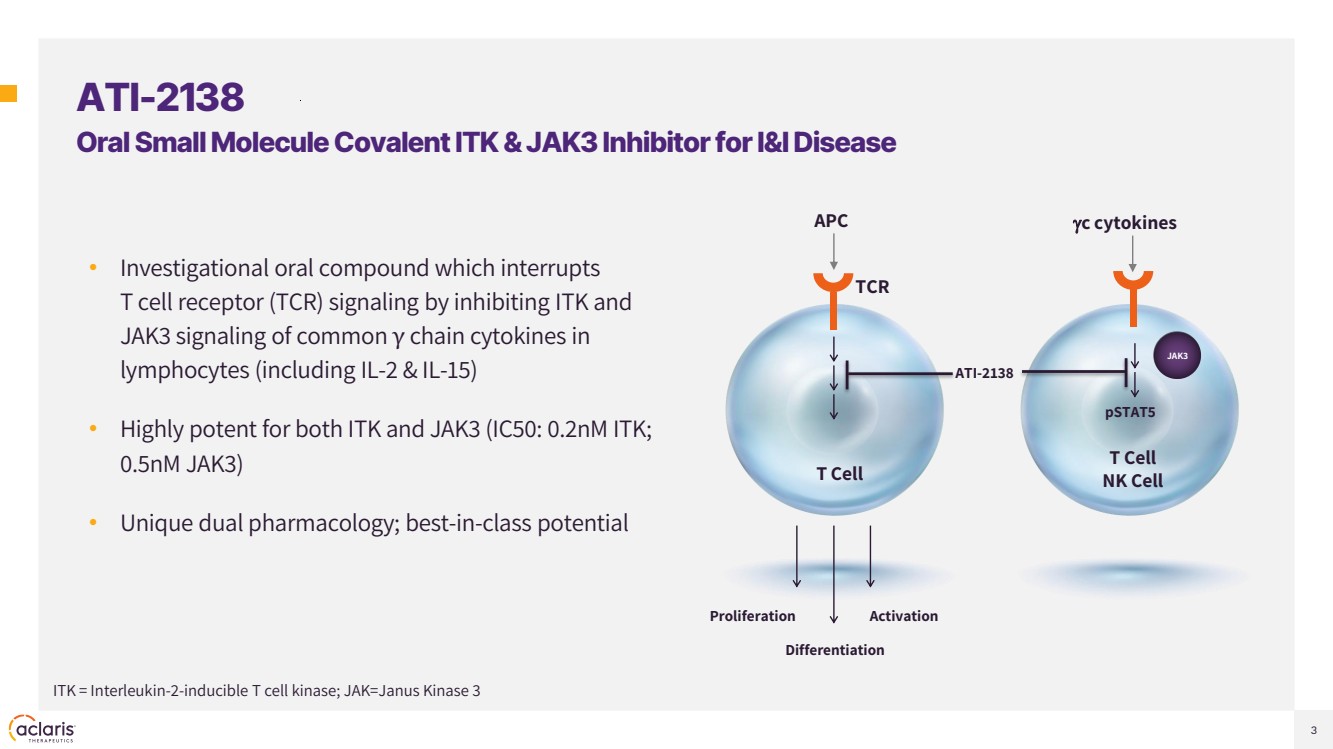
3 ATI-2138 Oral Small Molecule Covalent ITK & JAK3 Inhibitor for I&I Disease • Investigational oral compound which interrupts T cell receptor (TCR) signaling by inhibiting ITK and JAK3 signaling of common γ chain cytokines in lymphocytes (including IL-2 & IL-15) • Highly potent for both ITK and JAK3 (IC50: 0.2nM ITK; 0.5nM JAK3) • Unique dual pharmacology; best-in-class potential TCR APC T Cell Proliferation Differentiation Activation c cytokines JAK3 pSTAT5 ATI-2138 T Cell NK Cell ITK = Interleukin-2-inducible T cell kinase; JAK=Janus Kinase 3 |
|
4 ATI-2138 Covalently Inhibits ITK and JAK3 • Design guided by modeling and proprietary crystal structures • Designed to interact with the ATP site and covalently modifies CYS442 in ITK and CYS909 in JAK3 • Other oral drugs have successfully targeted this positional cysteine – Ritlecitinib (JAK3), Ibrutinib (BTK) – Afatinib, Neratinib (EGFR/Her2) ATI-2138 differs from reversable JAK inhibitors in important ways: • Unlike approved JAK inhibitors, ATI-2138 is specific for JAK3; does not inhibit other JAKs • Although both are selective for JAK3, ATI-2138’s potency on ITK is ~44X greater than ritlecitinib |
|
5 ATI-2138 Unique Dual Pharmacology and Best-in-Class JAK3 Inhibitor Potential • ATI-2138 is 44.4x more potent than ritlecitinib for inhibiting anti-CD3 induced IFNγ production (ITK) and 5.4x more potent for inhibiting JAK3 dependent IL-2 induced IFNγ production in human whole blood • At the FDA recommended 50 mg QD dose for alopecia areata, ritlecitinib plasma levels may not impact ITK (anti-CD3 /IFNγ) for any appreciable time ITK: HWB CD3 Stimulated IFN Release JAK3: HWB IL2 Stimulated IFN Release 0.1 1 10 100 1000 10000 0 20 40 60 80 100 120 140 nM IFNg Production (% Stim) ATI-2138 Ritlecitinib 0.1 1 10 100 1000 10000 0 20 40 60 80 100 120 nM IFNg Production (% Stim) ATI-2138 Ritlecitinib 44.4x 5.4x |
|
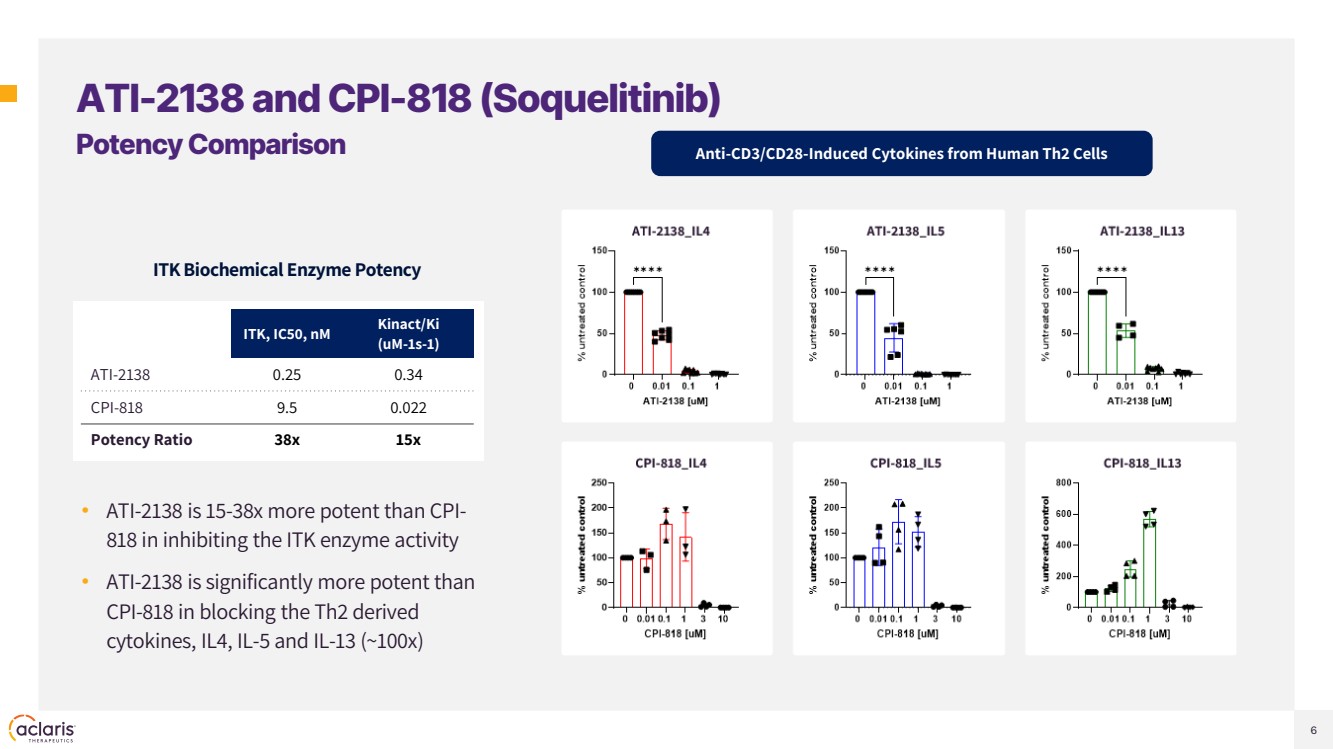
6 ATI-2138 and CPI-818 (Soquelitinib) Potency Comparison • ATI-2138 is 15-38x more potent than CPI-818 in inhibiting the ITK enzyme activity • ATI-2138 is significantly more potent than CPI-818 in blocking the Th2 derived cytokines, IL4, IL-5 and IL-13 (~100x) ITK, IC50, nM Kinact/Ki (uM-1s-1) ATI-2138 0.25 0.34 CPI-818 9.5 0.022 Potency Ratio 38x 15x ITK Biochemical Enzyme Potency Anti-CD3/CD28-Induced Cytokines from Human Th2 Cells |
|
7 ATI-2138 Anti-inflammatory Activity in Mouse Models of IBD and Vitiligo ATI-2138 has demonstrated robust anti-inflammatory activity in mouse models of disease |
|
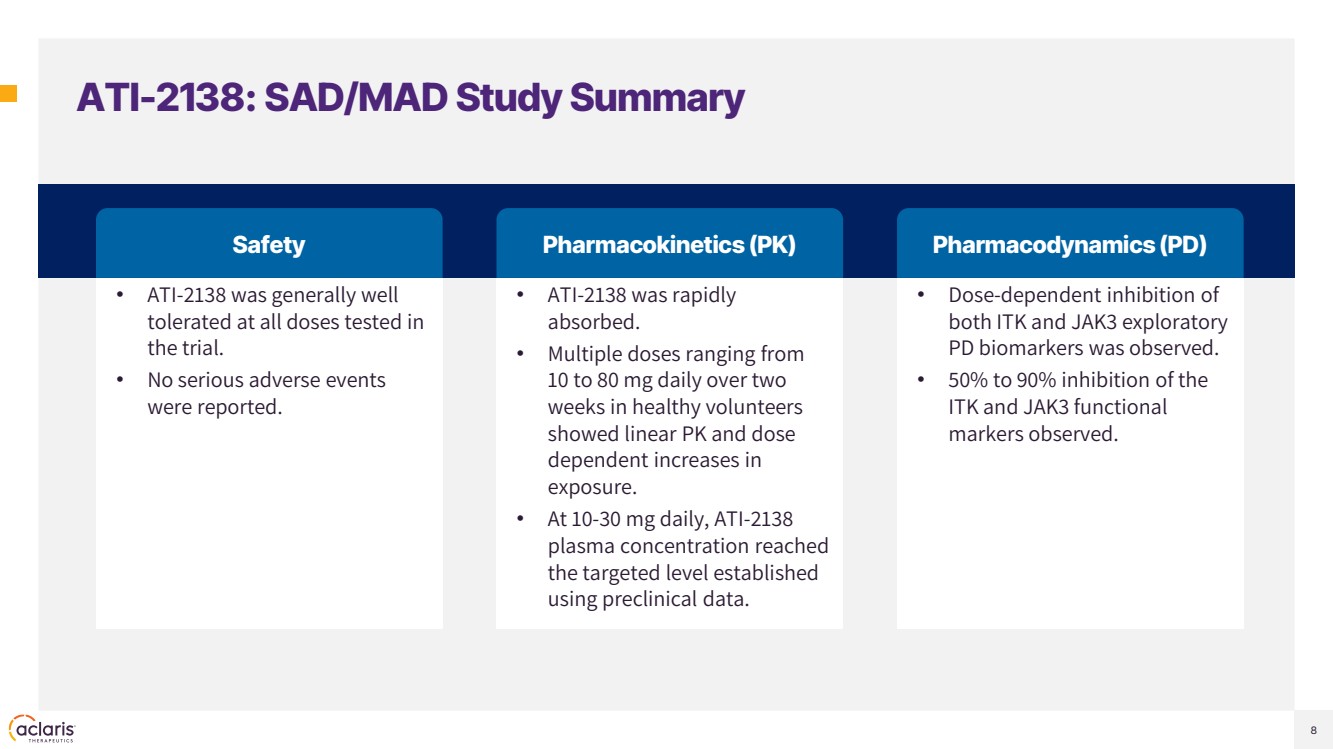
8 • Dose-dependent inhibition of both ITK and JAK3 exploratory PD biomarkers was observed. • 50% to 90% inhibition of the ITK and JAK3 functional markers observed. ATI-2138: SAD/MAD Study Summary • ATI-2138 was generally well tolerated at all doses tested in the trial. • No serious adverse events were reported. • ATI-2138 was rapidly absorbed. • Multiple doses ranging from 10 to 80 mg daily over two weeks in healthy volunteers showed linear PK and dose dependent increases in exposure. • At 10-30 mg daily, ATI-2138 plasma concentration reached the targeted level established using preclinical data. Safety Pharmacokinetics (PK) Pharmacodynamics (PD) |
|
9 ATI-2138 Phase 2a Trial Design in Atopic Dermatitis Single-Arm, Open-Label Trial Screening ~30 days Follow-up 2 weeks ATI-2138 (10mg BID) Treatment Period: 12 Weeks Week 12 Efficacy endpoint analysis 14 enrolled patients Moderate-to-Severe Atopic Dermatitis PRIMARY OBJECTIVE • Safety SECONDARY/EXPLORATORY OBJECTIVES • Pharmacokinetics, pharmacodynamics (RNA analysis, proteomics, IHC to analyze specific pathway inhibition) • Efficacy measurements at week 12 Single-arm Phase 2a trial conducted to assess tolerability, ITK contribution (PD), and identify efficacy signals to be explored in future clinical trials |
|
10 Phase 2a: Patient Demographics Age Sex M0,F1 Race Baseline EASI 56 F White 16.5 34 M Mixed-multiple 33.5 50 M Black or African American 17.6 28 F Black or African American,White 16.8 20 M Not Reported 19.2 19 F White 28.1 22 F Asian 23.7 56 M Black or African American 16.8 44 F Black or African American 31.1 28 M Black or African American 21.3 39 F Not Reported 19.6 30 M White 31.5 21 F Asian 17.1 55 M Black or African American 24.6 Average 36 50/50 M/F 7 Black/African American 22.7 (7 severe) |
|
11 Phase 2a Results: Primary Endpoint (Safety) Primary Endpoint Analysis Confirms Strong Tolerability Profile of ATI-2138 • ATI-2138 was very well tolerated in the 12 patients in the safety population – No severe adverse events (SAEs) or treatment-emergent adverse events (TEAEs) – No discontinuations due to adverse events – Most adverse events were mild and resolved spontaneously during treatment – Three patients experienced a combined total of four study drug-related adverse events (TRAE) • All but one (single case of moderate myalgia; starting on day 24 with no elevation in CPK) were mild, transient, and resolved during treatment – No safety signal observed in chemistry, hematology (e.g., leukocytes, lymphocytes, neutrophils), lipids, electrocardiogram (ECG), ECG with corrected QT (ECG-QTcF), or vital signs |
|
12 Phase 2a Results: Secondary Endpoints (EASI) % Reduction from Baseline in Eczema Area and Severity Score (EASI) Over Time, Per Protocol (N=10) Mean improvement in EASI score 12 weeks 61% Median improvement in EASI score 12 weeks 77% EASI = Eczema Area and Severity Score: Measures the extent and severity of lesional skin associated with atopic dermatitis across different body regions |
|
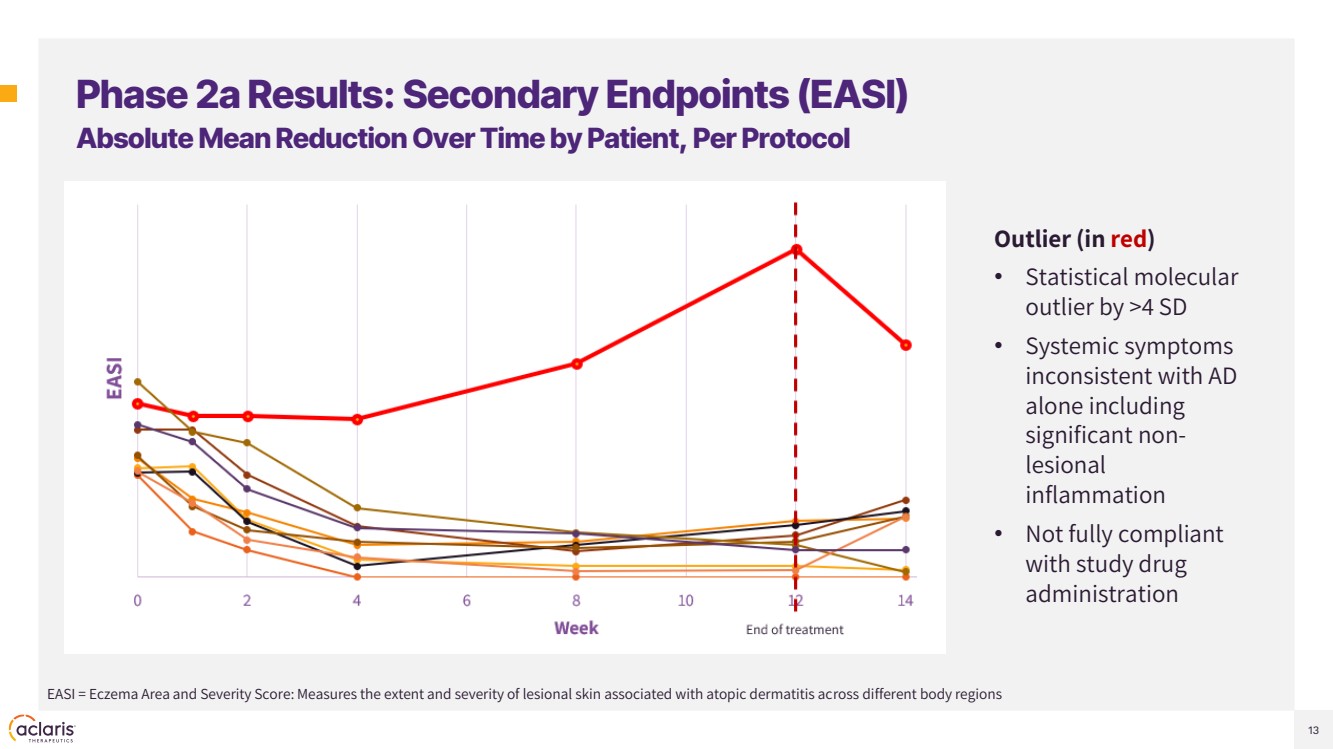
13 Phase 2a Results: Secondary Endpoints (EASI) Absolute Mean Reduction Over Time by Patient, Per Protocol EASI = Eczema Area and Severity Score: Measures the extent and severity of lesional skin associated with atopic dermatitis across different body regions Outlier (in red) • Statistical molecular outlier by >4 SD • Systemic symptoms inconsistent with AD alone including significant non-lesional inflammation • Not fully compliant with study drug administration |
|
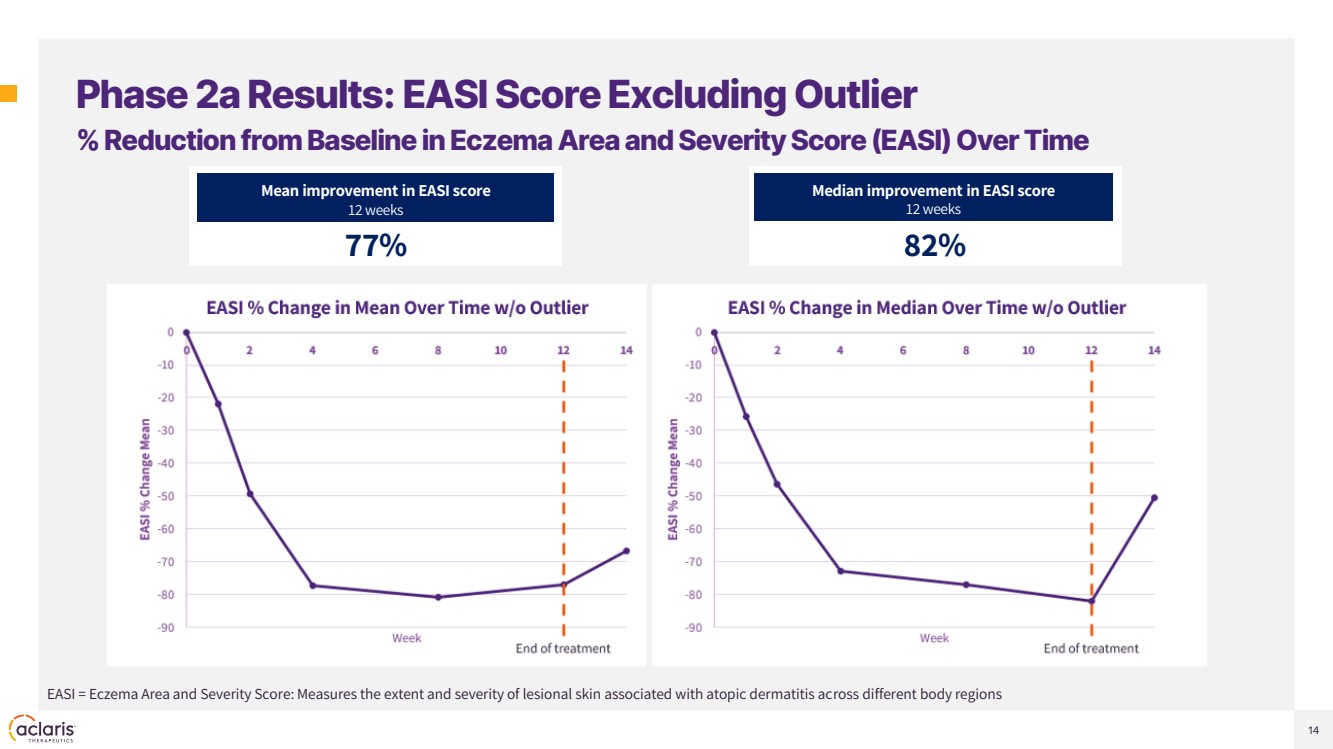
14 Phase 2a Results: EASI Score Excluding Outlier % Reduction from Baseline in Eczema Area and Severity Score (EASI) Over Time Mean improvement in EASI score 12 weeks 77% Median improvement in EASI score 12 weeks 82% EASI = Eczema Area and Severity Score: Measures the extent and severity of lesional skin associated with atopic dermatitis across different body regions |
|
15 Phase 2a Results: Secondary Endpoints (PP-NRS) % of Patients with ≥4 Point Improvement in Worst Itch over Prior 24 Hours Note: Each other compound efficacy is the average percent improvement from multiple studies, at week 12 or 16 data from Phase 2 and Phase 3 published sources; head-to-head clinical studies have not been conducted. Differences exist between trial designs and subject characteristics, and caution should be exercised when comparing data across studies. Data collected on 8 of 10 PP patients. • At week 12, 63% of patients receiving a low dose of ATI-2138 experienced a ≥4-point improvement worst itch in the past 24 hours • A ≥4-point improvement in PP-NRS score is considered a clinically meaningful result • Though a small open-label study, results are comparable to that seen with approved JAK and IL-4 and -13 inhibitor products PP-NRS = Peak Pruritus Numerical Rating Scale: Assesses the severity of itch at the worst moment during the previous 24 hours on a scale of 0 (“no itch”) to 10 (“worst itch imaginable”). |
|
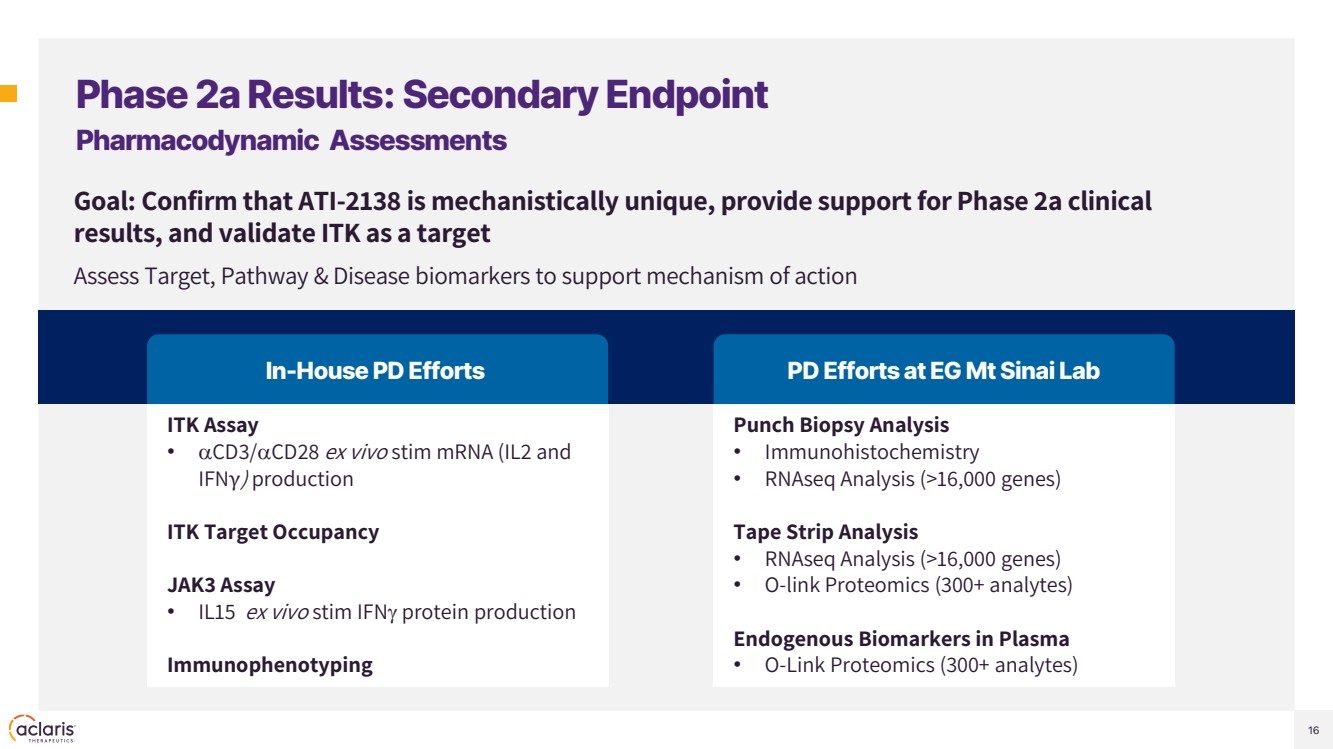
16 ITK Assay • CD3/CD28 ex vivo stim mRNA (IL2 and IFNγ) production ITK Target Occupancy JAK3 Assay • IL15 ex vivo stim IFN protein production Immunophenotyping Punch Biopsy Analysis • Immunohistochemistry • RNAseq Analysis (>16,000 genes) Tape Strip Analysis • RNAseq Analysis (>16,000 genes) • O-link Proteomics (300+ analytes) Endogenous Biomarkers in Plasma • O-Link Proteomics (300+ analytes) Phase 2a Results: Secondary Endpoint Pharmacodynamic Assessments Goal: Confirm that ATI-2138 is mechanistically unique, provide support for Phase 2a clinical results, and validate ITK as a target Assess Target, Pathway & Disease biomarkers to support mechanism of action In-House PD Efforts PD Efforts at EG Mt Sinai Lab |
|
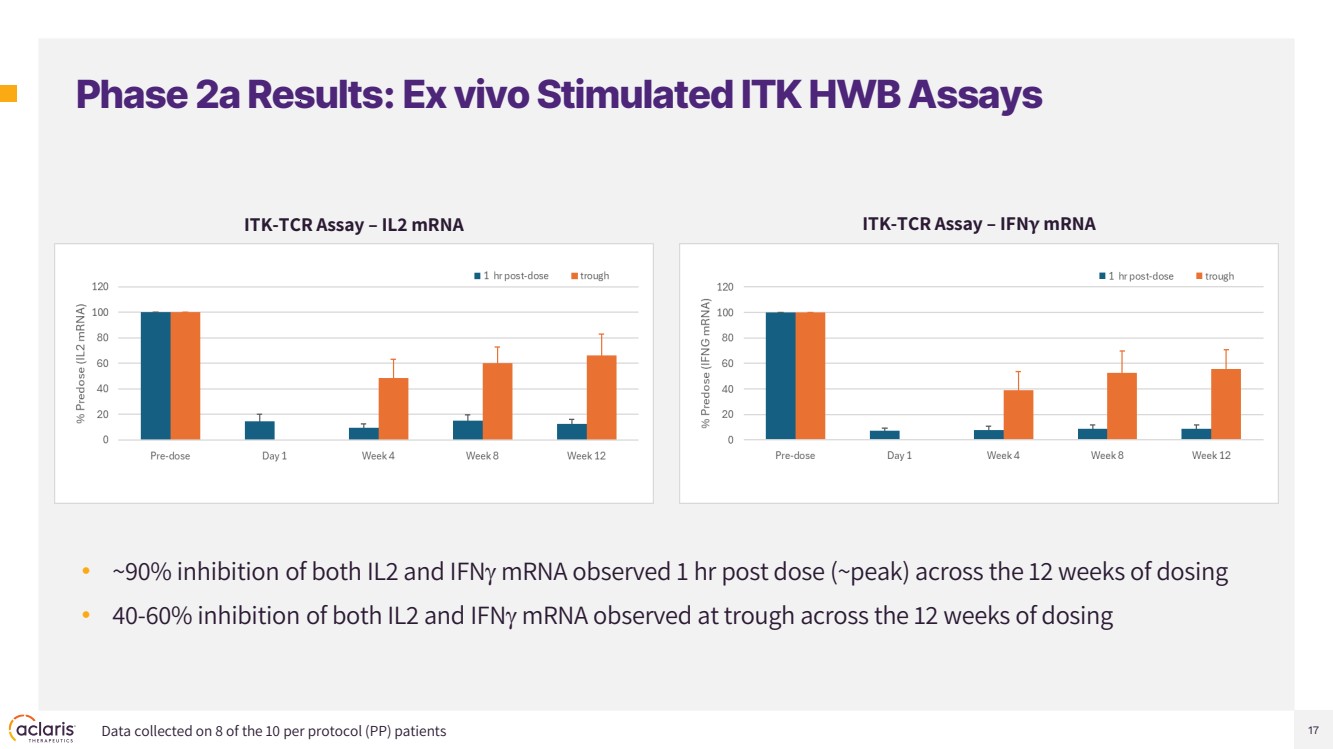
17 Phase 2a Results: Ex vivo Stimulated ITK HWB Assays ITK-TCR Assay – IL2 mRNA ITK-TCR Assay – IFNγ mRNA • ~90% inhibition of both IL2 and IFN mRNA observed 1 hr post dose (~peak) across the 12 weeks of dosing • 40-60% inhibition of both IL2 and IFN mRNA observed at trough across the 12 weeks of dosing Data collected on 8 of the 10 per protocol (PP) patients |
|
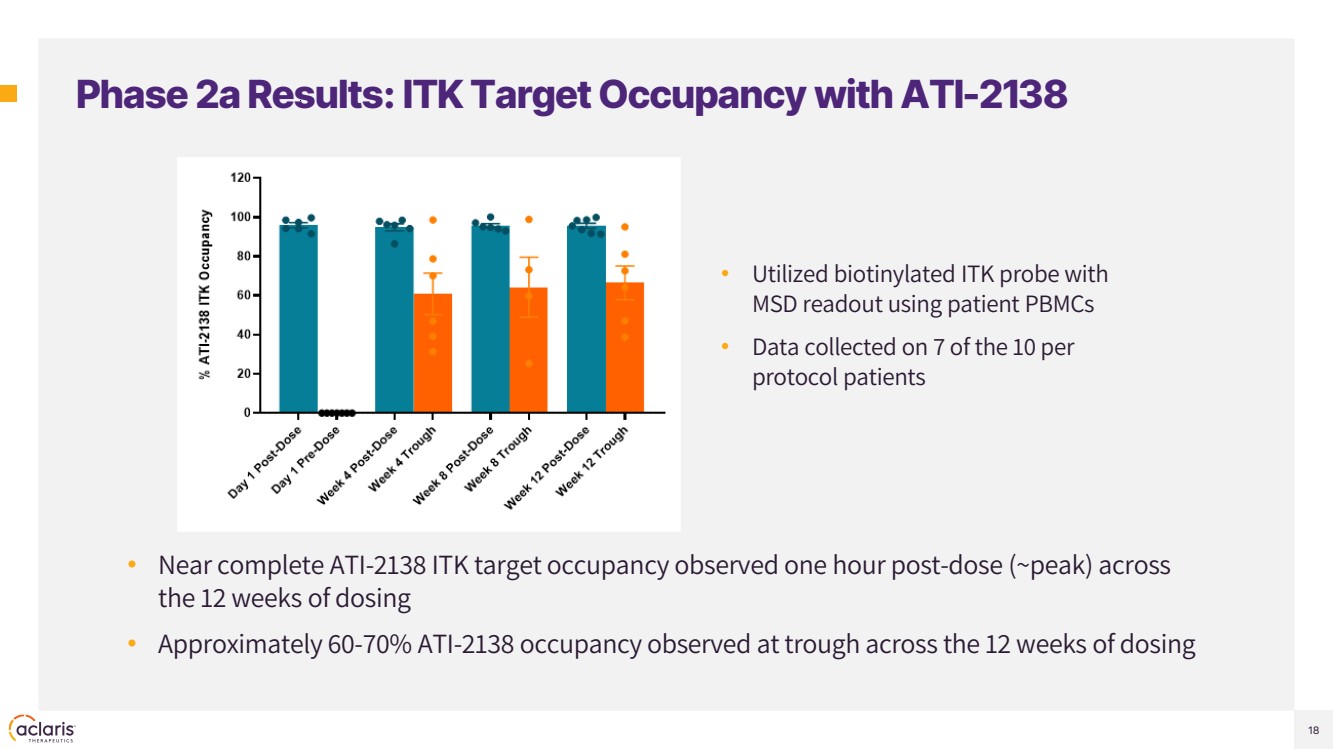
18 Phase 2a Results: ITK Target Occupancy with ATI-2138 • Utilized biotinylated ITK probe with MSD readout using patient PBMCs • Data collected on 7 of the 10 per protocol patients • Near complete ATI-2138 ITK target occupancy observed one hour post-dose (~peak) across the 12 weeks of dosing • Approximately 60-70% ATI-2138 occupancy observed at trough across the 12 weeks of dosing |
|
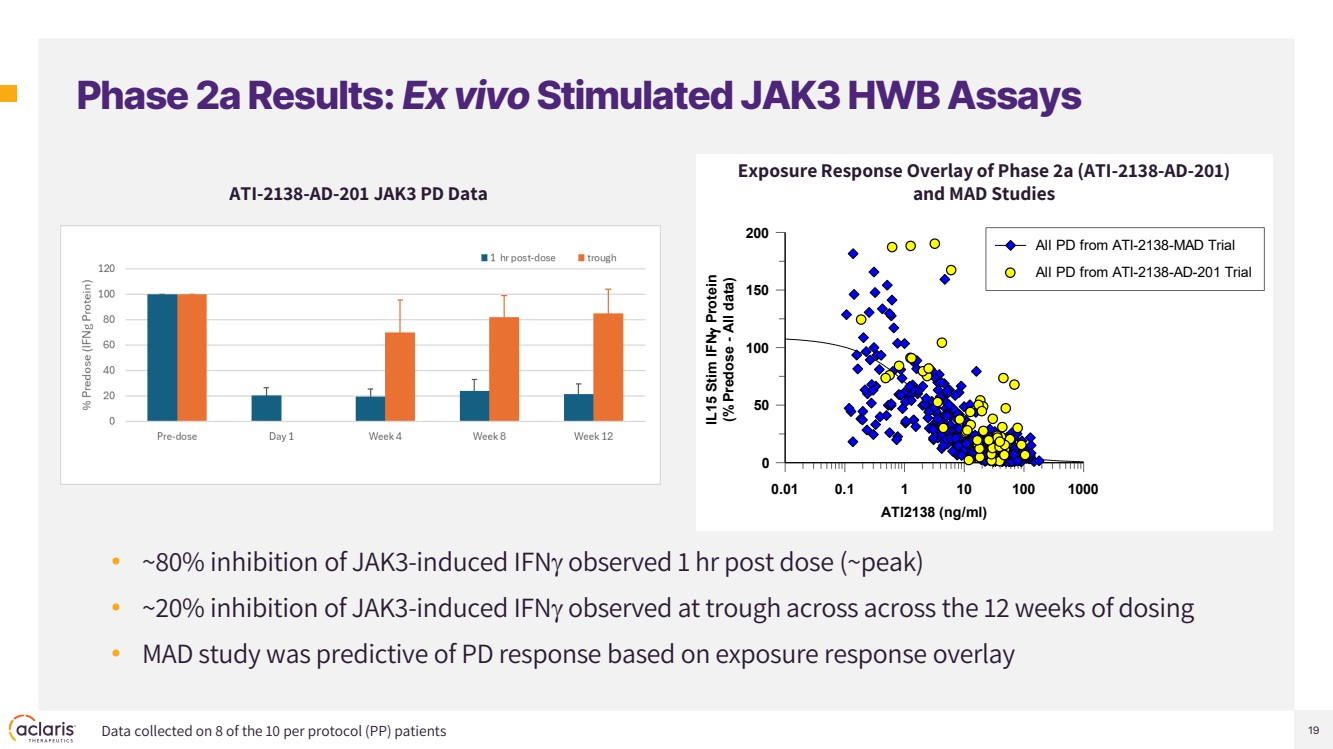
19 ATI-2138-AD-201 JAK3 PD Data ATI2138 (ng/ml) 0.01 0.1 1 10 100 1000 IL15 Stim IFN Protein (% Predose - All data) 0 50 100 150 200 All PD from ATI-2138-MAD Trial All PD from ATI-2138-AD-201 Trial Exposure Response Overlay of Phase 2a (ATI-2138-AD-201) and MAD Studies • ~80% inhibition of JAK3-induced IFN observed 1 hr post dose (~peak) • ~20% inhibition of JAK3-induced IFN observed at trough across across the 12 weeks of dosing • MAD study was predictive of PD response based on exposure response overlay Phase 2a Results: Ex vivo Stimulated JAK3 HWB Assays Data collected on 8 of the 10 per protocol (PP) patients |
|
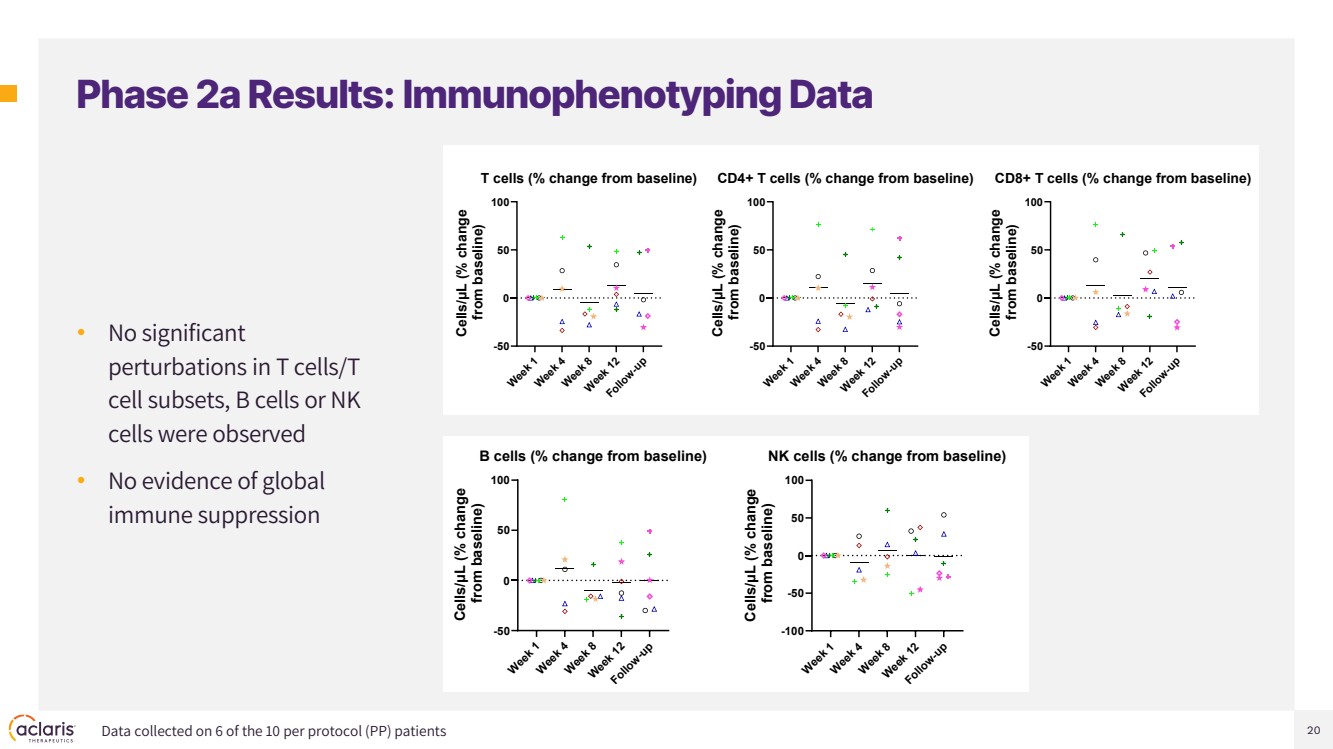
20 Week 1 Week 4 Week 8 Week 12 Fol ow-up 0 2000 4000 6000 8000 10000 Leukocytes (cells/uL) Visit Cells/μL Week 1 Week 4 Week 8 Week 12 Fol ow-up 0 500 1000 1500 2000 2500 T cells (cells/uL) Visit Cells/μL Week 1 Week 4 Week 8 Week 12 Fol ow-up 0 500 1000 1500 CD4+ T cells (cells/uL) Visit Cells/μL Week 1 Week 4 Week 8 Week 12 Fol ow-up 0 200 400 600 800 CD8+ T cells (cells/uL) Visit Cells/μL Week 1 Week 4 Week 8 Week 12 Fol ow-up 0 50 100 150Leukocytes (% Predose) Visit Cells/μL %( Predose) Week 1 Week 4 Week 8 Week 12 Fol ow-up 0 50 100 150 200 T cells (% Predose) Visit Cells/μL (% Predose) Week 1 Week 4 Week 8 Week 12 Fol ow-up 0 50 100 150 200CD4+ T cells (% Predose) Visit Cells/μL (% Predose) Week 1 Week 4 Week 8 Week 12 Fol ow-up 0 50 100 150 200CD8+ T cells (% Predose) Visit Cells/μL (% Predose) Week 1 Week 4 Week 8 Week 12 Fol ow-up -40 -20 0 20 40 Leukocytes (% change from baseline) Visit Cells/μL (% change from baseline) Week 1 Week 4 Week 8 Week 12 Fol ow-up -50 0 50 100 T cells (% change from baseline) Visit Cells/μL (% change from baseline) Week 1 Week 4 Week 8 Week 12 Fol ow-up -50 0 50 100 CD4+ T cells (% change from baseline) Visit Cells/μL (% change from baseline) Week 1 Week 4 Week 8 Week 12 Fol ow-up -50 0 50 100 CD8+ T cells (% change from baseline) Visit Cells/μL (% change from basel ni e) *Points in pink indicate a compromised sample (either ~48 hours old at time of processing or arrived on ice packs) Week 1 Week 4 Week 8 Week 12 Fol ow-up 0 2000 4000 6000 8000 10000 Leukocytes (cells/uL) Visit Cells/μL Week 1 Week 4 Week 8 Week 12 Fol ow-up 0 200 400 600 800 B cells (cells/uL) Visit Cells/μL Week 1 Week 4 Week 8 Week 12 Fol ow-up 0 200 400 600 800 NK cells (cells/uL) Visit Cells/μL Week 1 Week 4 Week 8 Week 12 Fol ow-up 0 50 100 150Leukocytes (% Predose) Visit Cells/μL (% Predose) Week 1 Week 4 Week 8 Week 12 Fol ow-up 0 50 100 150 200 B cells (% Predose) Visit Cells/μL (% Predose) Week 1 Week 4 Week 8 Week 12 Fol ow-up 0 50 100 150 200 NK cells (% Predose) Visit Cells/μL (% Predose) Week 1 Week 4 Week 8 Week 12 Fol ow-up -40 -20 0 20 40 Leukocytes (% change from baseline) Visit Cells/μL (% change from baseline) Week 1 Week 4 Week 8 Week 12 Fol ow-up -50 0 50 100 B cells (% change from baseline) Visit Cells/μL (% change from basel ni e) Week 1 Week 4 Week 8 Week 12 Fol ow-up -100 -50 0 50 100 NK cells (% change from baseline) Visit Cells/μL (% change from baseline) *Points in pink indicate a compromised sample (either ~48 hours old at time of processing or arrived on ice packs) • No significant perturbations in T cells/T cell subsets, B cells or NK cells were observed • No evidence of global immune suppression Phase 2a Results: Immunophenotyping Data Data collected on 6 of the 10 per protocol (PP) patients |
|
21 Key Modulated Markers*: Th1: IL8, IL2RA, IL2 Th2: CCL13, CCL17, CCL24, IL4, IL33, IL7 Th17: CXCL1, PI3, TGB1 T cell activation: XCL1, IL1RL2 *significance observed at any timepoint • Evaluations at baseline, week 4, week 8 and week 12 Phase 2a Results: Plasma O-Link Analysis Immune Subset Week 12 vs Baseline Strong downregulation of key ITK-dependent markers (Th2, TH17, and T cell activation pathways) observed PP patient responders analyzed (9 patients) |
|
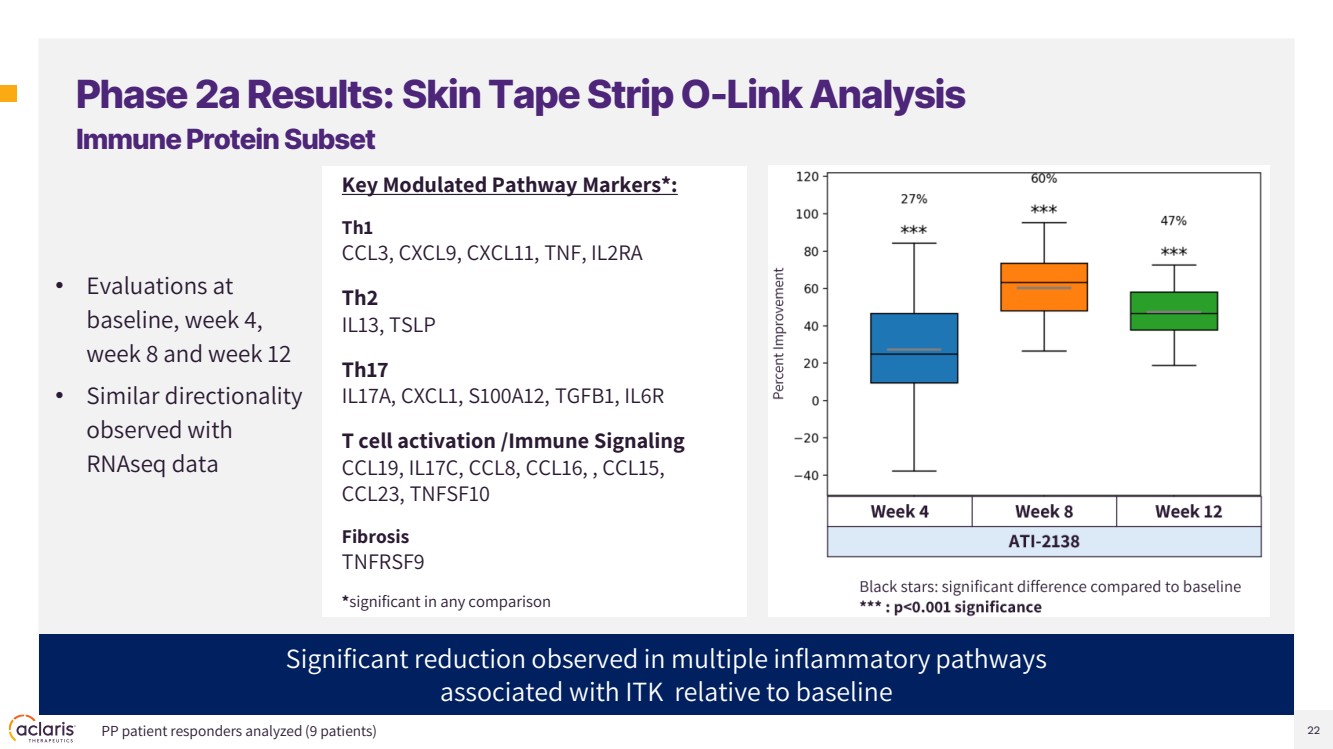
22 Key Modulated Pathway Markers*: Th1 CCL3, CXCL9, CXCL11, TNF, IL2RA Th2 IL13, TSLP Th17 IL17A, CXCL1, S100A12, TGFB1, IL6R T cell activation /Immune Signaling CCL19, IL17C, CCL8, CCL16, , CCL15, CCL23, TNFSF10 Fibrosis TNFRSF9 *significant in any comparison • Evaluations at baseline, week 4, week 8 and week 12 • Similar directionality observed with RNAseq data Phase 2a Results: Skin Tape Strip O-Link Analysis Immune Protein Subset Significant reduction observed in multiple inflammatory pathways associated with ITK relative to baseline PP patient responders analyzed (9 patients) |
|
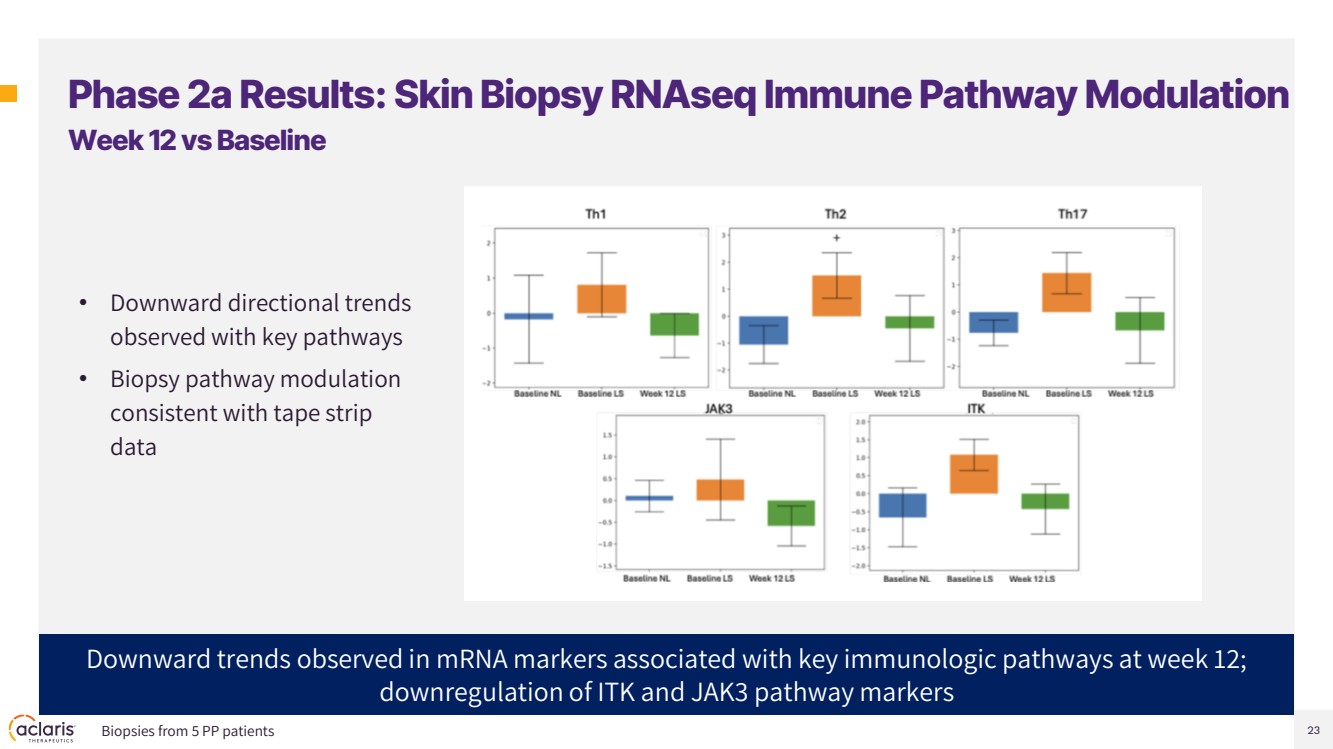
23 • Downward directional trends observed with key pathways • Biopsy pathway modulation consistent with tape strip data Phase 2a Results: Skin Biopsy RNAseq Immune Pathway Modulation Week 12 vs Baseline Downward trends observed in mRNA markers associated with key immunologic pathways at week 12; downregulation of ITK and JAK3 pathway markers Biopsies from 5 PP patients |
|
24 Phase 2a Results: Skin Biopsy RNAseq Analysis TCR (ITK) and JAK3 Pathways • Heat map describes impact on both (TCR) ITK and JAK3 pathways at week 12 • Similar to tape strip RNAseq data Reduction observed in mRNA markers consistent with the expected ITK and JAK3 dual pharmacology Biopsies from 5 PP patients |
|
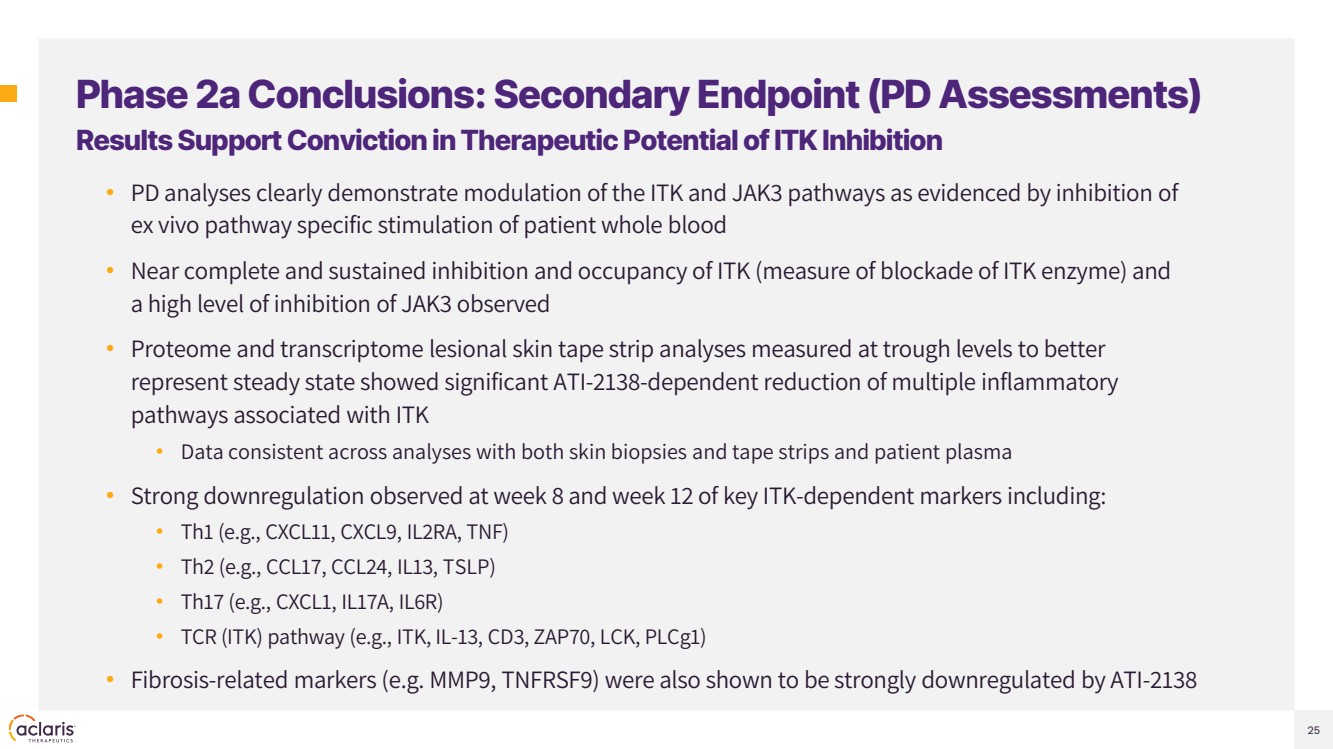
25 Phase 2a Conclusions: Secondary Endpoint (PD Assessments) Results Support Conviction in Therapeutic Potential of ITK Inhibition • PD analyses clearly demonstrate modulation of the ITK and JAK3 pathways as evidenced by inhibition of ex vivo pathway specific stimulation of patient whole blood • Near complete and sustained inhibition and occupancy of ITK (measure of blockade of ITK enzyme) and a high level of inhibition of JAK3 observed • Proteome and transcriptome lesional skin tape strip analyses measured at trough levels to better represent steady state showed significant ATI-2138-dependent reduction of multiple inflammatory pathways associated with ITK • Data consistent across analyses with both skin biopsies and tape strips and patient plasma • Strong downregulation observed at week 8 and week 12 of key ITK-dependent markers including: • Th1 (e.g., CXCL11, CXCL9, IL2RA, TNF) • Th2 (e.g., CCL17, CCL24, IL13, TSLP) • Th17 (e.g., CXCL1, IL17A, IL6R) • TCR (ITK) pathway (e.g., ITK, IL-13, CD3, ZAP70, LCK, PLCg1) • Fibrosis-related markers (e.g. MMP9, TNFRSF9) were also shown to be strongly downregulated by ATI-2138 |
|
26 Next Steps with ITK Franchise • Positive results from single-arm Phase 2a open-label trial of ATI-2138 in AD validate ITK franchise; provide conviction on two programs: – ATI-2138 • Aclaris intends to further develop ATI-2138 in alopecia areata • Also exploring other indications relevant to the mechanism of action – ITK selective program • Preclinical work ongoing for next-generation ITK inhibitors, which Aclaris expects to provide the basis for new INDs starting in 2026 |
|
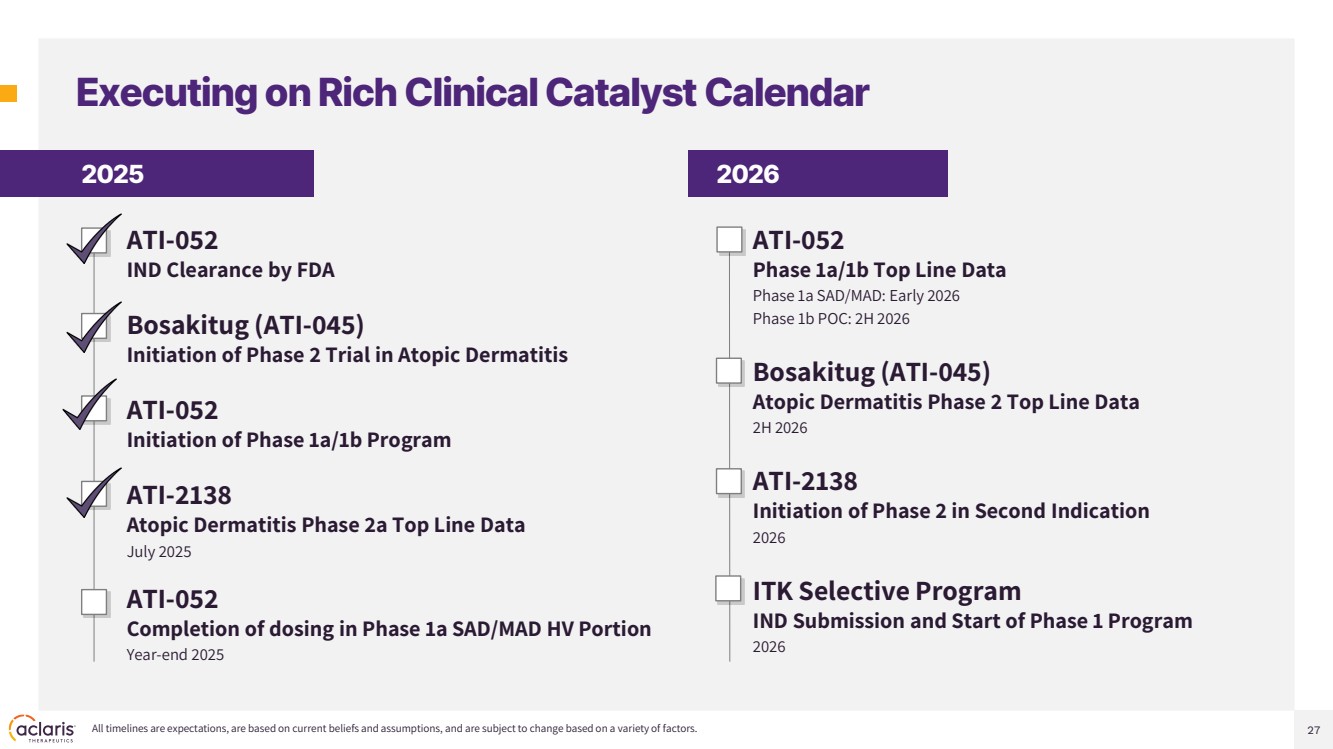
27 Executing on Rich Clinical Catalyst Calendar 2025 ATI-052 IND Clearance by FDA Bosakitug (ATI-045) Initiation of Phase 2 Trial in Atopic Dermatitis ATI-052 Initiation of Phase 1a/1b Program ATI-2138 Atopic Dermatitis Phase 2a Top Line Data July 2025 ATI-052 Completion of dosing in Phase 1a SAD/MAD HV Portion Year-end 2025 2026 All timelines are expectations, are based on current beliefs and assumptions, and are subject to change based on a variety of factors. ATI-052 Phase 1a/1b Top Line Data Phase 1a SAD/MAD: Early 2026 Phase 1b POC: 2H 2026 Bosakitug (ATI-045) Atopic Dermatitis Phase 2 Top Line Data 2H 2026 ATI-2138 Initiation of Phase 2 in Second Indication 2026 ITK Selective Program IND Submission and Start of Phase 1 Program 2026 |
|
ATI-2138 Phase 2a Top-Line Results July 29, 2025 |
Exhibit 99.2
Aclaris Therapeutics Announces Positive Top-Line Results from Open-Label Phase 2a Trial of ATI-2138, a Potent and Selective Investigational Inhibitor of ITK and JAK3; Trial Achieves Primary and Key Secondary Endpoints
- Primary Endpoint Analysis Confirms Favorable Tolerability Profile of ATI-2138 Without Certain Risks Associated with Other Agents in the Class -
- Efficacy Results Show Comparable Outcomes to Approved Therapies with Potential for Improved Tolerability, Supporting Exploration of Higher Doses in Future Clinical Trials -
- Pharmacodynamic Results Validate Therapeutic Potential of ITK Inhibition and Corroborate Potential of Aclaris’ ITK Franchise -
- Management to Host a Conference Call to Discuss Results Today at 5:00PM EDT -
WAYNE, Pa., July 29, 2025 -- Aclaris Therapeutics, Inc. (NASDAQ: ACRS), a clinical-stage biopharmaceutical company focused on developing novel product candidates for immuno-inflammatory diseases, today announced positive top-line results from its open-label, single-arm Phase 2a trial of ATI-2138, a potent and selective investigational oral covalent inhibitor of interleukin-2-inducible T cell kinase (ITK) and Janus kinase 3 (JAK3), in 14 patients with moderate-to-severe atopic dermatitis (AD). Based on the growing body of supportive non-clinical and clinical evidence, Aclaris intends to further develop ATI-2138 in alopecia areata and is also exploring other indications relevant to the mechanism of action.
“These Phase 2a trial results represent a significant achievement for our ITK franchise by confirming the mechanism and corroborating our work on next-generation ITK selective compounds,” said Dr. Neal Walker, Chief Executive Officer of Aclaris. “The objectives of this trial were to confirm the strong tolerability profile across multiple doses of ATI-2138 over 12 weeks, to test the mechanism in AD before initiating our work in other diseases including alopecia areata, and to further validate ITK as an important therapeutic target; we accomplished each of these. Consistent with prior results, ATI-2138 was shown to be well tolerated. The observed efficacy results across a variety of validated scoring tools – even at this low dose – suggest responses that are in line with, if not better than, that seen with approved therapies. And finally, the PD results confirmed the potential of targeting ITK, including strong downregulation of key ITK-dependent markers and an interesting antifibrotic effect.”
The results observed in this trial include a favorable tolerability profile of ATI-2138, clinically meaningful improvements from baseline in assessments of disease severity including extent and severity of AD (Eczema Area and Severity Index (EASI)) and percent of patients experiencing a greater than or equal to four point improvement in worst itch in the last 24 hours (Peak Pruritus Numerical Rating Scale (PP-NRS)) in patients receiving low doses (10mg BID, 12 weeks) of ATI-2138, and PD results that validate ITK as a therapeutic target. Overall, these results provide evidence that the contribution of ITK has the potential to enable ATI-2138, even at low doses, to confer efficacy comparable to that observed in clinical trials of approved JAK and IL-4/13 inhibitors in moderate-to-severe AD, with improved tolerability and without the significant safety risks typically associated with JAK inhibition.
1
“Although this is a small study, the pharmacodynamic results are quite compelling; I’m excited about the anti-inflammatory activity we observed and the therapeutic potential for ATI-2138, and more broadly, ITK as a potential therapeutic target,” said Emma Guttman, M.D., Ph.D., Waldman Professor of Dermatology and Immunology and Health System Chair of the Kimberly and Eric J. Waldman Department of Dermatology at the Icahn School of Medicine at Mount Sinai in New York City. “We observed strong downregulation of key inflammatory markers, including those associated with ITK including Th2 and Th1/Th17-related markers, as well as certain ITK pathway- and fibrosis-related markers. Overall, these are important results that define the potential of ATI-2138 and ITK inhibition to address Th2 and Th1/Th17 mediated diseases like alopecia areata, vitiligo, and atopic dermatitis.”
Patient Demographics
Twenty-six (26) patients were screened for inclusion in this single-arm Phase 2a trial. Of the 14 that were enrolled, 12 completed treatment. Excluding two protocol violations, 10 patients were available for the per protocol analysis. The enrolled population was split evenly between male and female participants. Consistent with published demographics, half of the enrolled population self-identified as African American. Mean baseline EASI score was 22.7.
Primary Endpoint: Safety Results
ATI-2138 was very well tolerated in this Phase 2a trial. No severe adverse events (SAEs) or treatment-emergent adverse events (TEAEs) were observed. A majority of the adverse events were mild and resolved spontaneously during treatment; there were no discontinuations due to adverse events. Three patients experienced a combined total of four adverse events determined to be related to study drug (TRAE); all but one (moderate myalgia; starting on day 24 with no elevation in CPK) were mild, transient, and resolved during treatment. No safety signal over the extent of the trial was observed in chemistry, creatine phosphokinase (CPK), hematology (e.g., leukocytes, lymphocytes, neutrophils), lipids, electrocardiogram (ECG), ECG with corrected QT (ECG-QTcF), or vital signs.
Secondary Endpoints: Efficacy Results
Mean and median change from baseline in Eczema Area and Severity Score (EASI) over time:
The EASI score is a validated tool used to assess the severity of AD. It measures the extent and severity of lesional skin associated with AD across different body regions and assigns a composite score from 0 to 72, with higher scores indicating severe (21.1 to 50.0) or very severe (50.1 to 72.0) disease.
| ● | At week 12 (end of treatment), the mean improvement in EASI score in patients receiving 10mg BID of ATI-2138 (n=10) was 60.5% (median improvement = 76.8%). |
| ● | Patients in the trial experienced a rapid and sustained response, with measurable improvements observed starting at the first (week 1) office visit. At week 4, the mean improvement in EASI score (n=10) was 70.5% (median improvement = 71.9%). At week 8, the mean improvement in EASI score (n=10) was 70.7% (median improvement = 76.3%). |
| ● | The week 12 results were skewed by a single patient who was identified by an independent lab as being a statistical molecular outlier by more than four standard deviations compared to others. This patient demonstrated systemic findings inconsistent with AD alone including significant non-lesional inflammation, based on various PD measures. In addition, this patient was not fully compliant with study drug administration. Excluding this patient, the mean improvement in EASI score at week 12 (end of treatment) was 77.1% (median improvement = 82.1%). At week 4, the mean improvement in EASI score |
2
| was 77.3% (median improvement = 72.9%), and at week 8, the mean improvement in EASI score was 81.0% (median improvement = 77.1%). |
All other assessed efficacy response curves showed similar mean and median improvements from baseline, starting at the first (week 1) office visit.
Percent of patients with a greater than or equal to four-point improvement in Peak Pruritus Numerical Rating Scale (PP-NRS):
The PP-NRS assesses the severity of itch at the worst moment during the previous 24 hours on a scale of 0 (“no itch”) to 10 (“worst itch imaginable”). A ≥4-point improvement in PP-NRS score is considered a clinically meaningful reduction in itch intensity and severity.
| ● | At week 12 (n=8), 62.5% of patients experienced a ≥4-point improvement in PP-NRS. |
Secondary Endpoint: Pharmacodynamic Results
The clinical activity was supported by pharmacodynamic analyses clearly demonstrating modulation of both the ITK and JAK3 pathways as evidenced by inhibition of ex vivo pathway-specific stimulation of patient whole blood. Near complete and sustained ITK target occupancy was observed across the dosing interval ranging from ~90% at peak to 60-70% at trough. Proteome and transcriptome lesional skin tape strip analyses (minimally invasive methods to study changes in gene expression in affected skin) measured at trough levels to better represent steady state showed significant ATI-2138-dependent reduction of multiple inflammatory pathways associated with ITK. Strong downregulation of key ITK-dependent markers including Th2, Th17, and TCR (ITK) pathways along with the Th1 pathway were observed at week 8 and week 12. Fibrosis-related markers were also shown to be strongly downregulated by ATI-2138. These tape strip data were confirmed with skin biopsies from a subset of patients.
Next Steps for ITK Franchise
Positive results from this Phase 2a single-arm, open-label trial help validate Aclaris’ ITK franchise. The Company intends to further develop ATI-2138 in alopecia areata and is also exploring other indications relevant to the mechanism of action. In addition, preclinical work is ongoing for next-generation ITK inhibitors, which Aclaris expects to provide the basis for new INDs starting in 2026.
About the Phase 2a Trial
The Phase 2a trial is an open-label, single-arm study designed to investigate the safety, tolerability, pharmacokinetics, efficacy, and pharmacodynamics of 10mg of ATI-2138 administered twice daily (BID) for 12 weeks in patients with moderate-to-severe AD. The primary endpoints were safety-related parameters. Secondary endpoints included pharmacodynamic assessments and efficacy as measured by scoring tools including the Eczema Area and Severity Index (EASI), Peak Pruritus Numerical Rating Scale (PP-NRS), and other pertinent efficacy related measures.
Webcast and Conference Call
Aclaris will host a webcast and conference call with slides at 5:00 p.m. EDT today to discuss the results of this Phase 2a trial. The live and archived webcast will be available on the Events page of the Company’s website: https://investor.aclaristx.com/events. The webcast will be archived on the same page for 30 days following the event. Please note the following process if you would rather access the call via telephone: To register and receive a dial in number and unique PIN to access the live conference call, please follow this link to register online. Upon registering you will receive the dial-in info and a unique PIN to join the call as well as an email confirmation with the details.
3
About ATI-2138
ATI-2138 is a highly potent and selective novel investigational pharmacologic agent that acts as a dual inhibitor of interleukin-2-inducible T cell kinase (ITK) and Janus kinase 3 (JAK3). ITK regulates T cell receptor signal transduction and inhibition of this kinase can affect T cell differentiation and activation. JAK3 is a key signal transduction kinase that forms a heterodimer with JAK1, modulates JAK1 phosphorylation of signal transducer and activator of transcription 5 (STAT5), and regulates cytokines that signal through the IL-2 receptor common gamma chain (IL-2Rgc) to affect lymphocyte proliferation and activation. The efficacy results exhibited in preclinical animal models of inflammation and autoimmune diseases, coupled with the favorable safety, PK, and PD profile in healthy human SAD and MAD studies and the top-line results of the Phase 2a trial in AD support the potential for ATI-2138 to affect several human inflammatory diseases and further investigation of this molecule in patients with atopic and autoimmune diseases that are dependent on T cell function and/or IL-2Rgc signaling.
About Aclaris Therapeutics, Inc.
Aclaris Therapeutics, Inc. is a clinical-stage biopharmaceutical company developing a pipeline of novel product candidates to address the needs of patients with immuno-inflammatory diseases who lack satisfactory treatment options. The company has a multi-stage portfolio of product candidates powered by a robust R&D engine. For additional information, please visit www.aclaristx.com and follow Aclaris on X (formerly Twitter) at @AclarisTx and on LinkedIn.
Cautionary Note Regarding Forward-Looking Statements
Any statements contained in this press release that do not describe historical facts may constitute forward-looking statements as that term is defined in the Private Securities Litigation Reform Act of 1995. These statements may be identified by words such as “anticipate,” “believe,” “expect,” “intend,” “may,” “plan,” “potential,” “will,” and similar expressions, and are based on Aclaris’ current beliefs and expectations. These forward-looking statements include expectations regarding its development plans for ATI-2138, and its next-generation ITK inhibitors, including plans to develop ATI-2138 in alopecia areata and potentially other indications and plans to have INDs in 2026 for its next-generation ITK inhibitors, and the therapeutic potential for ATI-2138 and its next-generation ITK inhibitors. These statements involve risks and uncertainties that could cause actual results to differ materially from those reflected in such statements. Risks and uncertainties that may cause actual results to differ materially include uncertainties inherent in the conduct of clinical trials, Aclaris’ reliance on third parties over which it may not always have full control, Aclaris’ ability to enter into strategic partnerships on commercially reasonable terms, the uncertainty regarding the macroeconomic environment and other risks and uncertainties that are described in the Risk Factors section of Aclaris’ Annual Report on Form 10-K for the year ended December 31, 2024, and other filings Aclaris makes with the U.S. Securities and Exchange Commission from time to time. These documents are available under the “SEC Filings” page of the “Investors” section of Aclaris’ website at www.aclaristx.com. No head-to-head clinical studies have been conducted against JAK or IL4/13 inhibitors. Differences exist between data and trial designs, and caution should be exercised when comparing data across studies. Any forward-looking statements speak only as of the date of this press release and are based on information available to Aclaris as of the date of this release, and Aclaris assumes no obligation to, and does not intend to, update any forward-looking statements, whether as a result of new information, future events or otherwise.
Aclaris Therapeutics Contact:
Will Roberts
Senior Vice President
Corporate Communications and Investor Relations
(484) 329-2125
4
wroberts@aclaristx.com

5