株探米国株
英語
エドガーで原本を確認する
False0001520262Alkermes plc.00015202622025-11-122025-11-12


UNITED STATES

SECURITIES AND EXCHANGE COMMISSION

Washington, D.C. 20549

FORM 8-K

CURRENT REPORT
PURSUANT TO SECTION 13 OR 15(d) OF THE

SECURITIES EXCHANGE ACT OF 1934

Date of Report (Date of earliest event reported): November 12, 2025

ALKERMES PUBLIC LIMITED COMPANY

(Exact name of registrant as specified in its charter)


Ireland


001-35299


98-1007018

(State or other jurisdiction


(Commission


(IRS Employer

of incorporation)


File Number)


Identification No.)


Connaught House, 1 Burlington Road

Dublin 4, Ireland D04 C5Y6

(Address of principal executive offices)


Registrant's telephone number, including area code: + 353-1-772-8000

Check the appropriate box below if the Form 8-K filing is intended to simultaneously satisfy the filing obligation of the registrant under any of the following provisions (see General Instruction A.2. below):


Written communications pursuant to Rule 425 under the Securities Act (17 CFR 230.425)


Soliciting material pursuant to Rule 14a-12 under the Exchange Act (17 CFR 240.14a-12)


Pre-commencement communications pursuant to Rule 14d-2(b) under the Exchange Act (17 CFR 240.14d-2(b))


Pre-commencement communications pursuant to Rule 13e-4(c) under the Exchange Act (17 CFR 240.13e-4(c))


Securities registered pursuant to Section 12(b) of the Act:

Title of each class


Trading Symbol(s)


Name of each exchange on which registered

Ordinary shares, $0.01 par value


ALKS


Nasdaq Global Select Market


Indicate by check mark whether the registrant is an emerging growth company as defined in Rule 405 of the Securities Act of 1933 (§230.405 of this chapter) or Rule 12b-2 of the Securities Exchange Act of 1934 (§240.12b-2 of this chapter).


Emerging growth company ☐


If an emerging growth company, indicate by check mark if the registrant has elected not to use the extended transition period for complying with any new or revised financial accounting standards provided pursuant to Section 13(a) of the Exchange Act. ☐


Item 7.01 Regulation FD Disclosure.

On November 12, 2025, Alkermes plc (the “Company”) issued a press release regarding the positive topline results described in Item 8.01 of this Current Report on Form 8-K. A copy of the press release containing a summary of the topline results is furnished herewith as Exhibit 99.1 and is incorporated herein by reference.

The information in this Item 7.01, and in Exhibit 99.1 furnished herewith, shall not be deemed “filed” for purposes of Section 18 of the Securities Exchange Act of 1934, as amended (the “Exchange Act”), or otherwise subject to the liabilities of that section, or incorporated by reference in any filing under the Securities Act of 1933, as amended, or the Exchange Act, except as shall be expressly set forth by specific reference in such a filing.

Item 8.01 Other Events.

On November 12, 2025, the Company announced positive topline results from the randomized, double-blind treatment period of Vibrance-2, a phase 2 study evaluating the safety and efficacy of alixorexton (formerly referred to as ALKS 2680) compared to placebo in patients with narcolepsy type 2. Alkermes hosted an investor webcast and conference call to present the topline results. A copy of the presentation displayed during the webcast and conference call detailing the topline results is attached hereto as Exhibit 99.2 and is incorporated herein by reference.

Item 9.01 Financial Statements and Exhibits.

(d) Exhibits


EXHIBIT INDEX


Exhibit No.


Description


99.1


Press release issued by Alkermes plc dated November 12, 2025.

99.2


Investor presentation of Alkermes plc displayed on November 12, 2025.

104


Cover page interactive data file (embedded within the Inline XBRL document).


2


SIGNATURE

Pursuant to the requirements of the Securities Exchange Act of 1934, the registrant has duly caused this report to be signed on its behalf by the undersigned hereunto duly authorized.


ALKERMES PLC


Date: November 12, 2025

By:


/s/ David J. Gaffin


David J. Gaffin


Secretary


3


EX-99.1 2 alks-ex99_1.htm EX-99.1 EX-99.1

Exhibit 99.1


Alkermes Contacts:


For Investors:

Sandy Coombs, +1 781 609 6377


For Media:

Gretchen Murphy,+1 781 609 6419


Alkermes Announces Positive Topline Results From Vibrance-2 Phase 2 Study of Once-Daily Alixorexton in Patients With Narcolepsy Type 2

– Alixorexton is the First Oral Orexin 2 Receptor Agonist to Demonstrate Efficacy in a Large Phase 2 Study in Patients With Narcolepsy Type 2, Supporting Advancement to Phase 3 –

– Alixorexton Met the Study’s Dual Primary Endpoints, Demonstrating Statistically Significant and Clinically Meaningful Improvements in Wakefulness and Excessive Daytime Sleepiness Compared to Placebo in Patients With Narcolepsy Type 2 –

– Alixorexton Was Generally Well Tolerated at All Doses Tested –

– Company to Host Investor Webcast on Wednesday, Nov. 12 at 8:30 a.m. ET –

DUBLIN, Nov. 12, 2025 -- Alkermes plc (Nasdaq: ALKS) today announced positive topline results from the Vibrance-2 dose-ranging phase 2 study evaluating alixorexton in patients with narcolepsy type 2 (NT2). Alixorexton, formerly referred to as ALKS 2680, is the company’s novel, investigational, oral, selective orexin 2 receptor (OX2R) agonist in phase 2 development for the treatment of narcolepsy type 1 (NT1), NT2 and idiopathic hypersomnia (IH). In Vibrance-2, once-daily alixorexton met the dual primary endpoints, demonstrating statistically significant and clinically meaningful improvements from baseline compared to placebo on the Maintenance of Wakefulness Test (MWT) and Epworth Sleepiness Scale (ESS) at week eight. Alixorexton was generally well tolerated at all doses tested. Results from Vibrance-2 and the previously announced Vibrance-1 phase 2 study in patients with NT1 support rapid initiation of a global phase 3 program of alixorexton in patients with NT1 and NT2.


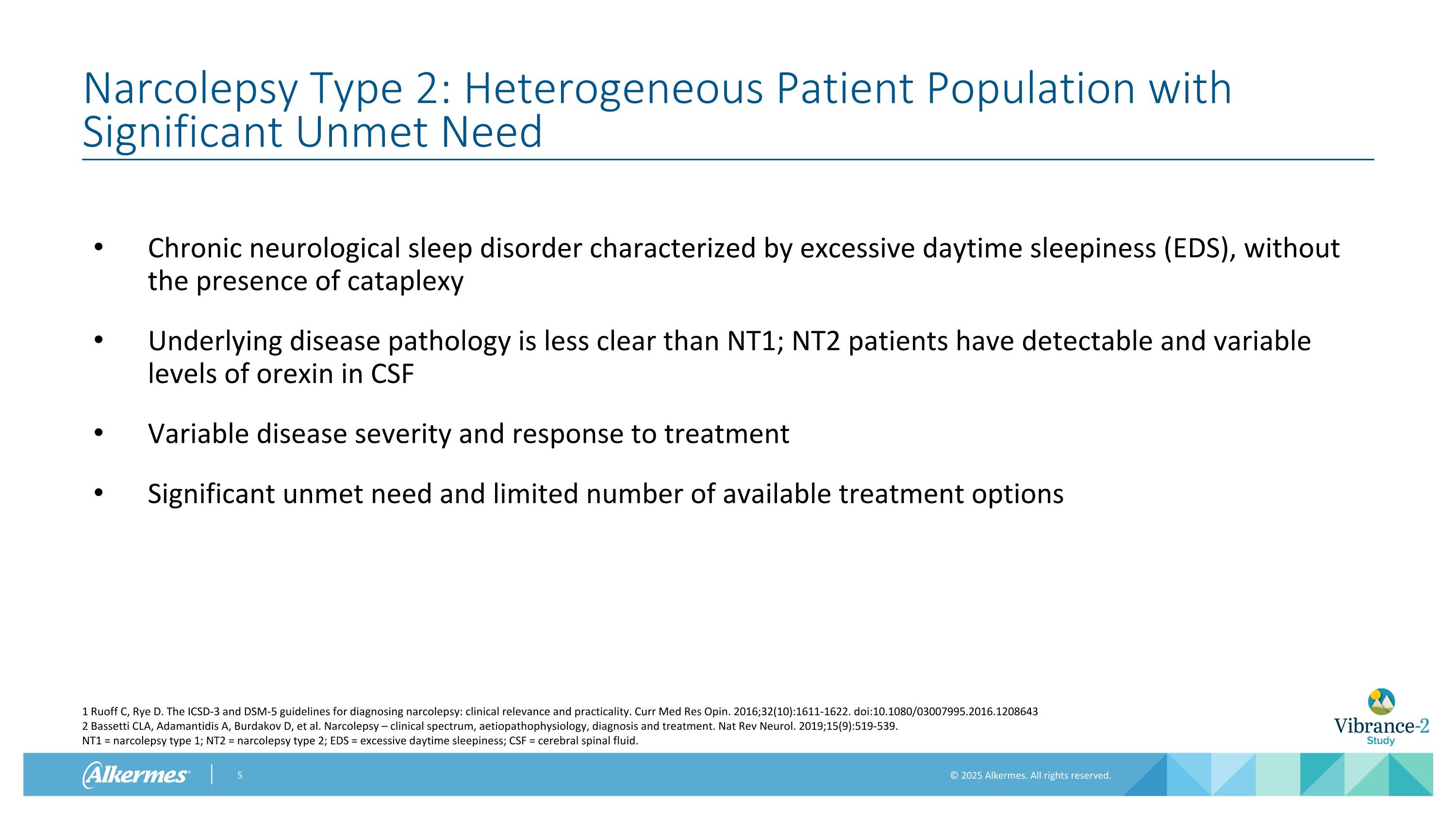
NT2 is a rare, chronic neurological sleep disorder that affects the brain’s ability to regulate the sleep-wake cycle. NT2 is primarily characterized by excessive daytime sleepiness. The NT2 patient population is heterogeneous, with differences in symptom severity and treatment response.1 In contrast to NT1, in which orexin deficiency is well established, the pathophysiology of NT2 remains less clearly defined and is typically associated with normal orexin levels.2

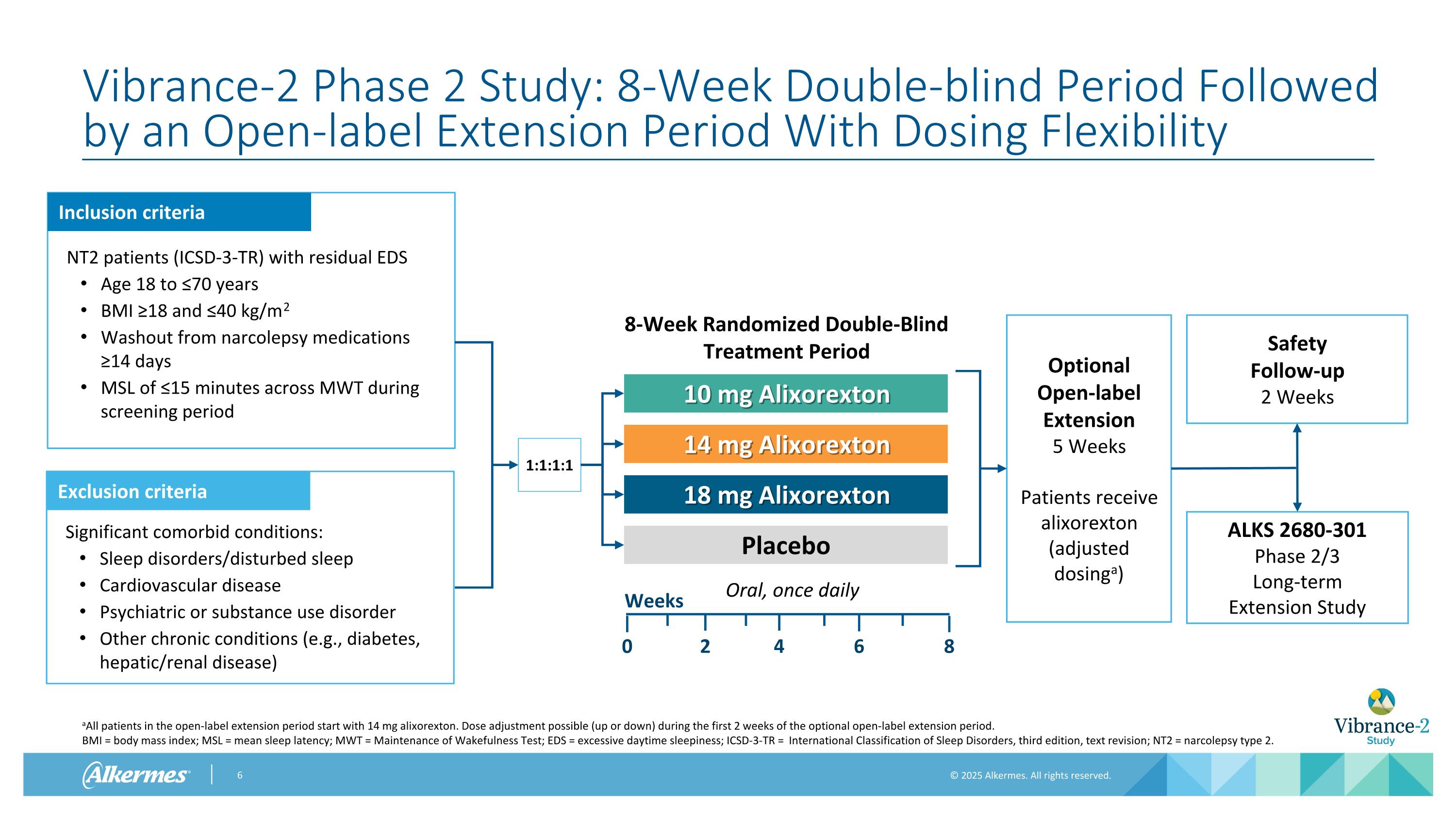
In Vibrance-2, patients with NT2 (n=93) were randomized (1:1:1:1) to receive a once-daily dose of alixorexton (10 mg, 14 mg or 18 mg) or placebo for eight weeks. Topline results include:


Dual Primary Endpoints


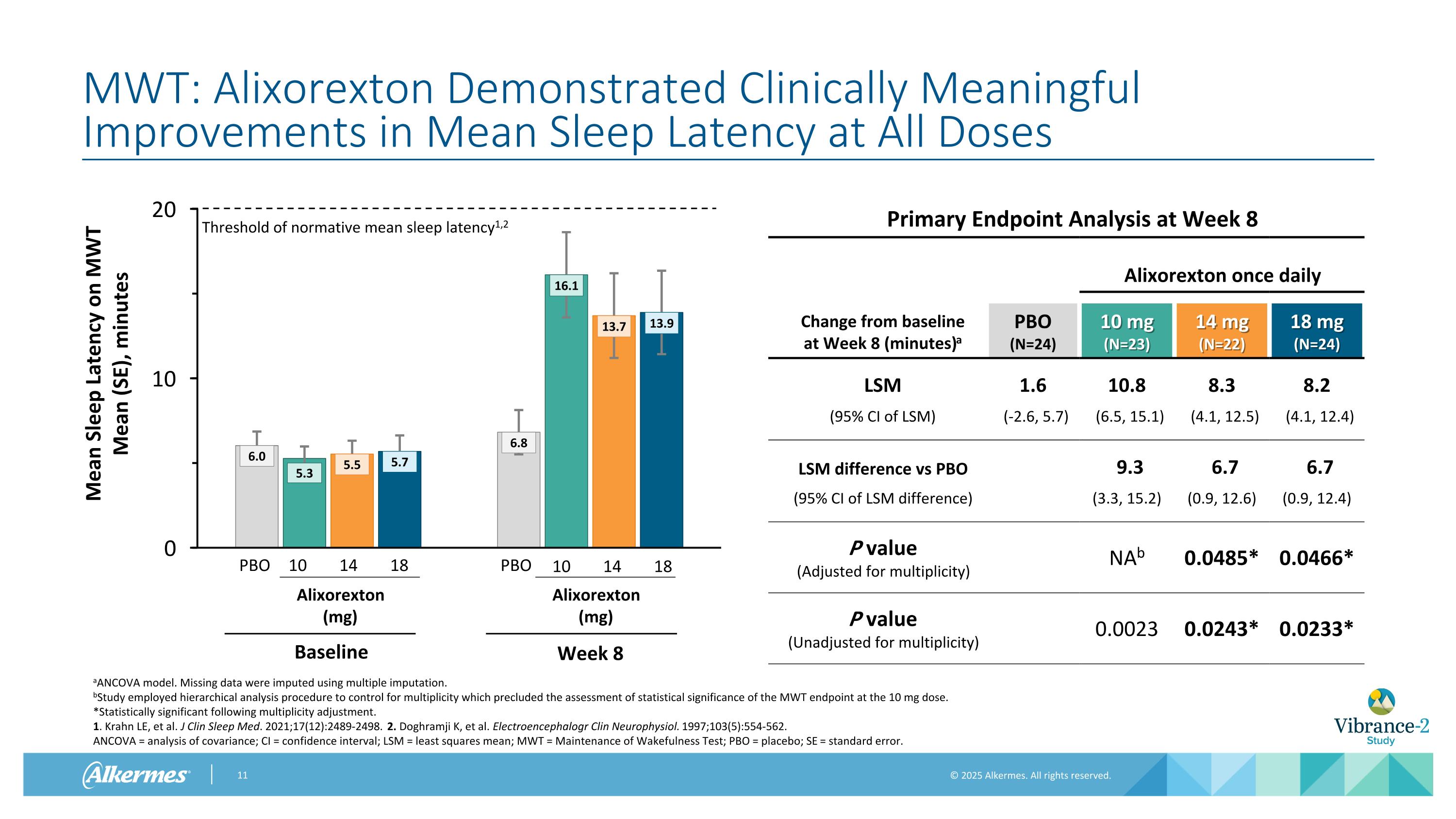
MWT: Alixorexton demonstrated clinically meaningful improvements from baseline in mean sleep latency compared to placebo at week eight at all doses tested. Based on the pre-specified analysis, the 14 mg and 18 mg doses achieved statistical significance (p<0.05 adjusted for multiplicity).
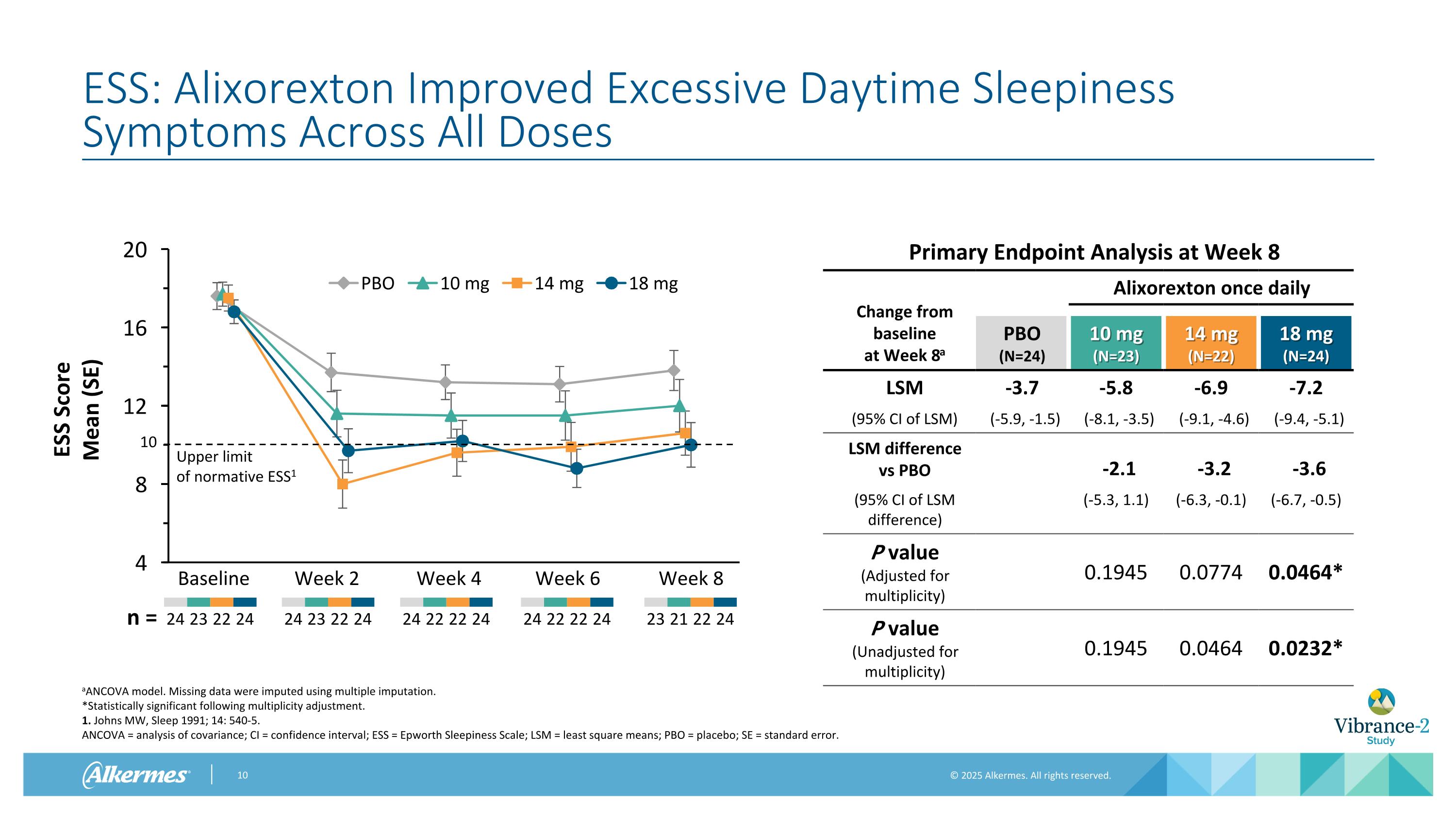
ESS3: Alixorexton demonstrated clinically meaningful improvements from baseline in excessive daytime sleepiness compared to placebo on the ESS at week eight at all doses tested. Based on the pre-specified analysis, the 18 mg dose achieved statistical significance (p<0.05 adjusted for multiplicity).


Safety

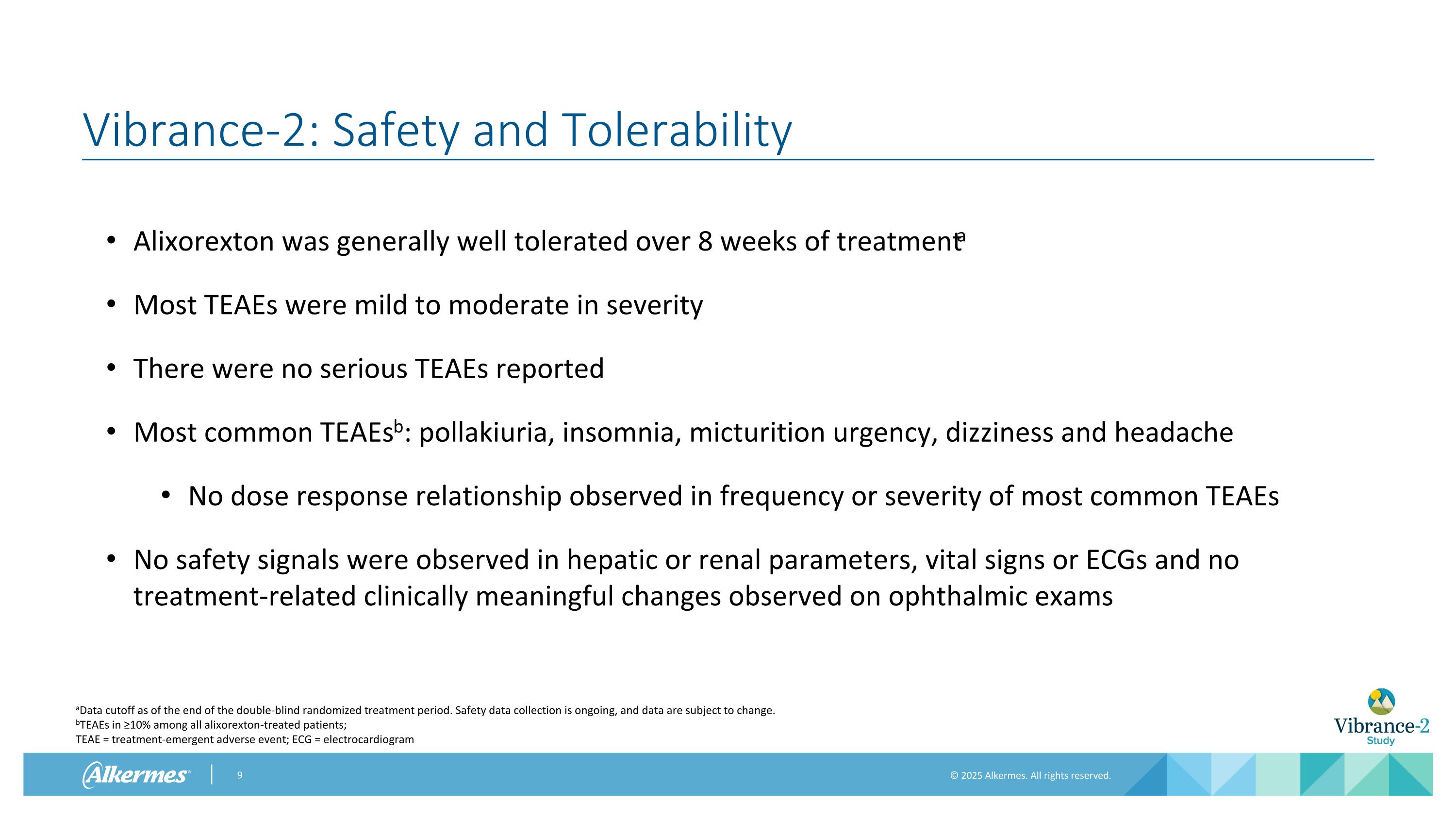
Alixorexton was generally well tolerated across all doses tested throughout the eight-week, randomized, double-blind treatment period. Most treatment-emergent adverse events (TEAEs) were mild to moderate in severity. No serious TEAEs were reported. There were no safety signals observed in hepatic and renal parameters, vital signs or ECGs, and there were no treatment-related clinically meaningful changes on ophthalmic exams in the alixorexton-treated group.

The most common TEAEs4,5 were pollakiuria, insomnia, urinary urgency, dizziness and headache.
Approximately 95% of patients completed the eight-week double-blind portion of the trial and entered into the optional five-week open-label extension, which is ongoing.

“The alixorexton data from Vibrance-2 are the first demonstration in a large, randomized phase 2 study that an orexin 2 receptor agonist can drive clinically meaningful improvements in wakefulness and excessive daytime sleepiness in patients without known orexin deficiency, with a generally well tolerated profile. These data are exciting and represent an important breakthrough in advancing a potential new treatment option for patients living with narcolepsy type 2,” said Emmanuel Mignot, M.D., Ph.D., Craig Reynolds Professor of Sleep Medicine in the Department of Psychiatry and Behavioral Sciences at Stanford University and the Director of the Stanford Center for Narcolepsy.

“The positive topline results from Vibrance-2 mark a significant milestone for the narcolepsy patient community and for the alixorexton development program. In Vibrance-2, alixorexton achieved statistically significant and clinically meaningful improvements on the primary efficacy endpoints with a generally well-tolerated profile in this heterogeneous patient population. The results of this study provide critical insights that will inform our registrational program,” said Craig Hopkinson, M.D., Chief Medical Officer and Executive Vice President of Research & Development at Alkermes. “Alixorexton is the first and only oral orexin 2 receptor agonist to demonstrate efficacy in large randomized, double-blind, multi-week phase 2 studies across a range of once-daily doses in patients with narcolepsy type 1 and type 2.


We are proud to lead the way in translating innovative science into a potential new treatment option for patients and look forward to moving alixorexton into phase 3 development as quickly as possible.”

Alkermes plans to present detailed results from the Vibrance-2 phase 2 study, including exploratory patient-reported outcomes related to cognition and fatigue, at a future scientific meeting. Alkermes plans to initiate the alixorexton narcolepsy global phase 3 program in the first quarter of 2026. Vibrance-3, a phase 2 study evaluating the safety and efficacy of alixorexton in adults with IH (NCT06843590), is currently enrolling.

Conference Call and Webcast
Alkermes will host a webcast presentation and conference call with accompanying slides for analysts and investors to share additional data from the Vibrance-2 study on Wednesday, Nov. 12, 2025, at 8:30 a.m. ET (1:30 p.m. GMT). The webcast player may be accessed on the Investors section of Alkermes’ website at www.alkermes.com. To participate in the question-and-answer session, please also dial in to the conference call, which may be accessed by dialing +1 877-407-2988 for U.S. callers and +1 201-389-0923 for international callers. A replay of the webcast will be archived on the company’s website for 30 days following the presentation.

About the Vibrance-2 Phase 2 Study (NCT06555783)

Vibrance-2 is a phase 2, randomized, double-blind, dose-range-finding, placebo-controlled study evaluating the safety and efficacy of alixorexton (formerly referred to as ALKS 2680) in adults with narcolepsy type 2 (NT2).


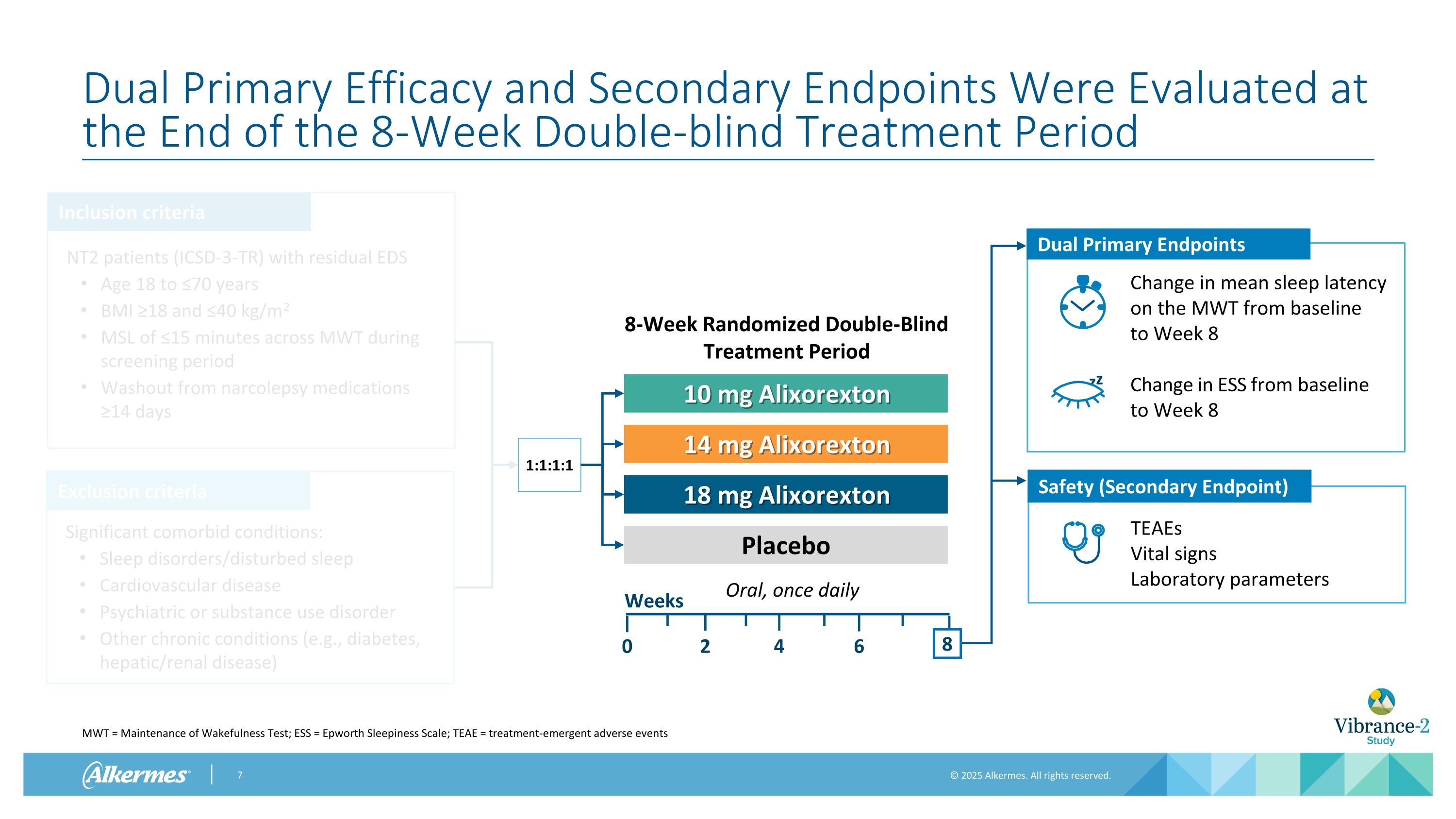
Participants (n=93) were randomized to receive one of three doses of alixorexton (10 mg, 14 mg or 18 mg) or placebo to be taken once-daily for eight weeks. The dual primary endpoints assessed whether participants taking alixorexton experienced an improvement in wakefulness compared to participants taking placebo, as measured by the change from baseline in mean sleep latency on the maintenance of wakefulness test (MWT) at week eight, and a greater decrease in sleepiness as measured by the change from baseline in Epworth Sleepiness Scale (ESS) score at week eight. The secondary endpoint evaluated the safety and tolerability of alixorexton in patients with NT2, including incidence of adverse events, vital signs and clinical laboratory assessments. The study also included a number of exploratory patient-reported outcome measures, which evaluated the effect of alixorexton on participants’ disease severity, fatigue and cognition. All participants in the double-blind portion of the study were eligible to continue to an optional five-week open-label safety extension portion of the study, followed by a long-term safety study.


About Alixorexton

Alixorexton (formerly referred to as ALKS 2680) is a novel, investigational, oral, selective orexin 2 receptor (OX2R) agonist in phase 2 development as a once-daily treatment for narcolepsy type 1 (NT1), narcolepsy type 2 (NT2) and idiopathic hypersomnia (IH). Orexin, a neuropeptide produced in the lateral hypothalamus, is considered to be the master regulator of wakefulness due to its activation of multiple, downstream wake-promoting pathways that project widely throughout the brain.6 Targeting the orexin system may address excessive daytime sleepiness across hypersomnolence disorders, whether or not deficient orexin signaling is the underlying cause of disease.7 Once-daily oral administration of alixorexton was previously evaluated in a phase 1 study in healthy volunteers and patients with NT1, NT2 and IH, and in Vibrance-1, a phase 2 study in patients with NT1.


It is currently being evaluated in the phase 2 Vibrance-2 and Vibrance-3 studies in patients with NT2 and IH, respectively.

About Alkermes plc
Alkermes plc, a mid-cap growth and value equity, is a global biopharmaceutical company that seeks to develop innovative medicines in the field of neuroscience. The company has a portfolio of proprietary commercial products for the treatment of alcohol dependence, opioid dependence, schizophrenia and bipolar I disorder, and a pipeline of clinical and preclinical candidates in development for neurological disorders, including narcolepsy and idiopathic hypersomnia. Headquartered in Ireland, Alkermes also has a corporate office and research and development center in Massachusetts and a manufacturing facility in Ohio. For more information, please visit Alkermes’ website at www.alkermes.com.


Note Regarding Forward-Looking Statements

Certain statements set forth in this press release constitute “forward-looking statements” within the meaning of the Private Securities Litigation Reform Act of 1995, as amended, including, but not limited to, statements concerning: the potential therapeutic and commercial value of alixorexton (formerly referred to as ALKS 2680) and the company’s expectations, including timelines, related to the alixorexton development program. The company cautions that forward-looking statements are inherently uncertain. Although the company believes that such statements are based on reasonable assumptions within the bounds of its knowledge of its business and operations, the forward-looking statements are neither promises nor guarantees and they are necessarily subject to a high degree of uncertainty and risk. Actual performance and results may differ materially from those expressed or implied in the forward-looking statements due to various risks and uncertainties.


These risks and uncertainties include, among others: whether initial clinical results for alixorexton will be predictive of results of future stages of ongoing clinical studies, future clinical studies or real-world results; whether ongoing or future clinical studies for alixorexton will be initiated or completed on expected timelines or at all; whether alixorexton could be shown to be ineffective or unsafe; potential changes in the cost, scope and duration of the alixorexton development program; and those risks and uncertainties described under the heading “Risk Factors” in the company’s Annual Report on Form 10-K for the year ended Dec. 31, 2024 and in subsequent filings made by the company with the U.S. Securities and Exchange Commission (SEC), which are available on the SEC’s website at www.sec.gov. Existing and prospective investors are cautioned not to place undue reliance on these forward-looking statements, which speak only as of the date hereof. Except as required by law, the company disclaims any intention or responsibility for updating or revising any forward-looking statements contained in this press release.


1 Ruoff C, Rye D. The ICSD-3 and DSM-5 guidelines for diagnosing narcolepsy: clinical relevance and practicality. Curr Med Res Opin. 2016;32(10):1611-1622. doi:10.1080/03007995.2016.1208643

2 Bassetti CLA, Adamantidis A, Burdakov D, et al. Narcolepsy – clinical spectrum, aetiopathophysiology, diagnosis and treatment. Nat Rev Neurol. 2019;15(9):519-539.

3 Epworth Sleepiness Scale: 8-item self-administered questionnaire that measures severity of excessive daytime sleepiness across multiple conditions over the past 7 days (≤10 = normative).

4 TEAEs in ≥10% among all alixorexton-treated patients.

5 Data cutoff as of the end of the double-blind randomized treatment period. Safety data collection is ongoing, and data are subject to change.

6 Buysse, D. Diagnosis and assessment of sleep and circadian rhythm disorders. Journal of Psychiatric Practice. 2005; 11(2):102-115
7 Ten-Blanco M, Flores A, Cristino L, Pereda-Perez I. Targeting the orexin/hypocretin system for the treatment of neuropsychiatric and neurodegenerative diseases: From animal to clinical studies. Frontiers in Neuroendocrinology. 2023;69(101066). https://www.sciencedirect.com/science/article/pii/S0091302223000146


EX-99.2 3 alks-ex99_2.htm EX-99.2

Slide 1

Vibrance-2 Phase 2 Study of Alixorexton in Patients with Narcolepsy Type 2: Positive Topline Results November 12, 2025 Exhibit 99.2

Slide 2

Forward Looking Statements Certain statements set forth in this presentation constitute “forward-looking statements” within the meaning of the Private Securities Litigation Reform Act of 1995, as amended, including, but not limited to, statements concerning: the potential therapeutic and commercial value of alixorexton (formerly referred to as ALKS 2680) and the company’s expectations related to the alixorexton development program. The company cautions that forward-looking statements are inherently uncertain. Although the company believes that such statements are based on reasonable assumptions within the bounds of its knowledge of its business and operations, the forward-looking statements are neither promises nor guarantees and they are necessarily subject to a high degree of uncertainty and risk. Actual performance and results may differ materially from those expressed or implied in the forward-looking statements due to various risks, assumptions and uncertainties. These risks, assumptions and uncertainties include, among others: whether initial clinical results for alixorexton will be predictive of results of future stages of ongoing clinical studies, future clinical studies or real-world results; whether ongoing or future clinical studies for alixorexton will be initiated or completed on expected timelines or at all; whether alixorexton could be shown to be ineffective or unsafe; potential changes in the cost, scope and duration of the alixorexton development program; and those risks, assumptions and uncertainties described under the heading “Risk Factors” in the company’s Annual Report on Form 10-K for the year ended Dec. 31, 2024 and in subsequent filings made by the company with the U.S. Securities and Exchange Commission (“SEC”), which are available on the SEC’s website at www.sec.gov, and on the company’s website at www.alkermes.com in the ‘Investors – SEC filings’ section. Existing and prospective investors are cautioned not to place undue reliance on these forward-looking statements, which speak only as of the date hereof. Except as required by law, the company disclaims any intention or responsibility for updating or revising any forward-looking statements contained in this presentation.

Slide 3

Vibrance-2: Successful Phase 2 Study of Alixorexton in Patients With Narcolepsy Type 2 Topline results address the study’s key objectives: Efficacy Safety and Tolerability Phase 3 Readiness

Slide 4

Vibrance-2: Positive Outcome Supports Advancing to Phase 3 Alixorexton is the first orexin 2 receptor agonist to demonstrate an efficacy signal with statistically significant and clinically meaningful improvements in MWT and ESS in a large, multi-dose phase 2 study in narcolepsy type 2 (NT2) Alixorexton was generally well tolerated, with most TEAEs mild to moderate in severity and no serious TEAEs reported Safety and tolerability profile confirmed anticipated dose/response shift in NT2 patients Important new findings from Vibrance-2 inform phase 3 program MWT = Maintenance of Wakefulness Test; ESS = Epworth Sleepiness Scale; NT2 = narcolepsy type 2; TEAE: treatment-emergent adverse events

Slide 5

Narcolepsy Type 2: Heterogeneous Patient Population with Significant Unmet Need Chronic neurological sleep disorder characterized by excessive daytime sleepiness (EDS), without the presence of cataplexy Underlying disease pathology is less clear than NT1; NT2 patients have detectable and variable levels of orexin in CSF Variable disease severity and response to treatment Significant unmet need and limited number of available treatment options 1 Ruoff C, Rye D. The ICSD-3 and DSM-5 guidelines for diagnosing narcolepsy: clinical relevance and practicality. Curr Med Res Opin. 2016;32(10):1611-1622. doi:10.1080/03007995.2016.1208643 2 Bassetti CLA, Adamantidis A, Burdakov D, et al. Narcolepsy – clinical spectrum, aetiopathophysiology, diagnosis and treatment. Nat Rev Neurol. 2019;15(9):519-539. NT1 = narcolepsy type 1; NT2 = narcolepsy type 2; EDS = excessive daytime sleepiness; CSF = cerebral spinal fluid.

Slide 6

Vibrance-2 Phase 2 Study: 8-Week Double-blind Period Followed by an Open-label Extension Period With Dosing Flexibility aAll patients in the open-label extension period start with 14 mg alixorexton. Dose adjustment possible (up or down) during the first 2 weeks of the optional open-label extension period. BMI = body mass index; MSL = mean sleep latency; MWT = Maintenance of Wakefulness Test; EDS = excessive daytime sleepiness; ICSD-3-TR = International Classification of Sleep Disorders, third edition, text revision; NT2 = narcolepsy type 2. Optional Open-label Extension 5 Weeks Patients receive alixorexton (adjusted dosinga) Safety Follow-up 2 Weeks ALKS 2680-301Phase 2/3 Long-term Extension Study Inclusion criteria Exclusion criteria NT2 patients (ICSD-3-TR) with residual EDS Age 18 to ≤70 years BMI ≥18 and ≤40 kg/m2 Washout from narcolepsy medications ≥14 days MSL of ≤15 minutes across MWT during screening period Significant comorbid conditions: Sleep disorders/disturbed sleep Cardiovascular disease Psychiatric or substance use disorder Other chronic conditions (e.g., diabetes, hepatic/renal disease) 1:1:1:1 Oral, once daily 10 mg Alixorexton 14 mg Alixorexton 18 mg Alixorexton Placebo Weeks 2 4 0 8-Week Randomized Double-Blind Treatment Period 8 6

Slide 7

Dual Primary Efficacy and Secondary Endpoints Were Evaluated at the End of the 8-Week Double-blind Treatment Period MWT = Maintenance of Wakefulness Test; ESS = Epworth Sleepiness Scale; TEAE = treatment-emergent adverse events Inclusion criteria Exclusion criteria NT2 patients (ICSD-3-TR) with residual EDS Age 18 to ≤70 years BMI ≥18 and ≤40 kg/m2 MSL of ≤15 minutes across MWT during screening period Washout from narcolepsy medications ≥14 days Significant comorbid conditions: Sleep disorders/disturbed sleep Cardiovascular disease Psychiatric or substance use disorder Other chronic conditions (e.g., diabetes, hepatic/renal disease) 1:1:1:1 Oral, once daily 10 mg Alixorexton 14 mg Alixorexton 18 mg Alixorexton Placebo Weeks 2 4 0 8-Week Randomized Double-Blind Treatment Period 8 6 Change in ESS from baseline to Week 8 Dual Primary Endpoints Change in mean sleep latency on the MWT from baseline to Week 8 z z TEAEs Vital signs Laboratory parameters Safety (Secondary Endpoint) 8

Slide 8

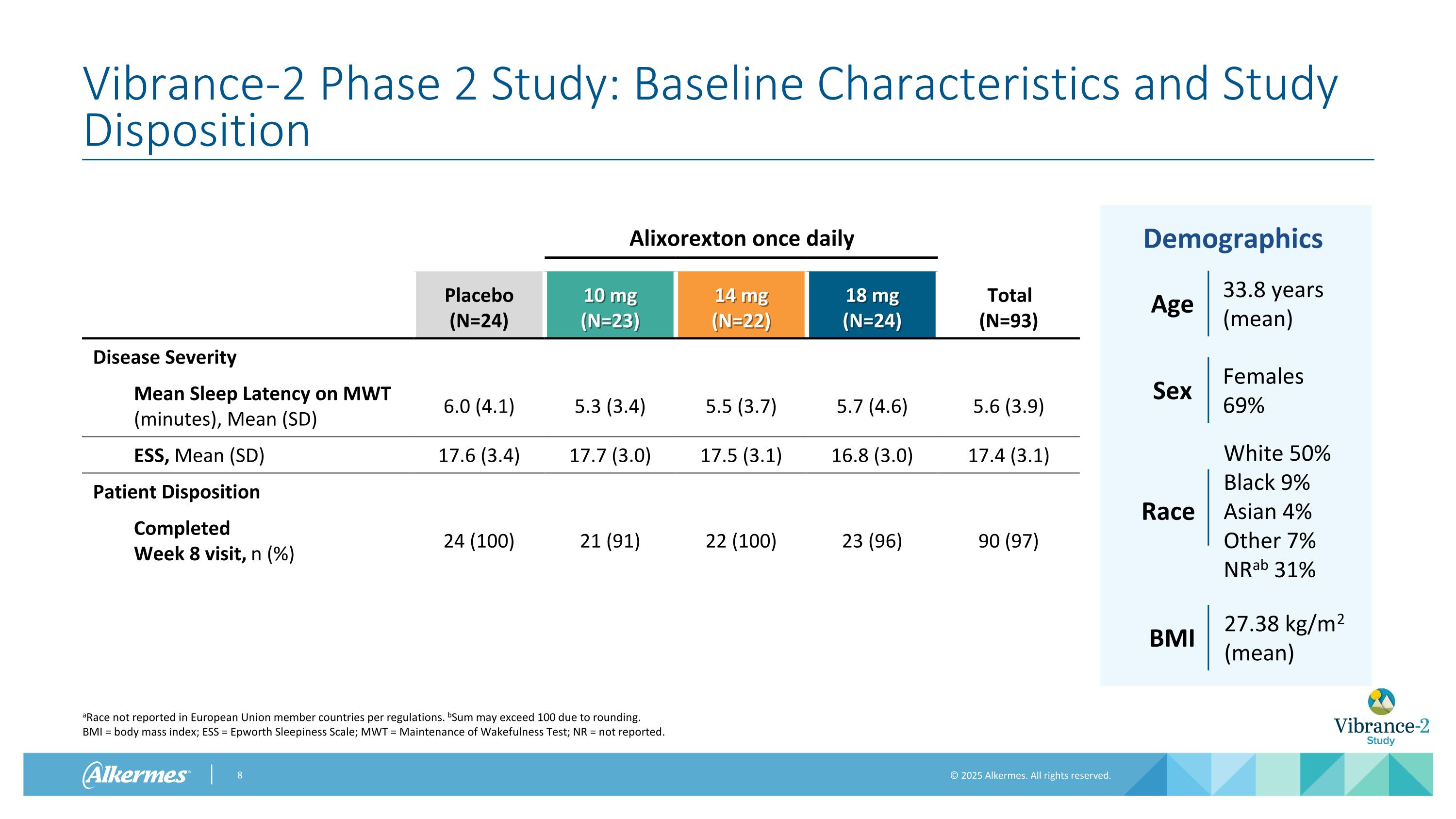
Vibrance-2 Phase 2 Study: Baseline Characteristics and Study Disposition Alixorexton once daily Placebo (N=24) 10 mg (N=23) 14 mg (N=22) 18 mg (N=24) Total (N=93) Disease Severity Mean Sleep Latency on MWT (minutes), Mean (SD) 6.0 (4.1) 5.3 (3.4) 5.5 (3.7) 5.7 (4.6) 5.6 (3.9) ESS, Mean (SD) 17.6 (3.4) 17.7 (3.0) 17.5 (3.1) 16.8 (3.0) 17.4 (3.1) Patient Disposition Completed Week 8 visit, n (%) 24 (100) 21 (91) 22 (100) 23 (96) 90 (97) 33.8 years (mean) Age Females 69% Sex Race White 50% Black 9% Asian 4% Other 7% NRab 31% 27.38 kg/m2 (mean) BMI Demographics aRace not reported in European Union member countries per regulations. bSum may exceed 100 due to rounding.BMI = body mass index; ESS = Epworth Sleepiness Scale; MWT = Maintenance of Wakefulness Test; NR = not reported.

Slide 9

Vibrance-2: Safety and Tolerability Alixorexton was generally well tolerated over 8 weeks of treatmenta Most TEAEs were mild to moderate in severity There were no serious TEAEs reported Most common TEAEsb: pollakiuria, insomnia, micturition urgency, dizziness and headache No dose response relationship observed in frequency or severity of most common TEAEs No safety signals were observed in hepatic or renal parameters, vital signs or ECGs and no treatment-related clinically meaningful changes observed on ophthalmic exams aData cutoff as of the end of the double-blind randomized treatment period. Safety data collection is ongoing, and data are subject to change. bTEAEs in ≥10% among all alixorexton-treated patients; TEAE = treatment-emergent adverse event; ECG = electrocardiogram

Slide 10

ESS: Alixorexton Improved Excessive Daytime Sleepiness Symptoms Across All Doses aANCOVA model. Missing data were imputed using multiple imputation. *Statistically significant following multiplicity adjustment.1. Johns MW, Sleep 1991; 14: 540-5. ANCOVA = analysis of covariance; CI = confidence interval; ESS = Epworth Sleepiness Scale; LSM = least square means; PBO = placebo; SE = standard error. Baseline Week 2 Week 4 Week 6 24 23 22 24 24 22 22 24 24 23 22 24 n = 24 22 22 24 Upper limit of normative ESS1 10 Week 8 23 21 22 24 Primary Endpoint Analysis at Week 8 Change from baseline at Week 8a Alixorexton once daily PBO (N=24) 10 mg(N=23) 14 mg(N=22) 18 mg(N=24) LSM -3.7 -5.8 -6.9 -7.2 (95% CI of LSM) (-5.9, -1.5) (-8.1, -3.5) (-9.1, -4.6) (-9.4, -5.1) LSM difference vs PBO -2.1 -3.2 -3.6 (95% CI of LSM difference) (-5.3, 1.1) (-6.3, -0.1) (-6.7, -0.5) P value (Adjusted for multiplicity) 0.1945 0.0774 0.0464* P value (Unadjusted for multiplicity) 0.1945 0.0464 0.0232*

Slide 11

MWT: Alixorexton Demonstrated Clinically Meaningful Improvements in Mean Sleep Latency at All Doses Primary Endpoint Analysis at Week 8 Alixorexton once daily Change from baseline at Week 8 (minutes)a PBO (N=24) 10 mg(N=23) 14 mg(N=22) 18 mg(N=24) LSM 1.6 10.8 8.3 8.2 (95% CI of LSM) (-2.6, 5.7) (6.5, 15.1) (4.1, 12.5) (4.1, 12.4) LSM difference vs PBO 9.3 6.7 6.7 (95% CI of LSM difference) (3.3, 15.2) (0.9, 12.6) (0.9, 12.4) P value (Adjusted for multiplicity) NAb 0.0485* 0.0466* P value (Unadjusted for multiplicity) 0.0023 0.0243* 0.0233* aANCOVA model. Missing data were imputed using multiple imputation. bStudy employed hierarchical analysis procedure to control for multiplicity which precluded the assessment of statistical significance of the MWT endpoint at the 10 mg dose. *Statistically significant following multiplicity adjustment. 1. Krahn LE, et al. J Clin Sleep Med. 2021;17(12):2489-2498. 2. Doghramji K, et al. Electroencephalogr Clin Neurophysiol. 1997;103(5):554-562. ANCOVA = analysis of covariance; CI = confidence interval; LSM = least squares mean; MWT = Maintenance of Wakefulness Test; PBO = placebo; SE = standard error. Threshold of normative mean sleep latency1,2 10 14 18 PBO Alixorexton (mg) Baseline PBO Alixorexton (mg) Week 8 10 14 18

Slide 12

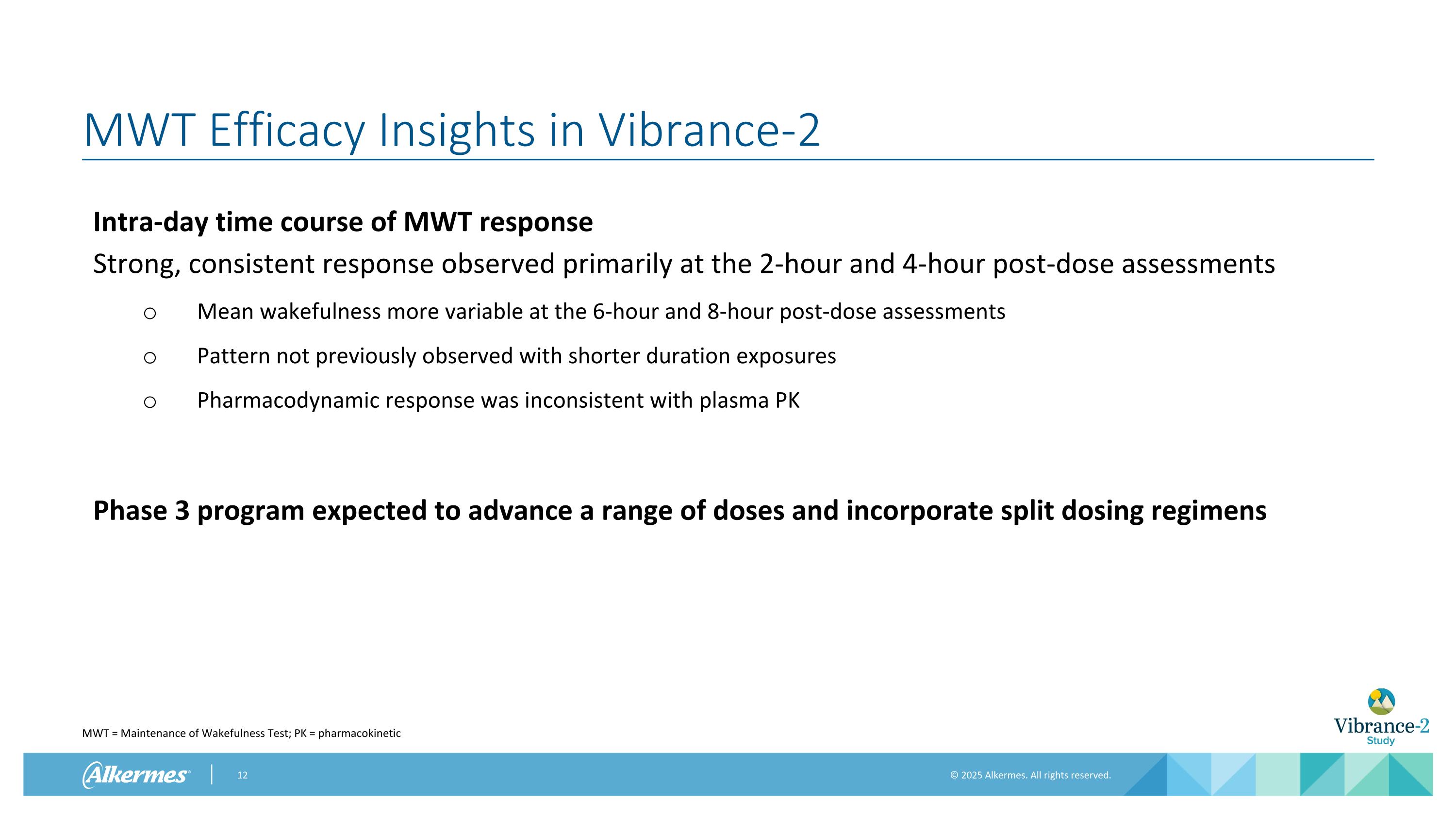
MWT Efficacy Insights in Vibrance-2 Intra-day time course of MWT response Strong, consistent response observed primarily at the 2-hour and 4-hour post-dose assessments Mean wakefulness more variable at the 6-hour and 8-hour post-dose assessments Pattern not previously observed with shorter duration exposures Pharmacodynamic response was inconsistent with plasma PK Phase 3 program expected to advance a range of doses and incorporate split dosing regimens MWT = Maintenance of Wakefulness Test; PK = pharmacokinetic

Slide 13

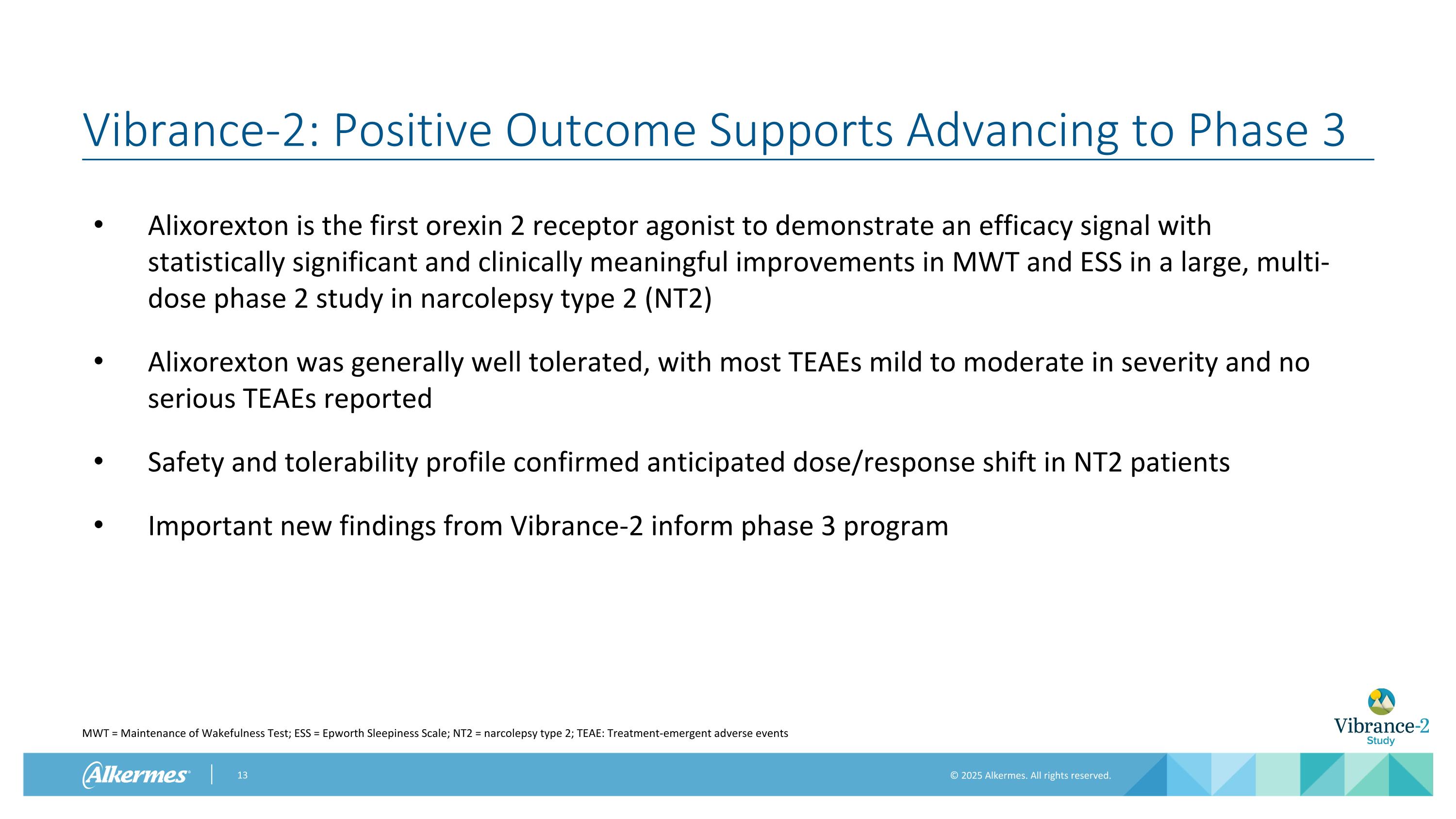
Vibrance-2: Positive Outcome Supports Advancing to Phase 3 Alixorexton is the first orexin 2 receptor agonist to demonstrate an efficacy signal with statistically significant and clinically meaningful improvements in MWT and ESS in a large, multi-dose phase 2 study in narcolepsy type 2 (NT2) Alixorexton was generally well tolerated, with most TEAEs mild to moderate in severity and no serious TEAEs reported Safety and tolerability profile confirmed anticipated dose/response shift in NT2 patients Important new findings from Vibrance-2 inform phase 3 program MWT = Maintenance of Wakefulness Test; ESS = Epworth Sleepiness Scale; NT2 = narcolepsy type 2; TEAE: Treatment-emergent adverse events

Slide 14

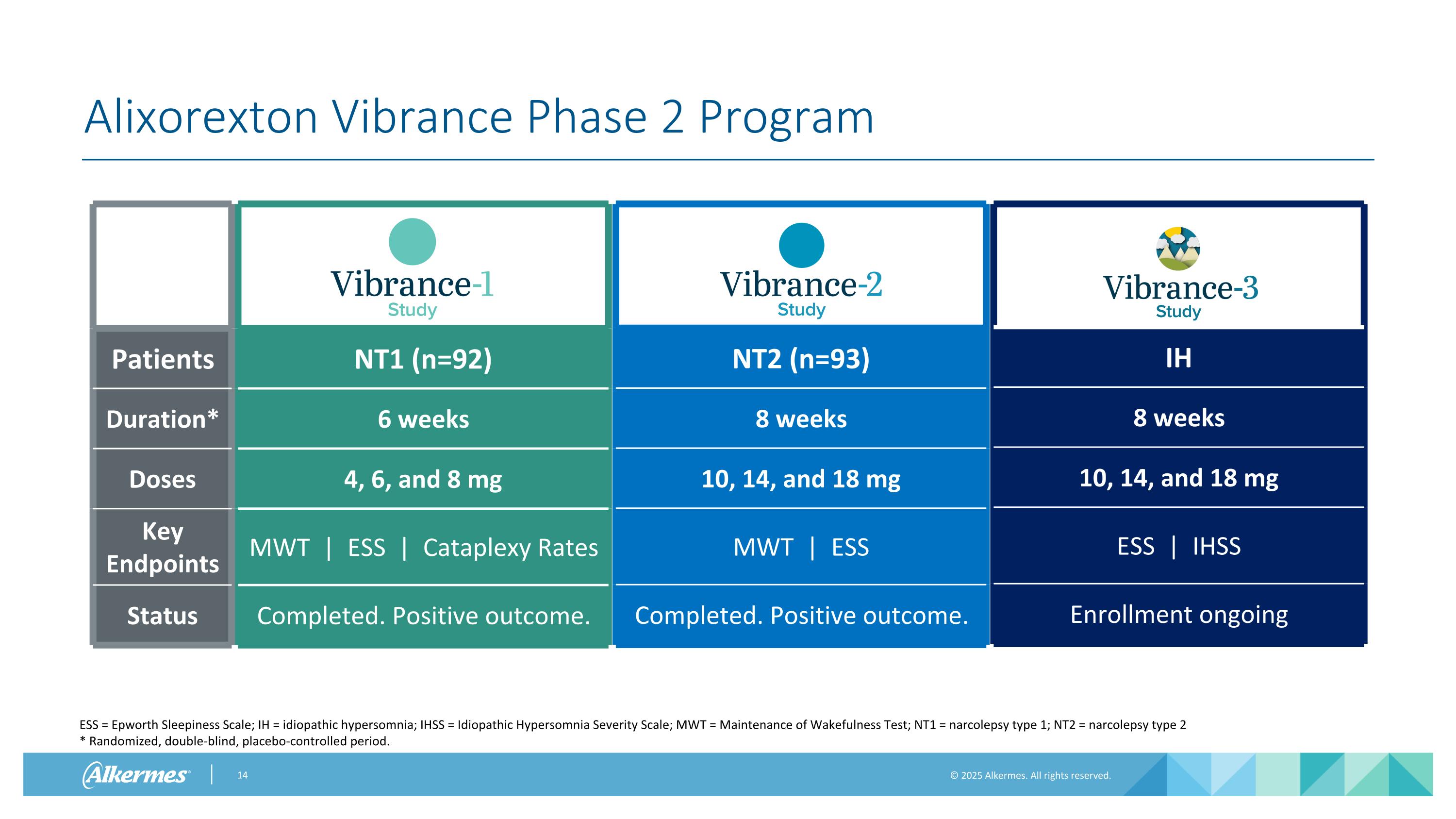
NT1 (n=92) 6 weeks 4, 6, and 8 mg MWT | ESS | Cataplexy Rates Completed. Positive outcome. IH 8 weeks 10, 14, and 18 mg ESS | IHSS Enrollment ongoing NT2 (n=93) 8 weeks 10, 14, and 18 mg MWT | ESS Completed. Positive outcome. Alixorexton Vibrance Phase 2 Program Patients Duration* Doses Key Endpoints Status ESS = Epworth Sleepiness Scale; IH = idiopathic hypersomnia; IHSS = Idiopathic Hypersomnia Severity Scale; MWT = Maintenance of Wakefulness Test; NT1 = narcolepsy type 1; NT2 = narcolepsy type 2 * Randomized, double-blind, placebo-controlled period.


Slide 15

www.alkermes.com
