Building a Differentiated ADC Company Nasdaq: PYXS May 2025 Exhibit 99.2
Forward Looking Statement This presentation contains forward-looking statements for the purposes of the safe harbor provisions under The Private Securities Litigation Reform Act of 1995 and other federal securities laws. All statements other than statements of historical facts contained in this presentation and press release, including without limitation statements regarding the Company's plans to develop, manufacture and commercialize its product candidates, including micvotabart pelidotin, formerly referred to as PYX-201; initial results, timing and progress of the Company's ongoing clinical trials; the expected results of the Company's clinical trials including those of its lead product candidate, micvotabart pelidotin; the expected benefits of the pipeline prioritization; the ability of initial and topline clinical data to de-risk micvotabart pelidotin and be confirmed with clinical trial progression, including the safety, tolerability, and potential efficacy of micvotabart pelidotin; the potential differentiation, advantage or effectiveness of micvotabart pelidotin compared to other approved products or products in development; the dosage and treatment potential of micvotabart pelidotin; the size and future of the market; the plans and objectives of management, and the future results of operations and financial position of the Company, are forward-looking statements. These statements are neither promises nor guarantees, but are statements that involve known and unknown risks, uncertainties and other important factors that are in some cases beyond the Company's control that may cause actual results, performance or achievements to be materially different from any future results, performance or achievements expressed or implied by the forward-looking statements, including, but not limited to, the following: the risks inherent in drug research and development, the Company's projected cash runway and potential needs for additional funding; the lengthy, expensive, and uncertain process of clinical drug development, including potential delays in or failure to obtain regulatory approvals; the Company's reliance on third parties and collaborators to conduct clinical trials, manufacture their product candidates, and develop and commercialize their product candidates; and the Company's ability compete successfully against other drug candidates. Accordingly, investors should not rely upon forward-looking statements as predictions of future events. Except as required by applicable law, the Company undertakes no obligation to update publicly or revise any forward-looking statements contained herein, whether as a result of any new information, future events, changed circumstances or otherwise. Factors that could cause or contribute to differences include, but are not limited to, those identified herein, and those discussed in the section titled “Risk Factors” set forth in Part II, Item 1A. of the Company’s Quarterly Report on Form 10-Q filed with SEC on May 15, 2025, and our other filings, each of which is on file with the Securities and Exchange Commission. These risks are not exhaustive. New risk factors emerge from time to time, and it is not possible for our management to predict all risk factors, nor can we assess the impact of all factors on our business or the extent to which any factor, or combination of factors, may cause actual results to differ materially from those contained in any forward-looking statements. In addition, statements that “we believe” and similar statements reflect our beliefs and opinions on the relevant subject. These statements are based upon information available to us as of the date hereof and while we believe such information forms a reasonable basis for such statements, such information may be limited or incomplete, and our statements should not be read to indicate that we have conducted an exhaustive inquiry into, or review of, all potentially available relevant information. These statements are inherently uncertain, and investors are cautioned not to unduly rely upon these statements. Except as required by law, we undertake no obligation to update any forward-looking statements to reflect events or circumstances after the date of such statements.
Positioned to be a Differentiated ADC Company *Balance sheet as of March 31, 2025 First-in-Concept Extracellular ADC Technology Deeply Experienced Team of Oncology Drug Developers Multiple Clinical Data Catalysts in 2025 Strong Balance Sheet* with $107M Cash Runway into 2H 2026
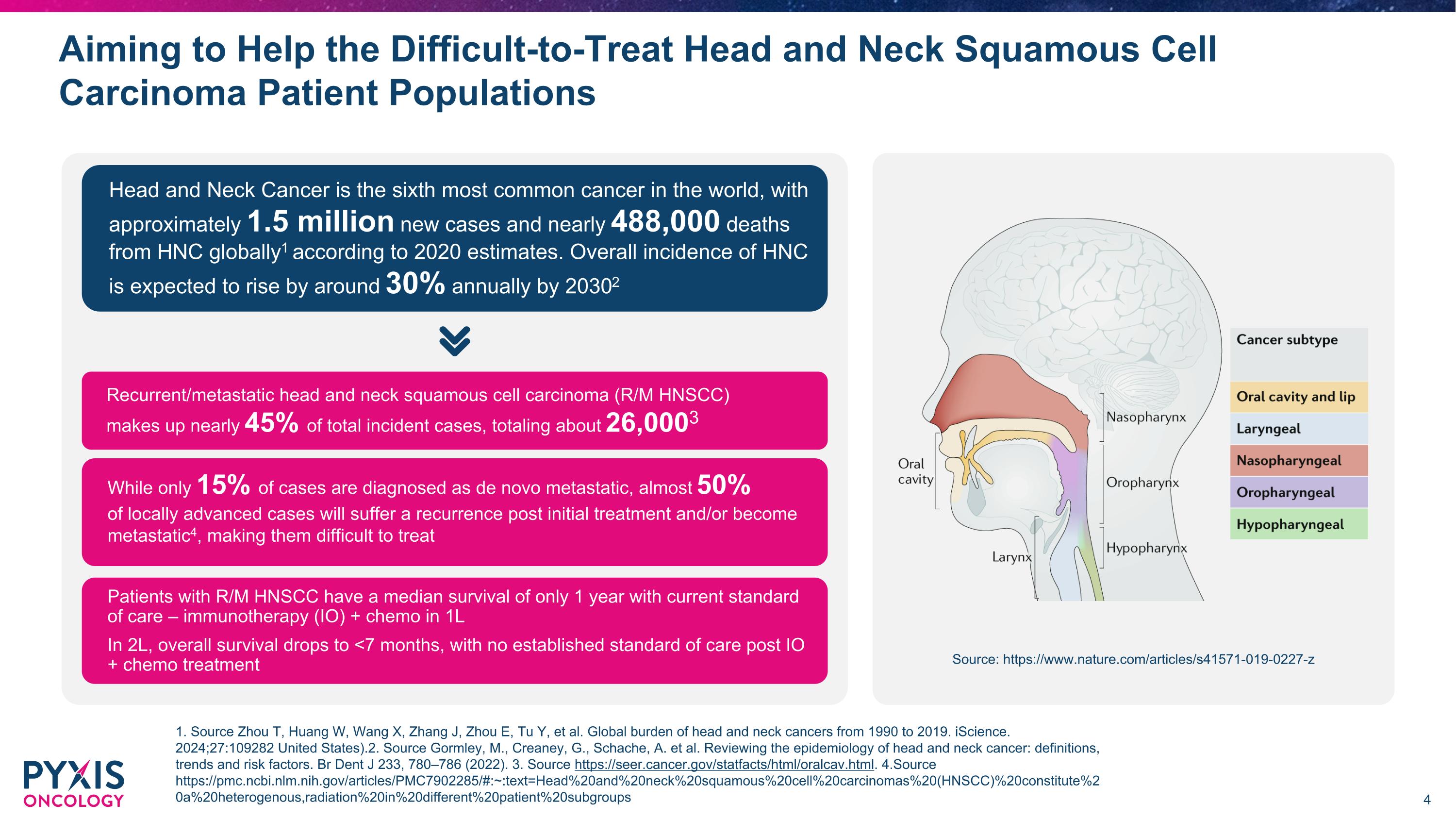
Aiming to Help the Difficult-to-Treat Head and Neck Squamous Cell Carcinoma Patient Populations Head and Neck Cancer is the sixth most common cancer in the world, with approximately 1.5 million new cases and nearly 488,000 deaths from HNC globally1 according to 2020 estimates. Overall incidence of HNC is expected to rise by around 30% annually by 20302 Recurrent/metastatic head and neck squamous cell carcinoma (R/M HNSCC) makes up nearly 45% of total incident cases, totaling about 26,0003 While only 15% of cases are diagnosed as de novo metastatic, almost 50% of locally advanced cases will suffer a recurrence post initial treatment and/or become metastatic4, making them difficult to treat Patients with R/M HNSCC have a median survival of only 1 year with current standard of care – immunotherapy (IO) + chemo in 1L In 2L, overall survival drops to <7 months, with no established standard of care post IO + chemo treatment Source: https://www.nature.com/articles/s41571-019-0227-z 1. Source Zhou T, Huang W, Wang X, Zhang J, Zhou E, Tu Y, et al. Global burden of head and neck cancers from 1990 to 2019. iScience. 2024;27:109282 United States).2. Source Gormley, M., Creaney, G., Schache, A. et al. Reviewing the epidemiology of head and neck cancer: definitions, trends and risk factors. Br Dent J 233, 780–786 (2022). 3. Source https://seer.cancer.gov/statfacts/html/oralcav.html. 4.Source https://pmc.ncbi.nlm.nih.gov/articles/PMC7902285/#:~:text=Head%20and%20neck%20squamous%20cell%20carcinomas%20(HNSCC)%20constitute%20a%20heterogenous,radiation%20in%20different%20patient%20subgroups
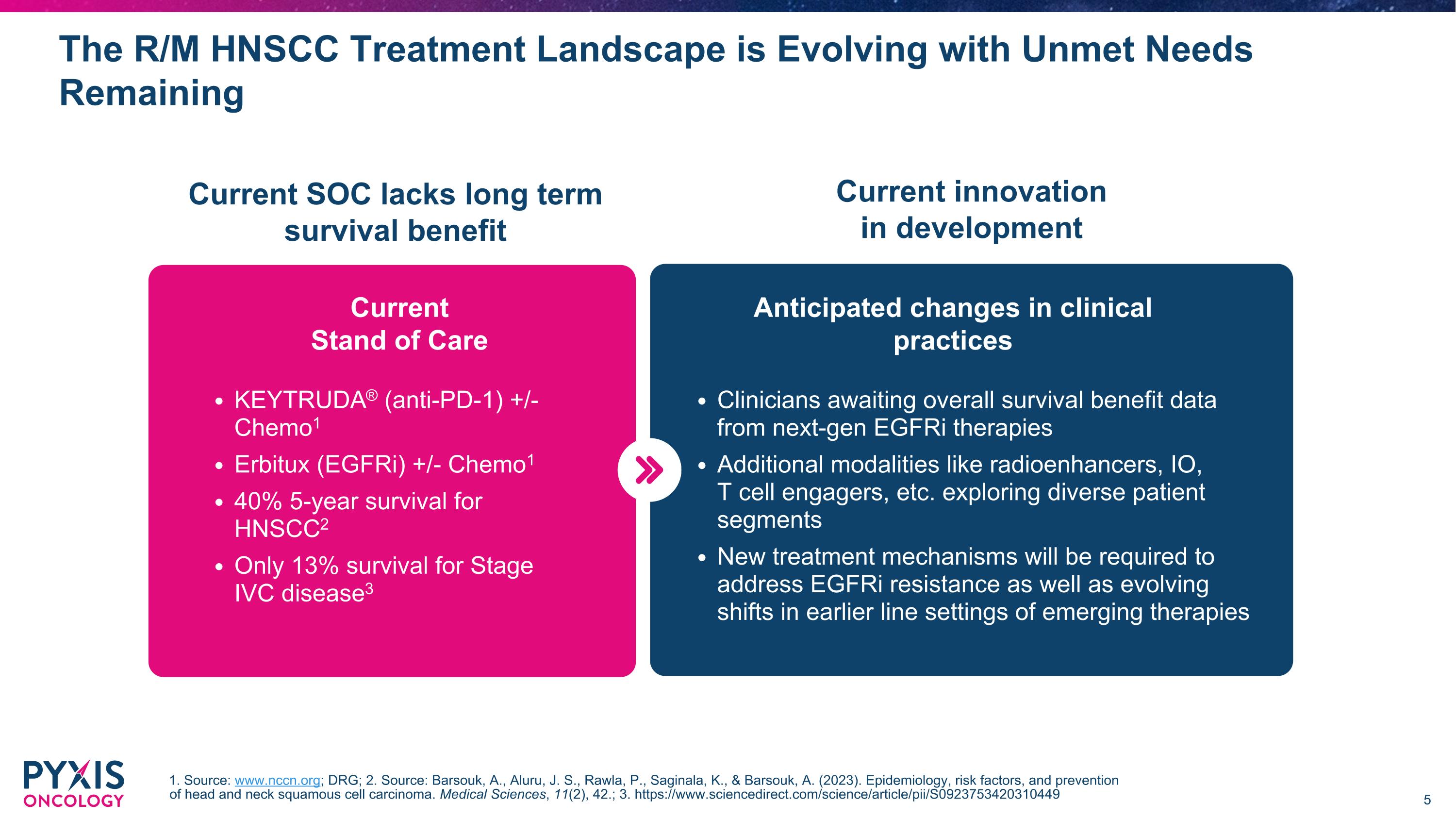
The R/M HNSCC Treatment Landscape is Evolving with Unmet Needs Remaining Current SOC lacks long term survival benefit Current innovation in development CurrentStand of Care Anticipated changes in clinical practices KEYTRUDA® (anti-PD-1) +/- Chemo1 Erbitux (EGFRi) +/- Chemo1 40% 5-year survival for HNSCC2 Only 13% survival for Stage IVC disease3 Clinicians awaiting overall survival benefit data from next-gen EGFRi therapies Additional modalities like radioenhancers, IO, T cell engagers, etc. exploring diverse patient segments New treatment mechanisms will be required to address EGFRi resistance as well as evolving shifts in earlier line settings of emerging therapies 1. Source: www.nccn.org; DRG; 2. Source: Barsouk, A., Aluru, J. S., Rawla, P., Saginala, K., & Barsouk, A. (2023). Epidemiology, risk factors, and prevention of head and neck squamous cell carcinoma. Medical Sciences, 11(2), 42.; 3. https://www.sciencedirect.com/science/article/pii/S0923753420310449
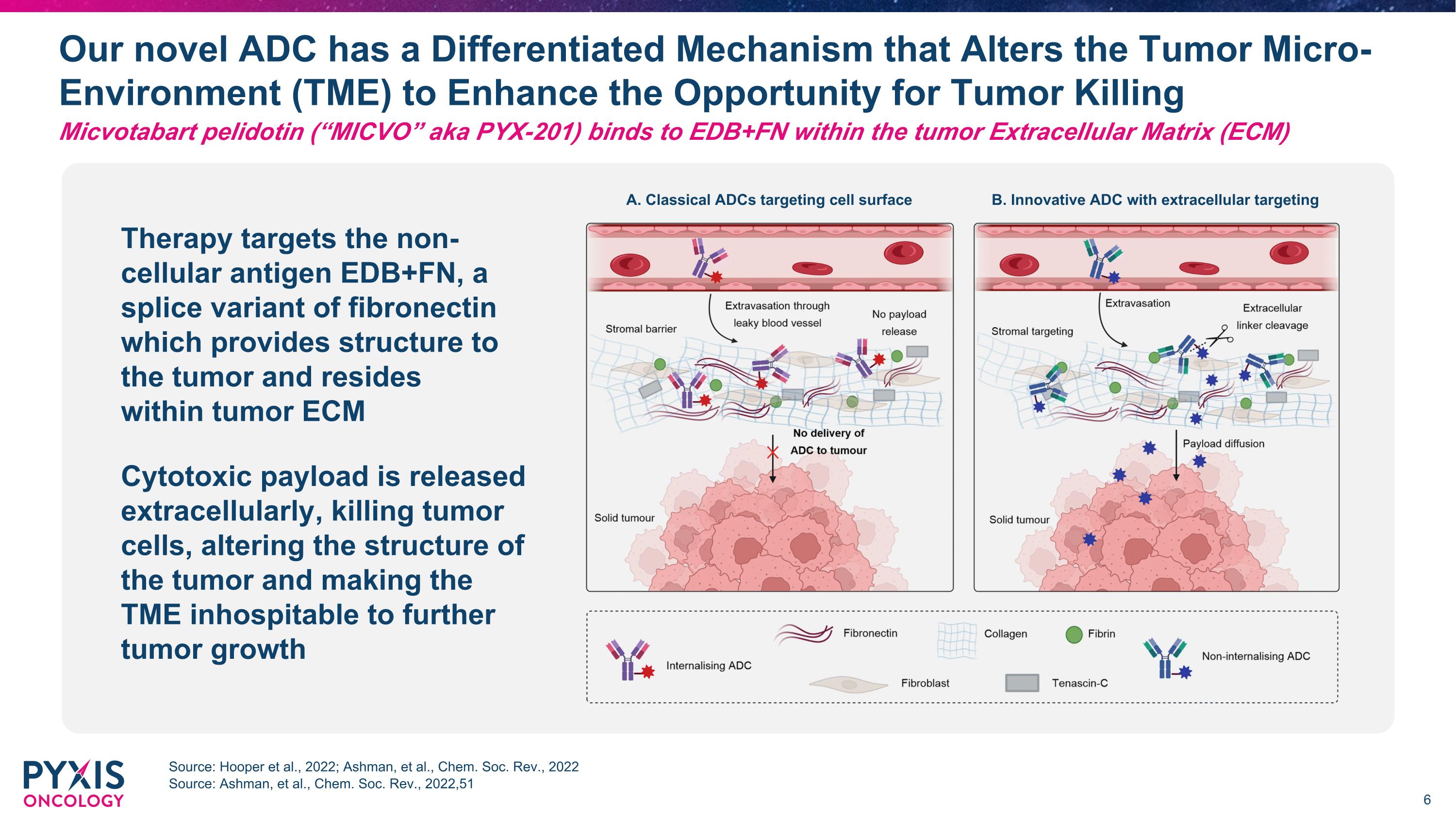
Our novel ADC has a Differentiated Mechanism that Alters the Tumor Micro-Environment (TME) to Enhance the Opportunity for Tumor Killing Source: Hooper et al., 2022; Ashman, et al., Chem. Soc. Rev., 2022 Source: Ashman, et al., Chem. Soc. Rev., 2022,51 Micvotabart pelidotin (“MICVO” aka PYX-201) binds to EDB+FN within the tumor Extracellular Matrix (ECM) Therapy targets the non-cellular antigen EDB+FN, a splice variant of fibronectin which provides structure to the tumor and resides within tumor ECM Cytotoxic payload is released extracellularly, killing tumor cells, altering the structure of the tumor and making the TME inhospitable to further tumor growth A. Classical ADCs targeting cell surface B. Innovative ADC with extracellular targeting Low amount of ADC reaches tumor cells
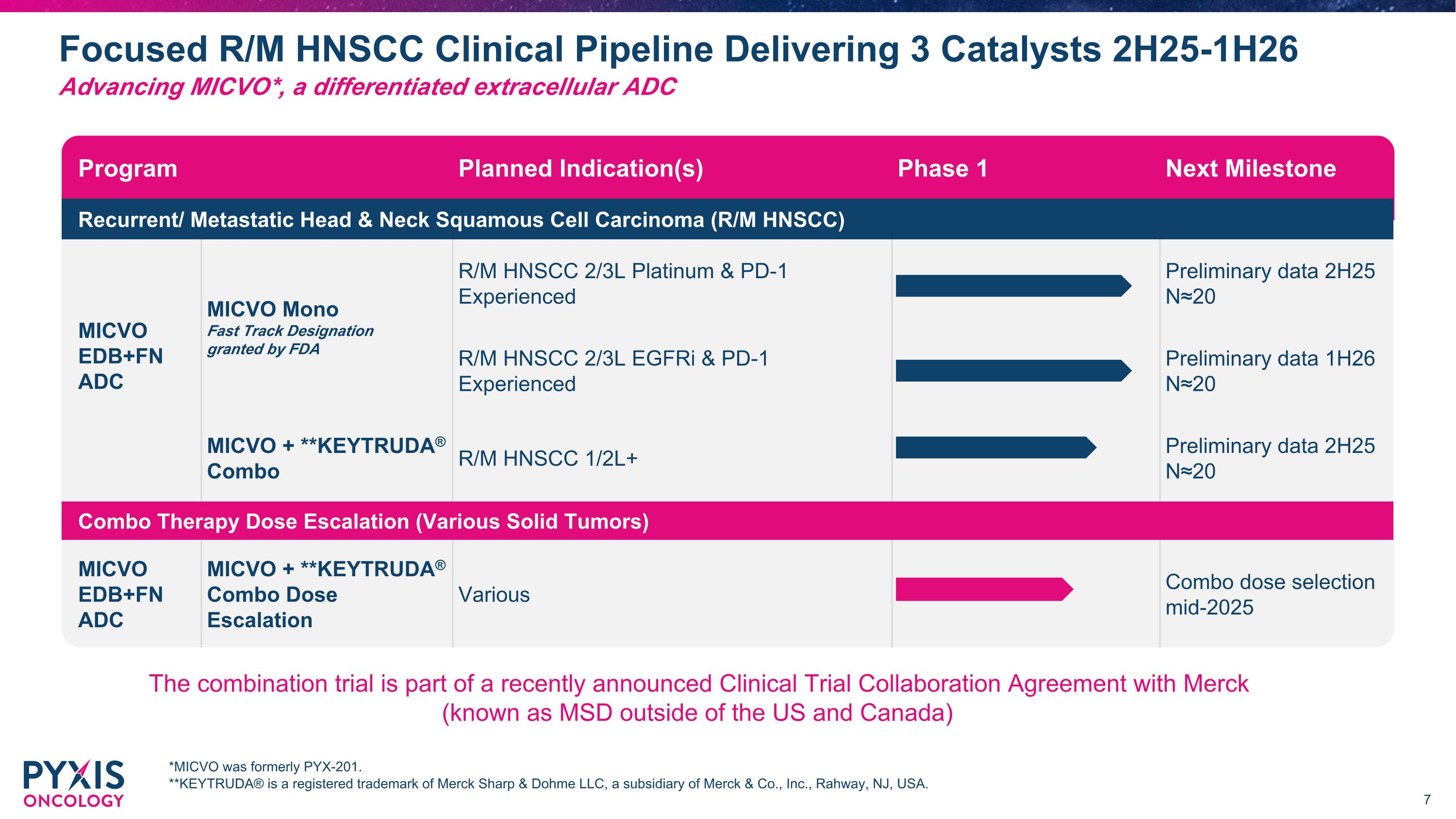
Focused R/M HNSCC Clinical Pipeline Delivering 3 Catalysts 2H25-1H26 *MICVO was formerly PYX-201. **KEYTRUDA® is a registered trademark of Merck Sharp & Dohme LLC, a subsidiary of Merck & Co., Inc., Rahway, NJ, USA. Advancing MICVO*, a differentiated extracellular ADC Program Planned Indication(s) Phase 1 Next Milestone Recurrent/ Metastatic Head & Neck Squamous Cell Carcinoma (R/M HNSCC) MICVO Mono Fast Track Designation granted by FDA R/M HNSCC 2/3L Platinum & PD-1 Experienced Preliminary data 2H25 N≈20 MICVO EDB+FN ADC PYX-201 EDB+FN ADC R/M HNSCC 2/3L EGFRi & PD-1 Experienced Preliminary data 1H26 N≈20 MICVO + **KEYTRUDA® Combo R/M HNSCC 1/2L+ Preliminary data 2H25 N≈20 Combo Therapy Dose Escalation (Various Solid Tumors) MICVO EDB+FN ADC MICVO + **KEYTRUDA® Combo Dose Escalation Various Combo dose selection mid-2025 The combination trial is part of a recently announced Clinical Trial Collaboration Agreement with Merck (known as MSD outside of the US and Canada)

Leadership Lara Sullivan, MD President, Chief Executive Officer and Chief Medical Officer Balu Balasubramanian, PhD Interim Chief Technology Officer Marsha Crochiere, PhD Head of Translational Medicine Shui He, PhD Head Of Biometrics Pam Connealy, MBA Chief Financial Officer and Chief Operating Officer Stephane Marzabal, PhD Interim Global Program Lead Supriya Roth, PhD Head of Commercial Development Leticia Tarilonte, MS Head of Global Clinical Operations Jitu Wadhane, CA, CPA Chief Accounting Officer Hongwei Wang, MD, PhD Head of ADC Development & Clinical Strategy Stephen Worsley, MBA Chief Business Officer Michael Bui, MD Head Of Global Regulatory Jennifer D’Auteuil Executive Office Administration Board of Directors John Flavin Chairman Lara S. Sullivan, MD President, Chief Executive Officer and Chief Medical Officer Thomas Civik Director Darren Cline Director Jakob Dupont, MD Director Rachel Humphrey, MD Director Freda Lewis-Hall, MD Director Michael A. Metzger Director Santhosh Palani, PhD, CFA Director PYXS Team Members Have Collectively Contributed to >60 Oncology Drug Approvals
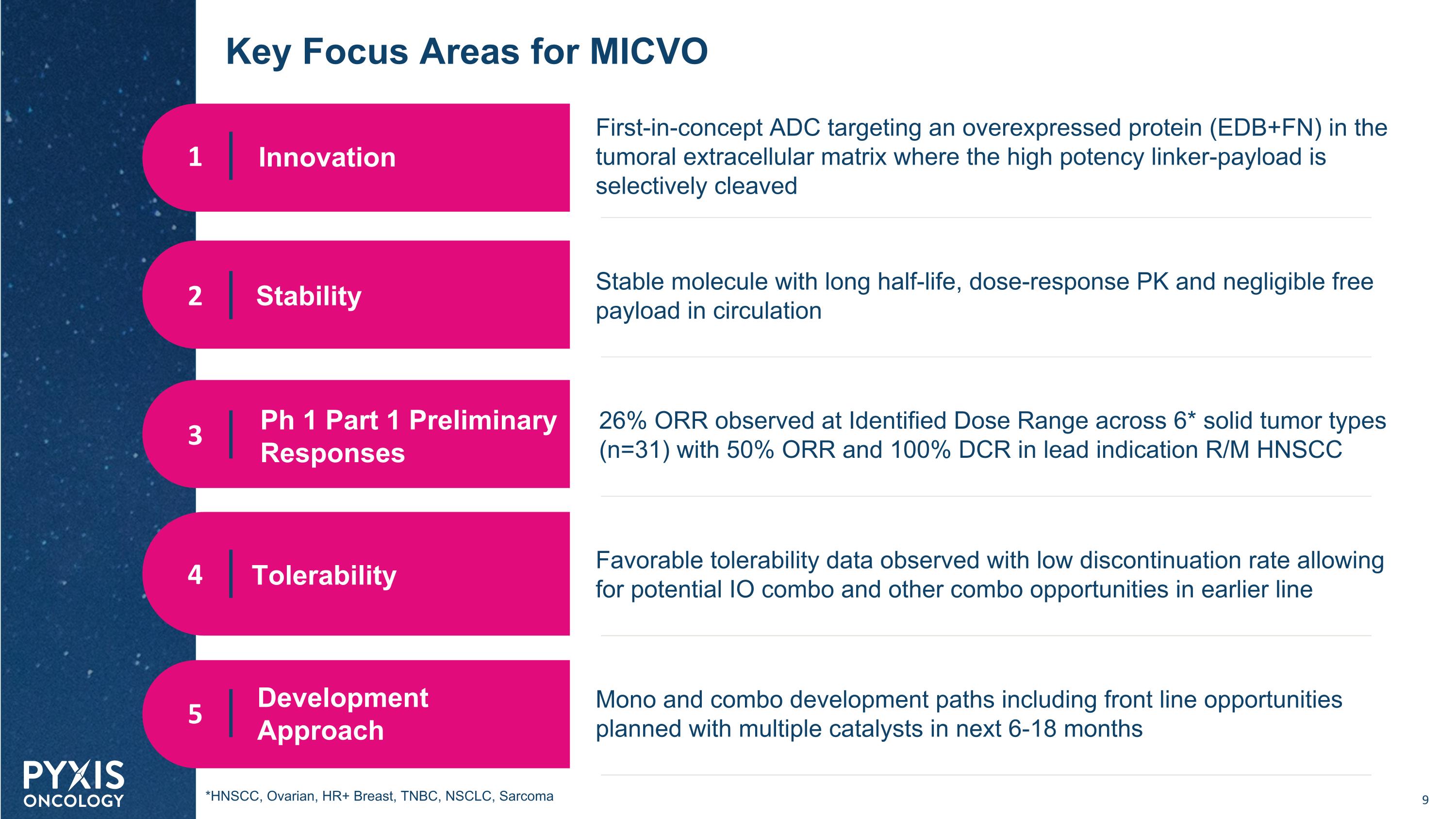
Key Focus Areas for MICVO Innovation Stability Tolerability Ph 1 Part 1 Preliminary Responses Development Approach 1 2 3 4 5 First-in-concept ADC targeting an overexpressed protein (EDB+FN) in the tumoral extracellular matrix where the high potency linker-payload is selectively cleaved Stable molecule with long half-life, dose-response PK and negligible free payload in circulation Favorable tolerability data observed with low discontinuation rate allowing for potential IO combo and other combo opportunities in earlier line Mono and combo development paths including front line opportunities planned with multiple catalysts in next 6-18 months *HNSCC, Ovarian, HR+ Breast, TNBC, NSCLC, Sarcoma 26% ORR observed at Identified Dose Range across 6* solid tumor types (n=31) with 50% ORR and 100% DCR in lead indication R/M HNSCC
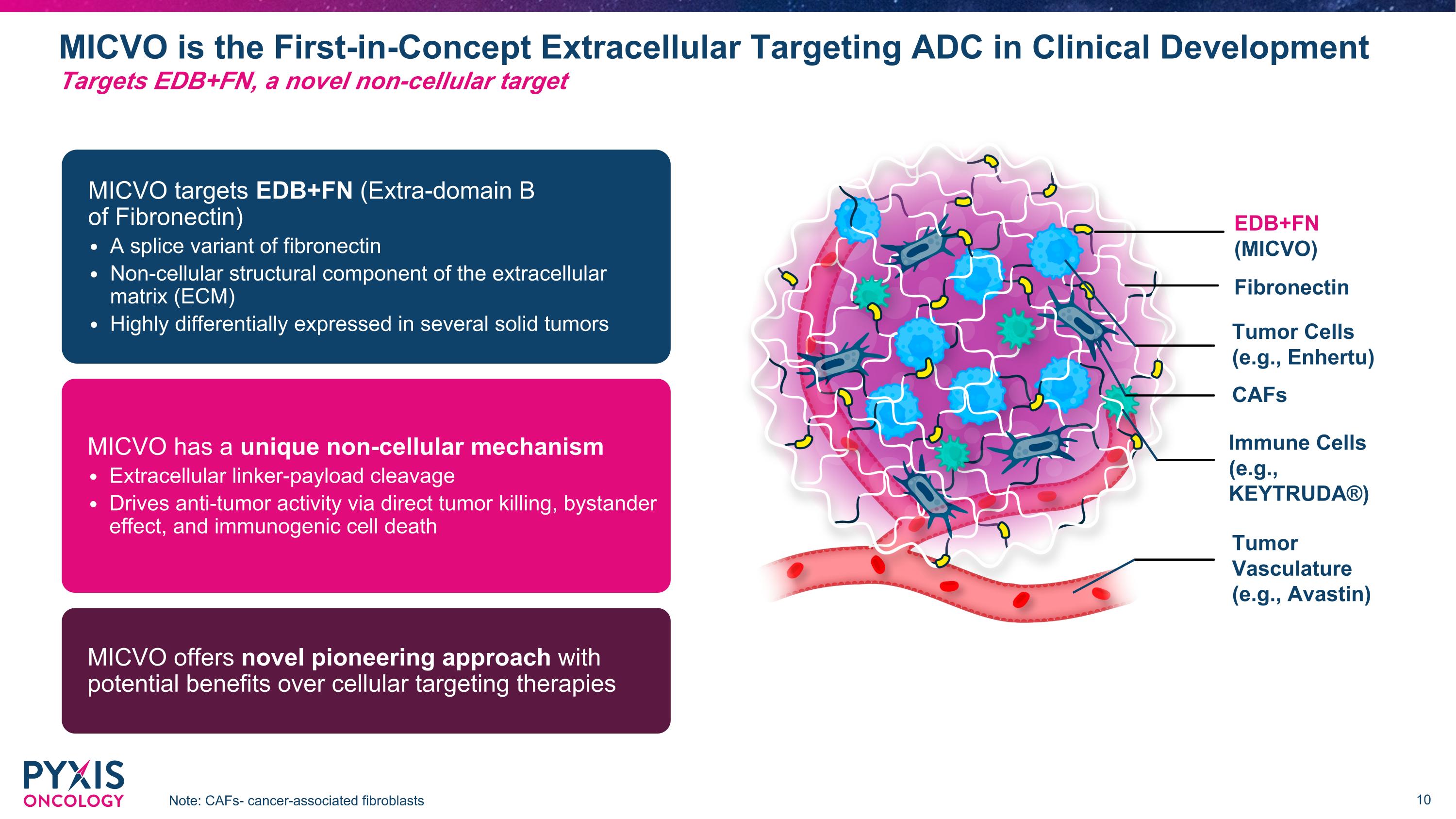
MICVO is the First-in-Concept Extracellular Targeting ADC in Clinical Development Note: CAFs- cancer-associated fibroblasts Targets EDB+FN, a novel non-cellular target Tumor Vasculature (e.g., Avastin) Fibronectin CAFs EDB+FN (MICVO) Immune Cells (e.g., KEYTRUDA®) Tumor Cells (e.g., Enhertu) MICVO targets EDB+FN (Extra-domain B of Fibronectin) A splice variant of fibronectin Non-cellular structural component of the extracellular matrix (ECM) Highly differentially expressed in several solid tumors MICVO has a unique non-cellular mechanism Extracellular linker-payload cleavage Drives anti-tumor activity via direct tumor killing, bystander effect, and immunogenic cell death MICVO offers novel pioneering approach with potential benefits over cellular targeting therapies
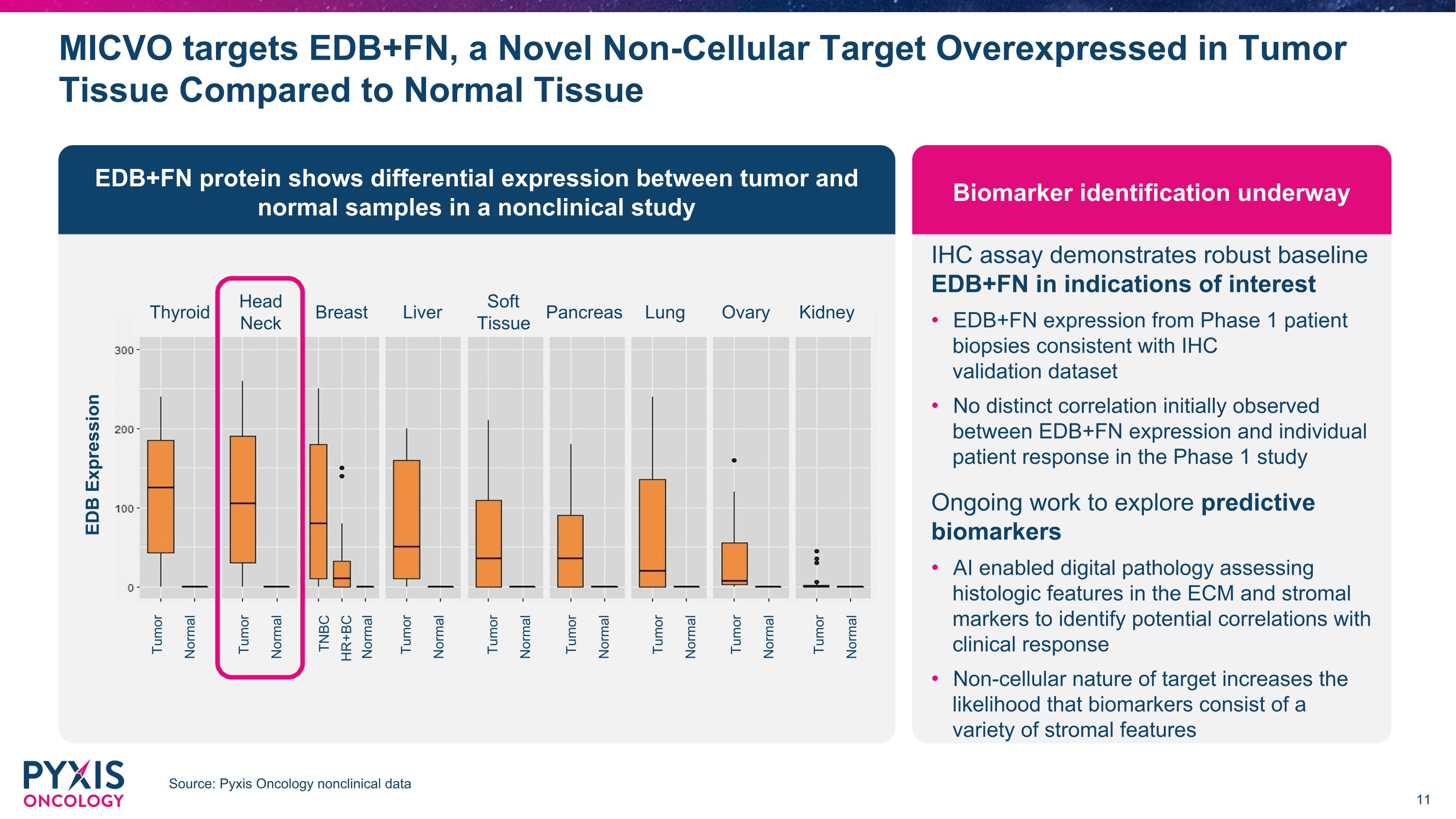
MICVO targets EDB+FN, a Novel Non-Cellular Target Overexpressed in Tumor Tissue Compared to Normal Tissue Source: Pyxis Oncology nonclinical data IHC assay demonstrates robust baseline EDB+FN in indications of interest EDB+FN expression from Phase 1 patient biopsies consistent with IHC validation dataset No distinct correlation initially observed between EDB+FN expression and individual patient response in the Phase 1 study Ongoing work to explore predictive biomarkers AI enabled digital pathology assessing histologic features in the ECM and stromal markers to identify potential correlations with clinical response Non-cellular nature of target increases the likelihood that biomarkers consist of a variety of stromal features EDB+FN protein shows differential expression between tumor and normal samples in a nonclinical study Biomarker identification underway EDB Expression Tumor Normal Tumor Normal TNBC Normal HR+BC Tumor Normal Tumor Normal Tumor Normal Tumor Normal Tumor Normal Tumor Normal Thyroid Head Neck Breast Liver Soft Tissue Lung Ovary Kidney Pancreas
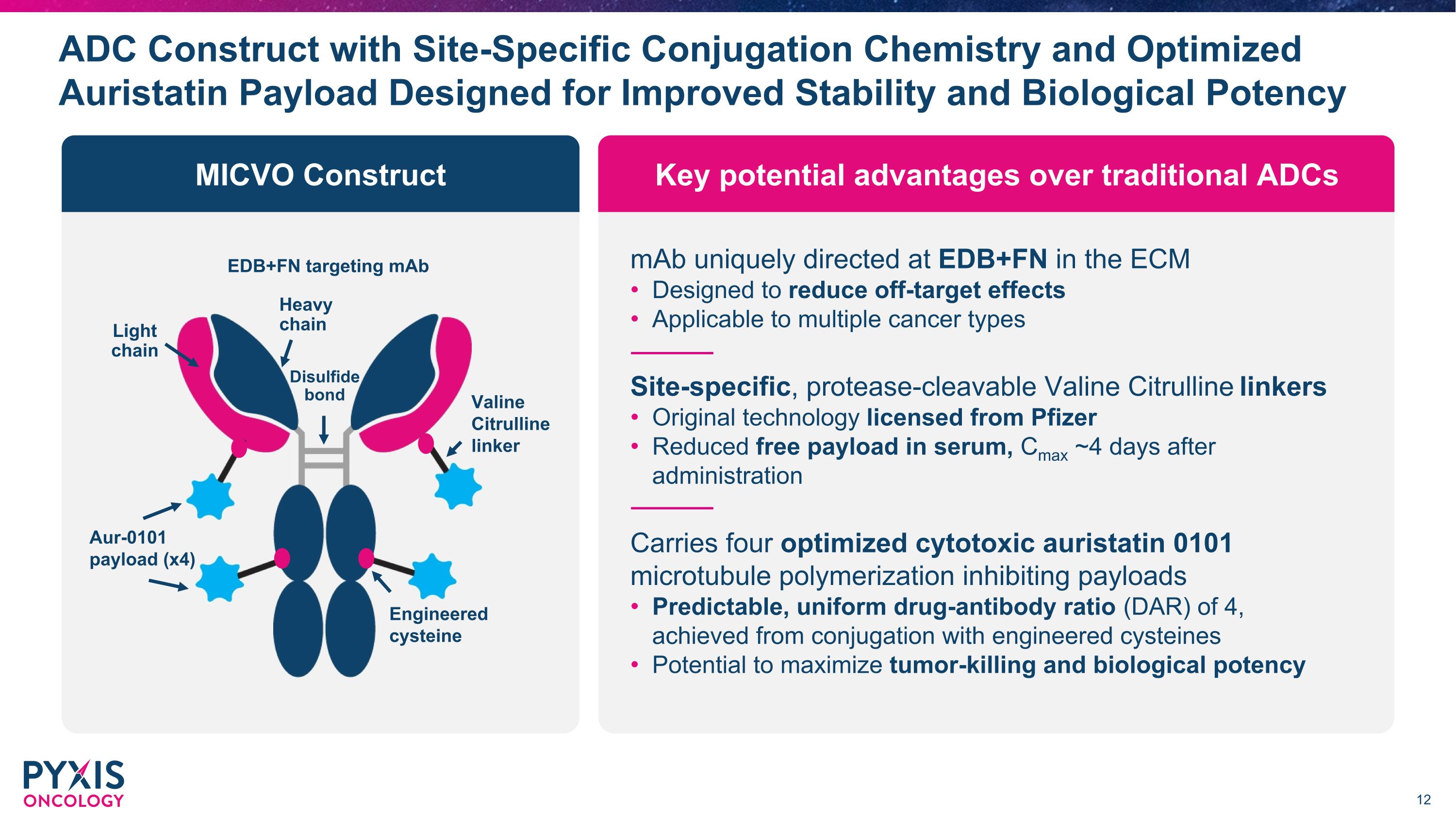
Key potential advantages over traditional ADCs MICVO Construct ADC Construct with Site-Specific Conjugation Chemistry and Optimized Auristatin Payload Designed for Improved Stability and Biological Potency mAb uniquely directed at EDB+FN in the ECM Designed to reduce off-target effects Applicable to multiple cancer types Site-specific, protease-cleavable Valine Citrulline linkers Original technology licensed from Pfizer Reduced free payload in serum, Cmax ~4 days after administration Carries four optimized cytotoxic auristatin 0101 microtubule polymerization inhibiting payloads Predictable, uniform drug-antibody ratio (DAR) of 4, achieved from conjugation with engineered cysteines Potential to maximize tumor-killing and biological potency EDB+FN targeting mAb Aur-0101 payload (x4) Valine Citrulline linker Light chain Heavy chain Engineered cysteine Disulfide bond
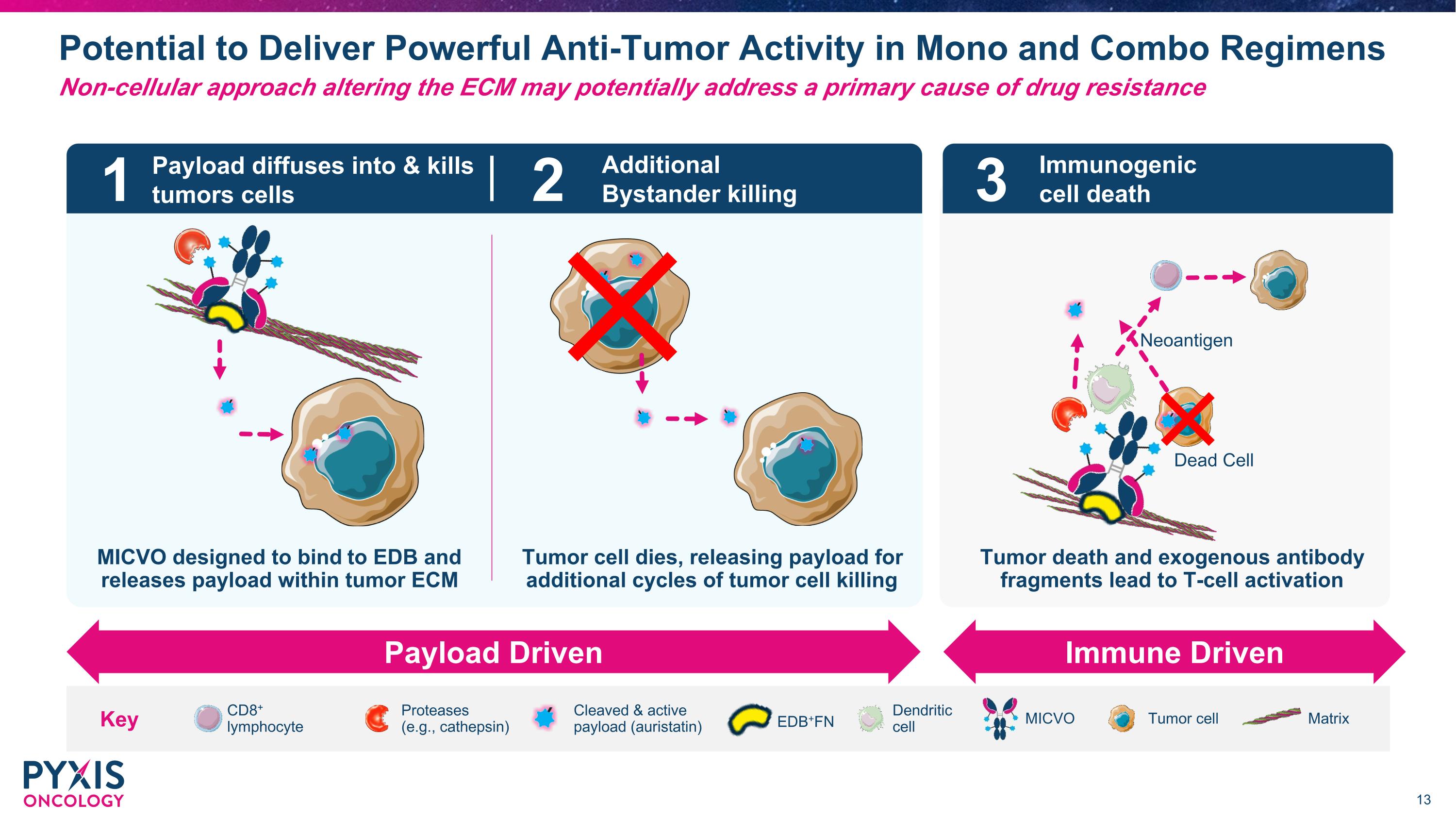
Potential to Deliver Powerful Anti-Tumor Activity in Mono and Combo Regimens Non-cellular approach altering the ECM may potentially address a primary cause of drug resistance MICVO designed to bind to EDB and releases payload within tumor ECM CD8+ lymphocyte Dendritic cell MICVO Cleaved & active payload (auristatin) Tumor cell Matrix Proteases (e.g., cathepsin) Key 1 2 3 Payload diffuses into & kills tumors cells Additional Bystander killing Immunogenic cell death Payload Driven Immune Driven Dead Cell Neoantigen Tumor cell dies, releasing payload for additional cycles of tumor cell killing Tumor death and exogenous antibody fragments lead to T-cell activation EDB+FN
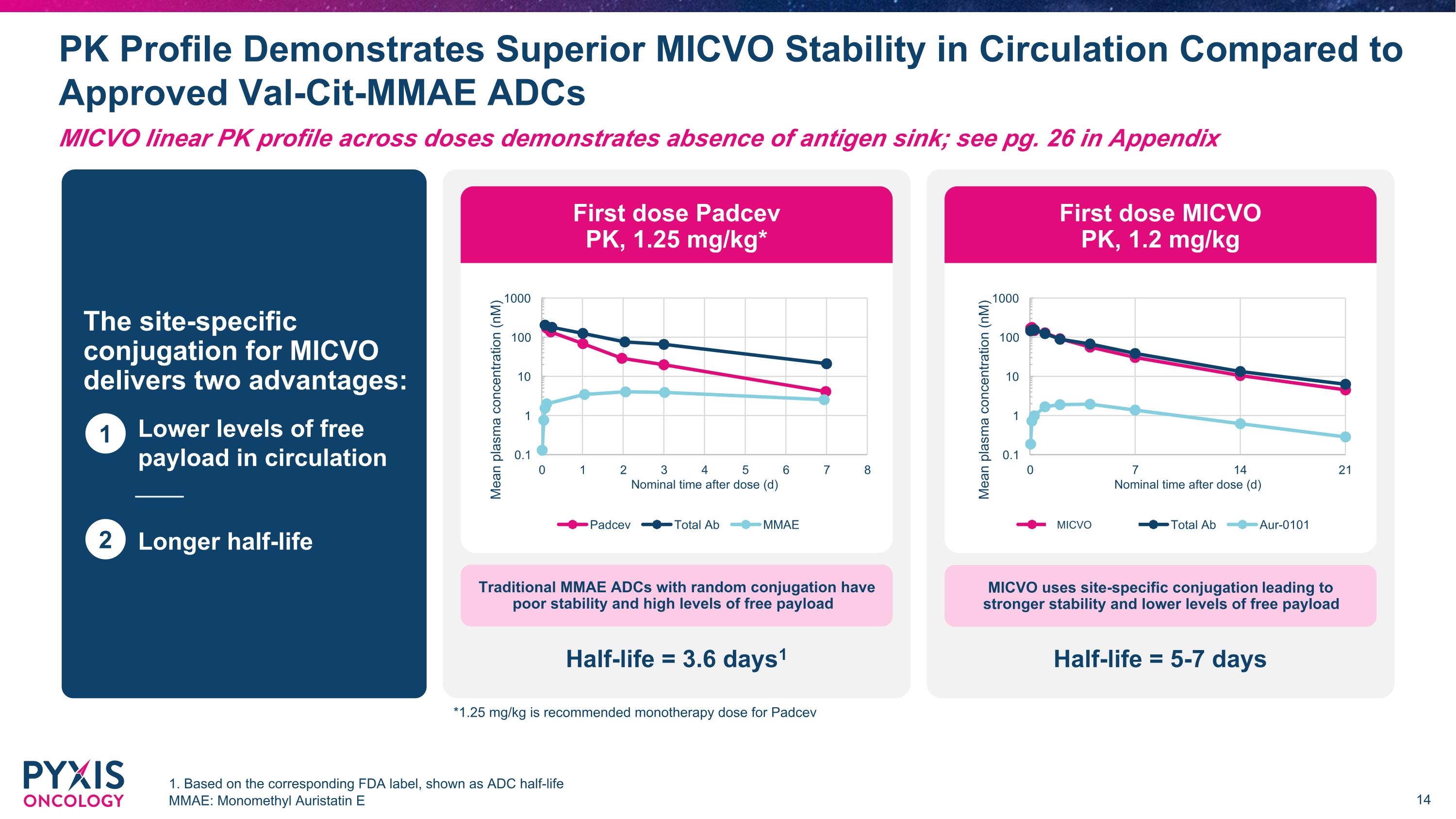
PK Profile Demonstrates Superior MICVO Stability in Circulation Compared to Approved Val-Cit-MMAE ADCs 1. Based on the corresponding FDA label, shown as ADC half-life MMAE: Monomethyl Auristatin E The site-specific conjugation for MICVO delivers two advantages: Lower levels of free payload in circulation Longer half-life 1 2 Traditional MMAE ADCs with random conjugation have poor stability and high levels of free payload MICVO uses site-specific conjugation leading to stronger stability and lower levels of free payload Half-life = 3.6 days1 Half-life = 5-7 days First dose Padcev PK, 1.25 mg/kg* First dose MICVO PK, 1.2 mg/kg MICVO *1.25 mg/kg is recommended monotherapy dose for Padcev MICVO linear PK profile across doses demonstrates absence of antigen sink; see pg. 26 in Appendix
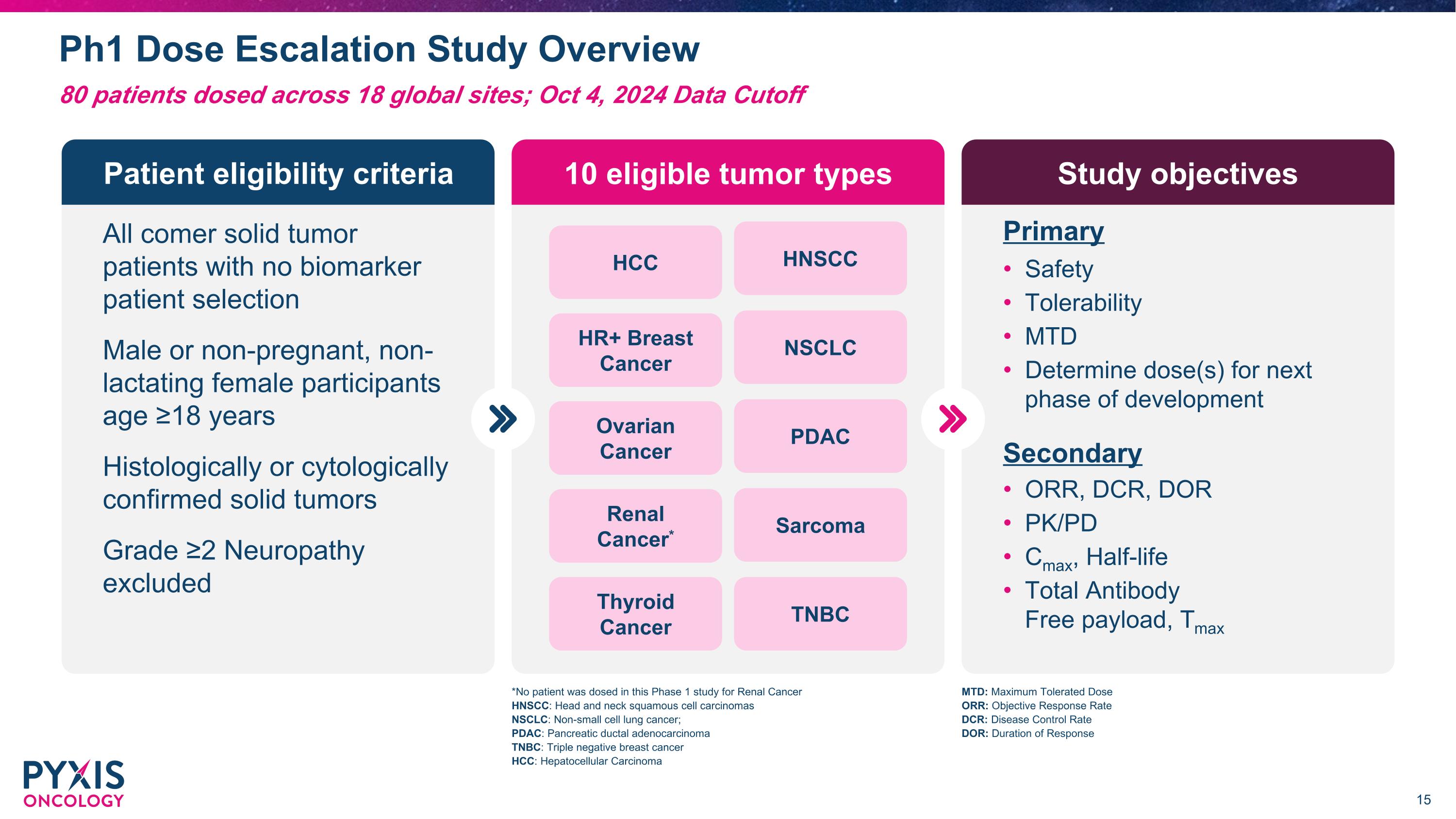
Ph1 Dose Escalation Study Overview Patient eligibility criteria 10 eligible tumor types Study objectives All comer solid tumor patients with no biomarker patient selection Male or non-pregnant, non-lactating female participants age ≥18 years Histologically or cytologically confirmed solid tumors Grade ≥2 Neuropathy excluded HCC HNSCC HR+ Breast Cancer NSCLC Ovarian Cancer PDAC Renal Cancer* Sarcoma Thyroid Cancer TNBC Safety Tolerability MTD Determine dose(s) for next phase of development Primary ORR, DCR, DOR PK/PD Cmax, Half-life Total AntibodyFree payload, Tmax Secondary MTD: Maximum Tolerated Dose ORR: Objective Response Rate DCR: Disease Control Rate DOR: Duration of Response *No patient was dosed in this Phase 1 study for Renal Cancer HNSCC: Head and neck squamous cell carcinomas NSCLC: Non-small cell lung cancer; PDAC: Pancreatic ductal adenocarcinoma TNBC: Triple negative breast cancer HCC: Hepatocellular Carcinoma 80 patients dosed across 18 global sites; Oct 4, 2024 Data Cutoff
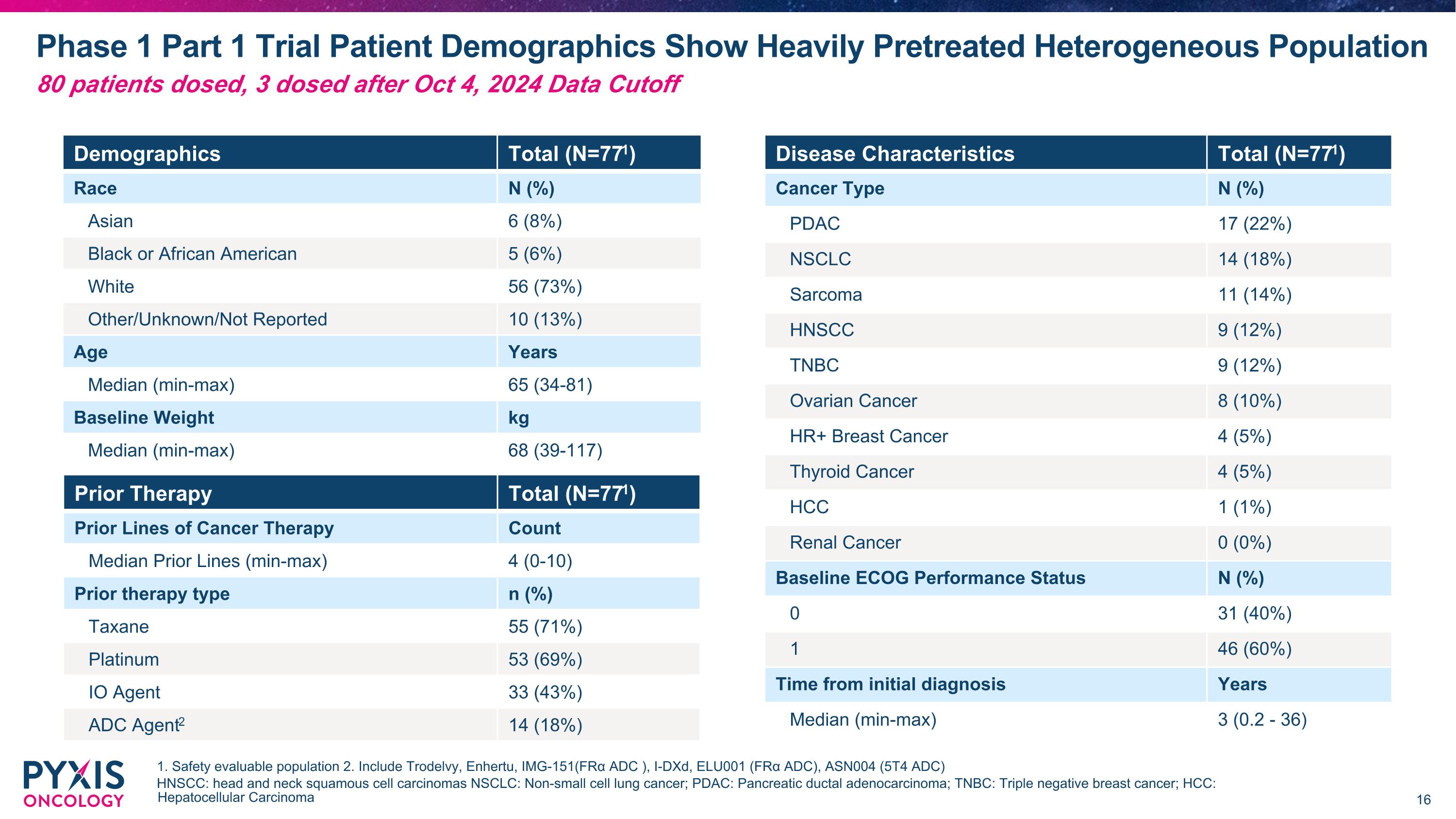
Phase 1 Part 1 Trial Patient Demographics Show Heavily Pretreated Heterogeneous Population 1. Safety evaluable population 2. Include Trodelvy, Enhertu, IMG-151(FRα ADC ), I-DXd, ELU001 (FRα ADC), ASN004 (5T4 ADC) HNSCC: head and neck squamous cell carcinomas NSCLC: Non-small cell lung cancer; PDAC: Pancreatic ductal adenocarcinoma; TNBC: Triple negative breast cancer; HCC: Hepatocellular Carcinoma Demographics Total (N=771) Race N (%) Asian 6 (8%) Black or African American 5 (6%) White 56 (73%) Other/Unknown/Not Reported 10 (13%) Age Years Median (min-max) 65 (34-81) Baseline Weight kg Median (min-max) 68 (39-117) Prior Therapy Total (N=771) Prior Lines of Cancer Therapy Count Median Prior Lines (min-max) 4 (0-10) Prior therapy type n (%) Taxane 55 (71%) Platinum 53 (69%) IO Agent 33 (43%) ADC Agent2 14 (18%) Disease Characteristics Total (N=771) Cancer Type N (%) PDAC 17 (22%) NSCLC 14 (18%) Sarcoma 11 (14%) HNSCC 9 (12%) TNBC 9 (12%) Ovarian Cancer 8 (10%) HR+ Breast Cancer 4 (5%) Thyroid Cancer 4 (5%) HCC 1 (1%) Renal Cancer 0 (0%) Baseline ECOG Performance Status N (%) 0 31 (40%) 1 46 (60%) Time from initial diagnosis Years Median (min-max) 3 (0.2 - 36) 80 patients dosed, 3 dosed after Oct 4, 2024 Data Cutoff
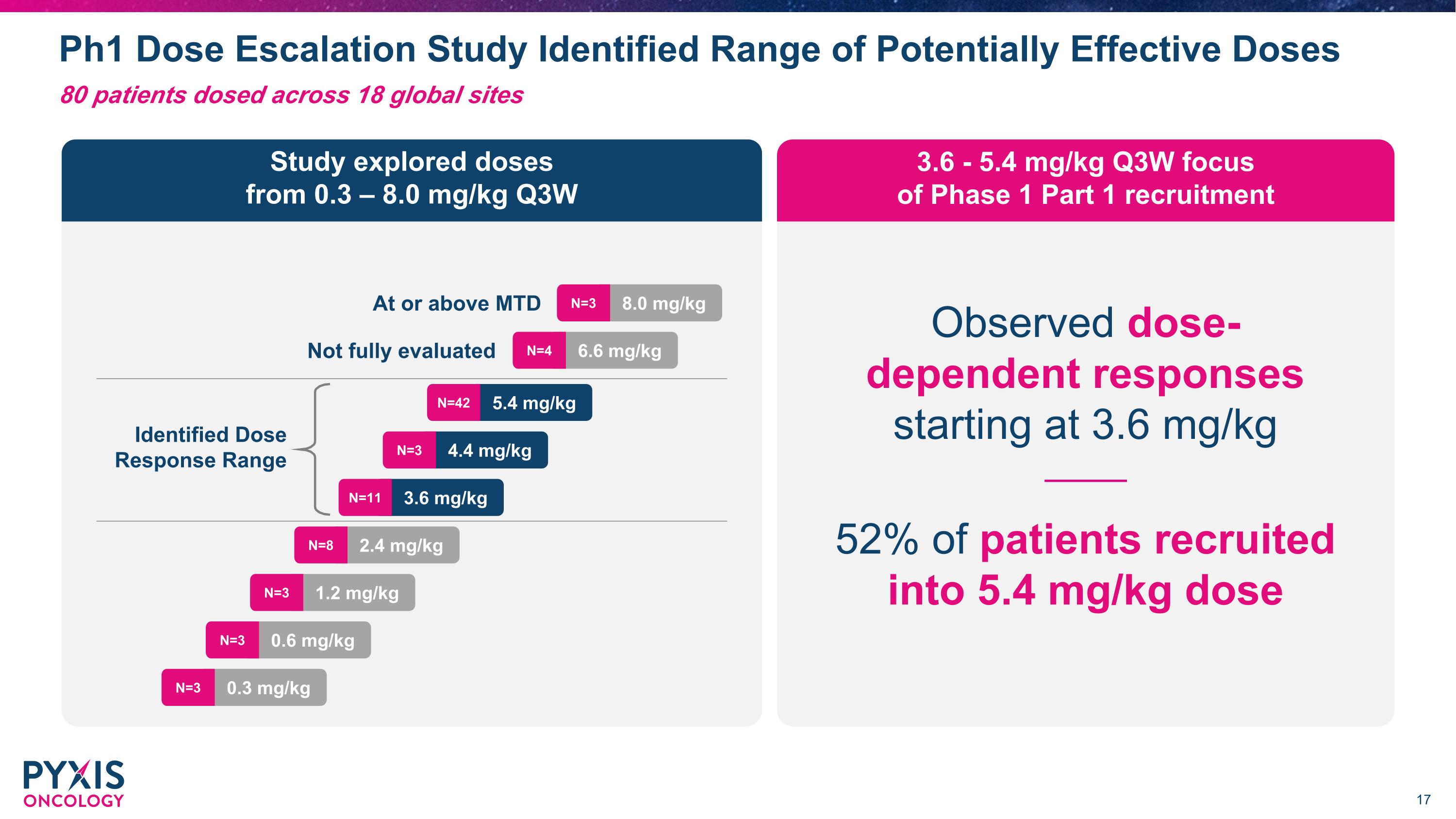
Ph1 Dose Escalation Study Identified Range of Potentially Effective Doses 80 patients dosed across 18 global sites 3.6 - 5.4 mg/kg Q3W focus of Phase 1 Part 1 recruitment Study explored doses from 0.3 – 8.0 mg/kg Q3W Observed dose-dependent responses starting at 3.6 mg/kg 52% of patients recruited into 5.4 mg/kg dose 8.0 mg/kg N=3 Identified Dose Response Range Not fully evaluated At or above MTD 6.6 mg/kg N=4 5.4 mg/kg N=42 4.4 mg/kg N=3 3.6 mg/kg N=11 2.4 mg/kg N=8 1.2 mg/kg N=3 0.6 mg/kg N=3 0.3 mg/kg N=3
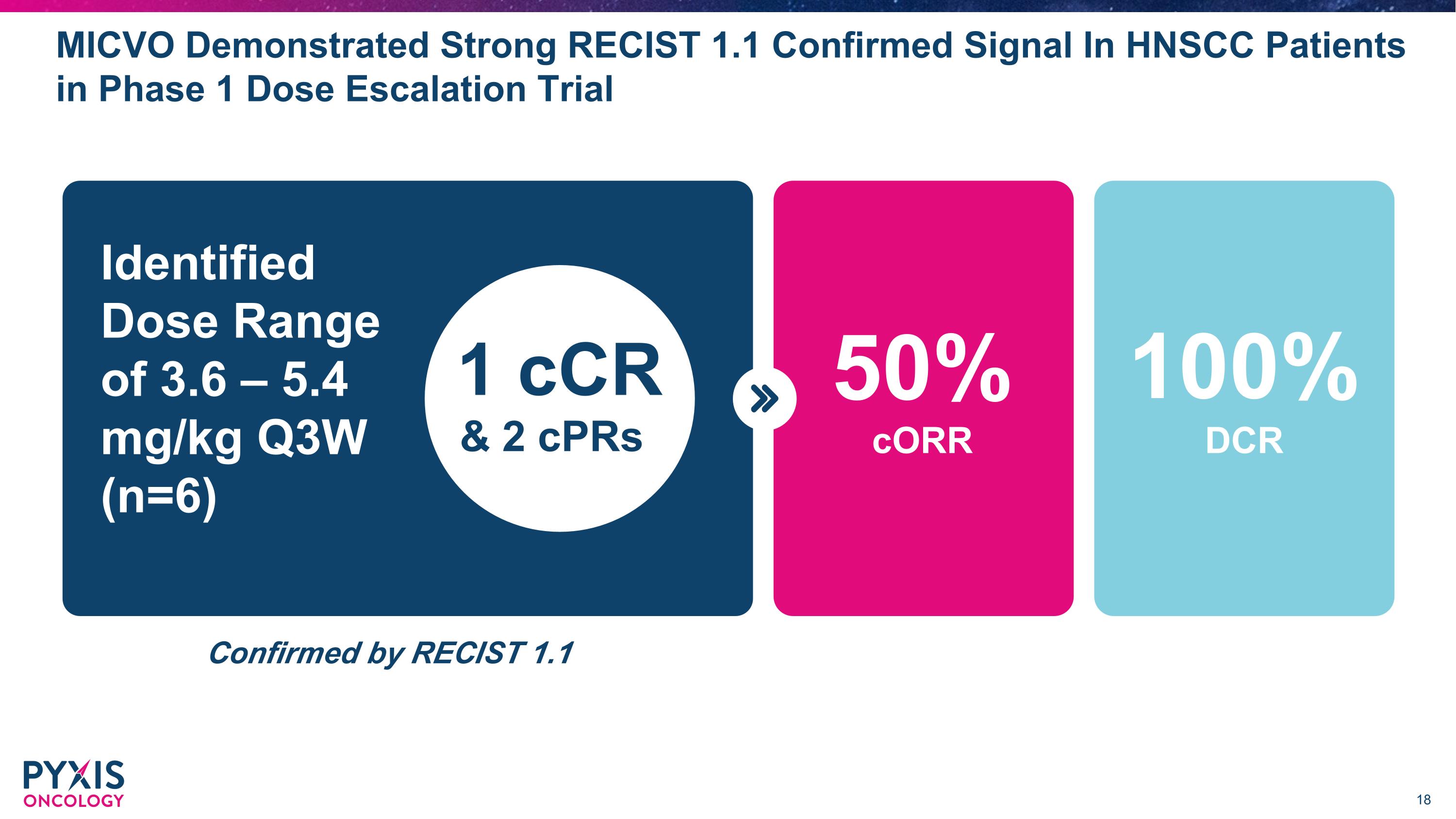
MICVO Demonstrated Strong RECIST 1.1 Confirmed Signal In HNSCC Patients in Phase 1 Dose Escalation Trial Identified Dose Range of 3.6 – 5.4 mg/kg Q3W (n=6) & 2 cPRs 1 cCR Confirmed by RECIST 1.1 100% DCR cORR 50%
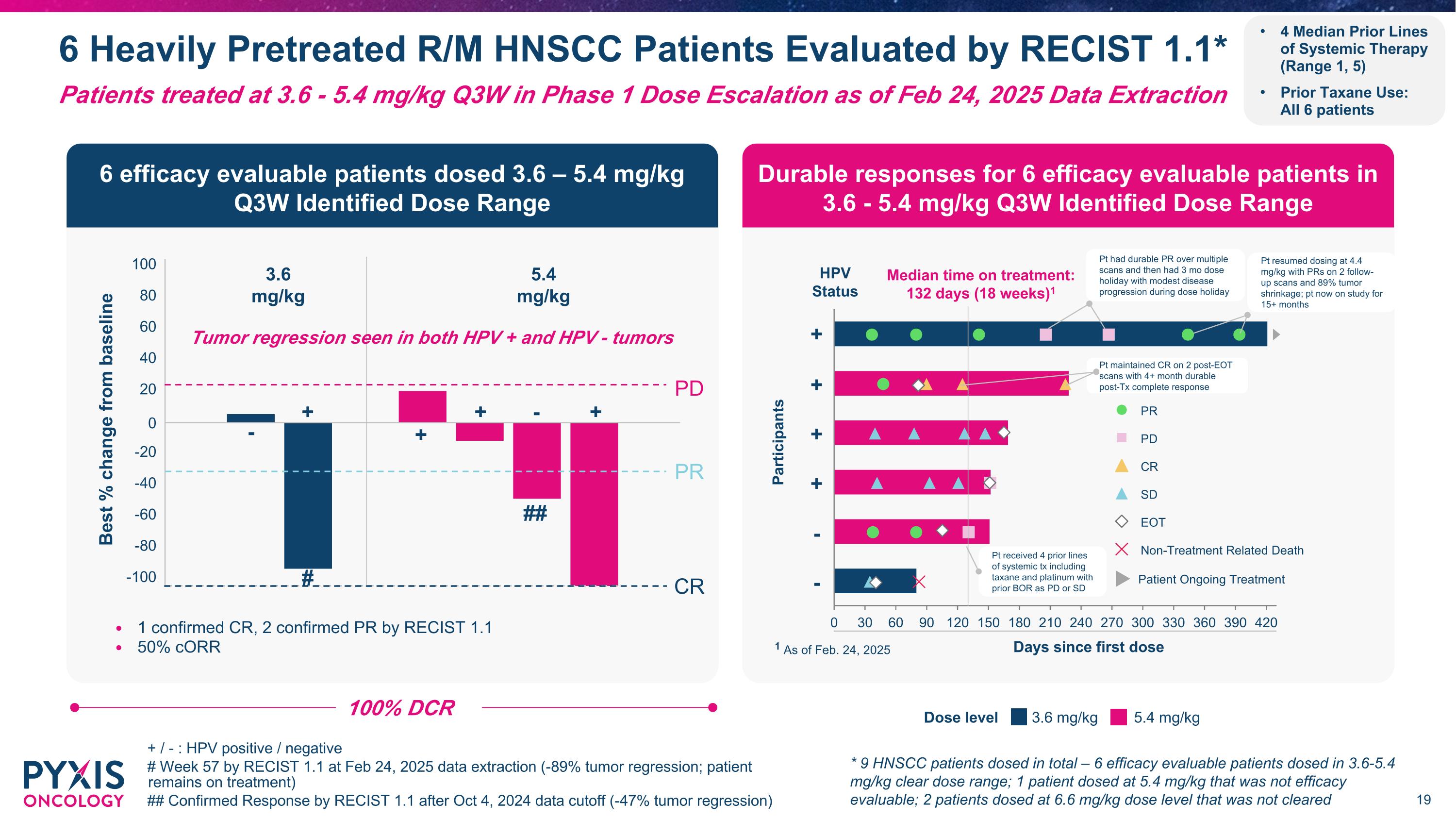
6 Heavily Pretreated R/M HNSCC Patients Evaluated by RECIST 1.1* + / - : HPV positive / negative # Week 57 by RECIST 1.1 at Feb 24, 2025 data extraction (-89% tumor regression; patient remains on treatment) ## Confirmed Response by RECIST 1.1 after Oct 4, 2024 data cutoff (-47% tumor regression) Patients treated at 3.6 - 5.4 mg/kg Q3W in Phase 1 Dose Escalation as of Feb 24, 2025 Data Extraction 100% DCR 6 efficacy evaluable patients dosed 3.6 – 5.4 mg/kg Q3W Identified Dose Range Durable responses for 6 efficacy evaluable patients in3.6 - 5.4 mg/kg Q3W Identified Dose Range -100 -80 -60 -40 -20 0 20 40 60 80 100 Best % change from baseline + - - CR 3.6 mg/kg 5.4 mg/kg Participants Days since first dose 1 As of Feb. 24, 2025 - + HPV Status + - + + 3.6 mg/kg 5.4 mg/kg Dose level PR PD CR SD EOT Non-Treatment Related Death Patient Ongoing Treatment Pt had durable PR over multiple scans and then had 3 mo dose holiday with modest disease progression during dose holiday PR PD 1 confirmed CR, 2 confirmed PR by RECIST 1.1 50% cORR 4 Median Prior Lines of Systemic Therapy (Range 1, 5) Prior Taxane Use: All 6 patients Pt maintained CR on 2 post-EOT scans with 4+ month durable post-Tx complete response Pt resumed dosing at 4.4 mg/kg with PRs on 2 follow-up scans and 89% tumor shrinkage; pt now on study for 15+ months Pt received 4 prior lines of systemic tx including taxane and platinum with prior BOR as PD or SD # Median time on treatment: 132 days (18 weeks)1 ## + + + * 9 HNSCC patients dosed in total – 6 efficacy evaluable patients dosed in 3.6-5.4 mg/kg clear dose range; 1 patient dosed at 5.4 mg/kg that was not efficacy evaluable; 2 patients dosed at 6.6 mg/kg dose level that was not cleared Tumor regression seen in both HPV + and HPV - tumors
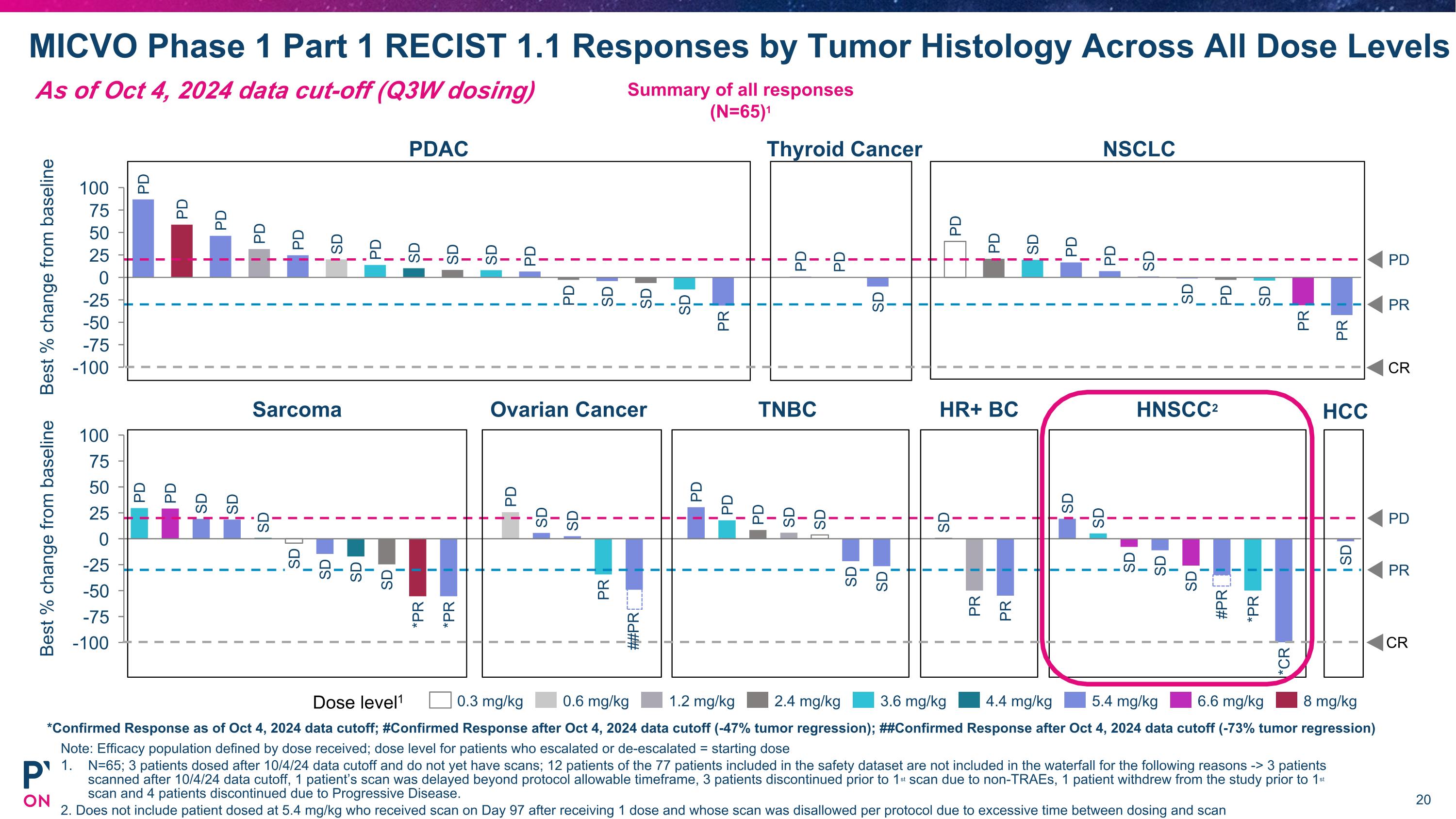
MICVO Phase 1 Part 1 RECIST 1.1 Responses by Tumor Histology Across All Dose Levels Note: Efficacy population defined by dose received; dose level for patients who escalated or de-escalated = starting dose N=65; 3 patients dosed after 10/4/24 data cutoff and do not yet have scans; 12 patients of the 77 patients included in the safety dataset are not included in the waterfall for the following reasons -> 3 patients scanned after 10/4/24 data cutoff, 1 patient’s scan was delayed beyond protocol allowable timeframe, 3 patients discontinued prior to 1st scan due to non-TRAEs, 1 patient withdrew from the study prior to 1st scan and 4 patients discontinued due to Progressive Disease. 2. Does not include patient dosed at 5.4 mg/kg who received scan on Day 97 after receiving 1 dose and whose scan was disallowed per protocol due to excessive time between dosing and scan Summary of all responses (N=65)1 Best % change from baseline PD PR PD PD PD PD PD SD PD SD SD SD PD PD SD SD SD PR PD PD SD PD PD SD PD PD SD SD PD SD PR PR Dose level1 0.3 mg/kg 0.6 mg/kg 1.2 mg/kg 2.4 mg/kg 3.6 mg/kg 4.4 mg/kg 5.4 mg/kg 6.6 mg/kg 8 mg/kg PDAC Thyroid Cancer NSCLC CR *Confirmed Response as of Oct 4, 2024 data cutoff; #Confirmed Response after Oct 4, 2024 data cutoff (-47% tumor regression); ##Confirmed Response after Oct 4, 2024 data cutoff (-73% tumor regression) PR Best % change from baseline PD PD SD SD SD SD SD SD SD *PR *PR PD SD SD PR PD PD PD SD SD PD SD SD PR PR SD SD SD SD SD *PR *CR SD SD Sarcoma Ovarian Cancer TNBC HR+ BC HNSCC2 ##PR #PR CR HCC As of Oct 4, 2024 data cut-off (Q3W dosing)

TRAEs N 3 3 3 8 11 3 39 4 3 771 All TRAEs 1 (33%) 1 (33%) 3 (100%) 6 (75%) 9 (82%) 3 (100%) 36 (92%) 4 (100%) 3 (100%) 66 (86%) Grade 1/2 TRAEs 1 (33%) 1 (33%) 3 (100%) 4 (50%) 8 (73%) 2 (67%) 22 (56%) 1 (25%) 2 (67%) 44 (57%) Grade 3/4 TRAEs 0 0 0 2 (25%) 1 (9%) 1 (33%) 14 (36%) 3 (75%) 1 (33%) 22 (29%) TRAEs leading to treatment discontinuation 0 0 0 0 0 0 12 (3%) 0 0 1 (1%) TRAEs leading to dose reduction 0 0 0 1 (13%) 1 (9%) 0 11 (28%) 1 (25%) 1 (33%) 15 (20%) TRAEs leading to dose delay 0 0 0 1 (13%) 0 0 7 (18%) 3 (75%) 1 (33%) 12 (16%) Dose limiting toxicity 0 0 0 0 0 0 3 (8%)3 1 (33%)4 1 (33%)5 5 (6%) Treatment relatedDeaths (Grade 5) 0 0 0 0 0 0 0 0 0 0 MICVO was Well-Tolerated with Low Discontinuation Rate in Phase 1 Part 1 Dose Escalation Study 1 3 out of 80 patients dosed after Oct 4, 2024 data cutoff 2 Discontinuation due to Grade 3 pneumonitis in heavily pre-treated NSCLC patient TRAE: Treatment-Related Adverse Event 0.3mg/kg 0.6mg/kg 1.2mg/kg 2.4mg/kg 3.6mg/kg 4.4mg/kg 5.4mg/kg 6.6mg/kg 8.0mg/kg TOTAL Identified dose range 3 TRAE – Grade 3 Neutropenic Enterocolitis, Grade 2 Dehydration and Grade 2 Myalgia 4 TRAE – Grade 4 Hyponatremia 5 Non-TRAE – Grade 5 Sepsis As of Oct 4, 2024 data cut-off (Q3W dosing)
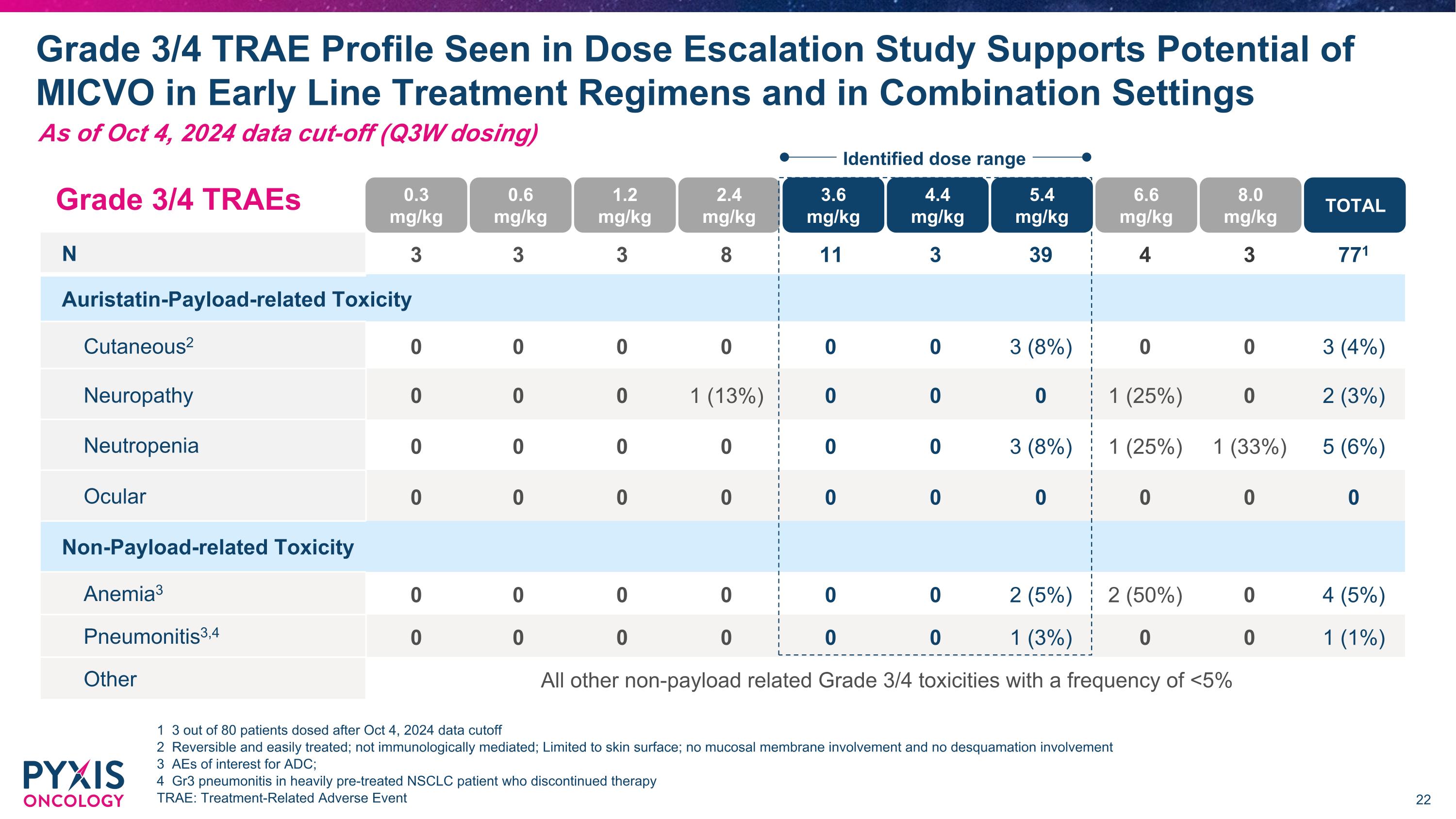
N 3 3 3 8 11 3 39 4 3 771 Auristatin-Payload-related Toxicity Cutaneous2 0 0 0 0 0 0 3 (8%) 0 0 3 (4%) Neuropathy 0 0 0 1 (13%) 0 0 0 1 (25%) 0 2 (3%) Neutropenia 0 0 0 0 0 0 3 (8%) 1 (25%) 1 (33%) 5 (6%) Ocular 0 0 0 0 0 0 0 0 0 0 Non-Payload-related Toxicity Anemia3 0 0 0 0 0 0 2 (5%) 2 (50%) 0 4 (5%) Pneumonitis3,4 0 0 0 0 0 0 1 (3%) 0 0 1 (1%) Other All other non-payload related Grade 3/4 toxicities with a frequency of <5% Grade 3/4 TRAE Profile Seen in Dose Escalation Study Supports Potential of MICVO in Early Line Treatment Regimens and in Combination Settings 1 3 out of 80 patients dosed after Oct 4, 2024 data cutoff 2 Reversible and easily treated; not immunologically mediated; Limited to skin surface; no mucosal membrane involvement and no desquamation involvement 3 AEs of interest for ADC; 4 Gr3 pneumonitis in heavily pre-treated NSCLC patient who discontinued therapy TRAE: Treatment-Related Adverse Event Grade 3/4 TRAEs 0.3mg/kg 0.6mg/kg 1.2mg/kg 2.4mg/kg 3.6mg/kg 4.4mg/kg 5.4mg/kg 6.6mg/kg 8.0mg/kg TOTAL Identified dose range As of Oct 4, 2024 data cut-off (Q3W dosing)
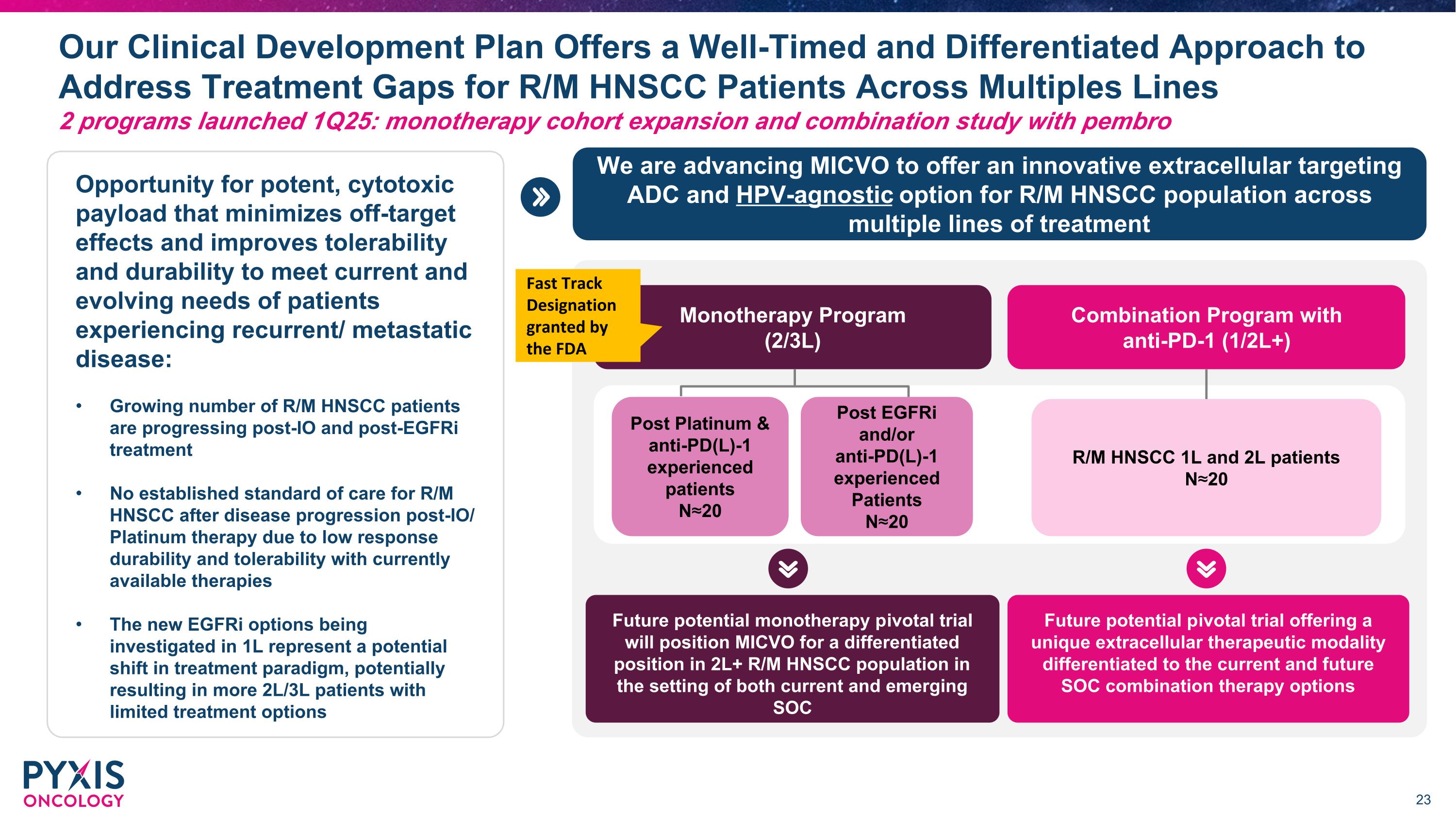
Our Clinical Development Plan Offers a Well-Timed and Differentiated Approach to Address Treatment Gaps for R/M HNSCC Patients Across Multiples Lines Monotherapy Program (2/3L) Combination Program with anti-PD-1 (1/2L+) Future potential monotherapy pivotal trial will position MICVO for a differentiated position in 2L+ R/M HNSCC population in the setting of both current and emerging SOC Future potential pivotal trial offering a unique extracellular therapeutic modality differentiated to the current and future SOC combination therapy options R/M HNSCC 1L and 2L patients N≈20 Post Platinum & anti-PD(L)-1 experienced patients N≈20 Post EGFRi and/or anti-PD(L)-1 experienced Patients N≈20 We are advancing MICVO to offer an innovative extracellular targeting ADC and HPV-agnostic option for R/M HNSCC population across multiple lines of treatment Opportunity for potent, cytotoxic payload that minimizes off-target effects and improves tolerability and durability to meet current and evolving needs of patients experiencing recurrent/ metastatic disease: Growing number of R/M HNSCC patients are progressing post-IO and post-EGFRi treatment No established standard of care for R/M HNSCC after disease progression post-IO/ Platinum therapy due to low response durability and tolerability with currently available therapies The new EGFRi options being investigated in 1L represent a potential shift in treatment paradigm, potentially resulting in more 2L/3L patients with limited treatment options 2 programs launched 1Q25: monotherapy cohort expansion and combination study with pembro Fast Track Designation granted by the FDA
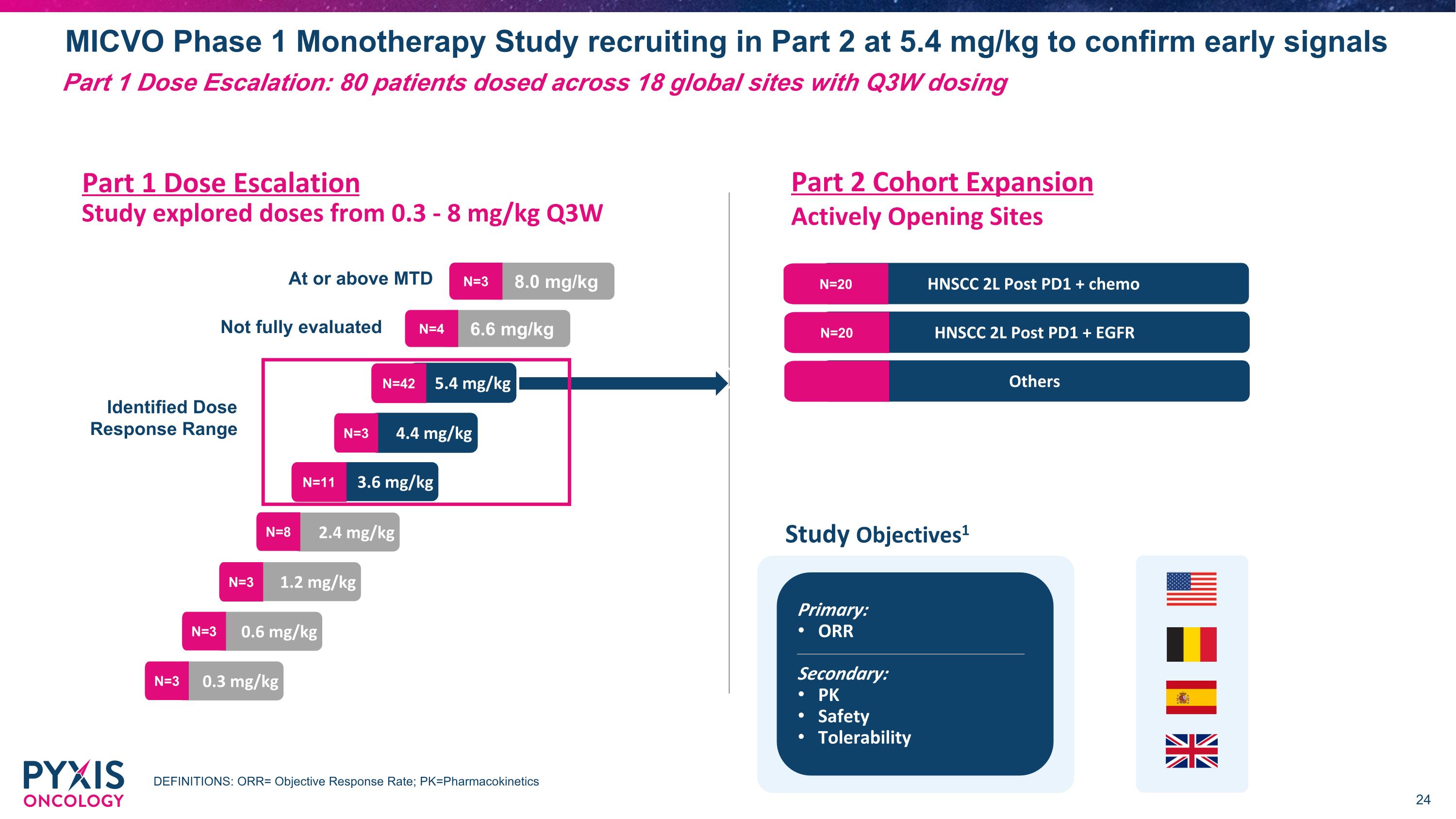
MICVO Phase 1 Monotherapy Study recruiting in Part 2 at 5.4 mg/kg to confirm early signals Part 1 Dose Escalation: 80 patients dosed across 18 global sites with Q3W dosing Study explored doses from 0.3 - 8 mg/kg Q3W 0.3 mg/kg 0.6 mg/kg 1.2 mg/kg 2.4 mg/kg 3.6 mg/kg 4.4 mg/kg 5.4 mg/kg N=3 N=3 N=3 N=8 N=11 N=42 N=3 Identified Dose Response Range HNSCC 2L Post PD1 + chemo N=20 HNSCC 2L Post PD1 + EGFR N=20 Others Study Objectives1 Primary: ORR Secondary: PK Safety Tolerability DEFINITIONS: ORR= Objective Response Rate; PK=Pharmacokinetics Part 1 Dose Escalation Part 2 Cohort Expansion Actively Opening Sites 8.0 mg/kg N=3 Not fully evaluated At or above MTD 6.6 mg/kg N=4
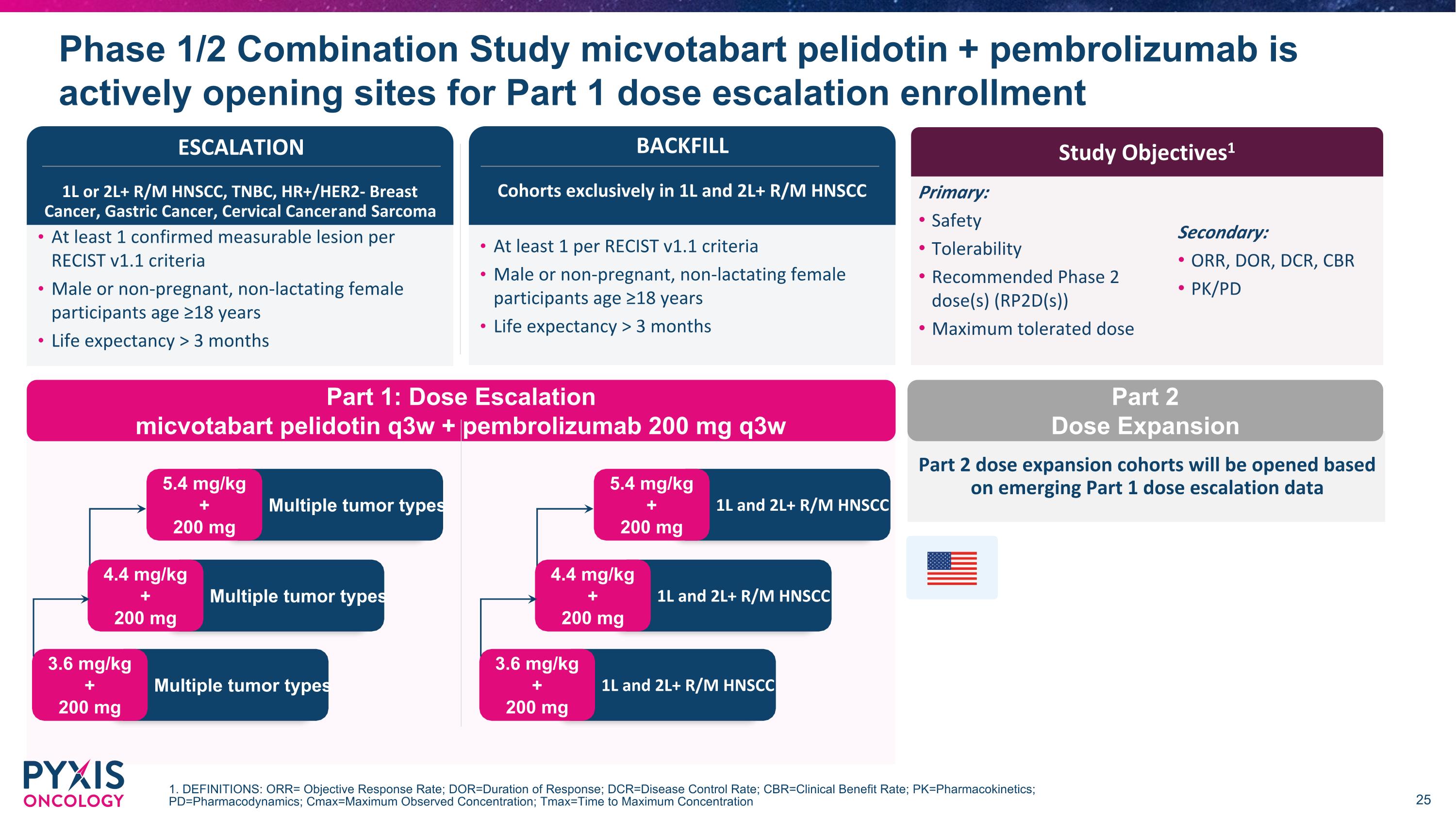
Part 2 dose expansion cohorts will be opened based on emerging Part 1 dose escalation data ESCALATION 1L or 2L+ R/M HNSCC, TNBC, HR+/HER2- Breast Cancer, Gastric Cancer, Cervical Cancer and Sarcoma At least 1 confirmed measurable lesion per RECIST v1.1 criteria Male or non-pregnant, non-lactating female participants age ≥18 years Life expectancy > 3 months At least 1 per RECIST v1.1 criteria Male or non-pregnant, non-lactating female participants age ≥18 years Life expectancy > 3 months BACKFILL Cohorts exclusively in 1L and 2L+ R/M HNSCC Phase 1/2 Combination Study micvotabart pelidotin + pembrolizumab is actively opening sites for Part 1 dose escalation enrollment 1. DEFINITIONS: ORR= Objective Response Rate; DOR=Duration of Response; DCR=Disease Control Rate; CBR=Clinical Benefit Rate; PK=Pharmacokinetics; PD=Pharmacodynamics; Cmax=Maximum Observed Concentration; Tmax=Time to Maximum Concentration Part 1: Dose Escalation micvotabart pelidotin q3w + pembrolizumab 200 mg q3w Multiple tumor types 3.6 mg/kg + 200 mg Multiple tumor types 4.4 mg/kg + 200 mg Multiple tumor types 5.4 mg/kg + 200 mg 1L and 2L+ R/M HNSCC 3.6 mg/kg + 200 mg 1L and 2L+ R/M HNSCC 4.4 mg/kg + 200 mg 1L and 2L+ R/M HNSCC 5.4 mg/kg + 200 mg Primary: Safety Tolerability Recommended Phase 2 dose(s) (RP2D(s)) Maximum tolerated dose Part 2 Dose Expansion Secondary: ORR, DOR, DCR, CBR PK/PD Study Objectives1
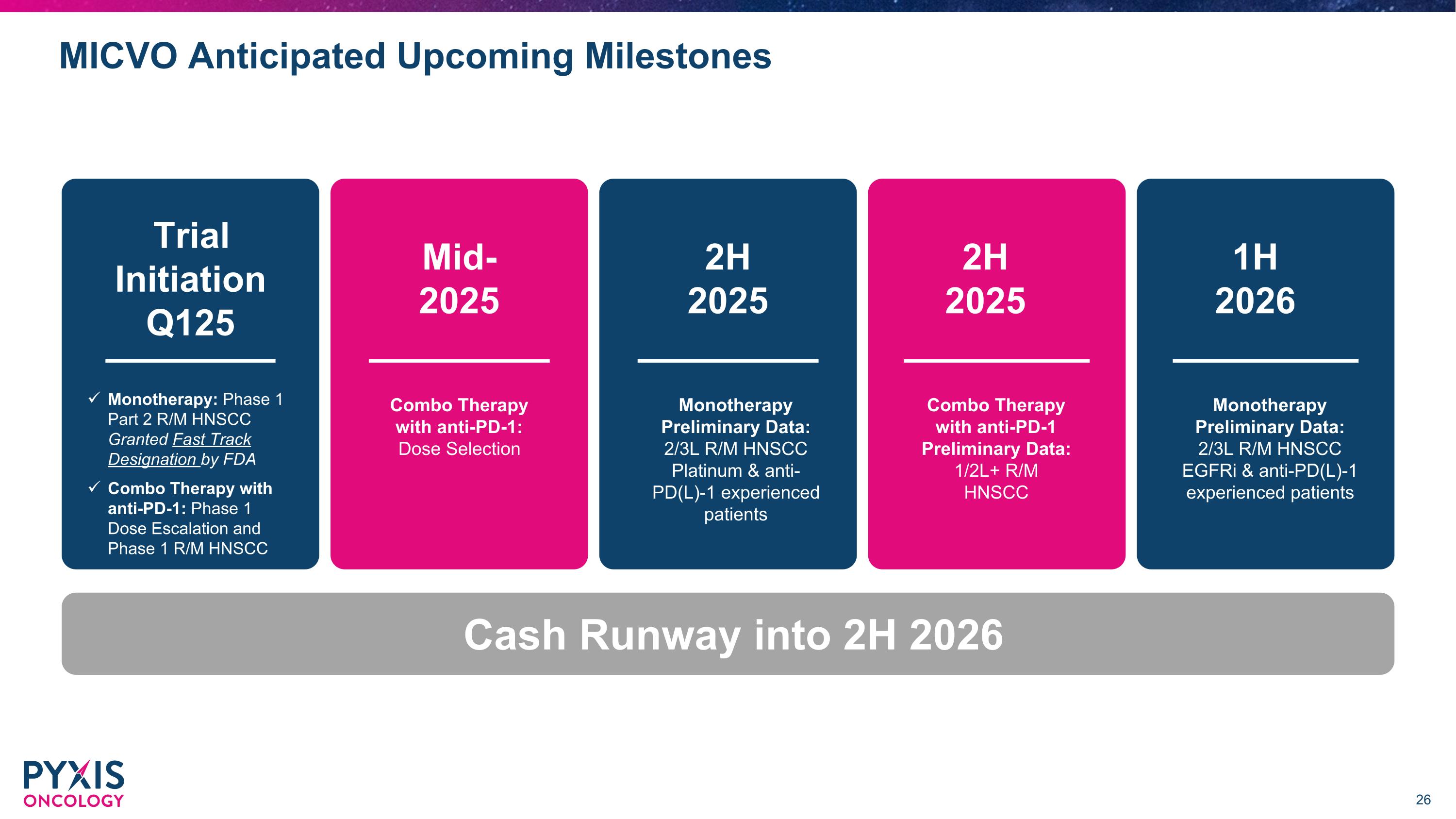
MICVO Anticipated Upcoming Milestones Trial Initiation Q125 Monotherapy: Phase 1 Part 2 R/M HNSCC Granted Fast TrackDesignation by FDA Combo Therapy with anti-PD-1: Phase 1 Dose Escalation and Phase 1 R/M HNSCC Mid-2025 Combo Therapy with anti-PD-1: Dose Selection 2H 2025 Monotherapy Preliminary Data: 2/3L R/M HNSCC Platinum & anti-PD(L)-1 experienced patients 2H 2025 Combo Therapy with anti-PD-1 Preliminary Data: 1/2L+ R/M HNSCC 1H 2026 Monotherapy Preliminary Data: 2/3L R/M HNSCC EGFRi & anti-PD(L)-1 experienced patients Cash Runway into 2H 2026
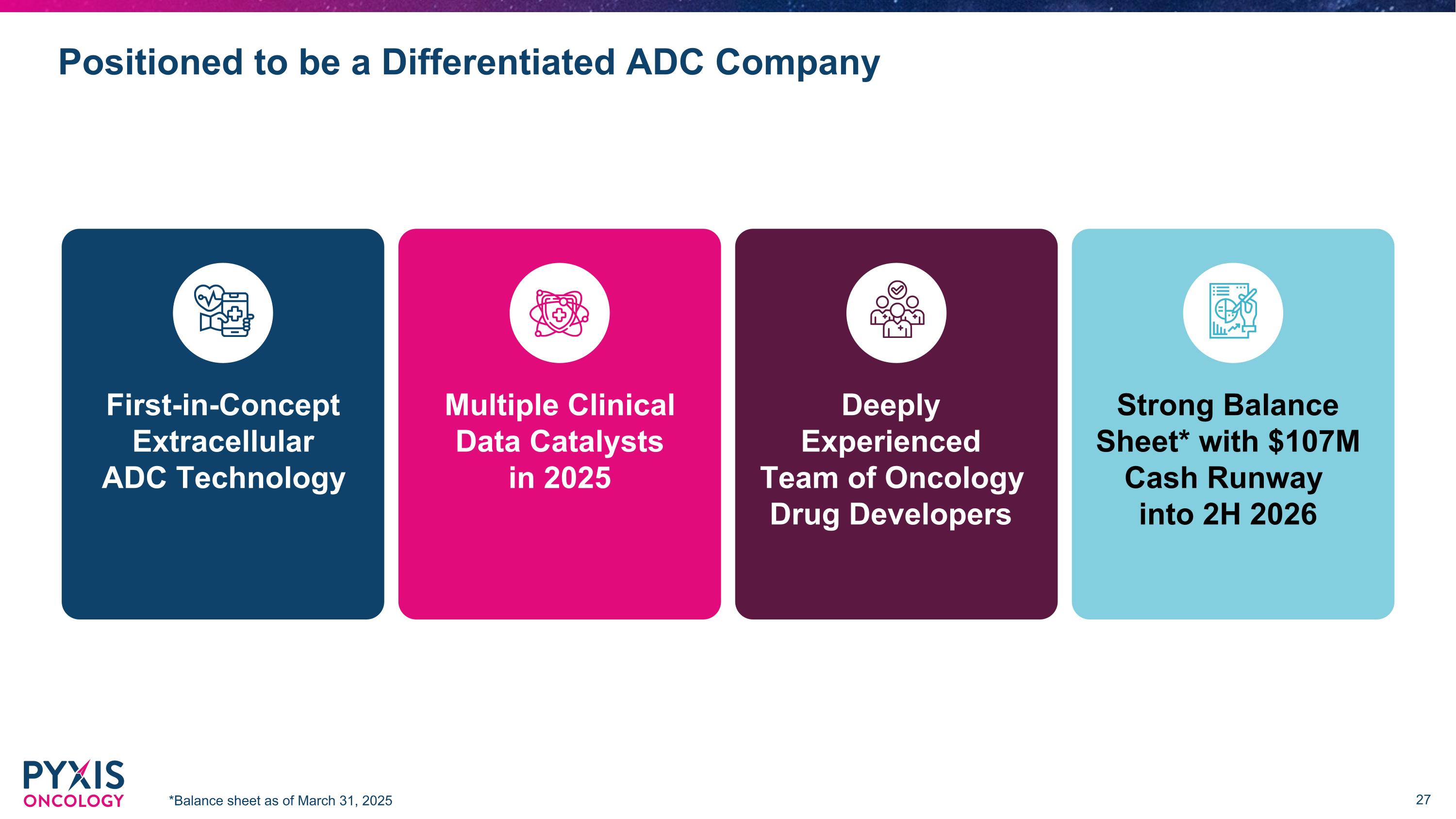
Positioned to be a Differentiated ADC Company *Balance sheet as of March 31, 2025 First-in-Concept Extracellular ADC Technology Deeply Experienced Team of Oncology Drug Developers Multiple Clinical Data Catalysts in 2025 Strong Balance Sheet* with $107M Cash Runway into 2H 2026

Appendix
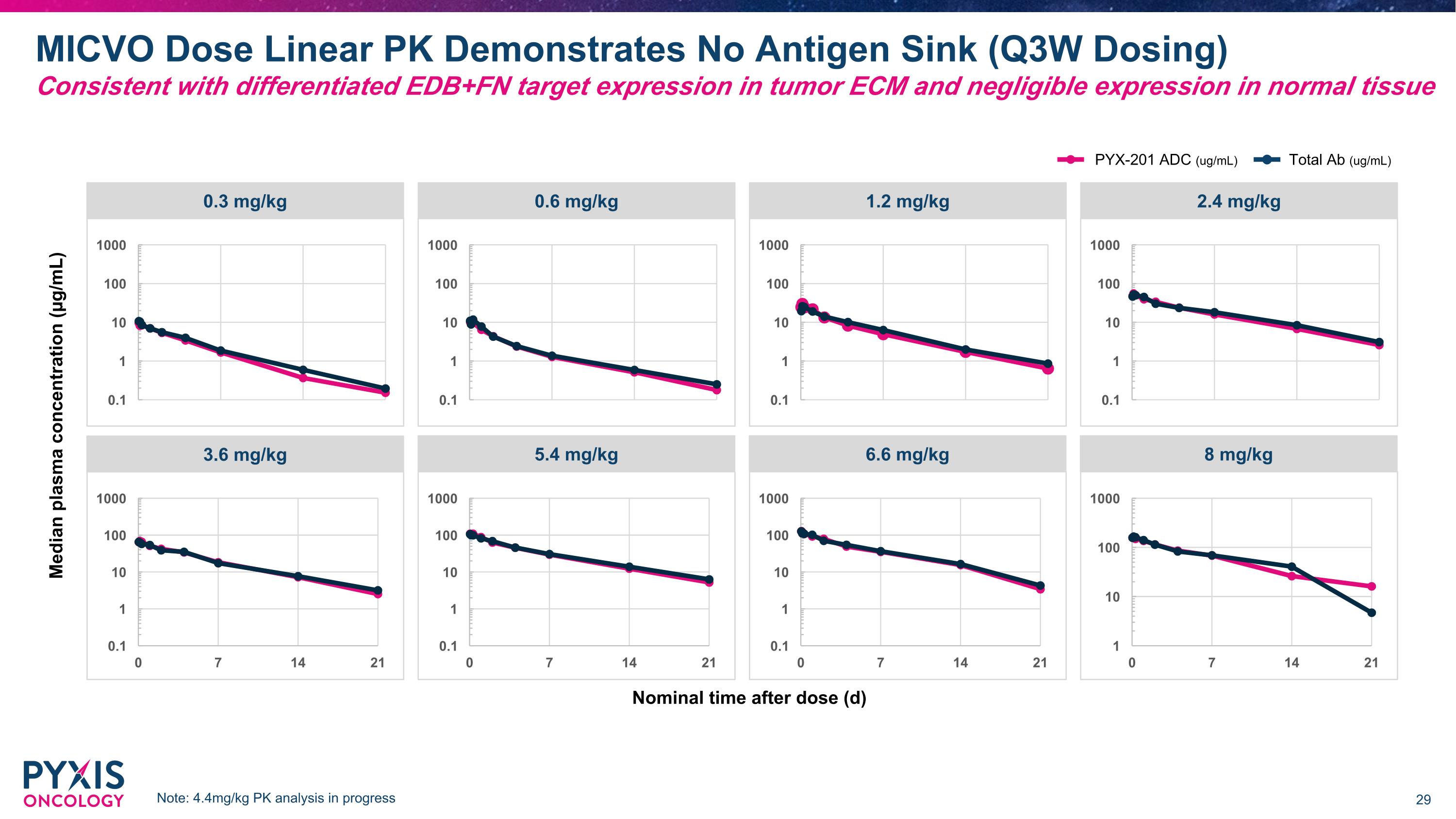
MICVO Dose Linear PK Demonstrates No Antigen Sink (Q3W Dosing)Consistent with differentiated EDB+FN target expression in tumor ECM and negligible expression in normal tissue Nominal time after dose (d) Median plasma concentration (µg/mL) 0.3 mg/kg 0.6 mg/kg 1.2 mg/kg 2.4 mg/kg 3.6 mg/kg 5.4 mg/kg 6.6 mg/kg 8 mg/kg PYX-201 ADC (ug/mL) Total Ab (ug/mL) Note: 4.4mg/kg PK analysis in progress
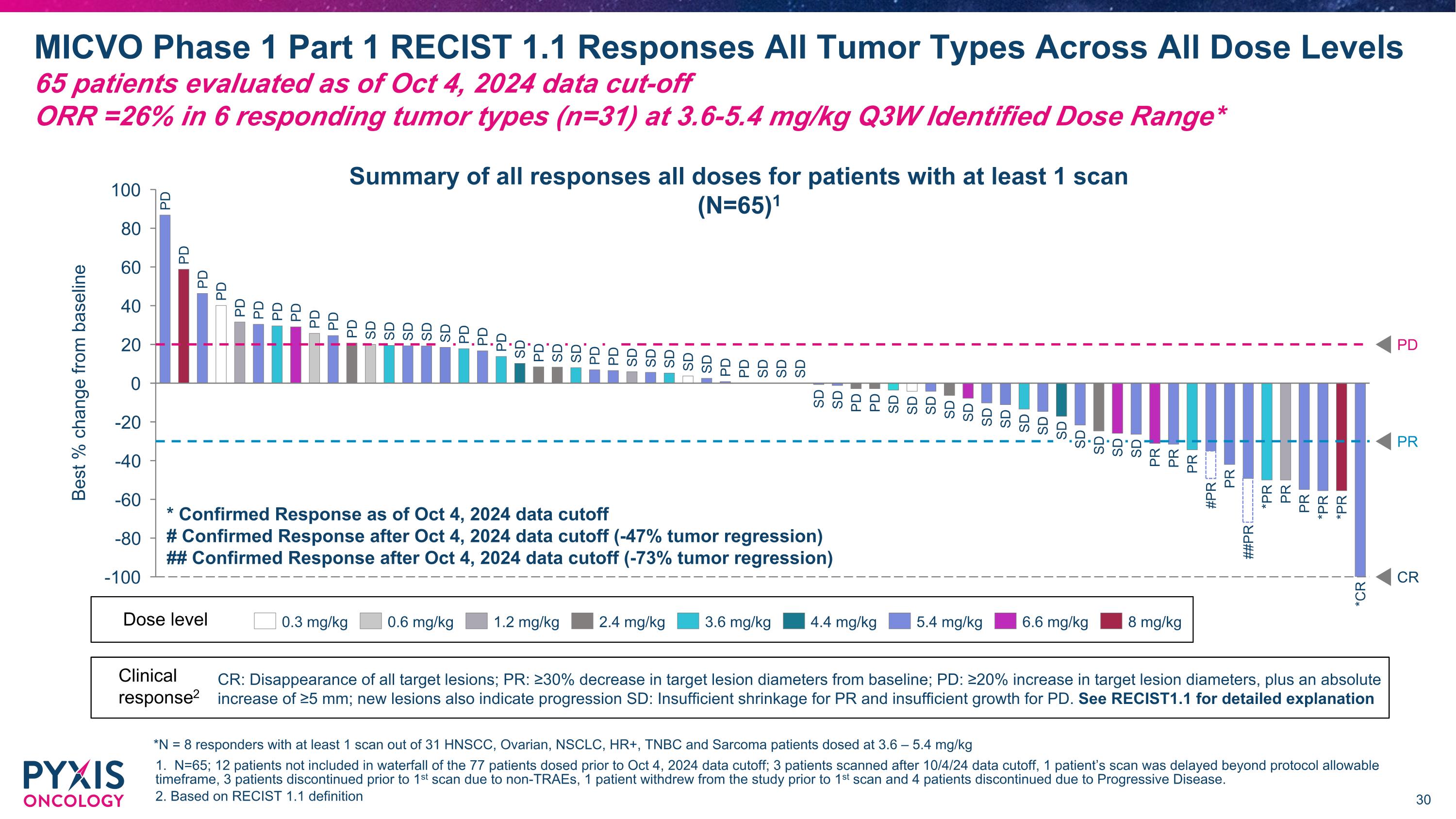
Best % change from baseline PR CR PD PD PD PD PD PD PD PD PD PD PD SD SD SD SD SD PD PD PD SD PD SD SD PD PD SD SD SD SD SD PD PD SD SD SD SD SD PD PD SD SD SD SD PD SD SD SD SD SD SD SD SD SD PR SD PR #PR PR ##PR *PR PR PR *PR *PR *CR PR MICVO Phase 1 Part 1 RECIST 1.1 Responses All Tumor Types Across All Dose Levels65 patients evaluated as of Oct 4, 2024 data cut-offORR =26% in 6 responding tumor types (n=31) at 3.6-5.4 mg/kg Q3W Identified Dose Range* 1. N=65; 12 patients not included in waterfall of the 77 patients dosed prior to Oct 4, 2024 data cutoff; 3 patients scanned after 10/4/24 data cutoff, 1 patient’s scan was delayed beyond protocol allowable timeframe, 3 patients discontinued prior to 1st scan due to non-TRAEs, 1 patient withdrew from the study prior to 1st scan and 4 patients discontinued due to Progressive Disease. 2. Based on RECIST 1.1 definition 0.3 mg/kg 0.6 mg/kg 1.2 mg/kg 2.4 mg/kg 3.6 mg/kg 4.4 mg/kg 5.4 mg/kg 6.6 mg/kg 8 mg/kg Dose level Summary of all responses all doses for patients with at least 1 scan (N=65)1 Clinical response2 CR: Disappearance of all target lesions; PR: ≥30% decrease in target lesion diameters from baseline; PD: ≥20% increase in target lesion diameters, plus an absolute increase of ≥5 mm; new lesions also indicate progression SD: Insufficient shrinkage for PR and insufficient growth for PD. See RECIST1.1 for detailed explanation * Confirmed Response as of Oct 4, 2024 data cutoff # Confirmed Response after Oct 4, 2024 data cutoff (-47% tumor regression) ## Confirmed Response after Oct 4, 2024 data cutoff (-73% tumor regression) *N = 8 responders with at least 1 scan out of 31 HNSCC, Ovarian, NSCLC, HR+, TNBC and Sarcoma patients dosed at 3.6 – 5.4 mg/kg
Building a Differentiated ADC Company Nasdaq: PYXS May 2025