株探米国株
英語
エドガーで原本を確認する

UNITED STATES
SECURITIES AND EXCHANGE COMMISSION
Washington, D.C. 20549

FORM 8-K

CURRENT REPORT
Pursuant to Section 13 or 15(d) of the Securities Exchange Act of 1934

Date of Report (Date of earliest event reported): September 30, 2025

Opus Genetics, Inc.
(Exact name of registrant as specified in its charter)

Delaware
001-34079
11-3516358
(State or other jurisdiction of incorporation)
(Commission File Number)
(IRS Employer Identification No.)

8 Davis Drive
Durham, NC
27713
(Address of principal executive offices)
(Zip Code)

(984) 884-6030
(Registrant’s telephone number, including area code)

N/A
(Former name or former address, if changed since last report)

Check the appropriate box below if the Form 8-K filing is intended to simultaneously satisfy the filing obligation of the registrant under any of the following provisions:


Written communications pursuant to Rule 425 under the Securities Act (17 CFR 230.425)


Soliciting material pursuant to Rule 14a-12 under the Exchange Act (17 CFR 240.14a-12)


Pre-commencement communications pursuant to Rule 14d-2(b) under the Exchange Act (17 CFR 240.14d-2(b))


Pre-commencement communications pursuant to Rule 13e-4(c) under the Exchange Act (17 CFR 240.13e-4(c))

Securities registered pursuant to Section 12(b) of the Act:

Title of each class
Trading Symbol(s)
Name of each exchange on which registered
Common Stock, $0.0001 par value per share
IRD
The Nasdaq Stock Market LLC

Indicate by check mark whether the registrant is an emerging growth company as defined in Rule 405 of the Securities Act of 1933 (§230.405 of this chapter) or Rule 12b-2 of the Securities Exchange Act of 1934 (§240.12b-2 of this chapter). Emerging growth company ☐

If an emerging growth company, indicate by check mark if the registrant has elected not to use the extended transition period for complying with any new or revised financial accounting standards provided pursuant to Section 13(a) of the Exchange Act. ☐


Item 7.01
Regulation FD Disclosure.

On September 30, 2025, Opus Genetics, Inc., a Delaware corporation (the “Company”), issued a press release announcing three-month data from the pediatric cohort and 18-month data from the adult cohort of its ongoing Phase 1/2 clinical trial (the “OPGx-LCA5-1001 Trial”) evaluating OPGx-LCA5, an investigational gene augmentation therapy for Leber congenital amaurosis type 5 (“OPGx-LCA5”). A copy of the press release is furnished herewith as Exhibit 99.1.

In connection with the foregoing, the Company announced that it would be discussing the OPGx-LCA5-1001 Trial, among other things, on a webcast and conference call on September 30, 2025. A presentation prepared for the purposes of the webcast and conference call is furnished herewith as Exhibit 99.2. The Company has also made the presentation available to investors on the “Events” section of the Company’s website at https://ir.opusgtx.com.

The information in this Item 7.01 of this Current Report on Form 8-K, and Exhibits 99.1 and 99.2, are furnished and shall not be deemed “filed” for purposes of Section 18 of the Securities Exchange Act of 1934, as amended (the “Exchange Act”), nor shall each be deemed incorporated by reference in any filing made by the Company under the Securities Act of 1933, as amended, or the Exchange Act, whether made before or after the date hereof, except as expressly set forth by specific reference in such a filing. The Company undertakes no obligation to update, supplement or amend the materials attached hereto as Exhibits 99.1 and 99.2.

Item 8.01
Other Events.

The Company reported positive data from the OPGx-LCA5-1001 Trial evaluating OPGx-LCA5. OPGx-LCA5 has been well tolerated in all six participants treated to date (three adults and three pediatric participants), with no ocular serious adverse events or dose-limiting toxicities observed. All ocular adverse events were mild in severity and anticipated, with no events related to the study drug. One pediatric participant had a pre-existing cataract that worsened at three months, attributed to the surgical procedure, which did not obscure improvements in retinal sensitivity.

Three pediatric participants with severe baseline vision impairment received a single subretinal injection of OPGx-LCA5. All three pediatric participants provided evidence of improvements across multiple measures of visual function, including a group average of a 0.3 logMAR improvement in visual acuity and a >1 log unit improvement in cone sensitivity to both red and blue light on full-field stimulus testing, with additional evidence of functional benefit on mobility testing and microperimetry. Additionally, the combined adult data from the three adult participants supports that improvements in visual acuity were sustained through 18 months. The Company expects to meet with the U.S. Food and Drug Administration in the fourth quarter of 2025 to discuss the OPGx-LCA5-1001 Trial results and next steps for the program.

Forward Looking Statements

This Current Report on Form 8-K contains forward-looking statements within the meaning of the Private Securities Litigation Reform Act of 1995. Such statements are subject to certain risks and uncertainties posed by many factors and events that could cause the Company’s actual business, prospects and results of operations to differ materially from those anticipated by such forward-looking statements. Factors that could cause or contribute to such differences include, but are not limited to, those described under the heading “Risk Factors” included in the Company’s Annual Report on Form 10-K for the fiscal year ended December 31, 2024, in Quarterly Reports on Form 10-Q for the quarters ended March 31, 2025 and June 30, 2025, and in the Company’s other filings with the U.S. Securities and Exchange Commission. Readers are cautioned not to place undue reliance on these forward-looking statements, which speak only as of the date of this report. These forward-looking statements are based upon the Company’s current expectations and involve assumptions that may never materialize or may prove to be incorrect. Actual results and the timing of events could differ materially from those anticipated in such forward-looking statements as a result of various risks and uncertainties. In some cases, you can identify forward-looking statements by the following words: “anticipate,” “believe,” “continue,” “could,” “estimate,” “expect,” “intend,” “aim,” “may,” “ongoing,” “plan,” “potential,” “predict,” “project,” “should,” “will,” “would” or the negative of these terms or other comparable terminology, although not all forward-looking statements contain these words. The Company undertakes no obligation to revise any forward-looking statements in order to reflect events or circumstances that might subsequently arise.


Item 9.01
Financial Statements and Exhibits.

(d) Exhibits

Exhibit No.
Description
Press Release, dated September 30, 2025.
Presentation, dated September 30, 2025.
104.1
Cover Page Interactive Data File (embedded within Inline XBRL document).


SIGNATURE

Pursuant to the requirements of the Securities Exchange Act of 1934, the registrant has duly caused this report to be signed on its behalf by the undersigned hereunto duly authorized.

 
OPUS GENETICS, INC.
     
Date: September 30, 2025
By:
/s/ Dr. George Magrath
 
Name:
Dr. George Magrath
 
Title:
Chief Executive Officer


EX-99.1 2 ef20056246_ex99-1.htm EXHIBIT 99.1

Exhibit 99.1

Opus Genetics Reports Positive Pediatric Data from OPGx-LCA5 Phase 1/2 Trial in Leber Congenital Amaurosis Type 5 (LCA5)


-
Pediatric participants demonstrated large gains in cone-mediated vision; therapy remains well tolerated with no ocular serious adverse events or dose-limiting toxicities


- Lasting, durable responses observed out to 18 months in adult participants
 

- Expected FDA Meeting in Q4 2025
 

- Management to Host Webcast and Conference Call Today at 8:30 A.M. ET

Research Triangle Park, N.C. – September 30, 2025 - Opus Genetics, Inc. (Nasdaq: IRD), a clinical-stage biopharmaceutical company developing gene therapies for the treatment of inherited retinal diseases (IRDs) and small molecule therapies for other ophthalmic disorders, today announced positive three-month data from the pediatric cohort of its ongoing Phase 1/2 clinical trial (OPGx-LCA5-1001) evaluating OPGx-LCA5, an investigational gene augmentation therapy for Leber congenital amaurosis type 5 (LCA5).
 
“These pediatric results are particularly exciting, as they provide evidence that OPGx-LCA5 can potentially restore cone-mediated vision in teenagers who had already experienced profound vision loss,” said George Magrath, M.D., Chief Executive Officer, Opus Genetics. “These outcomes, alongside observed durable improvements observed in adults out to 18 months, give us confidence in the potential for OPGx-LCA5 to deliver meaningful and lasting benefit to patients. We expect to meet with the U.S. Food and Drug Administration (FDA) in the fourth quarter of this year to discuss these results and the next steps for our LCA5 program targeting this ultra-rare disease.”
 
Three pediatric participants aged 16-17 with severe baseline vision impairment received a single subretinal injection of OPGx-LCA5. All three participants had improvements across multiple measures of visual function, as described below:
 

Visual Acuity (VA):
 

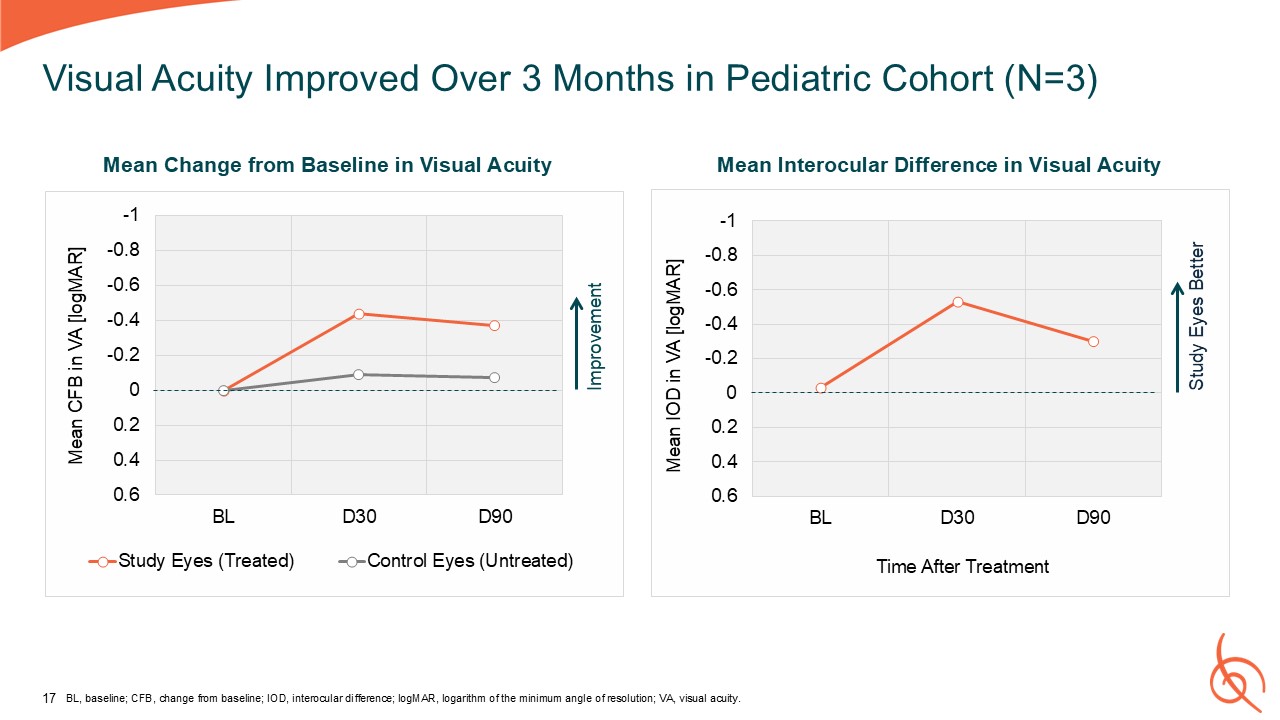
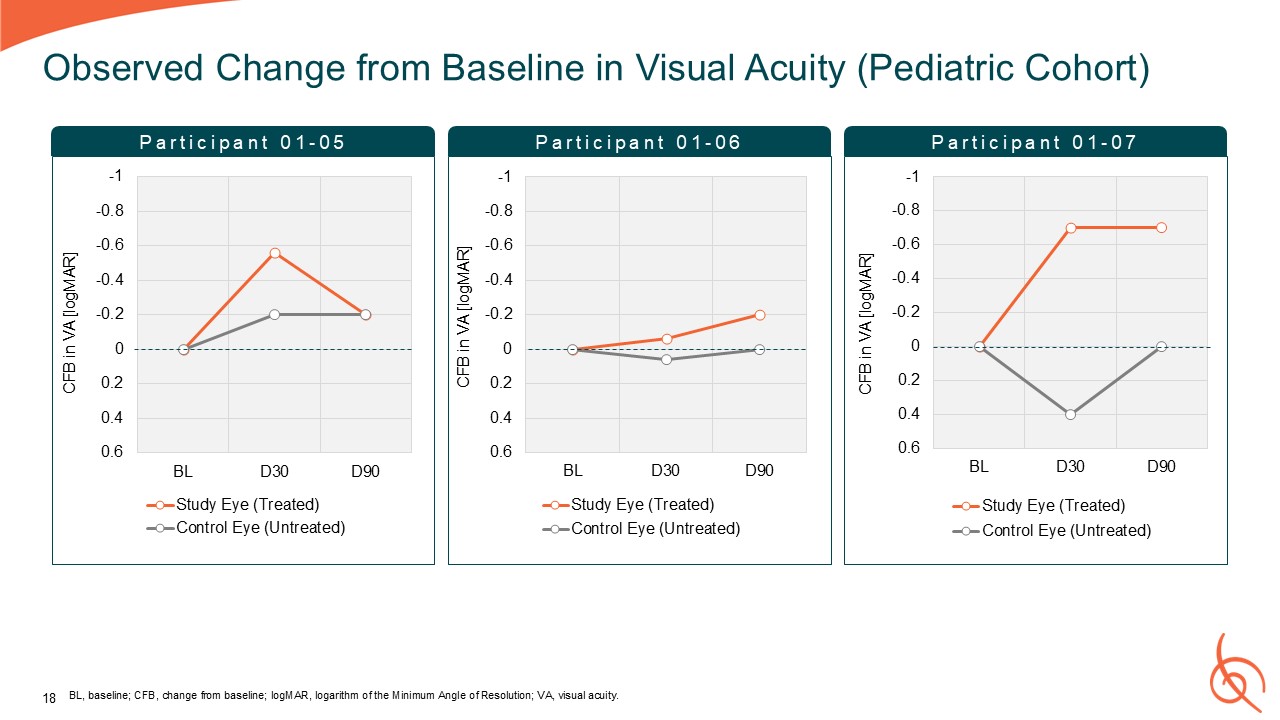
For the pediatric cohort, early data showed a group average of a 0.3 logMAR improvement which is greater than was observed in the adult cohort.
 

-
Participant 01-05 had a baseline visual acuity of 2.2 logMAR with an improvement of 0.5 logMAR reported at one month.
 

-
Participant 01-06 had a baseline visual acuity of 0.96 logMAR with an improvement of 0.2 logMAR reported at three months. They reported perceiving a clear difference in brightness between their treated and untreated eyes.


-
Participant 01-07 had a baseline visual acuity of 2.3 logMAR with an improvement of 0.7 logMAR reported at one month, which was maintained through three months.
 

Full-Field Stimulus Testing (FST):
 
All three participants showed improvements in the treated eyes from one month. Participants showed greater than one (>1) log unit improvement in cone sensitivity to both red and blue light. These changes provide evidence of recovery in retinal sensitivity.
 

Multi-Luminance Orientation and Mobility Test (MLoMT):

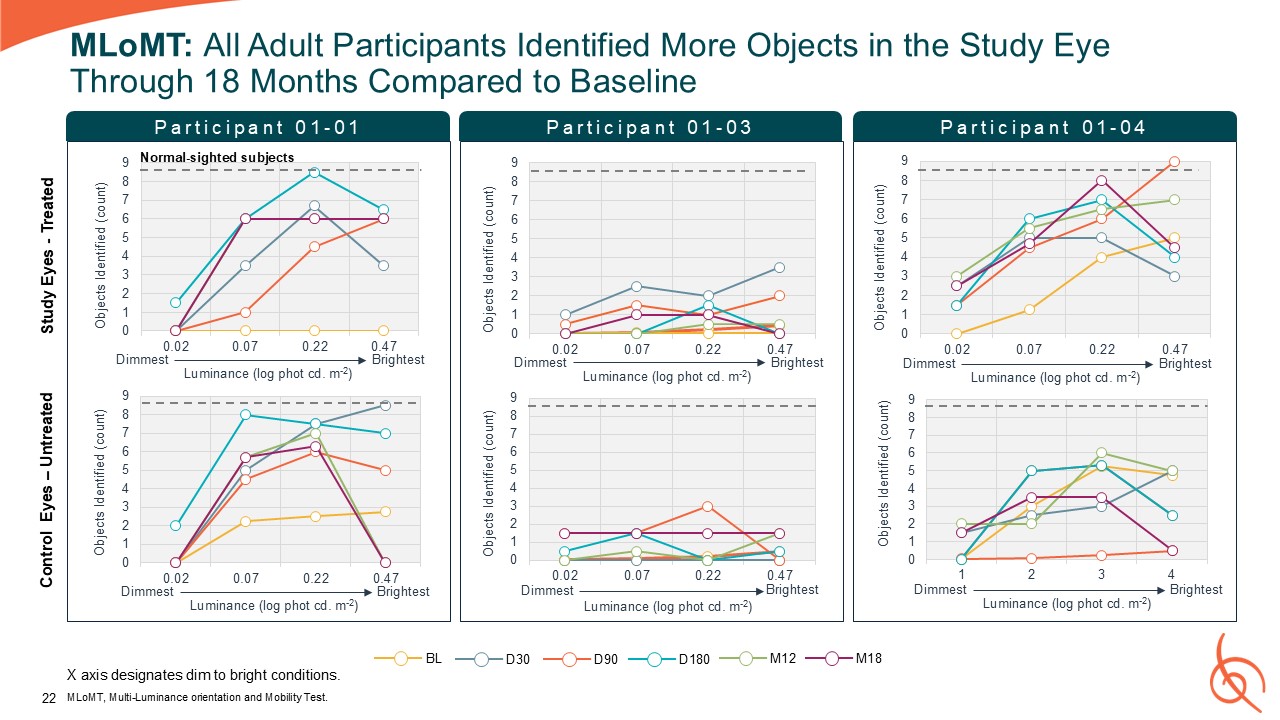
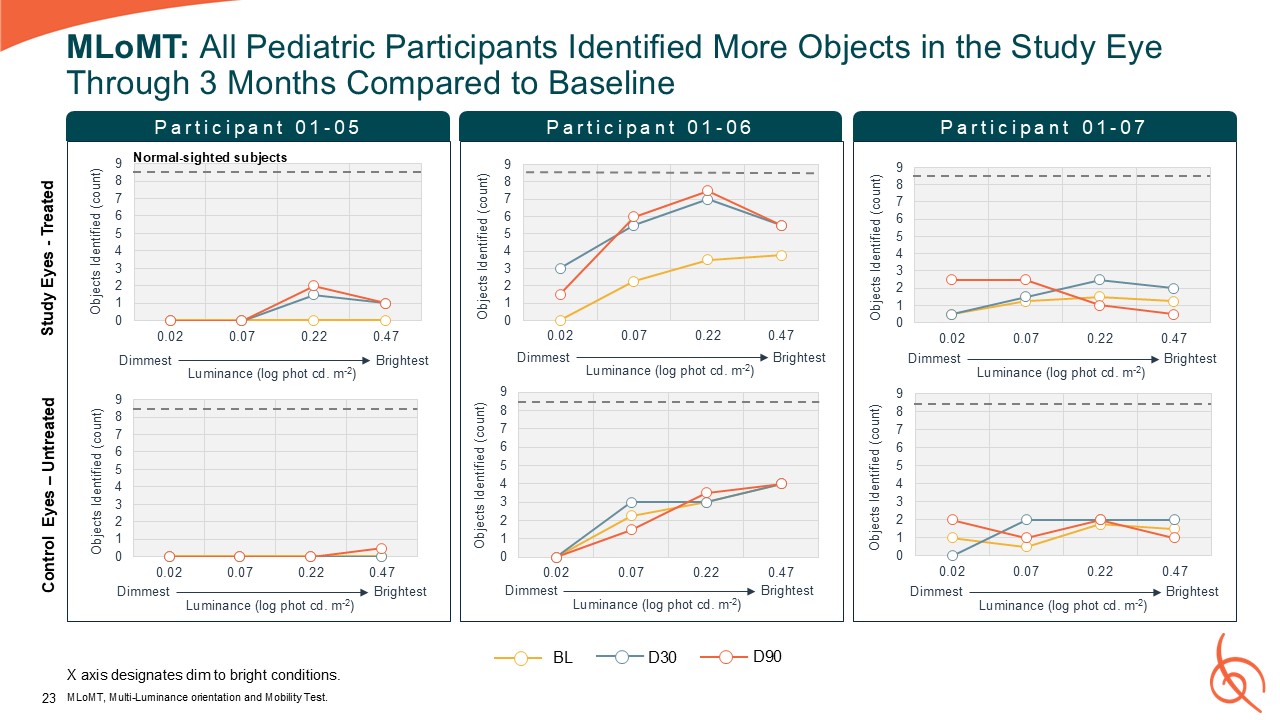
All participants identified more objects through three-months compared to baseline. Two out of the three participants had greater improvement in the treated eye compared to the control eye.
 

Microperimetry:
 
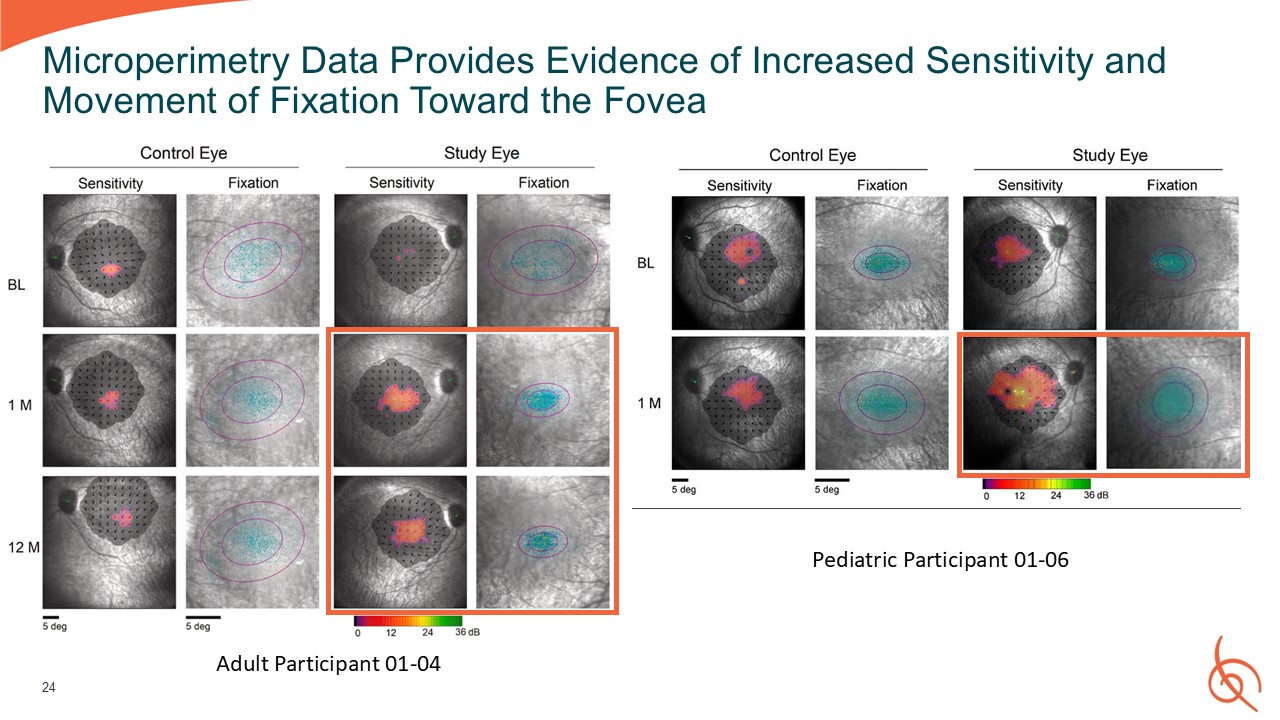
Two of the three pediatric participants could not conduct a microperimetry test due to their poor visual acuity and nystagmus at screening. However, microperimetry data was obtained on one participant, for whom early signs of improved fixation stability were observed, consistent with functional retinal recovery.
 
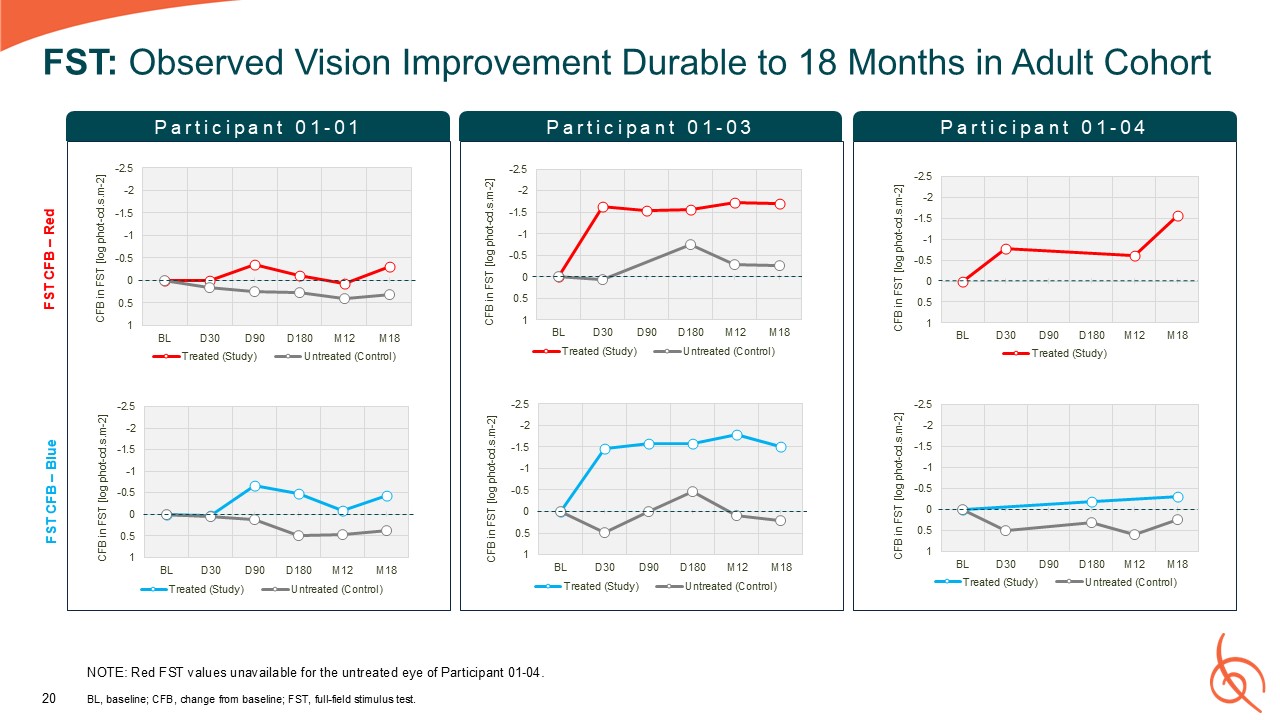
In addition, combined adult data support that improvements in visual acuity were sustained through 18 months, both in terms of mean change from baseline and mean interocular difference, underscoring the potential durability of the treatment response.
 
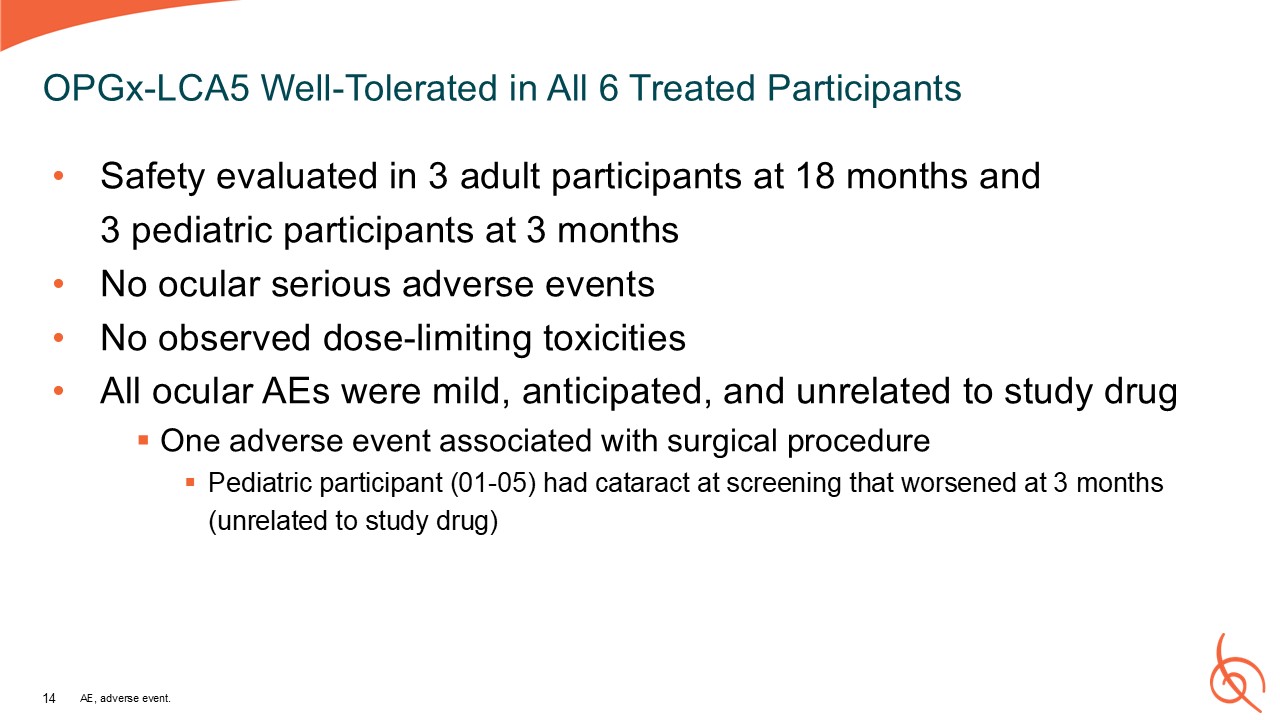
OPGx-LCA5 has been well-tolerated in all six participants treated to date (three adults and three pediatric participants). No ocular serious adverse events or dose-limiting toxicities have been observed. All ocular adverse events were mild in severity and were anticipated. No events were related to the study drug. One pediatric participant had a pre-existing cataract that worsened at three months, which was attributed to the surgical procedure itself and did not obscure improvements in retinal sensitivity.
 
“Seeing pediatric participants achieve measurable improvements in visual acuity, retinal sensitivity, and real-world navigation tasks within three months and adult participants maintaining those improvements is a remarkable step forward,” said Tomas S. Aleman, M.D., of the Scheie Eye Institute, University of Pennsylvania and principal investigator of the study. “This is important evidence supporting that gene augmentation therapy can potentially restore cone function in patients with LCA5.”


Conference Call & Webcast Details
 
Opus Genetics management will host a webcast and conference call today at 8:30 a.m. Eastern Time to discuss the OPGx-LCA5 clinical trial data. The live and archived webcast may be accessed on the Opus Genetics website under the Investors section: Events. The live call can be accessed by dialing 888-506-0062 (domestic) or 973-528-0011 (international) and entering conference code: 906168. Opus Genetics suggests participants join 15 minutes in advance of the event.
 
About the OPGx-LCA5-1001 Phase 1/2 Clinical Trial
 
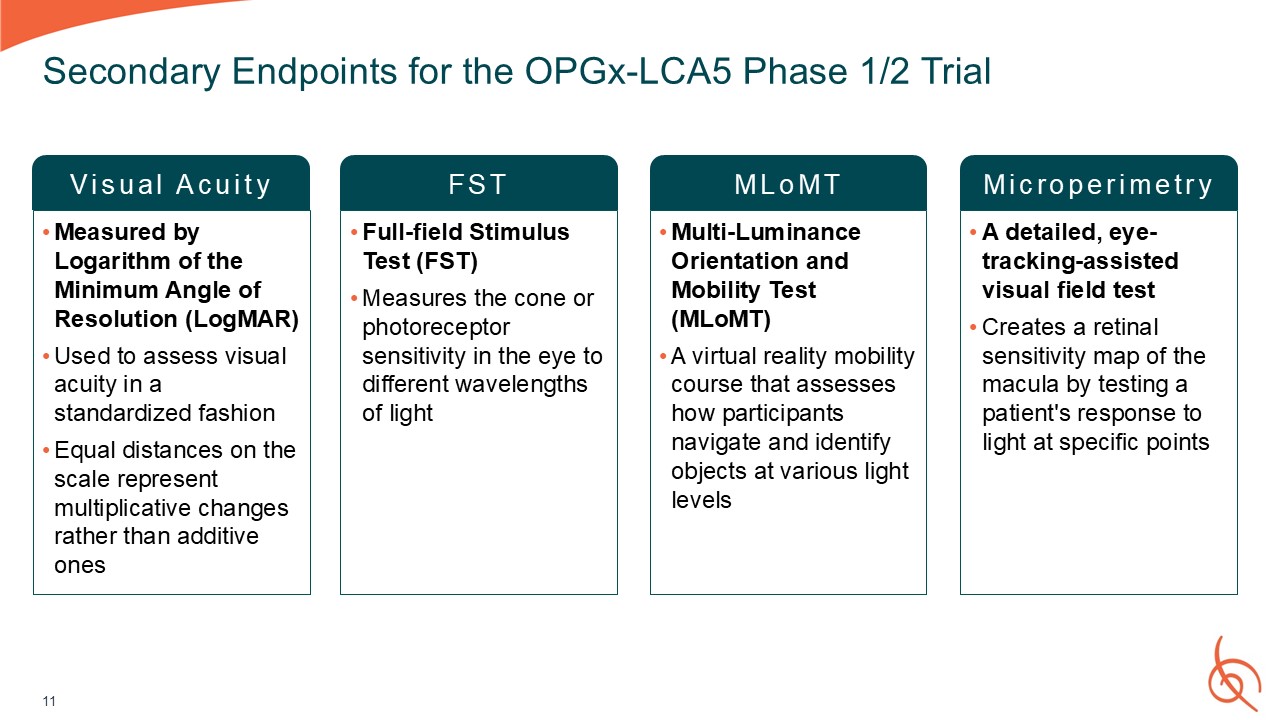
The OPGx-LCA5-1001 trial is a Phase 1/2 open-label, ascending-dose study evaluating the safety and preliminary efficacy of OPGx-LCA5 administered via subretinal injection in participants with inherited retinal degeneration due to biallelic mutations in the LCA5 gene. The trial has enrolled a total of six participants: three adults and three pediatric participants. Efficacy evaluations include measurements of visual acuity; Full-Field Stimulus Testing (FST), which measures the retina's sensitivity to light; performance outcomes on the Multi-Luminance orientation and Mobility Test (MLoMT); and microperimetry, which measures point-wise sensitivity to light. For more information, visit clinicaltrials.gov (NCT05616793).
 
About OPGx-LCA5
 
OPGx-LCA5 is designed to address a form of Leber congenital amaurosis (LCA) due to biallelic mutations in the LCA5 gene (LCA5), which encodes the lebercilin protein. LCA5-associated inherited retinal disease is an early-onset severe inherited retinal dystrophy. Studies in patients with this mutation have reported evidence for the dissociation of retinal architecture and visual function in this disease, suggesting an opportunity for therapeutic intervention through gene augmentation. OPGx-LCA5 uses an adeno-associated virus 8 (AAV8) vector to precisely deliver a functional LCA5 gene to the outer retina. OPGx-LCA5 is currently being evaluated in a Phase 1/2 clinical trial at the University of Pennsylvania. Data from pediatric participants demonstrated large gains in cone-mediated vision, and the therapy remains well tolerated with no ocular serious adverse events or dose-limiting toxicities. The adult cohort showed durable improvements in cone sensitivity and visual function out to 18 months. OPGx-LCA5 has received Rare Pediatric Disease, Orphan Drug and Regenerative Medicine Advanced Therapy (RMAT) designations from the FDA.
 
About Leber Congenital Amaurosis (LCA) and LCA5
 
Leber congenital amaurosis (LCA) is a group of inherited retinal diseases characterized by severe impaired vision or blindness at birth. Some retinal experts consider LCA to be a severe form of retinitis pigmentosa (RP). The condition is caused by degeneration and/or dysfunction of photoreceptors, the cells in the retina that make vision possible. Mutations in one of more than two dozen genes can cause LCA.
 

LCA5 is an ultra-rare disease caused by mutations in the LCA5 gene, which encodes lebercilin, a protein essential for photoreceptor structure and function. LCA5 accounts for roughly 2% of all LCA cases, or approximately 200 patients. There are currently no approved therapies for LCA5-related inherited retinal degeneration, making gene therapy a potentially transformative approach.
 
About Opus Genetics
 
Opus Genetics is a clinical-stage biopharmaceutical company developing gene therapies for the treatment of inherited retinal diseases (IRDs) and small molecule therapies for other ophthalmic disorders. The Company’s pipeline features AAV-based gene therapies targeting inherited retinal diseases including Leber congenital amaurosis (LCA), bestrophinopathy, and retinitis pigmentosa. Its lead gene therapy candidates are OPGx-LCA5, which is in an ongoing Phase 1/2 trial for LCA5-related mutations, and OPGx-BEST1, a gene therapy targeting BEST1-related retinal degeneration. Opus Genetics is also advancing Phentolamine Ophthalmic Solution 0.75%, a partnered therapy currently approved in one indication and being studied in two Phase 3 programs for presbyopia and reduced low light vision and nighttime visual disturbances. The Company is based in Research Triangle Park, NC. For more information, please visit www.opusgtx.com.
 
Forward Looking Statements
 
This press release contains forward-looking statements within the meaning of the Private Securities Litigation Reform Act of 1995. Such statements include, but are not limited to the clinical development of, and clinical results and future plans for, OPGx-LCA5, potential meetings with the FDA regarding our OPGx-LCA5 program, and expectations regarding us, our business prospects, and our results of operations and are subject to certain risks and uncertainties posed by many factors and events that could cause our actual business, prospects and results of operations to differ materially from those anticipated by such forward-looking statements. Factors that could cause or contribute to such differences include, but are not limited to, those described under the heading “Risk Factors” included in our Annual Report on Form 10-K for the fiscal year ended December 31, 2024 , our Quarterly Reports on Form 10-Q for the quarters ended March 31, 2025 and June 30, 2025, and in our other filings with the U.S. Securities and Exchange Commission. Readers are cautioned not to place undue reliance on these forward-looking statements, which speak only as of the date of this press release. These forward-looking statements are based upon our current expectations and involve assumptions that may never materialize or may prove to be incorrect. Actual results and the timing of events could differ materially from those anticipated in such forward-looking statements as a result of various risks and uncertainties. In some cases, you can identify forward-looking statements by the following words: “anticipate,” “believe,” “continue,” “could,” “estimate,” “expect,” “intend,” “aim,” “may,” “ongoing,” “plan,” “potential,” “predict,” “project,” “should,” “will,” “would” or the negative of these terms or other comparable terminology, although not all forward-looking statements contain these words. We undertake no obligation to revise any forward-looking statements in order to reflect events or circumstances that might subsequently arise.


Contacts
 
Investors
Jenny Kobin
Remy Bernarda
IR Advisory Solutions
ir@opusgtx.com
 
Media
Kimberly Ha
KKH Advisors
917-291-5744
kimberly.ha@kkhadvisors.com
 
Source: Opus Genetics, Inc.



EX-99.2 3 ef20056246_ex99-2.htm EXHIBIT 99.2

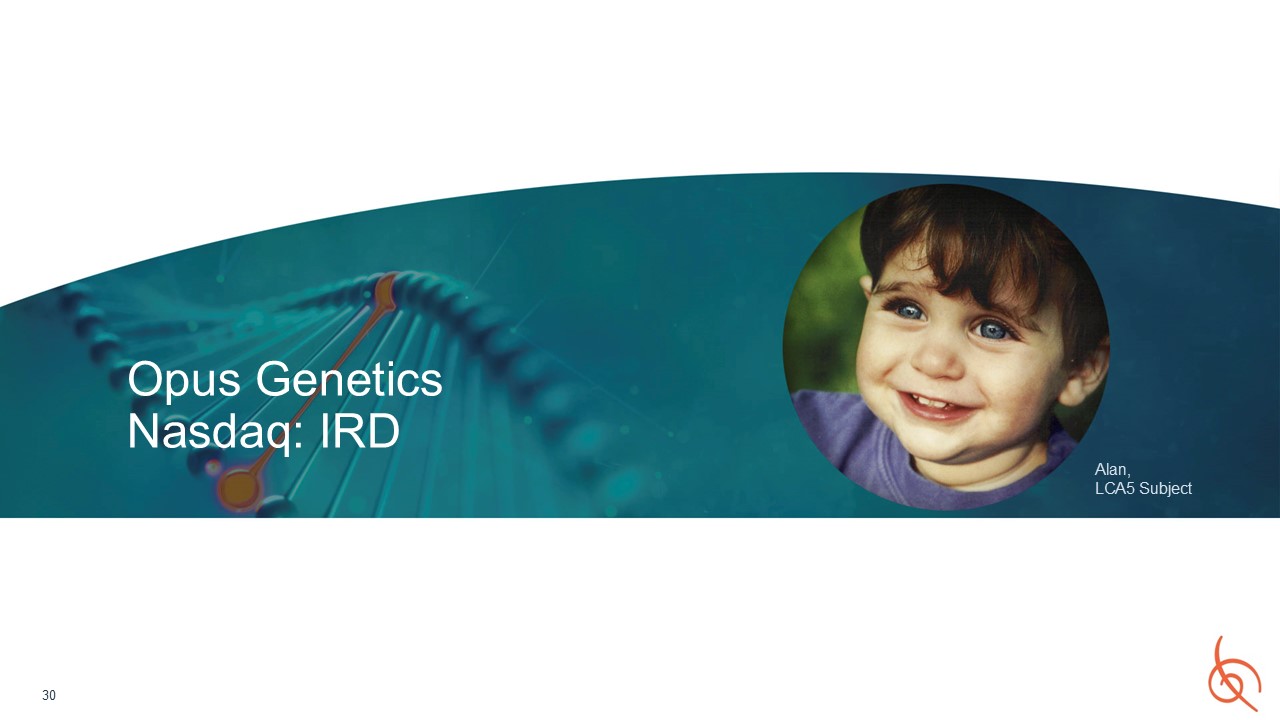
 OPGx-LCA5 Phase 1/2 Trial Results  September 30, 2025  Alan,LCA5 patient  Exhibit 99.2 
 

 This presentation contains forward-looking statements within the meaning of the Private Securities Litigation Reform Act of 1995. Such statements include, but are not limited to, statements concerning data from and future enrollment for our clinical trials and our pipeline of additional indications. These forward-looking statements relate to us, our business prospects and our results of operations and are subject to certain risks and uncertainties posed by many factors and events that could cause our actual business, prospects and results of operations to differ materially from those anticipated by such forward-looking statements. Factors that could cause or contribute to such differences include, but are not limited to, those described under the heading “Risk Factors” included in our Annual Report on Form 10-K for the fiscal year ended December 31, 2024 and our Quarterly Reports on Form 10-Q for the fiscal quarters ended March 31, 2025 and June 30, 2025 and in our other filings with the U.S. Securities and Exchange Commission (the “SEC”). Readers are cautioned not to place undue reliance on these forward-looking statements, which speak only as of the date of this presentation. In some cases, you can identify forward-looking statements by the following words: “anticipate,” “believe,” “continue,” “could,” “estimate,” “expect,” “intend,” “aim,” “may,” “ongoing,” “plan,” “potential,” “predict,” “project,” “should,” “will,” “would” or the negative of these terms or other comparable terminology, although not all forward-looking statements contain these words. We undertake no obligation to revise any forward-looking statements in order to reflect events or circumstances that might subsequently arise. These forward-looking statements are based upon our current expectations and involve assumptions that may never materialize or may prove to be incorrect. Actual results and the timing of events could differ materially from those anticipated in such forward-looking statements as a result of various risks and uncertainties, including, without limitation: our clinical data related to gene therapies for the treatment of inherited retinal diseases is preliminary and related to a relatively small group of patients, and, as a result, data that initially appears promising may be revised, updated, or invalidated at a later data readout and/or may ultimately not be capable of duplication in additional patients; failure to successfully integrate our businesses following our acquisition of former Opus Genetics Inc. (the “Opus Acquisition”) could have a material adverse effect on our business, financial condition and results of operations; the Opus Acquisition significantly expanded our product pipeline and business operations and shifted our business strategies, which may not improve the value of our common stock; our gene therapy product candidates are based on a novel technology that is difficult to develop and manufacture, which may result in delays and difficulties in obtaining regulatory approval; our planned clinical trials may face substantial delays, result in failure, or provide inconclusive or adverse results that may not satisfy FDA requirements to further develop our therapeutic products; delays or difficulties associated with patient enrollment in clinical trials may affect our ability to conduct and complete those clinical trials and obtain necessary regulatory approvals; changes in regulatory requirements could result in increased costs or delays in development timelines; we depend heavily on the success of our product pipeline; if we fail to find strategic partners or fail to adequately develop or commercialize our pipeline products, our business will be materially harmed; others may discover, develop, or commercialize products similar to those in our pipeline before or more successfully than we do or develop generic variants of our products even while our product patents remain active, thereby reducing our market share and potential revenue from product sales; we do not currently have any sales or marketing infrastructure in place and we have limited drug research and discovery capabilities; the future commercial success of our products could significantly depend upon several uncertain factors, including third-party reimbursement practices and the existence of competitors with similar products; product liability lawsuits against us or our suppliers or manufacturers could cause us to incur substantial liabilities and could limit commercialization of any product candidate that we may develop; failure to comply with health and safety laws and regulations could lead to material fines; we have not generated significant revenue from sales of any products and expect to incur losses for the foreseeable future; our future viability is difficult to assess due to our short operating history and our future need for substantial additional capital, access to which could be limited by any adverse developments that affect the financial services markets; raising additional capital may cause our stockholders to be diluted, among other adverse effects; we operate in a highly regulated industry and face many challenges adapting to sudden changes in legislative reform or the regulatory environment, which affects our pipeline stability and could impair our ability to compete in international markets; we may not receive regulatory approval to market our developed product candidates within or outside of the U.S.; with respect to any of our product candidates that receive marketing approval, we may be subject to substantial penalties if we fail to comply with applicable regulatory requirements; our potential relationships with healthcare providers and third-party payors will be subject to certain healthcare laws and regulations, which could expose us to extensive potential liabilities; we rely on third parties for material aspects of our business, such as conducting our nonclinical and clinical trials and supplying and manufacturing bulk drug substances, which exposes us to certain risks; we may be unsuccessful in entering into or maintaining licensing arrangements (such as our license agreement with Viatris, Inc.) or establishing strategic alliances on favorable terms, which could harm our business; our current focus on the cash-pay utilization for future sales of RYZUMVI may limit our ability to increase sales or achieve profitability with this product; inadequate patent protection for our product candidates may result in our competitors developing similar or identical products or technology, which would adversely affect our ability to successfully commercialize; we may be unable to obtain full protection for our intellectual property rights under U.S. or foreign laws; we may become involved in lawsuits for a variety of reasons associated with our intellectual property rights, including alleged infringement suits initiated by third parties; we are dependent on our key personnel, and if we are not successful in attracting and retaining highly qualified personnel, we may not be able to successfully implement our business strategy; as we grow, we may not be able to operate internationally or adequately develop and expand our sales, marketing, distribution, and other corporate functions, which could disrupt our operations; the market price of our common stock is expected to be volatile; our common stock may be subject to delisting from the Nasdaq Capital Market, which could adversely affect our ability to access capital markets; factors out of our control related to our securities, such as securities litigation or actions of activist stockholders, could adversely affect our business and stock price and cause us to incur significant expenses; and our business could experience an adverse impact from current or proposed tariffs on imported goods we purchase.  The foregoing review of important factors that could cause actual events to differ from expectations should not be construed as exhaustive. Readers are urged to carefully review and consider the various disclosures made by us in this report and in our other reports filed with the SEC that advise interested parties of the risks and factors that may affect our business. All forward-looking statements contained in this presentation speak only as of the date on which they were made. We undertake no obligation to update such statements to reflect events that occur or circumstances that exist after the date on which they were made.  Disclosures and Forward-Looking Statements  2 
 

 Management Team Call Participants  George Magrath, MD, MBA, MS  Chief Executive Officer  Ben Yerxa, PhD   President  Ash Jayagopal, PhD, MBA  Chief Scientific & Development Officer  Sally Tucker, PhD  Senior Vice President, Clinical Development  3  Rob Gagnon, CPA, MBA  Chief Financial Officer 
 

 4  Introduction andCorporate OverviewGeorge Magrath, MDChief Executive Officer  4 
 

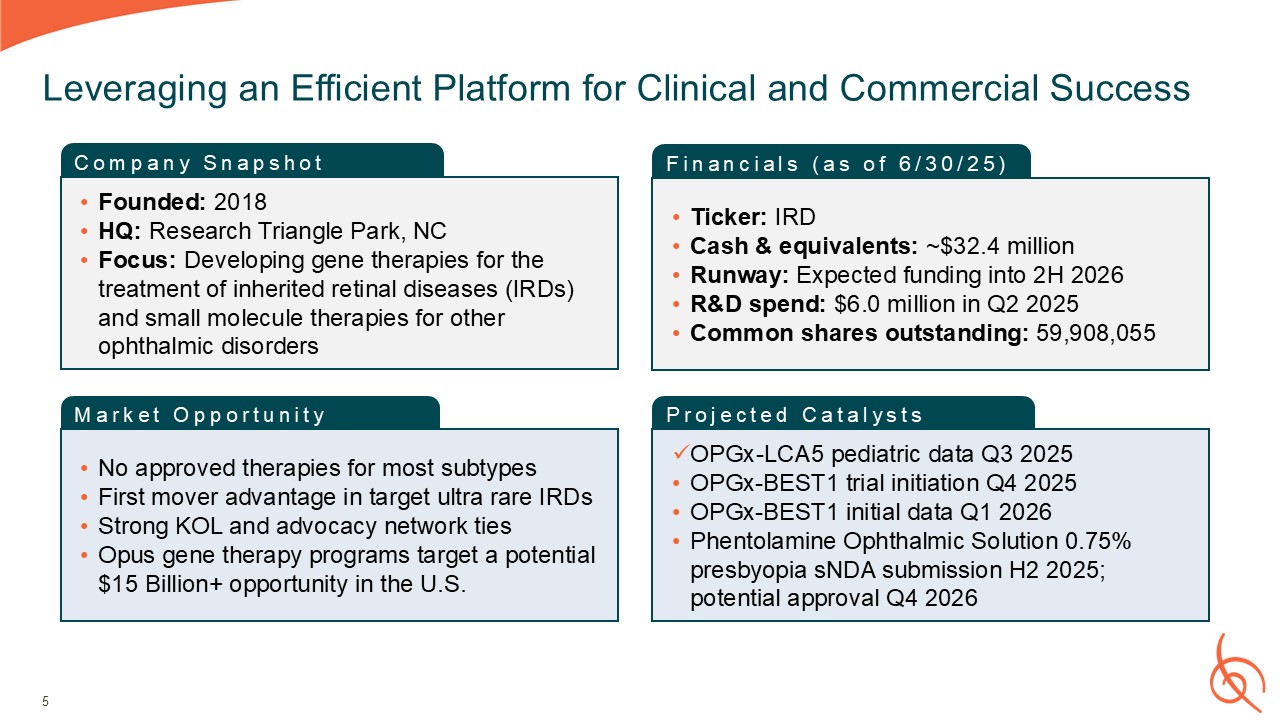
 Leveraging an Efficient Platform for Clinical and Commercial Success  Founded: 2018  HQ: Research Triangle Park, NC  Focus: Developing gene therapies for the treatment of inherited retinal diseases (IRDs) and small molecule therapies for other ophthalmic disorders  Company Snapshot  No approved therapies for most subtypes  First mover advantage in target ultra rare IRDs  Strong KOL and advocacy network ties  Opus gene therapy programs target a potential $15 Billion+ opportunity in the U.S.  Market Opportunity  OPGx-LCA5 pediatric data Q3 2025  OPGx-BEST1 trial initiation Q4 2025  OPGx-BEST1 initial data Q1 2026  Phentolamine Ophthalmic Solution 0.75% presbyopia sNDA submission H2 2025; potential approval Q4 2026  Projected Catalysts  Financials (as of 6/30/25)  Ticker: IRD  Cash & equivalents: ~$32.4 million  Runway: Expected funding into 2H 2026  R&D spend: $6.0 million in Q2 2025  Common shares outstanding: 59,908,055  5 
 

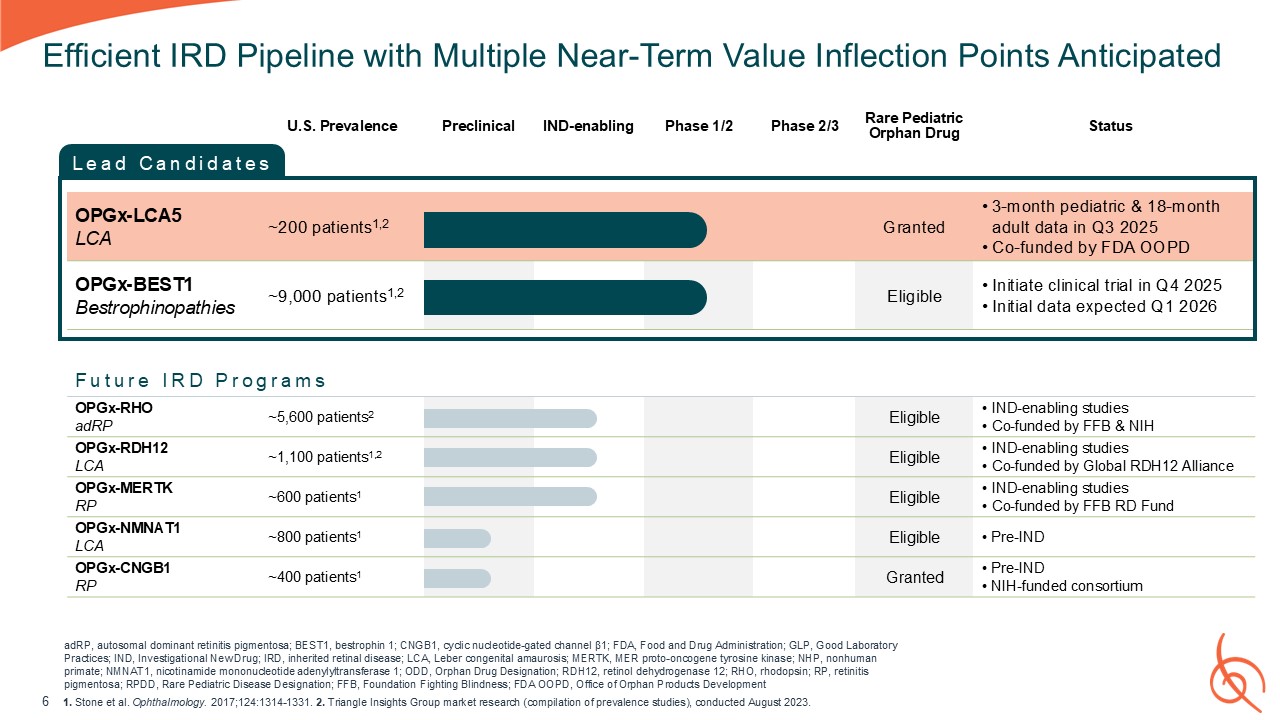
 U.S. Prevalence  Preclinical  IND-enabling  Phase 1/2  Phase 2/3  Rare Pediatric  Orphan Drug  Status  OPGx-LCA5  LCA  ~200 patients1,2  Granted  3-month pediatric & 18-month adult data in Q3 2025  Co-funded by FDA OOPD  OPGx-BEST1  Bestrophinopathies  ~9,000 patients1,2  Eligible  Initiate clinical trial in Q4 2025  Initial data expected Q1 2026  Future IRD Programs  OPGx-RHO  adRP  ~5,600 patients2  Eligible  IND-enabling studies  Co-funded by FFB & NIH  OPGx-RDH12  LCA  ~1,100 patients1,2  Eligible  IND-enabling studies  Co-funded by Global RDH12 Alliance  OPGx-MERTK  RP  ~600 patients1  Eligible  IND-enabling studies  Co-funded by FFB RD Fund   OPGx-NMNAT1  LCA  ~800 patients1  Eligible  Pre-IND  OPGx-CNGB1  RP  ~400 patients1  Granted  Pre-IND  NIH-funded consortium  Efficient IRD Pipeline with Multiple Near-Term Value Inflection Points Anticipated  6  1. Stone et al. Ophthalmology. 2017;124:1314-1331. 2. Triangle Insights Group market research (compilation of prevalence studies), conducted August 2023.   Lead Candidates  adRP, autosomal dominant retinitis pigmentosa; BEST1, bestrophin 1; CNGB1, cyclic nucleotide-gated channel β1; FDA, Food and Drug Administration; GLP, Good Laboratory Practices; IND, Investigational New Drug; IRD, inherited retinal disease; LCA, Leber congenital amaurosis; MERTK, MER proto-oncogene tyrosine kinase; NHP, nonhuman primate; NMNAT1, nicotinamide mononucleotide adenylyltransferase 1; ODD, Orphan Drug Designation; RDH12, retinol dehydrogenase 12; RHO, rhodopsin; RP, retinitis pigmentosa; RPDD, Rare Pediatric Disease Designation; FFB, Foundation Fighting Blindness; FDA OOPD, Office of Orphan Products Development 
 

 7  7  Inherited Retinal Diseases (IRDs) and OPGx-LCA5  
 

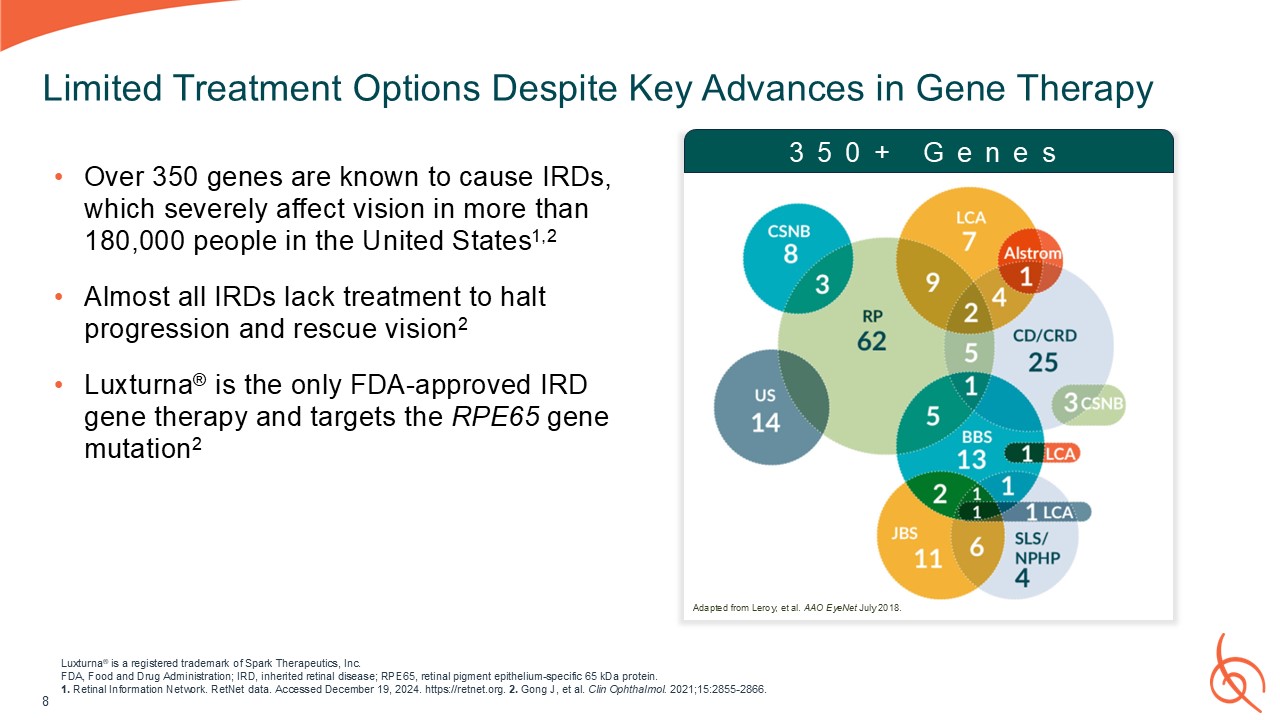
 8  Over 350 genes are known to cause IRDs, which severely affect vision in more than 180,000 people in the United States1,2  Almost all IRDs lack treatment to halt progression and rescue vision2  Luxturna® is the only FDA-approved IRD gene therapy and targets the RPE65 gene mutation2  Luxturna® is a registered trademark of Spark Therapeutics, Inc.  FDA, Food and Drug Administration; IRD, inherited retinal disease; RPE65, retinal pigment epithelium-specific 65 kDa protein.  1. Retinal Information Network. RetNet data. Accessed December 19, 2024. https://retnet.org. 2. Gong J, et al. Clin Ophthalmol. 2021;15:2855-2866.   350+ Genes  Adapted from Leroy, et al. AAO EyeNet July 2018.  Limited Treatment Options Despite Key Advances in Gene Therapy 
 

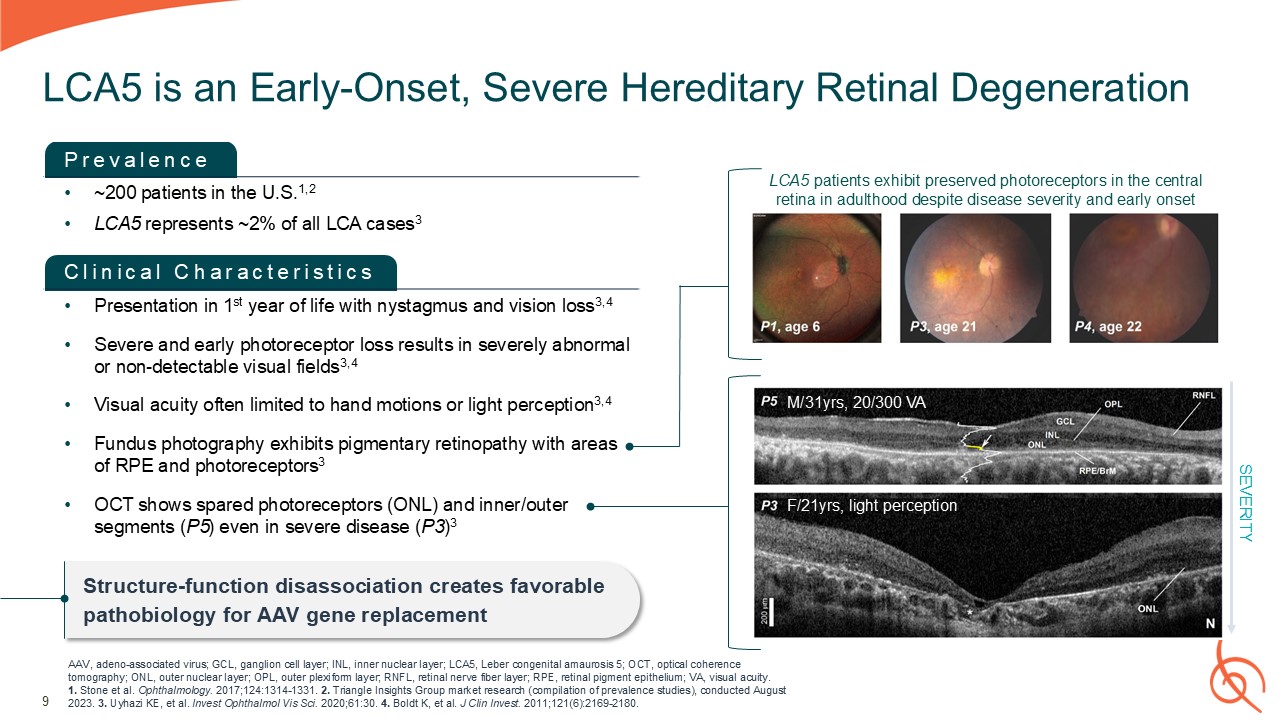
 LCA5 is an Early-Onset, Severe Hereditary Retinal Degeneration   9  Prevalence  ~200 patients in the U.S.1,2  LCA5 represents ~2% of all LCA cases3  Clinical Characteristics  Presentation in 1st year of life with nystagmus and vision loss3,4  Severe and early photoreceptor loss results in severely abnormal or non-detectable visual fields3,4  Visual acuity often limited to hand motions or light perception3,4  Fundus photography exhibits pigmentary retinopathy with areas of RPE and photoreceptors3  OCT shows spared photoreceptors (ONL) and inner/outer segments (P5) even in severe disease (P3)3  SEVERITY  M/31yrs, 20/300 VA  F/21yrs, light perception  LCA5 patients exhibit preserved photoreceptors in the central retina in adulthood despite disease severity and early onset  AAV, adeno-associated virus; GCL, ganglion cell layer; INL, inner nuclear layer; LCA5, Leber congenital amaurosis 5; OCT, optical coherence tomography; ONL, outer nuclear layer; OPL, outer plexiform layer; RNFL, retinal nerve fiber layer; RPE, retinal pigment epithelium; VA, visual acuity.  1. Stone et al. Ophthalmology. 2017;124:1314-1331. 2. Triangle Insights Group market research (compilation of prevalence studies), conducted August 2023. 3. Uyhazi KE, et al. Invest Ophthalmol Vis Sci. 2020;61:30. 4. Boldt K, et al. J Clin Invest. 2011;121(6):2169-2180.   Structure-function disassociation creates favorable pathobiology for AAV gene replacement  
 

 OPGx-LCA5: Designed to Restore Structure and Function in Photoreceptors  10  Lebercilin is a ciliary protein critical for the function of photoreceptor inner and outer segments1   In LCA5 patients, photoreceptor function is severely impaired due to a lack of functioning lebercilin1  However, photoreceptors can survive through the third decade of life, suggestive of a broad window for therapeutic intervention2  OPGx-LCA5 is designed to address mutations in the LCA5 gene, which encodes for the lebercilin protein  Clinically derisked AAV8 vector delivers a functional LCA5 gene directly to photoreceptor cells  Same promoter technology as Luxturna  Validated surgical delivery method via subretinal injection  AAV, adeno-associated virus; LCA5, Leber congenital amaurosis 5.  1. Uyhazi KE, et al. Invest Ophthalmol Vis Sci. 2020;61:30. 2. Song JY, et al. Mol Ther. 2018;26:1581-1593. 
 

 Secondary Endpoints for the OPGx-LCA5 Phase 1/2 Trial  Visual Acuity  Measured by Logarithm of the Minimum Angle of Resolution (LogMAR)  Used to assess visual acuity in a standardized fashion   Equal distances on the scale represent multiplicative changes rather than additive ones  FST  Full-field Stimulus Test (FST)  Measures the cone or photoreceptor sensitivity in the eye to different wavelengths of light  MLoMT   Multi-Luminance Orientation and Mobility Test (MLoMT)  A virtual reality mobility course that assesses how participants navigate and identify objects at various light levels  Microperimetry   A detailed, eye-tracking-assisted visual field test  Creates a retinal sensitivity map of the macula by testing a patient's response to light at specific points   11 
 

 12  12  OPGx-LCA5 Phase 1/2 Study DataSally Tucker, PhDSenior Vice President, Clinical Development 
 

 Deemed study eye: OD, right eye; OS, left eye.   Participant Demographics  13  Adult Participants  Pediatric Participants  Participant #  01-01  01-03  01-04  01-05  01-06  01-07  Age  34  26  19  17  16  17  Gender  Female  Male  Female  Female  Male  Female  Study eye treated  Left (OS)  Left (OS)  Right (OD)  Right (OD)  Right (OD)  Right (OD)  Baseline visual acuity logMAR   1.38  2.90  0.96  2.2  0.96  2.3  Follow-up duration  18 mo.  18 mo.  18 mo.  3 mo.  3 mo.  3 mo.  The participant’s eye with the worst vision was treated in all cases. 
 

 Safety evaluated in 3 adult participants at 18 months and 3 pediatric participants at 3 months  No ocular serious adverse events  No observed dose-limiting toxicities  All ocular AEs were mild, anticipated, and unrelated to study drug  One adverse event associated with surgical procedure  Pediatric participant (01-05) had cataract at screening that worsened at 3 months (unrelated to study drug)   OPGx-LCA5 Well-Tolerated in All 6 Treated Participants  AE, adverse event.  14 
 

 15  Visual Acuity  15 
 

 Visual Acuity Maintained Over 18 Months in Adult Cohort (N=3)  BL, baseline; CFB, change from baseline; IOD, interocular difference; logMAR, logarithm of the minimum angle of resolution; VA, visual acuity.  Improvement  Study Eyes Better  Mean Change from Baseline in Visual Acuity  Mean Interocular Difference in Visual Acuity  16 
 

 Visual Acuity Improved Over 3 Months in Pediatric Cohort (N=3)  Improvement     BL, baseline; CFB, change from baseline; IOD, interocular difference; logMAR, logarithm of the minimum angle of resolution; VA, visual acuity.  Study Eyes Better  Mean Change from Baseline in Visual Acuity  Mean Interocular Difference in Visual Acuity  17 
 

 BL, baseline; CFB, change from baseline; logMAR, logarithm of the Minimum Angle of Resolution; VA, visual acuity.   Observed Change from Baseline in Visual Acuity (Pediatric Cohort)   Participant 01-05  Participant 01-06  Participant 01-07  18 
 

 19  Full-field Stimulus Test (FST) Multi-Luminance Orientation and Mobility Test (MLoMT)Microperimetry  19 
 

 BL, baseline; CFB, change from baseline; FST, full-field stimulus test.   FST: Observed Vision Improvement Durable to 18 Months in Adult Cohort  Participant 01-03  Participant 01-01  Participant 01-04  FST CFB – Red  FST CFB – Blue  20  NOTE: Red FST values unavailable for the untreated eye of Participant 01-04. 
 

 Participant 01-06  Participant 01-05  Participant 01-07  BL, baseline; CFB, change from baseline; FST, full-field stimulus test.   FST: Vision Improvement Observed to 3 Months in Pediatric Cohort  FST CFB – Red  FST CFB – Blue  21 
 

 MLoMT: All Adult Participants Identified More Objects in the Study Eye Through 18 Months Compared to Baseline  Participant 01-03  Participant 01-01  Participant 01-04  Control Eyes – Untreated  22  Objects Identified (count)  Brightest  Luminance (log phot cd. m-2)  Objects Identified (count)  Dimmest  Normal-sighted subjects  Objects Identified (count)  Study Eyes - Treated  Objects Identified (count)  Brightest  Luminance (log phot cd. m-2)  Objects Identified (count)  Dimmest  Objects Identified (count)  MLoMT, Multi-Luminance orientation and Mobility Test.   BL  D90  D180  M12  M18  D30  Brightest  Luminance (log phot cd. m-2)  Dimmest  Brightest  Luminance (log phot cd. m-2)  Dimmest  Brightest  Luminance (log phot cd. m-2)  Dimmest  Brightest  Luminance (log phot cd. m-2)  Dimmest  X axis designates dim to bright conditions. 
 

 MLoMT: All Pediatric Participants Identified More Objects in the Study Eye Through 3 Months Compared to Baseline   Participant 01-06  Participant 01-05  Participant 01-07  Control Eyes – Untreated  23  Study Eyes - Treated  MLoMT, Multi-Luminance orientation and Mobility Test.   Objects Identified (count)  Normal-sighted subjects  Objects Identified (count)  Objects Identified (count)  BL  D90  D30  Objects Identified (count)  Objects Identified (count)  Objects Identified (count)  Brightest  Luminance (log phot cd. m-2)  Dimmest  Brightest  Luminance (log phot cd. m-2)  Dimmest  Brightest  Luminance (log phot cd. m-2)  Dimmest  Brightest  Luminance (log phot cd. m-2)  Dimmest  Brightest  Luminance (log phot cd. m-2)  Dimmest  Brightest  Luminance (log phot cd. m-2)  Dimmest  X axis designates dim to bright conditions. 
 

 24  Microperimetry Data Provides Evidence of Increased Sensitivity and Movement of Fixation Toward the Fovea  Adult Participant 01-04  Pediatric Participant 01-06 
 

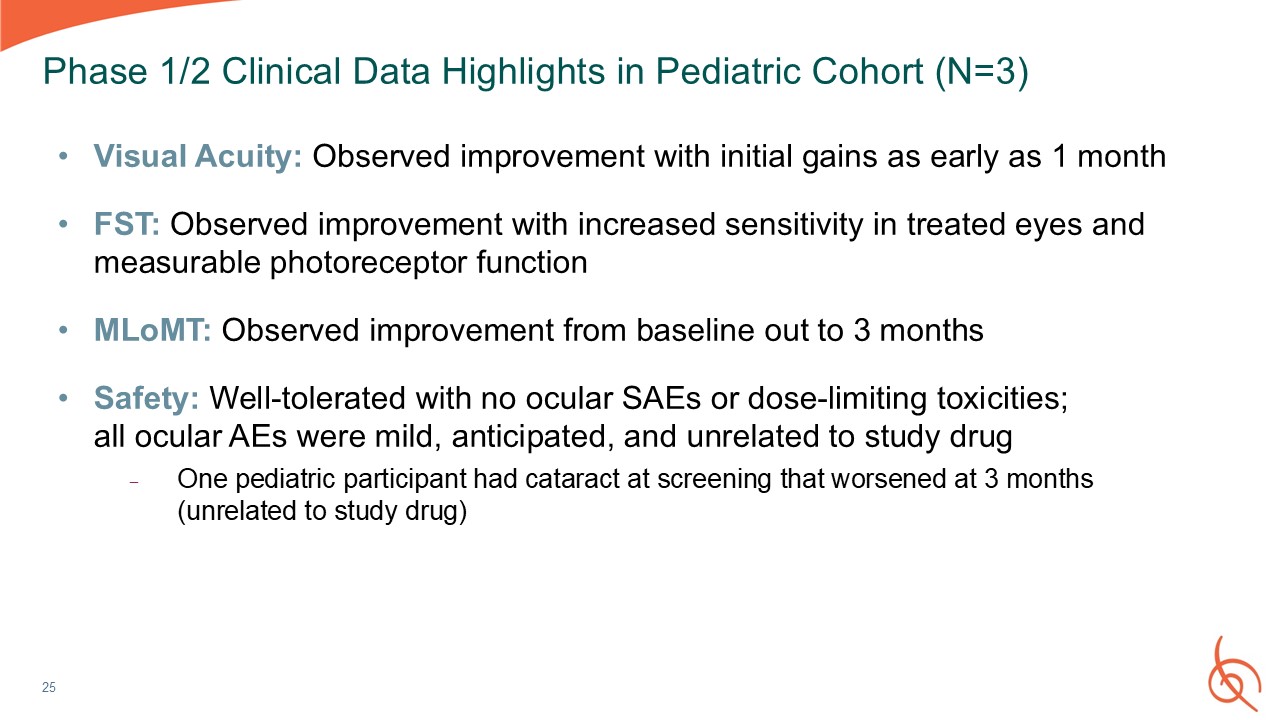
 25  Phase 1/2 Clinical Data Highlights in Pediatric Cohort (N=3)  Visual Acuity: Observed improvement with initial gains as early as 1 month  FST: Observed improvement with increased sensitivity in treated eyes and measurable photoreceptor function  MLoMT: Observed improvement from baseline out to 3 months  Safety: Well-tolerated with no ocular SAEs or dose-limiting toxicities; all ocular AEs were mild, anticipated, and unrelated to study drug  One pediatric participant had cataract at screening that worsened at 3 months (unrelated to study drug)  
 

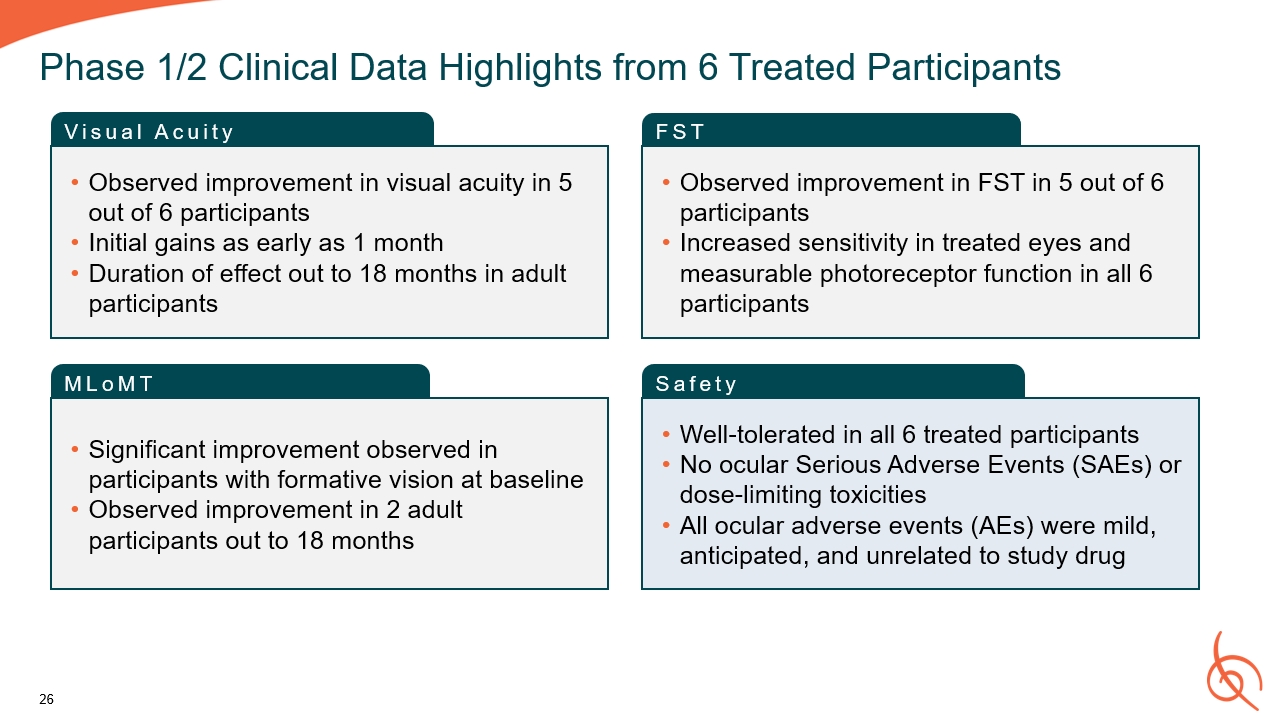
 Significant improvement observed in participants with formative vision at baseline  Observed improvement in 2 adult participants out to 18 months  Phase 1/2 Clinical Data Highlights from 6 Treated Participants  26  Observed improvement in visual acuity in 5 out of 6 participants  Initial gains as early as 1 month  Duration of effect out to 18 months in adult participants  Visual Acuity  MLoMT  Well-tolerated in all 6 treated participants   No Serious Adverse Events (SAEs) or dose-limiting toxicities  All ocular adverse events (AEs) were mild, anticipated, and unrelated to study drug  Safety  FST  Observed improvement in FST in 5 out of 6 participants  Increased sensitivity in treated eyes and measurable photoreceptor function in all 6 participants  
 

 27  Summary and Next StepsGeorge Magrath, MDChief Executive Officer  27 
 

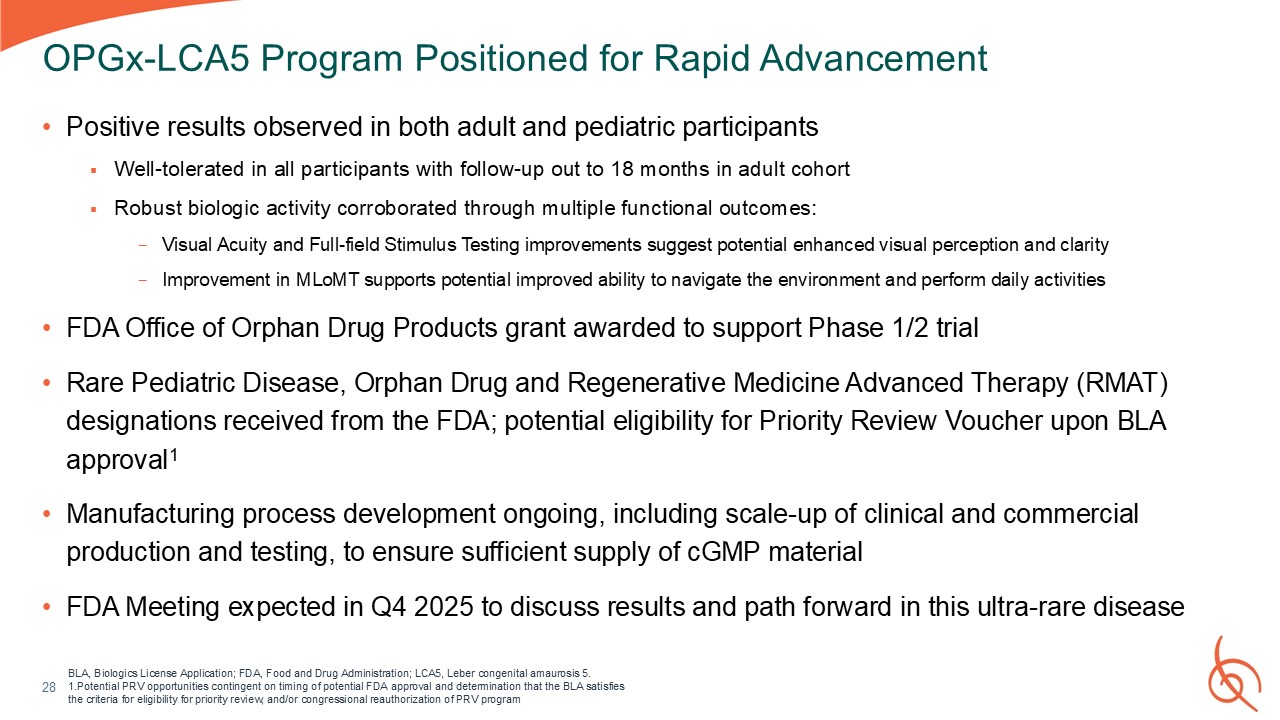
 Positive results observed in both adult and pediatric participants  Well-tolerated in all participants with follow-up out to 18 months in adult cohort  Robust biologic activity corroborated through multiple functional outcomes:​  Visual Acuity and Full-field Stimulus Testing improvements suggest potential enhanced visual perception and clarity​  Improvement in MLoMT supports potential improved ability to navigate the environment and perform daily activities​  FDA Office of Orphan Drug Products grant awarded to support Phase 1/2 trial   Rare Pediatric Disease, Orphan Drug and Regenerative Medicine Advanced Therapy (RMAT) designations received from the FDA; potential eligibility for Priority Review Voucher upon BLA approval1  Manufacturing process development ongoing, including scale-up of clinical and commercial production and testing, to ensure sufficient supply of cGMP material  FDA Meeting expected in Q4 2025 to discuss results and path forward in this ultra-rare disease  28  OPGx-LCA5 Program Positioned for Rapid Advancement  BLA, Biologics License Application; FDA, Food and Drug Administration; LCA5, Leber congenital amaurosis 5.  1.Potential PRV opportunities contingent on timing of potential FDA approval and determination that the BLA satisfies the criteria for eligibility for priority review, and/or congressional reauthorization of PRV program 
 

 29  Powerful Participant-Reported Outcomes After OPGx-LCA5 Treatment  Adult Participants  01-01: Reported being able to identify her children within a larger group of children 1 month after surgery which she previously could not have done.  01-03: Had no formative vision prior to treatment. Reported being able to see his newborn niece for the first time and watch his sister get married.  Described his newfound independence, including his ability to pour a glass of wine and drink it unassisted for the first time in his life.   Has been able to travel independently and, as a result, he acquired a new job, which requires a greater level of independence than he previously had.  01-04: Reported that since treatment, she no longer requires a cane and can now navigate urban environments independently.  Pediatric Participants  01-05: Reported being able to walk and cook without the assistance of others, and how treatment has helped her in her writing capabilities.  Her mother described how her daughter’s eyes moved and rotated independently of one another prior to surgery, but that now they seem to be more coordinated in their movements.  01-06: Reported a noticeable difference in the visual brightness between his treated and untreated eyes.  01-07: Mostly nonvisual prior to treatment. Reported taking a visit to a local zoo, where she was able to visualize an owl for the first time. 
 

 Opus GeneticsNasdaq: IRD  30