 エドガーで原本を確認する
| ☒ |
ANNUAL REPORT PURSUANT TO SECTION 13 OR 15(d) OF THE SECURITIES EXCHANGE ACT OF 1934
|
| ☐ |
TRANSITION REPORT PURSUANT TO SECTION 13 OR 15(d) OF THE SECURITIES EXCHANGE ACT OF 1934 FOR THE TRANSITION PERIOD FROM TO
|
|
Delaware
|
99-1407174
|
|
|
(State or other jurisdiction of incorporation or organization)
|
(I.R.S. Employer Identification No.)
|
|
Toowong Tower, Level 3, Suite 302
9 Sherwood Road
Toowong, QLD
Australia
|
4066
|
|
| (Address of principal executive offices) | (Zip Code) |
|
Title of each class
|
Trading Symbol(s)
|
Name of each exchange on which registered
|
||
|
Common stock, par value $0.0001 per share
|
AVR
|
The Nasdaq Global Market
|
|
Large accelerated filer
|
Accelerated filer
|
☐
|
|
|
|
|
|
|
|
Non-accelerated filer
|
☒
|
Smaller reporting company
|
☒
|
|
|
|
|
|
|
Emerging growth company
|
☒
|
| Page | ||
| 7 | ||
| 7 | ||
| 38 | ||
| 71 | ||
| 71 | ||
| 72 | ||
| 72 | ||
| 72 | ||
| 73 | ||
| 73 | ||
| 74 | ||
| 74 |
||
| 84 | ||
| 85 | ||
| 132 | ||
| 132 | ||
| 134 | ||
| 134 | ||
| 135 | ||
| 135 | ||
| 135 |
||
| 135 | ||
| 141 | ||
| 141 | ||
| 142 | ||
| 142 | ||
| 146 | ||
|
|
• |
“Acellularized” refers to when all cellular antigens (such as cells and cell remnants) known to initiate inflammation and interrelated calcification mechanisms have been removed.
|
|
|
• |
“ADAPT® anti-calcification tissue” refers to the tissue produced by the ADAPT® tissue engineering process, which transforms xenograft tissue (bovine heart tissue) into a durable bioscaffold which Anteris uses in its
DurAVR® THV to mimic human tissue in aortic valve replacement.
|
|
|
• |
“Aldehydes” refers to organic compounds.
|
|
|
• |
“Aortic stenosis” refers to the narrowing of the aortic valve restricting the flow of blood from the left ventricle (lower chamber of the heart) to the aorta (main artery).
|
|
|
• |
“Bioscaffold” refers to a durable structure engineered from biological material.
|
|
|
• |
“Biostability” refers to the ability of a material to maintain its physical and chemical integrity after implantation into a living tissue and organs.
|
|
|
• |
“Coaptation” refers to the portion of the leaflets that touch when the aortic valve is in the closed position.
|
|
|
• |
“ComASUR® delivery system” refers to the balloon expandable system which provides controlled deployment and accurate placement of the DurAVR® THV, designed to achieve precise alignment with the heart’s native
commissures to achieve ideal valve positioning.
|
|
|
• |
“Commissure alignment” refers to the position of the transcatheter aortic valve replacement leaflets in line with the anatomical orientation of the recipient’s native valve leaflets.
|
|
|
• |
“Commissures” refers to where the valve leaflets are attached to the aortic wall inside the aortic sinus of Valsalva.
|
|
|
• |
“Cytotoxicity” refers to toxicity to cells.
|
|
|
• |
“Doppler velocity index” and “DVI” refer to the index that expresses the EOA as a proportion of valve area, with DVI representing the physical ratio of a patient’s aortic valve area to the left ventricular outflow tract area. A higher DVI
indicates improved blood flow through the aortic valve. DVI is independent of the flow state (like gradient) and diameter (like EOA).
|
|
|
• |
“DurAVR® THV” refers to a transcatheter heart valve (“THV”) developed by Anteris. It is a novel, biomimetic (meaning human-like) valve made from a single-piece of native-shaped ADAPT® tissue and is used for the
treatment of aortic stenosis. The DurAVR® THV (new aortic valve) is placed within the diseased aortic valve via a minimally invasive procedure.
|
|
|
• |
“Effective orifice area” and “EOA” refer to the smallest cross-sectional area of the aortic valve opening that is available for blood flow. A larger EOA reduces the work the left ventricle (heart chamber) must do to pump blood through the
valve. Patients with severe aortic stenosis typically have an EOA of ≤ 1 cm2.
|
|
|
• |
“Exercise capacity” refers to a measure of a patient’s exercise ability, measured in clinical trials by a six minute walk test (“6MWT”), which scores a person on the distance they can cover in six minutes of walking.
|
|
|
• |
“Flow displacement” and “FD” refer to a marker of flow eccentricity in the ascending aortic root. Flow in the ascending aortic root is mainly laminar with a flow displacement ranging from 6 – 15% only. A higher degree of FD reflects
abnormal turbulent flow.
|
|
|
• |
“Flow reversal ratio” or “FRR” is calculated at peak systole in the ascending aorta. At this point there should be almost no backward flow, and any backward flow is considered abnormal. FRR represents the ratio of backward and forward flow
at peak systole.
|
|
|
• |
“Hemodynamics” refers to how blood flows through the blood vessels.
|
|
|
• |
“Laminar flow” refers to a smooth, streamlined flow of blood. In a healthy heart, aortic flow is predominantly laminar during systole (when the left ventricle contracts and pumps blood into the aorta). Abnormal aortic flow is associated
with turbulence, which can increase the risk of morbidity and increase the stress on the valve leaflets leading to increased wear and tear and subsequent structural valve deterioration.
|
|
|
• |
“Mean pressure gradient” and “MPG” refer to the average pressure across the aortic valve between the left ventricle and aorta. Patients with severe aortic stenosis have MPG ≥ 40 mmHg. Post-TAVR MPG is expected to decrease, which indicates
that the left ventricle is not working as hard to pump blood through the aortic valve.
|
|
|
• |
“Transcatheter aortic valve replacement” or “TAVR” refer to a minimally invasive procedure for the treatment of aortic stenosis. A new aortic valve is placed inside the diseased valve, meaning the old, damaged valve is not removed.
|
|
|
• |
“ViV” refers to valve-in-valve.
|
|
|
• |
“Xenograft” refers to a tissue that is derived from a species that is different from the recipient of the specimen, meaning tissue from animal species.
|
|
|
• |
our current and future research and development (“R&D”) activities, including clinical testing and manufacturing and related costs and timing;
|
|
|
• |
sufficiency of our capital resources;
|
|
|
• |
our product development and business strategy, including the potential size of the markets for our products and future development and/or expansion of our products in our markets;
|
|
|
• |
our ability to commercialize products and generate product revenues;
|
|
|
• |
our ability to raise additional funding when needed;
|
|
|
• |
any statements concerning anticipated regulatory activities, including our ability to obtain regulatory clearances;
|
|
|
• |
our R&D expenses; and
|
|
|
• |
risks facing our operations and intellectual property.
|
|
|
• |
We have a history of operating losses and may not achieve or maintain profitability in the future.
|
|
|
• |
There is substantial doubt about our ability to continue as a going concern.
|
|
|
• |
We will require substantial additional future financing and may be unable to raise sufficient capital, which could have a material impact on our R&D programs or commercialization of our products.
|
|
|
• |
Unsuccessful clinical trials or procedures relating to our products could have a material adverse effect on our prospects.
|
|
|
• |
If we are unable to successfully identify, develop, obtain and maintain regulatory clearance or approval and ultimately commercialize any of our current or future products, or experience significant delays in
doing so, our business may be harmed.
|
|
|
• |
Even if a product receives regulatory clearance or approval, it may still face development and regulatory difficulties that could delay or impair future sales of products.
|
|
|
• |
Some of our products are in development and may not achieve market acceptance, which could limit our growth and adversely affect our business, financial condition, and results of operations.
|
|
|
• |
We may find it difficult to enroll patients in our clinical trials, and patients could discontinue their participation in clinical trials, which could delay or prevent clinical trials and make those trials more
expensive to undertake.
|
|
|
• |
We operate in a highly competitive and rapidly changing industry, and if we do not compete effectively, our business will be harmed.
|
|
|
• |
The success of many of our products may depend upon certain key physicians and heart valve centers.
|
|
|
• |
We rely on third parties to conduct our clinical trials and preclinical studies. If these third parties do not successfully carry out their contractual duties, comply with applicable regulatory requirements or
meet expected deadlines, our development programs and our ability to seek or obtain regulatory clearance and approval for or commercialize our products may be delayed.
|
|
|
• |
We are subject to various risks relating to international activities that could affect our profitability, including risks associated with currency fluctuations and changes in foreign currency exchange rates.
|
|
|
• |
Any failure to protect our information technology infrastructure and our products against cyber-based attacks, network security breaches, service interruptions or data corruption could materially disrupt our
operations and harm our business.
|
|
|
• |
Increased emphasis on environmental, social, and governance matters may have an adverse effect on our business, financial condition, results of operations and reputation.
|
|
|
• |
We could become exposed to product liability claims that could harm our business, and we may be unable to obtain insurance coverage at acceptable costs and adequate levels.
|
|
|
• |
Use of our products in unapproved circumstances could expose us to liabilities.
|
|
|
• |
Our products and operations are subject to extensive government regulation, including environmental, health and safety regulations, which could result in substantial costs. Furthermore, any failure to comply with
applicable requirements could harm our business.
|
|
|
• |
Healthcare policy changes may have a material adverse effect on us.
|
|
|
• |
Even with regulatory clearance or approval to bring a product to market, our profitability may be impacted by ongoing coverage and reimbursement determinations by government health care programs and other
third-party payors for our products, or procedures and services that rely on our products.
|
|
|
• |
We could be exposed to significant liability claims if we are unable to obtain insurance at acceptable costs and adequate levels or otherwise protect ourselves against potential product liability claims.
|
|
|
• |
Tax laws, regulations, and enforcement practices are evolving and may have a material adverse effect on our results of operations, cash flows and financial position.
|
|
|
• |
Our success depends on our ability to protect our intellectual property and our proprietary technology.
|
|
|
• |
Intellectual property rights of third parties could adversely affect our ability to commercialize our products.
|
|
|
• |
Our reliance on third parties requires us to share our trade secrets, which increases the possibility that a competitor will discover them or that our trade secrets will be misappropriated or disclosed.
|
|
|
• |
Obtaining and maintaining our patent protection depends on compliance with various procedural, document submission, fee payment and other requirements imposed by governmental patent agencies, and our patent
protection could be reduced or eliminated for non-compliance with these requirements.
|
|
|
• |
Any difficulty with protecting our intellectual property could diminish the value of our intellectual property rights in the relevant jurisdiction.
|
|
|
• |
We have incurred significant costs associated with the Reorganization and will incur significant ongoing costs as a company whose Common Stock is publicly traded in the United States, and our management is
required to devote substantial time to compliance initiatives and corporate governance practices, which could divert their attention from the operation of our business.
|
|
|
• |
The market price and trading volume of our Common Stock may be volatile and may be affected by economic conditions beyond our control.
|
|
|
• |
An active, liquid trading market for our Common Stock may not be maintained.
|
|
|
• |
We have identified material weaknesses in our internal control over financial reporting. If we fail to remediate these material weaknesses, or if we experience additional material weaknesses in the future or
otherwise fail to maintain effective internal control over financial reporting in the future, we may not be able to accurately or timely report our financial condition or results of operations, which may adversely affect investor confidence
in us and, as a result, the value of our Common Stock.
|
|
|
• |
Our Second Amended and Restated Certificate of Incorporation (our “Second Amended and Restated Certificate of Incorporation”) and amended and restated bylaws (the “Amended and Restated Bylaws”) contain
anti-takeover provisions that could delay or discourage takeover attempts that stockholders may consider favorable.
|
| Item 1. |
Business.
|
|
|
• |
Novel, Biomimetic design. DurAVR® is a novel, first in class, “biomimetic” THV. It is designed to mimic the normal anatomy with a more “human like” valve design. Novel
molding of the leaflets allows for a more even coaptation area delivering larger EOAs and lower MPGs.
|
|
|
• |
Significant clinical results to date in European and United States studies. Anteris has made significant progress in advancing clinical trials,
which we believe are delivering strong results and are bringing us closer to potentially achieving regulatory approvals for our DurAVR® THV system. We believe our FIH study at the Tbilisi Heart and Vascular Clinic in Tbilisi,
Georgia, and our EFS study represent key steps on our pathway to ultimately support an IDE to undertake the Pivotal Trial of our DurAVR® THV system.
|
|
|
• |
Highly innovative physician-led R&D structure. Our DurAVR® THV and our ComASUR® balloon expandable delivery system have both been developed with
considerable input from leading interventional cardiologists and cardiac surgeons. We believe our emphasis on involving physicians in the R&D process allows us to better serve the needs of patients and physicians alike.
|
|
|
• |
Strong intellectual property position. Anteris relies on a combination of intellectual property assets to protect our innovative technology and our
brand. This includes our strong patent portfolio, which includes 51 issued patents and 53 pending patent applications, in the United States and in other countries. We also have six pending patent applications through v2vmedtech.
|
|
|
• |
Industry experienced executive team. Our management team and members of our Board of Directors (our “Board”) have extensive experience in the medical technology and health care
industries. We believe that our team’s diverse experiences and track record in the medical industry will assist our efforts to obtain regulatory approval of our products in the United States and other territories and continue to grow our
business.
|

|
|
• |
it is the first transcatheter aortic valve to use a patented construction of a molded single-piece of bioengineered tissue (our ADAPT® anti-calcification tissue with molded leaflets (see “ADAPT® Anti-Calcification Tissue”));
|
|
|
• |
it has fewer sutures and seams when compared with conventional valves, thereby preserving tissue integrity with the intent to reduce calcification risk to extend valve durability;
|
|
|
• |
it is uniquely shaped to emulate the performance of a healthy human valve and produce long leaflet coaptation, laminar flows and near-normal hemodynamics;
|
|
|
• |
it has large open cells in the stent frame to improve coronary access; and
|
|
|
• |
it utilizes the ComASUR® balloon expandable delivery system (see “ComASUR® Delivery System”) for controlled
deployment and accurate placement.
|


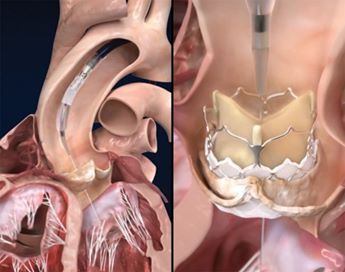
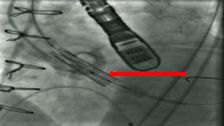 |
First, the balloon starts out as collapsed.
|
||
 |
The balloon is then expanded and the DurAVR® THV is deployed.
|
||
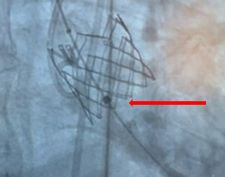 |
Finally, the balloon is deflated and removed.
|

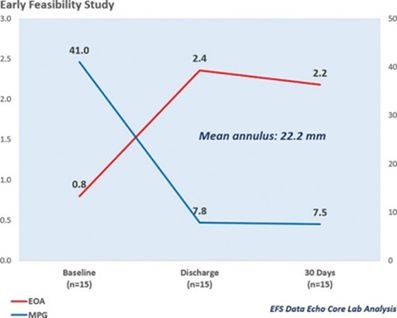
|
|
• |
the FDA or other regulatory authorities do not approve a clinical trial protocol or a clinical trial, or place a clinical trial on hold;
|
|
|
• |
patients do not enroll in clinical trials at the rate expected;
|
|
|
• |
patients do not comply with trial protocols;
|
|
|
• |
patient follow-up is not at the rate expected;
|
|
|
• |
patients die during a clinical trial, even though their death may not be related to the products that are part of the trial;
|
|
|
• |
device malfunctions occur in unexpected ways, with unexpected frequency, or with potential adverse consequences;
|
|
|
• |
side effects or device malfunctions of similar products already in the market that change the FDA’s view toward approval of new or similar pre-market approvals or clearance of new or similar 510(k)s or de novo classification requests, or
result in the imposition of new requirements or testing;
|
|
|
• |
IRBs and third-party clinical investigators may delay or reject the trial protocol;
|
|
|
• |
third-party clinical investigators decline to participate in a trial or do not perform a trial on the anticipated schedule or consistent with the clinical trial protocol, investigator agreement, investigational plan, good clinical
practices, the IDE regulations, or other FDA or IRB requirements;
|
|
|
• |
we or third-party organizations do not perform data collection, monitoring and analysis in a timely or accurate manner or consistent with the clinical trial protocol or investigational or statistical plans, or otherwise fail to comply with
the IDE regulations governing responsibilities, records, and reports of sponsors of clinical investigations;
|
|
|
• |
third-party clinical investigators have significant financial interests related to us or our study such that the FDA deems the study results unreliable, or we or investigators fail to disclose such interests;
|
|
|
• |
regulatory inspections of our clinical trials or manufacturing facilities, which may, among other things, require us to undertake corrective action or suspend or terminate our clinical trials;
|
|
|
• |
changes in government regulations or administrative actions;
|
|
|
• |
the interim or final results of the clinical trial are inconclusive or unfavorable as to safety or effectiveness; or
|
|
|
• |
the FDA concludes that our trial design is unreliable or inadequate to demonstrate safety and effectiveness.
|
|
|
• |
the device may not be shown to be safe or effective to the FDA’s satisfaction;
|
|
|
• |
the data from preclinical studies and/or clinical trials may be found unreliable or insufficient to support approval;
|
|
|
• |
the manufacturing process or facilities may not meet applicable requirements;
|
|
|
• |
the proposed labeling is found to be false or misleading;
|
|
|
• |
the device is not shown to conform to a required performance standard; or
|
|
|
• |
changes in FDA approval policies or adoption of new regulations may require additional data.
|
|
|
• |
establishment registration and device listing;
|
|
|
• |
the Device cGMP, which requires manufacturers, including third-party manufacturers, to follow stringent design, testing, production, control, supplier/contractor selection, complaint handling, documentation,
and other quality assurance procedures during the manufacturing process;
|
|
|
• |
labeling regulations, advertising and promotion requirements, restrictions on sale, distribution or use of a device, each including the FDA general prohibition against the promotion of products for any uses other than those cleared or
approved by the FDA, which are commonly known as “off label” uses;
|
|
|
• |
medical device reporting regulations requiring that manufacturers report to the FDA if their device may have caused or contributed to a death or serious injury or if their device malfunctioned and the device or a similar device marketed by
the manufacturer would be likely to cause or contribute to a death or serious injury if the malfunction were to recur;
|
|
|
• |
medical device corrections and removal reporting regulations, which require that manufacturers report to the FDA field corrections or removals if undertaken to reduce a risk to health posed by a device or to remedy a violation of the FDCA
that may present a risk to health;
|
|
|
• |
recall requirements, including a mandatory recall if there is a reasonable probability that the device would cause serious adverse health consequences or death;
|
|
|
• |
any order from FDA to repair, replace or refund a device;
|
|
|
• |
product export requirements;
|
|
|
• |
device tracking requirements; and
|
|
|
• |
post-market study and surveillance requirements.
|
|
|
• |
warning or untitled letters, fines, injunctions, consent decrees and civil penalties;
|
|
|
• |
unanticipated expenditures, including for repairs, replacements, or refunds of devices;
|
|
|
• |
customer notifications, voluntary or mandatory recall or seizure of our products;
|
|
|
• |
operating restrictions, partial suspension or total shutdown of production;
|
|
|
• |
delay in reviewing, or refusal to clear or approve, submissions or applications for new products or modifications to existing products;
|
|
|
• |
FDA refusal to issue certificates to foreign governments needed to export products for sale in other countries;
|
|
|
• |
suspension or withdrawal of FDA approvals or clearances that have already been granted; and
|
|
|
• |
criminal prosecution.
|
|
|
• |
United States federal healthcare fraud and abuse laws generally apply to our activities because our products are covered under federal healthcare programs such as Medicare and Medicaid. The federal Anti-Kickback Statute (the “Anti-Kickback
Statute”) is particularly relevant because of its broad applicability. The Anti-Kickback Statute makes it illegal for any person, including a prescription medical device manufacturer (or a party acting on its behalf), to knowingly and
willfully solicit, receive, offer or pay any remuneration that is intended to induce or reward referrals, including the purchase, recommendation, order or prescription of a particular medical device, for which payment may be made under a
federal healthcare program, such as Medicare or Medicaid. Almost any financial arrangement with a healthcare provider, patient or customer could implicate the Anti-Kickback Statute. Statutory exceptions and regulatory safe harbors protect
certain arrangements if specific requirements are met. Individual states have corollaries to the federal Anti-Kickback Statute that may also apply and may be more expansive or impose additional requirements.
|
|
|
• |
Another fraud and abuse law that may be implicated by ownership and compensation arrangements with health care professionals or their families is the Physician Self-Referral Law, commonly referred to as the “Stark Law”. The Stark Law
prohibits physicians from referring patients to receive “designated health services” payable by Medicare or Medicaid from entities with which the physician or an immediate family member has a financial relationship, unless an exception
applies. While the Stark Law generally only provides to those entities that provide “designated health services” and submit claims for such services, it may nonetheless be implicated by certain ownership or compensation arrangements with
health care professionals or family members. Individual states have corollaries to the federal Stark law that may also apply and may be more expansive or impose additional requirements.
|
|
|
• |
Another development affecting the medical technology industry is the increased use of the federal Civil False Claims Act (the “False Claims Act”) and, in particular, actions brought pursuant to the False Claims
Act’s “whistleblower” or “qui tam” provisions. In recent years, the number of suits brought against healthcare companies by private individuals has increased dramatically. The federal civil and criminal false claims acts prohibit individuals
or entities from knowingly presenting, or causing to be presented, to the federal government, claims for payment that are false or fraudulent or making a false statement to avoid, decrease or conceal an obligation to pay money to the federal
government. Individual states have false claims acts with respect to Medicaid spending that may also apply and may be more expansive or impose additional requirements. Additionally, some states have insurance fraud provisions that apply to
commercial payors or all payors under insurance laws that have similar whistleblower or relator provisions (e.g., Insurance Fraud Prevention Act for California).
|
|
|
• |
The Civil Monetary Penalty Act of 1981 (“CMP”) allows the DHHS Office of Inspector General to seek civil monetary penalties and sometimes exclusion from participation in the government health care programs for a wide variety of conduct.
For example, the CMP and implementing regulations impose penalties against any person or entity that is determined to have presented or caused to be presented a claim to a federal healthcare program that the person knows or should know is for
an item or service that was not provided as claimed or is false or fraudulent. Other conduct that may result in violation of the CMP is offering or transferring remuneration to a federal healthcare beneficiary that a person knows or should
know is likely to influence the beneficiary’s decision to order or receive items or services reimbursable by the government from a particular provider or supplier.
|
|
|
• |
The Health Insurance Portability and Accountability Act (“HIPAA”) prohibits executing or attempting to execute a scheme to defraud any healthcare benefit program or making false statements relating to healthcare matters. HIPAA, as amended
by the Health Information Technology for Economic and Clinical Health Act (“HITECH”) and their implementing regulations, also imposes obligations, including mandatory contractual terms, with respect to safeguarding the privacy, security and
transmission of individually identifiable health information. While HIPAA applies only to covered entities, which generally does not include device manufacturers, HIPAA and HITECH impose those same obligations to business associates under
contractual terms. HIPAA may also still apply directly to the manufacturer depending on the scope and nature of data sharing arrangement or other contracting arrangements. In addition to HIPAA and its accompanying regulations, device
manufacturers may be subject to additional state consumer and privacy laws which may be more expansive or restrictive on the use and protection of patient and consumer data.
|
|
|
• |
The FDCA prohibits the adulteration or misbranding of medical devices. Medical device manufacturers may also be subject to state corollaries to the FDCA.
|
|
|
• |
The federal Physician Payment Sunshine Act and its implementing regulations, which require applicable manufacturers of covered drugs, devices, biologicals and medical supplies for which payment is available under Medicare, Medicaid or the
Children’s Health Insurance Program (with certain exceptions) to report annually to CMS and DHHS information related to payments or other transfers of value made to physicians (defined to include doctors, dentists, optometrists, podiatrists
and chiropractors), non-physician healthcare professionals (such as physician assistants and nurse practitioners, among others) and teaching hospitals, as well as ownership and investment interests held by physicians and their immediate
family members.
|
|
|
• |
The Foreign Corrupt Practices Act (“FCPA”) prohibits any United States individual or business from paying, offering, or authorizing payment or offering of anything of value, directly or indirectly, to any foreign official, political party
or candidate for the purpose of influencing any act or decision of the foreign entity in order to assist the individual or business in obtaining or retaining business. The FCPA also obligates companies whose securities are listed in the
United States to comply with accounting provisions requiring us to maintain books and records that accurately and fairly reflect all transactions of the corporation, including international subsidiaries, if any, and to devise and maintain an
adequate system of internal accounting controls for international operations. On February 10, 2025, Executive Order “Pausing Foreign Corrupt Practices Act Enforcement to Further American Economic and National Security” was signed, which
directs the U.S. attorney general to review and update guidelines and policies related to FCPA enforcement and to cease new FCPA investigations and enforcement actions until a new enforcement policy is implemented.
|
|
|
• |
Analogous state and foreign laws and regulations, such as state anti-kickback, anti-referral, and false claims laws, which may apply to sales or marketing arrangements and claims involving healthcare items or services reimbursed by
non-governmental third-party payors, including private insurers; state laws that require certain medical device companies to comply with the industry’s voluntary compliance guidelines and the relevant compliance guidance promulgated by the
federal government and may require applicable manufacturers to disclose or report certain information related to payments and other transfers of value to health care professionals and entities or sales, marketing, pricing, clinical trials,
marketing expenditures and activities, and state and foreign laws that govern the privacy and security of health information in some circumstances, many of which differ from each other in significant ways and often are not preempted by HIPAA,
thus complicating compliance efforts; and state laws related to insurance fraud in the case of claims involving private insurers.
|
|
|
• |
the scope, timing, progress, costs and results of discovery, preclinical development and clinical trials for our current or future products;
|
|
|
• |
the number and size of clinical trials required for regulatory clearance and approval of our current or future products;
|
|
|
• |
the costs, timing and outcome of regulatory review of any of our current or future products;
|
|
|
• |
the costs associated with acquiring or licensing additional products, technologies or assets;
|
|
|
• |
the cost of manufacturing clinical and commercial supplies of our current or future products;
|
|
|
• |
the costs and timing of preparing, filing and prosecuting patent applications, maintaining and enforcing our intellectual property rights and defending against any intellectual property-related claims, including any claims by third parties
that we are infringing upon their intellectual property rights;
|
|
|
• |
our ability to maintain existing, and establish new, strategic collaborations or other arrangements and the financial terms of any such agreements;
|
|
|
• |
the costs and timing of future commercialization activities, including manufacturing, marketing, sales and end-to-end supply chain management, for any of our products for which we receive regulatory clearance and approval;
|
|
|
• |
the revenue, if any, received from commercial sales of our products for which we receive regulatory clearance and approval;
|
|
|
• |
expenses to attract, hire and retain skilled personnel;
|
|
|
• |
the costs of operating as a dual-listed public company;
|
|
|
• |
our ability to establish a commercially viable pricing structure and obtain approval for coverage and adequate reimbursement from third-party and government payors;
|
|
|
• |
the effect of competing technological and market developments; and
|
|
|
• |
the extent to which we acquire or invest in additional businesses, products and technologies.
|
|
|
• |
additional clinical trials may be required beyond what we currently expect;
|
|
|
• |
the risk that our financial and other resources are not sufficient to complete the necessary clinical trials;
|
|
|
• |
regulatory authorities may disagree with our interpretation of data from our clinical trials or may require that we conduct additional trials;
|
|
|
• |
we may be unable to obtain and maintain regulatory clearance or approval of our products in any jurisdiction;
|
|
|
• |
regulatory authorities may identify deficiencies in manufacturing processes;
|
| • |
regulatory authorities may lack sufficient resources to timely and completely address applications for regulatory clearance or approval of our products;
|
|
|
• |
regulatory authorities may change their clearance or approval policies or adopt new regulations;
|
|
|
• |
we, or our third-party manufacturers, may not be able to source or produce current Good Manufacturing Practice (“cGMP”) materials for the production of our products or product candidates;
|
|
|
• |
our products, if approved, may not be able to be manufactured at a cost or in quantities necessary to make commercially successful products;
|
|
|
• |
we may experience delays in the commencement of, enrollment of patients in and timing of our clinical trials;
|
|
|
• |
we may not be able to achieve and maintain compliance with all regulatory requirements applicable to our products or operations;
|
|
|
• |
we may not be able to maintain a continued acceptable safety profile of our products following clearance or approval;
|
|
|
• |
the market may not accept our products, if approved;
|
|
|
• |
we may be unable to establish and maintain an effective sales and marketing infrastructure, either through the creation of a commercial infrastructure or through strategic collaborations, and the effectiveness of our own or any future
strategic collaborators’ marketing, sales and distribution strategy and operations will affect our profitability;
|
|
|
• |
we may experience competition from existing products or new products that may emerge;
|
|
|
• |
we may be unable to successfully obtain, maintain, defend and enforce intellectual property rights important to protect our products; and
|
|
|
• |
we may not be able to obtain and maintain coverage and adequate reimbursement from third-party payors.
|
|
|
• |
the timing of market introduction of our products, as well as competitive products;
|
|
|
• |
the clinical indications for which a product is approved;
|
|
|
• |
perceived benefits from our products;
|
|
|
• |
perceived cost effectiveness of our products;
|
|
|
• |
perceived safety and effectiveness of our products;
|
|
|
• |
the effectiveness of sales and marketing efforts;
|
|
|
• |
the terms of any clearances or approvals and the countries in which clearances and approvals are obtained;
|
|
|
• |
our ability to provide acceptable evidence of safety and efficacy;
|
|
|
• |
marketing, manufacturing and supply support;
|
|
|
• |
potential product liability claims;
|
|
|
• |
the willingness of patients to pay out-of-pocket in the absence of coverage by third-party payors and government authorities;
|
|
|
• |
in certain instances, reimbursement available through government and private healthcare programs for using our products; and
|
|
|
• |
introduction and acceptance of competing products or technologies.
|
|
|
• |
have significantly greater financial, manufacturing, marketing, development, technical and human resources than we do;
|
|
|
• |
develop and commercialize products that are safer, more effective, less expensive, easier to implement or have fewer or less severe side effects;
|
|
|
• |
obtain quicker regulatory clearance or approval;
|
|
|
• |
establish superior proprietary positions covering our products and technologies;
|
|
|
• |
implement more effective approaches to sales and marketing; or
|
|
|
• |
form more advantageous strategic alliances.
|
|
|
• |
IQVIA, which is a clinical research organization that provides us with clinical data monitoring, project and site management, data management, and safety reporting services for the EFS;
|
|
|
• |
CRF, which provides us with core lab services for the EFS and an independent clinical events committee; and
|
|
|
• |
QMED, which provides clinical trial support for the EU, including the provision of life science services in the areas of regulatory affairs, training, quality assurance and control, clinical trial consultancy and submission support to the
EU authorities.
|
|
|
• |
general economic conditions that could adversely affect the financial viability of our vendors;
|
|
|
• |
vendors’ election to no longer service or supply medical technology companies, including due to the burdens of applicable quality requirements and regulations or for no reason at all;
|
|
|
• |
the limitation or ban of certain chemicals or other materials used in the manufacture of our products; and
|
|
|
• |
delays or shortages due to trade or regulatory embargoes.
|
|
|
• |
inability to satisfy demand for our current and future products and services;
|
|
|
• |
reduced control over delivery timing and related customer experience and product reliability;
|
|
|
• |
reduced ability to monitor the manufacturing process and components used in our products;
|
|
|
• |
limited ability to develop comprehensive manufacturing specifications that take into account any materials shortages or substitutions;
|
|
|
• |
variance in the manufacturing capability of our third-party manufacturers;
|
|
|
• |
price increases;
|
|
|
• |
failure of a significant supplier or manufacturer partner to perform its obligations to us for technical, market or other reasons;
|
|
|
• |
variance in the quality of services provided by our third-party partners;
|
|
|
• |
inability of suppliers to comply with applicable provisions of the FDA’s Device cGMP or other applicable laws enforced by the FDA, state regulatory authorities or non-United States regulatory authorities;
|
|
|
• |
inability to ensure the quality of products and components manufactured by third parties;
|
|
|
• |
production delays related to the evaluation and testing of products and components from alternative suppliers and corresponding regulatory qualifications;
|
|
|
• |
difficulties in establishing additional supplier or manufacturer partner relationships if we experience difficulties with our existing suppliers, manufacturers or logistics partners;
|
|
|
• |
shortages of materials or components;
|
|
|
• |
production shortages resulting from any events affecting raw material supply;
|
|
|
• |
misappropriation of our intellectual property;
|
|
|
• |
exposure to natural catastrophes, epidemics such as a pandemic, political unrest, terrorism, labor disputes and economic instability resulting in the disruption of trade from foreign countries in which our products or the components are
sourced;
|
|
|
• |
changes in local economic conditions in the jurisdictions where our suppliers, manufacturers, and logistics partners are located;
|
|
|
• |
the imposition of new laws, including those relating to labor conditions, quality and safety standards, imports, duties, tariffs, taxes and trade restrictions; and
|
|
|
• |
insufficient warranties and indemnities on components supplied to our manufacturers or performance by our partners.
|
|
|
• |
we may not be able to control the amount and timing of resources that our strategic partners/collaborators may devote to the products;
|
|
|
• |
strategic partners/collaborators may experience financial difficulties;
|
|
|
• |
the failure to successfully collaborate with third parties may delay, prevent or otherwise impair the development or commercialization of our products or revenue expectations;
|
|
|
• |
business combinations or significant changes in a collaborator’s business strategy may adversely affect a collaborator’s willingness or ability to complete their obligations under any arrangement;
|
|
|
• |
a collaborator could independently move forward with a competing product developed either independently or in collaboration with others, including our competitors; and
|
|
|
• |
collaborative arrangements are often terminated or allowed to expire, which would delay the development of, and may increase the cost of developing, products.
|
|
|
• |
fluctuations in currency exchange rates;
|
|
|
• |
domestic and global economic conditions such as inflation or recession;
|
|
|
• |
healthcare legislation and other regulations;
|
|
|
• |
differing standards and privacy requirements for the conduct of clinical trials;
|
|
|
• |
differing procedures and standards for regulatory approval and commercialization;
|
|
|
• |
tariffs and other trade barriers;
|
|
|
• |
compliance with foreign medical device manufacturing regulations;
|
|
|
• |
challenges with obtaining required supplies of components for our devices;
|
|
|
• |
difficulty in enforcing agreements and collecting receivables through foreign legal systems;
|
|
|
• |
reduction in third-party payor reimbursement for our products;
|
|
|
• |
inability to obtain import licenses;
|
|
|
• |
the impact from health epidemics/pandemics on the global economy;
|
|
|
• |
the impact of geopolitical tensions and/or conflicts, including the war in Ukraine;
|
|
|
• |
changes in trade policies and in United States and foreign tax policies;
|
|
|
• |
possible changes in export or import restrictions;
|
|
|
• |
differing labor regulations and difficulty in staffing and managing foreign operations;
|
|
|
• |
the modification or introduction of other governmental policies with potentially adverse effects; and
|
|
|
• |
limitations on our ability under local laws to protect our intellectual property.
|
|
|
• |
decreased demand for our products;
|
|
|
• |
injury to our reputation;
|
|
|
• |
withdrawal of clinical trial participants;
|
|
|
• |
costs of related litigation;
|
|
|
• |
substantial monetary awards to patients and others;
|
|
|
• |
loss of revenues; and
|
|
|
• |
the inability to commercialize products.
|
|
|
• |
litigation, which may be expensive and time-consuming and may divert our management’s attention from our core business;
|
|
|
• |
substantial damages for infringement, which we may have to pay if a court decides that the product or technology at issue infringes on or violates the third party’s rights, and, if the court finds that the infringement was willful, we
could be ordered to pay treble damages and the patent owner’s attorneys’ fees;
|
|
|
• |
a court prohibiting us from developing, manufacturing, marketing or selling our products, or from using our proprietary technologies, unless the third-party licenses its product rights to us, which it is not required to do;
|
|
|
• |
if a license is available from a third party, we may have to pay substantial royalties, upfront fees and other amounts, and/or grant cross-licenses to intellectual property rights for our products; and
|
|
|
• |
redesigning our products or processes so they do not infringe third-party intellectual property rights, which may not be possible or may require substantial monetary expenditures and time.
|
|
|
• |
Others may be able to make products that are similar to ours but that are not covered by our intellectual property rights.
|
|
|
• |
Others may independently develop similar or alternative technologies or otherwise circumvent any of our technologies without infringing our intellectual property rights.
|
|
|
• |
We or any of our collaboration partners might not have been the first to conceive and reduce to practice the inventions covered by the patents or patent applications that we own, license or will own or license.
|
|
|
• |
We or any of our collaboration partners might not have been the first to file patent applications covering certain of the patents or patent applications that we or they own or have obtained a license.
|
|
|
• |
It is possible that any pending patent applications that we have filed, or will file, will not lead to issued patents.
|
|
|
• |
Issued patents that we own may not provide us with any competitive advantage, or may be held invalid or unenforceable, as a result of legal challenges by our competitors.
|
|
|
• |
Our competitors might conduct R&D activities in countries where we do not have patent rights, or in countries where R&D safe harbor laws exist, and then use the information learned from such activities to develop competitive
products for sale in our major commercial markets.
|
|
|
• |
Ownership of our patents or patent applications may be challenged by third parties
|
|
|
• |
Our patents may only be valid for a limited period of time.
|
|
|
• |
The patents of third parties or pending or future applications of third parties, if issued, may have an adverse effect on our business.
|
|
|
• |
actual or expected fluctuations in our prospects or operating results;
|
|
|
• |
announcements relating to our products, including the results of clinical trials by us or our collaborators;
|
|
|
• |
changes in the demand for our products;
|
|
|
• |
additions or departures of our key personnel;
|
|
|
• |
changes or proposed changes in laws, regulations or tax policy;
|
|
|
• |
sales or perceived potential sales of our Common Stock by us or our executive officers, directors or stockholders in the future;
|
|
|
• |
announcements or expectations concerning additional financing efforts; and
|
|
|
• |
conditions in the United States, Australian and global financial markets, or in our industry in particular, or changes in general economic or political conditions.
|
|
|
• |
the last day of the fiscal year during which we have total annual gross revenues of $1,235,000,000 (as such amount is indexed for inflation every five years by the SEC) or more;
|
|
|
• |
the last day of our fiscal year following the fifth anniversary of the closing of our initial public offering;
|
|
|
• |
the date on which we have, during the previous three-year period, issued more than $1,000,000,000 in non-convertible debt; or
|
|
|
• |
the date on which we are deemed to be a “large accelerated filer,” as defined in Rule 12b-2 of the Exchange Act.
|
|
|
• |
the ability of our Board to issue shares of preferred stock and to determine the price and other terms of those shares, including preferences and voting rights, without stockholder approval, which could be used to significantly dilute the
ownership of a hostile acquirer;
|
|
|
• |
a staggered Board divided into three classes serving staggered three-year terms, such that not all members of our Board will be elected at one time;
|
|
|
• |
allowing only our Board to fill director vacancies, which prevents stockholders from being able to fill vacancies on our Board;
|
|
|
• |
a prohibition on stockholder action by written consent, which forces stockholder action to be taken at an annual or special meeting of our stockholders;
|
|
|
• |
a requirement for the affirmative vote of holders of at least 75% of the voting power of all of the then-outstanding shares of the voting stock, voting together as a single class, to amend certain provisions of our Second Amended and
Restated Certificate of Incorporation or our Amended and Restated Bylaws, which may inhibit the ability of an acquirer to effect such amendments to facilitate an unsolicited takeover attempt;
|
|
|
• |
the ability of our Board to amend our Amended and Restated Bylaws, which may allow our Board to take additional actions to prevent an unsolicited takeover and inhibit the ability of an acquirer to amend the Amended and Restated Bylaws to
facilitate an unsolicited takeover attempt;
|
|
|
• |
advance notice procedures with which stockholders must comply to nominate candidates to our Board or to propose matters to be acted upon at a stockholders’ meeting, which may discourage or deter a potential acquirer from conducting a
solicitation of proxies to elect the acquirer’s own slate of directors or otherwise attempting to obtain control of our company; and
|
|
|
• |
a prohibition of cumulative voting in the election of our Board, which would otherwise allow less than a majority of stockholders to elect director candidates.
|
|
|
• |
a limited availability of market quotations for our Common Stock;
|
|
|
• |
a determination that our Common Stock is a “penny stock” which will require brokers trading in our Common Stock to adhere to more stringent rules, which could result in a reduced level of trading activity in the secondary trading market
for our Common Stock;
|
|
|
• |
more limited news and analyst coverage for our company; and
|
|
|
• |
a decreased ability to issue additional securities or obtain additional financing in the future.
|
|
|
• |
periodic risk assessments;
|
| • |
annual security assessment and penetration testing;
|
|
|
• |
A third-party Security Operations Center (“SOC”) partner to monitor, manage and respond to cybersecurity incidents;
|
|
|
• |
the use of external service providers, where appropriate, to assess, test or otherwise assist with aspects of our security controls;
|
|
|
• |
a cyber risk management process for service providers, suppliers, and vendors that have access to our critical systems and information managed through the selection of typically larger
well-known providers, which is supplemented by review of contractual arrangements, insurance and information requests;
|
|
|
• |
cybersecurity awareness training and phishing campaigns for specific employee groups;
|
|
|
• |
disaster recovery plans/procedures;
|
|
|
• |
access control and CCTV systems (where appropriate) for the physical protection of Anteris systems; and
|
|
|
• |
incident response and recovery procedures, for cybersecurity incidents.
|
|
Location of Facility
|
Lease expiry date
|
|
|
11600-11628 96th Avenue North, Maple Grove, MN 55369(1)
|
December 31, 2025
|
|
|
26 Harris Road, Malaga WA 6090, Australia
|
July 31, 2026(2)
|
|
Item 5.
|
Market for Registrant’s Common Equity, Related Stockholder Matters and Issuer Purchases of Equity Securities.
|
|
|
Year Ended December 31,
|
|||||||||||
|
|
2024
|
2023
|
% Change
|
|||||||||
|
Net sales
|
$
|
2,703
|
$
|
2,735
|
(1
|
)%
|
||||||
|
Costs and expenses:
|
||||||||||||
|
Cost of products sold
|
(1,437
|
)
|
(1,858
|
)
|
(23
|
)%
|
||||||
|
Research and development expense
|
(51,451
|
)
|
(30,890
|
)
|
67
|
%
|
||||||
|
Selling, general and administrative expense
|
(28,187
|
)
|
(17,361
|
)
|
62
|
%
|
||||||
|
Acquired in-process research and development
|
-
|
(132
|
)
|
(100
|
)%
|
|||||||
|
Operating loss
|
(78,372
|
)
|
(47,506
|
)
|
65
|
%
|
||||||
|
Other non-operating income, net
|
2,442
|
1,935
|
26
|
%
|
||||||||
|
Interest and amortization of debt discount and expense
|
(47
|
)
|
(67
|
)
|
(30
|
)%
|
||||||
|
Net foreign exchange gains/(losses)
|
1,440
|
(635
|
)
|
(327
|
)%
|
|||||||
|
Debt issuance costs
|
(465
|
)
|
-
|
100
|
%
|
|||||||
|
Loss on debt extinguishment
|
(904
|
)
|
-
|
100
|
%
|
|||||||
|
Fair value movement of derivatives
|
(61
|
)
|
10
|
(710
|
)%
|
|||||||
|
Loss on asset acquisition of a variable interest entity
|
-
|
(501
|
)
|
(100
|
)%
|
|||||||
|
Loss before income taxes from continuing operations
|
(75,967
|
)
|
(46,764
|
)
|
62
|
%
|
||||||
|
Income tax (expense)/benefit
|
—
|
—
|
—
|
|||||||||
|
Loss after income tax
|
(75,967
|
)
|
(46,764
|
)
|
62
|
%
|
||||||
|
Net income/(loss) attributable to non-controlling interests
|
324
|
(742
|
)
|
144
|
%
|
|||||||
|
Loss Attributable to ATGC
|
$
|
(76,291
|
)
|
$
|
(46,022
|
)
|
66
|
%
|
||||
|
|
• |
the scope, results and timing of clinical trials;
|
|
|
• |
the costs of preparing and completing the Pivotal Trial of our DurAVR® THV system;
|
|
|
• |
the costs and time required to obtain pre-market approval from the FDA for our DurAVR® THV system; and
|
|
|
• |
the costs of establishing marketing, sales and distribution capabilities.
|
|
Year Ended December 31,
|
||||||||||||
|
2024
|
2023
|
% Change
|
||||||||||
|
Net Cash provided by (used in):
|
||||||||||||
|
Operating activities
|
$
|
(61,241
|
)
|
$
|
(34,631
|
)
|
77
|
%
|
||||
|
Investing activities
|
(2,280
|
)
|
(2,582
|
)
|
(12
|
)%
|
||||||
|
Financing activities
|
112,833
|
49,340
|
129
|
%
|
||||||||
|
Effect of exchange rate movements on cash, cash equivalents and restricted cash
|
57
|
(391
|
)
|
(115
|
)%
|
|||||||
|
Net change in cash, cash equivalents and restricted cash
|
49,369
|
11,736
|
321
|
%
|
||||||||
|
|
• |
Risk-free interest rate was based on Australian government bonds aligned to the life of the securities, with the range being 3.56% - 4.48% (year to December 31, 2024) and 3.2% - 4.4% (year to December 31, 2023).
|
|
|
• |
The expected price volatility range of 40.0% - 65.5% (year to December 31, 2024) and 55.0% - 75.1% (year to December 31, 2023) based on our historic volatility and the remaining life of the securities, adjusted for any expected changes to
future volatility due to publicly available information.
|
|
|
• |
we will avail ourselves of the exemption from the requirement to obtain an attestation and report from our independent registered public accounting firm on the assessment of our internal control over financial reporting pursuant to the
Sarbanes-Oxley Act of 2002 (the “Sarbanes-Oxley Act”);
|
|
|
• |
we will provide less extensive disclosure about our executive compensation arrangements; and
|
|
|
• |
we will not require non-binding, advisory stockholder votes on executive compensation or golden parachute arrangements.
|
| 87 | |
| 88 | |
| 89 | |
| 90 | |
| 91 | |
| 92 | |
| 93 |
|
YEARS ENDED DECEMBER 31,
|
||||||||||||
|
(In thousands of US dollars, except share quantities)
|
Note
|
2024
$
|
2023
$
|
|||||||||
|
Net sales
|
4
|
2,703
|
2,735
|
|||||||||
|
Costs and expenses:
|
||||||||||||
|
Cost of products sold
|
(1,437
|
)
|
(1,858
|
)
|
||||||||
|
Research and development expense
|
(51,451
|
)
|
(30,890
|
)
|
||||||||
|
Selling, general and administrative expense
|
(28,187
|
)
|
(17,361
|
)
|
||||||||
|
Acquired in-process research and development
|
-
|
(132
|
)
|
|||||||||
|
Operating loss
|
(78,372
|
)
|
(47,506
|
)
|
||||||||
|
Other non-operating income, net
|
5
|
2,442
|
1,935
|
|||||||||
|
Interest and amortization of debt discount and expense
|
(47
|
)
|
(67
|
)
|
||||||||
|
Net foreign exchange gains/(losses)
|
1,440
|
(635
|
)
|
|||||||||
|
Debt issuance costs
|
11
|
(465
|
)
|
-
|
||||||||
|
Loss on debt extinguishment
|
11
|
(904
|
)
|
-
|
||||||||
|
Fair value movement of derivatives
|
(61
|
)
|
10
|
|||||||||
|
Loss on asset acquisition of a variable interest entity
|
-
|
(501
|
)
|
|||||||||
|
Loss before income taxes from continuing operations
|
(75,967
|
)
|
(46,764
|
)
|
||||||||
|
Income tax (expense)/benefit
|
6
|
-
|
-
|
|||||||||
|
Loss after income tax
|
(75,967
|
)
|
(46,764
|
)
|
||||||||
|
Net income/(loss) attributable to non-controlling interests
|
324
|
(742
|
)
|
|||||||||
|
Loss Attributable to Anteris Technologies Global Corp.
|
(76,291
|
)
|
(46,022
|
)
|
||||||||
|
Share information
|
||||||||||||
|
Basic and diluted loss per share ($ per share)
|
15
|
3.68
|
2.95
|
|||||||||
|
YEARS ENDED DECEMBER 31,
|
||||||||
|
(In thousands of US dollars)
|
2024
$
|
2023
$
|
||||||
|
Loss after income tax
|
(75,967
|
)
|
(46,764
|
)
|
||||
|
Other comprehensive (income)/loss, net of tax:
|
||||||||
|
Foreign currency translation adjustments
|
(1,336
|
)
|
382
|
|||||
|
Other comprehensive (income)/loss for the year, net of tax
|
(1,336
|
)
|
382
|
|||||
|
Total comprehensive loss
|
(77,303
|
)
|
(46,382)
|
|||||
|
|
|
|
|
|
|
|
|
|
|
Total comprehensive loss is attributable to:
|
|
|
|
|
|
|
|
|
|
Equity holders of Anteris Technologies Global Corp.
|
|
|
(77,303 |
) |
|
|
(46,382 |
) |
|
Non-controlling interest
|
|
|
- |
|
|
|
- |
|
|
|
(77,303 |
) |
(46,382 |
) |
||||
|
DECEMBER 31,
|
||||||||||||
|
(In thousands of US dollars, except share quantities)
|
Note
|
2024
$
|
2023
$
|
|||||||||
|
ASSETS
|
||||||||||||
|
Current Assets
|
||||||||||||
|
Cash and cash equivalents
|
70,458
|
21,089
|
||||||||||
|
Accounts receivable from customers, net of allowances
|
208
|
408
|
||||||||||
|
Inventories
|
513
|
442
|
||||||||||
|
Prepaid expenses
|
640
|
845
|
||||||||||
|
Other current assets
|
9
|
2,832
|
1,438
|
|||||||||
|
Total Current Assets
|
74,651
|
24,222
|
||||||||||
|
Non-Current Assets
|
||||||||||||
|
Plant and equipment, net
|
7
|
4,774
|
4,035
|
|||||||||
|
Operating lease right-of-use assets, net
|
8
|
1,085
|
1,444
|
|||||||||
|
Intangible assets, net
|
189
|
410
|
||||||||||
|
Other assets
|
9
|
-
|
417
|
|||||||||
|
Total Non-Current Assets
|
6,048
|
6,306
|
||||||||||
|
TOTAL ASSETS
|
80,699
|
30,528
|
||||||||||
|
LIABILITIES
|
||||||||||||
|
Current Liabilities
|
||||||||||||
|
Accounts payable
|
5,889
|
3,139
|
||||||||||
|
Accrued and other liabilities
|
10
|
9,921
|
4,726
|
|||||||||
|
Current portion of operating lease liabilities
|
8
|
747
|
660
|
|||||||||
|
Current portion of debt obligations
|
11
|
3
|
932
|
|||||||||
|
Total Current Liabilities
|
16,560
|
9,457
|
||||||||||
|
Non-Current Liabilities
|
||||||||||||
|
Operating lease liabilities
|
8
|
645
|
923
|
|||||||||
|
Long-term debt obligations
|
-
|
4
|
||||||||||
|
Other liabilities
|
10
|
812
|
1,246
|
|||||||||
|
Total Non-Current Liabilities
|
1,457
|
2,173
|
||||||||||
|
TOTAL LIABILITIES
|
18,017
|
11,630
|
||||||||||
|
COMMITMENTS AND CONTINGENCIES
|
20
|
|||||||||||
|
STOCKHOLDERS’ EQUITY
|
||||||||||||
|
Common Stock, $0.0001 par value, 400,000,000 shares authorized, 35,939,816 and 17,820,149 shares issued and outstanding as of December 31, 2024 and 2023, respectively
|
14
|
4
|
2
|
|||||||||
|
Preferred stock, $0.0001 par value, 40,000,000 shares authorized
|
-
|
-
|
||||||||||
|
Additional paid in capital
|
350,036
|
228,951
|
||||||||||
|
Accumulated other comprehensive loss
|
18
|
(10,891
|
)
|
(9,555
|
)
|
|||||||
|
Accumulated Deficit
|
(276,388
|
)
|
(200,097
|
)
|
||||||||
|
TOTAL STOCKHOLDERS’ EQUITY
|
62,761
|
19,301
|
||||||||||
|
Non-controlling interests
|
(79
|
)
|
(403
|
)
|
||||||||
|
TOTAL EQUITY
|
62,682
|
18,898
|
||||||||||
|
TOTAL LIABILITIES AND EQUITY
|
80,699
|
30,528
|
||||||||||
|
|
Common stock
|
|
||||||||||||||||||||||||||||||
|
Shares
Quantity
|
Par Value
$
|
Additional
Paid
in Capital
$
|
Accumulated
Other Comprehensive
Loss
$
|
Accumulated
Deficit
$
|
Total
Stockholders’
Equity
$
|
Non-controlling interests
$
|
Total Equity
$
|
|||||||||||||||||||||||||
|
Balance at December 31, 2022
|
13,901,883
|
1
|
173,044
|
(9,937
|
)
|
(154,075
|
)
|
9,033
|
-
|
9,033
|
||||||||||||||||||||||
|
Loss after income tax
|
-
|
-
|
-
|
-
|
(46,022
|
)
|
(46,022
|
)
|
(742
|
)
|
(46,764
|
)
|
||||||||||||||||||||
|
Other comprehensive loss
|
-
|
-
|
-
|
382
|
-
|
382
|
-
|
382
|
||||||||||||||||||||||||
|
Common stock issued
|
3,918,266
|
1
|
47,538
|
-
|
-
|
47,539
|
-
|
47,539
|
||||||||||||||||||||||||
|
Acquisition of subsidiary
|
-
|
-
|
-
|
-
|
-
|
-
|
339
|
339
|
||||||||||||||||||||||||
|
Stock-based compensation
|
-
|
-
|
8,369
|
-
|
-
|
8,369
|
-
|
8,369
|
||||||||||||||||||||||||
|
Balance at December 31, 2023
|
17,820,149
|
2
|
228,951
|
(9,555
|
)
|
(200,097
|
)
|
19,301
|
(403
|
)
|
18,898
|
|||||||||||||||||||||
|
(Loss)/Gain after income tax
|
-
|
-
|
-
|
-
|
(76,291
|
)
|
(76,291
|
)
|
324
|
(75,967
|
)
|
|||||||||||||||||||||
|
Other comprehensive loss
|
-
|
-
|
-
|
(1,336
|
)
|
-
|
(1,336
|
)
|
-
|
(1,336
|
)
|
|||||||||||||||||||||
|
Common stock issued
|
18,119,667
|
2
|
114,781
|
-
|
-
|
114,783
|
-
|
114,783
|
||||||||||||||||||||||||
|
Stock-based compensation
|
-
|
-
|
6,304
|
-
|
-
|
6,304
|
-
|
6,304
|
||||||||||||||||||||||||
|
Balance at December 31, 2024
|
35,939,816
|
4
|
350,036
|
(10,891
|
)
|
(276,388
|
)
|
62,761
|
(79
|
)
|
62,682
|
|||||||||||||||||||||
|
YEARS ENDED DECEMBER 31,
|
||||||||
|
(In thousands of US dollars)
|
2024
$
|
2023
$
|
||||||
|
CASH FLOWS FROM OPERATING ACTIVITIES
|
||||||||
|
Loss after income tax
|
(75,967
|
)
|
(46,764
|
)
|
||||
|
Adjustments to reconcile net loss to net cash used in operating activities:
|
||||||||
|
Depreciation and amortization expense
|
1,507
|
1,158
|
||||||
|
Equity-settled stock-based compensation
|
6,519
|
5,760
|
||||||
|
Loss on asset acquisition of a variable interest entity
|
-
|
501
|
||||||
|
Acquired in-process research and development
|
-
|
132
|
||||||
|
Loss on debt extinguishment
|
904
|
-
|
||||||
|
Debt issuance costs
|
465
|
-
|
||||||
|
Net foreign exchange (gains)/losses
|
(1,440
|
)
|
635
|
|||||
|
Other items
|
78
|
(39
|
)
|
|||||
|
Change in operating assets and liabilities:
|
||||||||
|
Accounts receivable, prepayments and other assets
|
(911
|
)
|
(345
|
)
|
||||
|
Inventories
|
(71
|
)
|
(87
|
)
|
||||
|
Accounts payable, accrued and other liabilities
|
7,675
|
4,418
|
||||||
|
NET CASH USED IN OPERATING ACTIVITIES
|
(61,241
|
)
|
(34,631
|
)
|
||||
|
CASH FLOWS FROM INVESTING ACTIVITIES
|
||||||||
|
Acquisition of plant and equipment
|
(2,266
|
)
|
(2,388
|
)
|
||||
|
Acquisition of intangibles
|
(14
|
)
|
(7
|
)
|
||||
|
Acquisition of subsidiary
|
-
|
(213
|
)
|
|||||
|
Proceeds from sale of plant and equipment
|
-
|
26
|
||||||
|
NET CASH USED IN INVESTING ACTIVITIES
|
(2,280
|
)
|
(2,582
|
)
|
||||
|
CASH FLOWS FROM FINANCING ACTIVITIES
|
||||||||
|
Proceeds from issuance of shares
|
115,727
|
50,148
|
||||||
|
Proceeds from issuance of convertible notes
|
4,957
|
-
|
||||||
|
Repayment of debt
|
(7,186
|
)
|
(763
|
)
|
||||
|
Debt issuance costs paid
|
(465
|
)
|
-
|
|||||
|
Cash settlement of contingent options on debt
|
(191
|
)
|
-
|
|||||
|
Principal payments under finance lease obligations
|
(9
|
)
|
(45
|
)
|
||||
|
NET CASH PROVIDED BY FINANCING ACTIVITIES
|
112,833
|
49,340
|
||||||
|
Effect of exchange rate movements on cash, cash equivalents and restricted cash
|
57
|
(391
|
)
|
|||||
|
CASH, CASH EQUIVALENTS AND RESTRICTED CASH
|
||||||||
|
Net change during the year
|
49,369
|
11,736
|
||||||
|
Balance at beginning of year
|
21,089
|
9,353
|
||||||
|
Balance at end of year
|
70,458
|
21,089
|
||||||
|
SUPPLEMENTAL CASH FLOW INFORMATION
|
||||||||
|
Cash received for research and development tax incentive
|
962
|
910
|
||||||
|
Cash paid for amounts included in the measurement of operating lease liabilities
|
834
|
699
|
||||||
|
Non-cash issue of shares/options to consultants for services provided
|
430
|
2,624
|
||||||
| 1. |
DESCRIPTION OF BUSINESS
|
| • |
Continued research and development (“R&D”) of development of DurAVR® THV consisting of a single-piece biomimetic valve made with our primary ADAPT® tissue-enhancing technology and
deployed with our ComASUR® balloon-expandable delivery system, to address unmet medical needs in the treatment of aortic stenosis. The DurAVR® THV, with its single piece, native-shaped biomimetic design is built to
mimic the performance of a healthy aortic valve and to restore normal laminar blood flow. This new class of technology can be used to treat new aortic stenosis patients and to treat aortic stenosis patients where their current
bioprosthetic aortic valve is failing (“valve-in-valve”);
|
| • |
Generating and compiling data to gain United States Food and Drug Administration (“FDA”) approval to commence the randomized global pivotal study (the “Pivotal Trial”), a key milestone on the path to
commercialization; and
|
| • |
The co-development with v2vmedtech, inc. (“v2v”), of an innovative heart valve repair device for the minimally invasive treatment of mitral and tricuspid valve regurgitation (also known as a leaky valve).
|
| 2. |
SUMMARY OF SIGNIFICANT ACCOUNTING POLICIES
|
| (a) |
Basis of presentation
|
|
2.
|
SUMMARY OF SIGNIFICANT ACCOUNTING POLICIES (continued)
|
| (b) |
Principles of consolidation
|
| (c) |
Use of estimates
|
| • |
Going concern: The Directors assess whether the Company and the Group will be able to continue as a going concern and therefore, whether they will realize their assets and extinguish their liabilities in the normal course of business and
at the amounts stated in this financial report. In the event that opportunities do not eventuate there are material uncertainties as to whether they will be able to continue as a going concern.
|
| • |
Timing of recognition of the research and development tax incentive income: Judgment is required in determining the amount and timing of recognition of the research and development tax incentive asset. As the grant requirements are
complex, the Group performs detailed analysis over eligible expenditure based on the criteria set by the relevant taxation authorities and assesses whether there is reasonable assurance that the research and development tax incentive grant
will be received.
|
| • |
Stock-based compensation fair value inputs: Fair value is determined using a Black-Scholes option pricing model (“Black-Scholes model”) and a Monte Carlo model which require various inputs
including the exercise price and share price at grant date, plus other judgmental assumptions, such as share price volatility, risk-free interest rate, and the expected option term.
|
| (d) |
Foreign currency translation
|
|
2.
|
SUMMARY OF SIGNIFICANT ACCOUNTING POLICIES (continued)
|
| (e) |
Net sales
|
| (f) |
Other income
|
| (g) |
Cash and cash equivalents
|
|
2.
|
SUMMARY OF SIGNIFICANT ACCOUNTING POLICIES (continued)
|
| (h) |
Accounts receivable and other financing receivables
|
| (i) |
Inventories
|
| (j) |
Plant and equipment
|
|
2.
|
SUMMARY OF SIGNIFICANT ACCOUNTING POLICIES (continued)
|
| (k) |
Leases
|
| • |
the term of the lease has been modified or there has been a change in the assessment of a purchase option being exercised, in which case the lease liability is remeasured by discounting the revised lease payments using a revised discount
rate;
|
| • |
a lease contract is modified, and the lease modification is not accounted for as a separate lease, in which case the lease liability is remeasured by discounting the revised lease payments using a revised discount rate; and
|
| • |
the lease payments are adjusted due to changes in the index or a change in expected payment under a guaranteed residual value, in which cases the lease liability is remeasured by discounting the revised lease payments using the initial
discount rate. However, if a change in lease payments is due to a change in a floating interest rate, a revised discount rate is used.
|
|
2.
|
SUMMARY OF SIGNIFICANT ACCOUNTING POLICIES (continued)
|
| (l) |
Intangibles
|
| (m) |
Derivative financial instruments
|
|
2.
|
SUMMARY OF SIGNIFICANT ACCOUNTING POLICIES (continued)
|
| (n) |
Debt obligations
|
| (o) |
Income taxes
|
|
2.
|
SUMMARY OF SIGNIFICANT ACCOUNTING POLICIES (continued)
|
| (p) |
Stock-based payments
|
|
2.
|
SUMMARY OF SIGNIFICANT ACCOUNTING POLICIES (continued)
|
| (q) |
Earnings/Loss per share
|
| (r) |
Fair value measurement
|
|
|
• |
Level 1: Quoted prices (unadjusted) in active markets for identical assets or liabilities that the entity can access at the measurement date;
|
|
|
• |
Level 2: Inputs other than quoted prices included within Level 1 that are observable for the asset or liability, either directly or indirectly such as quoted prices for similar assets or liabilities; quoted prices in markets that are not
active; or other inputs that are observable or can be corroborated by observable market data for substantially the full term of the assets or liabilities; or
|
|
|
• |
Level 3: Unobservable inputs for the asset or liability.
|
| (s) |
Other liabilities
|
|
2.
|
SUMMARY OF SIGNIFICANT ACCOUNTING POLICIES (continued)
|
| (t) |
Employee benefits
|
| (u) |
Research and development expenses
|
| (v) |
Asset acquisition
|
| (w) |
Variable Interest Entities
|
|
2.
|
SUMMARY OF SIGNIFICANT ACCOUNTING POLICIES (continued)
|
| (x) |
Segment reporting
|
| (y) |
Reverse recapitalization
|
| (z) |
Recently Adopted Accounting Standards
|
| (aa) |
New Accounting Standards Not Yet Adopted
|
| 3. |
GOING CONCERN
|
| 4. |
NET SALES
|
|
(in thousands)
|
2024
$
|
2023
$
|
||||||
|
Net sales from contracts with customers, at a point in time
|
||||||||
|
ADAPT® tissue products
|
2,703
|
2,735
|
||||||
|
Total net sales
|
2,703
|
2,735
|
||||||
| 5. |
OTHER NON-OPERATING INCOME, NET
|
|
(in thousands)
|
2024
$
|
2023
$
|
||||||
|
Government grants (1)
|
1,043
|
717
|
||||||
|
LeMaitre holdback income (2)
|
922
|
434
|
||||||
|
Early Feasibility Study (“EFS”) income (3)
|
-
|
300
|
||||||
|
Interest income
|
430
|
428
|
||||||
|
Sundry income
|
47
|
56
|
||||||
|
Total other non-operating income, net
|
2,442
|
1,935
|
||||||
|
(1)
|
In 2024, Government grants consists of $0.8 million research and development tax incentive income accrued relating to the year ended December 31, 2024 plus $0.3 million research and
development tax incentive income recognized relating to the year ended December 31, 2023. In 2023, Government grants primarily consisted of $0.7 million research and development tax incentive income accrued relating to the year ended
December 31, 2023.
|
|
(2)
|
In 2019, the Group sold the distribution rights to its CardioCel™ and VascuCel™ product range to LeMaitre Vascular, Inc. (“LeMaitre”). The agreement provided that Anteris was entitled to
an earn-out payable upon receipt of product approval under the European Union Medical Device Regulation (“EUMDR”).
|
|
|
• |
Anteris is entitled to 33% of the holdback amount by January 26, 2025 if LeMaitre does not obtain the regulatory approvals for either the CardioCel™ and VascuCel™ by January 11, 2025. The payment will be
reduced by 33% of eligible deductions. The first instalment was recognized as other non-operating income in 2023 and is recognized in other current assets as of December 31, 2024.
|
|
|
• |
The remaining 67% of the holdback amount is due on the following basis with the eligible deductions applied on a proportional basis to those activities:
|
|
|
a) |
75% when LeMaitre receive the CardioCel™ regulatory approval; and
|
|
|
b) |
25% when LeMaitre receive the VascuCel™ regulatory approval.
|
|
|
(3)
|
EFS income generated while assessing the feasibility and viability of the DurAVR® THV system is measured at the fair value of the consideration received or receivable.
|
| 6. |
INCOME TAX
|
|
(a)
|
Income tax expense/(benefit)
|
|
(in thousands)
|
2024
$
|
2023
$
|
||||||
|
United States
|
60,063
|
35,851
|
||||||
|
Australia
|
17,060
|
11,078
|
||||||
|
Other international
|
(1,156
|
)
|
(165
|
)
|
||||
|
Loss/(income) before income taxes from continuing operations
|
75,967
|
46,764
|
||||||
|
(b)
|
Deferred Tax Assets and Liabilities
|
|
(in thousands)
|
2024
$
|
2023
$
|
||||||
|
Deferred tax assets
|
||||||||
|
Accrued and other liabilities
|
2,153
|
1,178
|
||||||
|
Share issue costs
|
301
|
338
|
||||||
|
Intangible assets
|
272
|
109
|
||||||
|
Other capitalized costs
|
144
|
101
|
||||||
|
Stock-based payments
|
3,350
|
1,583
|
||||||
|
Operating lease liabilities
|
346
|
319
|
||||||
|
Capitalized R&D
|
10,364
|
4,362
|
||||||
|
Tax credit carryforwards
|
1,232
|
1,356
|
||||||
|
Operating loss carryforwards
|
39,841
|
28,209
|
||||||
|
Other
|
-
|
35
|
||||||
|
Total deferred tax assets
|
58,003
|
37,590
|
||||||
|
Deferred tax liabilities
|
||||||||
|
Plant and equipment
|
(14
|
)
|
(12
|
)
|
||||
|
Operating lease ROU assets
|
(226
|
)
|
(310
|
)
|
||||
|
Accounts receivable from customers, net of allowances
|
(48
|
)
|
(24
|
)
|
||||
|
Prepaid expenses
|
(52
|
)
|
(92
|
)
|
||||
|
FX on revaluation of intercompany loans to denomination currency
|
(2,939
|
) |
- |
|||||
|
Other
|
(182
|
)
|
(21
|
)
|
||||
|
Total deferred tax liabilities
|
(3,461
|
)
|
(459
|
)
|
||||
|
Total net deferred tax assets (prior to valuation allowance)
|
54,542
|
37,131
|
||||||
|
Valuation allowance
|
(54,542
|
)
|
(37,131
|
)
|
||||
|
Net deferred tax assets
|
-
|
-
|
||||||
| 6. |
INCOME TAX (continued)
|
|
(c)
|
Operating loss carryforwards
|
|
(in thousands)
|
Balance at
December 31, 2024
$
|
|||
|
Australian net operating and capital loss carryforwards
|
58,407
|
|||
|
United States federal net operating loss carryforwards
|
94,164
|
|||
|
United States state net operating loss carryforwards
|
63,247
|
|||
|
Other net operating loss carryforwards
|
4,638
|
|||
|
Total
|
220,456
|
|||
|
Financial Year Ending December 31:
(in thousands)
|
Net operating loss
carry forward
$
|
|||
|
2026
|
508
|
|||
|
2027
|
1,101
|
|||
|
2028
|
1,428
|
|||
|
2029
|
17
|
|||
|
2030
|
13
|
|||
|
2031
|
88
|
|||
|
2032
|
70
|
|||
|
2033
|
102
|
|||
|
2034
|
1,244
|
|||
|
2035
|
3,964
|
|||
|
2036
|
6,840
|
|||
|
2037 and later
|
59,575
|
|||
|
Indefinite
|
145,506
|
|||
|
Total
|
220,456
|
|||
| 6. |
INCOME TAX (continued)
|
|
(d)
|
Tax credit carryforwards
|
|
(in thousands)
|
Balance at December 31, 2024
$
|
|
Australian research expenditure tax credits
|
1,232
|
|
Total
|
1,232
|
|
(e)
|
Effective income tax rate varied from the parent’s statutory income tax rate
|
|
|
2024
|
2023
|
||||||
|
Statutory income tax rate of the parent entity
|
21
|
%
|
25
|
%
|
||||
|
Domicile of parent
|
USA
|
Australia
|
||||||
|
Income tax (benefit) at the statutory income tax rate
|
(15,953
|
)
|
(11,691
|
)
|
||||
|
Increase / (decrease) in income tax expense resulting from:
|
||||||||
|
Non-deductible other expenses
|
1,045
|
289
|
||||||
|
Non-deductible stock-based payments
|
244
|
222
|
||||||
|
Non-assessable income
|
(273
|
)
|
(292
|
)
|
||||
|
Non-deductible R&D expenditure
|
573
|
427
|
||||||
|
Loss on acquisition of subsidiary
|
-
|
101
|
||||||
|
Foreign statutory income tax rate differential
|
(682
|
)
|
1,421
|
|||||
|
US State Taxes
|
(7,632
|
)
|
-
|
|||||
|
Under/Over
|
744
|
-
|
||||||
|
Change in valuation allowance
|
21,934
|
9,523
|
||||||
|
Reported income tax expense
|
-
|
-
|
||||||
| 7. |
PLANT AND EQUIPMENT, NET
|
|
(in thousands)
|
Estimated
Useful Lives
|
2024
$
|
2023
$
|
||||||
|
Plant and equipment
|
3 – 10 years
|
9,135
|
7,082
|
||||||
|
Capital work in progress
|
207
|
492
|
|||||||
|
Information technology equipment, under finance lease
|
2 – 5 years
|
10
|
43
|
||||||
|
9,352
|
7,617
|
||||||||
|
Less accumulated depreciation
|
(4,578
|
)
|
(3,582
|
)
|
|||||
|
4,774
|
4,035
|
||||||||
| 8. |
LEASES
|
|
(in thousands)
|
Balance sheet
Classification
|
2024
$
|
2023
$
|
||||||
|
ROU assets
|
Operating lease ROU assets
|
1,085
|
1,444
|
||||||
|
Current liability
|
Current Operating lease liabilities
|
747
|
660
|
||||||
|
Non-current liability
|
Non-current Operating lease liabilities
|
645
|
923
|
||||||
|
(in thousands)
|
2024
$
|
2023
$
|
||||||
|
ROU assets obtained in exchange for new operating lease liabilities
|
25
|
109
|
||||||
|
Non-cash changes related to lease modifications, net of lease incentive
|
270
|
932
|
||||||
| 8. |
LEASES (continued)
|
|
Fiscal Year
(in thousands)
|
Operating Leases
$
|
|||
|
2025
|
896
|
|||
|
2026
|
351
|
|||
|
2027
|
163
|
|||
|
2028
|
167
|
|||
|
2029
|
114
|
|||
| Thereafter |
|
- |
||
|
Total expected lease payments
|
1,691
|
|||
|
Less imputed interest
|
(299
|
)
|
||
|
Total lease liabilities
|
1,392
|
|||
| 9. |
OTHER ASSETS
|
|
(in thousands)
|
2024
$
|
2023
$
|
||||||
|
Current
|
||||||||
|
Holdback receivable (refer to note 5)
|
1,376
|
-
|
||||||
|
Research and development tax incentive
|
792
|
714
|
||||||
|
Lease incentive receivable
|
175
|
114
|
||||||
|
Other receivables
|
489
|
610
|
||||||
|
2,832
|
1,438
|
|||||||
|
Non-current
|
||||||||
|
Holdback receivable
|
-
|
417
|
||||||
|
-
|
417
|
|||||||
| 10. |
ACCRUED AND OTHER LIABILITIES
|
|
(in thousands)
|
2024
$
|
2023
$
|
||||||
|
Current
|
||||||||
|
Accrued liabilities
|
4,490
|
1,899
|
||||||
|
Employee compensation and withholdings
|
3,989
|
2,705
|
||||||
|
Estimated legal contingency liability
|
1,440
|
-
|
||||||
|
Cash-settled stock-based payment provision
|
2
|
122
|
||||||
|
|
9,921
|
4,726
|
||||||
|
Non-current
|
||||||||
|
Employee compensation and retirement benefits
|
84
|
48
|
||||||
|
Lease asset retirement obligation
|
452
|
471
|
||||||
|
Cash-settled stock-based payment provision
|
222
|
633
|
||||||
|
Other variable liabilities
|
54
|
94
|
||||||
|
|
812
|
1,246
|
||||||
| 10. |
ACCRUED AND OTHER LIABILITIES (continued)
|
| 11. |
DEBT OBLIGATIONS
|
| 11. |
DEBT OBLIGATIONS (continued)
|
|
(in thousands)
|
2024
$
|
2023
$
|
||||||
|
Confirmed obligations outstanding at the beginning of the year
|
-
|
-
|
||||||
|
Invoices confirmed during the year
|
504
|
771
|
||||||
|
Confirmed invoices paid during the year
|
(504
|
)
|
(771
|
)
|
||||
|
Confirmed obligations outstanding at the end of the year
|
-
|
-
|
||||||
| 12. |
DERIVATIVES
|
|
Derivative liabilities
|
|||||
|
(in thousands)
|
Balance sheet classification
|
Fair value
$
|
|||
|
December 31, 2023
|
|||||
|
Derivatives not designated as hedging instruments
|
|||||
|
Warrant liabilities
|
Current debt obligations
|
923
|
|||
|
Total derivatives at December 31, 2023
|
923
|
||||
| 13. |
FAIR VALUE MEASUREMENT
|
|
Level 1
|
Level 2
|
Level 3
|
Total
|
|||||||||||||||||
|
(in thousands)
|
Note
|
$ |
$ | $ | $ | |||||||||||||||
|
December 31, 2024
|
||||||||||||||||||||
|
Liabilities
|
||||||||||||||||||||
|
Other variable liabilities
|
-
|
-
|
54
|
54
|
||||||||||||||||
|
Total liabilities
|
-
|
-
|
54
|
54
|
||||||||||||||||
|
December 31, 2023
|
||||||||||||||||||||
|
Liabilities
|
||||||||||||||||||||
|
Warrant liabilities
|
11
|
-
|
-
|
923
|
923
|
|||||||||||||||
|
Other variable liabilities
|
-
|
-
|
94
|
94
|
||||||||||||||||
|
Total liabilities
|
-
|
-
|
1,017
|
1,017
|
||||||||||||||||
|
(in thousands)
|
Warrant liabilities
$
|
Other variable
liabilities
$
|
||||||
|
Balance as of January 1, 2023
|
937
|
-
|
||||||
|
Issuance
|
-
|
81
|
||||||
|
Mark to market adjustment
|
(14
|
)
|
13
|
|||||
|
Balance as of December 31, 2023
|
923
|
94
|
||||||
|
Mark to market adjustment
|
63
|
(40
|
)
|
|||||
|
Repayment of debt
|
(986
|
)
|
-
|
|||||
|
Balance as of December 31, 2024
|
-
|
54
|
||||||
| 13. |
FAIR VALUE MEASUREMENT (continued)
|
|
2023
|
||||
|
Fair value per warrant
|
$
|
18.68
|
||
|
Assumptions used:
|
||||
|
Share price
|
$
|
13.75
|
||
|
Exercise price (AUD25.31)
|
$
|
17.31
|
||
|
Share price hurdle (AUD55.68)
|
$
|
38.08
|
||
|
Expected volatility
|
55
|
%
|
||
|
Time to maturity
|
0.82 years
|
|||
|
Risk-free interest rate
|
3.69
|
%
|
||
|
Exercise price of the put option (AUD30.37)
|
$
|
20.77
|
||
|
Put option discount rate
|
14.75
|
%
|
||
| 14. |
EQUITY
|
|
(a)
|
Share Capital
|
| 14. |
EQUITY (continued)
|
|
(b)
|
Movements in Common Stock
|
|
|
• |
In January 2024, 667 unlisted options issued under the Anteris Employee Incentive Plan (“2020 EIP”) were exercised. These options had an exercise price of $5.67 equivalent per share (AUD $8.60).
|
|
|
• |
At various dates throughout the year, external investors exercised 403,000 unlisted options for $6.58 equivalent per share (AUD $10.00) raising $2.7 million.
|
|
|
• |
In April 2024, 1,000,000 new shares were issued to various sophisticated and professional investors at $14.74 equivalent per share (AUD $23.00) for total consideration of $14.7 million.
|
|
|
• |
In July 2024, 1,875,000 new shares were issued to various sophisticated and professional investors at $10.49 equivalent per share (AUD $16.00) for total consideration of $19.7 million.
|
|
|
• |
In July 2024, 41,000 new shares were issued to a consultant for services provided. The equivalent price per share was $10.49 (AUD $16.00).
|
|
|
• |
In February 2023, 1,454,167 new shares and 1,454,167 free-attaching options were issued to various sophisticated and professional investors for $16.65 equivalent per share (AUD $24.00) for total consideration of
$24.2 million. The consideration received for both the shares and free-attaching options was reflected as an increase in share capital.
|
|
|
• |
In March 2023, 168 unlisted options issued under the 2020 EIP were exercised. These options had a weighted average exercise price of $5.48 equivalent per share (AUD $8.19).
|
|
|
• |
In April 2023, 1,000 shares were issued as compensation for expert advisory services received. No amounts were payable for the issue of the ordinary shares.
|
|
|
• |
At various dates throughout the year, 160,250 unlisted options were exercised for $6.56 equivalent per share (AUD $10.00) raising $1.1 million.
|
|
|
• |
At various dates throughout the year, 134,364 unlisted options were exercised for $7.75 equivalent per share (AUD $11.50) raising $1.1 million.
|
|
|
• |
In May 2023, 4,167 new shares and 4,167 free-attaching options were issued to Wayne Paterson, ATL’s CEO and Managing Director, for $16.65 equivalent per share (AUD$24.00), for consideration of $0.06 million, which
is on the same terms as other investors who participated in the February 2023 capital raise. Shareholder approval was obtained at ATL’s Annual General Meeting on May 29, 2023.
|
|
|
• |
On November 2, 2023 and November 16, 2023, a total of 1,664,150 new shares were issued for $12.86 equivalent per share (AUD $20.00) to various sophisticated and professional investors for total consideration of
$21.4 million.
|
|
|
• |
In December 2023, 500,000 unlisted options were exercised for $10.12 equivalent per share (AUD $15.00) raising $5.1 million.
|
| (c) |
Stock options held by investors
|
| 15. |
LOSS PER SHARE
|
|
2024
|
2023
|
|||||||||||
|
Loss for the year, attributable to the owners of the Company
|
$
|
’000
|
76,291
|
46,022
|
||||||||
|
Weighted average number of shares outstanding: used in the denominator in calculating basic and diluted loss per share
|
Number
|
20,252,919
|
15,605,878
|
|||||||||
|
Basic and diluted loss per share
|
$ |
|
3.68
|
2.95
|
||||||||
| 16. |
STOCK-BASED COMPENSATION
|
| 16. |
STOCK-BASED COMPENSATION (continued)
|
|
(a)
|
Stock-based compensation expense
|
|
(in thousands)
|
2024
$
|
2023
$
|
||||||
|
Equity-settled stock-based payments (including stock options and RSUs)
|
6,304
|
4,846
|
||||||
|
Modification of equity-settled stock-based payments
|
-
|
900
|
||||||
|
Cash-settled stock-based payments (SPP rights)
|
(530
|
)
|
745
|
|||||
|
Shares issued as compensation to consultants
|
215
|
14
|
||||||
|
Total stock-based compensation expense
|
5,989
|
6,505
|
||||||
|
Classification of stock-based compensation expense
|
||||||||
|
Cost of products sold
|
5
|
5
|
||||||
|
Research and development expense*
|
788
|
2,690
|
||||||
|
Selling, general and administrative expense
|
5,196
|
3,810
|
||||||
|
Total stock-based compensation expense
|
5,989
|
6,505
|
||||||
|
Stock-based compensation capitalized to equity (transaction cost)
|
215
|
2,624
|
||||||
|
Income tax benefit
|
-
|
-
|
||||||
|
Total stock-based compensation
|
6,204
|
9,129
|
||||||
|
(b)
|
Stock options
|
| - |
Options held by Australian employees have an AUD base currency and convert into CDIs. All other options held by non-Australian employees have a USD base currency and convert into shares of Common Stock;
|
| - |
Options are issued to selected eligible employees for nil cost;
|
| - |
The exercise price of the options have been determined by the Board in its absolute discretion. Generally, the exercise price has been determined with reference to the 5-day or 20-day volume-weighted average
price of the Company’s listed shares (VWAP);
|
| - |
Options vest in three equal tranches over 1, 2 and 3 years subject to the holder still being employed by the Group;
|
| - |
Options expire 5 or 10 years after the grant date under 2020 EIP;
|
| - |
All options expire on the earlier of their expiration date or 90 days after the termination of the individual’s employment;
|
| - |
Options are unlisted and not transferable unless the Directors in their absolute discretion agree to a transfer;
|
| - |
Options carry no dividend rights or voting rights; and
|
| - |
If a change of control event occurs prior to the vesting of an award, then the Board may, determine in its absolute discretion the treatment of the participant’s unvested awards and the timing of such treatment.
|
| 16. |
STOCK-BASED COMPENSATION (continued)
|
|
|
- |
John Seaberg (Chair) – 75,000 options
|
|
|
- |
Wayne Paterson (Vice Chairman and CEO) – 300,000 options
|
|
|
- |
Stephen Denaro (Non-executive director and ATL Company Secretary) – 50,000 options
|
|
|
- |
Wenyi Gu (Non-executive director) – 50,000 options
|
|
|
- |
John Seaberg (Chair) – 157,500 options
|
|
|
- |
Wayne Paterson (Vice Chairman and CEO) – 700,000 options
|
|
|
- |
Stephen Denaro (Non-executive director and ATL Company Secretary) – 80,500 options
|
|
|
- |
Wenyi Gu (Non-executive director) – 80,500 options
|
|
Number of options
|
Weighted-average
exercise price
|
Weighted-average Remaining
Contractual
Term (in years)
|
Aggregate
Intrinsic
Value (in thousands)
$
|
|||||||||||||
|
Outstanding at January 1, 2024
|
2,159,675
|
$
|
12.36
|
|||||||||||||
|
Granted during the year
|
642,950
|
$
|
14.61
|
|||||||||||||
|
Forfeited during the year
|
(2,584
|
)
|
$
|
13.05
|
||||||||||||
|
Exercised during the year
|
(667
|
)
|
$
|
5.67
|
||||||||||||
|
Outstanding at December 31, 2024
|
2,799,374
|
$
|
12.08
|
3.3
|
92
|
|||||||||||
|
Expected to vest at December 31, 2024
|
1,378,985
|
$
|
14.24
|
3.9
|
-
|
|||||||||||
|
Exercisable at December 31, 2024
|
1,346,243
|
$
|
9.85
|
2.7
|
92
|
|||||||||||
| 16. |
STOCK-BASED COMPENSATION (continued)
|
|
Number of options
|
Weighted-average
exercise price
|
|||||||
|
Non-vested at December 31, 2023
|
1,506,200
|
$
|
13.92
|
|||||
|
Granted
|
642,950
|
$
|
14.61
|
|||||
|
Vested
|
(693,603
|
)
|
$
|
4.09
|
||||
|
Forfeited
|
(2,416
|
)
|
$
|
12.91
|
||||
|
Non-vested at December 31, 2024
|
1,453,131
|
$
|
14.14
|
|||||
|
Number of options
|
Weighted-average exercise price
|
Weighted-average Remaining
Contractual
Term (in years)
|
Aggregate
Intrinsic
Value (in thousands)
$
|
|||||||||||||
|
Outstanding at January 1, 2024
|
435,000
|
$
|
7.66
|
|||||||||||||
|
Forfeited during the year
|
(145,500
|
)
|
$
|
7.31
|
||||||||||||
|
Outstanding at December 31, 2024
|
289,500
|
$
|
7.13
|
0.2
|
-
|
|||||||||||
|
Exercisable at December 31, 2024
|
289,500
|
$
|
7.13
|
0.2
|
-
|
|||||||||||
|
Number of options
|
Weighted-average
exercise price
|
Weighted-average Remaining
Contractual
Term (in years)
|
Aggregate
Intrinsic
Value (in thousands)
$
|
|||||||||||||
|
Outstanding at January 1, 2024
|
1,070,000
|
$
|
12.91
|
|||||||||||||
|
Expired during the year
|
(70,000
|
)
|
$
|
6.24
|
||||||||||||
|
Outstanding and exercisable at December 31, 2024
|
1,000,000
|
$
|
12.12
|
0.4
|
-
|
|||||||||||
| 16. |
STOCK-BASED COMPENSATION (continued)
|
|
(in thousands)
|
2024
$
|
2023
$
|
||||||
|
Cash proceeds from options exercised
|
4
|
2,137
|
||||||
|
Intrinsic value of options exercised
|
3
|
805
|
||||||
|
Income tax benefit related to options exercised
|
-
|
-
|
||||||
|
(c)
|
Shares issued as compensation
|
|
(d)
|
Share Price Performance Rights (Cash-settled)
|
|
|
- |
Service based conditions: employees have the right to receive cash payments after 1, 2 and 3 years from the grant date subject to the holder still being employed by the Group. The cash payments are
calculated by considering the rise in Anteris’ share price from the base price specified at grant date (as amended per below) to the vesting date.
|
|
|
- |
Service and performance conditions: the SPP rights are divided into three equal tranches which vest and become exercisable on the earlier of the achievement of specified share price hurdles and the completion
of 3 years of service. The cash payments are calculated by considering the rise in Anteris’ share price from the base price specified at grant date (as amended per below) to the exercise date.
|
|
Number of options
|
Weighted-average
base price
|
Weighted-average Remaining
Contractual
Term (in years)
|
Carrying amount of liabilities
(in
thousands)
$
|
|||||||||||||
|
SPP with service conditions
|
||||||||||||||||
|
Non-vested at January 1, 2024
|
850,000
|
$
|
16.42
|
|||||||||||||
|
Forfeited during the year
|
(283,332
|
)
|
$
|
16.13
|
||||||||||||
|
Non-vested at December 31, 2024
|
566,668
|
$
|
15.28
|
1.2
|
31
|
|||||||||||
|
SPP with service and performance conditions
|
||||||||||||||||
|
Non-vested at January 1, 2024
|
700,000
|
$
|
16.42
|
|||||||||||||
|
Non-vested at December 31, 2024
|
700,000
|
$
|
15.28
|
3.7
|
193
|
|||||||||||
| 16. |
STOCK-BASED COMPENSATION (continued)
|
|
(e)
|
RSU
|
|
Number of RSUs
|
Weighted-average grant
price
|
Grant
Date Fair Value
(in thousands) $
|
||||||||||
|
Non-vested at January 1, 2024
|
-
|
-
|
-
|
|||||||||
|
Granted during the year
|
749,999
|
$
|
6.00
|
4,500
|
||||||||
|
Non-vested at December 31, 2024
|
749,999
|
$
|
6.00
|
4,500
|
||||||||
|
|
• |
Chief Executive Officer: $6 million
|
|
|
• |
Non-executive Chair: $0.5 million
|
|
|
• |
Non-employee directors: $0.25 million
|
|
2024
|
2023
|
2023 Modification
|
||||||||||
|
Quantity issued/modified during the year
|
475,000
|
1,018,500
|
145,500
|
|||||||||
|
Weighted average fair value per option at grant date (incremental value for modification)
|
$
|
4.87
|
$
|
6.84
|
$
|
6.18
|
||||||
|
Weighted average assumptions used:
|
||||||||||||
|
Share price at grant date or modification date
|
$
|
12.62
|
$
|
13.32
|
$
|
15.19
|
||||||
|
Exercise price
|
$
|
15.29
|
$
|
15.37
|
$
|
7.66
|
||||||
|
Expected volatility
|
56.2
|
%
|
75.0
|
%
|
65.0
|
%
|
||||||
|
Expected life
|
3.5 years
|
3.5 years
|
2.1 years
|
|||||||||
|
Expected dividends
|
Nil
|
Nil
|
Nil
|
|||||||||
|
Risk-free interest rate range
|
4.07% - 4.08
|
%
|
3.80% - 3.82
|
%
|
3.52
|
%
|
||||||
| 16. |
STOCK-BASED COMPENSATION (continued)
|
|
EIP 2024
|
EIP 2023
|
|||||||
|
Quantity issued during the year
|
167,950
|
13,800
|
||||||
|
Weighted average fair value per option at grant date
|
$
|
7.50
|
$
|
7.53
|
||||
|
Assumptions used:
|
||||||||
|
Share price at grant date range
|
$
|
10.86 - $14.80
|
$
|
12.16 - $16.63
|
||||
|
Exercise price range
|
$
|
10.87 - $13.02
|
$
|
12.56 - $14.40
|
||||
|
Expected volatility range
|
52.5% - 65.0
|
%
|
60.5% - 75.1
|
%
|
||||
|
Expected life range
|
3 - 4 years
|
3 - 4 years
|
||||||
|
Expected dividends
|
Nil
|
Nil
|
||||||
|
Risk-free interest rate range
|
3.63% - 4.06
|
%
|
3.21% - 4.29
|
%
|
||||
|
Consultant 2024
|
Consultant 2023
|
|||||||
|
Quantity issued during the year
|
-
|
500,000
|
||||||
|
Weighted average fair value per option at grant date
|
-
|
$
|
5.26
|
|||||
|
Assumptions used:
|
||||||||
|
Share price at grant date
|
-
|
$
|
16.72
|
|||||
|
Exercise price
|
-
|
$
|
20.17
|
|||||
|
Expected volatility
|
-
|
64.8
|
%
|
|||||
|
Expected life
|
-
|
2.0 years
|
||||||
|
Expected dividends
|
-
|
Nil
|
||||||
|
Risk-free interest rate
|
-
|
3.34
|
%
|
|||||
| 16. |
STOCK-BASED COMPENSATION (continued)
|
|
Service based SPP
|
December 31, 2024
|
December 31, 2023
|
||||||
|
Weighted average fair value per right
|
$
|
0.12
|
$
|
3.00
|
||||
|
Share price at measurement date
|
$
|
5.58
|
$
|
13.10
|
||||
|
Base price
|
$
|
15.28
|
$
|
16.42
|
||||
|
Expected volatility (weighted average)
|
51.3
|
%
|
57.5
|
%
|
||||
|
Expected life (weighted average)
|
1.2 years
|
1.7 years
|
||||||
|
Risk-free interest rate (based on government bonds)
|
4.21
|
%
|
3.66
|
%
|
||||
|
Service and performance based SPP
|
December 31, 2024
|
December 31, 2023
|
||||||
|
Weighted average fair value per right
|
$
|
0.71
|
$
|
5.40
|
||||
|
Share price at measurement date
|
$
|
5.58
|
$
|
13.10
|
||||
|
Base price
|
$
|
15.28
|
$
|
16.42
|
||||
|
Expected volatility (weighted average)
|
57.5
|
%
|
60.0
|
%
|
||||
|
Expected life (weighted average)
|
2.7 years
|
3.7 years
|
||||||
|
Risk-free interest rate (based on government bonds)
|
4.27
|
%
|
3.8
|
%
|
||||
| 17. |
VARIABLE INTEREST ENTITY
|
| 17. |
VARIABLE INTEREST ENTITY (continued)
|
|
AS OF
|
||||||||
|
(in thousands)
|
DECEMBER 31, 2024
$
|
DECEMBER 31, 2023
$
|
||||||
|
Assets
|
||||||||
|
Other current assets
|
28
|
25
|
||||||
|
Total assets
|
28
|
25
|
||||||
|
Liabilities
|
||||||||
|
Other current liabilities
|
86
|
25
|
||||||
|
Non-current liabilities
|
54
|
94
|
||||||
|
Total liabilities
|
140
|
119
|
||||||
|
Net (liabilities)/assets
|
(112
|
)
|
(94
|
)
|
||||
|
Balance as of December 31, 2023
|
$
|
(403
|
)
|
|
|
Net gain attributable to non-controlling interests
|
324
|
|||
|
Balance as of December 31, 2024
|
$
|
(79
|
)
|
| 18. |
ACCUMULATED OTHER COMPREHENSIVE LOSS
|
|
(in thousands)
|
Foreign currency
translation adjustments
$
|
Total Accumulated
Other Comprehensive Loss
$
|
||||||
|
December 31, 2022
|
9,937
|
9,937
|
||||||
|
Other comprehensive loss – equity adjustment from foreign currency translation
|
(382
|
)
|
(382
|
)
|
||||
|
December 31, 2023
|
9,555
|
9,555
|
||||||
|
Other comprehensive income – equity adjustment from foreign currency translation
|
1,336
|
1,336
|
||||||
|
December 31, 2024
|
10,891
|
10,891
|
||||||
| 19. |
RELATED PARTY TRANSACTIONS
|
|
(a)
|
Accounting parent entity
|
|
(b)
|
Legal parent entity
|
|
(c)
|
Subsidiaries
|
| 20. |
COMMITMENTS AND CONTINGENCIES
|
| 21. |
SEGMENT REPORTING
|
| (a) |
Description of segments
|
| 21. |
SEGMENT REPORTING (continued)
|
| (b) |
Segment information
|
|
|
2024
|
2023
|
||||||
|
(in thousands)
|
$
|
$
|
||||||
|
Net sales from external customers
|
2,703
|
2,735
|
||||||
|
Depreciation & amortization
|
(1,507
|
) |
(1,158
|
) | ||||
|
Interest income
|
430
|
428
|
||||||
|
Interest expense
|
(47
|
) |
(67
|
) |
||||
|
Other segment items
|
(77,546
|
)
|
(48,702
|
)
|
||||
|
Segment net loss
|
(75,967
|
)
|
(46,764
|
)
|
||||
| (c) |
Geographic information
|
|
Net sales
|
Long-lived assets, net
|
|||||||||||||||
|
(in thousands)
|
2024
$
|
2023
$
|
2024
$
|
2023
$
|
||||||||||||
|
United States
|
1,782
|
2,256
|
4,895
|
4,043
|
||||||||||||
|
Germany
|
900
|
471
|
-
|
-
|
||||||||||||
|
Australia
|
21
|
8
|
829
|
1,174
|
||||||||||||
|
Switzerland
|
-
|
-
|
107
|
183
|
||||||||||||
|
Sweden
|
-
|
-
|
28
|
79
|
||||||||||||
|
2,703
|
2,735
|
5,859
|
5,479
|
|||||||||||||
| (d) |
Major customers
|
|
(in thousands)
|
2024
$
|
2023
$
|
||||||
|
Customer A
|
1,312
|
1,449
|
||||||
|
Customer B
|
1,370
|
1,277
|
||||||
| 22. |
VALUATION AND QUALIFYING ACCOUNTS
|
|
Additions
|
Deductions
|
|||||||||||||||||||||||||||
|
Description
(in thousands)
|
Balance at beginning of period
$
|
Charged to Costs and Expenses
$
|
Charged to Other Accounts
$
|
Charged to Costs and expenses
$
|
Charged to Other
Accounts
$
|
Balance at
End of
Period $
|
Net change
$
|
|||||||||||||||||||||
|
Allowance for doubtful accounts
|
||||||||||||||||||||||||||||
|
Year ended December 31, 2024
|
-
|
-
|
-
|
-
|
-
|
-
|
-
|
|||||||||||||||||||||
|
Year ended December 31, 2023
|
-
|
-
|
-
|
-
|
-
|
-
|
-
|
|||||||||||||||||||||
|
Inventory reserve
|
||||||||||||||||||||||||||||
|
Year ended December 31, 2024
|
-
|
-
|
-
|
-
|
-
|
-
|
-
|
|||||||||||||||||||||
|
Year ended December 31, 2023
|
-
|
-
|
-
|
-
|
-
|
-
|
-
|
|||||||||||||||||||||
|
Deferred tax asset valuation allowance
|
||||||||||||||||||||||||||||
|
Year ended December 31, 2024
|
37,132
|
|
22,423
|
|
- |
|
(489 | ) |
|
(4,524 | ) |
|
54,542 |
|
17,410 | |||||||||||||
|
Year ended December 31, 2023
|
26,699
|
9,741
|
909
|
(217
|
)
|
-
|
37,132
|
10,433
|
||||||||||||||||||||
| 23. |
DEED OF CROSS GUARANTEE
|
| 23. |
DEED OF CROSS GUARANTEE (continued)
|
|
(in thousands)
|
$
|
|||
|
Statement of Operations and Other Comprehensive Income
|
||||
|
Net sales
|
-
|
|||
|
Costs and expenses:
|
||||
|
Research and development expense
|
(195
|
)
|
||
|
Selling, general and administrative expense
|
(17,160
|
)
|
||
|
Operating loss
|
(17,355
|
)
|
||
|
Other non-operating income, net
|
1,518
|
|||
|
Impairment expenses (1)
|
(56,769
|
)
|
||
|
Interest and amortization of debt discount and expense
|
(35
|
)
|
||
|
Net foreign exchange losses
|
(319
|
)
|
||
|
Debt issuance costs
|
(465
|
)
|
||
|
Loss on debt extinguishment
|
(904
|
)
|
||
|
Fair value movement of derivatives
|
(101
|
)
|
||
|
Loss before income taxes from continuing operations
|
(74,430
|
)
|
||
|
Income tax expense
|
-
|
|||
|
Loss after income tax attributable to owners of the Company
|
(74,430
|
)
|
||
|
Items that may be reclassified to profit or loss:
|
||||
|
Foreign currency translation adjustments
|
354 |
|
||
|
Other comprehensive income for the year, net of tax
|
354
|
|
||
|
Total comprehensive loss for the period, net of tax
|
(74,076
|
)
|
||
|
Movements in Retained earnings/(Accumulated Deficit)
|
||||
|
Accumulated Deficit, opening balance
|
(140,868
|
)
|
||
|
Loss after income tax
|
(74,430
|
)
|
||
|
Accumulated Deficit, closing balance
|
(215,298
|
)
|
||
|
(1)
|
Impairment expenses are in relation to loans and trade receivables from subsidiaries.
|
| 23. |
DEED OF CROSS GUARANTEE (continued)
|
|
(in thousands)
|
$ | |||
|
Transfers to/(from) reserves*
|
||||
|
Stock-based compensation
|
6,304
|
|||
|
Foreign currency translation adjustments
|
354
|
|
||
|
Balance Sheet
|
||||
|
ASSETS
|
||||
|
Current Assets
|
||||
|
Cash and cash equivalents
|
69,088
|
|||
|
Prepaid expenses
|
168
|
|||
|
Other current assets
|
1,220
|
|||
|
Total Current Assets
|
70,476
|
|||
|
Non-Current Assets
|
||||
|
Plant and equipment, net
|
46
|
|||
|
Operating lease right-of-use assets, net
|
56
|
|||
|
Intangible assets, net
|
36
|
|||
|
Total Non-Current Assets
|
138
|
|||
|
TOTAL ASSETS
|
70,614
|
|||
|
LIABILITIES
|
||||
|
Current Liabilities
|
||||
|
Accounts payable
|
92
|
|||
|
Accrued and other liabilities
|
4,383
|
|||
|
Current portion of operating lease liabilities
|
44
|
|||
|
Total Current Liabilities
|
4,519
|
|||
|
Non-Current Liabilities
|
||||
|
Operating lease liabilities
|
25
|
|||
|
Other liabilities
|
96
|
|||
|
Total Non-Current Liabilities
|
121
|
|||
|
TOTAL LIABILITIES
|
4,640
|
|||
|
COMMITMENTS AND CONTINGENCIES
|
||||
|
STOCKHOLDERS’ EQUITY
|
||||
|
Common stock
|
|
|
4 |
|
|
Additional paid in capital
|
289,421
|
|||
|
Accumulated other comprehensive loss
|
(8,153
|
)
|
||
|
Accumulated deficit
|
(215,298
|
)
|
||
|
TOTAL STOCKHOLDERS’ EQUITY
|
65,974
|
|||
|
TOTAL LIABILITIES AND EQUITY
|
70,614
|
|||
| 24. |
ASIC RELIEF FOR ATL
|
|
(in thousands)
|
$ | |||
|
Net sales
|
2,703
|
|||
|
Costs and expenses:
|
||||
|
Cost of products sold
|
(1,437
|
)
|
||
|
Research and development expense
|
(51,451
|
)
|
||
|
Selling, general and administrative expense
|
(28,187
|
)
|
||
|
Acquired in-process research and development
|
-
|
|||
|
Operating loss
|
(78,372
|
)
|
||
|
Other non-operating income, net
|
2,442
|
|||
|
Interest and amortization of debt discount and expense
|
(47
|
)
|
||
|
Net foreign exchange gains
|
1,440
|
|||
|
Debt issuance costs
|
(465
|
)
|
||
|
Loss on debt extinguishment
|
(904
|
)
|
||
|
Fair value movement of derivatives
|
(61
|
)
|
||
|
Loss on asset acquisition of a variable interest entity
|
-
|
|||
|
Loss before income taxes from continuing operations
|
(75,967
|
)
|
||
|
Income tax (expense)/benefit
|
-
|
|||
|
Loss after income tax
|
(75,967
|
)
|
||
|
Net income attributable to non-controlling interests
|
324
|
|||
|
Loss attributable to ATL
|
(76,291
|
)
|
||
|
Loss after income tax
|
|
|
(75,967
|
) |
|
Items that may be reclassified to profit or loss:
|
||||
|
Foreign currency translation adjustments
|
(1,336
|
)
|
||
|
Other comprehensive loss for the year, net of tax
|
(1,336
|
)
|
||
|
Total comprehensive loss for the period, net of tax
|
(77,303
|
)
|
||
|
Movements in Retained earnings/(Accumulated Deficit)
|
||||
|
Accumulated Deficit, opening balance
|
(200,097
|
)
|
||
|
Loss after income tax
|
(76,291
|
)
|
||
|
Accumulated Deficit, closing balance
|
(276,388
|
)
|
||
|
Transfers to/(from) reserves*
|
||||
|
Stock-based compensation
|
6,304
|
|||
|
Foreign currency translation adjustments
|
(1,336
|
)
|
||
| 25. |
SUBSEQUENT EVENTS
|
|
Item 12.
|
Security Ownership of Certain Beneficial Owners and Management and Related Stockholder Matters.
|
|
|
• |
18,615,386 shares of Common Stock quoted held by 28 stockholders of record on Nasdaq;
|
|
|
• |
17,402,911 shares of Common Stock, held by CHESS Depositary Nominees Pty Limited as Depository Nominee on behalf of 3,666 CDI holders, representing 17,402,911 CDIs quoted on the ASX;
|
|
|
• |
6,046,558 unquoted unlisted options which entitle the holders of those securities, upon vesting of their conversion rights, to be issued shares of Common Stock (including in certain cases in the form of CDIs) held
by 237 holders; and
|
|
•
|
749,999 unquoted Restricted Stock Units (“RSUs”) which entitle the holders of those securities, upon completion of the service period, to be issued shares of Common Stock
(including in certain cases in the form of CDIs) of the Company held by three holders.
|
|
Name of Beneficial Owner
|
Amount and Nature
of Beneficial
Ownership –
Common Stock (1)
|
Percentage (2)
|
||||||||||
|
Directors and NEOs
|
||||||||||||
|
J. Seaberg
|
188,358
|
(3
|
)
|
*
|
||||||||
|
W. Paterson
|
837,082
|
(4
|
)
|
2.3
|
%
|
|||||||
|
S. Denaro
|
90,555
|
(5
|
)
|
*
|
||||||||
|
W. Gu
|
66,833
|
(6
|
)
|
*
|
||||||||
|
D. St Denis
|
198,764
|
(7
|
)
|
*
|
||||||||
|
M. McDonnell
|
95,335
|
(8
|
)
|
*
|
||||||||
|
All directors and executive officers as a group (six persons)
|
1,476,927
|
3.9
|
%
|
|||||||||
|
5%+ Stockholders (Substantial stockholders)
|
||||||||||||
|
L1 Capital Pty Ltd
|
6,741,401
|
(9
|
)
|
18.7
|
%
|
|||||||
|
Sio Capital Management, LLC
|
3,465,005
|
(10
|
)
|
9.6
|
%
|
|||||||
|
Perceptive Advisors, LLC
|
2,440,000
|
(11
|
)
|
6.8
|
%
|
|||||||
|
•
|
direct the Depositary Nominee (or its custodian) how to vote the shares of Common Stock represented by their CDIs by completing the CDI Voting Instruction Form that accompanies the relevant
notice of meeting or proxy statement; or
|
|
•
|
appoint themselves (or another person) to be the Depositary Nominee’s proxy with respect to the shares of Common Stock represented by their CDIs for the purposes of attending and voting at the
stockholders meeting by completing the CDI Voting Instruction Form that accompanies the relevant notice of meeting or proxy statement.
|
|
Rank
|
Name
|
Shares of Common
Stock
|
Percentage of
Common Stock and
CDIs
Outstanding (1)
|
|
|
1
|
CEDE & CO
|
35,401,791
|
98.3%
|
|
|
2
|
AMEDAN PTY LTD
|
224,280
|
0.6%
|
|
|
3
|
MERRILL LYNCH (AUSTRALIA) NOMINEES PTY LIMITED <A/C SEG>
|
90,000
|
0.2%
|
|
|
4
|
MLAD HOLDINGS PTY LTD <A/C MLAD SUPER FUND>
|
73,416
|
0.2%
|
|
|
5
|
DANIEL WEE KANG CHIEW
|
37,801
|
0.1%
|
|
|
6
|
AGSC CAPITAL PTY LTD <A/C AGSC CAPITAL INVESTMENT>
|
30,594
|
0.1%
|
|
|
7
|
AMELIA WEE LYNN CHIEW
|
20,650
|
0.1%
|
|
|
8
|
WAYNE GEOFFREY PATERSON
|
20,334
|
0.1%
|
|
|
9
|
BLACK DOG FUND PTY LTD <A/C BLACK DOG SUPER FUND>
|
20,173
|
0.1%
|
|
|
10
|
JOHN SEABERG
|
15,858
|
0.0%
|
|
|
11
|
LUCY IK CHIW LAU
|
15,446
|
0.0%
|
|
|
12
|
CHEE HIEN CHIEW
|
12,890
|
0.0%
|
|
|
13
|
NIGEL DOUGLAS WILLIAMS
|
10,100
|
0.0%
|
|
|
14
|
RICKY STEVEN NEUMANN
|
10,000
|
0.0%
|
|
|
15
|
BRENT CHRISTOPHER MARRS
|
9,000
|
0.0%
|
|
Rank
|
Name
|
Number of
CDIs
|
Percentage of
Total Common
Stock
Outstanding (1)
|
|
|
1
|
HSBC CUSTODY NOMINEES (AUSTRALIA) LIMITED - A/C 2
|
4,161,001
|
11.6%
|
|
|
2
|
CITICORP NOMINEES PTY LIMITED
|
1,376,453
|
3.8%
|
|
|
3
|
HSBC CUSTODY NOMINEES (AUSTRALIA) LIMITED
|
790,166
|
2.2%
|
|
|
4
|
HSBC CUSTODY NOMINEES (AUSTRALIA) LIMITED <GSCO CUSTOMERS A/C>
|
734,664
|
2.0%
|
|
|
5
|
MERRILL LYNCH (AUSTRALIA) NOMINEES PTY LIMITED
|
421,964
|
1.2%
|
|
|
6
|
HSBC CUSTODY NOMINEES (AUSTRALIA) LIMITED-GSCO ECA
|
403,250
|
1.1%
|
|
|
7
|
MR. PATRICK CHEW
|
390,797
|
1.1%
|
|
|
8
|
MR. RICKY STEVEN NEUMANN
|
362,698
|
1.0%
|
|
|
9
|
EVOLUTION CAPITAL ADVISORS PTY LTD
|
329,767
|
0.9%
|
|
|
10
|
LTL CAPITAL PTY LTD
|
312,556
|
0.9%
|
|
|
11
|
BNP PARIBAS NOMS PTY LTD <GLOBAL MARKETS>
|
255,890
|
0.7%
|
|
|
12
|
HSBC CUSTODY NOMINEES (AUSTRALIA) LIMITED
|
254,756
|
0.7%
|
|
|
13
|
MUTUAL TRUST PTY LTD
|
230,892
|
0.6%
|
|
|
14
|
BNP PARIBAS NOMINEES PTY LTD <IB AU NOMS RETAILCLIENT>
|
227,768
|
0.6%
|
|
|
15
|
THROUGH2 INVESTMENTS PTY LTD <THROUGH2 SUPER FUND A/C>
|
120,000
|
0.3%
|
|
|
16
|
MDM LEBY HWANG
|
117,700
|
0.3%
|
|
|
17
|
SUPERIOR COATINGS (AUST) PTY LTD
|
113,000
|
0.3%
|
|
|
18
|
MR. DAVID LAMM
|
107,100
|
0.3%
|
|
|
19
|
MR. DANIEL BERNARD CLOUGH
|
101,000
|
0.3%
|
|
|
20
|
BNP PARIBAS NOMS PTY LTD
|
93,568
|
0.3%
|
|
|
Total
|
10,904,990
|
|||
|
Remaining CDI Holders
|
6,497,921
|
|||
|
Total Common Stock held with CDI shares
|
17,402,911
|
|
Range
|
Number of Holders of
Record
|
Shares of Common
Stock
|
Percentage of
Common Stock
Outstanding (1)
|
|
|
1 – 1,000
|
6
|
2,448
|
0.0%
|
|
|
1,001 – 5,000
|
6
|
15,447
|
0.0%
|
|
|
5,001 - 10,000
|
3
|
27,069
|
0.1%
|
|
|
10,001 - 100,000
|
11
|
347,262
|
1.0%
|
|
|
100,001 and over
|
2
|
35,626,071
|
98.9%
|
|
|
Total
|
28
|
36,018,297
|
|
Range
|
Number of Holders
of Record
|
Share of Common
Stock
|
Percentage of
total
Common Stock
outstanding (1)
|
|
|
1 – 1,000
|
2,721
|
768,538
|
2.1%
|
|
|
1,001 – 5,000
|
656
|
1,489,449
|
4.1%
|
|
|
5,001 - 10,000
|
134
|
985,918
|
2.7%
|
|
|
10,001 - 100,000
|
136
|
3,347,584
|
9.3%
|
|
|
100,001 and over
|
19
|
10,811,422
|
30.0%
|
|
|
Total
|
3,666
|
17,402,911
|
|
Range
|
Number of Holders of Record
|
Units
|
Percentage of
unquoted options
|
|
|
1 – 1,000
|
117
|
51,212
|
0.9%
|
|
|
1,001 – 5,000
|
54
|
137,305
|
2.3%
|
|
|
5,001 - 10,000
|
20
|
147,621
|
2.4%
|
|
|
10,001 - 100,000
|
32
|
838,933
|
13.9%
|
|
|
100,001 and over
|
14
|
4,871,487
|
80.6%
|
|
|
Round
|
- | - |
-0.1%
|
|
|
Total
|
237
|
6,046,558
|
100.0%
|
|
Range
|
Number of Holders of Record
|
Units
|
Percentage of
RSUs
|
|
|
10,001 - 100,000
|
1
|
83,333
|
11.1%
|
|
|
100,001 and over
|
2
|
666,666
|
88.9%
|
|
|
Total
|
3
|
749,999
|
100.0%
|
|
|
• |
for CDIs in Australia, at Computershare Investor Services Pty Ltd, Level 1, 200 Mary Street, Brisbane, QLD 4000 Australia, Investor Enquiries 1300 850 505 (within Australia) +61 3 9415 4000 (outside Australia);
and
|
|
|
• |
for shares of Common Stock in the United States, at Computershare Investor Services, 150 Royall Street, Canton, MA 02021 USA, Tel: +1 (781) 575 3100.
|
| Item 13. |
Certain Relationships and Related Transactions, and Director Independence.
|
| Item 14. |
Principal Accountant Fees and Services.
|
| Item 15. |
Exhibits, Financial Statement Schedules.
|
|
1.
|
Financial Statements
|
|
2.
|
Financial Statement Schedules
|
|
3.
|
Exhibits
|
|
Exhibit
Number
|
Description
|
Incorporated by Reference
|
Filed
|
||
|
Form
|
Date
|
Number
|
Herewith
|
||
|
Scheme Implementation Deed, dated August 13, 2024, by and between Anteris Technologies Global Corp. and Anteris Technologies Ltd
|
S-1
|
11/22/2024
|
2.1
|
||
|
Second Amended and Restated Certificate of Incorporation of Anteris Technologies Global Corp.
|
8-K
|
12/16/2024
|
3.1
|
||
|
Amended and Restated Bylaws of Anteris Technologies Global Corp.
|
8-K
|
12/16/2024
|
3.2
|
||
|
4.1
|
Reference is made to Exhibits 3.1 through 3.2
|
X
|
|||
|
Convertible Securities Agreement, dated October 31, 2024, between Anteris Technologies Ltd and Obsidian Global GP, LLC
|
S-1
|
11/22/2024
|
4.2
|
||
|
Description of Registrant’s Securities
|
X
|
||||
|
Anteris Technologies Global Corp. Equity Incentive Plan
|
S-1
|
11/22/2024
|
10.1
|
||
|
Admedus Ltd Employee Long Term Incentive Plan
|
S-8
|
12/16/2024
|
99.2
|
||
|
Anteris Technologies Ltd Employee Incentive Plan
|
S-8
|
12/16/2024
|
99.3
|
||
|
Form of Indemnification Agreement for Directors and Officers
|
S-1
|
11/22/2024
|
10.2
|
||
|
Development Agreement, dated April 18, 2023, by and between v2vmedtech, inc. and Anteris Technologies Corporation
|
S-1
|
11/22/2024
|
10.3
|
||
|
Exhibit
Number
|
Description
|
Incorporated by Reference
|
Filed
|
||
|
Form
|
Date
|
Number
|
Herewith
|
||
|
License Agreement, dated October 11, 2019, among Admedus Ltd, Admedus Regen Pty Ltd, Admedus Biomanufacturing Pty Ltd and LeMaitre Vascular, Inc.
|
S-1
|
11/22/2024
|
10.4
|
||
|
Transition Services Agreement, dated October 11, 2019, among Admedus Ltd, Admedus Regen Pty Ltd, Admedus Biomanufacturing Pty Ltd and LeMaitre Vascular, Inc.
|
S-1/A
|
12/9/2024
|
10.5
|
||
|
Amendment No. 1 to Transition Services Agreement, dated August 28, 2021, among Anteris Technologies Ltd, Admedus Regen Pty Ltd, Admedus Biomanufacturing Pty Ltd and LeMaitre Vascular, Inc.
|
S-1
|
11/22/2024
|
10.6
|
||
|
Amendment No. 2 to Transition Services Agreement, dated December 19, 2022, among Anteris Technologies Ltd, Admedus Regen Pty Ltd, Admedus Biomanufacturing Pty Ltd and LeMaitre Vascular, Inc.
|
S-1
|
11/22/2024
|
10.7
|
||
|
Amendment No. 3 to Transition Services Agreement, dated September 18, 2023, among Anteris Technologies Ltd, Anteris Aus Operations Pty Ltd and LeMaitre Vascular, Inc.
|
S-1
|
11/22/2024
|
10.8
|
||
|
Supply and Quality Agreement, dated May 15, 2024, by and between Anteris Aus Operations Pty Ltd and Harvey Industries Group Pty Ltd
|
S-1
|
11/22/2024
|
10.9
|
||
|
Second Amended and Restated Supply and License Agreement, dated June 1, 2018, between 4C Medical Technologies, Inc. and Admedus Corporation
|
S-1
|
11/22/2024
|
10.10
|
||
|
Amendment No. 1 to Second Amended and Restated Supply and License Agreement, dated March 5, 2024, between 4C Medical Technologies, Inc. and Anteris Technologies Corporation
|
S-1
|
11/22/2024
|
10.11
|
||
|
Supply and Quality Agreement, dated November 16, 2021 between Anteris Technologies Corporation and Aran Biomedical Teoranta
|
S-1
|
11/22/2024
|
10.12
|
||
|
Supplier Quality Agreement, dated February 15, 2024, between Taurus Engineering and Manufacturing, Inc. and Anteris Technologies Corporation
|
S-1
|
11/22/2024
|
10.13
|
||
|
First Amended and Restated Services Agreement, dated February 21, 2021, by and between NPX Medical, LLC and Anteris Technologies Corporation
|
S-1
|
11/22/2024
|
10.14
|
|
Exhibit
Number
|
Description
|
Incorporated by Reference
|
Filed
|
||
|
Form
|
Date
|
Number
|
Herewith
|
||
|
Amendment No. 1 to First Amended and Restated Services Agreement, dated March 24, 2024, by and between NPX Medical, LLC and Anteris Technologies Corporation
|
S-1
|
11/22/2024
|
10.15
|
||
|
Master Services Agreement, dated June 1, 2021, by and between Anteris Technologies Corporation and Switchback Medical LLC
|
S-1
|
11/22/2024
|
10.16
|
||
|
Sublease Agreement, dated March 1, 2022, by and between Switchback Medical LLC and Anteris Technologies Corporation
|
S-1
|
11/22/2024
|
10.17(a)
|
||
|
Sublease Amending Agreement, dated February 24, 2023, by and between Switchback Medical LLC and Anteris Technologies Corporation
|
S-1
|
11/22/2024
|
10.17(b)
|
||
|
Sublease Amending Agreement, dated August 18, 2023, by and between Switchback Medical LLC and Anteris Technologies Corporation
|
S-1
|
11/22/2024
|
10.17(c)
|
||
|
Sublease Amending Agreement, dated May 28, 2024, by and between Switchback Medical LLC and Anteris Technologies Corporation
|
S-1
|
11/22/2024
|
10.17(d)
|
||
|
Combined Bioinformatics Master Services Agreement, dated September 1, 2021, by and between Anteris Technologies Corporation and Cardiovascular Research Foundation
|
S-1
|
11/22/2024
|
10.18
|
||
|
Lease of Part 26 Harris Road, Malaga, dated February 1, 2009, by and between Giacomel Pty Ltd, Verigen Australia Pty Ltd and Genzyme Corporation
|
S-1
|
11/22/2024
|
10.19(a)
|
||
|
Deed of Variation of Lease, dated June 23, 2014, among Giacomel Pty Ltd, Admedus Biomanufacturing Pty Ltd, Genzyme Corporation and Admedus Ltd
|
S-1
|
11/22/2024
|
10.19(b)
|
||
|
Deed of Extension and Variation, dated February 19, 2019, by and between Giacomel Pty Ltd, Admedus Biomanufactuing Pty Ltd and Admedus Ltd
|
S-1
|
11/22/2024
|
10.19(c)
|
||
|
Deed of Assignment of Lease, dated March 28, 2023 by and between Giacomel Pty Ltd, Admedus Biomanufacturing Pty Ltd, Admedus Regen Pty Ltd and Anteris Technologies Ltd
|
S-1
|
11/22/2024
|
10.19(d)
|
||
|
Deed of Variation of Lease, dated June 12, 2023, by and between Giamocel Pty Ltd, Anteris Aus Operations Pty Ltd and Anteris Technologies Ltd
|
S-1
|
11/22/2024
|
10.19(e)
|
|
Exhibit
Number
|
Description
|
Incorporated by Reference
|
Filed
|
||
|
Form
|
Date
|
Number
|
Herewith
|
||
|
Deed of Extension and Variation of Lease, dated February 13, 2024, among Giacomel Pty Ltd, Anteris Aus Operations Pty Ltd and Anteris Technologies Ltd
|
S-1
|
11/22/2024
|
10.19(f)
|
||
|
Professional Services Agreement, dated September 3, 2021, between Anteris Technologies Corporation and Christopher Meduri, M.D.
|
S-1
|
11/22/2024
|
10.20(a)
|
||
|
Amendment No. 1 to Professional Services Agreement, dated May 1, 2023, between Anteris Technologies Corporation and Christopher Meduri, M.D.
|
S-1
|
11/22/2024
|
10.20(b)
|
||
|
Executive Service Agreement, dated December 1, 2019, between Admedus Corporation and Wayne Paterson
|
S-1
|
11/22/2024
|
10.21
|
||
|
Employee Agreement, dated December 1, 2019, between Admedus Limited ACN 088 221 078 and Matthew McDonnell
|
S-1
|
11/22/2024
|
10.22
|
||
|
Executive Service Agreement, dated May 10, 2017, between Admedus Corporation and David St Denis
|
S-1
|
11/22/2024
|
10.23
|
||
|
Amended and Restated Employment Agreement, dated November 18, 2024, by and between Anteris Technologies Global Corp. and Wayne Paterson
|
S-1
|
11/22/2024
|
10.24
|
||
|
Contract of Employment, dated November 19, 2024, by and between Anteris Technologies Ltd and Matthew McDonnell
|
S-1
|
11/22/2024
|
10.25
|
||
|
Amended and Restated Employment Agreement, dated November 19, 2024, by and between Anteris Technologies Global Corp. and David St Denis
|
S-1
|
11/22/2024
|
10.26
|
||
|
Anteris Technologies Global Corp. Non-Employee Director Compensation Policy
|
S-1
|
11/22/2024
|
10.27
|
||
|
Contribution and Stock Purchase Agreement, dated April 18, 2023, by and among Anteris Technologies Corporation, v2vmedtech, inc., Dr. Vinayak Bapat, Urmi Bapat, Shalaka Bapat, Susheel Kodali, Michael McDonald and Christopher Meduri
|
S-1/A
|
12/9/2024
|
10.28
|
||
|
Code of Business Conduct and Ethics
|
X
|
||||
|
19.1 |
Insider Trading and Securities Dealing Policy
|
|
|
|
X
|
|
Subsidiaries of the Registrant
|
S-1
|
11/22/2024
|
21.1
|
|
Exhibit
Number
|
Description
|
Incorporated by Reference
|
Filed
|
||
|
Form
|
Date
|
Number
|
Herewith
|
||
|
Consent of Independent Registered Public Accounting Firm for Anteris Technologies Global Corp.
|
X | ||||
| 23.2 |
Consent for Future Market Insights, Inc.
|
|
|
|
X
|
|
Power of Attorney (included in the signature page hereto)
|
X
|
||||
|
Certification of Principal Executive Officer Pursuant to Rules 13a-14(a) and 15d-14(a) under the Securities Exchange Act of 1934, as Adopted Pursuant to Section 302 of the Sarbanes-Oxley Act of 2002
|
X
|
||||
|
Certification of Principal Financial Officer Pursuant to Rules 13a-14(a) and 15d-14(a) under the Securities Exchange Act of 1934, as Adopted Pursuant to Section 302 of the Sarbanes-Oxley Act of 2002
|
X
|
||||
|
Certification of Principal Executive Officer and Principal Financial Officer Pursuant to 18 U.S.C. Section 1350, as Adopted Pursuant to Section 906 of the Sarbanes-Oxley Act of 2002
|
X
|
||||
|
Compensation Clawback Policy
|
X
|
| * |
This certification attached as Exhibit 32.1 that accompanies this Form 10-K, is deemed furnished and not filed with the Securities and Exchange Commission and is not to be incorporated by reference into any filing of the Registrant under
the Securities Act of 1933, as amended, or the Securities Exchange Act of 1934, as amended, whether made before or after the date of this Form 10-K, irrespective of any general incorporation language contained in such filing.
|
| # |
Certain identified information has been excluded from this exhibit pursuant to Rule 601(b)(10) of Regulation S-K because it is both (i) not material and (ii) is the type of information that the registrant treats as private or confidential.
|
| † |
Certain information in this exhibit has been redacted pursuant to Item 601(a)(6) of Regulation S-K.
|
| ^ |
Schedules and exhibits have been omitted pursuant to Item 601(a)(5) of Regulation S-K. Anteris Technologies Global Corp. agrees to furnish supplementally a copy of any omitted schedule or exhibit to the SEC upon request.
|
| + |
Management contract or compensatory plan, contract or arrangement.
|
| Item 16. |
Form 10-K Summary
|
|
Anteris Technologies Global Corp
|
|||
|
By:
|
/s/ Wayne Paterson
|
||
|
Name:
|
Wayne Paterson
|
||
|
Title:
|
Vice Chairman and Chief Executive Officer
|
||
|
Signature
|
|
Title
|
|
Date
|
|
/s/ Wayne Paterson
|
|
Vice Chairman and Chief Executive Officer
(Principal Executive Officer)
|
|
March 12, 2025
|
|
Wayne Paterson
|
||||
|
|
|
|
|
|
|
/s/ Matthew McDonnell
|
|
Chief Financial Officer (Principal Financial Officer and Principal Accounting Officer)
|
|
March 12, 2025
|
|
Matthew McDonnell
|
||||
|
|
|
|
|
|
|
/s/ John Seaberg
|
|
Chairman of the Board of Directors
|
|
March 12, 2025
|
|
John Seaberg
|
||||
|
|
|
|
|
|
|
/s/ David St Denis
|
President and Director
|
March 12, 2025
|
||
|
David St Denis
|
||||
|
/s/ Stephen Denaro
|
|
Director
|
|
March 12, 2025
|
|
Stephen Denaro
|
||||
|
|
|
|
|
|
|
/s/ Wenyi Gu
|
|
Director
|
|
March 12, 2025
|
|
Wenyi Gu
|
| • |
instruct the Depositary Nominee, as legal owner of the shares of Common Stock, to vote the Common Stock represented by their CDIs to vote the shares of our Common Stock represented by their CDIs in a particular manner. A voting
instruction form will be sent to holders of CDIs and must be completed and returned to the share registry for the CDIs prior to a record date fixed for the relevant meeting, or the CDI Voting Instruction Receipt Time, which is notified to
CDI holders in the voting instructions included in a notice of meeting;
|
| • |
inform us that they wish to appoint themselves or a third party as the Depositary Nominee’s proxy with respect to our shares of Common Stock underlying the holder’s CDIs for the purposes of attending and voting at the meeting. The
instruction form must be completed and returned to the share registry for the CDI prior to the CDI Voting Instruction Receipt Time; or
|
| • |
convert their CDIs into shares of our Common Stock and vote those shares at the meeting. The conversion must be undertaken prior to a record date fixed by the Board of Directors for determining the entitlement of stockholders to attend and
vote at the meeting. If the holder later wishes to sell their investment on the ASX, it would first be necessary to convert those shares of Common Stock back to CDIs. Further details on the conversion process are set out below.
|
| • |
Directly in the case of CDIs held on the issuer sponsored sub-register operated by the Company (holders of CDIs are provided with a CDI issuance request form to return to the share registry for the CDIs); or
|
| • |
Through their “sponsoring participant” (usually their broker) in the case of CDIs which are held on the CHESS sub-register (in this case, the sponsoring broker will arrange for completion of the relevant form and its return to the share
registry for the CDIs).
|
|
•
|
the designation of the series;
|
|
•
|
the number of shares of the series;
|
| • |
the dividend rate or rates on the shares of that series, whether dividends will be cumulative and, if so, from which date or dates, and the relative rights of priority, if any, of payment of dividends on shares of that series;
|
| • |
whether the series will have voting rights in addition to the voting rights provided by law and, if so, the terms of such voting rights;
|
| • |
whether the series will have conversion privileges and, if so, the terms and conditions of such conversion, including provision for adjustment of the conversion rate in such events as the Board of Directors determines;
|
| • |
whether or not the shares of that series will be redeemable, in whole or in part, at the option of the Company or the holder thereof and, if made subject to such redemption, the terms and conditions of such redemption, including the date
or dates upon or after which they will be redeemable, and the amount per share payable in case of redemptions, which amount may vary under different conditions and at different redemption rates;
|
| • |
the terms and amount of any sinking fund provided for the purchase or redemption of the shares of such series;
|
| • |
the rights of the shares of that series in the event of voluntary or involuntary liquidation, dissolution or winding up of the Company, and the relative rights of priority, if any, of payment of shares of that series;
|
|
•
|
the restrictions, if any, on the issue or reissue of any additional Preferred Stock; and
|
|
•
|
any other relative rights, preferences and limitations of that series.
|
| • |
the ability of our Board of Directors to issue shares of Preferred Stock and to determine the price and other terms of those shares, including preferences and voting rights, without stockholder approval, which could be used to
significantly dilute the ownership of a hostile acquirer;
|
| • |
a staggered Board of Directors divided into three classes serving staggered three-year terms, such that not all members of our Board of Directors will be elected at one time;
|
| • |
allowing only our Board of Directors to fill director vacancies, which prevents stockholders from being able to fill vacancies on our Board of Directors;
|
| • |
a prohibition on stockholder action by written consent, which forces stockholder action to be taken at an annual or special meeting of our stockholders;
|
| • |
a requirement for the affirmative vote of holders of at least 75% of the voting power of all of the then-outstanding shares of the voting stock, voting together as a single class, to amend certain provisions of our Second Amended and
Restated Certificate of Incorporation or our Amended and Restated Bylaws, which may inhibit the ability of an acquirer to effect such amendments to facilitate an unsolicited takeover attempt;
|
| • |
the ability of our Board of Directors to amend our Amended and Restated Bylaws, which may allow our Board of Directors to take additional actions to prevent an unsolicited takeover and inhibit the ability of an acquirer to amend the
Amended and Restated Bylaws to facilitate an unsolicited takeover attempt;
|
| • |
advance notice procedures with which stockholders must comply to nominate candidates to our Board of Directors or to propose matters to be acted upon at a stockholders’ meeting, which may discourage or deter a potential acquirer from
conducting a solicitation of proxies to elect the acquirer’s own slate of directors or otherwise attempting to obtain control of our company; and
|
| • |
a prohibition of cumulative voting in the election of our Board of Directors, which would otherwise allow less than a majority of stockholders to elect director candidates.
|
|
CODE OF BUSINESS
CONDUCT AND ETHICS
|
 |
|
|
|
|
Policy Last Updated: 2 December 2024
|
|
|
|
|
|
1.
|
PURPOSE OF THE CODE
|
| • |
Honest and ethical conduct, including the ethical handling of actual or apparent conflicts of interest between personal and professional relationships;
|
| • |
Full, fair, accurate, timely and understandable disclosure in reports and documents that Anteris files with, or submits to, the U.S. Securities and Exchange Commission (“SEC”), the Australian
Securities Exchange (“ASX”) or any other governmental agency and in other public communications;
|
| • |
Compliance with applicable governmental laws, rules and regulations;
|
| • |
The prompt internal reporting of violations of this Code to the persons identified herein; and
|
| • |
Accountability for adherence to this Code.
|
| 2. |
PERSONS SUBJECT TO THE CODE
|
| 3. |
PAYMENTS BY AND TO THE COMPANY AND ITS EMPLOYEES AND DIRECTORS
|
|
|
 |
Page 1
|
|
CODE OF BUSINESS
CONDUCT AND ETHICS
|
|
|
|
|
|
Policy Last Updated: 2 December 2024
|
|
|
|
|
| • |
attendance at educational programs sponsored by a Business Provider;
|
| • |
meals at which business matters are discussed;
|
| • |
cultural, charitable or sporting events (including golf outings) that the Business Provider will attend;
|
| • |
promotional items of nominal value associated with a party’s commercial and marketing efforts (e.g., t-shirts, hats, cups, pens or golf balls); and
|
| • |
items won as part of games of chance or broadly disseminated to attendees at an industry-related event, provided that such item is not valued at greater than a nominal value.
|
|
|
|
Page 2
|
|
CODE OF BUSINESS
CONDUCT AND ETHICS
|
|
|
|
|
|
Policy Last Updated: 2 December 2024
|
|
|
|
|
| 4. |
CONFLICTS OF INTEREST
|
| • |
An employee, a director, or a member of the employee’s or director’s family has a significant financial interest in any outside enterprise that does or seeks to do business with or is a competitor of the Company. As a minimum standard, a
“significant” financial interest exists with respect to a company where (A) there is greater than 2% ownership of the company (5% in the case of a public company), (B) a family member is associated with the company, or (C) there is any other
interest in the company in excess of 5% of the company’s assets or annual revenue.
|
| • |
The employee or director serves as a director, officer, partner, consultant or employee to any outside enterprise that does or is seeking to do business with or is a competitor of the Company.
|
| • |
Acting as broker, finder, go-between or otherwise for the benefit of a third party in transactions involving or potentially involving the Company or its interests.
|
|
|
|
Page 3
|
|
CODE OF BUSINESS
CONDUCT AND ETHICS
|
|
|
|
|
|
Policy Last Updated: 2 December 2024
|
|
|
|
|
| • |
Any other arrangement or circumstance, including family or other personal relationships, that might dissuade the employee or director from acting in the best interest of the Company.
|
| 5. |
SERVICE IN OUTSIDE ORGANIZATIONS
|
| 6. |
CONFIDENTIALITY, PROTECTION OF COMPANY INFORMATION AND ASSETS
|
| • |
give or release confidential data or information obtained while in the Company’s employment or service, including (but not limited to) materials relating to customers, development programs, costs, marketing, trading, investment, sales
activities, promotion, credit and financial data, manufacturing processes, financing methods, plans or the business and affairs of the Company, to any unauthorized individual or entity; and/or
|
| • |
use nonpublic information obtained while in the Company’s employment or service for the employee’s or the director’s personal advantage, including any use for the purposes of (A) trading or providing information for others to trade in
securities, (B) acquiring a property interest of any kind, or (C) retaining Company documents or using for any purpose or revealing to anyone else Company business practices, confidential information or trade secrets after leaving the
Company.
|
|
|
|
Page 4
|
|
CODE OF BUSINESS
CONDUCT AND ETHICS
|
|
|
|
|
|
Policy Last Updated: 2 December 2024
|
|
|
|
|
| 7. |
FAIR DEALING
|
| 8. |
INSIDER TRADING
|
| 9. |
ELECTRONIC INFORMATION
|
|
|
|
Page 5
|
|
CODE OF BUSINESS
CONDUCT AND ETHICS
|
|
|
|
|
|
Policy Last Updated: 2 December 2024
|
|
|
|
|
| 10. |
COMPLIANCE WITH THE LAW
|
|
|
|
Page 6
|
|
CODE OF BUSINESS
CONDUCT AND ETHICS
|
|
|
|
|
|
Policy Last Updated: 2 December 2024
|
|
|
|
|
| 11. |
TRAVEL AND ENTERTAINMENT
|
| 12. |
ACCOUNTING STANDARDS AND DOCUMENTATION
|
| 13. |
PROTECTION AND PROPER USE OF COMPANY ASSETS
|
|
|
|
Page 7
|
|
CODE OF BUSINESS
CONDUCT AND ETHICS
|
|
|
|
|
|
Policy Last Updated: 2 December 2024
|
|
|
|
|
| 14. |
CORPORATE OPPORTUNITIES
|
| 15. |
COMPLIANCE AND REPORTING
|
|
|
|
Page 8
|
|
CODE OF BUSINESS
CONDUCT AND ETHICS
|
|
|
|
|
|
Policy Last Updated: 2 December 2024
|
|
|
|
|
| 16. |
AMENDMENTS, WAIVERS AND EXCEPTIONS
|
| 17. |
OTHER POLICIES
|
|
|
|
Page 9
|
|
INSIDER TRADING AND
SECURITIES DEALING POLICY
|
 |
|
Policy Last Updated: 2 December 2024
|
|
|
1.
|
PURPOSE OF THE POLICY
|
|
2.
|
APPLICABILITY OF THE POLICY
|
| 1. |
Transactions Subject to the Policy
|
| 2. |
Persons Subject to the Policy
|
|
|
Page 1
|
|
INSIDER TRADING AND
SECURITIES DEALING POLICY
|
|
|
Policy Last Updated: 2 December 2024
|
|
| 3. |
Transactions by Family Members and Others
|
| 4. |
Transactions by Entities that a Company Person Influences or Controls
|
|
3.
|
DEFINITION OF MATERIAL NONPUBLIC INFORMATION
|
| 1. |
When Information is Considered Material
|
| • |
financial condition or results;
|
| • |
unpublished projections regarding future earnings or losses, other earnings guidance, changes to previously announced earnings guidance or the decision to suspend earnings guidance;
|
| • |
information related to clinical studies and trials, including the status or results of such studies or trials;
|
| • |
the gain or loss of a significant contract, customer, supplier, or finance source;
|
| • |
pending or proposed mergers, acquisitions, dispositions, restructurings, tender offers, joint ventures, partnerships or spin-offs;
|
|
|
Page 2
|
|
INSIDER TRADING AND
SECURITIES DEALING POLICY
|
|
|
Policy Last Updated: 2 December 2024
|
|
| • |
a change in dividend policy, the declaration of a stock split, an offering of additional securities or the establishment of a repurchase program for Company Securities;
|
| • |
financing transactions not in the ordinary course of business;
|
| • |
a significant change in management;
|
| • |
significant raw material shortages or discoveries;
|
| • |
significant pending or threatened litigation or government investigations;
|
| • |
a significant disruption in operations or loss (including environmental- or safety-related incidents), potential loss, breach or unauthorized access of property or assets, including as a result of a cybersecurity incident, cyber attack
or otherwise;
|
| • |
impacts to the business regarding significant health- or safety-related developments, such as a pandemic;
|
| • |
significant bank borrowings or other financing transactions out of the ordinary course;
|
| • |
extraordinary items for accounting purposes;
|
| • |
a change in auditors or notification that the auditor’s reports may no longer be relied upon; and
|
| • |
impending defaults on indebtedness, bankruptcy, or the existence of severe liquidity problems.
|
| 2. |
When Information is Considered Public
|
|
|
Page 3
|
|
INSIDER TRADING AND
SECURITIES DEALING POLICY
|
|
|
Policy Last Updated: 2 December 2024
|
|
|
4.
|
STATEMENT OF THE POLICY
|
| 1. |
Prohibition Against Insider Trading
|
| • |
No Transactions on the Basis of Material Nonpublic Information. No Insider may, directly or indirectly through third parties, buy, sell, or otherwise engage in any transactions in Company Securities if such Insider possesses
Material Nonpublic Information. The only exceptions to this prohibition are described below under “Permitted Transactions” (although these exceptions may not provide a defence to insider trading liability under Australian securities laws
– you must ensure that you comply with all applicable laws in relation to such Permitted Transactions).
|
| • |
No Recommendations on the Basis of Material Nonpublic Information. No Insider may make recommendations or express opinions about trading in Company Securities if such Insider possesses Material Nonpublic Information.
|
| • |
No Tipping of Material Nonpublic Information. No Insider may, directly or indirectly, disclose (“tip”) Material Nonpublic Information to any person within the Company whose jobs do not require them to have that information, or
outside of the Company to other persons, including, but not limited to, family, friends, business associates, investors and expert consulting firms, unless any such disclosure is made in accordance with the Company’s policies regarding
the protection or authorized external disclosure of information about the Company.
|
| • |
No Assistance. No Insider may assist anyone engaged in the activities described in sections (i)-(iii) above.
|
| • |
Maintaining Confidentiality of Material Nonpublic Information. All Material Nonpublic Information relating to the Company is the property of the Company and the Company has the sole and exclusive right to determine how and when
to disclose such information to the public. Unless specifically authorized by the Company, no Insider should publicly disclose Material Nonpublic Information and all such information must be kept strictly confidential.
|
|
|
Page 4
|
|
INSIDER TRADING AND
SECURITIES DEALING POLICY
|
|
|
Policy Last Updated: 2 December 2024
|
|
| • |
Additional Restrictions Under Australian Securities Law. Without limiting the above, section 1043A of the Corporations Act 2001 (Cth) prohibits insider trading. The section applies where a person is in possession of information
and: (i) the information is not generally available; (ii) a reasonable person would have expected that information to have a material effect on the price or value of a security if it was generally available; and (iii) the person knew, or
ought reasonably to have known, that the information was not generally available and if it were so, a reasonable person would expect it to affect the price or value of the security. For the purposes of section 1043A, information is
“generally available” where the information is either readily observable or made known in a manner that would bring it to the attention of people who commonly invest in securities of the kind whose price or value would be affected by the
information.
|
| 2. |
Other Prohibited Transactions in Company Securities
|
| • |
Short Sales. Short sales of Company Securities (i.e., the sale of a security that the seller does not own) may evidence an expectation on the part of the seller that the securities will decline in value, and therefore have the
potential to signal to the market that the seller lacks confidence in the Company’s prospects. In addition, short sales may reduce a seller’s incentive to seek to improve the Company’s performance. For these reasons, short sales of
Company Securities are prohibited. In addition, Section 16(c) of the Securities Exchange Act of 1934, as amended (the “Exchange Act”) prohibits officers and directors from engaging in short sales of Company securities.
|
| • |
Publicly-Traded Options. Given the relatively short term of publicly-traded options, transactions in options may create the appearance that an Insider is trading based on Material Nonpublic Information and focus an Insider’s
attention on short-term performance at the expense of the Company’s long-term objectives. Accordingly, transactions in put options, call options or other derivative securities, on an exchange or in any other organized market, are
prohibited by this Policy.
|
| • |
Hedging Transactions. Hedging or monetization transactions can be accomplished through a number of possible mechanisms, including through the use of financial instruments such as prepaid variable forwards, equity swaps, collars
and exchange funds or through other transactions that hedge or offset, or are designed to hedge or offset, any decrease in the market value of Company Securities. Such hedging transactions may permit an Insider to continue to own Company
Securities obtained through employee benefit plans or otherwise, but without the full risks and rewards of ownership. When that occurs, Insiders may no longer have the same objectives as the Company’s other stockholders. Accordingly,
hedging transactions by any Insider, or any of their designees, are prohibited under this Policy.
|
| • |
Margin Accounts and Pledged Securities. Securities held in a margin account or pledged as collateral for a margin loan may be sold by the broker without the customer’s consent if the customer fails to meet a margin call.
Similarly, securities pledged, hypothecated or otherwise used as collateral for a loan may be sold in foreclosure if the borrower defaults on the loan. A margin sale or foreclosure sale may occur at a time when the owner is aware of
Material Nonpublic Information or otherwise is not permitted to trade in Company Securities. For these reasons, Insiders are prohibited from pledging, hypothecating or otherwise using Company Securities as collateral for a loan or other
form of indebtedness, including, without limitation, holding Company Securities in a margin account as collateral for a margin loan.
|
|
|
Page 5
|
|
INSIDER TRADING AND
SECURITIES DEALING POLICY
|
|
|
Policy Last Updated: 2 December 2024
|
|
| • |
Standing and Limit Orders. Standing and limit orders (except standing and limit orders under approved Rule 10b5-1 Plans, as described below) create heightened risks for insider trading violations similar to the use of margin
accounts. There is no control over the timing of purchases or sales that result from standing instructions to a broker, and as a result, the broker could execute a transaction when an Insider is in possession of Material Nonpublic
Information. The Company therefore discourages placing standing or limit orders on Company Securities. If an Insider determines that they must use a standing order or limit order, the order should be limited to short duration and should
otherwise comply with the guidelines outlined below
|
| 3. |
Permitted Transactions
|
| • |
Transactions under Company Plans. This Policy does not apply to transactions with the Company involving Company Securities, except as specifically noted.
|
|
|
i. |
Stock Options. This Policy does not apply to the exercise of employee stock options (where no shares of stock are sold to fund the exercise), or when shares are withheld by Anteris for the Company Person’s payment of withholding
taxes or the applicable exercise price upon exercise (if authorized by the Company). This Policy does apply, however, to any sale of stock as part of a broker-assisted cashless exercise of an option, any other market sale of stock for the
purpose of generating the cash needed to pay the exercise price of an option or related withholding taxes, or any market sale of stock following exercise.
|
|
|
ii. |
Restricted Stock and Restricted Stock Units. This Policy does not apply to the vesting of restricted stock and restricted stock units under Anteris’ equity plans, or when related shares or units are withheld by Anteris for the
Company Person to pay withholding taxes upon vesting (if authorized by the Company). This Policy does apply, however, to any market sale of stock upon vesting.
|
|
|
iii. |
Employee Stock Purchase and Savings Plan and Deferred Compensation Plans. This Policy does not apply to purchases of Company Securities in the Company’s employee stock purchase plan, 401(k) plan, or deferred compensation plans
or similar employee benefit plans resulting from a Company Person’s periodic contribution of money to the plan pursuant to his or her payroll deduction election. This Policy does apply, however, to certain elections a Company Person may
make under these plans, including: (a) an election to increase or decrease the percentage of his or her periodic contributions that will be allocated to his or her Anteris stock fund; (b) an election to switch an existing account balance
into or out of a Company Person’s Anteris stock fund; (c) an election to borrow money against a Company Person’s plan account if the loan will result in a liquidation of some or all of his or her Anteris stock fund; (d) an election to
withdraw money from a Company Person’s plan account if the withdrawal will result in a liquidation of some or all of his or her Anteris stock fund; and (e) an election to pre-pay a plan loan if the pre-payment will result in allocation of
loan proceeds to a Company Person’s Anteris stock fund.
|
|
|
Page 6
|
|
INSIDER TRADING AND
SECURITIES DEALING POLICY
|
|
|
Policy Last Updated: 2 December 2024
|
|
|
|
iv. |
Dividend Reinvestment Plan. This Policy does not apply to purchases of Company Securities under a Company or a broker-sponsored dividend reinvestment plan resulting from a Company Person’s reinvestment of dividends paid on
Company Securities. This Policy does apply, however, to voluntary purchases of Company Securities resulting from additional contributions a Company Person chooses to make to the dividend reinvestment plan, and to a Company Person’s
election to participate in the plan or increase his or her level of participation in the plan. This Policy also applies to a Company Person’s sale of any Company Securities pursuant to the plan.
|
|
|
v. |
Other Similar Transactions. Any other purchase of Company Securities from Anteris or sales of Company Securities to Anteris are not subject to this Policy.
|
|
|
vi. |
Gifts. Bona fide gifts of Company Securities to a family member, charitable organization, or any other person (including a transfer to a family trust) are not transactions subject to this Policy, unless the person making the
gift has reason to believe that the recipient intends to sell the Company Securities while the person making the gift is aware of Material Nonpublic Information, or the person making the gift is subject to the trading restrictions
specified below under the heading “Additional Procedures” and the sales by the recipient of the Company Securities occur during a Black Out Period (as defined below). However, whether a gift is a bona fide gift will depend on the
circumstances surrounding each gift, including, but not limited to, the donor’s relationship with the recipient and the nature of the tax benefit to the donor.
|
|
|
vii. |
Mutual Funds. Transactions in a mutual fund or other collective investment vehicle (e.g., hedge fund or exchange traded fund) that is invested in Company Securities and (1) is publicly traded and widely held, (2) is broad based
and diversified, and (3) has investment discretion for fund investments exercised by an independent third party are not transactions subject to this Policy. Insiders should consult with the Chief Financial Officer or the General Counsel
(if any) if they have questions regarding whether a specific fund is considered “broad-based and diversified.”
|
|
5.
|
ADDITIONAL PROCEDURES
|
| 1. |
Pre-Clearance Procedures
|
|
|
Page 7
|
|
INSIDER TRADING AND
SECURITIES DEALING POLICY
|
|
|
Policy Last Updated: 2 December 2024
|
|
| • |
directors;
|
| • |
executive officers;
|
| • |
members of the Company’s legal department;
|
| • |
employees who are serving in regional or executive management or corporate support functions;
|
| • |
employees involved in clinical trials and studies;
|
| • |
all individuals reporting directly to the Company’s Chief Financial Officer;
|
| • |
employees who are involved in the preparation of financial statements as determined by the Company’s Chief Financial Officer;
|
| • |
employees with knowledge of consolidated financial performance forecasts as determined by the Company’s Chief Financial Officer;
|
| • |
designated Investor Relations professionals;
|
| • |
anyone who has access to, or is in possession of, material nonpublic information in connection with working for any of the foregoing persons, departments or offices;
|
| • |
other persons designated by the Chief Executive Officer, Chief Financial Officer or General Counsel (if any); and
|
| • |
Family Members and Controlled Entities of any persons described above.
|
|
|
Page 8
|
|
INSIDER TRADING AND
SECURITIES DEALING POLICY
|
|
|
Policy Last Updated: 2 December 2024
|
|
| 2. |
Quarterly Blackout Periods
|
| • |
directors;
|
| • |
executive officers;
|
| • |
members of the Company’s legal department;
|
| • |
employees who are serving in regional or executive management or corporate support functions;
|
| • |
employees involved in clinical trials and studies;
|
| • |
all individuals reporting directly to the Company’s Chief Financial Officer;
|
| • |
employees who are involved in the preparation of financial statements as determined by the Company’s Chief Financial Officer;
|
| • |
employees with knowledge of consolidated financial performance forecasts as determined by the Company’s Chief Financial Officer;
|
| • |
designated Investor Relations professionals;
|
| • |
anyone who has access to, or is in possession of, material nonpublic information in connection with working for any of the foregoing persons, departments or offices;
|
| • |
other persons designated by the Chief Executive Officer, Chief Financial Officer or General Counsel (if any); and
|
| • |
Family Members and Controlled Entities of any persons described above.
|
|
|
Page 9
|
|
INSIDER TRADING AND
SECURITIES DEALING POLICY
|
|
|
Policy Last Updated: 2 December 2024
|
|
| 3. |
Event-Specific Blackout Periods
|
| 4. |
Exceptions
|
|
6.
|
RULE 10B5-1 PLANS
|
|
7.
|
SECTION 16 REPORTS
|
|
|
Page 10
|
|
INSIDER TRADING AND
SECURITIES DEALING POLICY
|
|
|
Policy Last Updated: 2 December 2024
|
|
|
8.
|
FORM 144A REPORTS
|
|
9.
|
ASX NOTIFICATIONS FOR DIRECTORS
|
|
10.
|
POST-TERMINATION TRANSACTIONS
|
|
|
Page 11
|
|
INSIDER TRADING AND
SECURITIES DEALING POLICY
|
|
|
Policy Last Updated: 2 December 2024
|
|
|
11.
|
APPLICABILITY TO TRADING IN OTHER SECURITIES
|
|
12.
|
INDIVIDUAL RESPONSIBILITY
|
|
13.
|
VIOLATIONS
|
| 1. |
Consequences of Violations
|
| 2. |
Reporting of Violations
|
|
|
Page 12
|
|
INSIDER TRADING AND
SECURITIES DEALING POLICY
|
|
|
Policy Last Updated: 2 December 2024
|
|
|
|
• |
The person entering into a Trading Plan must affirm his or her intent for the Trading Plan to comply with Rule 10b5-1.
|
|
|
• |
The counter-party to any Trading Plan must be a nationally recognized brokerage firm with established internal procedures for Trading Plans designed to protect the person and the broker from liability under applicable securities laws.
|
|
|
• |
Subject to certain limited exceptions specified in Rule 10b5-1, no person may have more than one Trading Plan in effect at one time.
|
|
|
• |
Subject to certain limited exceptions, a Trading Plan designed to effect the open-market purchase or sale of the total amount of Company Securities subject to such Trading Plan as a single transaction would be limited to one
single-trade Trading Plan per twelve-month period.
|
|
|
• |
A Trading Plan must specify the nature of the plan (e.g., purchase or sale) and the terms of all transactions (including identifying the amounts, prices and dates of proposed transactions).
|
|
|
• |
A Trading Plan must specify a termination date that is at least six months following the effective date of the trading Plan.
|
|
|
• |
A Trading Plan of a member of the board of directors or an executive officer of the Company must include reporting compliance provisions, instructing parties effecting transactions to provide timely notification of such transactions to
the Company’s General Counsel (or, in the absence of a General Counsel, the Company’s Chief Financial Officer) for purposes of assuring compliance with applicable reporting requirements, such as those arising under Rule 144 of the
Securities Act of 1933 and Section 16 of the Exchange Act.
|
|
|
• |
The person entering into a Trading Plan must not be in possession of any material non-public information regarding the Company or Company Securities as of the date of entering into, modifying or terminating the Trading Plan and the
Trading Plan may not be entered into, modified or terminated during a blackout period, in the case of a person who is subject to the blackout trading prohibition.
|
|
|
• |
A Trading Plan of a member of the board of directors or an executive officer of the Company must include a certification by such person that (a) he or she is not aware of any material non-public information about the Company or any
Company Securities and (b) he or she is adopting the Trading Plan in good faith and not as part of a plan or scheme to evade the prohibitions of Section 10(b) of the Exchange Act or Rule 10b-5 promulgated under the Exchange Act.
|
|
|
• |
The person entering into a Trading Plan must enter into the plan in good faith and not as part of a plan or scheme to evade the prohibitions of Section 10(b) of the Exchange Act or Rule 10b-5 promulgated under the Exchange Act.
|
|
|
• |
Once a person enters into a Trading Plan, the person must act in good faith with respect to the Trading Plan.
|
|
|
Page 13
|
|
INSIDER TRADING AND
SECURITIES DEALING POLICY
|
|
|
Policy Last Updated: 2 December 2024
|
|
|
|
• |
A Trading Plan may not be entered into, modified or terminated during a blackout period, in the case of a person who is subject to the blackout trading prohibition.
|
|
|
• |
The person entering into or modifying a Trading Plan must include a cooling-off period, between the date of executing the Trading Plan or modification and the first trade executed thereunder, that, at a minimum, meets the requirements
of Rule 10b5-1 as follows:
|
|
|
o |
A Trading Plan entered into or modified by a member of the board of directors or an executive officer of the Company must include a cooling-off period of at least the later of: (i) 90 days after the adoption or modification of the
Trading Plan and (ii) two business days following the disclosure of the Company’s financial results in a Form 10-Q or Form 10-K for the fiscal quarter in which the plan was adopted or modified; provided, however, such cooling-off period
need not exceed 120 days.
|
|
|
o |
A Trading Plan entered into or modified by any other individual subject to this Policy must include a cooling-off period of at least 30 days.
|
|
|
• |
In connection with the entry into a Trading Plan, members of the board of directors and executive officers of the Company should consider, in consultation with the Company’s General Counsel (or, if applicable, Chief Financial Officer
in consultation with external counsel), whether Section 16(b) of the Exchange Act (“Section 16(b)”) will present any problems. Most transactions under Rule 10b5-1 trading plans are likely to involve open-market sales or purchases that
could be matched with opposite-way transactions within less than six months to produce profits recoverable by the Company under Section 16(b). Members of the board of directors and executive officers stablishing a plan should determine
whether there are any potentially matchable transactions in the past, or in the future, that could cause profits from plan transactions to be recovered by the Company under Section 16(b).
|
|
|
• |
A Trading Plan proposed to be entered into, modified or terminated must be submitted to and approved in writing by the Company’s General Counsel (or, if applicable, Chief Financial Officer) before such Trading Plan, modification or
termination becomes effective.
|
|
|
• |
The person entering into, or trading pursuant to, a Trading Plan must cooperate with the Company’s decisions regarding public disclosure of such Trading Plan, including disclosure in accordance with requirements imposed by the SEC and
ASX.
|
|
|
Page 14
|
| 1. |
I have reviewed this Annual Report on Form 10-K of Anteris Technologies Global Corp.;
|
| 2. |
Based on my knowledge, this report does not contain any untrue statement of a material fact or omit to state a material fact necessary to make the statements made, in light of the circumstances under which such statements were made, not
misleading with respect to the period covered by this report;
|
| 3. |
Based on my knowledge, the financial statements, and other financial information included in this report fairly present in all material respects the financial condition, results of operations and cash flows of the registrant as of, and
for, the periods presented in this report;
|
| 4. |
The registrant’s other certifying officer and I are responsible for establishing and maintaining disclosure controls and procedures (as defined in Exchange Act Rules 13a-15(e) and 15d-15(e)) for the registrant and have:
|
|
|
a. |
Designed such disclosure controls and procedures, or caused such disclosure controls and procedures to be designed under our supervision, to ensure that material information relating to the registrant, including its consolidated
subsidiaries, is made known to us by others within those entities, particularly during the period in which this report is being prepared;
|
|
|
b. |
[Omitted.]
|
|
|
c. |
Evaluated the effectiveness of the registrant’s disclosure controls and procedures and presented in this report our conclusions about the effectiveness of the disclosure controls and procedures, as of the end of the period covered by this
report based on such evaluation; and
|
|
|
d. |
Disclosed in this report any change in the registrant’s internal control over financial reporting that occurred during the registrant’s most recent fiscal quarter (the registrant’s fourth fiscal quarter in the case of an annual report)
that has materially affected, or is reasonably likely to materially affect, the registrant’s internal control over financial reporting; and
|
| 5. |
The registrant’s other certifying officer and I have disclosed, based on our most recent evaluation of internal control over financial reporting, to the registrant’s auditors and the audit committee of the registrant’s board of directors
(or persons performing the equivalent functions):
|
|
|
a. |
All significant deficiencies and material weaknesses in the design or operation of internal control over financial reporting which are reasonably likely to adversely affect the registrant’s ability to record, process, summarize and report
financial information; and
|
|
|
b. |
Any fraud, whether or not material, that involves management or other employees who have a significant role in the registrant’s internal control over financial reporting.
|
|
Date:
|
March 12, 2025
|
By:
|
/s/ Wayne Paterson
|
|
Wayne Paterson
|
|||
|
Vice Chairman and Chief Executive Officer
(Principal Executive Officer)
|
| 1. |
I have reviewed this Annual Report on Form 10-K of Anteris Technologies Global Corp.;
|
| 2. |
Based on my knowledge, this report does not contain any untrue statement of a material fact or omit to state a material fact necessary to make the statements made, in light of the circumstances under which such statements were made, not
misleading with respect to the period covered by this report;
|
| 3. |
Based on my knowledge, the financial statements, and other financial information included in this report fairly present in all material respects the financial condition, results of operations and cash flows of the registrant as of, and
for, the periods presented in this report;
|
| 4. |
The registrant’s other certifying officer and I are responsible for establishing and maintaining disclosure controls and procedures (as defined in Exchange Act Rules 13a-15(e) and 15d-15(e)) for the registrant and have:
|
|
|
a. |
Designed such disclosure controls and procedures, or caused such disclosure controls and procedures to be designed under our supervision, to ensure that material information relating to the registrant, including its consolidated
subsidiaries, is made known to us by others within those entities, particularly during the period in which this report is being prepared;
|
|
|
b. |
[Omitted.]
|
|
|
c. |
Evaluated the effectiveness of the registrant’s disclosure controls and procedures and presented in this report our conclusions about the effectiveness of the disclosure controls and procedures, as of the end of the period covered by this
report based on such evaluation; and
|
|
|
d. |
Disclosed in this report any change in the registrant’s internal control over financial reporting that occurred during the registrant’s most recent fiscal quarter (the registrant’s fourth fiscal quarter in the case of an annual report)
that has materially affected, or is reasonably likely to materially affect, the registrant’s internal control over financial reporting; and
|
| 5. |
The registrant’s other certifying officer and I have disclosed, based on our most recent evaluation of internal control over financial reporting, to the registrant’s auditors and the audit committee of the registrant’s board of directors
(or persons performing the equivalent functions):
|
|
|
a. |
All significant deficiencies and material weaknesses in the design or operation of internal control over financial reporting which are reasonably likely to adversely affect the registrant’s ability to record, process, summarize and report
financial information; and
|
|
|
b. |
Any fraud, whether or not material, that involves management or other employees who have a significant role in the registrant’s internal control over financial reporting.
|
|
Date:
|
March 12, 2025
|
By:
|
/s/ Matthew McDonnell
|
|
Matthew McDonnell
|
|||
|
Chief Financial Officer
|
|||
|
(Principal Financial Officer and
|
|||
|
Principal Accounting Officer)
|
|
1.
|
The Report fully complies with the requirements of section 13(a) or 15(d) of the Securities Exchange Act of 1934, as amended; and
|
|
2.
|
The information contained in the Report fairly presents, in all material respects, the financial condition and results of operations of the Company as of the dates and for the periods
presented in the Report.
|
|
By:
|
/s/ Wayne Paterson
|
|
|
Wayne Paterson
|
||
|
Vice Chairman and Chief Executive Officer (Principal Executive Officer)
|
||
|
March 12, 2025
|
||
|
By:
|
/s/ Matthew McDonnell
|
|
|
Matthew McDonnell
|
||
|
Chief Financial Officer (Principal Financial Officer and Principal Accounting Officer)
|
||
|
March 12, 2025
|
|
COMPENSATION CLAWBACK
POLICY
|
|
|
|
|
|
Policy Last Updated: 2 December 2024
|
|
|
|
|
|
 |
Page 1
|
|
COMPENSATION CLAWBACK
POLICY
|
|
|
|
|
|
Policy Last Updated: 2 December 2024
|
|
|
|
|
|
|
Page 2
|
|
COMPENSATION CLAWBACK
POLICY
|
|
|
|
|
|
Policy Last Updated: 2 December 2024
|
|
|
|
| 1) |
Adopt and comply with a written policy providing that the Company will recover reasonably promptly the amount of erroneously awarded incentive-based compensation in the event that the Company is required to prepare an accounting
restatement due to the material noncompliance of the Company with any financial reporting requirement under the securities laws, including any required accounting restatement to correct an error in previously issued financial statements that
is material to the previously issued financial statements, or that would result in a material misstatement if the error were corrected in the current period or left uncorrected in the current period.
|
|
|
i. |
The Company’s recovery policy must apply to all incentive-based compensation received by a person: (A) After beginning service as an executive officer; (B) Who served as an executive officer at any time during the performance period for
that incentive-based compensation; (C) While the Company has a class of securities listed on a national securities exchange or a national securities association; and (D) During the three completed fiscal years immediately preceding the date
that the Company is required to prepare an accounting restatement as described in paragraph (b)(1) of this Rule. In addition to these last three completed fiscal years, the recovery policy must apply to any transition period (that results
from a change in the Company’s fiscal year) within or immediately following those three completed fiscal years. However, a transition period between the last day of the Company’s previous fiscal year end and the first day of its new fiscal
year that comprises a period of nine to 12 months would be deemed a completed fiscal year. A Company’s obligation to recover erroneously awarded compensation is not dependent on if or when the restated financial statements are filed.
|
|
|
ii. |
For purposes of determining the relevant recovery period, the date that a Company is required to prepare an accounting restatement as described in paragraph (b)(1) of this Rule is the earlier to occur of: (A) The date the Company’s board
of directors, a committee of the board of directors, or the officer or officers of the Company authorized to take such action if board action is not required, concludes, or reasonably should have concluded, that the Company is required to
prepare an accounting restatement as described in paragraph (b)(1) of this Rule; or (B) The date a court, regulator, or other legally authorized body directs the Company to prepare an accounting restatement as described in paragraph (b)(1) of
this Rule.
|
|
|
|
Page 3
|
|
COMPENSATION CLAWBACK
POLICY
|
|
|
|
|
|
Policy Last Updated: 2 December 2024
|
|
|
|
|
|
iii. |
The amount of incentive-based compensation that must be subject to the Company’s recovery policy (“erroneously awarded compensation”) is the amount of incentive-based compensation received that exceeds the amount of incentive-based
compensation that otherwise would have been received had it been determined based on the restated amounts, and must be computed without regard to any taxes paid. For incentive-based compensation based on stock price or total shareholder
return, where the amount of erroneously awarded compensation is not subject to mathematical recalculation directly from the information in an accounting restatement: (A) The amount must be based on a reasonable estimate of the effect of the
accounting restatement on the stock price or total shareholder return upon which the incentive-based compensation was received; and (B) The Company must maintain documentation of the determination of that reasonable estimate and provide such
documentation to Nasdaq.
|
|
|
iv. |
The Company must recover erroneously awarded compensation in compliance with its recovery policy except to the extent that the conditions of paragraphs (b)(1)(iv)(A), (B), or (C) of this Rule are met, and the Company’s Compensation
Committee, or in the absence of such a committee, a majority of the independent directors serving on the board, has made a determination that recovery would be impracticable.
|
| A. |
The direct expense paid to a third party to assist in enforcing the policy would exceed the amount to be recovered. Before concluding that it would be impracticable to recover any amount of erroneously awarded compensation based on expense
of enforcement, the Company must make a reasonable attempt to recover such erroneously awarded compensation, document such reasonable attempt(s) to recover, and provide that documentation to Nasdaq.
|
|
|
B. |
Recovery would violate home country law where that law was adopted prior to November 28, 2022. Before concluding that it would be impracticable to recover any amount of erroneously awarded compensation based on violation of home country
law, the Company must obtain an opinion of home country counsel, acceptable to Nasdaq, that recovery would result in such a violation, and must provide such opinion to Nasdaq.
|
|
|
C. |
Recovery would likely cause an otherwise tax-qualified retirement plan, under which benefits are broadly available to employees of the registrant, to fail to meet the requirements of 26 U.S.C. 401(a)(13) or 26 U.S.C. 411(a) and regulations
thereunder.
|
|
|
v. |
The Company is prohibited from indemnifying any executive officer or former executive officer against the loss of erroneously awarded compensation.
|
| 2) |
File all disclosures with respect to such recovery policy in accordance with the requirements of the Federal securities laws, including the disclosure required by the applicable Commission filings.
|
| 1) |
Any security issued by a unit investment trust, as defined in 15 U.S.C. 80a-4(2); and
|
|
|
|
Page 4
|
|
COMPENSATION CLAWBACK
POLICY
|
|
|
|
|
|
Policy Last Updated: 2 December 2024
|
|
|
|
| 2) |
Any security issued by a management company, as defined in 15 U.S.C. 80a-4(3), that is registered under section 8 of the Investment Company Act of 1940 (15 U.S.C. 80a-8), if such management company has not awarded incentive-based
compensation to any executive officer of the company in any of the last three fiscal years, or in the case of a company that has been listed for less than three fiscal years, since the listing of the company.
|
|
|
|
Page 5
|
|
COMPENSATION CLAWBACK
POLICY
|
|
|
|
|
|
Policy Last Updated: 2 December 2024
|
|
|
|
| • |
acknowledges that he or she has been designated as (or assumed the position of) a “Executive Officer” as defined in the Policy;
|
| • |
acknowledges and consents to the Policy;
|
| • |
acknowledges and consents to be bound by the terms of the Policy;
|
| • |
agrees to fully cooperate with the Company in connection with any of the undersigned’s obligations to the Company pursuant to the Policy;
|
| • |
agrees that the Company may enforce its rights under the Policy through any and all reasonable means permitted under applicable law as the Company deems necessary or desirable under the Policy; and
|
| • |
acknowledges and agrees that he or she has reviewed the Policy carefully and has had a chance to consult an attorney (or any other professionals whose advice he or she values regarding the Policy, such as an accountant or financial
advisor) before executing this acknowledgment of and consent to the Policy.
|
|
|
ACKNOWLEDGED AND AGREED:
|
|
|
|
|
|
|
|
|
Name: [NAME]
|
|
|
|
|
|
|
|
|
Date: [DATE]
|
|
|
|
|
|
|
|
|
Position:
|
|
|
|
Page 6
|