0000810332FYfalseNVAZhttp://fasb.org/us-gaap/2024#UsefulLifeTermOfLeaseMemberhttp://fasb.org/us-gaap/2024#UsefulLifeShorterOfTermOfLeaseOrAssetUtilityMemberhttp://fasb.org/us-gaap/2024#UsefulLifeShorterOfTermOfLeaseOrAssetUtilityMemberP1YP1YP1YP1YP1Yhttp://fasb.org/us-gaap/2024#RevenueFromContractWithCustomerExcludingAssessedTaxhttp://fasb.org/us-gaap/2024#RevenueFromContractWithCustomerExcludingAssessedTaxhttp://fasb.org/us-gaap/2024#RevenueFromContractWithCustomerExcludingAssessedTaxthree yearshttp://fasb.org/us-gaap/2024#LongTermDebtAndCapitalLeaseObligationsCurrenthttp://fasb.org/us-gaap/2024#LongTermDebtAndCapitalLeaseObligations0000810332us-gaap:RetainedEarningsMember2021-09-300000810332us-gaap:SubsequentEventMembermesa:E175AircraftMembermesa:UnitedAircraftPurchaseAgreementMember2024-12-312024-12-310000810332mesa:EnginesMember2023-10-012024-09-300000810332srt:CRJ900Member2022-10-012023-09-300000810332mesa:UnitedCapacityPurchaseAgreementMemberus-gaap:SubsequentEventMembermesa:UnitedAirlinesIncMember2025-04-042025-04-040000810332srt:MaximumMembermesa:TreasuryLoanMember2020-10-302020-10-300000810332mesa:PassThroughAndOtherRevenueMember2023-10-012024-09-300000810332mesa:VtolAircraftXtiAerospaceIncMemberus-gaap:FairValueInputsLevel1Member2023-10-012024-09-300000810332mesa:StandardAeroHoldingsIncMember2023-10-012024-09-3000008103322028-10-012024-09-300000810332mesa:NotesPayableToFinancialInstitutionDueInMonthlyInstallmentsCollateralizedByUnderlyingEquipmentThroughTwoThousandTwentyFourMember2023-10-012024-09-300000810332us-gaap:RestrictedStockMember2022-10-012023-09-300000810332us-gaap:SeniorNotesMembermesa:NotesPayableToSecuredPartiesDueInQuarterlyInstallmentsCollateralizedByUnderlyingAircraftThroughTwoThousandTwentyEightMemberus-gaap:SecuredOvernightFinancingRateSofrOvernightIndexSwapRateMembersrt:MinimumMember2023-10-012024-09-300000810332us-gaap:FairValueInputsLevel1Membermesa:ArcherAviationIncMember2022-10-012023-09-300000810332us-gaap:SalesRevenueNetMemberus-gaap:CustomerConcentrationRiskMembermesa:UnitedAirlinesIncMember2022-10-012023-09-300000810332mesa:EnginesTwoMembermesa:RASPROAircraftLeaseAgreementMember2023-10-012024-09-300000810332mesa:UnitedBridgeLoanQuaterlyCollateralizedByUnderlyingEquipmentAndInvestmentsThroughTwoThousandTwentyFourMember2023-10-012024-09-300000810332us-gaap:PreferredStockMembermesa:HeartAerospaceIncorporatedMembermesa:ForwardPurchaseContractMember2021-07-012021-07-310000810332mesa:UnitedCapacityPurchaseAgreementMembermesa:E175LLAircraftMembermesa:UnitedAirlinesIncMember2023-10-012024-09-300000810332us-gaap:RestrictedStockUnitsRSUMembersrt:MinimumMember2023-10-012024-09-300000810332us-gaap:SalesRevenueNetMembermesa:AmericanAirlinesIncMemberus-gaap:CustomerConcentrationRiskMember2023-10-012024-09-3000008103322024-07-012024-09-300000810332srt:MaximumMemberus-gaap:EmployeeStockMember2023-10-012024-09-300000810332mesa:UnitedCapacityPurchaseAgreementMemberus-gaap:RevolvingCreditFacilityMembermesa:UnitedAirlinesIncMember2024-09-300000810332mesa:EquipmentNotesMember2024-09-300000810332us-gaap:SubsequentEventMembermesa:E175AircraftMembermesa:UnitedAircraftPurchaseAgreementMember2025-04-032025-04-030000810332mesa:EnginesHeldForSaleMemberus-gaap:SubsequentEventMember2024-10-012024-10-010000810332us-gaap:RelatedPartyMember2024-09-300000810332us-gaap:RetainedEarningsMember2023-09-300000810332mesa:WithoutActivePurchaseAgreementMember2023-10-012024-09-300000810332us-gaap:RestrictedStockMember2021-10-012022-09-300000810332mesa:UnitedCapacityPurchaseAgreementMembermesa:UnitedAirlinesIncMembermesa:E175AircraftMember2023-10-012024-09-300000810332mesa:PeriodOneMemberus-gaap:DomesticCountryMember2024-09-300000810332mesa:EnginesHeldForSaleMemberus-gaap:SubsequentEventMember2025-04-032025-04-030000810332us-gaap:SalesRevenueNetMembermesa:AmericanAirlinesIncMemberus-gaap:CustomerConcentrationRiskMember2021-10-012022-09-300000810332srt:MinimumMemberus-gaap:StateAndLocalJurisdictionMember2023-10-012024-09-300000810332mesa:UnitedRevolvingCreditFacilityQuaterlyCollateralizedByUnderlyingEquipmentAndInvestmentsThroughTwoThousandTwentyEightMember2023-09-300000810332us-gaap:CommonStockIncludingAdditionalPaidInCapitalMember2022-09-300000810332us-gaap:SecuredOvernightFinancingRateSofrOvernightIndexSwapRateMembermesa:UnitedCapacityPurchaseAgreementMemberus-gaap:RevolvingCreditFacilityMember2023-09-062023-09-060000810332us-gaap:RetainedEarningsMember2022-09-300000810332mesa:CRJ900AndE175AircraftMembermesa:UnitedCapacityPurchaseAgreementMemberus-gaap:SubsequentEventMembermesa:UnitedAirlinesIncMember2024-10-012024-10-0100008103322024-03-310000810332srt:MinimumMemberus-gaap:FurnitureAndFixturesMember2024-09-300000810332us-gaap:WarrantMember2022-09-300000810332mesa:SecuredTermLoanFacilityMembermesa:LoanAgreementMembermesa:TreasuryLoanMember2020-10-300000810332mesa:AircraftMember2023-10-012024-09-300000810332us-gaap:RevolvingCreditFacilityMember2024-01-112024-01-110000810332mesa:EDCLoansMembermesa:LoanAgreementMember2020-11-130000810332srt:CRJ900Member2023-10-012024-09-300000810332us-gaap:CommonStockMember2021-10-012022-09-300000810332us-gaap:LeaseholdImprovementsMember2024-09-300000810332mesa:EnginesThreeMember2023-10-012024-09-300000810332mesa:SeniorAndSubordinatedNotesPayableToSecuredPartiesDueInMonthlyInstallmentsCollateralizedByUnderlyingAircraftThroughTwoThousandTwentySevenMember2022-10-012023-09-300000810332mesa:DecreaseInScheduledFlyingActivityMember2023-10-012024-09-300000810332mesa:Boeing737400FMembermesa:FlightServicesAgreementMember2019-12-202019-12-200000810332mesa:LoanAgreementMember2020-10-300000810332mesa:TreasuryLoanMember2024-09-300000810332us-gaap:RetainedEarningsMember2022-10-012023-09-300000810332srt:MinimumMembermesa:OtherObligationsDueToFinancialInstitutionsMonthlyOrQuarterlyCollateralizedByUnderlyingEquipmentDueTwoThousandTwentyTwoThroughTwoThousandTwentySevenMember2023-10-012024-09-300000810332us-gaap:SubsequentEventMembermesa:E175AircraftMembermesa:UnitedAircraftPurchaseAgreementMember2024-10-012024-10-010000810332mesa:UnitedCapacityPurchaseAgreementMemberus-gaap:RevolvingCreditFacilityMember2023-09-062023-09-060000810332mesa:SecuredTermLoanFacilityMembermesa:LoanAgreementMember2020-10-300000810332mesa:UnitedCapacityPurchaseAgreementMembersrt:MinimumMembermesa:UnitedAirlinesIncMembermesa:E175AircraftMember2023-10-012024-09-3000008103322026-10-012024-09-300000810332mesa:AircraftPurchaseAgreementMembermesa:UstLoanMemberus-gaap:SubsequentEventMember2024-10-012024-10-010000810332us-gaap:CommonStockIncludingAdditionalPaidInCapitalMember2024-09-300000810332us-gaap:CashAndCashEquivalentsMember2024-09-300000810332mesa:UstLoanMember2024-09-300000810332mesa:EnginesFourMember2023-10-012024-09-3000008103322025-10-012024-09-300000810332us-gaap:CommonStockMember2023-09-3000008103322024-12-050000810332mesa:NotesPayableToSecuredPartiesDueInSemiAnnualInstallmentsCollateralizedByUnderlyingAircraftThroughTwoThousandTwentyEightMember2022-10-012023-09-3000008103322023-10-012024-09-300000810332us-gaap:CommonClassAMembermesa:ArcherAviationIncMember2021-09-012021-09-300000810332mesa:EnginesFiveMembermesa:UstLoanMember2023-10-012024-09-300000810332us-gaap:SubsequentEventMember2024-10-012024-10-010000810332mesa:NotesPayableToSecuredPartiesDueInQuarterlyInstallmentsCollateralizedByUnderlyingAircraftThroughTwoThousandTwentyEightMember2024-09-300000810332srt:CRJ900Member2024-09-300000810332mesa:UnitedRevolvingCreditFacilityQuaterlyCollateralizedByUnderlyingEquipmentAndInvestmentsThroughTwoThousandTwentyEightMember2022-10-012023-09-300000810332mesa:NotesPayableToSecuredPartiesDueInQuarterlyInstallmentsCollateralizedByUnderlyingAircraftThroughTwoThousandTwentyEightMember2023-09-300000810332mesa:VtolAircraftXtiAerospaceIncMemberus-gaap:FairValueInputsLevel1Member2024-09-300000810332us-gaap:RetainedEarningsMember2021-10-012022-09-300000810332srt:MinimumMembermesa:UstLoanMemberus-gaap:SubsequentEventMember2024-12-232024-12-230000810332mesa:HeartAerospaceIncorporatedMembersrt:MaximumMembermesa:ForwardPurchaseContractMember2021-07-310000810332mesa:TreasuryLoanMember2023-10-012024-09-3000008103322020-10-012021-09-300000810332us-gaap:CommonStockMember2021-09-300000810332srt:MaximumMemberus-gaap:FlightEquipmentMember2024-09-300000810332mesa:UnitedBridgeLoanQuaterlyCollateralizedByUnderlyingEquipmentAndInvestmentsThroughTwoThousandTwentyFourMember2023-09-300000810332mesa:UnitedCapacityPurchaseAgreementMemberus-gaap:RevolvingCreditFacilityMembermesa:UnitedAirlinesIncMember2023-10-012024-09-300000810332mesa:PledgedAsCollateralMemberus-gaap:AirTransportationEquipmentMember2024-09-300000810332mesa:ContractRevenueMember2021-10-012022-09-300000810332us-gaap:RetainedEarningsMember2023-10-012024-09-300000810332mesa:AirframesMembermesa:RASPROAircraftLeaseAgreementMember2023-10-012024-09-300000810332mesa:PeriodTwoMemberus-gaap:StateAndLocalJurisdictionMember2024-09-300000810332mesa:UnitedCapacityPurchaseAgreementMembermesa:E175AircraftMember2023-10-012024-09-300000810332mesa:NotesPayableToSecuredPartiesDueInSemiAnnualInstallmentsCollateralizedByUnderlyingAircraftThroughTwoThousandTwentyEightMember2023-10-012024-09-300000810332mesa:EnginersSevenMember2023-10-012024-09-300000810332mesa:NotesPayableToSecuredPartiesDueInQuarterlyInstallmentsCollateralizedByUnderlyingAircraftThroughTwoThousandTwentyEightMember2022-10-012023-09-300000810332mesa:OtherLongLivedAssetsMember2021-10-012022-09-300000810332mesa:LongLivedAssetsMember2023-10-012024-09-3000008103322021-02-280000810332mesa:NotesPayableToTheUstQuarterlyThroughTwoThousandTwentyFiveMember2022-10-012023-09-300000810332us-gaap:RelatedPartyMember2023-10-012024-09-300000810332us-gaap:OtherMachineryAndEquipmentMember2024-09-3000008103322022-09-300000810332mesa:NotesPayableToSecuredPartiesDueInQuarterlyInstallmentsCollateralizedByUnderlyingAircraftThroughTwoThousandTwentyEightMemberus-gaap:SeniorSubordinatedNotesMember2023-10-012024-09-300000810332us-gaap:WarrantMember2021-09-300000810332us-gaap:RestrictedStockMember2021-10-012022-09-300000810332srt:MinimumMembermesa:UstLoanMemberus-gaap:SubsequentEventMember2025-03-182025-03-180000810332mesa:UnitedCapacityPurchaseAgreementMemberus-gaap:RevolvingCreditFacilityMembersrt:MinimumMember2022-12-272022-12-270000810332mesa:OtherObligationsDueToFinancialInstitutionsMonthlyOrQuarterlyCollateralizedByUnderlyingEquipmentDueTwoThousandTwentyTwoThroughTwoThousandTwentySevenMembersrt:MaximumMember2022-10-012023-09-300000810332mesa:GEModelMember2023-10-012024-09-300000810332mesa:SecuredTermLoanFacilityMembermesa:TreasuryLoanMembermesa:LoanAgreementMember2020-10-302020-10-300000810332mesa:AirframePurchaseAgreementMembermesa:CRJ900AirframesMembermesa:UstLoanMemberus-gaap:SubsequentEventMember2025-04-032025-04-030000810332mesa:UnitedBridgeLoanQuaterlyCollateralizedByUnderlyingEquipmentAndInvestmentsThroughTwoThousandTwentyFourMemberus-gaap:SecuredOvernightFinancingRateSofrOvernightIndexSwapRateMember2023-10-012024-09-300000810332mesa:UnitedCapacityPurchaseAgreementMemberus-gaap:SubsequentEventMember2024-10-012024-10-010000810332mesa:CRJ900AirframesMembermesa:UstLoanMemberus-gaap:SubsequentEventMembermesa:PurchaseAgreementMember2025-04-032025-04-030000810332us-gaap:RevolvingCreditFacilityMembersrt:MaximumMember2023-09-060000810332srt:MinimumMembermesa:OtherObligationsDueToFinancialInstitutionsMonthlyOrQuarterlyCollateralizedByUnderlyingEquipmentDueTwoThousandTwentyTwoThroughTwoThousandTwentySevenMember2022-10-012023-09-300000810332us-gaap:EquipmentMembersrt:MaximumMember2024-09-300000810332us-gaap:SecuredOvernightFinancingRateSofrOvernightIndexSwapRateMembermesa:UnitedCapacityPurchaseAgreementMemberus-gaap:RevolvingCreditFacilityMember2022-12-272022-12-270000810332us-gaap:SubsequentEventMembermesa:UnitedAirlinesIncMembermesa:E175AircraftMember2024-12-232024-12-230000810332us-gaap:StateAndLocalJurisdictionMembersrt:MaximumMember2023-10-012024-09-300000810332mesa:CRJ700AircraftMemberus-gaap:SubsequentEventMember2024-10-012024-10-010000810332mesa:RotableSparePartsMember2024-09-300000810332mesa:UnitedCapacityPurchaseAgreementMembermesa:CRJ900CoveredAircraftMember2024-01-192024-01-190000810332mesa:NotesPayableToFinancialInstitutionDueInMonthlyInstallmentsCollateralizedByUnderlyingEquipmentThroughTwoThousandTwentyFourMember2022-10-012023-09-300000810332us-gaap:RestrictedStockUnitsRSUMembersrt:MaximumMember2023-10-012024-09-300000810332srt:MinimumMemberus-gaap:FlightEquipmentMember2024-09-300000810332mesa:AarMember2023-10-012024-09-300000810332mesa:AirframePurchaseAgreementMembermesa:CRJ900AirframesMemberus-gaap:SubsequentEventMember2025-04-032025-04-030000810332us-gaap:LetterOfCreditMember2023-10-012024-09-300000810332mesa:PassThroughAndOtherRevenueMember2022-10-012023-09-300000810332mesa:AircraftAndRotableSparePartsMember2024-09-300000810332mesa:UstLoanMemberus-gaap:SubsequentEventMembersrt:MaximumMember2025-03-182025-03-180000810332us-gaap:SalesRevenueNetMemberus-gaap:CustomerConcentrationRiskMembermesa:UnitedAirlinesIncMember2023-10-012024-09-300000810332mesa:NotesPayableToSecuredPartiesDueInSemiAnnualInstallmentsCollateralizedByUnderlyingAircraftThroughTwoThousandTwentyEightMember2024-09-300000810332mesa:UnitedCapacityPurchaseAgreementMember2024-07-1600008103322022-02-280000810332srt:MinimumMemberus-gaap:EmployeeStockMember2023-10-012024-09-300000810332mesa:EnginersEightMember2023-10-012024-09-300000810332mesa:AirframesMember2023-10-012024-09-300000810332us-gaap:RestrictedStockMember2021-09-300000810332mesa:UnitedRevolvingCreditFacilityQuaterlyCollateralizedByUnderlyingEquipmentAndInvestmentsThroughTwoThousandTwentyEightMember2023-10-012024-09-300000810332us-gaap:SubsequentEventMembermesa:TreasuryLoanMember2024-11-232024-11-230000810332mesa:LoanAgreementMember2023-10-012024-09-3000008103322021-09-300000810332us-gaap:VehiclesMember2024-09-300000810332mesa:UstLoanMemberus-gaap:SubsequentEventMembermesa:PurchaseAgreementMembermesa:CF348CengineMember2025-04-032025-04-030000810332us-gaap:RestrictedStockMember2024-09-3000008103322021-10-012022-09-300000810332srt:CRJ700Member2024-09-300000810332mesa:UnitedCapacityPurchaseAgreementMembermesa:CRJ700AircraftMember2024-09-252024-09-250000810332us-gaap:BuildingMember2024-09-300000810332mesa:OtherObligationsDueToFinancialInstitutionsMonthlyOrQuarterlyCollateralizedByUnderlyingEquipmentDueTwoThousandTwentyTwoThroughTwoThousandTwentySevenMember2023-10-012024-09-300000810332srt:MinimumMemberus-gaap:DomesticCountryMember2023-10-012024-09-300000810332us-gaap:CommonStockMember2022-09-300000810332us-gaap:CommonStockIncludingAdditionalPaidInCapitalMember2023-10-012024-09-300000810332mesa:UnitedCapacityPurchaseAgreementMembermesa:UnitedAirlinesIncMember2023-10-012024-09-300000810332mesa:AirframePurchaseAgreementMembermesa:CRJ900AirframesMemberus-gaap:SubsequentEventMember2024-10-012024-10-010000810332us-gaap:CommonStockMember2022-10-012023-09-300000810332us-gaap:PropertyPlantAndEquipmentMember2021-10-012022-09-300000810332mesa:OtherObligationsDueToFinancialInstitutionsMonthlyOrQuarterlyCollateralizedByUnderlyingEquipmentDueTwoThousandTwentyTwoThroughTwoThousandTwentySevenMember2023-09-300000810332mesa:AirframePurchaseAgreementMembermesa:CRJ900AirframesMemberus-gaap:SubsequentEventMember2024-12-242024-12-240000810332us-gaap:RetainedEarningsMember2024-09-300000810332mesa:LongLivedAssetsMember2022-10-012023-09-300000810332srt:DirectorMember2023-10-012024-09-300000810332mesa:AircraftAndOtherFlightEquipmentMember2023-09-300000810332us-gaap:DomesticCountryMember2023-10-012024-09-300000810332mesa:EnginesSixMember2023-10-012024-09-300000810332mesa:NotesPayableToFinancialInstitutionDueInMonthlyInstallmentsCollateralizedByUnderlyingEquipmentThroughTwoThousandTwentyFourMember2023-09-300000810332us-gaap:SecuredOvernightFinancingRateSofrOvernightIndexSwapRateMembermesa:NotesPayableToFinancialInstitutionDueInMonthlyInstallmentsCollateralizedByUnderlyingEquipmentThroughTwoThousandTwentyFourMember2023-10-012024-09-300000810332us-gaap:WarrantMember2024-09-300000810332mesa:NotesPayableToSecuredPartiesDueInSemiAnnualInstallmentsCollateralizedByUnderlyingAircraftThroughTwoThousandTwentyEightMember2023-09-300000810332mesa:AircraftPurchaseAgreementMemberus-gaap:SubsequentEventMembermesa:E175AircraftMember2024-12-312024-12-310000810332mesa:EnginesOneMember2023-10-012024-09-300000810332us-gaap:SubsequentEventMember2025-04-040000810332us-gaap:SubsequentEventMember2025-04-032025-04-030000810332us-gaap:SeniorNotesMembermesa:NotesPayableToSecuredPartiesDueInQuarterlyInstallmentsCollateralizedByUnderlyingAircraftThroughTwoThousandTwentyEightMemberus-gaap:SecuredOvernightFinancingRateSofrOvernightIndexSwapRateMembersrt:MaximumMember2023-10-012024-09-300000810332us-gaap:RestrictedStockMember2023-09-300000810332mesa:UnitedRevolvingCreditFacilityQuaterlyCollateralizedByUnderlyingEquipmentAndInvestmentsThroughTwoThousandTwentyEightMember2024-09-300000810332mesa:UstLoanMemberus-gaap:SubsequentEventMember2024-12-232024-12-230000810332mesa:HundredAndFiftyTwoMillionTreasuryLoanMembermesa:LoanAgreementMember2020-11-130000810332us-gaap:SalesRevenueNetMemberus-gaap:CustomerConcentrationRiskMembermesa:UnitedAirlinesIncMember2021-10-012022-09-300000810332mesa:NotesPayableToFinancialInstitutionDueInMonthlyInstallmentsCollateralizedByTheUnderlyingEquipmentThroughTwoThousandTwentyFourMember2023-09-300000810332mesa:UnitedCapacityPurchaseAgreementMember2024-01-112024-01-110000810332us-gaap:DomesticCountryMembersrt:MaximumMember2023-10-012024-09-300000810332us-gaap:SecuredOvernightFinancingRateSofrOvernightIndexSwapRateMembermesa:NotesPayableToSecuredPartiesDueInSemiAnnualInstallmentsCollateralizedByUnderlyingAircraftThroughTwoThousandTwentyEightMembersrt:MaximumMember2024-09-300000810332mesa:AircraftMember2022-10-012023-09-300000810332us-gaap:SecuredOvernightFinancingRateSofrOvernightIndexSwapRateMembermesa:NotesPayableToSecuredPartiesDueInSemiAnnualInstallmentsCollateralizedByUnderlyingAircraftThroughTwoThousandTwentyEightMembersrt:MinimumMember2024-09-300000810332srt:CRJ700Member2023-10-012024-09-300000810332us-gaap:WarrantMember2021-10-012022-09-300000810332mesa:UnitedRevolvingCreditFacilityMember2024-09-250000810332mesa:SeniorAndSubordinatedNotesPayableToSecuredPartiesDueInMonthlyInstallmentsCollateralizedByUnderlyingAircraftThroughTwoThousandTwentySevenMember2023-10-012024-09-300000810332mesa:UnitedCapacityPurchaseAgreementMembersrt:MaximumMember2023-10-012024-09-300000810332us-gaap:CommonStockIncludingAdditionalPaidInCapitalMember2021-09-300000810332mesa:EVTOLAircraftMembermesa:ForwardPurchaseContractMembermesa:ArcherAviationIncMember2021-02-280000810332mesa:PassThroughAndOtherRevenueMember2021-10-012022-09-300000810332mesa:FortyThreeMillionTreasuryLoanMembermesa:LoanAgreementMember2020-10-300000810332mesa:NotesPayableToTheUstQuarterlyThroughTwoThousandTwentyFiveMember2023-10-012024-09-300000810332us-gaap:RevolvingCreditFacilityMembermesa:UnitedCapacityPurchaseAgreementMember2023-10-012024-09-300000810332mesa:NotesPayableToFinancialInstitutionDueInMonthlyInstallmentsCollateralizedByTheUnderlyingEquipmentThroughTwoThousandTwentyFourMember2022-10-012023-09-300000810332mesa:UnitedCapacityPurchaseAgreementMemberus-gaap:RevolvingCreditFacilityMember2022-12-272022-12-270000810332us-gaap:RelatedPartyMember2022-10-012023-09-300000810332us-gaap:WarrantMember2023-09-300000810332mesa:LoanAgreementMember2020-11-130000810332mesa:ContractRevenueMember2023-10-012024-09-300000810332mesa:NotesPayableToFinancialInstitutionDueInMonthlyInstallmentsCollateralizedByTheUnderlyingEquipmentThroughTwoThousandTwentyFourMembermesa:LIBORMember2023-10-012024-09-300000810332us-gaap:RevolvingCreditFacilityMembermesa:UnitedCapacityPurchaseAgreementMember2022-12-270000810332us-gaap:DomesticCountryMember2024-09-300000810332mesa:CRJ900AirframesMembermesa:UstLoanMemberus-gaap:SubsequentEventMembermesa:PurchaseAgreementMember2024-12-242024-12-240000810332us-gaap:RelatedPartyMember2023-09-300000810332mesa:UnitedCapacityPurchaseAgreementMember2023-10-012024-09-300000810332mesa:NotesPayableToTheUstDueTwoThousandTwentyFiveMember2024-09-300000810332mesa:SecuredTermLoanFacilityMembermesa:LoanAgreementMembermesa:TreasuryLoanMember2020-11-130000810332us-gaap:SubsequentEventMembermesa:UnitedRevolvingCreditFacilityMember2024-12-300000810332us-gaap:CommonStockIncludingAdditionalPaidInCapitalMember2023-09-300000810332us-gaap:FurnitureAndFixturesMembersrt:MaximumMember2024-09-300000810332us-gaap:CommonStockIncludingAdditionalPaidInCapitalMember2022-10-012023-09-300000810332mesa:UnitedBridgeLoanQuaterlyCollateralizedByUnderlyingEquipmentAndInvestmentsThroughTwoThousandTwentyFourMemberus-gaap:SecuredOvernightFinancingRateSofrOvernightIndexSwapRateMember2022-10-012023-09-300000810332mesa:CRJ900AircraftMembermesa:UnitedCapacityPurchaseAgreementMemberus-gaap:SubsequentEventMember2025-02-252025-02-2500008103322023-09-300000810332mesa:OtherObligationsDueToFinancialInstitutionsMonthlyOrQuarterlyCollateralizedByUnderlyingEquipmentDueTwoThousandTwentyTwoThroughTwoThousandTwentySevenMember2024-09-300000810332mesa:NoncurrentAssetsMember2024-09-300000810332mesa:UnitedCapacityPurchaseAgreementMembersrt:MaximumMembermesa:UnitedAirlinesIncMembermesa:E175AircraftMember2023-10-012024-09-300000810332us-gaap:RestrictedStockMember2022-09-300000810332mesa:SecuredTermLoanFacilityMembermesa:TreasuryLoanMembermesa:LoanAgreementMember2020-11-140000810332us-gaap:SecuredOvernightFinancingRateSofrOvernightIndexSwapRateMembermesa:SeniorAndSubordinatedNotesPayableToSecuredPartiesDueInMonthlyInstallmentsCollateralizedByUnderlyingAircraftThroughTwoThousandTwentySevenMember2023-10-012024-09-300000810332mesa:OtherObligationsDueToFinancialInstitutionsMonthlyOrQuarterlyCollateralizedByUnderlyingEquipmentDueTwoThousandTwentyTwoThroughTwoThousandTwentySevenMembersrt:MaximumMember2023-10-012024-09-300000810332mesa:AirframePurchaseAgreementMembermesa:CRJ900AirframesMemberus-gaap:SubsequentEventMember2024-12-232024-12-230000810332us-gaap:SecuredOvernightFinancingRateSofrOvernightIndexSwapRateMembermesa:NotesPayableToTheUstQuarterlyThroughTwoThousandTwentyFiveMember2023-10-012024-09-3000008103322025-04-042025-04-040000810332us-gaap:EmployeeStockMember2019-04-092024-09-300000810332us-gaap:EmployeeStockMember2023-10-012024-09-300000810332us-gaap:RelatedPartyMember2021-10-012022-09-300000810332us-gaap:FairValueInputsLevel1Membermesa:ArcherAviationIncMember2023-10-012024-09-300000810332mesa:ContractRevenueMember2022-10-012023-09-300000810332us-gaap:SalesRevenueNetMembermesa:AmericanAirlinesIncMemberus-gaap:CustomerConcentrationRiskMember2022-10-012023-09-300000810332mesa:SeniorAndSubordinatedNotesPayableToSecuredPartiesDueInMonthlyInstallmentsCollateralizedByUnderlyingAircraftThroughTwoThousandTwentySevenMember2023-09-300000810332us-gaap:CommonStockMember2024-09-300000810332mesa:AircraftAndOtherFlightEquipmentMember2024-09-300000810332us-gaap:OtherMachineryAndEquipmentMember2023-09-300000810332us-gaap:SecuredOvernightFinancingRateSofrOvernightIndexSwapRateMembermesa:UnitedRevolvingCreditFacilityQuaterlyCollateralizedByUnderlyingEquipmentAndInvestmentsThroughTwoThousandTwentyEightMember2023-10-012024-09-300000810332us-gaap:CommonStockMember2023-10-012024-09-300000810332us-gaap:RestrictedStockMember2023-10-012024-09-300000810332mesa:AircraftMember2024-09-3000008103322027-10-012024-09-300000810332us-gaap:CommonStockIncludingAdditionalPaidInCapitalMember2021-10-012022-09-3000008103322022-10-012023-09-300000810332mesa:CurrentAssetsMember2024-09-300000810332mesa:CRJ900AircraftMembermesa:UnitedCapacityPurchaseAgreementMember2023-10-012024-09-300000810332us-gaap:EquipmentMembersrt:MinimumMember2024-09-300000810332us-gaap:CashAndCashEquivalentsMember2023-09-300000810332srt:MinimumMembermesa:TreasuryLoanMember2020-10-302020-10-300000810332us-gaap:RevolvingCreditFacilityMember2023-09-0600008103322024-03-150000810332mesa:NotesPayableToSecuredPartiesDueInQuarterlyInstallmentsCollateralizedByUnderlyingAircraftThroughTwoThousandTwentyEightMember2023-10-012024-09-3000008103322024-10-012024-09-300000810332mesa:NotesPayableToTheUstDueTwoThousandTwentyFiveMember2023-09-300000810332mesa:NotesPayableToFinancialInstitutionDueInMonthlyInstallmentsCollateralizedByTheUnderlyingEquipmentThroughTwoThousandTwentyFourMember2023-10-012024-09-300000810332us-gaap:SubsequentEventMembermesa:TreasuryLoanMember2024-09-232024-11-220000810332us-gaap:RevolvingCreditFacilityMembersrt:MinimumMember2023-09-0600008103322024-09-300000810332mesa:AirframePurchaseAgreementMemberus-gaap:SubsequentEventMembermesa:CF34-8CEnginesMember2024-10-012024-10-01mesa:Enginexbrli:puremesa:AirCraftmesa:Segmentmesa:Vendorxbrli:sharesmesa:Citymesa:Airframesmesa:Statemesa:Enginesiso4217:USDmesa:DailyDeparture
y
UNITED STATES
SECURITIES AND EXCHANGE COMMISSION
WASHINGTON, D.C. 20549
FORM 10-K
|
|
|
☒ |
|
ANNUAL REPORT PURSUANT TO SECTION 13 OR 15(d) OF THE SECURITIES EXCHANGE ACT OF 1934 |
For the fiscal year ended September 30, 2024
OR
|
|
|
☐ |
|
TRANSITION REPORT PURSUANT TO SECTION 13 OR 15(d) OF THE SECURITIES EXCHANGE ACT OF 1934 |
For the transition period from______________ to ___________.
Commission file number 001-38626
MESA AIR GROUP, INC.
(Exact name of registrant as specified in its charter)
|
|
|
NEVADA |
|
85-0302351 |
(State or other jurisdiction of incorporation or organization) |
|
(I.R.S. Employer Identification No.) |
|
|
|
|
410 NORTH 44TH STREET, SUITE 700
PHOENIX, ARIZONA 85008
|
|
85008 |
(Address of principal executive offices) |
|
(Zip Code) |
(602) 685-4000
Registrant's telephone number, including area code
Securities registered pursuant to Section 12(b) of the Act:
|
|
|
|
|
Title of Each Class |
|
Trading Symbol(s) |
|
Name of Each Exchange of Which Registered |
Common Stock, no par value |
|
MESA |
|
Nasdaq Capital Market |
Securities registered pursuant to section 12(g) of the Act:
None
Indicate by check mark if the registrant is a well-known seasoned issuer, as defined in Rule 405 of the Securities Act. Yes ☐ No ☒
Indicate by check mark if the registrant is not required to file reports pursuant to Section 13 or Section 15(d) of the Act. Yes ☐ No ☒
Indicate by check mark whether the registrant (1) has filed all reports required to be filed by Section 13 or 15(d) of the Securities Exchange Act of 1934 during the preceding 12 months (or for such shorter period that the registrant was required to file such reports), and (2) has been subject to such filing requirements for the past 90 days. Yes ☒ No ☐
Indicate by check mark whether the registrant has submitted electronically every Interactive Data File required to be submitted pursuant to Rule 405 of Regulation S-T (§ 232.405 of this chapter) during the preceding 12 months (or for such shorter period that the registrant was required to submit such files). Yes ☒ No ☐
Indicate by check mark whether the registrant is a large accelerated filer, an accelerated filer, a non-accelerated filer, a smaller reporting company or an emerging growth company. See the definitions of "large accelerated filer," "accelerated filer," "smaller reporting company" and "emerging growth company" in Rule 12b-2 of the Exchange Act.
|
|
|
|
Large accelerated filer |
☐ |
Accelerated filer |
☐ |
Non-accelerated filer |
☒ |
Smaller reporting company |
☐ |
|
|
Emerging growth company |
☐ |
If an emerging growth company, indicate by check mark if the registrant has elected not to use the extended transition period for complying with any new or revised financial accounting standards provided pursuant to Section 13(a) of the Exchange Act. ☐
Indicate by check mark whether the registrant has filed a report on and attestation to its management’s assessment of the effectiveness of its internal control over financial reporting under Section 404(b) of the Sarbanes-Oxley Act (15 U.S.C. 7262(b)) by the registered public accounting firm that prepared or issued its audit report. ☐
If securities are registered pursuant to Section 12(b) of the Act, indicate by check mark whether the financial statements of the registrant included in the filing reflect the correction of an error to previously issued financial statements. ☐
Indicate by check mark whether any of those error corrections are restatements that required a recovery analysis of incentive-based compensation received by any of the registrant's executive officers during the relevant recovery period pursuant to §240.10-D-1(b). ☐
Indicate by check mark whether the registrant is a shell company (as defined in Rule 12b-2 of the Exchange Act). Yes ☐ No ☒
As of March 31, 2024, the last business day of the registrant's most recently completed second fiscal quarter, the aggregate market value the voting and non-voting stock held by non-affiliates of the registrant was approximately $36,231,551.
As of December 5, 2024, the registrant had 41,331,719 shares of common stock, no par value per share, issued and outstanding.
DOCUMENTS INCORPORATED BY REFERENCE
Portions of the Registrant's definitive proxy statement relating to its 2025 annual meeting of shareholders are incorporated by reference into Part III of this Annual Report on Form 10-K where indicated. The Registrant’s definitive proxy statement for its 2025 annual meeting of shareholders will be filed with the Securities and Exchange Commission within 120 days after the end of the Registrant’s fiscal year to which this report relates.
MESA AIR GROUP, INC.
ANNUAL REPORT ON FORM 10-K
For the Fiscal Year Ended September 30, 2024
TABLE OF CONTENTS
Cautionary Note Regarding Forward-Looking Statements
This Annual Report on Form 10-K contains forward-looking statements within the meaning of the Private Securities Litigation Reform Act of 1995 and Section 21E of the Securities Exchange Act of 1934, as amended, that involve risks and uncertainties. Many of the forward-looking statements are located in Part II, Item 7 of this Form 10-K under the heading "Management's Discussion and Analysis of Financial Condition and Results of Operations."
Forward-looking statements provide current expectations of future events based on certain assumptions and include any statement that does not directly relate to any historical or current fact. Forward-looking statements can also be identified by words such as "future," "anticipates," "believes," "estimates," "expects", "intends," "plans," "predicts," "will," "would," "should," "could," "can," "may," and similar terms. Forward-looking statements are not guarantees of future performance and our actual results may differ significantly from the results discussed in the forward-looking statements. Factors that might cause such differences include, but are not limited to, those discussed in Part I, Item 1A of this Annual Report on Form 10-K under the heading "Risk Factors." Unless otherwise stated, references to particular years, quarters, months, or periods refer to our fiscal years ended September 30 and the associated quarters, months, and periods of those fiscal years. Each of the terms "the Company," "Mesa Airlines," "Mesa," "we," "us," and "our" as used herein refer collectively to Mesa Air Group, Inc. and its wholly owned subsidiaries, unless otherwise stated. We do not assume any obligation to revise or update any forward-looking statements.
The events and circumstances reflected in our forward-looking statements may not be achieved or occur and actual results could differ materially from those projected in the forward-looking statements. Some of the key factors that could cause actual results to differ from our expectations include:
▪
public health epidemics or pandemics;
▪
the supply and retention of qualified airline pilots and mechanics and associated costs;
▪
the volatility of pilot and mechanic attrition;
▪
dependence on, and changes to, or non-renewal of, our capacity purchase agreement;
▪
failure to meet certain operational performance targets in our capacity purchase agreement, which could result in termination of such agreement;
▪
increases in our labor costs;
▪
reduced utilization (the percentage derived from dividing (i) the number of block hours actually flown during a given month under a particular agreement by (ii) the maximum number of block hours that could be flown during such month under the particular agreement) under our capacity agreement;
▪
the direct operation of regional jets by United Airlines, Inc. ("United");
▪
the financial strength of United and its ability to successfully manage its businesses through potential adverse events impacting the industry;
▪
restrictions under our Amended and Restated United CPA to enter into new regional air carrier service agreements, which restrictions will remain in place until the earlier to occur of (i) January 1, 2026 and (ii) the Company's satisfaction of certain Performance Milestones (as defined in the Amended and Restated United CPA);
▪
our significant amount of debt and other contractual obligations;
▪
our compliance with ongoing financial covenants under our credit facilities;
▪
our ability to keep costs low and execute our business strategies; and
▪
the effects of extreme or severe weather conditions that impacts our ability to complete scheduled flights.
While we may elect to update these forward-looking statements at some point in the future, whether as a result of any new information, future events, or otherwise, we have no current intention of doing so except to the extent required by applicable law.
PART I
ITEM 1. BUSINESS
General
Headquartered in Phoenix, Arizona, Mesa Air Group, Inc. ("Mesa," the "Company," "we," "our," or "us") is the holding company of Mesa Airlines, a regional air carrier providing scheduled passenger service to 67 cities in 34 states, Cuba, and Mexico. As of September 30, 2024, Mesa operated a fleet of 67 regional aircraft consisting of 55 E-175 aircraft and 12 CRJ-900 aircraft with approximately 265 daily departures. During fiscal year 2024, Mesa’s fleet were conducted under our Capacity Purchase Agreement ("CPA") with United and Flight Services Agreement ("FSA") with DHL Network Operations (USA), inc. ("DHL"), leased to a third party, held for sale or maintained as operational spares. Mesa operates all of its flights as United Express flights pursuant to the terms of the CPA entered into with United. Prior to the voluntary wind-down of the FSA with DHL on March 1, 2024, Mesa also operated flights as DHL Express flights pursuant to the terms of the FSA. All of the Company’s consolidated contract revenues for the fiscal years ended September 30, 2024 and September 30, 2023 were derived from operations associated with the United CPA (97% of revenue), DHL FSA (2%), leases of aircraft to a third party (0.4%), and the Company's pilot development program, Mesa Pilot Development ("MPD") (0.5%). The Company also generated contract revenues for the fiscal year ended September 30, 2023 from the Company's CPA with American Airlines, Inc. ("American") prior to the wind-down and termination of the Company's CPA with American on April 3, 2023.
The United CPA involves a revenue-guarantee arrangement whereby United pays fixed fees for each aircraft under contract, departure, flight hour (measured from takeoff to landing, excluding taxi time) or block hour (measured from takeoff to landing, including taxi time), and reimbursement of certain direct operating expenses in exchange for providing flight services. United also pays certain expenses directly to suppliers, such as fuel, ground operations and landing fees. Under the terms of the CPA, United controls route selection, pricing, and seat inventories, reducing our exposure to fluctuations in passenger traffic, fare levels, and fuel prices.
Regional aircraft are optimal for short- and medium-haul scheduled flights that connect outlying communities with larger cities and act as "feeders" for domestic and international hubs. In addition, regional aircraft are well suited to serve larger city pairs during off-peak times when load factors on larger jets are low. The lower trip costs and operating efficiencies of regional aircraft, along with the competitive nature of the CPA bidding process, provide significant value to major airlines.
Merger Agreement
On April 4, 2025, the Company entered into an Agreement, Plan of Conversion and Plan of Merger (the "Merger Agreement") with Republic Airways Holdings, Inc., a Delaware corporation ("Republic"). Subject to the terms and conditions of the Merger Agreement, Republic will merge with and into the Company (the "Merger"), with the Company continuing as the surviving corporation following the Merger. In connection with the Merger, immediately prior to the effective time of the Merger (the "Effective Time"), the Company will convert from a Nevada corporation to a Delaware corporation pursuant to a Plan of Conversion (the "Conversion).
Effect on Capital Stock
At the Effective Time, each share of common stock (“Company Common Stock”), par value $0.001 per share, of the Company issued and outstanding immediately prior to the Effective Time (other than any Cancelled Shares (as defined in the Merger Agreement) and dissenting shares held by stockholders who (i) have not voted in favor of the Merger or consented to it in writing and (ii) have properly demanded appraisal of such shares of Company Common Stock in accordance with, and have complied in all respects with, the provisions of Section 262 of the Delaware General Corporation Law), shall thereupon be converted into the right to receive 584.90 validly issued, fully paid and non-assessable shares of common stock (“Mesa Common Stock”), no par value per share, of Mesa (the “Merger Consideration”).
Treatment of Equity Awards
Immediately prior to the Effective Time, (i) any vesting conditions applicable to each Parent RSU (as defined in the Merger Agreement) shall, automatically and without any required action on the part of the holder thereof, accelerate in full, and (ii) each Parent RSU shall, automatically and without any required action on the part of the holder thereof, be cancelled and shall only entitle the holder of such Parent RSU to receive the number of shares of Mesa Common Stock subject to such Parent RSU immediately prior to the Effective Time.
Immediately prior to the Effective Time, (i) each outstanding Company RSU (as defined in the Merger Agreement) that has vested in accordance with its terms (including each outstanding Company RSU that will become vested upon the closing of the Merger) (a “Vested Company RSU”) shall, automatically and without any required action on the part of the holder thereof, be cancelled and shall only entitle the holder of such Vested Company RSU to receive a number of whole shares of Company Common Stock (rounded up to the next whole share of Company Common Stock), which shares of Company Common Stock shall be converted into Mesa Common Stock, and (ii) each outstanding Company RSU that is not a Vested Company RSU (an “Unvested Company RSU”) shall, automatically and without any required action on the part of the holder thereof, be assumed by Mesa and converted into the right to receive an award of restricted shares of Mesa Common Stock pursuant to the Parent Equity Award Plan (as defined in the Merger Agreement) (each, a “Parent Restricted Stock Award”) in an amount equal to the number of whole shares of Mesa Common Stock (rounded up to the next whole share of Mesa Common Stock) equal to the product obtained by multiplying (x) the Exchange Ratio by (y) the total number of shares of Company Common Stock subject to such Unvested Company RSU immediately prior to the Effective Time. Each Company RSU Award assumed and converted into a Mesa Restricted Stock Award shall continue to have, and shall be subject to, the same terms and conditions (including with respect to vesting) as applied to the corresponding Company RSU Award as of immediately prior to the Effective Time.
Conditions to the Merger
Each of Mesa’s and the Company’s obligation to consummate the Merger is subject to a number of conditions, including, among others, the following, as further described in the Merger Agreement: (i) approval of the transactions contemplated under the Merger Agreement by (a) the holders of at least two-thirds of the outstanding shares of Company Common Stock entitled to vote thereon and (b) the holders of a majority of the outstanding shares of Mesa Common Stock, (ii) expiration of the waiting period (or extension thereof) under the Hart-Scott-Rodino Antitrust Improvements Act of 1976, as amended, (iii) effectiveness of the registration statement relating to the transaction, (iv) the shares of Mesa Common Stock to be issued in the Merger being approved for listing on NASDAQ, (v) no governmental entity shall have enacted, issued, promulgated, enforced or entered any law or order that has the effect of making illegal, enjoining, or otherwise restraining or prohibiting the consummation of the transactions contemplated under the Merger Agreement, (vi) the receipt of requisite approvals from specified aviation authorities, (vii) the representations and warranties of the other party being true and correct, subject to the materiality standards contained in the Merger Agreement, (viii) material compliance by the other party with its covenants, (ix) no material adverse effect having occurred with respect to the other party since the signing of the Merger Agreement, (x) the satisfaction of certain specified conditions of the Three Party Agreement (as defined below), (xi) United shall not have materially breached the terms of the CPA Side Letter (as defined in the Merger Agreement) or provided Mesa or the Company with written notice of its intention not to perform or comply with any of the terms or conditions under the Go-Forward CPA (as defined in the Merger Agreement), and (xiii) the filing by Mesa of its Form 10-K for the period ended September 30, 2024 and Form 10-Q for the period ended December 31, 2024.
Representations and Warranties; Covenants
The Merger Agreement contains customary representations, warranties and covenants by Mesa and the Company. The Merger Agreement also contains customary pre-closing covenants, including the obligation of Mesa and the Company to conduct their respective businesses in the ordinary course consistent with past practice and to refrain from taking specified actions without the consent of the other party. Each of Mesa and the Company has agreed not to solicit any offer or proposal for specified alternative transactions, or, subject to certain exceptions relating to the receipt of unsolicited offers that may be deemed to be “superior proposals” (as defined in the Merger Agreement), to participate in discussions or engage in negotiations regarding such an offer or proposal with, or furnish any nonpublic information regarding such an offer or proposal to, any person that has made such an offer or proposal.
Termination and Termination Fee
The Merger Agreement contains certain customary termination rights, including, among others, (i) the right of either Mesa or the Company to terminate the Merger Agreement if Mesa or the Company’s stockholders fail to approve the Merger, (ii) the right of either Mesa or the Company to terminate the Merger Agreement if (a) the board of directors of the other party changes its recommendation to approve the transactions or (b) the other party materially breaches any of its representations, warranties or covenants contained in the Merger Agreement in a manner that causes certain conditions to closing to not be satisfied, (iii) the right of either Mesa or the Company to terminate the Merger Agreement if, prior to the receipt of such party’s stockholder approval, such party accepts a superior proposal and such party enters into a definitive agreement for such superior proposal and pays the termination fee to the other party, (iv) the right of either Mesa or the Company to terminate the Merger Agreement if the Merger has not occurred by January 5, 2026, and a further extension until April 6, 2026, in certain circumstances (the “Outside Date”), and (v) the right of the Company to terminate the Merger Agreement if there is a breach of the Three Party Agreement or the CPA Side Letter in a manner that causes certain conditions to closing to not be satisfied. If the Merger Agreement is terminated pursuant to certain termination rights, the terminating party will be required to pay a termination fee of $1.5 million to the non-terminating party.
Description of Merger Agreement Not Complete
The Merger Agreement and the above description have been included to provide investors and security holders with information regarding the terms of the Merger Agreement. They are not intended to provide any other factual information about Mesa or the Company. The representations, warranties, covenants and other agreements contained in the Merger Agreement were made only for purposes of that agreement and as of specific dates; were solely for the benefit of the parties to the Merger Agreement; and may be subject to limitations agreed upon by the parties, including being qualified and modified by confidential disclosures made by each contracting party to the other for the purposes of allocating contractual risk between them. Investors should be aware that the representations, warranties, covenants and other agreements or any description thereof may not reflect the actual state of facts or condition of Mesa or the Company. Moreover, information concerning the subject matter of the representations, warranties, covenants and other agreements may change after the date of the Merger Agreement. Further, investors should read the Merger Agreement not in isolation, but only in conjunction with the other information that Mesa includes in reports, statements and other filings it makes with the Securities and Exchange Commission (the “SEC”).
Three Party Agreement
Concurrently with the execution and delivery of the Merger Agreement, Mesa, the Company and United, among other parties, entered into that certain Three Party Agreement (the “Three Party Agreement”), pursuant to which, among other things: (i) Mesa will take certain actions at or prior to the closing of the Merger to dispose of certain assets, extinguish certain liabilities and effectuate certain related transactions; (ii) United will take certain actions at or prior to the closing of the Merger to facilitate Mesa’s actions in the foregoing clause (i); and (iii) Mesa at the closing of the Merger will conduct a primary issuance of shares of Mesa Common Stock equal to six percent of the issued and outstanding shares of Mesa Common Stock after giving effect to the issuance of Mesa Common Stock in the Merger (the “Primary Issuance”), which Primary Issuance will (a) first become available to United to the extent of certain financial contributions made by United to Mesa at or prior to the effective time of the Merger, (b) second, to the extent of any remainder, become available to the surviving corporation to satisfy certain liabilities, and (c) third, to the extent of any remainder, become available on a pro rata basis to the persons who, as of immediately prior to the Effective Time, held shares of Mesa Common Stock.
Three Party Agreement
Concurrently with the execution of the Merger Agreement, the Company, Republic, and United, among other parties, entered into the Three Party Agreement, which provides for, among other things, the following, each subject to the completion of the Merger Agreement:
•
Termination of the United CPA.
•
The Company to sell or dispose of all remaining Eligible Assets (as defined in the Three Party Agreement).
•
The Company to extinguish all remaining debt with cash and sale of assets. Any remaining debt will be assumed by the surviving corporation or forgiven by United.
•
A three percent (3%) increase in CPA block hour rates, retroactive to January 1, 2025.
•
The transfer of all of the Company's rights and obligations under its agreements with Archer Aviation Inc. ("Archer") (as discussed in Note 17).
•
The issuance by the Company (referred to in the Three Party Agreement as the “Primary Issuance”) of shares of Company common stock equal to six percent (6%) of the issued and outstanding shares of Company common stock after giving effect to the issuance of Company common stock in the Merger, which shares will (a) first become available to United to the extent of certain financial contributions made by United to the Company at or prior to the effective time of the Merger, (b) second, to the extent of any remainder, become available to the surviving corporation to satisfy certain liabilities, and (c) third, to the extent of any remainder, become available on a pro rata basis to the persons who, as of immediately prior to the effective time of the Merger, held shares of Company common stock.
The foregoing description of the Merger Agreement and the Three Party Agreement is only a summary, does not purport to be complete and is subject to, and qualified in its entirety by reference to, the full text of the Merger Agreement and the Three Party Agreement, which are attached as Exhibit 2.1 and 10.1, respectively, to the Current Report on Form 8-K filed by the Company with the SEC on April 8, 2025.
Liquidity and Going Concern
During our fiscal year ended September 30, 2024, the decrease in scheduled flying activity associated with the transition of our operations with American to United, increased costs associated with pilot wages, together with increasing interest rates adversely impacted our financial results, cash flows, financial position, and other key financial ratios. Additionally, United has asked us to accelerate the removal of our CRJ-900 aircraft and transition the pilots to our E-175 fleet. These events will lead to increased costs and impact our block hour capabilities while these pilots are in training.
As a result of the decrease in scheduled flying activity for United, we produced less block hours to generate revenues. During the fiscal year ended September 30, 2024, these challenges resulted in a negative impact on the Company’s financial results highlighted by net loss of $91.0 million, primarily due to impairment expense of $73.7 million related to held for sale assets during the year. These conditions and events raised concerns about our ability to continue to fund our operations and meet our debt obligations over the next twelve months from the filing of this Form 10-K.
To address such concerns, management developed and implemented certain material changes to our business designed to ensure the Company could continue to fund its operations and meet its debt obligations over the next twelve months. The following measures were implemented during the year ended September 30, 2024, and through the date of issuance of the financial statements.
•
On April 4, 2025, the Company entered into the Three Party Agreement between United, Republic, and the Company, which provides for, among other things, the following, each subject to the completion of the Merger Agreement:
o
Termination of the United CPA.
o
The Company to sell or dispose of all remaining Eligible Assets (as defined in the Three Party Agreement).
o
The Company to extinguish all remaining debt with cash and sale of assets. Any remaining debt will be assumed by the surviving corporation or forgiven by United.
o
A three percent (3%) increase in CPA block hour rates, retroactive to January 1, 2025.
o
The transfer of all of the Company's rights and obligations under its agreements with Archer (as discussed in Note 17).
•
On April 4, 2025, we entered into the Sixth Amendment to the Third Amended and Restated Capacity Purchase Agreement with United which provides for the following:
o
The extension of the CPA rate increases agreed upon in the First Amendment to our Third Amended and Restated United CPA and the Second Amendment to our Third Amended and Restated United CPA, dated January 11, 2024, and January 19, 2024, respectively (the "January 2024 United CPA Amendments”), retroactive to January 1, 2025, through March 31, 2026.
o
The extension of incentives for achieving certain performance metrics, retroactive to July 1, 2024, through March 31, 2026.
•
On April 4, 2025, we entered into the Sixth Amendment to Second Amended and Restated Credit and Guaranty Agreement providing for the waiver of an existing financial covenant default with respect to the period ended March 31, 2025, and a projected financial covenant default with respect to the periods ending June 30, 2025, September 30, 2025, December 31, 2025, and March 31, 2026, each relating to a minimum liquidity requirement under our United Revolving Credit Facility.
•
On April 3, 2025, we entered into a purchase agreement with a third party which provides for the sale of 23 GE model CF34-8C engines to the third party for expected gross proceeds of $16.3 million, which will be used to pay down our UST Loan.
•
On December 31, 2024, we entered into an Aircraft Purchase Agreement with United which provides for the sale of 18 E-175 aircraft to United for gross proceeds of $227.7 million and net proceeds of $84.7 million after the retirement of debt. Subsequently, we closed the sale of all 18 aircraft to United.
•
On December 30, 2024, we received notice from United that $4.5 million of our Effective Date Revolving Loan balance under our United Revolving Credit Facility has been forgiven for achieving certain operational performance metrics outlined in the United CPA.
•
On December 24, 2024, we entered into a purchase agreement with a third party which provides for the sale of 15 CRJ-900 airframes to the third party for expected gross proceeds of $19.0 million, which will be used to pay down our UST Loan. On April 3, 2025, the purchase agreement was amended to include an additional 14 CRJ-900 airframes to be sold to the third party for expected gross proceeds of $9.1 million. The total expected gross proceeds of $28.1 million will be used to pay down our UST Loan.
•
On December 23, 2024, we entered into an agreement with the United States Department of the Treasury (the "UST") to lower the minimum collateral coverage ratio ("CCR") covenant to .99 to 1.0 effective as of November 22, 2024 through February 28, 2025. After such date, the CCR will revert to 1.55 to 1.0. The agreement also requires the Company to use its reasonable best efforts to cause counterparties to all Receivables (as defined in the Treasury Loan) (whether or not constituting “Eligible Receivables” (as defined in the Treasury Loan)) of the Company to be paid to the Eligible Receivables Account (as defined in the Treasury Loan). Receivables generated from the sale of assets that are not Collateral (as defined in the Treasury Loan) are excluded from the scope of the foregoing requirement. As a result of the lower CCR covenant, we are in compliance with this covenant as of September 30, 2024. Additionally, on March 18, 2025, we entered into a new CCR Modification Agreement with the UST to lower the minimum CCR covenant to .91 to 1.0 effective as of February 28, 2025 through the maturity date of the loan.
•
On December 23, 2024, we entered into a Waiver to Second Amended and Restated Credit and Guaranty Agreement providing for the waiver of an existing financial covenant default with respect to the period July 1, 2024 to December 23, 2024 and a projected financial covenant default with respect to the period December 24, 2024 to December 31, 2024, each relating to a minimum liquidity requirement under our United Revolving Credit Facility.
•
On December 23, 2024, we entered into the Fourth Amendment to our Third Amended and Restated United CPA which provides for the following:
o
Amended certain scheduled exit dates for our E-175 and CRJ-900 Covered Aircraft (as defined in the United CPA).
o
Added provisions relating to the reimbursement by United of up to $14.0 million of pilot training costs incurred by the Company with respect to its E-175 aircraft.
•
On September 25, 2024, we reached an agreement with United which provides for, among other things, the commitment to buy our two CRJ-700 aircraft out of their lease with GoJet and to purchase such aircraft for total proceeds of $11.0 million, $4.5 million of which will pay down the outstanding obligations. Subsequent to September 30, 2024, we closed the sale of the two CRJ-700 aircraft to United.
•
Based on the most recent appraisal value of our spare parts, we have $12.4 million of borrowing capacity under our United Revolving Credit Facility.
•
In addition to already executed agreements to sell aircraft, the Company is actively seeking arrangements to sell other surplus assets primarily related to the CRJ fleet including aircraft, engines, and spare parts to reduce debt and optimize operations.
•
We have delayed and/or deferred major spending on aircraft and engine maintenance to match the current and projected level of flight activity.
The Company believes the plans and initiatives outlined above have effectively alleviated the financial concerns and will allow the Company to meet its cash obligations for the next twelve months following the issuance of its financial statements. The forecast of undiscounted cash flows prepared to determine if the Company has the ability to meet its cash obligations over the next twelve months was prepared with significant judgment and estimates of future cash flows based on projections of CPA block hours, maintenance events, labor costs, and other relevant factors. Assumptions used in the forecast may change or not occur as expected.
As of July 16, 2024, the Company was not in compliance with a financial covenant related to a minimum liquidity requirement of $15.0 million of cash and cash equivalents associated with its Second Amended and Restated Credit and Guaranty Agreement with United. On December 23, 2024, the Company entered into a Waiver to Second Amended and Restated Credit and Guaranty Agreement providing for the waiver for the financial covenant default with respect to the period July 1, 2024 to December 23, 2024 and a projected financial covenant default with respect to the period December 24, 2024 to December 31, 2024. Further, on April 4, 2025, the Company entered into the Sixth Amendment to Second Amended and Restated Credit and Guaranty Agreement providing for the waiver of an existing financial covenant default with respect to the period ended March 31, 2025, and a projected financial covenant default with respect to the periods ending June 30, 2025, September 30, 2025, December 31, 2025, and March 31, 2026. As of the issuance of this Form 10-K, we are in compliance with all financial covenants.
As of September 30, 2024, the Company had $50.5 million of principal maturity payments on long-term debt due within the next twelve months. Additionally, all outstanding principal amounts of $113.7 million as of September 30, 2024, under our UST Loan are due and payable in a single installment on October 30, 2025. We plan to meet these obligations with our cash on hand, ongoing cashflows from our operations, and the liquidity created from the additional measures identified above. If our plans are not realized, we intend to explore additional opportunities to create liquidity by refinancing and deferring repayment of our principal maturity payments that are due within the next twelve months. The Company continues to monitor covenant compliance with its lenders as any noncompliance could have a material impact on the Company’s financial position, cash flows and results of operations. As of September 30, 2024, the Company is in compliance with all financial covenants. See Sources and Uses of Cash in “Part II. Item 7. Management’s Discussion and Analysis of Financial Condition and Results of Operations” for additional disclosure.
Our Business Strategy
Our business strategy consists of the following elements:
Maintain Low-Cost Structure
We have established ourselves as a low cost provider of regional airline and cargo flight services. We intend to continue our disciplined cost control approach through responsible outsourcing of certain operating functions, by flying large regional aircraft with associated lower maintenance costs and common flight crews across fleet types, and through the diligent control of corporate and administrative costs by implementing company-wide efforts to improve our cost structure.
Attractive Work Opportunities
We believe our employees have been, and will continue to be, a key to our success. We intend to continue to offer competitive compensation packages, foster a positive and supportive work environment and provide opportunities to fly state-of-the-art, large-gauged regional jets to differentiate us from other carriers and make us an attractive place to work and build a career.
Aircraft Fleet
We fly only large regional jets manufactured by Bombardier Aerospace ("Bombardier") and Embraer S.A. ("Embraer"). Mitsubishi Heavy Industries ("MHI"), who acquired the CRJ business from Bombardier, and Embraer are the primary manufacturers of regional jets operated in the United States, which allows us to enjoy operational, recruiting and cost advantages over other regional airlines that operate smaller regional aircraft from less prominent manufacturers.
As of September 30, 2024, we had 98 aircraft (owned and leased) consisting of the following:
|
|
|
|
|
|
|
|
|
|
|
|
|
|
|
|
|
|
|
Embraer
Regional
Jet-175
(70-76 seats) |
|
|
Canadair
Regional
Jet-700
(50-70 seats) |
|
|
Canadair
Regional
Jet-900
(76-79
seats) |
|
|
Total |
|
Active under CPA |
|
|
55 |
|
|
|
— |
|
|
|
12 |
|
|
|
67 |
|
Held for sale(1) |
|
|
— |
|
|
|
— |
|
|
|
24 |
|
|
|
24 |
|
Leased to third party |
|
|
— |
|
|
|
2 |
|
|
|
— |
|
|
|
2 |
|
Subtotal |
|
|
55 |
|
|
|
2 |
|
|
|
36 |
|
|
|
93 |
|
Unassigned |
|
|
5 |
|
|
|
— |
|
|
|
— |
|
|
|
5 |
|
Total |
|
|
60 |
|
|
|
2 |
|
|
|
36 |
|
|
|
98 |
|
(1)
Two CRJ-700 aircraft and two CRJ-900 airframes held for sale are active as of September 30, 2024, and included as active in the above chart.
The following table lists the aircraft we own and lease as of September 30, 2024 and the passenger capacity of such aircraft:
|
|
|
|
|
|
|
|
|
|
|
|
|
|
|
|
Type of Aircraft |
|
Owned |
|
|
Leased |
|
|
|
Total |
|
|
Passenger
Capacity |
E-175 Regional Jet |
|
|
18 |
|
|
|
42 |
|
(2) |
|
|
60 |
|
|
70-76 |
CRJ-900 Regional Jet |
|
|
31 |
|
|
|
5 |
|
|
|
|
36 |
|
|
76-79 |
CRJ-700 Regional Jet |
|
|
— |
|
|
|
2 |
|
|
|
|
2 |
|
|
50-70 |
Total |
|
|
49 |
|
|
|
49 |
|
|
|
|
98 |
|
|
|
(2)
All 42 of these E-175 aircraft are owned by United and leased to us at nominal amounts.
MHI and Embraer regional jets are among the quietest commercial jets currently available and offer many of the amenities of larger commercial jet aircraft, including flight attendant service, a stand-up cabin, overhead and under seat storage, lavatories and in-flight snack and beverage service. The speed of MHI and Embraer regional jets is comparable to larger aircraft operated by major airlines, and they have a range of approximately 1,600 miles and 2,100 miles, respectively. We do not currently have any existing arrangements with MHI or Embraer to acquire additional aircraft.
The following table summarizes our available seat miles ("ASMs") flown and contract revenue recognized under our CPAs for our fiscal years ended September 30, 2024 and 2023, respectively:
|
|
|
|
|
|
|
|
|
|
|
|
|
|
|
|
|
|
|
|
|
|
|
|
|
|
|
|
|
Year Ended September 30, 2024 |
|
|
Year Ended September 30, 2023 |
|
|
|
Available
Seat Miles |
|
|
Contract
Revenue |
|
|
Contract
Revenue
per ASM |
|
|
Available
Seat Miles |
|
|
Contract
Revenue |
|
|
Contract
Revenue
per ASM |
|
|
|
(in thousands) |
|
|
(in cents) |
|
|
(in thousands) |
|
|
(in cents) |
|
American |
|
|
— |
|
|
$ |
— |
|
|
|
|
— |
|
|
|
790,513 |
|
|
$ |
107,019 |
|
|
¢ |
|
13.54 |
|
United |
|
|
3,898,559 |
|
|
$ |
394,206 |
|
|
¢ |
|
10.11 |
|
|
|
3,444,900 |
|
|
$ |
294,129 |
|
|
¢ |
|
8.54 |
|
Other(3) |
|
|
— |
|
|
$ |
10,116 |
|
|
|
|
— |
|
|
|
— |
|
|
$ |
20,150 |
|
|
|
|
— |
|
Total |
|
|
3,898,559 |
|
|
$ |
404,322 |
|
|
¢ |
|
10.37 |
|
|
|
4,235,413 |
|
|
$ |
421,298 |
|
|
¢ |
|
9.95 |
|
(3)
Includes revenue from the DHL FSA, GoJet lease, and MPD.
United Capacity Purchase Agreement
Our agreement with United consists of the operation of E-175 and CRJ-900 aircraft under our United CPA. The financial arrangement between the Company and United includes a revenue-guarantee arrangement. Under the revenue-guarantee provisions, United pays us a fixed minimum monthly amount per aircraft under contract, plus additional amounts related to departures and block hours flown. We also receive direct reimbursement of certain operating expenses, including passenger liability insurance. Other expenses, including fuel and ground operations are directly paid to suppliers by United. We believe we are in material compliance with the terms of our United CPA.
We benefit from the revenue guarantee arrangement under our United CPA because we are sheltered, to an extent, from some of the elements that cause volatility in airline financial performance, including variations in ticket prices, fluctuations in number of passengers and fuel prices. However, we do not benefit from positive trends in ticket prices (including ancillary revenue programs), the number of passengers enplaned, or reductions in fuel prices. United retains all revenue collected from passengers carried on our flights. In providing regional flying under our CPA, we use the logos, service marks and aircraft paint schemes of United.
Under the United CPA, we currently have the ability to fly up to 67 aircraft for United. During the year ended September 30, 2024, United began exercising its right under Section 2.4(a) of the United CPA to remove CRJ-900 Covered Aircraft (as defined in the United CPA). 14 CRJ-900 aircraft were removed from the CPA, and the remaining 12 will be removed from the CPA by the end of February 2025. As of September 30, 2024, we operated 55 E-175 and 12 CRJ-900 aircraft under our United CPA. Under the United CPA, United owns 42 of our 60 E-175 aircraft. The E-175 aircraft owned by United and leased to us have terms expiring between 2024 and 2028, and the 18 E-175 aircraft owned by us have terms expiring in 2028.
United reimburses us on a pass-through basis for certain costs related to heavy airframe and engine maintenance, landing gear, auxiliary power units ("APUs") and component maintenance for the aircraft owned by United. Our United CPA permits United, subject to certain conditions, including the payment of certain costs tied to aircraft type, to terminate the agreement in its discretion, or remove aircraft from service, by giving us notice of 90 days or more. If United elects to terminate our United CPA in its entirety or permanently remove select aircraft from service, we are permitted to return any of the affected aircraft leased from United at no cost to us. In addition, if United removes any of our 18 owned E-175 aircraft from service at its direction, United would remain obligated, at our option, to assume the aircraft ownership and associated debt with respect to such aircraft through the end of the term of the United CPA.
Subsequent to September 30, 2024, we amended our United CPA, providing for the following:
•
The extension of the CPA rate increases agreed upon in the January 2024 United CPA Amendments through March 31, 2026.
•
The extension of incentives for achieving certain performance metrics through March 2026.
•
The commitment of a combined fleet of 60 CRJ-900 and E-175 aircraft through February 2025, and an entirely E-175 fleet by March 2025.
•
Reimbursement of up to $14.0 million of expenses related to the transition to an entirely E-175 fleet.
•
Amendment of certain scheduled exit dates for our E-175 and CRJ-900 Covered Aircraft (as defined in the United CPA).
On January 11, 2024 and January 19, 2024, we entered into the January 2024 United CPA Amendments which provide for the following:
•
Increased CPA rates, retroactive to October 1, 2023 through December 31, 2024.
•
Amended certain notice requirements for removal by United of up to eight CRJ-900 Covered Aircraft (as defined in the United CPA) from the United CPA.
•
Extended United's existing utilization waiver for the Company's operation of E-175 and CRJ-900 Covered Aircraft (as defined in the United CPA) to June 30, 2024.
Our United CPA is subject to early termination prior to its expiration in various circumstances including:
▪
If certain operational performance factors fall below a specified percentage for a specified time, subject to notice under certain circumstances;
▪
If we fail to perform the material covenants, agreements, terms or conditions of our United CPA or similar agreements with United, subject to 30 days' notice and cure rights;
▪
If either United or we become insolvent, file bankruptcy, or fail to pay debts when due, the non-defaulting party may terminate the agreement;
▪
If we merge with, or if control of us is acquired by another air carrier or a corporation directly or indirectly owning or controlling another air carrier;
▪
United, subject to certain conditions, including the payment of certain costs tied to aircraft type, may terminate the agreement in its discretion, or remove E-175 aircraft from service, by giving us notice of 90 days or more; and
▪
If United elects to terminate our United CPA in its entirety or permanently remove aircraft from service, we are permitted to return any of the affected E-175 aircraft leased from United at no cost to us.
DHL Flight Services Agreement
On December 20, 2019, we entered into a FSA with DHL (the "DHL FSA"). Under the terms of the DHL FSA, we operated four Boeing 737 aircraft to provide cargo air transportation services. In exchange for providing cargo flight services, we received a fee per block hour with a minimum block hour guarantee. We were eligible for a monthly performance bonus or subject to a monthly penalty based on timeliness and completion performance. Ground support expenses including fueling and airport fees were paid directly by DHL. On March 15, 2024, we entered into Amendment No. 3 to our DHL FSA which provided for the wind-down and termination of our flight operations on behalf of DHL. As part of this Amendment, we received $1.0 million for wind-down and associated costs.
American Capacity Purchase Agreement
In December 2022, we entered into Amendment No. 11 (the “American Amendment”) to our Amended and Restated Capacity Purchase Agreement previously entered into in November 2020 (as theretofore amended, the "American CPA"). The American Amendment provided for the termination and wind-down of the American CPA by April 3, 2023 (the “Wind-down Period”), at which time all Covered Aircraft (as defined in the American CPA) were removed from the American CPA. In March 2023, we began to transition aircraft operated under the American CPA to the United CPA. The American CPA was previously set to expire by its terms on December 31, 2025.
Under the terms of the American Amendment, during the Wind-down Period (i) we continued to receive a fixed minimum monthly amount per aircraft covered by the American CPA, plus additional amounts based on the number of flights and block hours flown during each month, subject to adjustment based on the Company’s controllable completion rate and certain other factors, and (ii) American agreed not to exercise certain termination or withdrawal rights under the American CPA if we failed to meet certain operational performance targets for the three consecutive month period ended January 31, 2023.
No Material Breach (as defined in the American CPA) occurred that would have required the payment of liquidated damages. As a result, American agreed to waive Mesa’s failure to meet certain past operational performance targets and other requirements, which triggered termination and withdrawal rights for American pursuant to the terms of American CPA. All CCF targets were met during the Wind-down Period, and there were no penalties associated with that performance metric. The parties executed a written mutual release of all claims and acknowledgment that no Material Breaches occurred.
Maintenance and Repairs
Airlines are subject to extensive regulation. We have a FAA mandated and approved maintenance program. Aircraft maintenance and repair consists of routine and non-routine maintenance, and work performed is divided into three general categories: line maintenance, heavy maintenance, and component service. We also outsource certain aircraft maintenance and other operating functions. We use competitive bidding among qualified vendors to procure these services. We have long-term maintenance contracts with AAR to provide fixed-rate parts procurement and component overhaul services for our aircraft fleet. Under these agreements, AAR provides maintenance and engineering services on any aircraft that we designate during the term of the agreement, along with access to a spare parts inventory pool, in exchange for a fixed monthly fee.
Line maintenance consists of routine daily and weekly scheduled maintenance checks on our aircraft. Line maintenance is performed at certain locations throughout our system and represents the majority of and most extensive maintenance we perform. Major airframe maintenance checks consist of a series of more complex tasks that can take from one to four weeks to accomplish and typically are required approximately every 28 months, on average, across our fleet. Engine overhauls and engine performance restoration events are quite extensive and can take two months. We maintain an inventory of spare engines to provide for continued operations during engine maintenance events. We expect to begin the initial planned engine maintenance overhauls on our new engine fleet approximately four to six years after the date of manufacture and introduction into our fleet, with subsequent engine maintenance every four to six years thereafter. Due to our current fleet size, we believe outsourcing all of our heavy maintenance, engine restoration, and major part repair is more economical than performing this work using our internal maintenance team.
Competition
We consider our primary competition to be U.S. regional airlines that currently hold or compete for CPAs for passenger services with major airlines. Our competition includes, therefore, nearly every other domestic regional airline, including Air Wisconsin Airlines Corporation; Commuetair, Inc. ("Commuteair"); Endeavor Air, Inc. (owned by Delta) ("Endeavor"); Envoy Air, Inc. ("Envoy"); PSA Airlines, Inc. ("PSA"); Piedmont Airlines, Inc. ("Piedmont") (Envoy, PSA and Piedmont are owned by American); Horizon Air Industries, Inc. (owned by Alaska Air Group, Inc.) ("Horizon"); SkyWest Inc., parent of SkyWest Airlines, Inc.; Republic Airways Holdings Inc.; and Trans States Airlines, Inc.
Major airlines typically offer CPAs to regional airlines on the basis of the following criteria: availability of labor resources; proposed contract economic terms; reliable and on-time flight operations; corporate financial resources including ability to procure and finance aircraft; customer service levels; and other factors.
Certain of our competitors are larger and have significantly greater financial and other resources than we do. Moreover, economic downturns, combined with competitive pressures, have contributed to a number of reorganizations, bankruptcies, liquidations, and business combinations among major and regional carriers. The effect of economic downturns is somewhat mitigated by our reliance on a CPA with revenue-guarantee provisions, but the renewal and continued profitability of our partnership with United is not guaranteed.
Aircraft Fuel
Our CPA provides that United sources, procures, and directly pays third-party vendors for all fuel used in the performance of the CPA. Accordingly, we do not recognize fuel expenses or revenues for flying under our CPA and we face very limited exposure to fuel price fluctuations. Fuel expenses relating to MPD are paid by the Company.
Insurance
We maintain insurance policies that we believe are of types customary in the airline industry and as required by the DOT, lessors and other financing parties, and United under the terms of our CPA. The policies principally provide liability coverage for public and passenger injury; damage to property; loss of or damage to flight equipment; fire; auto; directors' and officers' liability; advertiser and media liability; cyber risk liability; fiduciary; workers' compensation and employer's liability; and war risk (terrorism). Although we currently believe our insurance coverage is adequate, we cannot assure you that the amount of such coverage will not be changed or that we will not be forced to bear substantial losses from accidents.
Human Capital Management
As of September 30, 2024, we employed 1,838 employees, consisting of 596 pilots, 559 flight attendants, 32 flight dispatchers, 447 maintenance employees and 204 employees in administrative or other roles. Our continued success is partly dependent on our ability to continue to attract and retain qualified personnel. We have never been the subject of a labor strike or labor action that materially impacted our operations.
FAA regulations require pilots to have an Airline Transport Pilot ("ATP") license with specific ratings for the aircraft to be flown, and to be medically certified as physically fit to fly. FAA and medical certifications are subject to periodic renewal requirements including recurrent training and recent flying experience. Mechanics, quality-control inspectors, and flight dispatchers must be certificated and qualified for specific aircraft. Flight attendants must have initial and periodic competency training and qualification. Training programs are subject to approval and monitoring by the FAA. Management personnel directly involved in the supervision of flight operations, training, maintenance, and aircraft inspection must also meet experience standards prescribed by FAA regulations.
All safety-sensitive employees are subject to pre-employment, random, and post-accident drug testing.
The airline industry has from time to time experienced a shortage of qualified personnel, particularly with respect to pilots and maintenance technicians. In addition, as is common with most of our competitors, we have faced considerable turnover of our employees. Regional airline pilots, flight attendants, and maintenance technicians often leave to work for larger airlines, which generally offer higher salaries and better benefit programs than regional airlines are financially able to offer. Should the turnover of employees, particularly pilots and maintenance technicians revert back to the rate that occurred over the recent past and/or, sharply increase, the result will be significantly higher training costs than otherwise would be necessary, as well as a shortage in the required number of applicable personnel, and we may need to request a reduced flight schedule with United, which may result in operational performance penalties under our CPA. We cannot assure that we will be able to recruit, train and retain the qualified employees that we need to carry out our expansion plans or replace departing employees.
As of September 30, 2024, approximately 62.8% of our employees were represented by labor unions under collective-bargaining agreements, as set forth below. No other employees of ours or our subsidiaries are parties to any other collective bargaining agreement or union contracts.
|
|
|
|
|
|
|
Employee Groups |
|
Number of
Employees |
|
Representative |
|
Labor
Agreement
Amendable
As of |
Pilots |
|
596 |
|
Air Line Pilots Association |
|
10/17/2022 |
Flight Attendants |
|
559 |
|
Association of Flight Attendants |
|
8/30/2022 |
Dispatchers |
|
32 |
|
|
|
|
Maintenance Department |
|
447 |
|
|
|
|
Administrative |
|
204 |
|
|
|
|
The Railway Labor Act ("RLA") governs our relations with labor organizations. Under the RLA, the collective bargaining agreements generally do not expire, but instead become amendable as of a stated date. If either party wishes to modify the terms of any such agreement, they must notify the other party in the manner agreed to by the parties. Under the RLA, after receipt of such notice, the parties must meet for direct negotiations, and if no agreement is reached, either party may request the National Mediation Board ("NMB") to appoint a federal mediator. The RLA prescribes no set timetable for the direct negotiation and mediation process. It is not unusual for those processes to last for many months, and even for a few years. If no agreement is reached in mediation, the NMB in its discretion may declare at some time that an impasse exists, and if an impasse is declared, the NMB proffers binding arbitration to the parties. Either party may decline to submit to arbitration. If arbitration is rejected by either party, a 30-day "cooling off" period commences. During that period (or after), a Presidential Emergency Board ("PEB") may be established, which examines the parties' positions and recommends a solution. The PEB process lasts for 30 days and is followed by another "cooling off" period of 30 days. At the end of a "cooling off" period, unless an agreement is reached or action is taken by Congress, the labor organization may strike and the airline may resort to "self-help," including the imposition of any or all of its proposed amendments and the hiring of new employees to replace any striking workers. Congress and the President have the authority to prevent "self-help" by enacting legislation that, among other things, imposes a settlement on the parties. The table above sets forth our employee groups and status of the collective bargaining agreements.
Safety and Security
We are committed to the safety and security of our passengers and employees. We have taken many steps, both voluntarily and as mandated by governmental authorities, to increase the safety of our operations. Some of the safety and security measures we have taken with United includes aircraft security and surveillance, positive bag matching procedures, enhanced passenger and baggage screening and search procedures, and securing of cockpit doors. We are committed to complying with future safety and security requirements.
Our ongoing focus on safety relies on training our employees to proper standards and providing them with the tools and equipment they require so they can perform their job functions in a safe and efficient manner. Safety in the workplace targets several areas of our operation including dispatch, flight operations and maintenance.
The TSA and the U.S. Customs and Border Protection, each a division of the U.S. Department of Homeland Security, are responsible for certain civil aviation security matters, including passenger and baggage screening at U.S. airports, and international passenger prescreening prior to entry into or departure from U.S. international flights are subject to customs, border, immigration, and similar requirements of equivalent foreign governmental agencies. We are currently in compliance with all directives issued by such agencies. We maintain active, open lines of communication with the TSA at all of our locations to ensure proper standards for security of our personnel, equipment and facilities are exercised throughout our operations.
Facilities
In addition to aircraft, we have office and maintenance facilities to support our operations. Each of our facilities are summarized in the following table:
|
|
|
|
|
|
|
|
|
Type |
|
Location |
|
Ownership |
|
Approximate
Square Feet |
|
Corporate Headquarters |
|
Phoenix, Arizona |
|
Leased |
|
|
33,770 |
|
Training Center |
|
Phoenix, Arizona |
|
Leased |
|
|
23,783 |
|
Parts/Stores |
|
Phoenix, Arizona |
|
Leased |
|
|
12,000 |
|
Hangar |
|
Phoenix, Arizona |
|
Leased |
|
|
22,467 |
|
Office, Hangar and Warehouse |
|
El Paso, Texas |
|
Leased |
|
|
31,292 |
|
Parts Storage |
|
Dallas, Texas |
|
Leased |
|
|
8,143 |
|
Hangar |
|
Houston, Texas |
|
Leased |
|
|
74,524 |
|
Hangar |
|
Louisville, Kentucky |
|
Leased |
|
|
26,762 |
|
Hangar |
|
Dulles, Washington |
|
Leased |
|
|
28,451 |
|
Cargo Building |
|
Dulles, Washington |
|
Leased |
|
|
1,475 |
|
Warehouse |
|
Tucson, Arizona |
|
Leased |
|
|
13,276 |
|
Our corporate headquarters and training facilities in Phoenix, Arizona are subject to long-term leases expiring on November 30, 2032 and May 31, 2025, respectively.
We believe our facilities are suitable and adequate for our current and anticipated needs.
Foreign Ownership
Under DOT regulations and federal law, we must be owned and controlled by U.S. citizens. The restrictions imposed by federal law and regulations currently require that at least 75% of our voting stock must be owned and controlled, directly and indirectly, by persons or entities who are U.S. citizens, as defined in the Federal Aviation Act, that our president and at least two-thirds of the members of our Board of Directors and other managing officers be U.S. citizens, and that we be under the actual control of U.S. citizens. In addition, at least 51% of our total outstanding stock must be owned and controlled by U.S. citizens and no more than 49% of our stock may be held, directly or indirectly, by persons or entities who are not U.S. citizens and are from countries that have entered into "open skies" air transport agreements with the U.S. which allow unrestricted access between the United States and the applicable foreign country and to points beyond the foreign country on flights serving the foreign country. We are currently in compliance with these ownership provisions.
Government Regulation
Aviation Regulation
The DOT and FAA have regulatory authority over air transportation in the United States and all international air service is subject to certain U.S. federal requirements and approvals, as well as the regulatory requirements of the appropriate authorities of the foreign countries involved. The DOT has authority to issue certificates of public convenience and necessity, exemptions and other economic authority required for airlines to provide domestic and foreign air transportation. International routes and international code-sharing arrangements are regulated by the DOT and by the governments of the foreign countries involved. A U.S. airline's ability to operate flights to and from international destinations is subject to the air transport agreements between the United States and the foreign country and the carrier's ability to obtain the necessary authority from the DOT and the applicable foreign government.
The U.S. government has negotiated "open skies" agreements with many countries, which allow broad access between the United States and the applicable foreign country. With certain other countries, however, the United States has a restricted air transportation agreement. Our international flights to Mexico are governed by a bilateral air transport agreement which the DOT has determined has all of the attributes of an "open skies" agreement. Our flights to Cuba are governed by bilateral air transport agreements between the United States and Cuba. Changes in U.S., Mexican, or Cuban aviation policies could result in the alteration or termination of the corresponding air transport agreement, or otherwise affect our operations to and from these countries. There is still a degree of uncertainty about the future of scheduled commercial flight operations between the United States and Cuba as a result of changes in diplomatic relations between the two governments, as well as travel and trade restrictions implemented by the U.S. government in 2017. We are largely sheltered from the economic impact changes to existing "open skies" agreements or volatility in U.S., Mexican, or Cuban aviation polices because United controls route selection and scheduling under our CPA.
The FAA is responsible for regulating and overseeing matters relating to the safety of air carrier flight operations, including the control of navigable air space, the qualification of flight personnel, flight training practices, compliance with FAA airline operating certificate requirements, aircraft certification and maintenance requirements and other matters affecting air safety. The FAA requires each commercial airline to obtain and hold an FAA air carrier certificate. We currently hold an FAR-121 air carrier certificate. In July 2013, as directed by the U.S. Congress, the FAA issued more stringent pilot qualification and crew member flight training standards, which increased the required training time for new airline pilots (the "FAA Qualification Standards"). The FAA Qualification Standards, which became effective in August 2013, require first officers to hold an ATP certificate, requiring 1,500 hours total flight time as a pilot. Previously, first officers were required to have only a commercial pilot certificate, which required 250 hours of flight time. The rule also mandates stricter rules to minimize pilot fatigue.
Airport Access
Flights at three major domestic airports are regulated through allocations of landing and takeoff authority (i.e., "slots" and "operating authorizations") or similar regulatory mechanisms, which limit take-offs and landings at those airports. Each slot represents the authorization to land at or take off from the particular airport during a specified time period. In the United States, the FAA currently regulates the allocation of slots, slot exemptions, operating authorizations, or similar capacity allocation mechanisms at one of the airports we serve, LaGuardia Airport (LGA) in New York. Our operations at this airport generally requires the allocation of slots or analogous regulatory authorizations, which are obtained by United.
Consumer Protection Regulation
The DOT also has jurisdiction over certain economic issues affecting air transportation and consumer protection matters, including unfair or deceptive practices and unfair methods of competition, lengthy tarmac delays, air carriers, airline advertising, denied boarding compensation, ticket refunds, baggage liability, contracts of carriage, customer service commitments, customer complaints, and transportation of passengers with disabilities.
The DOT frequently adopts new consumer protection regulations, such as rules to protect passengers addressing lengthy tarmac delays, chronically delayed flights, CPA disclosure and undisclosed display bias, and is reviewing new guidelines to address the transparency of airline non-ticket fees and refunding baggage fees for delayed checked baggage. The DOT also has authority to review certain joint venture agreements, code-sharing agreements (where an airline places its designator code on a flight operated by another airline) and wet-leasing agreements (where one airline provides aircraft and crew to another airline) between carriers and regulates other economic matters such as slot transactions.
Environmental Regulation
We are subject to various federal, state, local and foreign laws and regulations relating to environmental protection matters. These laws and regulations govern such matters as environmental reporting, storage and disposal of materials and chemicals and aircraft noise. We are, and expect in the future to be, involved in various environmental matters and conditions at, or related to, our properties. We are not currently subject to any environmental cleanup orders or actions imposed by regulatory authorities. We are not aware of any active material environmental investigations related to our assets or properties.
Other Regulations
Airlines are also subject to various other federal, state, local, and foreign laws and regulations. For example, the U.S. Department of Justice has jurisdiction over certain airline competition matters. Labor relations in the airline industry are generally governed by the RLA. The privacy and security of passenger and employee data is regulated by various domestic and foreign laws and regulations.
The U.S. government and foreign governments may consider and adopt new laws, regulations, interpretations, and policies regarding a wide variety of matters that could directly or indirectly affect our results of operations. We cannot predict what laws, regulations, interpretations, and policies might be considered in the future, nor can we judge what impact, if any, the implementation of any of these proposals or changes might have on our business.
Legal Proceedings
We are subject to certain legal actions which we consider routine to our business activities. As of September 30, 2024, our management believes the ultimate outcomes of other routine legal matters are not likely to have a material adverse effect on our financial position, liquidity, or results of operations.
Corporate Information
We are a Nevada corporation with our principal executive office located in Phoenix, Arizona. We were founded in 1982 and reincorporated in Nevada in 1996. In addition to operating Mesa Airlines, we also wholly own Mesa Air Group-Airline Inventory Management, LLC. ("MAG-AIM"), an Arizona limited liability company, which was established to purchase, distribute and manage Mesa Airlines' inventory of spare rotable and expendable parts, and Mesa Pilot Development, LLC. ("MPD"), an Arizona limited liability company, which was formed to facilitate the development and training of pilots for our operations. MAG-AIM's and MPD's financial results are reflected in our consolidated financial statements.
Our principal executive offices are located at 410 North 44th Street, Suite 700, Phoenix, Arizona 85008, and our telephone number is (602) 685-4000. Our website is located at www.mesa-air.com. The information on, or accessible through, our website does not constitute part of, and is not incorporated into, this Annual Report on Form 10-K.
Mesa Airlines, the Mesa Airlines logo and our other registered or common law trade names, trademarks, or service marks appearing in this Annual Report on Form 10-K are our intellectual property. This Annual Report on Form 10-K contains additional trade names, trademarks, and service marks of other companies that are the property of their respective owners. We do not intend our use or display of other companies' trade names, trademarks, or service marks to imply a relationship with, or endorsement or sponsorship of us, by these companies.
We have omitted the ® and ™ designations, as applicable, for the trademarks used in this Annual Report on Form 10-K.
Our Annual Reports on Form 10-K, Quarterly Reports on Form 10-Q, Current Reports on Form 8-K, and amendments to reports filed pursuant to Sections 13(a) and 15(d) of the Securities Exchange Act of 1934, as amended (the "Exchange Act"), are filed with the SEC. We are subject to the informational requirements of the Exchange Act, and we file or furnish reports, proxy statements and other information with the SEC. Such reports and other information we file with the SEC are available free of charge at http://investor.mesa-air.com/financial-information/sec-filings when such reports are available on the SEC's website. The SEC maintains a website that contains reports, proxy and information statements, and other information regarding issuers that file electronically with the SEC at www.sec.gov. We periodically provide other information for investors on our corporate website, www.mesa-air.com, and our investor relations website, investor.mesa-air.com. This includes press releases and other information about financial performance, information on corporate governance and details related to our annual meeting of shareholders. The information contained on the websites referenced in this Annual Report on Form 10-K is not incorporated by reference into this filing. Further, our references to website URLs are intended to be inactive textual references only.
ITEM 1A. RISK FACTORS
Investing in our common stock involves a high degree of risk. Certain factors may have a material adverse effect on our business, financial condition, and results of operation. You should carefully consider the risks and uncertainties described below, together with all of the other information included in this Annual Report on Form 10-K, including our financial statements and the related notes, and in our other filings with the SEC. Our business, financial condition, operating results, cash flow, and prospects could be materially and adversely affected by any of these risks or uncertainties. In that case, the trading price of our common stock could decline, and you may lose all or part of your investment.
Risk Factor Summary
The following is a summary of the material risk factors that could adversely affect our business, financial condition, and results of operations:
▪
We are highly dependent on our agreement with United and our operations may be negatively impacted if United experiences events that negatively impacts its financial strength or operations.
▪
Reduced utilization levels of our aircraft under our agreements with United would adversely impact our financial results.
▪
If United experiences events that negatively impact its financial strength or operations, our operations may be negatively impacted.
▪
We have a significant amount of debt and other contractual obligations, certain of which are subject to financial and other covenants.
▪
The loss of key personnel or the inability to attract additional qualified personnel could adversely affect our business.
▪
If the supply of pilots and mechanics to the airline industry becomes constrained and pilot attrition levels increase, our results of operations and financial condition would be negatively impacted.
▪
Mechanic attrition and difficulty recruiting and retaining qualified maintenance technicians may negatively affect our operations and financial condition.
▪
Increases in our labor costs may adversely affect our business, results of operations, and financial condition.
▪
United may expand its direct operation of regional jets or seek other independent airlines to service their regional aircraft needs.
▪
We may be limited from expanding our flying within United's flight system.
▪
The residual value of our owned aircraft may be less than estimated in our depreciation policies.
▪
The amounts we receive under our agreement with United may be less than the corresponding costs we incur.
▪
Strikes, labor disputes and increased unionization of our workforces may adversely affect our ability to conduct our business and reduce our profitability.
▪
We may incur substantial maintenance costs as part of our leased aircraft return obligations.
▪
We may become involved in litigation that may materially adversely affect us.
▪
Disagreements regarding the interpretation of our agreement with United could have an adverse effect on our operating results and financial condition.
▪
If we face problems with any of our third-party service providers, our operations could be adversely affected.
▪
Maintenance costs will likely increase as the age of our jet fleet increases.
▪
Regulatory changes or tariffs could negatively impact our business and financial condition.
▪
The issuance of operating restrictions applicable to one of the fleet types we operate could negatively impact our business and financial condition.
▪
If we have a failure in our technology or security breaches of our information technology infrastructure our business and financial condition may be adversely affected.
▪
We are subject to various environmental and noise laws and regulations.
▪
Our ability to utilize our net operating loss carryforwards and certain other tax attributes may be limited.
▪
Our ability to obtain financing or access capital markets may be limited.
▪
Negative publicity regarding our customer service could have a material adverse effect on our business, results of operations and financial condition.
▪
Our failure to be current in our SEC filings could pose significant risks to our business, each of which could materially and adversely affect our financial condition and results of operations.
▪
Future public health threats that negatively impact the demand for air travel could adversely impact our business.
▪
The airline industry is highly competitive and has undergone a period of consolidation and transition leaving fewer potential major partners.
▪
We are subject to significant governmental regulation.
▪
Airlines are often affected by factors beyond their control including: air traffic congestion at airports; air traffic control inefficiencies; adverse weather conditions, such as hurricanes or blizzards; increased security measures; new travel-related taxes; or the outbreak of disease; any of which could have a material adverse effect on our business, results of operations, and financial condition.
▪
Terrorist activities or warnings have dramatically impacted the airline industry and are likely to continue to do so.
▪
The occurrence of an aviation accident involving our aircraft would negatively impact our operations and financial condition.
▪
The market price of our common stock may be volatile, which could cause the value of an investment in our stock to decline.
▪
If securities or industry analysts do not publish research or reports about our business or publish negative reports about our business, our stock price and trading volumes could decline.
▪
Additional issuances of our common stock, whether by us or as a result of the exercise of our outstanding warrants, could materially affect the value of our common stock.
▪
Our corporate charter limits certain transfers of our stock, which could have an effect on the market price and liquidity of our common stock.
▪
We currently do not intend to pay dividends on our common stock.
▪
The requirements of being a public company may strain our resources, increase our operating costs and divert management’s attention.
▪
We are required to assess our internal control over financial reporting on an annual basis, and any future adverse findings from such assessment could result in a loss of investor confidence in our financial reports and have a material adverse effect on our business.
For a more complete discussion of the material risk factors relevant to us, see below.
Risks Related to Our Business
We are highly dependent on our agreement with United.
We derive substantially all of our operating revenue from our CPA with United. United accounted for approximately 97% and 73% of our revenue for our fiscal years ended September 30, 2024 and 2023, respectively. A termination of our United CPA would have a material adverse effect on our business prospects, financial condition, results of operations, and cash flows. See "Item 1. Business" for additional information on our CPA with United.
If our United CPA is terminated or not renewed, we would be significantly impacted and likely would not have an immediate source of revenue or earnings to offset such loss. United is not under any obligation to renew its CPA with us. A termination or expiration of this agreement would have a material adverse effect on our financial condition, cash flows, ability to satisfy debt and lease obligations, operating revenues, and net income unless we are able to enter into satisfactory substitute arrangements for the utilization of the affected aircraft by other airline partners, or, alternatively, obtain the airport facilities, gates, ticketing and ground services and make the other arrangements necessary to fly as an independent airline. We may not be able to enter into substitute CPAs, and any such arrangements we might secure may not be as favorable to us as our current agreements. Operating an airline independently from United would be a significant departure from our business plan and would likely require significant time and resources, which may not be available to us when needed.
Reduced utilization levels of our aircraft under our United CPA would have a material adverse impact our results of operations and financial condition.
Historically, United has utilized our flight operations at levels at or near the maximum capacity of our fleet allocations under the CPA agreement. As previously reported, we operated at significantly lower block hours during fiscal 2024 due to decreased utilization. Our United CPA does not require United to schedule any specified minimum level of flight operations for our aircraft. Additionally, United may remove aircraft from our United CPA with 90 days' prior notice to us. While United pays us a fixed monthly revenue amount for each aircraft under contract, a continuation of the low block hours flown in 2024 and/or a significant reduction in the utilization levels of our fleet in the future or removal of aircraft from our United CPA at United's election could reduce our revenues based on the number of flights and block hours flown for United.
Challenges with hiring, training, and retaining replacement pilots may also lead to reduced utilization levels of our aircraft and penalties under our CPA. Our operations and financial results could be materially and adversely impacted by such events. Additionally, United may change routes and frequencies of flights, which can negatively impact our operating efficiencies. Changes in schedules may increase our flight costs, which could exceed the reimbursed rates paid by United. Reduced utilization levels of our aircraft or other changes to our schedules under our CPA would adversely impact our business, financial condition, and results of operations.
If United experiences events that negatively impact its financial strength or operations, our operations also may be negatively impacted.
We may be directly affected by the financial and operating strength of United. Any events, such as new pandemics, that negatively impact the financial strength of United or have a long-term effect on the use of United by airline travelers would likely have a material adverse effect on our business, financial condition, and results of operations. In the event of a decrease in United's financial or operational strength, United may seek to reduce, or be unable to make, the payments due to us under the United CPA. In addition, in some cases, they may further reduce utilization of our aircraft. Although we receive guaranteed monthly revenue for each aircraft under contract and a fixed fee for each block hour or flight actually flown, United is not required to schedule any specified level of flight operations for our aircraft. If United becomes bankrupt, our agreement with them may not be assumed in bankruptcy and could be terminated. This and other events, which are outside of our control, could have a material adverse effect on our business, financial condition, and results of operations. In addition, any negative events that impact other regional carriers and that affect public perception of such carriers generally could also have a material adverse effect on our business, financial condition, and results of operations.
We have a significant amount of debt and other contractual obligations that could impair our liquidity and thereby harm our business, results of operations and financial condition.
The airline business is a capital-intensive business and, as a result, we are highly leveraged. As of September 30, 2024, we had approximately $310.3 million in total long-term principal balance (including current portion of $50.5 million, of which $1.8 million pertains to finance lease obligations. Additionally, all outstanding principal amounts, $113.7 million as of September 30, 2024, under our UST Loan are due and payable in a single installment on October 30, 2025. We also have $13.2 million available for borrowing under our United Revolving Credit Facility as of September 30, 2024. Substantially all of our long-term debt was incurred in connection with the acquisition of aircraft and aircraft engines. During our fiscal year ended September 30, 2024, 2023, and 2022, our principal payments on debt totaled $286.3 million, $203.0 million, and $114.9 million, respectively.
We also have significant long-term lease obligations, primarily relating to our office space and other facilities (excluding aircraft leased at nominal amounts from United), with an average remaining term of 6.5 years. As of September 30, 2024, future minimum lease payments due under all long-term operating leases were approximately $10.5 million and future debt service obligations were $363.6 million, including finance lease obligations and interest payments.
The Company's substantial level of indebtedness, non-investment grade credit ratings, and the availability of Company assets as collateral for future loans or other indebtedness, which available collateral would be reduced under other future liquidity-raising transactions and was reduced during our fiscal year ended September 30, 2021 as a result of CARES Act loan program borrowings under our UST Loan, may make it difficult for the Company to raise additional capital if required to meet its liquidity needs on acceptable terms, or at all.
Although the Company's cash flows from operations and its available capital, including the proceeds from financing transactions and asset sales, have been sufficient to meet its obligations and commitments to date, the material uncertainties arising from the decrease in scheduled flying activity associated with the transition of our operations from American to United raised substantial doubt as to the Company’s ability to continue as a going concern. The Company is evaluating strategies to obtain the required additional funding for future operations. These strategies may include, but are not limited to, obtaining equity financing, issuing debt, entering into other financing arrangements, restructuring of operations to grow revenues and decrease expenses, or selling excess aircraft and related assets.
We cannot assure you that our operations will generate sufficient cash flow to make our required payments, or that we will be able to obtain financing to acquire additional aircraft or make other capital expenditures necessary for expansion. Our ability to pay the high level of fixed costs associated with our contractual obligations will depend on our operating performance, cash flow, and ability to secure adequate financing, which will in turn depend on, among other things, the success of our current business strategy, the U.S. economy, availability and cost of financing, as well as general economic and political conditions and other factors that are, to some extent, beyond our control. The amount of our fixed obligations could have a material adverse effect on our business, results of operations and financial condition. The degree to which we are leveraged could have important consequences to holders of our securities, including the following:
▪
we must dedicate a substantial portion of cash flow from operations to the payment of principal and interest on applicable indebtedness which, in turn, reduces funds available for operations and capital expenditures;
▪
our flexibility in planning for, or reacting to, changes in the markets in which we compete may be limited;
▪
we may be at a competitive disadvantage relative to our competitors with less indebtedness; we are rendered more vulnerable to general adverse economic and industry conditions;
▪
we are exposed to increased interest rate risk given that a majority of our indebtedness obligations are at variable interest rates; and
▪
our credit ratings may be reduced, and our debt and equity securities may significantly decrease in value.
Additionally, failure to pay our operating leases, debt or other fixed cost obligations or a breach of our contractual obligations could result in a variety of further adverse consequences, including the exercise of remedies by our creditors and lessors. In such a situation, it is unlikely that we would be able to cure our breach, fulfill our obligations, make required lease payments, or otherwise cover our fixed costs, which would have a material adverse effect on our business, results of operations and financial condition. In addition, several of the Company's debt agreements contain affirmative and negative covenants that, among other things, restrict the ability of the Company and its subsidiaries to enter into, create, incur, assume, or suffer to exist any liens. See “Part II, Item 7. Management's Discussion and Analysis of Financial Condition and Results of Operations” of this report for additional information regarding the Company's liquidity and capital resources as of September 30, 2024.
We are required to comply with certain ongoing financial and other covenants under certain credit facilities and leases, and if we fail to meet those covenants or otherwise suffer a default thereunder, our lenders and lessors may accelerate the payment of such obligations.
Under our (i) credit and guaranty agreement with United (the "United Revolving Credit Facility"), we are required to comply with a minimum consolidated interest and rental coverage ratio at the end of each fiscal quarter during the term of such credit facility and a minimum liquidity level, measured at the close of any business day during the term of such credit facility, and (ii) loan and guarantee agreement with the UST Loan, we are required to comply with a minimum collateral coverage ratio, measured monthly during the term of such credit facility, and a minimum liquidity level, measured at the close of any business day during the term of such credit facility.
Failure to comply with the terms of these credit facilities and financing arrangements and the ongoing financial and other covenants thereunder would result in an event of default (as defined in the applicable credit facility and financing agreement) and, to the extent the applicable lenders so elect, an acceleration of our existing indebtedness following the expiration of any applicable cure periods, causing such debt to be immediately due and payable. Acceleration of such indebtedness would also trigger cross-default clauses under our other indebtedness. It could also result in the termination of all commitments to extend further credit under the United Revolving Credit Facility. We currently do not have sufficient liquidity to repay all of our outstanding debt in full if such debt were accelerated. If we are unable to pay our debts as they come due, or obtain waivers for such payments, our secured lenders could foreclose on any assets securing such debt. These events could materially adversely affect our business, results of operations and financial condition.
The loss of key personnel upon whom we depend on to operate our business or the inability to attract additional qualified personnel could adversely affect our business.
We believe that our future success will depend in large part on our ability to retain or attract highly qualified management, technical and other personnel. We may not be successful in retaining key personnel or in attracting other highly qualified personnel. Among other things, the CARES Act imposes significant restrictions on executive compensation, which will remain in place through the date that is one year after the amounts outstanding under our Loan and Guarantee Agreement with the U.S. Department of the Treasury are fully repaid. Such restrictions, over time, will likely result in lower executive compensation in the airline industry than is prevailing in other industries which may present retention challenges in the case of executives presented with alternative, non-airline opportunities. Any inability to retain or attract significant numbers of qualified management and other personnel would have a material adverse effect on our business, results of operations, and financial condition.
If the supply of pilots to the airline industry becomes constrained and pilot attrition levels increase, our results of operations and financial condition would be negatively impacted.
In prior periods, the FAA Qualification Standards (and associated regulations) related to pilot qualification and flight training standards discussed in “Item 1. Government Regulation” dramatically reduced the supply of qualified pilot candidates and negatively impacted our ability to hire pilots at a rate sufficient to support required utilization levels under our CPAs, resulting in certain cases issuing credits to United, temporarily removing aircraft from service under a CPA, or performance penalties.
More recently, our operations have been negatively impacted by the severity of the pilot shortages that have plagued the airline industry as whole, and by the associated elevated pilot attrition that we believe disproportionately impacted regional airlines, including us. Our pilots continue to be recruited by other carriers, primarily the major carriers and heavy equipment cargo operators, which generally offer higher salaries and more extensive benefit programs. The magnitude of this attrition in fiscal years 2022 and 2023 created significant backlogs in training, further exacerbating an already challenging environment. These events have had a negative impact on pilot scheduling, work hours, and the number of pilots required to support our operations.
There has been significant press coverage regarding the issues stemming from the pilot shortages (namely flight cancellations and delays by the major carriers), with no airline being immune to the issues created by the pilot shortage or the associated negative press. We have taken important steps to further attract, hire and retain qualified pilots, including the implementation of significant pilot wage and bonus increases, pilot retention initiatives, increases in training capacity, the initiation of MPD, and other cost efficiency initiatives. In August 2022, we entered into a Letter of Agreement with the Airline Pilots Association (“ALPA”), which provided for increased overall hourly pay increases of nearly 118% for captains and 172% for new-hire first officers. These measures have positively impacted our ability to attract, hire, and retain pilots at a sufficient rate in fiscal 2023 and 2024, and attrition rates have returned to pre-covid levels. No assurance can be given that the measures we have taken or may take in the future will enable us to attract, hire and train pilots at a rate necessary to support our operations.
In August 2022, we entered into a Letter of Agreement with the Airline Pilots Association (“ALPA”), which provided for increased overall hourly pay increases of nearly 118% for captains and 172% for new-hire first officers. These pay increases have positively impacted our ability to attract, hire, and retain pilots in fiscal 2023 and 2024, and attrition levels have dropped to a pre-COVID level.
In addition to the foregoing, our pilot premium wage and bonus initiatives have substantially increased our labor costs and continue to negatively impact our operations and financial condition. Other regional air carriers have implemented similar measures, which has only served to increase the competition for qualified pilots and the costs associated with hiring pilots. As part of our Amended and Restated United CPA, United has increased rates to cover our pilot pay increases instituted in September 2022. As such, these increased costs have not materially and adversely impact our financial condition and results of operations.
If the high levels of pilot attrition return and we are unable to attract, hire and retain pilots at a rate sufficient to support required utilization levels under our CPA, we may be required to issue credits or provide offsets to United, as we have done in the past, and to reduced flight schedules with United, which has resulted in and may continue to result in monetary performance penalties under our CPA, as well as give rise to the ability of United in certain circumstances to elect to remove aircraft from the scope of our CPA. Should any of these events arise in the future, they could have a material and adverse impact on our financial condition and results of operations.
Mechanic attrition, together with difficulty recruiting and retaining qualified maintenance technicians, may negatively affect our operations and financial condition.
Our operations rely on qualified personnel, including maintenance technicians. Our maintenance technicians may seek employment at mainline airlines, which generally offer higher salaries and more extensive benefit programs than regional airlines are financially able to offer. Should the turnover of maintenance technicians increase, we may not be able to hire sufficient maintenance technicians to replace those leaving.
Additionally, FAA regulations regarding personnel certification and qualifications, and potential future changes in FAA regulations, could limit the number of qualified new entrants that we could hire. In the event we are unable to hire and retain qualified mechanics, our business, financial condition, or results of operations could be adversely affected.
Increases in our labor costs, which constitute a substantial portion of our total operating costs, may adversely affect our business, results of operations and financial condition.
As a result of the FAA Qualification Standards and other events described above in August 2022, we entered into a Letter of Agreement with the ALPA, which provided for increased overall hourly pay increases of nearly 118% for captains and 172% for new-hire first officers, the supply of qualified pilots has been dramatically reduced. This shortage of pilots has driven up our pilot salaries and sign-on bonuses and resulted in a material increase in our labor costs. Another pilot shortage could require us to further increase our labor costs, which could result in a material reduction in our earnings.
United may expand its direct operation of regional jets or seek other independent airlines to service their regional aircraft needs, thus limiting the expansion of our relationships with them.
We depend on United electing to contract with us instead of operating their own regional jets or operating their own "captive" regional airlines through wholly owned subsidiaries. Currently, the captive regional airlines include Endeavor (owned by Delta), Envoy (owned by American), PSA (owned by American), Piedmont (owned by American), and Horizon (owned by Alaska). These major airlines possess the financial and other resources to acquire and operate their own regional jets, create, or grow their own captive regional airlines, or acquire other regional air carriers instead of entering into contracts with us. We have no guarantee that in the future United will choose to enter into contracts with us, or renew their existing agreements with us, instead of operating their own regional jets, allocating flying to their captive regional airlines, or entering into relationships with competing regional airlines. A decision by United to phase out or limit our CPA or to enter into similar agreements with our competitors would have a material adverse effect on our business, financial condition, or results of operations.
We may be limited from expanding our flying within United flight systems and there are constraints on our ability to provide services to airlines other than United.
Additional growth opportunities within United's flight system are limited by various factors, including a limited number of independent regional aircraft that United can operate in its regional network due to "scope" clauses in the current collective bargaining agreements with their pilots that restrict the number and size of regional jets that may be operated in their flight systems not flown by their pilots. Except as contemplated by our existing agreement, we cannot be sure that United will contract with us to fly any additional aircraft.
We may not have additional growth opportunities or may agree to modifications to our agreement that reduce certain benefits to us in order to obtain additional aircraft, or for other reasons. Given the competitive nature of the airline industry, we believe limited growth opportunities may result in competitors accepting reduced margins and less favorable contract terms in order to secure new or additional capacity purchase operations. Even if we are offered growth opportunities by United, those opportunities may involve economic terms or financing commitments that are unacceptable to us. Additionally, United may reduce the number of regional jets in its system by not renewing or extending existing flying arrangements with regional operators or transitioning those flying arrangements to their own captive regional carriers. Any one or more of these factors may reduce or eliminate our ability to expand our flight operations with United.
Additionally, our CPA limits our ability to provide regional flying services to other airlines in certain major airport hubs of United. These restrictions may make us a less attractive partner to other major airlines whose regional flying needs do not align with our geographical restrictions.
The residual value of our owned aircraft may be less than estimated in our depreciation policies.
As of September 30, 2024, we had approximately $426.4 million of property and equipment and related assets, net of accumulated depreciation, of which $353.7 million relates to owned aircraft. In accounting for these long-lived assets, we make estimates about the expected useful lives of the assets, the expected residual values of certain of these assets, and the potential for impairment based on the fair value of the assets and the cash flows they generate. Factors indicating potential impairment include, but are not limited to, significant decreases in the market value of the long-lived assets, a significant change in the condition of the long-lived assets and operating cash flow losses associated with the use of the long-lived assets. In the event the estimated residual value of any of our aircraft types is determined to be lower than the residual value assumptions used in our depreciation policies, the applicable aircraft type in our fleet may be impaired and may result in a material reduction in the book value of applicable aircraft types we operate or we may need to prospectively modify our depreciation policies. An impairment on any of the aircraft types we operate or an increased level of depreciation expense resulting from a change to our depreciation policies could result in a material negative impact to our financial results. For our fiscal year ended September 30, 2024, we recognized approximately $73.7 million of impairment losses on our owned aircraft and related assets. See Note 7 – “Balance Sheet Information” in the notes to the audited consolidated financial statements included in this Annual Report on Form 10-K for further discussion of our impairment of long-lived assets.
The amounts we receive under our United CPA may be less than the corresponding costs we incur.
Under our CPA with United, a portion of our compensation is based upon pre-determined rates typically applied to production statistics (such as departures and block hours flown). The primary operating costs intended to be compensated by the pre-determined rates include labor costs, including crew training costs, certain aircraft maintenance expenses and overhead costs. During our fiscal year ended September 30, 2024, approximately $72.1 million, or 13.3%, of our operating costs under our agreements were pass-through costs, excluding fuel which is paid directly to suppliers by United. If our operating costs for labor, aircraft maintenance and overhead costs exceed the compensation earned from our pre-determined rates under our agreement, our financial position and operating results will be negatively affected.
Strikes, labor disputes and increased unionization of our workforces may adversely affect our ability to conduct our business and reduce our profitability.
As of September 30, 2024, approximately 62.8% of our workforce was represented by labor unions, including the ALPA and the Association of Flight Attendants ("AFA"). In August 2022, we entered into a Letter of Agreement with the ALPA, which provided for increased overall hourly pay increases of nearly 118% for captains and 172% for new-hire first officers. These pay increases have positively impacted our ability to attract, hire, and retain pilots in fiscal 2023 and 2024, and attrition levels have dropped to pre-covid levels.
The inability to negotiate acceptable contracts with existing unions or with new unions could result in work stoppages by the affected workers, lost revenues resulting from the cancellation of flights and increased operating costs as a result of higher wages or benefits paid to union members. The terms and conditions of our future collective bargaining agreements may be affected by the results of collective bargaining negotiations at other airlines that may have a greater ability, due to larger scale, greater efficiency or other factors, to bear higher costs than we can. In addition, if we are unable to reach agreement with any of our unionized work groups in future negotiations regarding the terms of their collective bargaining agreements, we may be subject to work interruptions, stoppages, or shortages. We may also become subject to additional collective bargaining agreements in the future as non-unionized workers may unionize. Our labor agreements with the ALPA and AFA are amendable as of September 30, 2024. We are also subject to various ongoing employment disputes outside of the collective bargaining agreements. We consider these disputes to not be material, but any current or future dispute could become material.
Relations between air carriers and labor unions in the United States are governed by the RLA. Under the RLA, collective bargaining agreements generally contain "amendable dates" rather than expiration dates, and the RLA requires that a carrier maintain the existing terms and conditions of employment following the amendable date through a multi-stage and usually lengthy series of bargaining processes overseen by the NMB. This process continues until either the parties have reached agreement on a new collective bargaining agreement, or the parties have been released to "self-help" by the NMB. In most circumstances, the RLA prohibits strikes; however, after release by the NMB, carriers and unions are free to engage in self-help measures such as lockouts and strikes.
Any strike, labor dispute or increased unionization among our employees could disrupt our operations, reduce our profitability, or interfere with the ability of our management to focus on executing our business strategies. For example, if a labor strike were to continue for a specified number of consecutive days or longer, United may have cause to terminate the CPA. As a result, our business, results of operations and financial condition may be materially adversely affected.
We may incur substantial maintenance costs as part of our leased aircraft return obligations.
Our aircraft lease agreements contain provisions that require us to return aircraft airframes and engines to the lessor in a specified condition or pay an amount to the lessor based on the actual return condition of the equipment. These lease return costs are recorded in the period in which they are incurred. We estimate the cost of maintenance lease return obligations and accrue such costs over the remaining lease term when the expense is probable and can be reasonably estimated. Any unexpected increase in maintenance return costs may negatively impact our financial position and results of operations.
We may become involved in litigation that may materially adversely affect us.
From time to time, we may become involved in various legal proceedings relating to matters incidental to the ordinary course of our business, including employment, commercial, product liability, class action, whistleblower and other litigation and claims, and governmental and other regulatory investigations and proceedings. Such matters can be time-consuming, divert management's attention and resources, cause us to incur significant expenses or liability and/or require us to change our business practices. Because of the potential risks, expenses, and uncertainties of litigation, we may, from time to time, settle disputes, even where we believe that we have meritorious claims or defenses. Because litigation is inherently unpredictable, we cannot assure you that the results of any of these actions will not have a material adverse effect on our business, results of operations and financial condition.
Disagreements regarding the interpretation of our CPA with United could have an adverse effect on our operating results and financial condition.
To the extent that we experience disagreements regarding the interpretation of our CPA, we will likely expend valuable management time and financial resources in our efforts to resolve those disagreements. Those disagreements may result in litigation, arbitration, settlement negotiations, or other proceedings. Furthermore, there can be no assurance that any or all of those proceedings, if commenced, would be resolved in our favor or that we would be able to exercise sufficient leverage in any related proceeding to achieve a favorable outcome. An unfavorable result in any such proceeding could have adverse financial consequences or require us to modify our operations. Such disagreements and their consequences could have an adverse effect on our operating results and financial condition.
We rely on third-party suppliers as the sole manufacturers of our aircraft and aircraft engines.
We depend upon MHI, Boeing, and Embraer as the sole manufacturers of our aircraft and GE as the sole manufacturer of our aircraft engines. Our operations could be materially and adversely affected by the failure or inability of MHI, Boeing, Embraer or GE to provide sufficient parts or related maintenance and support services to us in a timely manner, or the interruption of our flight operations as a result of unscheduled or unanticipated maintenance requirements for our aircraft or engines.
Maintenance costs will likely increase as the age of our jet fleet increases.
The average age of our E-175 and CRJ-900 aircraft is approximately 8.7 and 18.2 years, respectively. We have incurred relatively low maintenance expenses on our E-175 aircraft because most of the parts are under multi-year warranties and a limited number of heavy airframe checks and engine overhauls have occurred.
Our maintenance costs will increase significantly, both on an absolute basis and as a percentage of our operating expenses, as our fleet ages and the E-175 warranties expire. In addition, because our current aircraft were acquired over a relatively short period of time, significant maintenance events scheduled for these aircraft will occur at roughly the same intervals, meaning we will incur our most expensive scheduled maintenance obligations across our present fleet at approximately the same time. These more significant maintenance activities will result in out-of-service periods during which aircraft are dedicated to maintenance activities and unavailable for flying under our agreement. Any unexpected increase in our maintenance costs as our fleet ages or decreased revenues resulting from out-of-service periods could have an adverse effect on our cash flows, operating results, and financial condition.
If we face problems with any of our third-party service providers, our operations could be adversely affected.
Our reliance upon others to provide essential services on behalf of our operations may limit our ability to control the efficiency and timeliness of contract services. We have entered into agreements with contractors to provide various facilities and services required for our operations, including aircraft maintenance, ground facilities and IT services, and expect to enter into additional similar agreements in the future. In particular, we rely on AAR and Aviall to provide fixed-rate parts procurement and component overhaul services for our aircraft fleet and GE to provide engine support. Our agreements with AAR, and other service providers, are subject to termination after notice. If our third-party service providers terminate their contracts with us, or do not provide timely or consistently high-quality service, we may not be able to replace them in a cost-efficient manner or in a manner timely enough to support our operational needs, which could have a material adverse effect on our business, financial condition, and results of operations. In addition, our operations could be materially and adversely affected by the failure or inability of AAR, Aviall or GE to provide sufficient parts or related maintenance and support services to us in a timely manner.
Regulatory changes or tariffs could negatively impact our business and financial condition.
We import a substantial portion of the equipment we utilize in our operations. For example, the sole manufacturers of our regional aircraft, MHI and Embraer, are headquartered in Japan and Brazil, respectively. We cannot predict the impact of potential regulatory changes or action by U.S. regulatory agencies, including the potential impact of tariffs or changes in international trade treaties on the cost and timing of parts and aircraft. Our business may be subject to additional costs as a result of potential regulatory changes, which could have an adverse effect on our operations and financial results.
The issuance of operating restrictions applicable to one of the fleet types we operate could negatively impact our business and financial condition.
We rely on a limited number of aircraft types, including CRJ-900 and E-175 aircraft. The issuance of FAA or manufacturer directives restricting or prohibiting the use of the aircraft types we operate could negatively impact our business and financial results.
If we have a failure in our technology or security breaches of our information technology infrastructure our business and financial condition may be adversely affected.
The performance and reliability of our technology, and the technology of United, is critical to our ability to compete effectively. Any internal technological error or failure or large-scale external interruption in the technological infrastructure we depend on, such as power, telecommunications, or the internet, may disrupt our internal network. Any individual, sustained or repeated failure of our technology or that of our major partners could impact our ability to conduct our business, lower the utilization of our aircraft and result in increased costs. Our technological systems and related data, and those of United, may be vulnerable to a variety of sources of interruption due to events beyond our control, including natural disasters, terrorist attacks, telecommunications failures, computer viruses, hackers, and other security issues.
In addition, as a part of our ordinary business operations, we collect and store sensitive data, including personal information of our employees and information of United. Our information systems are subject to an increasing threat of continually evolving cybersecurity risks. Unauthorized parties may attempt to gain access to our systems or information through fraud or other means of deception. The methods used to obtain unauthorized access, disable, or degrade service or sabotage systems are constantly evolving, and may be difficult to anticipate or to detect for long periods of time. We may not be able to prevent all data security breaches or misuse of data. The compromise of our technology systems resulting in the loss, disclosure, misappropriation of, or access to, employees' or business partners' information could result in legal claims or proceedings, liability or regulatory penalties under laws protecting the privacy of personal information, disruption to our operations and damage to our reputation, any or all of which could adversely affect our business and financial condition.
We are subject to various environmental and noise laws and regulations, which could have a material adverse effect on our business, results of operations and financial condition.
We are subject to increasingly stringent federal, state, local, and foreign laws, regulations and ordinances relating to the protection of the environment and noise, including those relating to emissions to the air, discharges (including storm water discharges) to surface and subsurface waters, safe drinking water and the use, management, disposal and release of, and exposure to, hazardous substances, oils and waste materials. We are or may be subject to new or proposed laws and regulations that may have a direct effect (or indirect effect through our third-party specialists or airport facilities at which we operate) on our operations. In addition, U.S. airport authorities are exploring ways to limit de-icing fluid discharges. Any such existing, future, new or potential laws and regulations could have an adverse impact on our business, results of operations, and financial condition.
Similarly, we are subject to environmental laws and regulations that require us to investigate and remediate soil or groundwater to meet certain remediation standards. Under certain laws, generators of waste materials, and current and former owners or operators of facilities, can be subject to liability for investigation and remediation costs at locations that have been identified as requiring response actions. Liability under these laws may be strict, joint and several, meaning that we could be liable for the costs of cleaning up environmental contamination regardless of fault or the amount of wastes directly attributable to us.
Our ability to utilize our net operating loss carryforwards and certain other tax attributes may be limited.
As of September 30, 2024, we had aggregate federal and state net operating loss ("NOL") carryforwards of approximately $511.7 million and $226.9 million, which expire in fiscal years 2027-2038 and 2024-2044, respectively. Approximately $194.2 million of our federal NOL carryforwards are not subject to expiration. Our unused losses generally carry forward to offset future taxable income, if any, until such unused losses expire. We may be unable to use these losses to offset income before such unused losses expire. However, US federal net operating losses generated in fiscal years 2018 and forward are not subject to expiration and are only available to offset eighty percent of taxable income each year due to changes in tax law attributable to the passage of Tax Cuts and Jobs Act.
In addition, if a corporation undergoes an "ownership change" (generally defined as a greater than 50% cumulative change in the equity ownership of certain shareholders over a rolling three-year period) under Section 382 of the Internal Revenue Code of 1986, as amended (the "Code"), the corporation's ability to use its pre- change net operating loss carryforwards and other pre-change tax attributes to offset future taxable income or taxes may be limited. We have experienced ownership changes in the past and may experience ownership changes as a result of future changes in our stock ownership (some of which changes may not be within our control). This, in turn, could materially reduce or eliminate our ability to use our losses or tax attributes to offset future taxable income or tax and have an adverse effect on our future cash flows.
Our ability to obtain financing or access capital markets may be limited.
There are a number of factors that may limit our ability to raise financing or access capital markets in the future, including our significant debt and future contractual obligations, our liquidity and credit status, our operating cash flows, the market conditions in the airline industry, U.S. and global economic conditions, the general state of the capital markets and the financial position of the major providers of commercial aircraft financing. We cannot assure you that we will be able to source external financing for future aircraft acquisitions or for other significant capital needs, and if we are unable to source financing on acceptable terms, or unable to source financing at all, our business could be materially adversely affected. To the extent we finance our activities with additional debt, we may become subject to additional financial and other covenants that may restrict our ability to pursue our business strategy or otherwise constrain our growth and operations.
Negative publicity regarding our customer service could have a material adverse effect on our business, results of operations and financial condition.
Our business strategy includes the implementation of United's brand and product in order to increase customer loyalty and drive future ticket sales. In addition, we also receive certain amounts or incur penalties under our United CPA upon the results of certain performance metrics. However, we may experience a high number of passenger complaints related to, among other things, our customer service. These complaints, together with delayed and cancelled flights, and other service issues, are reported to the public by the DOT. If we do not meet United's expectations with respect to reliability and service, our and United's brand and product could be negatively impacted, which could result in customers deciding not to fly with United or with us. If we are unable to provide consistently high-quality customer service, it could have an adverse effect on our relationships with United.
Our failure to be current in our SEC filings could pose significant risks to our business, each of which could materially and adversely affect our financial condition and results of operations.
Under the Exchange Act, the Company, as reporting company, is required to provide investors on a regular basis with periodic reports that contain important financial and business information. Examples of these reports include the annually filed Form 10-K and the quarterly filed Form 10-Q. The timely and complete submission of periodic reports provides investors with information to help them make informed investment decisions. Our inability to timely file our periodic reports with the SEC, as occurred with our Annual Report on Form 10-K for the fiscal year ended September 30, 2023 and Quarterly Reports on Form 10-Q for the periods ended December 31, 2023, March 31, 2024, and June 30, 2024, could have an adverse impact on our ability to, among other things, (i) remain listed on the Nasdaq Stock Market, (ii) access our credit facilities, (iii) attract and retain key employees, and (iv) raise funds in the public markets, any of which could materially and adversely affect our financial condition and results of operations.
Risks Related to Our Industry
Future public health threats that negatively impact the demand for air travel could adversely impact our business.
The duration and severity of a public health threat that we may face in the future could result in additional adverse effects on our business, operating results, financial condition, and liquidity.
The airline industry is highly competitive and has undergone a period of consolidation and transition leaving fewer potential major partners.
The airline industry is highly competitive. We compete primarily with other regional airlines, some of which are owned by or operated by major airlines. In certain instances, our competitors are larger than us and possess significantly greater financial and other resources than we do. The airline industry has undergone substantial consolidation, including the mergers between Alaska Airlines and Hawaiian Airlines in 2024, Alaska Airlines and Virgin America Inc. in 2016, American and US Airways in 2013, Southwest Airlines Co. and AirTran Airways in 2011, United and Continental Airlines in 2010 and Delta and Northwest Airlines in 2008. Any additional consolidation or significant alliance activity within the airline industry could further limit the number of potential partners with whom we could enter into CPAs.
We are subject to significant governmental regulation.
All interstate air carriers, including us, are subject to regulation by the DOT, the FAA and other governmental agencies, as described in “Item 1. Government Regulation.” We cannot predict whether we will be able to comply with all present and future laws, rules, regulations, and certification requirements or that the cost of continued compliance will not have a material adverse effect on our operations. We incur substantial costs in maintaining our current certifications and otherwise complying with the laws, rules, and regulations to which we are subject. A decision by the FAA to ground, or require time consuming inspections of or maintenance on, all or any of our aircraft for any reason may have a material adverse effect on our operations. In addition to state and federal regulation, airports and municipalities enact rules and regulations that affect our operations and require that we incur substantial on-going costs.
Airlines are often affected by factors beyond their control, including: air traffic congestion at airports; air traffic control inefficiencies; adverse weather conditions, such as hurricanes or blizzards; increased security measures; new travel-related taxes; or the outbreak of disease; any of which could have a material adverse effect on our business, results of operations, and financial condition.
Like other airlines, our business is affected by factors beyond our control, including air traffic congestion at airports, air traffic control inefficiencies, increased security measures, new travel-related taxes and fees, adverse weather conditions, natural disasters, and the outbreak of disease. Factors that cause flight delays frustrate passengers and increase operating costs and decrease revenues, which in turn could adversely affect profitability. The federal government singularly controls all U.S. airspace, and airlines are completely dependent on the FAA to operate that airspace in a safe, efficient, and affordable manner. The air traffic control system, which is operated by the FAA, faces challenges in managing the growing demand for U.S. air travel. U.S. and foreign air-traffic controllers often rely on outdated technologies that routinely overwhelm the system and compel airlines to fly inefficient, indirect routes resulting in delays. In addition, there are currently proposals before Congress that could potentially lead to the privatization of the United States' air traffic control system, which could adversely affect our business. Further, implementation of the Next Generation Air Transport System by the FAA would result in changes to aircraft routings and flight paths that could lead to increased noise complaints and lawsuits, resulting in increased costs. There are additional proposals before Congress that would treat a wide range of consumer protection issues, including, among other things, proposals to regulate seat size, which could increase the costs of doing business.
Adverse weather conditions and natural disasters, such as hurricanes, winter snowstorms, or earthquakes, can cause flight cancellations or significant delays. Cancellations or delays due to adverse weather conditions or natural disasters, air traffic control problems or inefficiencies, breaches in security or other factors may affect us to a greater degree than other, larger airlines that may be able to recover more quickly from these events, and therefore could have a material adverse effect on our business, results of operations, and financial condition to a greater degree than other air carriers. Any general reduction in airline passenger traffic could have a material adverse effect on our business, results of operations, and financial condition.
Terrorist activities or warnings have dramatically impacted the airline industry and will likely continue to do so.
The terrorist attacks of September 11, 2001 and their aftermath have negatively impacted the airline industry in general, including our operations. If additional terrorist attacks are launched against the airline industry, there will be lasting consequences of the attacks, which may include loss of life, property damage, increased security and insurance costs, increased concerns about future terrorist attacks, increased government regulation and airport delays due to heightened security. We cannot provide any assurance that these events will not harm the airline industry generally or our operations or financial condition in particular.
The occurrence of an aviation accident involving our aircraft would negatively impact our operations and financial condition.
An accident or incident involving our aircraft could result in significant potential claims of injured passengers and others, as well as repair or replacement of a damaged aircraft and its consequential temporary or permanent loss from service. In the event of an accident, our liability insurance may not be adequate to offset our exposure to potential claims and we may be forced to bear substantial losses from the accident. Substantial claims resulting from an accident in excess of our related insurance coverage would harm our operational and financial results. Moreover, any aircraft accident or incident, even if fully insured, could cause a public perception that our operations are less safe or reliable than other airlines.
Risks Related to Owning Our Common Stock
The market price of our common stock may be volatile, which could cause the value of an investment in our stock to decline.
The market price of our common stock may fluctuate substantially due to a variety of factors, many of which are beyond our control, including: (i) announcements concerning our major partners, competitors, the airline industry, or the economy in general; (ii) strategic actions by us, our major partners, or our competitors, such as acquisitions or restructurings; (iii) media reports and publications about the safety of our aircraft or the types of aircraft we operate; (iv) new regulatory pronouncements and changes in regulatory guidelines; (v) announcements concerning the availability of the types of aircraft we use; (vi) significant volatility in the market price and trading volume of companies in the airline industry; (vii) changes in financial estimates or recommendations by securities analysts or failure to meet analysts' performance expectations; (viii) sales of our common stock or other actions by insiders or investors with significant shareholdings, including sales by our principal shareholders; and (ix) general market, political and other economic conditions; and (x) in response to the risk factors described in this Annual Report on Form 10-K.
The stock markets in general have experienced substantial volatility that has often been unrelated to the operating performance of particular companies. Broad market fluctuations may materially adversely affect the trading price of our common stock. In the past, shareholders have sometimes instituted securities class action litigation against companies following periods of volatility in the market price of their securities. Any similar litigation against us could result in substantial costs, divert management's attention and resources, and have a material adverse effect on our business, results of operations and financial condition.
If securities or industry analysts do not publish research or reports about our business or publish negative reports about our business, our stock price and trading volume could decline.
The trading market for our common stock depends in part on the research and reports that securities and industry analysts may publish about us or our business. If one or more of the analysts who cover us downgrade our stock or publish inaccurate or unfavorable research about our business, the trading price of our common stock would likely decline. If one or more of these analysts ceases to cover our company or fails to publish reports on us regularly, demand for our stock could decrease, which may cause the trading price of our common stock and the trading volume of our common stock to decline.
The value of our common stock may be materially adversely affected by additional issuances of common stock underlying our outstanding warrants.
As of September 30, 2024, we had outstanding warrants to purchase an aggregate of 4,899,497 shares of our common stock, all of which were issued to the U.S. Treasury pursuant to the terms of the Loan and Guarantee Agreement dated October 30, 2020. The warrants have a term of five years from the date of issuance and an initial exercise price of $3.98 per share. Any future warrant exercises by the U.S. Treasury, or any authorized transferee of the U.S. Treasury, will be dilutive to our existing common shareholders. Sales of substantial amounts of our common stock in the public or private market, a perception in the market that such sales could occur, or the issuance of securities exercisable into our common stock, could adversely affect the prevailing price of our common stock.
Provisions in our charter documents might deter acquisition bids for us, which could adversely affect the price of our common stock.
Our second amended and restated articles of incorporation and amended and restated bylaws contain provisions that, among other things:
▪
authorize our Board of Directors, without shareholder approval, to designate and fix the voting powers, designations, preferences, limitations, restrictions, and relative rights of one or more series of preferred stock so designated, or right to acquire such preferred stock;
▪
dilute the interest of, or impair the voting power of, holders of our common stock and could also have the effect of discouraging, delaying, or preventing a change of control;
▪
establish advance notice procedures that shareholders must comply with in order to nominate candidates to our Board of Directors and propose matters to be brought before an annual or special meeting of our shareholders, which may discourage or deter a potential acquirer from conducting a solicitation of proxies to elect the acquirer's own slate of directors or otherwise attempting to obtain control of our company;
▪
authorize a majority of our Board of Directors to appoint a director to fill a vacancy created by the expansion of our Board of Directors or the resignation, death or removal of a director, which may prevent shareholders from being able to fill vacancies on our Board of Directors;
▪
restrict the number of directors constituting our Board of Directors to within a set range, and give our Board of Directors exclusive authority to increase or decrease the number of directors within such range, which may prevent shareholders from being able to fill vacancies on our Board of Directors; and
▪
restrict the ability of shareholders to call special meetings of shareholders.
Our corporate charter includes provisions limiting ownership by non-U.S. citizens.
To comply with restrictions imposed by federal law on foreign ownership of U.S. airlines, our second amended and restated articles of incorporation restrict the ownership and voting of shares of our common stock by people and entities who are not "citizens of the United States" as that term is defined in 49 U.S.C. § 40102(a). That statute defines "citizen of the United States" as, among other things, a U.S. corporation, of which the president and at least two-thirds of the board of directors and other managing officers are individuals who are citizens of the United States, which is under the actual control of citizens of the United States and in which at least 75% of the voting interest is owned or controlled by persons who are citizens of the United States. Our second amended and restated articles of incorporation prohibit any non-U.S. citizen from owning or controlling more than 24.9% of the aggregate votes of all outstanding shares of our common stock or 49.0% of the total number of outstanding shares of our capital stock. The restrictions imposed by the above-described ownership caps are applied to each non-U.S. citizen in reverse chronological order based on the date of registration on our foreign stock record. At no time may shares of our capital stock held by non-U.S. citizens be voted unless such shares are reflected on the foreign stock record. The voting rights of non-U.S. citizens having voting control over any shares of our capital stock are subject to automatic suspension to the extent required to ensure that we are in compliance with applicable law. In the event any transfer or issuance of shares of our capital stock to a non-U.S. citizen would result in non-U.S. citizens owning more than the above-described cap amounts, such transfer or issuance will be void and of no effect.
As of September 30, 2024, we had outstanding warrants to purchase 4,899,497 shares of our common stock, all of which were held by the U.S. Treasury. We are currently in compliance with all applicable foreign ownership restrictions.
Our corporate charter limits certain transfers of our stock, which limits are intended to preserve our ability to use our net operating loss carryforwards, and these limits could have an effect on the market price and liquidity of our common stock.
To reduce the risk of a potential adverse effect on our ability to use our net operating loss carryforwards for federal income tax purposes, our second amended and restated articles of incorporation prohibit the transfer of any shares of our capital stock that would result in (i) any person or entity owning 4.75% or more of our then-outstanding capital stock, or (ii) an increase in the percentage ownership of any person or entity owning 4.75% or more of our then-outstanding capital stock. These transfer restrictions expire upon the earliest of (i) the repeal of Section 382 of the Code or any successor statute if our Board of Directors determines that such restrictions are no longer necessary to preserve our ability to use our net operating loss carryforwards, (ii) the beginning of a fiscal year to which our Board of Directors determines that no net operating losses may be carried forward, or (iii) such other date as determined by our Board of Directors. These transfer restrictions apply to the beneficial owner of the shares of our capital stock. The clients of an investment advisor are treated as the beneficial owners of stock for this purpose if the clients have the right to receive dividends, if any, the power to acquire or dispose of the shares of our capital stock, and the right to proceeds from the sale of our capital stock. Certain transactions approved by our Board of Directors, such as mergers and consolidations meeting certain requirements set forth in our articles of incorporation, are exempt from the above-described transfer restrictions. Our Board of Directors also has the ability to grant waivers, in its discretion, with respect to transfers of our stock that would otherwise be prohibited.
The transfer restrictions contained in our second amended and restated articles of incorporation may impair or prevent a sale of common stock by a shareholder and may adversely affect the price at which a shareholder can sell our common stock. In addition, this limitation may have the effect of delaying or preventing a change in control of the Company, creating a perception that a change in control cannot occur or otherwise discouraging takeover attempts that some shareholders may consider beneficial, which could also adversely affect the market price of our common stock. We cannot predict the effect that this provision in our second amended and restated articles of incorporation may have on the market price of our common stock.
We currently do not intend to pay dividends on our common stock and, consequently, your only opportunity to achieve a return on your investment is if the price of our common stock appreciates.
We have not historically paid dividends on shares of our common stock and do not expect to pay dividends on such shares in the foreseeable future. Additionally, our United CPA, certain of our aircraft lease facilities, and our loan with the U.S. Treasury contain restrictions that limit our ability to or prohibit us from paying dividends to holders of our common stock. Any future determination to pay dividends will be at the discretion of our Board of Directors and will depend on our results of operations, financial condition, capital requirements, restrictions contained in current or future leases and financing instruments, business prospects and such other factors as our Board of Directors deems relevant, including restrictions under applicable law. Consequently, your only opportunity to achieve a positive return on your investment in us will be if the market price of our common stock appreciates.
Risks Related to our Merger with Republic Airways Holdings Inc.
The merger of Republic Airways Holdings Inc. (“Republic”) with and into the Company (the “Merger”) is subject to conditions, some or all of which may not be satisfied, or completed on a timely basis, if at all. Failure to complete the Merger in a timely manner or at all could have adverse effects on the Company.
The completion of the merger of Republic with and into the Company is subject to a number of conditions, including, among others: (i) approval of the transactions contemplated under the Agreement, Plan of Conversion and Plan of Merger (the “Merger Agreement”) by (a) the holders of at least two-thirds of the outstanding shares of Republic common stock entitled to vote thereon and (b) the holders of a majority of the outstanding shares of Company common stock, (ii) expiration of the waiting period (or extension thereof) under the Hart-Scott-Rodino Antitrust Improvements Act of 1976, as amended, (iii) effectiveness of the registration statement relating to the transaction, (iv) the shares of Company common stock to be issued in the Merger being approved for listing on NASDAQ, (v) no governmental entity shall have enacted, issued, promulgated, enforced or entered any law or order that has the effect of making illegal, enjoining, or otherwise restraining or prohibiting the consummation of the transactions contemplated under the Merger Agreement, (vi) the receipt of requisite approvals from specified aviation authorities, (vii) the representations and warranties of the other party being true and correct, subject to the materiality standards contained in the Merger Agreement, (viii) material compliance by the other party with its covenants, (ix) no material adverse effect having occurred with respect to the other party since the signing of the Merger Agreement, (x) the satisfaction of certain specified conditions of the Three Party Agreement among the Company, Republic, and United, (xi) United shall not have materially breached the terms of the CPA Side Letter (as defined in the Merger Agreement) or provided the Company or Republic with written notice of its intention not to perform or comply with any of the terms or conditions under the Go-Forward CPA (as defined in the Merger Agreement), and (xiii) the filing by the Company of its Form 10-Q for the period ended December 31, 2024. If the Merger is not completed, the Company’s ongoing business, financial condition, financial results and stock price may be materially adversely affected.
The market price of our common stock after the Merger may be affected by factors different from those affecting the price of our common stock before the Merger.
After completion of the Merger, the results of operations as well as the price of our common stock may in the future be affected by factors different from those factors affecting the Company and Republic, respectively, as independent standalone companies. The Company, following the Merger, may face additional risks and uncertainties that the Company is currently not be exposed to as an independent company.
Potential litigation against the Company and/or Republic could result in substantial costs, an injunction preventing the completion of the Merger and/or a judgment resulting in the payment of damages.
Securities class action lawsuits and derivative lawsuits are often brought against public companies that have entered into merger agreements. Even if such a lawsuit is unsuccessful, defending against these claims can result in substantial costs. An adverse judgment could result in monetary damages, which could have a negative impact on the Company’s liquidity and financial condition.
Stockholders of the Company or Republic may file lawsuits against the Company, Republic and/or the directors and officers of each company in connection with the Merger. These lawsuits could prevent or delay the completion of the Merger and result in significant costs to the Company, including any costs associated with the indemnification of the Company’s directors and officers. There can be no assurance that any of the defendants will be successful in the outcome of any potential lawsuits.
The Merger is subject to the requirements of the HSR Act, and regulatory authorities may impose conditions that could have an adverse effect on the Company and/or Republic following the Merger or that could delay, prevent or increase the costs associated with completion of the Merger.
Before the Merger may be completed, all applicable waiting periods (or extensions thereof) under the provisions of the Hart-Scott-Rodino Antitrust Improvements Act of 1976 (the “HSR Act”) must have expired or been terminated. In deciding whether to grant the required approvals, consents, registration, permits, expirations or terminations of the waiting periods, authorizations or other confirmations, the relevant governmental entities may impose requirements, limitations or costs or place restrictions on the conduct of our business following the acquisitions.
Under the Merger Agreement, the Company and Republic, as applicable, have agreed to use their respective reasonable best efforts to cause the expiration or termination of the applicable waiting periods under any applicable Competition Laws (as defined the Merger Agreement) as soon as reasonably practicable following the date of the Merger Agreement (and prior to the Outside Date specified in the Merger Agreement).
However, notwithstanding the foregoing, Republic is not required to (and no member of the Parent Group (as defined in the Merger Agreement) shall without the prior written consent of Republic) agree to any term, condition, obligation, liability, requirement, limitation, qualification, remedy, commitment, sanction or other action imposed, required or requested by a governmental entity, including but not limited to selling, holding separate or otherwise disposing of or conducting their business (or, following the closing, the combined business) in a specified manner, or agree to sell, hold separate or otherwise dispose of or conduct their business (or, following the closing, the combined business) in a specified manner, or entering into or agreeing to enter into a voting trust arrangement, proxy arrangement, “hold separate” agreement or arrangement or similar agreement or arrangement with respect to the assets, operations or conduct of their business (or, following the closing, the combined business) in a specified manner, or permitting the sale, hold separate or other disposition of, any assets of the Company, Republic or their respective affiliates, or otherwise take any action that limits the freedom of action with respect to, or its ability to retain any of the businesses, product lines or assets of, the Company or Republic.
Governmental authorities may also impose conditions, terms, obligations or restrictions in connection with their approval of or consent to the Merger, and such conditions, terms, obligations or restrictions may delay completion of the Merger or impose additional material costs. There can be no assurance that governmental authorities will choose not to impose such conditions, terms, obligations, or restrictions, and, if imposed, such conditions, terms, obligations or restrictions may delay or lead to the abandonment of the Merger. At any time before or after consummation of the Merger, notwithstanding the early termination of the applicable waiting period under the HSR Act, the Federal Trade Commission, the Antitrust Division of the U.S. Department of Justice, or any state could take such action under U.S. antitrust laws as it deems necessary or desirable in the public interest, including seeking (i) to enjoin the completion of the Merger, (ii) to require divestiture of assets of the Company, Republic or their respective subsidiaries, (iii) to require the parties to take other actions or agree to other restrictions limiting the freedom of action of the parties.
General Risk Factors
The requirements of being a public company may strain our resources, increase our operating costs, divert management's attention, and affect our ability to attract and retain qualified board members or executive officers.
We became a public company in August 2018. As a public company, we incur significant legal, accounting, and other expenses, including costs associated with public company reporting requirements. We also have incurred and will continue to incur costs associated with the Sarbanes-Oxley Act of 2002, as amended, the Dodd-Frank Wall Street Reform and Consumer Protection Act and related rules implemented or to be implemented by the SEC and the Nasdaq Capital Market. The expenses incurred by public companies generally for reporting and corporate governance purposes have been increasing. We expect these rules and regulations to increase our legal and financial compliance costs and to make some activities more time-consuming and costly and divert management's time and attention from revenue-generating activities to compliance activities. It could also make it more difficult or costly for us to obtain certain types of insurance, including director and officer liability insurance, and we may be forced to accept reduced policy limits and coverage or incur substantially higher costs to obtain the same or similar coverage. These laws and regulations could also make it more difficult for us to attract and retain qualified persons to serve on our board of directors, our board committees, or as our executive officers and may divert management’s attention. Furthermore, if we are unable to satisfy our obligations as a public company, we could be subject to delisting of our common stock, fines, sanctions and other regulatory action and potentially civil litigation.
We are required to assess our internal control over financial reporting on an annual basis, and any future adverse findings from such assessment could result in a loss of investor confidence in our financial reports, result in significant expenses to remediate any internal control deficiencies and have a material adverse effect on our business, results of operations and financial condition.
We are required, pursuant to Section 404 of the Sarbanes-Oxley Act, to furnish a report by management on, among other things, the effectiveness of our internal control over financial reporting for our fiscal year ended September 30, 2024 and each subsequent year. This assessment includes disclosure of any material weaknesses identified by our management in our internal control over financial reporting. As of August 10, 2023, we are no longer an "emerging growth company," as defined in the JOBS Act. As such, our independent registered public accounting firm is required to attest to the effectiveness of our internal control over financial reporting and we are required to disclose, to the extent material, changes made in our internal control over financial reporting on a quarterly basis.
To comply with the requirements of being a public company, we may need to undertake various actions, such as implementing new internal controls and procedures and hiring accounting or internal audit staff. Management assessed the effectiveness of our internal control over financial reporting at September 30, 2024. In making these assessments, management used the criteria set forth by the Committee of Sponsoring Organizations of the Treadway Commission (COSO) in Internal Control — Integrated Framework (2013). Based on our assessments and those criteria, management determined that we maintained effective internal control over financial reporting as of September 30, 2024.
In future periods, if we fail to achieve and maintain an effective internal control environment, it could result in material misstatements in our financial statements and failure to meet our reporting obligations, which would likely cause investors to lose confidence in our reported financial information and adversely impact our stock price.
None.
ITEM 1C. CYBERSECURITY
Our Board recognizes the importance of maintaining the trust and confidence of our customers, suppliers, business partners and employees. Our Board, through the Audit Committee, oversees our cybersecurity program as part of our enterprise-wide approach to risk management. Our cybersecurity policies, standards, processes and practices are fully integrated into our risk management approach and are based on recognized frameworks established by the National Institute of Standards and Technology and other applicable industry standards. In general, we seek to address cybersecurity risks through a comprehensive, cross-functional approach that is focused on preserving the confidentiality, security and availability of the information that we collect and store by identifying, preventing and mitigating cybersecurity threats and effectively responding to cybersecurity incidents when they occur.
Risk Management and Strategy
As one of the critical elements of enterprise-wide approach to risk management, our cybersecurity program is focused on the following key areas:
Governance: As discussed in more detail under the heading “Governance” below, our cybersecurity program is led by our Director of Cybersecurity, who reports to our Chief Information Officer, and is responsible for publishing cybersecurity policies and standards, conducting annual risk assessments and maintaining our compliance. Our Chief Information Officer leads our cybersecurity team and regularly reports to our Audit Committee.
Collaboration: We have implemented a comprehensive, cross-functional approach to identifying, preventing and mitigating cybersecurity threats and incidents, while also implementing controls and procedures that provide for the prompt escalation of certain cybersecurity incidents so that decisions regarding the public disclosure and reporting of such incidents can be made by management in a timely manner.
We work with third-party firms to monitor our cybersecurity environment and report findings to executive leadership, internal audit and the Audit Committee regularly.
Technical Safeguards: We deploy technical safeguards that are designed to protect our information systems from cybersecurity threats, including firewalls, intrusion prevention and detection systems, antimalware functionality and access controls, which are evaluated and improved through vulnerability assessments, audits and cybersecurity threat intelligence.
Incident Response and Recovery Planning: We have established and maintained comprehensive incident response and recovery plans that fully address our response to a cybersecurity incident, and such plans are tested and evaluated on a regular basis.
Third-Party Risk Management: We maintain a comprehensive, risk-based approach to identifying and overseeing cybersecurity risks presented by third parties, including vendors, service providers and other external users of our systems, as well as the systems of third parties that could adversely impact our business in the event of a cybersecurity incident affecting those third-party systems. Additionally, we have in place insurance coverage designed to provide coverage in connection with cybersecurity breaches, provided, however, that such insurance coverage may be insufficient to cover all insured losses or all types of claims that may arise.
Education and Awareness: We provide regular, mandatory training for personnel regarding cybersecurity threats as a means to equip our personnel with effective tools to address cybersecurity threats, and to communicate our evolving information security policies, standards, processes and practices.
We engage in the periodic assessment and testing of our policies, standards, processes and practices that are designed to address cybersecurity threats and incidents. These efforts include a wide range of activities, including audits, assessments, tabletop exercises, threat modeling, vulnerability testing and other exercises focused on evaluating the effectiveness of our cybersecurity measures and planning. We regularly engage third parties to perform assessments on our cybersecurity measures, including information security maturity assessments, audits and independent reviews of our information security control environment and operating effectiveness. The results of such assessments, audits and reviews are reported to our Board and Audit Committee by our Chief Information Officer based on materiality. We adjust our cybersecurity policies, standards, processes and practices as necessary based on the information provided by these assessments, audits and reviews.
Governance
Our Board, through the Audit Committee, oversees our enterprise-wide approach to risk management, including the risks arising from cybersecurity threats. Our Audit Committee regularly receives presentations and reports on cybersecurity risks, which address a wide range of topics, including recent developments, evolving standards, vulnerability assessments, third-party and independent reviews, the threat environment, technological trends and information security considerations arising with respect to our peers and third parties. Our Audit Committee also receives prompt and timely information regarding any cybersecurity incident that meets established reporting thresholds, as well as ongoing updates regarding any such incident until it has been addressed. On an annual basis, our Audit Committee discusses our Company’s approach to cybersecurity risk management with management.
Our Audit Committee, in connection with management led by our Chief Information Officer and Director of Cybersecurity, works collaboratively across our Company to implement a program designed to protect our information systems from cybersecurity threats and to promptly respond to any cybersecurity incidents in accordance with our incident response and recovery plans. To facilitate the success of our cybersecurity risk management program, multidisciplinary teams are deployed to address cybersecurity threats and respond to cybersecurity incidents. Through ongoing communications with these teams, our Audit Committee monitors the prevention, detection, mitigation, and remediation of cybersecurity threats and incidents in real-time and report such threats and incidents to management when appropriate.
Our Director of Cybersecurity has served in various roles in technology leadership and cybersecurity for over 20 years. Our Chief Information Officer has served in various roles in technology and business leadership for more than 40 years. Our Chief Executive Officer, Chief Financial Officer and Chief Information Officer each hold undergraduate and/or graduate degrees in their respective fields, and each has experience managing risks at our Company and at similar companies including risks arising from cybersecurity threats.
Cybersecurity Threats
As of the date of this Annual Report on Form 10-K, we do not believe that any risks from cybersecurity threats, including as a result of previous cybersecurity incidents, are reasonably likely to have a material effect on us, our business strategy, results of operations, cash flows or financial condition.
ITEM 2. PROPERTIES
Fleet
As of September 30, 2024, our active aircraft fleet consisted of the following:
|
|
|
|
|
|
|
|
|
|
|
|
|
|
|
|
|
|
|
|
|
|
|
|
|
|
|
|
|
|
|
|
|
|
|
|
|
|
|
|
|
|
|
Average |
|
|
|
|
|
|
|
|
|
|
|
|
|
|
|
Passenger |
|
Flight |
|
|
Cruising |
|
|
Average |
|
Aircraft Type |
|
Owned |
|
|
Leased |
|
|
Total |
|
|
Capacity |
|
Range (miles) |
|
|
Speed (mph) |
|
|
Age (years) |
|
E-175 Regional Jet |
|
|
18 |
|
|
|
37 |
|
|
|
55 |
|
|
70-76 |
|
|
2,100 |
|
|
|
530 |
|
|
|
8.7 |
|
CRJ-900 Regional Jet |
|
|
7 |
|
|
|
5 |
|
|
|
12 |
|
|
76-79 |
|
|
1,500 |
|
|
|
530 |
|
|
|
18.2 |
|
CRJ-700 Regional Jet |
|
|
— |
|
|
|
2 |
|
|
|
2 |
|
|
50-70 |
|
|
1,600 |
|
|
|
530 |
|
|
|
17.4 |
|
Total |
|
|
25 |
|
|
|
44 |
|
|
|
69 |
|
|
|
|
|
|
|
|
|
|
|
|
Several factors impact our fleet size, including contract expirations, lease expirations, growth opportunities and opportunities to transition to an alternative airline partner. Below is a summary of our fleet by aircraft type. Our actual future fleet size and mix of aircraft types may vary materially from our current fleet size.
▪
E-175s – As of September 30, 2024, we operated 55 E-175 aircraft under our United CPA. As part of our Amended and Restated United CPA, we agreed to extend the term of 42 of our E-175 aircraft (owned by United) for an additional five years which will now expire between 2024 and 2028, subject to United's early termination rights. United also has the right to extend the term of these aircraft for four additional three-year increments. In addition, 18 of the E-175 aircraft (owned by us) operating under our United CPA expire between January 2028 and November 2028, subject to United's early termination rights. Our United CPA permits United, subject to certain conditions, including the payment of certain costs tied to aircraft type, to terminate the United CPA in its discretion, or remove aircraft from service, by giving us 90 days’ notice.
▪
CRJ-900s – As of September 30, 2024, we operated 12 CRJ-900 aircraft under our United CPA. Subsequent to September 30, 2024, we entered into an agreement with United which provides for the removal from CRJ-900 aircraft from the CPA.
▪
CRJ-700s – As of September 30, 2024, our fleet included two CRJ-700 aircraft which were leased to a third party. Subsequent to September 30, 2024, we entered into an agreement with United to buy the aircraft out of their lease with the third party and to purchase them for $11.0 million.
Facilities
In addition to aircraft, we have office and maintenance facilities to support our operations. Each of our facilities are summarized in the following table:
|
|
|
|
|
|
|
|
|
Type |
|
Location |
|
Ownership |
|
Approximate
Square Feet |
|
Corporate Headquarters |
|
Phoenix, Arizona |
|
Leased |
|
|
33,770 |
|
Training Center |
|
Phoenix, Arizona |
|
Leased |
|
|
23,783 |
|
Parts/Stores |
|
Phoenix, Arizona |
|
Leased |
|
|
12,000 |
|
Hangar |
|
Phoenix, Arizona |
|
Leased |
|
|
22,467 |
|
Office, Hangar and Warehouse |
|
El Paso, Texas |
|
Leased |
|
|
31,292 |
|
Parts Storage |
|
Dallas, Texas |
|
Leased |
|
|
8,143 |
|
Hangar |
|
Houston, Texas |
|
Leased |
|
|
74,524 |
|
Hangar |
|
Louisville, Kentucky |
|
Leased |
|
|
26,762 |
|
Hangar |
|
Dulles, Washington |
|
Leased |
|
|
28,451 |
|
Cargo Building |
|
Dulles, Washington |
|
Leased |
|
|
1,475 |
|
Warehouse |
|
Tucson, Arizona |
|
Leased |
|
|
13,276 |
|
We believe our facilities are suitable and adequate for our current and anticipated needs.
ITEM 3. LEGAL PROCEEDINGS
We are subject to certain legal actions which we consider routine to our business activities. As of September 30, 2024, our management believed the ultimate outcomes of other routine legal matters are not likely to have a material adverse effect on our financial position, liquidity, or results of operations.
ITEM 4. MINE SAFETY DISCLOSURES
Not applicable.
PART II
ITEM 5. MARKET FOR REGISTRANT'S COMMON EQUITY, RELATED STOCKHOLDER MATTERS AND ISSUER PURCHASES OF EQUITY SECURITIES
Market Information
Our common stock traded on The Nasdaq Global Select Market under the symbol "MESA" from August 10, 2018 to May 6, 2024. On such date, our common stock began trading on the Nasdaq Capital Market. Prior to August 10, 2018, there was no public market for our common stock.
Holders of Record
As of December 5, 2024, there were approximately 84 holders of record of our common stock. Because many of our shares of common stock are held by brokers and other institutions on behalf of stockholders, as a result, we are unable to estimate the total number of stockholders represented by these record holders.
The transfer agent and registrar for our common stock is ComputerShare Trust Company, N.A.
Dividends
We have not declared or paid any cash dividends on our capital stock. We currently intend to retain any future earnings and do not expect to pay any cash dividends on our common stock for the foreseeable future. Additionally, our United CPA, certain of our aircraft lease facilities, and our loan with the U.S. Treasury contain restrictions that limit our ability to or prohibit us from paying dividends to holders of our common stock. Any determination to pay dividends in the future will be at the discretion of our Board of Directors, subject to applicable laws and financial covenants, and will depend on our financial condition, operating results, capital requirements, general business conditions, and other factors that our Board of Directors considers relevant.
Securities Authorized for Issuance Under Equity Compensation Plans
The information required by this item with respect to our equity compensation plans is incorporated by reference to our definitive proxy statement for our 2025 Annual Meeting of Shareholders ("2025 Proxy Statement") to be filed with the SEC within 120 days of our fiscal year ended September 30, 2024.
Stock Performance Graph
The following Performance Graph and related information shall not be deemed "soliciting material" or "filed" with the SEC, nor shall such information be incorporated by reference into any future filing under the Securities Act or the Exchange Act, except to the extent we specifically incorporate it by reference into such filing.
The following graph compares the cumulative total return on our common stock with that of the Nasdaq Stock Market (U.S. Companies) and the Nasdaq Stock Market Transportation Index. The period shown commences on July 31, 2020, and ends on September 30, 2024, the end of our fiscal year. The graph assumes an investment of $100.00 in each of the above on the close of market on July 31, 2020. The stock performance shown on the graph below represents historical stock performance and is not necessarily indicative of future stock price performance.
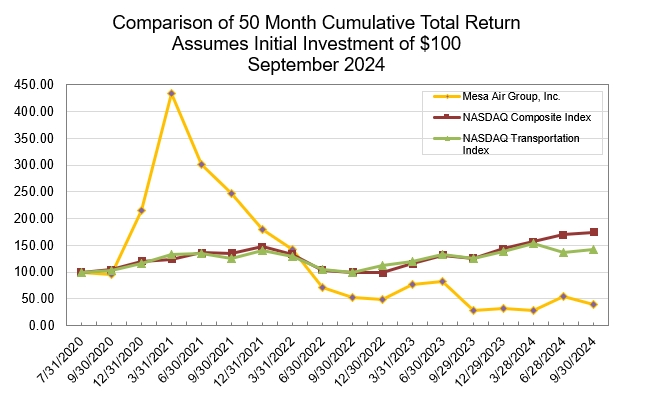
This performance graph is not deemed to be incorporated by reference into any of our other filings under the Exchange Act, or the Securities Act, except to the extent we specifically incorporate it by reference into such filings.
Recent Sales of Unregistered Securities
None.
Purchases of Equity Securities by the Issuer and Affiliated Purchasers
The Company repurchased a total of 8,772 and 112,698 shares of its common stock for $12 thousand and $138 thousand to cover the income tax obligation on vested employee equity awards during the three months and fiscal year ended September 30, 2024, respectively.
ITEM 6. [RESERVED]
ITEM 7. MANAGEMENT'S DISCUSSION AND ANALYSIS OF FINANCIAL CONDITION AND RESULTS OF OPERATIONS
The following discussion and analysis of our financial condition and results of operations should be read together with our consolidated financial statements, the accompanying notes, and the other financial information included elsewhere in this Annual Report on Form 10-K. The following discussion contains forward‑looking statements that involve risks and uncertainties such as our plans, estimates, and beliefs. Our actual results could differ materially from those discussed in the forward-looking statements below. Factors that could cause or contribute to those differences in our actual results include, but are not limited to, those discussed below and those discussed elsewhere in this Annual Report on Form 10-K, particularly in the sections "Cautionary Notes Regarding Forward-Looking Statements" and Part I, Item 1A. "Risk Factors" above.
Overview
Mesa Airlines is a regional air carrier providing scheduled passenger service to 67 cities in 34 states, Cuba, and Mexico. All of our flights are operated as United Express flights pursuant to the terms of our Amended and Restated CPA with United. Prior to the voluntary wind-down of the DHL FSA on March 1, 2024, Mesa also operated flights as DHL Express flights pursuant to the terms of the FSA. Under the United CPA, we operated a fleet of 67 aircraft with approximately 265 daily departures as of September 30, 2024. We also leased two CRJ-700 aircraft to a third party during fiscal year 2024 and operated MPD, our pilot development program. As of September 30, 2024, all of our aircraft in scheduled service were operated for United. All of our operating revenue in our 2024, 2023, and 2022 fiscal years were derived from operations associated with our United CPA, DHL FSA, leases of aircraft to a third party, and MPD. Operating revenue in fiscal years 2023 and 2022 were also derived from operations associated with our American CPA prior to the wind-down and termination of such CPA on April 3, 2023.
Our long-term agreement with United provides us guaranteed monthly revenue for each aircraft under contract, a fixed fee for each block hour and flight actually flown, and reimbursement of certain direct operating expenses in exchange for providing regional flying services on behalf of United. Our CPA also shelters us from many of the elements that cause volatility in airline financial performance, including fuel prices, variations in ticket prices, and fluctuations in number of passengers. In providing regional flying under our CPA, we use the logos, service marks, flight crew uniforms and aircraft paint schemes of United. United controls route selection, pricing, seat inventories, marketing, and scheduling, and provides us with ground support services, airport landing slots and gate access.
Glossary of Airline Terms
Set forth below is a glossary of industry terms used in this Annual Report on Form 10-K:
"Available seat miles" or "ASMs" means the number of seats available for passengers multiplied by the number of miles the seats are flown.
"Average stage length" means the average number of statute miles flown per flight segment.
"Block hours" means the number of hours during which the aircraft is in revenue service, measured from the time of gate departure before take-off until the time of gate arrival at the destination.
"CRASM" means contract revenue divided by ASMs.
"DOT" means the United States Department of Transportation.
"FAA" means the United States Federal Aviation Administration.
"FTE" means full-time equivalent employee.
"Load factor" means the percentage of aircraft seat miles actually occupied on a flight (RPMs divided by ASMs).
"NMB" means the National Mediation Board.
"Pass-through and other revenue" means costs from our major partners under our agreements that we equally recognize as both a revenue and an expense, including passenger and hull insurance, aircraft property taxes, landing fees, catering and certain maintenance costs related to our E-175 aircraft.
"Revenue Passenger Miles" or "RPMs" means the number of miles traveled by paying passengers.
"TSA" means the United States Transportation Security Administration.
"Utilization" means the percentage derived from dividing (i) the number of block hours actually flown during a given month under a particular CPA by (ii) the maximum number of block hours that could be flown during such month under the particular CPA.
2024 Financial Highlights
For our fiscal year ended September 30, 2024, we had total operating revenues of $476.4 million, a 4.3% decrease, compared to $498.1 million for our fiscal year ended September 30, 2023. Net loss for our fiscal year ended September 30, 2024 was $91.0 million, or $2.21 per diluted share, compared to net loss of $120.1 million, or $3.04 per diluted share, for our fiscal year ended September 30, 2023.
During our fiscal year ended September 30, 2024, our completed block hours decreased by 12,711, or 6.7%, compared to our fiscal year ended September 30, 2023.
Industry Trends
We believe our operating and business performance is driven by various factors that typically affect regional airlines and their markets, including trends which affect the broader airline and travel industries, though the terms of our United CPA reduces our exposure to fluctuations in certain trends. The following key factors may materially affect our future performance.
Availability and Training of Qualified Pilots. On July 8, 2013, as directed by the U.S. Congress, the FAA issued more stringent pilot qualification and crew member flight training standards, which, among other things, increased the required training time for new airline pilots from 250 hours to 1,500 hours of flight time. With these changes, the supply of qualified pilot candidates eligible for hiring by the airline industry was dramatically reduced. To address the diminished supply of qualified pilot candidates, regional airlines implemented significant pilot wage and bonus increases.
We launched the MPD Program to address the diminished supply of qualified pilots, provide a more affordable path for pilots to reach the 1,500 flight hours required to earn their Airline Transport Pilot certificate, and provide a pipeline of potential pilots at Mesa Airlines. As part of this program, we operate a fleet of 28 Pipistrel Alpha Trainer 2 aircraft. Currently, pilots pay out-of-pocket for the first 250 flight hours at a rate of $60 per hour. Subsequent flight costs of $75 per hour are financed by the Company at zero interest and, generally, require repayment of such financing over two years.
Although pilot attrition has returned to normal levels no assurance can be given that the measures we have taken or may take in the future will enable us to attract, hire and train pilots at a rate necessary to support our operations.
Pilot and Mechanic Attrition. In recent years, we have experienced significant volatility in our attrition as a result of pilot wage and bonus increases at other regional air carriers, the growth of cargo, low-cost and ultra-low-cost carriers, and the number of pilots at major airlines reaching the statutory mandatory retirement age of 65 years. If our actual pilot attrition rates are materially different than our projections, our operations and financial results could be materially and adversely affected. Although we target maintenance staffing levels above our projected needs in order to account for attrition, which is widespread in the industry, from time to time we have experienced attrition with our maintenance technicians, who have the option to seek employment at mainline airlines, which generally offer higher salaries and more extensive benefit programs than regional airlines are financially able to offer.
Attrition of maintenance technicians has sometimes required us to supplement our staff with qualified temporary employees.
As discussed generally above, we implemented a new pay structure whereby as of September 15, 2022, we offer starting wages of $100 an hour for entry-level first officers, and $150 an hour for first-year captains while captains with 20 years of experience will be paid $215 an hour to remain competitive and attract and retain experienced, qualified pilots.
Economic Conditions, Challenges and Risks
Liquidity and Going Concern. During our fiscal year ended September 30, 2024, the decrease in scheduled flying activity associated with the transition of our operations with American to United, increased costs associated with pilot wages, together with increasing interest rates adversely impacted our financial results, cash flows, financial position, and other key financial ratios. Additionally, United has asked us to accelerate the removal of our CRJ-900 aircraft and transition the pilots to our E-175 fleet. These events will lead to increased costs and impact our block hour capabilities while these pilots are in training.
As a result of the decrease in scheduled flying activity for United, we produced less block hours to generate revenues. During the fiscal year ended September 30, 2024, these challenges resulted in a negative impact on the Company’s financial results highlighted by net loss of $91.0 million, primarily due to impairment expense of $73.7 million related to held for sale assets during the year. These conditions and events raised concerns about our ability to continue to fund our operations and meet our debt obligations over the next twelve months from the filing of this Form 10-K.
To address such concerns, management developed and implemented certain material changes to our business designed to ensure the Company could continue to fund its operations and meet its debt obligations over the next twelve months. The following measures were implemented during the year ended September 30, 2024, and through the date of issuance of the financial statements.
•
On April 4, 2025, the Company entered into the Three Party Agreement between United, Republic, and the Company, which provides for, among other things, the following, each subject to the completion of the Merger Agreement:
o
Termination of the United CPA.
o
The Company to sell or dispose of all remaining Eligible Assets (as defined in the Three Party Agreement).
o
The Company to extinguish all remaining debt with cash and sale of assets. Any remaining debt will be assumed by the surviving corporation or forgiven by United.
o
A three percent (3%) increase in CPA block hour rates, retroactive to January 1, 2025.
o
The transfer of all of the Company's rights and obligations under its agreements with Archer (as discussed in Note 17).
•
On April 4, 2025, we entered into the Sixth Amendment to the Third Amended and Restated Capacity Purchase Agreement with United which provides for the following:
o
The extension of the CPA rate increases agreed upon in the January 2024 United CPA Amendments, retroactive to January 1, 2025, through March 31, 2026.
o
The extension of incentives for achieving certain performance metrics, retroactive to July 1, 2024, through March 31, 2026.
•
On April 4, 2025, we entered into the Sixth Amendment to Second Amended and Restated Credit and Guaranty Agreement providing for the waiver of an existing financial covenant default with respect to the period ended March 31, 2025, and a projected financial covenant default with respect to the periods ending June 30, 2025, September 30, 2025, December 31, 2025, and March 31, 2026, each relating to a minimum liquidity requirement under our United Revolving Credit Facility.
•
On April 3, 2025, we entered into a purchase agreement with a third party which provides for the sale of 23 GE model CF34-8C engines to the third party for expected gross proceeds of $16.3 million, which will be used to pay down our UST Loan.
•
On December 31, 2024, we entered into an Aircraft Purchase Agreement with United which provides for the sale of 18 E-175 aircraft to United for gross proceeds of $227.7 million and net proceeds of $84.7 million after the retirement of debt. Subsequently, we closed the sale of all 18 aircraft to United.
•
On December 30, 2024, we received notice from United that $4.5 million of our Effective Date Revolving Loan balance under our United Revolving Credit Facility has been forgiven for achieving certain operational performance metrics outlined in the United CPA.
•
On December 24, 2024, we entered into a purchase agreement with a third party which provides for the sale of 15 CRJ-900 airframes to the third party for expected gross proceeds of $19.0 million, which will be used to pay down our UST Loan. On April 3, 2025, the purchase agreement was amended to include an additional 14 CRJ-900 airframes to be sold to the third party for expected gross proceeds of $9.1 million. The total expected gross proceeds of $28.1 million will be used to pay down our UST Loan.
•
On December 23, 2024, we entered into an agreement with the UST to lower the minimum CCR covenant to .99 to 1.0 effective as of November 22, 2024 through February 28, 2025. After such date, the CCR will revert to 1.55 to 1.0. The agreement also requires the Company to use its reasonable best efforts to cause counterparties to all Receivables (as defined in the Treasury Loan) (whether or not constituting “Eligible Receivables” (as defined in the Treasury Loan)) of the Company to be paid to the Eligible Receivables Account (as defined in the Treasury Loan). Receivables generated from the sale of assets that are not Collateral (as defined in the Treasury Loan) are excluded from the scope of the foregoing requirement. As a result of the lower CCR covenant, we are in compliance with this covenant as of September 30, 2024. Additionally, on March 18, 2025, we entered into a new CCR Modification Agreement with the UST to lower the minimum CCR covenant to .91 to 1.0 effective as of February 28, 2025 through the maturity date of the loan.
•
On December 23, 2024, we entered into a Waiver to Second Amended and Restated Credit and Guaranty Agreement providing for the waiver of an existing financial covenant default with respect to the period July 1, 2024 to December 23, 2024 and a projected financial covenant default with respect to the period December 24, 2024 to December 31, 2024, each relating to a minimum liquidity requirement under our United Revolving Credit Facility.
•
On December 23, 2024, we entered into the Fourth Amendment to our Third Amended and Restated United CPA which provides for the following:
o
Amended certain scheduled exit dates for our E-175 and CRJ-900 Covered Aircraft (as defined in the United CPA).
o
Added provisions relating to the reimbursement by United of up to $14.0 million of pilot training costs incurred by the Company with respect to its E-175 aircraft.
•
On September 25, 2024, we reached an agreement with United which provides for, among other things, the commitment to buy our two CRJ-700 aircraft out of their lease with GoJet and to purchase such aircraft for total proceeds of $11.0 million, $4.5 million of which will pay down the outstanding obligations. Subsequent to September 30, 2024, we closed the sale of the two CRJ-700 aircraft to United.
•
Based on the most recent appraisal value of our spare parts, we have $12.4 million of borrowing capacity under our United Revolving Credit Facility.
•
In addition to already executed agreements to sell aircraft, the Company is actively seeking arrangements to sell other surplus assets primarily related to the CRJ fleet including aircraft, engines, and spare parts to reduce debt and optimize operations.
•
We have delayed and/or deferred major spending on aircraft and engine maintenance to match the current and projected level of flight activity.
The Company believes the plans and initiatives outlined above have effectively alleviated the financial concerns and will allow the Company to meet its cash obligations for the next twelve months following the issuance of its financial statements. The forecast of undiscounted cash flows prepared to determine if the Company has the ability to meet its cash obligations over the next twelve months was prepared with significant judgment and estimates of future cash flows based on projections of CPA block hours, maintenance events, labor costs, and other relevant factors. Assumptions used in the forecast may change or not occur as expected.
As of July 16, 2024, the Company was not in compliance with a financial covenant related to a minimum liquidity requirement of $15.0 million of cash and cash equivalents associated with its Second Amended and Restated Credit and Guaranty Agreement with United. On December 23, 2024, the Company entered into a Waiver to Second Amended and Restated Credit and Guaranty Agreement providing for the waiver for the financial covenant default with respect to the period July 1, 2024 to December 23, 2024 and a projected financial covenant default with respect to the period December 24, 2024 to December 31, 2024. Further, on April 4, 2025, the Company entered into the Sixth Amendment to Second Amended and Restated Credit and Guaranty Agreement providing for the waiver of an existing financial covenant default with respect to the period ended March 31, 2025, and a projected financial covenant default with respect to the periods ending June 30, 2025, September 30, 2025, December 31, 2025, and March 31, 2026. As of the issuance of this Form 10-K, we are in compliance with all financial covenants.
As of September 30, 2024, the Company had $50.5 million of principal maturity payments on long-term debt due within the next twelve months. Additionally, all outstanding principal amounts of $113.7 million as of September 30, 2024, under our UST Loan are due and payable in a single installment on October 30, 2025. We plan to meet these obligations with our cash on hand, ongoing cashflows from our operations, and the liquidity created from the additional measures identified above. If our plans are not realized, we intend to explore additional opportunities to create liquidity by refinancing and deferring repayment of our principal maturity payments that are due within the next twelve months. The Company continues to monitor covenant compliance with its lenders as any noncompliance could have a material impact on the Company’s financial position, cash flows and results of operations. As of September 30, 2024, the Company is in compliance with all financial covenants.
Market Volatility. The airline industry is volatile and affected by economic cycles and trends. Consumer confidence and discretionary spending, spread of a virus, fear of terrorism or war, weakening economic conditions, fare initiatives, fluctuations in fuel prices, labor actions, changes in governmental regulations on taxes and fees, weather and other factors have contributed to a number of reorganizations, bankruptcies, liquidations, and business combinations among major and regional airlines. The effect of economic cycles and trends may be somewhat mitigated by our reliance on our CPA. If, however, United experiences a prolonged decline in the number of passengers or is negatively affected by low ticket prices or high fuel prices, it may seek rate reductions in future CPAs, or materially reduce our scheduled flights in order to reduce its costs. Our financial performance could be negatively impacted by any adverse changes to the rates, number of aircraft or utilization under our CPA.
Labor. The airline industry is heavily unionized. The wages, benefits and work rules of unionized airline industry employees are determined by collective bargaining agreements. As of September 30, 2024, approximately 62.8% of our workforce was represented by the ALPA and AFA. In August 2022, we entered into a three-year Letter of Agreement with ALPA, which provided for increased overall hourly pay increases of nearly 118% for captains and 172% for new-hire first officers. These pay increases have positively impacted our ability to attract, hire, and retain pilots in fiscal years 2023 and 2024, and attrition levels have dropped to a pre-COVID level. In September 2022, we entered into a Letter of Agreement with AFA to extend the term of our agreement by two years. Our extension with AFA provided, among other things, an increase in compensation for our flight attendants.
The terms and conditions of our future collective bargaining agreements may be affected by the results of collective bargaining negotiations at other airlines that may have a greater ability, due to larger scale, greater efficiency or other factors, to bear higher costs than we can. In addition, conflicts between airlines and their unions can lead to work slowdowns or stoppages. A strike or other significant labor dispute with our unionized employees may adversely affect our ability to conduct business.
Competition. The airline industry is highly competitive. We compete principally with other regional airlines. Major airlines typically award CPAs to regional airlines based on the following criteria: ability to fly contracted schedules, availability of labor resources including pilots, low operating cost, financial resources, geographical infrastructure, overall customer service levels relating to on-time arrival and flight completion percentages, and the overall image of the regional airline. Our ability to renew our existing agreement and earn additional flying opportunities in the future will depend, in significant part, on our ability to maintain a low-cost structure competitive with other regional air carriers.
Maintenance Contracts, Costs and Timing. Our employees perform routine airframe and engine maintenance along with periodic inspections of equipment at their respective maintenance facilities. We also use third-party vendors, such as AAR, Aviall, MHI, GE, and StandardAero, for certain heavy airframe and engine maintenance work, along with parts procurement and component overhaul services for our aircraft fleet. As of September 30, 2024, $52.3 million of parts inventory was consigned to us by AAR and Aviall under long-term contracts that is not reflected in our consolidated balance sheet.
The average age of our E-175, CRJ-900, and CRJ-700 type aircraft is approximately 8.7, 18.2, and 17.4 years, respectively. Due to the relatively young age of our E-175 aircraft, they require less maintenance now than they will in the future. In prior periods, we incurred relatively low maintenance expenses on our E-175 aircraft because most of the parts are under multi-year warranties and a limited number of heavy airframe checks and engine overhauls have occurred. As our E-175 aircraft age and these warranties expire, we expect that maintenance costs will increase in absolute terms and as a percentage of revenue. In addition, because our current aircraft were acquired over a relatively short period of time, significant maintenance events scheduled for these aircraft will occur at roughly the same intervals, meaning we will incur our most expensive scheduled maintenance obligations across our present fleet at approximately the same time. These more significant maintenance activities result in out-of-service periods during which aircraft are dedicated to maintenance activities and unavailable for flying under our CPA.
We use the direct expense method of accounting for our maintenance of regional jet engine overhauls, airframe, auxiliary power units and landing gear for the majority of our fleets, with the exception of Mesa-owned E-175 aircraft. Heavy maintenance and major overhaul costs on our owned E-175 fleet are deferred and amortized until the earlier of the end of the useful life of the related asset or the next scheduled heavy maintenance event. Normal recurring maintenance is expensed when the maintenance work is completed, or over the repair period, if materially different. Our maintenance policy is determined by fleet when major maintenance is incurred. While we keep a record of expected maintenance events, the actual timing and costs of major engine maintenance expense are subject to variables such as estimated usage, government regulations and the level of unscheduled maintenance events and their actual costs. Accordingly, we cannot reliably quantify the costs or timing of future maintenance-related expenses for any significant period of time.
Aircraft Leasing and Finance Determinations. We have generally funded aircraft acquisitions through a combination of operating leases and debt financing. Our determination to lease or finance the acquisition of aircraft may be influenced by a variety of factors, including the preferences of our major partners, the strength of our balance sheet and credit profile and those of our major partners, the length and terms of the available lease or financing alternatives, the applicable interest rates, and any lease return conditions. When possible, we prefer to finance aircraft through debt rather than operating leases, due to lower operating costs, extended depreciation period, opportunity for aircraft equity, absence of lease return conditions and greater flexibility in renewing the aircraft under our CPA with our major partner after paying off the principal balance.
Subsequent to the initial acquisition of an aircraft, we may also refinance the aircraft or convert one form of financing to another (e.g., replacing an aircraft lease with debt financing). The purchase of leased aircraft allows us to lower our operating costs and avoid lease-related use restrictions and return conditions.
As of September 30, 2024, we had 47 aircraft in our fleet under lease, including 42 E-175 aircraft owned by United and leased to us at nominal amounts and five CRJ-900 aircraft on short-term leases owned by a third party. We also have two CRJ-700 aircraft that are leased to us by a third party. In order to determine the proper classification of our leased aircraft as either operating leases or finance leases, we must make certain estimates at the inception of the lease relating to the economic useful life and the fair value of an asset as well as select an appropriate discount rate to be used in discounting future lease payments. These estimates are utilized by management in making computations as required by existing accounting standards that determine whether the lease is classified as an operating lease or a finance lease. Our aircraft leases classified as operating leases results in rental payments being charged to expense over the terms of the related leases.
We are also subject to lease return provisions that require a minimum portion of eligible flight time for certain components remain when the aircraft is returned at the lease expiration. We estimate the cost of maintenance lease return obligations and accrue such costs over the remaining lease term when the expense is probable and can be reasonably estimated.
See "Risk Factors" for a discussion of these factors and other risks.
Seasonality
Our results of operations for any interim period are not necessarily indicative of those for the entire year since the airline industry is subject to seasonal fluctuations and general economic conditions. Our operations are somewhat favorably affected by increased utilization of our aircraft in the summer months and are unfavorably affected by increased fleet maintenance and by inclement weather during the winter months.
Components of Our Results of Operations
The following discussion summarizes the key components of our consolidated statements of operations and comprehensive loss.
Operating Revenues
Our consolidated operating revenues consist of contract revenue as well as pass-through and other revenue.
Contract Revenue. Contract revenue consists of the fixed monthly amounts per aircraft received pursuant to our United CPA, along with the additional amounts received based on the number of flights and block hours flown, rental revenue for aircraft leased to a third party, and revenue received from pilots in the MPD program. Contract revenues we receive from United are paid on a weekly basis and recognized over time consistent with the delivery of service under our CPA.
Pass-Through and Other Revenue. Pass-through and other revenue consists of passenger insurance, aircraft property taxes, landing fees, and other aircraft and traffic servicing costs received pursuant to our United CPA, as well as certain maintenance costs related to the United owned E-175 aircraft.
Operating Expenses
Our operating expenses consist of the following items:
Flight Operations. Flight operations expense includes costs related to salaries, bonuses and benefits earned by our pilots, flight attendants, and dispatch personnel, as well as costs related to technical publications, lodging of our flight crews, and pilot training expenses.
Fuel. Fuel expense includes fuel and related fueling costs for flying we undertake outside of our CPA, including aircraft repositioning and maintenance. All aircraft fuel and related fueling costs for flying under our CPA were directly paid and supplied by United. The fuel and related cost for flying under our DHL FSA were directly paid and supplied by DHL. Accordingly, we do not record an expense or the related revenue for fuel supplied United for flying under our CPA or DHL under our FSA except fuel costs incurred for controllable ferry flights for United. Fuel expenses relating to MPD are paid by the Company.
Maintenance. Maintenance expense includes costs related to engine overhauls, airframe, landing gear and normal recurring maintenance, which includes pass-through maintenance costs related to our E-175 aircraft. Heavy maintenance and major overhaul costs on our owned E-175 fleet are deferred and amortized until the earlier of the end of the useful life of the related asset or the next scheduled heavy maintenance event. All other maintenance costs are expensed as incurred, except for certain maintenance contracts where labor and materials price risks have been transferred to the service provider and require payment on a utilization basis, such as flight hours. Costs incurred for maintenance and repair for utilization maintenance contracts where labor and materials price risks have been transferred to the service provider are charged to maintenance expense based on contractual payment terms. As a result of using the direct expense method for heavy maintenance on the majority of our fleets, the timing of maintenance expense reflected in the financial statements may vary significantly from period to period.
Aircraft Rent. Aircraft rent expense includes costs related to leased engines and aircraft.
Aircraft and Traffic Servicing. Aircraft and traffic servicing expense includes expenses related to our CPA and FSA, including aircraft cleaning, passenger disruption reimbursements, international navigation fees and wages of airport operations personnel, a portion of which are reimbursable by our major partners.
General and Administrative. General and administrative expense includes insurance and taxes, the majority of which are pass-through costs, non-operational administrative employee wages and related expenses, building rents, real property leases, utilities, legal, audit and other administrative expenses.
Depreciation. Depreciation expense is a periodic non-cash charge primarily related to aircraft, engine, aircraft improvement, and equipment depreciation.
Impairment. Impairment expense is a non-recurring, non-cash charge related to the reduction in value of aircraft and related parts, primarily upon reclassification to held for sale.
Other Income (Expense), Net
Interest Expense. Interest expense is interest on our debt to finance purchases of aircraft, engines, and equipment, including amortization of debt financing costs and discounts.
Interest Income. Interest income includes interest income on our cash and cash equivalent balances.
Gain on Investments, Net. Gain on investments, net consists of gains on the sale or transfer of our investments in equity securities to another party.
Unrealized (Loss)/Gain, Net. Unrealized (loss)/gain on investments, net consists of losses or gains due to changes in the value of our investments in equity securities.
Gain on extinguishment of debt. Gain on extinguishment of debt relates to the settlement of a loan for an amount less than the outstanding principal balance.
Gain on debt forgiveness. Gain on debt forgiveness consists of gains resulting from the forgiveness earned on our deemed prepayment associated with our United Revolving Credit Facility for the achievement of certain performance metrics.
Other Expense. Other expense includes expense derived from activities not classified in any other area of the consolidated statements of income.
Segment Reporting
Operating segments are defined as components of an enterprise about which discrete financial information is available that is evaluated regularly by the chief operating decision maker (“CODM”) in deciding how to allocate resources and in assessing operating performance. In consideration of ASC 280, Segment Reporting, we are not organized around specific services or geographic regions. We currently operate in one service line providing scheduled flight services in accordance with our CPA.
While we operate under a CPA, we do not manage our business based on any performance measure at the individual contract level. Additionally, our CODM uses consolidated financial information to evaluate our performance, which is the same basis on which he communicates our results and performance to our Board of Directors. The CODM bases all significant decisions regarding the allocation of our resources on a consolidated basis. Based on the information described above and in accordance with the applicable literature, management has concluded that we are organized and operated as one operating and reportable segment.
Results of Operations
Comparison of our Fiscal Years Ended September 30, 2024 and 2023
We had an operating loss of $65.8 million in our year ended September 30, 2024, compared to an operating loss of $84.3 million in our year ended September 30, 2023. In our year ended September 30, 2024, we had a net loss of $91.0 million compared to a net loss of $120.1 million in our year ended September 30, 2023.
Our operating results for the fiscal year ended September 30, 2024 improved as a result of decreases in operating expenses due to (i) decreases in flight operations expense as a result of decreased pilot training and lower pilot wages; (ii) decreases in maintenance expense, primarily due to a decrease in pass-through engine overhaul on our E-175 fleet; (iii) decreases in general and administrative expenses, primarily due to a decrease in pass-through property tax; and (iv) decreases in depreciation expense, primarily due to the retirement and sale of several aircraft. These decreases were partially offset by (i) impairment expense of $73.7 in our fiscal year ended September 30, 2024 compared to impairment expense of $54.3 million in our fiscal year ended September 30, 2023; and (ii) a decrease in contract revenue due to reduced block hours flown, fewer aircraft under contract, and the wind-down of the DHL FSA, partially offset by an increased United block hour compensation rate.
Operating Revenues/Statistics
|
|
|
|
|
|
|
|
|
|
|
|
|
|
|
|
|
|
|
Year Ended September 30, |
|
|
|
|
|
|
|
|
|
2024 |
|
|
2023 |
|
|
Change |
|
Operating revenues ($ in thousands): |
|
|
|
|
|
|
|
|
|
|
|
|
Contract |
|
$ |
404,322 |
|
|
$ |
421,298 |
|
|
$ |
(16,976 |
) |
|
|
(4.0 |
)% |
Pass-through and other |
|
|
72,087 |
|
|
|
76,767 |
|
|
|
(4,680 |
) |
|
|
(6.1 |
)% |
Total operating revenues |
|
$ |
476,409 |
|
|
$ |
498,065 |
|
|
$ |
(21,656 |
) |
|
|
(4.3 |
)% |
|
|
|
|
|
|
|
|
|
|
|
|
|
Operating data: |
|
|
|
|
|
|
|
|
|
|
|
|
Available seat miles—ASMs (thousands) |
|
|
3,898,559 |
|
|
|
4,235,413 |
|
|
|
(336,854 |
) |
|
|
(8.0 |
)% |
Block hours |
|
|
176,236 |
|
|
|
188,947 |
|
|
|
(12,711 |
) |
|
|
(6.7 |
)% |
Revenue passenger miles—RPMs
(thousands) |
|
|
3,261,349 |
|
|
|
3,541,712 |
|
|
|
(280,363 |
) |
|
|
(7.9 |
)% |
Average stage length (miles) |
|
|
538 |
|
|
|
552 |
|
|
|
(14 |
) |
|
|
(2.5 |
)% |
Contract revenue per available seat
mile—CRASM (in cents) |
|
¢ |
10.37 |
|
|
¢ |
9.95 |
|
|
¢ |
0.42 |
|
|
|
4.2 |
% |
Passengers |
|
|
5,980,033 |
|
|
|
6,310,730 |
|
|
|
(330,697 |
) |
|
|
(5.2 |
)% |
(1)
The definitions of certain terms related to the airline industry used in the table can be found under "Glossary of Airline Terms" above.
Total operating revenue decreased by $21.7 million, or 4.4%, to $476.4 million during our fiscal year ended September 30, 2024 as compared to our fiscal year ended September 30, 2023. Contract revenue decreased by $17.0 million, or 4.0%, to $404.3 million during our fiscal year September 30, 2024, primarily driven by reduced block hours flown, fewer aircraft under contract, and the wind-down of the DHL FSA compared to our fiscal year ended September 30, 2023, partially offset by an increased United block hour compensation rate. Our block hours flown during our fiscal year ended September 30, 2024 decreased 6.7% as compared to our fiscal year ended September 30, 2023 due to a decrease in scheduled flying on our CRJ fleet. Our pass-through and other revenue decreased by $4.7 million, or 6.1%, to $72.1 million compared to our fiscal year ended September 30, 2023 due to a decrease in pass-through maintenance related to our E-175 fleet.
Operating Expenses
|
|
|
|
|
|
|
|
|
|
|
|
|
|
|
|
|
|
|
Year Ended September 30, |
|
|
|
|
|
|
|
|
|
2024 |
|
|
2023 |
|
|
Change |
|
Operating expenses ($ in thousands): |
|
|
|
|
|
|
|
|
|
|
|
|
Flight operations |
|
$ |
184,472 |
|
|
$ |
216,748 |
|
|
$ |
(32,276 |
) |
|
|
(14.9 |
)% |
Maintenance |
|
|
184,725 |
|
|
|
199,648 |
|
|
|
(14,923 |
) |
|
|
(7.5 |
)% |
Aircraft rent |
|
|
7,797 |
|
|
|
6,200 |
|
|
|
1,597 |
|
|
|
25.8 |
% |
General and administrative |
|
|
44,248 |
|
|
|
48,765 |
|
|
|
(4,517 |
) |
|
|
(9.3 |
)% |
Depreciation and amortization |
|
|
40,041 |
|
|
|
60,359 |
|
|
|
(20,318 |
) |
|
|
(33.7 |
)% |
Asset impairment |
|
|
73,709 |
|
|
|
54,343 |
|
|
|
19,366 |
|
|
|
35.6 |
% |
Loss/(Gain) on sale of assets |
|
|
682 |
|
|
|
(7,162 |
) |
|
|
7,844 |
|
|
|
(109.5 |
)% |
Other operating expenses |
|
|
6,555 |
|
|
|
3,510 |
|
|
|
3,045 |
|
|
|
86.8 |
% |
Total operating expenses |
|
$ |
542,229 |
|
|
$ |
582,411 |
|
|
$ |
(40,182 |
) |
|
|
(6.9 |
)% |
Operating data: |
|
|
|
|
|
|
|
|
|
|
|
|
Available seat miles—ASMs
(thousands) |
|
|
3,898,559 |
|
|
|
4,235,413 |
|
|
|
(336,854 |
) |
|
|
(8.0 |
)% |
Block hours |
|
|
176,236 |
|
|
|
188,947 |
|
|
|
(12,711 |
) |
|
|
(6.7 |
)% |
Average stage length (miles) |
|
|
538 |
|
|
|
552 |
|
|
|
(14 |
) |
|
|
(2.5 |
)% |
Departures |
|
|
97,618 |
|
|
|
103,675 |
|
|
|
(6,057 |
) |
|
|
(5.8 |
)% |
Flight Operations. Flight operations expense decreased by $32.3 million, or 14.9%, to $184.5 million for our fiscal year ended September 30, 2024, compared to our fiscal year ended September 30, 2023. The decrease was primarily driven by decreased pilot training expense and lower pilot wages as a result of fewer block hours flown and decreases in headcount.
Maintenance. Aircraft maintenance expense decreased $14.9 million, or 7.5%, to $184.7 million for our fiscal year ended September 30, 2024, compared to our fiscal year ended September 30, 2023. This decrease was primarily driven by a decrease in pass-through engine overhaul and rotable and expendable parts, partially offset by an increase in other pass-through costs and C-check maintenance expenses. Total pass-through maintenance expenses reimbursed by our major partners decreased by $3.1 million during our fiscal year ended September 30, 2024 compared to our fiscal year ended September 30, 2023.
The following table presents information regarding our aircraft maintenance costs during our fiscal years ended September 30, 2024 and 2023:
|
|
|
|
|
|
|
|
|
|
|
|
|
|
|
|
|
|
|
Year Ended September 30, |
|
|
|
|
|
|
|
|
|
2024 |
|
|
2023 |
|
|
Change |
|
Engine overhaul |
|
$ |
(477 |
) |
|
$ |
444 |
|
|
$ |
(921 |
) |
|
|
(207.4 |
)% |
Pass-through engine overhaul |
|
|
23,490 |
|
|
|
31,911 |
|
|
|
(8,421 |
) |
|
|
(26.4 |
)% |
C-check |
|
|
6,639 |
|
|
|
6,451 |
|
|
|
188 |
|
|
|
2.9 |
% |
Pass-through C-check |
|
|
16,263 |
|
|
|
16,926 |
|
|
|
(663 |
) |
|
|
(3.9 |
)% |
Component contracts |
|
|
19,129 |
|
|
|
20,102 |
|
|
|
(973 |
) |
|
|
(4.8 |
)% |
Rotable and expendable parts |
|
|
17,645 |
|
|
|
20,566 |
|
|
|
(2,921 |
) |
|
|
(14.2 |
)% |
Other pass-through |
|
|
22,373 |
|
|
|
16,431 |
|
|
|
5,942 |
|
|
|
36.2 |
% |
Labor and other |
|
|
79,663 |
|
|
|
86,817 |
|
|
|
(7,154 |
) |
|
|
(8.2 |
)% |
Total |
|
$ |
184,725 |
|
|
$ |
199,648 |
|
|
$ |
(14,923 |
) |
|
|
(7.5 |
)% |
Aircraft Rent. Aircraft rent expense increased by $1.6 million, or 25.8%, to $7.8 million for our fiscal year ended September 30, 2024, compared to our fiscal year ended September 30, 2023. This increase was due to several short-term CRJ-900 airframe and engine leases during the fiscal year ended September 30, 2024.
General and Administrative. General and administrative expense decreased by 4.5 million, or 9.3%, to $44.2 million for our fiscal year ended September 30, 2024, compared to our fiscal year ended September 30, 2023. This decrease was primarily driven by decreases in pass-through property taxes and pass-through insurance costs.
Depreciation and Amortization. Depreciation and amortization expense decreased by $20.3 million, or 33.7%, to $40.0 million for our fiscal year ended September 30, 2024, compared to our fiscal year ended September 30, 2023. The decrease is primarily due to aircraft in our fleet being sold or classified as non-depreciable assets held for sale.
Asset Impairment. Asset impairment of $73.7 million was recorded for our fiscal year ended September 30, 2024 primarily related to eight CRJ-900 aircraft, 26 CRJ-900 airframes (without engines), and 77 model CF34-8C engines being designated as held for sale. There was $54.3 million of asset impairment recorded for our fiscal year ended September 30, 2023 related to the write-off of our customer relationship intangible asset and 14 CRJ-900 aircraft being designated as held for sale.
Loss/(Gain) on sale of assets. Loss on sale of assets of $0.7 million was recorded for our fiscal year ended September 30, 2024 related to the sale of certain engines. A gain on the sale of assets of $7.2 million was recorded for our fiscal year ended September 30, 2023 related to a 30-engine sale agreement.
Other Operating Expenses. Other operating expenses increased by $3.0 million, or 86.8%, to $6.6 million for our fiscal year ended September 30, 2024 compared to our fiscal year ended September 30, 2023. The increase is primarily attributable to interrupted trip costs during the fiscal year ended September 30, 2024.
Other Expense
Other expense decreased by $19.8 million, or 44.6%, to $24.7 million for our fiscal year ended September 30, 2024, compared to our fiscal year ended September 30, 2023. The decrease is primarily attributable to realized gains on investments in equity securities of $8.0 million, gain on extinguishment of debt of $3.0 million, gain on debt forgiveness of $10.5 million, and decreases on interest expense. The decrease is partially offset by $6.1 million in unrealized losses on investments in equity securities for our fiscal year ended September 30, 2024 compared to $5.4 million in unrealized gains on investments in equity securities for our fiscal year ended September 30, 2023.
Income Taxes
In our fiscal year ended September 30, 2024, our effective tax rate was (0.6)% compared to 6.9% in our fiscal year ended September 30, 2023. Our tax rate can vary depending on changes in tax laws, adoption of accounting standards, the amount of income we earn in each state and the state tax rate applicable to such income, as well as any valuation allowance required on our state net operating losses.
We recorded an income tax provision of $0.5 million and an income tax benefit of $8.7 million for the fiscal years ended September 30, 2024 and 2023, respectively.
The income tax provision for our fiscal year ended September 30, 2024 resulted in an effective tax rate of (0.6)%, which differed from the U.S. federal statutory rate of 21%, primarily due to the impact of state taxes and permanent differences between financial statement and taxable income. In addition to the state effective tax rate impact, other state impacts include changes in the valuation allowance against federal and state net operating losses, expired state attributes, disallowed unrealized losses, and changes in state apportionment and statutory rates.
The income tax provision for our fiscal year ended September 30, 2023 resulted in an effective tax rate of 6.9%, which differed from the U.S. federal statutory rate of 21%, primarily due to the impact of state taxes and permanent differences between financial statement and taxable income. In addition to the state effective tax rate impact, other state impacts include changes in the valuation allowance against federal and state net operating losses, expired state attributes, disallowed unrealized losses, and changes in state apportionment and statutory rates.
We continue to maintain a valuation allowance on a portion of our state net operating losses in jurisdictions with shortened carryforward periods or in jurisdictions where our operations have significantly decreased as compared to prior years in which the net operating losses were generated.
As of September 30, 2024, we had aggregate federal and state net operating loss carryforwards of approximately $511.7 million and $226.9 million, which expire in 2027-2038 and 2024-2044, respectively, with approximately $4.0 million of state net operating loss carryforwards that expired in 2024.
See Note 12 - "Income Taxes" in the notes to the audited consolidated financial statements included elsewhere in this Annual Report on Form 10-K.
Cautionary Statement Regarding Non-GAAP Measures
We present Adjusted EBITDA and Adjusted EBITDAR in this Annual Report on Form 10-K, which are not recognized financial measures under accounting principles generally accepted in the United States of America ("GAAP"), as supplemental disclosures because our senior management believes that they are well-recognized valuation metrics in the airline industry that are frequently used by companies, investors, securities analysts, and other interested parties in comparing companies in our industry.
Adjusted EBITDA. We define Adjusted EBITDA as net income or loss before interest, income taxes, depreciation and amortization, adjusted for gains and losses on investments, lease termination costs, loss on extinguishment of debt, and write-off of associated financing fees.
Adjusted EBITDAR. We define Adjusted EBITDAR as net income or loss before interest, income taxes, depreciation and amortization, and aircraft rent, adjusted for gains and losses on investments, lease termination costs, loss on extinguishment of debt, and write-off of associated financing fees.
You are encouraged to evaluate these adjustments and the reasons we consider them appropriate for supplemental analysis. In evaluating Adjusted EBITDA and Adjusted EBITDAR, you should be aware that in the future we may incur expenses that are the same as or similar to some of the adjustments in our presentation of Adjusted EBITDA and Adjusted EBITDAR. Gains and losses on investments, which are presented as adjustments to EBITDA and EBITDAR because they are non-cash gains and losses driven by changes in stock prices and other valuation techniques and are not reflective of our core operations, will occur in periods where the Company has investments in equity securities with readily determinable fair values. Our presentation of Adjusted EBITDA and Adjusted EBITDAR should not be construed as an inference that our future results will be unaffected by unusual or non-recurring items. There can be no assurance that we will not modify the presentation of Adjusted EBITDA or Adjusted EBITDAR and any such modification may be material.
Adjusted EBITDA and Adjusted EBITDAR have limitations as analytical tools. Some of the limitations applicable to these measures include: (i) Adjusted EBITDA and Adjusted EBITDAR do not reflect the impact of certain cash charges resulting from matters we consider not to be indicative of our ongoing operations; (ii) Adjusted EBITDA and Adjusted EBITDAR do not reflect our cash expenditures, or future requirements, for capital expenditures or contractual commitments; (iii) Adjusted EBITDA and Adjusted EBITDAR do not reflect changes in, or cash requirements for, our working capital needs; (iv) Adjusted EBITDA and Adjusted EBITDAR do not reflect the interest expense, or the cash requirements necessary to service interest or principal payments, on our debts; (v) although depreciation and amortization are non-cash charges, the assets being depreciated and amortized will often have to be replaced in the future; (vi) Adjusted EBITDA and Adjusted EBITDAR do not reflect gains and losses on investments, which are non-cash gains and losses but will occur in periods when there are changes in the value of the Company’s investments in equity securities; and (vii) Adjusted EBITDA and Adjusted EBITDAR do not reflect any cash requirements for such replacements and other companies in our industry may calculate Adjusted EBITDA and Adjusted EBITDAR differently than we do, limiting its usefulness as a comparative measure. Because of these limitations, Adjusted EBITDA and Adjusted EBITDAR should not be considered in isolation or as a substitute for performance measures calculated in accordance with GAAP. In addition, Adjusted EBITDAR should not be viewed as a measure of overall performance because it excludes aircraft rent, which is a normal, recurring cash operating expense that is necessary to operate our business. For the foregoing reasons, each of Adjusted EBITDA and Adjusted EBITDAR has significant limitations which affect its use as an indicator of our profitability. Accordingly, you are cautioned not to place undue reliance on this information.
Adjusted EBITDA and Adjusted EBITDAR
The following table presents a reconciliation of net (loss) income to Adjusted EBITDA and Adjusted EBITDAR for the period presented:
|
|
|
|
|
|
|
|
|
|
|
|
|
|
|
|
|
Year Ended September 30, |
|
|
|
|
2024 |
|
|
2023 |
|
|
2022 |
|
Reconciliation: |
|
|
|
|
|
|
|
|
|
|
Net loss |
|
|
$ |
(91,015 |
) |
|
$ |
(120,116 |
) |
|
$ |
(182,678 |
) |
Income tax benefit |
|
|
|
519 |
|
|
|
(8,745 |
) |
|
|
(51,990 |
) |
Loss before taxes |
|
|
|
(90,496 |
) |
|
|
(128,861 |
) |
|
|
(234,668 |
) |
Gain on investments, net |
|
|
|
(8,032 |
) |
|
|
— |
|
|
|
— |
|
Unrealized loss/(gain) on investments, net |
|
|
|
6,145 |
|
|
|
(5,408 |
) |
|
|
13,715 |
|
Adjustments(1)(2)(3)(4)(5)(6)(7)(8)(9)(10)(11)(12) |
|
|
|
69,469 |
|
|
|
48,357 |
|
|
|
170,918 |
|
Adjusted loss before taxes |
|
|
|
(22,914 |
) |
|
|
(85,912 |
) |
|
|
(50,035 |
) |
Interest expense |
|
|
|
38,455 |
|
|
|
49,921 |
|
|
|
35,289 |
|
Interest income |
|
|
|
(68 |
) |
|
|
(146 |
) |
|
|
(139 |
) |
Depreciation and amortization |
|
|
|
40,041 |
|
|
|
60,359 |
|
|
|
81,508 |
|
Adjusted EBITDA |
|
|
$ |
55,514 |
|
|
$ |
24,222 |
|
|
$ |
66,623 |
|
Aircraft rent |
|
|
|
7,797 |
|
|
|
6,200 |
|
|
|
36,989 |
|
Adjusted EBITDAR |
|
|
$ |
63,311 |
|
|
$ |
30,422 |
|
|
$ |
103,612 |
|
|
|
|
|
|
|
|
|
|
|
|
(1) $0.2 million of lease termination expense during the fiscal year ended September 30, 2022. |
|
(2) $3.2 million loss from the write off of lease incentive assets during the fiscal year ended September 30, 2022. |
|
(3) $109.7 million impairment loss related to our long-lived asset group for our CRJ-900 fleet during the fiscal year ended September 30, 2022. |
|
(4) $1.6 million, $1.2 million and $0.4 million loss on deferred financing costs related to the retirement of debts during the during the fiscal years ended September 30, 2024, 2023, and 2022, respectively. |
|
(5) $0.7 million loss, $7.2 million gain, and $4.7 million gain on the sale of aircraft, engines, and other assets during the fiscal years ended September 30, 2024, 2023, and 2022, respectively. |
|
(6) $77.4 million, $46.9 million and $58.6 million impairment loss on held for sale accounting treatment during the fiscal years ended September 30, 2024, 2023, and 2022, respectively. |
|
(7) $3.7 million gain, $3.7 million loss, and $3.5 million loss on impairment fair value adjustments during the fiscal years ended September 30, 2024, 2023, and 2022, respectively. |
|
(8) $3.7 million impairment loss on intangible assets during the fiscal year ended September 30, 2023. |
|
(9) $6.0 million in third party costs associated with non-recurring transactions during the fiscal year ended September 30, 2024. |
|
(10) $10.5 million gain on debt forgiveness during the fiscal year ended September 30, 2024. |
|
(11) $3.0 million gain on extinguishment of debt during the fiscal year ended September 30, 2024. |
|
(12) $0.9 million loss for early payment fees on the retirement of debt during the fiscal year ended September 30, 2024. |
|
Liquidity and Capital Resources
As of September 30, 2024, the Company has $50.5 million of principal maturity payments on long-term debt due within the next twelve months. Additionally, all outstanding principal amounts, $113.7 million as of September 30, 2024, under our UST Loan are due and payable in a single installment on October 30, 2025. We plan to meet these obligations with our cash on hand, ongoing cashflows from our operations, and the liquidity created from the additional measures identified above. If our plans are not realized, we intend to explore additional opportunities to create liquidity by refinancing and deferring repayment of our principal maturity payments that are due within the next twelve months. The Company continues to monitor covenant compliance with its lenders as any noncompliance could have a material impact on the Company’s financial position, cash flows and results of operations.
On October 30, 2020, the Company entered into a Loan and Guarantee Agreement with the U.S Treasury under the CARES Act. The loan agreement provides for a secured term loan facility of up to $200.0 million (the “Treasury Loan” or "UST Loan"). On October 30, 2020, the Company borrowed $43.0 million under the Treasury Loan and on November 13, 2020, the Company borrowed an additional $152.0 million. No additional sums are available for borrowing under the Treasury Loan. The obligations under the Treasury Loan are secured by certain aircraft, aircraft engines, accounts receivable, ground service equipment, and tooling (collectively, the “Collateral”). All principal amounts outstanding under the Treasury Loan are due and payable in a single installment on October 30, 2025 (the "Maturity Date") and all accrued interest is payable in arrears on the first business day following the 14th day of March, June, September, and December (beginning with December 15, 2020), and on the Maturity Date. For the first 12 months, interest was paid in-kind by increasing the principal amount of the loan by the amount of such interest due on an interest payment date. The obligations under the Treasury Loan are guaranteed by the Company and Mesa Air Group Inventory Management. Voluntary prepayments of loans under the Treasury Loan may be made, in whole or in part, without premium or penalty, at any time.
Amounts prepaid may not be reborrowed. Mandatory prepayments of amounts outstanding under the Treasury Loan are required, without premium or penalty, to the extent necessary to comply with the covenants discussed below, certain dispositions of the Collateral, certain debt issuances secured by liens on the Collateral and certain insurance payments related to the Collateral. In addition, if a “change of control” (as defined in the Treasury Loan) occurs with respect to Mesa Airlines, Mesa Airlines will be required to repay the loans outstanding under the Treasury Loan.
The Treasury Loan requires the Company, under certain circumstances, including within one business day prior to the last business day of March and September of each year, beginning March 2021, to appraise the value of the Collateral and recalculate the collateral coverage ratio. If the calculated collateral coverage ratio is less than 1.55 to 1.0, Mesa Airlines will be required either to provide additional Collateral (which may include cash collateral) to secure its obligations under the Treasury Loan or repay the term loans under the Treasury Loan, in such amounts that the recalculated collateral coverage ratio, after giving effect to any such additional Collateral or repayment, is at least 1.55 to 1.0. On September 23, 2024, we entered into the CCR Modification Agreement to reduce our required minimum CCR to 1.44 to 1.0 through November 22, 2024, after which, the required minimum CCR will revert back to 1.55 to 1.0.
The Treasury Loan contains two financial covenants, a minimum collateral coverage ratio and a minimum liquidity level. The Treasury Loan also contains customary negative and affirmative covenants for credit facilities of this type, including, among others: (a) limitations on dividends and distributions; (b) limitations on the creation of certain liens; (c) restrictions on certain dispositions, investments and acquisitions; (d) limitations on transactions with affiliates; (e) restrictions on fundamental changes to the business, and (f) restrictions on lobbying activities. Additionally, the Company is required to comply with the relevant provisions of the CARES Act, including limits on employment level reductions after September 30, 2020, restrictions on dividends and stock buybacks, limitations on executive compensation, and requirements to maintain certain levels of scheduled service.
Sources and Uses of Cash
We require cash to fund our operating expenses and working capital requirements, including outlays for capital expenditures, aircraft and engine pre-delivery payments, maintenance, aircraft rent and debt service obligations, including principal and interest payments. Our cash needs vary from period to period primarily based on the timing and costs of significant maintenance events. Our principal sources of liquidity are cash on hand, cash generated from operations, proceeds from the sale of assets, and funds from external borrowings. In the near term, we expect to fund our primary cash requirements through cash generated from operations, cash and cash equivalents on hand, and proceeds from the sale of assets.
As discussed above, we entered into the Treasury Loan on October 30, 2020 pursuant to which we borrowed an aggregate of $195.0 million.
We believe that the key factors that could affect our internal and external sources of cash include:
▪
Factors that affect our results of operations and cash flows, including the impact on our business and operations as a result of changes in demand for our services, competitive pricing pressures, and our ability to achieve further reductions in operating expenses; and
▪
Factors that affect our access to bank financing and the debt and equity capital markets that could impair our ability to obtain needed financing on acceptable terms or to respond to business opportunities and developments as they arise, including interest rate fluctuations, macroeconomic conditions, sudden reductions in the general availability of lending from banks or the related increase in cost to obtain bank financing, and our ability to maintain compliance with covenants under our debt agreements in effect from time to time.
Our ability to service our long-term debt obligations, including our equipment notes, to remain in compliance with the various covenants contained in our debt agreements and to fund our working capital, capital expenditures and business development efforts will depend on our ability to generate cash from operating activities, which is subject to, among other things, our future operating performance, as well as to other factors, some of which may be beyond our control.
If we fail to generate sufficient cash from operations, we may need to raise additional equity or borrow additional funds to achieve our longer-term objectives. There can be no assurance that such equity or borrowings will be available or, if available, will be at rates or prices acceptable to us.
We believe that cash flow from operating activities coupled with existing cash and cash equivalents, existing credit facilities, financing arrangements, and anticipated asset sales, will be adequate to fund our operating and capital needs, as well as enable us to maintain compliance with our various debt agreements, through at least the next 12 months. To the extent that results or events differ from our financial projections or business plans, our liquidity may be adversely impacted.
During the ordinary course of business, we evaluate our cash requirements and, if necessary, adjust operating and capital expenditures to reflect the current market conditions and our projected demand. Our capital expenditures, which includes purchases of spare engines, aircraft, inventory, tools, vehicles, equipment and miscellaneous projects for the year ended September 30, 2024 were approximately 4.3% of annual revenues. We expect to continue to incur capital expenditures to support our business activities. Future capital expenditures may be impacted by events and transactions that are not currently forecasted.
As of September 30, 2024, our principal sources of liquidity were cash and cash equivalents of $15.6 million. In addition, we had restricted cash of $3.0 million as of September 30, 2024. Restricted cash includes certificates of deposit that secure letters of credit issued for particular airport authorities as required in certain lease agreements. Furthermore, as of September 30, 2024, we also had $310.5 million in secured indebtedness incurred primarily in connection with our financing of aircraft. Our primary uses of liquidity are capital expenditures, operating lease payments, and debt repayments. As of September 30, 2024, we had $48.7 million of short-term debt, excluding finance leases, and $259.4 million of long-term debt excluding finance leases.
Sources of cash for our fiscal year ended September 30, 2024 were primarily cash flows provided by operations of $34.2 million and proceeds from the sale of assets of $169.3 million.
Debt and Other Obligations
As of September 30, 2024, we had $363.6 million of long-term debt (including principal and projected interest obligations) and finance lease obligations (including current maturities). This amount consists of $247.7 million in notes payable principal payments related to owned aircraft used in continuing operations, $25.3 million in notes payable principal payments related to spare engines and engine kits, $4.7 million in finance lease obligations, $37.5 million in principal outstanding under our working capital line of credit, and an aggregate of $48.4 million in projected interest costs through our fiscal 2027.
As of September 30, 2024, we had variable rate debt representing 69.0% of our total long-term debt. Actual interest commitments will change based on the actual variable interest.
Operating Leases
We have significant long-term operating lease obligations primarily relating to our aircraft fleet, as well as leases of office and hangar space. As of September 30, 2024, we had five airframes and 21 engines on operating leases (excluding aircraft leased at nominal amounts from United). The five airframes are short-term operating leases that will be returned when the airframes are removed from the United CPA by the end of February 2025. The engines have remaining lease terms of up to 2.2 years. Future minimum lease payments due under all long-term operating leases were approximately $10.5 million as of September 30, 2024.
Finance Leases
On June 1, 2022, Mesa Airlines, as lessee, entered into two agreements for the lease of two CRJ-700 aircraft (the “Aircraft Leases”). Basic rent on this lease is paid monthly and at the end of the lease term.
The Company has the option to purchase both aircraft for a total of $1.5 million at the end of the lease term. On May 30, 2024, we amended the finance lease agreements providing for the revision of the lease term from June 22, 2031 to May 29, 2027. We paid initial payments totaling approximately $1.8 million. Subsequent to September 30, 2024, we entered into an agreement with United to buy the aircraft out of their lease with the third party and to purchase them for $11.0 million, $4.5 million of which will pay down the outstanding obligations under the associated finance leases.
The Company had previously leased 15 aircraft from RASPRO Trust as an operating lease. In December 2022, the Company entered into an agreement with RASPRO Trust, reducing the buyout pricing on all 15 aircraft at lease termination by a total of $25 million. Under the terms of the new agreement, the Company reclassified these leases as finance leases. During the fiscal year ended September 30, 2024, the Company purchased all 15 aircraft and completely paid off the RASPRO obligation.
As of September 30, 2024, we had two aircraft on finance leases with remaining lease terms of up to 2.7 years. Future minimum lease payments due under all long-term finance leases were approximately $4.7 million as of September 30, 2024.
Working Capital Line of Credit
In August 2016, we, as guarantor, our wholly owned subsidiaries, Mesa Airlines and MAG-AIM, as borrowers, CIT, as administrative agent, and the lenders party thereto (the “CIT Lenders”), entered into the CIT Revolving Credit Facility, pursuant to which the CIT Lenders committed to lend to Mesa Airlines and MAG-AIM revolving loans in the aggregate principal amount of up to $35.0 million. The borrowers' and guarantor's obligations under the CIT Revolving Credit Facility are secured primarily by a first priority lien on certain engines, spare parts, and related collateral, including engine warranties and proceeds of the foregoing. The CIT Revolving Credit Facility contains affirmative, negative, and financial covenants that are typical in the industry for similar financings, including, but not limited to, covenants that, subject to exceptions described in the CIT Revolving Credit Facility, restrict our ability and the ability of Mesa Airlines and MAG-AIM and their subsidiaries to: (i) enter into, create, incur, assume or suffer to exist any liens; (ii) merge, dissolve, liquidate, consolidate or sell or transfer substantially all of its assets; (iii) sell assets; (iv) enter into transactions with affiliates; (v) amend certain material agreements and organizational documents; (vi) make consolidated unfinanced capital expenditures; or (viii) maintain a consolidated interest and rental coverage ratio above the amount specified in the CIT Revolving Credit Facility. The CIT Revolving Credit Facility also includes customary events of defaults, including but not limited to: (i) payment defaults; (ii) breach of covenants; (iii) breach of representations and warranties; (iv) cross-defaults; (v) certain bankruptcy-related defaults; (vi) change of control; and (vii) revocation of instructions with respect to certain controlled accounts.
On September 25, 2019, the Company extended the term on its $35.0 million working capital draw loan by three years, which now terminates in December 2022. Interest is assessed on drawn amounts at one-month SOFR plus 3.75%. In June 2020, $23.0 million was drawn to cover operational needs. As of September 30, 2022, $15.6 million remained outstanding under the working capital draw loan.
On December 27, 2022, in connection with entering into the Amended and Restated United CPA, (i) United agreed to purchase and assume all of First Citizens’ rights and obligations as a lender under the Existing Facility pursuant to an Assignment and Assumption Agreement, (ii) United and CIT Bank agreed to amend the Existing Facility pursuant to an Amendment No. 1, dated December 27, 2022 (“Amendment No. 1”), and an Amendment No. 2, dated January 27, 2023 (“Amendment No. 2”; the Existing Facility as amended by Amendment No. 1 and Amendment No. 2, the "Amended Facility"), and (iii) Wilmington Trust, National Association agreed to assume all of CIT Bank’s rights and obligations as Administrative Agent pursuant to an Agency Resignation, Appointment and Assumption Agreement, dated as of January 27, 2023. Amendment No. 1, among other things, extends the Maturity Date from the earlier to occur of November 30, 2028, or the date of the termination of the Amended and Restated United CPA; provides for a revolving loan of $10.0 million plus fees and expenses, which was due January 31, 2024, subject to certain mandatory prepayment requirements; provides for Revolving Commitments equal to $30.7 million plus the original principal amount of the $10 million revolving loan; amortization of the obligations outstanding under the existing CIT Agreement commencing quarterly until March 31, 2025; and a covenant capping Restricted Payments (as defined in the Amended Facility) at $5.0 million per fiscal year, a consolidated interest and rental coverage ratio of 1.00 to 1.00 covenant, and a Liquidity (as defined in the Amended Facility) requirement of not less than $15.0 million at the close of any business day.
Interest assessed under the Amended Facility is 3.50% for Base Rate Loans and 4.50% for Term SOFR Loans (as such terms are defined in the Amended Facility). Amendment No. 2, among other things, amends the definition of Controlled Account (as defined in the Amended Facility). Amounts borrowed under this Amended Facility are secured by a collateral pool consisting of a combination of expendable parts, rotable parts and engines and a pledge of the Company’s stock in certain aviation companies. United funded $25.5 million as of the closing date of Amendment No. 1, to be used for general corporate purposes.
On September 6, 2023, the Company amended the existing United Credit Facility to (i) permit the Company to re-draw approximately $7.9 million of the Effective Date Bridge Loan (as defined in the United Credit Facility) previously repaid; (ii) increased the amount of Revolving Commitments (as defined in the United Credit Facility) from $30.7 million to $50.7 million, in each case, plus the original principal amount of the Effective Date Bridge Loan and subject to the Borrowing Base (as defined in the United Credit Facility); and (iii) amended the calculation of the Borrowing Base. Amounts borrowed under this facility bear interest at 3.50% for Base Rate Loans and 4.50% per annum for Term SOFR Loans. Amounts borrowed under the Amended Credit Facility are secured by a collateral pool consisting of a combination of expendable parts, rotable parts and engines, a pledge of certain of the Company’s bank accounts and a pledge of the Company’s stock in certain aviation companies.
On January 11, 2024 and January 19, 2024, we entered into Amendment No. 4 to our Second Amended and Restated Credit and Guaranty Agreement, Amendment No. 1 to Stock Pledge Agreement and Limited Waiver of Conditions to Credit Extension ("Amendment No. 4") and Waiver and Amendment No. 5 to our Second Amended and Restated Credit and Guaranty Agreement (collectively, the "January 2024 Credit Agreement Amendments"), respectively. The January 2024 Credit Agreement Amendments provide for the following:
•
The repayment in full of the Company's $10.5 million Effective Date Bridge Loan obligations, and the prepayment (and corresponding reduction) of approximately $2.1 million in Revolving Loans (as defined therein), with the proceeds from the sale, assignment, or transfer of the Company's vested investment in Heart Aerospace Incorporated.
•
As a result of the repayment of the Effective Date Bridge Loan and pay down of the Revolving Loans, the shares of capital stock of Archer Aviation, Inc. held by the Company were released as collateral for the United credit facility.
•
The waiver of certain financial covenant defaults with respect to the fiscal quarters ended June 30, 2023, September 30, 2023, and December 31, 2023 and the waiver of projected financial covenant defaults with respect to the fiscal quarter ending March 31, 2024.
•
An increase in the Applicable Margin (as defined in the United credit facility) during a specified period of time for borrowings under the Credit Agreement.
•
Loan prepayment requirements in connection with the sale of four specified aircraft engines and the addition of such engines as collateral for the United credit facility for a specified period of time.
Electric Aircraft Forward Purchase Commitments
As described in Note 7, in February 2021, the Company entered into a forward purchase contract with Archer Aviation, Inc. (“Archer”) for a number of electrically-powered vertical takeoff and landing aircraft (“eVTOL aircraft”). The aggregate base commitment for the eVTOL aircraft is $200.0 million, with an option to purchase additional aircraft. The Company’s obligation to purchase the eVTOL aircraft is subject to the Company and Archer first agreeing in the future to a number of terms and conditions, which may or may not be met.
As described in Note 7, in July 2021, the Company entered into a forward purchase contract with Heart Aerospace Incorporated (“Heart”) for a number of fully electric aircraft. The maximum aggregate base commitment for the aircraft is $1,200.0 million, with an option to purchase additional aircraft. The Company’s obligation to purchase the aircraft is subject to the Company and Heart first agreeing in the future to a number of terms and conditions, which may or may not be met.
Maintenance Commitments
In August 2005, we entered into a ten-year agreement with AAR for the maintenance and repair of certain of our CRJ-200, CRJ-700, and CRJ-900 aircraft. The agreement has since been amended to include a term extending through 2025, and to provide certain E-175 aircraft rotable spare parts with a term through December 2027. Under the agreements, we pay AAR a monthly access fee per aircraft for certain consigned inventory as well as a fixed "cost per flight hour" fee on a monthly basis for repairs on certain repairable parts during the term of the agreement, which fees are subject to annual adjustment based on increases in the cost of labor and component parts.
In July 2013, we entered into an engine maintenance contract with GE to perform heavy maintenance on certain CRJ-700, CRJ-900, and E-175 engines based on a fixed pricing schedule. The pricing may escalate annually in accordance with GE's spare parts catalog for engines. The engine maintenance contract extends through 2024.
In 2014, we entered into a ten-year contract with Aviall to provide maintenance and repair services on the wheels, brakes and tires of our CRJ-700 and CRJ-900 aircraft. Under the agreement, we pay Aviall a fixed "cost per landing" fee for all landings of our aircraft during the term of the agreement, which fee is subject to annual adjustment based on increases in the cost of labor and component parts.
We entered into an engine maintenance contract with StandardAero, which became effective on June 1, 2015, to perform heavy maintenance on certain CRJ-700 and CRJ-900 engines based on a fixed pricing schedule. The pricing may escalate annually in accordance with the GE's spare parts catalog for engines.
Our employees perform routine airframe and engine maintenance along with periodic inspections of equipment at their respective maintenance facilities. We also use third-party vendors, such as AAR, Ascent, Embraer, Aviall, and GE, for certain heavy airframe and engine maintenance work, along with parts procurement and component overhaul services for our aircraft fleet. As of September 30, 2024, $52.3 million of parts inventory was consigned to us by AAR and Aviall under long-term contracts that is not reflected on our balance sheet.
The Company accounts for heavy maintenance and major overhaul costs on its owned E-175 fleet under the deferral method whereby the cost of heavy maintenance and major overhaul is deferred and amortized until the earlier of the end of the useful life of the related asset or the next scheduled heavy maintenance event. For all other fleets, we use the direct expense method of accounting for our maintenance of regional jet engine overhauls, airframe, landing gear, and normal recurring maintenance wherein we recognize the expense when the maintenance work is completed, or over the repair period, if materially different, except for certain maintenance contracts where labor and materials price risks have been transferred to the service provider and require payment on a utilization basis, such as flight hours. Costs incurred for maintenance and repair for utilization maintenance contracts where labor and materials price risks have been transferred to the service provider are charged to maintenance expense based on contractual payment terms. Our maintenance policy is determined by fleet when major maintenance is incurred. While we keep a record of expected maintenance events, the actual timing and costs of major engine maintenance expense are subject to variables such as estimated usage, government regulations and the level of unscheduled maintenance events and their actual costs. Accordingly, we cannot reliably quantify the costs or timing of future maintenance-related expenses for any significant period of time.
Restricted Cash
As of September 30, 2024, we had $3.0 million in restricted cash. We have an agreement with a financial institution for a $6.0 million letter of credit facility and to issue letters of credit for landing fees, worker's compensation insurance and other business needs. Pursuant to such agreement, $3.0 million and $3.1 million of outstanding letters of credit are required to be collateralized by amounts on deposit as of September 30, 2024 and 2023, respectively, which are classified as restricted cash.
Cash Flows
The following table presents information regarding our cash flows for each of our fiscal years ended September 30, 2024, 2023, and 2022:
|
|
|
|
|
|
|
|
|
|
|
|
|
|
|
Year Ended September 30, |
|
|
|
2024 |
|
|
2023 |
|
|
2022 |
|
Net cash provided by (used in) operating activities |
|
$ |
34,244 |
|
|
$ |
(24,091 |
) |
|
$ |
13,362 |
|
Net cash provided by investing activities |
|
|
148,788 |
|
|
|
142,285 |
|
|
|
1,365 |
|
Net cash used in financing activities |
|
|
(200,474 |
) |
|
|
(143,147 |
) |
|
|
(77,569 |
) |
Net decrease in cash, cash equivalents and restricted cash |
|
|
(17,442 |
) |
|
|
(24,953 |
) |
|
|
(62,842 |
) |
Cash, cash equivalents and restricted cash at beginning of period |
|
|
36,072 |
|
|
|
61,025 |
|
|
|
123,867 |
|
Cash, cash equivalents and restricted cash at end of period |
|
$ |
18,630 |
|
|
$ |
36,072 |
|
|
$ |
61,025 |
|
Net Cash Flow Provided by Operating Activities
Our primary source of cash from operating activities is cash collections from United pursuant to our CPA. Our primary uses of cash used in operating activities are for maintenance costs, personnel costs, operating lease payments, and interest payments.
During our fiscal year ended September 30, 2024, we had cash flow provided by operating activities of $34.2 million. We had net loss of $91.0 million adjusted for the following significant non-cash items: asset impairment of $73.7 million, depreciation of $40.0 million, stock-based compensation expense of $1.3 million, net unrealized losses on investments in equity securities of $6.1 million, net gains on investments of $(8.0) million, amortization of deferred credits of $(1.1) million, amortization of debt discount and issuance costs and accretion of interest of $8.3 million, gain on extinguishment of debt of $(3.0) million, gain on debt forgiveness of $(10.5) million, and $4.7 million in net other operating cash flow adjustments. We had net change of $13.5 million within other net operating assets and liabilities largely driven by accrued liabilities, accounts payable, and prepaid expenses, partially offset by deferred revenue during our fiscal year ended September 30, 2024.
During our fiscal year ended September 30, 2023, we had cash flow used in operating activities of $24.1 million. We had net loss of $120.1 million adjusted for the following significant non-cash items: asset impairment of $54.3 million, depreciation and amortization of $60.4 million, stock-based compensation expense of $2.3 million, deferred income taxes of $(9.3) million, net unrealized gains on investments in equity securities of $(5.4) million, amortization of deferred credits of $1.5 million, amortization of debt discount and issuance costs and accretion of interest of $6.3 million, loss on extinguishment of debt of $1.5 million, net gain on disposal of assets of $(7.2) million, and $2.2 million in net other operating cash flow adjustments. We had net change of $(10.7) million within other net operating assets and liabilities largely driven by accrued liabilities, accounts payable, deferred revenue, receivables, and operating leases during our fiscal year ended September 30, 2023.
During our fiscal year ended September 30, 2022, we had cash flow provided by operating activities of $13.4 million. We had net loss of $182.7 million adjusted for the following significant non-cash items: asset impairment of $171.8 million, depreciation and amortization of $81.5 million, stock-based compensation expense of $2.8 million, deferred income taxes of $(52.0) million, losses on investments in equity securities of $13.7 million, amortization of deferred credits of $(0.9) million, amortization of debt discount and issuance costs and accretion of interest of $9.7 million, loss on extinguishment of debt of $0.4 million, gain on disposal of assets of $(4.7) million, provision for obsolete expendable parts and supplies of $0.6 million, and loss on lease termination of $0.2 million. We had net change of $(26.8) million within other net operating assets and liabilities largely driven by accrued liabilities, accounts payable, deferred revenue, receivables, and operating leases during our fiscal year ended September 30, 2022.
Net Cash Flows Provided by (Used in) Investing Activities
Our investing activities generally consist of the sale of assets, capital expenditures for aircraft and related flight equipment, deposits paid or returned for equipment and other purchases, and strategic investments.
During our fiscal year ended September 30, 2024, our net cash flow provided by investing activities was $148.8 million. We received a total of $158.3 million from the sale of aircraft and engines, net of transaction costs, $9.2 million from the sale of investments in equity securities, net of transaction costs, and $1.5 million in customer deposits. Additionally, we invested $1.2 million in aircraft, $6.1 million in depreciable inventory, $3.7 million in costs associated with transitioning CRJ-900 aircraft to United operations, $3.4 million in capitalized maintenance, and $5.8 million in tools, vehicles, equipment and other miscellaneous projects.
During our fiscal year ended September 30, 2023, our net cash flow provided by investing activities was $142.3 million. We invested $15.8 million in spare engines, $2.2 million in aircraft, $13.4 million in inventory, $2.6 million in costs associated with transitioning CRJ-900 aircraft to United operations, and $2.6 million in tools, vehicles, equipment and other miscellaneous projects. Additionally, we received a total of $178.6 million from the sale of aircraft and engines and received a $0.3 million in refunds on equipment and other deposits.
During our fiscal year ended September 30, 2022, our net cash flow provided by investing activities was $1.4 million. We invested $16.7 million in spare engines, $2.2 million in aircraft, $18.4 million in inventory, $4.4 million in tools, vehicles, equipment and other miscellaneous projects, and $7.6 million in net payments on equipment and other deposits. Additionally, we invested a total of $0.2 million in equity securities and received a total of $50.0 million from sale of 10 CRJ-700 aircraft.
Net Cash Flows Used in Financing Activities
Our financing activities generally consist of debt borrowings, principal repayments of debt, payment of debt financing costs, stock repurchases, and proceeds received from issuing common stock under our ESPP.
During our fiscal year ended September 30, 2024, our net cash flow used in financing activities was $200.5 million. We received $86.9 million of proceeds from long-term debt. We made $286.3 million of principal repayments on long-term debt during the period. We incurred $0.9 million in prepayment fees and made $0.1 million of payments of tax withholding for restricted stock units.
During our fiscal year ended September 30, 2023, our net cash flow used in financing activities was $143.1 million. We received $60.9 million of proceeds from long-term debt. We made $203.0 million of principal repayments on long-term debt during the period. We incurred $0.9 million of costs related to debt financing and $0.4 million of payments of tax withholding for restricted stock units. We received $0.3 million in proceeds from the issuance of common stock under our ESPP.
During our fiscal year ended September 30, 2022, our net cash flow used in financing activities was $77.6 million. We received $39.8 million of proceeds from borrowings under the Treasury Loan. We made $114.9 million of principal repayments on long-term debt during the period. We incurred $2.4 million of costs related to debt financing and $0.5 million of payments of tax withholding for restricted stock units. We received $0.4 million in proceeds from the issuance of common stock under our ESPP.
Critical Accounting Estimates
We prepare our consolidated financial statements in accordance with GAAP. In doing so, we must make estimates and assumptions that affect our reported amounts of assets, liabilities, revenue, and expenses, as well as related disclosure of contingent assets and liabilities. To the extent that there are material differences between these estimates and actual results, our financial condition or results of operations would be affected. We base our estimates on past experience and other assumptions that we believe are reasonable under the circumstances, and we evaluate these estimates on an ongoing basis.
We refer to accounting estimates of this type as critical accounting estimates, which we discuss below.
The discussion below is not intended to be a comprehensive list of our accounting policies. Our significant accounting policies are more fully described in Note 2 - "Summary of Significant Accounting Policies" to the consolidated financial statements.
Leases
Effective October 1, 2019, we adopted ASU No. 2016-02, Leases (Topic 842) ("ASU 2016-02" or “ASC 842”) which provides guidance requiring lessees to recognize a right-of-use asset and a lease liability on the balance sheet for substantially all leases, with the exception of short-term leases with terms of less than 12 months. From a lessee perspective, our leases are classified as either finance or operating, with classification affecting the pattern of expense recognition in the statement of income. We determine if an arrangement is a lease at inception. Our operating lease activities are recorded in operating lease right-of-use (“ROU”) assets, current maturities of operating leases, and noncurrent operating lease liabilities in the consolidated balance sheets. Finance leases are included in property and equipment, net, current portion of long-term debt and finance leases, and long-term debt and finance leases, excluding current portion.
ROU assets represent our right to use an underlying asset for the lease term and lease liabilities represent our obligation to make lease payments arising from the lease. Operating lease ROU assets and liabilities are recognized at the lease commencement date based on the present value of lease payments over the lease term. Variable lease payments are not included in the calculation of the right-of-use assets and lease liability due to uncertainty of the payment amount and are recorded as lease expense in the period incurred. As most of our leases do not provide an implicit rate, we use our estimated incremental borrowing rate based on the information available at commencement date in determining the present value of lease payments. We use the implicit rate when readily determinable. Our lease terms may include options to extend or terminate the lease when it is reasonably certain that we will exercise that option. Lease expense for operating lease payments is recognized on a straight-line basis over the lease term.
In addition to the aircraft we lease from United under our United CPA, approximately 7% of our aircraft are leased from third parties. Our aircraft operating leases are all short-term leases and result in rental payments being charged to rent expense immediately.
As a lessee, we elected a short-term lease exception policy on all classes of underlying assets, permitting us to not apply the recognition requirements of this standard to short-term leases (i.e., leases with terms of 12 months or less).
From a lessor perspective, our CPA identifies the "right of use" of a specific type and number of aircraft over a stated period-of-time. A portion of the compensation in the CPA is designed to reimburse the Company for certain aircraft ownership costs of these aircraft. We account for the non-lease component of our CPA under ASC 606 and account for the lease component under ASC 842. We allocate the consideration in the contract between the lease and non-lease components based on their stated contract prices, which is based on a cost-basis approach representing our estimate of the stand-alone selling prices.
The Company entered into lease agreements with GoJet Airlines LLC (“GoJet”) to lease CRJ-700 aircraft as of September 30, 2021. The lease agreements are accounted for as operating leases and had a term of nine years beginning on the delivery date of each aircraft. Under the lease agreements, GoJet pays fixed monthly rent per aircraft and variable lease payments for supplemental rent based on monthly aircraft utilization at fixed rates. Supplemental rent payments are subject to reimbursement following GoJet’s completion of qualifying maintenance events defined in the lease agreements. Lease revenue for fixed monthly rent payments is recognized on a straight-line basis within contract revenue. Lease revenue for supplemental rent is deferred and recognized within contract revenue when it is probable that amounts received will not be reimbursed for future qualifying maintenance events over the lease term. Subsequent to September 30, 2024 we entered into an agreement with United pursuant to which United agreed to buy the two aircraft out of their lease with GoJet and purchase the aircraft.
Revenue Recognition
The Company recognizes revenue when the service is provided under its CPA. Under the CPA, United generally pays a fixed monthly minimum amount per aircraft, plus certain additional amounts based upon the number of flights and block hours flown. The contract also includes reimbursement of certain costs incurred by the Company in performing flight services. These costs, known as "pass-through costs," may include passenger liability insurance as well as aircraft property taxes and other flight service expenditures defined in our agreement. Additionally, for the E-175 aircraft owned by United, the CPA provides that United will reimburse the Company for heavy airframe and engine maintenance, landing gear, APUs and component maintenance. The Company also receives compensation under its agreement for heavy maintenance expenses at a fixed hourly rate or per aircraft rate for all aircraft in scheduled service other than the E-175 aircraft owned by United. The contract also includes incentives and penalties based on certain operational benchmarks. The Company is eligible to receive incentive compensation upon the achievement of certain performance criteria defined in the agreement. At the end of each period during the term of an agreement, the Company calculates the incentives achieved during that period and recognizes revenue attributable to the agreement during the period accordingly, subject to the variable constraint guidance under ASC 606. All revenue recognized under the CPA is presented as the gross amount billed to United.
Under the United CPA, the Company has committed to perform various activities that can be generally classified into in-flight services and maintenance services. When evaluating these services, the Company determined that the nature of its promise is to provide a single integrated service, flight services, because its contracts require integration and assumption of risk associated with both services to effectively deliver and provide the flights as scheduled over the contract term. Therefore, the in-flight services and maintenance services are inputs to that combined integrated flight service. Both services occur over the term of the agreement and the performance of maintenance services significantly affects the utility of the in-flight services. The Company's individual flights flown under the CPA are deemed to be distinct and the flight service promised in the CPA represents a series of services that is accounted for as a single performance obligation. This single performance obligation is satisfied over time as the flights are completed. Therefore, revenue is recognized when each flight is completed.
In allocating the transaction price, variable payments (i.e., billings based on flights and block hours flown, pass-through costs, etc.) that relate specifically to the Company's efforts in performing flight services are recognized in the period in which the individual flight is completed. The Company has concluded that allocating the variability directly to the individual flights results in an overall allocation meeting the objectives in ASC 606. This results in a pattern of revenue recognition that follows the variable amounts billed from the Company to their customers.
A portion of the Company's compensation under its CPAs with United and previously American is designed to reimburse the Company for certain aircraft ownership costs. The Company has concluded that a component of its revenue under these agreements is deemed to be lease revenue, as such agreements identify the "right of use" of a specific type and number of aircraft over a stated period-of-time. The lease revenue associated with the Company's CPA is accounted for as an operating lease and is reflected as contract revenue on the Company's consolidated statements of operations and comprehensive loss. The Company recognized $123.0 million, $144.7 million, and $158.4 million of lease revenue for the fiscal years ended September 30, 2024, 2023, and 2022, respectively. The Company has not separately stated aircraft rental income and aircraft rental expense in the consolidated statements of operations and comprehensive loss because the use of the aircraft is not a separate activity of the total service provided.
The Company's CPA is renewable periodically and contain provisions pursuant to which the parties could terminate their respective agreements, subject to certain conditions, as described in Note 1. The CPA also contains terms with respect to covered aircraft, services provided, and compensation as described in Note 1. The CPA is amended from time to time to change, add, or delete terms of the agreements.
The Company's revenues could be impacted by a number of factors, including amendment or termination of its CPA, contract modifications resulting from contract renegotiations, its ability to earn incentive payments contemplated under applicable agreements, and settlement of reimbursement disputes with United. In the event contracted rates are not finalized at a quarterly or annual financial statement date, the Company evaluates the enforceability of its contractual terms and when it has an enforceable right, it estimates the amount the Company expects to be entitled subject to the variable constraint guidance under ASC 606.
The Company's CPA contains an option that allows United to assume the contractual responsibility for procuring and providing the fuel necessary to operate the flights that it operates for them. United has exercised this option. Accordingly, the Company does not record an expense or revenue for fuel and related fueling costs for flying under its CPA. In addition, United also provides, at no cost to the Company, certain ground handling and customer service functions, as well as airport-related facilities and gates at their hubs and other cities. Services and facilities provided by United at no cost are presented net in its consolidated financial statements; hence, no amounts are recorded for revenue or expense for these items.
The Company records deferred revenue when cash payments are received or are due from United in advance of the Company’s performance. The deferred revenue balance as of September 30, 2024 of $9.6 million (current and non-current portion) represents our aggregate remaining performance obligations that will be recognized as revenue over the period in which the performance obligations are satisfied (as flights are completed over the remaining contract term).
Property and Equipment
The Company’s property and equipment, which primarily consists of aircraft and related flight equipment, had a net book value of $426.4 million as of September 30, 2024. The Company monitors for any indicators of impairment of its property and equipment and other long-lived assets whenever events or changes in circumstances indicate that the related carrying amount may be impaired. Factors which could be indicators of impairment include, but are not limited to: (i) significant adverse changes in the extent or manner in which an asset is being used, including permanently removing a long-lived asset or assets from operations; (ii) significant changes in the estimated useful life of an asset; (iii) significant changes in estimated future cash flows or a history of operating or cash flow losses; (iv) permanent and significant declines in market prices of an asset; and (v) changes to the regulatory environment or business climate. The Company records an impairment loss if (i) the undiscounted future cash flows are found to be less than the carrying amount of the asset or asset group, and (ii) the carrying amount of the asset or asset group exceeds its fair value. If an impairment loss has occurred, a charge is recorded to reduce the carrying amount of the asset to its estimated fair value.
We group assets at the CPA level (i.e., the lowest level for which there are identifiable cash flows). If impairment indicators exist with respect to any of our asset groups, we estimate future cash flows based on projections of capacity purchase block hours, maintenance events, labor costs and other relevant factors. The Company’s assumptions about future conditions are important to its assessment of potential impairment of its long-lived assets. The Company will continue to monitor these conditions in future periods as new information becomes available and will update its analyses accordingly. If an asset group is impaired, the impairment loss recognized is the amount by which the asset group’s carrying amount exceeds its fair value.
We estimate fair values of aircraft and related assets using published sources, appraisals, and bids received from third parties as available.
As a result of operating losses and the removal of CRJ-900 aircraft from the United CPA, we evaluated our fleet for impairment as of September 30, 2024, and determined that future cash flows from the operation of our fleet through the remaining useful life exceeded the carrying value of the fleet. As such, no impairment expenses were recorded to our fleet.
Income Taxes
Income taxes are accounted for using the asset and liability method. Under this method, deferred income tax assets and liabilities are recognized for the future tax consequences attributable to temporary differences between the financial statement carrying amounts of existing assets and liabilities and their respective tax bases. Deferred income tax assets and liabilities are measured using enacted tax rates expected to apply to taxable income in the years in which these temporary differences are expected to be recovered or settled. The effect on deferred tax assets and liabilities of a change in tax rates is recognized in income in the period that includes the enactment date. A valuation allowance is provided for those deferred tax assets for which we cannot conclude that it is more likely than not that such deferred tax assets will be realized.
In determining the amount of the valuation allowance, estimated future taxable income as well as feasible tax planning strategies for each taxing jurisdiction are considered. If we determine it is more likely than not that all or a portion of the remaining deferred tax assets will not be realized, the valuation allowance will be increased with a charge to income tax expense. Conversely, if we determine we are more likely than not to be able to utilize all or a portion of the deferred tax assets for which a valuation allowance has been provided, the related portion of the valuation allowance will be recorded as a reduction to income tax expense.
We recognize and measure benefits for uncertain tax positions using a two-step approach. The first step is to evaluate the tax position taken or expected to be taken in a tax return by determining if the weight of available evidence indicates that is it more likely than not that the tax positions will be sustained upon audit, including resolution of any related appeals or litigation processes. For tax positions that are more likely than not to be sustained upon audit, the second step is to measure the tax benefit as the largest amount that is more than 50% likely to be realized upon settlement. Our practice is to recognize interest and/or penalties related to income tax matters in income tax expense. Significant judgment is required to evaluate uncertain tax positions. Evaluations are based upon a number of factors, including changes in facts or circumstances, changes in tax law, correspondence with tax authorities during the course of tax audits and effective settlement of audit issues. Changes in the recognition or measurement of uncertain tax positions could result in material increases or decreases in income tax expense in the period in which the change is made, which could have a material impact to our effective tax rate. See Note 12 - "Income Taxes" in the notes to our consolidated financial statements included elsewhere in this Annual Report on Form 10-K for additional information. See also "Management's Discussion and Analysis—Results of Operations—Income Taxes" for additional information.
Recent Accounting Pronouncements
For a discussion of recent accounting pronouncements, see Note 4 - "Recent Accounting Pronouncements" in the notes to our consolidated financial statements included elsewhere in this Annual Report on Form 10-K.
For a listing and discussion of our accounting policies, see Note 2 - "Summary of Significant Accounting Policies" in the notes to our audited consolidated financial statements included elsewhere in this Annual Report on Form 10-K.
ITEM 7A. QUANTITATIVE AND QUALITATIVE DISCLOSURES ABOUT MARKET RISK
We are subject to market risks in the ordinary course of our business. These risks include interest rate risk and, on a limited basis, commodity price risk with respect to foreign exchange transactions. The adverse effects of changes in these markets could pose a potential loss as discussed below. The sensitivity analysis provided does not consider the effects that such adverse changes may have on overall economic activity, nor does it consider additional actions we may take to mitigate our exposure to such changes. Actual results may differ.
Interest Rate Risk. We are subject to market risk associated with changing interest rates on our variable rate long-term debt; the variable interest rates are based on SOFR. The interest rates applicable to variable rate notes may rise and increase the amount of interest expense on our variable rate long-term debt. We do not purchase or hold any derivative instruments to protect against the effects of changes in interest rates.
As of September 30, 2024, we had $217.4 million of variable rate debt including current maturities. A hypothetical 100 basis point change in market interest rates would have increased interest expense by approximately $2.2 million in our fiscal year ended September 30, 2024.
As of September 30, 2024, we had $97.9 million of fixed rate debt, including current maturities. A hypothetical 100 basis point change in market interest rates would not impact interest expense or have a material effect on the fair value of our fixed rate debt instruments as of September 30, 2024.
Foreign Currency Risk. We have de minimis foreign currency risks related to our station operating expenses denominated in currencies other than the U.S. dollar, primarily the Canadian dollar. Our revenue is U.S. dollar denominated. To date, foreign currency transaction gains and losses have not been material to our financial statements, and we have not had a formal hedging program with respect to foreign currency. A 10% increase or decrease in current exchange rates would not have a material effect on our financial results.
Fuel Price Risk. Unlike other airlines, our CPA largely shelters us from volatility related to fuel prices, which are directly paid and supplied by United.
ITEM 8. FINANCIAL STATEMENTS AND SUPPLEMENTARY DATA
The information set forth below should be read together with "Management's Discussion and Analysis of Financial Condition and Results of Operations," appearing elsewhere in this Annual Report on Form 10-K.
Report of Independent Registered Public Accounting Firm
To the Stockholders and the Board of Directors of Mesa Air Group, Inc.
Opinion on the Financial Statements
We have audited the accompanying consolidated statements of operations and comprehensive loss, stockholders’ equity and cash flows for the year ended September 30, 2022, and the related notes (collectively referred to as the “consolidated financial statements”). In our opinion, the consolidated financial statements present fairly, in all material respects, the results of the Company's operations and its cash flows for the year ended September 30, 2022, in conformity with U.S. generally accepted accounting principles.
Basis for Opinion
These financial statements are the responsibility of the Company's management. Our responsibility is to express an opinion on the Company’s financial statements based on our audit. We are a public accounting firm registered with the Public Company Accounting Oversight Board (United States) (PCAOB) and are required to be independent with respect to the Company in accordance with the U.S. federal securities laws and the applicable rules and regulations of the Securities and Exchange Commission and the PCAOB.
We conducted our audit in accordance with the standards of the PCAOB. Those standards require that we plan and perform the audit to obtain reasonable assurance about whether the financial statements are free of material misstatement, whether due to error or fraud. The Company is not required to have, nor were we engaged to perform, an audit of its internal control over financial reporting. As part of our audit we are required to obtain an understanding of internal control over financial reporting but not for the purpose of expressing an opinion on the effectiveness of the Company's internal control over financial reporting. Accordingly, we express no such opinion.
Our audit included performing procedures to assess the risks of material misstatement of the financial statements, whether due to error or fraud, and performing procedures that respond to those risks. Such procedures included examining, on a test basis, evidence regarding the amounts and disclosures in the financial statements. Our audits also included evaluating the accounting principles used and significant estimates made by management, as well as evaluating the overall presentation of the financial statements. We believe that our audits provide a reasonable basis for our opinion.
/s/ Ernst & Young LLP
We served as the Company’s auditor from 2019 to 2023.
Phoenix, Arizona
December 29, 2022
Report of Independent Registered Public Accounting Firm
To the Stockholders and the Board of Directors of Mesa Air Group, Inc.
Opinion on the Financial Statements
We have audited the accompanying consolidated balance sheet of Mesa Air Group, Inc. (the Company) as of September 30, 2023, the related consolidated statements of operations and comprehensive (loss) income, stockholders’ equity and cash flows, for the year then ended and the related notes (collectively, the financial statements). In our opinion, the financial statements present fairly, in all material respects, the financial position of the Company as of September 30, 2023, and the results of its operations and its cash flows for the year then ended in conformity with accounting principles generally accepted in the United States of America.
Basis for Opinion
These financial statements are the responsibility of the Company’s management. Our responsibility is to express an opinion on the Company’s financial statements based on our audit. We are a public accounting firm registered with the PCAOB and are required to be independent with respect to the Company in accordance with U.S. federal securities laws and the applicable rules and regulations of the Securities and Exchange Commission and the PCAOB.
We conducted our audit in accordance with the standards of the PCAOB. Those standards require that we plan and perform the audit to obtain reasonable assurance about whether the financial statements are free of material misstatement, whether due to error or fraud.
Our audit included performing procedures to assess the risks of material misstatement of the financial statements, whether due to error or fraud, and performing procedures that respond to those risks. Such procedures included examining, on a test basis, evidence regarding the amounts and disclosures in the financial statements. Our audit also included evaluating the accounting principles used and significant estimates made by management, as well as evaluating the overall presentation of the financial statements. We believe that our audit provide a reasonable basis for our opinion.
RSM US LLP
We served as the Company’s auditor from 2023 to 2024. Phoenix, Arizona To the Stockholders and Board of Directors of
January 26, 2024
REPORT OF INDEPENDENT REGISTERED PUBLIC ACCOUNTING FIRM
Mesa Air Group, Inc.
Opinion on the Financial Statements
We have audited the accompanying consolidated balance sheet of Mesa Air Group, Inc. (the “Company”) as of September 30, 2024, the related consolidated statements of operations and comprehensive loss, stockholders’ equity and cash flows for the year ended September 30, 2024, and the related notes (collectively referred to as the “financial statements”). In our opinion, based on our audit, the financial statements present fairly, in all material respects, the financial position of the Company as of September 30, 2024, and the results of its operations and its cash flows the year ended September 30, 2024, in conformity with accounting principles generally accepted in the United States of America.
Basis for Opinion
These financial statements are the responsibility of the Company's management. Our responsibility is to express an opinion on the Company's financial statements based on our audit. We are a public accounting firm registered with the Public Company Accounting Oversight Board (United States) ("PCAOB") and are required to be independent with respect to the Company in accordance with the U.S. federal securities laws and the applicable rules and regulations of the Securities and Exchange Commission and the PCAOB.
We conducted our audit in accordance with the standards of the PCAOB. Those standards require that we plan and perform the audit to obtain reasonable assurance about whether the financial statements are free of material misstatement, whether due to error or fraud. The Company is not required to have, nor were we engaged to perform, an audit of its internal control over financial reporting. As part of our audit we are required to obtain an understanding of internal control over financial reporting but not for the purpose of expressing an opinion on the effectiveness of the Company's internal control over financial reporting. Accordingly, we express no such opinion.
Our audit included performing procedures to assess the risks of material misstatement of the financial statements, whether due to error or fraud, and performing procedures that respond to those risks. Such procedures included examining, on a test basis, evidence regarding the amounts and disclosures in the financial statements. Our audit also included evaluating the accounting principles used and significant estimates made by management, as well as evaluating the overall presentation of the financial statements. We believe that our audit provides a reasonable basis for our opinion.
Critical Audit Matters
The critical audit matters communicated below are matters arising from the current period audit of the financial statements that were communicated or required to be communicated to the audit committee and that: (1) relate to accounts or disclosures that are material to the financial statements and (2) involved our especially challenging, subjective, or complex judgments. The communication of critical audit matters does not alter in any way our opinion on the financial statements, taken as a whole, and we are not, by communicating the critical audit matters below, providing separate opinions on the critical audit matters or on the accounts or disclosures to which they relate.
Forecasted Cash Flows Utilized in Assessment of Going Concern and Impairment of Long-lived Assets
As disclosed in Note 1 of the consolidated financial statements, the Company believes that cash on hand, ongoing cashflows from operations, restructuring debt covenants and agreements, forgiveness of debt based on operational metrics outlined in the United Capacity Purchase Agreement, borrowing capacity under the United Revolving Credit Facility, reimbursement of expenses up to $14.0 million related to the transition to an entirely E-175 fleet, restructuring of operations to defer major expenses, and selling the aircraft and engines held for sale, is adequate to fund operations and meet debt obligations for the next twelve months following the issuance of these financial statements.
Accordingly, management has disclosed the factors that give rise to concerns regarding the ability of the Company to continue as a going concern, as well as management’s implemented plan which alleviates the conditions giving rise to substantial doubt. The plan involves the forecast of cash flows to determine whether the Company will have sufficient cash to fund operations and satisfy debt obligations as it becomes due.
As disclosed in Note 2 of the consolidated financial statements the Company reviews long-lived assets to be held and used for impairment whenever events or changes in circumstances indicate that the related carrying amount may be impaired. To determine whether impairments exist for aircraft and other related assets used in operations, the Company groups assets at the lowest level for which identifiable cash flows exist. The Company assesses whether indicators of impairment are present for an asset group and, when applicable, the Company evaluates recoverability of the asset group by comparing the undiscounted future cash flows to the carrying amount of the asset group. The Company estimates future cash flows based on projections of capacity purchase block hours, maintenance events, labor costs and other relevant factors. If the asset group is not recoverable, an impairment charge is recorded and the asset group’s carrying amount is reduced to its estimated fair value.
Management engaged experts to calculate the fair value of long-lived assets.
The forecasts of undiscounted cashflows prepared to assess going concern and impairment of long-lived assets were prepared with significant judgment and estimates of future cashflows based on projections of capacity purchase agreement block hours, maintenance events, labor costs, and other relevant factors.
The principal considerations for our determination that performing procedures relating to the forecasts of undiscounted cashflows prepared to assess going concern and impairment of long-lived assets as critical audit matters are (i) the significant judgment by management in estimating capacity purchase block hours, maintenance events, labor costs and other relevant factors, (ii) the significant judgment by management in estimating future compliance with debt covenants, (iii) the significant judgement by management used by experts to calculate the fair value of long-lived assets, and (iv) the high degree of auditor judgment, subjectivity, and effort in performing procedures and evaluating management’s significant assumptions related to the forecasts of undiscounted cashflows and the determination of the fair value of the long-lived assets.
Addressing the critical audit matters involved performing procedures and evaluating audit evidence in connection with forming our overall opinion on the consolidated financial statements. These procedures included (i) testing management’s process for developing the estimates (ii) testing the completeness and accuracy of underlying data used in the estimates (iii) testing future asset sales to generate cash through binding purchase agreements, (iv) testing future compliance with debt covenants based on amended debt agreements, (v) testing changes in revenues and expenses through audit procedures on projected block hours, scheduled future flight plans, pilot attrition, and number of aircraft in service, (vi) testing the valuation of long-lived assets, including the work performed by management’s specialists, and (vii) testing the completeness of the disclosures related to management’s plans.
/s/ Marcum llp
Marcum llp
We have served as the Company’s auditor since 2024
Melville, NY
May 13, 2025
MESA AIR GROUP, INC.
Consolidated Balance Sheets
(in thousands, except share amounts)
|
|
|
|
|
|
|
|
|
|
|
September 30, |
|
|
September 30, |
|
|
|
2024 |
|
|
2023 |
|
ASSETS |
|
|
|
|
|
|
Current assets: |
|
|
|
|
|
|
Cash and cash equivalents |
|
$ |
15,621 |
|
|
$ |
32,940 |
|
Restricted cash |
|
|
3,009 |
|
|
|
3,132 |
|
Receivables, net ($1,883 and $4,016 from related party) |
|
|
5,263 |
|
|
|
8,253 |
|
Expendable parts and supplies, net |
|
|
28,272 |
|
|
|
29,245 |
|
Assets held for sale |
|
|
5,741 |
|
|
|
57,722 |
|
Prepaid expenses and other current assets |
|
|
3,371 |
|
|
|
7,294 |
|
Total current assets |
|
|
61,277 |
|
|
|
138,586 |
|
|
|
|
|
|
|
|
Property and equipment, net |
|
|
426,351 |
|
|
|
698,022 |
|
Lease and equipment deposits |
|
|
1,289 |
|
|
|
1,630 |
|
Operating lease right-of-use assets |
|
|
7,231 |
|
|
|
9,709 |
|
Deferred heavy maintenance, net |
|
|
6,396 |
|
|
|
7,974 |
|
Assets held for sale |
|
|
86,605 |
|
|
|
12,000 |
|
Other assets |
|
|
7,709 |
|
|
|
30,546 |
|
Total assets |
|
$ |
596,858 |
|
|
$ |
898,467 |
|
|
|
|
|
|
|
|
LIABILITIES AND STOCKHOLDERS’ EQUITY |
|
|
|
|
|
|
Current liabilities: |
|
|
|
|
|
|
Current portion of long-term debt and finance
leases ($6,604 and $20,500 from related party) |
|
$ |
50,455 |
|
|
$ |
163,550 |
|
Current portion of deferred revenue |
|
|
3,932 |
|
|
|
4,880 |
|
Current maturities of operating leases |
|
|
1,681 |
|
|
|
3,510 |
|
Accounts payable |
|
|
72,096 |
|
|
|
58,957 |
|
Accrued compensation |
|
|
12,797 |
|
|
|
10,008 |
|
Customer deposits |
|
|
1,189 |
|
|
|
— |
|
Other accrued expenses |
|
|
32,308 |
|
|
|
27,001 |
|
Total current liabilities |
|
|
174,458 |
|
|
|
267,906 |
|
Noncurrent liabilities: |
|
|
|
|
|
|
Long-term debt and finance leases, excluding current
portion ($30,914 and $30,630 from related party) |
|
|
259,816 |
|
|
|
364,728 |
|
Noncurrent operating lease liabilities |
|
|
6,863 |
|
|
|
8,077 |
|
Deferred credits from related party |
|
|
3,020 |
|
|
|
4,617 |
|
Deferred income taxes |
|
|
8,173 |
|
|
|
8,414 |
|
Deferred revenue, net of current portion |
|
|
5,707 |
|
|
|
16,167 |
|
Other noncurrent liabilities |
|
|
28,579 |
|
|
|
28,522 |
|
Total noncurrent liabilities |
|
|
312,158 |
|
|
|
430,525 |
|
Total liabilities |
|
|
486,616 |
|
|
|
698,431 |
|
Commitments and contingencies (Note 16) |
|
|
|
|
|
|
Stockholders' equity: |
|
|
|
|
|
|
Common stock of no par value and additional paid-in
capital, 125,000,000 shares authorized; 41,331,719
(2024) and 40,940,326 (2023) shares issued and
outstanding, 4,899,497 (2024) and 4,899,497
(2023) warrants issued and outstanding |
|
|
272,376 |
|
|
|
271,155 |
|
Accumulated deficit |
|
|
(162,134 |
) |
|
|
(71,119 |
) |
Total stockholders' equity |
|
|
110,242 |
|
|
|
200,036 |
|
Total liabilities and stockholders' equity |
|
$ |
596,858 |
|
|
$ |
898,467 |
|
See accompanying notes to these consolidated financial statements.
MESA AIR GROUP, INC.
Consolidated Statements of Operations and Comprehensive Loss
(in thousands, except per share amounts)
|
|
|
|
|
|
|
|
|
|
|
|
|
|
|
Year Ended September 30, |
|
|
|
2024 |
|
|
2023 |
|
|
2022 |
|
Operating revenues: |
|
|
|
|
|
|
|
|
|
Contract revenue (2024—$394,206, 2023—$294,129, and 2022—$207,003 from related party) |
|
$ |
404,322 |
|
|
$ |
421,298 |
|
|
$ |
478,482 |
|
Pass-through and other revenue |
|
|
72,087 |
|
|
|
76,767 |
|
|
|
52,519 |
|
Total operating revenues |
|
|
476,409 |
|
|
|
498,065 |
|
|
|
531,001 |
|
Operating expenses: |
|
|
|
|
|
|
|
|
|
Flight operations |
|
|
184,472 |
|
|
|
216,748 |
|
|
|
177,038 |
|
Maintenance |
|
|
184,725 |
|
|
|
199,648 |
|
|
|
201,930 |
|
Aircraft rent |
|
|
7,797 |
|
|
|
6,200 |
|
|
|
36,989 |
|
General and administrative |
|
|
44,248 |
|
|
|
48,765 |
|
|
|
43,966 |
|
Depreciation and amortization |
|
|
40,041 |
|
|
|
60,359 |
|
|
|
81,508 |
|
Asset impairment |
|
|
73,709 |
|
|
|
54,343 |
|
|
|
171,824 |
|
Loss/(Gain) on sale of assets |
|
|
682 |
|
|
|
(7,162 |
) |
|
|
(4,723 |
) |
Other operating expenses |
|
|
6,555 |
|
|
|
3,510 |
|
|
|
7,471 |
|
Total operating expenses |
|
|
542,229 |
|
|
|
582,411 |
|
|
|
716,003 |
|
Operating loss |
|
|
(65,820 |
) |
|
|
(84,346 |
) |
|
|
(185,002 |
) |
Other income (expense), net: |
|
|
|
|
|
|
|
|
|
Interest expense |
|
|
(38,455 |
) |
|
|
(49,921 |
) |
|
|
(35,289 |
) |
Interest income |
|
|
68 |
|
|
|
146 |
|
|
|
139 |
|
Gain on investments, net |
|
|
8,032 |
|
|
|
— |
|
|
|
— |
|
Unrealized (loss)/gain on investments, net |
|
|
(6,145 |
) |
|
|
5,408 |
|
|
|
(13,715 |
) |
Gain on extinguishment of debt |
|
|
2,954 |
|
|
|
— |
|
|
|
— |
|
Gain on debt forgiveness |
|
|
10,500 |
|
|
|
— |
|
|
|
— |
|
Other expense, net |
|
|
(1,630 |
) |
|
|
(148 |
) |
|
|
(801 |
) |
Total other expense, net |
|
|
(24,676 |
) |
|
|
(44,515 |
) |
|
|
(49,666 |
) |
Loss before taxes |
|
|
(90,496 |
) |
|
|
(128,861 |
) |
|
|
(234,668 |
) |
Income tax expense/(benefit) |
|
|
519 |
|
|
|
(8,745 |
) |
|
|
(51,990 |
) |
Net loss and comprehensive loss |
|
$ |
(91,015 |
) |
|
$ |
(120,116 |
) |
|
$ |
(182,678 |
) |
Net loss per share attributable to
common shareholders |
|
|
|
|
|
|
|
|
|
Basic |
|
$ |
(2.21 |
) |
|
$ |
(3.04 |
) |
|
$ |
(5.06 |
) |
Diluted |
|
$ |
(2.21 |
) |
|
$ |
(3.04 |
) |
|
$ |
(5.06 |
) |
Weighted-average common shares
outstanding |
|
|
|
|
|
|
|
|
|
Basic |
|
|
41,137 |
|
|
|
39,465 |
|
|
|
36,133 |
|
Diluted |
|
|
41,137 |
|
|
|
39,465 |
|
|
|
36,133 |
|
See accompanying notes to these consolidated financial statements.
MESA AIR GROUP, INC.
Consolidated Statements of Stockholders' Equity
(in thousands, except share amounts)
|
|
|
|
|
|
|
|
|
|
|
|
|
|
|
|
|
|
|
|
|
|
|
|
|
|
|
|
|
|
|
|
|
|
|
|
|
|
|
|
|
|
|
|
|
Common |
|
|
|
|
|
|
|
|
|
|
|
|
|
|
|
Stock and |
|
|
|
|
|
|
|
|
|
|
|
|
|
|
|
Additional |
|
|
|
|
|
|
|
|
|
Number of |
|
|
Number of |
|
|
Paid-In |
|
|
Retained |
|
|
|
|
|
|
Shares |
|
|
Warrants |
|
|
Capital |
|
|
Earnings/(Accumulated Deficit) |
|
|
Total |
|
Balance at September 30, 2021 |
|
|
35,958,759 |
|
|
|
4,899,497 |
|
|
$ |
256,372 |
|
|
$ |
231,675 |
|
|
$ |
488,047 |
|
|
|
|
|
|
|
|
|
|
|
|
|
|
|
|
|
Stock compensation expense |
|
|
— |
|
|
|
— |
|
|
|
2,761 |
|
|
|
— |
|
|
|
2,761 |
|
Payment of tax withholding for
RSUs |
|
|
(147,108 |
) |
|
|
— |
|
|
|
(455 |
) |
|
|
— |
|
|
|
(455 |
) |
Restricted shares issued |
|
|
455,303 |
|
|
|
— |
|
|
|
100 |
|
|
|
— |
|
|
|
100 |
|
Employee share purchases |
|
|
109,943 |
|
|
|
— |
|
|
|
399 |
|
|
|
— |
|
|
|
399 |
|
Net income |
|
|
— |
|
|
|
— |
|
|
|
— |
|
|
|
(182,678 |
) |
|
|
(182,678 |
) |
Balance at September 30, 2022 |
|
|
36,376,897 |
|
|
|
4,899,497 |
|
|
$ |
259,177 |
|
|
$ |
48,997 |
|
|
$ |
308,174 |
|
|
|
|
|
|
|
|
|
|
|
|
|
|
|
|
|
Stock compensation expense |
|
|
— |
|
|
|
— |
|
|
|
2,275 |
|
|
|
— |
|
|
|
2,275 |
|
Payment of tax withholding for
RSUs |
|
|
(204,486 |
) |
|
|
— |
|
|
|
(363 |
) |
|
|
— |
|
|
|
(363 |
) |
Restricted shares issued |
|
|
585,401 |
|
|
|
— |
|
|
|
— |
|
|
|
— |
|
|
|
— |
|
United Stock Issuance |
|
|
4,042,061 |
|
|
|
|
|
|
9,782 |
|
|
|
|
|
|
9,782 |
|
Employee share purchases |
|
|
140,453 |
|
|
|
— |
|
|
|
284 |
|
|
|
— |
|
|
|
284 |
|
Net loss |
|
|
— |
|
|
|
— |
|
|
|
— |
|
|
|
(120,116 |
) |
|
|
(120,116 |
) |
Balance at September 30, 2023 |
|
|
40,940,326 |
|
|
|
4,899,497 |
|
|
$ |
271,155 |
|
|
$ |
(71,119 |
) |
|
$ |
200,036 |
|
|
|
|
|
|
|
|
|
|
|
|
|
|
|
|
|
Stock compensation expense |
|
|
— |
|
|
|
— |
|
|
|
1,329 |
|
|
|
— |
|
|
|
1,329 |
|
Payment of tax withholding for
RSUs |
|
|
(112,698 |
) |
|
|
— |
|
|
|
(138 |
) |
|
|
— |
|
|
|
(138 |
) |
Restricted shares issued |
|
|
448,719 |
|
|
|
— |
|
|
|
— |
|
|
|
— |
|
|
|
— |
|
Employee share purchases |
|
|
55,372 |
|
|
|
— |
|
|
|
30 |
|
|
|
— |
|
|
|
30 |
|
Net loss |
|
|
— |
|
|
|
— |
|
|
|
— |
|
|
|
(91,015 |
) |
|
|
(91,015 |
) |
Balance at September 30, 2024 |
|
|
41,331,719 |
|
|
|
4,899,497 |
|
|
$ |
272,376 |
|
|
$ |
(162,134 |
) |
|
$ |
110,242 |
|
See accompanying notes to these consolidated financial statements.
MESA AIR GROUP, INC.
Consolidated Statements of Cash Flows
(in thousands)
|
|
|
|
|
|
|
|
|
|
|
|
|
|
|
Year Ended September 30, |
|
|
|
2024 |
|
|
2023 |
|
|
2022 |
|
Cash flows from operating activities: |
|
|
|
|
|
|
|
|
|
Net (Loss)/Income |
|
$ |
(91,015 |
) |
|
$ |
(120,116 |
) |
|
$ |
(182,678 |
) |
Adjustments to reconcile net loss to net cash flows provided by (used in)
operating activities: |
|
|
|
|
|
|
|
|
|
Depreciation and amortization |
|
|
40,041 |
|
|
|
60,359 |
|
|
|
81,508 |
|
Stock compensation expense |
|
|
1,329 |
|
|
|
2,275 |
|
|
|
2,761 |
|
Unrealized loss/(gain) on investments, net |
|
|
6,145 |
|
|
|
(5,408 |
) |
|
|
13,715 |
|
Realized gain on investments, net |
|
|
(8,032 |
) |
|
|
— |
|
|
|
— |
|
Deferred income taxes |
|
|
(242 |
) |
|
|
(9,304 |
) |
|
|
(52,221 |
) |
Amortization of deferred credits |
|
|
(1,067 |
) |
|
|
1,535 |
|
|
|
(852 |
) |
Amortization of debt discount and issuance costs and accretion of
interest into long-term debt |
|
|
8,334 |
|
|
|
6,324 |
|
|
|
9,681 |
|
Asset impairment |
|
|
73,709 |
|
|
|
54,343 |
|
|
|
171,824 |
|
(Gain)/Loss on sale of assets |
|
|
682 |
|
|
|
(7,162 |
) |
|
|
(4,723 |
) |
Loss/(Gain) on extinguishment of debt |
|
|
(2,954 |
) |
|
|
1,505 |
|
|
|
397 |
|
Gain on debt forgiveness |
|
|
(10,500 |
) |
|
|
— |
|
|
|
— |
|
Other |
|
|
4,277 |
|
|
|
2,236 |
|
|
|
867 |
|
Changes in assets and liabilities: |
|
|
|
|
|
|
|
|
|
Receivables |
|
|
2,990 |
|
|
|
(4,275 |
) |
|
|
(811 |
) |
Expendable parts and supplies |
|
|
(1,334 |
) |
|
|
(2,530 |
) |
|
|
(2,882 |
) |
Prepaid expenses and other operating assets and liabilities |
|
|
4,126 |
|
|
|
(769 |
) |
|
|
(679 |
) |
Accounts payable |
|
|
13,742 |
|
|
|
496 |
|
|
|
(2,772 |
) |
Deferred heavy maintenance, net |
|
|
(1,637 |
) |
|
|
(1,382 |
) |
|
|
(8,066 |
) |
Deferred revenue |
|
|
(11,068 |
) |
|
|
(3,020 |
) |
|
|
(10,432 |
) |
Accrued expenses and other liabilities |
|
|
7,281 |
|
|
|
(3,938 |
) |
|
|
(3,175 |
) |
Operating lease right-of-use assets and liabilities |
|
|
(563 |
) |
|
|
4,740 |
|
|
|
1,900 |
|
Net cash provided by (used in) operating activities |
|
|
34,244 |
|
|
|
(24,091 |
) |
|
|
13,362 |
|
|
|
|
|
|
|
|
|
|
|
Cash flows from investing activities: |
|
|
|
|
|
|
|
|
|
Capital expenditures |
|
|
(20,313 |
) |
|
|
(36,641 |
) |
|
|
(40,814 |
) |
Proceeds from (purchases of) investments in equity securities, net |
|
|
9,617 |
|
|
|
— |
|
|
|
(200 |
) |
Proceeds from sale of aircraft and engines, net of transaction costs |
|
|
158,334 |
|
|
|
178,644 |
|
|
|
50,000 |
|
Investment transaction costs |
|
|
(380 |
) |
|
|
— |
|
|
|
— |
|
Receipt (payment) of equipment and other deposits |
|
|
1,530 |
|
|
|
282 |
|
|
|
(7,621 |
) |
Net cash provided by investing activities |
|
|
148,788 |
|
|
|
142,285 |
|
|
|
1,365 |
|
|
|
|
|
|
|
|
|
|
|
Cash flows from financing activities: |
|
|
|
|
|
|
|
|
|
Proceeds from long-term debt |
|
|
86,855 |
|
|
|
60,878 |
|
|
|
39,811 |
|
Principal payments on long-term debt and finance leases |
|
|
(286,299 |
) |
|
|
(203,029 |
) |
|
|
(114,910 |
) |
Payments of debt and warrant issuance costs |
|
|
— |
|
|
|
(917 |
) |
|
|
(2,414 |
) |
Proceeds from issuance of common stock under ESPP |
|
|
30 |
|
|
|
284 |
|
|
|
399 |
|
Debt prepayment costs |
|
|
(922 |
) |
|
|
— |
|
|
|
— |
|
Payment of tax withholding for RSUs |
|
|
(138 |
) |
|
|
(363 |
) |
|
|
(455 |
) |
Net cash used in financing activities |
|
|
(200,474 |
) |
|
|
(143,147 |
) |
|
|
(77,569 |
) |
|
|
|
|
|
|
|
|
|
|
Net change in cash, cash equivalents and restricted cash |
|
|
(17,442 |
) |
|
|
(24,953 |
) |
|
|
(62,842 |
) |
Cash, cash equivalents and restricted cash at beginning of period |
|
|
36,072 |
|
|
|
61,025 |
|
|
|
123,867 |
|
Cash, cash equivalents and restricted cash at end of period |
|
$ |
18,630 |
|
|
$ |
36,072 |
|
|
$ |
61,025 |
|
|
|
|
|
|
|
|
|
|
|
Supplemental cash flow information |
|
|
|
|
|
|
|
|
|
Cash paid for interest |
|
$ |
31,492 |
|
|
$ |
38,410 |
|
|
$ |
24,895 |
|
Cash paid for income taxes, net |
|
$ |
— |
|
|
$ |
419 |
|
|
$ |
487 |
|
Operating lease payments in operating cash flows |
|
$ |
4,585 |
|
|
$ |
9,476 |
|
|
$ |
36,262 |
|
Supplemental non-cash operating activities |
|
|
|
|
|
|
|
|
|
Right-of-use assets obtained in exchange for lease liabilities |
|
$ |
419 |
|
|
$ |
2,919 |
|
|
$ |
6,286 |
|
Supplemental non-cash financing activities |
|
|
|
|
|
|
|
|
|
Finance lease obtained in exchange for lease liability |
|
$ |
— |
|
|
$ |
65,481 |
|
|
$ |
— |
|
Principal payments in exchange for transfer of equity investment |
|
$ |
12,610 |
|
|
$ |
— |
|
|
$ |
— |
|
Principal forgiven |
|
$ |
10,500 |
|
|
$ |
— |
|
|
$ |
— |
|
Acquisition of finance leases |
|
$ |
— |
|
|
$ |
— |
|
|
$ |
15,122 |
|
Investments in warrants to purchase common stock |
|
$ |
— |
|
|
$ |
— |
|
|
$ |
3,260 |
|
Accrued capital expenditures |
|
$ |
— |
|
|
$ |
196 |
|
|
$ |
1,121 |
|
See accompanying notes to these consolidated financial statements.
MESA AIR GROUP, INC.
Notes to Consolidated Financial Statements
1.
Organization and Operations
The Company
Headquartered in Phoenix, Arizona, Mesa Air Group, Inc. ("Mesa," the "Company," "we," "our," or "us") is the holding company of Mesa Airlines, a regional air carrier providing scheduled passenger service to 67 cities in 34 states, Cuba, and Mexico. As of September 30, 2024, Mesa operated a fleet of 67 regional aircraft consisting of 55 E-175 aircraft and 12 CRJ-900 aircraft with approximately 265 daily departures. Mesa’s fleet were conducted under our CPA and FSA, leased to a third party, held for sale or maintained as operational spares during the fiscal year ended September 30, 2024. Mesa operates all of its flights as United Express flights pursuant to the terms of the CPA entered into with United. Prior to the voluntary wind-down of the FSA with DHL on March 1, 2024, Mesa also operated flights as DHL Express flights pursuant to the terms of the FSA. All of the Company’s consolidated contract revenues for the fiscal years ended September 30, 2024 and 2023 were derived from operations associated with the United CPA, DHL FSA, leases of aircraft to a third party, and Mesa Pilot Development ("MPD"). The Company also generated contract revenues for the fiscal year ended September 30, 2023 from the Company's CPA with American prior to the wind-down and termination of the American CPA on April 3, 2023.
The United CPA involves a revenue-guarantee arrangement whereby United pays fixed-fees for each aircraft under contract, departure, flight hour (measured from takeoff to landing, excluding taxi time) or block hour (measured from takeoff to landing, including taxi time), and reimbursement of certain direct operating expenses in exchange for providing flight services. United also pays certain expenses directly to suppliers, such as fuel, ground operations and landing fees. Under the terms of the CPA, United controls route selection, pricing, and seat inventories, reducing our exposure to fluctuations in passenger traffic, fare levels, and fuel prices.
Liquidity and Going Concern
During our fiscal year ended September 30, 2024, the decrease in scheduled flying activity associated with the transition of our operations with American to United, increased costs associated with pilot wages, together with increasing interest rates adversely impacted our financial results, cash flows, financial position, and other key financial ratios. Additionally, United has asked us to accelerate the removal of our CRJ-900 aircraft and transition the pilots to our E-175 fleet. These events will lead to increased costs and impact our block hour capabilities while these pilots are in training.
As a result of the decrease in scheduled flying activity for United, we produced less block hours to generate revenues. During the fiscal year ended September 30, 2024, these challenges resulted in a negative impact on the Company’s financial results highlighted by net loss of $91.0 million, primarily due to impairment expense of $73.7 million related to held for sale assets during the year. These conditions and events raised concerns about our ability to continue to fund our operations and meet our debt obligations over the next twelve months from the filing of this Form 10-K.
To address such concerns, management developed and implemented certain material changes to our business designed to ensure the Company could continue to fund its operations and meet its debt obligations over the next twelve months. The following measures were implemented during the year ended September 30, 2024, and through the date of issuance of the financial statements.
•
On April 4, 2025, the Company entered into the Three Party Agreement between United, Republic, and the Company, which provides for, among other things, the following, each subject to the completion of the Merger Agreement:
o
Termination of the United CPA.
o
The Company to sell or dispose of all remaining Eligible Assets (as defined in the Three Party Agreement).
o
The Company to extinguish all remaining debt with cash and sale of assets. Any remaining debt will be assumed by the surviving corporation or forgiven by United.
o
A three percent (3%) increase in CPA block hour rates, retroactive to January 1, 2025.
o
The transfer of all of the Company's rights and obligations under its agreements with Archer (as discussed in Note 17).
•
On April 4, 2025, we entered into the Sixth Amendment to the Third Amended and Restated Capacity Purchase Agreement with United which provides for the following:
o
The extension of the CPA rate increases agreed upon in the January 2024 United CPA Amendments, retroactive to January 1, 2025, through March 31, 2026.
o
The extension of incentives for achieving certain performance metrics, retroactive to July 1, 2024, through March 31, 2026.
•
On April 4, 2025, we entered into the Sixth Amendment to Second Amended and Restated Credit and Guaranty Agreement providing for the waiver of an existing financial covenant default with respect to the period ended March 31, 2025, and a projected financial covenant default with respect to the periods ending June 30, 2025, September 30, 2025, December 31, 2025, and March 31, 2026, each relating to a minimum liquidity requirement under our United Revolving Credit Facility.
•
On April 3, 2025, we entered into a purchase agreement with a third party which provides for the sale of 23 GE model CF34-8C engines to the third party for expected gross proceeds of $16.3 million, which will be used to pay down our UST Loan.
•
On December 31, 2024, we entered into an Aircraft Purchase Agreement with United which provides for the sale of 18 E-175 aircraft to United for gross proceeds of $227.7 million and net proceeds of $84.7 million after the retirement of debt. Subsequently, we closed the sale of all 18 aircraft to United.
•
On December 30, 2024, we received notice from United that $4.5 million of our Effective Date Revolving Loan balance under our United Revolving Credit Facility has been forgiven for achieving certain operational performance metrics outlined in the United CPA.
•
On December 24, 2024, we entered into a purchase agreement with a third party which provides for the sale of 15 CRJ-900 airframes to the third party for expected gross proceeds of $19.0 million, which will be used to pay down our UST Loan. On April 3, 2025, the purchase agreement was amended to include an additional 14 CRJ-900 airframes to be sold to the third party for expected gross proceeds of $9.1 million. The total expected gross proceeds of $28.1 million will be used to pay down our UST Loan.
•
On December 23, 2024, we entered into an agreement with the UST to lower the minimum CCR covenant to .99 to 1.0 effective as of November 22, 2024 through February 28, 2025. After such date, the CCR will revert to 1.55 to 1.0. The agreement also requires the Company to use its reasonable best efforts to cause counterparties to all Receivables (as defined in the Treasury Loan) (whether or not constituting “Eligible Receivables” (as defined in the Treasury Loan)) of the Company to be paid to the Eligible Receivables Account (as defined in the Treasury Loan). Receivables generated from the sale of assets that are not Collateral (as defined in the Treasury Loan) are excluded from the scope of the foregoing requirement. As a result of the lower CCR covenant, we are in compliance with this covenant as of September 30, 2024. Additionally, on March 18, 2025, we entered into a new CCR Modification Agreement with the UST to lower the minimum CCR covenant to .91 to 1.0 effective as of February 28, 2025 through the maturity date of the loan.
•
On December 23, 2024, we entered into a Waiver to Second Amended and Restated Credit and Guaranty Agreement providing for the waiver of an existing financial covenant default with respect to the period July 1, 2024 to December 23, 2024 and a projected financial covenant default with respect to the period December 24, 2024 to December 31, 2024, each relating to a minimum liquidity requirement under our United Revolving Credit Facility.
•
On December 23, 2024, we entered into the Fourth Amendment to our Third Amended and Restated United CPA which provides for the following:
o
Amended certain scheduled exit dates for our E-175 and CRJ-900 Covered Aircraft (as defined in the United CPA).
o
Added provisions relating to the reimbursement by United of up to $14.0 million of pilot training costs incurred by the Company with respect to its E-175 aircraft.
•
On September 25, 2024, we reached an agreement with United which provides for, among other things, the commitment to buy our two CRJ-700 aircraft out of their lease with GoJet and to purchase such aircraft for total proceeds of $11.0 million, $4.5 million of which will pay down the outstanding obligations. Subsequent to September 30, 2024, we closed the sale of the two CRJ-700 aircraft to United.
•
Based on the most recent appraisal value of our spare parts, we have $12.4 million of borrowing capacity under our United Revolving Credit Facility.
•
In addition to already executed agreements to sell aircraft, the Company is actively seeking arrangements to sell other surplus assets primarily related to the CRJ fleet including aircraft, engines, and spare parts to reduce debt and optimize operations.
•
We have delayed and/or deferred major spending on aircraft and engine maintenance to match the current and projected level of flight activity.
The Company believes the plans and initiatives outlined above have effectively alleviated the financial concerns and will allow the Company to meet its cash obligations for the next twelve months following the issuance of its financial statements. The forecast of undiscounted cash flows prepared to determine if the Company has the ability to meet its cash obligations over the next twelve months was prepared with significant judgment and estimates of future cash flows based on projections of CPA block hours, maintenance events, labor costs, and other relevant factors. Assumptions used in the forecast may change or not occur as expected.
As of July 16, 2024, the Company was not in compliance with a financial covenant related to a minimum liquidity requirement of $15.0 million of cash and cash equivalents associated with its Second Amended and Restated Credit and Guaranty Agreement with United. On December 23, 2024, the Company entered into a Waiver to Second Amended and Restated Credit and Guaranty Agreement providing for the waiver for the financial covenant default with respect to the period July 1, 2024 to December 23, 2024 and a projected financial covenant default with respect to the period December 24, 2024 to December 31, 2024. Further, on April 4, 2025, the Company entered into the Sixth Amendment to Second Amended and Restated Credit and Guaranty Agreement providing for the waiver of an existing financial covenant default with respect to the period ended March 31, 2025, and a projected financial covenant default with respect to the periods ending June 30, 2025, September 30, 2025, December 31, 2025, and March 31, 2026. As of the issuance of this Form 10-K, we are in compliance with all financial covenants.
As of September 30, 2024, the Company had $50.5 million of principal maturity payments on long-term debt due within the next twelve months. Additionally, all outstanding principal amounts of $113.7 million as of September 30, 2024, under our UST Loan are due and payable in a single installment on October 30, 2025. We plan to meet these obligations with our cash on hand, ongoing cashflows from our operations, and the liquidity created from the additional measures identified above. If our plans are not realized, we intend to explore additional opportunities to create liquidity by refinancing and deferring repayment of our principal maturity payments that are due within the next twelve months. The Company continues to monitor covenant compliance with its lenders as any noncompliance could have a material impact on the Company’s financial position, cash flows and results of operations.
As of September 30, 2024, the Company is in compliance with all financial covenants. See Sources and Uses of Cash in “Part II. Item 7. Management’s Discussion and Analysis of Financial Condition and Results of Operations” for additional disclosure.
United Capacity Purchase Agreement
Under the United CPA, we currently have the ability to fly up to 67 aircraft for United. During the fiscal year ended September 30, 2024, United began exercising its right under Section 2.4(a) of the United CPA to remove CRJ-900 Covered Aircraft (as defined in the United CPA). 14 CRJ-900 aircraft were removed from the CPA, and the remaining 12 will be removed from the CPA by the end of February 2025. As of September 30, 2024 we operated 55 E-175 and 12 CRJ-900 aircraft under our United CPA. Under the United CPA, United owns 42 of our 60 E-175 aircraft. The E-175 aircraft owned by United and leased to us have terms expiring between 2024 and 2028, and the 18 E-175 aircraft owned by us have terms expiring in 2028.
In exchange for providing flight services under our United CPA, we receive a fixed monthly minimum amount per aircraft under contract plus certain additional amounts based upon the number of flights and block hours flown and the results of certain performance metrics. United also reimburses us for certain costs on an actual basis, including property tax per aircraft and passenger liability insurance. Other expenses, including fuel and certain landing fees, are directly paid to suppliers by United.
United reimburses us on a pass-through basis for certain costs related to heavy airframe and engine maintenance, landing gear, auxiliary power units ("APUs") and component maintenance for the aircraft owned by United. Our United CPA permits United, subject to certain conditions, including the payment of certain costs tied to aircraft type, to terminate the agreement in its discretion, or remove aircraft from service, by giving us notice of 90 days or more. If United elects to terminate our United CPA in its entirety or permanently remove select aircraft from service, we are permitted to return any of the affected aircraft leased from United at no cost to us. In addition, if United removes any of our 18 owned E-175 aircraft from service at its direction, United would remain obligated, at our option, to assume the aircraft ownership and associated debt with respect to such aircraft through the end of the term of the United CPA.
Subsequent to September 30, 2024, we amended our United CPA, providing for the following:
•
The extension of the CPA rate increases agreed upon in the January 2024 United CPA Amendments through March 31, 2026.
•
The extension of incentives for achieving certain performance metrics through March 2026.
•
The commitment of a combined fleet of 60 CRJ-900 and E-175 aircraft through February 2025, and an entirely E-175 fleet by March 2025.
•
Reimbursement of up to $14.0 million of expenses related to the transition to an entirely E-175 fleet.
•
Amendment of certain scheduled exit dates for our E-175 and CRJ-900 Covered Aircraft (as defined in the United CPA).
On January 11, 2024 and January 19, 2024, we entered into the January 2024 United CPA Amendments which provide for the following:
•
Increased CPA rates, retroactive to October 1, 2023 through December 31, 2024.
•
Amended certain notice requirements for removal by United of up to eight CRJ-900 Covered Aircraft (as defined in the United CPA) from the United CPA.
•
Extended United's existing utilization waiver for the Company's operation of E-175 and CRJ-900 Covered Aircraft (as defined in the United CPA) to June 30, 2024.
Our United CPA is subject to early termination prior to its expiration in various circumstances including:
•
If certain operational performance factors fall below a specified percentage for a specified time, subject to notice under certain circumstances;
•
If we fail to perform the material covenants, agreements, terms or conditions of our United CPA or similar agreements with United, subject to 30 days' notice and cure rights;
•
If either United or we become insolvent, file bankruptcy, or fail to pay debts when due, the non-defaulting party may terminate the agreement;
•
If we merge with, or if control of us is acquired by another air carrier or a corporation directly or indirectly owning or controlling another air carrier;
•
United, subject to certain conditions, including the payment of certain costs tied to aircraft type, may terminate the agreement in its discretion, or remove E-175 aircraft from service, by giving us notice of 90 days or more; and
•
If United elects to terminate our United CPA in its entirety or permanently remove aircraft from service, we are permitted to return any of the affected E-175 aircraft leased from United at no cost to us.
DHL Flight Services Agreement
On December 20, 2019, we entered into a FSA with DHL (the “DHL FSA”). Under the terms of the DHL FSA, we operated four Boeing 737 aircraft to provide cargo air transportation services. In exchange for providing cargo flight services, we received a fee per block hour with a minimum block hour guarantee. We were eligible for a monthly performance bonus or subject to a monthly penalty based on timeliness and completion performance. Ground support expenses including fueling and airport fees were paid directly by DHL. On March 15, 2024, we entered into Amendment No. 3 to our DHL FSA which provided for the wind-down and termination of our flight operations on behalf of DHL. As part of this Amendment, we received $1.0 million for wind-down and associated costs.
2.
Summary of Significant Accounting Policies
Basis of Presentation
The accompanying consolidated financial statements have been prepared in conformity with accounting principles generally accepted in the United States of America ("GAAP") and include the accounts of the Company and its wholly owned operating subsidiaries. Any reference in these notes to applicable guidance is meant to refer to the authoritative United States generally accepted accounting principles as found in the Accounting Standards Codification ("ASC") and Accounting Standards Update ("ASU") of the Financial Accounting Standards Board ("FASB"). All intercompany accounts and transactions have been eliminated in consolidation.
The consolidated financial statements have been prepared assuming the Company will continue as a going concern. The going concern assumption contemplates the realization of assets and satisfaction of liabilities in the normal course of business. The Company generated a net loss of $91.0 million and had cash flow provided by operations of $34.2 million for the year ended September 30, 2024. As of September 30, 2024, the Company had a working capital deficit of $113.2 million, an accumulated deficit of $162.1 million, and cash and cash equivalents of $15.6 million.
The Company is evaluating strategies to obtain the required additional funding for future operations. These strategies may include, but are not limited to, issuing debt, entering into other financing arrangements, restructuring of operations to grow revenues and decrease expenses, or the sale of assets.
Use of Estimates
The preparation of the Company's consolidated financial statements in conformity with GAAP requires management to make estimates and assumptions that affect the reported amounts of assets, liabilities, revenues, and expenses and the disclosure of contingent assets and liabilities at the date of the consolidated financial statements. Actual results could differ from those estimates.
Segment Reporting
Operating segments are defined as components of an enterprise about which separate financial information is available that is evaluated regularly by the chief operating decision maker in deciding how to allocate resources and in assessing operating performance. In consideration of ASC 280, "Segment Reporting," we are not organized around specific services or geographic regions. We currently operate in one service line providing scheduled flying services in accordance with our CPA.
While we operate under our CPA, we do not manage our business based on any performance measure at the individual contract level. As of September 30, 2024, our chief operating decision maker ("CODM") was the Chief Executive Officer. Our CODM uses consolidated financial information to evaluate our performance, which is the same basis on which he communicates our results and performance to our Board of Directors. Our CODM bases all significant decisions regarding the allocation of our resources on a consolidated basis. Based on the information described above and in accordance with the applicable literature, management has concluded that we are organized and operated as one operating and reportable segment.
Cash and Cash Equivalents
The Company considers all highly liquid investments with an original maturity of three months or less when purchased to be cash equivalents.
Restricted Cash
Restricted cash primarily includes deposits in trust accounts to collateralize letters of credit and to fund workers' compensation claims, landing fees, and other business needs. Restricted cash is stated at cost, which approximates fair value.
The Company has an agreement with a financial institution for a $6.0 million letter of credit facility to issue letters of credit for landing fees, workers' compensation insurance, and other business needs. Pursuant to such agreement, $3.0 million and $3.1 million of outstanding letters of credit are required to be collateralized by amounts on deposit as of September 30, 2024 and 2023, respectively, which are classified as restricted cash.
Cash, cash equivalents and restricted cash consist of the following:
|
|
|
|
|
|
|
|
|
September 30, |
|
|
September 30, |
|
|
2024 |
|
|
2023 |
|
Cash and cash equivalents |
$ |
15,621 |
|
|
$ |
32,940 |
|
Restricted cash |
|
3,009 |
|
|
|
3,132 |
|
Total cash, cash equivalents and restricted cash |
$ |
18,630 |
|
|
$ |
36,072 |
|
Expendable Parts and Supplies
Expendable parts and supplies are stated at cost, less an allowance for obsolescence. The Company provides an allowance for obsolescence for such parts and supplies over the useful life of its aircraft after considering the useful life of each aircraft fleet, the estimated cost of expendable parts expected to be on hand at the end of the useful life, and the estimated salvage value of the parts. This allowance for expendable parts account was $4.7 million and $4.1 million as of September 30, 2024 and 2023, respectively.
Property and Equipment
Property and equipment are stated at cost, net of manufacturer incentives, and depreciated over their estimated useful lives to their estimated salvage values, which are 20% for aircraft and rotable spare parts, using the straight-line method.
Estimated useful lives of the various classifications of property and equipment are as follows:
|
|
|
Property and Equipment |
|
Estimated Useful Life |
Buildings |
|
30 years |
Aircraft |
|
25 years from the manufacture date |
Flight equipment |
|
7-20 years |
Equipment |
|
5-9 years |
Furniture and fixtures |
|
3-5 years |
Vehicles |
|
5 years |
Rotable spare parts |
|
Life of the aircraft or term of the lease, whichever is less |
Leasehold improvements |
|
Life of the aircraft or term of the lease, whichever is less |
Long-lived assets to be held and used are reviewed for impairment whenever events or changes in circumstances indicate that the related carrying amount may be impaired. The Company records an impairment loss if (i) the undiscounted future cash flows are found to be less than the carrying amount of the asset or asset group, and (ii) the carrying amount of the asset or asset group exceeds its fair value. If an impairment loss has occurred, a charge is recorded to reduce the carrying amount of the asset to its estimated fair value.
To determine whether impairments exist for aircraft and other related assets used in operations, we group assets at the CPA level (i.e., the lowest level for which there are identifiable cash flows) and then estimate future cash flows based on projections of capacity purchase block hours, maintenance events, labor costs and other relevant factors. If an asset group is impaired, the impairment loss recognized is the amount by which the asset group's carrying amount exceeds its estimated fair value. We estimate aircraft fair values using published sources, appraisals and bids received from third parties, as available. Due to operating losses and the removal of CRJ-900 aircraft from the United CPA, we evaluated our United fleet as of September 30, 2024, and determined that future cash flows from the operation of our fleet through the remaining useful life exceeded the carrying value of the fleet. As such, no impairment expenses were recorded to our fleet. The Company did not recognize impairment expenses to our fleet during the fiscal years ended September 30, 2024 and 2023, and recognized $109.7 million in impairment on property and equipment and other long-lived assets for the fiscal year ended September 30, 2022.
Assets Held for Sale
We classify assets as held for sale when (i) our management approves and commits to a formal plan of sale that is probable of being completed within one year; (ii) the asset is available for immediate sale in its present condition subject only to terms that are usual and customary for sales of such assets; (iii) an active program to locate a buyer has been initiated; (iv) the asset is being actively marketed for sale at a price that is reasonable in relation to its current fair value; and (v) actions required to complete the plan indicate that it is unlikely that significant changes to the plan will be made or the plan will be withdrawn. Assets designated as held for sale are recorded at the lower of their current carrying value or their fair market value, less costs to sell, beginning in the period in which the assets meet the criteria to be classified as held for sale. If the market value, less costs to sell, is lower than the current carrying value, an impairment loss is recorded on the asset designated as held for sale. The Company recognized impairment expenses of $73.7 million, $50.6 million, and $62.1 million on assets designated as held for sale for the fiscal years ended September 30, 2024, 2023, and 2022, respectively. See Note 6 – “Assets Held for Sale” for further discussion of our assets classified as held for sale as of September 30, 2024
Fair Value Measurements
The Company accounts for assets and liabilities in accordance with accounting standards that define fair value and establish a consistent framework for measuring fair value on either a recurring or a nonrecurring basis. Fair value is an exit price representing the amount that would be received to sell an asset, or paid to transfer a liability, in an orderly transaction between market participants. As such, fair value is a market-based measurement that should be determined based on assumptions that market participants would use in pricing an asset or liability.
Accounting standards include disclosure requirements relating to the fair values used for certain financial instruments and establish a fair value hierarchy. The hierarchy prioritizes valuation inputs into three levels based on the extent to which inputs used in measuring fair value are observable in the market. Each fair value measurement is reported in one of three levels:
•
Level 1 – Observable inputs such as quoted prices in active markets for identical assets or liabilities;
•
Level 2 – Inputs, other than quoted prices in active markets, that are observable either directly or indirectly; and
•
Level 3 – Unobservable inputs in which there is little or no market data, requiring an entity to develop its own assumptions.
Debt Financing Costs
Debt financing costs consist of payments made to issue debt related to the purchase of aircraft, flight equipment, and certain flight equipment maintenance costs. The Company defers the costs and amortizes them to interest expense over the term of the debt agreement. Debt financing costs related to a recognized debt liability are presented as a direct deduction from the carrying amount of the related long-term debt on the consolidated balance sheet.
Other Assets
Other noncurrent assets primarily consist of a contract asset related to the issuance of equity to United as part of the United CPA. Upon entering into the United CPA and issuing equity to United, the Company recorded the contract asset at fair value of the shares issued to United. The contract asset is amortized as a reduction of revenue over the term of the CPA.
Lease incentives represent amounts paid or payable by Mesa to the lessee and are amortized as a reduction of lease revenue over the term of the lease. The current portion of the lease incentive assets is included in prepaid expenses and other current assets, and the non-current portion is included in other assets on the consolidated balance sheet.
Investments in equity securities with readily determinable fair values are adjusted to reflect the market value of the investments each reporting period, with corresponding gains and losses reflected in the statement of operations. Investments in equity securities without readily determinable values are measured at cost less impairment, if any, and are adjusted when there are observable prices of similar or identical investments from the same issuer.
Income Taxes
Income taxes are accounted for under the asset and liability method. Deferred tax assets and liabilities are recognized for the future tax consequences attributable to differences between the financial statement carrying amounts of existing assets and liabilities and their respective tax bases and operating loss and tax credit carryforwards. Deferred tax assets and liabilities are measured using enacted tax rates expected to apply to taxable income in future years in which those temporary differences are expected to be recovered or settled. The effect on deferred tax assets and liabilities of a change in tax rates is recognized in income in the period that includes the enactment date. The Company records deferred tax assets for the value of benefits expected to be realized from the utilization of state and federal net operating loss carryforwards. The Company periodically reviews these assets to determine the likelihood of realization. To the extent the Company believes some portion of the benefit may not be realizable based on the available sources of income, an estimate of the unrealized position is made, and a valuation allowance is recorded. The Company and its consolidated subsidiaries file a consolidated federal income tax return.
Other Noncurrent Liabilities
Other noncurrent liabilities primarily consist of the non-current portion of lease incentive obligations and deposits related to the aircraft which Mesa leases to third parties and vendor credit liabilities for future purchases of electric aircraft.
Revenue Recognition
The Company recognizes revenue when the service is provided under its CPA. Under the CPA, United generally pays a fixed monthly minimum amount per aircraft, plus certain additional amounts based upon the number of flights and block hours flown. The contract also includes reimbursement of certain costs incurred by the Company in performing flight services. These costs, known as "pass-through costs," may include passenger liability insurance as well as aircraft property taxes and other flight service expenditures defined in our agreement. Additionally, for the E-175 aircraft owned by United, the CPA provides that United will reimburse the Company for heavy airframe and engine maintenance, landing gear, APUs and component maintenance. The Company also receives compensation under its CPA for heavy maintenance expenses at a fixed hourly rate or per aircraft rate for all aircraft in scheduled service other than the E-175 aircraft owned by United. The Company is eligible to receive incentive compensation upon the achievement of certain performance criteria defined in the agreement. At the end of each period during the term of an agreement, the Company calculates the incentives achieved during that period and recognizes revenue attributable to the agreement during the period accordingly, subject to the variable constraint guidance under ASC 606. All revenue recognized under the CPA is presented as the gross amount billed to United. Due to United's ownership in the Company (9.8% as of September 30, 2024), revenue recognized under the United CPA is considered related party revenue.
Under the United CPA, the Company has committed to perform various activities that can be generally classified into in-flight services and maintenance services. When evaluating these services, the Company determined that the nature of its promise is to provide a single integrated service, flight services, because its contracts require integration and assumption of risk associated with both services to effectively deliver and provide the flights as scheduled over the contract term. Therefore, the in-flight services and maintenance services are inputs to that combined integrated flight service.
Both services occur over the term of the agreement and the performance of maintenance services significantly affects the utility of the in-flight services. The Company's individual flights flown under the CPA are deemed to be distinct and the flight service promised in the CPA represents a series of services that is accounted for as a single performance obligation. This single performance obligation is satisfied over time as the flights are completed. Therefore, revenue is recognized when each flight is completed.
In allocating the transaction price, variable payments (i.e., billings based on flights and block hours flown, pass-through costs, etc.) that relate specifically to the Company's efforts in performing flight services are recognized in the period in which the individual flight is completed. The Company has concluded that allocating the variability directly to the individual flights results in an overall allocation meeting the objectives in ASC 606. This results in a pattern of revenue recognition that follows the variable amounts billed from the Company to their customers.
A portion of the Company's compensation under its CPAs with United and previously American is designed to reimburse the Company for certain aircraft ownership costs. The Company has concluded that a component of its revenue under these agreements is deemed to be lease revenue, as such agreements identify the "right of use" of a specific type and number of aircraft over a stated period-of-time. The lease revenue associated with the Company's CPA is accounted for as an operating lease and is reflected as contract revenue on the Company's consolidated statements of operations and comprehensive loss. The Company recognized $123.0 million, $144.7 million, and $158.4 million of lease revenue for the fiscal years ended September 30, 2024, 2023, and 2022, respectively. The Company has not separately stated aircraft rental income and aircraft rental expense in the consolidated statements of operations and comprehensive loss because the use of the aircraft is not a separate activity of the total service provided.
The Company's CPA is renewable periodically and contain provisions pursuant to which the parties could terminate their respective agreements, subject to certain conditions, as described in Note 1. The CPA also contains terms with respect to covered aircraft, services provided, and compensation as described in Note 1. The CPA is amended from time to time to change, add, or delete terms of the agreements.
The Company's revenues could be impacted by a number of factors, including amendment or termination of its CPA, contract modifications resulting from contract renegotiations, its ability to earn incentive payments contemplated under applicable agreements, and settlement of reimbursement disputes with United. In the event contracted rates are not finalized at a quarterly or annual financial statement date, the Company evaluates the enforceability of its contractual terms and when it has an enforceable right, it estimates the amount the Company expects to be entitled subject to the variable constraint guidance under ASC 606.
The Company records deferred revenue when cash payments are received or are due from United in advance of the Company’s performance. The deferred revenue balance as of September 30, 2024 of $9.6 million (current and non-current portion) represents our aggregate remaining performance obligations that will be recognized as revenue over the period in which the performance obligations are satisfied (as flights are completed over the remaining contract term). Deferrals of revenue and recognition of previously deferred revenue during fiscal year 2024 are shown below:
|
|
|
|
|
|
|
Revenue Deferred/(Recognized) |
|
Deferred revenue as of September 30, 2023 |
|
$ |
21,047 |
|
Fixed revenue deferrals |
|
|
3,633 |
|
Pass-through revenue deferrals |
|
|
2,002 |
|
Previously deferred fixed revenue recognized |
|
|
(12,653 |
) |
Previously deferred pass-through revenue recognized |
|
|
(4,390 |
) |
Deferred revenue as of September 30, 2024 |
|
$ |
9,639 |
|
Contract Liabilities
Contract liabilities consist of deferred credits representing upfront payments received from United related to aircraft modifications associated with the CPA and pilot training. The deferred credits are recognized over time depicting the pattern of transfer of the related services over the term of the CPA.
Current and non-current deferred credits are recorded to other accrued expenses and non-current deferred credits in the consolidated balance sheets, respectively. The Company's total current and non-current deferred credit balances at September 30, 2024 and September 30, 2023 were $4.1 million and $5.1 million, respectively. The Company recognized $1.8 million, $1.7 million, and $0.9 million of the deferred credits within contract revenue in the consolidated statements of operations and comprehensive loss during the fiscal years ended September 30, 2024, 2023, and 2022, respectively.
Contract Assets
The Company recognizes assets from the incremental costs incurred to obtain contracts with major partners including aircraft painting, aircraft reconfiguration, flight service personnel training costs, and the issuance of stock. These costs are amortized based on the pattern of transfer of the services in relation to flight hours over the term of the contract. Contract assets are recorded as other assets in the consolidated balance sheets. The Company's contract assets balance at September 30, 2024 and September 30, 2023 was approximately $6.1 million and $8.8 million, respectively. Contract cost amortization was approximately $2.7 million, $1.0 million, and zero for the fiscal years ended September 30, 2024, 2023, and 2022, respectively.
Maintenance Expense
The Company operates under an FAA approved continuous inspection and maintenance program. The cost of non-major scheduled inspections and repairs and routine maintenance costs for all aircraft and engines are charged to maintenance expense as incurred.
The Company accounts for heavy maintenance and major overhaul costs on its owned E-175 fleet under the deferral method whereby the cost of heavy maintenance and major overhaul is deferred and amortized until the earlier of the end of the useful life of the related asset or the next scheduled heavy maintenance event. Amortization of heavy maintenance and major overhaul costs charged to depreciation and amortization expense was approximately $3.2 million, $3.1 million, and $1.9 million for the fiscal years ended September 30, 2024, 2023, and 2022, respectively. At September 30, 2024 and September 30, 2023, the Company had a deferred heavy maintenance balance, net of accumulated amortization, of approximately $6.4 million and $8.0 million, respectively. The Company accounts for heavy maintenance and major overhaul costs for all other fleets under the direct expense method whereby costs are expensed to maintenance expense as incurred, except for certain maintenance contracts where labor and materials price risks have been transferred to the service provider and require payment on a utilization basis, such as flight hours. Costs incurred for maintenance and repair for utilization maintenance contracts where labor and materials price risks have been transferred to the service provider are charged to maintenance expense based on contractual payment terms. Our maintenance policy is determined by fleet when major maintenance is incurred.
Under the Company's aircraft operating lease agreements and FAA operating regulations, it is obligated to perform all required maintenance activities on its fleet, including component repairs, scheduled airframe checks and major engine restoration events. The Company estimates the timing of the next major maintenance event based on assumptions including estimated usage, FAA-mandated maintenance intervals, and average removal times as recommended by the manufacturer. The timing and the cost of maintenance are based on estimates, which can be impacted by changes in utilization of its aircraft, changes in government regulations and suggested manufacturer maintenance intervals. Major maintenance events consist of overhauls to major components.
Engine overhaul expense totaled approximately $23.0 million, $32.4 million, and $23.6 million for the fiscal years ended September 30, 2024, 2023, and 2022, respectively, of which approximately $23.5 million, $31.9 million, and $21.7 million, respectively, was pass-through expense. The Company received approximately $0.5 million from an insurance claim reimbursement during fiscal year 2024 which was net against engine overhaul expense. Airframe C-check expense totaled approximately $22.9 million, $23.4 million, and $22.1 million for the fiscal years ended September 30, 2024, 2023, and 2022, respectively, of which approximately $16.3 million, $16.9 million, and $3.2 million, respectively, was pass-through expense.
Pursuant to the United CPA, United reimburses the Company for heavy maintenance on certain E-175 aircraft. Those reimbursements are included in pass-through and other revenue. See Note 1 - "Organization and Operations" for further information.
Leases
We determine if an arrangement is a lease at inception. As a lessee, we have lease agreements with lease and non-lease components and have elected to account for such components as a single lease component. Our operating lease activities are recorded in operating lease right-of-use assets, current maturities of operating leases, and noncurrent operating lease liabilities in the consolidated balance sheets. Finance leases are reflected in property and equipment, net, current portion of long-term debt and finance leases, and long-term debt and finance leases, excluding current portion in the consolidated balance sheets.
Right-of-use ("ROU") assets represent our right to use an underlying asset for the lease term and lease liabilities represent our obligation to make lease payments arising from the lease. Operating lease ROU assets and liabilities are recognized at the lease commencement date based on the present value of lease payments over the lease term. Variable lease payments are not included in the calculation of the right-of-use assets and lease liability due to uncertainty of the payment amount and are recorded as lease expense in the period incurred. As most of our leases do not provide an implicit rate, we use our estimated incremental borrowing rate based on the information available at the lease commencement date in determining the present value of lease payments. We use the implicit rate when readily determinable. Our lease terms may include options to extend or terminate the lease when it is reasonably certain that we will exercise that option. Operating lease costs are recognized on a straight-line basis over the lease term, while finance leases result in a front-loaded expense pattern.
To determine whether impairments exist for aircraft and other related assets used in operations, we group assets, including ROU assets, at the CPA level (i.e., the lowest level for which there are identifiable cash flows) and then estimate future cash flows based on projections of capacity purchase block hours, maintenance events, labor costs and other relevant factors. As all of our aircraft leases besides short-term aircraft leases are leased to us from United at nominal amounts and not recorded on our books, we did not assess leased aircraft for impairment. The Company did not record impairment losses for the fiscal years ended September 30, 2024 and 2023, and recorded a $10.5 million impairment loss for the fiscal year ended September 30, 2022.
As a lessee, we have elected a short-term lease practical expedient on all classes of underlying assets, permitting us to not apply the recognition requirements of this standard to leases with terms of 12 months or less.
Our CPA identifies the "right of use" of a specific type and number of aircraft over a stated period-of-time. A portion of the compensation under our CPA is designed to reimburse the Company, as lessor, for certain aircraft ownership costs of these aircraft. We account for the non-lease component under ASC 606 and account for the lease component under ASC 842. We allocate the consideration in the contract between the lease and non-lease components based on their stated contract prices, which is based on a cost basis approach representing our estimate of the stand-alone selling prices.
As discussed in Note 1, we lease, at nominal rates, certain aircraft from United under our United CPA, which are excluded from operating lease assets and liabilities as they do not represent embedded leases under ASC 842.
Other than nominal leases with United, approximately 7% of our aircraft are leased from third parties, all of which are short-term leases. Our aircraft classified as operating leases results in rental payments being charged to expense over the term of the related leases. In the event that we or United decide to exit an activity involving leased aircraft, losses may be incurred. In the event that we exit an activity that results in exit losses, these losses are accrued as each aircraft is removed from operations for early termination penalties, lease settle up and other charges. Additionally, any remaining ROU assets and lease liabilities will be written off.
3.
Contract Revenue and Pass-through and Other Revenue
The Company recognizes contract revenue when the service is provided under its CPA. Under the CPA, United generally pays for each departure, flight hour (measured from takeoff to landing, excluding taxi time) or block hour (measured from takeoff to landing, including taxi time) incurred, and an amount per aircraft in service each month with additional incentives based on flight completion, on-time performance, and other operating metrics. The Company’s performance obligation is met when each flight is completed, and revenue is recognized and reflected in contract revenue.
The Company recognizes pass-through revenue when the service is provided under its CPA. Pass-through revenue represents reimbursements for certain direct expenses incurred including passenger liability insurance, property taxes, other direct costs defined within the CPA, and major maintenance on aircraft leased at nominal rates. The Company’s performance obligation is met when each flight is completed or as the maintenance services are performed, and revenue is recognized and reflected in pass-through and other revenue.
The Company records deferred revenue when cash payments are received or are due from United in advance of the Company’s performance, including amounts that are refundable. The Company recognized approximately $11.4 million and $3.0 million of previously deferred revenue during the fiscal years ended September 30, 2024 and 2023, respectively, which was billed to and paid by United as well as American prior to the wind-down of the American CPA during fiscal year 2023. Deferred revenue is recognized as flights are completed over the remaining contract term.
The deferred revenue balance as of September 30, 2024 represents our aggregate remaining performance obligations that will be recognized as revenue over the period in which the performance obligations are satisfied, and is expected to be recognized as revenue as follows (in thousands):
|
|
|
|
|
Periods Ending |
|
|
|
September 30, |
|
Total Revenue |
|
2025 |
|
$ |
3,932 |
|
2026 |
|
|
2,259 |
|
2027 |
|
|
2,224 |
|
2028 |
|
|
1,192 |
|
Thereafter |
|
|
32 |
|
Total |
|
$ |
9,639 |
|
A portion of the Company's compensation under its CPA with United is designed to reimburse the Company for certain aircraft ownership costs. Such costs include aircraft principal and interest debt service costs, aircraft depreciation, and interest expense or aircraft lease expense costs while the aircraft is under contract. The Company has concluded that a component of its revenue under this agreement is deemed to be lease revenue, as the agreement identifies the "right of use" of a specific type and number of aircraft over a stated period-of-time. We account for the non-lease component under ASC 606 and account for the lease component under ASC 842. We allocate the consideration in the contract between the lease and non-lease components based on their stated contract prices, which is based on a cost basis approach representing our estimate of the stand-alone selling prices.
The lease revenue associated with the Company's CPA is accounted for as an operating lease and is reflected as contract revenue on the Company's consolidated statements of operations and comprehensive loss.
The Company recognized approximately $123.0 million, $144.7 million, and $158.4 million of lease revenue for the fiscal years ended September 30, 2024, 2023, and 2022, respectively. The Company has not separately stated aircraft rental income and aircraft rental expense in the consolidated statements of operations and comprehensive loss because the use of the aircraft is not a separate activity from the total service provided under our CPA.
The Company entered into lease agreements with GoJet Airlines LLC (“GoJet”) to lease CRJ-700 aircraft as of September 30, 2021. The lease agreements are accounted for as operating leases and had a term of nine years beginning on the delivery date of each aircraft. Under the lease agreements, GoJet pays fixed monthly rent per aircraft and variable lease payments for supplemental rent based on monthly aircraft utilization at fixed rates. Supplemental rent payments are subject to reimbursement following GoJet’s completion of qualifying maintenance events defined in the lease agreements. Lease revenue for fixed monthly rent payments is recognized on a straight-line basis within contract revenue. Lease revenue for supplemental rent is deferred and recognized within contract revenue when it is probable that amounts received will not be reimbursed for future qualifying maintenance events over the lease term. Subsequent to September 30, 2024, we entered into an agreement with United to buy the remaining aircraft out of their lease with GoJet.
The Company mitigated the residual asset risks through supplemental rent payments and by leasing aircraft and engine types that can be operated by the Company in the event of a default. Additionally, the operating leases included specified lease return condition requirements and the Company maintains inspection rights under the leases. Lease incentive obligations for reimbursements of certain aircraft maintenance costs are recognized as lease incentive assets and were amortized on a straight-line basis and recognized as a reduction to lease revenue over the lease term.
4.
Recent Accounting Pronouncements
We continue to evaluate recent accounting pronouncements and the effect that new standards and guidance has on our consolidated financial statements. There are no recent accounting pronouncements that apply to the Company.
5.
Concentrations of Credit Risk
Financial instruments that potentially expose the Company to a concentration of credit risk consist principally of cash and cash equivalents that are primarily held by financial institutions in the United States and accounts receivable. Amounts on deposit with a financial institution may at times exceed federally insured limits. The Company maintains its cash accounts with high credit quality financial institutions and, accordingly, minimal credit risk exists with respect to the financial institutions. As of September 30, 2024, the Company had $3.0 million in restricted cash. We have an agreement with a financial institution for a letter of credit facility and to issue letters of credit for particular airport authorities, worker's compensation insurance, property and casualty insurance and other business needs as required in certain lease agreements. Pursuant to the terms of this agreement, $3.0 million and $3.1 million of outstanding letters of credit are required to be collateralized by amounts on deposit as of September 30, 2024 and 2023, respectively, which are classified as restricted cash.
Significant customers are those which represent more than 10% of the Company’s total revenue or net accounts receivable balance at each respective balance sheet date. Substantially all of the Company's consolidated revenue for the fiscal year ended September 30, 2024 was derived from the United CPA. Fiscal years ended September 30, 2023 and 2022 also generated substantial revenue from the American CPA. A large portion of the Company's receivables at the end of September 30, 2024 and 2023 was also derived from the United CPA.
Amounts billed by the Company under the United CPA are subject to the Company's interpretation of the applicable agreement and are subject to audit by United. Periodically, United disputes amounts billed and pay amounts less than the amount billed. Ultimate collection of the remaining amounts not only depends upon the Company prevailing under the applicable audit, but also upon the financial well-being of United.
As such, the Company reviews amounts due based on historical collection trends, the financial condition of United, and current external market factors and records a reserve for amounts estimated to be uncollectible. The allowance for doubtful accounts was not material at September 30, 2024 and 2023, respectively. If the Company's ability to collect these receivables and the financial viability of our major partners is materially different than estimated, the Company's estimate of the allowance could be materially impacted.
American accounted for zero, 23%, and 45% of the Company's total revenue for the fiscal years ended September 30, 2024, 2023, and 2022, respectively. United accounted for approximately 97%, 73%, and 48% of the Company's total revenue for the fiscal years ended September 30, 2024, 2023, and 2022, respectively. A termination of the United CPA would have a material adverse effect on the Company's business prospects, financial condition, results of operations, and cash flows.
Significant vendors are those which represent more than 10% of the Company's total purchases during the year. The Company had two vendors, AAR and Standard Aero Holdings, Inc. ("Standard Aero") which individually represented more than 10% of the Company's purchases during the fiscal year ended September 30, 2024. AAR and Standard Aero accounted for approximately 18% and 11% of the Company's purchases during the year, respectively. A change to the operations of the Company's significant vendors could have a material adverse effect on the Company's financial condition, results of operations, and cash flows.
6. Assets Held for Sale
During the fiscal year ended September 30, 2024, management continued our plan to sell certain of our CRJ-900 aircraft and related parts. The Company completed the sale of 15 CRJ-900 aircraft that were held for sale as of September 30, 2023. Management determined that eight additional CRJ-900 aircraft, 26 CRJ-900 airframes (without engines), 77 GE Model CF34-8C engines, two CRJ-700 aircraft, and certain spare parts met the criteria to be classified as assets held for sale during the fiscal year ended September 30, 2024. We have a total of 26 airframes, 55 engines, two CRJ-700 aircraft, and certain spare parts classified as held for sale as of September 30, 2024. These assets are presented separately in our condensed consolidated balance sheet at the lower of their current carrying value or their fair market value less costs to sell. The fair values are based upon observable and unobservable inputs, including recent purchase offers and market trends and conditions. The assumptions used to determine the fair value of our assets held for sale, excluding agreed upon purchase offers, are subject to inherent uncertainty and could produce a wide range of outcomes which we will continue to monitor in future periods as new information becomes available. Prior to the ultimate sale of the assets, subsequent changes in our estimate of the fair value of our assets held for sale will be recorded as a gain or loss with a corresponding adjustment to the assets’ carrying value. The Company recorded a total of $73.7 million of impairment associated with held for sale assets during the fiscal year ended September 30, 2024.
As of September 30, 2023, the Company had 15 CRJ-900 aircraft classified as held for sale. During the fiscal year ended September 30, 2024, the Company closed the sale of all 15 aircraft (seven of the aircraft were split up as seven airframes and 14 engines and sold to separate third parties) for gross proceeds of $71.5 million.
During the fiscal year ended September 30, 2024, the Company entered into the following agreements:
•
15 airframes (including the seven noted above) to a third party for gross proceeds of $18.8 million which were used to pay off our RASPRO finance lease obligations. The transaction is complete as of September 30, 2024.
•
30 engines (including the 14 noted above) to a third party for expected gross proceeds of $19.5 million. We have closed the sale of 29 of the engines as of September 30, 2024 for gross proceeds of $18.9 million, which were used to pay off our RASPRO finance lease obligations. We expect to close the sale of the remaining engine by the end of February 2025 for gross proceeds of $0.7 million.
•
23 engines to a third party for expected gross proceeds of $11.5 million. We have closed the sale of three of the engines as of September 30, 2024 for gross proceeds of $1.5 million, which were used to pay down our UST Loan.
•
12 engines to a third party for gross proceeds of $54.2 million. This transaction is complete as of September 30, 2024.
•
Nine engines to a third party for expected gross proceeds of $8.8 million. This transaction is expected to be completed by September 30, 2024.
•
14 engines to a third party for expected gross proceeds of $24.7 million. We have closed the sale of eight of the engines as of September 30, 2024 for gross proceeds of approximately $12.9 million and net proceeds of approximately $4.4 million after the paydown of debt.
•
Two CRJ-700 aircraft to United for expected gross proceeds of $11.0 million. This transaction is expected to be completed by December 31, 2024.
Additionally it was determined that 26 airframes, 19 engines, and certain spare parts without an active purchase agreement met the criteria to be classified as held for sale. The Company expects to complete a sale of each of these assets within the next 12 months.
As of September 30, 2024, the Company had 26 CRJ-900 airframes, 55 engines, two CRJ-700 aircraft, and certain spare parts that were classified as assets held for sale with a net book value of $92.3 million, $5.7 million of which is classified as current assets on our condensed consolidated balance sheet and $86.6 million of which is classified as noncurrent assets on our condensed consolidated balance sheet.
7. Balance Sheet Information
Certain significant amounts included in the Company's consolidated balance sheets as of September 30, 2024 and 2023, consisted of the following (in thousands):
|
|
|
|
|
|
|
|
|
|
|
September 30, |
|
|
September 30, |
|
|
|
2024 |
|
|
2023 |
|
Expendable parts and supplies, net: |
|
|
|
|
|
|
Expendable parts and supplies |
|
$ |
39,089 |
|
|
$ |
39,630 |
|
Less: expendable parts warranty |
|
|
(6,079 |
) |
|
|
(6,295 |
) |
Less: obsolescence |
|
|
(4,738 |
) |
|
|
(4,090 |
) |
|
|
$ |
28,272 |
|
|
$ |
29,245 |
|
Prepaid expenses and other current assets: |
|
|
|
|
|
|
Prepaid aviation insurance |
|
$ |
740 |
|
|
$ |
3,176 |
|
Prepaid vendors |
|
|
966 |
|
|
|
143 |
|
Prepaid other insurance |
|
|
1,066 |
|
|
|
1,205 |
|
Lease incentives |
|
|
143 |
|
|
|
1,125 |
|
Prepaid fuel and other |
|
|
456 |
|
|
|
1,645 |
|
|
|
$ |
3,371 |
|
|
$ |
7,294 |
|
Property and equipment, net: |
|
|
|
|
|
|
Aircraft and other flight equipment |
|
$ |
591,421 |
|
|
$ |
1,039,782 |
|
Other equipment |
|
|
9,503 |
|
|
|
9,421 |
|
Total property and equipment |
|
|
600,924 |
|
|
|
1,049,203 |
|
Less: accumulated depreciation |
|
|
(174,573 |
) |
|
|
(351,181 |
) |
|
|
$ |
426,351 |
|
|
$ |
698,022 |
|
Other assets: |
|
|
|
|
|
|
Investments in equity securities |
|
$ |
300 |
|
|
$ |
20,320 |
|
Lease incentives |
|
|
812 |
|
|
|
954 |
|
Contract asset |
|
|
6,081 |
|
|
|
8,756 |
|
Other |
|
|
516 |
|
|
|
516 |
|
|
|
$ |
7,709 |
|
|
$ |
30,546 |
|
Other accrued expenses: |
|
|
|
|
|
|
Accrued property taxes |
|
$ |
4,650 |
|
|
$ |
5,281 |
|
Accrued interest |
|
|
2,997 |
|
|
|
3,447 |
|
Accrued vacation |
|
|
7,421 |
|
|
|
6,763 |
|
Accrued lodging |
|
|
4,433 |
|
|
|
3,984 |
|
Accrued maintenance |
|
|
2,493 |
|
|
|
2,117 |
|
Accrued employee benefits |
|
|
1,075 |
|
|
|
1,450 |
|
Accrued fleet operating expense |
|
|
2,751 |
|
|
|
650 |
|
Other |
|
|
6,488 |
|
|
|
3,309 |
|
|
|
$ |
32,308 |
|
|
$ |
27,001 |
|
Other noncurrent liabilities: |
|
|
|
|
|
|
Warrant liabilities |
|
$ |
25,225 |
|
|
$ |
25,225 |
|
Lease incentive obligations |
|
|
1,050 |
|
|
|
1,050 |
|
Long-term employee benefits |
|
|
485 |
|
|
|
429 |
|
Other |
|
|
1,819 |
|
|
|
1,818 |
|
|
|
$ |
28,579 |
|
|
$ |
28,522 |
|
Depreciation Expense on Property and Equipment
Depreciation expense on property and equipment totaled $40.0 million, $60.2 million, and $80.5 million for the fiscal years ended September 30, 2024, 2023, and 2022, respectively.
Other Assets
In connection with a negotiated forward purchase contract for electrically-powered vertical takeoff and landing aircraft (“eVTOL aircraft”) executed in February 2021, we obtained equity warrant assets giving us the right to acquire a number shares of common stock in Archer Aviation, Inc. (“Archer”), which at the time of our initial investment was a private, venture-backed company. As the initial investment in Archer did not have a readily determinable fair value, we accounted for this investment using the measurement alternative under ASC 321, Investments – Equity Securities, and measured the investments at cost less impairment, if any, plus or minus changes resulting from observable price changes in orderly transactions for identical or similar investments from the same issuer. We estimated the initial equity warrant asset value to be $16.4 million based on publicly available information as of the grant date. In September 2021, the merger between Archer and a special purpose acquisition company (“SPAC”) was completed, resulting in a readily determinable fair value of our investments in Archer. Accordingly, gains and losses associated with changes in the fair value of our investments in Archer are reported in earnings, in accordance with ASC 321.
The initial grant date value of the warrants, $16.4 million, was recognized as a vendor credit liability within other noncurrent liabilities. The liability related to the warrant assets will be settled in the future, as a reduction of the acquisition date value of the eVTOL aircraft contemplated in the related aircraft purchase agreement.
In connection with closing of the merger between Archer and the SPAC described above, in September 2021, we purchased 500,000 Class A common shares in Archer for $5.0 million and obtained an additional warrant to purchase shares of Archer with a total grant date value of $5.6 million. The initial value of the warrants was recognized as a vendor credit liability within other noncurrent liabilities, and will be settled in the future, as a reduction of the acquisition date value of the eVTOL aircraft contemplated in the related aircraft purchase agreement. Because these investments have readily determinable fair values, gains and losses resulting from changes in fair value of the investments are reflected in earnings, in accordance with ASC 321. All of our vested warrants have been exercised into shares of Archer common stock.
The fair values of the Company’s investments in Archer are Level 1 within the fair value hierarchy as the values are determined using quoted prices for the equity securities. The Company recorded a $2.7 million unrealized loss and a $5.6 million unrealized gain on the investment in Archer during the fiscal years ended September 30, 2024 and 2023, respectively. During the fiscal year ended September 30, 2024, the Company sold substantially all of its shares of Archer for approximately $9.6 million in proceeds and recorded a $0.8 million gain on the sale.
In connection with a negotiated forward purchase contract for fully electric aircraft executed in July 2021, we obtained $5.0 million of preferred stock in Heart Aerospace Incorporated (“Heart”), a privately held company. Our investment in Heart does not have a readily determinable fair value, so we account for the investment using the measurement alternative under ASC 321 and measure the investment at initial cost less impairment, if any, plus or minus changes resulting from observable price changes in orderly transactions for identical or similar investments from the same issuer. We consider a range of factors when adjusting the fair value of these investments, including, but not limited to, the term and nature of the investment, local market conditions, values for comparable securities, current and projected operating performance, financing transactions subsequent to the acquisition of the investment, or other features that indicate a change to fair value is warranted. Any changes in fair value from the initial cost of the investment in preferred stock are recognized as increases or decreases on our balance sheet and as net gains or losses on investments in equity securities. The initial investment in preferred stock was measured at cost of $5.0 million. During the fiscal year ended September 30, 2024, the Company transferred its vested investment in Heart to United in exchange for $12.6 million in debt reduction, and realized a gain on the investment of $7.2 million, net of transaction costs.
In connection with a negotiated forward purchase contract for hybrid-electric vertical takeoff and landing (“VTOL”) aircraft executed in February 2022, we obtained a warrant giving us the right to acquire a number of shares of common stock in the privately-held manufacturer of the VTOL aircraft. These investments did not have a readily determinable fair value, so we originally accounted for them using the measurement alternative under ASC 321, plus or minus changes resulting from observable price changes in orderly transactions for identical or similar investments from the same issuer.
We estimated the initial warrant asset value to be $3.2 million based on prices of similar investments in the same issuer. The grant date value of the warrants, $3.2 million, was recognized as a vendor credit liability within other noncurrent liabilities. The liability related to the warrant assets will be settled in the future, as a reduction of the acquisition date value of the VTOL aircraft contemplated in the related forward purchase agreement.
On March 12, 2024, the privately-held manufacturer of the VTOL aircraft, XTI Aerospace, Inc. ("XTIA"), and its merger subsidiary completed their merger agreement, and began trading as XTIA on the Nasdaq Composite on March 13, 2024, resulting in a readily determinable fair value on our investment in XTIA. The fair values of the Company's investments in XTIA are now Level 1 within the fair value hierarchy as the values are determined using quoted prices for the equity securities. The Company recorded a $3.5 million unrealized loss on the investment in XTIA during the fiscal year ended September 30, 2024. The total value of the investment in XTIA is $0.1 million as of September 30, 2024.
Total net unrealized (loss)/gain on our investments in equity securities totaled $(6.1) million and $5.4 million for the fiscal years ended September 30, 2024 and 2023, respectively, and are reflected in unrealized (loss)/gain on investments, net in our condensed consolidated statements of operations and comprehensive loss. Total realized gain on our investments in equity securities totaled $8.0 million, net of transaction costs, for the fiscal year ended September 30, 2024, and are reflected in gain on investments in our condensed consolidated statements of operation and comprehensive loss. There was no realized gain or loss on investments in equity securities during the fiscal year ended September 30, 2023. As of September 30, 2024 and September 30, 2023, the aggregate carrying amount of our investments in equity securities was $0.3 million and $20.3 million, respectively, and the carrying amount of our investments without readily determinable fair values was $0.3 million and $8.8 million, respectively.
8. Fair Value Measurements
Other than our assets held for sale and investments in equity securities described in Notes 6 and 7, respectively, we did not measure any of our assets or liabilities at fair value on a recurring or nonrecurring basis as of September 30, 2024 and 2023.
The carrying values of cash and cash equivalents, restricted cash, accounts receivable, and accounts payable included on the consolidated balance sheets approximated fair value at September 30, 2024 and 2023 because of the immediate or short-term maturity of these financial instruments.
The Company's debt agreements are not traded on an active market. The Company has determined the estimated fair value of its debt to be Level 3, as certain inputs used to determine the fair value of these agreements are unobservable and, therefore, could be sensitive to changes in inputs. The Company utilizes the discounted cash flow method to estimate the fair value of Level 3 debt.
The carrying value and estimated fair value of the Company's long-term debt, including current maturities, were as follows (in millions):
|
|
|
|
|
|
|
|
|
|
|
|
|
|
|
|
|
|
|
September 30, 2024 |
|
|
September 30, 2023 |
|
|
|
Carrying |
|
|
Fair |
|
|
Carrying |
|
|
Fair |
|
|
|
Value |
|
|
Value |
|
|
Value |
|
|
Value |
|
Long-term debt and finance leases, including
current maturities(1) |
|
$ |
315.2 |
|
|
$ |
305.3 |
|
|
$ |
538.3 |
|
|
$ |
493.6 |
|
(1)
Current and prior period long-term debts' carrying and fair values exclude net debt issuance costs.
9. Long-Term Debt, Finance Leases, and Other Borrowings
Long-term debt as of September 30, 2024 and 2023, consisted of the following (in thousands):
|
|
|
|
|
|
|
|
|
|
|
September 30, |
|
|
September 30, |
|
|
|
2024 |
|
|
2023 |
|
Senior and subordinated notes payable to secured parties,
due in monthly installments, interest based on SOFR
plus interest spread at 2.71% through 2027,
collateralized by the underlying aircraft |
|
$ |
— |
|
|
$ |
39,018 |
|
Notes payable to secured parties, due in semi-annual installments,
interest based on fixed interest of 4.75% to 6.25%
through 2028, collateralized by the underlying aircraft |
|
|
85,469 |
|
|
|
108,815 |
|
Notes payable to secured parties, due in quarterly installments,
interest based on SOFR plus interest at spread 2.20% to 2.32%
for senior note & 4.50% for subordinated note through 2028,
collateralized by the underlying aircraft |
|
|
73,884 |
|
|
|
90,401 |
|
United Revolving credit facility, quarterly interest based on SOFR plus
interest spread at 4.50% through 2028 |
|
37,520 |
|
|
|
40,630 |
|
United Bridge Loan - due in quarterly installments based on SOFR
plus interest spread at 4.50% through 2024 |
|
|
— |
|
|
|
10,500 |
|
Other obligations due to financial institution, monthly and/or quarterly
interest due from 2022 through 2027, collateralized
by the underlying equipment |
|
|
4,681 |
|
|
|
67,637 |
|
Notes payable to financial institution, due in monthly installments,
interest based on SOFR plus interest spread at 3.10% through
2024, collateralized by the underlying equipment |
|
|
— |
|
|
|
1,075 |
|
Notes payable to financial institution, due in monthly installments,
interest based on fixed interest of 7.50%, through 2027,
collateralized by the underlying equipment |
|
|
— |
|
|
|
41,098 |
|
Notes payable to the UST, quarterly interest based
on SOFR plus interest spread at 3.50% through 2025 |
|
|
113,656 |
|
|
|
139,100 |
|
Gross long-term debt, including current maturities |
|
|
315,210 |
|
|
|
538,274 |
|
Less unamortized debt issuance costs |
|
|
(2,395 |
) |
|
|
(5,083 |
) |
Less notes payable warrants |
|
|
(2,544 |
) |
|
|
(4,913 |
) |
Net long-term debt, including current maturities |
|
|
310,271 |
|
|
|
528,278 |
|
Less current portion, net of unamortized debt issuance costs |
|
|
(50,455 |
) |
|
|
(163,550 |
) |
Net long-term debt |
|
$ |
259,816 |
|
|
$ |
364,728 |
|
Principal maturities of long-term debt as of September 30, 2024, and for each of the next five years are as follows (in thousands):
|
|
|
|
|
Periods Ending September 30, |
|
Total Principal |
|
2025 |
|
$ |
51,085 |
|
2026 |
|
|
166,454 |
|
2027 |
|
|
52,552 |
|
2028 |
|
|
30,869 |
|
2029 |
|
|
14,250 |
|
|
|
$ |
315,210 |
|
The net book value of collateralized aircraft and equipment as of September 30, 2024 was $438.4 million.
Enhanced Equipment Trust Certificate ("EETC")
In December 2015, an Enhanced Equipment Trust Certificate ("EETC") pass-through trust was created to issue pass-through certificates to obtain financing for new E-175 aircraft. $23.3 million in principal payments were made during the year, and as of September 30, 2024, Mesa had $85.5 million of equipment notes outstanding issued under the EETC financing included in long-term debt on the consolidated balance sheets. The structure of the EETC financing consists of a pass-through trust created by Mesa to issue pass-through certificates, which represent fractional undivided interests in the pass-through trust and are not obligations of Mesa.
The proceeds of the issuance of the pass-through certificates were used to purchase equipment notes which were issued by Mesa and secured by its aircraft. The payment obligations under the equipment notes are those of Mesa. Proceeds received from the sale of pass-through certificates were initially held by a depositary in escrow for the benefit of the certificate holders until Mesa issued equipment notes to the trust, which purchased such notes with a portion of the escrowed funds.
Mesa evaluated whether the pass-through trust formed for its EETC financing is a variable interest entity ("VIE") and required to be consolidated. The pass-through trust was determined to be a VIE; however, the Company has determined that it is not the primary beneficiary of the pass-through trust, and therefore, has not consolidated the pass-through trust with its financial statements.
United Revolving Credit Facility
On December 27, 2022, in connection with entering into the Amended and Restated United CPA, (i) United agreed to purchase and assume all of First Citizens’ rights and obligations as a lender under the Existing Facility pursuant to an Assignment and Assumption Agreement, (ii) United and CIT Bank agreed to amend the Existing Facility pursuant to an Amendment No. 1, dated December 27, 2022 ("Amendment No. 1"), and an Amendment No. 2, dated January 27, 2023 (“Amendment No. 2”; the Existing Facility as amended by Amendment No. 1 and Amendment No. 2, the "Amended Facility"), and (iii) Wilmington Trust, National Association agreed to assume all of CIT Bank’s rights and obligations as Administrative Agent pursuant to an Agency Resignation, Appointment and Assumption Agreement, dated as of January 27, 2023. Amendment No. 1, among other things, extends the Maturity Date from the earlier to occur of November 30, 2028, or the date of the termination of the Amended and Restated United CPA; provides for a revolving loan of $10.5 million plus fees and expenses, which is due January 31, 2024, subject to certain mandatory prepayment requirements; provides for Revolving Commitments equal to $30.7 million plus the original principal amount of the $10.5 million revolving loan; amortization of the obligations outstanding under the existing CIT Agreement commencing quarterly until March 31, 2025; and a covenant capping Restricted Payments (as defined in the Amended Facility) at $5.0 million per fiscal year, a consolidated interest and rental coverage ratio of 1.00 to 1.00 covenant, and a Liquidity (as defined in the Amended Facility) requirement of not less than $15.0 million at the close of any business day. Interest assessed under the Amended Facility is 3.50% for Base Rate Loans and 4.50% for Term SOFR Loans (as such terms are defined in the Amended Facility). Amendment No. 2, among other things, amends the definition of Controlled Account (as defined in the Amended Facility). Amounts borrowed under this Amended Facility are secured by a collateral pool consisting of a combination of expendable parts, rotable parts and engines and a pledge of the Company’s stock in certain aviation companies. United funded $25.5 million as of the closing date of Amendment No. 1, to be used for general corporate purposes.
The United line of credit contains an additional deemed prepayment of $15 million with potential forgiveness upon the achievement of a certain number of block hours as well as maintaining a CCF of at least 99.3% over any rolling four-month period from January 2023 through December 2024. In order to earn forgiveness on the deemed prepayment, we must also have repaid the bridge loan in full. During the fiscal year ended September 30, 2024, the bridge loan was repaid in full, and $10.5 million of the potential $15.0 million achieved was recognized as a deemed prepayment and recorded as a gain on debt forgiveness. $4.5 million of the deemed prepayment remained outstanding as of September 30, 2024.
On September 6, 2023, the Company amended the existing United Credit Facility to (i) permit the Company to re-draw approximately $7.9 million of the Effective Date Bridge Loan (as defined in the United Credit Facility) previously repaid; (ii) increased the amount of Revolving Commitments (as defined in the United Credit Facility) from $30.7 million to $50.7 million, in each case, plus the original principal amount of the Effective Date Bridge Loan and subject to the Borrowing Base (as defined in the United Credit Facility); and (iii) amended the calculation of the Borrowing Base. Amounts borrowed under this facility bear interest at 3.50% for Base Rate Loans and 4.50% per annum for Term SOFR Loans. Amounts borrowed under the Amended Credit Facility are secured by a collateral pool consisting of a combination of expendable parts, rotable parts and engines, a pledge of certain of the Company’s bank accounts and a pledge of the Company’s stock in certain aviation companies.
On January 11, 2024 and January 19, 2024, we entered into the January 2024 United CPA Amendments providing for the following:
•
The repayment in full of the Company's $10.5 million Effective Date Bridge Loan obligations, and the prepayment (and corresponding reduction) of approximately $2.1 million in Revolving Loans (as defined therein), with the proceeds from the sale, assignment, or transfer of the Company's vested investment in Heart.
•
As a result of the repayment of the Effective Date Bridge Loan and pay down of the Revolving Loans, the shares of capital stock of Archer held by the Company were released as collateral for the United credit facility.
•
The waiver of certain financial covenant defaults with respect to the fiscal quarters ended June 30, 2023, September 30, 2023, and December 31, 2023 and the waiver of projected financial covenant defaults with respect to the fiscal quarter ending March 31, 2024.
•
An increase in the Applicable Margin (as defined in the United credit facility) during a specified period of time for borrowings under the Credit Agreement.
•
Loan prepayment requirements in connection with the sale of four specified aircraft engines and the addition of such engines as collateral for the United credit facility for a specified period of time.
On May 8, 2024, we entered into a Waiver Agreement to our Second Amended and Restated Credit and Guaranty Agreement providing for the waiver of a certain projected financial covenant default with respect to the fiscal quarter ending June 30, 2024.
As of July 16, 2024, the Company was not in compliance with a financial covenant related to a minimum liquidity requirement of $15.0 million of cash and cash equivalents associated with its Second Amended and Restated Credit and Guaranty Agreement with United. On December 23, 2024, the Company entered into a Waiver to Second Amended and Restated Credit and Guaranty Agreement providing for the waiver for the financial covenant default with respect to the period July 1, 2024 to December 23, 2024 and a projected financial covenant default with respect to the period December 24, 2024 to December 31, 2024. As of the issuance of this Form 10-K, we are in compliance with all financial covenants.
Loan Agreement with the United States Department of the Treasury
On October 30, 2020, the Company entered into a Loan and Guarantee Agreement with U.S. Department of the Treasury (the “U.S. Treasury”) for a secured loan facility of up to $200.0 million that matures in October 2025 (“the Treasury Loan”). On October 30, 2020, the Company borrowed $43.0 million and on November 13, 2020, the Company borrowed an additional $152.0 million. No further borrowings are available under the Treasury Loan. The Company also issued warrants to purchase shares of common stock to the U.S. Treasury.
The Treasury Loan bears interest at a variable rate equal to (a)(i) the SOFR rate divided by (ii) one minus the Eurodollar Reserve Percentage plus (b) 3.50%. Accrued interest on the loans is payable in arrears on the first business day following the 14th day of each March, June, September, and December, beginning with December 15, 2020.
All principal amounts outstanding under the Treasury Loan are due and payable in a single installment on October 30, 2025 (the “Maturity Date”). Interest is paid in kind by increasing the principal amount of the loan by the amount of such interest due on an interest payment date for the first 12 months of the loan. Mesa's obligations under the Treasury Loan are secured by certain aircraft, aircraft engines, accounts receivable, ground service equipment, and tooling (collectively, the “Collateral”). The obligations under the Treasury Loan are guaranteed by the Company and Mesa Air Group Inventory Management. The proceeds were used for general corporate purposes and operating expenses, to the extent permitted by the CARES Act. Voluntary prepayments of loans under the Treasury Loan may be made, in whole or in part, by Mesa Airlines, without premium or penalty, at any time and from time to time. Amounts prepaid may not be reborrowed. Mandatory prepayments of loans under the Treasury Loan are required, without premium or penalty, to the extent necessary to comply with the covenants discussed below, certain dispositions of the Collateral, certain debt issuances secured by liens on the Collateral and certain insurance payments related to the Collateral. In addition, if a “change of control” (as defined in the Treasury Loan) occurs with respect to Mesa Airlines, Mesa Airlines will be required to repay the loans outstanding under the Treasury Loan.
The Treasury Loan requires the Company, under certain circumstances, including within 10 business days prior to the last business day of March and September of each year beginning March 2021, to appraise the value of the Collateral and recalculate the collateral coverage ratio. If the calculated collateral coverage ratio is less than 1.55 to 1.0, Mesa Airlines will be required either to provide additional Collateral (which may include cash collateral) to secure its obligations under the Treasury Loan or repay the term loans under the Treasury Loan, in such amounts that the recalculated collateral coverage ratio, after giving effect to any such additional Collateral or repayment, is at least 1.55 to 1.0. On September 23, 2024, we entered into the CCR Modification Agreement to reduce our required minimum CCR to 1.44 to 1.0 through November 22, 2024, after which, the required minimum CCR will revert back to 1.55 to 1.0.
The Treasury Loan contains two financial covenants, a minimum collateral coverage ratio and a minimum liquidity level. The Treasury Loan also contains customary negative and affirmative covenants for credit facilities of this type, including, among others: (a) limitations on dividends and distributions; (b) limitations on the creation of certain liens; (c) restrictions on certain dispositions, investments and acquisitions; (d) limitations on transactions with affiliates; (e) restrictions on fundamental changes to the business, and (f) restrictions on lobbying activities. Additionally, the Company is required to comply with the relevant provisions of the CARES Act, including limits on employment level reductions after September 30, 2020, restrictions on dividends and stock buybacks, limitations on executive compensation, and requirements to maintain certain levels of scheduled service.
In connection with the Treasury Loan and as partial compensation to the U.S. Treasury for the provision of financial assistance under the Treasury Loan, the Company issued to the U.S. Treasury warrants to purchase an aggregate of 4,899,497 shares of the Company’s common stock at an exercise price of $3.98 per share, which was the closing price of the Common Stock on The Nasdaq Stock Market on April 9, 2020. The exercise price and number of shares of common stock issuable under the Warrants are subject to adjustment as a result of anti-dilution provisions contained in the Warrants for certain stock issuances, dividends, and other corporate actions. The warrants expire on the fifth anniversary of the date of issuance and are exercisable either through net share settlement or net cash settlement, at the Company’s option. For accounting purposes, the fair value for the Warrant was estimated using a Black-Scholes option pricing model and recorded in stockholders' equity with an offsetting debt discount to the Treasury Loan in the consolidated balance sheet.
The Company incurred $3.1 million in debt issuance costs relating to the Treasury Loan. In accordance with the applicable guidance, Mesa allocated the debt issuance costs between the Treasury Loan and related warrants. At funding on October 30, 2020, the initial $43.0 million was recorded net of $0.7 million in capitalized debt issuance costs. At funding on November 13, 2020, the remaining $152.0 million was recorded net of $2.3 million in capitalized debt issuance costs. The remaining $0.1 million in debt issuance costs was allocated to the warrants as a reduction to the warrant value within additional paid-in capital.
Debt issuance costs allocated to the debt are amortized into interest expense using the effective interest method over the term of the related loan.
As of September 30, 2024, Mesa has $113.7 million outstanding under the Treasury Loan. $25.4 million in principal payments were made during the year.
10. Loss Per Share
Calculations of net loss per common share were as follows (in thousands, except per share data):
|
|
|
|
|
|
|
|
|
|
|
|
|
|
|
Year Ended September 30, |
|
|
|
2024 |
|
|
2023 |
|
|
2022 |
|
Net loss |
|
$ |
(91,015 |
) |
|
$ |
(120,116 |
) |
|
$ |
(182,678 |
) |
Basic weighted average common
shares outstanding |
|
|
41,137 |
|
|
|
39,465 |
|
|
|
36,133 |
|
Diluted weighted average common
shares outstanding |
|
|
41,137 |
|
|
|
39,465 |
|
|
|
36,133 |
|
Net loss per common share
attributable to Mesa Air Group: |
|
|
|
|
|
|
|
|
|
Basic |
|
$ |
(2.21 |
) |
|
$ |
(3.04 |
) |
|
$ |
(5.06 |
) |
Diluted |
|
$ |
(2.21 |
) |
|
$ |
(3.04 |
) |
|
$ |
(5.06 |
) |
Basic loss per common share is computed by dividing net loss attributable to Mesa Air Group by the weighted average number of common shares outstanding during the period.
The number of incremental shares from the assumed issuance of shares relating to restricted stock and exercise of warrants (excluding warrants with a nominal conversion price) is calculated by applying the treasury stock method. Share-based awards and warrants whose impact is considered to be anti-dilutive under the treasury stock method were excluded from the diluted net loss per share calculation. In loss periods, these incremental shares are excluded from the calculation of diluted loss per share, as the inclusion of unvested restricted stock and warrants would have an anti-dilutive effect.
The following number of weighted-average potentially dilutive shares (in thousands) were excluded from the calculation of diluted net loss per share because the effect of including such potentially dilutive shares would have been anti-dilutive:
|
|
|
|
|
|
|
|
|
|
|
|
|
|
|
Year Ended September 30, |
|
|
|
2024 |
|
|
2023 |
|
|
2022 |
|
Warrants |
|
|
— |
|
|
|
— |
|
|
|
758 |
|
Restricted stock |
|
|
— |
|
|
|
— |
|
|
|
106 |
|
|
|
|
— |
|
|
|
— |
|
|
|
864 |
|
11. Common Stock
In connection with the Treasury Loan and as partial compensation to the U.S. Treasury for the provision of financial assistance under the Treasury Loan, the Company issued warrants to the U.S. Treasury to purchase shares of the Company’s common stock, no par value, at an exercise price of $3.98 per share (the “Exercise Price”), which was the closing price of the common stock on The Nasdaq Stock Market on April 9, 2020. The warrants were issued pursuant to the terms of a Treasury Warrant Agreement entered into by the Company and the U.S. Treasury. The exercise price and number of warrant shares issuable under the warrants are subject to adjustment as a result of anti-dilution provisions contained in the warrants for certain stock issuances, dividends, and other corporate actions. The warrants expire on the fifth anniversary of the date of issuance and are exercisable either through net share settlement or net cash settlement, at the Company’s option. The warrants are accounted for within equity at a grant date fair value determined under the Black-Scholes Option Pricing Model.
As of September 30, 2024, 4,899,497 warrants were issued and outstanding. Subsequent changes in fair value are not recognized as long as the warrants outstanding continue to be classified in equity.
The Company has not historically paid dividends on shares of its common stock. Additionally, the UST Loan contains restrictions that limit the Company's ability to or prohibit it from paying dividends to holders of its common stock.
12. Income Taxes
The provision for income taxes consists of the following:
|
|
|
|
|
|
|
|
|
|
|
|
|
|
|
Year Ended September 30, |
|
|
|
2024 |
|
|
2023 |
|
|
2022 |
|
|
|
(in thousands) |
|
Current |
|
|
|
|
|
|
|
|
|
Federal |
|
$ |
— |
|
|
$ |
— |
|
|
$ |
— |
|
State |
|
|
761 |
|
|
|
560 |
|
|
231 |
|
|
|
$ |
761 |
|
|
$ |
560 |
|
|
$ |
231 |
|
Deferred |
|
|
|
|
|
|
|
|
|
Federal |
|
|
(494 |
) |
|
|
(7,392 |
) |
|
|
(47,879 |
) |
State |
|
|
252 |
|
|
|
(1,913 |
) |
|
|
(4,342 |
) |
|
|
$ |
(242 |
) |
|
$ |
(9,305 |
) |
|
$ |
(52,221 |
) |
Provision/(Benefit) for income taxes |
|
$ |
519 |
|
|
$ |
(8,745 |
) |
|
$ |
(51,990 |
) |
The reconciliation between the effective tax rate on income from continuing operations and the statutory tax rate is as follows:
|
|
|
|
|
|
|
|
|
|
|
|
|
|
|
Year Ended September 30, |
|
|
|
2024 |
|
|
2023 |
|
|
2022 |
|
|
|
(in thousands) |
|
Income tax (benefit) provision at federal statutory rate |
|
$ |
(19,004 |
) |
|
$ |
(26,555 |
) |
|
$ |
(49,280 |
) |
(Reduction) increase in income taxes resulting from: |
|
|
|
|
|
|
|
|
|
State taxes, net of federal tax benefit |
|
|
(1,321 |
) |
|
|
(2,062 |
) |
|
|
(3,953 |
) |
Nondeductible stock compensation expenses |
|
|
173 |
|
|
|
313 |
|
|
251 |
|
Permanent items |
|
|
232 |
|
|
|
225 |
|
|
206 |
|
Change in valuation allowances |
|
|
20,141 |
|
|
|
18,201 |
|
|
(22) |
|
162(m) limitation |
|
|
67 |
|
|
|
285 |
|
|
11 |
|
Impact of changing rates on deferred tax assets |
|
|
501 |
|
|
|
499 |
|
|
(247) |
|
Expired tax attributes |
|
|
(612 |
) |
|
|
200 |
|
|
964 |
|
Other |
|
|
342 |
|
|
|
149 |
|
|
80 |
|
Income tax provision (benefit) |
|
$ |
519 |
|
|
$ |
(8,745 |
) |
|
$ |
(51,990 |
) |
The components of the Company's deferred taxes as of September 30, 2024 and 2023 are as follows:
|
|
|
|
|
|
|
|
|
|
|
Year Ended September 30, |
|
|
|
2024 |
|
|
2023 |
|
|
|
(in thousands) |
|
Net operating loss carryforwards |
|
$ |
114,366 |
|
|
$ |
125,306 |
|
Deferred credits |
|
|
695 |
|
|
|
1,057 |
|
Other accrued expenses |
|
|
1,562 |
|
|
|
1,234 |
|
Prepaids and other |
|
|
252 |
|
|
|
556 |
|
Warrant liabilities |
|
|
5,767 |
|
|
|
5,748 |
|
Other reserves and estimated losses |
|
|
1,090 |
|
|
|
937 |
|
Operating lease liabilities |
|
|
2,306 |
|
|
|
2,991 |
|
Deferred revenue |
|
|
2,217 |
|
|
|
4,829 |
|
Interest expense carryforward |
|
|
9,258 |
|
|
|
6,457 |
|
Gross deferred tax assets |
|
$ |
137,512 |
|
|
$ |
149,115 |
|
Less: valuation allowance |
|
|
(41,648 |
) |
|
|
(21,102 |
) |
Total net deferred tax assets |
|
$ |
95,864 |
|
|
$ |
128,013 |
|
|
|
|
|
|
|
|
Operating lease right-of-use assets |
|
|
(1,883 |
) |
|
|
(2,475 |
) |
Property and equipment |
|
|
(102,253 |
) |
|
|
(131,805 |
) |
Unrealized loss/(gain) on equity investments |
|
|
98 |
|
|
|
(2,148 |
) |
Total deferred tax liabilities |
|
$ |
(104,037 |
) |
|
$ |
(136,427 |
) |
Net deferred tax liabilities |
|
$ |
(8,173 |
) |
|
$ |
(8,414 |
) |
The Company has federal and state income tax net operating losses (“NOL”) carryforwards of $511.7 million and $226.9 million, which expire in fiscal years 2027-2038 and 2024-2044, respectively. Approximately $194.2 million of our federal NOL carryforwards are not subject to expiration. These NOL carryovers are only available to offset 80% of taxable income in years in which they are utilized due to tax law changes as a result of the Tax Cuts and Jobs Act. The Company also has $41.7 million of interest expense carryovers as a result of 163j limitations as of September 30, 2024.
The Company cannot conclude that it is more likely than not that the benefit from certain federal and state NOL carryforwards will not be realized. In recognition of this uncertainty, the Company has provided a valuation allowance of $41.6 million as of September 30, 2024 and $21.1 million as of September 30, 2023 on the deferred tax assets related to these NOL carryforwards. If or when recognized, the tax benefits related to any reversal of the valuation allowance on deferred tax assets will be recognized as a reduction of income tax expense.
The federal and state NOL carryforwards in the income tax returns filed included unrecognized tax benefits. The deferred tax assets recognized for those NOLs are presented net of these unrecognized tax benefits.
Because of the change of ownership provisions of the Tax Reform Act of 1986, use of a portion of our NOL and tax credit carryforwards may be limited in future periods. Further, a portion of the carryforwards may expire before being applied to reduce future income tax liabilities. The Company determined it had an ownership change in February of 2009. Based on the study conducted at that time, a portion of the federal NOLs were determined to be limited by IRC Section 382, resulting in the Company writing off a portion of its NOLs at that time. Additionally, the Company’s initial public offering in August of 2018 resulted in a change in ownership under Section 382 of the Internal Revenue Code. The Company completed an update to the analysis of any potential limitation on the use of its net operating losses under Section 382 for the fiscal year ended September 30, 2024. Based on such analysis, the Company does not believe any ownership changes during the review period will further limit its ability to use its current net operating losses to offset future taxable income, if any.
The following is a tabular reconciliation of the total amounts of unrecognized tax benefits:
|
|
|
|
|
|
|
|
|
|
|
Year Ended September 30, |
|
|
|
2024 |
|
|
2023 |
|
|
|
(in thousands) |
|
Unrecognized tax benefits — October 1 |
|
$ |
4,866 |
|
|
$ |
4,866 |
|
Gross decreases — tax positions in prior period |
|
|
— |
|
|
|
— |
|
Gross increases — tax positions in prior period |
|
|
— |
|
|
|
— |
|
Unrecognized tax benefits — September 30 |
|
$ |
4,866 |
|
|
$ |
4,866 |
|
The Company’s unrecognized tax benefits of $4.9 million and $4.9 million as of September 30, 2024 and 2023, respectively, is included as an offset to the net deferred tax asset balance. If recognized, the balance of the uncertain tax benefits would impact the effective tax rate.
We recognize interest accrued related to unrecognized tax benefits and penalties as income tax expense. We have not recorded accrued penalties or interest related to the unrecognized tax benefits noted above as the amounts would result in an adjustment to NOL carryforwards.
We are subject to taxation in the United States and various states. As of September 30, 2024, the Company is no longer subject to U.S. federal or state examinations by taxing authorities for fiscal years prior to 2004.
13. Share-Based Compensation
Restricted Stock
The Company grants restricted stock units ("RSUs") as part of its long-term incentive compensation to employees and non-employee members of the Board of Directors. RSUs generally vest over a period of three to five years for employees and one year for members of the Board of Directors. The restricted common stock underlying RSUs are not deemed issued or outstanding upon grant, and do not carry any voting rights. RSUs are measured based on the fair market value of the underlying common stock on the grant date.
The restricted stock activity for our years ended September 30, 2024, 2023, and 2022 is summarized as follows:
|
|
|
|
|
|
|
|
|
|
|
|
|
|
Weighted- |
|
|
|
|
|
|
Average |
|
|
|
Number |
|
|
Grant Date |
|
2018 Plan |
|
of Shares |
|
|
Fair Value |
|
Restricted shares unvested at September 30, 2021 |
|
|
1,006,206 |
|
|
$ |
6.22 |
|
Granted |
|
|
718,959 |
|
|
$ |
3.20 |
|
Vested |
|
|
(455,303 |
) |
|
$ |
6.13 |
|
Forfeited |
|
|
(97,369 |
) |
|
$ |
2.97 |
|
Restricted shares unvested at September 30, 2022 |
|
|
1,172,493 |
|
|
$ |
4.43 |
|
Granted |
|
|
495,087 |
|
|
$ |
2.43 |
|
Vested |
|
|
(585,755 |
) |
|
$ |
4.58 |
|
Forfeited |
|
|
(344,934 |
) |
|
$ |
4.05 |
|
Restricted shares unvested at September 30, 2023 |
|
|
736,891 |
|
|
$ |
3.35 |
|
Granted |
|
|
738,998 |
|
|
$ |
1.55 |
|
Vested |
|
|
(448,726 |
) |
|
$ |
3.82 |
|
Forfeited |
|
|
(51,748 |
) |
|
$ |
2.21 |
|
Restricted shares unvested at September 30, 2024 |
|
|
975,415 |
|
|
$ |
1.83 |
|
As of September 30, 2024, there was $1.5 million of total unrecognized compensation cost related to unvested share-based compensation arrangements, which is expected to be recognized over a weighted-average period of 1.5 years.
Compensation cost for share-based awards are recognized on a straight-line basis over the vesting period. The Company recognizes forfeitures of share-based awards as they occur. Share-based compensation expense for the years ended September 30, 2024, 2023, and 2022 was approximately $1.3 million, $2.3 million, and $2.8 million, respectively. Share-based compensation expense is recorded in general and administrative expenses in the consolidated statements of operations and comprehensive loss.
The Company repurchased 112,698 shares of its common stock for approximately $0.1 million to cover the income tax obligation on vested employee equity awards during the fiscal year ended September 30, 2024. The Company repurchased 204,486 shares of its common stock for approximately $0.4 million to cover the income tax obligation on vested employee equity awards and warrant conversions during the fiscal year ended September 30, 2023. During the fiscal year ended September 30, 2022, the Company repurchased 147,108 shares of its common stock for approximately $0.5 million to cover the income tax obligation on vested employee equity awards.
14. Employee Stock Purchase Plan
2019 ESPP
The Mesa Air Group, Inc. 2019 Employee Stock Purchase Plan (the "2019 ESPP") is a nonqualified plan that provides eligible employees of Mesa Air Group, Inc. with an opportunity to purchase Mesa Air Group, Inc. ordinary shares through payroll deductions. Under the 2019 ESPP, eligible employees may elect to contribute 1% to 15% of their eligible compensation during each semi-annual offering period to purchase Mesa Air Group, Inc. ordinary shares at a 10% discount.
A maximum of 500,000 Mesa Air Group, Inc. ordinary shares may be issued under the 2019 ESPP. As of September 30, 2024, eligible employees purchased and the Company issued an aggregate of 499,962 Mesa Air Group, Inc. ordinary shares under the 2019 ESPP, 55,372 of which were purchased and issued during the current fiscal year. During the fiscal year ended September 30, 2024, the maximum amount of shares was reached and the 2019 ESPP was discontinued.
15. Leases
At September 30, 2024, the Company leased 32 aircraft, airport facilities, office space, and other property and equipment under non-cancelable operating leases. The operating leases require the Company to pay taxes, maintenance, insurance, and other operating expenses. Rental expense is recognized on a straight-line basis over the lease term, net of lessor rebates and other incentives. The Company expects that, in the normal course of business, such operating leases that expire will be renewed or replaced by other leases, or the property may be purchased rather than leased. Aggregate rental expense under all operating aircraft, equipment and facility leases totaled approximately $13.9 million, $12.2 million, and $43.4 million for the fiscal years ended September 30, 2024, 2023, and 2022, respectively.
At September 30, 2024, the Company leased two aircraft under non-cancelable finance leases. Basic rent on finance leases is paid monthly and at the end of the lease term. At the end of the lease term, the Company has the option to purchase the aircraft and engines for most of the finance leases. These finance leases are reflected as finance lease obligations of $4.7 million on our consolidated balance sheet as of September 30, 2024.
The components of our operating and finance lease costs were as follows (in thousands):
|
|
|
|
|
|
|
|
|
|
|
Year Ended September 30, |
|
|
|
2024 |
|
|
2023 |
|
Operating lease costs |
|
$ |
4,309 |
|
|
$ |
8,517 |
|
Variable and short-term lease costs |
|
|
9,545 |
|
|
|
3,691 |
|
Interest expense on finance lease liabilities |
|
|
3,530 |
|
|
|
4,492 |
|
Amortization expense of finance lease assets |
|
|
5,163 |
|
|
|
13,414 |
|
Total lease costs |
|
$ |
22,547 |
|
|
$ |
30,114 |
|
As of September 30, 2024, the Company’s operating lease right-of-use assets were $7.2 million, the Company’s current maturities of operating lease liabilities were $1.7 million, and the Company’s noncurrent operating lease liabilities were $6.9 million. As of September 30, 2024, the Company’s current portion of finance lease liabilities were $1.8 million, and the Company’s noncurrent finance lease liabilities were $2.9 million.
The Company’s operating lease payments included in operating cash flows for the fiscal years ended September 30, 2024 and 2023 were approximately $4.6 million and $9.5 million, respectively. The Company’s finance lease interest payments included in operating cash flows for the fiscal years ended September 30, 2024 and 2023 were $2.0 million and $1.2 million, respectively. The Company’s finance lease principal payments included in financing cash flows for the fiscal years ended September 30, 2024 and 2023 were $65.3 million and $15.1 million, respectively.
The table below presents the weighted average remaining terms and discount rates for our operating and finance leases as of September 30, 2024:
|
|
|
|
|
As of September 30, 2024 |
|
|
|
Finance leases: |
|
|
|
Weighted average remaining lease term |
|
|
2.7 |
|
Weighted average discount rate |
|
|
5.8 |
% |
Operating leases: |
|
|
|
Weighted average remaining lease term |
|
|
6.5 |
|
Weighted average discount rate |
|
|
6.0 |
% |
The following table summarizes future minimum rental payments, primarily related to facilities and leased aircraft, required under operating and finance leases that had initial or remaining non-cancelable lease terms as of September 30, 2024 (in thousands):
|
|
|
|
|
|
|
|
|
Periods Ending
September 30, |
|
Operating Leases |
|
|
Finance Leases |
|
2025 |
|
$ |
2,273 |
|
|
$ |
1,762 |
|
2026 |
|
|
1,613 |
|
|
|
1,714 |
|
2027 |
|
|
1,468 |
|
|
|
1,206 |
|
2028 |
|
|
1,037 |
|
|
|
— |
|
2029 |
|
|
941 |
|
|
|
— |
|
Thereafter |
|
|
3,187 |
|
|
|
— |
|
Total lease payments |
|
|
10,519 |
|
|
|
4,682 |
|
Less: imputed interest |
|
|
(1,929 |
) |
|
|
— |
|
Amounts recorded in the consolidated balance sheet |
|
$ |
8,590 |
|
|
$ |
4,682 |
|
16. Commitments and Contingencies
Litigation
We are involved in various legal proceedings (including, but not limited to, insured claims) and FAA civil action proceedings which we consider routine to our business activities on an ongoing basis. If we believe that a loss arising from such matters is probable and can be reasonably estimated, we accrue the estimated liability in our consolidated financial statements. If only a range of estimated losses can be determined, we accrue an amount within the range that, in our judgment, reflects the most likely outcome; if none of the estimates within that range is a better estimate than any other amount, we accrue the low end of the range. For those proceedings in which an unfavorable outcome is reasonably possible but not probable, we have disclosed an estimate of the reasonably possible loss or range of losses or we have concluded that an estimate of the reasonably possible loss or range of losses arising directly from the proceeding (i.e., monetary damages or amounts paid in judgment or settlement) is not material. If we cannot estimate the probable or reasonably possible loss or range of losses arising from a proceeding, we have disclosed that fact. In assessing the materiality of a proceeding, we evaluate, among other factors, the amount of monetary damages claimed, as well as the potential impact of non-monetary remedies sought by plaintiffs (e.g., injunctive relief) that may require us to change our business practices in a manner that could have a material adverse impact on our business.
As of September 30, 2024, we believed that the ultimate outcomes of routine legal matters are not likely to have a material adverse effect on our financial position, liquidity, or results of operations.
Electric Aircraft Forward Purchase Commitments
As described in Note 7, in February 2021, the Company entered into a forward purchase contract with Archer for a number of electrically-powered vertical takeoff and landing aircraft (“eVTOL aircraft”). The aggregate base commitment for the eVTOL aircraft is $200.0 million, with an option to purchase additional aircraft. The Company’s obligation to purchase the eVTOL aircraft is subject to the Company and Archer first agreeing in the future to a number of terms and conditions, which may or may not be met.
As described in Note 7, in July 2021, the Company entered into a forward purchase contract with Heart for a number of fully electric aircraft. The maximum aggregate base commitment for the aircraft is $1,200.0 million, with an option to purchase additional aircraft. The Company’s obligation to purchase the aircraft is subject to the Company and Heart first agreeing in the future to a number of terms and conditions, which may or may not be met.
Other Commitments
We have certain contracts for goods and services that require us to pay a penalty, acquire inventory specific to us or purchase contract-specific equipment, as defined by each respective contract, if we terminate the contract without cause prior to its expiration date. Because these obligations are contingent on our termination of the contract without cause prior to its expiration date, no obligation would exist unless such a termination occurs.
17. Subsequent Events
Merger Agreement
On April 4, 2025, the Company entered into the Merger Agreement with Republic. Subject to the terms and conditions of the Merger Agreement, Republic will merge with and into the Company, with the Company continuing as the surviving corporation following the Merger. In connection with the Merger, immediately prior to the Effective Time, the Company will convert from a Nevada corporation to a Delaware corporation pursuant to the Conversion.
Three Party Agreement
Concurrently with the execution of the Merger Agreement, the Company entered into the Three Party Agreement between United, Republic, and the Company, which provides for, among other things, the following, each subject to the completion of the Merger Agreement:
•
Termination of the United CPA.
•
The Company to sell or dispose of all remaining Eligible Assets (as defined in the Three Party Agreement).
•
The Company to extinguish all remaining debt with cash and sale of assets. Any remaining debt will be assumed by the surviving corporation or forgiven by United.
•
A three percent (3%) increase in CPA block hour rates, retroactive to January 1, 2025.
•
The transfer of all of the Company's rights and obligations under its agreements with Archer (as discussed below).
•
The issuance by the Company (referred to in the Three Party Agreement as the "Primary Issuance") of shares of Company common stock equal to six percent (6%) of the issued and outstanding shares of Company common stock after giving effect to the issuance of Company common stock in the Merger, which shares will (a) first become available to United to the extent of certain financial contributions made by United to the Company at or prior to the effective time of the Merger, (b) second, to the extent of any remainder, become available to the surviving corporation to satisfy certain liabilities, and (c) third, to the extent of any remainder, become available on a pro rata basis to the persons who, as of immediately prior to the effective time of the Merger, held shares of Company common stock.
The foregoing description of the Merger Agreement and the Three Party Agreement is only a summary, does not purport to be complete and is subject to, and qualified in its entirety by reference to, the full text of the Merger Agreement and the Three Party Agreement, which are attached as Exhibit 2.1 and 10.1, respectively, to the Current Report on Form 8-K filed by the Company with the SEC on April 8, 2025.
Amendments to our Third Amended and Restated United CPA
On April 4, 2025, we entered into the Sixth Amendment to our Third Amended and Restated United CPA which provides for the following:
•
The extension of the CPA rate increases agreed upon in the January 2024 United CPA Amendments, retroactive to January 1, 2025, through March 31, 2026.
•
The extension of incentives for achieving certain performance metrics, retroactive to July 1, 2024, through March 31, 2026.
On December 23, 2024, we entered into the Fourth Amendment to our Third Amended and Restated United CPA which provides for the following:
•
Amended certain scheduled exit dates for our E-175 and CRJ-900 Covered Aircraft (as defined in the United CPA).
•
Added provisions relating to the reimbursement by United of certain pilot training costs incurred by the Company with respect to its E-175 aircraft.
Transfer of Archer Obligations
In connection with the Three Party Agreement, the Company has agreed to transfer all rights and obligations associated with its Archer warrants and aircraft purchase agreement obligations. If the Company is unable to transfer such rights and obligations, the Company will work with United to either cancel or transfer any remaining obligations to United. The Company will be released from its liability associated with Archer obligations due to the transfer due United
Sale of Engines
On April 3, 2025, we entered into an agreement with a third party which provides for the sale of 23 GE model CF34-8C engines to the third party for expected gross proceeds of $16.3 million, which will be used to pay down our UST Loan.
•
The Company expects to record an impairment loss of approximately $14.7 million associated with held for sale accounting treatment of the 23 engines, which will be reflected in our financial statements for fiscal year 2025.
Held for Sale Inventory
Subsequent to September 30, 2024, the Company reclassified certain spare parts related to its CRJ asset fleet to held for sale.
•
The Company expects to record an impairment loss of approximately $25.4 million associated with held for sale accounting treatment of the spare parts, which will be reflected in our financial statements for fiscal year 2025.
Assets Held for Sale
Subsequent to September 30, 2024, the Company closed the sale of four CRJ-900 airframes, 18 GE model CF34-8C engines, and certain spare parts that were classified as held for sale as of September 30, 2024. The Company received $22.4 million in gross proceeds from the sale of such assets, $21.0 million of which was used to pay down our UST Loan.
Aircraft Sale to United and Assumption of EETC Note by United
On December 31, 2024, we entered into an Aircraft Purchase Agreement with United which provides for the sale of 18 E-175 aircraft to United.
•
Subsequent to September 30, 2024, the Company closed the sale of all 18 aircraft to United for gross proceeds of $227.7 million and net proceeds of $84.7 million after the retirement of debt.
The Company recorded a loss of approximately $120.6 million on the sale of the 18 aircraft, which will be reflected in our financial statements for the first and second fiscal quarters of 2025.
•
As part of the sale of the 18 aircraft, United assumed our EETC note with a remaining balance of $73.4 million at the time of assumption.
Forgiveness on Revolving Loan
On December 30, 2024, we received notice from United that $4.5 million of our Effective Date Revolving Loan balance under our United Revolving Credit Facility has been forgiven for achieving certain operational performance metrics outlined in Amendment No. 1 to Second Amended and Restated Credit and Guaranty Agreement.
Sale of Airframes
On December 24, 2024, we entered into a purchase agreement with a third party which provides for the sale of 15 CRJ-900 airframes to the third party for expected gross proceeds of $19.0 million, which will be used to pay down our UST Loan. On April 3, 2025, the purchase agreement was amended to include an additional 14 CRJ-900 airframes to be sold to the third party for expected gross proceeds of $9.1 million. The total expected gross proceeds of $28.1 million will be used to pay down our UST Loan.
•
The Company expects to record an impairment loss of approximately $6.7 million associated with the reclassification of 29 airframes to held for sale, which will be reflected in our financial statements for fiscal year 2025.
Minimum CCR Covenant
On December 23, 2024, we entered into an agreement with the UST to lower the minimum collateral coverage ratio ("CCR") covenant to .99 to 1.0 effective as of November 22, 2024 through February 28, 2025. After such date, the CCR will revert to 1.55 to 1.0. The agreement also requires the Company to use its reasonable best efforts to cause counterparties to all Receivables (as defined in the Treasury Loan) (whether or not constituting “Eligible Receivables” (as defined in the Treasury Loan)) of the Company to be paid to the Eligible Receivables Account (as defined in the Treasury Loan). Receivables generated from the sale of assets that are not Collateral (as defined in the Treasury Loan) are excluded from the scope of the foregoing requirement. As a result of the lower CCR covenant, we are in compliance with this covenant as of September 30, 2024. Additionally, on March 18, 2025, we entered into a new CCR Modification Agreement with the UST to lower the minimum CCR covenant to .91 to 1.0 effective as of February 28, 2025, through the maturity date of the loan.
Waiver to Second Amended and Restated Credit and Guaranty Agreement
On December 23, 2024, we entered into a Waiver to Second Amended and Restated Credit and Guaranty Agreement providing for the waiver of an existing financial covenant default with respect to the period July 1, 2024 to December 23, 2024 and a projected financial covenant default with respect to the period December 24, 2024 to December 31, 2024, each relating to a minimum liquidity requirement under our United Revolving Credit Facility. Additionally, on April 4, 2025, we entered into the Sixth Amendment to Second Amended and Restated Credit and Guaranty Agreement providing for the waiver of an existing financial covenant default with respect to the period ended March 31, 2025, and a projected financial covenant default with respect to the periods ending June 30, 2025, September 30, 2025, December 31, 2025, and March 31, 2026, each relating to a minimum liquidity requirement under our United Revolving Credit Facility.
Sale of CRJ-700 Aircraft
Subsequent to September 30, 2024, we completed the sale of two CRJ-700 aircraft to United for gross proceeds of $11.0 million and net proceeds of approximately $6.8 million after the retirement of debt.
ITEM 9. CHANGES IN AND DISAGREEMENTS WITH ACCOUNTANTS ON ACCOUNTING AND FINANCIAL DISCLOSURE
None.
ITEM 9A. CONTROLS AND PROCEDURES
Disclosure Controls and Procedures
The term “disclosure controls and procedures” is defined in Rules 13a-15(e) and 15d-15(e) of the Securities Exchange Act of 1934, as amended (the “Exchange Act”). Under the supervision and with the participation of our management, including our Chief Executive Officer “CEO” and Chief Financial Officer “CFO”, we performed an evaluation of our disclosure controls and procedures, which have been designed to ensure that information we are required to disclose in the reports we file or submit under the Exchange Act is recorded, processed, summarized and reported accurately and within the time periods specified in the SEC rules and forms. Our management, including our CEO and CFO, concluded that, as of September 30, 2024, those controls and procedures were not effective at the reasonable assurance level to ensure that information we are required to disclose in the reports we file or submit under the Exchange Act is accumulated and communicated to our management, including our CEO and CFO, as appropriate to allow timely decisions regarding required disclosure.
Limitations on Effectiveness of Controls and Procedures
In designing and evaluating the disclosure controls and procedures, management recognizes that any controls and procedures, no matter how well designed and operated, can provide only reasonable assurance of achieving the desired control objectives. In addition, the design of disclosure controls and procedures must reflect the fact that there are resource constraints and management is required to apply its judgment in evaluating the benefits of possible controls and procedures relative to their costs.
Management's Annual Report on Internal Control Over Financial Reporting
As required by SEC rules and regulations implementing Section 404 of the Sarbanes-Oxley Act, our management is responsible for establishing and maintaining adequate internal control over financial reporting. Our internal control over financial reporting is designed to provide reasonable assurance regarding the reliability of financial reporting and the preparation of our financial statements for external reporting purposes in accordance with GAAP. Our internal control over financial reporting includes those policies and procedures that:
(1)
pertain to the maintenance of records that, in reasonable detail, accurately and fairly reflect the transactions and dispositions of the assets of our company,
(2)
provide reasonable assurance that transactions are recorded as necessary to permit preparation of financial statements in accordance with GAAP, and that our receipts and expenditures are being made only in accordance with authorizations of our management and directors, and
(3)
provide reasonable assurance regarding prevention or timely detection of unauthorized acquisition, use or disposition of our assets that could have a material effect on the financial statements.
Because of its inherent limitations, internal control over financial reporting may not prevent or detect errors or misstatements in our financial statements. Also, projections of any evaluation of effectiveness to future periods are subject to the risk that controls may become inadequate because of changes in conditions, or that the degree or compliance with the policies or procedures may deteriorate.
Under the supervision of and with the participation of management, we assessed the effectiveness of our internal control over financial reporting at September 30, 2024. In making these assessments, management used the criteria set forth by the Committee of Sponsoring Organizations of the Treadway Commission (COSO) in Internal Control — Integrated Framework (2013). Based on our assessments and those criteria, management determined that we maintained effective internal control over financial reporting as of September 30, 2024
Remediation of Prior Year Material Weaknesses in Internal Control over Financial Reporting
In order to remediate the material weakness in internal control over financial reporting related to the ineffective operation of ITGCs related to access management and program change management, we implemented additional IT monitoring controls and strengthened our process documentation over the access management and program change management domains of ITGCs.
In order to remediate the material weakness in internal control over financial reporting related to the review of debt covenant compliance, the Company now has additional personnel perform debt covenant calculations and review our disclosure controls and procedures.
To further remediate these material weaknesses, management, including the CEO and CFO, have reaffirmed, and re-emphasized the importance of internal controls, control consciousness and a strong control environment. We also continue to review, optimize and enhance our financial reporting controls and procedures. These material weaknesses are considered remediated and management has concluded, through testing, that these enhanced controls are operating effectively.
Subsequent Event Omitted Disclosure
Management's review of controls over required disclosures were not performed at the proper level of precision to detect an omitted disclosure of a subsequent impairment charge of approximately $40.4 million on Form 10-K for the fiscal year ended September 30, 2023. This impairment was disclosed in the financial information as of and for the three months ended December 31, 2023. This omitted disclosure is a material weakness over the review of subsequent event disclosures related to assets classified as held for sale after the balance sheet date but before the report release date and the impairment charge related to those assets.
In order to remediate the material weakness in internal control over financial reporting related to the omitted disclosure, the Company has enhanced subsequent event disclosure controls and now has additional personnel review our subsequent event disclosures. As of September 30, 2024, this material weakness is considered remediated and management has concluded, through testing, that the enhanced controls are operating effectively.
Changes in Internal Control Over Financial Reporting
Other than the enhancements mentioned above, there were no other changes in our internal control over financial reporting that materially affected, or that are reasonably likely to materially affect, our internal control over financial reporting (as such term is defined in Rules 13a-15(f) and 15d-15(f) under the Exchange Act) during the fiscal year ended September 30, 2024.
ITEM 9B. OTHER INFORMATION
None.
ITEM 9C. DISCLOSURE REGARDING FOREIGN JURISDICTIONS THAT PREVENT INSPECTIONS
Not applicable.
PART III
ITEM 10. DIRECTORS, EXECUTIVE OFFICERS AND CORPORATE GOVERNANCE
The information required to be disclosed by this item is incorporated herein by reference to our 2025 Proxy Statement, which we expect to file with the SEC within 120 days after the end of our fiscal year ended September 30, 2024.
We have a code of conduct and ethics that applies to all employees, including our principal executive officer and principal financial officer, as well as to the members of our Board of Directors. The code is available at investor.mesa-air.com/corporate-governance/governance-overview. We intend to disclose any changes in, or waivers from, this code by posting such information on the same website or by filing a Current Report on Form 8-K, in each case to the extent such disclosure is required by rules of the SEC or The Nasdaq Global Select Market.
ITEM 11. EXECUTIVE COMPENSATION
The information required to be disclosed by this item is incorporated herein by reference to our 2025 Proxy Statement which we expect to file with the SEC within 120 days after the end of our fiscal year ended September 30, 2024.
ITEM 12. SECURITY OWNERSHIP OF CERTAIN BENEFICIAL OWNERS AND MANAGEMENT AND RELATED STOCKHOLDER MATTERS
The information required to be disclosed by this item is incorporated herein by reference to our 2025 Proxy Statement which we expect to file with the SEC within 120 days after the end of our fiscal year ended September 30, 2024.
ITEM 13. CERTAIN RELATIONSHIPS AND RELATED TRANSACTIONS, AND DIRECTOR INDEPENDENCE
The information required to be disclosed by this item is incorporated herein by reference to our 2025 Proxy Statement which we expect to file with the SEC within 120 days after the end of our fiscal year ended September 30, 2024.
ITEM 14. PRINCIPAL ACCOUNTANT FEES AND SERVICES (a) The following documents are filed as part of this Annual Report on Form 10-K:
The information required to be disclosed by this item is incorporated herein by reference to our 2025 Proxy Statement which we expect to file with the SEC within 120 days after the end of our fiscal year ended September 30, 2024.
PART IV
ITEM 15. EXHIBITS AND FINANCIAL STATEMENT SCHEDULES
1.
Consolidated Financial Statements
The following financial statements are filed as part of this report:
Report of Independent Registered Public Accounting Firm for the fiscal years ended September 30, 2024 and 2023 (PCAOB ID: 199 and 49, respectively).
Consolidated Balance Sheets as of September 30, 2024 and 2023
Consolidated Statements of Operations and Comprehensive loss for the fiscal years ended September 30, 2024, 2023, and 2022
Consolidated Statements of Stockholders’ Equity for the fiscal years ended September 30, 2024, 2023, and 2022
Consolidated Statements of Cash Flows for the fiscal years ended September 30, 2024, 2023, and 2022
Notes to Consolidated Financial Statements
2.
Financial Statement Schedules
All schedules are omitted as the required information is inapplicable or the information is presented in the consolidated financial statements or notes to the consolidated financial statements under Part II, Item 8 of this Annual Report on Form 10-K.
The exhibits listed below are filed as part of this Annual Report. References under the caption "Incorporated by Reference" to exhibits or other filings indicate that the exhibit or other filing has been filed, that the indexed exhibit and the exhibit referred to are the same and that the exhibit referred to is incorporated by reference. Management contracts and compensatory plans or arrangements filed as exhibits to this Annual Report are identified by the “#” sign.
EXHIBIT INDEX
|
|
|
|
|
|
|
|
|
|
|
|
|
Incorporated by Reference |
|
Exhibit
Number
|
|
Exhibit Description |
|
Form |
|
Date |
|
Number |
|
Filed
Herewith
|
|
|
|
|
|
|
|
|
|
|
|
3.1 |
|
Second Amended and Restated Articles of Incorporation of the Registrant |
|
8-K |
|
August 14, 2018 |
|
3.1 |
|
|
|
|
|
|
|
|
|
|
|
|
|
3.2 |
|
Second Amended and Restated Bylaws of the Registrant |
|
8-K |
|
December 10, 2020 |
|
3.1 |
|
|
|
|
|
|
|
|
|
|
|
|
|
3.3 |
|
Amendment to Second Amended and Restated Bylaws of Mesa Air Group, Inc., effective as of January 13, 2023 |
|
8-K |
|
January 13, 2023 |
|
3.2 |
|
|
|
|
|
|
|
|
|
|
|
|
|
4.1 |
|
Form of Common Stock Certificate |
|
S-1/A |
|
August 6, 2018 |
|
4.1 |
|
|
|
|
|
|
|
|
|
|
|
|
|
4.2 |
|
Description of Capital Stock |
|
|
|
|
|
|
|
X |
|
|
|
|
|
|
|
|
|
|
|
4.3 |
|
Warrant Agreement, dated October 30, 2020, between Mesa Air Group, Inc. and the United States Department of the Treasury |
|
10-K |
|
December 14, 2020 |
|
4.3 |
|
|
|
|
|
|
|
|
|
|
|
|
|
4.4 |
|
Form of Warrant (incorporated by reference to Annex B to Exhibit 4.3) |
|
10-K |
|
December 14, 2020 |
|
4.4 |
|
|
|
|
|
|
|
|
|
|
|
|
|
10.1# |
|
Mesa Air Group, Inc. 2018 Equity Incentive Plan and related forms of agreement |
|
S-8 |
|
August 16, 2019 |
|
99.1 |
|
|
|
|
|
|
|
|
|
|
|
|
|
10.2# |
|
Form of Indemnification Agreement between the Registrant and each of its directors and executive officers |
|
S-1 |
|
July 13, 2018 |
|
10.5 |
|
|
|
|
|
|
|
|
|
|
|
|
|
10.3# |
|
Amended and Restated Employment Agreement between the Registrant and Jonathan G. Ornstein, dated July 26, 2018 |
|
S-1/A |
|
July 30, 2018 |
|
10.7 |
|
|
|
|
|
|
|
|
|
|
|
|
|
10.4# |
|
Amended and Restated Employment Agreement between the Registrant and Michael J. Lotz, dated July 26, 2018 |
|
S-1/A |
|
July 30, 2018 |
|
10.8 |
|
|
|
|
|
|
|
|
|
|
|
|
|
10.5# |
|
Amended and Restated Employment Agreement between the Registrant and Brian S. Gillman, dated December 2, 2024 |
|
|
|
|
|
|
|
X |
|
|
|
|
|
|
|
|
|
|
|
10.7.1†† |
|
Second Amended and Restated United Capacity Purchase Agreement between United Airlines, Inc. and Mesa Airlines, Inc. dated November 4, 2020 |
|
10-K |
|
December 14, 2020 |
|
10.10.15 |
|
|
|
|
|
|
|
|
|
|
|
|
|
10.7.2†† |
|
First Amendment to the Second Amended and Restated United Capacity Purchase Agreement between United Airlines, Inc. and Mesa Airlines, Inc. dated September 22, 2021 |
|
10-K |
|
December 10, 2021 |
|
10.11.4 |
|
|
|
|
|
|
|
|
|
|
|
|
|
10.7.3†† |
|
Second Amendment to the Second Amended and Restated United Capacity Purchase Agreement between United Airlines, Inc. and Mesa Airlines, Inc. dated February 4, 2022 |
|
10-Q |
|
May 9, 2022 |
|
10.1 |
|
|
|
|
|
|
|
|
|
|
|
|
|
|
|
|
|
|
|
|
|
|
|
|
|
|
Incorporated by Reference |
|
Exhibit
Number
|
|
Exhibit Description |
|
Form |
|
Date |
|
Number |
|
Filed
Herewith
|
10.7.4†† |
|
Third Amendment to the Second Amended and Restated United Capacity Purchase Agreement between United Airlines, Inc. and Mesa Airlines, Inc. dated July 11, 2022 |
|
10-Q |
|
August 8, 2022 |
|
10.3 |
|
|
|
|
|
|
|
|
|
|
|
|
|
10.7.5†† |
|
Fourth Amendment to the Second Amended and Restated United Capacity Purchase Agreement between United Airlines, Inc. and Mesa Airlines, Inc. dated August 8, 2022 |
|
10-K |
|
December 29, 2022 |
|
10.7.5 |
|
|
|
|
|
|
|
|
|
|
|
|
|
10.7.6†† |
|
Third Amended and Restated Capacity Purchase Agreement among United Airlines, Inc., Mesa Airlines, Inc., and Mesa Air Group, Inc., dated December 27, 2022 |
|
10-Q |
|
February 9, 2023 |
|
10.2 |
|
|
|
|
|
|
|
|
|
|
|
|
|
10.7.7†† |
|
First Amendment to the Third Amended and Restated Capacity Purchase Agreement among United Airlines, Inc., and Mesa Airlines, Inc., dated January 11 |
|
10-Q |
|
May 24, 2024 |
|
10.10.10 |
|
|
|
|
|
|
|
|
|
|
|
|
|
10.7.8†† |
|
Second Amendment to the Third Amended and Restated Capacity Purchase Agreement among United Airlines, Inc., and Mesa Airlines, Inc., dated January 19, 2024 |
|
|
|
|
|
|
|
X |
|
|
|
|
|
|
|
|
|
|
|
10.7.9†† |
|
Third Amendment to the Third Amended and Restated Capacity Purchase Agreement among United Airlines, Inc., and Mesa Airlines, Inc., dated May 8, 2024 |
|
|
|
|
|
|
|
X |
|
|
|
|
|
|
|
|
|
|
|
10.7.10†† |
|
Fourth Amendment to the Third Amended and Restated Capacity Purchase Agreement among United Airlines, Inc., and Mesa Airlines, Inc., dated December 23, 2024 |
|
|
|
|
|
|
|
X |
|
|
|
|
|
|
|
|
|
|
|
10.8†† |
|
Aircraft Purchase Agreement between Mesa Airlines, Inc. and United Airlines, Inc. dated September 27, 2022 |
|
10-K |
|
December 29, 2022 |
|
10.8 |
|
|
|
|
|
|
|
|
|
|
|
|
|
10.9.1†† |
|
Amended and Restated Capacity Purchase Agreement among the Registrant, Mesa Airlines, Inc. and American Airlines, Inc. dated November 19, 2020, effective as of January 1, 2021 |
|
10-Q |
|
February 9, 2021 |
|
10.1.1 |
|
|
|
|
|
|
|
|
|
|
|
|
|
10.9.2†† |
|
First Amendment to the Amended and Restated Capacity Purchase Agreement among the Registrant, Mesa Airlines, Inc. and American Airlines, Inc. dated November 19, 2020, effective January 1, 2021 |
|
10-Q |
|
February 9, 2021 |
|
10.1.2 |
|
|
|
|
|
|
|
|
|
|
|
|
|
10.9.3†† |
|
Amendment No. 2 to the Amended and Restated Capacity Purchase Agreement among the Registrant, Mesa Airlines, Inc. and American Airlines, Inc. dated April 9, 2021 |
|
10-Q |
|
August 9, 2021 |
|
10.2.1 |
|
|
|
|
|
|
|
|
|
|
|
|
|
10.9.4†† |
|
Amendment No. 3 to the Amended and Restated Capacity Purchase Agreement among the Registrant, Mesa Airlines, Inc. and American Airlines, Inc. dated April 19, 2021 |
|
10-Q |
|
August 9, 2021 |
|
10.2.2 |
|
|
|
|
|
|
|
|
|
|
|
|
|
|
|
Incorporated by Reference |
|
Exhibit
Number
|
|
Exhibit Description |
|
Form |
|
Date |
|
Number |
|
Filed
Herewith
|
|
|
|
|
|
|
|
|
|
|
|
10.9.5†† |
|
Amendment No. 4 to the Amended and Restated Capacity Purchase Agreement among the Registrant, Mesa Airlines, Inc. and American Airlines, Inc. dated June 9, 2021 |
|
10-Q |
|
August 9, 2021 |
|
10.2.3 |
|
|
|
|
|
|
|
|
|
|
|
|
|
10.9.6†† |
|
Amendment No. 5 to the Amended and Restated Capacity Purchase Agreement among the Registrant, Mesa Airlines, Inc. and American Airlines, Inc. dated August 9, 2021 |
|
10-K |
|
December 10, 2021 |
|
10.12.6 |
|
|
|
|
|
|
|
|
|
|
|
|
|
10.9.7†† |
|
Amendment No.7 to the Amended and Restated Capacity Purchase Agreement among the Registrant, Mesa Airlines, Inc. and American Airlines, Inc. dated March 31, 2022 |
|
10-Q |
|
May 9, 2022 |
|
10.12.8 |
|
|
|
|
|
|
|
|
|
|
|
|
|
10.9.8†† |
|
Amendment No.8 to the Amended and Restated Capacity Purchase Agreement among the Registrant, Mesa Airlines, Inc. and American Airlines, Inc. dated June 10, 2022 |
|
10-Q |
|
August 8, 2022 |
|
10.12.9 |
|
|
|
|
|
|
|
|
|
|
|
|
|
10.9.9†† |
|
Amendment No.9 to the Amended and Restated Capacity Purchase Agreement among the Registrant, Mesa Airlines, Inc. and American Airlines, Inc. dated June 20, 2022 |
|
10-Q |
|
August 8, 2022 |
|
10.12.10 |
|
|
|
|
|
|
|
|
|
|
|
|
|
10.9.10†† |
|
Amendment No.10 to the Amended and Restated Capacity Purchase Agreement among the Registrant, Mesa Airlines, Inc. and American Airlines, Inc. dated July 28, 2022 |
|
10-K |
|
December 29, 2022 |
|
10.9.10 |
|
|
|
|
|
|
|
|
|
|
|
|
|
10.9.11 |
|
Amendment No.11 to the Amended and Restated Capacity Purchase Agreement among the Registrant, Mesa Airlines, Inc. and American Airlines, Inc. dated December 16, 2022 |
|
10-Q |
|
February 9, 2023 |
|
10.1 |
|
|
|
|
|
|
|
|
|
|
|
|
|
10.10.1 |
|
Credit and Guaranty Agreement among the Registrant, Mesa Airlines, Inc., Mesa Air Group Airline Inventory Management, L.L.C., the other guarantors party thereto from time to time, CIT Bank, N.A. and the other lenders party thereto, dated August 12, 2016 |
|
S-1/A |
|
July 30, 2018 |
|
10.12.1 |
|
|
|
|
|
|
|
|
|
|
|
|
|
10.10.2 |
|
Amendment No. 1 to Credit Agreement among the Registrant, Mesa Airlines, Inc., Mesa Air Group Airline Inventory Management, L.L.C. and CIT Bank, N.A., dated June 5, 2017 |
|
S-1/A |
|
July 30, 2018 |
|
10.12.2 |
|
|
|
|
|
|
|
|
|
|
|
|
|
10.10.3 |
|
Amendment No. 2 to Credit Agreement among the Registrant, Mesa Airlines, Inc., Mesa Air Group Airline Inventory Management, L.L.C. and CIT Bank, N.A., dated June 27, 2017 |
|
S-1/A |
|
July 30, 2018 |
|
10.12.3 |
|
|
|
|
|
|
|
|
|
|
|
|
|
10.10.4 |
|
Amendment No. 3 to Credit Agreement among the Registrant, Mesa Airlines, Inc., Mesa Air Group Airline Inventory Management, L.L.C. and CIT Bank, N.A., dated September 19, 2017 |
|
S-1/A |
|
July 30, 2018 |
|
10.12.4 |
|
|
|
|
|
|
|
|
|
|
|
|
|
|
|
|
|
|
|
|
|
|
|
|
|
|
Incorporated by Reference |
|
Exhibit
Number
|
|
Exhibit Description |
|
Form |
|
Date |
|
Number |
|
Filed
Herewith
|
10.10.5 |
|
Amendment No. 4 to Credit Agreement among the Registrant, Mesa Airlines, Inc., Mesa Air Group Airline Inventory Management, L.L.C. and CIT Bank, N.A., dated April 27, 2018 |
|
S-1/A |
|
July 30, 2018 |
|
10.12.5 |
|
|
|
|
|
|
|
|
|
|
|
|
|
10.10.6†† |
|
Second Amended and Restated Credit and Guaranty Agreement, among the Registrant, Mesa Airlines, Inc., Mesa Air Group Airline Inventory Management, L.L.C. and CIT Bank, NA, dated as of June 30, 2022 |
|
10-Q
|
|
February 9, 2023
|
|
10.6 |
|
|
|
|
|
|
|
|
|
|
|
|
|
10.10.7†† |
|
Amendment No. 1 to Second Amended and Restated Credit and Guaranty Agreement, dated December 27, 2022 |
|
10-Q |
|
February 9, 2023 |
|
10.4 |
|
|
|
|
|
|
|
|
|
|
|
|
|
10.10.8†† |
|
Amendment No. 2 to Second Amended and Restated Credit and Guaranty Agreement, dated January 27, 2023 |
|
10-Q
|
|
February 9, 2023 |
|
10.5 |
|
|
|
|
|
|
|
|
|
|
|
|
|
10.10.9†† |
|
Amendment No. 3 to Second Amended and Restated Credit and Guaranty Agreement, dated September 6, 2023 |
|
10-K |
|
January 26, 2024 |
|
10.11 |
|
|
|
|
|
|
|
|
|
|
|
|
|
10.10.10†† |
|
Waiver to Second Amended and Restated Credit and Guaranty Agreement, dated December 23, 2024 |
|
|
|
|
|
|
|
X |
|
|
|
|
|
|
|
|
|
|
|
10.11.1 |
|
Mortgage and Security Agreement among Mesa Airlines, Inc., Mesa Air Group Airline Inventory Management, L.L.C., the other grantors referred to therein and CIT Bank, N.A., dated August 12, 2016 |
|
S-1/A |
|
July 30, 2018 |
|
10.13.1 |
|
|
|
|
|
|
|
|
|
|
|
|
|
10.13 |
|
Credit Agreement between Mesa Airlines, Inc. and Export Development Canada, dated August 12, 2015 |
|
S-1/A |
|
July 30, 2018 |
|
10.16 |
|
|
|
|
|
|
|
|
|
|
|
|
|
10.14.1 |
|
Credit Agreement between Mesa Airlines, Inc. and Export Development Canada, dated January 18, 2016 |
|
S-1/A |
|
July 30, 2018 |
|
10.17.1 |
|
|
|
|
|
|
|
|
|
|
|
|
|
10.14.2 |
|
Amendment No. 1 to Credit Agreement between Mesa Airlines, Inc. and Export Development Canada, dated March 30, 2017 |
|
S-1/A |
|
July 30, 2018 |
|
10.17.2 |
|
|
|
|
|
|
|
|
|
|
|
|
|
10.14.3 |
|
Omnibus Amendment Agreement among the Registrant, Mesa Airlines, Inc. and Export Development Canada, dated April 30, 2018 |
|
S-1/A |
|
July 30, 2018 |
|
10.17.3 |
|
|
|
|
|
|
|
|
|
|
|
|
|
10.15 |
|
Credit Agreement between Mesa Airlines, Inc. and Export Development Canada, dated June 27, 2016 |
|
S-1/A |
|
July 30, 2018 |
|
10.18 |
|
|
|
|
|
|
|
|
|
|
|
|
|
10.16.1 |
|
Office Lease Agreement between the Registrant and DMB Property Ventures Limited Partnership, dated October 16, 1998 |
|
DRS |
|
May 7, 2018 |
|
10.20.1 |
|
|
|
|
|
|
|
|
|
|
|
|
|
10.16.2 |
|
First Amendment to Lease between the Registrant and DMB Property Ventures Limited Partnership, dated March 9, 1999 |
|
DRS |
|
May 7, 2018 |
|
10.20.2 |
|
|
|
|
|
|
|
|
|
|
|
|
|
|
|
|
|
|
|
|
|
|
|
|
|
|
Incorporated by Reference |
|
Exhibit
Number
|
|
Exhibit Description |
|
Form |
|
Date |
|
Number |
|
Filed
Herewith
|
10.16.3 |
|
Second Amendment to Lease between the Registrant and DMB Property Ventures Limited Partnership, dated November 8, 1999 |
|
DRS |
|
May 7, 2018 |
|
10.20.3 |
|
|
|
|
|
|
|
|
|
|
|
|
|
10.16.4 |
|
Lease Amendment Three between the Registrant and CMD Realty Investment Fund IV, L.P., dated November 7, 2000 |
|
DRS |
|
May 7, 2018 |
|
10.20.4 |
|
|
|
|
|
|
|
|
|
|
|
|
|
10.16.5 |
|
Lease Amendment Four between the Registrant and CMD Realty Investment Fund IV, L.P., dated May 15, 2001 |
|
DRS |
|
May 7, 2018 |
|
10.20.5 |
|
|
|
|
|
|
|
|
|
|
|
|
|
10.16.6 |
|
Lease Amendment Five between the Registrant and CMD Realty Investment Fund IV, L.P., dated October 11, 2002 |
|
DRS |
|
May 7, 2018 |
|
10.20.6 |
|
|
|
|
|
|
|
|
|
|
|
|
|
10.16.7 |
|
Lease Amendment Six between the Registrant and CMD Realty Investment Fund IV, L.P., dated April 1, 2003 |
|
DRS |
|
May 7, 2018 |
|
10.20.7 |
|
|
|
|
|
|
|
|
|
|
|
|
|
10.16.8 |
|
Amended and Restated Lease Amendment Seven between the Registrant and CMD Realty Investment Fund IV, L.P., dated April 15, 2005 |
|
DRS |
|
May 7, 2018 |
|
10.20.8 |
|
|
|
|
|
|
|
|
|
|
|
|
|
10.16.9 |
|
Lease Amendment Eight between the Registrant and CMD Realty Investment Fund IV, L.P., dated October 12, 2005 |
|
DRS |
|
May 7, 2018 |
|
10.20.9 |
|
|
|
|
|
|
|
|
|
|
|
|
|
10.16.10 |
|
Lease Amendment Nine between the Registrant and Transwestern Phoenix Gateway, L.L.C., dated November 4, 2010 |
|
DRS |
|
May 7, 2018 |
|
10.20.10 |
|
|
|
|
|
|
|
|
|
|
|
|
|
10.16.11 |
|
Lease Amendment Eleven between the Registrant and Phoenix Office Grand Avenue Partners, LLC, dated July 31, 2014 |
|
DRS |
|
May 7, 2018 |
|
10.20.11 |
|
|
|
|
|
|
|
|
|
|
|
|
|
10.16.12 |
|
Lease Amendment Twelve between the Registrant and Phoenix Office Grand Avenue Partners, LLC, dated November 20, 2014 |
|
DRS |
|
May 7, 2018 |
|
10.20.12 |
|
|
|
|
|
|
|
|
|
|
|
|
|
10.17.1†† |
|
Letter Agreement No. 12 between the Registrant and General Electric Company, acting through its GE-Aviation business unit, dated October 22, 2019, and effective as of October 9, 2019 |
|
10-K |
|
December 14, 2020 |
|
10.20.1 |
|
|
|
|
|
|
|
|
|
|
|
|
|
10.17.2†† |
|
Letter Agreement No. 13 between the Registrant and General Electric Company, acting through its GE-Aviation business unit, dated December 11, 2019, and effective as of December 13, 2019 |
|
10-K |
|
December 14, 2020 |
|
10.20.2 |
|
|
|
|
|
|
|
|
|
|
|
|
|
10.17.3†† |
|
Letter Agreement No. 13-1 between the Registrant and General Electric Company, acting through its GE-Aviation business unit, dated March 26, 2020 |
|
8-K |
|
March 31, 2020 |
|
10.1 |
|
|
|
|
|
|
|
|
|
|
|
|
|
10.17.4†† |
|
Letter Agreement No. 12-1 between the Registrant and General Electric Company, acting through its GE-Aviation business unit, dated March 26, 2020 |
|
8-K |
|
March 31, 2020 |
|
10.2 |
|
|
|
|
|
|
|
|
|
|
|
|
|
|
|
|
|
|
|
|
|
|
|
|
|
|
Incorporated by Reference |
|
Exhibit
Number
|
|
Exhibit Description |
|
Form |
|
Date |
|
Number |
|
Filed
Herewith
|
10.17.5†† |
|
Amended and Restated Letter Agreement No. 13-2 between the Registrant and General Electric Company, acting through its GE-Aviation business unit, dated October 8, 2020 |
|
10-K |
|
December 14, 2020 |
|
10.20.5 |
|
|
|
|
|
|
|
|
|
|
|
|
|
10.18.1 |
|
Loan and Guarantee Agreement, dated as of October 30, 2020, among Mesa Airlines, Inc., as Borrower, the Guarantors party thereto from time to time, the United States Department of the Treasury, and The Bank of New York Mellon, as Administrative Agent and Collateral Agent |
|
10-K |
|
December 14, 2020 |
|
10.22.1 |
|
|
|
|
|
|
|
|
|
|
|
|
|
10.18.2 |
|
Modification and Waiver Agreement, dated December 22, 2022, among Mesa Airlines, Inc., as Borrower, the Guarantor parties thereto from time to time, the United States Department of the Treasury, and the Bank of New York Mellon, as Administrative Agent and Collateral Agent |
|
10-Q |
|
February 9, 2023 |
|
10.3 |
|
|
|
|
|
|
|
|
|
|
|
|
|
10.18.3 |
|
CCR Modification Agreement dated December 23, 2024, among Mesa Airlines, Inc., as Borrower, the Guarantor parties thereto from time to time, the United States Department of the Treasury, and the Bank of New York Mellon, as Administrative Agent and Collateral Agent |
|
|
|
|
|
|
|
X |
|
|
|
|
|
|
|
|
|
|
|
10.19 |
|
Fourteenth Amendment to Lease between the Registrant and BOF AZ Phoenix Gateway Center LLC, dated December 15, 2021 |
|
10-Q |
|
February 9, 2022 |
|
10.1 |
|
|
|
|
|
|
|
|
|
|
|
|
|
10.20†† |
|
Engine Sale and Purchase Agreement, dated December 27, 2022 |
|
10-Q |
|
February 9, 2023 |
|
10.7 |
|
|
|
|
|
|
|
|
|
|
|
|
|
21.1 |
|
List of subsidiaries of the Registrant |
|
|
|
|
|
|
|
X |
|
|
|
|
|
|
|
|
|
|
|
23.1 |
|
Consent of Marcum LLP |
|
|
|
|
|
|
|
X |
|
|
|
|
|
|
|
|
|
|
|
23.2 |
|
Consent of RSM US LLP |
|
|
|
|
|
|
|
X |
|
|
|
|
|
|
|
|
|
|
|
23.3 |
|
Consent of Ernst and Young LLP |
|
|
|
|
|
|
|
X |
|
|
|
|
|
|
|
|
|
|
|
31.1 |
|
Certification of Principal Executive Officer pursuant to Rule 13(a)-14(a) or 15d-14(a) of the Securities Exchange Act of 1934, as adopted pursuant to Section 302 of Sarbanes-Oxley Act of 2002 |
|
|
|
|
|
|
|
X |
|
|
|
|
|
|
|
|
|
|
|
31.2 |
|
Certification of Principal Financial Officer pursuant to Rule 13(a)-14(a) or 15d-14(a) of the Securities Exchange Act of 1934, as adopted pursuant to Section 302 of Sarbanes-Oxley Act of 2002 |
|
|
|
|
|
|
|
X |
|
|
|
|
|
|
|
|
|
|
|
32.1* |
|
Certification of Principal Executive Officer pursuant to 18 U.S.C. Section 1350, as adopted pursuant to Section 906 of the Sarbanes-Oxley Act of 2002 |
|
|
|
|
|
|
|
X |
|
|
|
|
|
|
|
|
|
|
|
32.2* |
|
Certification of Principal Financial Officer pursuant to 18 U.S.C. Section 1350, as adopted pursuant to Section 906 of the Sarbanes-Oxley Act of 2002 |
|
|
|
|
|
|
|
X |
|
|
|
|
|
|
|
|
|
|
|
|
|
|
|
|
|
|
|
|
|
|
|
|
Incorporated by Reference |
|
Exhibit
Number
|
|
Exhibit Description |
|
Form |
|
Date |
|
Number |
|
Filed
Herewith
|
97 |
|
Clawback Policy |
|
|
|
|
|
|
|
X |
|
|
|
|
|
|
|
|
|
|
|
101.INS |
|
Inline XBRL Instance Document |
|
|
|
|
|
|
|
X |
|
|
|
|
|
|
|
|
|
|
|
101.SCH |
|
Inline XBRL Taxonomy Extension Schema Document |
|
|
|
|
|
|
|
X |
|
|
|
|
|
|
|
|
|
|
|
101.CAL |
|
Inline XBRL Taxonomy Extension Calculation Linkbase Document |
|
|
|
|
|
|
|
X |
|
|
|
|
|
|
|
|
|
|
|
101.DEF |
|
Inline XBRL Taxonomy Extension Definition Linkbase Document |
|
|
|
|
|
|
|
X |
|
|
|
|
|
|
|
|
|
|
|
101.LAB |
|
Inline XBRL Taxonomy Extension Label Linkbase Document |
|
|
|
|
|
|
|
X |
|
|
|
|
|
|
|
|
|
|
|
101.PRE |
|
Inline XBRL Taxonomy Extension Presentation Linkbase Document |
|
|
|
|
|
|
|
X |
|
|
|
|
|
|
|
|
|
|
|
104 |
|
Cover Page Interactive Data File (formatted as inline XBRL and contained in Exhibit 101) |
|
|
|
|
|
|
|
|
* This certification will not be deemed "filed" for purposes of Section 18 of the Exchange Act, or otherwise subject to the liability of that section. Such certification will not be deemed to be incorporated by reference into any filing under the Securities Act or the Exchange Act, except to the extent specifically incorporated by reference into such filing.
** The exhibits and schedules to this Exhibit have been omitted in accordance with Regulation S-K Item 601(b)(2). The Registrant agrees to furnish supplementally a copy of any omitted exhibit or schedule to the SEC upon its request.
# Management contract or compensatory plan.
†† Certain confidential information contained in this agreement has been omitted because it (i) is not material and (ii) would be competitively harmful if publicly disclosed.
ITEM 16. FORM 10-K SUMMARY
None.
SIGNATURES
Pursuant to the requirements of Section 13 or 15(d) of the Securities Exchange Act of 1934, the registrant has duly caused this report to be signed on its behalf by the undersigned thereunto duly authorized.
|
|
|
|
|
|
|
MESA AIR GROUP, INC. |
|
|
|
|
|
Date: May 13, 2025 |
|
By: |
|
/s/ Michael J. Lotz |
|
|
|
|
Michael J. Lotz |
|
|
|
|
Chief Financial Officer |
|
|
|
|
(Principal Financial Officer) |
Pursuant to the requirements of the Securities Exchange Act of 1934, this report has been signed below on May 13, 2025 by the following persons on behalf of the registrant and in the capacities indicated.
|
|
|
|
|
Signature |
|
Title |
|
Date |
|
|
|
|
|
/s/Jonathan G. Ornstein |
|
Chairman, Chief Executive Officer and Director |
|
May 13, 2025 |
Jonathan G. Ornstein |
|
(Principal Executive Officer) |
|
|
|
|
|
|
|
/s/Michael J. Lotz |
|
Chief Financial Officer |
|
May 13, 2025 |
Michael J. Lotz |
|
(Principal Financial Officer and Principal Accounting Officer) |
|
|
|
|
|
|
|
/s/Ellen N. Artist |
|
Director |
|
May 13, 2025 |
Ellen N. Artist |
|
|
|
|
|
|
|
|
|
/s/Mitchell Gordon |
|
Director |
|
May 13, 2025 |
Mitchell Gordon |
|
|
|
|
|
|
|
|
|
/s/Dana J. Lockhart |
|
Director |
|
May 13, 2025 |
Dana J. Lockhart |
|
|
|
|
|
|
|
|
|
/s/Harvey W. Schiller |
|
Director |
|
May 13, 2025 |
Harvey W. Schiller |
|
|
|
|
|
|
|
|
|
/s/Spyridon Skiados |
|
Director |
|
May 13, 2025 |
Spyridon Skiados |
|
|
|
|
EX-4.2
2
mesa-ex4_2.htm
EX-4.2
EX-4.2
Exhibit 4.2
DESCRIPTION OF THE REGISTRANT’S SECURITIES
REGISTERED PURSUANT TO SECTION 12 OF THE
SECURITIES EXCHANGE ACT OF 1934
Mesa Air Group, Inc. (“Mesa,” “we,” “our,” or “us”) has one class of securities registered under Section 12 of the Securities Exchange Act of 1934, as amended: our common stock.
DESCRIPTION OF CAPITAL STOCK
The following summary of the terms of our capital stock is based upon our Second Amended and Restated Articles of Incorporation (our “Articles”) and our Amended and Restated Bylaws (our “Bylaws”). The summary is not complete, and is qualified by reference to our Articles and our Bylaws, which are filed as exhibits to this Annual Report on Form 10-K and are incorporated by reference herein. We encourage you to read our Articles, our Bylaws and the applicable provisions of the Nevada Revised Statutes (the “NRS”) for additional information.
Authorized Shares of Capital Stock
Our authorized capital stock consists of 125,000,000 shares of common stock, no par value per share, and 5,000,000 shares of preferred stock, no par value per share. As of December 1, 2024, there were 41,331,719 shares of common stock issued and outstanding and no shares of preferred stock issued and outstanding. The outstanding shares of our common stock are duly authorized, validly issued, fully paid and nonassessable.
Listing
Our common stock trades on the Nasdaq Capital Market under the symbol “MESA.”
Voting Rights
Each holder of our common stock is entitled to one vote for each share on all matters submitted to a vote of the shareholders, including the election of directors, subject to any exclusive voting or director designation rights of the holders of shares of any series of our preferred stock that we may designate in the future. The rights, preferences and privileges that may be granted to holders of our preferred stock, were we to issue such preferred stock, could include dividend rights, conversion rights, voting rights, terms of redemption, liquidation preferences, sinking fund terms and the number of shares constituting any series or the designation of such series, any or all of which may be greater than the rights of common stock. Our issuance of preferred stock could adversely affect the voting power of holders of common stock and the likelihood that such holders will receive dividend payments and payments upon liquidation. In addition, the issuance of preferred stock could have the effect of delaying, deferring or preventing a change of control of Mesa or other corporate action. We have no present plan to issue any such shares of preferred stock, although our board of directors (our “Board”) has the authority to do so without any action by our shareholders, and to fix the rights, preferences, privileges and restrictions of such preferred stock. Our shareholders do not have cumulative voting rights in the election of directors.
Dividend Rights
Holders of our common stock are entitled to receive dividends, if any, as may be declared from time to time by our Board out of legally available funds, subject to preferences that may be applicable to any then-outstanding preferred stock and limitations under certain of our existing credit facilities and the NRS.
Rights upon Liquidation
In the event of our liquidation, dissolution or winding up, holders of our common stock will be entitled to the net assets legally available for distribution to shareholders after the payment of all of our debts and other liabilities and the satisfaction of any liquidation preference granted to the holders of any then-outstanding shares of preferred stock.
Other Rights and Preferences
Except as noted in the following sentence, our common stock has no sinking fund, redemption provisions, or preemptive, conversion, subscription or exchange rights. We have granted United Airlines, Inc.
the right to purchase its pro rata portion of any equity securities that the Company may from time to time propose to issue or sell to any person, excluding with respect to equity securities issued in connection with (i) a grant to any existing or prospective consultants, employees, officers or directors pursuant to any stock option, employee stock purchase or similar equity-based plans or other compensation agreement; (ii) any acquisition by the Company or any of its subsidiaries of the stock, assets, properties or business of any person; (iii) a stock split, stock dividend or any similar recapitalization; or (iv) any issuance of warrants or other similar rights to purchase the Company’s common stock to lenders or other institutional investors in any arm’s length transaction providing debt financing to the Company or any of its subsidiaries. Holders of our common stock entitled to vote on a matter, other than with respect to the election of directors, may only take action at special or annual meetings of the shareholders where the number of votes cast in favor of the action exceeds the number of votes cast in opposition to the action, unless voting by classes or series is required for any action of the shareholders by the NRS, our Articles or our Bylaws, in which case the number of votes cast in favor of the action by the voting power of each such class or series must exceed the number of votes cast in opposition to the action by the voting power of each such class or series. Shareholders entitled to vote on the election of directors at a special or annual meeting of the shareholders at which a quorum is present may elect directors by a plurality of the votes cast. We reserve the right at any time, and from time to time, to amend, alter, change or repeal any provision contained in our Articles, with the exception of Article 11, in the manner, and subject to approval by shareholders as now or hereafter prescribed by statute, and all rights conferred upon holders of our common stock are granted subject to this reservation.
Transfer Agent and Registrar
ComputerShare is the transfer agent and registrar for our common stock and its telephone number is (212) 805-7100.
Certain Transfer Restrictions
Our Articles impose limits on certain transfers of our stock, which limits are intended to preserve our ability to use our net operating loss carryforwards. Specifically, our Articles prohibit the transfer of any shares of our capital stock that would result in (i) any person or entity owning 4.75% or more of our then-outstanding capital stock, or (ii) an increase in the percentage ownership of any person or entity owning 4.75% or more of our then-outstanding capital stock. These transfer restrictions expire upon the earliest of (i) the repeal of Section 382 of the Internal Revenue Code of 1986, as amended, or any successor statute if our Board determines that such restrictions are no longer necessary to preserve our ability to use our net operating loss carryforwards, (ii) the beginning of a fiscal year to which our Board determines that no net operating losses may be carried forward, or (iii) such other date as determined by our Board. These transfer restrictions apply to the beneficial owner of the shares of our capital stock. The clients of an investment advisor are treated as the beneficial owners of stock for this purpose if the clients have the right to receive dividends, if any, the power to acquire or dispose of the shares of our capital stock, and the right to proceeds from the sale of our capital stock. Certain transactions approved by our Board, such as mergers and consolidations meeting certain requirements set forth in our Articles, are exempt from the above-described transfer restrictions. Our Board also has the ability to grant waivers, in its discretion, with respect to transfers of our stock that would otherwise be prohibited. Our Board has agreed to waive the above-referenced restrictions in our Articles to those persons or entities that acquire shares of our common stock in excess of the 4.75% threshold in this offering. Any transfer of common stock in violation of these restrictions will be void and will be treated as if such transfer never occurred.
Limited Ownership and Voting by Foreign Owners
To comply with restrictions imposed by federal law on foreign ownership of U.S. airlines, our Articles restrict the ownership and voting of shares of our common stock by people and entities who are not “citizens of the United States” as that term is defined in 49 U.S.C. § 40102(a). That statute defines “citizen of the United States” as, among other things, a U.S. corporation, of which the president and at least two-thirds of the board of directors and other managing officers are individuals who are citizens of the United States, which is under the actual control of citizens of the United States and in which at least 75% of the voting interest is owned or controlled by persons who are citizens of the United States. Our Articles prohibit any non-U.S. citizen from owning or controlling more than 24.9% of the aggregate votes of all outstanding shares of our common stock or 49.0% of the total number of outstanding shares of our capital stock. The restrictions imposed by the above-described ownership caps are applied to each non-U.S. citizen in reverse chronological order based on the date of registration on our foreign stock record. At no time may shares of our capital stock held by non-U.S. citizens be voted unless such shares are reflected on the foreign stock record. The voting rights of non-U.S. citizens having voting control over any shares of our capital stock are subject to automatic suspension to the extent required to ensure that we are in compliance with applicable law. In the event any transfer or issuance of shares of our capital stock to a non-U.S.
citizen would result in non-U.S. citizens owning more than the above-described cap amounts, such transfer or issuance will be void and of no effect.
Anti-Takeover Provisions of Our Articles, Our Bylaws and the NRS
Certain provisions of the NRS deter hostile takeovers. Specifically, NRS 78.411 through 78.444 prohibit a publicly held Nevada corporation from engaging in a “combination” with an “interested stockholder” for a period of two years following the date the person first became an interested shareholder, unless (with certain exceptions) the “combination” or the transaction by which the person became an interested shareholder is approved in a prescribed manner. Generally, a “combination” includes a merger, asset or stock sale, or certain other transactions resulting in a financial benefit to the interested shareholder. Generally, an “interested stockholder” is a person who, together with affiliates and associates, beneficially owns or within two years prior to becoming an “interested shareholder” did own, 10% or more of a corporation’s voting power. Our Articles exclude us from the restrictions imposed by these statutes.
Nevada’s “acquisition of controlling interest” statutes, NRS 78.378 through 78.3793, contain provisions governing the acquisition of a controlling interest in certain Nevada corporations. These “control share” laws provide generally that any person that acquires a “controlling interest” in certain Nevada corporations may be denied voting rights, unless a majority of the disinterested stockholders of the corporation elects to restore such voting rights. These statutes provide that a person acquires a “controlling interest” whenever a person acquires shares of a subject corporation that, but for the application of these provisions of the NRS, would enable that person to exercise (1) one-fifth or more, but less than one-third, (2) one-third or more, but less than a majority or (3) a majority or more, of all of the voting power of the corporation in the election of directors. Once an acquirer crosses one of these thresholds, shares that it acquired in the transaction taking it over the threshold and within the 90 days immediately preceding the date when the acquiring person acquired or offered to acquire a controlling interest become “control shares” to which the voting restrictions described above apply. Our Articles provide that these statutes do not apply to us or to any acquisition of our common stock.
Section 78.139 of the NRS, to which we are subject, provides that directors may resist a change or potential change in control if the directors, by majority vote of a quorum, determine that the change is opposed to, or not in, the best interests of the corporation.
In order to ensure that our capacity purchase agreements are not subject to early termination, our Articles prohibit the sale, transfer or assignment of our capital stock to the extent that such transfer would result in a change of control. Our Articles also grant our Board the ability to establish one or more series of preferred stock (including convertible preferred stock), to determine, with respect to any series of preferred stock, the voting powers, designations, preferences, limitations, restrictions and relative rights of each such series, and to authorize the issuance of shares of any such series, making it possible for our Board to issue preferred stock with voting or other rights or preferences that could impede the success of any attempt to change control of Mesa. These and other provisions may have the effect of deterring hostile takeovers or delaying changes in control or management of Mesa.
EX-10.5
3
mesa-ex10_5.htm
EX-10.5
EX-10.5
SECOND AMENDED AND RESTATED
EMPLOYMENT AGREEMENT
This SECOND AMENDED AND RESTATED EMPLOYMENT AGREEMENT made and entered into this 2nd day of December, 2024, by and between Mesa Air Group, Inc., a Nevada corporation (the "Company"), and Brian S. Gillman (“Executive”).
RECITALS
The Company and Executive were parties to an Employment Agreement dated April 23, 2014, with an effective date of September 3, 2013 (the “Original Employment Agreement”), as amended by that certain Amendment No. 1 to Employment Agreement dated May 24, 2016, with an effective date of June 1, 2016 (“Amendment No. 1”) and that certain Amendment No. 2 to Employment Agreement dated July 26, 2018 (“Amendment No. 2”). The Original Employment Agreement, together with Amendment No. 1 and Amendment No. 2 are collectively referred to herein as the "Agreement.”
The parties have agreed to enter into this Second Amended and Restated Employment Agreement to incorporate the terms of the Original Employment Agreement and the two Amendments (the “Amended and Restated Agreement"), which shall supersede the Agreement.
ARTICLE I
DUTIES AND TERM
1.1
EMPLOYMENT. In consideration of their mutual covenants and other good and valuable consideration, the receipt, adequacy and sufficiency of which are acknowledged, the Company agrees to hire Executive, and Executive agrees to remain in the employ of the Company, upon the terms provided in this Amended and Restated Agreement.
1.2
POSITION AND RESPONSIBILITIES.
(a)
Executive shall serve as the Executive Vice President, General Counsel and Secretary of the Company. Executive agrees to perform services, not inconsistent with his position, as are from time to time assigned to him by the Chief Executive Officer or Board of Directors of the Company.
(b)
During the period of his employment under this Amended and Restated Agreement, Executive shall devote substantially all of his business time, attention, skill and efforts to the faithful performance of his duties under this Amended and Restated Agreement, but Executive shall have the right to engage in personal business and to participate in charitable and civic activities, during normal business hours and otherwise, as long as such business and activities do not unreasonably interfere with Executive’s duties to the Company.
1.3
TERM. The Company may terminate Executive’s employment at any time, subject to providing Executive with written notice (in accordance with Section 6.6) of not less than one (1) year prior to the intended termination date. For the avoidance of doubt, the Company’s election to terminate Executive in accordance with this Section 1.3 shall trigger the payments set forth in Section 4.5 of the Amended and Restated Agreement.
1.4
LOCATION, During the period of his employment under this Amended and Restated Agreement, Executive shall not be required, except with his prior written consent (which may be withheld in his discretion), to relocate his principal place of employment outside Phoenix, Arizona metropolitan area. Required travel on the Company’s business shall not be deemed a relocation so long as Executive is not required to provide his services under this Amended and Restated Agreement outside of Maricopa County, Arizona, for more than 50% of his working days during any consecutive six-month period.
For all services rendered by Executive in any capacity during his employment under this Amended and Restated Agreement, including, without limitation, services as a director, officer or member of any committee of the Board of the Company or of the board of directors of any subsidiary of the Company, the Company shall compensate Executive as set forth in this Article II.
2.1
BASE SALARY. The Company shall pay to Executive an annual base salary of $300,000, less all appropriate taxes and withholdings (the “Base Salary”). Executive’s Base Salary shall be paid every other week in equal installments. The Base Salary shall be reviewed annually by the Board (or a committee designated by the Board) or CEO, and the Board or CEO may, in its discretion, increase the Base Salary. The Company may reduce the Base Salary under circumstances in which the Company has imposed cuts in salary of other officers on an across the board basis, but any such reduction may not be at a greater percentage than the reduction imposed on any other officer (an “Across the Board Reduction”).
2.2
BONUS PAYMENTS. During the period of Executive’s employment under this Amended and Restated Agreement, Executive shall be entitled to the annual bonus payments specified on Exhibit A hereto, as such Exhibit may be amended and/or updated from time to time upon the mutual agreement of Executive and the Board of Directors. Any bonus payable to Executive under the plan described in Exhibit A is referred to as an “Incentive Bonus.” All Incentive Bonuses shall be paid on a quarterly basis (commencing with the first quarter ending September 30, 2013 (with the first quarter prorated in accordance with Executive’s start date) not later than 45 days after the end of each fiscal quarter (or 90 days after the end of any fiscal year), based on the Company’s financial statements and pursuant to same matrix as Chief Executive and/or President of the Company. Payments made with respect to any fiscal quarter other than the last fiscal quarter of a fiscal year of the Company will be made on an estimated basis (based on annualized results), and the parties will account to one another and make appropriate payment adjustments promptly after the financial statements for any fiscal year become available but no later than 90 days after the end of the fiscal year. At the discretion of the Chief Executive Officer or Board of Directors, the Company may pay bonuses to Executive in addition to the Incentive Bonuses set forth in Exhibit A.
2
DOCPROPERTY DOCXDOCID DMS=IManage Format=<<NUM>>.<<VER>> PRESERVELOCATION 1614544794.2
2.3
EQUITY PARTICIPATION. During the Employment Period, Executive shall receive an annual equity award (consisting of restricted stock, SARs, phantom stock or similar equity units) pursuant to the terms of the Company’s then existing equity incentive plan (or similarly titled plan), as determined by the Board or its Compensation Committee in its sole discretion, provided that the annual equity grant during the term of this Amended and Restated Agreement shall have a grant date value of not less than $200,000. The agreements governing such equity grants shall provide for vesting of such equity over a three year period.
(a)
GENERAL BENEFITS. During the term of this Amended and Restated Agreement, Executive shall be entitled (i) to participate in all employee benefit and welfare programs, plans and arrangements (including, without limitation, pension, profit sharing, supplemental pension and other retirement plans, insurance, hospitalization, medical and group disability benefits, travel or accident insurance plans) and (ii) to receive fringe benefits, such as dues and fees of professional organizations and associations, in each case under (i) and (ii) to the extent that such programs, plans, arrangements, and benefits are from time to time available to the Company’s executive personnel (the programs and benefits in (i) and (ii) are referred to as “General Benefits”). During the period of his employment under this Amended and Restated Agreement, the Company shall continue to provide the General Benefits to Executive at a level which shall in no event be less, in any material respect, than the General Benefits made available to Executive by the Company as of the date of this Amended and Restated Agreement; provided, however, the Company may reduce the General Benefits under circumstances in which the Company has imposed reductions in coverage of the General Benefits of other officers on an across the board basis, but any such reduction may not be disproportionately greater than the reduction imposed on any other officer.
(b)
Intentionally omitted;
(c)
DISABILITY BENEFITS. The Company shall provide Executive with the following disability benefits:
(i)
During any period of disability, illness or incapacity during the term of this Amended and Restated Agreement which renders Executive at least temporarily unable to perform the services required under this Amended and Restated Agreement, Executive shall receive the Base Salary payable under Section 2.1 plus any cash bonus compensation earned pursuant to the provisions of this Amended and Restated Agreement or any incentive compensation plan then in effect but not yet paid, less any cash benefits received by him under any disability insurance carried by or provided by the Company. Upon Executive’s Total Disability (as defined below), which Total Disability continues during the payment periods specified in this Section, the Company shall pay to Executive, on a monthly basis, for the period specified below, an amount (the “Disability Payment”) equal to (A) one-twelfth of the sum of (1) Executive’s Base Salary in effect immediately prior to the time such Total Disability occurs, plus (2) an amount equal Target Bonus payable to the Executive under the Employment Agreement, which payments shall be offset by the amount of any compensation paid to Executive as a result of his employment by any other person after the date that Total Disability occurs, (B) reduced by the amount of any monthly payments under any policy of disability income insurance paid for by the.
3
DOCPROPERTY DOCXDOCID DMS=IManage Format=<<NUM>>.<<VER>> PRESERVELOCATION 1614544794.2
The Company shall pay the Disability Payment to Executive in equivalent installments, at the same time or times as would have been the case for payment of Base Salary if Executive had not become Totally Disabled and had remained employed by the Company, and such payments shall continue until the later of the expiration of the term of this Amended and Restated Agreement and 24 months, except that the Company’s obligation to make such payments shall cease upon the death of Executive or if Executive ceases to be Totally Disabled. Upon Executive’s Total Disability, except as provided in this Amended and Restated Agreement, all rights of Executive under this Amended and Restated Agreement shall terminate.
(d)
RELOCATION EXPENSES. During the term of this Amended and Restated Agreement, if Executive’s principal place of employment is relocated outside Maricopa County, Arizona, in accordance with Section 1.4, the Company shall reimburse Executive for all usual relocation expenses incurred by Executive and his household in moving to the new location, including, without limitation, moving expenses and rental payments for temporary living quarters in the area of relocation for a period not to exceed six months, real estate brokerage commissions incurred by Executive in the sale of his then existing principal residence, and loan financing charges and closing costs incurred in connection with the acquisition and financing of a new residence.
(e)
REIMBURSEMENT OF BUSINESS EXPENSES. During the term of this Amended and Restated Agreement, the Company shall, upon submission of documentation by executive in accordance with standard Company policies from time to time, pay, or reimburse Executive for, all reasonable travel and other expenses incurred by Executive in performing his obligations under this Amended and Restated Agreement, including for investigation of business opportunities and strategic allegiances for the Company and for client and customer development.
(f)
VACATIONS. During the term of this Amended and Restated Agreement, Executive shall be entitled to vacations with pay, and to such personal and sick leave with pay, in accordance with the policy of the Company as may be established from time to time by the Company and as applies to other executive officers of the Company. In no event shall Executive be entitled to fewer than four weeks annual vacation. Any vacation days which remain unused at the end of a calendar year that are in excess of such four weeks annual vacation shall expire and shall thereafter no longer be useable by Executive, but the Company shall compensate Executive for any such unused vacation days in accordance with the formula set forth in Section 4.1(b), by payment in January of the next year. Similarly, any unused paid holidays may be carried over from one year to the next but not in excess of an aggregate of five days of paid holidays may be carried over from one year to the next; to the extent any paid holidays remain unused at the end of a calendar year that are in excess of such five paid holidays, such paid holidays shall expire and shall thereafter no longer be useable by Executive, but the Company shall compensate Executive for any such unused paid holidays in accordance with the formula set forth in Section 4,1(b), by payment in January of the next year.
(g)
DIRECTOR FEES. During the term of this Amended and Restated Agreement, Executive shall not be entitled to be paid any fees for attendance at meetings of the Board of Directors or any committee of the Board of Directors (or the board or committee of the board of any subsidiary).
4
DOCPROPERTY DOCXDOCID DMS=IManage Format=<<NUM>>.<<VER>> PRESERVELOCATION 1614544794.2
(h)
AIRLINE PASSES. During the term of this Amended and Restated Agreement, the Company shall use its reasonable efforts to obtain for the benefit of Executive and Executive’s immediate family (Executive’s spouse or partner, Executive’s children, and the spouse and children of any of Executive’s children), the right to fly on a complimentary basis on the aircraft of other airlines, on a positive space basis, Executive shall be designated as one of the top five executives under the US Airways code share agreement during the term of his employment and for the six (6) months following any termination of employment. Such efforts shall include negotiating in good faith with other carriers for such rights and offering reciprocal rights to the executives (and their immediate family members) of such other carriers. The Company shall provide to Executive and Executive’s immediate family, during the life of each such individual, the right to fly on a complimentary basis on any aircraft operated by the Company or any affiliate at any time (subject only to reasonable and customary rules regarding availability), on a positive space basis, The Company shall use its best efforts to cause any successor or subsequent successor to the business or assets of the Company to grant such rights as to all routes operated by such successor (or subsequent successor) and any of its affiliates,
(i)
PROFESSIONAL SERVICES. During the term of this Amended and Restated Agreement, the Company shall reimburse Executive for his out-of-pocket costs incurred in connection with the retention of professionals by Executive to provide Executive with income tax, estate planning, and investment advisory services. The maximum amount of reimbursable expenses for such purposes shall be $1,500 for each calendar year during the term of this Amended and Restated Agreement. The amount that is not used each calendar year shall be forfeited and shall not carry over to be used in any subsequent year. The Company shall reimburse Executive for such costs promptly after Executive submits an invoice to Company. In order to preserve Executive’s rights to confidentiality, Executive may satisfy the requirement of submitting an invoice by providing the Company with a copy of the facing page of the invoice showing the fees and expenses for the services rendered and the general nature of the services rendered but without any detail concerning the substance of the services rendered.
2.5
PAYMENT OF EXCISE TAXES. If any payment received by Executive under this Amended and Restated Agreement, as a result of or following any termination of employment under this Amended and Restated Agreement is subject to the excise tax imposed by Section 4999 of the Internal Revenue Code of 1986 (as amended from time to time, the “Code”), or any successor or similar provision of the Code (the “Excise Tax”), the Company shall pay Executive an additional cash amount (the “Gross Up”) such that the net after-tax amount received by Executive under this Amended and Restated Agreement is the same as if the Excise Tax had not applied to any payments made under this Amended and Restated Agreement. The Company shall pay such amounts promptly after the calculation referred to in Section 2.6 has been made, subject, however, to the six month delay of payment described in Section 6.10, but no later than December 31 of the year following the year in which the Executive remits the related taxes.
2.6
CERTAIN ADJUSTMENT PAYMENTS. For purposes of determining the Gross Up, Executive shall be deemed to pay the federal income tax at the highest marginal rate of taxation (currently 39.6%) in the calendar year in which the payment to which the Gross Up applies is to be made.
5
DOCPROPERTY DOCXDOCID DMS=IManage Format=<<NUM>>.<<VER>> PRESERVELOCATION 1614544794.2
The determination of whether such Excise Tax is payable and the amount of the Excise Tax shall be made upon the opinion of a national accounting firm selected by Executive and reasonably acceptable to the Company. If such opinion is not finally accepted by the Internal Revenue Service upon audit or otherwise, then appropriate adjustments shall be computed (with interest at the rate required to be paid by Executive under the Code and with Gross Up, if applicable) by such tax counsel based upon the final amount of the Excise Tax so determined, and (a) any additional amount due Executive as a result of such adjustment shall be paid to Executive by the Company in cash in a lump sum within 30 days after such computation, or (b) any amount due the Company as a result of such adjustment shall be paid to the Company by Executive in cash in a lump sum within 30 days after such computation. The Gross Up payment shall be subject to the six month delay of payment described in Section 6.10, but shall be made by December 31 of the year following the year in which the Executive remits the related taxes.
ARTICLE III
TERMINATION OF EMPLOYMENT
3.1
DEATH OR RETIREMENT OF EXECUTIVE. Executive’s employment under this Amended and Restated Agreement shall automatically terminate upon the death or Retirement of Executive.
3.2
BY EXECUTIVE. Executive shall be entitled to terminate his employment under this Amended and Restated Agreement by giving Notice of Termination to the Company:
(b)
at any time without Good Reason.
3.3
BY COMPANY. The Company shall be entitled to terminate Executive’s employment under this Amended and Restated Agreement by giving Notice of Termination to Executive:
(a)
in the event of Executive’s Total Disability;
(c)
at any time without Cause.
ARTICLE IV
COMPENSATION UPON TERMINATION OF EMPLOYMENT
If Executive’s employment under this Amended and Restated Agreement is terminated prior to the Expiration Date, then except for any other rights or benefits specifically provided for in this Amended and Restated Agreement following his period of employment, the Company shall be obligated to provide compensation and benefits to Executive only as follows and only after execution by Executive of a general release of claims in favor of the Company and all related parties in a form provided by the Company.
6
DOCPROPERTY DOCXDOCID DMS=IManage Format=<<NUM>>.<<VER>> PRESERVELOCATION 1614544794.2
4.1
UPON TERMINATION FOR DEATH OR TOTAL DISABILITY. If Executive’s employment under this Amended and Restated Agreement is terminated by reason of his death or Total Disability, the Company shall:
(a)
pay Executive (or his estate) any Base Salary which has been earned but not been paid as of the termination date (the “Accrued Base Salary”);
(b)
pay Executive (or his estate) for unused vacation days and paid holidays accrued as of the termination date in an amount equal to his Base Salary multiplied by a fraction the numerator of which is the number of accrued unused vacation days and paid holidays, and the denominator of which is 260 (the “Accrued Vacation Payment”);
(c)
reimburse Executive (or his estate) for expenses incurred by him prior to the date of termination which are subject to reimbursement pursuant to this Amended and Restated Agreement (the “Accrued Reimbursable Expenses”);
(d)
provide to Executive (or his estate) any accrued and vested benefits required to be provided by the terms of any Company-sponsored benefit plans or programs (the “Accrued Benefits”), together with any benefits required to be paid or provided in the event of Executive’s death or disability under applicable law;
(e)
pay Executive (or his estate) any Incentive Bonus or other bonus with respect to a prior fiscal quarter which has been earned but has not been paid; and
4.2
UPON TERMINATION BY COMPANY FOR CAUSE OR BY EXECUTIVE WITHOUT GOOD REASON. If Executive’s employment is terminated by the Company for Cause, or if Executive terminates his employment with the Company prior to the Expiration Date, other than (x) upon Executive’s death or Total Disability or (y) for Good Reason, the Company shall:
(a)
pay Executive the Accrued Base Salary;
(b)
pay Executive the Accrued Vacation Payment;
(c)
reimburse Executive for the Accrued Reimbursable Expenses;
(d)
provide Executive the Accrued Benefits, together with any benefits required to be paid or provided under applicable law;
(e)
pay Executive any Incentive Bonus or other bonus with respect to a prior fiscal quarter which has been earned but has not been paid; and
4.3
UPON EXPIRATION OF THIS AMENDED AND RESTATED AGREEMENT. In order to induce the Executive to continue his employment with the Company throughout the term of this Amended and Restated Agreement and until the Expiration Date of this Amended and Restated Agreement, upon termination of the Executive’s employment on the Expiration Date, the Company shall:
7
DOCPROPERTY DOCXDOCID DMS=IManage Format=<<NUM>>.<<VER>> PRESERVELOCATION 1614544794.2
(a)
pay Executive the Accrued Base Salary;
(b)
pay Executive the Accrued Vacation Payment;
(c)
reimburse Executive the Accrued Reimbursable Expenses;
(d)
provide Executive the Accrued Benefits, together with any benefits required to be paid or provided under applicable law;
(e)
pay Executive any Incentive Bonus or other bonus with respect to a prior fiscal quarter which has been earned but has not been paid; and
4.4
UPON TERMINATION BY THE EXECUTIVE FOR GOOD REASON. If Executive’s employment is terminated by the Executive for Good Reason prior to a Change in Control, the Company shall:
(a)
pay Executive the Accrued Base Salary;
(b)
pay Executive the Accrued Vacation Payment;
(c)
reimburse Executive the Accrued Reimbursable Expenses;
(d)
provide Executive the Accrued Benefits, together with any benefits required to be paid or provided under applicable law;
(e)
pay Executive any Incentive Bonus or other bonus with respect to a prior fiscal quarter which has been earned but has not been paid;
(f)
subject to the six month delay of payment described in Section 6.10, pay Executive an amount equal the greater of (A) twice the sum of (1) Executive’s Base Salary in effect immediately prior to the time such termination occurs, plus (2) an amount equal to the greater of (x) the Target Bonus and (y) one half of the sum of (i) the bonuses (whether Incentive Bonuses or other bonuses) that have been paid to Executive with respect to the two fiscal years immediately preceding the fiscal year in which the termination occurs, and (ii) the bonuses (whether Incentive Bonuses or other bonuses) that have been earned with respect to the two fiscal years immediately preceding the fiscal year in which the termination occurs but have not been paid (or if Executive has been employed by the Company for less than two full fiscal years at the time of such termination, then an amount equal to the sum of such paid and earned bonuses with respect to the fiscal year immediately preceding the fiscal year in which the termination occurs) or (B) the sum of (1) Executive’s Base Salary in effect immediately prior to the time such termination occurs, plus (2) an amount equal to the greater of (x) the Threshold Bonus and (y) one half of the sum of (i) the bonuses (whether Incentive Bonuses or other bonuses) that have been paid to Executive with respect to the two fiscal years immediately preceding the fiscal year in which the termination occurs, and (ii) the bonuses (whether Incentive Bonuses or other bonuses) that have been earned with respect to the two fiscal years immediately preceding the fiscal year in which the termination occurs but have not been paid (or if Executive has been employed by the Company for less than two full fiscal years at the time of such termination, then an amount equal to the sum of such paid and earned bonuses with respect to the fiscal year immediately preceding the fiscal year in which the termination occurs) times the number of years remaining in this Amended and Restated Agreement pro-rated by month, which payment shall be due in full regardless of any compensation paid to Executive as a result of his employment by any other person after the termination date; and
8
DOCPROPERTY DOCXDOCID DMS=IManage Format=<<NUM>>.<<VER>> PRESERVELOCATION 1614544794.2
(g)
maintain in full force and effect, for Executive’s and his eligible beneficiaries’ continued benefit, continued health insurance coverage, for a period of 24 months following the termination date of his employment under this Amended and Restated Agreement, except to the extent that, as to any such coverage, Executive receives the substantial equivalent of such coverage as a result of his employment with another employer after the termination date. Notwithstanding the foregoing, if Executive’s continued participation in the health insurance plan is not permitted under the terms of the plan, program or arrangement under which the benefit was provided to Executive by the Company, or may result in negative tax effects for the Company, the Company shall arrange to provide Executive with health insurance coverage substantially similar to the coverage which Executive would have been entitled to receive under such plan, program or arrangement a portion of which may be provided by the Company paying Executive’s COBRA premiums (which may be included in Executive’s taxable income); and
(h)
cause all unvested Equity to immediately vest.
4.5
UPON TERMINATION BY THE COMPANY WITHOUT CAUSE OR FOLLOWING A CHANGE OF CONTROL. If Executive’s employment is terminated by the Company without Cause or if the Executive is terminated by the Company or its successor in interest without Cause or by Executive for Good Reason within 12 months following a Change of Control, the Company shall:
(a)
pay Executive the Accrued Base Salary;
(b)
pay Executive the Accrued Vacation Payment;
(c)
reimburse Executive the Accrued Reimbursable Expenses;
(d)
provide Executive the Accrued Benefits, together with any benefits required to be paid or provided under applicable law;
(e)
pay Executive any Incentive Bonus or other bonus with respect to a prior fiscal quarter which has been earned but has not been paid;
(f)
subject to the six month delay of payment described in Section 6.10 for a payment due to the Executive’s termination of employment, or if payment is made due to a Change of Control, within thirty (30) days after the Change of Control, pay Executive an amount equal to three multiplied by the sum of (1) Executive’s Base Salary in effect immediately prior to the time such termination or Change of Control occurs, plus (2) an amount equal to the greater of (x) the Target Bonus and (y) the highest amount of the bonuses (whether Incentive Bonuses or other bonuses) that have been paid (or, if not yet paid, accrued or earned for such fiscal period) to Executive with respect to the three fiscal years immediately preceding the fiscal year in which the termination or Change of Control occurs; maintain in full force and effect, for Executive’s and his eligible beneficiaries’ continued benefit, continued health insurance coverage, for a period of 24 months following the termination date of his employment under this Amended and Restated Agreement, except to the extent that, as to any such coverage, Executive receives the substantial equivalent of such coverage as a result of his employment with another employer after the termination date.
9
DOCPROPERTY DOCXDOCID DMS=IManage Format=<<NUM>>.<<VER>> PRESERVELOCATION 1614544794.2
(g)
Following the expiration of such 24-month period, the Company shall permit Executive, or his eligible beneficiaries, as the case may be, to purchase such continued health insurance coverage for an additional period of 24 months. Notwithstanding the foregoing, if Executive’s continued participation in the health insurance plan is not permitted under the terms of the plan, program or arrangement under which the benefit was provided to Executive by the Company, or may result in negative tax effects for the Company, the Company shall arrange to provide Executive with health insurance coverage substantially similar to the coverage which Executive would have been entitled to receive under such plan, program or arrangement a portion of which may be provided by the Company paying Executive’s COBRA premiums (which may be included in Executive’s taxable income); and
(h)
cause all unvested Equity to immediately vest.
ARTICLE V
RESTRICTIVE COVENANTS
5.1
CONFIDENTIAL INFORMATION AND MATERIALS. Executive agrees that during the course of his employment with the Company, he has obtained and shall likely obtain in the future “Confidential Information,” “Confidential Information” is information concerning the Company which the Company attempts to keep confidential, has not been publicly disclosed by the Company, is not a matter of common knowledge in the airline industry, and was not known by Executive prior to his employment by the Company, including, but not limited to, certain information relating to the business plans, trade practices, finances, accounting methods, methods of operations, trade secrets, marketing plans or programs, forecasts, statistics relating to routes and markets, contracts, customers, compensation arrangements, and business opportunities. Executive agrees that the Confidential Information is proprietary to the Company, and agrees to sign and be bound by the terms of the Company’s Proprietary Information and Inventions Agreement (“Proprietary Information Agreement”).
5.2
GENERAL KNOWLEDGE. The general skills and experience gained by Executive during Executive’s employment or engagement by the Company, and information publicly available without breach of any duty owed by any person to the Company or generally known within the airline industry, is not considered Confidential Information. Executive is not restricted from working with a person or entity which has independently developed information or materials similar to the Confidential Information, but in such a circumstance, Executive agrees not to disclose the fact that any similarity exists between the Confidential Information and the independently developed information and materials, and Executive understands that such similarity does not excuse Executive from the non-disclosure and other obligations in this Amended and Restated Agreement.
10
DOCPROPERTY DOCXDOCID DMS=IManage Format=<<NUM>>.<<VER>> PRESERVELOCATION 1614544794.2
5.3
EXECUTIVE OBLIGATIONS AS TO CONFIDENTIAL INFORMATION AND MATERIALS. During Executive’s employment or engagement by the Company, Executive shall have access to the Confidential Information and shall occupy a position of trust and confidence with respect to the Confidential Information and the Company’s affairs and business. Executive agrees to take the following steps to preserve the confidential and proprietary nature of the Confidential Information:
(a)
NON-DISCLOSURE. During Executive’s Employment or engagement by the Company and for a period of two years after the termination of Executive’s Employment or engagement by the Company for any reason, Executive shall not use, disclose or otherwise permit any person or entity access to any of the Confidential Information other than as required in the performance of Executive’s duties with the Company and other than is required to be disclosed by law or by any court, administrative agency, or arbitration panel.
(b)
PREVENT DISCLOSURE. During and for a period of two years after Executive’s Employment or engagement by the Company, except as provided in Section 5.3(a), Executive shall take all reasonable precautions to prevent disclosure of the Confidential Information to unauthorized persons or entities, other than is required to be disclosed by law or by any court, administrative agency, or arbitration panel.
(c)
RETURN ALL MATERIALS. Upon termination of Executive’s employment or engagement by the Company for any reason whatsoever, or earlier if requested by the Company, Executive shall deliver to the Company all tangible materials relating to, but not limited to, the Confidential Information and any other information regarding the Company, including any documentation, records, listings, notes, data, sketches, drawings, memoranda, models, accounts, reference materials, samples, machine-readable media and equipment which in any way relate to the Confidential Information and shall not retain any copies of any of the above materials.
6.1
DEFINITIONS. For purposes of this Amended and Restated Agreement, the following terms shall have the following meanings:
(a)
“Across the Board Reduction” — as defined in Section 2.1;
(b)
“Accrued Base Salary” — as defined in. Section 4.1(a);
(c)
“Accrued Benefits” — as defined in Section 4.1(d);
(d)
“Accrued Reimbursable Expenses” — as defined in Section 4.3(c);
(e)
“Accrued Vacation Payment” — as defined in Section 4.1(b);
(f)
“Base Salary” — as defined in Section 2.1;
(g)
“Board” — shall mean the Board of Directors of the Company; “Cause” shall mean the occurrence of any of the following:
11
DOCPROPERTY DOCXDOCID DMS=IManage Format=<<NUM>>.<<VER>> PRESERVELOCATION 1614544794.2
(i)
Executive’s willful misconduct, including, but not limited to, Executive’s misappropriation of trade secrets, fraud or embezzlement;
(ii)
Executive commits a felony offense or any crime involving dishonesty or physical harm to any person; or
(iii)
Executive commits a material breach of this Amended and Restated Agreement, which breach, if curable, is not cured within thirty (30) days following written notice to Executive from the Company; or
(iv)
If Executive willfully refuses to implement or follow a lawful policy or directive of the Company, which refusal is not cured within thirty (30) days following written notice to Executive from the Company;
(v)
No failure of Executive to satisfy any goals, forecasts or other financial or business criteria established by the Company, standing alone, shall constitute Cause.
(i)
“Change of Control” shall mean and shall be deemed to have occurred if one of the following occurs and the event is also a “change in control event” as defined in Section 409A (defined below):
(i)
After the date of this Amended and Restated Agreement, any “person” (as such term is used in Sections 13(d) and 14(d)(2) of the Securities Exchange Act of 1934, as amended (the “Exchange Act”), or any successor provision), or any other persons who the Board of Directors determines in good faith is acting as a group, becomes the beneficial owner (within the meaning of Rule 13d-3 under the Exchange Act or any successor provision) directly or indirectly of securities of the Company representing more than 50% of the combined voting power of the Company’s then outstanding securities ordinarily having the right to vote at an election of directors;
(ii)
A majority of the members of the Company’s Board of Directors is replaced during any 12-month period by directors whose appointment or election is not endorsed by a majority of the Company’s Board of Directors before the date of appointment or election;
(iii)
A tender offer or exchange offer is made where the intent of such offer is to take over control of the Company, and such offer is consummated for the equity securities of the Company representing more than fifty percent (50%) of the combined voting power of the Company’s then outstanding voting securities over a twelve month period; or a reorganization, merger, consolidation, or sale or other disposition of all or substantially all of the assets of the Company, in each case, with or to a corporation or other person or entity
12
DOCPROPERTY DOCXDOCID DMS=IManage Format=<<NUM>>.<<VER>> PRESERVELOCATION 1614544794.2
(1)
of which persons who were the holders of each class of the Company’s capital stock immediately prior to such transaction do not receive voting securities, as a result of their ownership of such capital stock immediately prior to such transaction, that constitute both
(x) more than 51% of each class of capital stock and
(y) more than 51% of the combined voting power of the outstanding voting securities entitled to vote generally in the election of directors of the reorganized, merged, consolidated or purchasing corporation (or in the case of a non-corporate person or entity, functionally equivalent voting power).
(j)
“Confidential Information” — as defined in Section 5.1;
(k)
“Continued Benefits” — as defined in Section 4,3(g);
(l)
“Expiration Date” — as defined in Section 1.3;
(m)
“Good Reason” shall mean the occurrence of any of the following if not cured within 20 days following receipt of a Notice of Termination by Executive:
(i)
Any change by the Company in Executive’s title, or any significant diminishment in Executive’s function, duties or responsibilities from those associated with his functions, duties or responsibilities as of September 3, 2013;
(ii)
Any material breach of this Amended and Restated Agreement or any other agreement between the Company and Executive (and for purposes of this Amended and Restated Agreement, any default by the Company to make any payment or to provide any fringe benefit shall be considered material) which remains uncured for a period of 10 days after Executive gives the Company notice of such breach specifying in reasonable detail the event(s) constituting such breach;
(iii)
Except with Executive’s prior written consent, relocation of Executive’s principal place of employment to a location greater• than 50 miles from Phoenix, Arizona, or requiring Executive to travel on the Company’s business more than is required by Section 1.4; or
(iv)
Other than an Across the Board Reduction, any reduction by the Company in Executive’s Base Salary, bonus opportunity or benefits to which Executive is entitled under this Amended and Restated Agreement.
13
DOCPROPERTY DOCXDOCID DMS=IManage Format=<<NUM>>.<<VER>> PRESERVELOCATION 1614544794.2
(n)
“Incentive Bonus” — as defined in Section 2.2;
(o)
“Market Price” means the officially quoted closing price of the common stock of the Company, as reported by the principal exchange on which the common stock of the Company is traded for the date in question. If there are no transactions on such date, the Market Price shall be determined as of the immediately preceding date on which there were transactions. If no such prices are reported on such exchange, then Market Price shall mean the average of the high and low sale prices for the common stock of the Company (or if no sales prices are reported, the average of the high and low bid prices) as reported by a quotation system of general circulation to brokers and dealers. If the common stock of the Company is not traded on any exchange or in the over-the-counter market, the Market Price of the common stock of the Company on any date shall be determined in good faith by the parties.
(p)
“Notice of Termination” shall mean a notice which shall indicate the specific termination provision of this Amended and Restated Agreement relied upon and shall set forth in reasonable detail the facts and circumstances claimed to provide a basis for termination of Executive’s employment under the provision so indicated, Each Notice of Termination shall be delivered at least 30 days prior to the effective date of termination;
(q)
“Prime Rate” means the prime rate announced by The Wall Street Journal from time to time;
(r)
“Retirement” shall mean normal retirement at age 65;
(s)
“Total Disability” or “Totally Disabled” shall mean that (i) Executive is unable to engage in any substantial gainful activity by reason of any medically determinable physical or mental impairment that can be expected to result in death or can be expected to last for a continuous period of not less than 12 months, or (ii) if applicable, that for at least three months the Executive is receiving income replacement benefits under a Company sponsored plan by reason of any medically determinable physical or mental impairment expected to last at least twelve consecutive months or result in death, or (iii) the Executive is determined to be disabled under a Company disability plan with the same or substantially similar definition of disability, as described in Section 409A (defined below), If there is a dispute as to whether Executive is Totally Disabled, such dispute shall be submitted for resolution to a licensed physician selected by Executive but subject to the reasonable approval of the Company. If such a dispute arises, Executive shall submit to such examinations and shall provide such information as such physician may request, and the determination of the physician as to whether Executive is Totally Disabled under this definition shall be binding and conclusive.
6.2
Intentionally omitted.
6.3
SUCCESSORS, BINDING AGREEMENT. This Amended and Restated Agreement shall be binding upon and run to the benefit of the Company, its successors and assigns, and shall inure to the benefit of and be enforceable by Executive’s personal or legal representatives, beneficiaries, designees, executors, administrators, heirs, distributees, devisees and legatees.
14
DOCPROPERTY DOCXDOCID DMS=IManage Format=<<NUM>>.<<VER>> PRESERVELOCATION 1614544794.2
6.4
MODIFICATION; NO WAIVER. This Amended and Restated Agreement may not be modified or amended except by an instrument in writing signed by the parties to this Amended and Restated Agreement. No term or, condition of this Amended and Restated Agreement shall be deemed to have been waived, nor shall there be any estoppel against the enforcement of any provision of this Amended and Restated Agreement, except by written instrument by the party charged with such waiver or estoppel, No such written waiver shall be deemed a continuing waiver unless specifically stated in such waiver, and each such waiver shall operate only as to the specific term or condition waived and shall not constitute a waiver of such term or condition for the future or as to any other term or condition. No amendment agreed by the parties in writing shall be deemed to give rise to “Good Reason,”
6.5
SEVERABILITY. The covenants and agreements contained in this Amended and Restated Agreement are separate and severable and the invalidity or unenforceability of any one or more of such covenants or agreements, if not material to the employment arrangement that is the basis for this Amended and Restated Agreement, shall not affect the validity or enforceability of any other covenant or agreement contained in this Amended and Restated Agreement. If, in any judicial proceeding, a court shall refuse to enforce one or more of the covenants or agreements contained in this Amended and Restated Agreement because the duration thereof is too long, or the scope thereof is too broad, it is, expressly agreed between the parties to this Amended and Restated Agreement that such duration or scope shall be deemed reduced to the extent necessary to permit the enforcement of such covenants or agreements.
6.6
NOTICES. All the notices and other communications required or permitted under this Amended and Restated Agreement shall be in writing and shall be delivered personally or sent by registered or certified mail, return receipt requested, to the parties to this Amended and Restated Agreement at the following addresses:
|
|
If to the Company, to it at:
|
Mesa Air Group, Inc. |
410 North 44th Street, Suite 700 |
Phoenix, AZ 85008 |
|
Attn: Chief Executive Officer
|
|
If Executive, to him at:
|
116 W. Roosevelt St. |
Phoenix, AZ 85003 |
Notices shall be deemed to have been given and received upon personal delivery or three business days after having been deposited, if sent by registered or certified mail.
6.7
ASSIGNMENT. This Amended and Restated Agreement and any rights under this Amended and Restated Agreement shall not be assignable by either party without the prior written consent of the other party except that the Company may assign this Amended and Restated Agreement to its successor in interest in a Change in Control transaction, provided that such successor in interest expressly assumes the terms of this Amended and Restated Agreement.
15
DOCPROPERTY DOCXDOCID DMS=IManage Format=<<NUM>>.<<VER>> PRESERVELOCATION 1614544794.2
6.8
ENTIRE UNDERSTANDING. This Amended and Restated Agreement (together with the Exhibits incorporated as a part of this Amended and Restated Agreement) constitutes the entire understanding between the parties to this Amended and Restated Agreement and no agreement, representation, warranty or covenant has been made by either party except as expressly set forth in this Amended and Restated Agreement.
6.9
EXECUTIVE’S REPRESENTATIONS. Executive represents and warrants that neither the execution and delivery of this Amended and Restated Agreement nor the performance of his duties under this Amended and Restated Agreement violates the provisions of any other agreement to which he is a party or by which he is bound.
6.10
SECTION 409A. This Amended and Restated Agreement is intended to comply with, or otherwise be exempt from, Section 409A of the Internal Revenue Code of 1986, as amended (the “Code”) and any regulations and Treasury guidance promulgated thereunder (“Section 409A”). If the Company determines in good faith that any provision of this Amended and Restated Agreement would cause the Executive to incur an additional tax, penalty, or interest under Section 409A, the Compensation Committee and the Executive shall use reasonable efforts to reform such provision, if possible, in a mutually agreeable fashion to maintain to the maximum extent practicable the original intent of the applicable provision without violating the provisions of Section 409A or causing the imposition of such additional tax, penalty, or interest under Section 409A. The preceding provisions, however, shall not be construed as a guarantee by the Company of any particular tax effect to Executive under this Amended and Restated Agreement.
For purposes of Section 409A, the right to a series of installment payments under this Amended and Restated Agreement shall be treated as a right to a series of separate payments.
With respect to any reimbursement of expenses of, or any provision of in-kind benefits to, the Executive, as specified under this Amended and Restated Agreement, such reimbursement of expenses or provision of in-kind benefits shall be subject to the following conditions: (1) the expenses eligible for reimbursement or the amount of in-kind benefits provided in one taxable year shall not affect the expenses eligible for reimbursement or the amount of in-kind benefits provided in any other taxable year, except for any medical reimbursement arrangement providing for the reimbursement of expenses referred to in Section 105(b) of the Code; (2) the reimbursement of an eligible expense shall be made no later than the end of the year after the year in which such expense was incurred; and (3) the right to reimbursement or in-kind benefits shall not be subject to liquidation or exchange for another benefit.
“Termination of employment,” or words of similar import, as used in this Amended and Restated Agreement means, for purposes of any payments under this Amended and Restated Agreement that are payments of deferred compensation subject to Section 409A, the Executive’s “separation from service” as defined in Section 409A.
If a payment obligation under this Amended and Restated Agreement arises on account of the Executive’s separation from service while the Executive is a “specified employee” (as defined under Section 409A and determined in good faith by the Compensation Committee), any payment of “deferred compensation” (as defined under Treasury Regulation Section 1.409A-1(b)(1), after giving effect to the exemptions in Treasury Regulation Sections 1.409A-1(b)(3) through (b)(12)) that is scheduled to be paid within six (6) months after such separation from service shall accrue with interest as described in Section 6.11 and shall be paid within 15 days after the end of the six-month period beginning on the date of such separation from service or, if earlier, within 15 days after the appointment of the personal representative or executor of the Executive’s estate following his death.
16
DOCPROPERTY DOCXDOCID DMS=IManage Format=<<NUM>>.<<VER>> PRESERVELOCATION 1614544794.2
6.11
INTEREST ON PAST DUE AMOUNTS; ATTORNEYS FEES. All amounts under this Amended and Restated Agreement that are not paid when due shall bear interest at the rate of 4% plus Libor per annum, from the date such payments were due until paid. In addition, any party who breaches this Amended and Restated Agreement shall be obligated to pay the reasonable attorney’s fees and costs incurred by the other party in seeking to enforce the terms of this Amended and Restated Agreement.
6.12
GOVERNING LAW. This Amended and Restated Agreement shall be construed in accordance with and governed for all purposes by the laws of the State of Arizona applicable to contracts executed and wholly performed within such state.
[SIGNATURE PAGES FOLLOW]
17
DOCPROPERTY DOCXDOCID DMS=IManage Format=<<NUM>>.<<VER>> PRESERVELOCATION 1614544794.2
MESA AIR GROUP, INC.,
a Nevada corporation
By: /s/ Harvey Schiller
Name: Harvey Schiller
Title: Chairman of Compensation Committee
/s/ Brian Gillman
BRIAN S. GILLMAN
[Signature Page to Amended and Restated Employment Agreement]
EXHIBIT A
INCENTIVE BONUS
|
|
|
|
BONUS LEVEL FISCAL 2016 |
|
QUARTERLY AMOUNT (1) |
FISCAL 2016 AMOUNT (1) |
Target |
|
$50,000 |
$200,000 |
|
|
|
|
__________
NOTE 1 – THE QUARTERLY AMOUNT WILL BE PAID FOR EACH OF THE FIRST THREE FISCAL QUARTERS BASED ON THE COMPANY’S QUARTERLY UNAUDITED FINANCIAL REPORTS AND OTHER QUALITATIVE PERFORMANCE OBJECTIVES TO BE ESTABLISHED UPON MUTUAL AGREEMENT OF EXECUTIVE AND THE BOARD OF DIRECTORS. THE ANNUAL AMOUNT WILL BE PAID FOR THE FOURTH QUARTER LESS ANY AMOUNTS PAID FOR THE FIRST THREE QUARTERS BASED ON THE ANNUAL AUDITED FINANCIAL REPORTS AND OTHER QUALITATIVE PERFORMANCE OBJECTIVES TO BE ESTABLISHED UPON MUTUAL AGREEMENT OF EXECUTIVE AND THE BOARD OF DIRECTORS. THE METRICS WILL BE THE SAME AS THE CEO AND PRESIDENT. THESE AMOUNTS WILL NOT BE DECREASED OVER THE TERM OF THE AGREEMENT.
DOCPROPERTY DOCXDOCID DMS=IManage Format=<<NUM>>.<<VER>> PRESERVELOCATION 1614544794.2
EX-10.11
4
mesa-ex10_11.htm
EX-10.11
EX-10.11
Certain confidential information contained in this document, marked by brackets, has been omitted because it (i) is not material and (ii) would be competitively harmful if publicly disclosed
Exhibit 10.11
EXECUTION VERSION
AMENDMENT NO. 3 TO SECOND AMENDED AND RESTATED CREDIT AND GUARANTY AGREEMENT AND AMENDMENT TO PLEDGE OF ACCOUNTS
This AMENDMENT NO. 3 TO SECOND AMENDED AND RESTATED CREDIT AND GUARANTY AGREEMENT AND AMENDMENT TO PLEDGE OF ACCOUNTS, dated as of
September 6, 2023 (this “Amendment”), is entered into by and among Mesa Airlines, Inc., a Nevada corporation (“Mesa”), Mesa Air Group Airline Inventory Management, L.L.C., an Arizona limited liability company (“Mesa Inventory Management”, and together with Mesa being referred to herein, individually, as a “Borrower” and, collectively, as the “Borrowers”), Mesa Air Group, Inc., a Nevada corporation (“Holdings”, and together with the Borrowers being referred to herein, individually, as a “Loan Party” and, collectively, as the “Loan Parties”), as a Guarantor, the persons designated as “Lenders” on the signature pages hereto (the “Lenders”), and Wilmington Trust, National Association (“WTNA”) (as successor to CIT Bank, a division of First- Citizens Bank & Trust Company), in its capacity as Administrative Agent (in such capacity, the “Administrative Agent”), and WTNA (as successor to First-Citizens Bank & Trust Company (as successor by merger to CIT Bank, N.A.)), as collateral agent (in such capacity, the “Collateral Agent”).
PRELIMINARY STATEMENTS:
WHEREAS, the Borrowers, Holdings, the Lenders and the Administrative Agent are parties to the Second Amended and Restated Credit and Guaranty Agreement, dated as of June 30, 2022 (as amended by Amendment No. 1 to Second Amended and Restated Credit and Guaranty Agreement, dated as of December 27, 2022, and by Amendment No. 2 to Second Amended and Restated Credit and Guaranty Agreement, dated as of January 27, 2023, the “Existing Agreement”, as further amended by this Amendment, the “Amended Agreement”, and as the Amended Agreement may hereafter be amended, amended and restated, supplemented or otherwise modified from time to time, the “Credit Agreement”). Capitalized terms used herein and not otherwise defined herein shall have the meanings ascribed to such terms in the Amended Agreement.
WHEREAS, Holdings and the Collateral Agent are parties to the Pledge of Accounts, dated as of January 27, 2023 (the “Existing Account Pledge Agreement”, as amended by this Amendment, the “Amended Account Pledge Agreement”, and as the Amended Account Pledge Agreement may hereafter be amended, amended and restated, supplemented or otherwise modified from time to time, the “Account Pledge Agreement”).
WHEREAS, the Loan Parties desire to (a) amend the Existing Agreement (i) to increase the aggregate amount of the Revolving Commitments (as defined in the Existing Agreement), (ii) to provide for the reborrowing by the Borrowers, on the Amendment Effective Date (as defined below), of the portion of the Effective Date Bridge Loans that was previously repaid by the Borrowers, and (iii) in certain other particulars, and (b) amend the Existing Account Pledge Agreement in certain particulars, and each of the Borrowers, Holdings, the Lenders, the Administrative Agent and the Collateral Agent have agreed to such amendments on the terms and conditions set forth herein.
NOW THEREFORE, in consideration of the foregoing, and for other good and valuable consideration (the receipt and sufficiency of which are hereby acknowledged), the parties hereto hereby agree as follows:
SECTION 1. Amendments to Existing Agreement. The Existing Agreement is, (i) with respect to the amendment described in this Section 1(g), effective as of August 31, 2023, and (ii) with respect to the other amendments described in this Section 1, effective as of the Amendment Effective Date upon the satisfaction (or waiver in writing by the Lenders in their sole discretion) of the conditions precedent set forth in Section 3 hereof, hereby amended as follows:
(a)
Section 1.01 of the Existing Agreement is hereby amended by adding the following new definitions in appropriate alphabetical order:
“Adjusted CMV” [***]
“Additional Bridge Loan” [***]
“Amendment No. 3” means Amendment No. 3 to Second Amended and Restated Credit and Guaranty Agreement and Amendment to Pledge of Accounts, dated as of September 6, 2023, by and among the Borrowers, Holdings, the Lenders party thereto, the Administrative Agent and the Collateral Agent.
“Amendment No. 3 Effective Date” means September 6, 2023.
“ASA CMV” means the “current market value” (as defined by the American Society of Appraisers).
“CMV” [***]
“CMV Ratio” [***]
[***]=[CONFIDENTIAL PORTION HAS BEEN OMITTED BECAUSE IT (I) IS NOT MATERIAL AND (II) WOULD BE COMPETITIVELY HARMFUL IF PUBLICLY DISCLOSED]
“Initial Effective Date Bridge Loan” means a Revolving Loan to be made by the Revolving Lenders to the Borrower Representative for the benefit of Borrowers on the Amendment No. 1 Effective Date pursuant to Sections 2.01(b) and 2.02, in a principal amount [***].
“Secured Obligations” has the meaning assigned to such term in the Security Agreement.
(b)
Section 1.01 of the Existing Agreement is hereby amended by deleting the definitions of “Adjusted OLV”, “ASA OLV”, “OLV” and “OLV Ratio” in their entirety.
(c)
The Existing Agreement is hereby amended by replacing each use of the term “OLV” with the defined term “CMV”.
(d)
The Existing Agreement is hereby amended by replacing each use of the term “OLV Ratio” with the defined term “CMV Ratio”.
(e)
The definition of “Borrowing Base” contained in Section 1.01 of the Existing Agreement is hereby amended and restated in its entirety to read as follows:
“Borrowing Base” means an amount equal to:
(f)
The definition of “Effective Date Bridge Loan” contained in Section 1.01 of the Existing Agreement is hereby amended and restated in its entirety to read as follows:
[***]=[CONFIDENTIAL PORTION HAS BEEN OMITTED BECAUSE IT (I) IS NOT MATERIAL AND (II) WOULD BE COMPETITIVELY HARMFUL IF PUBLICLY DISCLOSED]
“Effective Date Bridge Loan” means, collectively, the Initial Effective Date Bridge Loan and the Additional Bridge Loan, which Revolving Loans shall be due and payable on the Effective Date Bridge Loan Maturity Date pursuant to Section 2.07(c).
(g)
The definition of “Effective Date Loans” contained in Section 1.01 of the Existing Agreement is hereby amended and restated in its entirety to read as follows:
“Effective Date Loans” means, collectively, the Effective Date Revolving Loan and the Initial Effective Date Bridge Loan.
(h)
The last sentence of the definition of “Revolving Commitment” contained in Section 1.01 of the Existing Agreement is hereby amended and restated in its entirety to read as follows:
[***]
(i)
Section 2.01 of the Existing Agreement is hereby amended by adding the following new subsection (d) at the end thereof:
“(d) Additional Bridge Loan. Subject to Section 2.01(a) and the other terms and conditions set forth herein, [***]
(j)
Section 2.07(c) of the Existing Agreement is hereby amended and restated in its entirety to read as follows:
“(c) Effective Date Bridge Loan. On the Effective Date Bridge Loan Maturity Date, the Borrowers shall repay to the Administrative Agent, for the ratable benefit of the Lenders, the outstanding principal amount of the Effective Date Bridge Loan. [***]
[***]=[CONFIDENTIAL PORTION HAS BEEN OMITTED BECAUSE IT (I) IS NOT MATERIAL AND (II) WOULD BE COMPETITIVELY HARMFUL IF PUBLICLY DISCLOSED]
(k)
Schedule 2.01 to the Existing Agreement is hereby replaced in its entirety with Exhibit A attached hereto.
SECTION 2. Amendments to Existing Account Pledge Agreement. The Existing Account Pledge Agreement is, effective as of the Amendment Effective Date upon the satisfaction (or waiver in writing by the Lenders in their sole discretion) of the conditions precedent set forth in Section 3 hereof, hereby amended by replacing each reference to the defined term “Obligations” set forth therein (including, without limitation, each reference to such defined term set forth in Sections 2, 3, 4, 5, 13, 14, 15(b) and 16 of the Existing Account Pledge Agreement) with the defined term “Secured Obligations”.
SECTION 3. Conditions of Effectiveness of Amendment. The amendments to the Existing Agreement set forth in Section 1 hereof and the amendments to the Existing Account Pledge Agreement set forth in Section 2 hereof shall, in each case, become effective as of the date hereof upon the satisfaction (or waiver in writing by the Lenders in their sole discretion) of the following conditions (such date being referred to herein as the “Amendment Effective Date”):
(a)
Documents. The Administrative Agent shall have received the following documents, each document being dated the date of receipt thereof by the Administrative Agent (which date shall be the same for all such documents, except as otherwise specified below), in form and substance reasonably satisfactory to the Lenders:
(i)
Amendment. Counterparts of this Amendment duly executed and delivered by each Loan Party, the Administrative Agent, the Collateral Agent and each Lender.
(ii)
Security Agreement Amendment. Counterparts of Amendment No. 2 to the Security Agreement, substantially in the form of Exhibit B attached hereto, duly executed of each of the parties thereto. The Lenders hereby authorize and direct the Collateral Agent to execute and deliver such Amendment No. 2 to the Security Agreement.
(iii)
Secretary’s Certificate. A certificate, from each Loan Party, duly executed by such Loan Party’s secretary or assistant secretary, attaching thereto: (A) true, correct and complete copies of the Organization Documents of each Loan Party as in full force and effect on the Amendment Effective Date, certified to be true and complete as of a recent date by the appropriate Governmental Authority of the state or other jurisdiction of its incorporation or organization, where applicable; (B) true, correct and complete copies of such resolutions or other action, incumbency certificates and/or other certificates of Responsible Officers of each Loan Party as the Administrative Agent or the Lenders may require evidencing the identity, authority and capacity of each Responsible Officer thereof
[***]=[CONFIDENTIAL PORTION HAS BEEN OMITTED BECAUSE IT (I) IS NOT MATERIAL AND (II) WOULD BE COMPETITIVELY HARMFUL IF PUBLICLY DISCLOSED]
(1) executing any agreement, certificate or other document required to be delivered hereby or (2) authorized to act as a Responsible Officer in connection with this Amendment and the other Loan Documents to which such Loan Party is a party; and (C) such documents and certifications as the Administrative Agent or the Lenders may reasonably require to evidence that each Loan Party is duly organized or formed, and is validly existing, in good standing and qualified to engage in business in its state of organization or formation, in the state in which its principal place of business is located, and in each other state in which a failure to be so qualified would have a Material Adverse Effect.
(iv)
Closing Certificate. A certificate executed by a Responsible Officer of the Borrower Representative certifying the accuracy of the statements set forth in Sections 3(b) and 3(c) hereof.
(b)
Representations and Warranties. The representations and warranties of each Loan Party contained in the Loan Documents (including, without limitation, Article 5 of the Amended Agreement and Section 4 of this Amendment) shall be true and correct in all material respects (provided, that if any such representation and warranty is by its terms qualified by concepts of materiality, such representation and warranty shall be true and correct in all respects) on and as of the Amendment Effective Date as though made on and as of such date, except to the extent that any such representation and warranty specifically refers to an earlier date, in which case such representation and warranty shall be true and correct as of such earlier date, and except that the representations and warranties contained in subsections (a) and (b) of Section 5.05 of the Amended Agreement shall be deemed to refer to the most recent statements furnished pursuant to clauses (a) and (b), respectively, of Section 6.01 of the Amended Agreement.
(c)
Default. Both before and immediately after giving effect to this Amendment and the transactions contemplated hereby, no Default or Event of Default shall have occurred and be continuing.
(d)
Expenses. The Administrative Agent and the Lenders shall have received, in immediately available funds, reimbursement or payment of all reasonable costs and expenses of the Administrative Agent and the Lenders (including, but not limited to, the reasonable fees and expenses of their respective counsel (including any local counsel)), respectively, required to be reimbursed or paid by the Loan Parties hereunder or under any other Loan Document.
(e)
Other Documents. The Administrative Agent and the Lenders shall have received such other certificates, documents, instruments, agreements and information with respect to the Loan Parties and the transactions contemplated by this Amendment as the Administrative Agent or the Lenders may reasonably request, in each case in form and substance reasonably satisfactory to the Administrative Agent and the Lenders.
[***]=[CONFIDENTIAL PORTION HAS BEEN OMITTED BECAUSE IT (I) IS NOT MATERIAL AND (II) WOULD BE COMPETITIVELY HARMFUL IF PUBLICLY DISCLOSED]
SECTION 4. Representations and Warranties of the Loan Parties. Each Loan Party represents and warrants as follows:
(a)
Each Loan Party (i) is a corporation or limited liability company duly organized or formed, validly existing and in good standing under the Laws of the jurisdiction of its incorporation or organization, (ii) has all requisite power and authority and all requisite Governmental Approvals to (A) own its assets and carry on its business and (B) execute and deliver this Amendment and perform its obligations under each of this Amendment, the Amended Agreement and the Amended Account Pledge Agreement, except where the failure to have such Governmental Approvals, either singularly or in the aggregate, could not reasonably be expected to result in a Material Adverse Effect, and (iii) is duly qualified and licensed and in good standing under the Laws of each jurisdiction where its ownership, lease or operation of properties or the conduct of its business requires such qualification or license, except to the extent that failure to do so could not reasonably be expected to result in a Material Adverse Effect.
(b)
The execution and delivery by each Loan Party of this Amendment, and the performance by each Loan Party of this Amendment, the Amended Agreement and the Amended Account Pledge Agreement, have been duly authorized by all necessary corporate or other organizational action, and do not (i) contravene the terms of any Loan Party’s Organization Documents; (ii) conflict with or result in any breach or contravention of, or the creation of any Lien under, (A) any Contractual Obligation to which any Loan Party is a party or (B) any order, injunction, writ or decree of any Governmental Authority or any arbitral award to which any Loan Party or the Collateral of any Loan Party is subject; (iii) violate any Law (including Regulation U or Regulation X issued by the FRB); or (iv) result in a limitation on any licenses, permits or other Governmental Approvals applicable to the business, operations or properties of any Loan Party except, in each case under clauses (ii), (iii) and (iv) above, to the extent such conflict, breach, contravention, violation or limitation could not be reasonably expected to have a Material Adverse Effect.
(c)
No approval, consent, exemption, authorization, or other action by, or notice to, or filing or registration with, any Governmental Authority or any other Person is necessary or required in connection with the execution, delivery or performance by, or enforcement against, any Loan Party of this Amendment, the Amended Agreement, the Amended Account Pledge Agreement or any other Loan Document, other than (i) those that have already been obtained and are in full force and effect, (ii) filings and registrations to perfect the Liens created by the Collateral Documents and (iii) those the failure of which to obtain or make could not reasonably be expected to have a Material Adverse Effect.
(d)
(i) This Amendment has been duly executed and delivered by each Loan Party; and
(ii) each of this Amendment, the Amended Agreement and the Amended Account Pledge Agreement constitutes a legal, valid and binding obligation of each Loan Party that is party thereto, enforceable against each such Loan Party in accordance with its terms, except as enforceability may be limited by applicable Debtor Relief Laws or by equitable principles relating to enforceability.
[***]=[CONFIDENTIAL PORTION HAS BEEN OMITTED BECAUSE IT (I) IS NOT MATERIAL AND (II) WOULD BE COMPETITIVELY HARMFUL IF PUBLICLY DISCLOSED]
(e)
Both immediately before and immediately after giving effect to this Amendment and the transactions contemplated thereby, no Default or Event of Default has occurred and is continuing.
SECTION 5. Limitation on Scope. Except as expressly amended hereby, all of the representations, warranties, terms, covenants and conditions of the Existing Agreement, the Existing Account Pledge Agreement and the other Loan Documents shall remain in full force and effect in accordance with their respective terms and are hereby in all respects ratified and confirmed. The amendments set forth herein shall be limited precisely as provided for herein and shall not be deemed to be a waiver of, amendment of, consent to departure from or modification of any term or provision of the Loan Documents or any other document or instrument referred to therein or of any transaction or further or future action on the part of the Loan Parties requiring the consent of the Administrative Agent or the Lenders except to the extent specifically provided for herein. Except as expressly set forth herein, the Administrative Agent and the Lenders have not, and shall not be deemed to have, waived any of their respective rights and remedies against the Loan Parties for any existing or future Defaults or Events of Default. The Administrative Agent and the Lenders reserve the right to insist on strict compliance with the terms of the Credit Agreement, the Account Pledge Agreement and the other Loan Documents, and each Loan Party expressly acknowledges such reservation of rights. Any future or additional amendment of any provision of the Credit Agreement, the Account Pledge Agreement or any other Loan Document shall be effective only if set forth in a writing separate and distinct from this Amendment and executed by the appropriate parties in accordance with the terms thereof.
SECTION 6. Reference to and Effect on the Existing Agreement and the Other Loan Documents.
(iv)
Upon the effectiveness of this Amendment: (i) each reference in the Existing Agreement to “this Agreement”, “hereunder”, “hereof” or words of like import referring to the Existing Agreement shall mean and be a reference to the Credit Agreement; (ii) each reference in the Existing Account Pledge Agreement to “this Pledge”, “hereunder”, “hereof” or words of like import referring to the Existing Account Pledge Agreement shall mean and be a reference to the Account Pledge Agreement; and (iii) each reference in any other Loan Document to “the Credit Agreement”, “the Account Pledge Agreement”, “thereunder”, “thereof” or words of like import referring to the Existing Agreement or the Existing Account Pledge Agreement, as applicable, shall mean and be a reference to the Credit Agreement or the Account Pledge Agreement, as applicable. This Amendment shall constitute a “Loan Document” executed and delivered in connection with the transactions contemplated by the Credit Agreement.
(v)
The execution, delivery and effectiveness of this Amendment shall not, except as expressly provided herein, operate as a waiver of any right, power or remedy of the Lenders, the Administrative Agent or the Collateral Agent under the Existing Agreement, the Existing Account Pledge Agreement or any other Loan Document, nor constitute a waiver of any provision of the Existing Agreement, the Existing Account Pledge Agreement or any other Loan Document. Without limiting the generality of the foregoing, the Collateral Documents and all of the Collateral described therein do and shall continue to secure the payment of all Obligations.
[***]=[CONFIDENTIAL PORTION HAS BEEN OMITTED BECAUSE IT (I) IS NOT MATERIAL AND (II) WOULD BE COMPETITIVELY HARMFUL IF PUBLICLY DISCLOSED]
SECTION 7. Costs and Expenses. [***]
SECTION 8. Post-Closing Obligations. No later than [***] after the Amendment Effective Date (or such later date as may be agreed by the Lenders in their sole discretion), the Loan Parties shall deliver, or cause to be delivered, to the Administrative Agent and the Lenders favorable opinions of (a) DLA Piper LLP (US), special counsel to the Loan Parties, (b) Brownstein Hyatt Farber Schreck, LLP, special Nevada counsel to the Loan Parties, and (c) Daugherty, Fowler, Peregrin, Haught & Jenson, Aviation Authority counsel to the Loan Parties, in each case, addressed to the Administrative Agent, the Collateral Agent and the Lenders and in form and substance reasonably satisfactory to the Lenders. Failure to provide any of the above-referenced opinions within such [***] period shall constitute an immediate Event of Default (with no grace period) under the Credit Agreement.
SECTION 9. Execution in Counterparts. This Amendment may be executed in any number of counterparts (and by different parties hereto in separate counterparts), each of which when so executed and delivered shall be deemed to be an original and all of which taken together shall constitute but one and the same instrument. Delivery of an executed signature page to this Amendment by facsimile or other electronic transmission (including, without limitation, by Adobe portable document format file (also known as a “PDF” file)) shall be as effective as delivery of a manually signed counterpart of this Amendment. The words “execution,” “executed,” “signed,” “signature,” “delivery,” and words of like import in or relating to this Amendment or any document to be signed in connection with this Amendment and the transactions contemplated hereby shall be deemed to include electronic signatures, deliveries or the keeping of records in electronic form, each of which shall be of the same legal effect, validity or enforceability as a manually executed signature, physical delivery thereof or the use of a paper-based recordkeeping system, as the case may be, to the extent and as provided for in any applicable Laws, including the Federal Electronic Signatures in Global and National Commerce Act, the New York State Electronic Signatures and Records Act, or any other similar state laws based on the Uniform Electronic Transactions Act; provided, that nothing herein shall require the Administrative Agent to accept electronic signatures in any form or format without its prior written consent; provided, further, that, without limiting the foregoing, upon the request of the Administrative Agent, any electronic signature shall be promptly followed by such manually executed counterpart.
SECTION 10. Governing Law. THIS AMENDMENT AND THE RIGHTS AND OBLIGATIONS OF THE PARTIES HERETO SHALL BE CONSTRUED IN ACCORDANCE WITH AND GOVERNED BY THE LAWS OF THE STATE OF NEW YORK WITHOUT SECTION 11.
[***]=[CONFIDENTIAL PORTION HAS BEEN OMITTED BECAUSE IT (I) IS NOT MATERIAL AND (II) WOULD BE COMPETITIVELY HARMFUL IF PUBLICLY DISCLOSED]
REGARD TO ANY CONFLICTS OF LAW PRINCIPLES THEREOF THAT WOULD CALL FOR THE APPLICATION OF THE LAWS OF ANY OTHER JURISDICTION.
Miscellaneous. This Amendment shall be subject to the provisions of Sections 12.04, 12.05, 12.13, 12.14, 12.16(b), 12.17 and 12.19 of the Credit Agreement, each of which is incorporated by reference herein, mutatis mutandis.
[REMAINDER OF PAGE INTENTIONALLY LEFT BLANK]
[***]=[CONFIDENTIAL PORTION HAS BEEN OMITTED BECAUSE IT (I) IS NOT MATERIAL AND (II) WOULD BE COMPETITIVELY HARMFUL IF PUBLICLY DISCLOSED]
DocuSign Envelope ID: 22802692-C59C-400E-B3E6-AAFDD3810CC2
S-1
IN WITNESS WHEREOF, the parties hereto have caused this Amendment to be executed by their respective officers thereunto duly authorized, as of the date first above written.
MESA AIRLINES, INC.
By Name: Brian S. Gillman
Title: Secretary
MESA AIR GROUP AIRLINE INVENTORY MANAGEMENT, L.L.C.
By: Mesa Airlines, Inc., its sole member
By Name: Brian S. Gillman
Title: Secretary MESA AIR GROUP, INC.
By Name: Brian S. Gillman
Title: Secretary
[***]=[CONFIDENTIAL PORTION HAS BEEN OMITTED BECAUSE IT (I) IS NOT MATERIAL AND (II) WOULD BE COMPETETIVELY HARMFUL IF PUBLICLY DISCLOSED
DocuSign Envelope ID: 0AA8283F-0D3C-4CCC-A49F-527118533E2F
S-2
WILMINGTON BANK, NATIONAL
ASSOCIATION, as Administrative Agent and Collateral Agent
By Name: Chad May
Title: Vice President
[***]=[CONFIDENTIAL PORTION HAS BEEN OMITTED BECAUSE IT (I) IS NOT MATERIAL AND (II) WOULD BE COMPETETIVELY HARMFUL IF PUBLICLY DISCLOSED
DocuSign Envelope ID: 0AA8283F-0D3C-4CCC-A49F-527118533E2F
S-3
UNITED AIRLINES, INC., as a Lender
By Name: Gerry Laderman
[***]=[CONFIDENTIAL PORTION HAS BEEN OMITTED BECAUSE IT (I) IS NOT MATERIAL AND (II) WOULD BE COMPETETIVELY HARMFUL IF PUBLICLY DISCLOSED
DocuSign Envelope ID: 0AA8283F-0D3C-4CCC-A49F-527118533E2F
S-4
[***]=[CONFIDENTIAL PORTION HAS BEEN OMITTED BECAUSE IT (I) IS NOT MATERIAL AND (II) WOULD BE COMPETETIVELY HARMFUL IF PUBLICLY DISCLOSED
DocuSign Envelope ID: 0AA8283F-0D3C-4CCC-A49F-527118533E2F
S-5
[***]=[CONFIDENTIAL PORTION HAS BEEN OMITTED BECAUSE IT (I) IS NOT MATERIAL AND (II) WOULD BE COMPETETIVELY HARMFUL IF PUBLICLY DISCLOSED
EXHIBIT A
SCHEDULE 2.01
Commitments and Pro Rata Shares
|
|
|
Lender |
Revolving Commitment Amount |
Revolving Commitment Pro Rata Share |
|
[***]
|
[***] |
[***]
|
[***]=[CONFIDENTIAL PORTION HAS BEEN OMITTED BECAUSE IT (I) IS NOT MATERIAL AND (II) WOULD BE COMPETITIVELY HARMFUL IF PUBLICELY DISCLOSED]
[***]=[CONFIDENTIAL PORTION HAS BEEN OMITTED BECAUSE IT (I) IS NOT MATERIAL AND (II) WOULD BE COMPETITIVELY HARMFUL IF PUBLICELY DISCLOSED]
EXHIBIT B
Form of Amendment No. 2 to Mortgage and Security Agreement (Mesa Spare Parts Facility) [Attached.]
[***]=[CONFIDENTIAL PORTION HAS BEEN OMITTED BECAUSE IT (I) IS NOT MATERIAL AND (II) WOULD BE COMPETITIVELY HARMFUL IF PUBLICELY DISCLOSED]
[***]=[CONFIDENTIAL PORTION HAS BEEN OMITTED BECAUSE IT (I) IS NOT MATERIAL AND (II) WOULD BE COMPETITIVELY HARMFUL IF PUBLICELY DISCLOSED]
EXECUTION VERSION
AMENDMENT NO. 2 TO MORTGAGE AND SECURITY AGREEMENT (MESA SPARE PARTS FACILITY)
This AMENDMENT NO. 2 TO MORTGAGE AND SECURITY AGREEMENT (MESA
SPARE PARTS FACILITY), dated as of September 6, 2023 (this “Amendment”), is entered into by and among Mesa Airlines, Inc., a Nevada corporation (“Mesa”), Mesa Air Group Airline Inventory Management, L.L.C., an Arizona limited liability company (“Mesa Inventory Management”, and together with Mesa being referred to herein, individually, as a “Grantor” and, collectively, as the “Grantors”), and Wilmington Trust, National Association (“WTNA”) (as successor to First-Citizens Bank & Trust Company (as successor by merger to CIT Bank, N.A.)), acting as administrative agent and collateral agent (in such capacity, the “Collateral Agent”) for the Lenders.
PRELIMINARY STATEMENTS:
WHEREAS, the Grantors and the Collateral Agent are parties to that certain Mortgage and Security Agreement (Mesa Spare Parts Facility), dated as of August 12, 2016 (the “Original Mortgage”, as amended, amended and restated, supplemented or otherwise modified from time to time prior to the date hereof, the “Existing Agreement” (which is more particularly described on Exhibit A attached hereto), as amended by this Amendment, the “Amended Agreement”, and as the Amended Agreement may hereafter be amended, amended and restated, supplemented or otherwise modified from time to time, the “Security Agreement”).
WHEREAS, the Grantors, Mesa Air Group, Inc., a Nevada corporation, as a Guarantor, the Lenders from time to time party thereto, and WTNA, as Administrative Agent, are parties to that certain Second Amended and Restated Credit and Guaranty Agreement, dated as of June 30, 2022 (as amended by (i) Amendment No. 1 to Second Amended and Restated Credit and Guaranty Agreement, dated as of December 27, 2022, (ii) Amendment No. 2 to Second Amended and Restated Credit and Guaranty Agreement, dated as of January 27, 2023, and (iii) Amendment No. 3 to Second Amended and Restated Credit and Guaranty Agreement and Amendment to Pledge of Accounts, dated as of September 6, 2023 (“Amendment No. 3 to Credit Agreement”), and as further amended, amended and restated, supplemented or otherwise modified from time to time, the “Credit Agreement”). Capitalized terms used herein and not otherwise defined herein shall have the meanings ascribed to such terms in the Amended Agreement or the Credit Agreement, as applicable.
WHEREAS, in connection with Amendment No. 3 to Credit Agreement and as a condition to the effectiveness thereof, the Grantors are required to enter into this Amendment.
NOW THEREFORE, in consideration of the foregoing, and for other good and valuable consideration (the receipt and sufficiency of which are hereby acknowledged), the parties hereto hereby agree as follows:
[***]=[CONFIDENTIAL PORTION HAS BEEN OMITTED BECAUSE IT (I) IS NOT MATERIAL AND (II) WOULD BE COMPETITIVELY HARMFUL IF PUBLICLY DISCLOSED]
SECTION 1. Amendments to Existing Agreement. The Existing Agreement is, effective as of the date hereof and subject to the satisfaction of the conditions precedent set forth in Section 2 hereof, hereby amended as follows:
(a)
The definition of “Other Debt Obligations” contained in Section 1.01 of the Existing Agreement is hereby amended and restated in its entirety to read as follows:
“Other Debt Obligations” means all debts, liabilities, obligations, covenants and duties of any Loan Party or any of its Subsidiaries owed to United from time to time under (i) the United CPA, (ii) any aircraft leases, engine leases or other operating leases of any Loan Party or any of its Subsidiaries with United, and (iii) any agreement or instrument evidencing Indebtedness of any Loan Party or any of its Subsidiaries held by United (other than the Obligations), whether direct or indirect (including those acquired by assumption), absolute or contingent, due or to become due, now existing or hereafter arising and including interest and fees that accrue after the commencement by or against any Loan Party or any Affiliate thereof of any proceeding under any Debtor Relief Laws naming such Person as the debtor in such proceeding, regardless of whether such interest and fees are allowed claims in such proceeding.
SECTION 2. Conditions of Effectiveness of Amendment. The amendments to the Existing Agreement set forth in Section 1 hereof shall become effective as of the date hereof when, and only when, the Collateral Agent shall have received counterparts of this Amendment duly executed by each of the parties hereto. The filing of this Amendment with the Aviation Authority shall constitute evidence that the amendments to the Existing Agreement set forth in Section 1 hereof are in effect.
SECTION 3. Representations and Warranties of the Grantors. Each Grantor represents and warrants as follows:
(a)
Each Grantor has all requisite power and authority and all requisite Governmental Approvals to execute and deliver this Amendment and perform its obligations under each of this Amendment and the Amended Agreement, except where the failure to have such Governmental Approvals, either singularly or in the aggregate, could not reasonably be expected to result in a Material Adverse Effect.
(b)
The execution and delivery by each Grantor of this Amendment, and the performance by each Grantor of this Amendment and the Amended Agreement, have been duly authorized by all necessary corporate or other organizational action, and do not (i) contravene the terms of any Grantor’s Organization Documents; (ii) conflict with or result in any breach or contravention of, or the creation of any Lien under, (A) any Contractual Obligation to which any Grantor is a party or (B) any order, injunction, writ or decree of any Governmental Authority or any arbitral award to which any Grantor or the Collateral of any Grantor is subject; (iii) violate any Law (including Regulation U or Regulation X issued by the FRB); or (iv) result in a limitation on any licenses, permits or other Governmental Approvals applicable to the business, operations or properties of any Grantor except, in each case under clauses (ii), (iii) and (iv) above, to the extent such conflict, breach, contravention, violation or limitation could not be reasonably expected to have a Material Adverse Effect.
[***]=[CONFIDENTIAL PORTION HAS BEEN OMITTED BECAUSE IT (I) IS NOT MATERIAL AND (II) WOULD BE COMPETETIVELY HARMFUL IF PUBLICLY DISCLOSED]
(c) No approval, consent, exemption, authorization, or other action by, or notice to, or filing or registration with, any Governmental Authority or any other Person is necessary or required in connection with the execution, delivery or performance by, or enforcement against, any Grantor of this Amendment or the Amended Agreement, other than (i) those that have already been obtained and are in full force and effect, (ii) filings and registrations to perfect the Liens created by the Amended Agreement and (iii) those the failure of which to obtain or make could not reasonably be expected to have a Material Adverse Effect. (d) (i) This Amendment has been duly executed and delivered by each Grantor; and (ii) each of this Amendment and the Amended Agreement constitutes a legal, valid and binding obligation of each Grantor that is party thereto, enforceable against each such Grantor in accordance with its terms, except as enforceability may be limited by applicable Debtor Relief Laws or by equitable principles relating to enforceability. SECTION 4. Limitation on Scope. Except as expressly amended hereby, all of the representations, warranties, terms, covenants and conditions of the Existing Agreement and the other Loan Documents shall remain in full force and effect in accordance with their respective terms and are hereby in all respects ratified and confirmed. The amendments set forth herein shall be limited precisely as provided for herein and shall not be deemed to be a waiver of, amendment of, consent to departure from or modification of any term or provision of the Loan Documents or any other document or instrument referred to therein or of any transaction or further or future action on the part of the Grantors requiring the consent of the Collateral Agent or any other Secured Party except to the extent specifically provided for herein. Except as expressly set forth herein, the Collateral Agent and the other Secured Parties have not, and shall not be deemed to have, waived any of its rights and remedies against the Grantors for any existing or future Defaults or Events of Default. The Collateral Agent and the other Secured Parties reserve the right to insist on strict compliance with the terms of the Security Agreement and the other Loan Documents, and each Grantor expressly acknowledges such reservation of rights. Any future or additional amendment of any provision of the Security Agreement or any other Loan Document shall be effective only if set forth in a writing separate and distinct from this Amendment and executed by the appropriate parties in accordance with the terms thereof. SECTION 5. Reference to and Effect on the Existing Agreement and the Other Loan Documents. (i) Upon the effectiveness of this Amendment: (i) each reference in the Existing Agreement to “this Mortgage”, “hereunder”, “hereof” or words of like import referring to the Existing Agreement shall mean and be a reference to the Security Agreement; and (ii) each reference in any other Loan Document to “the Security Agreement”, “the Mortgage”, “thereunder”, “thereof” or words of like import referring to the Existing Agreement shall mean and be a reference to the Security Agreement. This Amendment shall constitute a “Loan
[***]=[CONFIDENTIAL PORTION HAS BEEN OMITTED BECAUSE IT (I) IS NOT MATERIAL AND (II) WOULD BE COMPETETIVELY HARMFUL IF PUBLICLY DISCLOSED]
Document” executed and delivered in connection with the transactions contemplated by the Credit Agreement.
(ii)
The execution, delivery and effectiveness of this Amendment shall not, except as expressly provided herein, operate as a waiver of any right, power or remedy of the Collateral Agent or any other Secured Party under the Existing Agreement or any other Loan Document, nor constitute a waiver of any provision of the Existing Agreement or any other Loan Document. Without limiting the generality of the foregoing, the Amended Agreement and all of the Collateral described therein do and shall continue to secure the payment of all Obligations.
SECTION 6. Costs and Expenses. [***]
SECTION 7. Execution in Counterparts. This Amendment may be executed in any number of counterparts (and by different parties hereto in separate counterparts), each of which when so executed and delivered shall be deemed to be an original and all of which taken together shall constitute but one and the same instrument. Delivery of an executed signature page to this Amendment by facsimile or other electronic transmission (including, without limitation, by Adobe portable document format file (also known as a “PDF” file)) shall be as effective as delivery of a manually signed counterpart of this Amendment. The words “execution,” “executed,” “signed,” “signature,” “delivery,” and words of like import in or relating to this Amendment or any document to be signed in connection with this Amendment and the transactions contemplated hereby shall be deemed to include electronic signatures, deliveries or the keeping of records in electronic form, each of which shall be of the same legal effect, validity or enforceability as a manually executed signature, physical delivery thereof or the use of a paper-based recordkeeping system, as the case may be, to the extent and as provided for in any applicable Laws, including the Federal Electronic Signatures in Global and National Commerce Act, the New York State Electronic Signatures and Records Act, or any other similar state laws based on the Uniform Electronic Transactions Act; provided, that nothing herein shall require the Collateral Agent to accept electronic signatures in any form or format without its prior written consent; provided, further, that, without limiting the foregoing, upon the request of the Collateral Agent, any electronic signature shall be promptly followed by such manually executed counterpart.
SECTION 8. Governing Law. THIS AMENDMENT AND THE RIGHTS AND OBLIGATIONS OF THE PARTIES HERETO SHALL BE CONSTRUED IN ACCORDANCE WITH AND GOVERNED BY THE LAWS OF THE STATE OF NEW YORK WITHOUT SECTION 9.
[***]=[CONFIDENTIAL PORTION HAS BEEN OMITTED BECAUSE IT (I) IS NOT MATERIAL AND (II) WOULD BE COMPETETIVELY HARMFUL IF PUBLICLY DISCLOSED]
REGARD TO ANY CONFLICTS OF LAW PRINCIPLES THEREOF THAT WOULD CALL FOR THE APPLICATION OF THE LAWS OF ANY OTHER JURISDICTION.
Miscellaneous. This Amendment shall be subject to the provisions of Sections 12.14, 12.16(b) and 12.17 of the Credit Agreement, each of which is incorporated by reference herein, mutatis mutandis.
[REMAINDER OF PAGE INTENTIONALLY LEFT BLANK]
[***]=[CONFIDENTIAL PORTION HAS BEEN OMITTED BECAUSE IT (I) IS NOT MATERIAL AND (II) WOULD BE COMPETETIVELY HARMFUL IF PUBLICLY DISCLOSED]
DocuSign Envelope ID: 22802692-C59C-400E-B3E6-AAFDD3810CC2
S-1
IN WITNESS WHEREOF, the parties hereto have caused this Amendment to be executed by their respective officers thereunto duly authorized, as of the date first above written.
MESA AIRLINES, INC.
By: Name: Brian S. Gillman
Title: Secretary
MESA AIR GROUP AIRLINE INVENTORY MANAGEMENT, L.L.C.
By: Mesa Airlines, Inc., is sole member
By: Name: Brian S. Gillman
Title: Secretary
[***]=[CONFIDENTIAL PORTION HAS BEEN OMITTED BECAUSE IT (I) IS NOT MATERIAL AND (II) WOULD BE COMPETITIVELY HARMFUL IF PUBLICELY DISCLOSED]
DocuSign Envelope ID: F907169D-C7C6-468C-9116-9F8B2378728F
S-2
WILMINGTON TRUST, NATIONAL
ASSOCIATION, as Collateral Agent
By: Name: Chad May
[***]=[CONFIDENTIAL PORTION HAS BEEN OMITTED BECAUSE IT (I) IS NOT MATERIAL AND (II) WOULD BE COMPETITIVELY HARMFUL IF PUBLICELY DISCLOSED]
DocuSign Envelope ID: F907169D-C7C6-468C-9116-9F8B2378728F
S-3
[***]=[CONFIDENTIAL PORTION HAS BEEN OMITTED BECAUSE IT (I) IS NOT MATERIAL AND (II) WOULD BE COMPETITIVELY HARMFUL IF PUBLICELY DISCLOSED]
DocuSign Envelope ID: F907169D-C7C6-468C-9116-9F8B2378728F
S-4
[***]=[CONFIDENTIAL PORTION HAS BEEN OMITTED BECAUSE IT (I) IS NOT MATERIAL AND (II) WOULD BE COMPETITIVELY HARMFUL IF PUBLICELY DISCLOSED]
EXHIBIT A
DESCRIPTION OF EXISTING AGREEMENT:
Mortgage and Security Agreement (Mesa Spare Parts Facility), dated as of August 12, 2016, by Mesa Airlines, Inc. and Mesa Air Group Airline Inventory Management, L.L.C., as grantors, in favor of Wilmington Trust, National Association (as successor to First-Citizens Bank & Trust Company (as successor by merger to CIT Bank, N.A.)), as administrative agent and collateral agent, which was recorded by the Federal Aviation Administration on October 5, 2016 and assigned Conveyance No. CW010632, as supplemented by the following described instruments:
|
|
|
|
Instrument |
Date of Instrument |
FAA Recording Date |
FAA Conveyance No. |
Mortgage and Security Agreement Supplement No. 1 (Mesa Spare Parts Facility) |
08/30/16
|
10/05/16
|
CW010632
|
Mortgage and Security Agreement Supplement No. 2 (Mesa Spare Parts Facility) |
08/30/16
|
10/05/16
|
CW010632
|
Mortgage and Security Agreement Supplement No. 3 (Mesa Spare Parts Facility) |
11/23/16
|
12/16/16
|
NJ008907
|
Mortgage and Security Agreement Supplement No. 4 (Mesa Spare Parts Facility) |
09/27/19
|
10/30/19
|
LC013229
|
Mortgage and Security Agreement Supplement No. 5 (Mesa Spare Parts Facility) |
09/27/19
|
10/30/19
|
LC013230
|
Mortgage and Security Agreement Supplement No. 6 (Mesa Spare Parts Facility) |
04/23/20
|
05/27/20
|
LJ014394
|
Mortgage and Security Agreement Supplement No. 7 (Mesa Spare Parts Facility) |
12/30/20
|
03/09/21
|
CF013605
|
Mortgage and Security Agreement Supplement No. 8 (Mesa Spare Parts Facility) |
01/29/21
|
04/07/21
|
DT023131
|
[***]=[CONFIDENTIAL PORTION HAS BEEN OMITTED BECAUSE IT (I) IS NOT MATERIAL AND (II) WOULD BE COMPETITIVELY HARMFUL IF PUBLICELY DISCLOSED]
|
|
|
|
|
Mortgage and Security Agreement Supplement No. 9 (Mesa Spare Parts Facility)
|
09/08/21
|
12/13/21
|
DP027766
|
[***]=[CONFIDENTIAL PORTION HAS BEEN OMITTED BECAUSE IT (I) IS NOT MATERIAL AND (II) WOULD BE COMPETITIVELY HARMFUL IF PUBLICELY DISCLOSED]
4
|
|
|
|
Amendment No. 1 to Mortgage and Security Agreement (Mesa Spare Parts Facility) |
as of 12/27/22
|
04/11/23
|
WV009599
|
Agency Resignation, Appointment, Assignment and Assumption Agreement, among Wilmington Trust, National Association, as Successor Collateral Agent, Mesa Airlines, Inc. and Mease Air Group Airline Inventory Management, L.L.C., as Borrowers, Mesa Air Group, Inc., and First-Citizens Bank & Trust Company, as Resigning Collateral Agent |
as of 1/27/23
|
06/07/23
|
SD027882
|
[***]=[CONFIDENTIAL PORTION HAS BEEN OMITTED BECAUSE IT (I) IS NOT MATERIAL AND (II) WOULD BE COMPETITIVELY HARMFUL IF PUBLICELY DISCLOSED]
EX-10.10-10
5
mesa-ex10_10-10.htm
EX-10.10-10
EX-10.10-10
EXECUTION VERSION
WAIVER TO SECOND AMENDED AND RESTATED CREDIT AND GUARANTY AGREEMENT
This WAIVER TO SECOND AMENDED AND RESTATED CREDIT AND GUARANTY AGREEMENT, dated as of December 23, 2024 (this “Waiver”), is entered into by and among Mesa Airlines, Inc., a Nevada corporation (“Mesa”), Mesa Air Group Airline Inventory Management, L.L.C., an Arizona limited liability company (“Mesa Inventory Management”, and together with Mesa being referred to herein, individually, as a “Borrower” and, collectively, as the “Borrowers”), Mesa Air Group, Inc., a Nevada corporation (“Holdings”, and together with the Borrowers being referred to herein, individually, as a “Loan Party” and, collectively, as the “Loan Parties”), as a Guarantor, the persons designated as “Lenders” on the signature pages hereto (the “Lenders”), and Wilmington Trust, National Association (“WTNA”) (as successor to CIT Bank, a division of First-Citizens Bank & Trust Company), in its capacity as Administrative Agent (in such capacity, the “Administrative Agent”).
PRELIMINARY STATEMENTS:
WHEREAS, the Borrowers, Holdings, the Lenders and the Administrative Agent are parties to the Second Amended and Restated Credit and Guaranty Agreement, dated as of June 30, 2022 (as amended by Amendment No. 1 to Second Amended and Restated Credit and Guaranty Agreement, dated as of December 27, 2022, by Amendment No. 2 to Second Amended and Restated Credit and Guaranty Agreement, dated as of January 27, 2023, by Amendment No. 3 to Second Amended and Restated Credit and Guaranty Agreement and Amendment to Pledge of Accounts, dated as of September 6, 2023, by Amendment No. 4 to Second Amended and Restated Credit and Guaranty Agreement, Amendment No. 1 to Stock Pledge Agreement and Limited Waiver of Conditions to Credit Extension, dated as of January 11, 2024, and by Waiver and Amendment No. 5 to Second Amended and Restated Credit and Guaranty Agreement, dated as of January 19, 2024, the “Existing Agreement”, as further modified by this Waiver, the “Modified Agreement”, and as the Modified Agreement may hereafter be amended, amended and restated, supplemented or otherwise modified from time to time, the “Credit Agreement”). Capitalized terms used herein and not otherwise defined herein shall have the meanings ascribed to such terms in the Modified Agreement.
WHEREAS, the Borrowers have notified the Lenders that the Loan Parties failed to comply with (i) the financial covenant set forth in Section 8.01(c) of the Credit Agreement during the period July 1, 2024 through and including the date hereof (such period, the “Initial Liquidity Covenant Default Period”), which failure has resulted in an Event of Default pursuant to Section 9.01(b) of the Credit Agreement and (ii) the notice covenant set forth in Section 6.03(a) of the Credit Agreement with respect to the foregoing, which failure has resulted in an Event of Default pursuant to Section 9.01(b) of the Credit Agreement (such Events of Default described in clauses
(i) and (ii) above, collectively, the “Existing Financial Covenant Default”).
WHEREAS, the Borrowers have further notified the Lenders that the Loan Parties anticipate they will fail to comply with the financial covenant set forth in Section 8.01(c) of the Credit Agreement during the period December 24, 2024 through and including December 31, 2024 (such period, the “Anticipated Liquidity Covenant Default Period”, and together with the Initial Liquidity Covenant Default Period, the “Liquidity Covenant Default Period”), which failure would result in an Event of Default pursuant to Section 9.01(b) of the Credit Agreement (such prospective Event of Default, the “Prospective Financial Covenant Default”, and together with the Existing Financial Covenant Default, the “Financial Covenant Defaults”).
WHEREAS, the Borrowers have requested that the Lenders waive the Financial Covenant Defaults, and the Lenders have agreed to grant such waiver on the terms and conditions set forth herein.
NOW THEREFORE, in consideration of the foregoing, and for other good and valuable consideration (the receipt and sufficiency of which are hereby acknowledged), the parties hereto hereby agree as follows:
SECTION 1. Waiver of Financial Covenant Defaults. Effective as of the Waiver Effective Date (as defined below) upon the satisfaction (or waiver in writing by the Lenders in their sole discretion) of the conditions precedent set forth in Section 2 hereof, and in reliance on the representations, warranties, covenants and agreements contained in this Waiver and the Modified Agreement, the Lenders hereby waive the Financial Covenant Defaults. For the avoidance of such doubt, such waiver applies solely to the occurrence and continuance of the Financial Covenant Defaults during the Liquidity Covenant Default Period.
SECTION 2. Conditions of Effectiveness of Waiver. The waiver set forth in Section 1 hereof shall become effective as of the date hereof upon the satisfaction (or waiver in writing by the Lenders in their sole discretion) of the following conditions (such date being referred to herein as the “Waiver Effective Date”):
(a)
Waiver. The Administrative Agent shall have received counterparts of this Waiver duly executed and delivered by each Loan Party, the Administrative Agent and each Lender.
(b)
Representations and Warranties. After giving effect to this Waiver, the representations and warranties of each Loan Party contained in the Loan Documents (including, without limitation, Article 5 of the Modified Agreement and Section 3 of this Waiver) shall be true and correct in all material respects (provided, that if any such representation and warranty is by its terms qualified by concepts of materiality, such representation and warranty shall be true and correct in all respects) on and as of the Waiver Effective Date as though made on and as of such date, except to the extent that any such representation and warranty specifically refers to an earlier date, in which case such representation and warranty shall be true and correct as of such earlier date, and except that the representations and warranties contained in subsections (a) and (b) of Section 5.05 of the Modified Agreement shall be deemed to refer to the most recent statements furnished pursuant to clauses (a) and (b), respectively, of Section 6.01 of the Modified Agreement.
(c)
Default. Immediately after giving effect to this Waiver and the transactions contemplated hereby, no Default or Event of Default shall have occurred and be continuing.
(d)
Expenses. The Administrative Agent and the Lenders shall have received, in immediately available funds, reimbursement or payment of all reasonable costs and expenses of the Administrative Agent and the Lenders (including, but not limited to, the reasonable fees and expenses of their respective counsel (including any local counsel)), respectively, required to be reimbursed or paid by the Loan Parties hereunder or under any other Loan Document.
(e)
Other Documents. The Administrative Agent and the Lenders shall have received such other certificates, documents, instruments, agreements and information with respect to the Loan Parties and the transactions contemplated by this Waiver as the Administrative Agent or the Lenders may reasonably request, in each case in form and substance reasonably satisfactory to the Administrative Agent and the Lenders.
SECTION 3. Representations and Warranties of the Loan Parties. Each Loan Party represents and warrants as follows:
(a)
Each Loan Party (i) is a corporation or limited liability company duly organized or formed, validly existing and in good standing under the Laws of the jurisdiction of its incorporation or organization, (ii) has all requisite power and authority and all requisite Governmental Approvals to (A) own its assets and carry on its business and (B) execute and deliver this Waiver and perform its obligations under each of this Waiver and the Modified Agreement, except where the failure to have such Governmental Approvals, either singularly or in the aggregate, could not reasonably be expected to result in a Material Adverse Effect, and (iii) is duly qualified and licensed and in good standing under the Laws of each jurisdiction where its ownership, lease or operation of properties or the conduct of its business requires such qualification or license, except to the extent that failure to do so could not reasonably be expected to result in a Material Adverse Effect.
(b)
The execution and delivery by each Loan Party of this Waiver, and the performance by each Loan Party of this Waiver and the Modified Agreement, have been duly authorized by all necessary corporate or other organizational action, and do not (i) contravene the terms of any Loan Party’s Organization Documents; (ii) conflict with or result in any breach or contravention of, or the creation of any Lien under, (A) any Contractual Obligation to which any Loan Party is a party or (B) any order, injunction, writ or decree of any Governmental Authority or any arbitral award to which any Loan Party or the Collateral of any Loan Party is subject; (iii) violate any Law (including Regulation U or Regulation X issued by the FRB); or (iv) result in a limitation on any licenses, permits or other Governmental Approvals applicable to the business, operations or properties of any Loan Party except, in each case under clauses (ii), (iii) and (iv) above, to the extent such conflict, breach, contravention, violation or limitation could not be reasonably expected to have a Material Adverse Effect.
(c)
No approval, consent, exemption, authorization, or other action by, or notice to, or filing or registration with, any Governmental Authority or any other Person is necessary or required in connection with the execution, delivery or performance by, or enforcement against, any Loan Party of this Waiver, the Modified Agreement or any other Loan Document, other than
(i) those that have already been obtained and are in full force and effect, (ii) filings and registrations to perfect the Liens created by the Collateral Documents and (iii) those the failure of which to obtain or make could not reasonably be expected to have a Material Adverse Effect.
(d)
(i) This Waiver has been duly executed and delivered by each Loan Party; and (ii) each of this Waiver and the Modified Agreement constitutes a legal, valid and binding obligation of each Loan Party that is party thereto, enforceable against each such Loan Party in accordance
with its terms, except as enforceability may be limited by applicable Debtor Relief Laws or by equitable principles relating to enforceability.
(e)
Immediately after giving effect to this Waiver and the transactions contemplated thereby, no Default or Event of Default has occurred and is continuing.
SECTION 4. Limitation on Scope. Except as expressly amended hereby, all of the representations, warranties, terms, covenants and conditions of the Existing Agreement and the other Loan Documents shall remain in full force and effect in accordance with their respective terms and are hereby in all respects ratified and confirmed. The waiver set forth herein shall be limited precisely as provided for herein and shall not be deemed to be a waiver of, amendment of, consent to departure from or modification of any term or provision of the Loan Documents or any other document or instrument referred to therein or of any transaction or further or future action on the part of the Loan Parties requiring the consent of the Administrative Agent or the Lenders except to the extent specifically provided for herein. Except as expressly set forth herein, the Administrative Agent and the Lenders have not, and shall not be deemed to have, waived any of their respective rights and remedies against the Loan Parties for any existing or future Defaults or Events of Default. The Administrative Agent and the Lenders reserve the right to insist on strict compliance with the terms of the Credit Agreement and the other Loan Documents, and each Loan Party expressly acknowledges such reservation of rights. The waiver set forth herein will not, either alone or taken with other waivers or amendments of provisions of the Credit Agreement or any other Loan Document, be deemed to create or be evidence of a course of conduct. Any future or additional waiver of any provision of the Credit Agreement or any other Loan Document shall be effective only if set forth in a writing separate and distinct from this Waiver and executed by the appropriate parties in accordance with the terms thereof.
SECTION 5. Reference to and Effect on the Existing Agreement and the Other Loan Documents.
(a)
Upon the effectiveness of this Waiver: (i) each reference in the Existing Agreement to “this Agreement”, “hereunder”, “hereof” or words of like import referring to the Existing Agreement shall mean and be a reference to the Credit Agreement; and (ii) each reference in any other Loan Document to “the Credit Agreement”, “thereunder”, “thereof” or words of like import referring to the Existing Agreement shall mean and be a reference to the Credit Agreement. This Waiver shall constitute a “Loan Document” executed and delivered in connection with the transactions contemplated by the Credit Agreement.
(b)
The execution, delivery and effectiveness of this Waiver shall not, except as expressly provided herein, operate as a waiver of any right, power or remedy of the Lenders or the Administrative Agent under the Existing Agreement or any other Loan Document, nor constitute a waiver of any provision of the Existing Agreement or any other Loan Document. Without limiting the generality of the foregoing, the Collateral Documents and all of the Collateral described therein do and shall continue to secure the payment of all Secured Obligations.
SECTION 6. Costs and Expenses.
The Loan Parties agree to pay (a) all reasonable and documented costs and expenses incurred by the Administrative Agent and the Lenders in connection with the preparation, negotiation, due diligence, administration, execution and delivery of this Waiver, including, without limitation, the reasonable fees, charges and disbursements of counsel to the Administrative Agent and the Lenders with respect thereto and with respect to advising the Administrative Agent and the Lenders as to each of their respective rights and responsibilities hereunder; and (b) all reasonable and documented costs and expenses incurred by the Administrative Agent or the Lenders (including, without limitation, the reasonable fees, charges and disbursements of any counsel and any consultant for the Administrative Agent or any Lender) in connection with the enforcement (whether through negotiations, legal proceedings or otherwise) of this Waiver.
SECTION 7. Execution in Counterparts. This Waiver may be executed in any number of counterparts (and by different parties hereto in separate counterparts), each of which when so executed and delivered shall be deemed to be an original and all of which taken together shall constitute but one and the same instrument. Delivery of an executed signature page to this Waiver by facsimile or other electronic transmission (including, without limitation, by Adobe portable document format file (also known as a “PDF” file)) shall be as effective as delivery of a manually signed counterpart of this Waiver. The words “execution,” “executed,” “signed,” “signature,” “delivery,” and words of like import in or relating to this Waiver or any document to be signed in connection with this Waiver and the transactions contemplated hereby shall be deemed to include electronic signatures, deliveries or the keeping of records in electronic form, each of which shall be of the same legal effect, validity or enforceability as a manually executed signature, physical delivery thereof or the use of a paper-based recordkeeping system, as the case may be, to the extent and as provided for in any applicable Laws, including the Federal Electronic Signatures in Global and National Commerce Act, the New York State Electronic Signatures and Records Act, or any other similar state laws based on the Uniform Electronic Transactions Act; provided, that nothing herein shall require the Administrative Agent to accept electronic signatures in any form or format without its prior written consent; provided, further, that, without limiting the foregoing, upon the request of the Administrative Agent, any electronic signature shall be promptly followed by such manually executed counterpart.
SECTION 8. Governing Law. THIS WAIVER AND THE RIGHTS AND OBLIGATIONS OF THE PARTIES HERETO SHALL BE CONSTRUED IN ACCORDANCE WITH AND GOVERNED BY THE LAWS OF THE STATE OF NEW YORK WITHOUT REGARD TO ANY CONFLICTS OF LAW PRINCIPLES THEREOF THAT WOULD CALL FOR THE APPLICATION OF THE LAWS OF ANY OTHER JURISDICTION.
SECTION 9. Miscellaneous. This Waiver shall be subject to the provisions of Sections 12.04, 12.05, 12.13, 12.14, 12.16(b), 12.17 and 12.19 of the Credit Agreement, each of which is incorporated by reference herein, mutatis mutandis.
SECTION 10. Direction to Administrative Agent. By their execution hereof, the Lenders hereby authorize and direct the Administrative Agent to execute, deliver and perform this Waiver and to take any and all other actions as may be necessary or convenient to effect the terms hereof.
[REMAINDER OF PAGE INTENTIONALLY LEFT BLANK]
5
Docusign Envelope ID: 5BB7DAA3-D061-4B79-BC6B-FCBBBC44EDA9
S-1
IN WITNESS WHEREOF, the parties hereto have caused this Waiver to be executed by their respective officers thereunto duly authorized, as of the date first above written.
MESA AIRLINES, INC.
By
Brian Gillman
EVP & General counsel
MESA AIR GROUP AIRLINE INVENTORY MANAGEMENT, L.L.C.
By
Brian Gillman
EVP & General counsel
Brian Gillman
EVP & General counsel
[SIGNATURE PAGE TO WAIVER TO CREDIT AGREEMENT (OCTOBER 2024)]
Docusign Envelope ID: 9FF8650E-7F36-4DB2-B23D-E417C3AEC3D4
S-2
WILMINGTON BANK, NATIONAL
ASSOCIATION, as Administrative Agent
By Name: Chad May
Title: Vice President
Docusign Envelope ID: 6F8DB507-9142-4F2D-A6E8-F3A30FEB05BA
S-3
UNITED AIRLINES, INC., as a Lender
By Name: Mike Leskinen
EX-10.18-3
6
mesa-ex10_18-3.htm
EX-10.18-3
EX-10.18-3
CCR Modification Agreement Certification
EVP and Chief Financial Officer This CCR Modification Agreement is entered into by the parties hereto in connection with the Loan and Guarantee Agreement dated as of October 30, 2020, and entered into pursuant to Division A, Title IV, Subtitle A, section 4029 of the Coronavirus Aid, Relief, and Economic Security Act (P. L. 116-136), as amended. The parties named below and their undersigned authorized representatives acknowledge that a materially false, fictitious, or fraudulent statement (or concealment or omission of a material fact) in connection with this CCR Modification Agreement may result in administrative remedies as well as civil and/or criminal penalties.
|
|
|
|
|
MESA AIRLINES, INC., as Borrower |
|
MESA AIR GROUP AIRLINE INVENTORY MANAGEMENT, L.L.C., |
|
|
as Guarantor |
|
|
|
By: |
/s/ Michael Lotz |
|
By: |
/s/ Michael Lotz |
First Authorized Representative: |
|
First Authorized Representative: |
Title: |
President |
|
Title: |
President |
|
|
|
|
|
|
|
|
|
|
By: |
/s/ Brian Gillman |
|
By: |
/s/ Brian Gillman |
Second Authorized Representative: |
|
Second Authorized Representative: |
Title: |
EVP & General Counsel |
|
Title: |
EVP & General Counsel |
|
|
|
|
|
MESA AIR GROUP, INC., as Guarantor |
|
|
|
|
|
|
|
|
|
|
|
By: |
/s/ Michael Lotz |
|
|
|
First Authorized Representative: |
|
|
|
Title: |
President |
|
|
|
|
|
|
|
|
|
|
|
|
|
By: |
/s/ Brian Gillman |
|
|
|
Second Authorized Representative: |
|
|
|
Title: |
EVP & General Counsel |
|
|
|
CCR MODIFICATION AGREEMENTDated December 23, 2024
Reference is made to (1) that certain Loan and Guarantee Agreement dated as of October 30, 2020 (the “Loan Agreement”), among MESA AIRLINES, INC., a corporation organized under the laws of Nevada (the “Borrower”), MESA AIR GROUP, INC., a corporation organized under the laws of Nevada (the “Parent”), the Guarantors party thereto from time to time, the UNITED STATES DEPARTMENT OF THE TREASURY (“Treasury”), and THE BANK OF NEW YORK MELLON as Administrative Agent and Collateral Agent, as modified by the Modification and Waiver Agreement (as defined below); (2) the Pledge and Security Agreement dated as of October 30, 2020 (the “Pledge Agreement”), among the Grantors thereto and the Collateral Agent, as amended by that certain First Amendment to the Pledge and Security Agreement, dated as of February 11, 2022, and as supplemented by that certain Pledge Supplement, dated as of November 13, 2020 (the “Pledge Supplement”), among the Grantors and the Collateral Agent; (3) the Modification and Waiver Agreement (“Modification and Waiver Agreement”) dated as of December 22, 2022, among the Borrower, the Parent, the Guarantors party thereto, Treasury, the Administrative Agent and the Collateral Agent; and (4) the CCR Modification Agreement dated as of September 23, 2024 (“September 2024 CCR Modification Agreement”). Capitalized terms used in this CCR Modification Agreement (this “Agreement”) but not otherwise defined shall have the meanings given to such terms in the Loan Agreement and the Pledge Agreement, as applicable.
WHEREAS, pursuant to Section 5.19(b) of the Loan Agreement (the “CCR Eligible Receivables Requirement”), if the Collateral Coverage Ratio as of any CCR Reference Date is less than 1.60 to 1.00, then all amounts on deposit in the Eligible Receivables Account or transferred thereto shall be required to be held in such Eligible Receivables Account uninvested, and the Parent and the Subsidiaries shall not transfer any funds from such Eligible Receivables Account (except for the application to prepay the Loans then outstanding in accordance with Section 2.06(a) of the Loan Agreement) until the first CCR Reference Date on which the Collateral Coverage Ratio is 1.60 to 1.00 or more, whereupon funds may once again be transferred from the Eligible Receivables Account for purposes other than prepayment of the Loans;
WHEREAS, pursuant to Section 6.17(b)(ii) of the Loan Agreement (the “CCR Covenant”), the Borrower covenanted to, in the event that the Collateral Coverage Ratio with respect to any CCR Reference Date is less than 1.60 to 1.00, prepay any outstanding Loans and/or designate Additional Collateral as additional Eligible Collateral, collectively, in an amount such that following such prepayment and/or designation, the Collateral Coverage Ratio with respect to such CCR Reference Date, recalculated as appropriate, shall be no less than 1.60 to 1.00;
WHEREAS, pursuant to Section 2 of the Modification and Waiver Agreement, the Administrative Agent, on behalf of the Lenders and at the direction of the Required Lenders, agreed to modify both the CCR Eligible Receivables Requirement and the CCR Covenant with a Collateral Coverage Ratio of 1.55 to 1.00, effective as of October 1, 2022 through the Maturity Date; WHEREAS, pursuant to Section 1 and Section 2 of the September 2024 CCR Modification Agreement, the Administrative Agent, on behalf of the Lenders and at the direction of the Required Lenders, agreed to modify both the CCR Eligible Receivables Requirement and the CCR Covenant with a Collateral Coverage Ratio of 1.44 to 1.00, effective as of September 23, 2024 through November 22, 2024;
WHEREAS, the Parent requested that the Collateral Coverage Ratio in the CCR Eligible Receivables Requirement and the CCR Covenant be reduced from 1.55 to 1.00 to 0.99 to 1.00 until February 28, 2025;
WHEREAS, the Administrative Agent, on behalf of the Lenders (as defined in the Loan Agreement) and at the direction of Treasury, in its capacity as the Required Lenders (as defined in the Loan Agreement), has agreed to modify the CCR Covenant as set forth herein, and Treasury, in its capacity as the Required Lenders, has consented to such modification of the CCR Eligible Receivables Requirement and the CCR Covenant;
NOW, THEREFORE, in consideration of the mutual promises contained herein and other good and valuable consideration, the receipt and sufficiency of which is hereby acknowledged, the parties hereto agree as follows:
1.
Modification of the CCR Eligible Receivables Requirement. Effective as of November 22, 2024, the Administrative Agent, on behalf of the Lenders and at the direction of the Required Lenders, has agreed to modify the CCR Eligible Receivables Requirement with a Collateral Coverage Ratio of 0.99 to 1.00 through February 28, 2025; after such date, the CCR Eligible Receivables Requirement shall revert back to a Collateral Coverage Ratio of 1.55 to 1.00.
2.
Amendment of Eligible Receivables Covenant. Effective as of November 22, 2024, the Administrative Agent, on behalf of the Lenders and at the direction of the Required Lenders, and the Borrower amend Section 5.19(a) of the Loan Agreement to insert the following as the third sentence of such Section 5.19(a):
“The Credit Parties shall instruct and use their reasonable best efforts to cause counterparties to all Receivables (whether or not constituting “Eligible Receivables”) to direct payments of all amounts required to be paid to the Credit Parties (and their Affiliates), and all other amounts the Credit Parties are entitled to, under any such Receivable to the Eligible Receivables Account, provided, however, that Receivables generated from the sale, by any Credit Party, of assets that are not Collateral shall be excluded from the scope of this provision.”
3.
Modification of the CCR Covenant. Effective as of November 22, 2024, the Administrative Agent, on behalf of the Lenders and at the direction of the Required Lenders, has agreed to modify the CCR Covenant with a Collateral Coverage Ratio of 0.99 to 1.00 through February 28, 2025; after such date, the CCR Covenant shall revert back to a Collateral Coverage Ratio of 1.55 to 1.00.
4.
Amendment of the Pledge and Security Agreement. Effective as of November 22, 2024, the Administrative Agent and the Collateral Agent, on behalf of the Lenders and at the direction of the Required Lenders, and the Borrower and the Guarantors amend Section 2.1(a)(vi) of the Pledge and Security Agreement to delete the reference to “Qualified Receivables described on Schedule 2.1” and substitute the term “Receivables” therefor.
5.
Effective Date. This Agreement shall become effective as of November 22, 2024, subject to the Administrative Agent having executed this Agreement and having received counterparts of this Agreement duly executed by the Borrower, the Guarantors, the Lenders that constitute the Required Lenders and the Collateral Agent.
6.
Limited Effect. This Agreement shall be limited as written and nothing herein shall be deemed to constitute an amendment or waiver of any other term, provision or condition of the Loan Agreement, the Pledge Agreement, the Modification and Waiver Agreement, or any other Loan Documents in any other instance than as expressly set forth herein or prejudice any right or remedy that any Lender or the Administrative Agent may now have or may in the future have under any Loan Document. Except as herein provided, the Loan Agreement and any other Loan Documents shall remain unchanged and in full force and effect. This Agreement shall not constitute a novation of the Loan Agreement or any other Loan Documents.
7.
Loan Document. The parties hereto acknowledge that this Agreement is a Loan Document.
8.
Counterparts and Electronic Execution and Delivery. This Agreement may be executed in counterparts (and by different parties hereto in different counterparts), each of which shall constitute an original, but all of which when taken together shall constitute a single contract. Delivery of an executed counterpart of a signature page of this Agreement by facsimile or in electronic (e.g., “pdf” or “tif”) format shall be effective as delivery of a manually executed counterpart of this Agreement. The words “executed,” “signature,” “delivery,” and words of like import shall be deemed to include electronic signatures, deliveries or the keeping of records in electronic form, as the case may be, each of which shall be of the same legal effect, validity or enforceability as a manually executed signature, physical delivery or the use of a paper-based recordkeeping system, as the case may be.
9.
Authorization of Administrative Agent and Collateral Agent. By executing this Agreement, the Required Lenders hereby authorize and direct the Administrative Agent and Collateral Agent to enter into this Agreement.
10.
Governing Law. Section 11.09 (Governing Law; Jurisdiction; Etc.) of the Loan Agreement shall apply mutatis mutandis to this Agreement as if set out herein.
[Signature Pages to Follow.]
IN WITNESS WHEREOF, the Borrower, each Guarantor, the Administrative Agent, the Collateral Agent, and Treasury have caused this Agreement to be duly executed and delivered by their respective officers thereunto duly authorized as of the date first written above.
|
|
|
|
|
|
|
|
MESA AIRLINES, INC., as Borrower |
|
|
|
|
|
|
|
|
By: |
/s/ Michael Lotz |
|
|
|
Name: |
Michael Lotz |
|
|
|
Title: |
President |
|
|
|
|
|
|
|
|
MESA AIR GROUP, INC., as Guarantor |
|
|
|
|
|
|
|
|
By: |
/s/ Michael Lotz |
|
|
|
Name: |
Michael Lotz |
|
|
|
Title: |
President |
|
|
|
|
|
|
|
|
MESA AIR GROUP AIRLINE INVENTORY MANAGEMENT, L.L.C., |
|
|
|
as Guarantor |
|
|
|
|
|
|
|
|
By: |
/s/ Michael Lotz |
|
|
|
Name: |
Michael Lotz |
|
|
|
Title: |
President |
[Signature Page to the CCR Modification Agreement – Mesa Airlines, Inc.]
|
|
|
|
|
|
|
|
THE BANK OF NEW YORK MELLON, |
|
|
|
as Administrative Agent |
|
|
|
|
|
|
|
|
By: |
/s/ John D. Bowman |
|
|
|
Name: |
John D. Bowman |
|
|
|
Title: |
Vice President |
|
|
|
|
|
|
|
|
THE BANK OF NEW YORK MELLON, |
|
|
|
as Collateral Agent |
|
|
|
|
|
|
|
|
By: |
/s/ John D. Bowman |
|
|
|
Name: |
John D. Bowman |
|
|
|
Title: |
Vice President |
[Signature Page to the CCR Modification Agreement – Mesa Airlines, Inc.]
|
|
|
|
|
|
|
|
UNITED STATES DEPARTMENT OF THE TREASURY, as the Required Lenders |
|
|
|
|
|
|
|
|
|
|
|
|
By: |
/s/ Jessica Milano |
|
|
|
Name: |
Jessica Milano |
|
|
|
Title: |
Chief Program Officer, Office of Capital Access |
[Signature Page to the CCR Modification Agreement – Mesa Airlines, Inc.]
EX-10.7-10
7
mesa-ex10_7-10.htm
EX-10.7-10
EX-10.7-10
Execution Version
December 23, 2024
VIA FEDEX AND E-MAIL
Mesa Airlines, Inc.
410 N. 44th Street Suite 700
Phoenix, AZ 85008
Attention: President & General Counsel
Re: Fourth Amendment (this "Amendment") to the Third Amended and Restated Capacity Purchase Agreement
Ladies and Gentlemen:
As you are aware, Mesa Airlines, Inc. ("Contractor"), Mesa Air Group, Inc. ("Parent"), and United Airlines, Inc. ("United" and, together with Contractor and Parent, the "Parties"), are each a party to that certain Third Amended and Restated Capacity Purchase Agreement dated as of December 27, 2022 (as amended, the "CPA"). Capitalized terms not defined herein shall be defined as provided in the CPA. All terms and conditions set forth in this Amendment are effective as of the date first written above.
SECTION 1. Certain Amendments.
1.1.
Schedule 1 of the CPA is hereby amended and restated in its entirety by the version of such schedule attached to this Amendment as Attachment 1 hereto.
1.2.
Schedule 2A of the CPA is hereby amended and restated in its entirety by the version of such schedule attached to this Amendment as Attachment 2 hereto.
1.3.
The CPA is hereby amended to add the following as a new Section 4.31:
"4.31 Reimbursements for Certain Pilot Training Costs. Notwithstanding anything to the contrary in Section 4.28:
1.5 Exhibit A of the CPA is hereby amended to add the following defined te1ms:
"El75 Certified Pilot" means any Subject CRJ Pilot who becomes qualified to operate El75 aircraft at the same or higher position as such Subject CRJ Pilot held on the CRJ-900 immediately prior to qualifying to operate El75 aircraft (e.g., Captain to Captain, First Officer to First Officer or First Officer to Captain) following the date on which such Subject CRJ Pilot commences training to operate E175 aircraft.

"Subject CRJ Pilot" means, as of any date of determination, a pilot who meets all of the following conditions as of such date: (i) such pilot is employed by Contractor or Parent or one of their respective Affiliates was hired on or before [REDACTED] and remained continuously employed by Contractor or Parent or one of their respective Affiliates through the date of determination, (ii) such pilot is qualified to operate CRJ-900 aircraft, is in training to operate CRJ-900 aircraft or most recently operated a CRJ-900 aircraft if Currently not an active pilot and (iii) such pilot is not qualified to operate El75 aircraft.
SECTION 2. Miscellaneous.
This Amendment is an intended amendment to the CPA and complies in full with Section 11.3 of the CPA. This Amendment may be executed in counterparts, each of which is deemed an original hereof. The Parties shall become bound by this Amendment immediately upon execution hereof by each Party. Except as expressly amended in Section 1 of this Amendment, the CPA will remain in full force and effect. Notwithstanding anything to the contrary in this Amendment, the terms and provisions of this Amendment are intended solely for the benefit of the Parties, and it is not the intention of the Parties to confer third party beneficiary rights upon any other person. This Amendment (together with the attached exhibits) constitutes the entire agreement between the Parties, and supersedes any other agreements, representations, warranties, covenants, communications, or understandings, whether oral or written (including, but not limited to, e- mail and other electronic correspondence), that may have been made or entered into by or between the Parties or any of their respective affiliates or agents relating in any way to the transactions contemplated by this Amendment.
[Signature page follows]
If each of Contractor and Parent is in agreement with the above, please indicate its agreement by having an authorized representative sign below in the space provided and return a signed copy of this Amendment to the undersigned.
If each of Contractor and Parent is in agreement with the above, please indicate its agreement by having an authorized representative sign below in the space provided and return a signed copy of this Amendment to the undersigned.
Note 1- Relating to all Covered Aircraft (except where specified otherwise):
(a)
On the date that any Covered Aircraft becomes available to schedule under the provisions of this Agreement, such aircraft shall be deemed to have been placed into service hereunder (such date being the "Actual In Service Date" for such aircraft).
(b)
The scheduled exit date (the "Scheduled Exit Date") for Covered Aircraft will be the date that is the number of years specified for such aircraft in Table 1 above after the Actual In-Service Date of such Covered Aircraft.
Note 2 - Relating to all United Owned E175 Covered Aircraft:
The Scheduled Exit Dates set forth in the above table shall be adjusted from time to time to reflect any extension of the Term for any United Owned El75 Covered Aircraft pursuant to Section 10.2 of this Agreement.

Note 1 - Relating to the CRJ900 Covered Aircraft:
The delivery dates and in-service dates for CRJ900 Covered Aircraft must satisfy the following conditions:
a.
No later than [REDACTED ] prior to the CRJ900 Scheduled Delivery Date (the "CRJ900 Scheduled Delivery Date", for the avoidance of doubt, is the scheduled delivery date for each CRJ900 Covered Aircraft as set forth on Table 2 to Schedule 1), Contractor and United shall meet to discuss the dates that are likely to be selected as the committed in-service date for each of the CRJ900 Covered Aircraft (the "CRJ900 Committed In-Service Date"), it being Understood that (x) such discussions shall not be binding for purposes of selecting the actual CRJ900 Committed In-Service Date pursuant to clause (e) below, and (y) such dates shall be used by Contractor and United in anticipating aircraft available to schedule and with respect to any applicable Final Monthly Schedule.
b.
Contractor shall use its commercially reasonable efforts to provide United with notice regarding the delivery status of each CRJ900 Covered Aircraft from time to time in advance of the CRJ Scheduled Delivery Date with respect to such CRJ900 Covered Aircraft, including without limitation information relating to the commencement of the delivery inspection period, delays in delivery, or otherwise relating to the delivery of such aircraft.
c.
[REDACTED ] prior to the CRJ Scheduled Delivery Date for each of the CRJ900 Covered Aircraft as set forth on Table 2 to Schedule 1, and reasonably frequently from time to time thereafter, Contractor shall provide United with notice regarding the delivery status of such CRJ900 Covered Aircraft for performance of Regional Airline Services hereunder, including without limitation information relating to the commencement of the delivery inspection period (which notice is anticipated to be given no later than [REDACTED ] prior to actual delivery date of such aircraft), delays in such delivery, or otherwise relating [REDACTED]of such aircraft.
d.
With respect to each CRJ900 Covered Aircraft, no later than the CRJ Scheduled Delivery Date therefor Contractor shall submit a notice of its proposal of the "Estimated In-Service Date" of any CRJ900 Covered Aircraft to United, and which determination shall be either discussed and modified, or confirmed in writing, by the parties.
e.
Following the determination of the Estimated In-Service Date for a CRJ900 Covered Aircraft pursuant to clause (d) above, the parties shall determine a CRJ900 Committed In-Service Date, which shall be not later than [REDACTED] following the CRJ Scheduled Delivery Date and which determination shall be confirmed in writing by the parties. With respect to each CRJ Committed In-Service Date determined in accordance with this clause (e). United shall have the right, exercisable at any time from time to time in its sole and absolute discretion by delivery of written notice to Contractor (but no advance notice shall be required), to adjust such date prior to the occurrence of such date.
f.
With respect to each CRJ900 Covered Aircraft, no later than [REDACTED ] prior to the prior to the CRJ Scheduled Delivery Date, Contractor shall make such aircraft, together with all related maintenance records, available to United and its representatives to allow United and its representatives to conduct a physical inspection of such aircraft, and such records, at a location determined in United's sole discretion, to review, without limitation, the completeness and airworthiness of the aircraft and the compliance by Contractor with respect to the requirements for the operation of such aircraft pursuant to the terms and conditions of this Agreement (including Exhibit E of this Agreement) and of any applicable lease relating thereto.
g.
Notwithstanding anything to the contrary in the foregoing, with respect to each CRJ900 Covered Aircraft, United shall have the right, exercisable at any time from time to time in its sole discretion by delivery of written notice (but no advance notice shall be required) to Contractor, to delay the CRJ Scheduled Delivery Date therefor.
Note 1 - Relating to El75LL Covered Aircraft:
The delivery dates and in-service dates for El75LL Covered Aircraft must satisfy the following conditions:
17.1.1.
No later than [REDACTED ] prior to the scheduled delivery month for each El75LL Covered Aircraft or as soon as practically possible for any of the El75LL Covered Aircraft, as set forth on Table 3 to Schedule 1 (the "El75LL Scheduled Delivery Date"), Contractor and United shall meet to discuss the dates that are likely to be selected as the committed in-service date for each of the El75LL Covered Aircraft (the "El75LL Committed In-Service Date"), it being understood that (x) such discussions shall not be binding for purposes of selecting the actual E175 Committed In-Service Date pursuant to clause (e) below, and (y) such dates shall be used by Contractor and United in anticipating aircraft available to schedule and with respect to any applicable Final Monthly Schedule.
17.1.2.
Contractor shall use its commercially reasonable efforts to provide United with notice regarding the delivery status of each El75LL Covered Aircraft from time to time in advance of the El75LL Scheduled Delivery Date with respect to such El75LL Covered Aircraft, including without limitation information relating to the commencement of the delivery inspection period, delays in delivery, or otherwise relating to the delivery of such aircraft.
17.1.3.
[REDACTED ] prior to the El75LL Scheduled Delivery Date for each of the El75LL Covered Aircraft as set forth on Table 3 to Schedule 1, and reasonably frequently from time to time thereafter, Contractor shall provide United with notice regarding the delivery status of such El75LL Covered Aircraft, including without limitation information relating to the commencement of the inspection period (which notice is anticipated to be given no later than [ REDACTED ] prior to actual delivery date of such aircraft), delays in delivery, or otherwise relating to the delivery of such aircraft.
17.1.4.
With respect to each E175LL Covered Aircraft, Contractor shall provide a final notice of the actual delivery date of any El75LL Covered Aircraft to United no later than the Actual Delivery Date, and which determination shall be confirmed in writing by the parties.
17.1.5.
Following the determination of the Actual Delivery Date for an El75LL Covered Aircraft pursuant to clause (d) above, the parties shall determine an El75LL Committed In-Service Date, which shall be not later than the first to occur of (x) the [ REDACTED]following the Actual Delivery Date and (y) the date set forth under the caption "Actual In-Service Date" for such aircraft on Table 3 to Schedule 1 (as such Actual In-Service Date may be delayed by, and only to the extent such date is delayed by, a delay attributable to the manufacturer or by a delay due to an Act of God that continues for fewer than and which determination shall be confirmed in writing by the parties.
EX-10.7-8
8
mesa-ex10_7-8.htm
EX-10.7-8
EX-10.7-8
Execution Version
January 19, 2024
VIA FEDEX AND E-MAIL
Mesa Airlines, Inc.
410 N. 44th Street
Suite 700
Phoenix, AZ 85008
Attention: President & General Counsel
Re: Second Amendment (this “Amendment”) to the Third Amended and Restated Capacity Purchase Agreement
Ladies and Gentlemen:
As you are aware, Mesa Airlines, Inc. (“Contractor”), Mesa Air Group, Inc. (“Parent”) and United Airlines, Inc. (“United” and, together with Contractor and Parent, the “Parties”), are each a party to that certain Third Amended and Restated Capacity Purchase Agreement dated as of December 27, 2022 (as amended, the “CPA”). Capitalized terms not defined herein shall be defined as provided in the CPA. All terms and conditions set forth in this Amendment are effective as of the date first written above.
SECTION 1. Certain Amendments.
Section 2.4(a) of the CPA is hereby amended and restated in its entirety by the version of such section set forth below:
(a)
With respect to CRJ900 Covered Aircraft, at any time from time to time, United shall have the right, in its sole discretion, to remove from this Agreement any or all of the CRJ900 Covered Aircraft as provided in this Section 2.4(a) by delivering a revocable notice (a “2.4(a) Notice”) to Contractor, which 2.4(a) Notice shall specify (i) the number of CRJ900 Covered Aircraft to be removed (each such removed aircraft, a “CRJ900 Removed Aircraft”), (ii) whether United is exercising any right to add a New Aircraft pursuant to Section 10.4 concurrently with its delivery of such 2.4(a) Notice (it being understood for the avoidance of doubt that United’s decision to exercise rights under Section 10.4 concurrent with the delivery of a 2.4(a) Notice is in United’s sole discretion) and (iii) a Termination Date for each such aircraft not earlier than following the date of such 2.4(a) Notice; provided, however, that (A) if a 2.4(a) Notice is submitted concurrently with United’s exercise of its right to add a New Aircraft pursuant to Section 10.4, then the immediately preceding reference to shall instead be deemed to be a reference to and (B) as to each CRJ900 Covered Aircraft, the foregoing clause (iii) shall be disregarded prior to the date that such aircraft has commenced scheduled service under this Agreement; provided further that, with respect to any CRJ900 Removed Aircraft subject to a 2.4(a) Notice, the applicable 2.4(a) Notice will cease to be revocable from and after the later to occur of (x) the Termination Date specified in such notice and (y) the date on which such aircraft ceases to be operated in scheduled service pursuant to the capacity purchase provisions of this Agreement. For clarification purposes, CRJ900 Covered Aircraft that are not the subject of a 2.4(a) Notice shall remain subject to the terms of this Agreement (including this Section 2.4). Subject to the final sentence of this Section 2.4(a). following the delivery of a 2.4(a) Notice, the applicable provisions of Section 8.3(b)(i) and (ii) shall apply to each CRJ900 Removed Aircraft.
United shall have the right to designate which CRJ900 Covered Aircraft shall be removed pursuant to a 2.4(a) Notice by providing written notice of the same to Contractor within following delivery of the 2.4(a) Notice to Contractor. Notwithstanding anything to the contrary in the foregoing, from and after, United shall have the right, but not the obligation, to deliver one or more 2.4(a) Notices providing for a Termination Date that occurs on or after ; provided, however,
SECTION 2. Miscellaneous.
This Amendment is an intended amendment to the CPA and complies in full with Section 11.3 of the CPA. This Amendment may be executed in counterparts, each of which is deemed an original hereof. The Parties shall become bound by this Amendment immediately upon execution hereof by each Party. Except as expressly amended in this Amendment, the CPA will remain in full force and effect. Notwithstanding anything to the contrary in this Amendment, the terms and provisions of this Amendment are intended solely for the benefit of the Parties, and it is not the intention of the Parties to confer third patty beneficiary rights upon any other person. This Amendment (together with the attached exhibits) constitutes the entire agreement between the Parties, and supersedes any other agreements, representations, warranties, covenants, communications, or understandings, whether oral or written (including, but not limited to, e-mail and other electronic correspondence), that may have been made or entered into by or between the Parties or any of their respective affiliates or agents relating in any way to the transactions contemplated by this Amendment.
[Signature page follows]
If each of Contractor and Parent is in agreement with the above, please indicate its agreement by having an authorized representative sign below in the space provided and return a signed copy of this Amendment to the undersigned.
If each of Contractor and Parent is in agreement with the above, please indicate its agreement by having an authorized representative sign below in the space provided and return a signed copy of this Amendment to the undersigned.
EX-10.7-9
9
mesa-ex10_7-9.htm
EX-10.7-9
EX-10.7-9
Execution Version
May 8, 2024
VIA FEDEX AND E-MAIL
Mesa Airlines, Inc.
410 N. 44th Street
Suite 700
Phoenix, AZ 85008
Attention: President & General Counsel
Re: Third Amendment (this “Amendment”) to the Third Amended and Restated Capacity Purchase Agreement
Ladies and Gentlemen:
As you are aware, Mesa Airlines, Inc. (“Contractor”), Mesa Air Group, Inc. (“Parent”) and United Airlines, Inc. (“United” and, together with Contractor and Parent, the “Parties”), are each a party to that certain Third Amended and Restated Capacity Purchase Agreement dated as of December 27, 2022 (as amended, the “CPA”). Capitalized terms not defined herein shall be defined as provided in the CPA. All terms and conditions set forth in this Amendment are effective as of the date first written above.
SECTION 1. Certain Amendments.
Schedule 1 of the CPA is hereby amended and restated in its entirety by the version of such schedule attached to this Amendment as Attachment 1 hereto.
SECTION 2. Amended Scheduled Expiration Dates for Certain Spare Engine Lease Supplements.
Reference is made to the Subject Engine Lease Agreement and the Subject Spare Engine Lease Supplements thereunder, in each case as defined below, and capitalized terms used but not defined in this Section 2 shall have the meanings ascribed to such terms as set out in the Subject Engine Lease Agreement and the Subject Spare Engine Lease Supplements, as applicable.
Effective as of the date first written above and without any further action by any Party, the Parties acknowledge and agree that, in full compliance with Section 18.1 of the Subject Engine Lease Agreement, and notwithstanding anything to the contrary set out in the Subject Engine Lease Agreement or the Subject Spare Engine Lease Supplements, (i) the Scheduled Expiration Date for the Engine referenced in Lease Supplement No. 8 (as defined below) is hereby amended to be  , (ii) the Scheduled Expiration Date for the Engine referenced in Lease Supplement No. 9 (as defined below) is hereby amended to be
  , and (iii) the Scheduled Expiration Date for the Engine referenced in Lease Supplement No. 10 (as defined below) is hereby amended to be
“Subject Engine Lease Agreement” that certain Engine Lease Agreement by and between United and Contractor dated as of July 10, 2014, as amended, modified or supplemented from time to time.
“Subject Spare Engine Lease Supplements” means, collectively, (i) that certain Lease Supplement No. 8 by and between United and Contractor, dated as of May 10, 2021, under the Subject Engine Lease Agreement (“Lease Supplement No. 8”), (ii) that certain Lease Supplement No. 9 by and between United and Contractor, dated as of May 24, 2021, under the Subject Engine Lease Agreement (“Lease Supplement No. 9”), and (iii) that certain Lease Supplement No. 9 by and between United and Contractor, dated as of September 9, 2021, under the Subject Engine Lease Agreement (“Lease Supplement No. 10”).
SECTION 3. Miscellaneous.
This Amendment is an intended amendment, as to Section 1 of the Amendment, to the CPA and complies in full with Section 11.3 of the CPA, and, as to Section 2 of the Amendment, to the Subject Engine Lease Agreement and the Subject Spare Engine Lease Supplements and complies in full with Section 18.1 of the Subject Engine Lease Agreement. This Amendment may be executed in counterparts, each of which is deemed an original hereof. The Parties shall become bound by this Amendment immediately upon execution hereof by each Party. Except as expressly amended in Section 1 this Amendment, the CPA will remain in full force and effect. Except as expressly amended in Section 2 this Amendment, the Subject Engine Lease Agreement will remain in full force and effect. Notwithstanding anything to the contrary in this Amendment, the terms and provisions of this Amendment are intended solely for the benefit of the Parties, and it is not the intention of the Parties to confer third party beneficiary rights upon any other person. This Amendment (together with the attached exhibits) constitutes the entire agreement between the Parties, and supersedes any other agreements, representations, warranties, covenants, communications, or understandings, whether oral or written (including, but not limited to, e-mail and other electronic correspondence), that may have been made or entered into by or between the Parties or any of their respective affiliates or agents relating in any way to the transactions contemplated by this Amendment.
[Signature page follows]
If each of Contractor and Parent is in agreement with the above, please indicate its agreement by having an authorized representative sign below in the space provided and return a signed copy of this Amendment to the undersigned.
If each of Contractor and Parent is in agreement with the above, please indicate its agreement by having an authorized representative sign below in the space provided and return a signed copy of this Amendment to the undersigned.
Attachment 1
SCHEDULE 1
Covered Aircraft
Table 1: E175 Covered Aircraft
|
|
|
|
|
|
|
|
|
Aircraft
No. |
Aircraft
Type |
Tail No. |
MSN |
Actual
Delivery
Date |
Actual
In-Service
Date(l) |
Scheduled
Exit Date(2) |
Scheduled
Term |
Category |

|

|

|

|
|
|
|
|
|
|
|
|
|
|
|
|
|
|
|
|
|
|
|
|
|
|
|
|
|
|
|
|
|
|
|
|
|
|
|
|
|
|
|
|
|
|
|
|
|
|
|
|
|
|
|
|
|
|
|
|
|
|
|
|
|
|
|
|
|
|
|
|
|
|
|
|
|
|
|
|
|
|
|
|
|
|
|
|
|
|
|
|
|
|
|
|
|
|
|
|
|
|
|
|
|
|
|
|
|
|
|
|
|
|
|
|
|
|
|
|
|
|
|
|
|
|
|
|
|
|
|
|
|
|
|
|
|
|
|
|
|
|
|
|
|
|
|
|
|
|
|
|
|
|
|
|
|
|
|
|
|
|
|
|
|
|
|
|
|
|
|
|
|
|
|
|
|
|
|
|
|
|
|
|
|
|
|
|
|
|
|
|
|
|
|
|
|
|
|
|
|
|
|
|
|
|
|
|
|
|
|
|
|
|
|
|
|
|
|
|
|
|
|
|
|
|
|
|
|
|
|
|
|
|
|
|
|
|
|
|
|
|
|
|
|
|
|
|
|
|
|
|
|
|
|
|
|
|
|
|
|
|
|
|
|
|
|
|
|
|
|
|
|
|
Aircraft
No. |
Aircraft
Type |
Tail No. |
MSN |
Actual
Delivery
Date |
Actual
In-Service
Date(l) |
Scheduled
Exit Date(2) |
Scheduled
Term |
Category |
|
|
|
|
|
|
|
|
|
|
|
|
|
|
|
|
|
|
|
|
|
|
|
|
|
|
|
|
|
|
|
|
|
|
|
|
|
|
|
|
|
|
|
|
|
|
|
|
|
|
|
|
|
|
|
|
|
|
|
|
|
|
|
|
|
|
|
|
|
|
|
|
|
|
|
|
|
|
|
|
|
|
|
|
|
|
|
|
|
|
|
|
|
|
|
|
|
|
|
|
|
|
|
|
|
|
|
|
|
|
|
|
|
|
|
|
|
|
|
|
|
|
|
|
|
|
|
|
|
|
|
|
|
|
Contractor |
|
|
|
|
|
|
|
|
|
|
|
|
|
|
|
|
|
|
|
|
|
|
|
|
|
|
|
|
|
|
|
|
|
|
|
|
|
|
|
|
|
|
|
|
|
|
|
|
|
|
|
|
|
|
|
|
|
|
|
|
|
|
|
|
|
|
|
|
|
|
|
|
|
|
|
|
|
|
|
|
|
|
|
|
|
|
|
|
|
|
|
|
|
|
|
|
|
|
|
|
|
|
|
|
|
|
|
|
|
|
|
|
|
|
|
|
|
|
|
|
|
|
|
|
|
|
|
|
|
|

Table 2 CRJ900 Covered Aircraft
|
|
|
|
|
|
|
Aircraft
Number |
Aircraft
Type |
Tail
Number |
CRJ Scheduled
Delivery Date |
Estimated In
Service Date |
CRJ Scheduled Exit
Date |
Scheduled Term |
|
|
|
|
|
|
|
|
|
|
|
|
|
|
|
|
|
|
|
|
|
|
|
|
|
|
|
|
|
|
|
|
|
|
|
|
|
|
|
|
|
|
|
|
|
|
|
|
|
|
|
|
|
|
|
|
|
|
|
|
|
|
|
|
|
|
|
|
|
|
|
|
|
|
|
|
|
|
|
|
|
|
|
|
|
|
|
|
|
N |
|
|
|
|
N |
|
|
|
|
|
|
|
|
|
|
|
|
|
|
|
|
|
|
|
|
|
|
|
|
|
|
|
|
|
|
|
|
|
|
|
|
|
|
|
|
|
|
|
|
|
|
|
|
|
|
|
|
|
|
|
|
|
|
|
|
|
|
|
|
|
|
|
|
|
|
|
|
|
|
|
|
|
|
|
|
|
|
|
|
|
|
|
|
|
|
|
|
|
|
|
|
|
|
|
|
|
|
|
|
|
|
|
|
|
|
|
|
|
|
|
Note 1 - Relating to the CRJ900 Covered Aircraft:
The delivery dates and in-service dates for CRJ900 Covered Aircraft must satisfy the following conditions:
(a)
No later than

prior to the CRJ900 Scheduled Delivery Date (the “CRJ900 Scheduled Delivery Date”, for the avoidance of doubt, is the scheduled delivery date for each CRJ900 Covered Aircraft as set forth on Table 2 to Schedule 1), Contractor and United shall meet to discuss the dates that are likely to be selected as the committed in-service date for each of the CRJ900 Covered Aircraft (the “CRJ900 Committed In-Service Date”), it being understood that (x) such discussions shall not be binding for purposes of selecting the actual CRJ900 Committed In-Service Date pursuant to clause (e) below, and (y) such dates shall be used by Contractor and United in anticipating aircraft available to schedule and with respect to any applicable Final Monthly Schedule.
(b)
Contractor shall use its commercially reasonable efforts to provide United with notice regarding the delivery status of each CRJ900 Covered Aircraft from time to time in advance of the CRJ Scheduled Delivery Date with respect to such CRJ900 Covered Aircraft, including without limitation information relating to the commencement of the delivery inspection period delays in delivery, or otherwise relating to the delivery of such aircraft.
(d)
With respect to each CRJ900 Covered Aircraft, no later than the CRJ Scheduled Delivery Date therefor Contractor shall submit a notice of its proposal of the ''Estimated In-Service Date" of any CRJ900 Covered Aircraft to United, and which determination shall be either discussed and modified, or confirmed in writing, by the parties.
(e)
Following the determination of the Estimated In-Service Date for a CRJ900 Covered Aircraft pursuant to clause (d) above, the parties shall determine a CRJ900 Committed In-Service Date which shall be not later than

following the CRJ Scheduled Delivery Date and which determination shall be confirmed in writing by the parties. With respect to each CRJ Committed In-Service Date determined in accordance with this clause (e). United shall have the right, exercisable at any time from time to time in its sole and absolute discretion by delivery of written notice to Contractor (but no advance notice shall be required) to adjust such date prior to the occurrence of such date.
(f)
With respect to each CRJ900 Covered Aircraft no later than

days prior to the prior to the CRJ Scheduled Delivery Date Contractor shall make such aircraft, together with all related maintenance records, available to United and its representatives to allow United and its representatives to conduct a physical inspection of such aircraft and such records at a location determined in United's sole discretion to review without limitation, the completeness and airworthiness of the aircraft and the compliance by Contractor with respect to the requirements for the operation of such aircraft pursuant to the terms and conditions of this Agreement (including Exhibit E of this Agreement) and of any applicable lease relating thereto.
(g)
Notwithstanding anything to the contrary in the foregoing with respect to each CRJ900 Covered Aircraft, United shall have the right, exercisable at any tin1e from time to time in its sole discretion by delivery of written notice (but no advance notice shall be required) to Contractor, to delay the CRJ Scheduled Delivery Date therefor.
Table 3 El75LL Covered Aircraft
|
|
|
|
|
|
|
|
|
|
|
Aircraft
No.
|
Aircraft
Type
|
Tail
No.
|
MSN |
DeliveryMonth |
Actual In service Date |
Parked Aircraft Commencement Date |
Scheduled In Service Date |
Scheduled Exit Date |
Scheduled Term |
1 |
|
|
|

|


|
|
|
|
|
|
|
|
|

|
|
|
|
|
|
|
|
|
|

|
|
|
|
|
|
Note 1- Relating to El75LL Covered Aircraft:
The delivery dates and in-service dates for El75LL Covered Aircraft must satisfy the following conditions:
(a)
No later than

days prior to the scheduled delivery month for each El75LL Covered Aircraft, or as soon as practically possible for any of the El75LL Covered Aircraft, as set forth on Table 3 to Schedule 1 (the 'El75LL Scheduled Delivery Date"), Contractor and United shall meet to discuss the dates that are likely to be selected as the committed in-service date for each of the El75LL Covered Aircraft (the "El75LL Committed In-Service Date') it being understood that (x) such discussions shall not be binding for purposes of selecting the actual El75 Committed In-Service Date pursuant to clause (e) below, and (y) such dates shall be used by Contractor and United in anticipating aircraft available to schedule and with respect to any applicable Final Monthly Schedule.
(b)
Contractor shall use its commercially reasonable efforts to provide United with notice regarding the delivery status of each El75LL Covered Aircraft from time to time in advance of the El75LL Scheduled Delivery Date with respect to such El75LL Covered Aircraft, including without limitation information relating to the commencement of the delivery inspection period, delays in delivery, or otherwise relating to the delivery of such aircraft.
(c)

days prior to the El75LL Scheduled Delivery Date for each of the El75LL Covered Aircraft as set forth on Table 3 to Schedule 1, and reasonably frequently from time to time thereafter, Contractor shall provide United with notice regarding the delivery status of such El75LL Covered Aircraft, including without limitation information relating to the commencement of the delivery inspection period (which notice is anticipated to be given no later than.

days prior to actual delivery date of such aircraft), delays in delivery, or otherwise relating to the delivery of such aircraft.
(d)
With respect to each E175LL Covered Aircraft, Contractor shall provide a final notice of the actual delivery date of any E175LL Covered Aircraft to United no later than the Actual Delivery Date, and which determination shall be confirmed in writing by the parties.
(e)
Following the determination of the Actual Delivery Date for an El75LL Covered Aircraft pursuant to clause (d) above the parties shall determine an El75LL Committed In-Service Date, which shall be not later than the first to occur of (x) the

the Actual Delivery Date and (y) the date set forth under the caption "Actual In-Service Date" for such aircraft on Table 3 to Schedule 1 (as such Actual In-Service Date may be delayed by, and only to the extent such date is delayed by a delay attributable to the manufacturer or by a delay due to an Act of God that continues for fewer than

and which determination shall be confirmed in writing by the parties.
EX-21.1
10
mesa-ex21_1.htm
EX-21.1
EX-21.1
Exhibit 21.1
List of Subsidiaries of Mesa Air Group, Inc.
|
|
|
Subsidiaries |
|
Jurisdiction of
Incorporation or
Organization
|
Mesa Airlines, Inc. |
|
Nevada |
Mesa Air Group—Airline Inventory Management, LLC |
|
Arizona |
Mesa Pilot Development, LLC |
|
Arizona |
EX-23.1
11
mesa-ex23_1.htm
EX-23.1
EX-23.1
INDEPENDENT REGISTERED PUBLIC ACCOUNTING FIRM’S CONSENT
We consent to the incorporation by reference in the Registration Statements of Mesa Air Group, Inc. on Forms S-3 (File No. 333-251290 and No. 333-270450) and on Forms S-8 (File No. 333-233313 and No. 333-233314) of our report dated May 13, 2025, with respect to our audit of the consolidated financial statements of Mesa Air Group, Inc. as of September 30, 2024 and for the year ended September 30, 2024, which report is included in this Annual Report on Form 10-K of Mesa Air Group, Inc. for the year ended September 30, 2024.
/s/ Marcum llp
Marcum llp
Melville, NY
May 13, 2025
EX-23.2
12
mesa-ex23_2.htm
EX-23.2
EX-23.2
Consent of Independent Registered Public Accounting Firm
We consent to the incorporation by reference in the Registration Statement (No. 333-251290 and 333-270450) on Form S-3 and by reference in the Registration Statement (No. 333-233313 and 333-233314) on Form S-8 of Mesa Air Group, Inc. of our report dated January 26, 2024, relating to the consolidated financial statements of Mesa Air Group, Inc., appearing in this Annual Report on Form 10-K of Mesa Air Group, Inc. for the year ended September 30, 2023.
/s/ RSM US LLP
Phoenix, Arizona
May 13, 2025
EX-23.3
13
mesa-ex23_3.htm
EX-23.3
EX-23.3
Consent of Independent Registered Public Accounting Firm
We consent to the incorporation by reference in the following Registration Statements:
(1)
Registration Statement (Form S-3 No. 333-270450) of Mesa Air Group, Inc.,
(2)
Registration Statement (Form S-3 No. 333-251290) of Mesa Air Group, Inc.,
(3)
Registration Statement (Form S-8 No. 333-233314) pertaining to the Mesa Air Group, Inc. 2019 Employee Stock Purchase Plan, and
(4)
Registration Statement (Form S-8 No. 333-233313) pertaining to the Mesa Air Group, Inc. 2018 Equity Incentive Plan;
of our report dated December 29, 2022, with respect to the consolidated financial statements of Mesa Air Group, Inc. included in this Annual Report (Form 10-K) of Mesa Air Group, Inc. for the year ended September 30, 2024.
/s/ Ernst & Young LLP
Phoenix, Arizona
May 13, 2025
EX-31.1
14
mesa-ex31_1.htm
EX-31.1
EX-31.1
Exhibit 31.1
CERTIFICATION OF PRINCIPAL EXECUTIVE OFFICER
PURSUANT TO SECTION 302 OF THE SARBANES-OXLEY ACT OF 2002
I, Jonathan G. Ornstein, certify that:
1.
I have reviewed this annual report on Form 10-K of Mesa Air Group, Inc.;
2.
Based on my knowledge, this report does not contain any untrue statement of a material fact or omit to state a material fact necessary to make the statements made, in light of the circumstances under which such statements were made, not misleading with respect to the period covered by this report;
3.
Based on my knowledge, the financial statements, and other financial information included in this report, fairly present in all material respects the financial condition, results of operations and cash flows of the registrant as of, and for, the periods presented in this report;
4.
The registrant’s other certifying officer(s) and I are responsible for establishing and maintaining disclosure controls and procedures (as defined in Exchange Act Rules 13a-15(e) and 15d-15(e)) and internal control over financial reporting (as defined in Exchange Act Rules 13a-15(f) and 15d-15(f)) for the registrant and have:
a)
Designed such disclosure controls and procedures, or caused such disclosure controls and procedures to be designed under our supervision, to ensure that material information relating to the registrant, including its consolidated subsidiaries, is made known to us by others within those entities, particularly during the period in which this report is being prepared;
b)
Designed such internal control over financial reporting, or caused such internal control over financial reporting to be designed under our supervision, to provide reasonable assurance regarding the reliability of financial reporting and the preparation of financial statements for external purposes in accordance with generally accepted accounting principles;
c)
Evaluated the effectiveness of the registrant’s disclosure controls and procedures and presented in this report our conclusions about the effectiveness of the disclosure controls and procedures, as of the end of the period covered by this report based on such evaluation; and
d)
Disclosed in this report any change in the registrant’s internal control over financial reporting that occurred during the registrant’s most recent fiscal quarter (the registrant’s fourth fiscal quarter in the case of an annual report) that has materially affected, or is reasonably likely to materially affect, the registrant’s internal control over financial reporting; and
5.
The registrant’s other certifying officer(s) and I have disclosed, based on our most recent evaluation of internal control over financial reporting, to the registrant’s auditors and the audit committee of the registrant’s board of directors (or persons performing the equivalent functions):
a)
All significant deficiencies and material weaknesses in the design or operation of internal control over financial reporting which are reasonably likely to adversely affect the registrant’s ability to record, process, summarize and report financial information; and
b)
Any fraud, whether or not material, that involves management or other employees who have a significant role in the registrant’s internal control over financial reporting.
|
|
Date: May 13, 2025 |
/s/ JONATHAN G. ORNSTEIN |
|
Jonathan G. Ornstein |
|
Chief Executive Officer |
EX-31.2
15
mesa-ex31_2.htm
EX-31.2
EX-31.2
Exhibit 31.2
CERTIFICATION OF PRINCIPAL FINANCIAL OFFICER
PURSUANT TO SECTION 302 OF THE SARBANES-OXLEY ACT OF 2002
I, Michael J. Lotz, certify that:
1.
I have reviewed this annual report on Form 10-K of Mesa Air Group, Inc.;
2.
Based on my knowledge, this report does not contain any untrue statement of a material fact or omit to state a material fact necessary to make the statements made, in light of the circumstances under which such statements were made, not misleading with respect to the period covered by this report;
3.
Based on my knowledge, the financial statements, and other financial information included in this report, fairly present in all material respects the financial condition, results of operations and cash flows of the registrant as of, and for, the periods presented in this report;
4.
The registrant’s other certifying officer(s) and I are responsible for establishing and maintaining disclosure controls and procedures (as defined in Exchange Act Rules 13a-15(e) and 15d-15(e)) and internal control over financial reporting (as defined in Exchange Act Rules 13a-15(f) and 15d-15(f)) for the registrant and have:
a)
Designed such disclosure controls and procedures, or caused such disclosure controls and procedures to be designed under our supervision, to ensure that material information relating to the registrant, including its consolidated subsidiaries, is made known to us by others within those entities, particularly during the period in which this report is being prepared;
b)
Designed such internal control over financial reporting, or caused such internal control over financial reporting to be designed under our supervision, to provide reasonable assurance regarding the reliability of financial reporting and the preparation of financial statements for external purposes in accordance with generally accepted accounting principles;
c)
Evaluated the effectiveness of the registrant’s disclosure controls and procedures and presented in this report our conclusions about the effectiveness of the disclosure controls and procedures, as of the end of the period covered by this report based on such evaluation; and
d)
Disclosed in this report any change in the registrant’s internal control over financial reporting that occurred during the registrant’s most recent fiscal quarter (the registrant’s fourth fiscal quarter in the case of an annual report) that has materially affected, or is reasonably likely to materially affect, the registrant’s internal control over financial reporting; and
5.
The registrant’s other certifying officer(s) and I have disclosed, based on our most recent evaluation of internal control over financial reporting, to the registrant’s auditors and the audit committee of the registrant’s board of directors (or persons performing the equivalent functions):
a)
All significant deficiencies and material weaknesses in the design or operation of internal control over financial reporting which are reasonably likely to adversely affect the registrant’s ability to record, process, summarize and report financial information; and
b)
Any fraud, whether or not material, that involves management or other employees who have a significant role in the registrant’s internal control over financial reporting.
|
|
Date: May 13, 2025 |
/s/ Michael J. Lotz |
|
Michael J. Lotz |
|
Chief Financial Officer |
EX-32.1
16
mesa-ex32_1.htm
EX-32.1
EX-32.1
Exhibit 32.1
CERTIFICATION OF CHIEF EXECUTIVE OFFICER
PURSUANT TO 18 U.S.C. SECTION 1350,
AS ADOPTED PURSUANT TO SECTION 906 OF THE SARBANES-OXLEY ACT OF 2002
I, Jonathan G. Ornstein, certify pursuant to 18 U.S.C. Section 1350, as adopted pursuant to Section 906 of the Sarbanes-Oxley Act of 2002, that, to my knowledge, the Annual Report on Form 10-K of Mesa Air Group, Inc. for the fiscal year ended September 30, 2024 fully complies with the requirements of Section 13(a) or 15(d) of the Securities Exchange Act of 1934 and the information contained in such Form 10-K fairly presents, in all material respects, the financial condition and results of operations of Mesa Air Group, Inc.
|
|
Dated: May 13, 2025 |
/s/ JONATHAN G. ORNSTEIN |
|
Jonathan G. Ornstein |
|
Chairman and Chief Executive Officer |
EX-32.2
17
mesa-ex32_2.htm
EX-32.2
EX-32.2
Exhibit 32.2
CERTIFICATION OF CHIEF FINANCIAL OFFICER
PURSUANT TO 18 U.S.C. SECTION 1350,
AS ADOPTED PURSUANT TO SECTION 906 OF THE SARBANES-OXLEY ACT OF 2002
I, Michael J. Lotz, certify pursuant to 18 U.S.C. Section 1350, as adopted pursuant to Section 906 of the Sarbanes-Oxley Act of 2002, that, to my knowledge, the Annual Report on Form 10-K of Mesa Air Group, Inc. for the fiscal year ended September 30, 2024 fully complies with the requirements of Section 13(a) or 15(d) of the Securities Exchange Act of 1934 and the information contained in such Form 10-K fairly presents, in all material respects, the financial condition and results of operations of Mesa Air Group, Inc.
|
|
Dated: May 13, 2025 |
/s/ Michael J. Lotz |
|
Michael J. Lotz |
|
Chief Financial Officer |
EX-97
18
mesa-ex97.htm
EX-97
EX-97
MESA AIR GROUP, INC.
POLICY FOR RECOVERY OF ERRONEOUSLY AWARDED INCENTIVE COMPENSATION
(Adopted August 3, 2023)
1. INTRODUCTION
Mesa Air Group, Inc. (the “Company”) is adopting this policy (this “Policy”) to provide for the Company’s recovery of certain Incentive Compensation (as defined below) erroneously awarded to Affected Officers (as defined below) under certain circumstances.
This Policy is administered by the Compensation Committee (the “Committee”) of the Company’s Board of Directors (the “Board”). The Committee shall have full and final authority to make any and all determinations required or permitted under this Policy. Any determination by the Committee with respect to this Policy shall be final, conclusive and binding on all parties. The Board may amend or terminate this Policy at any time.
This Policy is intended to comply with Section 10D of the Securities and Exchange Act of 1934, as amended (the “Exchange Act”), Rule 10D-1 thereunder and the applicable rules of any national securities exchange on which the Company’s securities are listed (the “Exchange”) and will be interpreted and administered consistent with that intent.
2. EFFECTIVE DATE
This Policy shall apply to all Incentive Compensation paid or awarded on or after the date of adoption of this Policy, and to the extent permitted or required by applicable law.
3. DEFINITIONS
For purposes of this Policy, the following terms shall have the meanings set forth below:
“Affected Officer” means any current or former “officer” as defined in Exchange Act Rule 16a-1, and any other senior executives as determined by the Committee.
“Erroneously Awarded Compensation” means the amount of Incentive Compensation received that exceeds the amount of Incentive Compensation that otherwise would have been received had it been determined based on the Restatement, computed without regard to any taxes paid. In the case of Incentive Compensation based on stock price or total shareholder return, where the amount of Erroneously Awarded Compensation is not subject to mathematical recalculation directly from the information in the Restatement, the amount shall reflect a reasonable estimate of the effect of the Restatement on the stock price or total shareholder return upon which the Incentive Compensation was received, as determined by the Committee in its sole discretion. The Committee may determine the form and amount of Erroneously Awarded Compensation in its sole discretion.
“Financial Reporting Measure” means any measure that is determined and presented in accordance with the accounting principles used in preparing the Company’s financial statements, and any measures that are derived wholly or in part from such measures, whether or not such measure is presented within the financial statements or included in a filing with the Securities and Exchange Commission. Stock price and total shareholder return are Financial Reporting Measures.
“Incentive Compensation” means any compensation that is granted, earned or vested based in whole or in part on the attainment of a Financial Reporting Measure. For purposes of clarity, base salaries, bonuses or equity awards paid solely upon satisfying one or more subjective standards, strategic or operational measures, or continued employment are not considered Incentive Compensation, unless such awards were granted, paid or vested based in part on a Financial Reporting Measure.
“Restatement” means an accounting restatement due to the material noncompliance of the Company with any financial reporting requirement under the securities laws, including any required accounting restatement to correct an error in previously issued financial statements that is material to the previously issued financial statements (i.e., a “Big R” restatement), or that would result in a material misstatement if the error was corrected in the current period or left uncorrected in the current period (i.e., a “little r” restatement).
4. RECOVERY
If the Company is required to prepare a Restatement, the Company shall seek to recover and claw back from any Affected Officer reasonably promptly the Erroneously Awarded Compensation that is received by the Affected Officer:
(i)
after the person begins service as an Affected Officer;
(ii)
who serves as an Affected Officer at any time during the performance period for that Incentive Compensation;
(iii)
while the Company has a class of securities listed on the Exchange; and
(iv)
during the three completed fiscal years immediately preceding the date on which the Company was required to prepare the Restatement (including any transition period within or immediately following those years that results from a change in the Company’s fiscal year, provided that a transition period of nine to 12 months will be deemed to be a completed fiscal year).
For purposes of this Policy:
•
Erroneously Awarded Compensation is deemed to be received in the Company’s fiscal year during which the Financial Reporting Measure specified in the Incentive Compensation is attained, even if the payment or grant of the Incentive Compensation occurs after the end of that period; and
•
the date the Company is required to prepare a Restatement is the earlier of (x) the date the Board, the Committee or any officer of the Company authorized to take such action concludes, or reasonably should have concluded, that the Company is required to prepare the Restatement, or (y) the date a court, regulator, or other legally authorized body directs the Company to prepare the Restatement.
For purposes of clarity, in no event shall the Company be required to award any Affected Officers an additional payment or other compensation if the Restatement would have resulted in the grant, payment or vesting of Incentive Compensation that is greater than the Incentive Compensation actually received by the Affected Officer. The recovery of Erroneously Awarded Compensation is not dependent on if or when the Restatement is filed.
5. SOURCES OF RECOUPMENT
To the extent permitted by applicable law, the Committee may, in its discretion, seek recoupment from the Affected Officer(s) through any means it determines, which may include any of the following sources: (i) prior Incentive Compensation payments; (ii) future payments of Incentive Compensation; (iii) cancellation of outstanding Incentive Compensation; (iv) direct repayment; and (v) non-Incentive Compensation or securities held by the Affected Officer. To the extent permitted by applicable law, the Company may offset such amount against any compensation or other amounts owed by the Company to the Affected Officer.
6. LIMITED EXCEPTIONS TO RECOVERY
Notwithstanding the foregoing, the Committee, in its discretion, may choose to forgo recovery of Erroneously Awarded Compensation under the following circumstances, provided that the Committee (or a majority of the independent members of the Board) has made a determination that recovery would be impracticable because:
(i) The direct expense paid to a third party to assist in enforcing this Policy would exceed the recoverable amounts; provided that the Company has made a reasonable attempt to recover such Erroneously Awarded Compensation, has documented such attempt and has (to the extent required) provided that documentation to the Exchange;
(ii) Recovery would violate home country law where the law was adopted prior to November 28, 2022, and the Company provides an opinion of home country counsel to that effect to the Exchange that is acceptable to the Exchange; or
(iii) Recovery would likely cause an otherwise tax-qualified retirement plan to fail to meet the requirements of the Internal Revenue Code of 1986, as amended.
7. NO INDEMNIFICATION OR INSURANCE
The Company will not indemnify, insure or otherwise reimburse any Affected Officer against the recovery of Erroneously Awarded Compensation.
8. NO IMPAIRMENT OF OTHER REMEDIES
This Policy does not preclude the Company from taking any other action to enforce an Affected Officer’s obligations to the Company, including termination of employment, institution of civil proceedings, or reporting of any misconduct to appropriate government authorities. This Policy is in addition to the requirements of Section 304 of the Sarbanes-Oxley Act of 2002 that are applicable to the Company’s Chief Executive Officer and Chief Financial Officer.

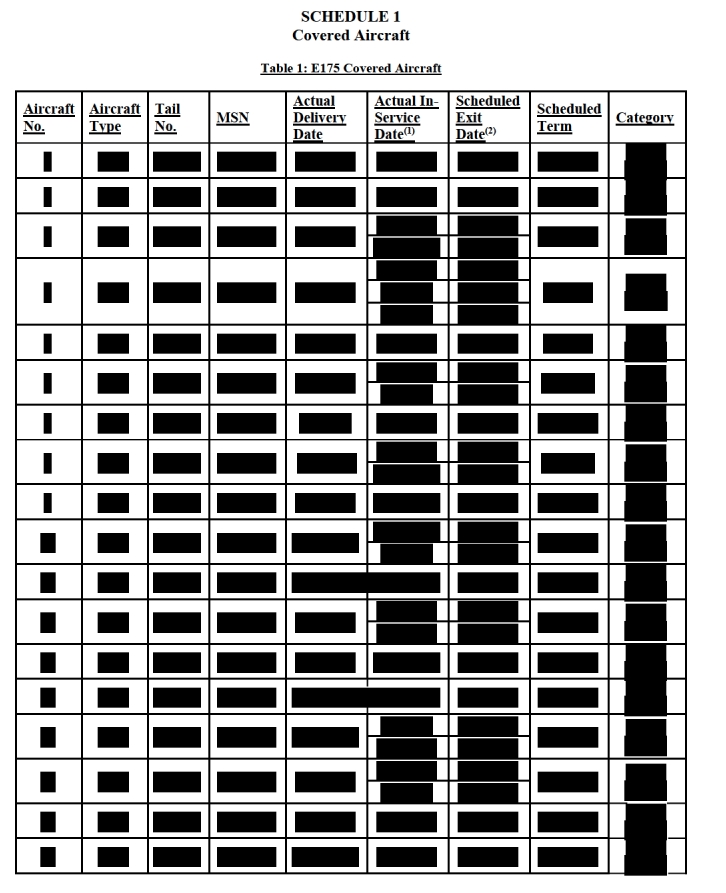
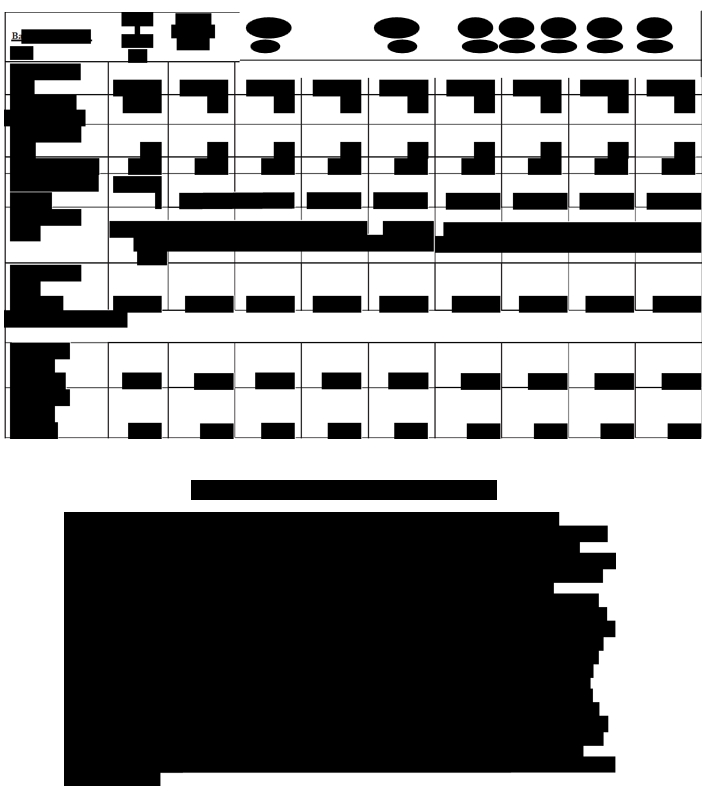
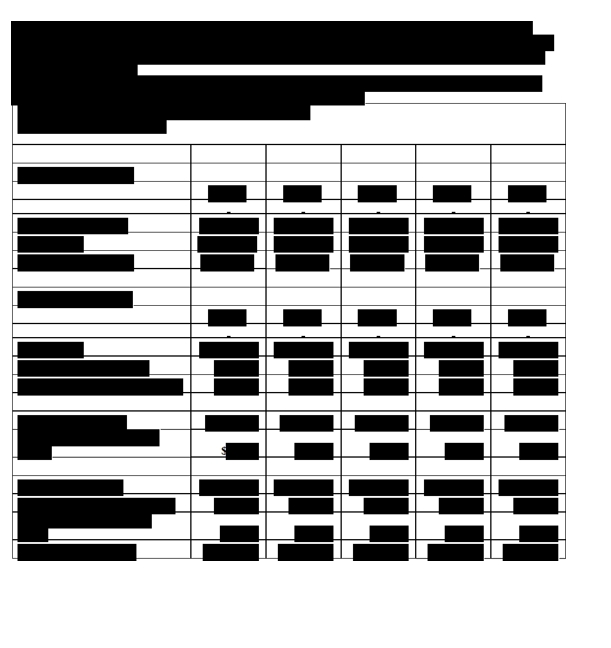


 Schedule, and reasonably frequently from time to time therefore Contractor shall provide United with notice regarding the delivery status of such CRJ900 Covered Aircraft for performance of Regional Airline Services hereunder, including without limitation information relating to the commencement of the delivery inspection period (which notice is anticipated to be given no later than
  prior to actual delivery date of such aircraft), delays in such delivery, or otherwise relating of such aircraft.