株探米国株
英語
エドガーで原本を確認する


UNITED STATES
SECURITIES AND EXCHANGE COMMISSION
Washington, D.C. 20549


FORM 8-K


CURRENT REPORT


Pursuant to Section 13 or 15(d) of the
Securities Exchange Act of 1934


Date of report (Date of earliest event reported): March 28, 2025 

Silexion Therapeutics Corp
(Exact name of registrant as specified in its charter)

Cayman Islands
 
001-42253
 
N/A
(State or other jurisdiction
 
(Commission File Number)
 
(I.R.S. Employer
of incorporation)


Identification No.)


12 Abba Hillel Road

Ramat-Gan, Israel

 
5250606
(Address of principal executive offices)
 
(Zip Code)

+972-8-6286005
(Registrant’s telephone number, including area code)

N/A
(Former name or former address, if changed since last report)

Check the appropriate box below if the Form 8-K is intended to simultaneously satisfy the filing obligation of the registrant under any of the following provisions:


Written communications pursuant to Rule 425 under the Securities Act (17 CFR 230.425)


Soliciting material pursuant to Rule 14a-12 under the Exchange Act (17 CFR 240.14a-12)


Pre-commencement communications pursuant to Rule 14d-2(b) under the Exchange Act (17 CFR 240.14d-2(b))


Pre-commencement communications pursuant to Rule 13e-4(c) under the Exchange Act (17 CFR 240.13e-4(c))


Securities registered pursuant to Section 12(b) of the Act:


Title of each class
 
Trading Symbol(s)
 
Name of each exchange on which
registered
Ordinary Shares, par value $0.0001 per share
 
SLXN
 
The Nasdaq Stock Market LLC
Warrants exercisable for Ordinary Shares at an exercise price of $11.50 per share
 
SLXNW
 
The Nasdaq Stock Market LLC


Indicate by check mark whether the registrant is an emerging growth company as defined in Rule 405 of the Securities Act of 1933 (§230.405 of this chapter) or Rule 12b-2 of the Securities Exchange Act of 1934 (§240.12b-2 of this chapter).


Emerging growth company ☒


If an emerging growth company, indicate by check mark if the registrant has elected not to use the extended transition period for complying with any new or revised financial accounting standards provided pursuant to Section 13(a) of the Exchange Act. ☐


Item 7.01
Regulation FD Disclosure.
 
On March 28, 2025, Silexion Therapeutics Corp (the “Company”) posted to its website (https://silexion.com/) an updated corporate presentation. A copy of the presentation is furnished with this Form 8-K as Exhibit 99.1 and is incorporated herein by reference. On the same day, the Company issued a press release entitled “Silexion Therapeutics Unveils Innovative Expanded Development Plan for SIL204 Based on Recently Groundbreaking Preclinical Data” A copy of the press release is furnished with this Form 8-K as Exhibit 99.2 and is incorporated herein by reference.
 
In accordance with General Instruction B.2 of Form 8-K, the information in this Current Report on Form 8-K that is furnished pursuant to this Item 7.01, including Exhibit 99.1 and 99.2, shall not be deemed to be “filed” for the purposes of Section 18 of the Securities Exchange Act of 1934, as amended (the “Exchange Act”), or otherwise subject to the liabilities of that section, and shall not be incorporated by reference into any registration statement or other document filed under the Securities Act of 1933, as amended, or the Exchange Act, except as shall be expressly set forth by specific reference in such filing.


Item 8.01 Other Events.

On March 28, 2025, the Company announced an expanded development plan for its next-generation siRNA candidate, SIL204. This strategy integrates systemic administration to target metastatic progression with intratumoral administration to focus on primary tumors, offering a comprehensive approach to treating KRAS-driven pancreatic cancer. The decision to expand the development plan follows recently reported promising preclinical findings demonstrating that systemic administration of SIL204 significantly inhibits tumor growth in clinically relevant orthotopic models of pancreatic cancer. This dual-route approach is designed to address the aggressive nature of KRAS-driven cancers, which are characterized by high mortality and limited treatment options.

Building on the Phase 2 clinical results from its first-generation product (siG12DLoder) and the recent orthotopic model studies showing SIL204's ability to reduce metastases, the Company plans to conduct additional toxicology and pharmacodynamic studies throughout the remainder of 2025, followed by potential regulatory submissions to the Israel Ministry of Health in the second half of 2025 and to the European Union in the first half of 2026. These submissions would initiate the next stage of clinical development for SIL204 in patients with advanced localized KRAS-driven pancreatic cancer.

Cautionary Note Regarding Forward-Looking Statements

This Report of Foreign Private Issuer on Form 6-K contains statements forward-looking statements within the meaning of the federal securities laws including statements regarding the Company’s business strategy, ongoing studies and plans to initiate further studies and make regulatory submissions. Forward-looking statements involve a number of risks, uncertainties, and assumptions, and actual results or events may differ materially from those projected or implied in those statements. Important factors that could cause such differences include, but are not limited to: (i) the Company’s ability to successfully complete preclinical studies and initiate clinical trials; (ii) the Company’s strategy, future operations, financial position, projected costs, prospects, and plans; (iii) the impact of the regulatory environment and compliance complexities; (iv) expectations regarding future partnerships or other relationships with third parties; (v) the Company’s future capital requirements and sources and uses of cash, including its ability to obtain additional capital; and (vi) other risks and uncertainties set forth in the documents filed or to be filed with the SEC by the company, including the Annual Report on Form 10-K for the year ended December 31, 2024, filed with the SEC on March 18, 2025. The Company cautions you against placing undue reliance on forward-looking statements, which reflect current beliefs and are based on information currently available as of the date a forward-looking statement is made. Forward-looking statements set forth herein speak only as of the date they are made. The Company undertakes no obligation to revise forward-looking statements to reflect future events, changes in circumstances, or changes in beliefs, except as otherwise required by law.

Item 9.01
Financial Statements and Exhibits
 
(d) Exhibits


104
Cover Page Interactive Data File (formatted in Inline XBRL)


SIGNATURE
 
Pursuant to the requirements of the Securities Exchange Act of 1934, the registrant has duly caused this report to be signed on its behalf by the undersigned hereunto duly authorized.
 
 
SILEXION THERAPEUTICS CORP
 
 
Date: March 28, 2025
By: /s/ Ilan Hadar
 
Name:
Ilan Hadar
 
Title:
Chief Executive Officer
 

EX-99.1 2 exhibit_99-1.htm EXHIBIT 99.1

Exhibit 99.1

 Silencing Oncogenes at the Level of Gene Expression  Nasdaq: SLXN  Corporate Presentation March, 2025 
 

 The statements contained in this presentation that are not purely historical are forward-looking statements. Our forward-looking statements include, but are not limited to, statements regarding our or our management team’s expectations, hopes, beliefs, intentions or strategies regarding the future. In addition, any statements that refer to projections, forecasts or other characterizations of future events or circumstances, including any underlying assumptions, are forward-looking statements. The words “anticipate,” “believe,” “continue,” “could,” “estimate,” “expect,” “intends,” “may,” “might,” “plan,” “possible,” “potential,” “predict,” “project,” “should,” “would” and similar expressions may identify forward-looking statements, but the absence of these words does not mean that a statement is not forward-looking. Forward-looking statements in this presentation may include, for example, statements about:   the future performance of the Company, including Silexion’s projected timeline for regulatory approvals of its product candidates; and  the Company’s future plans and opportunities.  The forward-looking statements contained in this presentation are based on our current expectations and beliefs concerning future developments and their potential effects on us. There can be no assurance that future developments affecting us will be those that we have anticipated. These forward-looking statements involve a number of risks, uncertainties (some of which are beyond our control) or other assumptions that may cause actual results or performance to be materially different from those expressed or implied by these forward-looking statements. These risks and uncertainties include, but are not limited to, the items in the following list:  Silexion is a development-stage company and has a limited operating history on which to assess its business;  Silexion has never generated any revenue from product sales and may never be profitable;  The approach Silexion is taking to discover and develop novel RNAi therapeutics is unproven for oncology and may never lead to marketable products;  Silexion does not have experience producing its product candidates at commercial levels, currently has no marketing and sales organization, has an uncertain market receptiveness to its product candidates, and is uncertain as to whether there will be insurance coverage and reimbursement for its potential products;  Silexion may be unable to attract, develop and/or retain its key personnel or additional employees required for its development and future success;  Additional factors relating to the business, operations and financial performance of Silexion.  Should one or more of these risks or uncertainties materialize, or should any of our assumptions prove incorrect, actual results may vary in material respects from those projected in these forward-looking statements. We undertake no obligation to update or revise any forward-looking statements, whether as a result of new information, future events or otherwise, except as may be required under applicable securities laws.  2   Forward-Looking Statement  
 

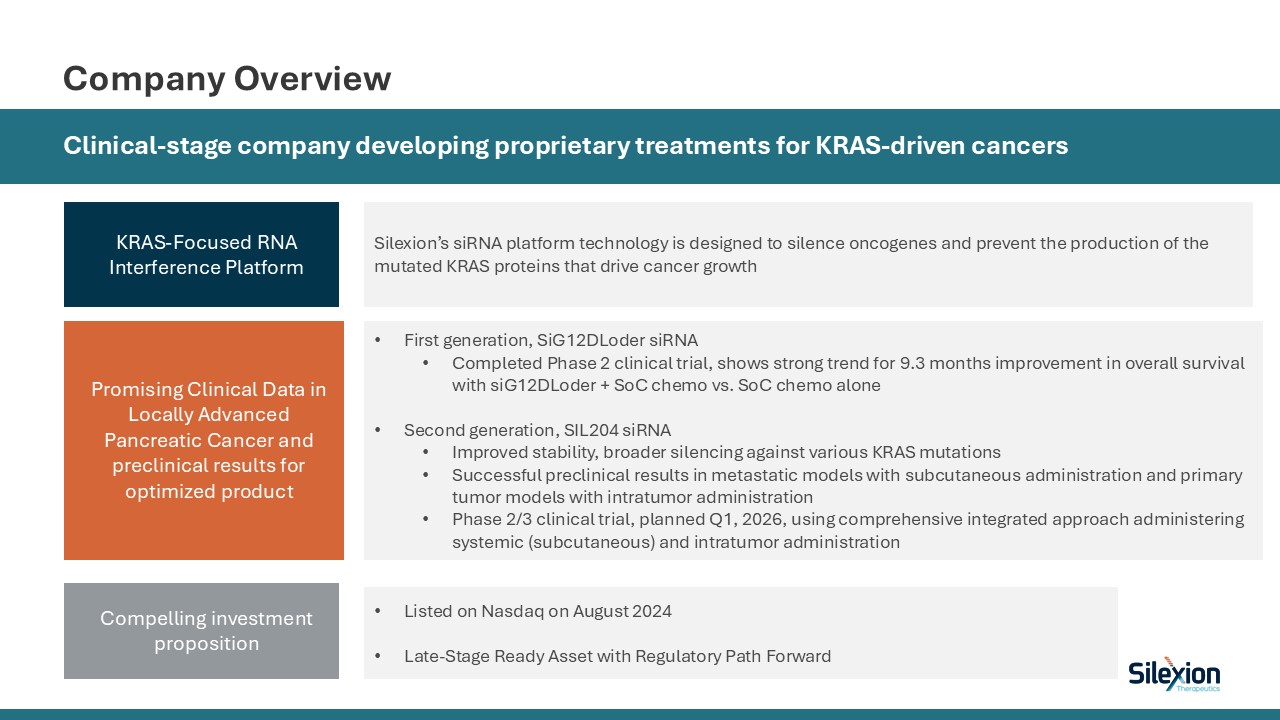
 Company Overview  Silexion’s siRNA platform technology is designed to silence oncogenes and prevent the production of the mutated KRAS proteins that drive cancer growth  First generation, SiG12DLoder siRNA  Completed Phase 2 clinical trial, shows strong trend for 9.3 months improvement in overall survival with siG12DLoder + SoC chemo vs. SoC chemo alone  Second generation, SIL204 siRNA  Improved stability, broader silencing against various KRAS mutations  Successful preclinical results in metastatic models with subcutaneous administration and primary tumor models with intratumor administration  Phase 2/3 clinical trial, planned Q1, 2026, using comprehensive integrated approach administering systemic (subcutaneous) and intratumor administration  Listed on Nasdaq on August 2024  Late-Stage Ready Asset with Regulatory Path Forward  Clinical-stage company developing proprietary treatments for KRAS-driven cancers  KRAS-Focused RNA Interference Platform  Promising Clinical Data in Locally Advanced Pancreatic Cancer and preclinical results for optimized product  Compelling investment proposition 
 

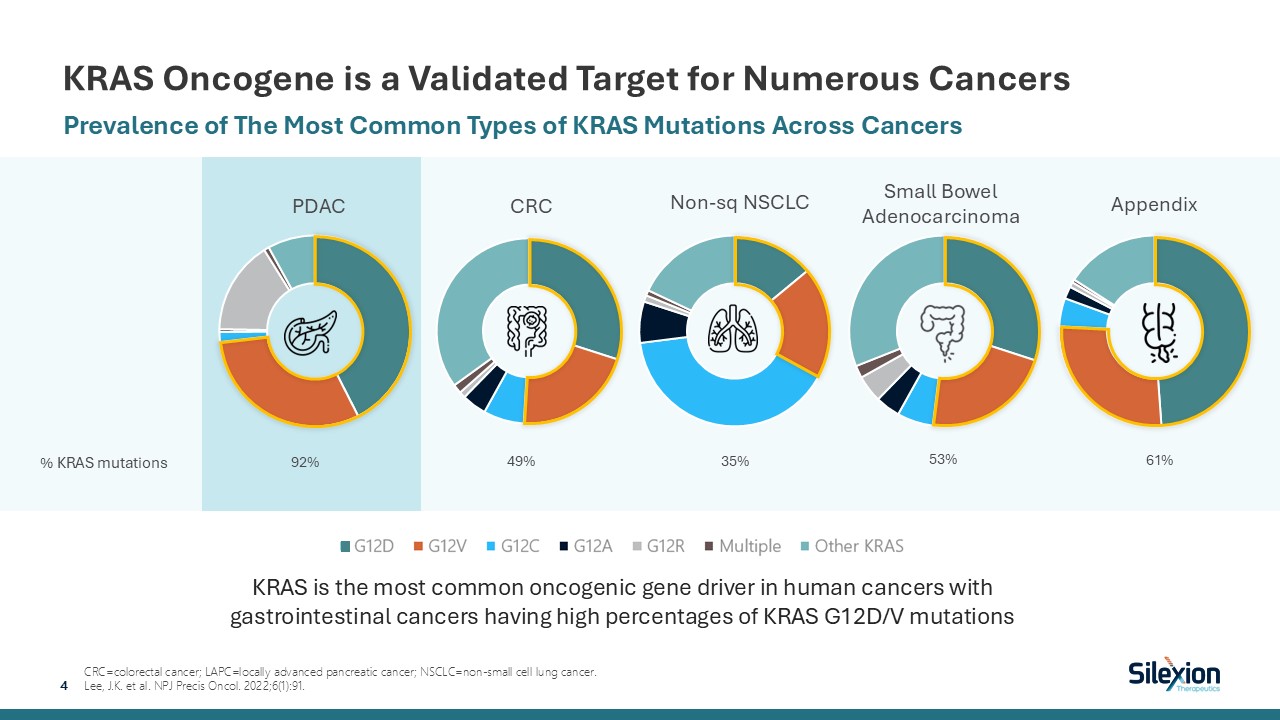
 KRAS Oncogene is a Validated Target for Numerous Cancers   4   Prevalence of The Most Common Types of KRAS Mutations Across Cancers  CRC=colorectal cancer; LAPC=locally advanced pancreatic cancer; NSCLC=non-small cell lung cancer.  Lee, J.K. et al. NPJ Precis Oncol. 2022;6(1):91.  PDAC  CRC  Non-sq NSCLC  Small Bowel Adenocarcinoma  Appendix  KRAS is the most common oncogenic gene driver in human cancers with gastrointestinal cancers having high percentages of KRAS G12D/V mutations  % KRAS mutations  92%  49%  35%  53%  61% 
 

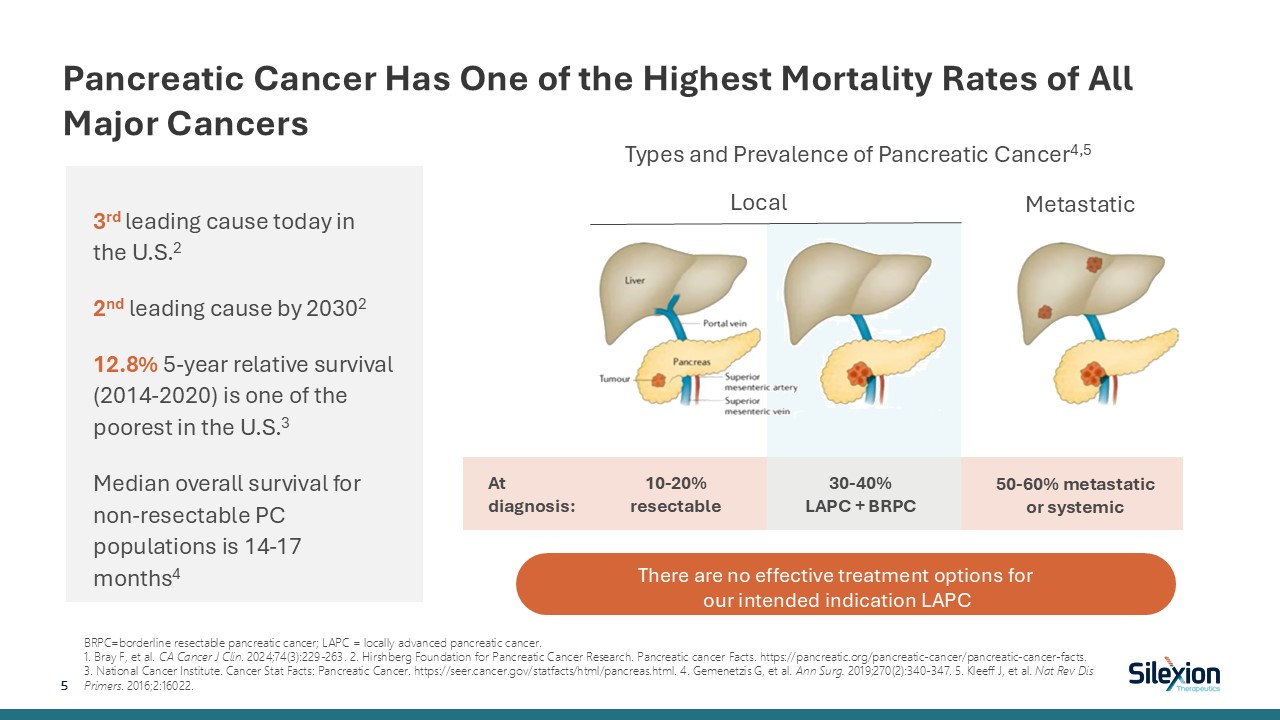
 Pancreatic Cancer Has One of the Highest Mortality Rates of All Major Cancers  BRPC=borderline resectable pancreatic cancer; LAPC = locally advanced pancreatic cancer.   1. Bray F, et al. CA Cancer J Clin. 2024;74(3):229-263. 2. Hirshberg Foundation for Pancreatic Cancer Research. Pancreatic cancer Facts. https://pancreatic.org/pancreatic-cancer/pancreatic-cancer-facts. 3. National Cancer Institute. Cancer Stat Facts: Pancreatic Cancer. https://seer.cancer.gov/statfacts/html/pancreas.html. 4. Gemenetzis G, et al. Ann Surg. 2019;270(2):340-347. 5. Kleeff J, et al. Nat Rev Dis Primers. 2016;2:16022.   Local  Metastatic  At diagnosis:  10-20% resectable  30-40% LAPC + BRPC  50-60% metastatic or systemic  Types and Prevalence of Pancreatic Cancer4,5  5   There are no effective treatment options for our intended indication LAPC   3rd leading cause today in the U.S.2  2nd leading cause by 20302  12.8% 5-year relative survival (2014-2020) is one of the poorest in the U.S.3  Median overall survival for non-resectable PC populations is 14-17 months4 
 

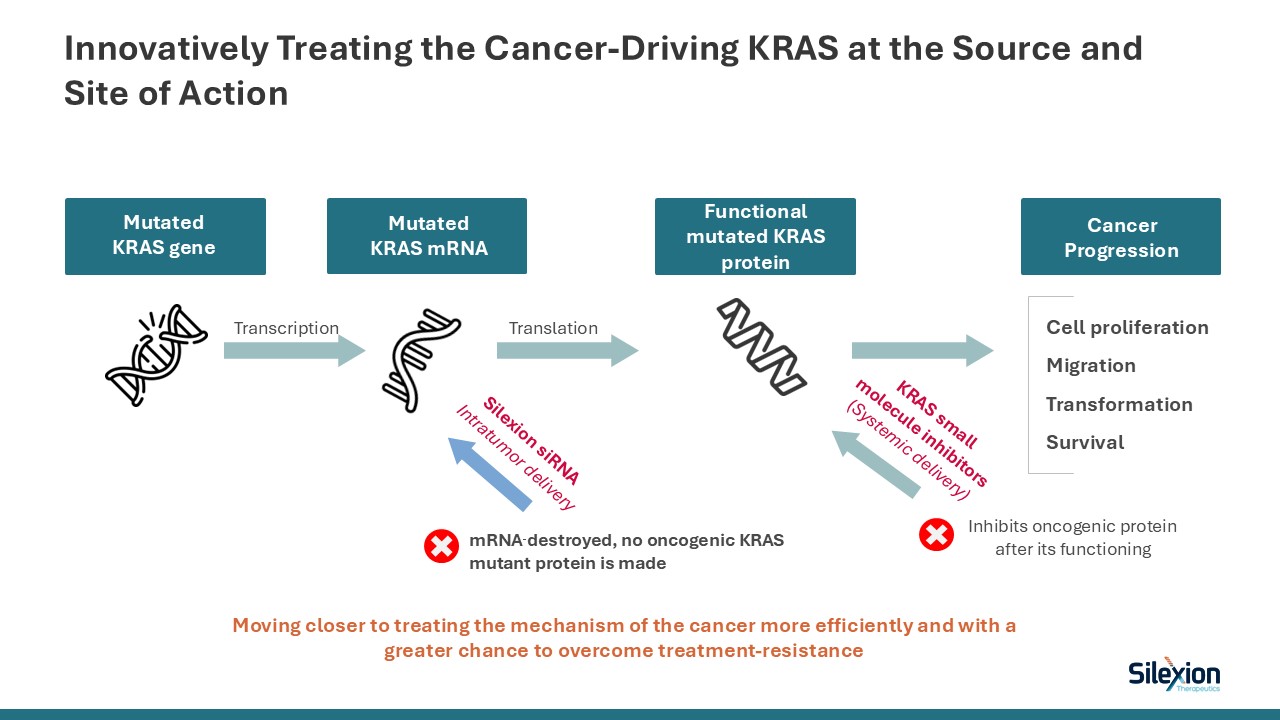
 Innovatively Treating the Cancer-Driving KRAS at the Source and Site of Action  Moving closer to treating the mechanism of the cancer more efficiently and with a greater chance to overcome treatment-resistance  Cell proliferation  Migration  Transformation   Survival  Silexion siRNA  Intratumor delivery  KRAS small molecule inhibitors (Systemic delivery)  Functional mutated KRAS protein   Mutated KRAS mRNA  Cancer   Progression  Mutated   KRAS gene  Inhibits oncogenic protein after its functioning  Transcription  Translation  mRNA destroyed, no oncogenic KRAS mutant protein is made 
 

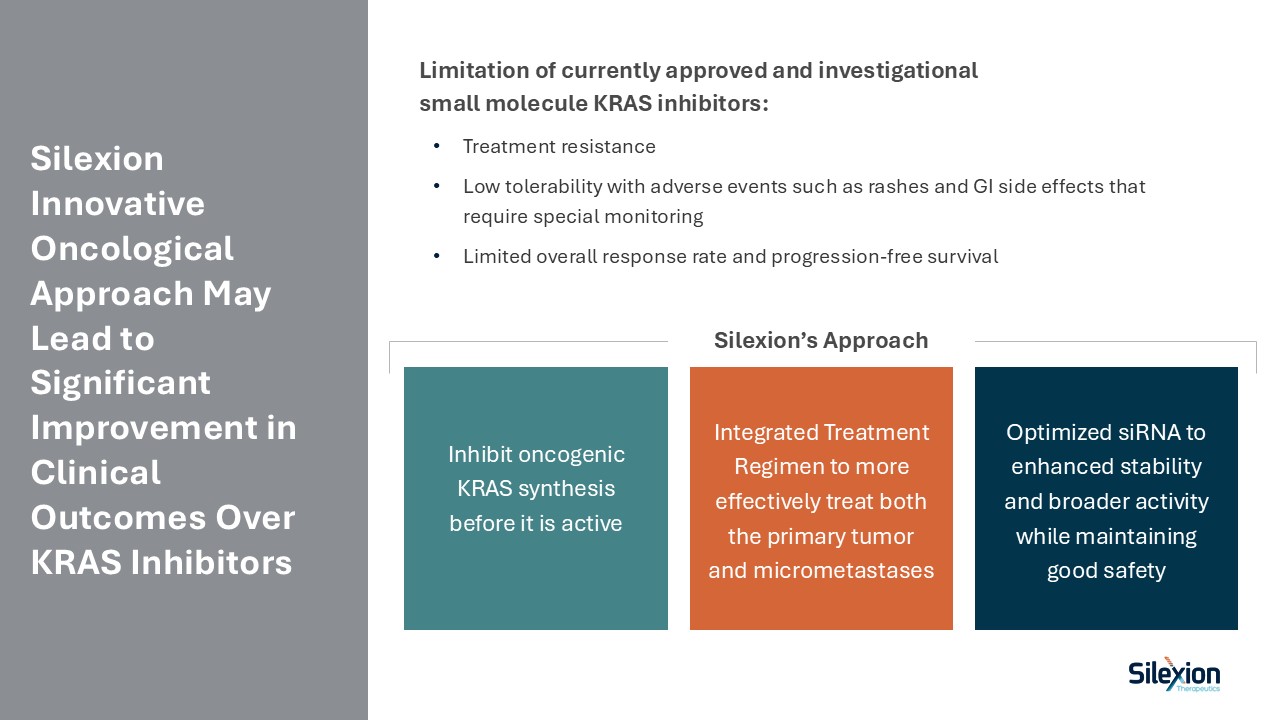
 Silexion Innovative Oncological Approach May Lead to Significant Improvement in Clinical Outcomes Over KRAS Inhibitors   Treatment resistance  Low tolerability with adverse events such as rashes and GI side effects that require special monitoring   Limited overall response rate and progression-free survival  Limitation of currently approved and investigational small molecule KRAS inhibitors:  Inhibit oncogenic KRAS synthesis before it is active   Integrated Treatment Regimen to more effectively treat both the primary tumor and micrometastases  Optimized siRNA to enhanced stability and broader activity while maintaining good safety  Silexion’s Approach 
 

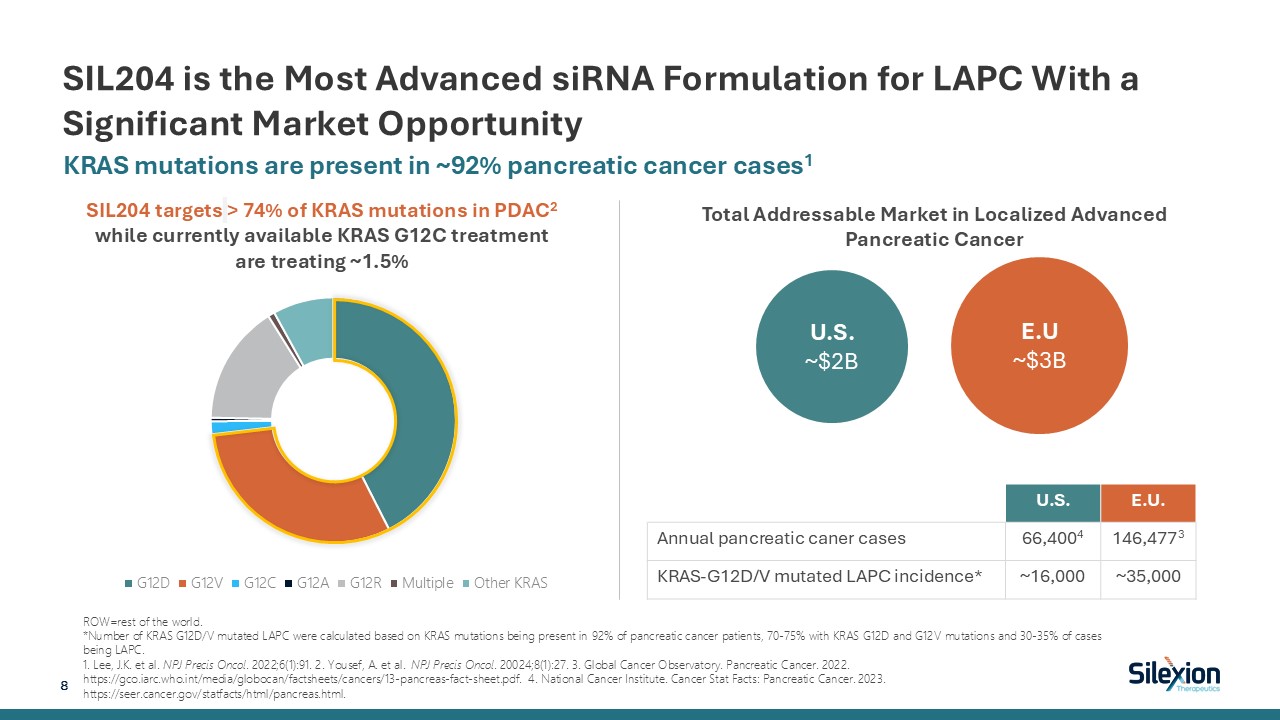
 SIL204 is the Most Advanced siRNA Formulation for LAPC With a Significant Market Opportunity  KRAS mutations are present in ~92% pancreatic cancer cases1  ROW=rest of the world.  *Number of KRAS G12D/V mutated LAPC were calculated based on KRAS mutations being present in 92% of pancreatic cancer patients, 70-75% with KRAS G12D and G12V mutations and 30-35% of cases being LAPC.  1. Lee, J.K. et al. NPJ Precis Oncol. 2022;6(1):91. 2. Yousef, A. et al. NPJ Precis Oncol. 20024;8(1):27. 3. Global Cancer Observatory. Pancreatic Cancer. 2022. https://gco.iarc.who.int/media/globocan/factsheets/cancers/13-pancreas-fact-sheet.pdf. 4. National Cancer Institute. Cancer Stat Facts: Pancreatic Cancer. 2023. https://seer.cancer.gov/statfacts/html/pancreas.html.   SIL204 targets > 74% of KRAS mutations in PDAC2 while currently available KRAS G12C treatment are treating ~1.5%  Total Addressable Market in Localized Advanced Pancreatic Cancer  U.S.  E.U.  Annual pancreatic caner cases  66,4004  146,4773  KRAS-G12D/V mutated LAPC incidence*  ~16,000  ~35,000  8   U.S. ~$2B  E.U ~$3B 
 

 LODER (First generation siRNA)  Phase 2 Clinical Trial Data 
 

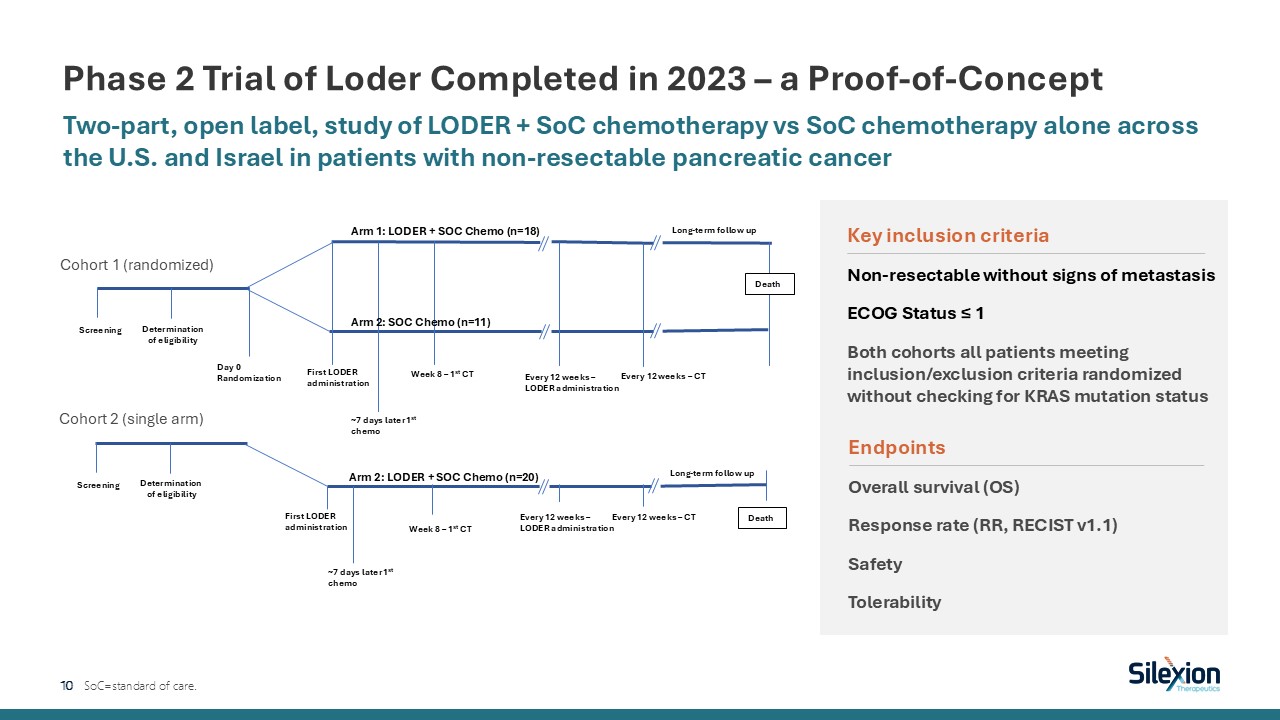
 Phase 2 Trial of Loder Completed in 2023 – a Proof-of-Concept  Two-part, open label, study of LODER + SoC chemotherapy vs SoC chemotherapy alone across the U.S. and Israel in patients with non-resectable pancreatic cancer  SoC=standard of care.  Arm 1: LODER + SOC Chemo (n=18)  Day 0 Randomization  Long-term follow up   Screening  Death  Determination of eligibility  First LODER administration  ~7 days later 1st chemo  Week 8 – 1st CT  Arm 2: SOC Chemo (n=11)  Every 12 weeks – LODER administration   Every 12 weeks – CT  Screening  Death  Determination of eligibility  First LODER administration  ~7 days later 1st chemo  Week 8 – 1st CT  Arm 2: LODER + SOC Chemo (n=20)  Every 12 weeks – LODER administration   Every 12 weeks – CT  Long-term follow up   Cohort 1 (randomized)  Cohort 2 (single arm)  Key inclusion criteria  Non-resectable without signs of metastasis  ECOG Status ≤ 1  Both cohorts all patients meeting inclusion/exclusion criteria randomized without checking for KRAS mutation status  Endpoints  Overall survival (OS)   Response rate (RR, RECIST v1.1)   Safety  Tolerability  10  
 

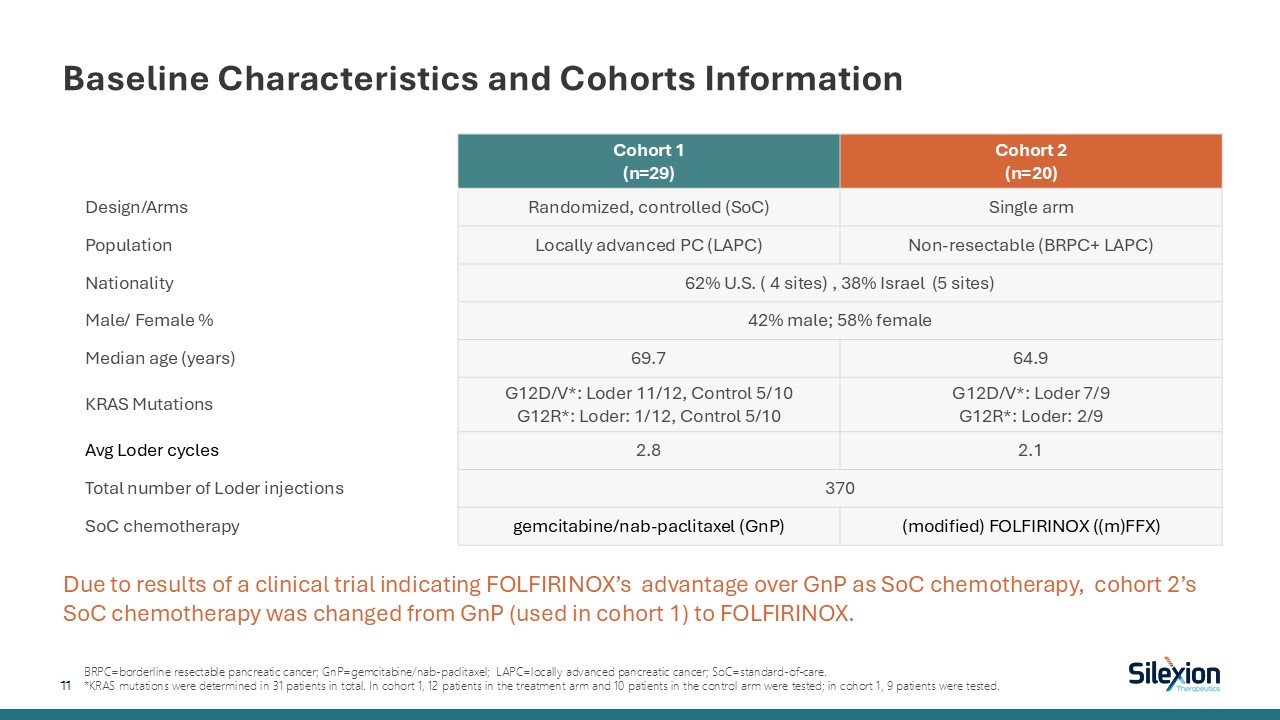
 Baseline Characteristics and Cohorts Information  Due to results of a clinical trial indicating FOLFIRINOX’s advantage over GnP as SoC chemotherapy, cohort 2’s SoC chemotherapy was changed from GnP (used in cohort 1) to FOLFIRINOX.   BRPC=borderline resectable pancreatic cancer; GnP=gemcitabine/nab-paclitaxel; LAPC=locally advanced pancreatic cancer; SoC=standard-of-care.  *KRAS mutations were determined in 31 patients in total. In cohort 1, 12 patients in the treatment arm and 10 patients in the control arm were tested; in cohort 1, 9 patients were tested.  Cohort 1  (n=29)  Cohort 2  (n=20)  Design/Arms  Randomized, controlled (SoC)  Single arm  Population  Locally advanced PC (LAPC)  Non-resectable (BRPC+ LAPC)   Nationality   62% U.S. ( 4 sites) , 38% Israel (5 sites)  Male/ Female %  42% male; 58% female  Median age (years)  69.7   64.9  KRAS Mutations  G12D/V*: Loder 11/12, Control 5/10  G12R*: Loder: 1/12, Control 5/10  G12D/V*: Loder 7/9  G12R*: Loder: 2/9  Avg Loder cycles  2.8  2.1  Total number of Loder injections  370  SoC chemotherapy  gemcitabine/nab-paclitaxel (GnP)   (modified) FOLFIRINOX ((m)FFX)   11  
 

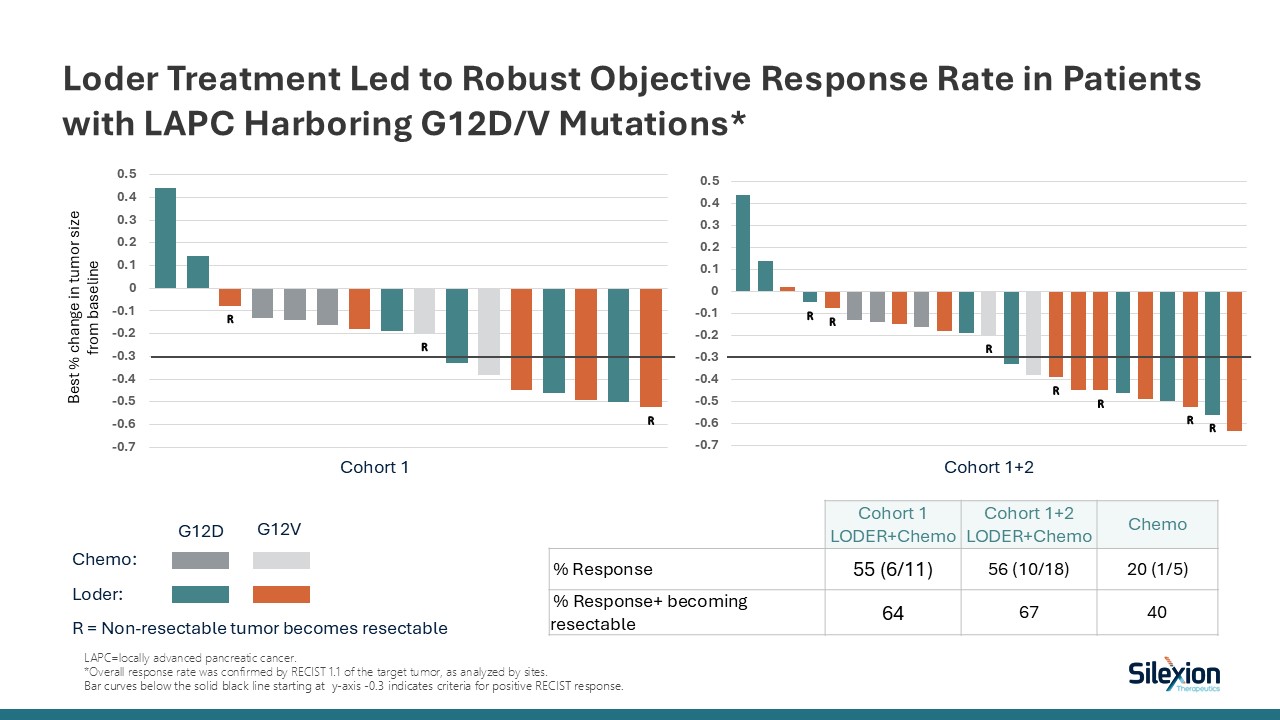
 Loder Treatment Led to Robust Objective Response Rate in Patients with LAPC Harboring G12D/V Mutations*  LAPC=locally advanced pancreatic cancer.  *Overall response rate was confirmed by RECIST 1.1 of the target tumor, as analyzed by sites.  Bar curves below the solid black line starting at y-axis -0.3 indicates criteria for positive RECIST response.  Chemo:  Loder:  R = Non-resectable tumor becomes resectable  G12D  G12V  Cohort 1  Cohort 1+2  Best % change in tumor size from baseline  Cohort 1  LODER+Chemo  Cohort 1+2  LODER+Chemo  Chemo   % Response  55 (6/11)  56 (10/18)  20 (1/5)   % Response+ becoming resectable   64  67  40 
 

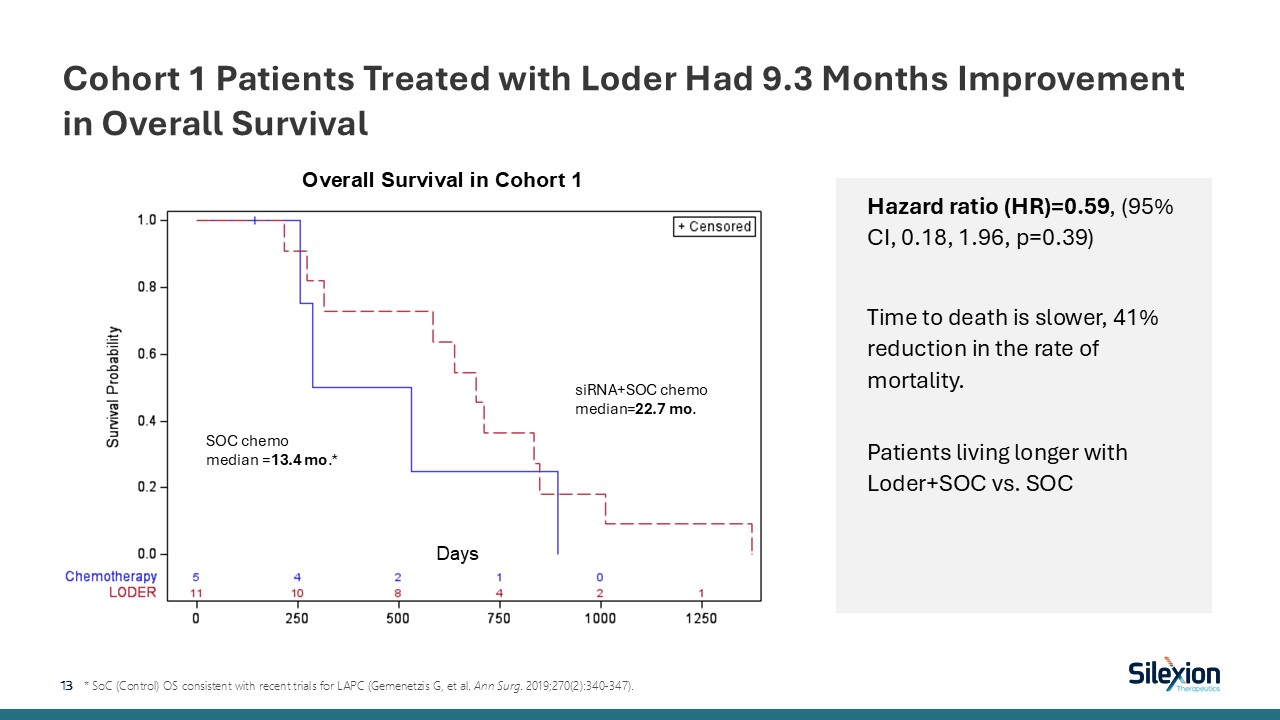
 Cohort 1 Patients Treated with Loder Had 9.3 Months Improvement in Overall Survival  13   * SoC (Control) OS consistent with recent trials for LAPC (Gemenetzis G, et al. Ann Surg. 2019;270(2):340-347).  Hazard ratio (HR)=0.59, (95% CI, 0.18, 1.96, p=0.39)  Time to death is slower, 41% reduction in the rate of mortality.  Patients living longer with Loder+SOC vs. SOC  Days  Overall Survival in Cohort 1  SOC chemo median =13.4 mo.*  siRNA+SOC chemo median=22.7 mo. 
 

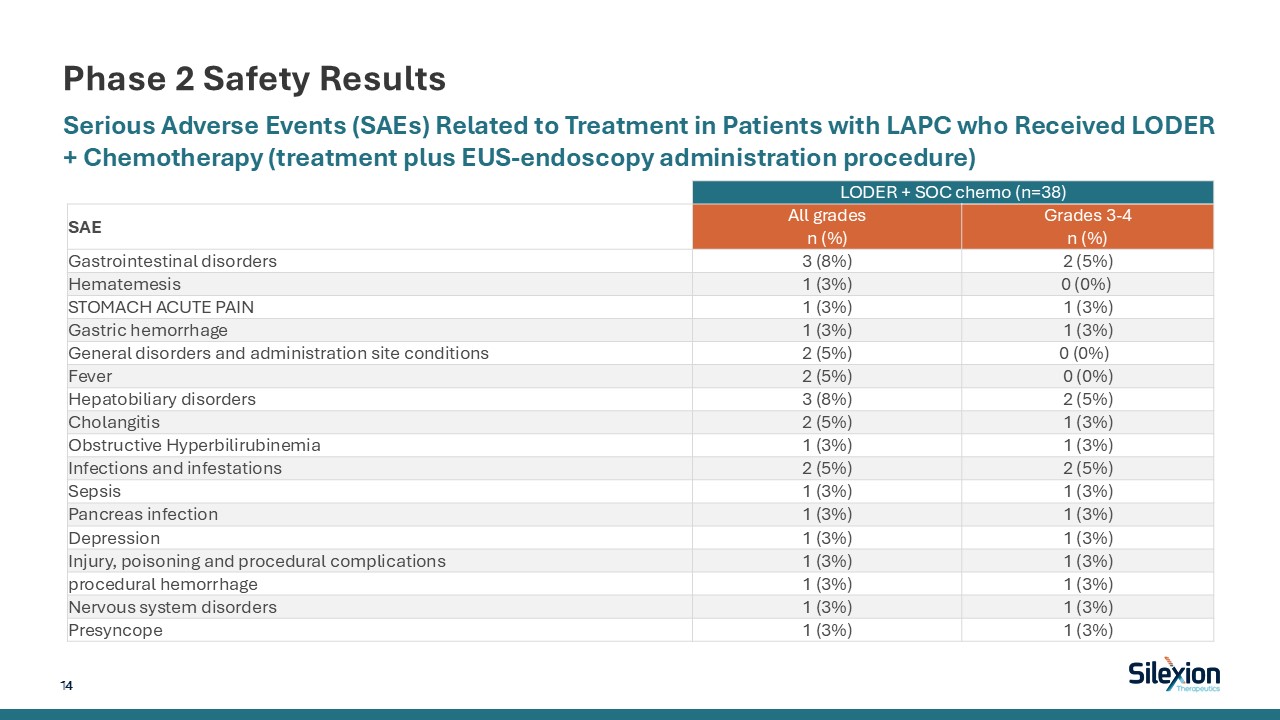
 Phase 2 Safety Results  Serious Adverse Events (SAEs) Related to Treatment in Patients with LAPC who Received LODER + Chemotherapy (treatment plus EUS-endoscopy administration procedure)     LODER + SOC chemo (n=38)  SAE  All grades  n (%)  Grades 3-4  n (%)  Gastrointestinal disorders  3 (8%)  2 (5%)  Hematemesis  1 (3%)  0 (0%)   STOMACH ACUTE PAIN  1 (3%)  1 (3%)  Gastric hemorrhage  1 (3%)  1 (3%)  General disorders and administration site conditions  2 (5%)  0 (0%)    Fever  2 (5%)   0 (0%)   Hepatobiliary disorders  3 (8%)  2 (5%)  Cholangitis  2 (5%)  1 (3%)  Obstructive Hyperbilirubinemia  1 (3%)  1 (3%)  Infections and infestations  2 (5%)  2 (5%)  Sepsis  1 (3%)  1 (3%)  Pancreas infection   1 (3%)  1 (3%)  Depression  1 (3%)  1 (3%)  Injury, poisoning and procedural complications  1 (3%)  1 (3%)  procedural hemorrhage  1 (3%)  1 (3%)  Nervous system disorders  1 (3%)  1 (3%)  Presyncope   1 (3%)  1 (3%)  14  
 

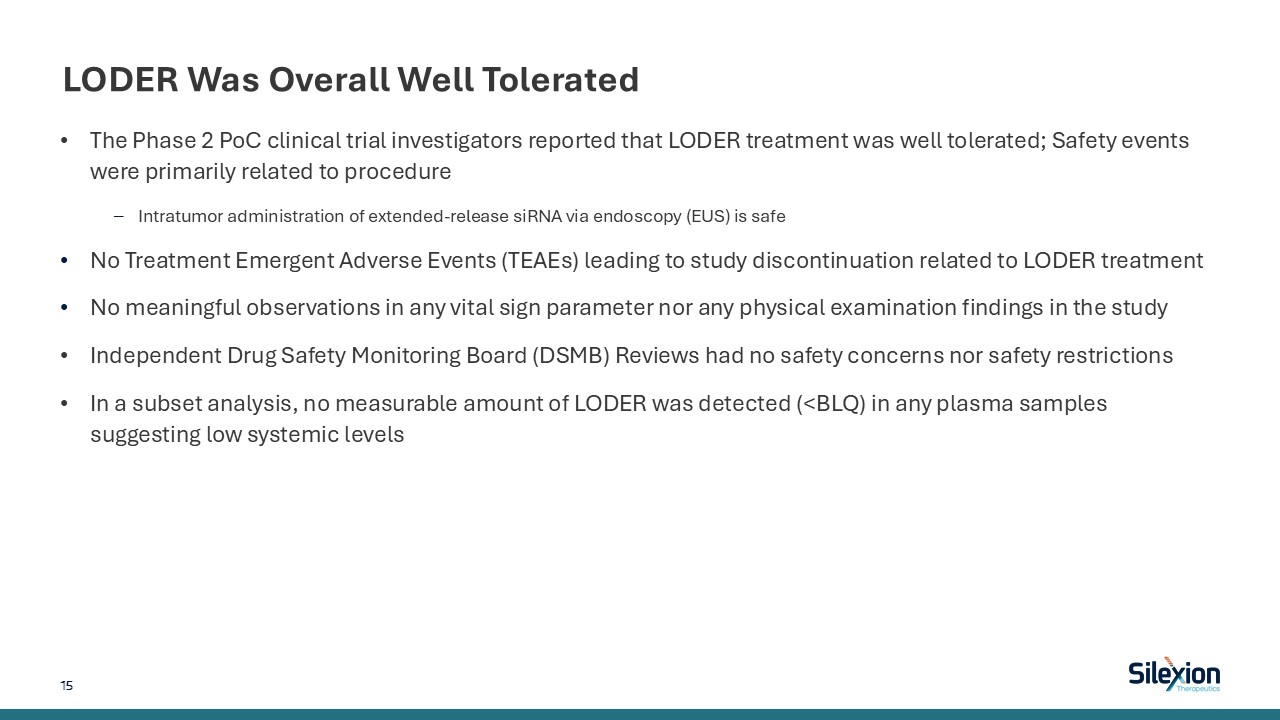
 LODER Was Overall Well Tolerated  The Phase 2 PoC clinical trial investigators reported that LODER treatment was well tolerated; Safety events were primarily related to procedure  Intratumor administration of extended-release siRNA via endoscopy (EUS) is safe  No Treatment Emergent Adverse Events (TEAEs) leading to study discontinuation related to LODER treatment   No meaningful observations in any vital sign parameter nor any physical examination findings in the study   Independent Drug Safety Monitoring Board (DSMB) Reviews had no safety concerns nor safety restrictions  In a subset analysis, no measurable amount of LODER was detected (<BLQ) in any plasma samples suggesting low systemic levels  15  
 

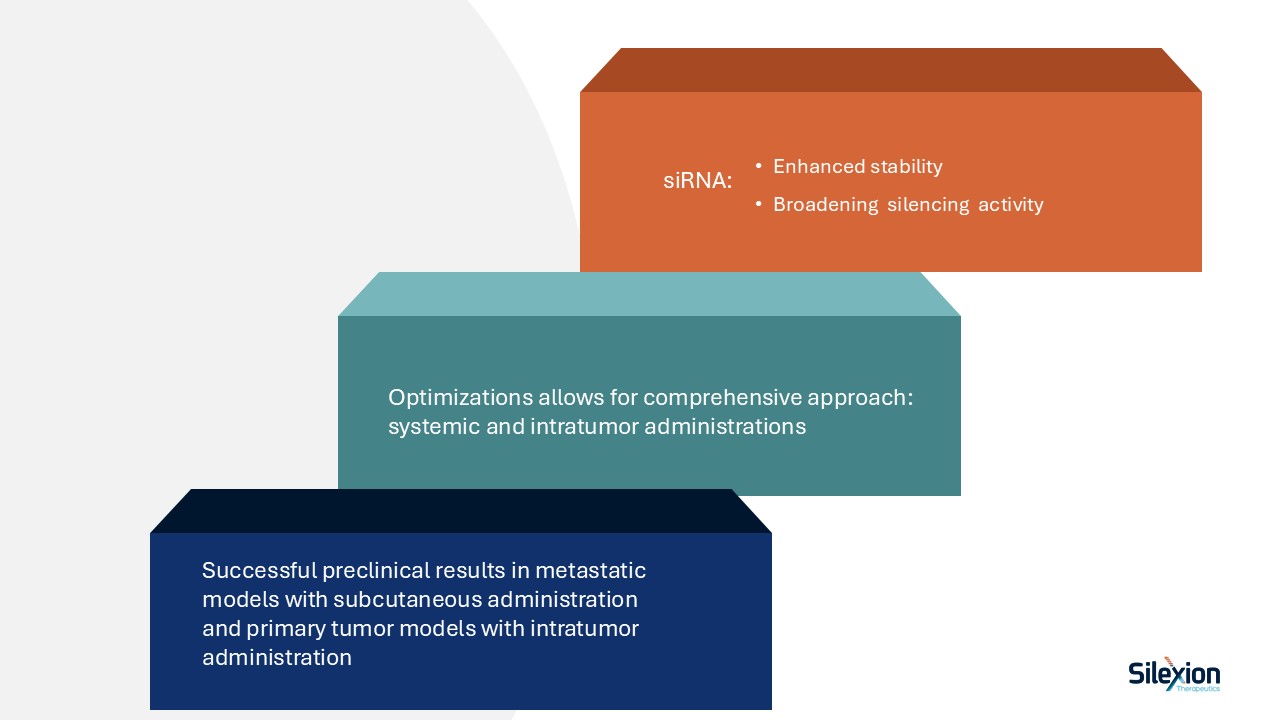
 Optimizations allows for comprehensive approach: systemic and intratumor administrations  siRNA:  Successful preclinical results in metastatic models with subcutaneous administration and primary tumor models with intratumor administration  Enhanced stability  Broadening silencing activity  
 

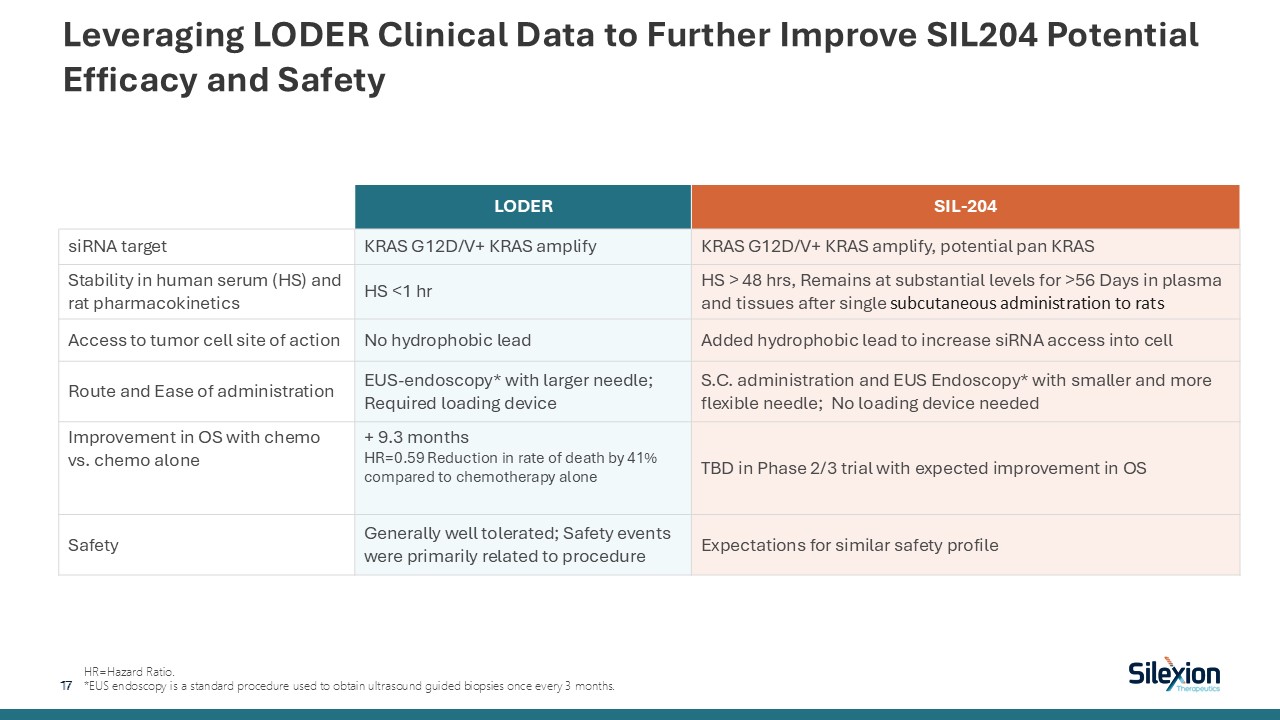
 Leveraging LODER Clinical Data to Further Improve SIL204 Potential Efficacy and Safety  17   HR=Hazard Ratio.  *EUS endoscopy is a standard procedure used to obtain ultrasound guided biopsies once every 3 months.  `  LODER  SIL-204  siRNA target  KRAS G12D/V+ KRAS amplify  KRAS G12D/V+ KRAS amplify, potential pan KRAS  Stability in human serum (HS) and rat pharmacokinetics  HS <1 hr  HS > 48 hrs, Remains at substantial levels for >56 Days in plasma and tissues after single subcutaneous administration to rats  Access to tumor cell site of action  No hydrophobic lead  Added hydrophobic lead to increase siRNA access into cell  Route and Ease of administration  EUS-endoscopy* with larger needle; Required loading device  S.C. administration and EUS Endoscopy* with smaller and more flexible needle; No loading device needed  Improvement in OS with chemo vs. chemo alone  + 9.3 monthsHR=0.59 Reduction in rate of death by 41% compared to chemotherapy alone  TBD in Phase 2/3 trial with expected improvement in OS  Safety  Generally well tolerated; Safety events were primarily related to procedure  Expectations for similar safety profile 
 

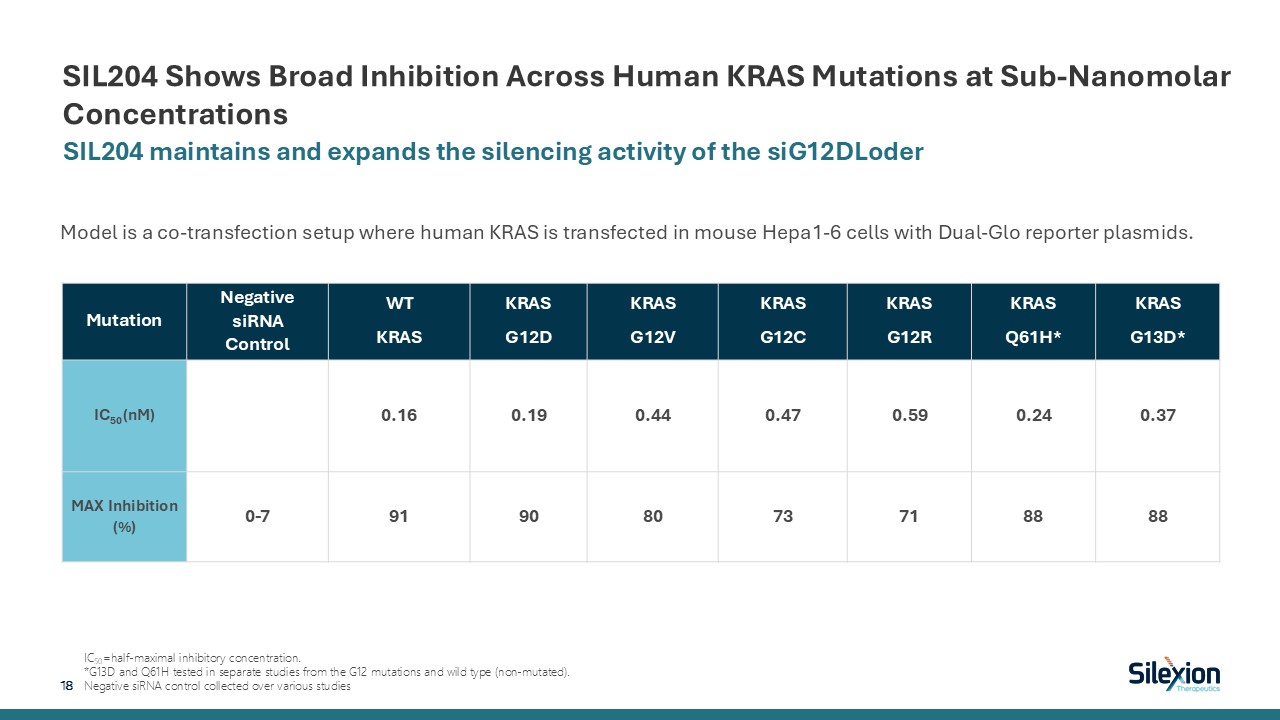
 SIL204 Shows Broad Inhibition Across Human KRAS Mutations at Sub-Nanomolar Concentrations  SIL204 maintains and expands the silencing activity of the siG12DLoder  18   Model is a co-transfection setup where human KRAS is transfected in mouse Hepa1-6 cells with Dual-Glo reporter plasmids.  Mutation  NegativesiRNAControl  WT   KRAS  KRAS   G12D  KRAS   G12V  KRAS   G12C  KRAS   G12R  KRAS   Q61H*  KRAS  G13D*  IC50 (nM)  0.16  0.19  0.44  0.47  0.59  0.24  0.37  MAX Inhibition (%)  0-7  91  90  80  73  71  88  88  IC50=half-maximal inhibitory concentration.   *G13D and Q61H tested in separate studies from the G12 mutations and wild type (non-mutated).   Negative siRNA control collected over various studies  
 

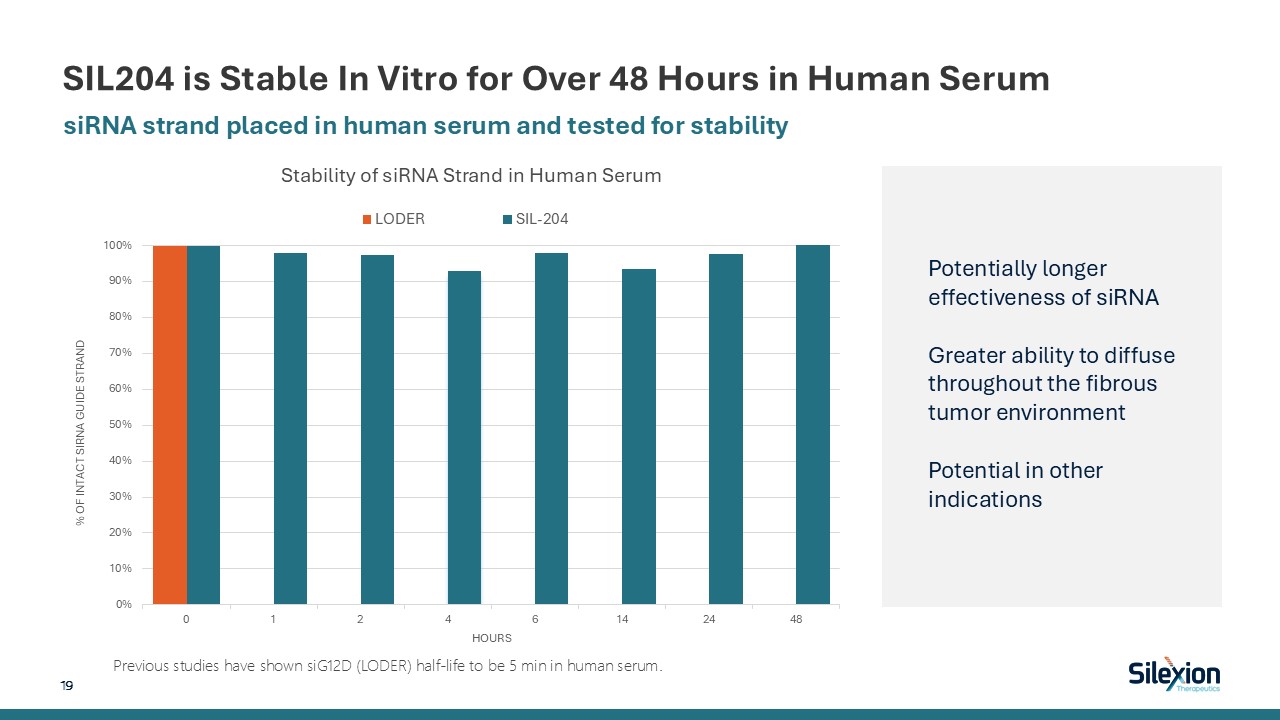
 SIL204 is Stable In Vitro for Over 48 Hours in Human Serum  19   siRNA strand placed in human serum and tested for stability  Stability of siRNA Strand in Human Serum   Potentially longer effectiveness of siRNA  Greater ability to diffuse throughout the fibrous tumor environment  Potential in other indications  Previous studies have shown siG12D (LODER) half-life to be 5 min in human serum. 
 

 SIL204 Remains at Substantial Levels for >56 Days in Plasma and Tissues   Single subcutaneous administration SIL204 solution (10mg, not formulated) to Sprague Dawley rats  20   Potential for longer effectiveness of siRNA for treating micrometastases with clinical dosing on monthly basis 
 

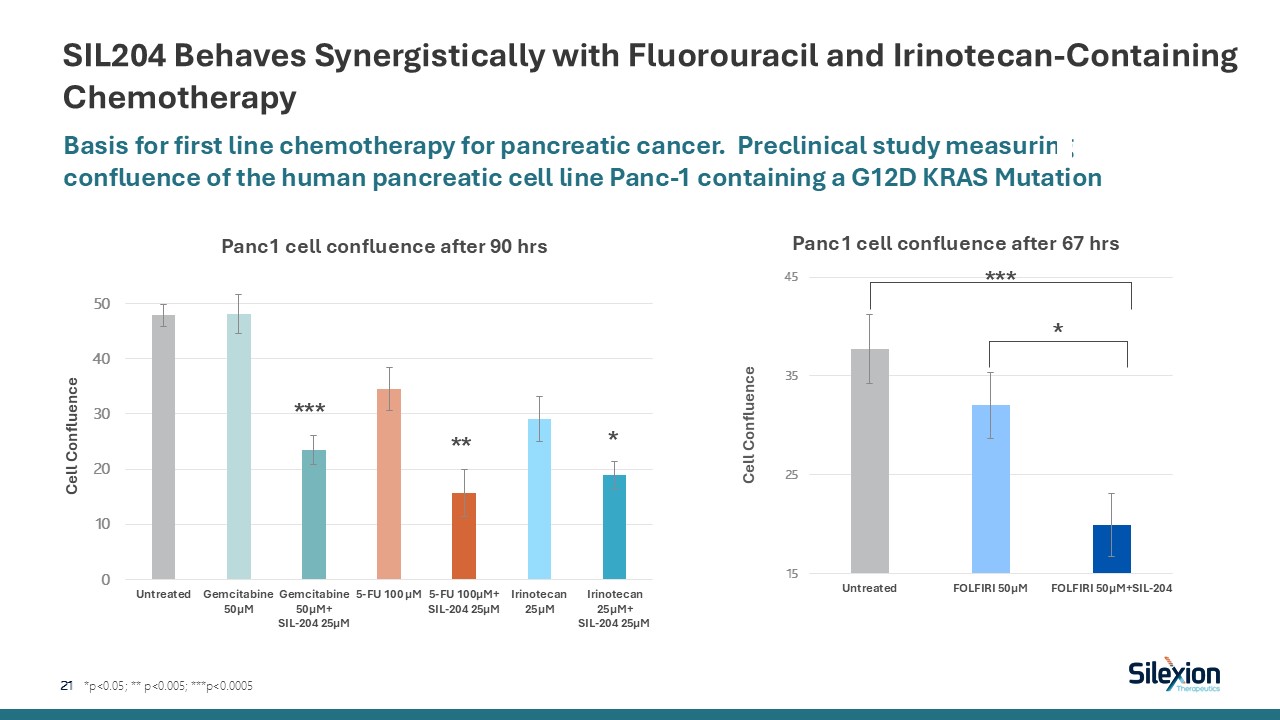
 SIL204 Behaves Synergistically with Fluorouracil and Irinotecan-Containing Chemotherapy  *p<0.05; ** p<0.005; ***p<0.0005  Basis for first line chemotherapy for pancreatic cancer. Preclinical study measuring confluence of the human pancreatic cell line Panc-1 containing a G12D KRAS Mutation  21   ***  **  *  ***  * 
 

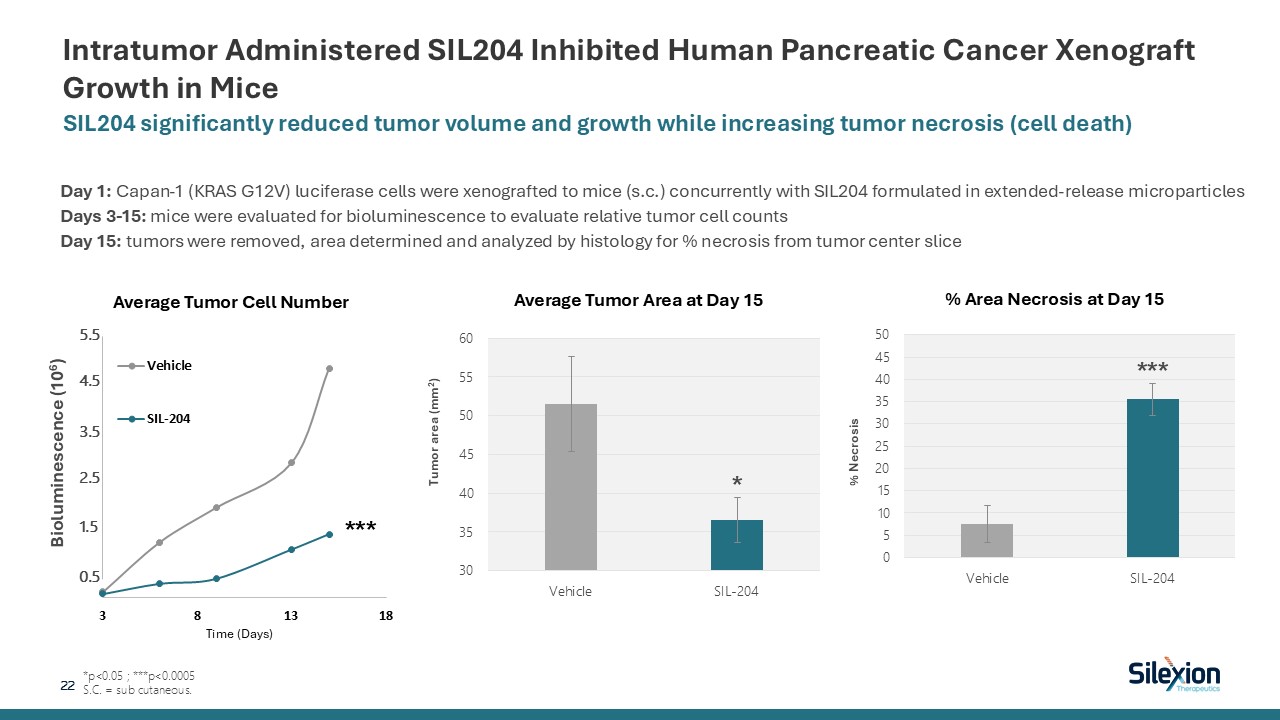
 Intratumor Administered SIL204 Inhibited Human Pancreatic Cancer Xenograft Growth in Mice  *p<0.05 ; ***p<0.0005  S.C. = sub cutaneous.  SIL204 significantly reduced tumor volume and growth while increasing tumor necrosis (cell death)  Day 1: Capan-1 (KRAS G12V) luciferase cells were xenografted to mice (s.c.) concurrently with SIL204 formulated in extended-release microparticles  Days 3-15: mice were evaluated for bioluminescence to evaluate relative tumor cell counts  Day 15: tumors were removed, area determined and analyzed by histology for % necrosis from tumor center slice  22   % Necrosis  5.5  4.5  3.5  2.5  1.5  0.5  Bioluminescence (106)  Tumor area (mm2)  *  *** 
 

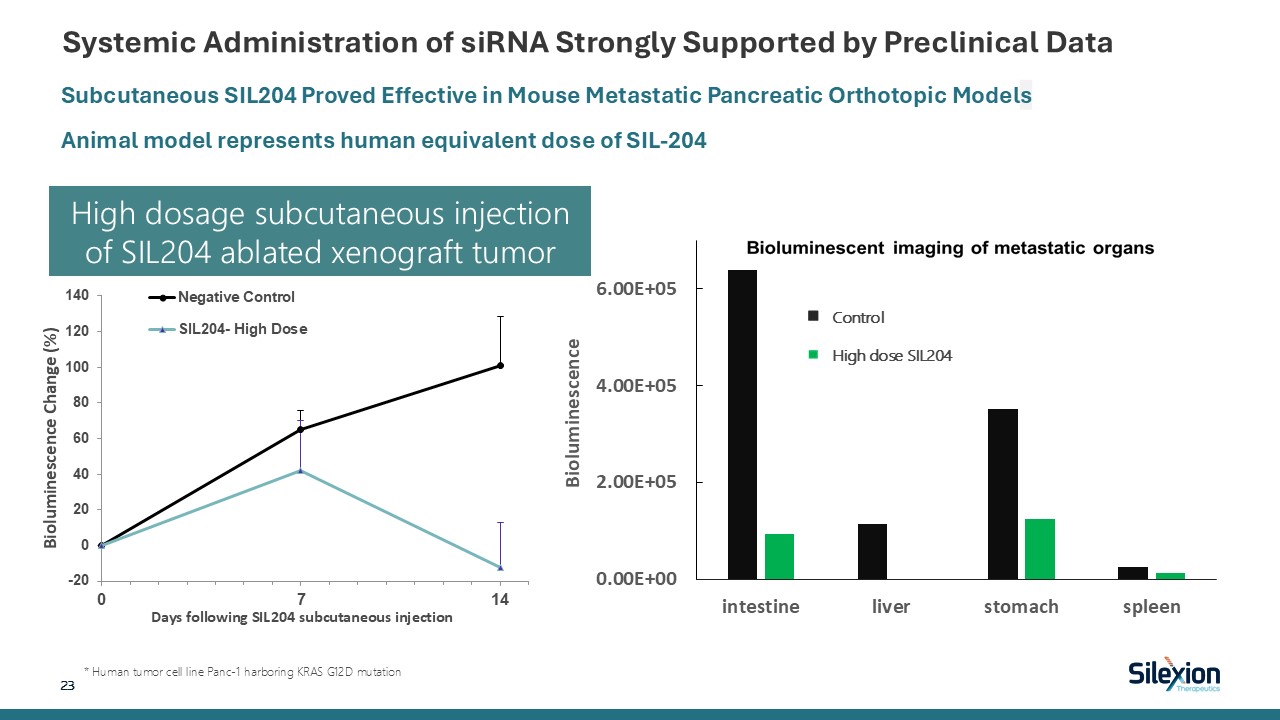
 Systemic Administration of siRNA Strongly Supported by Preclinical Data  23   Subcutaneous SIL204 Proved Effective in Mouse Metastatic Pancreatic Orthotopic Models   Animal model represents human equivalent dose of SIL-204  High dosage subcutaneous injection of SIL204 ablated xenograft tumor  * Human tumor cell line Panc-1 harboring KRAS G12D mutation  Control  High dose SIL204 
 

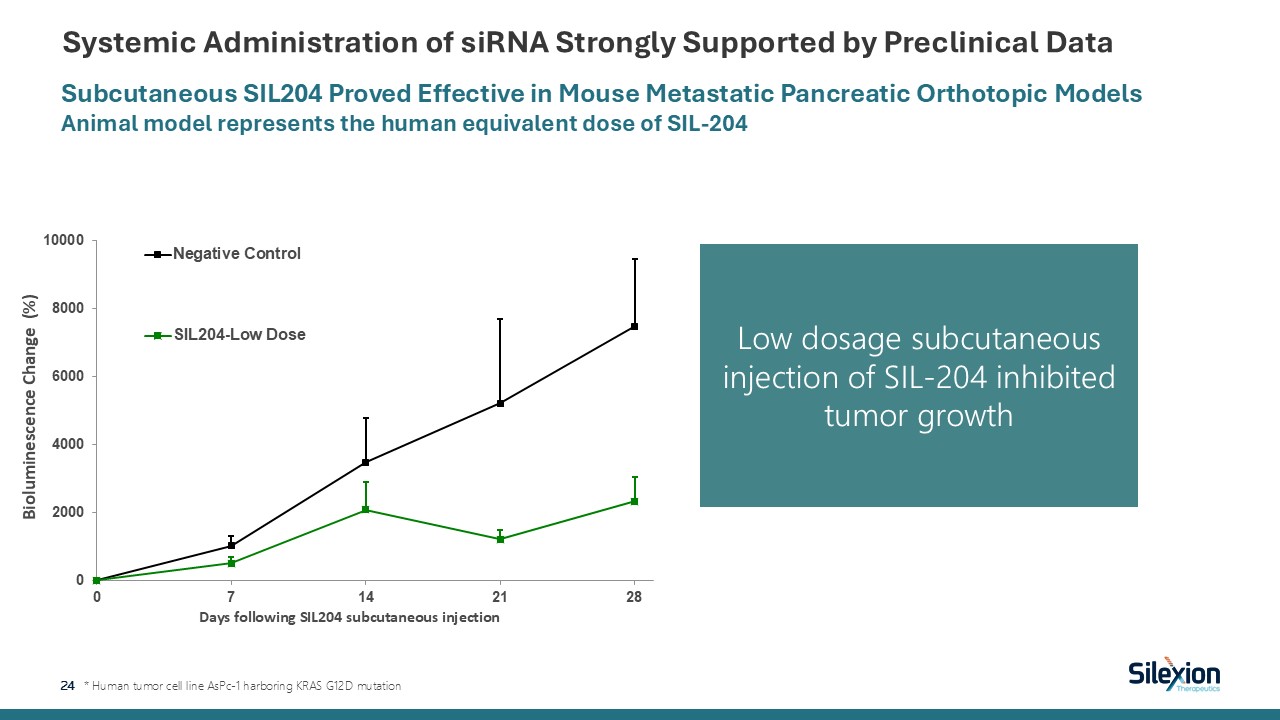
 Systemic Administration of siRNA Strongly Supported by Preclinical Data  24   Subcutaneous SIL204 Proved Effective in Mouse Metastatic Pancreatic Orthotopic ModelsAnimal model represents the human equivalent dose of SIL-204     Low dosage subcutaneous injection of SIL-204 inhibited tumor growth   * Human tumor cell line AsPc-1 harboring KRAS G12D mutation 
 

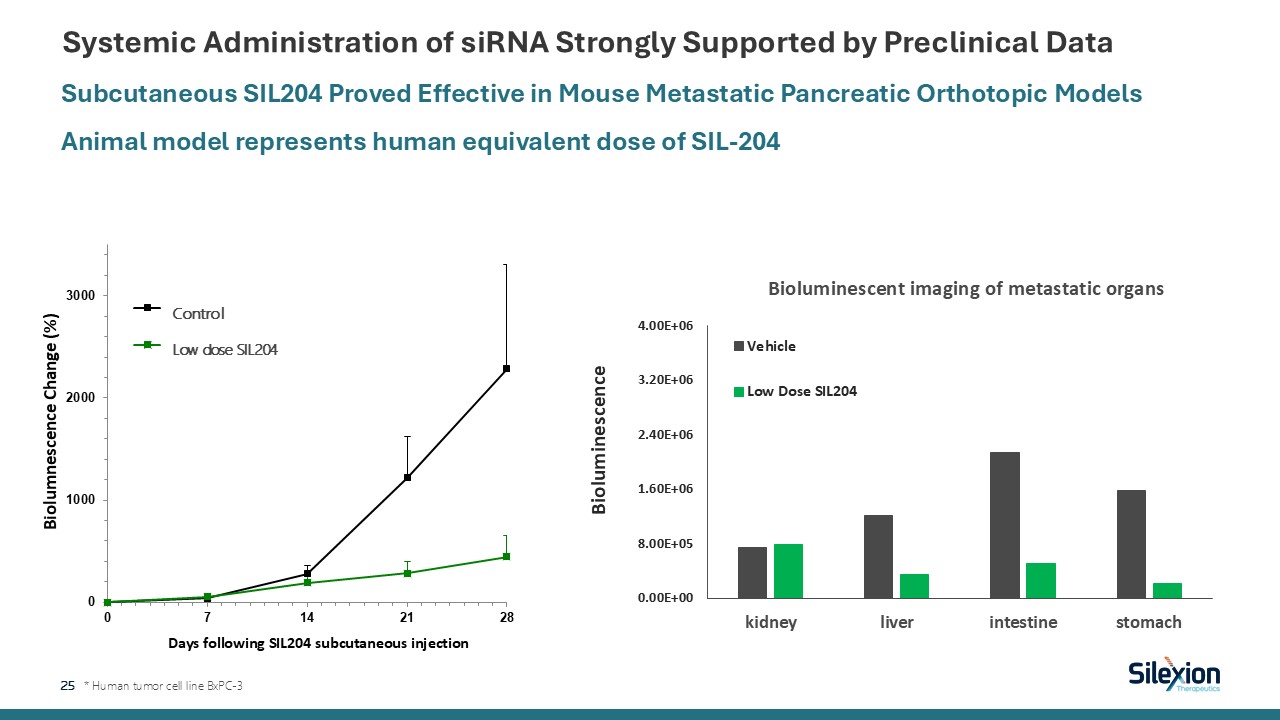
 Systemic Administration of siRNA Strongly Supported by Preclinical Data  25   Subcutaneous SIL204 Proved Effective in Mouse Metastatic Pancreatic Orthotopic Models  Animal model represents human equivalent dose of SIL-204  * Human tumor cell line BxPC-3  Control  Low dose SIL204 
 

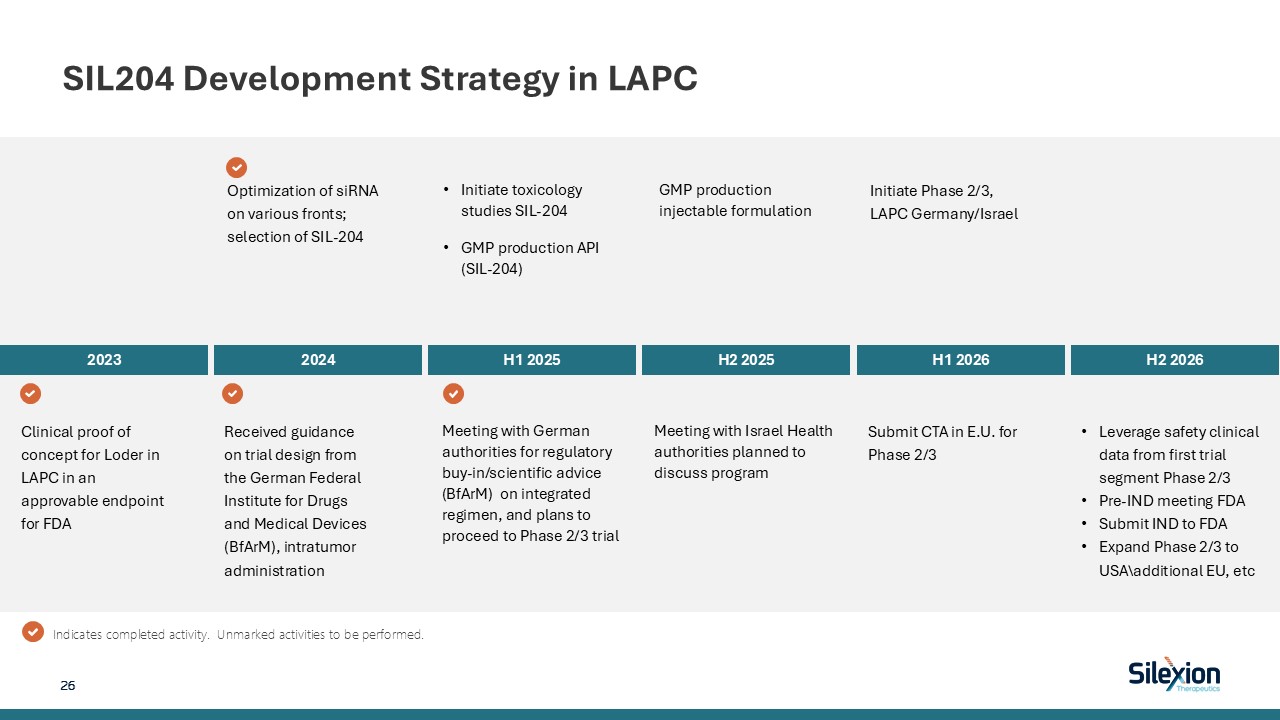
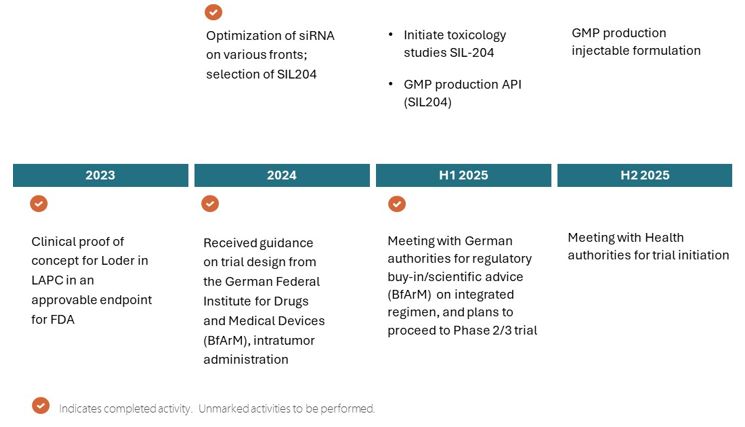
 SIL204 Development Strategy in LAPC   2023  2024  H1 2025  H2 2025  H1 2026  H2 2026  Clinical proof of concept for Loder in LAPC in an approvable endpoint for FDA  Optimization of siRNA on various fronts; selection of SIL-204  Received guidance on trial design from the German Federal Institute for Drugs and Medical Devices (BfArM), intratumor administration  Initiate toxicology studies SIL-204  GMP production API (SIL-204)  Submit CTA in E.U. for Phase 2/3  Initiate Phase 2/3, LAPC Germany/Israel  Leverage safety clinical data from first trial segment Phase 2/3   Pre-IND meeting FDA  Submit IND to FDA  Expand Phase 2/3 to USA\additional EU, etc   26   Indicates completed activity. Unmarked activities to be performed.  Meeting with German authorities for regulatory buy-in/scientific advice (BfArM) on integrated regimen, and plans to proceed to Phase 2/3 trial  GMP production injectable formulation  Meeting with Israel Health authorities planned to discuss program 
 

 Program  Indication   Setting  Discovery  Preclinical  Phase 1  Phase 2  Phase 3  Status/ Anticipated Milestone  LODER  siG12D + KRAS amplify with extended release PLGA delivery system  Locally advanced pancreatic cancer  Adjunct to chemotherapy  Phase 2 completed: observed 9.3 months improvement with LODER over SOC.  Continue development of SIL204.  SIL204 (Integrated treatment regimen)  KRAS G12D/V + KRAS amplify  Locally advanced pancreatic cancer  Adjunct to chemotherapy  Q1 2026: CTA submission in E.U. for Phase 2/31H 2026: Initiate Phase 2/3  Colorectal cancer  Adjunct to chemotherapy  H2 2025: Initiate preclinical  SIL204 adjunct to CPIs  KRAS-driven cancers   Adjunct to CPI+ chemotherapy   H2 2025: Initiate preclinical  Focused Pipeline to Address KRAS-driven Solid Tumor Localized Cancers  27   CTA=clinical trial application; SOC=standard of care.  Phase 2 Completed   Current Focus: Second generation SIL204  
 

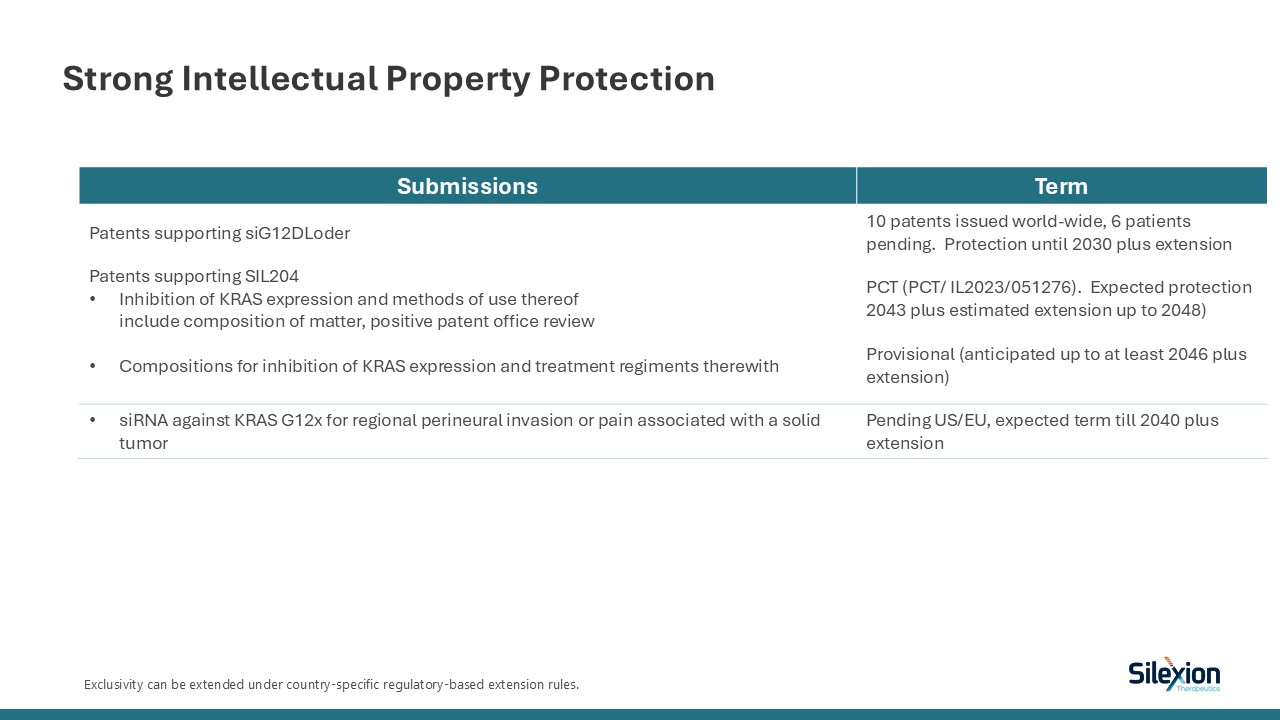
 Strong Intellectual Property Protection  Exclusivity can be extended under country-specific regulatory-based extension rules.  Submissions  Term  Patents supporting siG12DLoder  10 patents issued world-wide, 6 patients pending. Protection until 2030 plus extension  Patents supporting SIL204  Inhibition of KRAS expression and methods of use thereofinclude composition of matter, positive patent office review  Compositions for inhibition of KRAS expression and treatment regiments therewith  PCT (PCT/ IL2023/051276). Expected protection 2043 plus estimated extension up to 2048)  Provisional (anticipated up to at least 2046 plus extension)  siRNA against KRAS G12x for regional perineural invasion or pain associated with a solid tumor  Pending US/EU, expected term till 2040 plus extension 
 

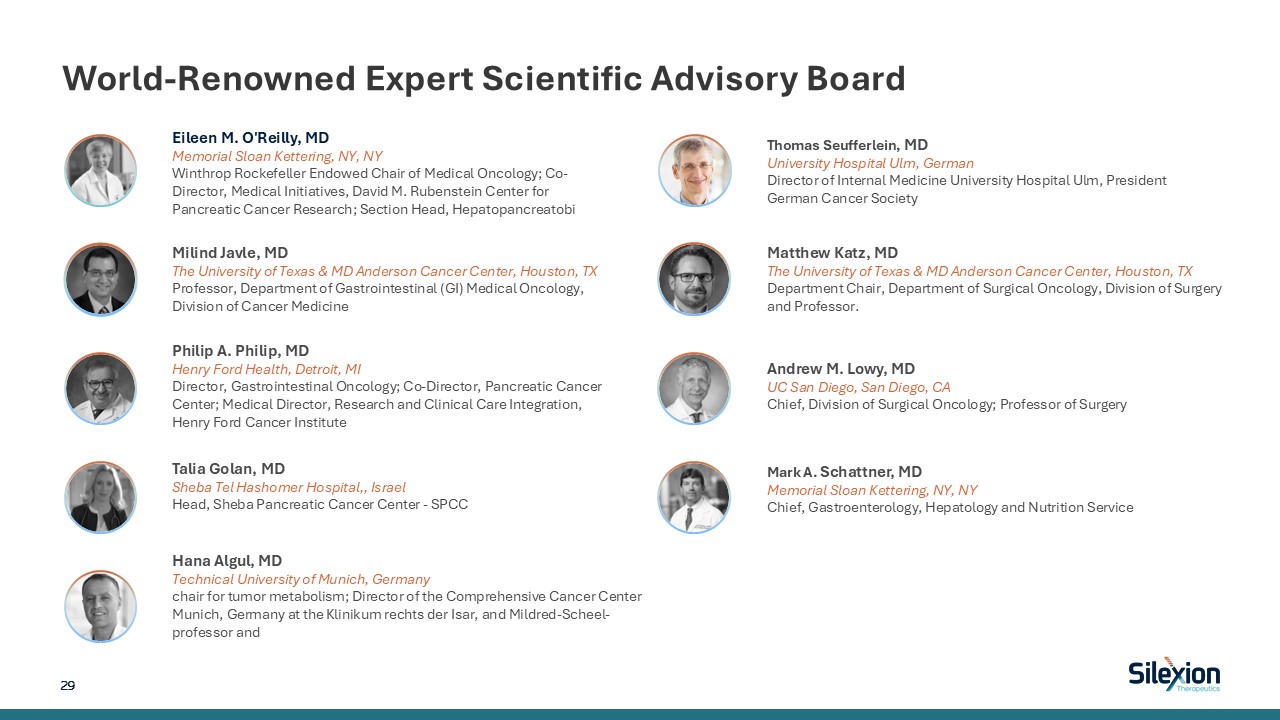
 World-Renowned Expert Scientific Advisory Board  Eileen M. O'Reilly, MD  Memorial Sloan Kettering, NY, NY  Winthrop Rockefeller Endowed Chair of Medical Oncology; Co-Director, Medical Initiatives, David M. Rubenstein Center for Pancreatic Cancer Research; Section Head, Hepatopancreatobi  Hana Algul, MD  Technical University of Munich, Germany  chair for tumor metabolism; Director of the Comprehensive Cancer Center Munich, Germany at the Klinikum rechts der Isar, and Mildred-Scheel-professor and   Milind Javle, MD  The University of Texas & MD Anderson Cancer Center, Houston, TX  Professor, Department of Gastrointestinal (GI) Medical Oncology, Division of Cancer Medicine  Philip A. Philip, MD   Henry Ford Health, Detroit, MI  Director, Gastrointestinal Oncology; Co-Director, Pancreatic Cancer Center; Medical Director, Research and Clinical Care Integration, Henry Ford Cancer Institute  Talia Golan, MD  Sheba Tel Hashomer Hospital,, Israel  Head, Sheba Pancreatic Cancer Center - SPCC  Matthew Katz, MD  The University of Texas & MD Anderson Cancer Center, Houston, TX  Department Chair, Department of Surgical Oncology, Division of Surgery and Professor.  Andrew M. Lowy, MD  UC San Diego, San Diego, CA  Chief, Division of Surgical Oncology; Professor of Surgery  Mark A. Schattner, MD  Memorial Sloan Kettering, NY, NY  Chief, Gastroenterology, Hepatology and Nutrition Service  29   Thomas Seufferlein, MD  University Hospital Ulm, German  Director of Internal Medicine University Hospital Ulm, President German Cancer Society 
 

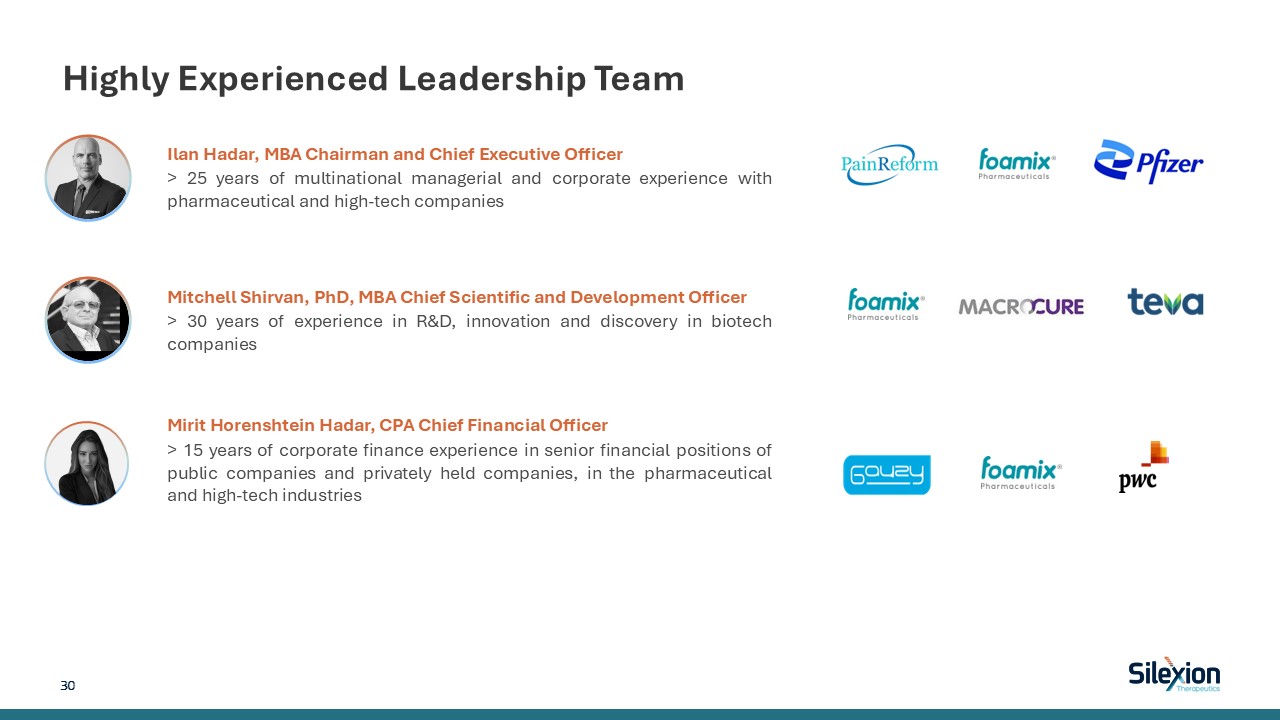
 Highly Experienced Leadership Team  Ilan Hadar, MBA Chairman and Chief Executive Officer  > 25 years of multinational managerial and corporate experience with pharmaceutical and high-tech companies  Mitchell Shirvan, PhD, MBA Chief Scientific and Development Officer  > 30 years of experience in R&D, innovation and discovery in biotech companies  Mirit Horenshtein Hadar, CPA Chief Financial Officer  > 15 years of corporate finance experience in senior financial positions of public companies and privately held companies, in the pharmaceutical and high-tech industries  30  
 

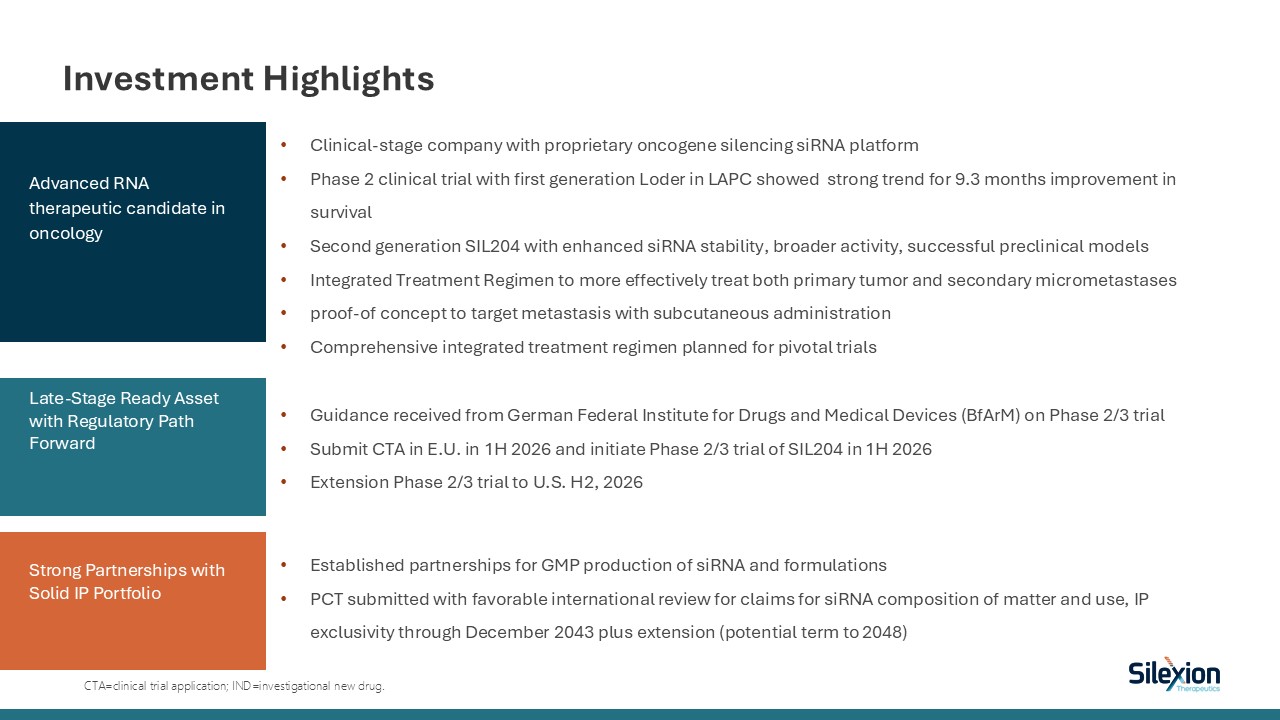
 Investment Highlights  CTA=clinical trial application; IND=investigational new drug.   Clinical-stage company with proprietary oncogene silencing siRNA platform  Phase 2 clinical trial with first generation Loder in LAPC showed strong trend for 9.3 months improvement in survival  Second generation SIL204 with enhanced siRNA stability, broader activity, successful preclinical models   Integrated Treatment Regimen to more effectively treat both primary tumor and secondary micrometastases  proof-of concept to target metastasis with subcutaneous administration  Comprehensive integrated treatment regimen planned for pivotal trials  Advanced RNA therapeutic candidate in oncology  Late-Stage Ready Asset with Regulatory Path Forward  Strong Partnerships with Solid IP Portfolio   Guidance received from German Federal Institute for Drugs and Medical Devices (BfArM) on Phase 2/3 trial  Submit CTA in E.U. in 1H 2026 and initiate Phase 2/3 trial of SIL204 in 1H 2026   Extension Phase 2/3 trial to U.S. H2, 2026  Established partnerships for GMP production of siRNA and formulations  PCT submitted with favorable international review for claims for siRNA composition of matter and use, IP exclusivity through December 2043 plus extension (potential term to 2048)  
 

 Thank You  Nasdaq: SLXN  Ilan Hadar   Chairman & Chief Executive Officer  email: ihadar@silexion.com  Dr. Mitchell Shirvan  Chief Scientific and Development Officer  email: mshirvan@silexion.com  Mirit Horenshtein Hadar, CPA  Chief Financial Officer  email: mirit@silexion.com 


EX-99.2 3 exhibit_99-2.htm EXHIBIT 99.2

Exhibit 99.2

Silexion Therapeutics Unveils Innovative Expanded Development Plan for SIL204
Based on Recent Groundbreaking Preclinical Data
 
Silexion’s new expanded dual-route strategy will integrate intratumoral and systemic administration to target
both primary tumors and metastases, supported by strong preclinical data from SIL204 and previous promising
clinical data from its first-generation product; Company shares its strategic roadmap for SIL204’s clinical
development including plans to initiate human trials in H1 2026
 
Grand Cayman, Cayman Islands, March 28, 2025 – Silexion Therapeutics Corp. (NASDAQ: SLXN) (“Silexion” or the “Company”), a clinical-stage biotechnology company pioneering RNA interference (RNAi) therapies for KRAS-driven cancers, today announced an expanded development plan for its next-generation siRNA candidate, SIL204. This strategy integrates systemic administration to target metastatic progression with intratumoral administration to focus on primary tumors, offering a comprehensive approach to treating KRAS-driven pancreatic cancer.

The decision to expand the development plan follows recently reported promising preclinical findings demonstrating that systemic administration of SIL204 significantly inhibits tumor growth in clinically relevant orthotopic models of pancreatic cancer. This dual-route approach is designed to address the aggressive nature of KRAS-driven cancers, which are characterized by high mortality and limited treatment options.

“Our expanded development plan reflects the strength of recent preclinical data and our commitment to addressing the complexities of KRAS-driven cancers,” said Ilan Hadar, Chairman and CEO of Silexion Therapeutics. “By combining localized and systemic delivery strategies, we aim to offer a more comprehensive solution to one of the most challenging cancers to treat. With our goal of initiating human trials in the H1 2026, we look forward to advancing this approach into clinical trials and delivering meaningful progress for patients in need.”

Based on the promising clinical and preclinical data and as part of the expanded development plan, Silexion has established a clear development pathway for SIL204. Building on the Phase 2 clinical results from its first-generation product (siG12DLoder) and the recent orthotopic model studies showing SIL204's ability to reduce metastases, the Company plans to conduct additional toxicology and pharmacodynamic studies throughout the remainder of 2025, followed by potential regulatory submissions to the Israel Ministry of Health in H2 2025 and to the European Union in H1 2026. These submissions would initiate the next stage of clinical development for SIL204 in patients with advanced localized KRAS-driven pancreatic cancer.


The expanded development plan is supported by compelling data from both Silexion's clinical and preclinical programs. The Company's first-generation product, siG12DLoder, demonstrated an overall survival benefit in Phase 2 clinical trials. Building on this foundation, recent preclinical studies with SIL204 showed that subcutaneous administration significantly reduces metastases to secondary organs in orthotopic models, where human pancreatic tumor cells are placed in their natural environment (the pancreas). Pharmacokinetic data in rats further validates this approach, showing sustained SIL204 levels in orthotopic models of pancreatic secondary tumors, for approximately two months following a single subcutaneous administration.

The Company will be presenting this expanded development plan alongside recently reported preclinical developments at the Cancer Advocacy Group of Louisiana (CAGLA) NeauxCancer 2025 Conference taking place today (March 28th, 2025), providing industry experts and stakeholders with an in-depth look at Silexion's innovative approach to KRAS-driven cancer therapies.

About Silexion Therapeutics
Silexion Therapeutics is a pioneering clinical-stage, oncology-focused biotechnology company developing innovative RNA interference (RNAi) therapies to treat solid tumors driven by KRAS mutations, the most common oncogenic driver in human cancers. The Company's first-generation product, LODER™, has shown promising results in a Phase 2 trial for non-resectable pancreatic cancer. Silexion is also advancing its next-generation siRNA candidate, SIL204, designed to target a broader range of KRAS mutations and showing significant potential in preclinical studies. The Company remains committed to pushing the boundaries of therapeutic innovation in oncology, with a focus on improving outcomes for patients with difficult-to-treat cancers. For more information please visit: https://silexion.com

Notice Regarding Forward-Looking Statements
This press release contains forward-looking statements within the meaning of the federal securities laws. All statements other than statements of historical fact contained in this communication, including statements regarding Silexion’s business strategy, ongoing studies and plans to initiate further studies and make regulatory submissions are forward-looking statements. These forward-looking statements are generally identified by terminology such as "may", "should", "could", "might", "plan", "possible", "project", "strive", "budget", "forecast", "expect", "intend", "will", "estimate", "anticipate", "believe", "predict", "potential" or "continue", or the negatives of these terms or variations of them or similar terminology. Forward-looking statements involve a number of risks, uncertainties, and assumptions, and actual results or events may differ materially from those projected or implied in those statements. Important factors that could cause such differences include, but are not limited to: (i) Silexion’s ability to successfully complete preclinical studies and initiate clinical trials; (ii) Silexion’s strategy, future operations, financial position, projected costs, prospects, and plans; (iii) the impact of the regulatory environment and compliance complexities; (iv) expectations regarding future partnerships or other relationships with third parties; (v) Silexion’s future capital requirements and sources and uses of cash, including its ability to obtain additional capital; and (vi) other risks and uncertainties set forth in the documents filed or to be filed with the SEC by the company, including the Annual Report on Form 10-K for the year ended December 31, 2024, filed with the SEC on March 18, 2025. Silexion cautions you against placing undue reliance on forward-looking statements, which reflect current beliefs and are based on information currently available as of the date a forward-looking statement is made. Forward-looking statements set forth herein speak only as of the date they are made. Silexion undertakes no obligation to revise forward-looking statements to reflect future events, changes in circumstances, or changes in beliefs, except as otherwise required by law.

Company Contact
Silexion Therapeutics Corp
Ms. Mirit Horenshtein Hadar, CFO
mirit@silexion.com

Capital Markets & IR Contact
Arx | Capital Markets Advisors
North American Equities Desk
silexion@arxadvisory.com